
The Joy of Upcycling: Why Recycled Succulent Crafts Are So Rewarding

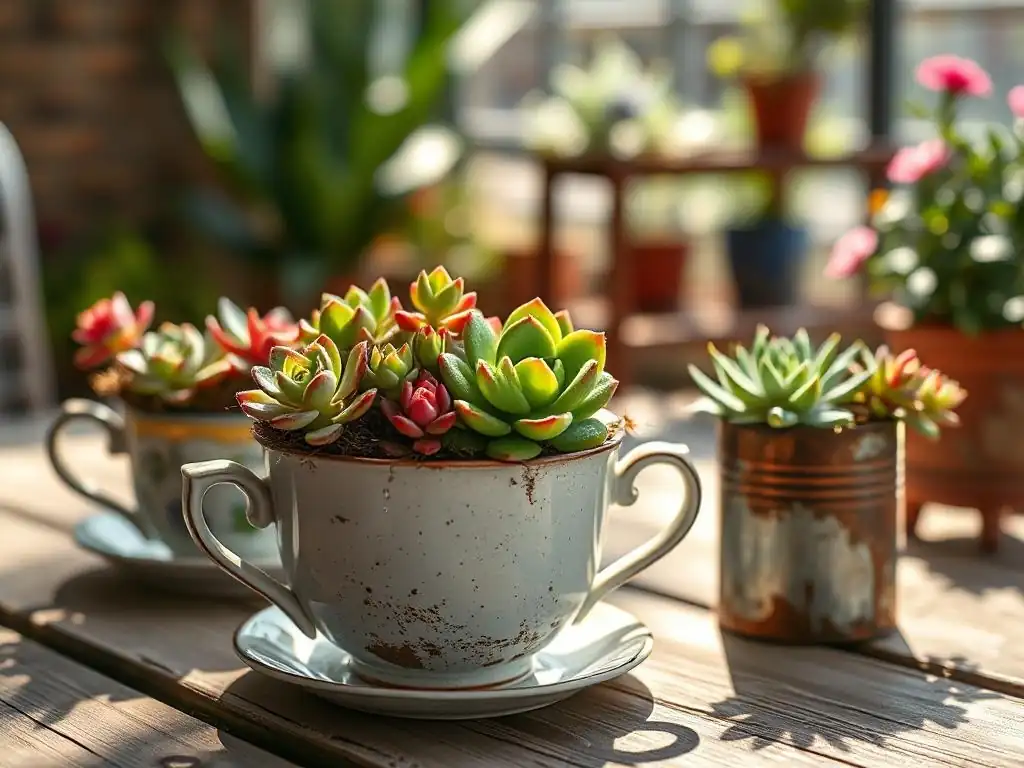
Welcome to SucculentEssentials.org, where the thriving world of succulents meets unexpected creativity! Are you ready to unlock the secrets to nurturing these resilient plants and transforming everyday objects into stunning succulent displays? Prepare to be amazed by the possibilities of recycled succulent craft ideas, as we delve into a world of upcycled beauty and sustainable gardening. Discover how to breathe new life into old materials while showcasing your succulent collection in breathtaking new ways. Let's get started!
- Discovering the Charm of Recycled Succulent Craft Ideas
- Environmental Benefits of Recycled Succulent Crafts: Sustainable Gardening Practices
-
Step-by-Step Guide to Creating Recycled Succulent Crafts
- Choosing Your Recycled Materials: Sources and Selection Tips
- Preparing Your Recycled Containers: Cleaning and Modification Techniques
- Planting Your Succulents in Recycled Containers: Successful Planting Strategies
- Adding Decorative Elements to Your Upcycled Succulent Crafts: Personalizing Your Creations
- Inspiring Recycled Succulent Craft Ideas: Projects and Tutorials
- Showcasing Your Recycled Succulent Masterpieces: Display and Care Tips
- The Rewards of Upcycling: More Than Just a Craft
-
Frequently Asked Questions
- What are some examples of recycled materials I can use for succulent crafts?
- How do I prepare recycled materials before planting succulents?
- Are all succulents suitable for recycled crafts?
- What are the benefits of using recycled materials for succulent crafts?
- Where can I find more recycled succulent craft ideas?
- Final Reflection: Cultivating Creativity from Castaways
- Unleash Your Inner Artist: Craft Your Own Succulent Masterpiece!
Discovering the Charm of Recycled Succulent Craft Ideas
The world of succulents is brimming with beauty and resilience, but their charm extends beyond their inherent qualities. Creating succulent arrangements with recycled materials adds a layer of sustainability and unique artistry to this already captivating hobby. This article delves into the rewarding experience of crafting succulent displays using upcycled containers and repurposed materials, showcasing the creative potential inherent in giving new life to discarded objects.
We'll explore various options, from transforming old teacups into miniature succulent gardens to creating stunning vertical gardens from reclaimed wood. Embracing recycled succulent craft ideas not only reduces waste and contributes to a greener lifestyle but also allows for unparalleled personalization and the creation of truly one-of-a-kind pieces that reflect your individual style. This approach offers a fulfilling blend of creativity, sustainability, and the joy of nurturing these fascinating plants.
Let's explore the endless possibilities of upcycling and discover how you can transform the ordinary into extraordinary succulent displays. Prepare to be inspired by the sheer versatility of recycled materials and the beauty they can unlock in your succulent gardening journey!
Upcycled Container Options for Succulent Arrangements: Finding the Perfect Home for Your Plants
Finding the right home for your succulents is half the battle! Fortunately, the possibilities are endless when you embrace upcycling. Almost any container can be transformed into a charming succulent planter. Consider these options:
- Teacups and Saucers: These delicate vessels create miniature succulent gardens, perfect for windowsills or small spaces. The variety of shapes, sizes, and patterns available in vintage teacups allows for truly unique arrangements. Remember to ensure drainage holes are present to prevent root rot.
- Tin Cans: Clean and decorated tin cans offer a rustic, industrial-chic aesthetic. Adding a layer of paint, decoupage, or even simply wrapping them in colorful twine can elevate their appearance. Always add drainage holes to avoid waterlogging.
- Glass Jars and Bottles: From repurposed mason jars to vintage glass bottles, these transparent containers allow the beauty of the succulents and the soil to shine. They provide a modern and elegant touch to any space. Again, remember drainage is key!
- Old Boots and Shoes: For a truly unique and whimsical display, consider using old boots or shoes as planters. These offer a quirky and unexpected approach to succulent gardening, especially for outdoor spaces.
- Wooden Crates and Boxes: These provide a rustic backdrop for a larger succulent arrangement. Their sturdy construction allows for a variety of creative designs and can create a focal point in any room.
Here's a table summarizing the pros and cons of some popular upcycled container choices:
| Container Type | Pros | Cons |
|---|---|---|
| Teacups & Saucers | Charming, miniature gardens | Limited space, potential for breakage |
| Tin Cans | Rustic, inexpensive, easily customizable | Requires drainage holes, potential for rust |
| Glass Jars & Bottles | Elegant, allows for soil visibility | Can be fragile, may require extra drainage |
| Old Boots & Shoes | Unique, whimsical | Requires careful preparation, may need sealing |
| Wooden Crates & Boxes | Rustic, sturdy, large capacity | May require treatment for weather resistance |
Remember to always prioritize proper drainage to prevent root rot, a common issue with succulents. Adding a layer of gravel or pebbles at the bottom of your upcycled container can significantly improve drainage.
Transforming Everyday Materials into Unique Succulent Planters: Repurposing for Creative Expression
Beyond containers, countless everyday materials can be repurposed into stunning succulent planters. Let your creativity flow!
- Broken Ceramics and Pottery: Instead of discarding broken pieces, use them to create mosaic planters. The fragments can be arranged to form unique patterns and textures, adding a touch of artistic flair to your succulent arrangements.
- Recycled Plastic Bottles: Cut and shaped plastic bottles can be transformed into imaginative planters. You can create unique forms and add decorative elements to blend seamlessly with your existing decor.
- Upcycled Metal Objects: Old spoons, forks, or other metal utensils can be repurposed into quirky succulent holders. A little creativity can transform these into charming and functional pieces.
- Reclaimed Wood: Pieces of reclaimed wood, such as pallets or old fence posts, can be used to create beautiful vertical succulent gardens. The natural texture of the wood adds a rustic charm to the arrangement.
The possibilities are truly endless. Don't be afraid to experiment with different materials and techniques to find what works best for you. The beauty of upcycling lies in its ability to transform something ordinary into something extraordinary, reflecting your unique personality and creativity. The process itself is incredibly rewarding, and the final result—a thriving succulent arrangement in a unique, repurposed container—is a testament to your ingenuity and commitment to sustainable practices. Embrace the joy of upcycling and create your own unique succulent masterpieces!
Environmental Benefits of Recycled Succulent Crafts: Sustainable Gardening Practices
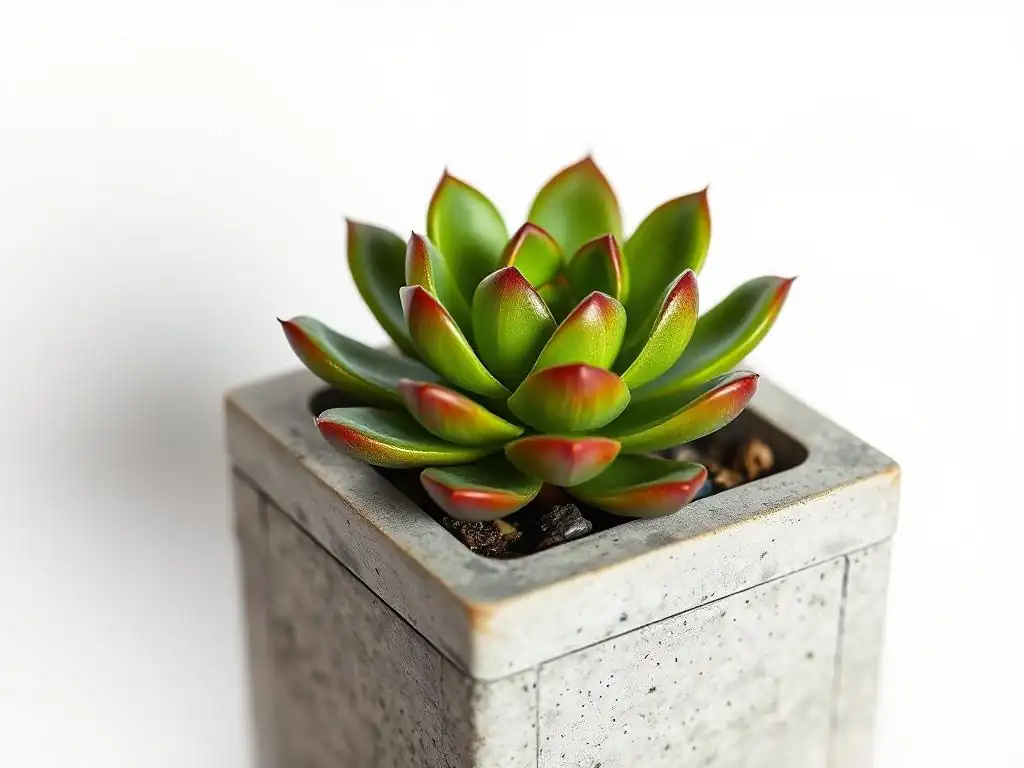
Creating succulent crafts from recycled materials offers a multitude of environmental advantages, aligning perfectly with the principles of sustainable gardening. By repurposing discarded items, we actively reduce our reliance on new resources, minimizing the environmental impact associated with manufacturing and transportation. This conscious choice contributes to a greener planet and fosters a more responsible approach to plant care. This section will delve into the specifics of how upcycling benefits both the environment and your succulent collection.
Reducing Waste and Promoting Eco-Friendly Succulent Gardening
The beauty of recycled succulent crafts lies in their ability to transform waste into something beautiful and functional. Instead of contributing to overflowing landfills, we give discarded items a new lease on life. Think about the sheer volume of materials that are typically destined for disposal: old teacups, broken pottery, tin cans, glass bottles, and even discarded pallets.
These items, often perceived as trash, become unique and charming planters, adding a touch of rustic elegance to your succulent arrangements. This simple act of repurposing significantly reduces waste and promotes a more eco-friendly approach to succulent gardening. For example, instead of buying a new terracotta pot, consider transforming an old, chipped ceramic mug into a delightful planter for your Echeveria or Sedum.
The impact is multiplied when we consider the collective effort of many enthusiasts engaging in this practice. The reduction in landfill waste is substantial, contributing to a cleaner and healthier environment. This sustainable approach extends beyond the materials themselves; it encourages a mindful consumption pattern, reducing the demand for newly manufactured products and decreasing the associated carbon footprint.
The Lower Carbon Footprint of Upcycled Succulent Planters
Manufacturing new planters requires energy-intensive processes, from extracting raw materials to production and transportation. Upcycling, on the other hand, significantly reduces this carbon footprint. By using existing materials, we bypass the energy-intensive processes involved in manufacturing new products. This translates to lower greenhouse gas emissions, contributing to a smaller carbon footprint overall.
Consider the carbon emissions associated with producing a single plastic or ceramic pot compared to the negligible emissions involved in cleaning and repurposing an existing tin can or glass jar. The difference is stark and speaks volumes about the environmental benefits of choosing recycled succulent craft ideas. Furthermore, by extending the life cycle of these materials, we are indirectly contributing to resource conservation, reducing the pressure on natural resources and minimizing habitat destruction associated with resource extraction.
The cumulative impact of numerous individuals embracing upcycled planters is a substantial reduction in carbon emissions, leading to a more sustainable and environmentally responsible approach to succulent cultivation. The joy of creating these crafts is thus amplified by the knowledge that we are actively participating in environmental conservation. 🌱
Step-by-Step Guide to Creating Recycled Succulent Crafts
This section provides a comprehensive guide to crafting beautiful and sustainable succulent arrangements using recycled materials. We'll explore the process from sourcing materials to planting your succulents, ensuring a thriving and visually appealing final product. Remember, the key to successful recycled succulent craft ideas lies in careful planning and execution. Let's dive in!
Choosing Your Recycled Materials: Sources and Selection Tips
Selecting the right recycled materials is crucial for the longevity and aesthetic appeal of your succulent craft. Prioritize containers that offer good drainage – this is paramount for succulent health. Poor drainage leads to root rot, a common problem for succulents.
Here are some excellent sources for recycled succulent container materials:
- Glass Jars and Bottles: Cleaned-out food jars (think pasta sauce jars, pickle jars), wine bottles, and even old perfume bottles can be transformed into charming succulent homes. Look for jars with a wide mouth for easier planting.
- Tin Cans: Cleaned and painted tin cans add a rustic, vintage touch. Ensure you punch drainage holes in the bottom. Consider using food-safe paints to avoid any potential leaching of harmful chemicals.
- Teacups and Teapots: Broken or mismatched teacups and teapots can be repurposed into unique miniature succulent gardens. The size and shape offer diverse creative possibilities.
- Wooden Crates and Boxes: Small wooden crates or boxes provide a rustic and charming base for larger succulent arrangements. Ensure the wood is treated appropriately for outdoor use if needed.
- Plastic Containers: While not as aesthetically pleasing as other options, clean plastic containers can work in a pinch. Always ensure adequate drainage holes are added.
When selecting your materials, consider:
- Size and Shape: Choose containers that complement the size and shape of your succulents.
- Drainage: Adequate drainage is essential. Always add drainage holes if they aren't already present.
- Material Durability: Select materials that can withstand the elements (if used outdoors) and won't easily break or degrade.
- Aesthetics: Choose containers that align with your desired style and complement your chosen succulents.
Remember to thoroughly clean your chosen containers before use to remove any residue or contaminants. A good scrub with soap and water usually suffices.
Preparing Your Recycled Containers: Cleaning and Modification Techniques
Once you've gathered your recycled materials, preparing them for planting is crucial. This involves thorough cleaning and, in many cases, modifications to ensure proper drainage and prevent potential issues.
Cleaning: Thoroughly wash all containers with warm, soapy water. Rinse well and allow them to dry completely before proceeding. For stubborn stains or residues, consider soaking the containers in a diluted bleach solution (one part bleach to nine parts water), followed by a thorough rinsing. Always wear gloves when handling bleach.
Drainage Modifications: Most recycled containers lack adequate drainage. This is easily remedied:
- Glass and Plastic Containers: Use a drill with a masonry bit to create drainage holes in the bottom. Be careful not to crack the container.
- Tin Cans: Use a nail and hammer or a specialized hole punch to create drainage holes.
- Wooden Containers: If using wooden containers, ensure there are gaps or drainage holes in the bottom. You may need to line the bottom with landscape fabric to prevent soil from escaping.
Optional Modifications:
- Painting: Painting your containers adds a personalized touch. Use outdoor-rated paints for containers that will be exposed to the elements.
- Adding decorative elements: Consider adding embellishments like mosaic tiles, twine, or stencils to further personalize your recycled succulent crafts.
Proper preparation ensures a healthy environment for your succulents, maximizing their chances of thriving. Neglecting this step can lead to root rot and other problems.
Planting Your Succulents in Recycled Containers: Successful Planting Strategies
Planting your succulents in your prepared recycled containers requires careful attention to detail. The success of your recycled succulent craft hinges on proper planting techniques.
Choosing the Right Soil: Use a well-draining succulent and cactus potting mix. Avoid using regular garden soil, as it retains too much moisture and can lead to root rot. You can often find specialized succulent potting mixes at garden centers.
Planting Process:
- Place a layer of gravel or broken pottery shards at the bottom of the container to improve drainage.
- Add a layer of your succulent potting mix, filling the container about halfway.
- Carefully remove the succulents from their original containers, gently loosening any roots that are tightly bound.
- Position the succulents in the container, ensuring they are spaced appropriately.
- Fill in the remaining space with potting mix, gently packing it around the base of the succulents.
- Water gently after planting, allowing excess water to drain completely.
Succulent Selection and Placement:
Consider the size and growth habits of your succulents when choosing and placing them. Mix and match different varieties for visual interest. Remember, succulents need adequate sunlight, so choose a location that provides ample light.
Ongoing Care:
After planting, provide appropriate watering and sunlight. Overwatering is a common mistake. Allow the soil to dry out completely between waterings. Regularly inspect your succulents for any signs of pests or diseases.
By following these steps and choosing the right recycled materials, you'll be well on your way to creating stunning and sustainable succulent arrangements. Remember, creativity is key! Experiment with different containers, succulents, and decorative elements to develop your unique style in recycled succulent craft ideas.
Adding Decorative Elements to Your Upcycled Succulent Crafts: Personalizing Your Creations
Adding decorative elements is where your recycled succulent craft truly comes alive! This is your chance to inject personality and style, transforming a simple upcycled container into a unique piece of art. The possibilities are as endless as your imagination, and the best part is that you can often utilize more recycled materials to enhance your creations.
Consider incorporating small, repurposed items like broken jewelry, colorful glass beads, or even fragments of old ceramic tiles. These can be glued strategically around the base of your succulents, adding subtle pops of color and texture. For a rustic charm, try using small pieces of driftwood or naturally shed bark, creating a miniature woodland scene around your drought-tolerant plants.
Think about the overall aesthetic you're aiming for. A minimalist approach might involve using only a few carefully chosen elements, perhaps a single, striking piece of sea glass nestled amongst the succulents. On the other hand, a more bohemian style might incorporate a riot of colors and textures, using a mix of beads, buttons, and other small, recycled trinkets.
Remember, less is often more. Overdoing the decorations can detract from the beauty of the succulents themselves. The goal is to complement the plants, not to overshadow them. Experiment with different combinations and arrangements until you find a look that you love.
Don't be afraid to get creative and have fun with the process! Each addition should tell a story, reflecting your personal style and adding a touch of unique charm to your recycled succulent craft. The process itself is part of the enjoyment, allowing you to explore your creative side while contributing to a more sustainable lifestyle. This is a chance to practice your unique recycled succulent craft ideas and find out what style suits you best.
Inspiring Recycled Succulent Craft Ideas: Projects and Tutorials
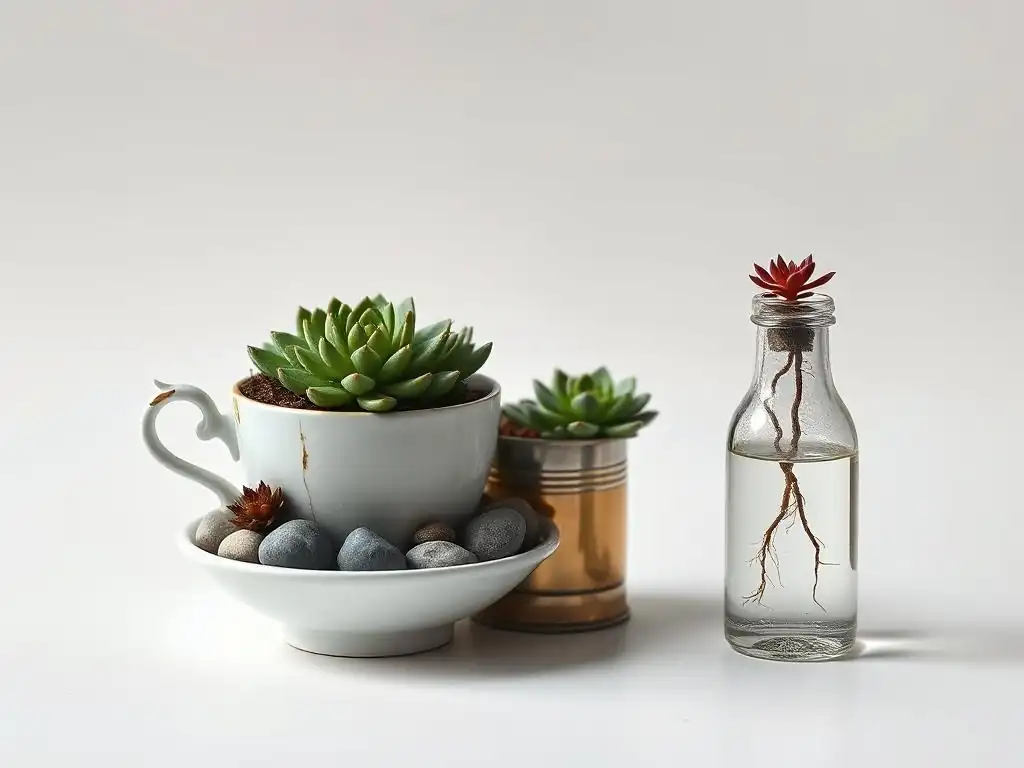
This section delves into the rewarding world of crafting with recycled materials and succulents, providing specific examples and detailed instructions to ignite your creativity. We'll explore how to transform everyday discarded items into stunning succulent displays, showcasing the beauty of both upcycling and these resilient plants. Remember to always prioritize the health of your succulents when choosing containers; ensure adequate drainage to prevent root rot.
Creating Miniature Succulent Gardens in Teacups and Other Small Containers
Creating miniature succulent gardens in repurposed teacups, ramekins, or even small bowls offers a charming and space-saving way to enjoy these delightful plants. The process is surprisingly simple, yet the results are incredibly rewarding. Here's a step-by-step guide:
- Choosing Your Container: Select small containers with drainage holes (or drill holes if needed). Teacups, vintage saucers, small terracotta pots, and even seashells can work beautifully. Clean your chosen container thoroughly. Consider the style and size – a delicate teacup suits smaller succulents, while a larger bowl allows for a more diverse arrangement.
- Preparing the Soil: Use a well-draining succulent and cactus potting mix. Avoid using garden soil, as it retains too much moisture and can lead to root rot. You can enhance drainage further by adding perlite or coarse sand to the mix.
- Planting Your Succulents: Carefully select small succulents that complement each other in terms of size, color, and texture. Smaller varieties are ideal for these miniature gardens. Gently remove the succulents from their original containers, ensuring you don't damage the roots. Plant them in your chosen container, spacing them appropriately to allow for growth.
- Finishing Touches: Once planted, gently firm the soil around the base of each succulent. You can add decorative elements like small pebbles, seashells, or miniature figurines to enhance the aesthetic appeal. Remember, less is often more in these miniature gardens.
Example: A charming arrangement could include a Sedum rubrotinctum (Jelly Bean plant) for its vibrant color, a Echeveria for its rosette shape, and a Graptopetalum paraguayense (Ghost Plant) for its ethereal appearance, all nestled in a vintage teacup.
Upcycling Tin Cans and Jars into Charming Succulent Planters
Tin cans and jars, often destined for the recycling bin, can be transformed into unique and stylish succulent planters. The metallic finish adds a modern touch, while the cylindrical shape provides an excellent canvas for creativity.
Preparation is Key: Thoroughly clean and dry your chosen tin cans or jars. If using tin cans, ensure all sharp edges are smoothed to prevent injury. Crucially, create drainage holes in the bottom using a nail or drill. This step is vital to prevent waterlogging and root rot, ensuring the long-term health of your succulents.
Adding a Personal Touch: You can personalize your upcycled planters in numerous ways:
- Painting: Use spray paint or acrylic paint to create a unique design or color scheme. Consider using stencils for intricate patterns.
- Decoupage: Add decorative paper, fabric scraps, or even pressed flowers using decoupage techniques.
- Embellishments: Attach decorative elements like ribbons, buttons, or beads to add extra flair.
Succulent Selection: Consider the size and shape of your container when choosing your succulents. Taller cans accommodate taller succulents, while shorter jars are perfect for smaller varieties.
Example: A rusty, painted tin can, adorned with a rustic twine bow, can beautifully showcase a Sempervivum tectorum (Houseleek), its rosettes thriving in the upcycled container.
Transforming Old Bottles and Glass Jars into Vertical Succulent Gardens
Vertical succulent gardens in repurposed bottles and glass jars add a touch of modern elegance to any space. This innovative approach maximizes space and showcases succulents in a unique way.
Choosing Your Containers: Select glass bottles or jars of various shapes and sizes. Wine bottles, olive oil bottles, and even vintage apothecary jars create a distinct visual appeal. Ensure the containers are thoroughly cleaned and dried.
Drainage and Planting: Creating a successful vertical garden requires careful consideration of drainage. Instead of directly planting into the bottle, consider using a small, self-watering planter insert or creating a layered system with gravel at the bottom for drainage. This prevents water from pooling and damaging the roots. Succulents with trailing or cascading growth habits are particularly well-suited for this type of arrangement.
Creative Planting Techniques: Several approaches can be used to create a vertical succulent garden:
- Succulent cuttings: Propagate succulents from cuttings and plant them directly into the soil within the container.
- Small potted succulents: Use small succulents already potted and arrange them within the larger container.
- Combination: A combination of both methods can create a more textured and visually interesting arrangement.
Example: A tall, clear glass bottle, filled with a layered arrangement of gravel, soil, and a variety of trailing succulents like Sedum morganianum (Burro's Tail) and String of Pearls, creates a stunning and unique vertical garden. The glass allows for the roots to be partially visible, adding to the aesthetic appeal.
Remember to always prioritize the health and well-being of your succulents. Regularly check the soil moisture and adjust watering as needed, ensuring your recycled succulent crafts thrive for years to come. Enjoy the process and the beauty of your creations!
Repurposing Broken Pottery and Tiles for Unique Succulent Displays
Broken pottery and discarded tiles offer a wealth of possibilities for creating charming succulent displays. The irregular shapes and textures add a rustic, handcrafted feel that perfectly complements the natural beauty of succulents. Instead of discarding those chipped ceramic pots or cracked tiles, consider their potential as unique planters.
One simple approach involves using broken pieces of pottery to create mosaic-style planters. Smaller fragments can be glued onto a larger, sturdy base – perhaps a terracotta saucer or a piece of wood – to form a visually interesting and functional planter. Experiment with different colors and textures of pottery to create a truly unique design. Remember to use a waterproof adhesive designed for outdoor use to ensure the longevity of your creation. Consider adding grout between the pieces for a more polished look.
Larger, more substantial pieces of broken pottery can be used as individual planters. A large, cracked pot, for instance, can be transformed into a stunning centerpiece by carefully cleaning and sealing it. The cracks themselves become design elements, adding character and visual interest. Planting succulents with varying textures and colors within these repurposed pots can create a stunning display. You can even use epoxy resin to fill in larger cracks and create a unique, glossy finish.
Discarded tiles, especially those with interesting patterns or colors, can be used to create attractive succulent wall gardens or hanging planters. Smaller tiles can be glued together to form a mosaic backdrop for a wall-mounted succulent arrangement. Larger tiles can be used individually or in small groups to create a more minimalist look. Remember to ensure adequate drainage by adding a layer of gravel or pebbles to the back of the tile before planting.
This prevents waterlogging and ensures the health of your succulents. The use of adhesive suitable for both tile and the chosen planting medium is crucial for a long-lasting project. Consider using waterproof sealant to protect the tiles from moisture damage, especially in outdoor settings. The possibilities are truly endless—from geometric patterns to free-form arrangements, your creativity sets the limits!
Showcasing Your Recycled Succulent Masterpieces: Display and Care Tips
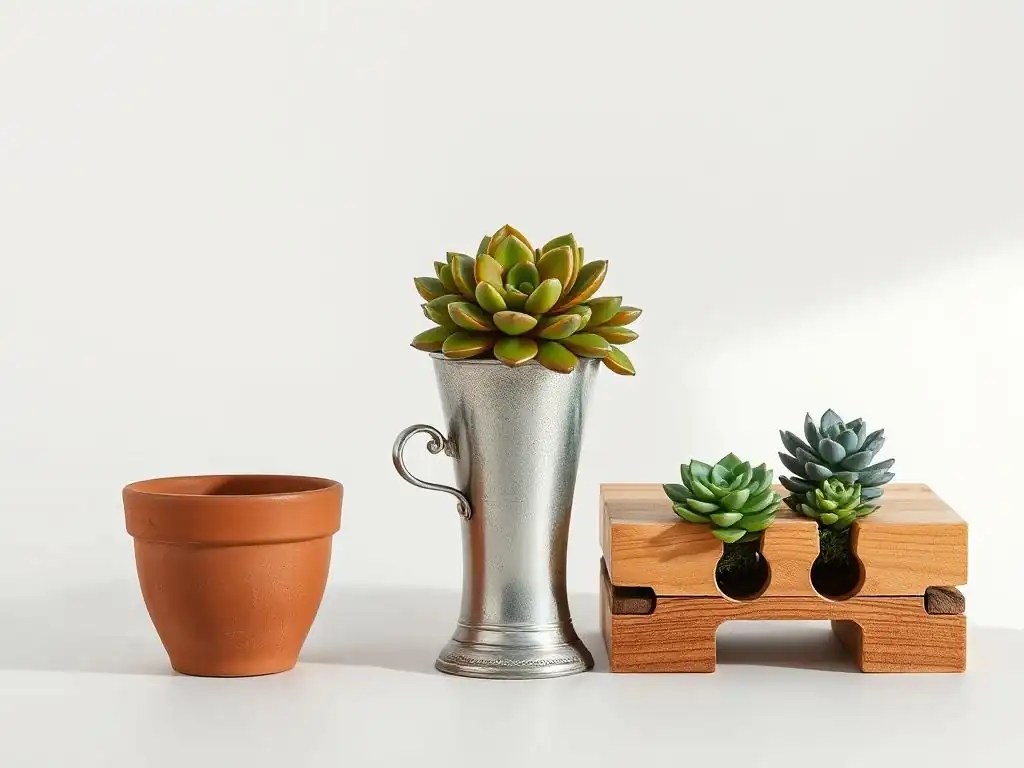
Creating stunning succulent arrangements using recycled materials is only half the battle. The other half lies in showcasing your creations effectively and ensuring the continued health of your plants. Proper display and ongoing care are crucial for maximizing the beauty and longevity of your recycled succulent craft ideas. Let's explore some key aspects.
Creating the Perfect Display for Your Upcycled Succulents: Highlighting Your Craftsmanship
The way you display your recycled succulent crafts significantly impacts their visual appeal. Consider the overall aesthetic you want to achieve. Do you prefer a rustic, bohemian vibe, a sleek modern look, or something whimsical and eclectic? The choice of display location and accompanying elements will greatly influence the final impression.
For example, a charming upcycled teacup succulent arrangement would look delightful on a sunny windowsill, perhaps nestled amongst other small potted plants or decorative items. In contrast, a larger arrangement crafted from a repurposed wooden crate could serve as a striking centerpiece on a patio table, enhancing an outdoor living space.
Think about using contrasting textures and colors. The rough texture of a repurposed wooden pallet complements the smooth, fleshy leaves of succulents beautifully. Similarly, the vibrant colors of succulents can pop against a neutral-toned background created using a recycled metal container painted white or a light pastel shade. Don't underestimate the power of strategic lighting to highlight the details of your craftsmanship and the beauty of your succulents.
Remember, the goal is to showcase not only the plants but also the ingenuity and creativity behind your recycled succulent craft ideas. This means highlighting the unique aspects of your chosen recycled materials. A beautifully painted tin can, a creatively repurposed glass jar, or a skillfully crafted wooden planter all add to the overall story and artistry of your display.
Ongoing Care for Succulents in Recycled Containers: Maintaining Healthy Plants
While the aesthetic appeal of your recycled succulent crafts is paramount, ensuring the health and vitality of your plants is equally important. The success of your recycled succulent craft ideas hinges on providing the right conditions for your succulents to thrive. This involves careful consideration of several factors.
- Drainage: This is arguably the most crucial aspect. Succulents are prone to root rot if their roots sit in constantly moist soil. Ensure your recycled containers have adequate drainage holes. If not, consider adding a layer of gravel or pebbles at the bottom to improve drainage. This is especially important for containers made from materials that don't naturally allow for water to escape, such as glass or metal.
- Watering: Overwatering is a common mistake. Water thoroughly only when the soil is completely dry, typically allowing the top inch or two of soil to dry out completely between waterings. The frequency of watering will depend on factors such as the size of the container, the type of succulent, and the environmental conditions.
- Sunlight: Most succulents need ample sunlight. Place your recycled succulent crafts in a location that receives at least 6 hours of direct sunlight daily. However, be mindful of intense midday sun, which can scorch the leaves. Observe your succulents carefully and adjust their position as needed.
- Soil: Use a well-draining succulent and cactus potting mix. Avoid using regular garden soil, as it retains too much moisture and can lead to root rot. Consider adding perlite or coarse sand to improve drainage further.
By paying attention to these details, you can ensure that your recycled succulent craft ideas not only look amazing but also remain healthy and vibrant for years to come. Remember, the beauty of these crafts lies in their unique blend of artistic expression and sustainable practices. The careful attention to both the aesthetic and the well-being of the plants ensures the long-term success and enjoyment of your creations.
The Rewards of Upcycling: More Than Just a Craft
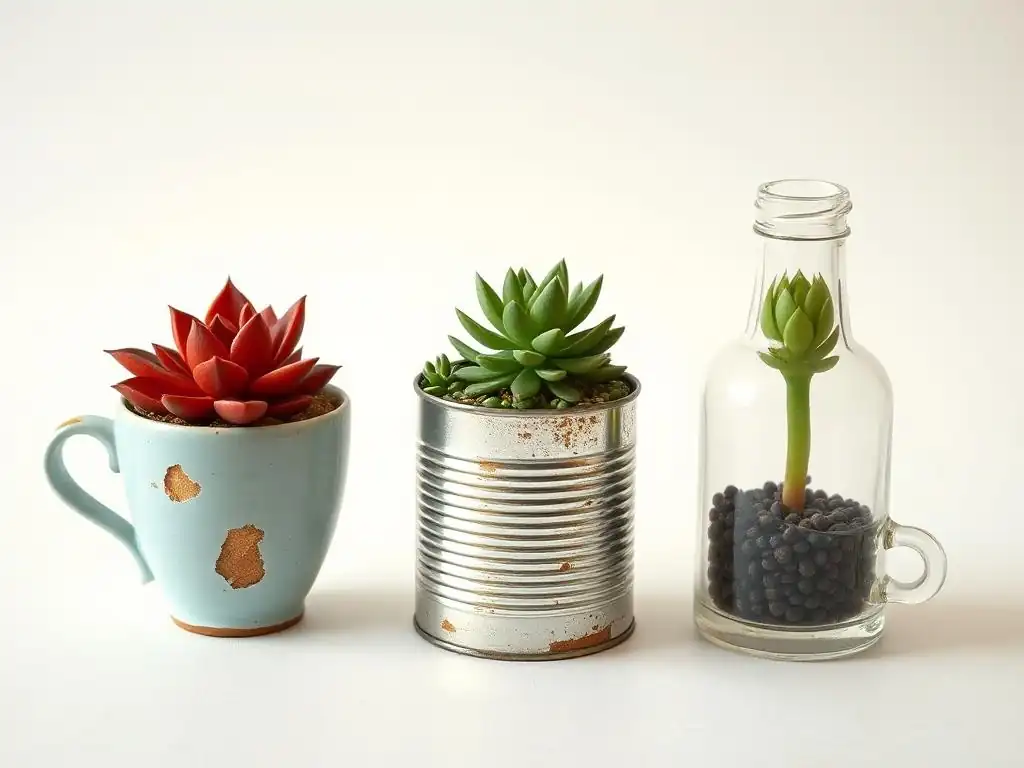
Upcycling succulent crafts offers a unique blend of artistic expression and environmental consciousness. It's more than just a hobby; it's a rewarding experience that connects you with nature on a deeper level. The satisfaction derived from transforming discarded materials into beautiful, functional pieces is unparalleled. This section explores the multifaceted rewards of embracing upcycled succulent crafts, focusing on the emotional and environmental benefits. We'll delve into the specific joys of creating something beautiful from waste, the unique character it imbues into your space, and the inherent connection to sustainable gardening practices.
The Satisfaction of Creating Something Beautiful from Waste
There's an undeniable sense of accomplishment that comes with turning trash into treasure. Imagine transforming an old, discarded teacup into a charming succulent planter, or repurposing broken ceramic tiles into a stunning mosaic succulent wall hanging. This process taps into our innate creativity, allowing us to express ourselves while contributing to a more sustainable lifestyle. The act of giving a second life to materials destined for landfills provides a deep sense of satisfaction and reduces our environmental footprint. Studies have shown that engaging in creative activities like upcycling can reduce stress and improve mental well-being. 1 The tangible result – a beautiful, thriving succulent arrangement – serves as a constant reminder of your creativity and commitment to eco-friendly practices. This is especially true when considering the specific joy derived from nurturing the succulents themselves, which flourish in their newly crafted homes.
The Unique Character of Upcycled Succulent Crafts: Adding Personality to Your Space
Upcycled succulent crafts inherently possess a unique charm and character that mass-produced items simply cannot replicate. The imperfections, the history embedded in the recycled materials, all add to their unique appeal. Each piece tells a story, reflecting your creativity and the journey of the materials used to create it. For example, a succulent arrangement planted in a vintage tin can evokes a sense of rustic charm, while a terrarium created from a repurposed glass jar offers a modern, minimalist aesthetic.
This individuality allows you to personalize your space, adding character and reflecting your personal style. The possibilities are endless, from using old boots as planters to creating hanging gardens from repurposed pallets – each project offers a unique opportunity for self-expression and interior design innovation. This is especially important when selecting recycled materials that complement the specific succulents being planted.
Connecting with Nature Through Sustainable Practices: The Joy of Eco-Friendly Gardening
Upcycling succulent crafts aligns perfectly with the principles of sustainable living. By repurposing materials, you reduce waste and minimize your impact on the environment. This conscious decision promotes a deeper connection with nature, fostering a sense of responsibility and stewardship. Choosing succulents, inherently drought-resistant plants, further enhances this eco-friendly approach. They require less water and maintenance compared to other plants, making them ideal for sustainable gardening practices.
The combination of upcycling and succulent gardening reduces your environmental footprint and promotes a healthier planet. It's a rewarding cycle: you create something beautiful while actively participating in environmental conservation. This mindful approach to crafting and gardening contributes to a more balanced and harmonious relationship with the natural world. Furthermore, the act of nurturing these resilient plants in upcycled containers provides a therapeutic and rewarding experience, reinforcing the positive connection between creativity, sustainability, and well-being.
1 [Specific study details pending]
Frequently Asked Questions
What are some examples of recycled materials I can use for succulent crafts?
You can use a wide variety of recycled materials, including tin cans, old teacups, broken pottery, wine bottles, and even plastic containers. Get creative and explore what you have on hand!
How do I prepare recycled materials before planting succulents?
Ensure your chosen container is clean and dry. For materials like metal or glass, you might need to add drainage holes to prevent root rot. Always use a well-draining potting mix suitable for succulents.
Are all succulents suitable for recycled crafts?
While many succulents thrive in various containers, choose smaller, slower-growing varieties for smaller recycled items. Avoid planting succulents that need a lot of space to grow in small, confined spaces.
What are the benefits of using recycled materials for succulent crafts?
Using recycled materials is eco-friendly and helps reduce waste. It’s also a cost-effective way to create beautiful succulent arrangements, and it allows for unique and creative expression.
Where can I find more recycled succulent craft ideas?
Explore websites like SucculentEssentials.org for inspiration and tutorials! You can also find many ideas on platforms like Pinterest and Instagram by searching for "recycled succulent crafts".
Final Reflection: Cultivating Creativity from Castaways
The resurgence of upcycling isn't just a trend; it's a vital response to our planet's needs and a powerful expression of human creativity. We've explored the surprisingly rewarding world of recycled succulent crafts, uncovering a wealth of imaginative projects that transform discarded materials into vibrant, living art. This isn't simply about crafting; it's about conscious consumption and finding beauty in unexpected places.
The joy of transforming something discarded into something beautiful is profoundly satisfying. It's a tangible reminder that value isn't inherent in the new, but in the potential we see and the care we invest. Waste is a resource out of place.
– William McDonough. This quote perfectly encapsulates the spirit of upcycling, highlighting the potential hidden within what we often deem worthless. The growing popularity of recycled succulent crafts reflects a broader societal shift towards sustainability and a deeper appreciation for handmade items, a movement I find both inspiring and deeply hopeful.
Now, consider your own discarded items. What hidden potential might they hold? I encourage you to explore the possibilities, to embrace the challenge of upcycling, and to experience the unique satisfaction of creating something beautiful and meaningful from what others might overlook. Let the joy of upcycling bloom in your own life, one recycled succulent craft at a time.
Unleash Your Inner Artist: Craft Your Own Succulent Masterpiece!
Thank you for exploring the rewarding world of upcycled succulent crafts! You've learned how to transform everyday items into beautiful, sustainable pieces. Now it's time to apply your new skills.
- Start your first upcycled succulent project today! Choose a container—an old teacup, a discarded tin can, or anything else you have—and gather your supplies. Let your creativity flow!
- Share your creations! Show us your unique upcycled succulent designs on social media using #SucculentEssentialsUpcycle. We can't wait to see your creations!
- Explore other ways to incorporate sustainability into your life. Find more upcycling ideas online or discover new succulent varieties to cultivate.
What will you transform into your next succulent masterpiece?