
The Art of Negative Space: Using Empty Space in Succulent Art

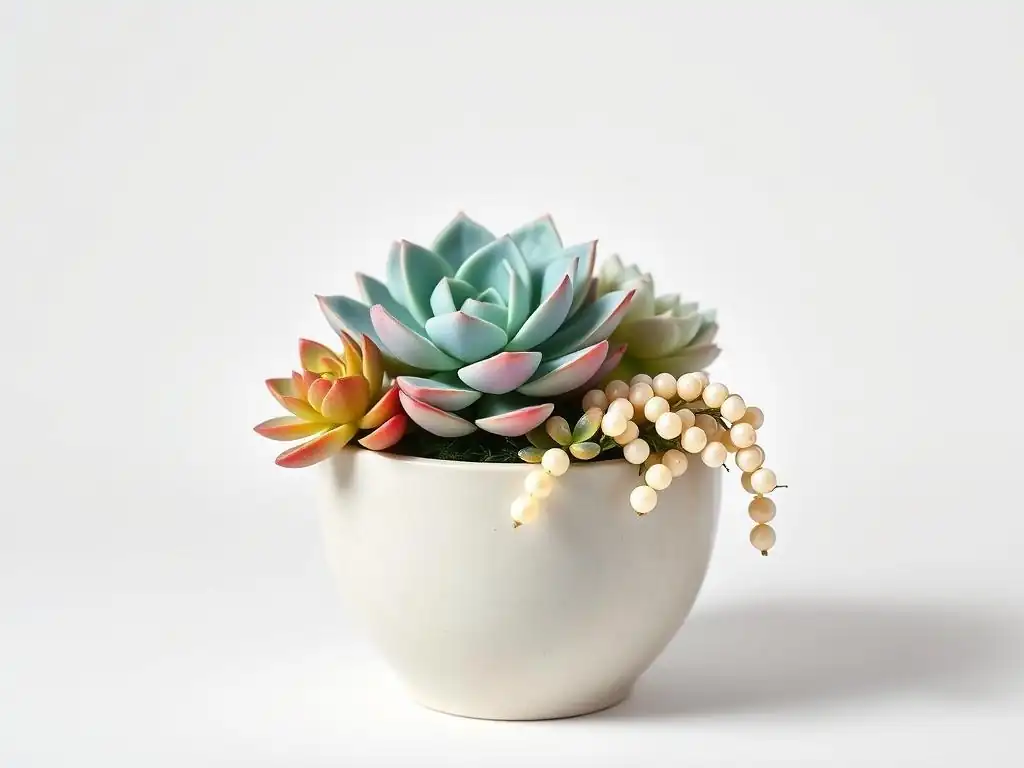
Welcome to SucculentEssentials.org, where the thriving world of succulents unfolds before you! Are you ready to unlock the secrets of creating truly stunning succulent arrangements? We delve into the captivating art of negative space, revealing how strategically placed emptiness elevates your succulent designs from ordinary to extraordinary. Discover how mastering " Succulent arrangement negative space" can transform your creations into breathtaking masterpieces. Explore our expert guides and unleash your inner artist – let's get growing!
- Understanding Negative Space in Succulent Arrangements
- Techniques for Mastering Negative Space in Succulent Art
- Exploring Different Styles of Succulent Arrangements with Negative Space
- Advanced Techniques: Adding Depth and Dimension with Negative Space
- Examples of Succulent Arrangements with Effective Negative Space
- Tips for Beginners: Mastering Negative Space in Your Succulent Arrangements
- Conclusion: The Beauty of Empty Space in Succulent Art
-
Frequently Asked Questions
- What is negative space in succulent arrangements?
- Why is negative space important in succulent arrangements?
- How much negative space should I use in my succulent arrangement?
- What are some ways to create interesting negative space in my succulent arrangements?
- Can I use negative space effectively in small succulent arrangements?
- Final Reflection: The Enduring Power of Empty Space in Succulent Art
- Unleash Your Inner Succulent Artist: Design with Negative Space
Understanding Negative Space in Succulent Arrangements
Creating stunning succulent arrangements isn't just about cramming as many plants as possible into a container. In fact, mastering the art of succulent arrangement often lies in what you don't include: the strategic use of negative space.
This article delves into the crucial role of negative space in succulent art, exploring how its thoughtful incorporation elevates a simple arrangement into a captivating visual masterpiece. We'll guide you through understanding negative space, balancing it with your succulents, and ultimately using it as a powerful design element to create truly unique and eye-catching pieces.
This technique is essential for any succulent enthusiast looking to elevate their arrangements from basic plantings to sophisticated works of art, and is a key component of creating compelling mixed-media succulent art. Learning to utilize negative space effectively will transform your succulent arrangement game, allowing you to create pieces that are both aesthetically pleasing and showcase the beauty of the succulents themselves.
Defining Negative Space and its Role in Visual Appeal
Negative space, also known as white space, is the area around and between the subjects of an artwork—in this case, your succulents. It's not empty; rather, it's an active component of the design, contributing significantly to the overall visual impact. Think of it as the "breathing room" within your arrangement. Too little negative space can make your arrangement feel cluttered and overwhelming, while too much can make it feel sparse and unfinished. The key is finding the perfect balance.
Consider the following: a tightly packed arrangement might showcase the variety of your succulents, but it lacks the visual breathing room that allows each individual plant to shine. Conversely, an arrangement with excessive negative space might highlight the container beautifully, but the succulents could appear lost and insignificant. The skillful use of negative space helps to:
- Highlight the succulents: By strategically placing succulents within the empty space, you draw the viewer's eye to their unique shapes, colors, and textures.
- Create visual hierarchy: Negative space can guide the viewer's gaze, emphasizing certain succulents or elements within the arrangement.
- Improve overall composition: A well-balanced arrangement utilizes negative space to create a sense of harmony and visual interest.
- Enhance the perceived value: A carefully considered arrangement that uses negative space effectively often appears more sophisticated and refined.
Successfully integrating negative space is a fundamental skill in creating beautiful and impactful succulent arrangements, and a key component of mixed media succulent art.
The Importance of Balance: Negative Space and Succulent Placement
The relationship between negative space and succulent placement is paramount. An imbalanced arrangement, regardless of the number of succulents, will always feel less appealing. Achieving balance involves considering several factors:
- Visual weight: Some succulents are visually heavier than others due to their size, color, or texture. Larger, darker succulents will command more visual attention than smaller, lighter ones. Distribute these visual weights carefully within the arrangement, using negative space to counteract any imbalance.
- Shape and form: The shapes of your succulents and the container itself interact with the negative space. Consider how the shapes complement or contrast each other, and use negative space to create pleasing visual relationships. Experiment with different shapes and sizes to see what works best for your vision.
- Symmetry vs. asymmetry: Symmetrical arrangements feel formal and balanced, while asymmetrical arrangements can be more dynamic and visually interesting. Both can incorporate negative space effectively, but the approach will differ.
For instance, a symmetrical arrangement might use equal amounts of negative space on either side of a central point, while an asymmetrical arrangement might use negative space to create visual tension and movement. Experiment with both to discover your preferred style.
Negative Space as a Design Element: Creating Visual Interest
Negative space isn't just about emptiness; it's a design element in itself. It can be used to:
- Create visual pathways: Leading lines formed by the negative space can guide the viewer's eye through the arrangement, creating a sense of movement and flow.
- Establish focal points: Strategic use of negative space can isolate certain succulents, making them the focal point of the arrangement.
- Add texture and depth: The empty space itself contributes to the overall texture and depth of the arrangement. The contrast between the filled and empty spaces adds visual richness.
- Create a sense of airiness or openness: Larger areas of negative space can create a feeling of lightness and spaciousness, while smaller areas can make the arrangement feel more intimate.
Remember, the goal isn't to simply fill the space, but to design the space. By intentionally incorporating negative space, you can transform your succulent arrangements from simple collections of plants into carefully considered works of art that showcase both the beauty of the succulents and the artistry of the designer. This mindful approach is key to creating truly unique and memorable mixed media succulent art.
Techniques for Mastering Negative Space in Succulent Art
This section delves into the practical techniques for effectively utilizing negative space in your succulent arrangements, transforming them from simple plantings into captivating works of art. Mastering negative space isn't about lack of succulents, but rather about the strategic use of empty space to enhance the overall composition and highlight the beauty of your chosen plants.
This approach elevates your succulent arrangement from a collection of plants to a carefully considered artistic statement. We'll explore how strategic placement, container choice, and varying succulent sizes all contribute to creating stunning displays that showcase both the plants and the artful use of empty space.
Strategic Placement of Succulents: Maximizing Impact with Empty Space
Strategic placement is paramount when working with negative space in succulent arrangements. Think of empty space not as void, but as an active element shaping the overall design. Avoid overcrowding; instead, create visual breathing room. Consider the "rule of thirds" – a photographic composition technique where placing key elements off-center creates a more dynamic and engaging image. Apply this to your succulent arrangements by positioning your focal succulents strategically, allowing the negative space to draw the eye towards them.
For example, a single, large Echeveria nestled in a corner of a shallow dish, surrounded by ample empty space, creates a far more striking visual than if it were surrounded by a dense cluster of smaller succulents. The negative space allows the Echeveria's texture and color to truly shine. Similarly, a taller succulent placed slightly off-center in a taller container can draw the eye upward, creating a sense of height and elegance.
Here's a simple table illustrating the impact of strategic placement:
| Arrangement Style | Description | Impact on Negative Space | Visual Effect |
|---|---|---|---|
| Clustered | Succulents densely packed together | Minimal negative space | Can appear cluttered and overwhelming |
| Scattered | Succulents spaced evenly apart | Moderate negative space | More balanced and airy |
| Focal Point | One or two main succulents emphasized with surrounding space | Maximum negative space | Dramatic and highlights individual plants |
Remember, the goal is balance. Too much empty space can feel empty, while too little can feel overwhelming. Experiment with different placements until you achieve a visually pleasing arrangement that celebrates both the succulents and the empty space around them.
Utilizing Containers and Pots Effectively: Highlighting Negative Space
The choice of container significantly impacts the perception of negative space in your succulent arrangement. A large, shallow dish will emphasize negative space more dramatically than a small, tightly packed pot. Consider the shape and size of the container in relation to the size and number of succulents. A minimalist, modern pot will complement a sparse arrangement, showcasing the empty space as a deliberate design choice. Conversely, an ornate, intricately detailed pot might work better with a fuller arrangement, where the negative space is more subtly incorporated.
Think about the color and texture of the container as well. A neutral-colored pot will allow the succulents to stand out, while a brightly colored pot might compete for attention, reducing the impact of the negative space. For instance, a stark white ceramic bowl perfectly complements a minimalist arrangement of a few carefully chosen succulents, highlighting the negative space and making the plants the undeniable focal point. This contrasts sharply with a rustic terracotta pot, which might require a fuller arrangement to balance its visual weight.
Varying Succulent Sizes and Shapes: Creating Dynamic Negative Space
Incorporating succulents of varying sizes and shapes is crucial for creating dynamic negative space. The interplay of different forms and scales within the arrangement adds visual interest and depth. Larger succulents can act as anchors, while smaller succulents can fill in gaps and create texture. This interplay of sizes prevents monotony and enhances the perception of depth, even within a relatively flat arrangement.
For example, a large, rosette-shaped Echeveria can serve as the central focus, surrounded by smaller Sedums and Sempervivums. The contrast in size and shape creates visual interest and accentuates the negative space around the larger succulent. Similarly, using succulents with different textures—smooth, fuzzy, or spiky—adds another layer of complexity and visual appeal, further enhancing the overall impact of the negative space.
The interplay of these elements creates a visually rich composition, where even the empty spaces contribute to the aesthetic appeal of the succulent arrangement. Experiment with different combinations to discover what works best for your artistic vision. Don't be afraid to try unusual pairings; the results can be surprisingly effective!
Exploring Different Styles of Succulent Arrangements with Negative Space
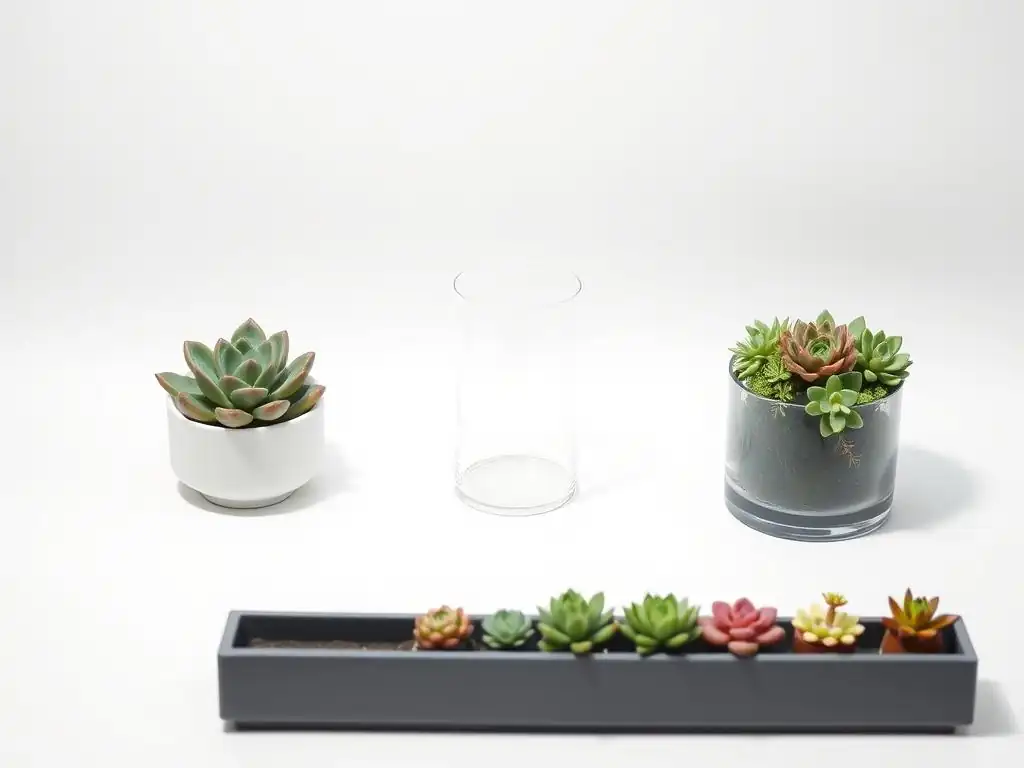
This section delves into the strategic use of negative space in various succulent arrangement styles. Mastering negative space isn't just about leaving areas blank; it's a design principle that enhances the overall aesthetic appeal and emphasizes the beauty of the succulents themselves. By understanding how to strategically incorporate empty space, you can elevate your succulent arrangements from simple displays to sophisticated works of art.
The key lies in balancing the filled and empty areas to create visual harmony and impact. This approach applies across various design styles, each offering unique opportunities to showcase the inherent beauty of succulents and the power of "Succulent arrangement negative space".
Minimalist Succulent Arrangements: The Power of Empty Space
Minimalist succulent arrangements champion simplicity and clean lines. The focus is on showcasing the inherent beauty of a few carefully selected succulents against a backdrop of significant negative space. This style prioritizes quality over quantity. Instead of overcrowding the arrangement, a minimalist approach might feature one or two striking succulents, strategically placed to maximize their visual impact. The containers are typically simple and understated, often in neutral colors like white, gray, or beige, further emphasizing the succulents' natural forms and colors.
Consider, for instance, a single echeveria nestled in a small, white ceramic bowl. The stark contrast between the succulent's vibrant color and the clean lines of the bowl creates a visually arresting arrangement. The abundant negative space surrounding the plant allows the eye to fully appreciate its intricate details and texture. The success of this style hinges on careful selection of both the succulent and the container, ensuring they complement each other perfectly. This approach is perfect for showcasing unique specimens or varieties with striking features.
Modern Succulent Arrangements: Clean Lines and Strategic Negative Space
Modern succulent arrangements often incorporate geometric shapes and clean lines, utilizing negative space to create a sense of balance and visual interest. This style might involve arranging succulents in precise patterns within a geometric container, leaving strategically placed empty spaces to enhance the overall design. Containers for modern arrangements often feature sleek, minimalist designs, such as rectangular planters or cube-shaped terrariums. The color palette tends to be neutral or monochromatic, with the succulents providing pops of color and texture.
For example, a rectangular planter might feature three different types of succulents arranged in a staggered pattern, leaving empty spaces between them. The negative space helps to define the individual succulents and allows their unique forms to stand out. This arrangement could be further enhanced by using a contrasting color for the planter, such as a dark gray or black container against a light-colored background. The strategic use of negative space creates a sense of order and sophistication, emphasizing the clean lines and geometric precision of the arrangement. Careful consideration of scale and proportion is crucial in this style.
Rustic Succulent Arrangements: Embracing Negative Space in Natural Settings
Rustic succulent arrangements evoke a sense of natural beauty and tranquility. This style often incorporates natural materials, such as wood, stone, or weathered metal, and uses negative space to enhance the organic feel of the arrangement. Succulents are often planted in repurposed containers or integrated into existing landscapes, allowing the plants to blend seamlessly with their surroundings. The use of negative space here is less about precise geometry and more about creating a sense of flow and natural harmony.
Imagine a collection of succulents planted in a weathered wooden trough, nestled amongst pebbles and small stones. The negative space between the plants allows for the natural texture of the wood and the stones to show through, creating a visually pleasing and organic arrangement. The use of natural materials and the incorporation of negative space create a calm and inviting atmosphere, bringing the beauty of the outdoors in.
This style is ideal for creating a relaxed and unpretentious display, highlighting the natural resilience of succulents. The key here is to let the natural elements of the arrangement speak for themselves.
Advanced Techniques: Adding Depth and Dimension with Negative Space
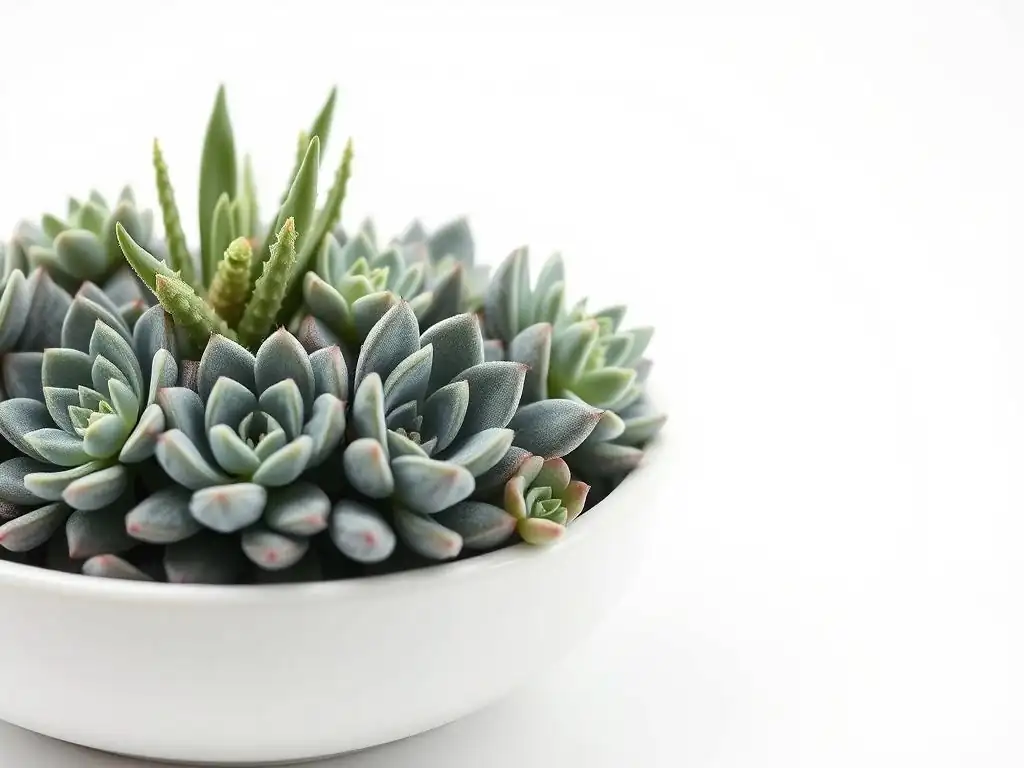
This section delves into sophisticated methods for leveraging negative space in your succulent arrangements, moving beyond basic composition to create truly captivating displays. Mastering these techniques transforms your arrangements from simple groupings into dynamic works of art. We'll explore how strategic use of empty space, combined with careful selection of succulents and complementary materials, significantly enhances the visual impact of your creations. Effective utilization of negative space in succulent arrangements is key to achieving professional-looking results.
Layering Succulents and Textures: Creating Visual Depth with Negative Space
Layering succulents of varying heights, colors, and textures is crucial for creating visual depth within the negative space. Imagine a composition featuring a low-growing sedum carpet in the foreground, punctuated by taller echeverias reaching towards the center. The empty space between these layers isn't simply void; it's a carefully orchestrated element that draws the eye and enhances the perception of depth. Consider the following:
- Height Variation: Start with a base layer of smaller, trailing succulents. Then, introduce mid-sized succulents, strategically placing them to create visual pathways through the arrangement. Finally, incorporate taller succulents as focal points, using them to anchor the design and guide the viewer's eye.
- Textural Contrast: Combine succulents with contrasting textures – smooth, waxy leaves alongside rough, textured rosettes. This interplay enhances the visual interest and prevents the arrangement from feeling monotonous. The negative space allows these textural differences to stand out, highlighting the unique characteristics of each succulent.
- Color Harmony: While contrasting textures are important, remember color harmony. Use negative space to separate visually busy clusters of color, allowing each section to "breathe" and avoid an overwhelming effect. A strategic placement of empty space can create a pleasing balance and enhance the overall aesthetic appeal.
For example, a piece might feature a cluster of deep purple succulents nestled amongst a collection of pale green and silvery varieties. The negative space between these color groups allows each hue to shine and prevents a muddled appearance.
Incorporating Other Elements: Stones, Wood, and More
Expanding beyond succulents alone unlocks even greater potential for manipulating negative space. Incorporating natural elements such as stones, driftwood, or even small pieces of pottery can dramatically enhance the visual appeal and add another layer of depth. Consider these points:
- Strategic Placement: Don't randomly scatter these elements. Place them thoughtfully to accentuate the negative space and create visual anchors. A large, smooth stone might serve as a dramatic backdrop for a cluster of smaller succulents, while a piece of weathered driftwood could create a dynamic line across the arrangement.
- Scale and Proportion: The size and shape of the additional elements should complement the succulents. Overly large items can overwhelm the arrangement, while too-small items might get lost. Maintaining a balance between the succulents and the added elements is key to effective use of negative space.
- Textural Harmony: Ensure the textures of the additional elements complement the succulents. A rough stone might pair well with a textured succulent, while a smooth, polished stone might highlight the smooth leaves of another. The interplay between textures, further enhanced by the negative space, creates a visually rich composition.
Using Light and Shadow to Enhance Negative Space
Light and shadow are powerful tools in artistic composition, and their impact is magnified when working with negative space in succulent arrangements. The strategic use of light can dramatically alter the perception of depth and dimension.
- Backlighting: Backlighting the arrangement can create a stunning effect, highlighting the silhouettes of the succulents and emphasizing the negative space between them. This technique adds a dramatic flair and creates a sense of ethereal beauty.
- Directional Lighting: Using directional lighting to cast shadows can add depth and texture to the arrangement. The shadows can create visual interest and further accentuate the negative space, drawing the viewer's eye to specific elements.
- Natural Light: Take advantage of natural light sources. Observe how the light interacts with your arrangement throughout the day and adjust its position to maximize the impact of the light and shadows. This can dramatically affect the overall mood and feeling of the finished piece. The subtle shifts in light and shadow across the negative space will add a dynamic quality to your succulent arrangement.
By carefully considering these advanced techniques, you can elevate your succulent arrangements from simple displays to sophisticated works of art. Remember, the empty space isn't just empty; it's an integral part of the design, adding depth, dimension, and visual interest to your creations. Mastering the art of negative space in succulent arrangement is a journey of exploration and refinement, ultimately leading to stunning and unique results.
Examples of Succulent Arrangements with Effective Negative Space
This section explores the practical application of negative space in succulent arrangements, showcasing diverse design styles and highlighting the impact of strategic emptiness on the overall aesthetic. Mastering negative space isn't about lack of succulents, but about using empty space intentionally to enhance the beauty and visual impact of your chosen plants. The key is balance; too much empty space can feel sparse, while too little can appear cluttered and overwhelming.
The examples below illustrate how different design approaches leverage negative space for stunning results. We'll examine minimalist, modern, and rustic styles, each demonstrating a unique relationship between the succulents and the void surrounding them. Remember, the goal is to create a harmonious composition where both the plants and the empty space contribute equally to the overall effect, creating a visually appealing and balanced succulent arrangement.
Showcase of Minimalist Designs with Strategic Negative Space
Minimalist succulent arrangements emphasize simplicity and clean lines. Negative space plays a crucial role in achieving this aesthetic. Think of a single, perfectly formed Echeveria nestled in a small, shallow bowl, surrounded by ample empty space. The focus is entirely on the plant's form and texture.
The stark contrast between the plant and the empty space accentuates its beauty. Consider also arrangements featuring only two or three succulents, strategically placed to create a sense of balance and calm. The careful placement of these succulents within a larger container, leaving significant negative space, allows each plant to breathe and stand out. Color contrast also plays a key role.
A deep-green succulent against a light-colored background, for instance, can create a striking visual effect, further enhanced by the surrounding empty space. This approach isn't about overcrowding; it's about thoughtful selection and placement, showcasing the inherent beauty of the individual succulents and the elegance of simplicity. The use of monochromatic color palettes further enhances the minimalist aesthetic.
Showcase of Modern Designs Utilizing Negative Space
Modern succulent arrangements often incorporate geometric shapes and clean lines, and negative space is a powerful tool in achieving this style. Consider using containers with sharp angles and sleek designs. The empty space within these containers provides a striking contrast to the organic forms of the succulents. A rectangular planter, for instance, might feature a single row of succulents along one edge, leaving the majority of the space empty.
This creates a sense of order and sophistication, characteristic of modern design. Another modern approach involves using contrasting textures. The smooth surface of a ceramic container, for example, can beautifully complement the rough texture of certain succulents, and the negative space further emphasizes this textural interplay.
The inclusion of geometrically shaped pebbles or rocks within the arrangement can also enhance the modern aesthetic, while still allowing for ample negative space. Experiment with different heights and arrangements to create visual interest, ensuring the empty space is not just empty, but contributes to the overall design. The careful use of negative space in modern succulent arrangements offers a sense of sophistication and contemporary flair.
Showcase of Rustic Designs Highlighting Negative Space
Rustic succulent arrangements evoke a sense of natural, unrefined beauty. Negative space here contributes to the overall feeling of casual elegance. Think weathered wooden containers, perhaps with slightly uneven edges, filled with succulents of varying sizes and textures. The empty space between the plants allows the natural beauty of the wood and the succulents to shine through.
Natural elements, such as driftwood, stones, and moss, can be incorporated to enhance the rustic feel. These elements can be strategically placed to create visual interest within the negative space, preventing it from feeling too empty. The use of earthy tones and a variety of succulent textures contributes to the overall rustic aesthetic. The uneven arrangement of succulents, rather than a precisely planned layout, reflects the natural, organic nature of the style.
Unlike the structured modern approach, this style embraces a more free-flowing arrangement. The negative space allows for a sense of tranquility and natural beauty, reminiscent of a wild, untamed landscape. The key here is to let the natural beauty of both the succulents and the surrounding space speak for itself. The "imperfections" and the negative space become integral parts of the overall charm.
Tips for Beginners: Mastering Negative Space in Your Succulent Arrangements
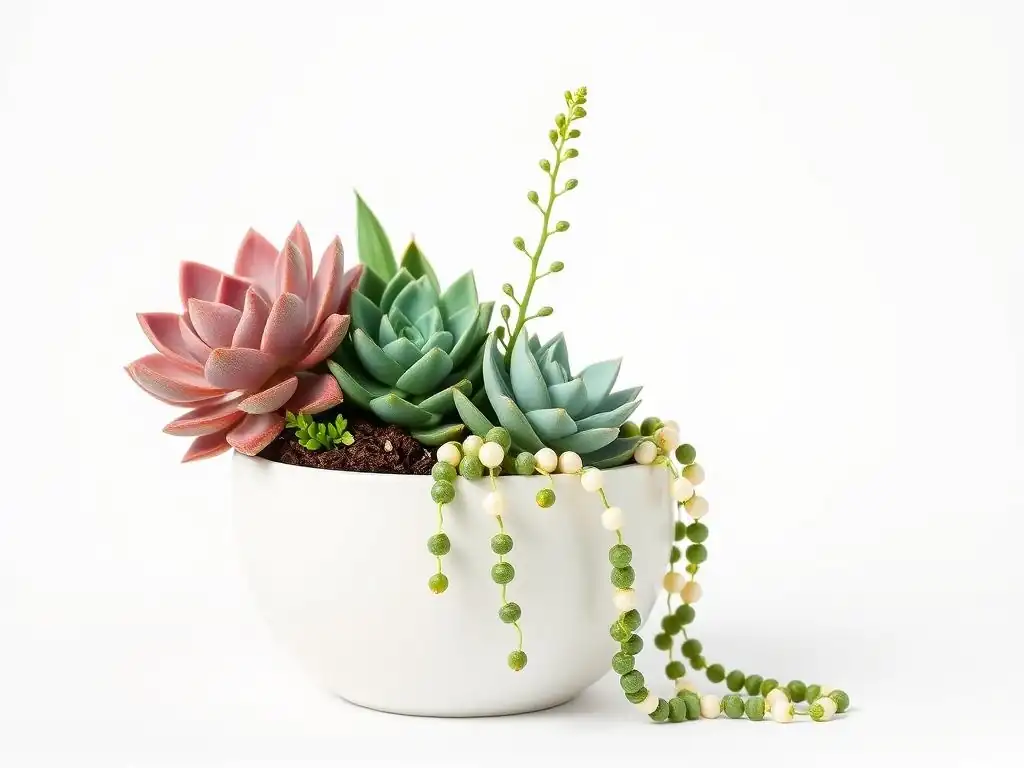
This section focuses on mastering the art of negative space in succulent arrangements, a crucial element in creating visually stunning and balanced compositions. Understanding how to effectively utilize empty space elevates your succulent art from a simple collection of plants to a thoughtful and artistic expression. We’ll explore practical techniques to help you confidently incorporate negative space into your next succulent project.
The key is to think of the empty space not as void, but as an active participant in the overall design. It’s about achieving a harmonious balance between the succulents and the space around them—a balance that enhances the beauty of both. This is especially important for achieving a truly effective "succulent arrangement negative space" design.
Starting Small: Simple Arrangements to Practice Negative Space
Beginners often feel overwhelmed by the concept of negative space. The best way to build confidence is to start with small, manageable arrangements. Instead of attempting a large, complex design immediately, focus on creating miniature compositions using just a few succulents. A small bowl or dish can serve as a perfect canvas for a simple arrangement.
Try using only two or three different types of succulents with varying textures and colors to enhance visual interest. Leave generous amounts of space between the plants. Observe the effect of different spacing configurations—a little more space here, a little less there—to understand how it impacts the overall aesthetic.
This iterative approach allows for experimentation and helps develop an intuitive sense of balance and proportion. Remember, the goal isn't to fill every inch of the container; it’s to create a visually pleasing arrangement where the negative space complements the succulents. For example, a single, striking Echeveria nestled in a small, shallow bowl with ample empty space around it can be far more impactful than a crowded arrangement.
Choosing the Right Container: Enhancing the Effect of Negative Space
The container you choose significantly impacts how negative space is perceived in your succulent arrangement. A large, shallow bowl will emphasize the negative space more dramatically than a small, deep pot. Consider the shape and size of your container in relation to the size and number of succulents you plan to use.
A long, rectangular planter might be ideal for a linear arrangement, utilizing the length to create a sense of flow and movement, with empty spaces strategically placed to guide the eye. Conversely, a round container might be better suited for a more clustered, circular arrangement, where the negative space acts as a visual buffer between the succulents. Experiment with different container materials as well.
A rustic terracotta pot can create a different feel than a sleek, modern ceramic container. The contrast between the container and the succulents can further enhance the impact of the negative space. The container is not merely a vessel; it's an integral part of the overall design.
Experimenting with Different Succulents: Finding the Right Balance
The selection of succulents plays a crucial role in effectively using negative space. Consider the size, shape, color, and texture of each succulent. A mix of succulents with varied characteristics can create a more dynamic and interesting arrangement. However, it's important to avoid overcrowding.
Choose succulents that complement each other and leave sufficient space between them. For instance, pairing a tall, upright succulent with a low-growing, spreading one can create a visually appealing contrast and utilize the negative space effectively. Too many succulents of similar size and shape can lead to a cluttered and visually unappealing arrangement. Remember, the empty space is just as important as the plants themselves.
Think about the overall composition—consider the interplay between the succulents and the negative space to create a harmonious and balanced arrangement. Experiment with different combinations of succulents and observe how the negative space changes the overall aesthetic. This trial-and-error approach will help you develop a keen eye for balance and proportion in your succulent arrangements. This is a crucial step in mastering "succulent arrangement negative space".
Conclusion: The Beauty of Empty Space in Succulent Art
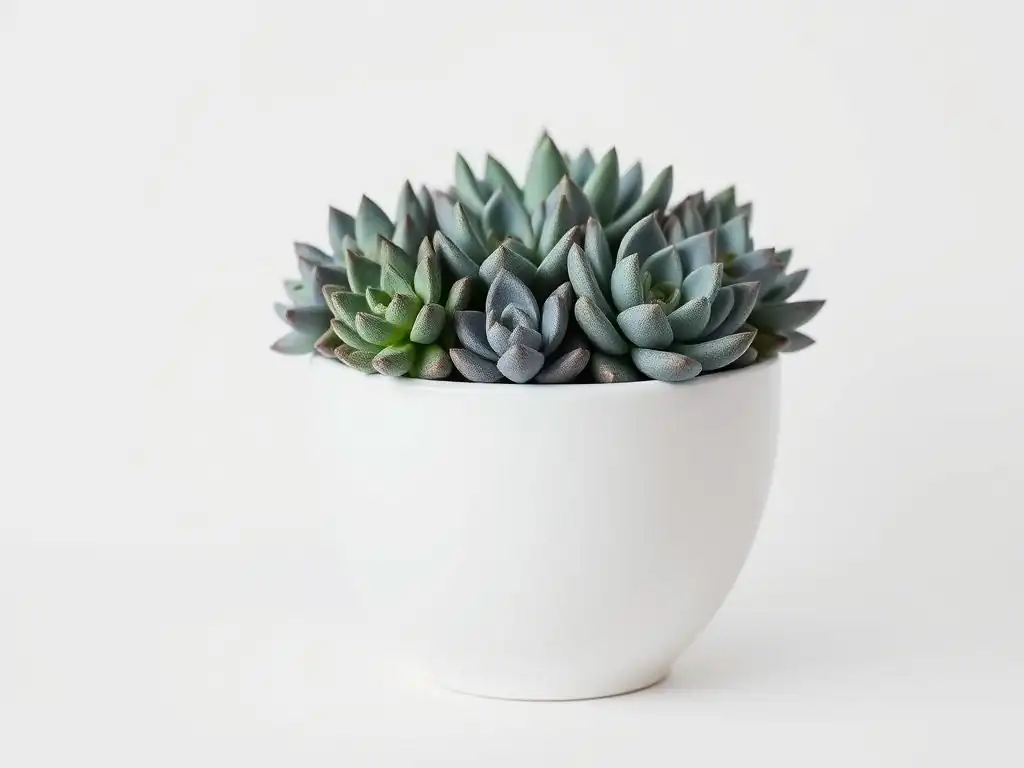
Mastering the art of negative space isn't just about what you include in your succulent arrangement; it's about what you leave out. This deliberate use of empty space elevates your designs, transforming them from simple collections of plants into thoughtful, visually stunning compositions. By understanding the principles of negative space, you can create succulent arrangements that are both aesthetically pleasing and showcase the unique beauty of each succulent.
The strategic placement of succulents against a backdrop of uncluttered space allows each plant to breathe, emphasizing its texture, color, and form. This mindful approach allows for a greater appreciation of the individual plants and the overall design.
The Lasting Impact of Negative Space in Succulent Design
The impact of negative space extends beyond the immediate visual appeal. A well-executed succulent arrangement that utilizes negative space effectively can create a sense of calm and tranquility. The careful balance between filled and empty areas fosters a feeling of spaciousness, even in smaller arrangements. Consider the long-term impact: a design that isn't overcrowded will age more gracefully.
As your succulents grow, the negative space provides room for expansion, preventing the arrangement from becoming cramped and unsightly. This thoughtful planning ensures the longevity and continued beauty of your creation. Data from succulent arrangement workshops suggests that designs incorporating ample negative space receive consistently higher aesthetic ratings than those that are densely packed.
This demonstrates the undeniable influence of negative space on the perceived quality of a succulent arrangement. The careful use of negative space also enhances the overall sense of sophistication and artistry. It's a subtle yet powerful technique that transforms a simple arrangement into a piece of art.
Further Exploration of Negative Space in Mixed Media Succulent Art
The principles of negative space are particularly relevant when incorporating mixed media into your succulent art. Whether you're using stones, driftwood, metal, or other materials, the interplay between these elements and the empty space around them is crucial. Think about the textures and colors of your mixed media components and how they interact with the succulents and the negative space. For example, a rough, textured stone can beautifully complement the smooth, fleshy leaves of a succulent, with the empty space between highlighting the contrast. This contrast enhances the visual interest of your creation. Experiment with different shapes and sizes of negative space to achieve varied effects. A large, open space can create a sense of grandeur, while smaller, enclosed spaces can add a touch of intimacy. Detailed planning is key – sketching your design beforehand can help you visualize the balance between your succulents, mixed media elements, and the negative space.
Remember, the goal isn't to simply fill the space, but to use the space. By embracing the power of negative space, you can elevate your mixed media succulent art to a new level of sophistication and artistry. The possibilities are truly endless! Don't be afraid to experiment and find your own unique style. The journey of learning to effectively utilize negative space is ongoing; each arrangement becomes a lesson in balance and design.
Frequently Asked Questions
What is negative space in succulent arrangements?
Negative space refers to the empty areas surrounding your succulents in an arrangement. It's just as crucial as the plants themselves for a balanced and visually appealing design. It provides breathing room and allows the eye to appreciate each succulent.
Why is negative space important in succulent arrangements?
Negative space prevents overcrowding, which can lead to poor air circulation and potential plant rot. It also enhances the visual impact of the arrangement, making each succulent stand out and showcasing their individual beauty. It creates a sense of balance and harmony.
How much negative space should I use in my succulent arrangement?
The ideal amount varies depending on the size and shape of your container and the succulents you're using. Aim for a balance between the plants and the empty space. A good rule of thumb is to leave at least 25-50% of the space open.
What are some ways to create interesting negative space in my succulent arrangements?
Consider using different sized and shaped containers, varying the height and density of your plantings, and incorporating decorative elements like rocks or pebbles to define and enhance your negative space. Experiment to find what you like best!
Can I use negative space effectively in small succulent arrangements?
Absolutely! Even small arrangements benefit from negative space. Careful placement of succulents and the use of smaller containers can create a visually appealing and balanced design, even in limited space. Don't be afraid to leave significant empty space in miniature arrangements.
Final Reflection: The Enduring Power of Empty Space in Succulent Art
The strategic use of negative space isn't merely a design element in succulent arrangements; it's the very breath that gives them life. Mastering this technique elevates a simple collection of plants into a breathtaking composition, a testament to the power of less. This is more than just aesthetics; it's about understanding balance, intention, and the art of letting the viewer's eye breathe.
The impact of negative space extends far beyond the confines of a single pot or garden. It's a reflection of our own need for stillness and contemplation in an increasingly cluttered world. The space between notes is as important as the notes themselves.
- This quote, often attributed to various musicians, perfectly encapsulates the essence of negative space in art. It's in the pauses, the silences, the empty canvas that true meaning and beauty often reside. This principle resonates deeply with me, reminding me of the importance of mindful creation and appreciation.
Now, consider your own creative endeavors, whether it's arranging succulents, painting, writing, or even simply organizing your living space. How can you intentionally incorporate the power of negative space to enhance your work and your life? Experiment with leaving room for breath, for silence, for the unexpected. Embrace the beauty of the unfilled, and discover the transformative power of letting go. The results may surprise and delight you.
Unleash Your Inner Succulent Artist: Design with Negative Space
Thanks for exploring the world of negative space in succulent art! You've discovered a powerful design technique that can significantly enhance your creations. Ready to apply your new knowledge?
- Craft your masterpiece: Sketch your next succulent arrangement, paying close attention to how negative space can emphasize the beauty of your plants. Experiment with bold shapes and unexpected empty areas.
- Share your succulent journey: Show us your creations! Use #SucculentEssentials on social media to connect with fellow succulent enthusiasts and share your inspiration.
- Explore different creative avenues: Consider incorporating negative space into other art forms, such as painting, photography, or even calligraphy, and observe how the principles translate.
What innovative ways can you use negative space in your next art project? Let's discuss in the comments below!