
The Secret to Creating a Lush Succulent Moss Wall

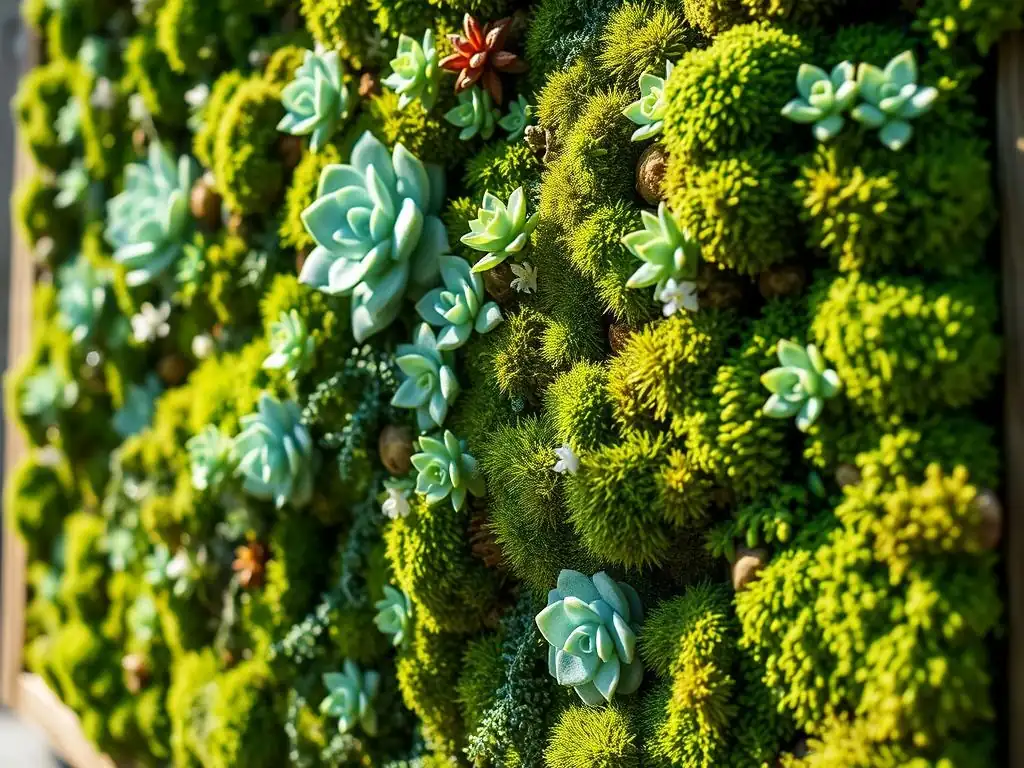
Welcome to SucculentEssentials.org, where the captivating world of succulents unfolds before you! Are you ready to unlock the secrets to cultivating these resilient beauties? We'll guide you through everything from basic care to ambitious projects, and this time, we're diving headfirst into the art of crafting a stunning DIY succulent moss wall. Prepare to be amazed by the possibilities – discover how to transform a blank space into a vibrant, living masterpiece. Let's get started!
- Planning Your DIY Succulent Moss Wall
-
Step-by-Step Guide to Building Your Succulent Moss Wall
- Preparing Your Frame: Wood, Metal, or Recycled Materials
- Attaching the Moss Backing: Techniques for a Secure Base
- Planting Your Succulents: Spacing and Depth Considerations
- Securing Succulents: Methods for a Stable and Beautiful Arrangement
- Adding Finishing Touches: Enhancing the Visual Appeal of Your Wall
- Maintaining Your DIY Succulent Moss Wall
- Inspiring Designs and Ideas for Your Succulent Moss Wall
- Frequently Asked Questions
- Final Reflection: Cultivating Beauty, One Tiny Plant at a Time
- Unleash Your Inner Gardener: Craft Your Dream Moss Wall
Planning Your DIY Succulent Moss Wall
Creating a lush, thriving succulent moss wall is a rewarding DIY project that brings a touch of the desert landscape indoors. This guide will walk you through the process, from selecting the perfect moss and succulents to designing the layout and ensuring your wall remains healthy and vibrant for years to come. We'll cover essential techniques and considerations to help you build a stunning, low-maintenance living artwork that will be the envy of all your plant-loving friends.
This detailed walkthrough will equip you with the knowledge and confidence to tackle this exciting project, transforming a blank wall into a breathtaking feature. We'll focus on creating a DIY succulent moss wall that is both aesthetically pleasing and ecologically sound, using sustainable practices wherever possible. Get ready to unleash your inner artist and cultivate a piece of living art!
Choosing the Right Moss for Your Succulent Wall
The foundation of your succulent moss wall lies in the choice of moss. Not all mosses are created equal, and selecting the right type is crucial for success. Consider these factors:
- Moisture Retention: Choose a moss variety known for its ability to retain moisture, but not to the point of becoming waterlogged. Species like Hylocomium splendens (commonly known as feather moss) or Sphagnum moss are excellent choices due to their high water retention capabilities. These mosses provide a crucial buffer, helping to regulate the moisture levels around your succulents.
- Durability and Resilience: Opt for moss that can withstand minor handling during installation and is relatively resilient to the occasional drying out. Avoid delicate mosses that easily crumble or break.
- Aesthetic Appeal: Consider the color and texture of the moss. Some mosses have a lush, green appearance, while others have a more silvery or brownish hue. Choose a moss that complements the color palette of your chosen succulents.
- Sustainability: Whenever possible, source your moss from sustainable and ethical suppliers. Avoid harvesting wild moss, as this can damage fragile ecosystems. Look for suppliers who cultivate moss responsibly.
Remember to prepare your moss properly before installation. This may involve soaking it in water to rehydrate it and remove any debris. Proper preparation will ensure your moss thrives and contributes to the overall health of your succulent wall.
Selecting the Perfect Succulents for a Thriving Wall
Choosing the right succulents is just as important as selecting the right moss. Success hinges on selecting drought-tolerant varieties that can handle the conditions of a vertical wall. Here's what to keep in mind:
- Drought Tolerance: Prioritize succulents known for their exceptional drought tolerance. Species like Echeveria, Sedum, and Sempervivum are excellent choices. These succulents are adapted to survive with minimal watering, making them ideal for wall installations.
- Size and Growth Habit: Consider the mature size and growth habit of each succulent. Select a variety of sizes and shapes to create visual interest and texture. Avoid succulents with overly aggressive growth habits that could quickly overgrow the space allocated for them.
- Color and Texture: Choose succulents with a range of colors and textures to add depth and visual appeal to your wall. The combination of different succulent shapes, sizes, and colors can create a truly stunning display.
- Light Requirements: Ensure your chosen succulents have similar light requirements. This will help prevent some plants from thriving while others struggle. Avoid placing shade-loving succulents next to sun-loving varieties.
Designing Your Succulent Wall Layout: Size, Shape, and Style
Before you begin assembling your wall, carefully plan the layout. This crucial step will ensure a visually appealing and balanced design. Consider the following:
- Size and Shape: Determine the desired size and shape of your succulent moss wall. Consider the available wall space and the overall aesthetic you wish to achieve. A smaller, more compact wall can be a great accent piece, while a larger wall can become a striking focal point.
- Style and Theme: Think about the overall style and theme you want to create. Do you prefer a clean, minimalist look, or a more wild and untamed aesthetic? Your choice of succulents and moss will influence the overall style.
- Succulent Placement: Sketch out a preliminary layout, considering the size and shape of each succulent. Experiment with different arrangements to achieve a visually pleasing balance. Remember to leave enough space between succulents for growth and air circulation.
- Moss Application: Plan how you will apply the moss to the backing material. Will you use a grid pattern, a more random arrangement, or a combination of both? Careful planning will ensure a seamless and aesthetically pleasing integration of the moss and succulents.
By carefully considering these factors, you'll be well-prepared to create a truly stunning and thriving DIY succulent moss wall. Remember, patience and planning are key to success!
Essential Materials for Building a Moss-Covered Succulent Wall
Creating a thriving DIY succulent moss wall requires careful selection of high-quality materials. The longevity and aesthetic appeal of your project depend heavily on these choices. Let's delve into the specifics:
First, you'll need a sturdy frame. The size will dictate the overall dimensions of your moss wall, so plan carefully based on your available space and the number of succulents you intend to use. Consider using a lightweight yet robust material like cedar or redwood, which are naturally resistant to rot and decay, crucial for a long-lasting outdoor installation. Alternatively, a strong, treated plywood frame provides a more affordable option, but ensure it's properly sealed to prevent water damage. The frame should be deep enough (at least 4 inches) to accommodate the moss, succulents, and the underlying drainage layer.
Next, you'll require a suitable growing medium. This isn't just any soil; you need a well-draining mix specifically designed for succulents. A blend of cactus potting mix, perlite, and coarse sand creates the perfect balance of drainage and water retention. Avoid using regular garden soil, as it retains too much moisture, leading to root rot and the demise of your precious succulents. Remember, succulents thrive in well-drained environments. Adding a layer of landscape fabric between the growing medium and the frame can further enhance drainage and prevent the soil from escaping.
The star of the show: succulents! Choose a variety of succulents with different textures, colors, and growth habits to create visual interest. Consider their mature sizes to ensure they won't overcrowd each other within the frame. Smaller succulents are often ideal for filling in gaps and creating a dense, lush look. Before planting, carefully inspect each succulent for any signs of pests or diseases. Healthy succulents are crucial for a successful moss wall.
Finally, you'll need sphagnum moss. This acts as both a beautiful aesthetic element and a crucial component for moisture retention. Choose high-quality, dried sphagnum moss; avoid using moss that's been treated with chemicals. The moss will help create a humid microclimate around the succulents, promoting their growth and overall health. You may also need additional materials like landscape staples or pins to secure the moss to the frame. Consider using wire mesh or chicken wire behind the moss to further reinforce the structure and prevent the moss from shifting over time. Don't forget gardening gloves to protect your hands!
Choosing the right materials is the foundation of a successful DIY succulent moss wall. Investing in high-quality components will ensure your project thrives for years to come, rewarding you with a beautiful and low-maintenance living artwork. Careful planning in this stage significantly reduces the likelihood of future problems.
Step-by-Step Guide to Building Your Succulent Moss Wall
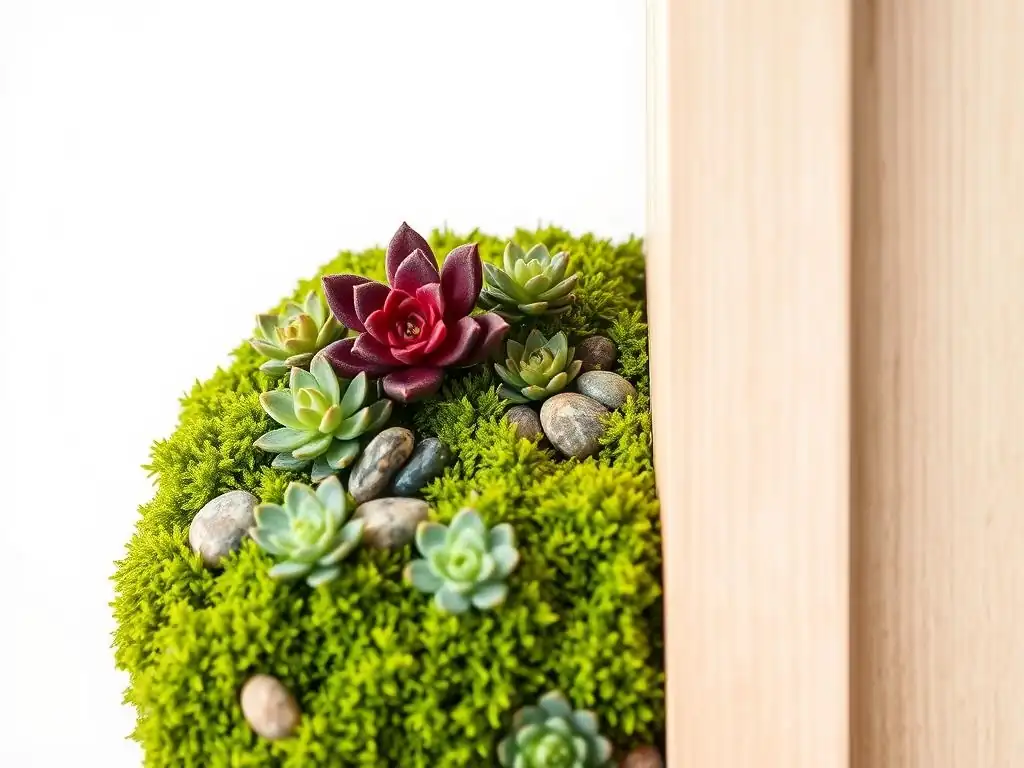
This section provides a detailed, step-by-step guide to constructing your own DIY succulent moss wall, a beautiful and relatively low-maintenance addition to any home or garden. We'll cover material selection, moss application, and succulent planting techniques to ensure a thriving, visually stunning result. Remember, patience and attention to detail are key to creating a truly lush and long-lasting succulent moss wall.
Preparing Your Frame: Wood, Metal, or Recycled Materials
Choosing the right frame is crucial for the longevity and aesthetic appeal of your DIY succulent moss wall. Several materials offer unique advantages and disadvantages.
- Wood Frames: These offer a rustic charm and are readily available in various sizes and styles. Untreated wood is best, allowing for better moisture retention and preventing potential chemical reactions with your plants. Ensure the wood is adequately sealed to prevent warping and rotting. Consider using cedar or redwood for their natural resistance to decay.
- Metal Frames: Metal frames, such as repurposed window frames or custom-made aluminum structures, provide durability and a modern look. However, they may require additional preparation to ensure proper drainage and prevent rust. Powder-coated finishes are ideal for outdoor applications.
- Recycled Materials: Unleash your creativity by repurposing materials like old pallets, window shutters, or even picture frames. This eco-friendly approach adds a unique character to your succulent moss wall. Remember to thoroughly clean and prepare the recycled materials to remove any debris or harmful substances.
Consider the following when selecting your frame:
| Material | Advantages | Disadvantages | Maintenance |
|---|---|---|---|
| Wood | Rustic charm, readily available, moisture retention | Prone to warping and rotting if untreated | Regular sealing and inspection for damage |
| Metal | Durable, modern look, weather-resistant (powder-coated) | Can rust, may require additional drainage solutions | Cleaning and occasional rust prevention |
| Recycled Materials | Eco-friendly, unique character | May require significant preparation | Varies depending on the material used |
Remember to measure your desired wall size carefully before purchasing or preparing your frame. Accurate measurements are essential for a well-proportioned and aesthetically pleasing final product. Don't forget to account for the thickness of the moss and the succulents themselves!
Attaching the Moss Backing: Techniques for a Secure Base
A secure moss backing is fundamental to the success of your DIY succulent moss wall. The moss not only provides an aesthetically pleasing backdrop but also helps retain moisture, crucial for the health of your succulents.
Several techniques can be employed to attach the moss:
- Using Landscape Fabric: This method involves stapling or gluing landscape fabric to the frame, then attaching the moss to the fabric. This provides a stable base and prevents the moss from shifting or falling. Choose a high-quality landscape fabric that's durable and allows for good drainage.
- Directly Gluing the Moss: For smaller projects, you can directly glue the moss to the frame using a strong adhesive specifically designed for outdoor use. Ensure the adhesive is compatible with both the moss and the frame material. This method requires precision and patience to achieve a neat and even finish.
- Using Wire Mesh: For larger or more complex designs, a wire mesh can be attached to the frame first. The moss is then secured to the wire mesh, providing excellent support and preventing slippage. This method offers greater flexibility in shaping and designing your moss wall.
No matter which method you choose, ensure the moss is evenly distributed and securely attached to prevent gaps or loose areas. A well-secured moss base ensures the longevity and stability of your DIY succulent moss wall. Remember to use appropriate safety measures, like wearing gloves when handling adhesives.
Planting Your Succulents: Spacing and Depth Considerations
The final step involves carefully planting your succulents into the moss backing. Proper spacing and planting depth are crucial for the health and longevity of your succulents.
- Spacing: Avoid overcrowding your succulents. Allow sufficient space between each plant to promote air circulation and prevent competition for resources. The spacing will depend on the size and type of succulents you've chosen. Research individual succulent growth habits for optimal spacing.
- Depth: Plant your succulents at the appropriate depth—generally, the same depth they were planted in their original containers. Planting too deeply can lead to root rot, while planting too shallowly can leave the plants unstable. Use a small trowel or your fingers to gently create planting holes in the moss.
- Succulent Selection: Choose a variety of succulents with differing textures, colors, and growth habits to create visual interest. Consider using a mix of trailing and upright succulents for a more dynamic display. Remember to research the specific needs of each succulent species to ensure they thrive in your moss wall environment.
Before planting, gently remove any excess soil from the succulent's roots. This prevents the soil from compacting and hindering drainage. Water your succulent moss wall thoroughly after planting to help the succulents settle into their new environment. Avoid overwatering, as this can lead to root rot. A well-planned and carefully executed planting process will result in a thriving and visually stunning succulent moss wall. Regular observation and occasional light watering will keep your creation healthy and vibrant.
Securing Succulents: Methods for a Stable and Beautiful Arrangement
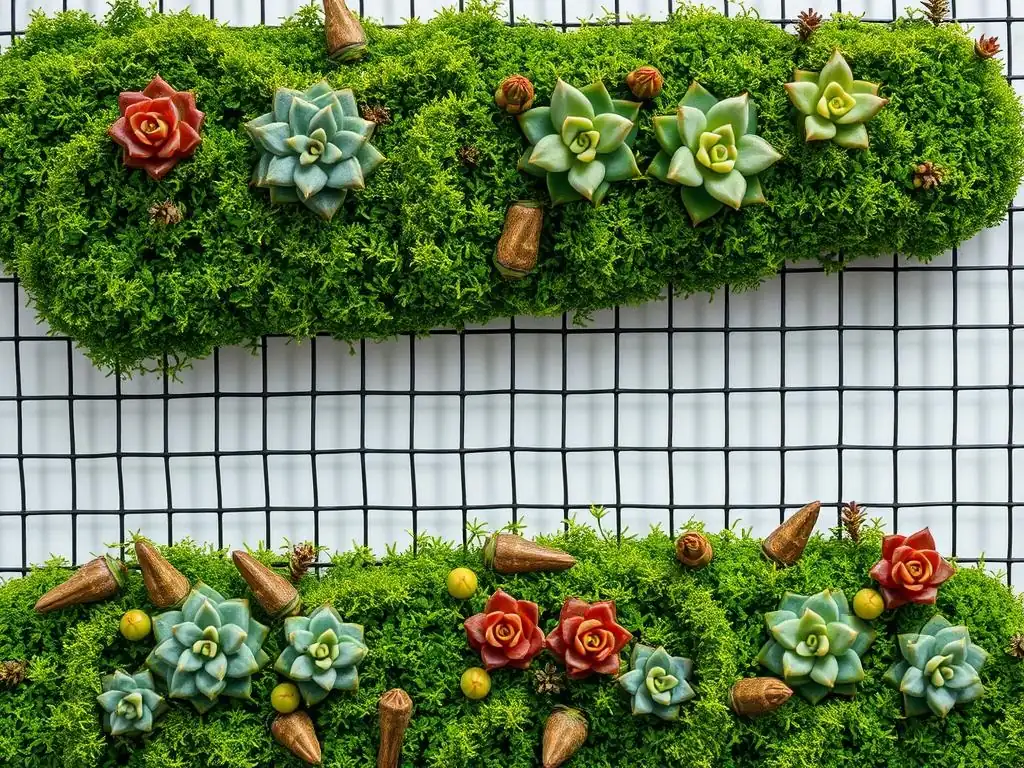
Planting succulents into a moss wall requires a delicate balance between securing them firmly and allowing for their continued growth. Improper planting can lead to succulents falling out, creating an unsightly mess and potentially damaging the wall itself. Several methods ensure a stable and aesthetically pleasing arrangement.
One popular technique involves using a specialized succulent potting mix designed for excellent drainage. This mix, often lighter than standard potting soil, prevents waterlogging, a common cause of succulent root rot. Before adding succulents, ensure the moss backing is adequately moistened to help the roots adhere. Then, create small pockets or depressions in the moss to nestle the succulents, gently packing the soil around their roots to secure them. This method works best with smaller succulents and allows for a more natural, less structured look.
For larger or more delicate succulents, consider using small wire mesh cages or clips. These provide extra support, preventing the succulents from tilting or falling. The wire should be carefully hidden within the moss to maintain a cohesive appearance. This approach is particularly useful for heavier succulents that might otherwise overwhelm the moss backing. Remember to use soft, coated wire to avoid damaging the plant's delicate stems and leaves. It's crucial to avoid over-tightening the wire, as this could restrict the plant's growth and potentially damage the roots.
Another option is to use hot glue, carefully applied in small amounts to the base of each succulent before pressing it into the moss. This method offers strong adhesion, but requires precision and a steady hand to avoid scorching the plant. It's best suited for succulents with thicker stems and roots that can withstand the heat. Always test a small area of the moss first to ensure the glue doesn't damage the material. This method is best for experienced DIY enthusiasts. Remember, less is more; apply only enough glue to hold the succulent securely.
Adding Finishing Touches: Enhancing the Visual Appeal of Your Wall
Once all your succulents are securely in place, the fun part begins: enhancing the visual appeal of your DIY succulent moss wall. Several finishing touches can elevate your creation from a simple arrangement to a true work of art.
Consider adding small decorative elements, such as miniature rocks, pebbles, or even small pieces of driftwood, to complement the succulents and add texture. These elements can fill in any gaps and create a more natural, layered look. Choose elements that complement the color palette of your succulents and the overall style of your wall. Avoid overcrowding; a few strategically placed accents are more effective than a cluttered display. Think about using contrasting colors or textures to add visual interest. For example, smooth, grey pebbles might look stunning against the vibrant greens and reds of your succulents.
Another way to enhance your moss wall is to incorporate small, decorative metal accents. These could be miniature garden ornaments, such as tiny watering cans or butterflies, or simple metal shapes that add a touch of whimsy. These accents should be carefully positioned to avoid obscuring the succulents or creating an overly busy appearance. Remember, the goal is to enhance, not overwhelm, the overall design. A few well-placed accents can dramatically improve the aesthetic appeal.
Finally, maintain your moss wall regularly. This includes keeping the moss consistently moist (but not soggy) and regularly inspecting the succulents for signs of stress or pests. Regular misting helps maintain the moisture level of the moss and provides essential humidity for the succulents. Promptly address any issues to ensure the longevity and beauty of your DIY succulent moss wall. A little TLC will ensure your masterpiece remains a vibrant and eye-catching feature for years to come. ✨
Maintaining Your DIY Succulent Moss Wall
Creating a stunning DIY succulent moss wall is only half the battle; maintaining its vibrant health and beauty requires consistent care and attention. This section details the essential steps to ensure your moss wall thrives, providing a lush, green focal point for years to come. Remember, proper maintenance translates directly to the longevity and aesthetic appeal of your DIY succulent moss wall. Let's delve into the specifics.
Watering Your Succulent Moss Wall: Frequency and Techniques
Watering a succulent moss wall differs significantly from watering potted succulents. Overwatering is a common mistake that can lead to root rot and the demise of your beautiful creation. The frequency of watering depends heavily on several factors: climate, season, and the type of moss used. In drier climates or during warmer months, you'll need to water more frequently than in humid or cooler conditions.
The best approach is to monitor the moisture level of the moss. Gently touch the surface; if it feels completely dry, it's time to water. Avoid soaking the moss; instead, opt for a gentle misting using a spray bottle. This allows the water to penetrate gradually, preventing runoff and ensuring the succulents receive adequate hydration. Aim for a light misting every 7-10 days in most climates, adjusting based on your observations. Remember, it's better to underwater than overwater your succulent moss wall.
You can also utilize a bottom-watering technique. Place the entire moss wall in a shallow tray filled with water, allowing the moss to absorb moisture from the bottom up. This method is particularly effective for larger walls and ensures even hydration. Let the wall soak for about 15-20 minutes, then remove it and allow excess water to drain completely.
Here's a helpful table summarizing watering recommendations:
| Season | Climate | Watering Frequency | Technique |
|---|---|---|---|
| Spring/Summer | Dry/Hot | Every 5-7 days | Misting/Bottom |
| Spring/Summer | Moderate/Humid | Every 7-10 days | Misting |
| Autumn/Winter | Dry/Cold | Every 10-14 days | Misting |
| Autumn/Winter | Moderate/Cool | Every 14-21 days | Misting/Bottom |
Always remember to observe your wall's response to watering. If you notice signs of overwatering (e.g., mushy moss, yellowing succulents), adjust your watering schedule accordingly.
Providing Adequate Sunlight for Your Wall
Sunlight is crucial for the health and vibrant color of your succulents and moss. However, the amount of sunlight your wall needs depends on the specific species of succulents and moss used. Most succulents thrive in bright, indirect sunlight. Avoid placing your wall in direct, intense sunlight, as this can scorch the succulents and dry out the moss too quickly.
Ideally, a location that receives several hours of morning sun and filtered light throughout the day is perfect. Observe your wall closely; if you notice signs of sunburn (e.g., browning or discoloration of the succulents), relocate it to a shadier spot. Conversely, if the succulents appear leggy or pale, they may need more sunlight. Rotating your wall periodically can ensure even sunlight exposure on all sides.
A south-facing wall might require shading during the hottest part of the day, especially during summer. Consider using a sheer curtain or blinds to filter the sunlight. East- or west-facing walls generally offer gentler light conditions, suitable for a wider variety of succulents and moss types. Remember, adapting the lighting based on your specific environment and succulent varieties is key to long-term success.
Identifying and Addressing Potential Problems: Pests and Diseases
While succulents are generally hardy, they can still be susceptible to pests and diseases. Regular inspection is crucial for early detection and treatment. Common pests include mealybugs, aphids, and spider mites. Mealybugs appear as small, white, cottony masses on the plants, while aphids are small, soft-bodied insects that cluster on stems and leaves. Spider mites are tiny arachnids that create fine webs on the plants.
Early detection is key. Inspect your succulent moss wall regularly, checking for any signs of pests or diseases. If you notice any infestations, promptly address them to prevent widespread damage. For small infestations, you can often manually remove pests using a cotton swab dipped in rubbing alcohol. For larger infestations, consider using insecticidal soap or neem oil, following product instructions carefully.
Diseases are less common but can still occur. Overwatering is a major contributing factor to root rot, a fungal disease that can quickly kill succulents. Ensure proper drainage and avoid overwatering to prevent this issue. If you notice signs of disease (e.g., wilting, discoloration, soft spots), remove affected succulents immediately to prevent the spread of infection. Maintaining a clean and well-ventilated environment will help minimize the risk of disease. Remember, prevention is always better than cure when it comes to maintaining a healthy and thriving DIY succulent moss wall.
Long-Term Care and Maintenance of Your Living Wall
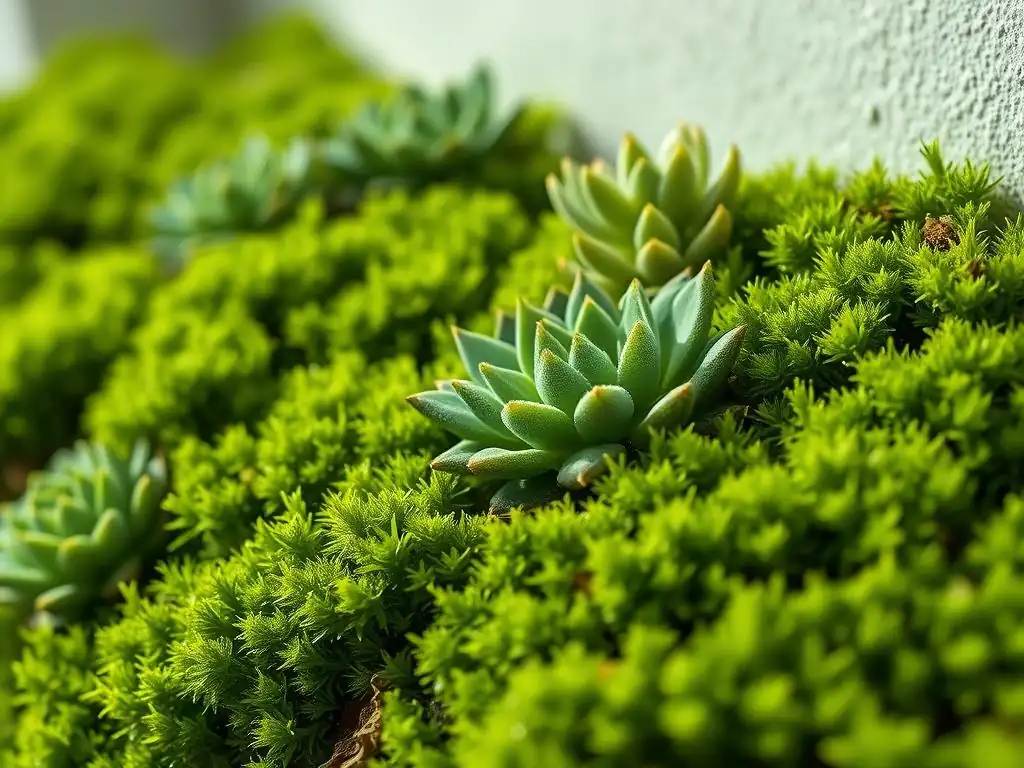
Maintaining the vibrancy and health of your DIY succulent moss wall requires consistent, albeit not overly demanding, care. Think of it as a small, thriving ecosystem that needs regular attention to flourish. The most crucial aspect is consistent, but not excessive, watering. Overwatering is a common mistake that can lead to root rot and the demise of your succulents.
Instead of a regular watering schedule, monitor the moisture level of the moss. Gently touch the moss; if it feels dry to the touch, it's time to water. You can do this by gently misting the wall with a spray bottle, ensuring the water reaches the roots of the succulents. Avoid soaking the moss, as this can lead to waterlogging.
The frequency of watering will depend on several factors: the ambient temperature and humidity of your environment, the size of your wall, and the type of succulents used. In warmer, drier climates, you might need to water more frequently. Conversely, in cooler, more humid environments, watering can be spaced out. Observe your succulents closely; signs of underwatering include shriveled leaves, while overwatering manifests as mushy, decaying leaves. Adjust your watering habits accordingly.
Furthermore, providing adequate sunlight is paramount. Your succulent moss wall needs several hours of bright, indirect sunlight daily to thrive. Direct sunlight can scorch the delicate leaves, while insufficient light will lead to leggy growth and a less aesthetically pleasing wall. Consider the placement of your wall carefully to ensure optimal sunlight exposure.
Regular inspection for pests and diseases is also essential. While succulents are generally hardy, they can still be susceptible to infestations of mealybugs or aphids. Inspect your wall regularly, paying close attention to the base of the succulents and crevices in the moss. If you notice any pests, promptly treat them with an appropriate insecticide, following the manufacturer's instructions carefully. Early detection and treatment are crucial to prevent widespread infestations. Finally, remember that your succulent moss wall is a living, breathing artwork. Embrace the natural variations and imperfections; it adds to its unique charm.
Repotting and Replacing Succulents: Maintaining a Lush Appearance
Over time, some succulents in your moss wall may outgrow their space or simply decline, affecting the overall aesthetic appeal of your creation. This is perfectly normal, and addressing this requires a systematic approach to repotting and replacing succulents. Begin by identifying succulents that are becoming overcrowded, leggy, or showing signs of decay. Gently remove these plants from the wall, taking care not to damage the surrounding moss or other succulents. Use a small, sharp tool, such as a trowel or a butter knife, to carefully loosen the roots and extract the plant from its position.
Replacing these succulents with healthier, more vibrant ones is key to maintaining a lush and appealing moss wall. Choose succulents that are similar in size and shape to the ones you are removing to maintain a balanced look. Before inserting the new plants, ensure the planting area is clean and free of debris. Gently place the new succulents into the prepared space, ensuring their roots are well-settled. Firmly pack the moss around the base of the plants to secure them in place. Water the newly planted succulents gently to help them settle in.
Remember that repotting and replacing succulents is not a one-time task. It's an ongoing process that helps maintain the health and beauty of your DIY succulent moss wall. Regularly assess the overall health and appearance of your wall, and replace any plants that are not thriving. This proactive approach will ensure your succulent moss wall remains a vibrant and captivating feature for years to come.
Consider keeping a small selection of backup succulents readily available for quick replacements, ensuring you always have healthy options on hand. This will minimize disruption to the overall appearance of your wall. By following these simple steps, you can preserve the beauty and longevity of your living artwork.
Inspiring Designs and Ideas for Your Succulent Moss Wall
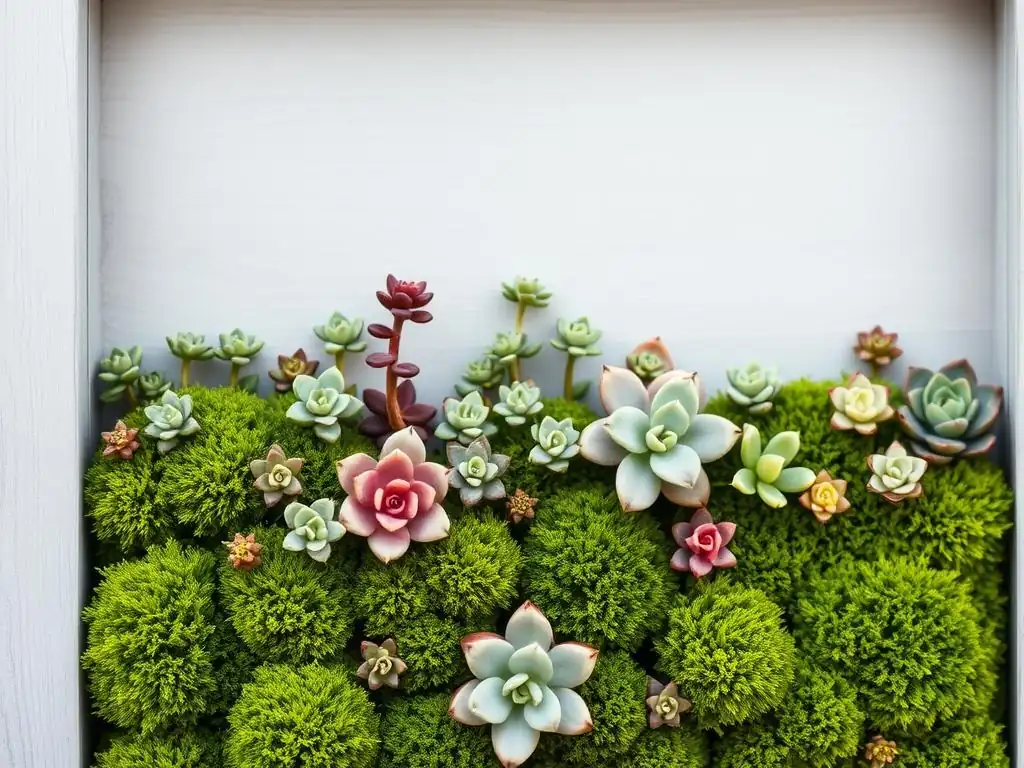
This section explores diverse design aesthetics for your DIY succulent moss wall, moving beyond the basic concept to showcase the versatility and creative potential of this captivating project. We'll delve into specific design styles, providing detailed examples and practical tips to help you envision and create your dream succulent moss wall. Remember, the key to a successful DIY succulent moss wall lies not only in proper planting techniques but also in thoughtful design choices that reflect your personal style and complement your existing décor.
Modern Minimalist Succulent Moss Wall Ideas
Modern minimalist succulent moss walls emphasize clean lines, simple forms, and a restrained color palette. Think monochromatic schemes using shades of green, gray, and white, punctuated by the subtle texture of the succulents and moss. The focus is on showcasing the inherent beauty of the plants themselves, rather than overwhelming them with elaborate ornamentation.
For instance, a stunning modern minimalist design might feature a rectangular frame filled with a single species of succulent, such as Echeveria elegans, arranged in a precise grid pattern against a backdrop of light green sheet moss. The overall effect is one of understated elegance and tranquility. Another approach could involve using a variety of succulents with similar muted colors and textures, creating a more dynamic but still harmonious composition. The key is to maintain a sense of balance and simplicity, avoiding clutter or excessive visual complexity.
Consider using geometric shapes in your design to further enhance the minimalist aesthetic. A triangular or hexagonal arrangement of succulents could add a touch of visual interest without disrupting the overall sense of calm. Remember to choose a frame that complements the minimalist style – a sleek, black metal frame or a simple, unpainted wooden frame would be ideal.
Rustic and Natural Succulent Wall Designs
In contrast to the modern minimalist approach, rustic and natural succulent moss walls embrace a more organic and untamed aesthetic. These designs often incorporate natural elements like driftwood, twigs, and stones, alongside a variety of succulents and mosses to create a visually rich and textured composition. The overall effect is one of warmth, inviting natural beauty into your home.
Imagine a wall featuring a mix of succulents with varying textures and colors, interspersed with patches of various moss types. You could add driftwood pieces strategically placed within the composition, creating a sense of depth and visual interest. The use of different shades of green and brown, combined with the natural variations in the plants and moss, contributes to the overall rustic charm. The frame itself could be made from reclaimed wood, further enhancing the rustic feel.
Consider using succulents with a more rugged appearance, such as Sedum morganianum (Burro's Tail) or Sempervivum tectorum (Houseleek), to complement the rustic aesthetic. The contrast between the smooth, rounded forms of some succulents and the rough texture of the wood creates a pleasing visual interplay. Adding small, natural stones or pebbles can further enhance the rustic feel and help to anchor the plants.
Colorful and Vibrant Succulent Wall Arrangements
For a bolder, more expressive approach, consider a colorful and vibrant succulent moss wall. This style uses a wide range of succulent varieties with diverse colors, textures, and forms to create a visually stimulating and dynamic composition. This approach is perfect for those who want to inject a burst of personality and color into their living spaces.
A vibrant succulent moss wall might incorporate succulents with striking colors like the deep purple of Graptopetalum 'Purple Beauty' or the bright pink of Sedum rubrotinctum (Jelly Bean Plant). These vibrant colors can be balanced with softer greens and grays to prevent the design from becoming too overwhelming. The use of different moss types, perhaps including some with slightly different shades of green, can also contribute to the overall visual richness.
Consider using a variety of shapes and sizes of succulents to create depth and visual interest. Clustering succulents together in groups can create a more dynamic and less uniform look. The frame for this design could be a more decorative one, perhaps in a bright color or with an interesting pattern, to further enhance the vibrant aesthetic. Remember to select succulents that complement each other in terms of color and form, avoiding a clashing or chaotic appearance. A well-planned color scheme is essential to achieving a cohesive and aesthetically pleasing result.
Unique Shapes and Sizes for Your Succulent Moss Wall
Creating a visually stunning DIY succulent moss wall goes beyond simply planting succulents in a rectangular frame. Consider the overall shape and size of your wall to maximize its impact. A perfectly square wall can be striking in its simplicity, offering a modern and clean aesthetic. However, a circular or even free-form design can add a touch of whimsy and artistry. Think about the space where you plan to hang your wall; a smaller, more intricate design might be ideal for a narrow hallway, while a larger, more sprawling arrangement could be the centerpiece of a spacious living room.
The size of your individual succulents also plays a crucial role. Mixing and matching different sizes and varieties creates visual interest and depth. Larger succulents can act as anchor points, providing a strong foundation for the overall composition. Smaller succulents, meanwhile, can fill in gaps and create a sense of lushness.
Consider using a variety of rosette sizes and textures, and don't be afraid to experiment with cascading succulents that will spill over the edges of the frame, adding a dynamic element to your design. Remember to account for the growth patterns of your chosen succulents; some will grow larger over time, so plan accordingly to prevent overcrowding. A well-thought-out arrangement will ensure your succulent moss wall remains visually appealing for years to come. Careful planning, taking into consideration the mature size of your succulents, is key to a successful and long-lasting DIY succulent moss wall.
Incorporating Other Elements: Stones, Wood, and Decorative Accents
Beyond the succulents themselves, incorporating other elements can elevate your DIY succulent moss wall from a simple arrangement to a true work of art. The addition of natural stones, for example, adds texture and visual contrast. Smooth river rocks can create a calming, minimalist feel, while rougher, more textured stones can add a rustic charm.
Consider the color of the stones as well; lighter-colored stones can brighten the overall look, while darker stones can provide a grounding element. Placement is key; strategically placed stones can break up large areas of greenery, creating visual pauses and drawing the eye to specific points within the arrangement.
Pieces of driftwood or small branches can add another layer of organic texture and visual interest. These elements can be used to create a more naturalistic feel, mimicking a miniature landscape. The wood can also serve as a support structure for some of the succulents, allowing them to cascade or climb. Ensure the wood is properly cleaned and treated to prevent rot or pest infestations. The choice of wood can also influence the overall aesthetic; weathered grey driftwood evokes a beachy feel, while darker, more polished wood can create a more sophisticated look.
Finally, consider incorporating small decorative accents, such as miniature figurines, tiny metal birds, or even small, weather-resistant glass beads. These additions can be used sparingly to highlight certain areas or to create focal points within the arrangement. However, it's crucial to avoid overcrowding; too many decorative elements can detract from the natural beauty of the succulents and moss.
The key is to find a balance between natural elements and decorative accents, creating a cohesive and visually appealing DIY succulent moss wall. Remember that less is often more when it comes to decorative additions; subtle accents can enhance the overall design without overwhelming it.
Frequently Asked Questions
What materials do I need to create a DIY succulent moss wall?
You'll need sheet moss, a wire mesh backing, succulents (various sizes and types), soil, floral wire, and gardening gloves. Consider adding landscape fabric for better drainage and moisture retention.
How do I prepare the wire mesh for my succulent moss wall?
First, cut the wire mesh to your desired size and shape. Then, secure the landscape fabric (if using) to the back of the mesh to create a pocket for the soil. Finally, attach the sheet moss to the mesh using floral wire, covering the entire surface.
What types of succulents are best for a moss wall?
Choose small to medium-sized succulents with shallow root systems. String of pearls, sedum, and echeveria varieties are popular choices. Avoid succulents with very large or deep roots.
How do I plant the succulents in my moss wall?
Carefully create small pockets in the moss and add a small amount of soil to each. Gently plant the succulents into these pockets, ensuring their roots are covered. Use floral wire to secure any loose succulents.
How do I care for my DIY succulent moss wall?
Water sparingly, allowing the soil to dry out between waterings. Avoid overwatering, which can lead to root rot. Provide bright, indirect sunlight, and monitor your succulents for signs of stress or disease.
Final Reflection: Cultivating Beauty, One Tiny Plant at a Time
The art of crafting a DIY succulent moss wall isn't merely about aesthetics; it's about nurturing a living, breathing piece of art that brings the tranquility of nature indoors. This seemingly simple project offers a profound connection to the natural world, a connection increasingly vital in our fast-paced, technology-driven lives. The detailed instructions provided in this article aim to empower you to create your own haven of green, regardless of your experience level.
The enduring appeal of succulent moss walls lies in their ability to transform a space, adding texture, color, and a sense of calm. They represent a growing trend towards biophilic design, recognizing the positive impact of nature on our well-being. The presence of nature in our lives is not a luxury, but a necessity.
This quote, though not directly about succulent walls, speaks to the core reason behind their increasing popularity: a deep-seated human need for connection with the natural world. Creating your own wall allows you to actively participate in this connection, fostering a sense of accomplishment and pride.
Now, I invite you to consider your own space. Imagine the vibrant green hues, the subtle textures, and the calming presence a DIY succulent moss wall could bring. Don't just read about it – do it. Gather your materials, follow the steps outlined, and experience the joy of creation. Let this project be a reminder that even the smallest act of nurturing can yield extraordinary beauty and a profound sense of connection to something larger than ourselves. The journey of creating your own lush succulent moss wall is just the beginning of a beautiful, ongoing relationship with nature.
Unleash Your Inner Gardener: Craft Your Dream Moss Wall
Thank you for exploring the world of succulent moss walls! We hope you've found valuable insights and inspiration to create your own stunning green feature. Now it's time to bring your vision to life.
Here's how to get started:
- Begin your moss wall project today! Gather your supplies—a handy checklist is included in this article—and start creating your personalized oasis. This is the crucial first step in achieving your dream wall.
- Share your progress (and any questions!) with our community! Connect with fellow succulent enthusiasts on our social media channels for support, advice, and amazing design inspiration.
- Explore different moss types and succulent varieties to further personalize your design, creating a unique wall that truly reflects your style.
Ready to transform your space with a breathtaking living wall? What special touch will you add to make your moss wall truly unique?