
From Trash to Terrific: How to Make EyeCatching Succulent Art with Recycled Goods

Dive into the fascinating world of succulents with SucculentEssentials.org! Are you ready to transform everyday trash into stunning succulent masterpieces? We're unveiling a trove of Recycled succulent art ideas that will leave you breathless. Discover how to craft eye-catching displays using repurposed materials, proving that beauty and sustainability can thrive together. Prepare to be inspired and learn how to create unique succulent art that's as individual as you are. Let's get started!
- Unleashing Your Creativity: Recycled Succulent Art Ideas
- Step-by-Step Guide: Creating Stunning Recycled Succulent Art
- Inspiring Ideas: Recycled Succulent Art Projects for All Skill Levels
- Maintaining Your Recycled Succulent Art: Tips and Tricks
- Showcasing Your Creations: Sharing Your Recycled Succulent Art
-
Frequently Asked Questions
- What types of recycled materials can I use for succulent art?
- How do I prepare recycled materials before planting succulents?
- What kind of succulents are best for recycled art projects?
- How do I prevent overwatering my succulents in recycled containers?
- Where can I find more recycled succulent art ideas?
- Final Reflection: Cultivating Creativity from Castoffs
- Unleash Your Inner Artist: Craft Stunning Succulent Art Today!
Unleashing Your Creativity: Recycled Succulent Art Ideas
Succulents are not only beautiful and low-maintenance plants, but they also lend themselves wonderfully to creative repurposing projects. This article explores the exciting world of crafting eye-catching succulent art using recycled goods, transforming discarded items into unique and stunning displays. We'll guide you through selecting the perfect containers, gathering essential supplies, and planting your succulents to create truly remarkable pieces of recycled succulent art. This is a fantastic way to reduce waste, express your creativity, and add a touch of green to your home or garden, all while embracing sustainable practices. Get ready to unleash your inner artist and discover the joy of creating beautiful succulent arrangements from recycled materials! This guide focuses on providing practical, step-by-step instructions and inspiration for transforming trash into terrific succulent art, perfect for all skill levels – from beginner to seasoned succulent enthusiast. Let's dive into the fascinating world of recycled succulent art ideas!
Finding the Perfect Recycled Containers for Your Succulent Art
The beauty of recycled succulent art lies in the endless possibilities for containers. Almost anything can be transformed into a unique planter, adding a touch of personality and creativity to your project. Let's explore some fantastic options:
Repurposing Glass Jars and Bottles for Miniature Succulent Gardens
Glass jars and bottles, from old spice jars to vintage wine bottles, offer charming options for miniature succulent gardens. Their transparency allows the beauty of the succulents to shine through while adding a touch of elegance. Remember to ensure adequate drainage by adding a layer of gravel or pebbles to the bottom of the container before adding your succulent potting mix. Smaller jars are perfect for individual succulents or small groupings, creating a delightful miniature landscape. Larger bottles can be transformed into vertical gardens, showcasing a variety of succulents in different textures and colors.
Transforming Old Teacups and Saucers into Charming Succulent Displays
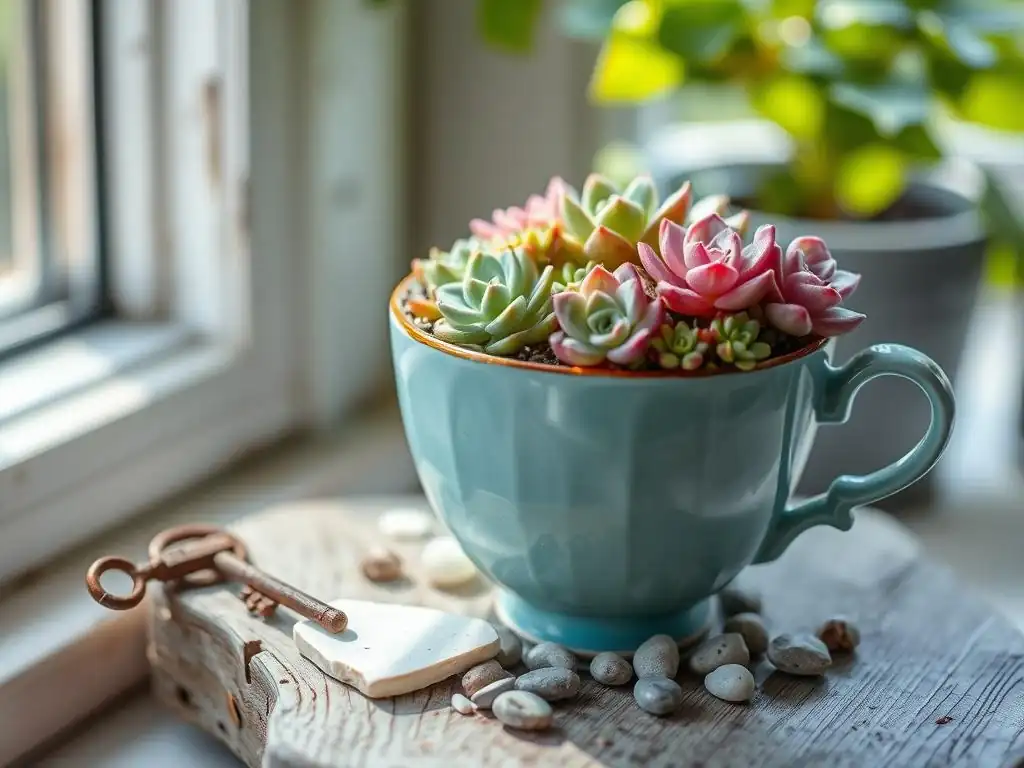
Give your old teacups and saucers a new life by transforming them into charming succulent displays! These delicate containers add a touch of vintage charm to any setting. You can use a single succulent in a teacup, or create a more complex arrangement by using multiple smaller succulents in a larger saucer. Remember to check for drainage holes; if none exist, you'll need to add a layer of drainage material to prevent root rot. The delicate nature of these containers adds a unique and sophisticated touch to your recycled succulent art.
Using Tin Cans and Metal Containers for Rustic Succulent Arrangements
Tin cans and other metal containers offer a rustic and industrial aesthetic, perfect for creating bold and eye-catching succulent arrangements. Thoroughly clean and prepare the cans, ensuring they are free of sharp edges and rust. You can paint them, leave them as is for a more raw look, or even add decorative elements like twine or lace. These containers provide a sturdy base for larger succulents and offer a unique contrast to the delicate plants. The possibilities are endless!
Gathering Your Supplies: Essential Tools and Materials for Recycled Succulent Projects
Before you begin your recycled succulent art journey, gather the necessary supplies to ensure a smooth and successful project. Proper preparation is key to creating a thriving and aesthetically pleasing arrangement.
Choosing the Right Succulents for Your Recycled Art
Selecting the appropriate succulents is crucial for the success of your project. Consider the size and shape of your recycled containers when choosing your succulents. Smaller containers are ideal for smaller succulents, while larger containers can accommodate a variety of sizes and types. Research different succulent varieties to find those best suited to your chosen containers and environmental conditions. Remember to choose healthy succulents with vibrant colors and no signs of disease or pests. Consider the light requirements of each succulent to ensure they thrive in their new home.
Selecting Appropriate Soil and Drainage Materials for Recycled Containers
Proper drainage is essential for preventing root rot, a common problem for succulents. Use a well-draining succulent potting mix, avoiding heavy soils that retain too much moisture. Add a layer of gravel, pebbles, or broken pottery shards to the bottom of your recycled containers to improve drainage. This crucial step will ensure the health and longevity of your succulents. The right soil and drainage materials are fundamental to the success of your recycled succulent art.
Essential Tools for Planting and Arranging Your Succulents
Having the right tools will make the planting and arranging process much easier and more efficient. You'll need a small trowel or spoon for planting, a watering can with a fine rose, and possibly some gloves to protect your hands. Depending on your chosen containers, you might also need tools for modifying or preparing the containers, such as sandpaper, paint, and sealant. Having these tools readily available will streamline the process and allow you to focus on the creative aspects of your project.
Step-by-Step Guide: Creating Stunning Recycled Succulent Art
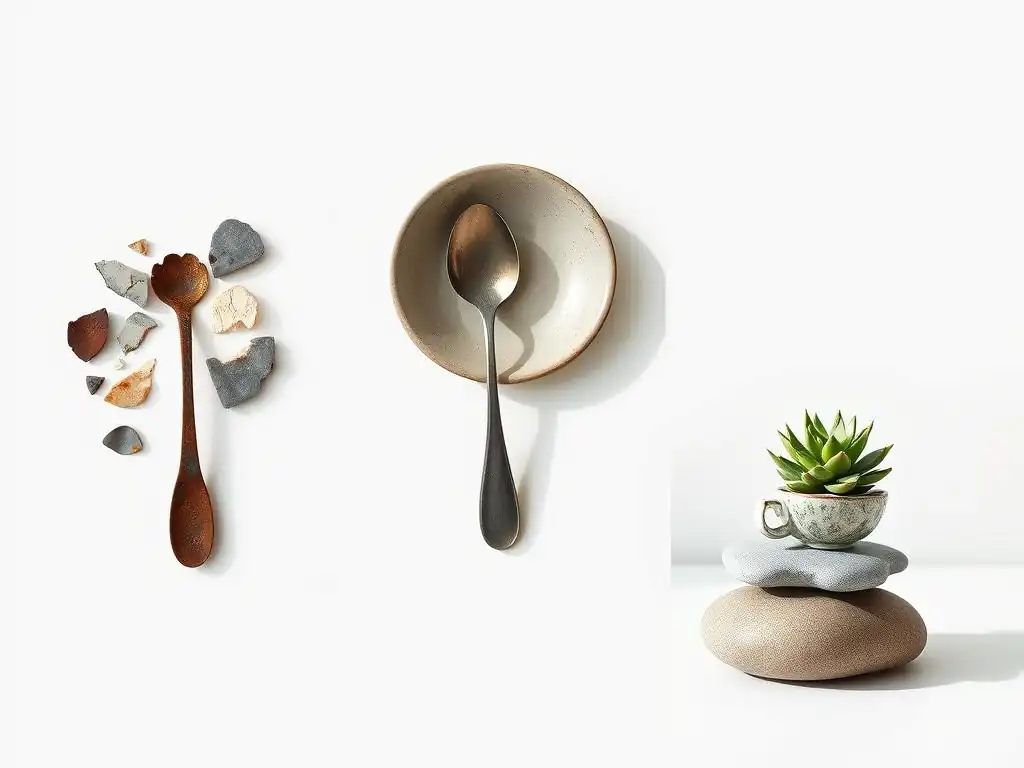
This section provides a detailed, step-by-step guide on how to create eye-catching succulent art using recycled materials. We'll transform discarded items into unique planters, showcasing the beauty of succulents while promoting sustainability. Remember, the key to successful recycled succulent art is careful preparation and thoughtful arrangement. Let's get started!
Preparing Your Recycled Containers: Cleaning and Drainage
Before you even think about planting, proper preparation of your recycled containers is paramount. This ensures the health and longevity of your succulents. Failing to adequately prepare your containers can lead to root rot and ultimately, the demise of your beautiful plants. We'll cover two crucial aspects: cleaning and drainage.
Cleaning and Sanitizing Recycled Containers for Succulent Planting
Cleaning your recycled containers thoroughly is essential to remove any dirt, debris, or harmful bacteria that could affect your succulents. The cleaning process will vary slightly depending on the material of your container.
- Glass containers: These are relatively easy to clean. Wash thoroughly with warm soapy water, ensuring you reach all corners and crevices. Rinse well and allow to air dry completely. You can optionally sanitize glass containers by soaking them in a diluted bleach solution (1 part bleach to 9 parts water) for 10 minutes, followed by a thorough rinse.
- Metal containers: Metal containers may require more scrubbing to remove rust or stubborn stains. Use a wire brush or steel wool for tougher areas. After cleaning, rinse thoroughly and allow to dry. Sanitizing with a bleach solution is also recommended for metal containers.
- Plastic containers: Clean plastic containers with warm soapy water. Pay close attention to removing any labels or adhesive residue. For stubborn adhesive, try using rubbing alcohol. Rinse thoroughly and allow to dry completely.
Adding Drainage Holes and Layers to Prevent Root Rot
Succulents, while drought-tolerant, are susceptible to root rot if their roots sit in consistently wet soil. Therefore, adequate drainage is crucial. If your recycled container doesn't have drainage holes, you'll need to create them.
- Drilling holes: For glass, metal, or thick plastic containers, you'll likely need to drill drainage holes using a drill bit appropriate for the material. Be cautious and wear safety glasses.
- Using a hot nail or awl: For thinner plastics, a heated nail or awl can be used to carefully melt small holes.
Once you've added drainage holes, create a drainage layer at the bottom of the container. This layer will help prevent soil from clogging the holes. Suitable materials include:
- Gravel
- Small stones
- Broken pottery shards
After creating drainage holes and adding a drainage layer, you are ready to start planting!
Planting Your Succulents: A Step-by-Step Process
Now comes the fun part – planting your succulents! Remember to choose succulents appropriate for the size and shape of your recycled container and consider their mature size to avoid overcrowding.
Carefully Planting Succulents in Your Chosen Recycled Containers
- Prepare the potting mix: Use a well-draining succulent potting mix. Avoid using garden soil, as it retains too much moisture.
- Add a layer of potting mix: Add a layer of potting mix over the drainage layer, leaving enough space at the top for your succulents.
- Plant your succulents: Carefully remove your succulents from their original pots, gently loosening the roots if needed. Place them in your recycled container, ensuring there's enough space between each plant for growth.
- Fill with potting mix: Fill the remaining space with potting mix, gently firming it around the base of each succulent.
- Water lightly: After planting, water your succulents lightly to settle the soil. Avoid overwatering.
Arranging Succulents for Visual Appeal and Balance
The arrangement of your succulents significantly impacts the overall aesthetic appeal of your recycled succulent art. Consider the following:
- Variety of textures and colors: Combine succulents with different leaf shapes, colors, and textures for a visually interesting display.
- Size and height variations: Use a mix of tall and short succulents to create depth and visual interest.
- Balance and symmetry: Arrange succulents to create a balanced and visually pleasing composition. Experiment with different arrangements until you achieve the desired look. Consider using a variety of succulent sizes and shapes to create a visually appealing and well-balanced composition. Think about color contrast and texture as well! Some "Recycled succulent art ideas" even involve layering different succulents to create miniature landscapes.
Remember, creating recycled succulent art is a creative process. Don't be afraid to experiment and find what works best for you and your chosen recycled containers. Enjoy the process and the beautiful results!
Adding Finishing Touches: Enhancing Your Recycled Succulent Art
Once your succulents are happily nestled in their recycled containers, it's time to add those finishing touches that elevate your creation from "good" to "wow!" This stage is all about personal expression and creativity. Consider the overall aesthetic you're aiming for – rustic charm, modern minimalism, or vibrant bohemian flair? The finishing touches should complement the style of your recycled vessel and the succulents themselves. Don't be afraid to experiment!
Trying different techniques and materials is part of the fun of crafting recycled succulent art. Remember, the beauty of this process lies in its adaptability; you can always adjust and refine your design as you go. A little trial and error often leads to the most unique and satisfying results. Embrace the imperfections; they often add character and authenticity to your handcrafted piece.
Adding Decorative Elements to Your Recycled Succulent Creations
The possibilities for decorative elements are virtually endless! Consider adding small, decorative pebbles or stones around the base of your succulents to enhance the overall look and provide a little extra drainage. These can be purchased from craft stores or even collected from your garden or local beach. Another option is to use colorful glass beads or small, decorative shells.
These add a touch of sparkle and texture, especially when placed strategically amongst the succulents. For a more rustic feel, consider using small pieces of driftwood or branches. These natural elements can complement the earthy tones of many succulents and add a touch of organic charm.
Remember to choose materials that won't interfere with the drainage of your container. Finally, consider adding a small decorative sign or plaque to personalize your creation. This could include the name of the succulents you've used, a short, inspirational quote, or simply a personal message.
Creating Unique and Personalized Succulent Displays
Personalization is key to creating truly eye-catching recycled succulent art. Think about the overall style and theme you want to achieve. Do you prefer a minimalist approach, letting the succulents speak for themselves? Or do you envision a more maximalist design, incorporating various decorative elements?
Consider the location where you'll display your artwork. A vibrant, sunny windowsill might call for a more colorful and playful arrangement, while a quiet corner might benefit from a more subdued and calming design. You could even create a series of small succulent arrangements, each housed in a different recycled container, to create a cohesive yet diverse display. This allows you to experiment with various styles and textures, showcasing your creativity while showcasing the versatility of recycled materials.
Don't be afraid to think outside the box! Get inspired by nature, art, and your personal style to create truly unique and memorable recycled succulent art pieces. The possibilities are truly limitless when you combine your creativity with the beauty of succulents and the charm of recycled materials.
Inspiring Ideas: Recycled Succulent Art Projects for All Skill Levels
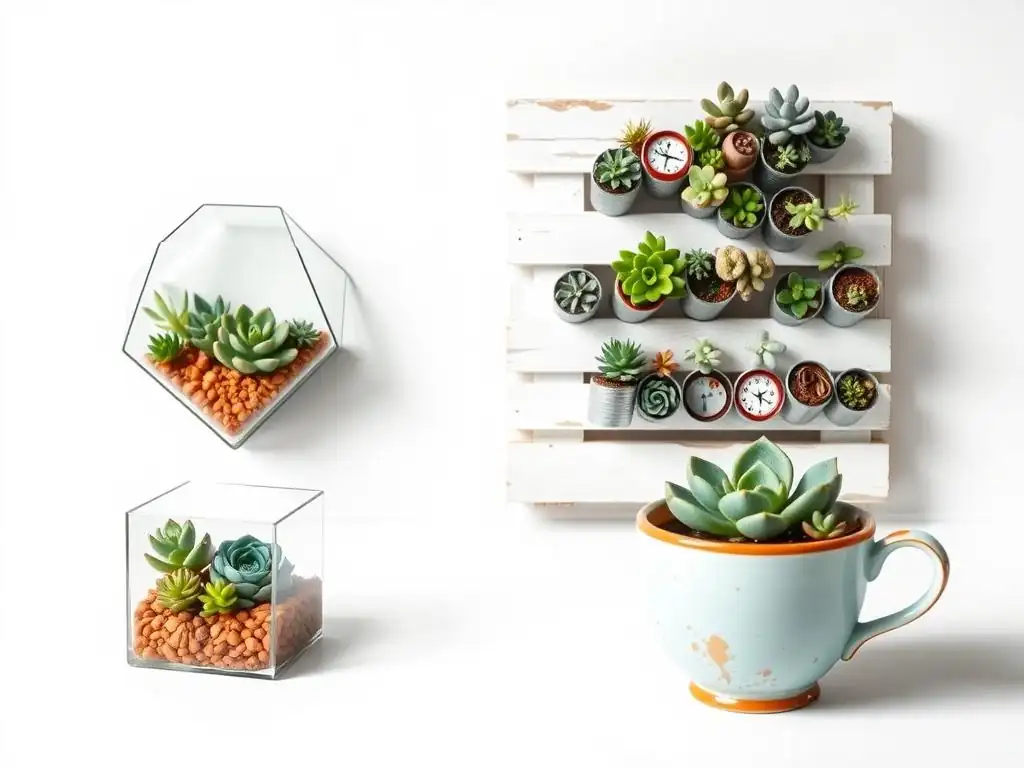
This section explores creative and practical ways to transform discarded items into stunning succulent displays, showcasing the versatility of recycled materials in succulent art. We'll cover projects suitable for beginners and intermediate crafters, offering detailed instructions and inspiring visuals to help you unleash your inner artist. Remember, the beauty of recycled succulent art lies in its uniqueness; embrace imperfections and let your creativity flow! Let's dive into some fantastic "Recycled succulent art ideas."
Easy Recycled Succulent Projects for Beginners
These projects are perfect for those new to succulent crafting or those seeking quick, satisfying projects. They require minimal tools and materials, making them ideal for beginners. The focus is on simple design and easy execution, allowing you to enjoy the process and the beautiful results.
Simple Succulent Arrangements in Upcycled Teacups
Teacups, especially those with charming patterns or unique shapes, make delightful containers for small succulent arrangements. The process is straightforward:
- Clean and Prepare: Thoroughly wash and dry your chosen teacups. Ensure they're free of any residue. If there are drainage holes, great! If not, add a layer of gravel or small pebbles at the bottom for drainage.
- Choose Your Succulents: Select small, slow-growing succulents that complement each other in terms of color and texture. Variety is key! Consider using a mix of rosette-forming and trailing succulents.
- Potting Mix: Use a well-draining succulent potting mix. Avoid using garden soil, as it retains too much moisture and can lead to root rot.
- Planting: Carefully plant your succulents, ensuring their roots are comfortably nestled in the potting mix. Leave a little space between the plants for growth.
- Finishing Touches: Add a decorative layer of pebbles or small stones on top of the soil to improve drainage and add visual appeal.
Creating Miniature Succulent Gardens in Glass Jars
Glass jars, from mason jars to repurposed spice jars, offer a charming and versatile canvas for miniature succulent gardens. These projects allow for creative layering and the incorporation of small decorative elements.
- Jar Selection: Choose jars with a wide mouth for easy access. Clean them thoroughly and ensure they're completely dry.
- Drainage Layer: A layer of activated charcoal followed by gravel is essential for drainage. This prevents waterlogging and root rot.
- Potting Mix: Use a well-draining cactus and succulent potting mix.
- Succulent Selection: Opt for smaller succulents and consider adding miniature figurines or decorative stones for a whimsical touch.
- Layering and Planting: Layer the potting mix, carefully placing the succulents and decorative elements. Consider creating levels for a more visually interesting arrangement.
- Watering: Water sparingly, allowing the soil to dry out completely between waterings.
Intermediate Recycled Succulent Art Projects
These projects involve slightly more complex techniques and require a bit more planning and skill. They allow for more creative expression and the creation of larger, more elaborate displays.
Building a Vertical Succulent Garden using Recycled Materials
Vertical succulent gardens are a space-saving and visually striking way to showcase your succulent collection. Repurposed pallets, old window frames, or even recycled plastic bottles can serve as the base for your vertical garden.
- Material Selection: Choose a sturdy, weather-resistant material for your base. Ensure it's properly cleaned and prepped.
- Drainage System: A crucial element! Ensure proper drainage to avoid waterlogging. Consider adding drainage holes or using a waterproof liner.
- Pocket Creation: Create individual pockets or compartments for your succulents using felt, plastic sheeting, or other suitable materials.
- Succulent Selection: Choose a variety of succulents with different textures and growth habits to create visual interest.
- Planting: Carefully plant your succulents in the pockets, ensuring their roots have enough space.
- Maintenance: Regular watering and monitoring for pests are essential for a thriving vertical garden.
Designing a Unique Succulent Wall Hanging with Repurposed Frames
Old picture frames, whether wooden or metal, can be transformed into unique and eye-catching wall hangings. This project allows for creative customization and the incorporation of various decorative elements.
- Frame Preparation: Clean and prepare your chosen frame. Remove any glass or backing.
- Substrate Selection: Use a lightweight, well-draining substrate suitable for succulents.
- Succulent Selection: Choose succulents that will thrive in a wall-mounted environment. Consider using a combination of trailing and rosette-forming succulents.
- Mounting: Secure the substrate to the frame, ensuring it's firmly attached.
- Planting: Carefully plant your selected succulents.
- Hanging: Attach a hanging mechanism to the back of the frame, and hang your creation! Enjoy your unique "Recycled succulent art ideas" masterpiece!
Advanced Recycled Succulent Art Projects
This section delves into more complex projects, ideal for succulent enthusiasts with some experience. These projects require more planning, precision, and potentially, specialized tools. However, the results are stunning and rewarding, showcasing the transformative power of recycled materials. The key is to plan carefully, considering the succulents' growth habits and the overall aesthetic you're aiming for. Remember, patience is key, and don't be afraid to experiment and adapt the designs to suit your available materials. The beauty of recycled succulent art lies in its unique and often unexpected results.
Constructing a Large-Scale Succulent Sculpture with Recycled Materials
Creating a large-scale succulent sculpture is an ambitious undertaking, demanding careful consideration of structural integrity, drainage, and the long-term health of the plants. One approach involves using repurposed metal mesh or chicken wire as a framework. This framework provides support and allows for the creation of intricate three-dimensional forms. Before attaching the succulents, ensure the mesh is securely fastened and, if necessary, coated with a rust-resistant sealant.
Then, use a suitable potting mix that retains some moisture but also allows for excellent drainage to avoid root rot, a common problem in larger sculptures. Smaller succulents are generally preferable for this type of project, as they're less likely to topple the structure. Consider incorporating other recycled elements such as old keys, bottle caps, or broken pottery pieces for added texture and visual interest. Remember to position the sculpture in a location that receives adequate sunlight but is protected from harsh winds.
Regular watering, mindful of the sculpture's size and drainage system, is crucial for the succulents' long-term survival and thriving. A well-executed large-scale succulent sculpture can be a truly breathtaking centerpiece, showcasing your creativity and horticultural skills. The possibilities are endless; imagine a whimsical, cascading structure or a geometric masterpiece.
Creating Intricate Succulent Terrariums in Recycled Glass Vessels
Repurposing old glass vessels offers a fantastic way to create intricate and visually stunning succulent terrariums. Using unique containers, like vintage jars, old bottles, or even discarded fishbowls, adds character and charm. Before planting, thoroughly clean and sterilize the chosen vessel to prevent diseases and fungal growth. The size and shape of the container will dictate the type and number of succulents you can plant. Smaller vessels are best suited for miniature succulents, while larger ones allow for more variety and a more complex arrangement.
Creating layers and varying heights adds depth and visual interest. Consider using different types of gravel, pebbles, or even colorful glass beads to enhance the aesthetic appeal and improve drainage. Ensure adequate drainage by placing a layer of gravel or small pebbles at the bottom of the vessel before adding the potting mix. This prevents waterlogging, which can lead to root rot and kill your succulents. For a truly unique terrarium, incorporate small decorative elements such as seashells, interesting rocks, or even miniature figurines.
Proper lighting is crucial for the health of your succulents, so place the terrarium in a well-lit area, but avoid direct sunlight which could scorch the plants. Regular, but infrequent, watering is essential. Overwatering is a common mistake that leads to terrarium failure, so allow the soil to dry out completely between waterings. These intricate terrariums, crafted with recycled materials, offer a sophisticated and unique way to showcase your love of succulents and your artistic flair. They make excellent gifts or stunning additions to any home décor.
Maintaining Your Recycled Succulent Art: Tips and Tricks
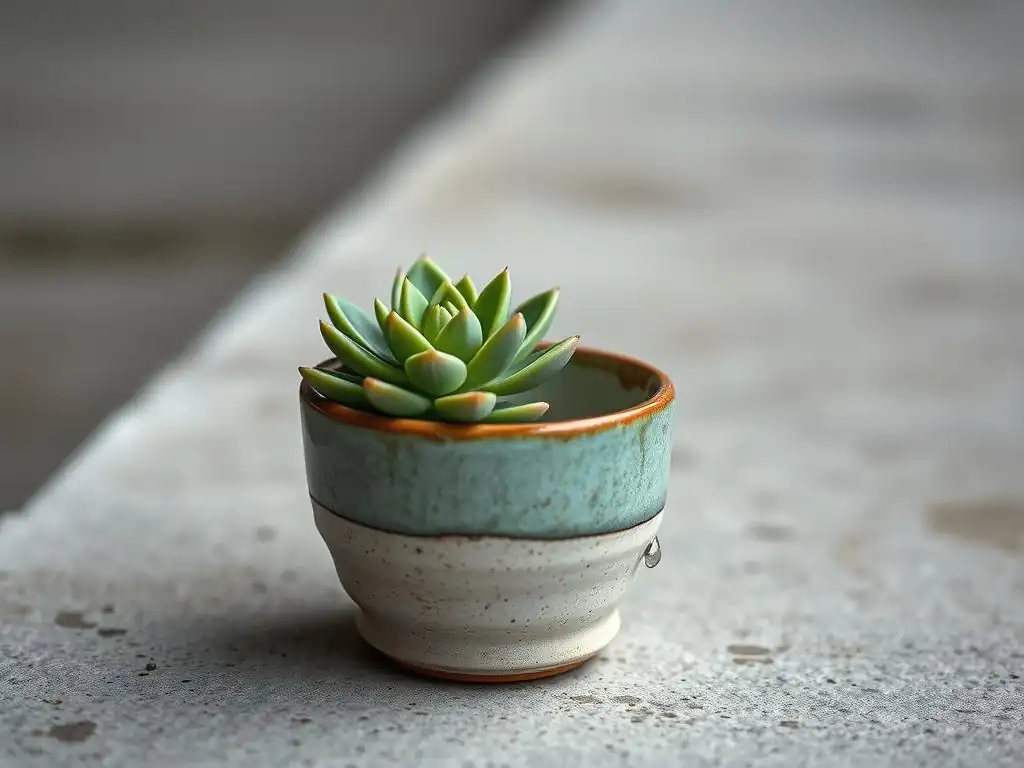
Creating eye-catching succulent art with recycled goods is a rewarding experience, but maintaining the health and beauty of your creations requires careful attention. The success of your recycled succulent art hinges on understanding the specific needs of your chosen succulents and adapting your care routine to the unique properties of your recycled containers. Remember, even the most creative vessel won't thrive if the plants within aren't healthy. This section provides essential tips to keep your recycled succulent masterpieces flourishing. Proper care ensures your "recycled succulent art ideas" translate into long-lasting, vibrant displays.
Watering Your Recycled Succulent Art: Avoiding Overwatering
Overwatering is the most common mistake in succulent care, and this is amplified when using recycled containers. Many recycled materials, like glass bottles or metal cans, don't have drainage holes. This can lead to waterlogging, root rot, and ultimately, the demise of your precious succulents. To avoid this, consider the following:
- Drainage Solutions: If your container lacks drainage, amend the soil with extra perlite or pumice to increase aeration and drainage. You can also add a layer of gravel or pebbles at the bottom of the container to improve drainage. Alternatively, consider using a self-watering system, ensuring the reservoir is adequately sized and monitored to prevent stagnation.
- Watering Frequency: The frequency of watering depends largely on the type of succulent, the size of the container, the material of the container, and the climate. Instead of following a rigid schedule, check the soil moisture before watering. Stick your finger about an inch into the soil; if it's dry, it's time to water. Water thoroughly, allowing excess water to drain completely (if your container allows for it).
- Signs of Overwatering: Keep an eye out for warning signs. Soggy soil, yellowing leaves, mushy stems, and a foul odor are all indicators of overwatering. If you notice these signs, immediately reduce watering and ensure better drainage.
Providing Adequate Sunlight for Your Recycled Succulent Creations
Succulents thrive in bright, indirect sunlight. The amount of sunlight your recycled succulent art needs depends on the type of succulent and the location of your display. Consider these factors when placing your creations:
- Sunlight Exposure: Most succulents need at least six hours of sunlight per day. However, intense, direct sunlight can scorch their leaves. A south-facing window might be too harsh; an east- or west-facing window often provides the ideal balance of sunlight. Rotate your artwork regularly to ensure even sunlight exposure to all sides.
- Adapting to Different Containers: Darker-colored containers can absorb more heat, potentially leading to overheating of the succulents. Lighter-colored containers reflect more sunlight, which is generally beneficial. If using dark containers, consider adjusting the placement to avoid excessive heat buildup, especially during peak sun hours.
- Sunlight Deficiency: Signs of insufficient sunlight include etiolation (leggy growth), pale leaves, and a general lack of vibrancy. If you notice these signs, move your artwork to a brighter location, gradually increasing sun exposure to avoid shocking the plants.
Protecting Your Recycled Succulent Art from Pests and Diseases
Just like any other plant, succulents are susceptible to pests and diseases. Regular inspection and prompt action are key to preventing infestations and ensuring the long-term health of your recycled succulent art.
- Common Pests: Mealybugs, aphids, and spider mites are common pests that can attack succulents. Regularly inspect your plants for signs of infestation, such as webbing, white cottony masses, or tiny insects.
- Disease Prevention: Proper watering and adequate sunlight are crucial for disease prevention. Avoid overwatering, which creates a breeding ground for fungal diseases. Ensure good air circulation around your plants to prevent fungal growth.
- Pest and Disease Control: For minor infestations, you can often manually remove pests with a cotton swab dipped in rubbing alcohol. For more severe infestations, consider using insecticidal soap or neem oil. Always follow the instructions carefully and use appropriate safety measures. Early detection and prompt treatment are essential in preventing widespread damage to your recycled succulent artwork. Remember, healthy plants are the foundation of beautiful, long-lasting recycled succulent art.
Showcasing Your Creations: Sharing Your Recycled Succulent Art
Creating stunning succulent art from recycled materials is incredibly rewarding, but the joy doesn't end with the final arrangement. Sharing your unique creations with the world allows you to inspire others and potentially even build a small business around your passion. This section focuses on effective ways to showcase your artistic talent and the beauty of your recycled succulent art ideas.
High-quality photographs are crucial for capturing the essence of your recycled succulent art. A well-lit, aesthetically pleasing image can make all the difference in attracting attention online. Consider these tips for photographing your creations for platforms like Instagram, Pinterest, and Facebook:
- Lighting: Natural light is ideal. Shoot near a window, avoiding harsh direct sunlight which can wash out colors. Consider using a diffuser to soften the light.
- Background: Choose a simple, uncluttered background that complements your art, not competes with it. A plain white or neutral-colored backdrop often works best.
- Composition: Experiment with different angles and perspectives to find the most flattering view. Think about leading lines and negative space to create visual interest.
- Editing: Use photo editing apps to adjust brightness, contrast, and saturation. Subtle enhancements can significantly improve the overall look. Avoid over-editing, which can make the image look unnatural.
- Hashtags: Utilize relevant hashtags such as #recycledsucculentart, #succulentcrafts, #DIYsucculents, #upcycledart, and #succulentart to increase visibility. Research popular and niche hashtags within the succulent community to maximize reach.
Here's a sample table illustrating the impact of different photographic approaches:
| Photography Aspect | Poor Example | Good Example |
|---|---|---|
| Lighting | Dark, poorly lit, washed-out colors | Bright, even lighting, vibrant colors |
| Background | Cluttered, distracting background | Simple, clean background that complements the art |
| Composition | Uninteresting angle, poorly framed | Well-composed, visually appealing perspective |
| Editing | Over-saturated, unnatural colors | Subtly enhanced, natural-looking colors |
Remember, consistency is key. Maintain a consistent style and aesthetic across your social media platforms to build a strong brand identity.
Participating in Local Craft Fairs and Events
Craft fairs and local markets provide an excellent opportunity to connect directly with potential customers and showcase your recycled succulent art ideas in person. Before participating, consider these factors:
- Event Selection: Choose events that align with your target audience and the style of your art. Research the event's attendance and vendor demographics.
- Booth Presentation: Create a visually appealing and organized booth. Use signage to clearly display your brand name and pricing. Ensure your artwork is well-lit and easily accessible.
- Pricing Strategy: Research competitor pricing to determine fair and competitive prices for your recycled succulent art. Consider the cost of materials, time investment, and the uniqueness of your pieces.
- Customer Interaction: Be friendly, approachable, and knowledgeable about your art. Engage with potential customers, answer their questions, and create a positive shopping experience. Consider offering small succulents or care guides as promotional items.
Participating in these events allows for direct feedback, immediate sales, and the chance to build relationships within your local community. It's a fantastic way to gain exposure and establish your brand.
Selling Your Recycled Succulent Art Online
The internet offers a vast marketplace for selling handcrafted items, including recycled succulent art. Several platforms can help you reach a wider audience:
- Etsy: A popular online marketplace specializing in handmade and vintage goods. Etsy provides a user-friendly platform with built-in tools for managing your shop and processing orders.
- Your Own Website: Building your own website offers greater control over branding and design, but requires more technical expertise and marketing effort.
- Social Media Shops: Platforms like Instagram and Facebook offer integrated shopping features, allowing you to sell directly through your social media pages.
Regardless of the platform you choose, high-quality product photos, detailed descriptions, and competitive pricing are essential for success. Consider offering various sizes and styles of your recycled succulent art to cater to different preferences and budgets. Excellent customer service and secure payment processing are also vital for building trust and repeat business. Regularly updating your inventory and engaging with your customers on social media are key components of maintaining a thriving online shop showcasing your unique and creative recycled succulent art ideas.
Frequently Asked Questions
What types of recycled materials can I use for succulent art?
You can use a wide variety of materials! Think old containers, like teacups, cans, and even broken pottery. Glass bottles, jars, and pallets also work wonderfully.
How do I prepare recycled materials before planting succulents?
Ensure your recycled materials are thoroughly cleaned and dried. For items with sharp edges, sand them down to prevent damage to your succulents. Add drainage holes if necessary.
What kind of succulents are best for recycled art projects?
Smaller, drought-tolerant succulents are ideal. Echeveria, Sedum, and Sempervivum are popular choices due to their compact size and ability to thrive in containers.
How do I prevent overwatering my succulents in recycled containers?
Use well-draining potting mix specifically formulated for succulents. Only water when the soil is completely dry to the touch, and avoid letting the pots sit in standing water.
Where can I find more recycled succulent art ideas?
Explore Pinterest and Instagram for a wealth of inspiration. Many blogs and websites, like SucculentEssentials.org, also offer tutorials and creative project ideas using recycled materials.
Final Reflection: Cultivating Creativity from Castoffs
The art of repurposing isn't just a trend; it's a vital necessity in a world overflowing with waste. Creating beautiful and functional art from discarded materials, as we've explored with succulent arrangements, offers a powerful antidote to consumerism and a vibrant expression of sustainability. This isn't simply about crafting pretty planters; it's about fostering a mindful relationship with our resources and the planet.
The journey from trash to terrific has been profoundly rewarding, both personally and creatively. The process of transforming something discarded into something beautiful is incredibly satisfying, a tangible reminder of the potential hidden within the seemingly mundane. It's a testament to the power of human ingenuity and our capacity to find beauty in unexpected places. The world is full of magic things, patiently waiting for our senses to grow sharper.
– W.B. Yeats. This quote perfectly captures the spirit of finding artistic potential in recycled materials, waiting to be discovered and transformed.
Now, I invite you to take this inspiration and cultivate your own creative garden. Don't be afraid to experiment, to embrace imperfection, and to let your imagination run wild. Find those discarded treasures in your home, your community, and let them become the canvas for your next masterpiece. The beauty you create will not only adorn your space but will also serve as a powerful symbol of your commitment to a more sustainable and artful future.
Unleash Your Inner Artist: Craft Stunning Succulent Art Today!
Thank you for joining us on this journey into the wonderful world of upcycled succulent art! We hope you've discovered the beauty and ease of transforming discarded items into beautiful terrariums and displays. Now it's time to get creative!
- Craft your masterpiece: Dive in and create your own unique succulent artwork using recycled materials from around your home. Experiment with different containers and arrangements!
- Share your creations: Show us your stunning succulent art! Share photos on social media using #SucculentEssentialsDIY. Let's inspire each other!
- Expand your skills: Learn more about succulent propagation online to discover new ways to grow and expand your collection of these resilient plants.
What unexpected materials will you repurpose into a breathtaking succulent masterpiece?