
Beyond Basic Brown: Discover 8 Creative Ways to Decorate Terracotta Pots

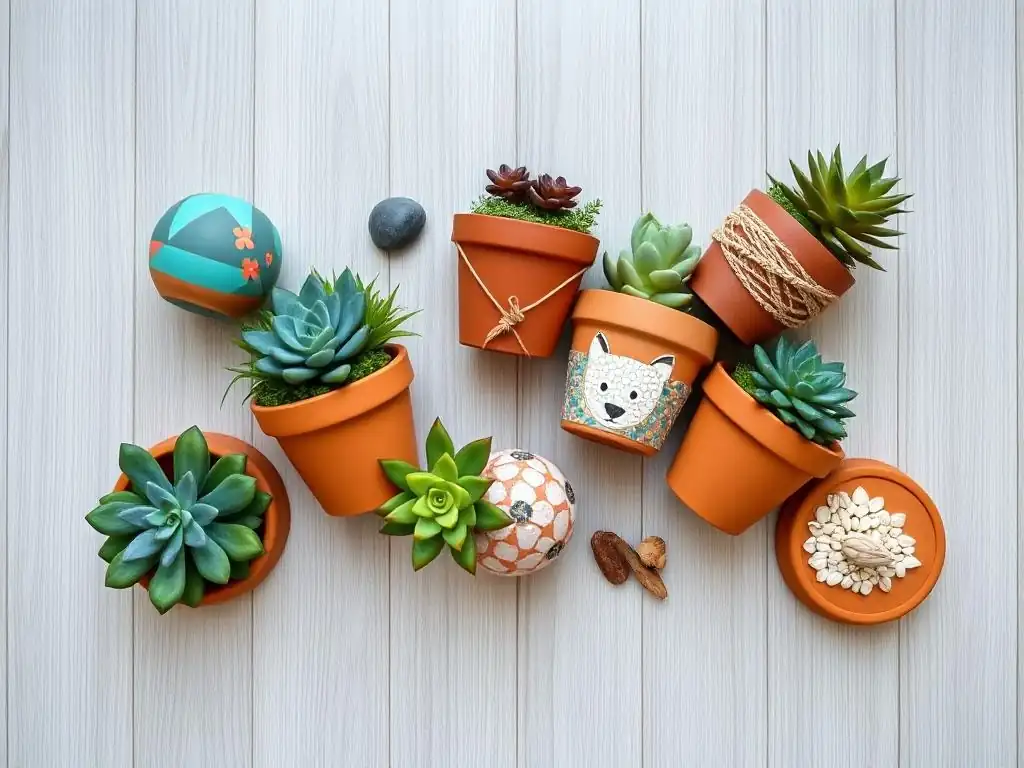
Welcome to SucculentEssentials.org, where the fascinating world of succulents unfolds! Are you ready to transform your ordinary terracotta pots into stunning displays? We'll show you how. Dive into our latest DIY project, "Beyond Basic Brown: Discover 8 Creative Ways to Decorate Terracotta Pots," and unlock the secrets to elevating your succulent arrangements from simple to spectacular. Prepare to be inspired!
- Transforming Terracotta: Why Decorate Your Succulent Pots?
-
8 Creative Ways to Decorate Terracotta Succulent Pots
- 1. Painting Terracotta Pots: Simple Designs and Techniques for Beginners
- 2. Geometric Patterns: Creating Modern Designs on Terracotta Pots
- 3. Stenciling Succulents: A Unique Approach to Pot Decoration
- 4. Adding Texture with Natural Materials: Burlap, Twine, and More
- 5. Upcycled Materials: Repurposing for Creative Pot Decoration
- 6. Mosaic Magic: Embellishing Pots with Colorful Tiles
- 7. Chalk Paint Techniques for Terracotta Pots: A Rustic Touch
- 8. Combining Techniques: Layered Designs for Stunning Results
- Choosing the Right Paint for Your Terracotta Succulent Pots
- Protecting Your Decorated Terracotta Pots
- Displaying Your Decorated Succulent Pots: Creating Stunning Arrangements
-
Frequently Asked Questions
- What are the best materials for decorating terracotta pots?
- How do I prepare a terracotta pot before decorating?
- Are there any specific techniques for painting terracotta pots?
- What types of succulents pair well with decorated terracotta pots?
- Where can I find more inspiration for decorating terracotta succulent pots?
- Final Reflection: Cultivating Creativity, One Terracotta Pot at a Time
- Unleash Your Inner Potter: Craft Stunning Terracotta Creations!
Transforming Terracotta: Why Decorate Your Succulent Pots?
Terracotta pots, with their earthy tones and rustic charm, are a staple for succulent enthusiasts. However, the ubiquitous brown can sometimes feel a bit…basic. This article explores eight creative ways to elevate your terracotta pots from ordinary containers to stunning focal points, perfectly complementing your beloved succulents.
We'll delve into techniques that range from simple painting projects to more intricate designs, all geared towards enhancing your succulent displays and adding a unique personal touch to your home or garden. Learning to decorate terracotta succulent pots opens up a world of possibilities, transforming a simple pot into a work of art that showcases your succulents in the most appealing way possible.
This guide is perfect for both beginners looking to personalize their succulent arrangements and experienced succulent lovers seeking fresh inspiration to breathe new life into their collections. Get ready to unleash your creativity and discover how decorating your terracotta pots can dramatically enhance the beauty and appeal of your succulent garden!
Enhancing Your Succulent Displays with Decorated Pots
Decorated terracotta pots offer a fantastic way to enhance the overall aesthetic appeal of your succulent displays. A plain brown pot can sometimes detract from the vibrant colors and textures of your succulents, while a creatively decorated pot can serve as a beautiful complement, highlighting the plants' natural beauty. Consider the following:
- Color Coordination: Choosing pot colors that contrast or complement your succulents' colors can create a visually striking effect. For instance, vibrant succulents might look stunning in a cool-toned, painted pot, while more muted succulents could be enhanced by warmer tones.
- Texture and Dimension: Adding textures through techniques like sponge painting, stamping, or using stencils can add depth and visual interest to your pots, making them more than just simple containers.
- Strategic Placement: The decorated pot itself becomes part of the overall design. Consider the placement of the pot—in a sunny window, on a patio, or as part of a larger arrangement—and choose a design that harmonizes with its surroundings. A brightly painted pot might be perfect for a cheerful patio setting, while a more subtle design might be better suited for a minimalist indoor space.
- Scale and Proportion: The size and design of the pot should also be considered in relation to the size and type of succulent it holds. A large, ornate pot might overwhelm a small succulent, while a tiny pot might get lost amongst larger plants.
Adding Personality and Style to Your Succulent Garden
Beyond simply enhancing your succulents, decorating terracotta pots allows you to inject your unique personality and style into your garden. Think of your pots as miniature canvases, each one reflecting your individual taste and creativity.
- Personal Touches: Incorporate elements that reflect your personal interests. Do you love geometric patterns? Try creating a bold geometric design on your pots. Are you drawn to nature-inspired motifs? Paint delicate floral designs or incorporate natural elements like shells or pebbles into your designs.
- Thematic Gardens: Create cohesive themes throughout your succulent garden by using similar color palettes or design elements on multiple pots. This creates a sense of unity and visual harmony.
- Seasonal Decorations: Update your pots seasonally by adding festive colors or designs for holidays or special occasions. For example, a wintery white design could be perfect for the holiday season, while bright, summery colors could add a pop of cheer during the warmer months. This approach allows for dynamic changes throughout the year, keeping your garden fresh and engaging.
The Allure of Customized Terracotta Pots for Succulents
The beauty of customizing your terracotta pots lies in the sheer versatility of the medium. From simple paint jobs to intricate decoupage and beyond, the possibilities are endless. The process itself is therapeutic, allowing for creative expression and a sense of personal accomplishment. The finished product not only enhances your succulents but also serves as a tangible reminder of your creative journey.
The personalized touch transforms functional containers into cherished elements of your home or garden, showcasing both your horticultural skills and your artistic flair. This isn't just about planting succulents; it's about creating a truly unique and personalized outdoor space. The possibilities are truly limitless!
8 Creative Ways to Decorate Terracotta Succulent Pots
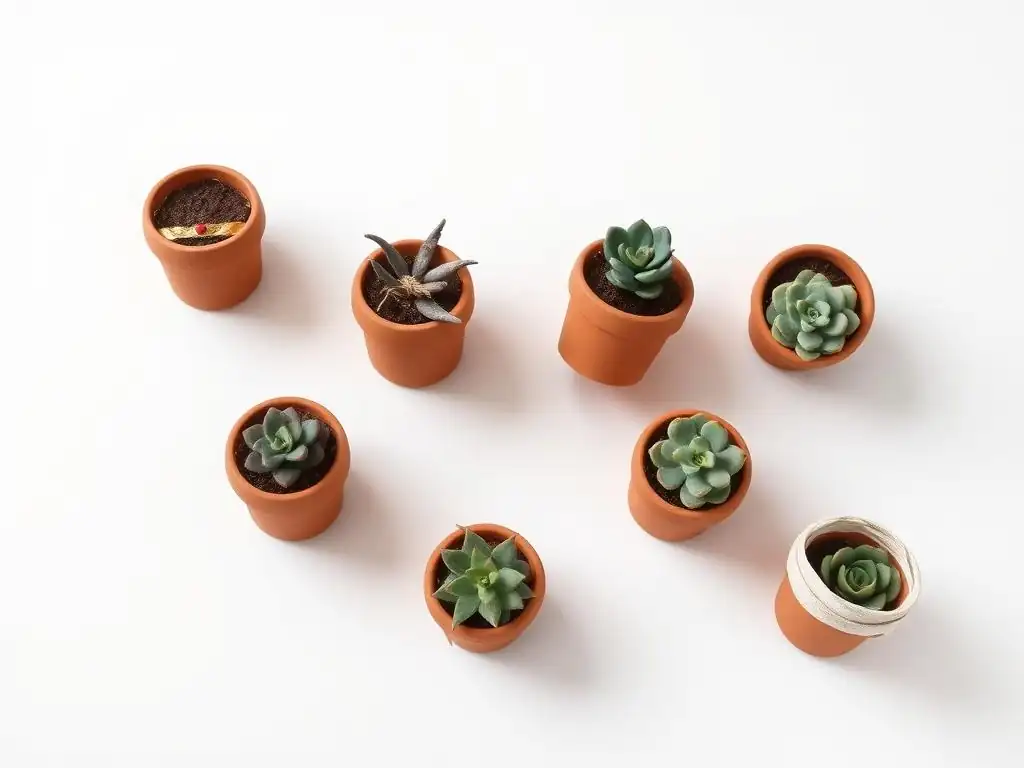
This section explores eight innovative methods to transform ordinary terracotta pots into stunning containers for your beloved succulents. We'll move beyond basic brown and delve into techniques suitable for beginners and experienced crafters alike, focusing on enhancing the aesthetic appeal of your succulent arrangements while showcasing your creativity. Remember, decorating terracotta succulent pots is a fantastic way to personalize your space and add a touch of nature's artistry.
1. Painting Terracotta Pots: Simple Designs and Techniques for Beginners
Painting is arguably the most accessible method for decorating terracotta pots. Even beginners can achieve impressive results with a little patience and the right tools. Start by cleaning your pots thoroughly with soap and water to remove any dust or debris. Allow them to dry completely before beginning the painting process.
For beginners, simple designs are key. Consider using acrylic paints, known for their vibrant colors and quick drying time. A solid color, perhaps a cheerful yellow or a calming sage green, can instantly elevate the look of a plain terracotta pot. You can achieve a more textured finish by applying multiple thin coats instead of one thick coat.
Alternatively, experiment with simple patterns. Stripes are incredibly easy to create using painter's tape to mask off sections. Dots, created using a sponge or a dotting tool, add a playful touch. Consider using stencils for more intricate designs, as discussed in section 3.
Remember to seal your painted pots with a sealant specifically designed for outdoor use, especially if your succulents will be placed outside. This protects the paint from the elements and ensures longevity. This step is crucial for preserving your beautiful creations and preventing the paint from chipping or fading.
2. Geometric Patterns: Creating Modern Designs on Terracotta Pots
Geometric patterns offer a modern and sophisticated approach to decorating terracotta succulent pots. These designs lend themselves well to minimalist aesthetics and can complement a variety of interior design styles. Clean lines and precise shapes create a visually striking contrast against the earthy tones of the terracotta.
To achieve sharp geometric patterns, painter's tape is your best friend. Use it to create straight lines, triangles, squares, or even more complex shapes. Experiment with different color combinations for a dynamic effect. Consider using a metallic paint for accents to add a touch of glamour.
Here's a simple example: create a series of intersecting lines to form a grid pattern. Then, fill in alternate squares with a contrasting color. This creates a bold and visually interesting design. You can further enhance this by adding small details within the squares, such as dots or tiny triangles.
The key to success with geometric patterns is precision. Take your time, ensuring the tape is firmly adhered to the pot to prevent paint bleed. Consider using a fine-tipped brush for detailed work. Once the paint is dry, carefully remove the tape to reveal your crisp, clean lines.
3. Stenciling Succulents: A Unique Approach to Pot Decoration
Stenciling succulents onto terracotta pots offers a unique and charming way to personalize your containers. This technique allows you to incorporate botanical elements directly into the design, creating a cohesive and aesthetically pleasing look. You can find pre-made stencils online or in craft stores, or even create your own from sturdy cardstock.
Before applying the stencil, ensure your pot is clean and dry. Apply a thin layer of paint to the stencil using a sponge or a stencil brush, working in small sections to prevent paint from seeping under the edges. Gently lift the stencil after each application to check for complete coverage and prevent smudging.
Consider using multiple stencils to layer different succulent species or create a more complex design. You can also experiment with different paint colors and techniques, such as dry brushing or sponge painting, to achieve various textures and effects. For example, you could use a darker shade to create shadows and depth, making the stenciled succulents appear more realistic.
Remember to seal the finished design with a sealant to protect the paint and ensure the longevity of your decorated pots. This step is crucial, especially if the pots are placed outdoors, protecting your artistic work from the elements. This unique approach seamlessly blends the natural beauty of succulents with the artistic expression of pot decoration.
4. Adding Texture with Natural Materials: Burlap, Twine, and More
Adding natural textures to your terracotta pots provides a rustic charm that perfectly complements the earthy tones of succulents. Burlap, with its coarse weave and neutral color palette, offers a fantastic base for a variety of decorative techniques. You can wrap burlap strips around the pot, securing them with hot glue or twine.
For a more refined look, consider using a burlap ribbon, tied in a bow or arranged in a layered pattern. Experiment with different shades of burlap—from light beige to deep brown—to find the perfect match for your succulents and overall aesthetic. Remember to pre-treat the burlap to prevent fraying and ensure longevity.
Beyond burlap, twine offers incredible versatility. You can create intricate patterns by wrapping twine tightly around the pot, leaving gaps for visual interest. Consider using different colored twines or incorporating beads and small charms for added flair. Twine can also be used to secure other decorative elements, such as small branches, pebbles, or dried flowers, creating a unique, textured surface.
The possibilities are endless, allowing you to personalize each pot to reflect your individual style. Think about combining twine with other natural materials like dried grasses or small pieces of driftwood for a truly unique, textured finish. This technique works especially well with larger terracotta pots, creating a visually striking contrast between the rough texture of the natural materials and the smooth surface of the clay.
5. Upcycled Materials: Repurposing for Creative Pot Decoration
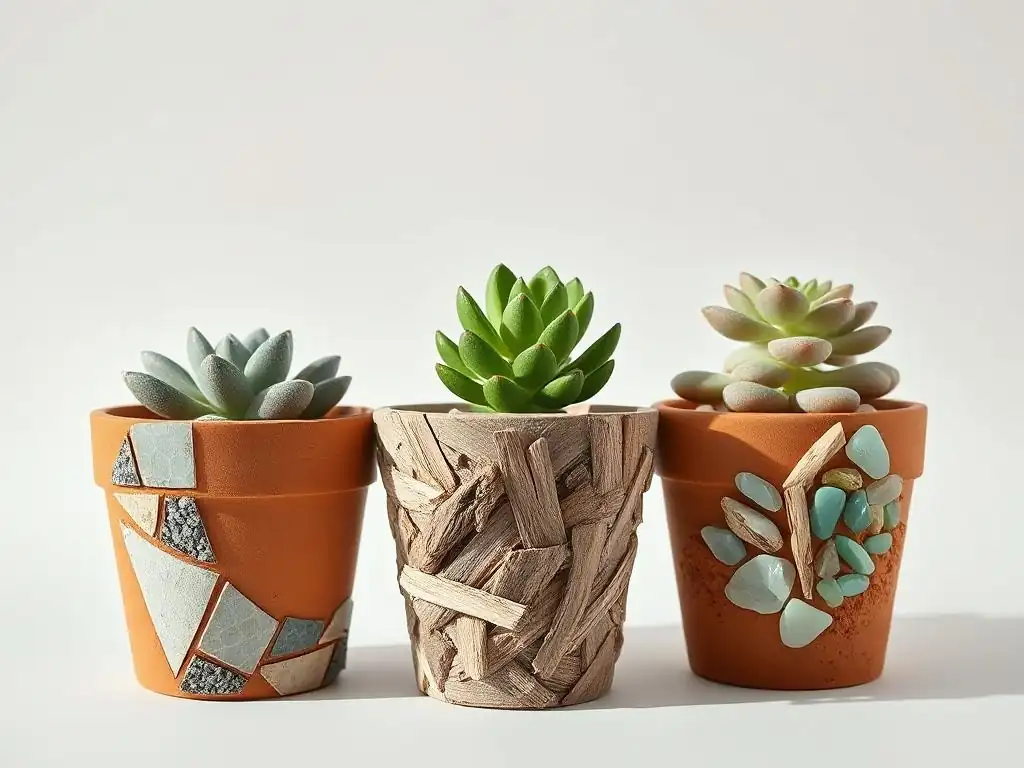
Upcycling is not only environmentally friendly but also a fantastic way to add character and personality to your terracotta pots. Consider repurposing old materials you might otherwise discard. Broken jewelry, for instance, can be glued onto the pot's surface to create a sparkling, eclectic design. Small pieces of colorful glass or ceramic shards add a mosaic-like effect, while metal scraps can create interesting textural contrasts. Remember to clean and prepare your upcycled materials thoroughly before adhering them to the pot. A strong adhesive, such as epoxy resin, is recommended for durability.
Another excellent option is using old fabric scraps. Cut fabric into strips or shapes and glue them onto the pot, creating a patchwork design or a more structured pattern. This technique is particularly effective when using brightly colored fabrics or patterned textiles. You can also use lace or other delicate fabrics for a more feminine and refined look.
The key is to let your creativity guide you and experiment with different textures and patterns to achieve a unique and personalized result. Don't be afraid to combine various upcycled materials to create a truly one-of-a-kind masterpiece. For example, you could combine fabric scraps with broken buttons or beads for added dimension and visual interest. This eco-conscious approach not only reduces waste but also results in truly unique and stylish succulent planters.
6. Mosaic Magic: Embellishing Pots with Colorful Tiles
Transforming plain terracotta pots into vibrant mosaic masterpieces is a rewarding and surprisingly simple project. Small ceramic tiles, broken china, or even colorful glass pieces can be used to create stunning designs. Start by sketching your design on the pot to ensure a cohesive look. You can opt for a geometric pattern, a free-flowing design, or even a representation of your favorite succulent. Using a strong adhesive, such as tile adhesive, carefully affix the tiles onto the pot's surface, ensuring they are evenly spaced and firmly attached.
Once the adhesive has dried, grout the spaces between the tiles to create a seamless and professional finish. Choose a grout color that complements your tile selection and enhances the overall design. After the grout has set, clean the excess grout from the tiles using a damp sponge. This process might require some patience and attention to detail, but the result is well worth the effort.
Consider using a sealant to protect the mosaic from the elements and increase its longevity. The possibilities are endless—you can create intricate patterns, use a variety of tile shapes and sizes, and incorporate different colors and textures to create a unique and eye-catching design. This technique is particularly effective for adding a touch of vibrant color and personality to your succulent arrangements. Remember to carefully select tiles that are durable and weather-resistant, ensuring your mosaic pot can withstand outdoor conditions.
7. Chalk Paint Techniques for Terracotta Pots: A Rustic Touch
Chalk paint offers a unique charm for decorating terracotta succulent pots, lending a rustic and slightly distressed aesthetic that complements many succulent varieties. Its matte finish and ease of application make it a popular choice for beginners and experienced crafters alike. The slightly imperfect finish of chalk paint adds character, making each pot unique. Unlike other paints, chalk paint often doesn't require a primer on porous surfaces like terracotta, simplifying the process.
One popular technique involves applying several layers of chalk paint in different shades, allowing some layers to peek through for a weathered look. For instance, you could start with a base coat of a muted beige, then add layers of a darker grey or brown, lightly sanding between coats to reveal the underlying colors. This creates depth and visual interest. You can further enhance the rustic effect by distressing the edges of the pot with sandpaper, creating a chipped and aged appearance.
Another approach involves using stencils with chalk paint to create intricate patterns or designs. Geometric patterns, floral motifs, or even simple text can be easily applied using this method. The matte finish of chalk paint allows the stencil to adhere well, minimizing bleed-through. Remember to use a firm but gentle hand when applying the paint to ensure crisp lines.
After the paint dries, you can seal the design with a wax or sealant to protect it from moisture and wear. This will ensure your beautifully painted terracotta pots will last for years to come, adding beauty to your succulent collection. The versatility of chalk paint allows for endless creative possibilities, making it an excellent choice for those looking to add a touch of rustic elegance to their succulent displays.
8. Combining Techniques: Layered Designs for Stunning Results
The true artistry of decorating terracotta succulent pots lies in the ability to combine different techniques to create layered designs with stunning results. This approach allows for a greater degree of personalization and creativity, enabling you to achieve truly unique and eye-catching pieces. Think of it as creating a visual narrative on your pots – a story told through texture, color, and pattern.
For example, you might start with a base coat of a vibrant color, such as a deep turquoise or sunny yellow. Once dry, you could then apply a stencil with a contrasting chalk paint, creating a geometric pattern or a delicate floral design. Finally, you could add small details using metallic acrylic paints, such as gold or copper, to highlight certain areas of the design. This layering technique creates depth and visual complexity, transforming a simple terracotta pot into a work of art.
Another effective combination involves using a base coat of paint, then applying a textured medium, such as a crackle medium or a textured paste, before adding a final layer of paint. The crackle medium creates a network of fine cracks, adding an antique feel, while the textured paste adds dimension and visual interest. These techniques can be combined with stamping, decoupage, or other decorative methods to further enhance the overall design. Remember to allow ample drying time between each layer to prevent smudging or bleeding.
The possibilities are truly endless, limited only by your imagination and creativity. Experiment with different color combinations, textures, and techniques to discover your unique style and create stunning terracotta succulent pots that reflect your personal taste. The key is to have fun and let your creativity flow!
Choosing the Right Paint for Your Terracotta Succulent Pots
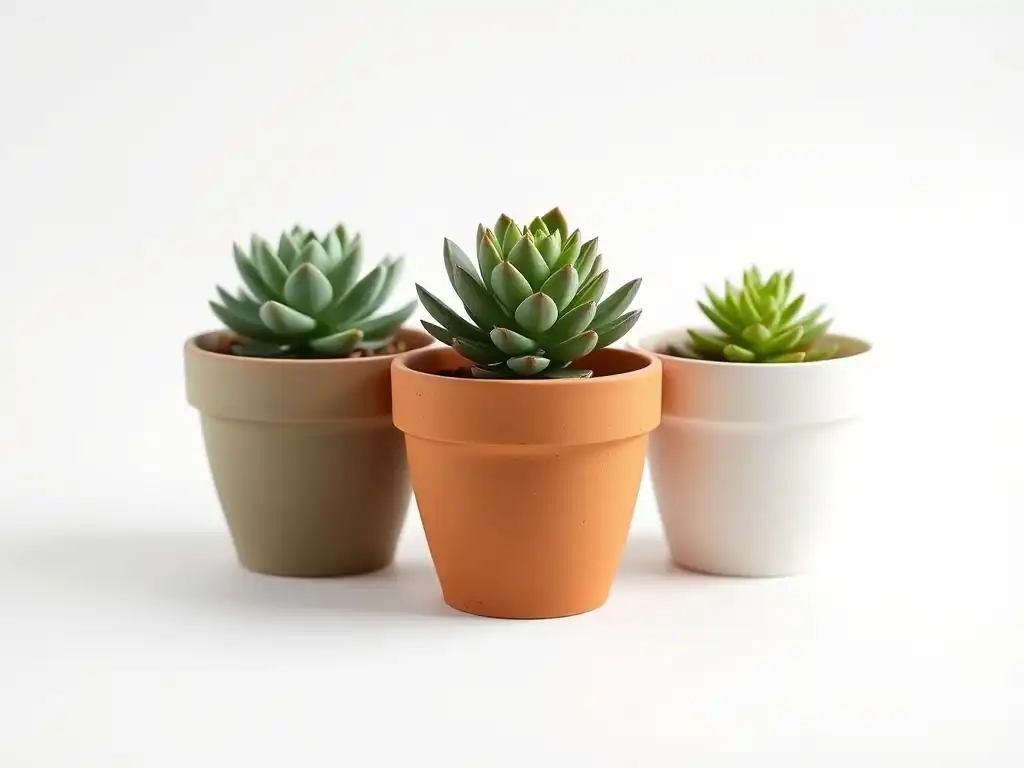
Selecting the appropriate paint is crucial for a long-lasting and visually appealing finish on your terracotta succulent pots. The wrong paint can chip, peel, or even leach harmful chemicals into the soil, potentially harming your precious plants. Therefore, careful consideration of paint type and properties is paramount. This section will guide you through choosing the best paint for your terracotta succulent pot decorating projects, focusing on durability and plant safety. We'll explore different options and their suitability for outdoor and indoor use.
Selecting Durable and Weather-Resistant Paints
For outdoor terracotta pots housing succulents, durability is key. Exposure to sun, rain, and temperature fluctuations demands a paint that can withstand these harsh conditions. Acrylic paints, specifically those labeled as exterior or weather-resistant, are excellent choices. These paints form a protective layer that prevents chipping and fading, ensuring your beautiful designs last for years.
Look for paints with a high-quality binder that provides excellent adhesion and flexibility, allowing the paint to expand and contract with the terracotta without cracking. Consider paints with UV protection to prevent color fading from prolonged sun exposure. Some high-quality exterior acrylics even boast a water-resistant finish, providing additional protection against the elements. Remember to always follow the manufacturer's instructions for proper application and drying time to maximize the paint's longevity.
Primer Application for Optimal Paint Adhesion
Before applying any paint to your terracotta pots, using a high-quality primer is essential, especially when decorating terracotta succulent pots. This often-overlooked step significantly improves paint adhesion and prevents peeling or chipping. Terracotta is a porous material, and a primer creates a smooth, even surface for the paint to adhere to. This results in a more vibrant and longer-lasting finish.
Choose a primer specifically designed for porous surfaces, like terracotta or unglazed pottery. Apply a thin, even coat, allowing it to dry completely before applying your chosen paint. This will create a strong bond between the paint and the pot, protecting your beautiful designs from the elements and ensuring your succulent pots remain stunning for years to come. Proper priming is a small investment that yields significant returns in terms of the longevity and quality of your painted pots.
Best Paint Colors for Succulent Pots
The color choices for your succulent pots are practically limitless! However, consider the overall aesthetic you’re aiming for and the environment where the pots will be placed. For instance, lighter colors reflect sunlight and can help prevent the soil from overheating, especially beneficial in hot climates. Conversely, darker colors absorb more heat. Consider the color of your succulents; contrasting colors can make your plants pop, while complementary colors create a harmonious look.
Here's a table to help you brainstorm:
| Color Family | Suggested Colors | Effect | Suitable for… |
|---|---|---|---|
| Earthy Tones | Terracotta, Brown, Beige, Olive | Natural, rustic look | Most succulent varieties |
| Bright & Cheerful | Yellow, Orange, Pink, Turquoise | Vibrant, eye-catching | Adding a pop of color to arrangements |
| Cool & Calming | Blue, Green, Lavender, Gray | Serene, sophisticated | Complementing blue-green succulents |
| Monochromatic | Varying shades of a single color | Elegant, understated | Creating a cohesive look |
Remember, the best paint colors are those that you find aesthetically pleasing and that complement your succulents and outdoor space. Don't be afraid to experiment and have fun with it! 🎨
Protecting Your Decorated Terracotta Pots
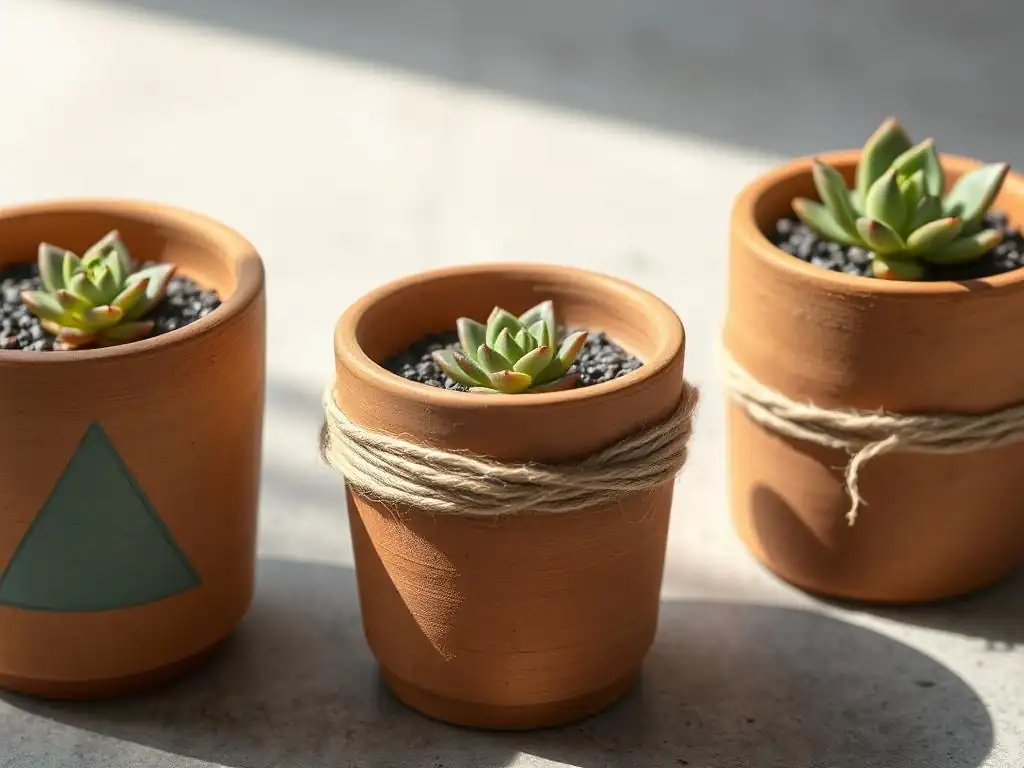
Protecting your beautifully decorated terracotta succulent pots is crucial to ensuring their longevity and preserving your artistic efforts. The porous nature of terracotta makes it susceptible to damage from the elements and the occasional accidental bump. Proper sealing and maintenance are key to keeping your creations looking their best for years to come. This section details the best practices for preserving your painted terracotta masterpieces, specifically focusing on how to protect your succulent's environment.
Sealing Your Masterpiece: Protecting Your Designs from the Elements
Sealing your decorated terracotta pots is the most important step in protecting your investment of time and creativity. A high-quality sealant will act as a barrier against water damage, UV degradation, and chipping, ultimately extending the life of your design. Several sealant options exist, each with its own advantages and disadvantages.
For succulent pots, a water-based sealant is often preferred. This is because it's less likely to react negatively with the soil or the plant itself. However, water-based sealants may require multiple coats for optimal protection and may not be as durable as other options.
Alternatively, a urethane-based sealant offers superior durability and protection against scratches and abrasions. It creates a harder, more protective finish. However, ensure you choose a sealant that is non-toxic and safe for use around plants. Always read the product label carefully before application.
The application process is relatively straightforward. Ensure your paint is completely dry before applying the sealant. Use a soft brush or sponge to apply thin, even coats, allowing each coat to dry completely before applying the next. Follow the manufacturer's instructions regarding drying time. Typically, two to three coats are recommended for optimal protection.
Remember, a properly sealed terracotta pot will not only look better for longer but will also help protect your succulents from potential harm caused by a deteriorating pot. Consider the environment your pot will be placed in when choosing a sealant. For example, outdoor pots exposed to direct sunlight and rain will require a more durable sealant than indoor pots.
Maintaining Your Painted Terracotta Pots for Long-Lasting Beauty
Even with proper sealing, regular maintenance is essential for preserving the beauty of your decorated terracotta succulent pots. This involves simple yet effective practices that can significantly extend their lifespan.
- Regular Cleaning: Gently wipe down your pots with a damp cloth to remove dust and dirt. Avoid using harsh chemicals or abrasive cleaners which could damage the paint or sealant. A mild soap solution is sufficient for most cleaning needs.
- Inspect for Damage: Regularly inspect your pots for any signs of chipping, cracking, or fading. Address minor damage promptly to prevent further deterioration. Small chips can often be repaired with a touch-up of paint and resealing.
- Protection from Extreme Temperatures: Avoid exposing your pots to extreme temperature fluctuations, especially if they are painted with less durable paints. Sudden changes in temperature can cause the paint to crack or peel.
- Careful Handling: Handle your painted terracotta pots with care. Avoid dropping or bumping them, as this can cause damage to the paint or sealant.
- Repotting Considerations: When repotting your succulents, be gentle to avoid damaging the painted surface. Consider using a plastic pot liner inside the decorative terracotta pot to protect the painted surface from moisture and soil.
By following these simple maintenance tips, you can ensure that your beautifully decorated terracotta succulent pots remain a vibrant and lasting addition to your home or garden, showcasing your creativity and enhancing your succulent collection for years to come. Remember, preventative care is far more effective than costly repairs!
Displaying Your Decorated Succulent Pots: Creating Stunning Arrangements
Once you've painstakingly decorated your terracotta pots, the next step is showcasing your artistic creations and the beautiful succulents they house. The way you display your pots can significantly impact the overall aesthetic appeal. Consider these factors for a truly stunning arrangement.
Arranging Succulents in Decorated Pots: Tips and Tricks
Planting succulents in your newly decorated pots requires a delicate touch. Remember, these plants thrive on good drainage. Start with a layer of gravel or small stones at the bottom of the pot to improve drainage and aeration. This prevents root rot, a common succulent ailment. Use a well-draining succulent and cactus potting mix, avoiding regular garden soil which retains too much moisture.
When choosing succulents, consider their size, color, and texture. Varying these elements creates visual interest. Smaller succulents can be planted in the front, while larger ones can be placed towards the back or center. Think about contrasting textures—smooth leaves against fuzzy ones, for example—to add depth to your arrangement. Don't overcrowd the pot; succulents need space to grow. Leave enough room between plants for air circulation.
Pro Tip: Before planting, lightly mist your succulents with water. This helps reduce transplant shock and makes them easier to handle.
The arrangement should also complement the design of your decorated pot. If your pot has a bold, geometric pattern, opt for succulents with simpler forms. Conversely, a more understated pot design provides a perfect backdrop for succulents with unique shapes and colors. Experiment with different arrangements until you find one that you love!
Choosing the Right Size and Shape of Pots for Your Succulents
The size and shape of your terracotta pot significantly influence the overall look of your succulent arrangement. A poorly chosen pot can dwarf even the most vibrant succulents or leave a large, sparsely populated space. Consider these factors:
- Succulent Size: Choose a pot that is proportionally sized to your succulents. Oversized pots can look empty, while undersized pots can restrict the succulents' growth and lead to overcrowding.
- Pot Shape: Round pots offer a classic, balanced look, while square or rectangular pots provide a modern, geometric feel. Consider the shape of your succulents when selecting a pot. Trailing succulents, for example, look beautiful spilling over the edges of a hanging pot or a wide, shallow container.
- Pot Depth: The depth of the pot is crucial for proper drainage. Succulents need well-draining soil, so a shallow pot might not be suitable for larger plants with extensive root systems.
| Pot Shape | Best Succulent Types | Considerations |
|---|---|---|
| Round | Echeveria, Sedum, Sempervivum | Classic, versatile; works well with various sizes |
| Square/Rectangular | Haworthia, Gasteria, Aloe | Modern, geometric; ideal for creating clean lines |
| Hanging Basket | String of Pearls, String of Hearts, Burro's Tail | Allows trailing succulents to cascade beautifully |
Complementing Your Succulents with Decorative Accents
Beyond the decorated pot itself, you can further enhance your succulent arrangements with carefully chosen decorative accents. These additions can elevate the overall aesthetic and provide a personalized touch.
Small decorative stones, pebbles, or even colored sand can be strategically placed around the base of your succulents to add visual interest and help retain moisture. These additions also help to anchor the plants and prevent them from becoming loose in the pot. Consider using natural elements like driftwood or small branches to add texture and height. Avoid using materials that might leach chemicals into the soil, harming your succulents. Remember, less is often more. Overdoing it with decorative accents can detract from the natural beauty of the succulents themselves.
Remember: Always prioritize the health and well-being of your succulents. Choose decorative accents that are safe and won't interfere with their growth. A simple, tasteful addition can often be more effective than a cluttered display.
Frequently Asked Questions
What are the best materials for decorating terracotta pots?
You can use a wide variety of materials! Popular choices include acrylic paints, chalk paint, mosaics, stencils, and fabric scraps. Get creative!
How do I prepare a terracotta pot before decorating?
Before you begin, clean the pot thoroughly and allow it to dry completely. This ensures the paint or other materials adhere properly. You may also want to prime it for better paint adhesion.
Are there any specific techniques for painting terracotta pots?
Yes! Consider using multiple thin coats of paint instead of one thick coat to avoid cracking. Also, sealing your finished design with a sealant will protect your artwork and make it last longer.
What types of succulents pair well with decorated terracotta pots?
Almost any succulent will look great! Consider the size and shape of your pot and choose succulents that complement the design and the pot's size. Color coordination is also key.
Where can I find more inspiration for decorating terracotta succulent pots?
Explore Pinterest, Instagram, and blogs dedicated to succulents and DIY crafts for countless ideas. The possibilities are endless! Check out SucculentEssentials.org for more inspiration!
Final Reflection: Cultivating Creativity, One Terracotta Pot at a Time
The humble terracotta pot, often overlooked as a mere vessel, holds the potential for vibrant self-expression and a touch of personalized artistry. From simple painted designs to intricate mosaic embellishments, the possibilities are as boundless as our imaginations. This exploration of creative terracotta pot decoration isn't just about aesthetics; it's about transforming everyday objects into unique reflections of our individual styles.
The enduring appeal of terracotta lies not only in its earthy charm but also in its adaptability. It serves as a blank canvas, inviting us to experiment with color, texture, and pattern, reflecting the ever-evolving landscape of personal taste. The details are not the details. They make the design.
– Charles Eames. This quote perfectly encapsulates the transformative power of seemingly small decorative choices, elevating the ordinary terracotta pot into a statement piece. The impact extends beyond the individual pot; it's about fostering a sense of creativity and pride in our surroundings, enriching our daily lives with small acts of personal expression.
Now, consider your own space. What story do your plants tell? What unique touch could you add to your terracotta pots to better reflect your personality and style? Don't be afraid to experiment, to embrace imperfection, and to let your creativity bloom. Pick up a brush, some paint, or any materials that inspire you, and begin transforming those basic brown pots into vibrant expressions of your unique self. The journey of creative expression is as rewarding as the final result.
Unleash Your Inner Potter: Craft Stunning Terracotta Creations!
Thanks for exploring the world of terracotta pot decorating with us! We hope you've found inspiration and fresh ideas to transform ordinary pots into unique works of art. Ready to bring your vision to life?
- Get creative and decorate a pot today! Gather your supplies—paint, stencils, mosaic tiles—anything that inspires you—and start crafting. Let your imagination run wild!
- Share your amazing creations with us on social media! We'd love to see your stunning results. Use #SucculentEssentials and tag @SucculentEssentials.
- Challenge a friend to a terracotta decorating contest! Send them this article and see who creates the most unique masterpiece.
What unexpected materials or techniques will you use to personalize your next terracotta pot?