
The Art of Personal Expression: Finding Your Style in Succulent Art

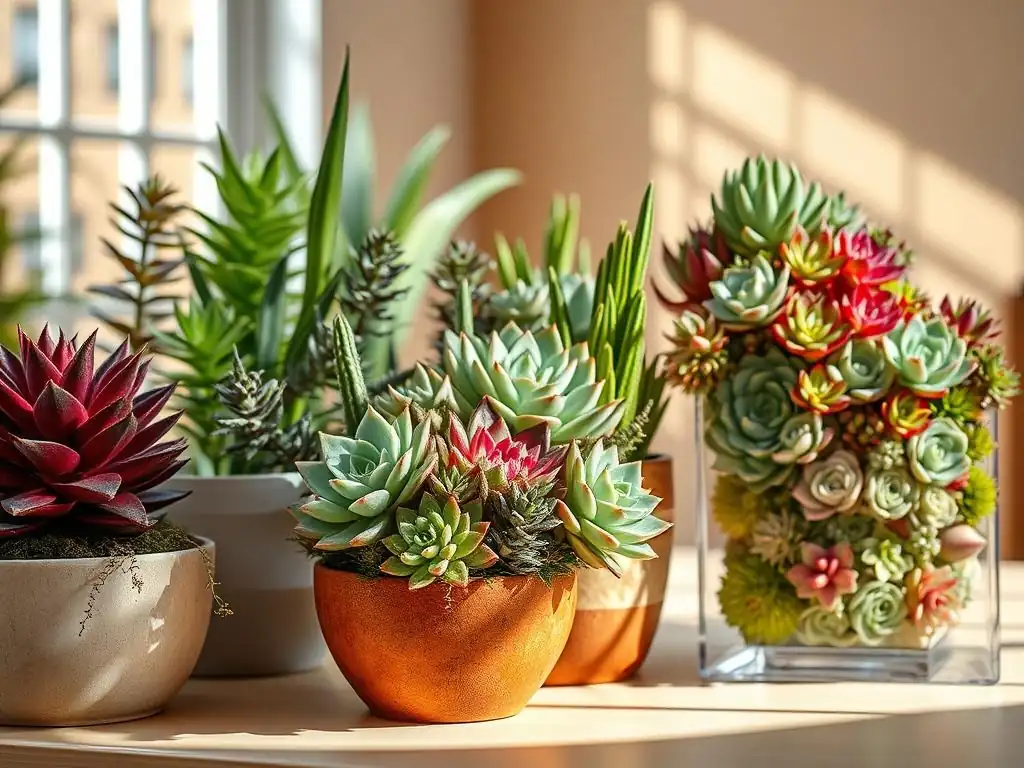
Welcome to SucculentEssentials.org, where the thriving world of succulents meets unleashed creativity! Are you ready to transform your love for these resilient plants into stunning works of art? Discover the secrets to crafting breathtaking succulent arrangements, and explore the endless possibilities of Succulent art style ideas – from minimalist masterpieces to vibrant, overflowing displays. Prepare to be inspired and learn how to cultivate your own unique style, one succulent at a time. Let's get started!
-
Discovering Your Unique Succulent Art Style
- Identifying Your Artistic Preferences: Abstract vs. Realistic Succulent Art
- Exploring Color Palettes in Succulent Art: Monochromatic vs. Vibrant Designs
- Choosing the Right Succulents for Your Artistic Vision: Texture and Form Considerations
- Incorporating Mixed Media: Beyond the Plant: Adding Stones, Wood, and More
- Mastering Succulent Art Techniques
- Developing Your Succulent Art Style: Inspiration and Experimentation
- Building a Succulent Art Portfolio
- Building an Online Presence: Sharing Your Work on Social Media
- Selling Your Succulent Art: Tips for Pricing and Marketing
- The Business of Succulent Art (Optional Section)
- Frequently Asked Questions
- Final Reflection: Cultivating Your Unique Bloom in Succulent Art
- Unleash Your Inner Artist: Craft Your Succulent Masterpiece!
Discovering Your Unique Succulent Art Style
Succulent art offers a captivating blend of nature's artistry and personal expression. This vibrant medium allows you to translate your individual style and creativity into stunning, living works of art. Whether you're a seasoned artist or a budding enthusiast, exploring the world of succulent art opens up a realm of possibilities, from crafting miniature landscapes to creating breathtaking vertical gardens.
This guide will help you navigate the exciting journey of discovering your unique succulent art style, guiding you through the process of selecting colors, choosing the perfect succulents, and ultimately, developing a signature aesthetic that reflects your personality and artistic vision. We'll delve into various styles and techniques, empowering you to unleash your inner artist and transform ordinary succulents into extraordinary works of art.
Get ready to explore the endless creative potential of succulent art and find your unique voice within this fascinating medium. Let's discover how you can transform your love for succulents into a stunning artistic expression that truly reflects your personal style.
Identifying Your Artistic Preferences: Abstract vs. Realistic Succulent Art
The first step in developing your succulent art style is identifying your artistic preferences. Do you gravitate towards the precise detail of realistic representation or the freedom of abstract expression? Realistic succulent art aims for a faithful portrayal of the plant's form, color, and texture. This style often involves meticulous attention to detail, capturing the subtle nuances of each leaf and petal. Think of highly detailed paintings or intricately crafted miniature succulent gardens that mirror nature's beauty with precision.
Conversely, abstract succulent art emphasizes form, color, and texture over literal representation. This style allows for greater freedom of expression, enabling you to interpret the essence of succulents in a more subjective and imaginative way. You might use bold colors, unconventional arrangements, or even incorporate non-succulent elements to create a unique and expressive piece. Consider using bold color blocking, geometric shapes inspired by succulent forms, or incorporating mixed media to create a truly unique abstract piece. The possibilities are endless! Ultimately, the choice between realistic and abstract styles depends on your personal preference and artistic vision.
Exploring Color Palettes in Succulent Art: Monochromatic vs. Vibrant Designs
Color plays a crucial role in setting the mood and tone of your succulent art. Consider whether you prefer the serene elegance of a monochromatic palette or the energetic vibrancy of a multi-hued design. Monochromatic schemes, using variations of a single color, create a sense of harmony and sophistication. Imagine a stunning arrangement featuring various shades of green, from deep emerald to pale lime, creating a calming and cohesive aesthetic. This approach can highlight texture and form beautifully.
Vibrant color palettes, on the other hand, offer a dynamic and exciting approach. Mixing complementary or contrasting colors can create a visually stimulating piece. Think of using bright pinks, purples, oranges, and yellows alongside the traditional greens to create a bold and energetic artwork. This style lends itself well to more abstract or playful arrangements. The choice between a monochromatic or vibrant palette is a matter of personal preference and the overall feeling you want to evoke in your artwork. Experiment with different combinations to find what resonates with your style.
Choosing the Right Succulents for Your Artistic Vision: Texture and Form Considerations
The selection of succulents is paramount to the success of your artistic endeavor. Consider the texture, form, and color of different succulent varieties to ensure they align with your chosen style. The rough, textured leaves of Echeveria contrast beautifully with the smooth, almost waxy leaves of Haworthia. The rosettes of Echeveria lend themselves well to structured, geometric arrangements, while the trailing stems of Sedum morganianum create a sense of movement and fluidity. Consider the various shapes and sizes of succulents – some are tall and slender, others short and plump.
Some have smooth leaves, while others have spiky, textured ones. This variety allows for incredibly diverse compositions. Experiment with different combinations of succulents to find what works best for your artistic vision and desired aesthetic. Remember to consider the growth habits and care requirements of each succulent to ensure the longevity of your artwork.
Incorporating Mixed Media: Beyond the Plant: Adding Stones, Wood, and More
Adding diverse mixed media elements significantly elevates your succulent art, transforming it from a simple arrangement into a captivating, three-dimensional landscape. The careful selection and placement of these elements are key to achieving a cohesive and visually appealing final product. Think of your succulents as the vibrant focal points, and the mixed media as the supporting cast, enhancing the overall narrative of your piece.
Consider the textures and colors of your chosen succulents. A vibrant, brightly colored echeveria might pair beautifully with smooth, polished river stones in shades of grey and white, creating a striking contrast. Conversely, a collection of muted-toned sedums might benefit from the warm tones and rustic texture of driftwood or small pieces of reclaimed wood. The contrast between the organic forms of the succulents and the hard lines of the stones or wood adds visual interest and depth.
The size and scale of your mixed media components are equally crucial. Overpowering your succulents with excessively large stones or pieces of wood will detract from the plants themselves. Aim for a balance—elements that complement the succulents without obscuring them. Small, carefully placed stones can be used to define pathways or create miniature rock gardens within your arrangement. Similarly, small pieces of wood can serve as miniature fences or pathways, adding a whimsical touch.
Experimentation is key! Don't be afraid to try different combinations of materials. Perhaps you'll discover a unique synergy between the spiky texture of a cactus and the rough surface of a piece of petrified wood. Or maybe the smooth, cool feel of polished glass beads will beautifully complement the velvety leaves of a succulent.
Remember, there are no hard and fast rules; the most important aspect is to create a piece that resonates with your personal aesthetic and evokes a feeling of harmony and balance. The goal is to allow your creativity to flourish and to discover your own unique succulent art style. Consider using natural elements found in your surroundings - shells from a beach trip, interesting twigs from a forest walk, even unique colored sand can add to the overall composition and enhance the feeling of a natural, organic creation. The possibilities are truly endless!
Mastering Succulent Art Techniques
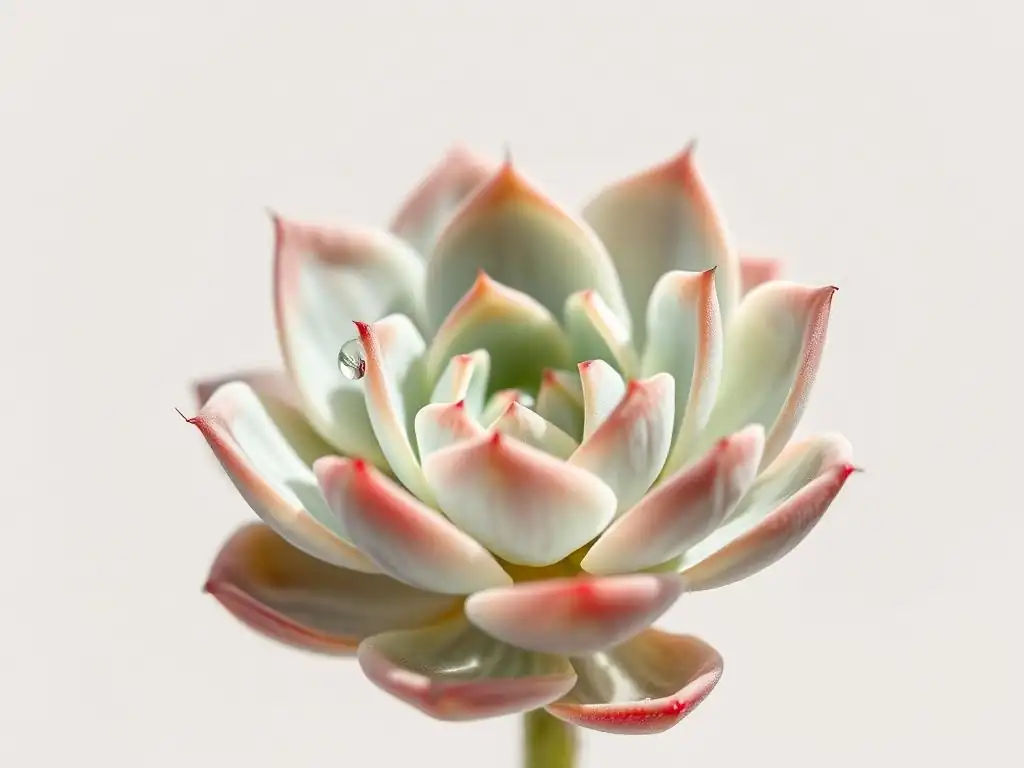
This section delves into the practical skills needed to create stunning succulent art, progressing from fundamental arrangement techniques to more advanced methods incorporating diverse materials and preservation strategies. Mastering these techniques will unlock your creative potential and allow you to express your unique style through captivating succulent artwork. We'll explore how to achieve balance, incorporate unusual elements, and ensure the longevity of your creations.
Basic Succulent Arrangement Techniques: Creating Balanced Compositions
Creating a balanced and visually appealing succulent arrangement is the cornerstone of successful succulent art. It's about more than just sticking succulents together; it's about understanding principles of design to create a harmonious whole. This involves considering factors like size, color, texture, and shape.
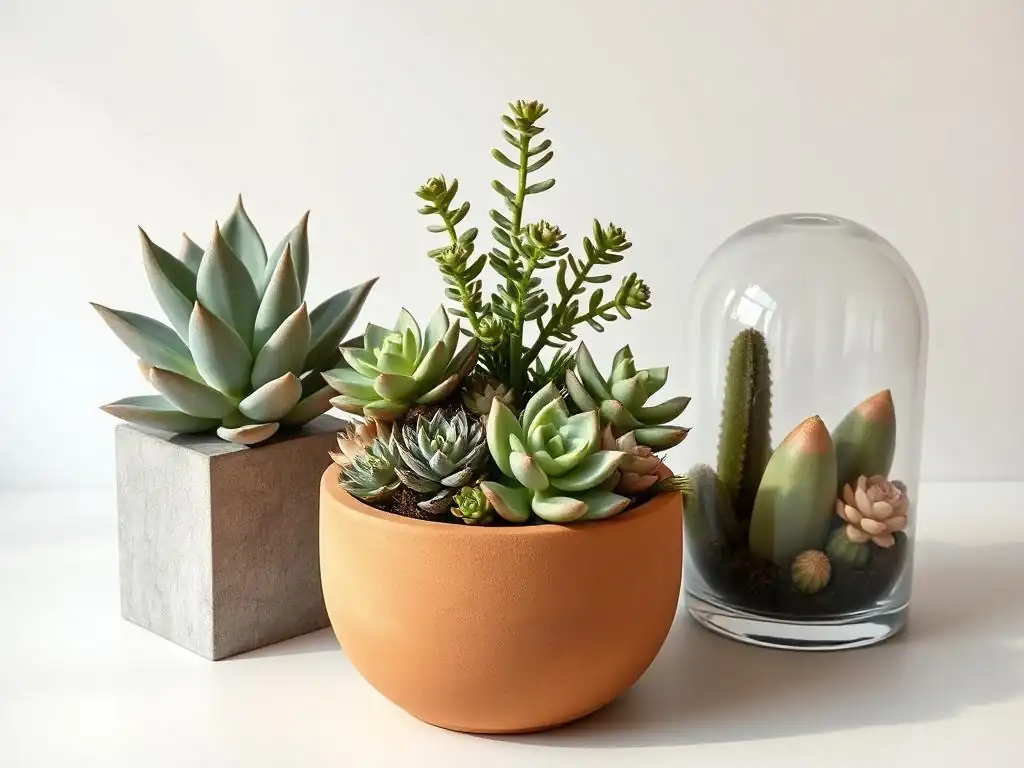
Begin by selecting a container. The size and shape of your container will significantly influence the overall composition. A shallow, wide bowl lends itself to a sprawling, horizontal arrangement, while a tall, narrow vase might be better suited for a vertical display.
Next, choose your succulents. Consider a variety of sizes and textures. Think about the color palette: do you want a monochromatic scheme, or a vibrant mix of colors? A good rule of thumb is to use odd numbers of plants for a more dynamic composition. For example, a grouping of three succulents of varying heights and colors creates a more interesting focal point than two.
Here's a simple example:
| Succulent Type | Size (approx.) | Color | Texture | Placement |
|---|---|---|---|---|
| Echeveria 'Perle von Nürnberg' | Small | Rosy-pink | Smooth, fleshy | Center |
| Sedum 'Little Missy' | Medium | Greenish-yellow | Fine, textured | Around Echeveria |
| Sempervivum 'Red' | Small | Deep red | Rosette | Around Sedum |
Finally, arrange your succulents. Start with the largest or most prominent succulent as your focal point, then build around it with smaller plants, filling in gaps and creating visual interest. Ensure there is adequate space between each succulent to allow for growth and prevent overcrowding. Remember to consider the height and spread of each succulent to create a balanced and aesthetically pleasing composition. Experiment with different arrangements until you achieve a look you love! This process of trial and error is crucial to developing your unique succulent art style ideas.
Advanced Succulent Art: Incorporating Unusual Materials and Techniques
Once you've mastered basic succulent arrangement, you can explore more advanced techniques to elevate your succulent art to a new level. This involves incorporating unusual materials and pushing creative boundaries.
Consider using mixed media: combine succulents with other natural elements like driftwood, stones, shells, or even small pieces of metal or glass. These additions can add texture, color, and visual interest to your arrangements. Think about the overall theme or mood you want to evoke. A rustic arrangement might incorporate natural wood and stones, while a more modern piece might use sleek metal accents.
Experiment with different planting mediums. Instead of traditional potting soil, try using sand, gravel, or even colored glass beads. This can add a unique visual element and create a more textured and artistic effect. You can also explore vertical gardens using repurposed materials like old picture frames or pallets, adding a unique dimension to your succulent art style ideas.
Consider creating miniature succulent landscapes. These can be small-scale representations of larger natural environments, incorporating miniature figurines, tiny houses, or other decorative elements. This allows for a level of detail and storytelling that elevates your artwork beyond simple arrangements.
Remember, the possibilities are endless. Don't be afraid to experiment and find what works best for you. The most important thing is to have fun and let your creativity flow. Your unique style will emerge naturally through experimentation and exploration of different succulent art style ideas.
Preserving Succulents for Art: Methods for Long-lasting Creations
The beauty of succulents lies in their resilience, but even these hardy plants can eventually succumb to environmental factors. To ensure your succulent artwork lasts, consider employing preservation techniques. This isn't about creating immortal pieces, but rather extending their lifespan and enhancing their artistic longevity.
One method is air drying. This involves carefully removing a succulent leaf or cutting and allowing it to air dry completely before incorporating it into your composition. This can be done by simply placing the leaf or cutting on a paper towel in a dry, well-ventilated area. This process preserves the shape and color of the succulent, but results in a brittle, delicate piece that requires careful handling.
Another approach is pressing. Similar to air drying, pressing flattens the succulent, preserving its shape in a two-dimensional form. This technique is ideal for creating pressed succulent art pieces, such as framed artwork or cards. This requires a flower press or heavy books to ensure even flattening.
Finally, consider resin encapsulation. This involves embedding the succulents in resin, creating a three-dimensional, long-lasting piece. While this technique requires specific materials and careful execution, it offers a unique way to preserve the vibrant color and texture of the succulent for years to come. This method offers a unique way to showcase your succulent art style ideas in a lasting form. Remember to always prioritize safety when working with resin, following the manufacturer's instructions carefully. Appropriate ventilation is crucial when working with resin.
Creating Miniature Succulent Worlds: Terrariums and Fairy Gardens
Terrariums and fairy gardens offer a unique avenue for expressing your creativity with succulents. These miniature ecosystems allow for intricate designs and the incorporation of various elements beyond just the plants themselves. The beauty lies in the ability to craft a complete, self-contained world within a glass container or a small, designated garden space. Consider the overall aesthetic you're aiming for – a serene desert landscape, a whimsical fairy haven, or a vibrant, densely-packed miniature garden.
The process begins with selecting the right container. Glass terrariums come in various shapes and sizes, from sleek, geometric designs to charming, vintage-inspired jars. For fairy gardens, you might choose a larger, shallow container or even repurpose a decorative bowl. The size of the container will dictate the scale of your miniature world and the number of succulents you can incorporate. Remember to choose containers with adequate drainage to prevent root rot, a common problem in enclosed environments. Consider using a layer of gravel or pebbles at the bottom for drainage and aeration.
Next, carefully choose your succulents. Smaller varieties are ideal for terrariums and fairy gardens, as they won't quickly outgrow their space. Consider using a variety of textures, colors, and shapes to create visual interest. Think about how the succulents will interact with each other in terms of size and growth habits. Planning the arrangement before you begin planting is crucial for a cohesive and aesthetically pleasing result. You might sketch out your design beforehand, especially for complex arrangements.
Once you've selected your succulents, begin layering your miniature world. Start with a base layer of soil, appropriate for succulents. Then, carefully plant your succulents, leaving enough space for growth. Consider adding decorative elements like miniature figurines, stones, moss, or even small pieces of driftwood to enhance the overall aesthetic. For fairy gardens, tiny houses, bridges, and pathways add a touch of enchantment. Remember to maintain a balance between the succulents and the decorative elements; you don't want one to overwhelm the other.
Maintaining your miniature succulent world requires regular attention. While succulents are drought-tolerant, they still need occasional watering. The frequency will depend on the size of the container, the type of succulents used, and the environmental conditions. Avoid overwatering, which can lead to root rot.
Regularly inspect your miniature world for any signs of pests or diseases and address them promptly. With proper care and attention, your terrarium or fairy garden will thrive and become a captivating piece of succulent art that reflects your unique style. Experiment with different combinations of succulents and decorative elements to create truly unique and personalized miniature landscapes. The possibilities are endless!
Developing Your Succulent Art Style: Inspiration and Experimentation
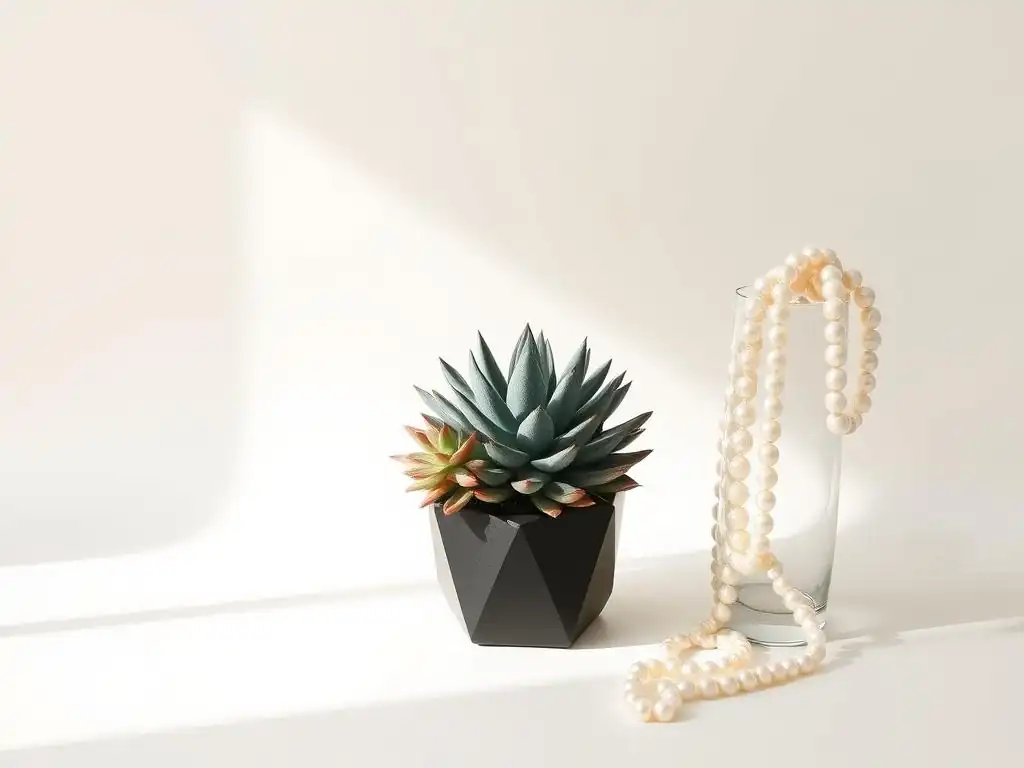
This section delves into the exciting process of discovering and refining your personal style in succulent art. We'll explore avenues for finding inspiration and experimenting with various mediums to ultimately cultivate a unique artistic voice that reflects your individual creativity. Mastering the art of succulent arrangement isn't just about technical skill; it's about expressing your personality and vision through these fascinating plants. The journey to finding your succulent art style ideas is one of exploration and self-discovery.
Finding Inspiration: Exploring Different Succulent Art Styles Online
The internet is a treasure trove of succulent art inspiration. Sites dedicated to succulent arrangement, crafting, and gardening offer a vast array of styles, techniques, and creative approaches. You can find everything from minimalist arrangements emphasizing clean lines and muted colors to vibrant, maximalist displays bursting with texture and a kaleidoscope of hues. Consider these avenues for inspiration:
- Pinterest: Search for terms like "succulent art," "succulent arrangements," "succulent crafts," and "succulent terrarium ideas" to discover a wealth of visually stunning examples. Pay attention to the color palettes, plant combinations, and container choices. Notice how different artists use these elements to create unique moods and aesthetics.
- Instagram: Follow artists and enthusiasts who specialize in succulent art. Observe their techniques, the types of succulents they use, and the overall aesthetic they cultivate. The hashtag #succulentart is a great starting point. Engage with the community by commenting on posts and asking questions – you might even discover new succulent art style ideas through conversations.
- Online Blogs and Websites: Many blogs and websites are dedicated to succulents and crafting. These platforms often feature tutorials, step-by-step guides, and interviews with artists, providing valuable insights into different creative processes and approaches. Look for blogs that focus on mixed media succulent art specifically.
Remember to actively analyze what resonates with you. What color combinations catch your eye? What types of containers appeal to you? What level of complexity excites you? By actively engaging with different styles, you'll begin to discern your own preferences and develop a sense of your unique artistic direction. This initial phase of exploration is crucial for defining your succulent art style ideas.
Experimenting with Different Mediums: Expanding Your Creative Horizons
Once you've gathered inspiration, it's time to experiment! Mixed media succulent art offers endless possibilities. Don't limit yourself to a single technique; explore a range of mediums to discover what excites your creativity and best complements your aesthetic vision. Consider these options:
- Terrariums: Experiment with different terrarium styles—closed, open, or even miniature versions. Explore various container shapes, sizes, and materials. Try incorporating decorative elements like pebbles, sand, moss, and small figurines.
- Vertical Gardens: Create vertical succulent gardens using various materials like wood, metal, or repurposed items. Experiment with different planting techniques, such as using individual pots within a larger structure or planting directly into the chosen medium.
- Wall Art: Use succulents to create unique wall art pieces. This could involve incorporating succulents into shadow boxes, creating living wall art, or even pressing and preserving succulents to create framed artwork.
- Mixed Media Combinations: Don't be afraid to blend different mediums. For example, combine succulents with other natural elements like driftwood, stones, or feathers. Incorporate found objects or upcycled materials to add texture and interest. The possibilities are limitless!
Keep a detailed journal or sketchbook to document your experiments. Note down the materials you used, the techniques you employed, and your overall impressions of each piece. This will help you track your progress and identify the approaches that resonate most strongly with your creative vision. This experimentation phase is key to developing your unique succulent art style ideas.
Developing a Signature Style: Finding Your Unique Artistic Voice
Developing a signature style takes time and dedication. It's a process of experimentation, refinement, and self-discovery. But by consistently creating, reflecting, and iterating, you'll gradually find your unique voice within the world of succulent art. Here are some tips to guide you:
- Focus on your strengths: What aspects of succulent art do you excel at? Do you have a knack for creating miniature landscapes? Are you particularly skilled at selecting and combining colors? Concentrate on your strengths and refine your techniques in those areas.
- Develop a consistent aesthetic: Consider the overall mood or feeling you want your work to convey. Do you prefer clean lines and minimalist designs, or bold colors and maximalist compositions? Develop a consistent aesthetic that runs through your pieces.
- Don't be afraid to break the rules: Once you have a solid understanding of the fundamentals, don't be afraid to experiment and push boundaries. Try unconventional materials, unexpected color combinations, or unusual planting techniques. The most unique and memorable art often emerges from breaking established norms.
- Seek feedback: Share your work with others and ask for constructive criticism. This can help you identify areas for improvement and gain valuable insights into how your work is perceived by others. This feedback loop is essential for growth and refining your succulent art style ideas.
Remember, developing a unique style is an ongoing process. Embrace the journey, celebrate your successes, and learn from your mistakes. The more you create, the clearer your artistic voice will become, leading you to express your individuality through the captivating medium of succulent art.
Showcasing Your Succulent Art: Sharing Your Creations
Sharing your succulent art creations is a crucial step in the artistic process. It allows you to connect with fellow succulent enthusiasts, receive feedback, and gain inspiration from others. But beyond simply displaying your work, consider how you can best showcase your unique style and artistic vision. This isn't just about posting a picture; it's about presenting your art in a way that reflects your personal brand and resonates with your target audience.
One effective method is to participate in online succulent art communities. Many platforms boast thriving groups dedicated to succulent art, where artists share their work, exchange tips, and provide constructive criticism. Engage with other artists, ask questions, and offer your own insights. This collaborative environment can significantly enhance your artistic journey and help you discover new techniques and stylistic approaches. Remember to use relevant hashtags to increase the visibility of your work, such as #succulentart, #succulentarrangement, #mixedmediasucculents, and #succulentartstyleideas.
Another avenue to explore is local art fairs and markets. These events provide a fantastic opportunity to interact directly with potential buyers and gain immediate feedback on your work. Prepare a visually appealing display that showcases the diversity of your succulent art style. Consider adding small descriptions detailing your creative process or the inspiration behind each piece. This personal touch can significantly enhance the viewer's appreciation of your work. Don't underestimate the power of a well-crafted artist statement, concisely summarizing your artistic philosophy and approach to succulent art.
Finally, consider creating a dedicated online portfolio. This could be a simple website or a page on social media platforms like Instagram or Pinterest. A well-curated online presence allows you to showcase your best works and build a strong brand identity. Consistent posting and interaction with your audience are key to building a successful online presence.
High-quality photographs are essential; ensure your succulent art is well-lit and presented in a way that truly captures its beauty and uniqueness. Remember to consistently showcase your unique style to help cultivate a recognizable brand. The more you share, the more opportunities will arise to connect with others who appreciate your art. The goal isn't just to sell your art but to share your passion for succulents and creative expression.
Building a Succulent Art Portfolio
Creating a strong portfolio is crucial for showcasing your unique succulent art style and attracting potential clients or buyers. A well-curated portfolio isn't just about displaying finished pieces; it's about telling a story of your artistic development and showcasing your versatility. Think of it as a visual resume, highlighting your skills and aesthetic preferences.
Documenting Your Artistic Journey: Photography and Presentation
High-quality photography is paramount. Poor lighting or blurry images can significantly detract from even the most stunning succulent artwork. Invest in good lighting – natural light is ideal, but a well-positioned photography lamp can also work wonders. Experiment with different angles and backgrounds to highlight the texture and detail of your pieces. Consider using a tripod to ensure sharpness and consistency.
Think beyond just snapping a picture. Present your work professionally. Use consistent editing techniques for color balance and sharpness across all images. Consider adding a small, unobtrusive watermark with your artist name or logo to protect your intellectual property. For larger pieces, consider photographing them in situ, perhaps in a styled room setting to showcase their scale and impact. This helps potential buyers visualize the artwork in their own spaces. For smaller pieces, a clean, minimalist background works best.
Here's a sample checklist for photographing your succulent art:
| Checklist Item | Description | Status |
|---|---|---|
| Lighting | Use natural light or a photography lamp. Avoid harsh shadows. | ✅ |
| Background | Choose a clean, neutral background that complements your artwork. | ✅ |
| Angle | Experiment with different angles to find the most flattering perspective. | ⬜ |
| Sharpness | Use a tripod or a steady hand to ensure sharp, clear images. | ✅ |
| Editing | Edit for color balance, sharpness, and consistency across all images. | ⬜ |
| Watermark | Add a discreet watermark with your artist name or logo. | ⬜ |
| Presentation | Consider photographing larger pieces in a styled environment. | ⬜ |
Remember, your portfolio is a reflection of your brand. Maintain a consistent aesthetic across all images to create a cohesive and professional presentation.
(This section is marked for consideration of removal)
Selling Your Succulent Art: Tips for Pricing and Marketing
(This section is marked for consideration of removal)
Collaborating with Other Artists: Expanding Your Network
Collaborating with other artists can significantly boost your succulent art style and expand your creative horizons. The exchange of ideas, techniques, and perspectives can lead to unexpected and innovative approaches to your work. Think of it as cross-pollination – the merging of different artistic styles can result in a unique and vibrant expression. For example, a collaboration between a succulent sculptor and a painter could yield a stunning three-dimensional piece with intricate painted details. This synergistic approach not only enhances the final product but also fosters professional growth.
Finding collaborators can be as simple as attending local art fairs or workshops. Many artists are eager to connect with like-minded individuals and explore joint projects. Online platforms and social media groups dedicated to art and succulents also offer excellent networking opportunities. Actively engage in these communities, share your work, and express your interest in collaboration.
Remember to clearly articulate your artistic vision and the type of collaboration you seek. Are you looking for someone to complement your existing skills, or are you hoping to learn a new technique? Defining your goals upfront ensures a more productive and fulfilling collaboration.
Beyond the creative benefits, collaborating also offers practical advantages. Joint exhibitions, for instance, can significantly increase your visibility within the art community. Sharing the workload and costs associated with exhibiting can make participation more accessible. Furthermore, collaborating can lead to valuable mentorship opportunities.
Working alongside more experienced artists can provide invaluable insights into the art world and help you refine your artistic practice. Don't underestimate the power of learning from others; their experience and feedback can be invaluable in your artistic journey. Consider documenting your collaborations, perhaps by creating a joint portfolio or blog, to showcase the fruits of your teamwork and highlight the unique blend of styles achieved. This collaborative spirit not only enriches your creative process but also strengthens your network within the vibrant world of succulent art.
The Business of Succulent Art (Optional Section)
This section explores the potential for turning your passion for succulent art into a profitable venture. While creating beautiful pieces is rewarding in itself, understanding the business side can help you share your art with a wider audience and potentially generate income. This isn't about becoming a large-scale enterprise overnight; it's about establishing a sustainable and enjoyable path for your creative journey.
Pricing Your Succulent Art: Factors to Consider
Pricing your succulent art creations requires a careful balancing act. You need to cover your costs while remaining competitive and reflecting the value of your unique artistic style. Several factors influence the final price tag:
- Cost of Materials: This includes the succulents themselves (consider variety, size, and rarity), containers (pots, frames, etc. ), adhesives, paints, other embellishments, and any tools used. Keep detailed records of expenses for each project to accurately calculate your material costs. For example, a piece using rare or imported succulents will naturally command a higher price than one using readily available varieties.
- Time Investment: Succulent art can be time-consuming. Factor in the time spent sourcing materials, designing the piece, arranging the succulents, and finishing touches. Consider your hourly rate – what's your time worth? A complex, large-scale piece will naturally require more time and therefore command a higher price.
- Skill and Experience: As your skills improve and your style refines, you can justify charging more. Unique techniques, innovative designs, and a recognizable personal style all contribute to the perceived value of your work. Early pieces might be priced lower to build a portfolio and gain experience, while later, more intricate pieces can reflect your growing expertise.
- Market Research: Investigate what similar succulent art pieces are selling for. Consider the size, complexity, and materials used in comparable items. This research will help you price your work competitively, ensuring you're not underselling yourself or pricing yourself out of the market.
- Profit Margin: Don't forget to include a healthy profit margin! This ensures you're compensated fairly for your effort, skill, and creativity. A good starting point is to aim for a 50-70% profit margin, but this can vary depending on your costs and market.
| Factor | Impact on Pricing | Example |
|---|---|---|
| Material Costs | Higher cost materials = higher price | Rare succulent varieties increase the price. |
| Time Investment | More time = higher price | Large, intricate pieces command higher prices. |
| Skill & Experience | Higher skill = higher price | Unique techniques justify higher pricing. |
| Market Research | Competitive pricing is essential | Analyze prices of similar art pieces. |
| Profit Margin | Ensure profitability | Aim for a 50-70% profit margin. |
Marketing Your Succulent Art: Online and Offline Strategies
Marketing your succulent art effectively involves a multi-pronged approach, combining online and offline strategies. A strong online presence is crucial in today's market, but don't underestimate the power of local engagement.
Online Strategies:
- Social Media: Platforms like Instagram, Pinterest, and Facebook are ideal for showcasing your vibrant creations. Use high-quality images and videos, engage with followers, and run targeted ads to reach a wider audience. Hashtags like #succulentart, #succulentartstyleideas, and #mixedmediasucculents are crucial for discoverability.
- Etsy or similar platforms: These online marketplaces provide a ready-made customer base for handmade items. Ensure your shop is well-organized, your photos are professional, and your descriptions are compelling.
- Website: A personal website allows you to showcase your work, tell your story, and build a brand identity. It provides a central hub for all your online activities and allows for more control over your branding and marketing messages.
Offline Strategies:
- Local Craft Fairs and Markets: Participating in local events provides opportunities to interact directly with potential customers, showcase your work, and build relationships within your community.
- Collaborations: Partnering with local businesses, such as florists, home décor shops, or garden centers, can expose your work to a new audience.
- Networking: Connect with other artists, designers, and businesses in your community. Networking events and workshops can lead to valuable collaborations and referrals.
Building a Sustainable Succulent Art Business: Tips for Success
Building a successful and sustainable succulent art business requires dedication, planning, and a passion for your craft. Here are some key tips to help you succeed:
- Develop a Unique Style: Don't be afraid to experiment and find your own artistic voice. A unique style will help you stand out from the competition and attract a loyal following.
- High-Quality Materials: Use high-quality succulents and materials to ensure your creations are durable and visually appealing. This reflects well on your brand and the value of your work.
- Excellent Customer Service: Respond promptly to inquiries, package your art carefully, and go the extra mile to ensure customer satisfaction. Positive reviews and word-of-mouth referrals are invaluable for business growth.
- Continuous Learning: Stay updated on the latest trends, techniques, and materials in the succulent art world. Attend workshops, take online courses, and experiment with new ideas to keep your skills sharp and your work fresh.
- Financial Management: Keep accurate records of your income and expenses. This will help you make informed business decisions, track your progress, and ensure the long-term sustainability of your business. Consider consulting with a business advisor or accountant for guidance.
Remember, building a business takes time and effort. Be patient, persistent, and passionate, and you'll increase your chances of success in the rewarding world of succulent art. 🌱
Frequently Asked Questions
What is succulent art?
Succulent art encompasses a wide range of creative expressions using succulents. This includes miniature landscapes, vertical gardens, living wall art, and even sculptural arrangements. It's about using succulents to create aesthetically pleasing and unique designs.
How do I find my personal style in succulent art?
Explore different arrangement styles and succulent varieties. Consider your personal aesthetic preferences—modern, rustic, minimalist, etc.—and let that guide your choices. Experiment with different containers, colors, and textures to discover what resonates with you.
What are some popular succulent art style ideas?
Popular styles include minimalist arrangements in geometric pots, whimsical fairy gardens, bold and colorful displays, and elegant terrariums. You can also incorporate other elements like stones, wood, and decorative figurines to enhance your designs.
What are the essential tools for creating succulent art?
Essential tools include various sized pots and containers, well-draining potting mix, succulents of different shapes and sizes, and gardening tools like trowels and spoons. Consider adding decorative elements like pebbles, sand, or moss to enhance your creations.
Where can I find inspiration for succulent art style ideas?
Browse online resources like Pinterest and Instagram, visit botanical gardens or nurseries, and explore succulent-focused websites like SucculentEssentials.org. Pay attention to details and let your creativity flow, drawing inspiration from nature and your surroundings.
Final Reflection: Cultivating Your Unique Bloom in Succulent Art
The vibrant world of succulent art isn't just about mimicking nature; it's about expressing your unique inner landscape. This exploration into diverse succulent art styles reveals a powerful truth: your personal expression is the most captivating element of all. The techniques, the mediums, the subjects – they all serve as tools to unlock your creative potential and share your vision with the world.
The enduring appeal of succulent art lies in its ability to connect us with nature's resilience and beauty, mirroring our own journeys of growth and transformation. The best art is that which speaks to the soul, not just the eyes.
This quote rings particularly true when considering the deeply personal nature of creating succulent art. From the meticulous detail of a miniature landscape to the bold strokes of a large-scale painting, each piece reflects the artist's unique perspective and emotional landscape. The ongoing evolution of styles, from minimalist to maximalist, reflects our own diverse expressions of creativity and self-discovery.
Now, consider your own creative journey. What unique elements can you bring to the world of succulent art? What colors, textures, and forms resonate most deeply with you? Don't be afraid to experiment, to break the rules, and to let your personality shine through. Embrace the imperfections, celebrate the unexpected, and allow your succulent art to become a vibrant testament to your individual style. Let your unique bloom blossom.
Unleash Your Inner Artist: Craft Your Succulent Masterpiece!
Thank you for exploring the captivating world of succulent art with us! We hope you've found inspiration and discovered new ways to express your creativity. Now it's time to put your knowledge into practice.
- Create your first succulent arrangement: Gather your supplies—we have some excellent starter kits on our website!—choose your favorite succulents, and let your imagination run wild! Experiment and personalize your design to create a truly unique piece.
- Share your artistic journey: Post a picture of your creation on social media and tag us @SucculentEssentials! Let's celebrate your success together and inspire others.
- Join our online community: Connect with fellow succulent enthusiasts on our forum to share tips, ask questions, and showcase your beautiful work. We'd love to see what you create!
What stunning succulent design will you create today?