
The Allure of Indoor Succulents: Why They're the Perfect Home Decor

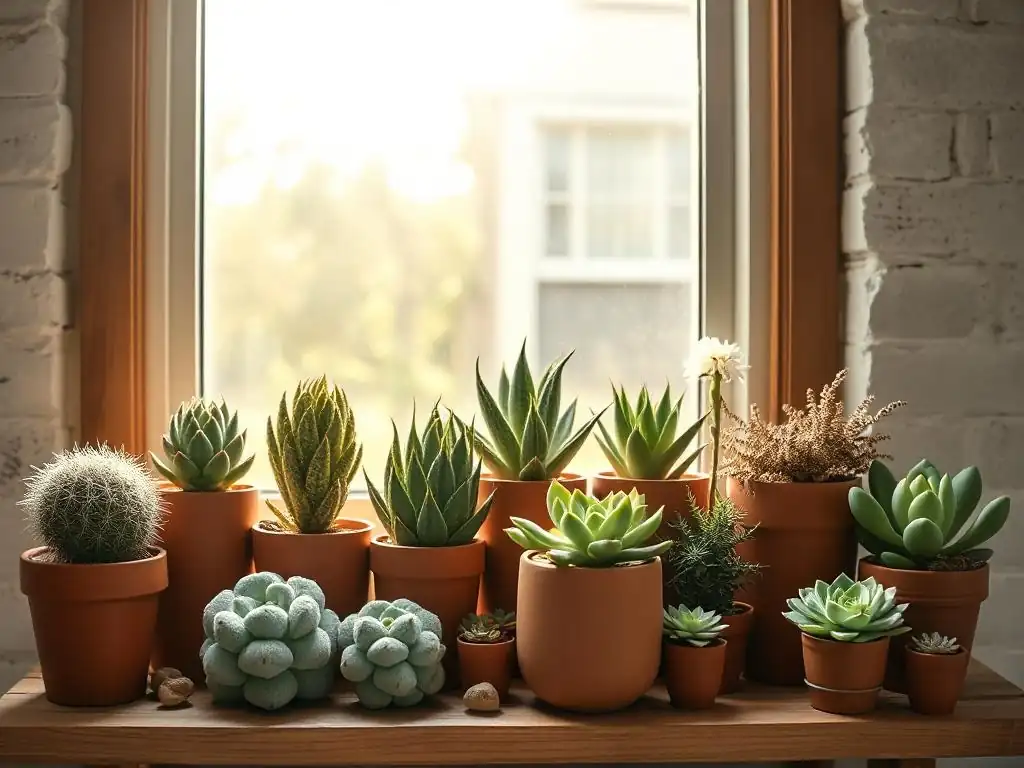
Welcome to SucculentEssentials.org, where the fascinating world of succulents unfolds before you! Are you ready to unlock the secrets to creating stunning best indoor succulent arrangements that will transform your home? Discover the surprising ease and endless creative possibilities of these drought-tolerant beauties. Dive in and explore the artistry of succulent design – your journey to a thriving indoor oasis begins now!
- Best Indoor Succulent Arrangements: Low-Maintenance Elegance for Your Home
- Best Indoor Succulent Arrangements: Enhancing Your Home's Aesthetics
- Best Indoor Succulent Arrangements: Care Tips for Thriving Indoor Plants
- Best Indoor Succulent Arrangements: Inspiring Design Ideas and Examples
- Frequently Asked Questions
- Final Reflection: Cultivating Calm in a Concrete Jungle
- Unleash Your Inner Plant Parent: Cultivate Your Green Oasis!
Best Indoor Succulent Arrangements: Low-Maintenance Elegance for Your Home
Succulents have transcended their status as mere plants; they've become coveted elements of modern home decor. Their unique textures, vibrant colors, and surprisingly low-maintenance nature make them the perfect addition to any interior, bringing a touch of the desert's captivating beauty indoors. This guide explores the allure of indoor succulents, offering expert advice on selecting the right varieties, creating stunning displays, and transforming your living space into a lush, low-effort oasis. We'll delve into the creation of the best indoor succulent arrangements, focusing on design styles and practical tips to ensure your succulent collection thrives.
From miniature gardens to vertical walls, discover the endless possibilities for showcasing these remarkable plants and enhancing your home's aesthetic appeal. Get ready to unlock the secrets to cultivating thriving indoor succulent arrangements that will not only beautify your space but also bring you joy for years to come. 🪴
Choosing the Right Succulents for Indoor Spaces: Light, Humidity, and Space Considerations
Selecting the appropriate succulents for your indoor environment is crucial for their long-term health and vibrancy. Different succulents have varying needs regarding light, humidity, and space. Understanding these requirements will ensure your chosen plants thrive in their new home.
Consider these factors:
- Light: Most succulents require ample bright, indirect sunlight. South-facing windows are ideal, but avoid direct, intense sunlight which can scorch their leaves. East- or west-facing windows can also work well, providing a good balance of light. For low-light areas, choose succulents known for tolerating shade, such as Haworthia or Sansevieria.
- Humidity: Succulents are adapted to arid conditions and generally prefer low humidity. High humidity can lead to root rot and fungal diseases. Ensure good air circulation around your plants to prevent moisture buildup.
- Space: Consider the size of your space and the mature size of the succulents you select. Smaller varieties are perfect for windowsills or small terrariums, while larger specimens might be better suited for larger spaces or floor-standing planters. Plan for the eventual growth of your succulents to avoid overcrowding.
Remember to research the specific light, humidity, and space requirements of each succulent species before bringing it home. This careful selection process is key to creating a thriving and visually appealing indoor succulent arrangement.
Creating Stunning Indoor Succulent Displays: From Minimalist to Maximalist Designs
The beauty of indoor succulent arrangements lies in their versatility. Whether you prefer a minimalist aesthetic or a maximalist explosion of color and texture, there's a design style to suit your taste and home decor.
Miniature Succulent Gardens: A Charming and Low-Effort Option
Miniature succulent gardens offer a charming and low-effort way to showcase these hardy plants. These compact displays can be created in various containers, from small bowls and teacups to repurposed vintage finds. The key is to select a variety of succulents with contrasting textures and colors to create visual interest. Consider adding small decorative elements like pebbles, sand, or miniature figurines to enhance the overall aesthetic. Remember to provide adequate drainage to prevent root rot.
Vertical Succulent Walls: Adding Texture and Greenery to Your Walls
Vertical succulent walls are a striking and space-saving way to incorporate succulents into your home decor. These living walls add texture and vibrancy to any room, transforming a plain wall into a captivating focal point. Creating a vertical succulent wall requires careful planning and the use of appropriate mounting systems to secure the plants. Consider using a variety of succulents with different growth habits and colors to create a visually interesting and dynamic display.
Hanging Succulent Planters: A Unique and Space-Saving Solution
Hanging succulent planters offer a unique and space-saving solution, particularly for smaller homes or apartments. These hanging displays add a touch of elegance and whimsy, creating a focal point that draws the eye upwards. Choose lightweight planters and sturdy hanging mechanisms to ensure the safety and stability of your succulents. Select trailing or cascading varieties that will gracefully spill over the edges of the planter for a dramatic effect. This is a fantastic option for showcasing the best indoor succulent arrangements in a stylish and unconventional way. 🎉
Best Indoor Succulent Arrangements: Enhancing Your Home's Aesthetics
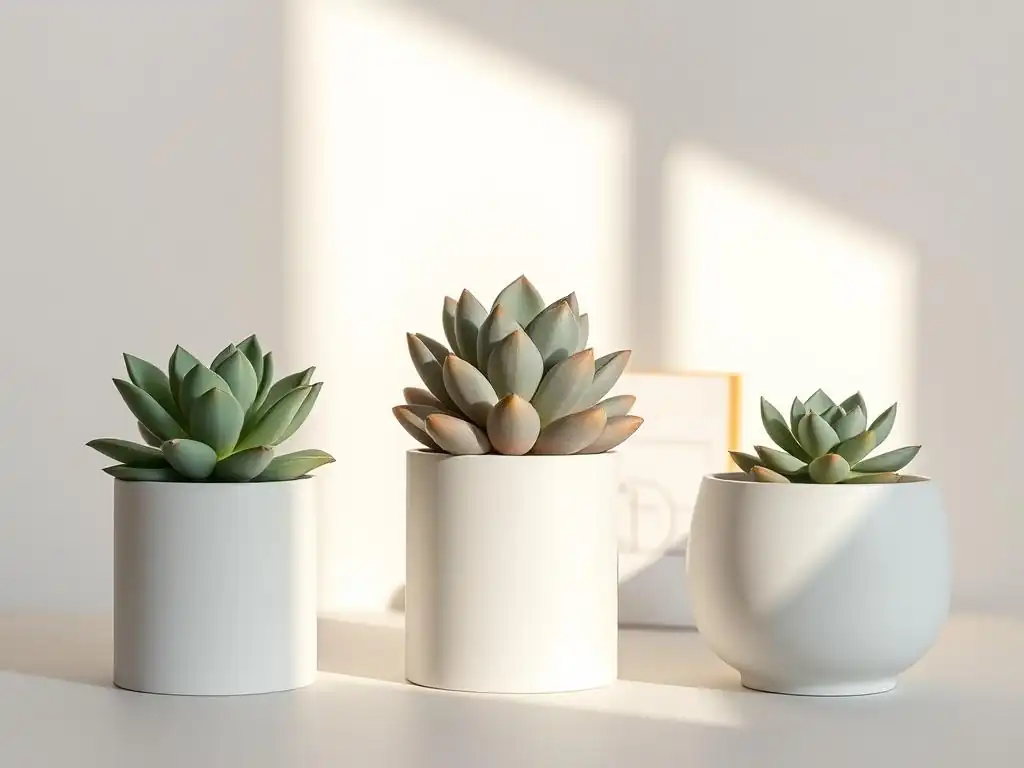
This section explores the art of creating stunning indoor succulent arrangements that not only thrive but also elevate your home's aesthetic appeal. We'll delve into selecting the right succulents for various interior design styles, incorporating them seamlessly into your existing decor, and showcasing your collection with creative display techniques. The goal? To help you achieve the best indoor succulent arrangements possible, transforming your living space into a vibrant and calming oasis.
Succulents for Different Interior Styles: Modern, Rustic, Bohemian, and More
The beauty of succulents lies in their versatility. Their diverse shapes, colors, and textures lend themselves beautifully to a wide range of interior design styles. Consider these examples:
- Modern Minimalism: Opt for sleek, geometric pots and a limited palette of succulents. Think Echeveria with their rosette formations, or Haworthia for their striking textures. A single, perfectly formed succulent in a minimalist pot can make a powerful statement. Avoid overly colorful or variegated varieties to maintain a clean, uncluttered aesthetic.
- Rustic Charm: Embrace earthy tones and natural materials. Terracotta pots, wooden crates, and galvanized metal containers are ideal. Succulents like Sedum morganianum (Burro's Tail) with their cascading foliage, or Sempervivum (Hens and Chicks) with their clustering rosettes, perfectly complement this style. Consider adding elements like driftwood or pebbles for an added rustic touch.
- Bohemian Flair: Let your creativity flow! Mix and match a variety of succulents with different colors, shapes, and textures. Use colorful, patterned pots, macrame hangers, or repurposed containers. Variegated succulents, trailing varieties, and those with unique leaf formations will thrive in this eclectic setting.
- Traditional Elegance: Choose classic, elegant containers, such as ceramic pots in neutral tones. Focus on succulents with refined shapes and muted colors. Crassula ovata (Jade Plant) with its lush green leaves, or Aloe vera with its architectural form, would be suitable choices for this style.
Incorporating Succulents into Existing Home Decor: Color Palettes and Textures
Successfully integrating succulents into your existing home decor involves thoughtful consideration of color palettes and textures. For example:
- Color Coordination: If your living room features a predominantly blue and white color scheme, choose succulents with bluish-green leaves or those that complement the existing palette. Similarly, a warm, earthy tone room might benefit from succulents in terracotta pots with warm-toned leaves.
- Textural Contrast: Consider the textures in your space. If your furniture is predominantly smooth and sleek, adding succulents with rough, textured leaves can create a pleasing contrast. Conversely, if your space features a lot of natural textures, you might opt for smoother-leaved succulents to balance things out.
- Strategic Placement: Don't just place your succulents randomly. Think about how they interact with the existing elements in your room. A small arrangement on a coffee table can create a focal point, while a larger arrangement in a corner can add visual interest to an otherwise empty space.
Highlighting Your Succulent Collection: Creative Display Techniques and Potting Choices
Showcase your succulent collection through diverse and creative display techniques:
| Display Technique | Description | Suitable Succulent Types | Potting Choices |
|---|---|---|---|
| Terrariums | Enclosed glass containers creating a miniature ecosystem. | Smaller, low-growing succulents | Clear glass, decorative containers |
| Vertical Gardens | Wall-mounted displays showcasing succulents in various containers. | Trailing and cascading succulents | Small pots, hanging baskets, wall pockets |
| Shelf Arrangements | Grouping succulents on shelves, creating a layered effect. | Variety of sizes and shapes | Variety of pots, materials, and sizes |
| Mixed Container Planting | Combining different succulents in one larger container. | Complementing shapes, colors, and textures | Large, decorative pots, bowls |
Choosing the right pot is crucial. Consider:
- Drainage: Essential for succulent health. Ensure pots have drainage holes.
- Material: Terracotta, ceramic, plastic, and metal are common choices, each offering a different aesthetic and drainage properties.
- Size: Choose pots that are appropriately sized for your succulents, allowing for root growth. Avoid overcrowding.
By implementing these techniques and considerations, you can create truly captivating and thriving best indoor succulent arrangements, transforming your house into a home filled with the beauty and serenity of these remarkable plants. 🪴
Best Indoor Succulent Arrangements: Care Tips for Thriving Indoor Plants
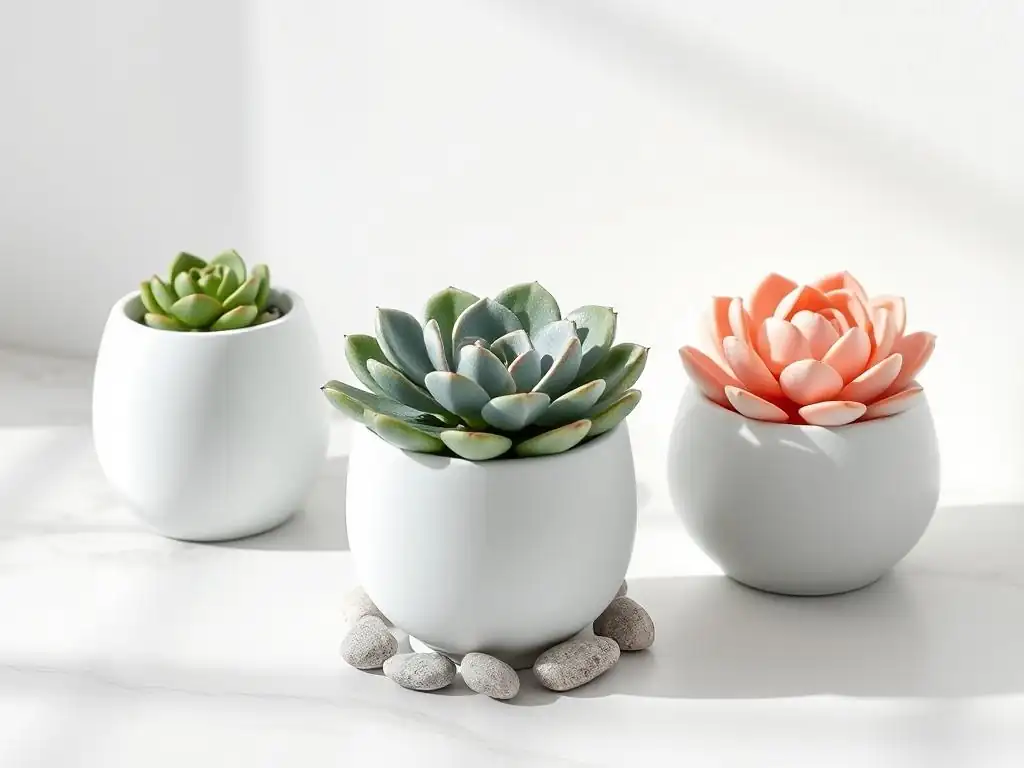
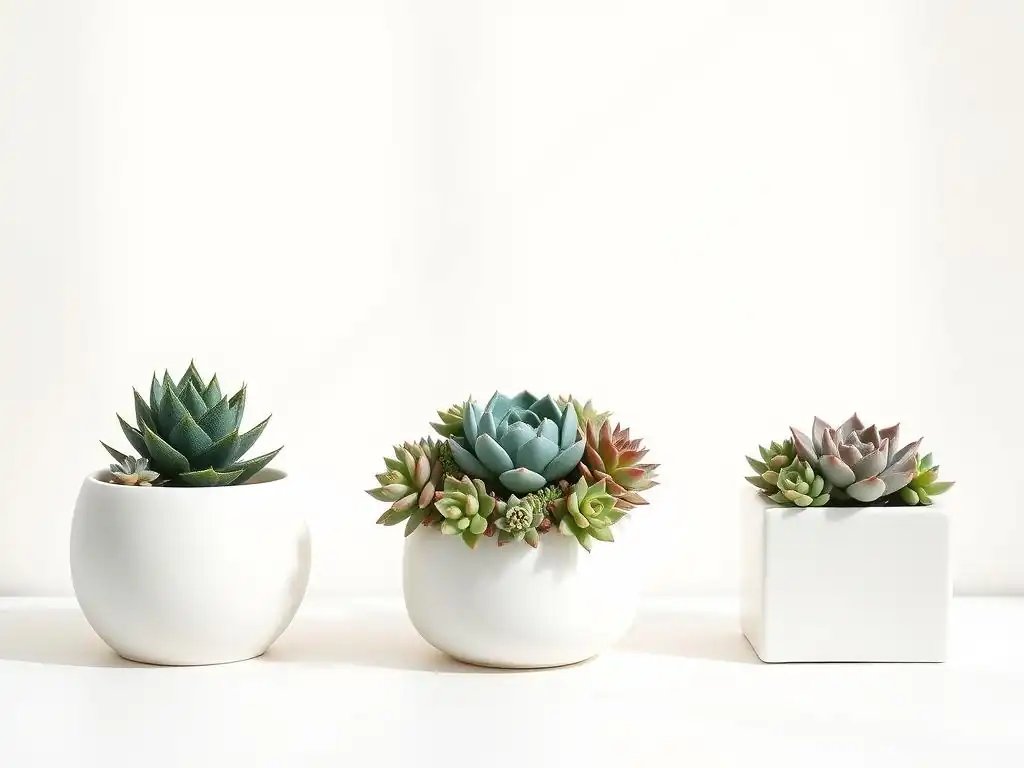
Creating stunning and thriving best indoor succulent arrangements requires more than just aesthetic appeal; it demands understanding the specific needs of these resilient yet delicate plants. This section delves into the crucial care tips that will transform your succulent collection from a fleeting display into a vibrant, long-lasting centerpiece. We'll explore light requirements, watering techniques, and common problems, empowering you to cultivate the healthiest and most beautiful indoor succulent arrangements.
Providing Optimal Light for Indoor Succulents: Natural Light vs. Artificial Lighting
Succulents, native to arid and semi-arid regions, thrive on ample sunlight. However, replicating their natural environment indoors requires careful consideration of light sources. While natural sunlight remains the ideal option, its intensity and duration vary significantly depending on your location, season, and window orientation.
South-facing windows generally provide the most intense sunlight, perfect for sun-loving succulents. East and west-facing windows offer a gentler, less intense light, suitable for a broader range of species. North-facing windows, however, often lack sufficient sunlight for many succulents, necessitating the use of supplemental artificial lighting.
Artificial lighting options abound, from specialized grow lights specifically designed for succulents to common household fluorescent or LED bulbs. When choosing artificial lighting, consider the light spectrum. Succulents benefit from full-spectrum light that mimics natural sunlight. The intensity and duration of artificial light should be adjusted to mimic the natural light cycle, providing approximately 6-8 hours of light per day. Regularly monitor your succulents' growth and adjust the lighting accordingly. Signs of etiolation (leggy growth) indicate insufficient light, while signs of scorching (brown or yellowed leaves) signify excessive light.
Watering Techniques for Indoor Succulents: Avoiding Overwatering and Underwatering
Proper watering is perhaps the most critical aspect of indoor succulent care. Overwatering is a common culprit behind succulent demise, leading to root rot and fungal diseases. Underwatering, conversely, can cause dehydration and stunted growth. The key is to find a balance, allowing the soil to dry out completely between waterings.
The frequency of watering depends on several factors, including the type of succulent, the size of the pot, the type of soil, and the ambient temperature and humidity. A good rule of thumb is to water thoroughly when the top inch or two of soil is completely dry. Avoid frequent, shallow watering, which can lead to soggy soil and root rot. Instead, water deeply until water drains from the drainage holes. Always ensure that the pot has adequate drainage to prevent water from accumulating at the base.
During the winter months, succulents enter a period of dormancy, requiring less frequent watering. Reduce watering frequency significantly, allowing the soil to remain dry for longer periods. Observe your succulents closely for signs of dehydration, such as shriveled leaves, and adjust watering accordingly. Remember, it's always better to underwater slightly than to overwater.
Common Indoor Succulent Problems and Solutions: Pest Control and Disease Prevention
Despite their resilience, indoor succulents are susceptible to certain pests and diseases. Early detection and prompt intervention are crucial to prevent widespread damage. Common pests include mealybugs, spider mites, and aphids. These tiny insects can suck the sap from succulent leaves, causing discoloration, wilting, and stunted growth.
Regularly inspect your succulents for signs of infestation. Look for tiny insects, webbing, or sticky residue on the leaves. For minor infestations, manually remove pests with a cotton swab dipped in rubbing alcohol. For more severe infestations, consider using insecticidal soap or neem oil. Always follow the product instructions carefully and test a small area first to ensure it doesn't damage your plants.
Fungal diseases, such as root rot, are often caused by overwatering. Ensure adequate drainage and avoid getting water on the leaves. If root rot is suspected, remove the affected plant from the pot, inspect the roots, and trim away any rotting sections. Repot the succulent in fresh, well-draining soil.
Proper sanitation and hygiene are crucial in preventing the spread of diseases. Sterilize your tools before and after handling succulents to avoid transferring pests or pathogens. Maintaining good air circulation around your succulents also helps prevent fungal growth. By understanding and addressing these potential problems proactively, you can cultivate healthy and thriving best indoor succulent arrangements that bring joy and beauty to your home.
Best Indoor Succulent Arrangements: Inspiring Design Ideas and Examples
Indoor succulents offer a unique blend of low-maintenance care and striking visual appeal, making them ideal for enhancing home decor. The best indoor succulent arrangements are those that cleverly combine diverse textures, colors, and plant forms to create a captivating display. Choosing the right containers and understanding the light requirements of your chosen succulents are crucial steps in creating a thriving and aesthetically pleasing arrangement.
This section explores several design ideas and examples to inspire your own creative endeavors. We'll explore how to leverage the versatility of succulents to complement various interior design styles, from minimalist modern to rustic farmhouse aesthetics. Consider the overall ambiance you wish to achieve and select succulents that align with that vision.
Gallery of Stunning Indoor Succulent Arrangements: Picture Inspiration for Your Home
Imagine a sun-drenched windowsill adorned with a cascading arrangement of Sedum morganianum (Burro's Tail) spilling gracefully over the edges of a terracotta pot. This classic arrangement exudes a sense of effortless charm and brings a touch of the outdoors in. Alternatively, visualize a geometric glass terrarium housing a miniature succulent garden, a carefully curated collection of Echeveria, Haworthia, and Sempervivum species, each showcasing its unique rosette formation. The contrast of textures and colors within a contained space creates a miniature landscape that is both elegant and intriguing.
Think beyond traditional pots! Repurposed vintage teacups, rustic wooden boxes, and even sleek modern planters can serve as stylish containers for your succulent arrangements. The key is to choose containers that complement your home's decor and enhance the overall aesthetic of your succulent display. Consider using a mix of sizes and shapes to add visual interest. A grouping of small succulents in a variety of miniature pots on a coffee table, for example, can add a touch of whimsy and personality to your living space. The possibilities are truly endless!
DIY Projects: Creating Your Own Unique Indoor Succulent Arrangements
Creating your own indoor succulent arrangements is a rewarding experience that allows for complete creative control. Here are some simple DIY projects to get you started:
- The Layered Succulent Bowl: Select a shallow, wide bowl. Begin by adding a layer of drainage material (such as small pebbles or gravel) to prevent waterlogging. Then, layer in a well-draining succulent potting mix. Carefully plant succulents of varying heights and textures, creating visual depth and interest. Remember to leave space between the plants for growth.
- The Vertical Succulent Garden: This project requires a bit more planning but offers a striking visual impact. You'll need a vertical planter, which can be anything from a repurposed wooden pallet to a dedicated vertical garden system. Select succulents that will cascade or trail, such as String of Pearls or Sedum burrito. Plant them in the designated slots or pockets of your vertical planter, ensuring adequate spacing and proper drainage.
- The Miniature Terrarium: A glass terrarium provides a microclimate ideal for many succulent species. Start with a clean, sealed glass container. Layer in drainage material, followed by activated charcoal (to filter impurities), and then a well-draining succulent potting mix. Carefully plant small succulents, ensuring they are not overcrowded. Mist the terrarium occasionally, but avoid overwatering. This creates a self-contained ecosystem that requires minimal maintenance.
Remember to always use well-draining potting mix specifically formulated for succulents. Overwatering is the most common cause of succulent death, so err on the side of underwatering rather than overwatering. With a little creativity and attention to detail, you can create stunning indoor succulent arrangements that will enhance your home's beauty and bring a touch of nature indoors. Experiment with different plant combinations, containers, and styles to discover your own unique approach to the art of indoor succulent design. The best indoor succulent arrangements are those that reflect your personal style and bring you joy!
Frequently Asked Questions
What makes succulents ideal for indoor arrangements?
Succulents are low-maintenance and drought-tolerant, requiring minimal watering. Their diverse shapes, sizes, and colors add visual interest to any space. They also thrive in bright, indirect light, common in many homes.
What are some popular succulent varieties for indoor arrangements?
Popular choices include Echeveria, Sedum, and Haworthia. These offer a range of textures and colors, making them versatile for creative arrangements. Consider the size and growth habits when selecting your plants.
How much sunlight do indoor succulents need?
Indoor succulents need bright, indirect light. Avoid placing them in direct sunlight, which can scorch their leaves. A south- or east-facing window, filtered by a sheer curtain, is often ideal. Supplement with grow lights during winter months if needed.
How often should I water my indoor succulent arrangements?
Water thoroughly only when the soil is completely dry. Overwatering is a common cause of succulent death. Allow excess water to drain completely from the pot to prevent root rot. The frequency depends on factors like pot size, soil type, and environmental conditions.
What are the best containers for indoor succulent arrangements?
Terracotta pots are excellent as they allow for proper drainage. However, you can use any container with drainage holes. Consider the style and size of the container to complement your decor and the size of your succulent arrangement. Creative containers, such as vintage teacups or repurposed items, can add unique charm.
Final Reflection: Cultivating Calm in a Concrete Jungle
The enduring appeal of indoor succulents transcends mere aesthetics; they represent a tangible connection to nature in our increasingly urbanized lives. Their low-maintenance nature and striking beauty make them the perfect antidote to the stresses of modern existence, offering a quiet sanctuary within our homes. This quiet resilience mirrors our own need to find strength and beauty amidst the chaos.
The influence of these miniature desert landscapes extends beyond individual homes, shaping a broader cultural appreciation for minimalist design and mindful living. We're seeing a shift towards biophilic design, incorporating natural elements into our spaces to improve well-being. This trend reflects a growing awareness of the importance of connecting with nature, even in small ways. The presence of nature in our lives is not a luxury, but a necessity.
This simple truth underscores the profound impact these unassuming plants have on our emotional and mental health.
Consider the quiet joy of tending to your succulents, the subtle satisfaction of watching them thrive under your care. This simple act fosters a sense of responsibility and connection, reminding us of the beauty in nurturing growth, both in our plants and ourselves. Let the allure of indoor succulents inspire you to cultivate not only beautiful arrangements, but also a more mindful and peaceful approach to your own life. Bring a little bit of the desert's resilience into your home, and watch it bloom.
Unleash Your Inner Plant Parent: Cultivate Your Green Oasis!
Thanks for exploring the captivating world of indoor succulents with us! We hope you've discovered the joy and ease of bringing these resilient plants into your home. Now it's time to put your newfound knowledge into practice:
- Start your succulent journey today! Choose your favorite variety from a local nursery or online retailer, and pot it in a container that suits your style. This will be the centerpiece of your new indoor garden.
- Share your success with others! Post a picture of your new succulent on social media using #SucculentEssentials and tag a friend who might appreciate this rewarding hobby.
- Learn even more about succulent care by exploring our comprehensive guide on the SucculentEssentials.org website (although we're sure you're already well on your way! ).
Ready to transform your living space into a thriving botanical haven? How will you uniquely display your new succulent?