
Succulent Home Makeover: Transforming Your Space with Plants

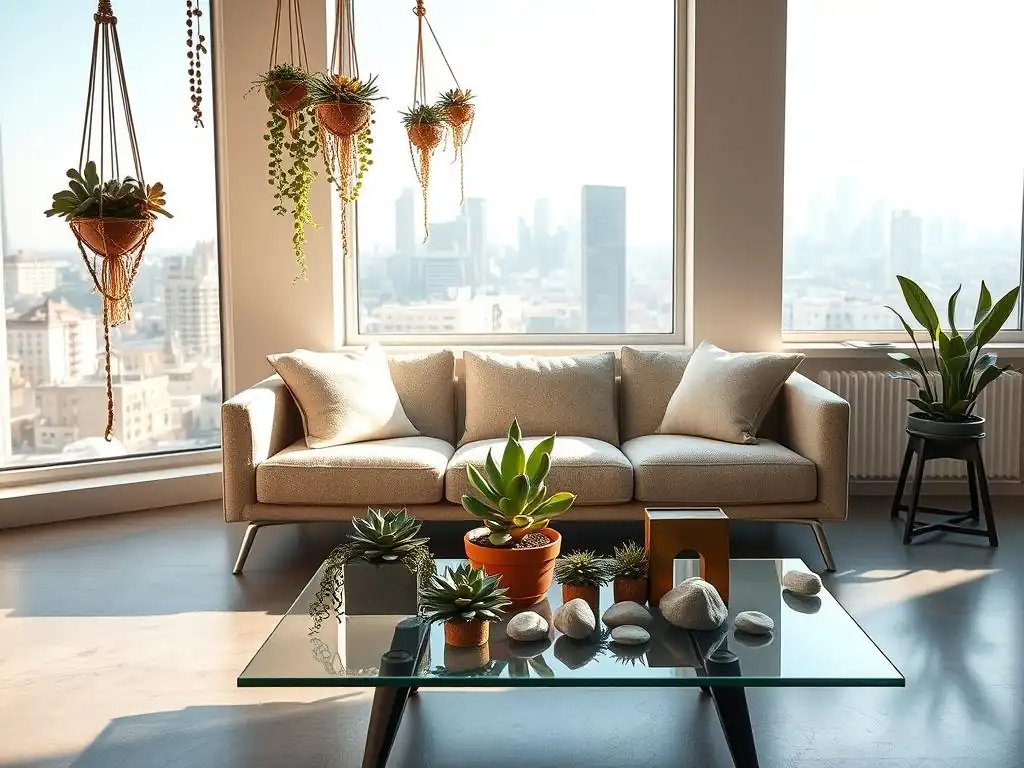
Welcome to SucculentEssentials.org, where the beauty of succulents blooms! Are you ready to unlock the secrets to transforming your home into a vibrant oasis? We're diving deep into the captivating world of succulents, and our latest guide, "Succulent Home Makeover: Transforming Your Space with Plants," is bursting with innovative succulent home decor ideas that will leave you breathless. Prepare to be inspired – discover how these drought-resistant wonders can breathe new life into your living spaces. Let's get started!
- Amazing Succulent Home Decor Ideas for Every Room
- Choosing the Right Succulents for Your Home Decor
- Creative Succulent Home Decor Ideas and Projects
- Maintaining Your Succulent Home Decor
- Incorporating Succulents into Your Existing Home Decor Style
- Shopping for Your Succulent Home Makeover
-
Frequently Asked Questions
- What are some easy ways to incorporate succulents into my home decor?
- Are succulents difficult to care for, making them unsuitable for beginners?
- What types of succulents are best for indoor home decor?
- How can I create a visually appealing succulent arrangement?
- Where can I find unique succulents for my home decor projects?
- Final Reflection: The Enduring Appeal of Succulents in Home Design
- Unleash Your Inner Gardener: Start Your Succulent Journey Today!
Amazing Succulent Home Decor Ideas for Every Room
Transforming your living space into a succulent sanctuary isn't just a trend; it's a testament to your love for these resilient and aesthetically pleasing plants. Succulents, with their diverse shapes, textures, and colors, offer a unique opportunity to infuse your home with natural beauty and a touch of modern elegance. This guide dives deep into creative succulent home decor ideas, providing inspiration for every room in your house, helping you achieve the perfect balance of style and nature. We’ll explore how to incorporate these drought-tolerant beauties into your living room, bedroom, kitchen, and beyond, turning your "Succulent home decor ideas" into a reality.
Get ready to unleash your inner plant stylist and discover the joy of bringing the outdoors in! We’ll cover everything from simple arrangements to more elaborate displays, catering to all skill levels and design preferences. 🪴
Livening Up Your Living Room with Succulents
The living room, often the heart of the home, is the perfect place to showcase a bold succulent arrangement. Think beyond the typical potted plant! Consider these options to add a touch of green to your living space:
- Statement Centerpieces: A large, shallow bowl filled with a variety of succulents of varying heights and colors makes for a stunning centerpiece for your coffee table. Consider using different textures – smooth, rough, spiky – to create visual interest. Remember to choose succulents that thrive in similar light conditions.
- Hanging Planters: Utilize vertical space with hanging planters filled with trailing succulents like String of Pearls or Burro's Tail. These add a touch of whimsy and drama, especially when paired with macrame hangers.
- Shelving Displays: If you have shelving units, create a mini succulent garden by arranging small pots of various succulents on each shelf. Vary the pot sizes and colors for a more eclectic look. Remember to rotate the plants regularly to ensure even sunlight exposure.
- Terrariums: A glass terrarium provides a miniature ecosystem, perfect for showcasing smaller succulents. These can be placed on side tables or coffee tables, adding a touch of elegance to the room. Experiment with different types of soil and decorative elements like pebbles and moss.
Stylish Succulent Arrangements for Bedrooms
Creating a serene and calming atmosphere in your bedroom is key to a restful night's sleep. Succulents, with their low-maintenance nature, are ideal for this space. Here are some ideas to incorporate succulents into your bedroom decor:
- Nightstand Decor: A small succulent in a charming pot can add a touch of personality to your nightstand without overwhelming the space. Choose a succulent that complements your bedroom's color scheme and overall style.
- Windowsill Gardens: If you have a sunny windowsill, create a small windowsill garden featuring a collection of succulents in varying sizes and shapes. This brings natural light and a touch of the outdoors into your bedroom.
- Floating Shelves: Utilize floating shelves to display small succulent arrangements. This saves space and adds a modern touch to your bedroom decor. Remember to choose succulents that don't require excessive watering.
- Minimalist Arrangements: For a minimalist bedroom, opt for a single, striking succulent in a simple, elegant pot. This creates a focal point without being overly distracting.
Kitchen Succulent Decor: Adding a Touch of Green
The kitchen, a space often associated with warmth and vibrancy, can benefit from the addition of succulents. Their hardy nature makes them well-suited to withstand the occasional splash or humidity fluctuations.
- Windowsill Herb Garden Companions: Integrate succulents into your existing kitchen herb garden. Their drought tolerance means less watering overall for your entire collection.
- Hanging Planters Above Cabinets: Utilize the often-unused space above kitchen cabinets by hanging small succulent arrangements. This adds a unique vertical element to your kitchen design.
- Spice Rack Inserts: Small succulents can be interspersed within a spice rack to add a pop of color and texture. Choose succulents that are compact and won’t interfere with your spice storage.
- Countertop Arrangements: A small grouping of succulents in attractive pots can add a touch of nature to your kitchen countertop. Opt for easy-to-clean pots to maintain hygiene. Remember to consider the light levels in your kitchen when choosing succulents.
Bathroom Succulent Displays: Humidity-Loving Options
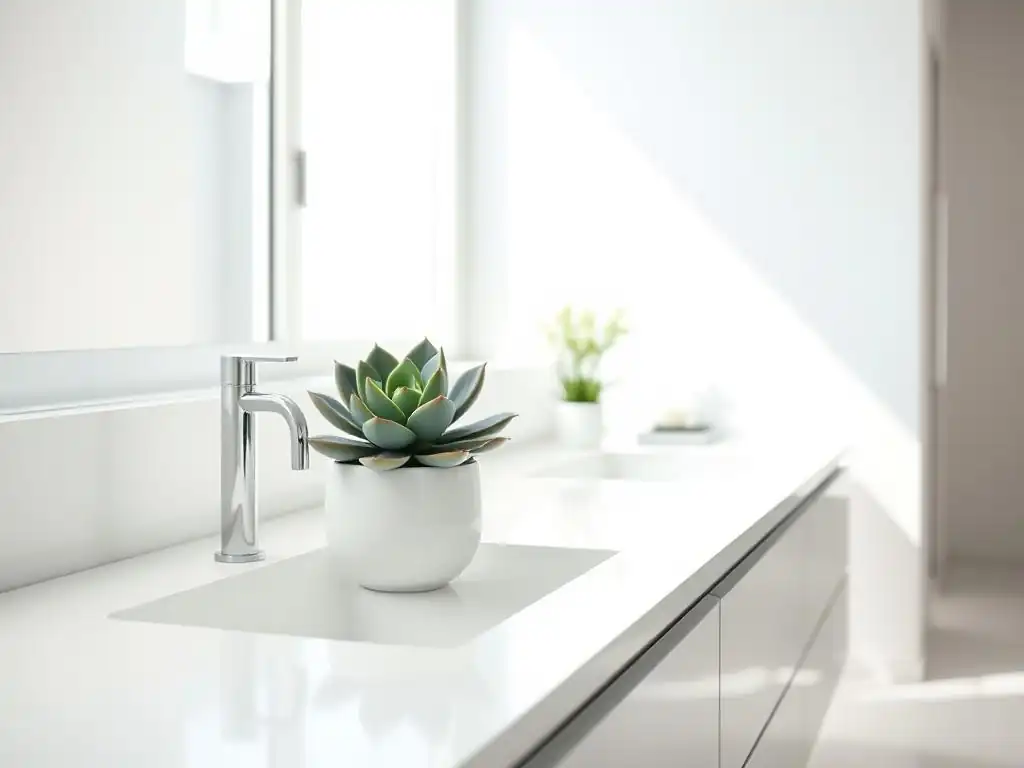
Bathrooms, often overlooked in home décor, present a unique opportunity for succulent displays. The naturally humid environment of a bathroom suits certain succulent varieties exceptionally well, thriving where others might struggle. However, it's crucial to select species that tolerate higher humidity levels and avoid overwatering, a common pitfall in bathroom settings.
Several succulent types are particularly well-suited to bathroom environments. Haworthia species, known for their striking patterns and tolerance of varied conditions, often perform admirably. Their compact size makes them perfect for small spaces, like windowsills or shelves. Similarly, Gasteria, with their distinctive, textured leaves, adapt well to the slightly higher humidity, though good air circulation is still essential to prevent fungal issues.
These succulents appreciate bright, indirect light, so placing them near a window, but not in direct sunlight, is ideal. Remember, even humidity-tolerant succulents need well-draining soil to avoid root rot. Consider using a cactus and succulent potting mix, which is specifically formulated to promote drainage.
Another excellent choice for bathroom succulent arrangements is the Echeveria. While some Echeveria varieties might struggle with excessive humidity, many thrive in a well-ventilated bathroom with bright, indirect light. However, careful monitoring is crucial; signs of overwatering, such as mushy leaves or a foul odor, should prompt immediate action, including repotting the succulent in fresh, dry soil. Regularly inspecting the soil's moisture level is key to preventing problems. A terracotta pot can further aid in moisture regulation due to its porous nature.
Office Succulent Decor: Boosting Productivity with Plants
Integrating succulents into your office space offers more than just aesthetic appeal; studies suggest that incorporating plants into the workspace can boost productivity and improve mood. The low-maintenance nature of succulents makes them an ideal choice for busy professionals. Their calming presence can help reduce stress and create a more inviting atmosphere.
Choosing the right succulents for your office environment is key. Species that tolerate lower light conditions, such as Sedum morganianum (Burro's Tail), are well-suited for desks or shelves away from direct sunlight. Their trailing nature adds a unique visual element to the workspace. Similarly, String of Pearls (Senecio rowleyanus) is another excellent option, adding a touch of playful elegance with its cascading, bead-like leaves. These plants require minimal care, making them perfect for those with demanding schedules. However, even these low-maintenance succulents need occasional watering and should be placed near a light source to thrive.
For larger office spaces or shared work areas, consider creating a miniature succulent garden in a decorative container. This can serve as a focal point and contribute to a more positive and productive atmosphere. Remember, the key is to select succulents that match the light conditions in your office and to establish a regular watering schedule. Overwatering is a common mistake, leading to root rot and plant death.
Regularly inspecting your succulent's leaves for signs of distress, such as wilting or discoloration, is crucial for maintaining their health and vitality. The addition of these low-maintenance, visually appealing plants can significantly enhance the overall work environment, contributing to a more positive and productive workday. 🪴
Choosing the Right Succulents for Your Home Decor
Selecting the perfect succulents for your home décor hinges on understanding their light requirements, growth habits, and aesthetic appeal. Matching these factors to your interior space is crucial for creating a thriving and visually stunning display. Ignoring these aspects can lead to unhappy plants and a less-than-ideal décor outcome. Consider the following factors when making your succulent selections:
Low-Light Succulents for Shaded Areas
Many people assume that all succulents crave intense sunlight. However, several varieties thrive in lower-light conditions, making them ideal for north-facing rooms or areas with limited natural light. These succulents are often more tolerant of infrequent watering, a key advantage for busy individuals. Examples of low-light champions include:
- Haworthia: Known for their intricate leaf patterns and compact growth, Haworthias are perfectly suited for desktops, shelves, or even bathrooms. Their ability to tolerate low light and infrequent watering makes them incredibly low-maintenance.
- Gasteria: Similar to Haworthias, Gasterias boast unique textures and markings, adding a touch of visual interest to dimly lit spaces. They're also relatively slow-growing, reducing the frequency of repotting.
- Sansevieria (Snake Plant): While technically not a succulent in the strictest botanical sense, Snake Plants are extremely tolerant of low light and neglect, making them a popular choice for beginners. They are also excellent air purifiers.
Remember, even low-light succulents benefit from some indirect sunlight. Avoid placing them in completely dark corners. Rotate your plants periodically to ensure even growth.
Sun-Loving Succulents for Bright Spaces
For south-facing windows or rooms bathed in sunlight, you'll want to choose succulents that thrive in bright, direct light. These plants often display more vibrant colors and fuller growth habits when given ample sunlight. However, be mindful of potential sunburn during the hottest parts of the day. Consider these options:
- Echeveria: Known for their rosette shapes and diverse colors, Echeverias are a staple in many succulent collections. They come in a wide array of colors and sizes, offering plenty of variety for your décor. However, they require well-draining soil and protection from excessive moisture.
- Sedum: Sedums are incredibly diverse, ranging from low-growing groundcovers to upright, branching varieties. Their adaptability makes them suitable for a range of sun-drenched locations in your home.
- Sempervivum (Hens and Chicks): These charming succulents form dense clusters of rosettes, creating a visually appealing display. Their hardiness and tolerance for full sun make them a perfect choice for sunny windowsills.
Regular monitoring for signs of sunburn (brown or bleached spots on leaves) is crucial. Consider using sheer curtains to diffuse the strongest sunlight during peak hours.
Succulents for Small Spaces: Miniature Varieties
Limited space shouldn't restrict your succulent decorating aspirations. Numerous miniature varieties are perfectly suited for small apartments, shelves, or even desks. These compact plants offer the same beauty and charm as their larger counterparts, but in a more manageable size.
- String of Pearls: This trailing succulent is ideal for hanging planters or small shelves. Its delicate cascading vines add a touch of elegance to any space.
- Sedum morganianum (Burro's Tail): Another trailing succulent, Burro's Tail boasts long, fleshy leaves that cascade beautifully from hanging pots.
- Miniature Echeverias: Many Echeveria varieties come in compact sizes, making them perfect for small containers or terrariums.
Remember to choose pots that are proportionate to the size of your miniature succulents. Oversized pots can lead to overwatering and root rot. Proper drainage is equally important, regardless of the plant's size. Careful selection and placement of these miniature succulents can add a touch of elegance and life to even the smallest of spaces, enhancing your "Succulent home decor ideas." 🪴
Unique Succulent Varieties for Statement Pieces
Choosing the right succulents for your home decor can dramatically impact the overall aesthetic. For truly statement pieces, consider succulents known for their unusual forms, striking colors, or impressive size. These aren't your average, run-of-the-mill echeverias; these are showstoppers. Think about the impact you want to create – a bold, modern feel? A touch of whimsical charm? The right succulent can set the tone.
One excellent choice for a dramatic statement is the Dudleya brittonii, also known as the Chalk Dudleya. Its thick, powdery blue-green leaves form a rosette that resembles a miniature artichoke. Its unique texture and color make it a captivating centerpiece, perfectly suited for a minimalist or modern setting. The striking contrast of its pale leaves against a dark container further enhances its dramatic appeal.
For a touch of the exotic, consider incorporating Aloe polyphylla. This spiral aloe is a true conversation starter. Its perfectly symmetrical, spiral arrangement of leaves is mesmerizing and adds a unique, almost artistic element to any room. However, remember that spiral aloes require specific care, including well-draining soil and ample sunlight, to maintain their beautiful spiral form. Careful consideration of its needs is crucial before incorporating this stunning, yet demanding, succulent into your home decor.
If you're aiming for a more whimsical and playful feel, consider the Haworthia cooperi 'Variegata'. Its translucent, almost glassy leaves are speckled with white and green, creating a delicate and charming appearance. These succulents are smaller and can be grouped together in a shallow dish or terrarium for a truly enchanting display. Their delicate appearance contrasts beautifully with rougher textures in the home, creating a balanced and interesting look. They are also relatively low-maintenance, making them a great choice for beginners to succulent home decor.
Finally, for a truly impressive, large-scale statement piece, consider a mature Agave americana. While not technically a succulent in the strictest sense (it's a plant in the Asparagaceae family, closely related to succulents), its architectural form and striking blue-green leaves make it a perfect choice for a grand statement. However, be mindful of its size; a mature agave can become quite large, so ensure you have ample space to accommodate its growth.
Its striking presence can become a focal point in a large room or even outdoors, depending on your climate. Remember, responsible placement is key when working with larger succulent varieties.
Creative Succulent Home Decor Ideas and Projects
This section explores innovative and stylish ways to incorporate succulents into your home decor, transforming ordinary spaces into vibrant, thriving oases. We'll delve into specific projects, providing detailed instructions and design inspiration to help you create unique succulent displays that reflect your personal style. From miniature terrariums to dramatic vertical gardens, the possibilities are endless when it comes to succulent home decor ideas. Remember, the key is to choose succulents that thrive in your indoor environment and complement your existing aesthetic.
DIY Succulent Terrariums for Indoor Gardens
Creating a DIY succulent terrarium is a fantastic way to showcase the beauty of these resilient plants while adding a touch of nature to your home. The enclosed environment of a terrarium mimics the natural habitat of many succulents, providing ideal conditions for growth. Here's a step-by-step guide:
Materials:
- A glass container (a bowl, vase, or even a repurposed jar will work)
- Well-draining potting mix specifically formulated for succulents and cacti
- A variety of small succulents, chosen for their size and color contrast
- Small gravel or pebbles for drainage
- Activated charcoal (optional, helps prevent mold and mildew)
- Small gardening tools (tweezers, a small trowel)
Instructions:
- Clean your chosen container thoroughly.
- Add a layer of gravel or pebbles to the bottom for drainage.
- Add a thin layer of activated charcoal (optional).
- Fill the container with succulent potting mix, leaving enough space at the top.
- Carefully plant your succulents, ensuring their roots are covered. Use tweezers to position smaller plants.
- Water gently, allowing any excess water to drain.
- Place your terrarium in a location with bright, indirect sunlight.
Remember to avoid overwatering, which is a common cause of succulent terrarium failure. A well-made terrarium can provide years of enjoyment, offering a low-maintenance yet visually stunning addition to your home decor. Experiment with different container shapes and succulent varieties to create unique and personalized displays.
Consider adding decorative elements like small stones, figurines, or even miniature fairy garden accessories to enhance the aesthetic appeal. This project is perfect for all levels of experience, from seasoned succulent enthusiasts to complete beginners. The possibilities for creative expression are boundless, allowing you to fully embrace your artistic side while boosting your home's visual appeal with these resilient plants.
Vertical Succulent Gardens: Wall-Mounted Displays
Vertical succulent gardens are a stunning and space-saving way to incorporate these plants into your home decor. They offer a modern, eye-catching display that can transform a bare wall into a vibrant living artwork. Here are some considerations for creating a successful vertical succulent garden:
- Container Selection: Choose a container that is lightweight yet durable enough to support the weight of the plants and soil. Options include repurposed wooden pallets, specially designed wall planters, or even a series of smaller pots arranged in a visually appealing pattern.
- Plant Selection: Select succulents with varying textures, colors, and growth habits to create visual interest. Consider using a mix of trailing and upright varieties to add depth and dimension.
- Watering System: Implement a system that allows for efficient watering without over saturating the soil. A drip irrigation system or a well-designed drainage system is crucial to prevent root rot.
- Lighting: Ensure adequate lighting for your succulents. South-facing walls generally provide the best light, but supplemental grow lights might be necessary depending on your location and the time of year.
Creating a vertical succulent garden requires careful planning and attention to detail, but the results are well worth the effort. A thriving wall-mounted display adds a touch of sophistication and natural beauty to any room, making it a perfect statement piece for your home's interior design. Remember to regularly inspect your plants for signs of stress or disease, and adjust your watering and lighting as needed to ensure their health and longevity.
Repurposing Everyday Items for Succulent Planters
One of the most rewarding aspects of succulent gardening is the opportunity to get creative with planters. Repurposing everyday items adds a unique and personal touch to your succulent arrangements. Here are some ideas:
- Teacups and Saucers: Small teacups and saucers make charming planters for individual succulents or small groupings.
- Mason Jars: Mason jars are versatile and readily available, offering a rustic aesthetic that complements many succulent varieties.
- Tin Cans: Clean and painted tin cans can be transformed into quirky and eye-catching planters.
- Old Boots or Shoes: For a truly unique and whimsical approach, repurpose old boots or shoes as planters, creating a fun and unexpected focal point in your home.
Remember to add drainage holes to any container you repurpose to prevent root rot. You can easily create drainage holes using a drill or a hammer and nail. Cleaning and prepping your chosen containers is essential, ensuring they are free of any residue that could harm your succulents. Adding a layer of gravel or pebbles at the bottom of each container will also improve drainage and aeration for your plants.
Let your creativity flow and discover new ways to repurpose everyday items into stunning succulent displays that showcase the beauty of these versatile plants. This sustainable approach to home decor allows you to give new life to old items while adding a touch of green to your living space. The possibilities are limitless—explore your creativity and transform ordinary objects into extraordinary succulent planters!
Creating Stunning Succulent Centerpieces
Centerpieces are a fantastic way to introduce succulents into your home decor, adding a touch of natural beauty to any room. The beauty of succulent centerpieces lies in their versatility; they can be elegant and sophisticated or rustic and charming, depending on your chosen style and containers.
Consider the overall aesthetic of your space when selecting your plants and containers. A modern minimalist living room might benefit from a sleek glass bowl filled with a variety of small, tightly clustered succulents, while a farmhouse-style kitchen might be better suited to a weathered wooden box overflowing with a mix of textures and colors.
When designing your succulent centerpiece, remember to consider the size and shape of your container. A low, wide bowl will allow for a sprawling arrangement, while a taller vase will lend itself to a more vertical display. Think about the colors and textures of your succulents.
Mixing different shades of green, along with pops of color from plants like Echeveria 'Perle von Nürnberg' (with its blush-pink hues) or Sedum rubrotinctum (with its reddish tips) adds visual interest. Don't be afraid to incorporate other elements like pebbles, sand, or even small decorative objects to complement your succulents and enhance the overall design.
The key to a successful succulent centerpiece is proper planting and drainage. Ensure your container has drainage holes to prevent root rot. Use a well-draining succulent potting mix, avoiding regular garden soil which retains too much moisture.
Arrange your succulents strategically, placing larger plants towards the back and smaller ones in the front, creating visual depth and balance. After planting, water sparingly, allowing the soil to dry out completely between waterings to prevent overwatering, a common problem leading to succulent demise. Regularly inspect your centerpiece for any signs of pests or diseases, addressing any issues promptly to maintain its health and beauty.
With careful planning and attention to detail, your succulent centerpiece will be a stunning focal point in your home, bringing a touch of the desert's unique charm indoors. Remember to choose succulents appropriate for indoor environments and adjust watering according to the season and your home's climate. Experiment with different combinations and styles to find what best suits your personal taste and your home's interior design.
Maintaining Your Succulent Home Decor
Creating a stunning succulent home décor arrangement is only half the battle. Maintaining the vibrant health and beauty of your indoor succulents requires consistent care and attention. Neglect can quickly lead to wilting, disease, and ultimately, the demise of your carefully curated collection. This section focuses on the essential maintenance practices that will keep your succulent home decor looking its best for years to come. We'll explore watering techniques, light requirements, and pest control strategies specifically tailored for indoor succulents, ensuring your "Succulent home decor ideas" remain thriving and visually appealing.
Watering Your Indoor Succulents: Avoiding Overwatering
Overwatering is the most common mistake made by succulent enthusiasts, both novice and experienced. Indoor succulents, unlike their outdoor counterparts, don't receive the benefit of natural drainage and evaporation. Therefore, a carefully considered watering schedule is crucial. Instead of adhering to a strict timetable, focus on the condition of the soil. Allow the soil to dry out completely between waterings. This usually means waiting several weeks, depending on factors such as pot size, type of succulent, and ambient temperature.
To check for soil dryness, insert your finger about an inch into the soil. If it feels dry, it's time to water. Water thoroughly until water drains from the drainage holes, ensuring the roots are fully saturated. Then, allow any excess water to drain completely before returning the pot to its decorative setting. Avoid letting your succulents sit in standing water, as this can lead to root rot, a common and often fatal condition.
Remember, it's always better to underwater than to overwater. Underwatering will cause your succulents to slightly wilt, a reversible condition. However, overwatering can lead to irreversible damage and ultimately, the loss of your plants. Observe your succulents closely and adjust your watering schedule accordingly based on their individual needs and your environment.
Providing Adequate Light for Indoor Succulents
Succulents thrive in bright, indirect sunlight. While they tolerate some shade, insufficient light can lead to etiolation (leggy growth) where the plant stretches towards the light source, losing its compact and attractive form. A south-facing window is ideal, but direct sunlight for extended periods can scorch the leaves. Therefore, finding the perfect balance is key.
Consider using sheer curtains or blinds to diffuse direct sunlight. Alternatively, place your succulents a few feet away from a sunny window. Observe your plants closely. If they appear to be stretching or becoming pale, they likely need more light. If their leaves are browning or showing signs of sunburn, they might need more shade. During winter months, when natural light is reduced, you may need to supplement with grow lights to ensure your succulents receive adequate illumination. Remember, consistent and appropriate lighting is a critical factor in maintaining the health and aesthetics of your succulent home decor.
Protecting Your Succulents from Pests and Diseases
Despite their hardy nature, indoor succulents are susceptible to pests and diseases. Common culprits include mealybugs, aphids, and spider mites. Regular inspection is crucial for early detection and prevention. Look for signs of infestation such as white cottony masses (mealybugs), small insects clustering on leaves (aphids), or fine webbing (spider mites).
Early detection is key to effective treatment. For minor infestations, you can often manually remove pests using a cotton swab dipped in rubbing alcohol. For more severe infestations, consider using insecticidal soap or neem oil, always following the product instructions carefully. Good airflow around your succulents can also help prevent pest problems.
Ensure adequate spacing between plants to allow for proper ventilation. Furthermore, maintaining a clean environment by regularly removing dead leaves and debris will also minimize the risk of pest and disease problems, ensuring the longevity and beauty of your succulent home decor. Remember, proactive pest control is a vital aspect of maintaining healthy and visually appealing succulent arrangements.
Repotting and Propagating Your Indoor Succulents
Repotting your succulents is crucial for their long-term health and vibrancy, especially when they outgrow their current containers. Overcrowded roots lead to stunted growth and increased susceptibility to diseases. The ideal time to repot is during the growing season, typically spring or early summer, when the succulents are actively growing and more resilient to the stress of transplanting.
Choose a pot slightly larger than the previous one, ensuring it has drainage holes to prevent root rot – a common problem with succulents. Use a well-draining potting mix specifically formulated for cacti and succulents; avoid using regular garden soil, as it retains too much moisture.
When repotting, gently remove the succulent from its old pot, carefully loosening any tightly bound roots. Inspect the roots for any signs of rot or damage; trim away any unhealthy parts using clean, sharp scissors. Place a layer of gravel or small pebbles at the bottom of the new pot for enhanced drainage.
Add a portion of the succulent potting mix, carefully place the succulent in the center, and fill in the remaining space with more potting mix, leaving a small space at the top. Gently firm the soil around the base of the plant. Avoid overwatering immediately after repotting; allow the soil to dry out slightly before watering again.
Propagation is a fantastic way to expand your succulent collection and create more arrangements for your home decor. Many succulent varieties propagate easily from leaf cuttings or stem cuttings. For leaf propagation, carefully twist or gently snap off a healthy leaf, allowing the cut end to callus over for a few days. Then, place the leaf on top of a well-draining potting mix, ensuring it has some contact with the soil.
Keep the leaf slightly moist but not soggy, and within a few weeks, you should see small roots and eventually a new plantlet developing. Stem propagation involves taking a cutting from a stem, allowing it to callus, and then planting it in a similar manner to leaf propagation. Remember, patience is key; propagation can take several weeks or even months, depending on the succulent variety and environmental conditions. Successfully propagated succulents can then be used to enhance your existing succulent arrangements or create entirely new displays for your home, adding a personal touch to your succulent home decor.
This method is cost-effective and allows for significant expansion of your collection, enabling you to create even more stunning displays throughout your house. Experiment with different varieties and propagation methods to discover what works best for you and your environment. Careful observation and a gentle touch are essential for successful succulent propagation.
Incorporating Succulents into Your Existing Home Decor Style
This section explores how the versatility of succulents allows for seamless integration into various home decor styles. Succulents, with their diverse shapes, colors, and textures, offer a unique opportunity to enhance your existing aesthetic without overwhelming your space. We'll examine how these drought-tolerant plants complement minimalist, bohemian, and modern design schemes, providing specific examples and practical tips for successful incorporation. Choosing the right succulent species is key to achieving a cohesive and stylish look.
Succulents in Minimalist Home Decor
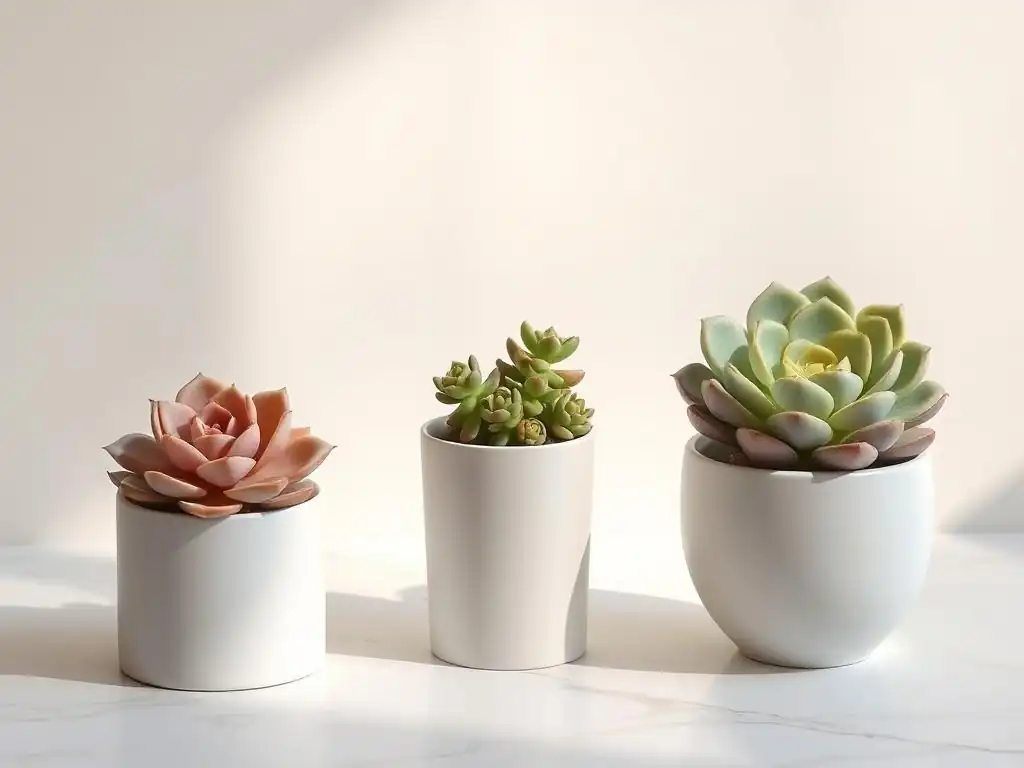
Minimalist design emphasizes clean lines, simple forms, and a neutral color palette. Succulents perfectly complement this style. Think of using a single, striking Echeveria in a sleek, white ceramic pot as a focal point on a simple shelf. Or, consider a grouping of small, similarly-sized succulents planted together in a shallow, rectangular container. The understated elegance of succulents enhances the clean aesthetic of minimalist decor without adding visual clutter.
Avoid overly ornate pots; instead, opt for simple, geometric shapes in neutral colors like white, gray, or black. Remember, less is more in minimalist design, so carefully consider placement and the number of succulents used. The goal is to create a sense of calm and serenity, and carefully chosen succulents can significantly contribute to this atmosphere. For example, a Haworthia attenuata with its delicate markings on its leaves will perfectly complement a white-washed wall and muted furniture.
Succulents in Bohemian Home Decor
Bohemian decor is known for its eclectic mix of patterns, textures, and colors. Succulents can add a touch of natural beauty to this vibrant style. Consider using a variety of succulent types, showcasing their diverse forms and colors.
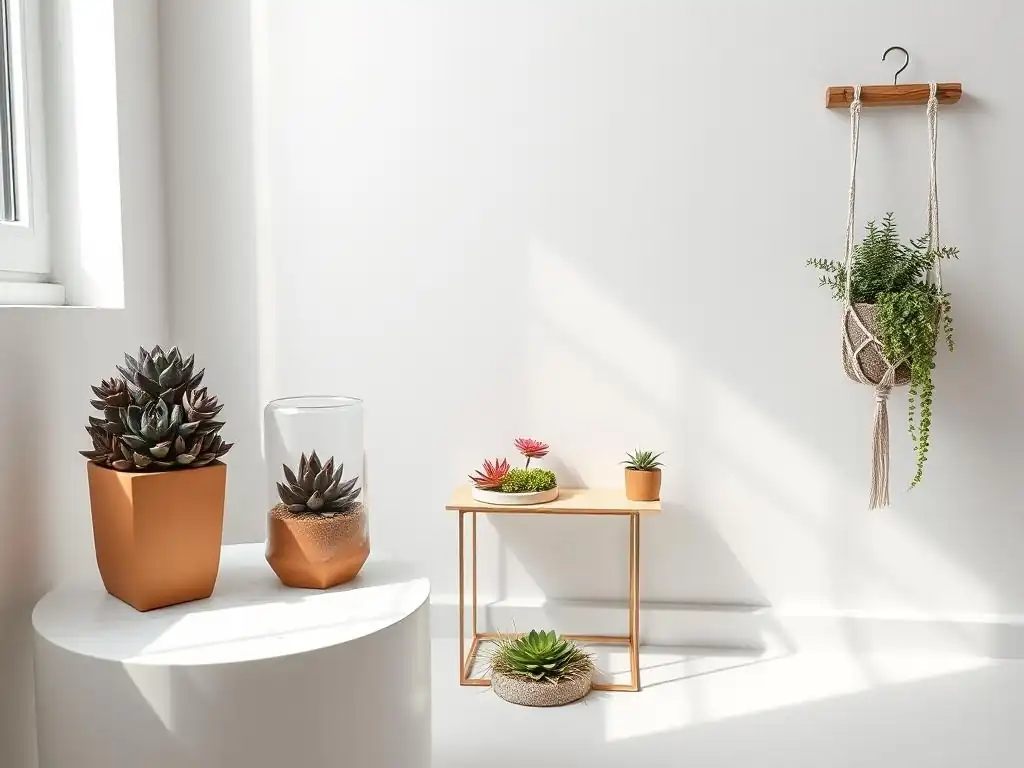
Terracotta pots, macrame hangers, and rustic wooden shelves are ideal for displaying succulents in a bohemian setting. Think about incorporating succulents into larger arrangements, combining them with other plants, crystals, and decorative elements. A mix of Sedum morganianum (Burro's Tail), with its cascading leaves, and Echeveria varieties with their rosette shapes, creates visual interest and texture.
Don't shy away from bold colors and patterns in your pots and containers to complement the already eclectic nature of the style. The key is to create a sense of playful abundance, reflecting the free-spirited essence of bohemian decor. A vibrant patterned pot containing a variety of succulents can become a striking centerpiece on a coffee table.
Succulents in Modern Home Decor
Modern home decor often features clean lines, geometric shapes, and a focus on functionality. Succulents can be integrated seamlessly into this style by using modern planters and containers. Think sleek, minimalist pots in metallic finishes or clear glass terrariums to showcase the plants' unique forms.
Consider incorporating succulents into vertical gardens or wall displays to maximize space and add a touch of greenery to a modern interior. The use of monochromatic color palettes with succulents can enhance the sophisticated look of modern decor. For example, arranging a collection of succulents in varying shades of green in a series of identical cube-shaped pots creates a visually appealing and balanced display.
The inherent simplicity of succulents underscores the clean lines and functionality that define modern design, making them an ideal choice for this aesthetic. Consider incorporating geometric shapes into the arrangement itself, using different sized pots in a grid pattern for a contemporary feel.
Succulents in Rustic Home Decor
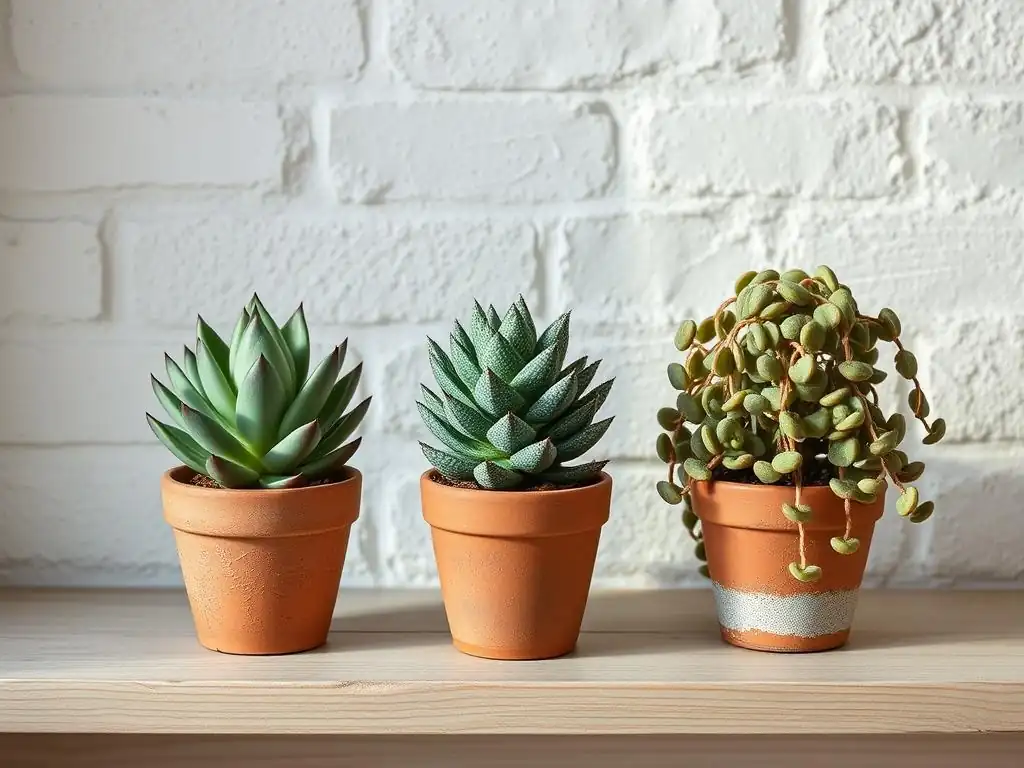
Rustic decor, with its emphasis on natural materials and a lived-in feel, provides a perfect backdrop for succulents. The inherent textures and earthy tones of succulents complement the rough-hewn wood, stone, and metal often found in this style. Think weathered wooden shelves showcasing a collection of echeverias in varying shades of green, grey, and blue. The slightly imperfect nature of both the succulents and the rustic elements creates a harmonious and inviting atmosphere.
Consider using terracotta pots, which are readily available and perfectly embody the rustic aesthetic. Their porous nature also benefits the succulents by allowing for proper drainage. You can even add a touch of whimsy by using repurposed items like old wooden crates or vintage watering cans as planters, further enhancing the rustic charm. The contrast between the smooth, almost sculptural forms of the succulents and the rough texture of the wood creates visual interest and depth.
Don't be afraid to incorporate other natural elements like driftwood or pinecones to complete the look. A grouping of succulents in different sizes and varieties planted in a galvanized metal trough adds a touch of industrial-rustic flair. The overall effect is one of casual elegance and understated sophistication, perfectly suited for a space that values natural beauty and simplicity.
Modern Succulents: A Minimalist Approach
Minimalist design emphasizes clean lines, simple forms, and a neutral color palette. Succulents, with their sculptural shapes and muted colors, fit seamlessly into this aesthetic. Choose sleek, modern planters in geometric shapes – think concrete, ceramic, or even glass containers. A single, perfectly formed succulent in a minimalist pot can make a striking statement, emphasizing the plant's inherent beauty.
Consider using a monochromatic color scheme, perhaps varying shades of green or grey, to maintain the clean aesthetic. Avoid overcrowding the space; allow each succulent to be a focal point. Placement is key in minimalist design; strategic positioning of succulents can add visual interest without cluttering the space. A single, carefully chosen succulent on a simple side table or a small grouping on a floating shelf can elevate the minimalist aesthetic without disrupting its inherent simplicity.
The focus should always be on the clean lines and the inherent beauty of the plants, showcasing their form and texture as individual works of art. This approach allows the succulents to enhance the minimalist design rather than compete with it. The result is a sophisticated and serene atmosphere, highlighting both the architectural integrity of the space and the natural elegance of the succulents.
Shopping for Your Succulent Home Makeover
This section focuses on sourcing the perfect succulents and supplies for your home makeover project. Finding healthy, vibrant succulents is crucial for a successful and long-lasting display. Remember, the beauty of your succulent home decor ideas depends heavily on the health of your plants!
Where to Buy Healthy Succulents for Your Home
Locating healthy succulents is the first step towards achieving stunning succulent home decor. Avoid purchasing succulents that show signs of stress, such as yellowing leaves, mushy stems, or pest infestations. Reputable sources are key! Here's a breakdown of your options:
- Local nurseries: These often offer a wide variety of succulents, and knowledgeable staff can provide advice on care and selection. They are a great place to find unique and less common varieties. Look for nurseries specializing in succulents for the best selection and advice.
- Specialty succulent shops: These shops focus exclusively on succulents, offering a curated collection of healthy plants and often unique varieties you won't find elsewhere. Expect to find higher quality plants, but potentially at a higher price point.
- Online retailers: Online shopping offers convenience and access to a broader range of succulents. However, carefully examine photos and reviews before purchasing to ensure plant health and reliability of the seller. Be mindful of shipping times and potential stress on the plants during transit.
- Propagation from cuttings: A cost-effective and rewarding way to expand your succulent collection. If you have a friend or family member with succulents, ask if they'd be willing to share cuttings! This method allows you to tailor your collection to your specific succulent home decor ideas.
Choosing the Right Pots and Planters for Your Succulents
The right pot is essential for your succulents' well-being and enhances the aesthetic appeal of your succulent home decor. Consider these factors when selecting your planters:
- Drainage: This is paramount for succulents. Choose pots with drainage holes to prevent root rot, a common problem for succulents. Terracotta pots are excellent because they're porous and allow for good airflow.
- Material: Terracotta, ceramic, concrete, and plastic are all popular choices. Each material has its pros and cons regarding water retention and aesthetics. Consider the overall style you're aiming for in your home decor.
- Size: Select pots that are appropriately sized for your succulents. Overly large pots can lead to overwatering, while pots that are too small will restrict root growth. A good rule of thumb is to choose a pot that's only slightly larger than the root ball.
- Style: The pot's style should complement your overall succulent home decor ideas. Consider the color, shape, and texture of the pot in relation to your existing home décor. From minimalist modern designs to rustic farmhouse styles, the options are endless!
| Pot Material | Pros | Cons |
|---|---|---|
| Terracotta | Porous, good drainage, breathable | Can dry out quickly, fragile |
| Ceramic | Variety of styles, durable | Can retain moisture, less breathable |
| Concrete | Modern look, durable | Can be heavy, less forgiving to overwatering |
| Plastic | Lightweight, inexpensive | Less aesthetically pleasing, can retain moisture |
Essential Tools for Succulent Care and Arrangement
Having the right tools simplifies succulent care and arrangement, enhancing your succulent home decor experience. Here's a list of essentials:
- Watering can with a rose head: For gentle and precise watering, preventing soil erosion.
- Succulent soil mix: A well-draining mix is crucial to prevent root rot. Avoid using regular potting soil.
- Small trowel or spoon: For planting and repotting succulents.
- Gloves: To protect your hands from thorns and soil.
- Pruning shears: For trimming dead or damaged leaves and propagating cuttings.
- Decorative elements: Consider adding decorative elements such as pebbles, rocks, or moss to enhance the visual appeal of your succulent arrangements. These add the finishing touch to your succulent home decor ideas.
Remember, proper tools make the difference between a frustrating experience and a rewarding one. Investing in quality tools ensures the longevity and beauty of your succulent arrangements, transforming your home into a thriving succulent oasis.
Frequently Asked Questions
What are some easy ways to incorporate succulents into my home decor?
Succulents are incredibly versatile! You can use them in DIY terrariums, arrange them on shelves or windowsills, or even create vertical gardens on walls. Get creative!
Are succulents difficult to care for, making them unsuitable for beginners?
No, many succulents are surprisingly low-maintenance. They require minimal watering and thrive in bright, indirect light. Even beginners can easily keep them healthy.
What types of succulents are best for indoor home decor?
Many varieties thrive indoors! Echeveria, Sedum, and Haworthia are popular choices due to their varied textures and colors, adding visual interest to any space.
How can I create a visually appealing succulent arrangement?
Consider potting styles, plant variety, and color contrast. Use different heights and textures to create depth and interest. Don't be afraid to experiment!
Where can I find unique succulents for my home decor projects?
You can find succulents at local nurseries, garden centers, and even online retailers. Look for specialty nurseries for a wider selection of rare and unusual varieties.
Final Reflection: The Enduring Appeal of Succulents in Home Design
The vibrant world of succulents has transcended a fleeting trend; it's become a powerful symbol of resilience, beauty, and the enduring connection between nature and home. Their low-maintenance nature and striking aesthetic appeal continue to resonate deeply with homeowners seeking to create calming and personalized spaces. This enduring popularity speaks volumes about our growing desire to integrate the natural world into our increasingly urban lives.
The impact of succulents on interior design is undeniable. They've moved beyond simple potted plants to become integral elements of sophisticated design schemes, appearing in everything from minimalist terrariums to elaborate vertical gardens. Their versatility allows them to complement a wide range of styles, from rustic farmhouse to modern minimalist. The beauty of a living thing is that it is always changing, always growing, always evolving.
This quote perfectly captures the dynamic and ever-evolving nature of succulents and their ability to bring a sense of life and movement to any space.
Now, consider your own home. What spaces could benefit from the calming presence of a succulent or two? Perhaps a sun-drenched windowsill, a minimalist bookshelf, or even a vibrant centerpiece on your dining table. Don't just passively admire the beauty of these plants; actively incorporate them into your living space. Let their resilience inspire you, their beauty uplift you, and their quiet presence remind you of the simple joys found in nature's embrace. Embrace the transformative power of succulents and create a home that truly reflects your unique style and connection to the natural world.
Unleash Your Inner Gardener: Start Your Succulent Journey Today!
Thank you for exploring the world of succulent home décor! We hope you're feeling inspired to bring the beauty and tranquility of these amazing plants into your life. Let's turn that inspiration into action.
- Design Your Dream Succulent Arrangement: Grab a pen and paper, or use a digital design tool, and sketch out where you envision your succulents thriving. Consider the available light, the space you have, and the overall aesthetic you want to create. Let your creativity flow!
- Share Your Vision: Post a picture of your planned arrangement, or even a mood board, on social media using #SucculentMakeover and #SucculentEssentials. Let's inspire each other!
- Explore Our Beginner's Guide: If you're ready to begin but need some guidance, check out our comprehensive guide on choosing, planting, and caring for succulents at SucculentEssentials.org. It will help ensure a smooth start to your succulent journey.
Ready to transform your space into a thriving succulent oasis? What will be the first succulent you add to your collection?