
The Joy of Indoor Succulents: Why They're the Perfect Houseplants

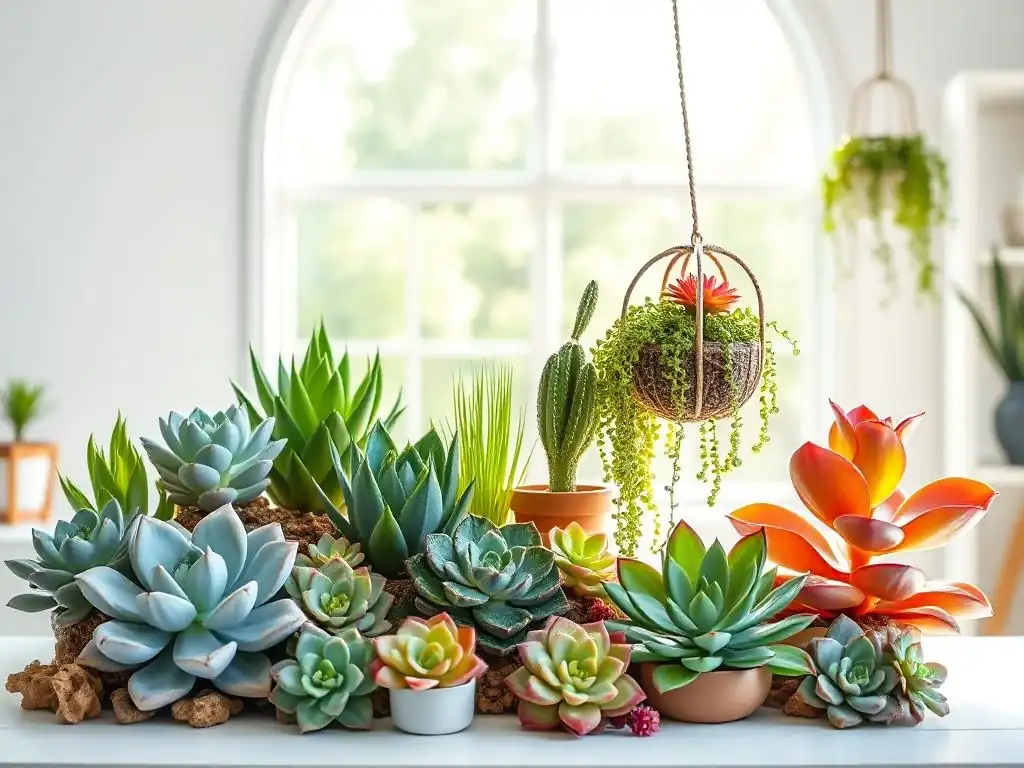
Welcome to SucculentEssentials.org, where the fascinating world of succulents unfolds before you! Are you ready to unlock the secrets to cultivating thriving indoor oases? Discover the best indoor succulent varieties that will transform your home into a vibrant, low-maintenance paradise. Dive into our expert guides and unleash your creativity with stunning succulent arrangements – the possibilities are endless. Let's begin your succulent journey!
- Best Indoor Succulent Varieties for Low-Light Conditions
- Choosing the Right Indoor Succulent for Your Home
- Creating Stunning Indoor Succulent Arrangements
- Caring for Your Indoor Succulents: Tips for Success
- The Benefits of Indoor Succulents: More Than Just Decoration
- Frequently Asked Questions
- Final Reflection: Cultivating Joy, One Succulent at a Time
- Unleash Your Inner Green Thumb: Grow Your Succulent Journey!
Best Indoor Succulent Varieties for Low-Light Conditions
The captivating world of succulents extends far beyond the arid landscapes often associated with them. Their drought-tolerance and striking aesthetics make them surprisingly adaptable and incredibly popular choices for indoor spaces, even those lacking abundant sunlight. This article delves into the joy of cultivating indoor succulents, highlighting some of the best indoor succulent varieties specifically suited for low-light conditions.
Whether you're a seasoned succulent enthusiast or a curious beginner, discovering the perfect low-light succulents can transform your home into a vibrant, low-maintenance oasis. We'll explore varieties known for their resilience and beauty, ensuring you can enjoy the unique charm of these plants regardless of your home's lighting situation.
Choosing the right succulents for your indoor environment is key to their success, and this guide will equip you with the knowledge to select and care for these fascinating plants. Let's embark on a journey to discover the best companions for your indoor garden!
Thriving Succulents in Shady Spots: Haworthia attenuata, Sansevieria trifasciata, Gasteria
Many believe that all succulents crave intense sunlight, but this is a misconception. Several varieties thrive even in low-light conditions, rewarding patient care with their unique beauty. Among these resilient plants, the Haworthia attenuata, with its striking, translucent leaves exhibiting a window-like effect, is a true standout.
Its adaptability makes it an excellent choice for beginners and experienced succulent lovers alike. Another fantastic option is the Sansevieria trifasciata, commonly known as the Snake Plant or Mother-in-Law's Tongue. Famous for its almost indestructible nature and tolerance of neglect, it's a perfect choice for those with busy schedules or less-than-ideal lighting.
Finally, the Gasteria genus offers a diverse range of fascinating succulents with textured, bumpy leaves and unique color patterns, adding a touch of visual interest to any indoor space, even those with limited light exposure. These three varieties represent a great starting point for anyone looking to cultivate low-light succulents. They are relatively easy to care for, requiring infrequent watering and minimal direct sunlight.
Easy-Care Low-Light Succulents for Beginners: Echeveria, Sedum morganianum, Haworthia cuspidata
For those new to the world of succulents, selecting easy-to-care-for varieties is crucial for building confidence and fostering a love for these fascinating plants. The Echeveria genus offers a wide array of stunning rosette-forming succulents, many of which tolerate low-light conditions remarkably well. Their compact growth habit makes them ideal for small spaces, and their diverse color palettes add a touch of elegance to any indoor setting.
Another excellent choice for beginners is Sedum morganianum, also known as Burro's Tail. This cascading succulent, with its long, trailing stems adorned with plump, bluish-green leaves, is visually captivating and relatively low-maintenance. Its tolerance of low light and infrequent watering makes it a perfect choice for those starting their succulent journey.
Lastly, the Haworthia cuspidata, similar to the Haworthia attenuata, boasts attractive, textured leaves and a robust nature, making it an ideal low-maintenance succulent for beginners. These three varieties provide a diverse range of textures and colors, ensuring a visually appealing and rewarding experience for those new to indoor succulent cultivation. Remember to research the specific needs of each variety, as even within these easy-care groups, slight variations in care preferences may exist.
Choosing the Right Indoor Succulent for Your Home
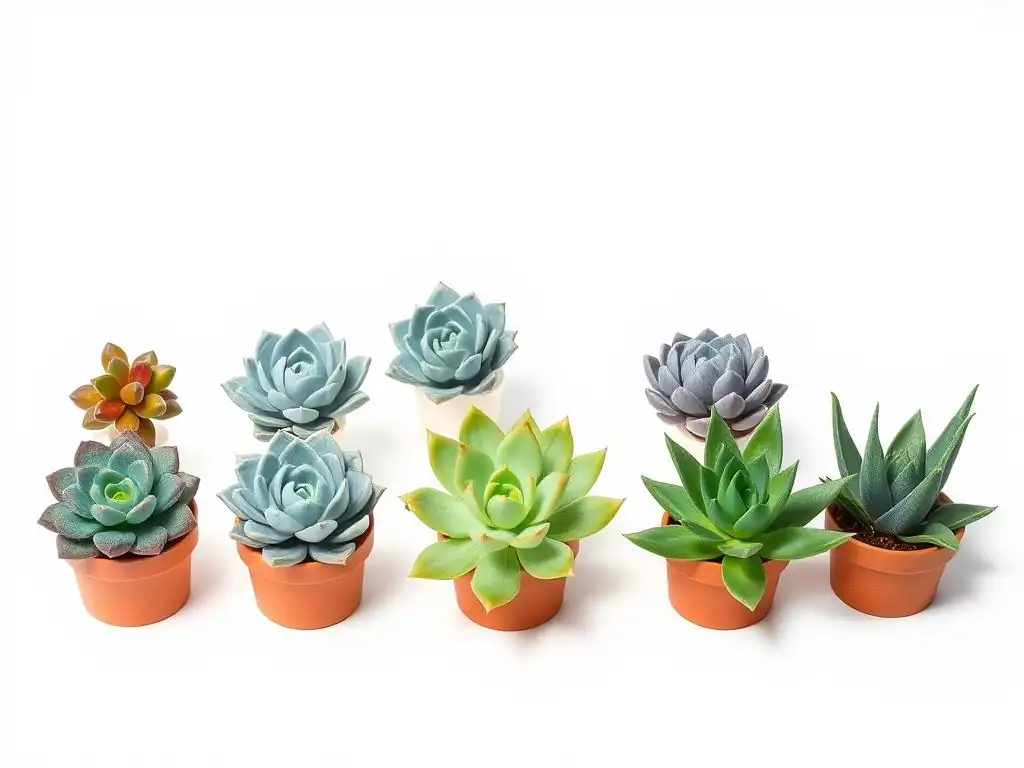
This section delves into the crucial aspects of selecting the best indoor succulent varieties for your specific home environment and aesthetic preferences. Successfully cultivating indoor succulents hinges on careful consideration of several key factors, ensuring the plants thrive and enhance your living space. Ignoring these factors can lead to unhappy plants and a less enjoyable experience. Let's explore what you need to consider.
Factors to Consider When Selecting Indoor Succulents: Light, Humidity, and Space
Choosing the right succulent for your home involves more than just admiring their beauty. The success of your indoor succulent garden depends heavily on providing the appropriate growing conditions. Three primary factors are paramount: light, humidity, and available space.
Light is arguably the most critical factor. Succulents, native to arid and semi-arid regions, require ample sunlight. However, the intensity of that light varies significantly between species. Some thrive in bright, direct sunlight, while others prefer bright, indirect light. Understanding your home's light conditions – whether you have a south-facing window with intense sunlight or a north-facing window with less direct light – is crucial. For example, Echeveria varieties generally prefer bright, indirect light, whereas certain Sedum species can tolerate more direct sun. Incorrect light levels will lead to etiolation (leggy growth) or sunburn.
Humidity plays a less dominant role compared to light, but it's still important. Succulents prefer low humidity; high humidity can lead to root rot and fungal diseases. Most indoor environments offer sufficiently low humidity for succulents, but in excessively humid areas, ensuring good air circulation around the plants is vital. Consider using a fan for gentle air movement, particularly during periods of high humidity.
Finally, consider the space available. Succulents range in size from tiny miniatures to larger specimens. Plan your selection according to the space you have allocated for your succulent collection. A small windowsill might only accommodate miniature succulents, while a larger space could support a collection of diverse sizes and varieties. Careful planning prevents overcrowding, which can inhibit growth and increase the risk of pests and diseases. Proper spacing also enhances the aesthetic appeal of your succulent arrangement.
Matching Succulents to Your Interior Design Style: Echeveria and Modern Minimalism, Sedum and Rustic Farmhouse Decor
The aesthetic appeal of succulents extends beyond their inherent beauty; they seamlessly integrate into various interior design styles. Careful selection can elevate your home decor, creating a harmonious blend of nature and design.
The sleek, geometric rosettes of Echeveria succulents perfectly complement modern minimalist interiors. Their clean lines and muted color palettes create a sense of calm and sophistication, enhancing the clean, uncluttered aesthetic of minimalist design. Their low-maintenance nature also aligns perfectly with the minimalist ethos of efficiency and simplicity. Consider using Echeveria in simple, modern pots to further enhance this effect. The contrast of the organic forms against the geometric lines of the pot can create a striking visual impact.
Conversely, the diverse textures and forms of Sedum succulents beautifully complement rustic farmhouse decor. Their ability to thrive in less-than-perfect conditions mirrors the resilience of farmhouse aesthetics. Their earthy tones and varied textures create a sense of warmth and natural charm, blending seamlessly with the rustic elements often found in farmhouse interiors.
Consider planting Sedum in terracotta pots or repurposed containers to further enhance the rustic theme. The uneven textures of the pots complement the varied textures of the succulents, creating a visually rich and harmonious arrangement. The robustness of Sedum also makes them ideal for less-than-perfect lighting conditions often found in farmhouse-style homes.
Creating Stunning Indoor Succulent Arrangements
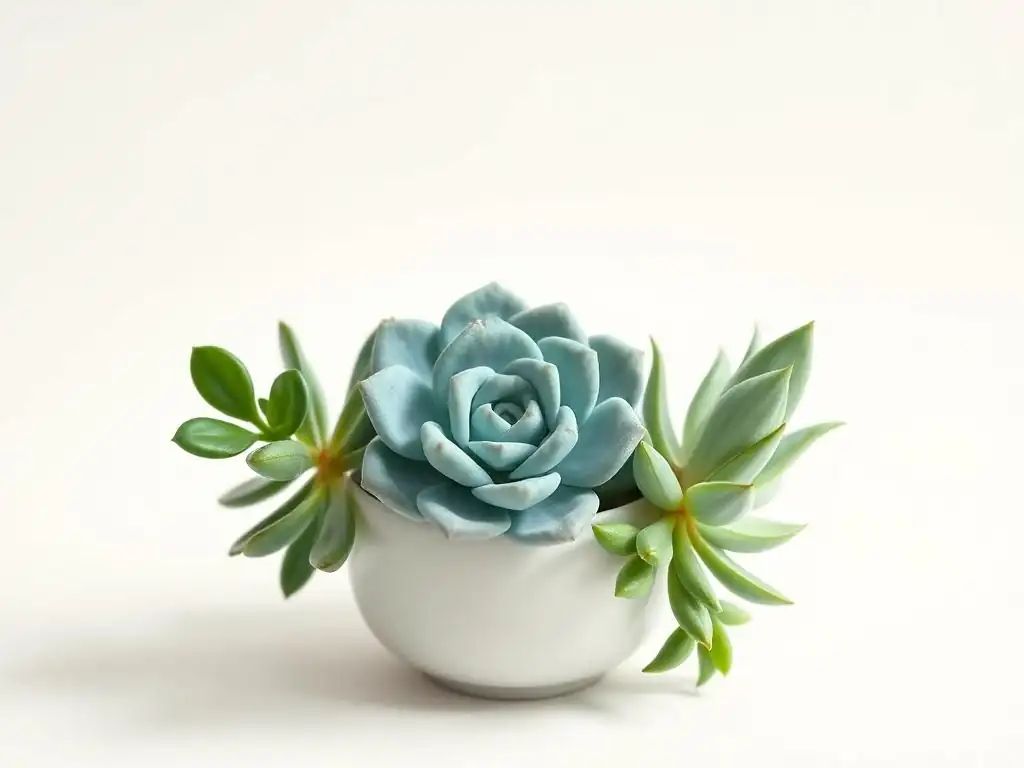
Choosing the best indoor succulent varieties is only half the battle. Creating a truly stunning arrangement requires careful consideration of several factors beyond simply selecting beautiful plants. This section explores key elements for designing captivating indoor succulent displays that thrive and enhance your home's aesthetic appeal. The right combination of pot, soil, and even the arrangement's overall shape can dramatically impact the visual impact and the health of your succulents.
DIY Indoor Succulent Terrariums: A Step-by-Step Guide
Creating a miniature succulent ecosystem within a glass terrarium is a rewarding project. It allows for artistic expression while providing a unique environment for your succulents to flourish. Here’s a step-by-step guide:
- Choosing the Right Container: Select a glass container with adequate drainage – a small hole in the bottom is essential. Avoid completely sealed containers to prevent rot. Consider shape and size based on the number and types of succulents you plan to use. Larger terrariums allow for more creative layering and plant combinations.
- Preparing the Drainage Layer: A layer of gravel or small pebbles at the bottom of the terrarium is crucial for proper drainage. This prevents waterlogging, a common cause of succulent root rot. Aim for a layer approximately 1-2 inches deep.
- Adding the Soil Mixture: Use a well-draining succulent and cactus potting mix. Avoid using regular garden soil, which retains too much moisture. You can enhance drainage further by adding perlite or coarse sand to the mix.
- Selecting and Planting the Succulents: Choose small, slow-growing succulents that are compatible with terrarium environments. Consider a variety of textures, colors, and shapes for visual interest. Gently plant the succulents, ensuring their roots are covered with soil but not buried too deeply.
- Watering and Maintenance: Terrariums require less frequent watering than individual succulents. Water only when the soil is completely dry, usually every 2-4 weeks. Avoid overwatering, which can lead to fungal growth and root rot. Regularly check for pests and remove any dead or decaying leaves.
Beautiful Succulent Displays for Shelves and Windowsills: Ideas and Examples
Windowsills and shelves provide excellent locations for showcasing your indoor succulent collection. The key is to create visually appealing arrangements that complement your existing décor. Here are some inspiring ideas:
- Grouping by Color: Arrange succulents with similar color palettes together for a cohesive and striking effect. For example, a grouping of various shades of green can create a calming, natural feel, while a combination of vibrant reds and oranges can add a pop of color.
- Varying Heights and Textures: Combine succulents of different sizes and textures to add depth and visual interest. Taller succulents can be placed at the back or center, while smaller ones can be positioned in front to create a layered effect.
- Using Decorative Pots: Choosing the right pots can significantly enhance the overall aesthetic. Consider using pots of varying materials, shapes, and sizes to create a unique and personalized display. Terracotta, ceramic, and even repurposed containers can all add character to your arrangements.
- Example Arrangement: Imagine a shallow, rectangular planter on a windowsill. Place a larger Echeveria in the center, flanked by smaller Sedum varieties. Use pebbles or small decorative stones around the base of the plants to further enhance the visual appeal. This arrangement combines varying heights and textures, creating a balanced and visually pleasing display.
Vertical Gardens with Indoor Succulents: Tips and Tricks
Vertical gardens offer a space-saving and visually stunning way to display succulents indoors. They can be created using a variety of methods, from repurposed materials to specialized wall-mounted systems. Here are some tips for success:
- Choosing the Right Support Structure: The support structure should be sturdy enough to hold the weight of the succulents and the potting medium. Consider using a wall-mounted shelf system, a vertical planter with pockets, or even a repurposed ladder.
- Using the Right Potting Mix: A well-draining potting mix is crucial for success. Amend the mix with perlite or pumice to improve drainage and aeration.
- Watering Considerations: Watering a vertical garden requires a bit more attention than traditional displays. Water thoroughly but allow excess water to drain completely. Avoid overwatering, which can lead to root rot.
- Plant Selection: Select succulents that are suitable for vertical growth and can tolerate the conditions of your chosen support structure. Consider trailing varieties that will cascade down the sides of the planter, adding to the visual appeal. Smaller, compact succulents are also ideal for vertical gardens. Think about the best indoor succulent varieties that will thrive in this environment.
Remember, creating a thriving indoor succulent garden is a journey of experimentation and learning. Don't be afraid to try different arrangements, techniques, and plant combinations to find what works best for you and your space. Enjoy the process and the beauty of your flourishing indoor succulent oasis!
Caring for Your Indoor Succulents: Tips for Success
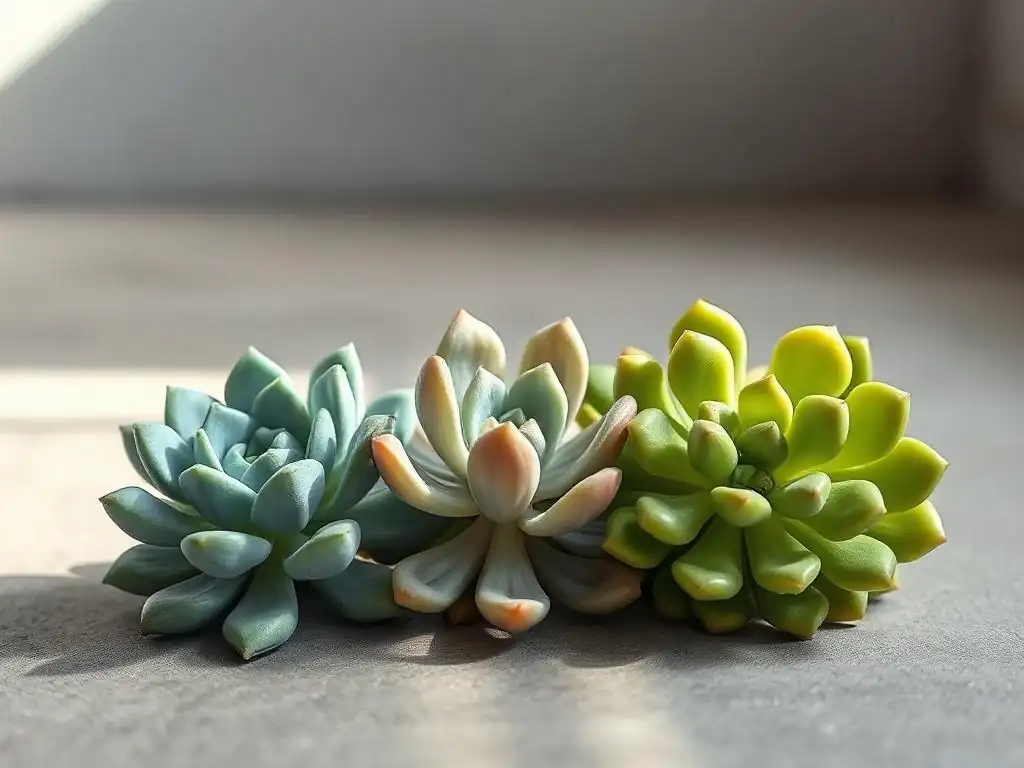
This section focuses on providing practical advice for successfully cultivating the best indoor succulent varieties. Successfully growing these drought-tolerant plants indoors hinges on understanding their specific needs and adapting your care routine accordingly. Remember, even though succulents are known for their resilience, neglecting their needs can lead to unhappy plants. Let's delve into the key aspects of indoor succulent care.
Watering Your Indoor Succulents: Avoiding Overwatering and Underwatering
One of the most common mistakes in indoor succulent care is improper watering. Succulents are adapted to arid conditions and store water in their leaves and stems. Overwatering is far more detrimental than underwatering, leading to root rot and fungal diseases. The golden rule is to "water deeply, but infrequently."
Here's a detailed guide:
- Frequency: Water thoroughly only when the soil is completely dry. This usually means allowing the top inch or two of soil to dry out completely before watering again. The frequency will vary depending on factors like pot size, type of soil, and the ambient temperature and humidity. During winter months, watering may be needed only every few weeks, or even less frequently.
- Method: Water until water drains freely from the drainage holes at the bottom of the pot. Avoid letting your succulents sit in standing water, which promotes root rot. Empty any excess water collected in the saucer beneath the pot.
- Signs of Overwatering: Mushy or rotting leaves, yellowing leaves, and a foul odor emanating from the soil are all signs of overwatering. If you notice these symptoms, remove the succulent from its pot, assess the roots, and repot it in fresh, well-draining soil.
- Signs of Underwaterwatering: Shriveled or wrinkled leaves, and a generally dry and brittle appearance indicate underwatering. Simply water thoroughly and resume your regular watering schedule.
Providing Optimal Light for Indoor Succulents: Natural and Artificial Lighting Solutions
Sunlight is crucial for the health and vibrancy of your indoor succulents. Most succulents thrive in bright, indirect sunlight. Direct, intense sunlight can scorch their leaves, while insufficient light leads to etiolation (leggy growth).
Here's how to provide optimal lighting:
- Natural Light: A south-facing window is ideal, but east or west-facing windows can also work well. However, protect your succulents from the harsh midday sun by using a sheer curtain or by placing them slightly further away from the window.
- Artificial Light: If natural light is limited, supplement with artificial light sources such as grow lights. LED grow lights are energy-efficient and provide the full spectrum of light needed for healthy succulent growth. Ensure the lights are positioned appropriately to avoid burning the leaves. Aim for a 12-14 hour light cycle.
- Monitoring Light Needs: Observe your succulents closely. If you notice stretching or pale coloration, they are likely not getting enough light. If you see browning or scorching, they might be getting too much. Adjust the lighting accordingly.
Preventing Common Problems: Pests and Diseases in Indoor Succulents
While relatively hardy, indoor succulents can still be susceptible to pests and diseases. Early detection and intervention are crucial for preventing serious problems.
Here are some common issues and how to address them:
- Pests: Mealybugs, aphids, and spider mites are common pests that can infest succulents. Regularly inspect your plants for signs of infestation (small insects, sticky residue, webbing). Treat infestations promptly using insecticidal soap or neem oil.
- Diseases: Root rot, caused by overwatering, is the most prevalent disease. Ensure well-draining soil and avoid overwatering to prevent this. Fungal infections can also occur; removing affected leaves and improving air circulation can help.
- Prevention: Maintaining good hygiene is key. Use clean pots and soil when repotting, and regularly inspect your plants for any signs of pests or disease. Prompt action is essential to prevent widespread damage. Early detection is key to preventing major issues and keeping your "best indoor succulent varieties" thriving. 🪴
The Benefits of Indoor Succulents: More Than Just Decoration
Succulents are increasingly popular as houseplants, and for good reason. Their unique beauty and relatively low-maintenance care requirements make them ideal for busy lifestyles. However, the advantages of incorporating succulents into your indoor environment extend far beyond their aesthetic appeal. They offer a surprising array of benefits that contribute to a healthier and more balanced home life. Choosing the best indoor succulent varieties involves considering not only their visual appeal but also their ability to thrive in your specific indoor conditions. Let's explore some of these key benefits.
Air Purification: The Role of Succulents in Improving Indoor Air Quality
While not as potent as some other houseplants, succulents do contribute to improved indoor air quality. They participate in the process of photosynthesis, converting carbon dioxide into oxygen. While the oxygen production from a single succulent might be minimal, a collection of diverse best indoor succulent varieties can collectively contribute to a slightly cleaner air environment. This effect is amplified in larger spaces or with a greater number of plants.
The specific contribution to air purification varies depending on the species and size of the succulent. Further research is needed to quantify precisely the impact of different succulent species on indoor air quality. However, the general consensus is that their contribution, alongside other houseplants and good ventilation, fosters a healthier indoor environment. Many people find that the simple presence of greenery improves their mood and sense of well-being, which contributes to a generally more positive atmosphere in the home.
Stress Reduction and Well-being: The Calming Effect of Houseplants
The presence of plants, including succulents, has been linked to reduced stress and improved mental well-being. Studies have shown that interacting with plants can lower cortisol levels (the stress hormone) and promote relaxation. The act of caring for succulents, from watering to repotting, can be a mindful and therapeutic activity. The simple act of observing their growth and appreciating their unique textures and colors can be a calming and meditative experience.
The visual appeal of a thriving succulent arrangement contributes to a more peaceful and aesthetically pleasing home environment, further reducing stress and promoting a sense of calm. This makes succulents excellent additions to spaces where relaxation and stress reduction are important, such as bedrooms or home offices. Incorporating different textures and colors of succulents can also contribute to a more dynamic and visually engaging arrangement, further enhancing the calming effect.
Boosting Creativity and Productivity: The Positive Impact of Indoor Greenery
Numerous studies suggest a correlation between indoor plants and increased productivity and creativity. The presence of greenery can enhance focus, improve cognitive function, and stimulate creative thinking. The visual stimulation provided by the diverse shapes, colors, and textures of succulents can help break up monotony and reduce mental fatigue.
This is particularly beneficial in workspaces or study areas. For example, a small arrangement of best indoor succulent varieties on a desk can provide a visually appealing focal point, promoting a more positive and productive work environment. The act of caring for the plants can also serve as a short break, allowing for mental rejuvenation and a renewed sense of focus.
Choosing succulents that are easy to care for ensures that this positive impact isn't overshadowed by the demands of plant maintenance. The low-maintenance nature of succulents makes them an ideal choice for busy individuals who want to enjoy the benefits of indoor greenery without excessive time commitment. A well-placed succulent arrangement can subtly enhance the overall atmosphere, leading to a more productive and creative work environment.
Frequently Asked Questions
What are the best indoor succulent varieties for beginners?
Many succulents thrive indoors! Echeveria, Sedum, and Haworthia are excellent choices for beginners due to their tolerance of less-than-perfect conditions and relatively easy propagation.
How much sunlight do indoor succulents need?
Indoor succulents need bright, indirect light. A south-facing window is ideal, but avoid direct sunlight which can scorch their leaves. Supplement with grow lights if necessary.
How often should I water my indoor succulents?
Water your succulents thoroughly but infrequently. Allow the soil to completely dry out between waterings to prevent root rot. The frequency depends on the specific succulent and the environment.
What type of soil is best for indoor succulents?
Use a well-draining potting mix specifically formulated for cacti and succulents. You can also amend regular potting soil with perlite or pumice to improve drainage. Avoid heavy, clay-based soils.
How can I propagate my indoor succulents?
Many succulents can be propagated easily from leaf cuttings or stem cuttings. Simply allow the cuttings to callous over before planting them in well-draining soil. Patience is key!
Final Reflection: Cultivating Joy, One Succulent at a Time
The enduring appeal of indoor succulents transcends mere aesthetics; they represent a tangible connection to nature's resilience and a potent antidote to the stresses of modern life. Their low-maintenance nature, coupled with their remarkable diversity, makes them the ideal companions for busy individuals and seasoned plant enthusiasts alike. This accessibility, combined with their undeniable beauty, ensures their continued popularity as the perfect houseplant.
The quiet joy of nurturing a succulent, watching it thrive under your care, is a powerful reminder of the simple pleasures life offers. It’s a small act of creation, a testament to the interconnectedness of all living things. The glory of gardening: hands in the dirt, head in the sun, heart with nature. To nurture a garden is to feed not just the body, but the soul.
This quote perfectly encapsulates the profound, yet often understated, impact these miniature desert dwellers have on our well-being. Their presence brings a sense of calm and purpose, a small oasis of green in our often-frantic lives.
Now, consider your own space. Imagine the subtle shift in atmosphere a carefully chosen succulent could bring. Don't just read about the best indoor succulent varieties; actively seek them out, nurture them, and experience the transformative power of their quiet beauty firsthand. Let the joy of cultivating these resilient plants enrich your life, one small leaf at a time.
Unleash Your Inner Green Thumb: Grow Your Succulent Journey!
Thanks for joining the wonderful world of indoor succulents! We hope you've discovered the joy and ease of bringing these beautiful plants into your home. Now it's time to take the next step and try propagating your own succulents. It's easier than you think and incredibly rewarding to root a cutting from one of your existing plants.
Share your successes (or questions!) with our community on social media using #SucculentEssentials. Let's inspire each other! And don't forget to explore the many different succulent varieties available – you might just discover a new favorite to add to your collection!
Ready to transform your space with the vibrant beauty of succulents? Tell us: which succulent will you propagate first, and why?