
Succulent Walls: A Great Way to Add Interest to Any Space

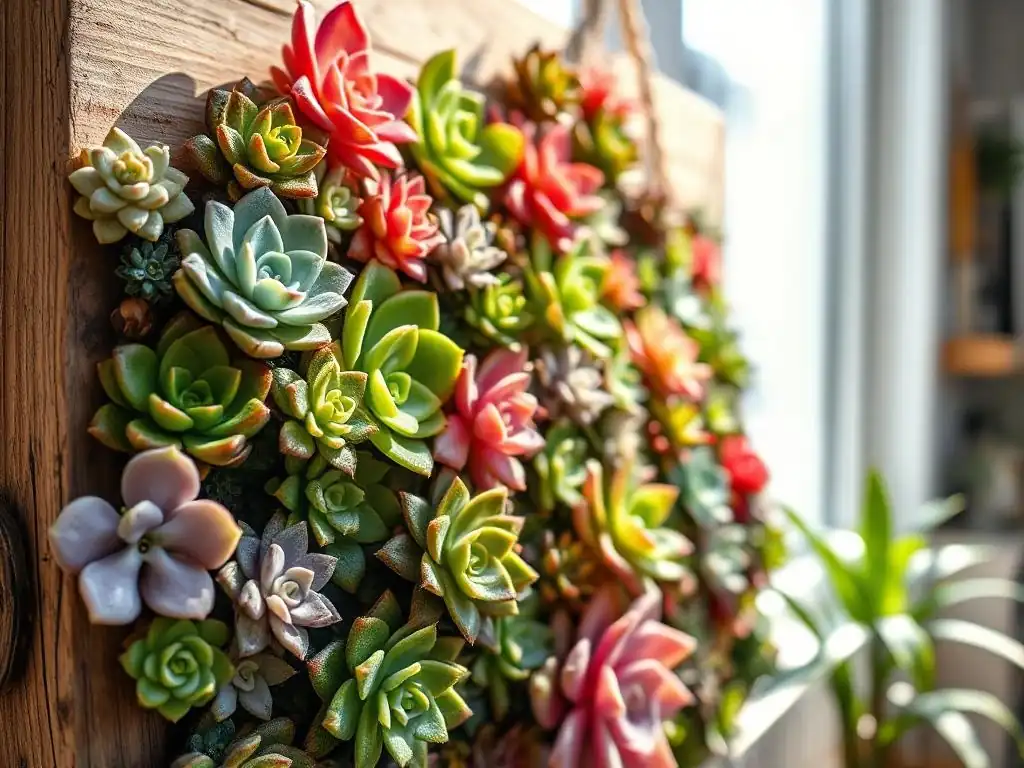
Welcome to SucculentEssentials.org, where the fascinating world of succulents unfolds before you! Prepare to be captivated by the beauty and resilience of these extraordinary plants. Are you ready to transform your living space with the stunning visual impact of a DIY succulent wall? Dive into our extensive collection of care guides, propagation techniques, and creative arrangement ideas – and discover how easy it is to create your own breathtaking succulent masterpiece. Let's get growing!
- Designing Your Dream DIY Succulent Wall
- Maintaining Your Thriving Succulent Wall
- Creative DIY Succulent Wall Ideas and Designs
- Benefits of a DIY Succulent Wall
- Inspiration and Resources for Your Succulent Wall Project
- Frequently Asked Questions
- Final Reflection: Cultivating Creativity, One Succulent at a Time
- Unleash Your Inner Green Thumb: Design Your Dream Succulent Wall!
Designing Your Dream DIY Succulent Wall
Creating a stunning succulent wall is a fantastic way to inject life and vibrancy into any space, indoors or outdoors. This detailed guide will walk you through the process of designing and building your own DIY succulent wall, offering a unique and rewarding gardening experience. From selecting the perfect succulents to mastering the construction techniques, we'll cover everything you need to know to transform a blank wall into a thriving, eye-catching vertical garden.
Whether you're a seasoned succulent enthusiast or a complete beginner, this comprehensive guide will equip you with the knowledge and confidence to create a living masterpiece that will enhance your home or garden for years to come. We'll explore various design options, material choices, and practical tips to ensure your succulent wall not only looks amazing but also thrives.
This guide focuses on providing practical, step-by-step instructions and addresses common challenges faced by DIY enthusiasts, making the process enjoyable and successful. Get ready to unleash your creativity and transform a plain wall into a breathtaking display of nature's artistry!
Choosing the Right Succulents for Your Vertical Garden
Selecting the right succulents is crucial for the success of your DIY succulent wall. Consider factors like sunlight exposure, your climate, and the overall aesthetic you're aiming for. Different succulents have varying needs and tolerances. Some thrive in full sun, while others prefer partial shade. Choosing succulents with complementary colors, textures, and growth habits will create a visually appealing and harmonious wall.
Here's a breakdown of key considerations:
- Sunlight Requirements: Match your succulent choices to the amount of sunlight your wall receives. South-facing walls generally receive the most sun, while north-facing walls receive the least.
- Water Retention: Different succulents have different water retention capabilities. Choose a mix of succulents to balance moisture levels within the wall.
- Size and Growth Habit: Consider the mature size of each succulent and how it will grow over time. Allow enough space for each plant to expand without overcrowding.
- Color and Texture: Experiment with a variety of colors, shapes, and textures to create a visually interesting wall. Think about contrasting colors and textures to add depth and dimension.
Here’s a sample list of succulents that are generally well-suited for vertical gardens (remember to research specific needs before selecting):
| Succulent Name | Sunlight Requirement | Water Retention | Growth Habit |
|---|---|---|---|
| Echeveria 'Perle von Nürnberg' | Full Sun to Partial Shade | Moderate | Rosette |
| Sedum morganianum | Full Sun | Moderate | Trailing |
| Sempervivum tectorum | Full Sun to Partial Shade | Good | Rosette |
| Kalanchoe thyrsiflora | Full Sun | Moderate | Upright |
Remember to research the specific needs of each succulent before incorporating it into your wall design. Prioritize plant health and longevity.
Essential Materials for Building a Succulent Wall
Gathering the right materials is essential for a successful DIY succulent wall project. The materials you choose will impact both the aesthetic and the longevity of your living wall. Here's a list of essential materials you'll need:
- Structure: A sturdy frame is crucial to support the weight of the succulents and the growing medium. Options include repurposed pallets, wire mesh, or specially designed succulent wall panels.
- Growing Medium: A well-draining succulent potting mix is critical. Avoid using regular garden soil, as it retains too much moisture and can lead to root rot.
- Water Retention System: Consider incorporating a drip irrigation system or a similar method to ensure your succulents receive adequate moisture. This is especially important for walls in sunny locations.
- Fasteners: You'll need screws, nails, or other fasteners to secure the structure to the wall and attach the planting containers or pockets.
- Planting Containers or Pockets: Choose containers or pockets that are appropriate for succulents and allow for proper drainage. Felt pockets are a popular and lightweight option.
- Gloves and Tools: Protect your hands with gardening gloves and have basic gardening tools like a trowel and small hand rake readily available.
Remember to select high-quality materials to ensure the longevity and structural integrity of your succulent wall. Investing in durable materials will save you time and frustration in the long run.
Step-by-Step Guide to Creating a Stunning Succulent Wall
Building your succulent wall is a rewarding process! Follow these steps for a successful project:
- Plan Your Design: Sketch out your design, considering the size and shape of your wall, the types of succulents you'll use, and the overall aesthetic you want to achieve. This planning stage is essential for a cohesive and visually appealing result.
- Prepare the Wall: Clean the wall thoroughly and ensure it's structurally sound enough to support the weight of the succulent wall. You may need to reinforce the wall if necessary.
- Construct the Frame: Build your frame using your chosen materials, ensuring it's sturdy and level. Securely attach the frame to the wall.
- Install the Irrigation System (Optional): If you're using an irrigation system, install it now, ensuring proper placement and drainage.
- Install Planting Pockets or Containers: Attach the planting pockets or containers to the frame, ensuring they are evenly spaced and secure.
- Plant Your Succulents: Carefully plant your chosen succulents, ensuring they have enough space to grow. Use a well-draining succulent potting mix.
- Water Thoroughly: Water your succulent wall thoroughly after planting, allowing excess water to drain completely.
- Maintain Your Wall: Regularly check your succulent wall for signs of dehydration, pest infestation, or disease. Adjust watering as needed and remove any dead or dying plants.
By following these steps and paying attention to the details, you'll create a beautiful and thriving succulent wall that will be a stunning addition to any space. Remember to enjoy the process and the amazing results!
Maintaining Your Thriving Succulent Wall
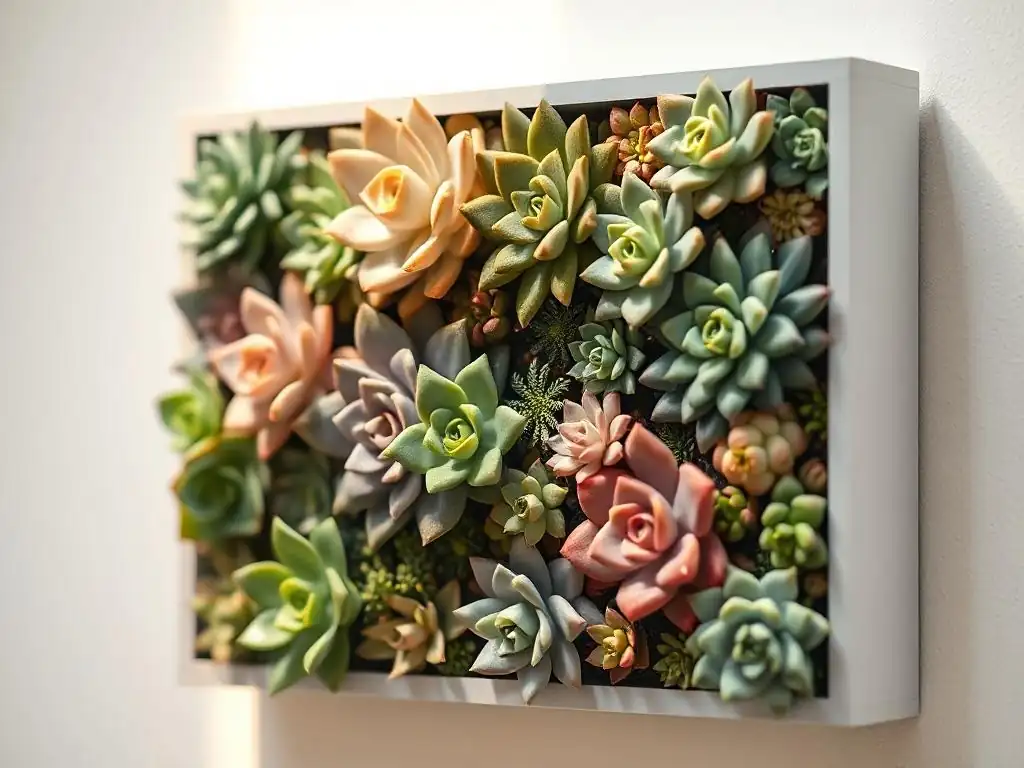
Creating a stunning DIY succulent wall is just the beginning! The true joy lies in nurturing its vibrant growth and ensuring its long-term health. Proper maintenance is key to keeping your succulent wall looking its best, and this section will provide you with the essential techniques to achieve just that. From optimal watering strategies to addressing common problems, we'll cover everything you need to know to maintain a thriving vertical succulent garden. Remember, a little preventative care goes a long way in preventing issues and ensuring your succulent wall remains a beautiful focal point for years to come.
Watering Techniques for Vertical Succulent Gardens
Watering a succulent wall differs significantly from watering potted succulents. The key is to avoid overwatering, which can lead to root rot and other problems. The following techniques will help you achieve the perfect balance:
- Less is More: Succulents are drought-tolerant plants. Water deeply but infrequently, allowing the soil to dry out completely between waterings. This might mean watering only every 7-14 days, depending on your climate and the type of succulents used. The frequency will also depend on the material of your succulent wall, as some materials retain moisture longer than others.
- Targeted Watering: Instead of spraying the entire wall, use a watering can with a long spout or a hose with a gentle spray nozzle to target the base of each plant. This prevents excess water from accumulating in the crevices and causing rot.
- Check for Drainage: Ensure your succulent wall system has adequate drainage to prevent waterlogging. Poor drainage is a common cause of succulent wall failure. Consider adding extra drainage holes to the containers or using a well-draining potting mix specifically designed for succulents.
- Seasonal Adjustments: Adjust your watering schedule according to the season. You'll need to water less frequently during cooler months when the succulents are dormant and more frequently during hotter, drier periods. Observe your plants carefully; their appearance will be the best indicator of their hydration needs. Wilting is a clear sign of underwatering, while mushy leaves indicate overwatering.
Providing Adequate Sunlight for Your Succulent Wall
Sunlight is crucial for the health and vibrancy of your succulent wall. Most succulents thrive in bright, indirect sunlight for at least 6 hours a day. However, prolonged exposure to harsh, direct sunlight can scorch their leaves. Here's how to ensure your succulent wall receives the optimal amount of light:
- Location, Location, Location: Carefully choose a location for your succulent wall that receives ample sunlight but avoids harsh afternoon sun. An east- or west-facing wall is often ideal. A south-facing wall might require some shade protection during the hottest parts of the day.
- Monitor for Sunburn: Regularly inspect your succulent wall for signs of sunburn, such as brown or bleached leaves. If you notice any sunburn, consider providing some shade during the peak sun hours. This could involve using a sheer curtain or adjusting the position of the wall if possible.
- Supplemental Lighting: In areas with limited natural sunlight, you might need to supplement with artificial grow lights. LED grow lights are a popular and energy-efficient option. Ensure the lights are positioned appropriately to provide sufficient illumination without overheating the plants.
Identifying and Addressing Common Succulent Wall Problems
Even with the best care, your succulent wall may encounter some challenges. Early identification and prompt action are crucial in addressing these problems effectively.
- Root Rot: This is a common problem caused by overwatering. Symptoms include mushy leaves, discoloration, and a foul odor. If you suspect root rot, carefully remove the affected succulents and repot them in fresh, dry soil. Ensure your wall has adequate drainage.
- Pests: Mealybugs, aphids, and spider mites are common succulent pests. Regularly inspect your wall for these pests and treat them promptly with insecticidal soap or neem oil. Early detection is key to preventing a widespread infestation.
- Nutrient Deficiencies: Succulents need essential nutrients for healthy growth. Use a balanced, slow-release fertilizer specifically formulated for succulents. Avoid over-fertilizing, as this can damage the plants.
Remember, patience and observation are key to maintaining a beautiful and thriving succulent wall. By following these guidelines, you can ensure your DIY succulent wall remains a striking feature in your home or garden for years to come. 🪴
Troubleshooting and Solutions for a Healthy Succulent Wall
Maintaining a vibrant succulent wall requires vigilance and proactive problem-solving. Several common issues can arise, impacting the health and aesthetic appeal of your living wall. Let's explore some common problems and their effective solutions. Early detection and swift action are crucial for preventing minor issues from escalating into significant problems that could jeopardize your entire succulent wall. Remember, a little preventative care goes a long way!
One frequent challenge is overwatering. Succulents, by nature, are drought-tolerant, and overwatering can lead to root rot, a condition characterized by mushy, decaying roots. Symptoms include yellowing or browning leaves, leaf drop, and a foul odor emanating from the soil. To address this, allow the soil to dry completely between waterings, and ensure your wall's drainage system is functioning properly.
If root rot is already present, you may need to carefully remove affected plants and repot them in fresh, well-draining soil. Consider using a soil mix specifically formulated for succulents, which often includes perlite or other materials to improve drainage. Improving air circulation around the plants is also vital to prevent excess moisture buildup.
Another common problem is underwatering, although less frequent than overwatering. Underwatered succulents will exhibit signs of dehydration, such as shriveled leaves, dull coloration, and stunted growth. The leaves might feel soft and limp, and the overall appearance will be less vibrant. The solution is simple: increase the frequency of watering, ensuring the soil is thoroughly moistened but not soggy. Monitor your succulents closely and adjust your watering schedule based on the weather conditions and the specific needs of your chosen succulent varieties. Remember that different succulent species have varying water requirements, so research your plants individually.
Pest infestations are another potential concern. Mealybugs, aphids, and spider mites are common pests that can attack succulents. These pests can weaken the plants, leading to discoloration, leaf damage, and stunted growth. Regularly inspect your succulent wall for signs of infestation. If you spot pests, you can treat them with insecticidal soap or neem oil, following the product instructions carefully. For severe infestations, you may need to remove affected plants to prevent the spread of pests to the rest of the wall. Prevention is key; maintaining good air circulation and avoiding overcrowding can help deter pest infestations.
Finally, inadequate sunlight can significantly impact the health and appearance of your succulents. Succulents require ample sunlight to thrive, and insufficient sunlight can lead to etiolation (leggy growth), pale coloration, and weak stems. Ensure your succulent wall receives at least six hours of direct sunlight daily.
If your wall is located in a shaded area, you may need to supplement with grow lights to provide the necessary light intensity. The orientation of your wall is also important; consider facing it towards the sunniest part of your garden or home. Regularly assessing your wall's sun exposure and adjusting accordingly is crucial.
Creative DIY Succulent Wall Ideas and Designs
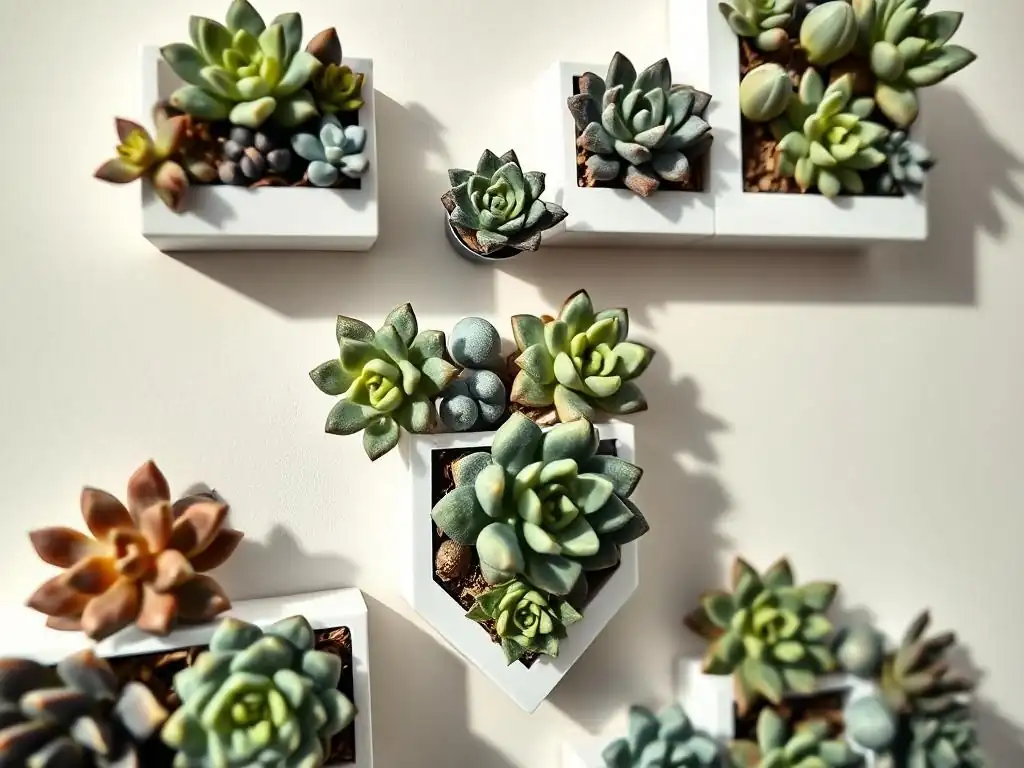
This section explores diverse and innovative approaches to crafting your own stunning DIY succulent walls, offering inspiration for various styles and skill levels. We'll delve into specific design concepts, material choices, and practical tips to ensure your succulent wall thrives and enhances your space. Remember, the beauty of a DIY succulent wall lies in its personalization; feel free to adapt these ideas to your unique taste and available resources. The possibilities are truly endless when it comes to creating a personalized, thriving succulent wall!
Modern Minimalist Succulent Wall Designs
Modern minimalist design emphasizes clean lines, simple forms, and a neutral color palette. Translating this aesthetic into a succulent wall involves selecting succulents with similar colors and textures, planting them in uniformly sized containers, and arranging them in a structured, uncluttered pattern. Think sleek geometric planters in shades of white, gray, or black, contrasted against the vibrant greens and subtle hues of succulents like Echeveria 'Perle von Nürnberg' or Sedum morganianum. The overall effect should be one of understated elegance and sophisticated simplicity.
Consider using a grid-like framework to maintain perfect alignment and enhance the minimalist feel. Maintaining a consistent spacing between succulents is crucial for achieving this clean, modern look. Regular watering, ensuring proper drainage, and occasional pruning will keep your minimalist succulent wall looking its best.
Rustic and Charming Succulent Wall Arrangements
For a more organic and inviting atmosphere, embrace the charm of rustic succulent wall designs. This style often incorporates natural materials like reclaimed wood, weathered metal, or repurposed containers. Think about using vintage tin cans, terracotta pots of varying sizes and shapes, or even small wooden crates attached to a background of aged barn wood. Succulents like Sempervivum tectorum (Houseleek), with their rosette shapes and varied colors, perfectly complement this rustic aesthetic.
You can further enhance the rustic feel by adding elements like small birdhouses, miniature watering cans, or even tiny wooden signs with inspirational quotes. The key is to create a sense of relaxed, lived-in charm. Remember to choose succulents that thrive in similar conditions to avoid any problems with their growth and health. Consider using a mix of textures and colors to add visual interest.
Geometric Succulent Wall Patterns and Ideas
Geometric patterns offer a fantastic opportunity to showcase your creativity and create a truly unique succulent wall. This approach involves arranging succulents in repeating patterns, using shapes such as hexagons, triangles, or squares as your guide. You can achieve this using custom-built frames or repurposed materials.
Consider using planters of the same size and shape, arranged in a grid pattern for a clean, structured look. For more complex designs, you might utilize a template or stencil to mark out your geometric shapes before planting. Succulents like Haworthia attenuata, with their distinctive striped leaves, or Crassula ovata (Jade Plant), known for their uniform shape, are excellent choices for geometric arrangements.
The precision of geometric patterns creates a visually striking impact. The use of contrasting colors and textures within the geometric framework can further enhance the design's appeal, making it a true conversation starter. Careful planning and precise execution are essential for success in this approach to DIY succulent wall ideas.
Unique and Artistic Succulent Wall Installations
Creating a succulent wall isn't just about sticking plants in the ground; it's about crafting a living artwork. Think beyond simple grids and embrace unique installation methods to elevate your DIY succulent wall ideas. Consider using reclaimed wood pallets, repurposed window frames, or even driftwood to create a rustic and charming backdrop.
The texture and character of these materials will enhance the visual appeal of your succulents, adding depth and dimension. For a more modern aesthetic, explore sleek metal frameworks or geometric designs crafted from painted plywood. The possibilities are endless, limited only by your creativity and the available space.
One particularly striking approach involves using different sized and shaped containers within the overall design. This could include small terracotta pots, repurposed tin cans painted in vibrant colors, or even glass vessels for a more contemporary feel. Varying the container types creates visual interest and allows you to showcase the succulents in a more dynamic way. Consider incorporating succulents with contrasting colors, textures, and growth habits to maximize the artistic impact. For instance, pairing the spiky leaves of Echeveria with the trailing tendrils of Sedum morganianum can create a beautiful textural contrast.
Remember that the arrangement should reflect your personal style. A minimalist design might feature a single species of succulent planted in uniform containers, while a more maximalist approach could incorporate a variety of succulents in a riot of color and texture. Don't be afraid to experiment with different shapes and sizes, creating curves and asymmetrical patterns to break up the monotony of a strictly geometric design.
The key is to let your creativity flow and create a succulent wall that is truly unique and reflects your individual taste. Remember to consider the light requirements of your chosen succulents when planning your design, ensuring each plant receives adequate sunlight. A well-thought-out and artistically executed succulent wall installation will become a stunning focal point in any room.
Benefits of a DIY Succulent Wall
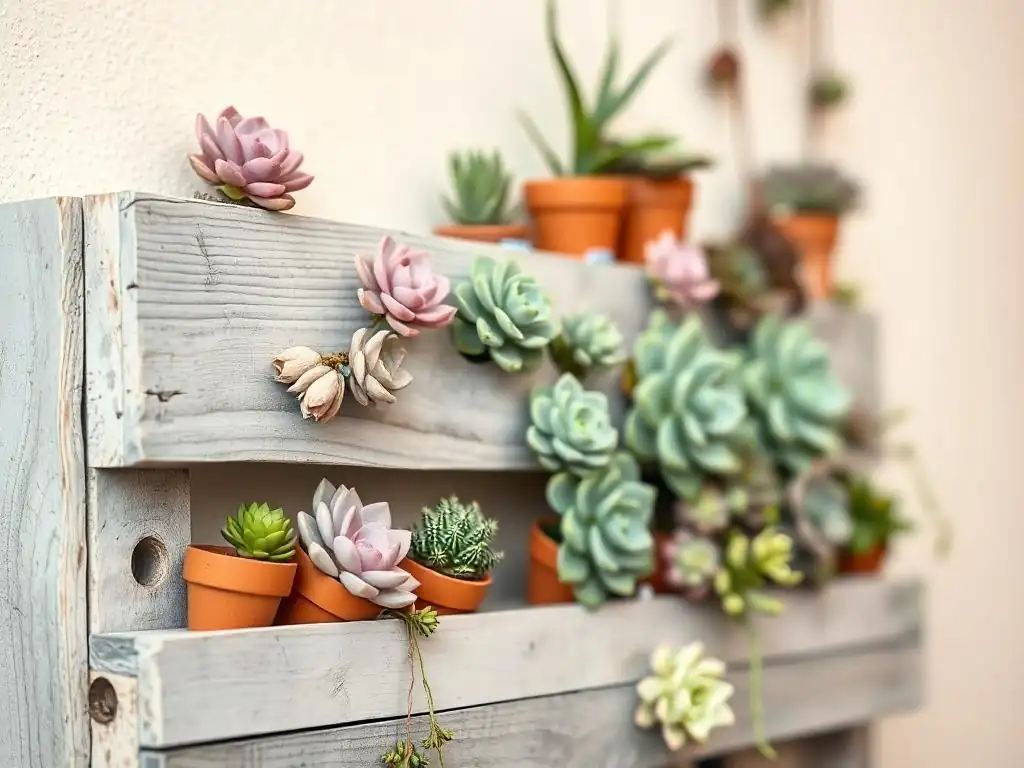
Creating a DIY succulent wall offers a multitude of advantages, transforming a blank wall into a vibrant, living artwork. Beyond the aesthetic appeal, these vertical gardens provide practical benefits that enhance your home environment. This section explores the key advantages of incorporating a succulent wall into your living space, focusing on the improvements to air quality, the visual impact, and the remarkably low maintenance required.
We'll delve into the specifics of each benefit, providing concrete examples and data to support the claims. Choosing a DIY approach allows for complete customization, ensuring your succulent wall perfectly complements your personal style and the unique characteristics of your space.
Boosting Indoor Air Quality with Succulents
Succulents, like many plants, contribute to improved indoor air quality by absorbing carbon dioxide and releasing oxygen through photosynthesis. While the impact of a single succulent might be minimal, a wall filled with dozens or even hundreds of these plants can make a noticeable difference, especially in larger rooms. Studies have shown that plants can effectively remove certain volatile organic compounds (VOCs) from the air, including formaldehyde, benzene, and toluene – common pollutants found in household products and building materials.
The exact amount of VOC removal varies depending on the plant species, the size of the wall, and the level of indoor pollution. However, a succulent wall can contribute significantly to creating a healthier breathing environment within your home. For example, a study by NASA (although specific data on succulents may require further research) showed that certain plants can effectively filter various toxins.
While more research is needed to quantify the precise impact of a succulent wall, the collective effect of numerous succulents contributes positively to air purification. This makes a DIY succulent wall a great investment in your well-being.
Adding Visual Appeal and Texture to Your Space
A DIY succulent wall dramatically enhances the visual appeal of any room. The diverse textures and colors of various succulent species create a dynamic and captivating display. Imagine a wall adorned with the velvety leaves of Echeveria, the spiky forms of Haworthia, and the trailing tendrils of Sedum morganianum – a symphony of shapes and hues that breathes life into a previously dull surface.
The visual impact extends beyond mere aesthetics; it adds depth and dimension, transforming a flat wall into a three-dimensional masterpiece. The varying shades of green, interspersed with pops of pink, purple, or red (depending on the succulent varieties chosen), create a visually stimulating experience, adding a unique character to your space. This living artwork becomes a focal point, instantly grabbing attention and sparking conversations.
Consider the impact of a carefully curated succulent wall compared to a plain, painted surface – the difference is striking. The texture alone adds a tactile element, inviting a closer look and appreciation for the intricate details of each plant.
Creating a Low-Maintenance Living Wall
One of the most significant advantages of choosing succulents for a vertical garden is their low-maintenance nature. Unlike many other plants, succulents are incredibly drought-tolerant, requiring infrequent watering. This makes them ideal for busy individuals or those who may not have a green thumb.
A well-designed succulent wall, with proper drainage and a suitable substrate, can thrive with minimal intervention. The frequency of watering depends on factors like the size of the wall, the climate, and the type of succulents used, but generally, infrequent deep watering is sufficient. This means less time spent on maintenance and more time enjoying the beauty of your living wall.
Furthermore, succulents are relatively resistant to pests and diseases, further reducing the need for constant care. A properly planned succulent wall can truly be a "set it and forget it" type of project, providing lasting beauty with minimal effort. This low-maintenance aspect is a key factor in the increasing popularity of DIY succulent walls as a stylish and practical home improvement.
Inspiration and Resources for Your Succulent Wall Project
Creating a stunning DIY succulent wall is a rewarding project, blending artistry with horticultural expertise. This section provides essential resources and inspiration to jumpstart your creative journey. Remember, the key to a successful succulent wall lies in careful planning and selecting the right plants and materials. Let's explore how to find the perfect design and the best succulents for your vertical garden.
Finding Inspiration for Succulent Wall Designs Online
The internet is a treasure trove of DIY succulent wall ideas. Pinterest, Instagram, and even YouTube channels dedicated to gardening offer a wealth of visual inspiration. Searching for terms like "succulent wall art," "vertical succulent garden," and, of course, "DIY succulent wall ideas," will yield countless images and videos showcasing diverse styles and techniques. Pay attention to the arrangement patterns – some favor geometric precision, others embrace a more organic, cascading look.
Consider the color palettes; contrasting textures and shades can significantly enhance the visual appeal. Don't just admire; analyze. Note the types of succulents used, the size and shape of the containers, and the overall aesthetic. This detailed observation will help you refine your own vision and develop a unique design that reflects your personal style.
For example, you might find inspiration in a minimalist design featuring primarily echeveria succulents arranged in a grid pattern, or you might be drawn to a more exuberant, overflowing design incorporating a wider variety of succulents and trailing plants. The possibilities are truly endless! Remember to save your favorite images and create a mood board to guide your project.
Choosing the Right Container for Your Vertical Succulent Garden
The container is the foundation of your succulent wall. Its choice significantly impacts both the aesthetics and the practicality of your project. Several options exist, each with its advantages and disadvantages:
- Wooden Frames: Offer a rustic charm and are relatively easy to customize. Consider pre-made frames or build your own using reclaimed wood for a unique touch. Ensure the wood is treated to withstand outdoor elements if your wall will be exposed to the weather.
- Metal Frames: Durable and modern, metal frames (e.g., galvanized steel) provide a sleek, contemporary look. However, they can be more challenging to work with than wood. Consider using pre-drilled holes for easier succulent planting.
- Repurposed Materials: Get creative! Old pallets, window frames, or even repurposed metal sheets can be transformed into unique and cost-effective succulent wall containers. The key here is ensuring adequate drainage.
- Modular Systems: These systems often consist of individual pots or cells that interlock to create a larger wall. They offer flexibility and allow for easier replacement or rearrangement of succulents.
The ideal container should provide adequate drainage to prevent root rot, a common problem for succulents. Consider adding drainage holes or a layer of gravel at the bottom of your container, regardless of the material you choose. Also, remember to choose a size and shape that complements your chosen succulents and the overall design of your space. A large, bold container might suit a minimalist design with fewer, larger succulents, while a smaller, more intricate container might be better suited for a design with a greater variety of succulents.
Sources for High-Quality Succulents for Your Wall
Selecting healthy, thriving succulents is crucial for a successful succulent wall. The health of your plants directly impacts the longevity and aesthetic appeal of your creation. Here's where to find quality succulents:
- Local Nurseries: Nurseries offer a wide selection of succulents, and the staff can often provide valuable advice on choosing suitable varieties for your climate and the specific conditions of your wall. They can also help you identify succulents that are hardy and suitable for vertical displays.
- Specialty Succulent Growers: These growers often specialize in rare and unusual succulents, offering unique options to elevate your wall's design. Expect to pay more for these specialized plants, but the unique selection makes it worth it for many enthusiasts.
- Online Retailers: Online retailers offer convenience and a broader selection, but carefully check reviews and seller ratings before purchasing to ensure you receive healthy plants. Be mindful of shipping times and potential damage during transit.
Remember to inspect each succulent carefully before purchasing. Look for plump leaves, free from blemishes or pests. Avoid plants that appear wilted or stressed. Choosing healthy succulents ensures a vibrant and long-lasting succulent wall, maximizing your investment and enjoyment. Prioritize disease-free plants to avoid any issues that could spread to the rest of your collection. Consider the size and growth habit of each succulent to plan the layout of your wall effectively.
Frequently Asked Questions
What are the benefits of creating a DIY succulent wall?
Creating a DIY succulent wall offers numerous benefits. It's a stunning and unique way to add visual interest to any space, requiring minimal maintenance thanks to succulents' drought tolerance. Plus, it's a fun and rewarding project!
What materials do I need to make a succulent wall?
You'll need succulents, of course! Also gather a frame or backing, planting medium, drainage material, and tools like a trowel and gloves. Consider adding decorative elements to personalize your wall.
How do I choose the right succulents for my DIY succulent wall?
Select succulents of varying textures, colors, and sizes to create visual depth and interest. Choose drought-tolerant varieties that are well-suited to your climate and the amount of sunlight your wall will receive. Research individual succulent needs before planting.
What is the best way to water a succulent wall?
Watering a succulent wall requires careful attention. Avoid overwatering, which can lead to root rot. Water thoroughly when the soil is completely dry, allowing excess water to drain completely. Consider using a soaker hose for even distribution.
How do I maintain my DIY succulent wall to ensure its longevity?
Regularly inspect your succulent wall for signs of pests or disease. Remove any dead or dying succulents promptly. Adjust watering frequency based on the season and your environment. Consider fertilizing sparingly during the growing season.
Final Reflection: Cultivating Creativity, One Succulent at a Time
The art of crafting a succulent wall isn't merely about aesthetics; it's about cultivating a connection with nature, a testament to the enduring power of DIY creativity in a fast-paced world. These miniature gardens, bursting with vibrant life, offer a tangible counterpoint to the digital age, reminding us of the simple joys of nurturing growth and beauty.
The enduring appeal of succulent walls lies in their versatility and adaptability. They transform blank spaces into living art, reflecting the unique personality of their creators. This resonates deeply with the current trend towards personalized spaces and mindful living. The love for all living creatures is the most noble attribute of man.
- Charles Darwin. This quote, while not directly about succulents, speaks to the inherent human desire to connect with and nurture life, a feeling deeply evoked by the process of creating and maintaining a succulent wall.
Now, consider your own space. What blank canvas awaits your creative touch? Imagine the satisfaction of transforming a dull wall into a vibrant, living masterpiece, a testament to your own patience and artistry. Don't just read about succulent walls – create one. Embrace the therapeutic process, the quiet joy of tending to your miniature garden, and the lasting beauty you'll bring into your life and home. Let your creativity bloom.
Unleash Your Inner Green Thumb: Design Your Dream Succulent Wall!
Thanks for exploring the wonderful world of succulent walls with us! We hope you've gained inspiration and are ready to transform your space. Here's how to get started:
- Design your dream succulent wall: Begin by sketching your vision—either on paper or using a design app. Consider the wall's size and location, and choose succulents you love. Let your creativity flourish!
- Share your progress: Take a picture of your plan and share it on social media using #SucculentWallInspiration. Let's inspire each other!
- Find the perfect succulents: Explore our website for tips and guides to help you select succulents that will thrive in your home's lighting conditions.
What exciting succulents are you most drawn to?