
Succulent Living Walls: A Sustainable Way to Beautify Your Home

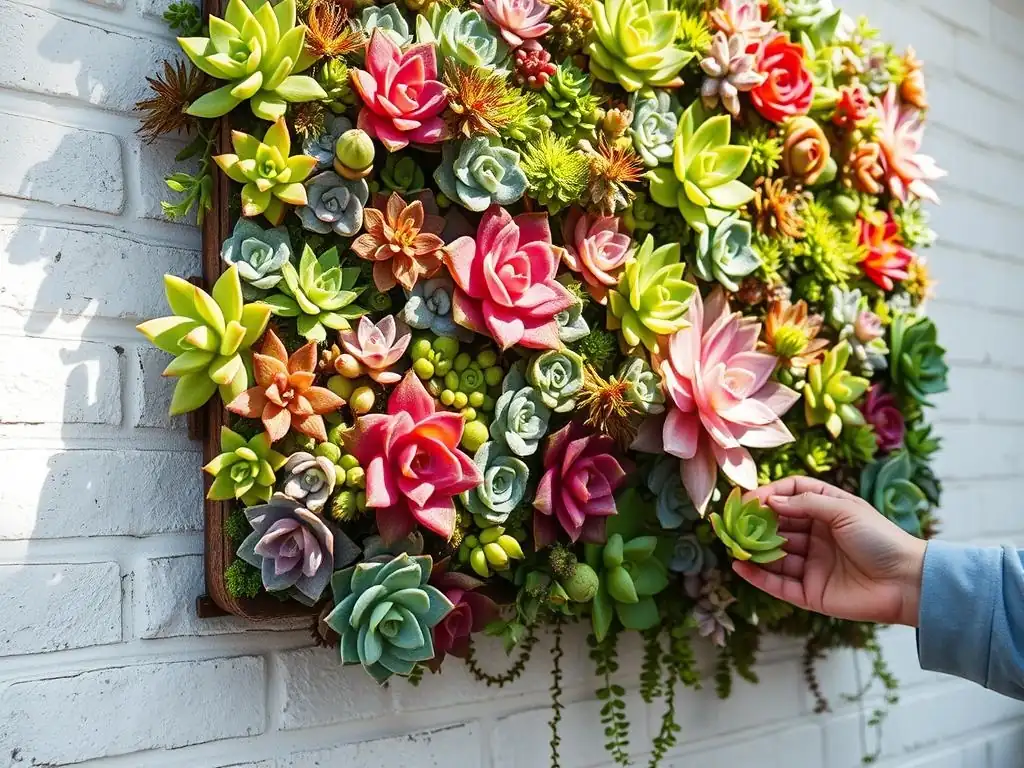
Welcome to SucculentEssentials.org, your gateway to the mesmerizing world of succulents! Are you ready to transform your living space into a vibrant oasis? We'll unlock the secrets to succulent care, from propagation techniques to stunning displays. But first, prepare to be amazed: discover the art of creating a breathtaking DIY succulent wall installation, a sustainable and stylish project that will leave you craving more. Dive in and explore the possibilities!
- Planning Your DIY Succulent Wall Installation
- Building Your DIY Succulent Wall
- Preparing Your Succulents for Vertical Planting
- Securing Your Succulents to the Frame: Techniques and Tips
- Maintaining Your Succulent Living Wall
- The Benefits of a DIY Succulent Wall Installation
- Inspiration and Design Ideas for Your Succulent Living Wall
- Frequently Asked Questions
- Final Reflection: The Enduring Bloom of Sustainable Design
- Unleash Your Inner Gardener: Create Your Dream Succulent Wall!
Planning Your DIY Succulent Wall Installation
Creating a stunning succulent living wall is a rewarding project that brings the beauty of the desert indoors. This guide will walk you through the process of designing and installing your own DIY succulent wall, offering a sustainable and aesthetically pleasing way to beautify your home. From selecting the perfect location and succulents to gathering the essential materials, we'll cover everything you need to know to successfully create a thriving vertical garden that will enhance your space for years to come.
This comprehensive approach to DIY succulent wall installation will not only guide you through the process but also highlight the sustainable benefits of incorporating these drought-resistant plants into your home décor. We'll explore the best practices for ensuring the long-term health and vibrancy of your living wall, transforming a simple project into a sustainable and beautiful addition to your home.
Choosing the Right Location for Your Succulent Vertical Garden
The success of your succulent living wall hinges significantly on choosing the right location. Succulents, while drought-tolerant, still require specific environmental conditions to thrive. Consider these factors carefully:
- Sunlight: Succulents need ample sunlight, ideally 4-6 hours of direct sunlight per day. Choose a south-facing wall (in the Northern Hemisphere) or a west-facing wall for optimal sun exposure. However, avoid locations with extreme heat or intense afternoon sun, which can scorch the leaves. A partially shaded area might be suitable for more sensitive succulent varieties.
- Temperature: While succulents can tolerate a wide temperature range, extreme temperature fluctuations should be avoided. Protect your living wall from harsh winter winds and freezing temperatures. Conversely, avoid locations that become excessively hot in summer.
- Humidity: Succulents prefer low humidity environments. Avoid locations near bathrooms or kitchens where humidity levels are typically higher.
- Accessibility: Choose a location that allows for easy access to water and maintain your living wall. This is crucial for regular watering and occasional pruning or repotting.
Remember to assess the structural integrity of your chosen wall before starting your project. Ensure it can support the weight of the living wall, especially if you plan a large installation. A professional assessment might be necessary for larger or more complex projects.
Selecting the Perfect Succulents for a Thriving Living Wall
Choosing the right succulents is critical for a beautiful and long-lasting living wall. Consider these factors when making your selections:
- Variety: Opt for a diverse range of succulents with varying textures, colors, and growth habits. This creates visual interest and ensures a more resilient living wall. Experiment with different sizes and shapes to achieve a balanced and aesthetically pleasing design.
- Growth Habits: Select succulents with trailing or cascading growth habits for a fuller, more dramatic effect. Consider combining upright and trailing varieties for a layered and textured look.
- Light Requirements: Ensure the succulents you choose are compatible with the light conditions of your chosen location. Some succulents tolerate full sun, while others prefer partial shade.
- Hardiness: Select succulents known for their hardiness and ability to withstand minor neglect or fluctuations in environmental conditions. Research the specific needs of each succulent before including it in your living wall.
- Size and Spacing: Consider the mature size of each succulent to ensure adequate spacing between plants. Overcrowding can lead to competition for resources and hinder growth. Plan your layout carefully to avoid overcrowding and ensure optimal air circulation.
Essential Materials for DIY Succulent Wall Installation: A Comprehensive List
Before embarking on your DIY succulent wall project, gather all the necessary materials. This comprehensive list ensures a smooth and efficient installation process:
| Material | Quantity (Example) | Notes |
|---|---|---|
| Structure: | ||
| Wire Mesh Panel | 1 (or more, depending on size) | Choose a sturdy mesh panel appropriate for the wall's size and weight. |
| Landscape Fabric | 1 roll | Prevents soil from falling through the mesh. |
| Staple Gun & Staples | 1 | For securing the landscape fabric to the mesh. |
| Planting Medium: | ||
| Well-Draining Potting Mix | [Specific amount pending] | A succulent-specific mix is crucial for preventing root rot. |
| Succulents: | [Specific number pending] | Select a variety of succulents, considering size, color, and growth habit. |
| Optional Enhancements: | ||
| Drip Irrigation System | 1 | Simplifies watering and ensures even moisture distribution. |
| Small Decorative Stones | [Specific amount pending] | Enhance the visual appeal and help retain moisture. |
| Gloves | 1 pair | Protect your hands during planting. |
Remember to adjust quantities based on the size and complexity of your chosen design. Accurate measurements are vital for a successful installation. A well-planned and organized approach will significantly enhance the overall experience of creating your DIY succulent wall.
Designing Your Succulent Wall Layout: From Simple to Complex Designs
Designing the layout for your DIY succulent wall is a crucial step in the installation process. It dictates the overall aesthetic appeal and, importantly, the structural integrity of your living wall. Begin by considering the size and shape of the area you'll be working with. A small wall might lend itself to a simple, geometric design, while a larger wall offers more scope for elaborate patterns and cascading arrangements.
Think about the types of succulents you've chosen. Their mature sizes and growth habits are key factors. Fast-growing succulents will require more space and potentially more frequent maintenance than slower-growing varieties. Consider incorporating a mix of sizes and textures to create visual interest and depth. A simple grid pattern is a great starting point for beginners, allowing for even spacing and easy maintenance. More experienced crafters might explore more intricate designs, such as curving lines, cascading waterfalls, or even geometric patterns mimicking natural formations.
Sketching your design on paper before you begin is highly recommended. This allows you to experiment with different arrangements and visualize the final product. Consider using graph paper to accurately represent the spacing between succulents and the overall dimensions of the wall. You can also use digital design tools to create a more detailed and precise plan. Remember to factor in the size of the planting pockets or containers you'll be using. This will ensure that your succulents have adequate space to grow and thrive.
Don't forget the practical aspects of your design. Ensure there's sufficient spacing between plants to allow for air circulation and prevent overcrowding. Overcrowding can lead to fungal diseases and hinder the growth of your succulents. Also, consider the orientation of your wall relative to sunlight.
Choose a design that maximizes sunlight exposure for sun-loving succulents while protecting shade-loving varieties from harsh afternoon sun. A well-thought-out design will not only enhance the beauty of your succulent wall but also ensure its long-term health and success. Remember, the best design is one that reflects your personal style and the specific characteristics of your chosen succulents.
Building Your DIY Succulent Wall
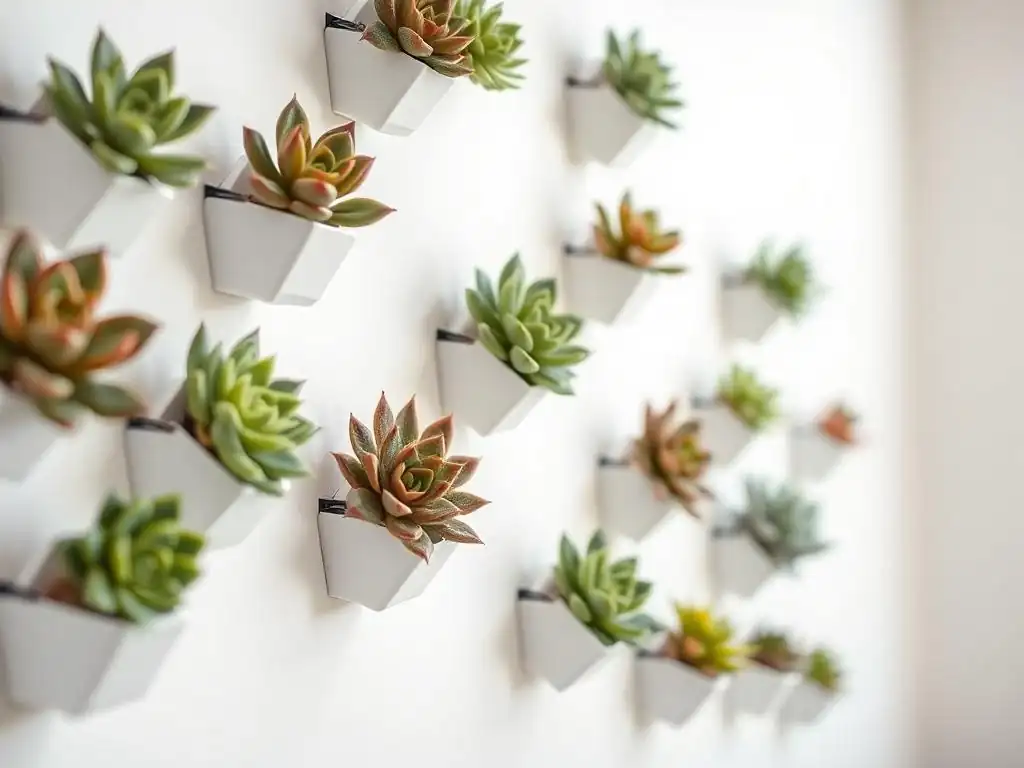
This section focuses on the crucial first step in your DIY succulent wall installation: constructing a sturdy and aesthetically pleasing frame. The frame is the backbone of your living wall, providing support for your succulents and determining the overall look of your project. Choosing the right materials and building techniques is paramount for a successful and long-lasting succulent display.
Step-by-Step Guide to Creating a Frame for Your Succulent Wall
Creating a frame for your succulent wall is a straightforward process, but careful planning will yield the best results. Here's a step-by-step guide:
- Measure and Plan: Begin by carefully measuring the space where you intend to install your succulent wall. Consider the dimensions and weight of the finished product to ensure structural integrity. Sketch a design, noting the desired shape and size of the frame. Will it be rectangular, square, or perhaps a more intricate design? This initial planning phase is crucial for a successful DIY succulent wall installation.
- Choose Your Materials: Several materials are suitable for framing a succulent wall. Wood (cedar or redwood are excellent choices for their durability and weather resistance), metal (galvanized steel or aluminum for longevity), or even repurposed materials like pallets (ensure they're treated for outdoor use if necessary) can be used. Consider the weight of your chosen materials and their compatibility with your wall. For ease of installation, lightweight materials are often preferred.
- Cut and Assemble: Once you've chosen your materials, carefully cut them to the desired dimensions using appropriate tools (saw, metal shears, etc.). Remember to account for joints and overlaps. Assemble the frame using screws, nails, or other appropriate fasteners. Ensure that the corners are securely joined and the frame is square and level. A well-built frame is essential for a successful DIY succulent wall installation.
- Add a Backing: Before adding succulents, consider adding a backing material to your frame. This will help retain moisture and provide a surface for attaching your succulents. Options include landscape fabric, coconut coir, or even a thin layer of chicken wire. This step greatly enhances the longevity of your succulent wall and makes planting easier.
- Finishing Touches: Once the frame is complete and the backing is secured, you can add a final layer of protection, such as a waterproof sealant for outdoor installations or a stain for aesthetic appeal. This step helps protect the frame from the elements and enhances its lifespan.
Preparing Your Succulents for Vertical Planting
Proper preparation of your succulents is key to their success in a vertical garden. Choosing the right succulents, acclimating them, and correctly preparing their root systems are all crucial aspects of this process. This ensures your DIY succulent wall installation thrives.
Preparing Your Succulents for Vertical Planting
Selecting the right succulents is crucial for a thriving vertical garden. Opt for varieties known for their drought tolerance and ability to withstand varied conditions. Consider smaller, compact succulents to avoid overcrowding and ensure adequate spacing for growth. Avoid succulents with particularly delicate or sprawling growth habits. Smaller varieties are ideal for a densely-packed, visually appealing display.
Before planting, it's vital to gently loosen the roots of your succulents. This promotes better root establishment within the vertical planting medium. Gently tease apart the root ball, ensuring that the roots are not damaged. This step improves water absorption and overall plant health.
Allowing your succulents to acclimate to the vertical environment is another critical step. Before securing them to the frame, place the succulents in a shaded area for a few days. This reduces the shock of transplantation and helps them adjust to their new, vertical orientation.
Securing Your Succulents to the Frame: Techniques and Tips
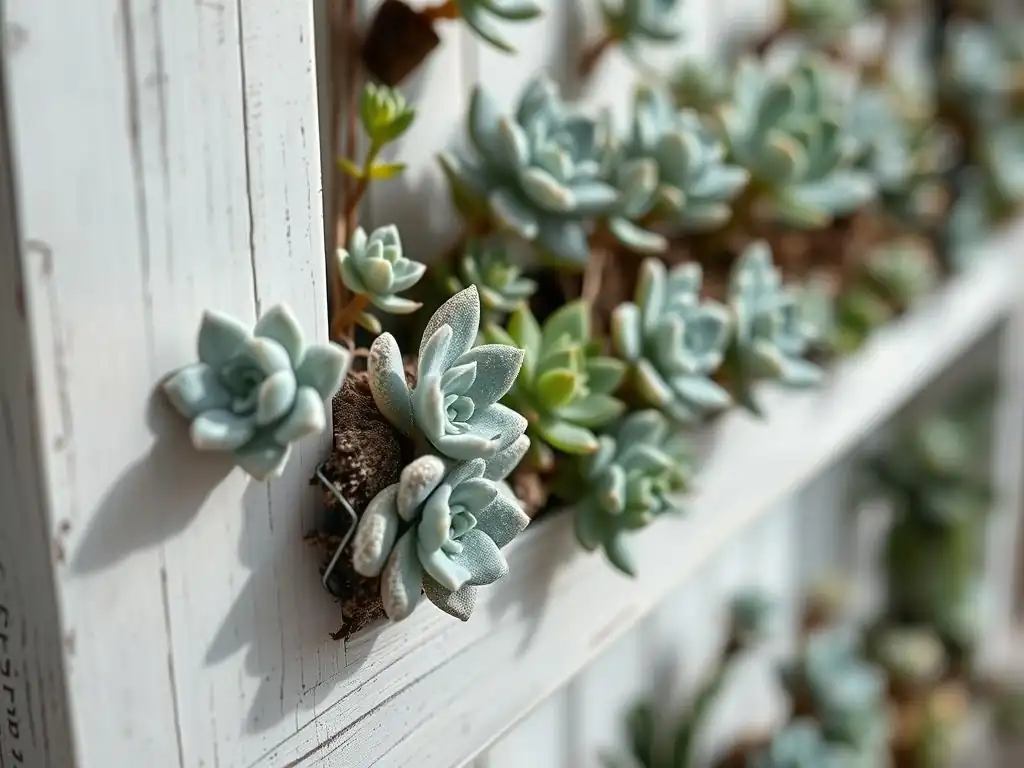
This section details various techniques for securing your succulents to the frame, ensuring their stability and long-term health within your vertical garden. A secure installation is critical for a successful and aesthetically pleasing DIY succulent wall installation.
Securing Your Succulents to the Frame: Techniques and Tips
Several methods exist for securing succulents to your frame. The best approach depends on your chosen frame material and the type of succulents used. Here are some popular techniques:
- Planting Directly into the Backing: If your backing material allows, you can plant succulents directly into it, ensuring their roots have access to moisture and nutrients. This method works well with materials like coconut coir or landscape fabric.
- Using Pockets or Cells: Pre-made pockets or cells can be attached to the frame, providing individual compartments for each succulent. These pockets can be made from various materials, including fabric or plastic. This approach offers excellent support and organization, crucial for a successful DIY succulent wall installation.
- Securing with Wire or String: For a more rustic look, you can carefully secure succulents to the frame using thin wire or strong string. Be cautious not to damage the succulent's stems or leaves during this process. This method necessitates careful placement and attention to detail.
- Using Glue or Adhesive: Specific adhesives designed for plants can be used to secure succulents directly to the frame. However, this method requires careful application to avoid damaging the plant and should only be used as a supplementary technique.
Regardless of the method chosen, ensure proper spacing between succulents to allow for growth and air circulation. Overcrowding can lead to rot and disease. Regular watering (though succulents are drought-tolerant, they still need water) and monitoring are essential for the long-term health of your succulent wall. Remember, a well-executed DIY succulent wall installation requires patience and attention to detail.
Watering Your Vertical Succulent Garden: A Crucial Step
Watering a vertical succulent garden presents unique challenges compared to traditional potted plants. The key is to achieve a balance: providing enough moisture for healthy growth without causing root rot, a common problem in densely planted vertical systems. Overwatering is a significant risk, as excess water can pool at the bottom of the wall, leading to soggy soil and decaying roots. Conversely, underwatering can lead to wilting and stunted growth.
The frequency of watering depends on several factors, including the type of succulents used, the climate, the materials used in the wall's construction, and the season. In warmer, drier climates, you'll likely need to water more frequently than in cooler, more humid environments. For example, during the summer months, you may need to water your succulent wall every 2-3 days, while in winter, once a week or even less often might suffice. Observe your plants closely; signs of underwatering include shriveled leaves and a change in leaf color, while overwatering manifests as mushy, decaying leaves and stems.
The best method for watering a vertical succulent garden is often a slow, gentle approach. Avoid using a forceful spray that could dislodge the succulents or wash away the soil. Instead, use a watering can with a rose head or a gentle shower setting. Water slowly and evenly, allowing the water to penetrate the soil thoroughly.
It's often helpful to water from the top, allowing the water to trickle down through the planting medium. You might also consider installing a drip irrigation system for a more efficient and controlled watering solution. This method minimizes water waste and ensures even distribution to all plants. Remember to check the drainage system of your wall to ensure water is properly draining and not accumulating at the base.
Proper drainage is essential for preventing root rot. Regularly inspect your succulent wall for any signs of water damage or pooling to prevent serious problems. Adjust your watering schedule as needed based on environmental conditions and the health of your plants. Remember, prevention is key to maintaining a thriving vertical succulent garden.
Maintaining Your Succulent Living Wall
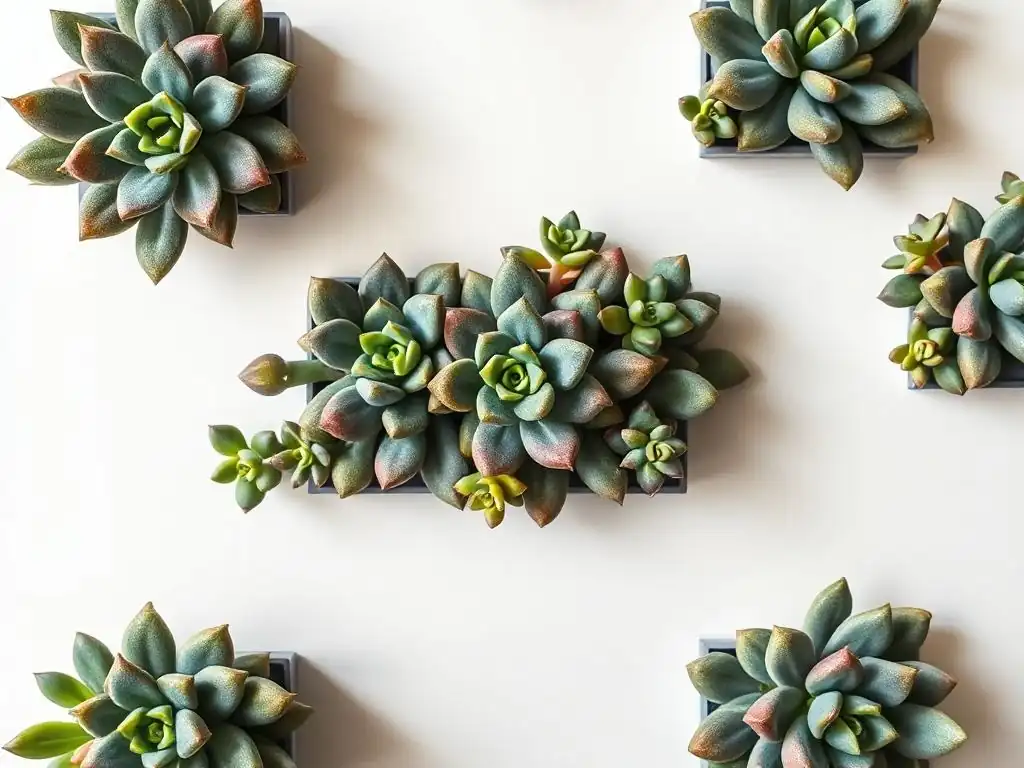
Creating a stunning DIY succulent wall installation is only half the battle. Long-term success hinges on consistent care and attention. This section details the crucial maintenance tasks to keep your vertical succulent garden thriving for years to come. Proper maintenance ensures your wall remains a vibrant and healthy addition to your home, maximizing its aesthetic appeal and longevity. Neglecting these steps can lead to wilting, disease, and ultimately, the demise of your beautiful creation.
Regular Maintenance and Watering Schedule for a Healthy Wall
The key to a flourishing succulent wall is a well-defined watering schedule. Overwatering is a common mistake leading to root rot, a fatal condition for succulents. Underwatering, however, will result in shriveling and discoloration. The ideal watering schedule depends on several factors: the type of succulents used, the climate, the material of your wall's backing, and the season.
Generally, succulents in living walls require less frequent watering than those in pots. The wall's structure often retains some moisture, reducing the need for frequent irrigation. Instead of a fixed schedule, observe your succulents closely. Signs of underwatering include shriveled leaves and dull coloration. Overwatering manifests as mushy, decaying leaves at the base.
Here's a suggested approach:
- Summer: Water thoroughly once a week, allowing excess water to drain completely. Check the moisture level of the substrate before watering; if it feels damp, delay watering.
- Spring and Autumn: Water every 10-14 days, depending on weather conditions.
- Winter: Reduce watering to once a month or even less, depending on the climate.
A good rule of thumb is to water deeply but infrequently, ensuring the water reaches the roots of all succulents. You can use a watering can with a long, narrow spout for precise watering or a low-pressure hose. Avoid getting the leaves excessively wet to prevent fungal diseases.
Remember to adjust your watering schedule based on your specific environment and the needs of your individual succulents. Regular inspection is paramount for maintaining a healthy succulent living wall.
Identifying and Addressing Potential Problems in Your Succulent Wall
Even with diligent care, problems can arise in your DIY succulent wall installation. Early detection and prompt action are crucial for preventing widespread damage. Common issues include pests, diseases, and improper drainage.
| Problem | Symptoms | Solution |
|---|---|---|
| Root Rot | Mushy, decaying leaves; foul odor | Remove affected succulents; improve drainage; reduce watering frequency. |
| Mealybugs | White, cottony masses on leaves and stems | Treat with insecticidal soap or neem oil; manually remove visible infestations. |
| Scale Insects | Small, hard bumps on leaves and stems | Scrape off insects; use horticultural oil or systemic insecticide. |
| Overwatering | Mushy leaves; yellowing; leaf drop | Allow the wall to dry completely; improve drainage; adjust watering schedule. |
| Underwatering | Shriveled leaves; dull coloration | Water thoroughly; monitor moisture levels; adjust watering schedule. |
Careful observation is essential. Regularly inspect your wall for any signs of pests or diseases. Early intervention is key to preventing widespread damage and saving your succulents. If you notice any unusual symptoms, research the potential causes and implement appropriate solutions promptly. Consider consulting with a local gardening expert for serious or persistent issues.
Repotting and Replacing Succulents in Your Living Wall
Over time, succulents in your DIY succulent wall installation may outgrow their space or become unhealthy. This necessitates repotting or replacing individual plants to maintain the aesthetic appeal and health of your living wall. Repotting involves moving a succulent to a larger pocket of growing medium within the wall structure. Replacing involves removing a dead or unhealthy succulent and inserting a new one.
This process requires careful planning and execution. Before beginning, gather the necessary tools: a small trowel, fresh succulent potting mix, and replacement succulents. Gently remove the affected succulent, ensuring you don't damage surrounding plants or the wall structure itself. Prepare the space with fresh potting mix, ensuring good drainage. Plant the new succulent, firming the soil gently around its base. Water lightly after repotting or replacing.
Remember to choose succulents appropriate for your wall’s environment and lighting conditions. Consider the mature size of the replacement succulents to avoid overcrowding. Regularly assess the health and growth of your succulents to proactively address any issues before they become major problems. With proper care and attention, your DIY succulent wall will remain a vibrant and beautiful feature for many years to come.
Troubleshooting Common Issues in Vertical Succulent Gardens
Maintaining a thriving succulent living wall requires vigilance and proactive problem-solving. Several common issues can arise, impacting the health and aesthetic appeal of your vertical garden. Let's explore some of these challenges and how to effectively address them.
One frequent problem is root rot. This occurs when the succulent's roots remain consistently damp, leading to fungal infections and eventual plant death. Proper drainage is paramount; ensure your wall's design incorporates adequate drainage holes and that you're not overwatering. Signs of root rot include wilting despite watering, mushy or discolored stems at the base, and a foul odor emanating from the soil. Treatment involves removing affected plants, allowing the remaining soil to dry thoroughly, and repotting surviving succulents in fresh, well-draining soil. Consider using a succulent-specific potting mix that retains less moisture.
Another common issue is pest infestations. Mealybugs, aphids, and spider mites are particularly fond of succulents. Regular inspection is crucial for early detection. You can often spot these pests with the naked eye; they may appear as small white cottony masses (mealybugs), tiny insects clustering on stems and leaves (aphids), or fine webs on the plant (spider mites).
Treatment strategies vary depending on the pest. For a small infestation, manual removal with a cotton swab dipped in rubbing alcohol can be effective. For larger infestations, consider using insecticidal soap or neem oil, always following the product instructions carefully. Remember to treat the entire wall to prevent reinfestation.
Finally, sunburn is a significant concern, especially for succulents accustomed to partial shade suddenly exposed to intense direct sunlight. Succulents on a south-facing wall, for instance, may experience scorching. The leaves will appear bleached, brown, or crispy. Relocating the wall to a less sunny location may be necessary.
Alternatively, you can provide shade during the hottest parts of the day using a sheer curtain or by planting shade-tolerant species alongside your sun-loving succulents to create a microclimate. Careful observation and adjusting the wall's orientation or providing shade can prevent this issue. Remember that even drought-tolerant plants need protection from extreme conditions. Regular monitoring and preventative measures will ensure your DIY succulent wall installation remains a beautiful and healthy addition to your home.
The Benefits of a DIY Succulent Wall Installation
Creating a DIY succulent wall offers numerous advantages over purchasing a pre-made installation. This section details the key benefits, focusing on the aesthetic, environmental, and financial aspects of undertaking this rewarding project. Choosing a DIY approach empowers you to personalize your living wall perfectly, aligning it with your unique style and space.
Aesthetic Appeal and Home Décor Enhancement with Succulents
A DIY succulent wall allows for unparalleled customization. Unlike pre-fabricated options which offer limited design choices, you have complete control over the succulent species, arrangement, and overall aesthetic. You can create a vibrant tapestry of colors and textures, choosing from a vast array of succulent varieties, each with its own unique characteristics. Imagine a wall featuring the soft, muted greens of Sedum morganianum cascading alongside the vibrant pinks of Echeveria 'Perle von Nürnberg' – the possibilities are endless!
The ability to tailor the design to your specific home décor is another key benefit. You can choose succulents that complement existing color schemes, or use the wall as a statement piece to introduce a bold new aesthetic. Whether your style is minimalist, bohemian, or modern, a DIY succulent wall can be adapted to seamlessly integrate into your existing interior design.
Consider the size and shape of your wall; a smaller wall might benefit from a tightly packed arrangement, while a larger expanse could accommodate a more varied and cascading design. The artistic freedom offered by a DIY approach allows for truly unique and personal living art.
Environmental Benefits of a Vertical Succulent Garden
Beyond the aesthetic advantages, a DIY succulent wall contributes positively to your home environment. Succulents, known for their drought tolerance, require less watering than many other plants, contributing to water conservation. This is particularly relevant in regions with water scarcity. Furthermore, these plants naturally filter the air, absorbing carbon dioxide and releasing oxygen, improving indoor air quality. This contributes to a healthier and more comfortable living space, especially beneficial for individuals with allergies or respiratory sensitivities.
The creation of a vertical garden also increases the green space within your home. This addition of greenery can help reduce stress and improve mental well-being. Studies have shown that exposure to plants can lower blood pressure and heart rate, creating a more calming and relaxing atmosphere. A DIY succulent wall, therefore, offers a sustainable and eco-friendly method of home beautification, enhancing both the visual appeal and the environmental quality of your living space.
Cost-Effectiveness of Building Your Own Succulent Wall
Building your own succulent wall is significantly more cost-effective than purchasing a pre-assembled option. The initial investment includes the cost of materials – such as the backing structure (e.g., plywood, repurposed pallets), planting medium, and the succulents themselves. However, this cost is often considerably lower than the price of a professionally designed and installed living wall.
The price difference becomes even more pronounced when considering the size of the wall. Larger installations can command exorbitant prices from professional landscapers. With a DIY approach, you can scale the project to your budget and available space, creating a stunning feature without breaking the bank.
By sourcing succulents from local nurseries or propagating your own cuttings, you can further reduce the overall cost. This makes a DIY succulent wall an accessible and affordable option for homeowners seeking to enhance their living space with a touch of natural beauty. Careful planning and sourcing of materials are key to maximizing cost savings while ensuring the longevity and health of your vertical succulent garden.
Inspiration and Design Ideas for Your Succulent Living Wall
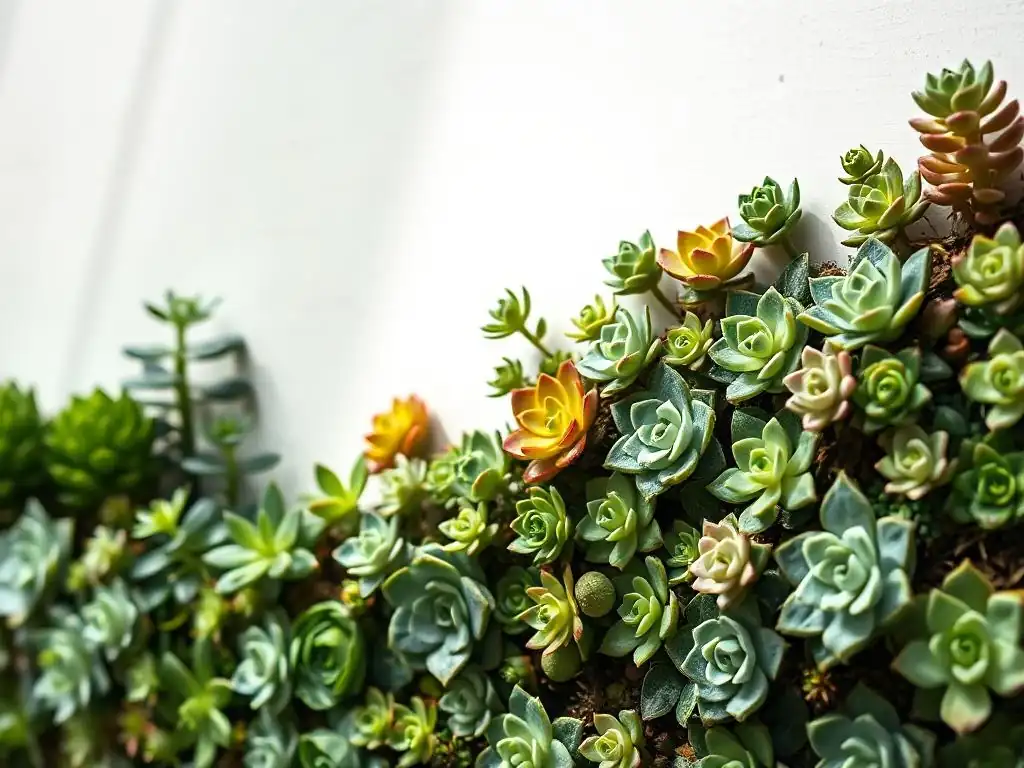
Creating a stunning succulent living wall is a rewarding project, but the design process can feel overwhelming. This section provides inspiration and practical design tips to guide you through the process, making your DIY succulent wall installation a success. We'll explore different design styles, plant choices, and considerations to ensure your wall thrives and complements your home's aesthetic.
Gallery of Stunning Succulent Wall Designs
Before you begin your own project, it's helpful to visualize the possibilities. Consider these examples of diverse succulent wall installations:
- Geometric Precision: Imagine a wall meticulously arranged with succulents of varying sizes and textures, creating a sharp, geometric pattern. Think clean lines and repeating shapes, perhaps using a grid system for planting. The result is a modern, minimalist statement piece.
- Cascading Abundance: Picture a more organic, free-flowing design. Succulents cascade down the wall, creating a lush, overflowing effect. This style works well with trailing varieties and a more relaxed planting approach.
- Textural Contrast: Consider using succulents with contrasting textures – smooth, velvety leaves alongside rough, spiky ones – to add visual interest. Play with different colors and shades of green, incorporating pops of other colors for a dynamic display.
- Themed Walls: Focus on a specific theme, such as a desert landscape, a Mediterranean garden, or even a rainbow of colors, to create a cohesive and visually appealing design.
Creative Ideas for Incorporating Succulents into Your Home Décor
Your succulent wall shouldn't exist in isolation; it should integrate seamlessly with your home's existing décor. Here are some ideas for a cohesive design:
- Color Coordination: Choose succulents whose colors complement your existing furniture, wall paint, and other decorative elements. For example, a wall featuring muted greens and grays would work well in a minimalist space, while a vibrant wall with pops of color might suit a more eclectic style.
- Matching Materials: Consider the materials used in your wall's construction. A wooden frame might complement rustic furniture, while a sleek metal frame could fit a modern space. The frame’s material and finish can significantly impact the overall look.
- Lighting: Proper lighting is crucial for succulent health. Incorporate supplemental lighting if your wall doesn't receive enough natural sunlight. Strategic lighting can also enhance the wall's visual appeal, highlighting textures and colors.
- Surrounding Plants: Consider adding other complementary plants near your succulent wall to create a mini-garden atmosphere. For example, air plants or small ferns could add visual interest and texture without competing with the succulents.
Finding Inspiration Online and in Your Community
The best way to refine your vision for your DIY succulent wall installation is to explore existing examples and seek advice.
- Online Resources: Numerous websites and social media platforms showcase stunning succulent wall installations. Pinterest, Instagram, and dedicated succulent gardening blogs are excellent resources for finding inspiration and discovering new succulent varieties. Search for terms like "succulent wall ideas," "vertical succulent gardens," and "DIY succulent wall art" to find a wealth of images and tutorials.
- Local Nurseries and Garden Centers: Visit local nurseries and garden centers. They often have displays of succulents and can offer personalized advice on plant selection and care. Talking to experts can provide valuable insights and help you choose succulents suitable for your climate and environment.
- Community Gardens and Workshops: Look for community gardening events or workshops focused on succulent propagation and vertical gardening. These events provide opportunities to learn from experienced gardeners and get inspired by their creations. Networking with other succulent enthusiasts can lead to valuable knowledge sharing and collaborative projects.
Remember, the success of your DIY succulent wall installation hinges on careful planning and a well-defined design. Use these ideas as a springboard for your own creative vision, and don't be afraid to experiment and personalize your design to perfectly reflect your style and preferences.
Frequently Asked Questions
What materials do I need for a DIY succulent wall installation?
You'll need a suitable backing structure (e.g., plywood), planting pockets or felt inserts, succulents of varying sizes and types, soil, and fastening materials (e.g., screws, nails, or adhesive). Don't forget watering tools!
How do I choose the right succulents for my wall?
Select drought-tolerant succulents that can handle the light and temperature conditions of your chosen location. Consider variety in size, shape, and color for a visually appealing arrangement. Prioritize species known for their hardiness.
What is the best way to water a succulent wall?
Use a gentle watering method, such as a spray bottle or watering can with a fine rose, to avoid overwatering and soil erosion. Water thoroughly but infrequently, allowing the soil to dry out between waterings. Monitor your plants closely for signs of under or overwatering.
How do I attach the succulents to the wall?
There are several methods: planting directly into pockets or felt inserts, using adhesive to secure the plants to the backing, or growing the succulents in individual containers which are then attached to the wall. Choose the method best suited to your materials and plants.
How do I maintain my DIY succulent wall installation?
Regularly inspect your succulents for pests, diseases, or signs of stress. Prune any overgrown or dead parts to maintain the wall's aesthetic appeal. Adjust watering frequency according to the season and environmental conditions.
Final Reflection: The Enduring Bloom of Sustainable Design
The integration of succulent living walls into home décor isn't just a trend; it's a testament to our growing awareness of sustainable living and the beauty of biophilic design. These vibrant, low-maintenance ecosystems offer a tangible way to connect with nature, improve indoor air quality, and add a unique artistic touch to any space. The ease of DIY installation, as explored throughout this article, further empowers individuals to participate in this eco-conscious movement.
The impact of incorporating nature into our built environments is profound, extending beyond mere aesthetics. It fosters a sense of calm and well-being, enriching our daily lives in subtle yet significant ways. As we increasingly grapple with the challenges of urbanization and climate change, the simple act of creating a succulent living wall becomes a powerful symbol of our commitment to a more harmonious relationship with the natural world. The creation of beauty is art. The revelation of beauty is nature.
– Frank Lloyd Wright. This quote perfectly encapsulates the essence of succulent living walls – a beautiful fusion of human creativity and natural wonder.
Now, consider your own space. Imagine the vibrant splash of color, the soothing texture, and the quiet hum of life a succulent living wall could bring. Don't just read about it – create it. This article has provided you with the knowledge and inspiration; now it's time to embark on your own DIY journey. Embrace the challenge, enjoy the process, and witness the transformative power of sustainable design bloom in your home. Let your living wall be a testament to your commitment to both beauty and the environment.
Unleash Your Inner Gardener: Create Your Dream Succulent Wall!
Thank you for exploring the world of succulent living walls with us! You've learned how to bring a touch of nature and sustainability into your home. Ready to transform your space?
- Design your dream succulent wall: Begin by visualizing your ideal wall, considering its size, placement, and the types of succulents you'd like to incorporate. Think about the overall style—modern, rustic, or vibrant—that best reflects your personal taste.
- Gather your materials and tools: Research the necessary materials, from the wall structure to the potting mix and succulents themselves. Remember to gather essential tools such as trowels and gloves.
- Share your success! We'd love to see your finished creation. Share a photo with us on social media using #SucculentWallDreams.
What unique design element will make your succulent living wall truly special?