
Terrarium Design with Unique Textures: Enhancing the Visual Appeal

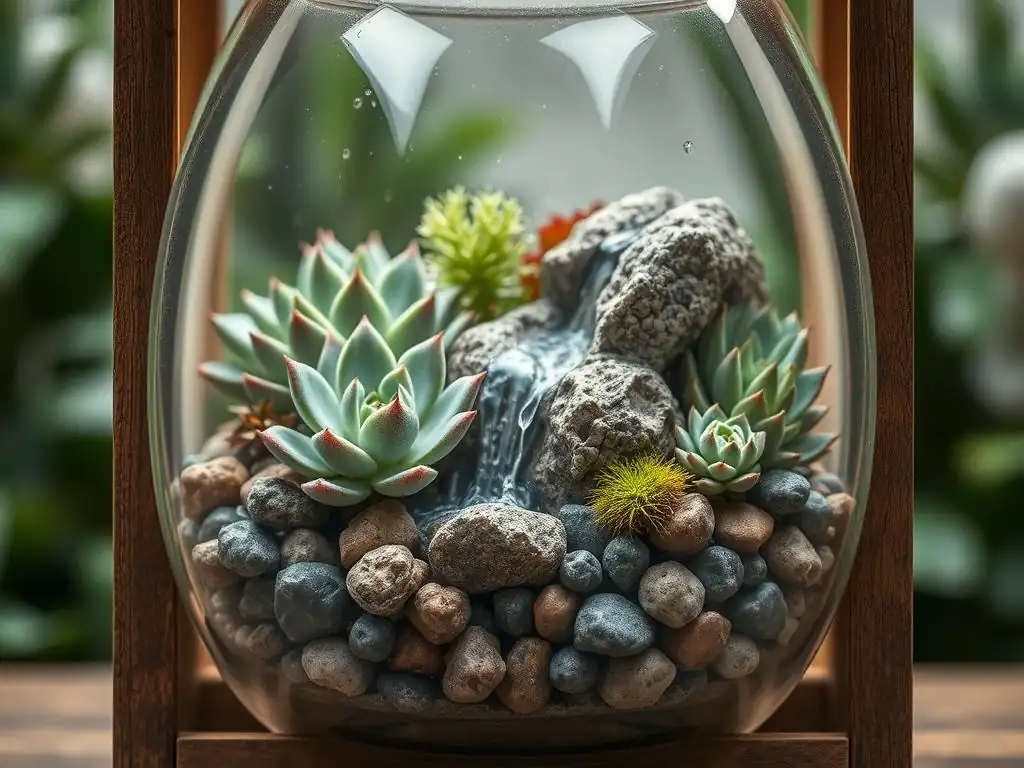
Welcome to SucculentEssentials.org, where the fascinating world of succulents unfolds before you! Are you ready to unlock the secrets to creating breathtaking succulent displays? Dive into our expert guide on succulent terrarium design ideas, exploring innovative ways to enhance the visual appeal of your miniature gardens with unique textures and captivating arrangements. Discover the artistry of succulent cultivation and prepare to be inspired!
- Understanding the Basics of Succulent Terrarium Design
- Creating Visual Depth with Diverse Textures in Your Succulent Terrarium Design
- Advanced Succulent Terrarium Design Ideas: Texture Focused
- Maintaining Your Textured Succulent Terrarium: Tips and Tricks
- Unique Succulent Terrarium Design Ideas for Beginners
- Inspiring Examples of Textured Succulent Terrarium Designs
- Frequently Asked Questions
- Final Reflection: Cultivating Beauty, One Terrarium at a Time
- Unleash Your Inner Terrarium Artist: Craft a Textured Masterpiece!
Understanding the Basics of Succulent Terrarium Design
Creating a captivating succulent terrarium involves more than just planting succulents in a glass container. It's about understanding the principles of design, particularly how to leverage texture to create a visually stunning and thriving miniature landscape. This guide delves into the art of succulent terrarium design, focusing on the strategic use of texture to enhance the overall aesthetic appeal.
We'll explore how to choose the right container, select succulents with contrasting textures, and gather the essential materials to build a truly unique and visually rich terrarium. Mastering these techniques will allow you to craft a miniature succulent garden that is both beautiful and easy to maintain, transforming a simple arrangement into a captivating work of art.
This guide provides practical steps and considerations for succulent terrarium design ideas, perfect for enthusiasts of all skill levels, from beginners to seasoned succulent aficionados. We'll cover everything from selecting the ideal container to choosing succulents with complementary textures, ensuring your terrarium becomes a focal point in any room.
Choosing the Right Container for Your Succulent Terrarium
The container you choose forms the foundation of your succulent terrarium design. The size, shape, and material significantly impact the overall aesthetic and the types of succulents you can incorporate. Consider these factors:
- Size: Larger containers offer more design flexibility, allowing for a wider variety of succulents and elements. Smaller containers require a more curated selection, focusing on miniature succulents and a simpler design.
- Shape: Experiment with various shapes – round, square, rectangular, or even unusual forms. The shape influences the visual flow and the arrangement of your succulents.
- Material: Glass is a popular choice for its transparency, allowing you to showcase the beauty of the succulents and the layers within the terrarium. However, consider alternatives like ceramic or metal containers for a different aesthetic. Ensure the container has adequate drainage to prevent root rot, a common problem in closed terrariums.
- Drainage: Adequate drainage is crucial. Choose containers with drainage holes or create your own drainage system using gravel or pebbles at the bottom. This prevents waterlogging, which can lead to the death of your succulents.
Remember, the container isn't just a vessel; it's an integral part of the overall design. Choose a container that complements your chosen succulents and the desired overall aesthetic. A well-chosen container can elevate even a simple succulent arrangement into a stunning miniature landscape.
Selecting the Perfect Succulents for Textural Contrast
The key to a visually appealing succulent terrarium lies in the thoughtful selection of succulents with contrasting textures. This creates depth, interest, and a dynamic visual experience. Consider incorporating succulents with:
- Smooth, waxy leaves: These provide a clean, polished contrast to rougher textures. Examples include Echeveria varieties.
- Fuzzy, hairy leaves: These add a soft, tactile element and a unique visual appeal. Examples include Sedum species.
- Rough, textured leaves: These create a rugged, natural look. Examples include Sempervivum (hens and chicks).
- Spiky, pointed leaves: These add drama and visual interest, creating focal points within the arrangement. Consider Agave or Haworthia varieties.
When selecting your succulents, consider not only their textures but also their colors, sizes, and growth habits. Aim for a diverse range of textures to create a visually rich and captivating miniature garden. Remember to research the specific needs of each succulent to ensure they thrive in your terrarium environment.
Essential Materials for Building a Textured Succulent Terrarium
Before you begin, gather these essential materials:
| Material | Purpose | Notes |
|---|---|---|
| Container | Holds the terrarium components | Choose a container with adequate drainage. |
| Succulents | The stars of the show! | Select a variety of succulents with contrasting textures and colors. |
| Gravel/Pebbles | Provides drainage and a base layer | Use a layer of larger pebbles at the bottom for drainage and smaller ones on top. |
| Activated Charcoal | Absorbs excess moisture and prevents mold | A small amount is sufficient. |
| Potting Mix | Provides nutrients and drainage for the succulents | Use a well-draining succulent potting mix. |
| Gardening Tools | Trowel, small spoon, tweezers for planting | These tools are essential for precise planting and arrangement. |
| Optional Decorations | Small stones, decorative sand, miniature figurines (optional) | These can enhance the visual appeal and add a personal touch. |
Remember to prioritize the health and well-being of your succulents. With careful planning and execution, you can create a stunning and thriving textured succulent terrarium that will be a source of beauty and enjoyment for years to come. Enjoy the process! 🎉
Creating Visual Depth with Diverse Textures in Your Succulent Terrarium Design
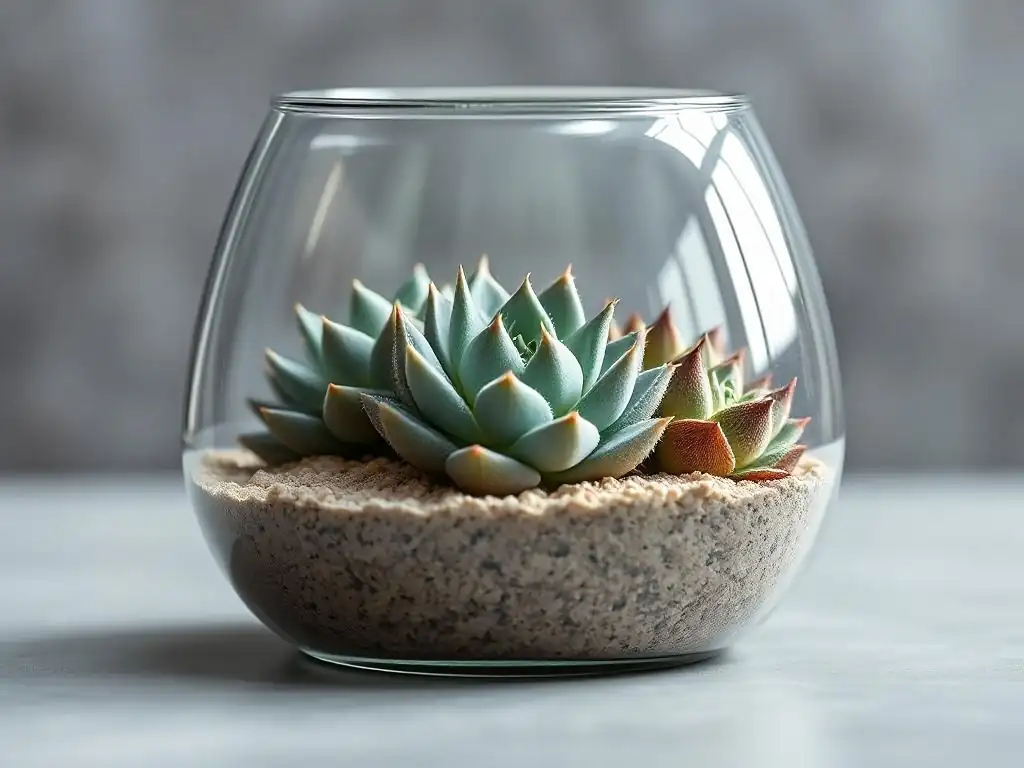
This section delves into the art of creating visually stunning succulent terrariums by strategically incorporating diverse textures. Mastering texture is key to achieving a truly captivating and unique succulent terrarium design, moving beyond simple plant arrangements to creating miniature landscapes brimming with visual interest. The right combination of textures can dramatically enhance the overall aesthetic appeal, adding depth and complexity to even the smallest terrarium.
We will explore how both natural and artificial elements can contribute to a multi-layered, textured masterpiece. Remember, the goal is to create a balanced composition that avoids visual monotony and instead stimulates the eye. This will elevate your Succulent terrarium design ideas from basic to breathtaking.
Incorporating Natural Textures: Stones, Bark, and Driftwood
Natural elements offer unparalleled textural variety for your succulent terrarium. The rough, irregular surfaces of natural materials contrast beautifully with the smooth, fleshy leaves of succulents, creating a dynamic visual interplay. Let's explore some specific examples:
- Stones: Consider using a variety of stones to add depth and visual interest. Smooth river stones can provide a contrasting texture to rougher, more angular rocks. Different sizes and colors will enhance the overall design. Think about using shades of grey, beige, and brown to create a natural, earthy feel, or incorporate pops of color with stones in shades of red or green for a more vibrant look. For example, a gradient of stone sizes, from small pebbles in the foreground to larger rocks in the background, creates a sense of perspective and depth.
- Bark: Pieces of bark, especially from trees like birch or oak, add a rustic charm and a unique texture to the terrarium. Their naturally uneven surfaces and intricate patterns offer a compelling visual counterpoint to the succulents. Experiment with different sizes and shapes of bark pieces to create a sense of natural layering. Remember to choose bark that is clean, dry and free of any insects or diseases.
- Driftwood: Driftwood pieces, with their weathered and often intricately shaped surfaces, bring a touch of the seaside to your terrarium. Their organic forms add a sense of movement and visual intrigue. The lighter color of many driftwood pieces can also provide a nice contrast to darker stones or soil. You can use smaller pieces to create pathways or larger ones as focal points.
Using Artificial Elements to Enhance Texture: Glass, Metal, and Beads
While natural elements are crucial, artificial materials can add a unique touch and enhance the overall textural complexity of your succulent terrarium design. These elements offer opportunities for creativity and allow you to incorporate specific colors and shapes that might not be readily available naturally.
- Glass: Small pieces of colored glass, perhaps from broken jewelry or decorative glass, can add sparkle and shine. Their smooth surfaces contrast beautifully with the rough textures of stones and bark. Consider using different shades of glass to complement the colors of your succulents.
- Metal: Small metal objects, such as miniature figurines or decorative wire, can add a touch of industrial chic or whimsy. The cool, hard texture of metal contrasts sharply with the soft textures of succulents and natural materials. However, ensure the metal is non-reactive to prevent any harmful chemical interactions with the soil or plants.
- Beads: Small beads, in various colors, sizes and materials (glass, ceramic, or even wood), can add a touch of elegance and whimsy. They can be used to create pathways, accentuate certain features, or simply add a touch of sparkle. Using beads of varying sizes and textures adds another layer of visual interest.
Layering Textures for a Multi-Dimensional Succulent Terrarium
The key to a truly captivating succulent terrarium lies in layering textures. Think of it as building a miniature landscape, with each layer contributing to the overall visual depth and complexity. Start with a base layer of larger elements, like stones or bark, to create a foundation. Then, add a mid-layer of smaller elements, such as pebbles or smaller pieces of bark. Finally, incorporate your succulents, strategically placing them to accentuate the textures of the underlying layers.
Consider these strategies:
- Varying Heights: Use plants of different heights to create visual interest and depth. Taller succulents can be placed at the back of the terrarium, while shorter ones can be placed in the foreground.
- Color Coordination: Choose succulents and decorative elements that complement each other in terms of color and texture. For instance, the muted greens and browns of many succulents pair well with the earthy tones of stones and bark.
- Strategic Placement: Don't just randomly place elements; think about how they interact with each other. Consider creating focal points using striking textures or colors.
By carefully considering the interplay of textures, you can create a succulent terrarium that is not only beautiful but also deeply engaging, a testament to your creativity and skill. Remember, experimentation is key! Don't be afraid to try different combinations of textures and elements to find what works best for you. This approach will significantly enhance your succulent terrarium design ideas, leading to truly unique and visually stunning results.
Advanced Succulent Terrarium Design Ideas: Texture Focused
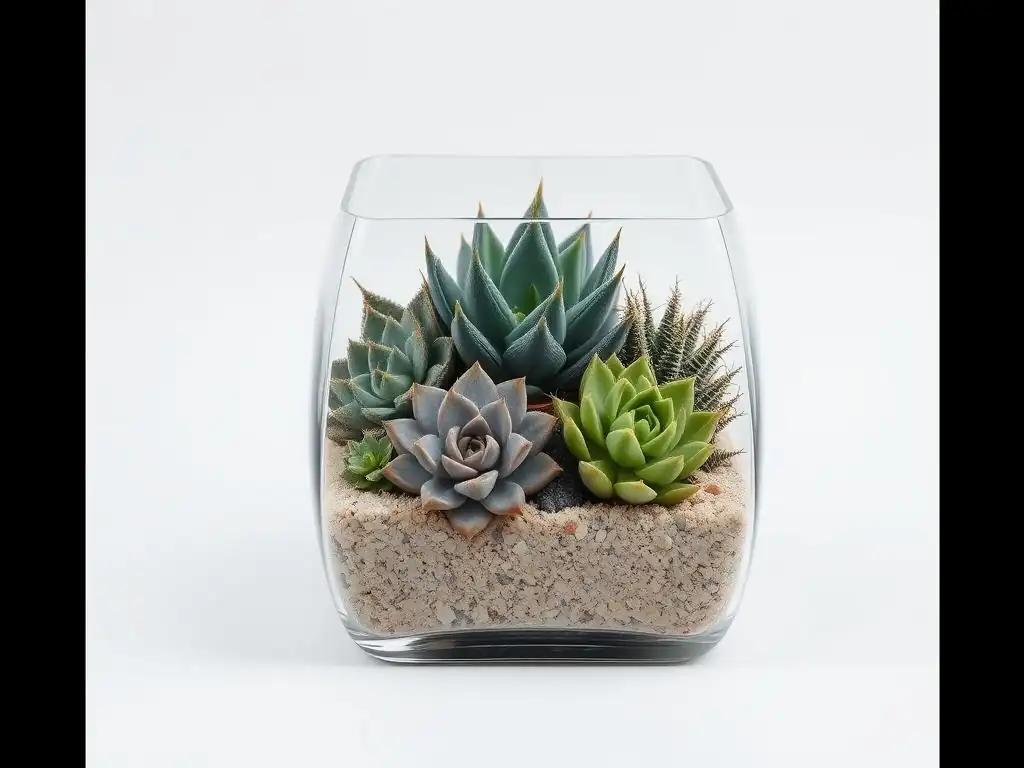
This section delves into sophisticated succulent terrarium design ideas, focusing on the strategic use of texture to create visually stunning and captivating miniature landscapes. We'll explore how contrasting textures can enhance the overall aesthetic appeal of your terrarium, moving beyond simple plant placement to a more artistic and considered approach. Remember, the key to a successful textured terrarium lies in thoughtful planning and the careful selection of succulents with diverse leaf structures and forms.
Creating a Desert Oasis Terrarium: Focus on Rough and Smooth Textures
Evoking the stark beauty of a desert landscape, this terrarium design emphasizes the interplay between rough and smooth textures. Imagine a miniature scene where the rugged, almost petrified-looking texture of a Haworthia truncata contrasts beautifully with the smooth, almost waxy leaves of an Echeveria laui.
To achieve this effect, start by selecting a clear glass container with a wide mouth for easy access. Layer the base with a well-draining substrate – a mix of coarse sand, small gravel, and cactus potting soil works perfectly. Then, strategically position succulents with diverse textures.
Consider incorporating:
- Rough textures: Haworthia species (like H. truncata or H. cuspidata), Sedum morganianum (Burro's Tail – its cascading stems add a dynamic rough element), and even small pieces of rough, weathered driftwood.
- Smooth textures: Echeveria varieties (like E. laui, E. perle von Nürnberg), Graptopetalum paraguayense (Ghost Plant – its delicate, smooth leaves offer a striking contrast), and small, polished stones.
Remember to leave sufficient space between plants for proper airflow and growth. Adding a few carefully placed small rocks of varying sizes further enhances the visual interest and reinforces the desert theme. The goal is to create a dynamic visual rhythm, where the eye is drawn from the rough to the smooth and back again, enhancing the overall impact.
A Miniature Forest Terrarium: Emphasizing Soft and Spiky Textures
This design aims to capture the delicate beauty and subtle danger of a miniature forest. The key here is contrasting soft, velvety textures with spiky, almost aggressive ones. This juxtaposition creates a fascinating visual tension that keeps the viewer engaged.
The container choice can be more vertical this time, perhaps a tall cylinder or a rectangular glass vessel. The substrate should remain well-draining, but you might consider adding a layer of activated charcoal to help maintain air quality.
Here's a selection of succulents that can be incorporated:
- Soft textures: Kalanchoe tomentosa (Panda Plant – its fuzzy leaves provide a delightful soft contrast), Senecio haworthii (Blue Chalk Sticks – its soft, blue-green leaves add a calming touch), and Sedum burrito.
- Spiky textures: Echinocereus cacti (for controlled spiky elements), Mammillaria cacti (offering a different type of spiky texture), and Aloe polyphylla (Spiral Aloe – its unique spiral arrangement adds a striking, spiky feature, but use carefully due to its size).
Careful placement is crucial. Group softer succulents together to create pockets of calm, while strategically placing the spiky succulents to punctuate the composition and add visual interest. Consider adding small pieces of moss to soften the overall appearance and complete the "forest" feel. The result is a miniature ecosystem that's both calming and exciting.
Geometric Terrarium Designs: Highlighting Clean Lines and Textural Contrasts
Geometric terrarium designs offer a modern and minimalist approach to succulent arrangement. The focus shifts from mimicking natural landscapes to creating abstract compositions that highlight clean lines and the contrast between different textures.
Choose a container with a distinct geometric shape – a cube, a hexagon, or even a simple rectangular box will work well. The substrate should be kept simple and clean, perhaps just a layer of fine gravel and cactus potting soil.
The selection of succulents is key:
- Textural contrasts: Use succulents with sharply defined geometric shapes, such as Haworthia attenuata (with its unique window-like leaves) and Sedum rubrotinctum (Jelly Bean Plant – its plump, rounded leaves offer a soft contrast). Combine these with succulents that have more intricate, textured leaves, like certain Echeveria species or Graptoveria.
- Clean lines: The placement should be precise and deliberate. Arrange the succulents in carefully planned patterns, emphasizing the geometric shape of the container. Avoid overcrowding; allow each plant to showcase its unique texture and form.
Adding small, geometrically-shaped stones or decorative elements can further enhance the clean, modern aesthetic. This design style celebrates the inherent beauty of the succulents themselves, emphasizing their unique forms and textures in a clean, structured environment. It's a perfect example of how minimalist design can be both striking and sophisticated.
Maintaining Your Textured Succulent Terrarium: Tips and Tricks
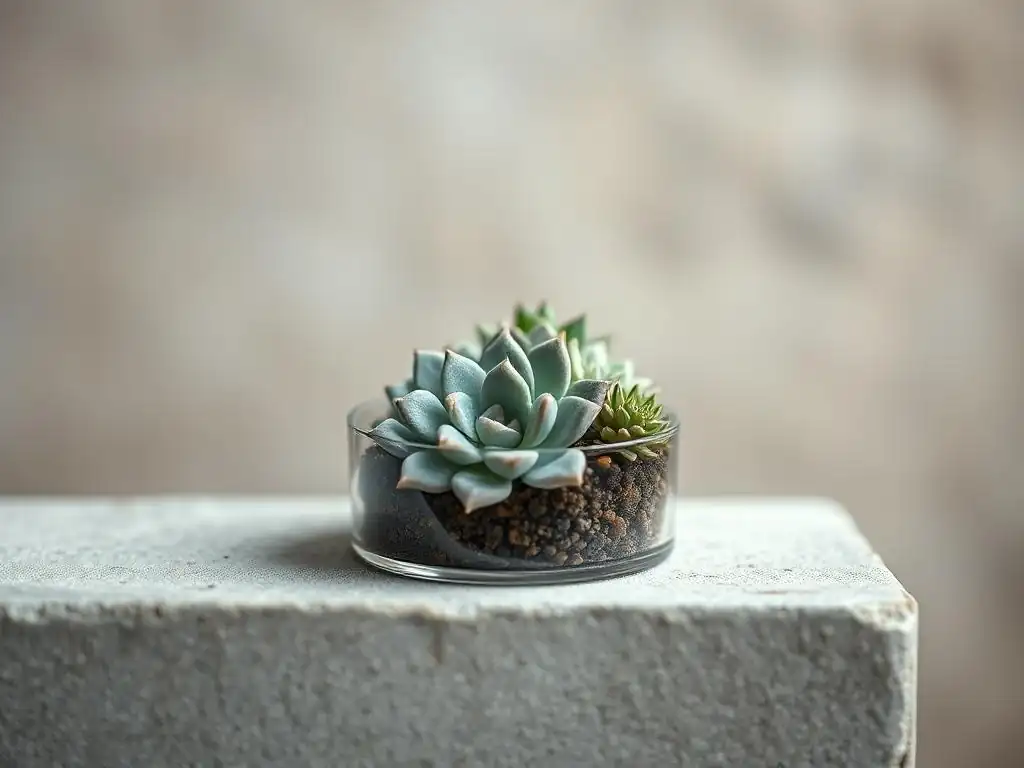
Creating a visually stunning succulent terrarium with unique textures is only half the battle. Proper maintenance is crucial for ensuring the longevity and health of your miniature succulent garden. This section focuses on practical tips and tricks to keep your textured succulent terrarium thriving. We'll explore watering techniques, rot prevention strategies, and long-term care, including repotting, to help you enjoy your beautiful creation for years to come. Remember, understanding the specific needs of your chosen succulents is key to successful terrarium design and maintenance.
Watering Techniques for Textured Terrariums
Watering a textured succulent terrarium requires a delicate balance. Overwatering is a common culprit behind succulent rot, while underwatering leads to shriveling and death. The key is to allow the soil to dry out completely between waterings. This drying period is particularly important in textured terrariums, where the varied materials can retain moisture differently.
Here's a breakdown of effective watering techniques:
- The "Soak and Dry" Method: Thoroughly soak the soil until water drains from the drainage holes (if present). Allow the soil to dry completely before watering again. This method mimics the natural rainfall patterns in succulents' native habitats. The frequency depends on several factors, including the size of the terrarium, the type of soil, the ambient temperature, and the humidity levels. In warmer months, you may need to water more frequently.
- Bottom Watering: For terrariums without drainage holes, bottom watering is a safer alternative. Place the terrarium in a shallow dish of water and allow the soil to absorb moisture from the bottom up. This method minimizes the risk of overwatering and helps ensure even moisture distribution.
- Observing Your Plants: The best indicator of watering needs is your succulents themselves. If the leaves appear plump and firm, they are adequately hydrated. If the leaves are shriveled or soft, it's time to water. Pay close attention to any signs of stress, such as leaf discoloration or dropping.
Remember to adjust your watering schedule based on seasonal changes and the specific needs of your succulent species. Always err on the side of underwatering rather than overwatering.
Preventing Rot and Maintaining Air Circulation
Rot is a significant threat to succulents in terrariums, particularly in environments with poor air circulation. The combination of moisture and stagnant air creates the perfect breeding ground for bacteria and fungi. To prevent rot, consider these preventative measures:
- Well-Draining Soil Mix: Use a specialized succulent and cactus potting mix, ensuring good drainage. Avoid using garden soil, which retains too much moisture. Adding perlite or pumice to the mix further enhances drainage.
- Adequate Drainage (if applicable): If your terrarium has drainage holes, ensure they are not blocked. This allows excess water to escape, preventing waterlogging.
- Air Circulation: Ensure adequate air circulation within the terrarium. Avoid completely sealing the container. A slightly open lid or a terrarium with ventilation holes helps to reduce humidity and prevent rot.
- Choosing the Right Succulents: Select succulent varieties known for their tolerance to less-than-ideal conditions. Research the specific needs of each succulent before including it in your terrarium.
- Regular Inspection: Regularly inspect your succulents for signs of rot, such as mushy leaves or stems. Remove any affected parts immediately to prevent the spread of rot.
Long-Term Care and Succulent Terrarium Repotting
Even with careful maintenance, your textured succulent terrarium will eventually require repotting. Over time, the soil can become compacted, depleting nutrients and hindering drainage. Rootbound succulents will also show signs of stress.
Repotting typically involves these steps:
- Preparation: Gently remove the succulents from the terrarium. Carefully loosen the roots and separate any intertwined plants.
- Cleaning: Clean the terrarium thoroughly to remove any old soil and debris.
- New Soil: Use fresh, well-draining succulent and cactus potting mix.
- Replanting: Replant the succulents, ensuring they are not overcrowded. Leave some space between the plants to allow for growth.
- Watering: After repotting, wait a few days before watering to allow any damaged roots to heal.
Regular maintenance, including appropriate watering techniques, rot prevention, and timely repotting, are key to maintaining the beauty and health of your textured succulent terrarium. Remember to always prioritize the well-being of your succulents for a thriving and visually appealing miniature garden. This careful attention to detail will ensure your succulent terrarium design ideas flourish for years to come.
Unique Succulent Terrarium Design Ideas for Beginners
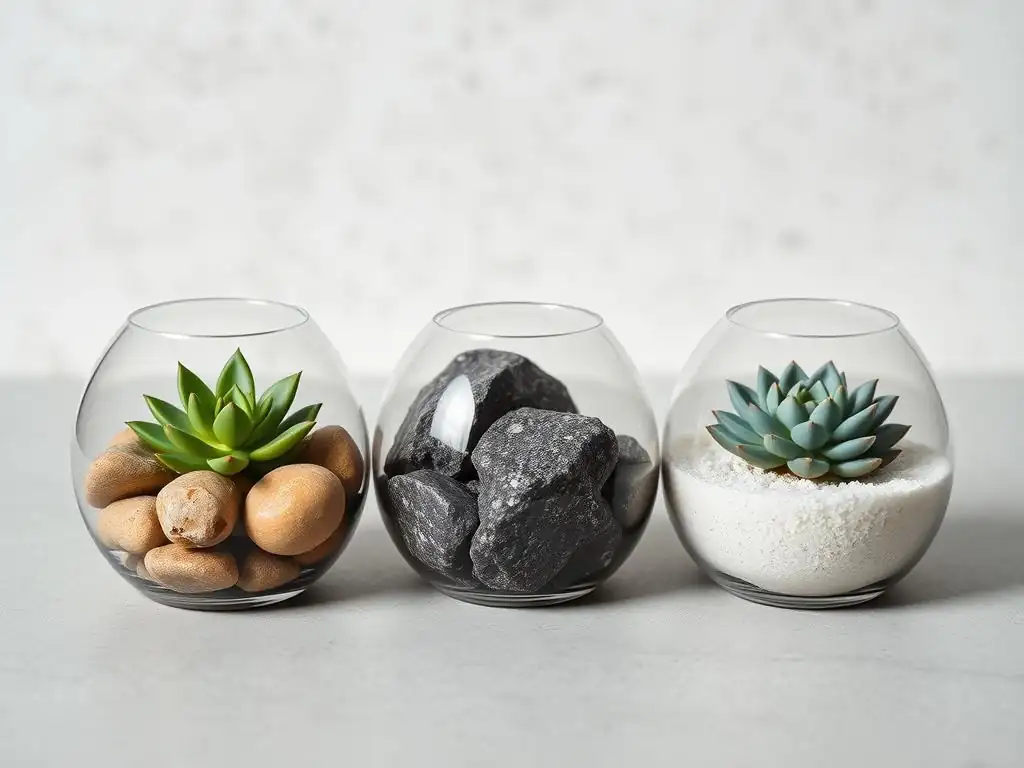
This section explores creative and beginner-friendly approaches to succulent terrarium design, focusing on maximizing visual appeal through texture. We'll move beyond simple arrangements and delve into techniques that add depth and interest to your miniature succulent gardens. Remember, the key to a successful succulent terrarium lies in understanding the plants' needs and selecting appropriate species. Even the most novice grower can achieve stunning results with careful planning and execution. Let's get started!
Simple Terrarium Designs with Maximum Textural Impact
Creating a visually striking succulent terrarium doesn't require complex techniques or expensive materials. Simple designs, when executed thoughtfully, can produce remarkable textural contrasts. Consider these ideas:
- Layering with Gravel and Sand: Start with a base layer of coarse gravel for drainage, followed by a layer of finer sand. This simple layering immediately creates visual interest. Use different colored sands – perhaps a light beige and a dark grey – to enhance the effect. The contrast in particle size and color adds depth and dimension.
- Using Varied Succulent Sizes and Shapes: Select succulents with different textures and shapes. Pair smooth, fleshy leaves with spiky, textured ones. For example, combine Echeveria (smooth, rosette-shaped) with Sedum (spiky, fleshy leaves). The juxtaposition of these forms creates a dynamic and engaging arrangement.
- Incorporating Natural Elements: Small pieces of driftwood, smooth river stones, or even carefully placed twigs can dramatically enhance the textural complexity of your terrarium. These elements add visual interest and mimic the natural environment succulents thrive in. Ensure these elements are clean and free from pests or diseases before adding them to your terrarium.
Easy-to-Maintain Terrariums with Interesting Textures
Maintaining a thriving succulent terrarium requires careful consideration of drainage and light. However, you can incorporate interesting textures without compromising ease of care.
- Choosing Low-Maintenance Succulents: Opt for succulents known for their drought tolerance and adaptability. Sedum morganianum (Burro's Tail), Graptopetalum paraguayense (Ghost Plant), and Sempervivum tectorum (Houseleek) are excellent choices for beginners due to their low maintenance requirements and diverse textures.
- Strategic Placement for Air Circulation: Avoid overcrowding your terrarium. Ensure sufficient space between succulents for proper air circulation, which helps prevent fungal growth and rotting. Proper spacing also showcases the individual textures of each succulent.
- Drainage Layer is Crucial: A well-constructed drainage layer is essential for preventing waterlogging, a common cause of succulent rot. A layer of charcoal can also help absorb excess moisture and prevent mold. The drainage layer itself can be a textural element; use larger pebbles or decorative stones.
Budget-Friendly Textured Succulent Terrarium Ideas
Creating a beautiful textured succulent terrarium doesn't have to break the bank. Here are some budget-friendly ideas:
- Repurposed Containers: Instead of buying expensive terrariums, repurpose old jars, glasses, or even clear plastic containers. A little creativity can turn everyday items into unique and attractive containers. Cleaning and sterilizing these containers before use is crucial.
- Foraging for Natural Elements: Collect interesting rocks, pebbles, and small pieces of driftwood on nature walks. This adds a unique, natural touch to your terrarium without any added cost. Remember to always check local regulations before collecting anything from nature.
- Using Affordable Succulents: Many local nurseries and garden centers offer affordable succulents, often sold as cuttings or small plants. These are perfect for creating budget-friendly terrariums without sacrificing visual appeal. Focus on variety in texture rather than expensive, rare species. A carefully selected mix of common succulents can be just as stunning.
Remember, the beauty of succulent terrarium design lies in experimenting with different textures and finding what works best for you. Don't be afraid to try new things and let your creativity shine! Happy planting! 🌱
Inspiring Examples of Textured Succulent Terrarium Designs
This section explores the exciting world of textured succulent terrarium design, offering inspiration for your next project. We'll delve into how different textures can dramatically impact the visual appeal of your miniature succulent garden, moving beyond the typical smooth-stone aesthetic. The key to a truly captivating succulent terrarium lies in layering and contrasting textures to create depth and visual interest. Think about the interplay of rough and smooth, coarse and fine, matte and glossy – the possibilities are endless!
Showcase of Diverse Textural Combinations in Succulent Terrariums
Let's examine some specific examples of successful textural combinations within succulent terrariums. Consider a design incorporating the smooth, almost waxy leaves of Echeveria alongside the rough, craggy bark of a miniature bonsai tree. This contrast creates a dynamic visual experience, drawing the eye across the different elements.
Another compelling combination involves using fine-grained sand as a base layer, contrasted with the chunky texture of decorative gravel or pebbles placed strategically around larger succulents. The subtle variations in texture add a sense of realism and depth, mimicking a natural landscape.
Here's a table summarizing some effective textural pairings:
| Smooth Texture | Rough Texture | Visual Effect |
|---|---|---|
| Echeveria leaves | Pumice stones | Elegant contrast, adds visual interest |
| Polished stones | Cactus spines | Dramatic juxtaposition, adds intrigue |
| Glass beads | Coarse sand | Playful contrast, creates visual rhythm |
| Sedum morganianum | Driftwood | Organic and flowing, creates a natural feel |
Remember, the goal isn't just to include various textures, but to harmonize them for a cohesive and visually pleasing result. Careful planning and thoughtful selection of materials are crucial for achieving this balance. Experiment with different combinations to find what speaks to your aesthetic preferences. Don't be afraid to try unconventional pairings – sometimes the most unexpected combinations yield the most striking results!
Gallery of Unique Succulent Terrarium Designs Using Various Textures
This section would ideally showcase a series of images depicting various textured succulent terrarium designs. Unfortunately, image inclusion is outside the scope of this markdown response. However, we can describe some hypothetical examples to further illustrate the concept:
- The Desert Oasis: This design would feature smooth, polished river stones as a base, contrasted with the spiky textures of various cacti and the rough, weathered look of miniature driftwood. The overall effect would evoke a miniature desert landscape, full of character and visual interest.
- The Coastal Escape: This terrarium would utilize smooth, white pebbles to represent sand, combined with the textural contrast of sea glass and small, rough shells. Succulents with blue-green hues would complement the coastal theme, adding a pop of color.
- The Mountain Retreat: This design would incorporate rough, dark stones to represent mountain rock, offset by the soft, velvety texture of certain succulent varieties. The inclusion of miniature, lichen-covered branches would enhance the mountain theme and add a touch of organic texture.
The key takeaway here is the importance of selecting textures that work together aesthetically. Think about color palettes, shapes, and overall design style when choosing your materials. The skillful use of texture can elevate a simple succulent arrangement into a true work of art. Consider the overall feeling you want to convey: serene, dramatic, playful, or rustic. Let your chosen textures reflect and enhance that desired atmosphere.
Step-by-Step Guide: Creating a Stunning Textured Succulent Terrarium (Video Placeholder)
This section would ideally contain a video tutorial demonstrating the creation of a textured succulent terrarium. Since video embedding is outside the scope of this response, a textual outline is provided below:
Step 1: Choosing Your Container and Materials: Select a glass container (terrarium, bowl, or jar) and gather various textured materials like stones, sand, gravel, driftwood, and decorative elements. Choose succulents with varying leaf textures and colors.
Step 2: Layering the Base: Start with a layer of drainage material (e.g., charcoal, gravel). Add a layer of potting mix, ensuring good drainage.
Step 3: Arranging the Textures: Strategically place your textured elements, creating visual interest and depth. Consider height and placement of larger elements.
Step 4: Planting the Succulents: Carefully plant your chosen succulents, ensuring their roots are properly covered.
Step 5: Final Touches: Add any finishing touches, such as small decorative items or additional textured elements. Observe and adjust the arrangement as needed.
This step-by-step guide, complemented by a visual tutorial (video), would provide a comprehensive understanding of creating a stunning textured succulent terrarium. Remember, practice and experimentation are key to mastering this art form. Don't be afraid to experiment with different combinations and develop your own unique style! Enjoy the process of creating your textured succulent masterpiece!
Frequently Asked Questions
What are some unique texture ideas for my succulent terrarium?
You can incorporate a variety of textures! Think about using different succulent varieties with varying leaf shapes and sizes, decorative stones with interesting surfaces, and unique barks or wood pieces for contrast.
How do I choose the right succulents for a terrarium design?
Select succulents that tolerate similar light and watering conditions. Consider the size and growth habit of each succulent to ensure a balanced and aesthetically pleasing arrangement. Avoid overcrowding.
What size container is best for a succulent terrarium?
The best size depends on your design, but generally, a terrarium that's not too deep or too wide works best for succulents. This allows for better air circulation and prevents overwatering.
What kind of drainage is necessary for a succulent terrarium?
Excellent drainage is crucial to prevent root rot. Ensure your container has drainage holes or use a layer of gravel or charcoal at the bottom of the terrarium to facilitate water flow.
How often should I water my succulent terrarium?
Water your terrarium only when the soil is completely dry. This will vary depending on the size of your terrarium, the type of succulents, and the environment. Overwatering is a common mistake.
Final Reflection: Cultivating Beauty, One Terrarium at a Time
The art of terrarium design, once a niche hobby, is blossoming into a mainstream expression of creativity and a powerful connection with nature. More than just a decorative element, crafting a succulent terrarium offers a tangible way to engage with the beauty of the natural world, bringing a touch of the outdoors in and fostering a mindful appreciation for the delicate balance of ecosystems. This resonates deeply in our increasingly urbanized lives, where access to green spaces can be limited.
The enduring appeal of succulent terrariums lies not just in their aesthetic charm, but in the meditative process of creation itself. The careful selection of plants, the meticulous arrangement of textures, and the quiet satisfaction of nurturing life within a contained environment offer a unique form of stress relief and creative expression. As the renowned landscape architect, Roberto Burle Marx, once said, Gardening is the purest of human pleasures. It is a form of art that combines beauty, creativity, and the joy of nurturing life.
This sentiment perfectly encapsulates the essence of crafting a beautiful and thriving succulent terrarium.
Now, consider your own space. Imagine the calming presence of a miniature desert landscape, meticulously crafted with your own hands, adding a unique touch to your home or office. Take the time to explore the possibilities; let the textures and colors inspire you. Don't be afraid to experiment, to embrace imperfection, and to find joy in the process of nurturing life, one succulent at a time. The journey of creating a beautiful terrarium is as rewarding as the final result, offering a lasting connection to nature and a source of ongoing inspiration.
Unleash Your Inner Terrarium Artist: Craft a Textured Masterpiece!
Thank you for exploring the wonderful world of textured terrarium design! We hope you've found inspiration to elevate your miniature landscapes. Now it's time to put your newfound knowledge into practice.
- Design and build your own textured terrarium: Let your creativity flow! Gather unique materials such as pebbles, bark, and interesting plants to bring your vision to life. Experiment with different textures to create a truly unique piece.
- Share your creation: Post a picture of your finished terrarium on social media using #SucculentEssentialsTexturedTerrariums and inspire others! We'd love to see your work.
- Explore advanced terrarium techniques: Further develop your terrarium design skills by researching different plant combinations and techniques for creating complex textures and layers.
Ready to transform your vision into a stunning reality? What unique texture will you incorporate into your next terrarium?