
Succulent Terrarium Care in Different Climates: Adapting to Your Environment

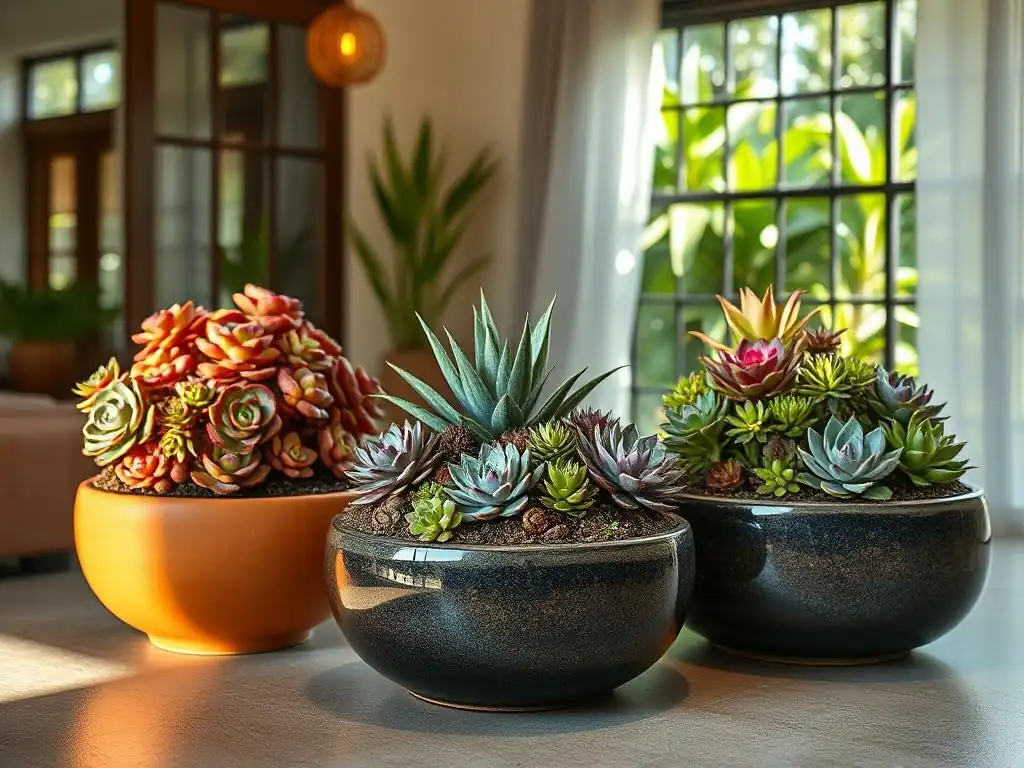
Welcome to SucculentEssentials.org, where the fascinating world of succulents unfolds before you! Are you ready to unlock the secrets to thriving succulent gardens, no matter your climate? Dive into our expert Succulent terrarium climate care guide and discover how to cultivate these resilient beauties, transforming your space into a miniature desert paradise. Learn the essential techniques for creating breathtaking succulent arrangements and prepare to be amazed by the diversity and captivating beauty these unique plants offer. Let's begin your succulent journey!
- Understanding Your Climate's Impact on Succulent Terrariums
- Succulent Terrarium Climate Care Guide: A Regional Approach
- Troubleshooting Common Climate-Related Issues in Succulent Terrariums
- Creating a Thriving Succulent Terrarium Ecosystem Regardless of Climate
- Maintaining Your Succulent Terrarium for Long-Term Success in Any Climate
- Frequently Asked Questions
- Final Reflection: Cultivating Resilience: Terrariums and Our Changing World
- Unleash Your Inner Gardener: Thrive with Your Succulents!
Understanding Your Climate's Impact on Succulent Terrariums
Creating a thriving succulent terrarium is a rewarding experience, but success hinges significantly on understanding and adapting to your local climate. This comprehensive guide, focusing on the keyword "Succulent terrarium climate care guide," will equip you with the knowledge to nurture your miniature succulent garden, regardless of whether you live in a scorching desert, a humid rainforest, or a temperate zone. We'll explore how temperature, humidity, sunlight, and even seasonal variations directly impact the health and longevity of your succulents within their enclosed environment.
Mastering these environmental factors is key to preventing common issues like root rot, sunburn, or stunted growth, ensuring your succulent terrarium remains a beautiful and vibrant centerpiece for years to come. Let's delve into the specifics of adapting your terrarium care routine to your unique climate.
Assessing Your Local Climate: Temperature, Humidity, and Sunlight
Understanding your local climate is the first crucial step in succulent terrarium care. This involves carefully evaluating three key factors: temperature, humidity, and sunlight. These factors interact in complex ways to influence your succulents' growth and overall well-being.
Temperature fluctuations can be particularly stressful for succulents. Extreme heat can lead to dehydration and sunburn, while prolonged cold can cause chilling injury and even death. Monitoring the temperature inside and outside your terrarium is essential, especially during seasonal transitions. Consider using a thermometer both inside and outside the terrarium to track the precise temperature differences.
Humidity levels also play a significant role. Succulents, generally adapted to arid conditions, thrive in lower humidity environments. High humidity can create an environment conducive to fungal growth and root rot, which can quickly decimate your miniature garden. Regular monitoring of humidity levels, perhaps using a hygrometer, is vital. Proper ventilation is crucial for managing humidity; ensure your terrarium has adequate airflow to prevent excessive moisture buildup.
Sunlight is another critical component. While succulents need sunlight for photosynthesis, excessive direct sunlight can scorch their delicate leaves. The intensity and duration of sunlight exposure should be carefully considered. Observe the amount of sunlight your chosen location receives throughout the day. You may need to adjust the terrarium's position to provide the optimal balance of light and shade, preventing both under- and over-exposure. Consider using a sheer curtain or other diffusing material to reduce the intensity of direct sunlight during peak hours.
Identifying Your Climate Zone and its Influence on Succulent Growth
Knowing your USDA Plant Hardiness Zone 1 is invaluable for selecting appropriate succulent species and adjusting your terrarium care routine. Different zones experience vastly different temperature ranges, precipitation patterns, and sunlight intensities. Choosing succulents native or well-suited to your zone significantly increases their chances of survival and thriving within your terrarium.
- Zone Considerations:
- For example, succulents thriving in a hot, arid Zone 9b will require different care than those in a cooler, more humid Zone 7a. This includes adjusting watering frequency, providing appropriate ventilation, and strategically positioning the terrarium to optimize light exposure.
- Seasonal Adjustments:
- Seasonal changes also demand adjustments. During hotter months, you may need to increase ventilation and reduce watering frequency. Conversely, during colder months, you might need to reduce ventilation and increase the terrarium's insulation to protect your succulents from freezing temperatures. Careful observation and adaptation are key to long-term success.
1 The USDA Plant Hardiness Zone Map divides North America into zones based on average annual minimum temperatures. Similar systems exist for other regions globally.
This initial assessment forms the foundation for successful succulent terrarium cultivation in any climate. The following sections will delve deeper into specific climate types and their unique care requirements, providing practical tips and solutions for maintaining a healthy and vibrant miniature succulent garden.
Succulent Terrarium Climate Care Guide: A Regional Approach
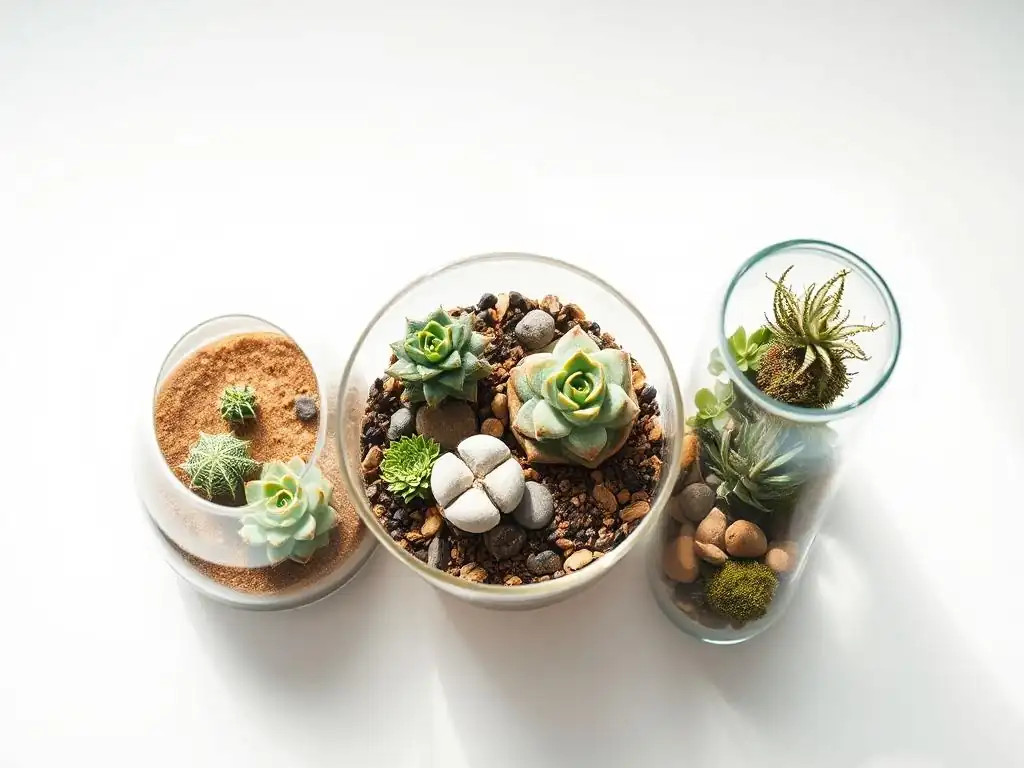
This section delves into the specifics of succulent terrarium care, tailoring strategies to different climatic conditions. Understanding your region's climate is crucial for maintaining a thriving succulent terrarium. This guide provides a regional approach, highlighting key considerations for arid and temperate climates, offering a comprehensive Succulent terrarium climate care guide.
Succulent Terrarium Care in Arid Climates (e.g., Arizona)
Arid climates, characterized by high temperatures, low humidity, and intense sunlight, present unique challenges for succulent terrarium maintenance. Proper watering and sun protection are paramount to prevent desiccation and sunburn. Careful species selection is also vital for long-term success.
Watering Strategies for Arid Environments
In arid regions like Arizona, less is more when it comes to watering your succulent terrarium. Overwatering is a common mistake, leading to root rot and plant death. Instead of following a strict schedule, monitor the soil moisture.
Use a moisture meter or stick your finger a couple of inches into the soil; water only when the soil is completely dry. During the hottest months (typically June-August), you may only need to water every 2-3 weeks, or even less frequently depending on the terrarium's size, materials, and the specific succulents used. Always allow excess water to drain completely to prevent waterlogging.
Protecting Succulents from Intense Sunlight
The intense sunlight in arid climates can scorch succulent leaves. While succulents thrive in bright light, direct, unfiltered sunlight can be damaging, especially during peak hours. Consider positioning your terrarium in a location that receives bright, indirect sunlight, such as an east- or west-facing window. Alternatively, you can use a sheer curtain or blinds to filter the sunlight, preventing harsh rays from reaching your delicate succulents. Observe your succulents closely; if you notice any signs of sunburn (brown or bleached spots), move the terrarium to a shadier spot.
Selecting Suitable Succulent Species for Hot Climates
Choosing the right succulents is critical for success in arid environments. Opt for species known for their tolerance to heat and drought. Examples include Echeveria, Sedum, and Dudleya varieties. These hardy succulents can withstand the intense heat and low humidity typical of arid climates. Avoid succulents that prefer more humid or shaded conditions, as they are unlikely to thrive. Research specific succulent species and their requirements before incorporating them into your terrarium.
Succulent Terrarium Climate Care Guide: Temperate Climates (e.g., California)
Temperate climates, such as those found in California, offer a more moderate environment for succulent terrariums. However, maintaining a balance between watering, sunlight, and humidity is still essential for optimal growth.
Balancing Watering and Sunlight Exposure
Temperate climates generally experience less intense sunlight than arid regions. However, the watering frequency will still depend on factors such as the season, the terrarium's size and location, and the type of succulents used. A good rule of thumb is to water thoroughly when the top inch of soil is dry. During the winter months, you may need to water less frequently, as the succulents' growth slows down. Aim for bright, indirect sunlight, adjusting the terrarium's position as needed to maintain optimal light levels without causing sunburn.
Managing Humidity Levels in Moderate Climates
While succulents tolerate low humidity, excessively high humidity can lead to fungal diseases and rot. In temperate climates with higher humidity, ensure good air circulation around your terrarium. Avoid covering the terrarium completely, allowing for some airflow. You can also use a small fan to gently circulate the air, particularly in humid conditions. Proper ventilation helps to prevent the build-up of moisture, keeping your succulents healthy.
Choosing Adaptable Succulent Varieties for Temperate Zones
A wide range of succulents can thrive in temperate climates. Many popular succulents, such as Haworthia, Gasteria, and various Aloe species, are well-suited to these conditions. These succulents often tolerate a broader range of temperature and humidity fluctuations compared to those adapted to extreme arid conditions. However, always research the specific needs of the succulent varieties you choose before incorporating them into your terrarium to ensure optimal growth and prevent issues. Remember that even in temperate zones, proper drainage is essential to prevent root rot.
Succulent Terrarium Climate Care Guide: A Regional Approach
Humid climates, such as those found in Florida, present unique challenges for succulent terrarium care. The high humidity levels can lead to increased susceptibility to fungal diseases and root rot, the bane of many a succulent enthusiast. Proper care requires a nuanced approach, focusing on preventing overwatering and ensuring adequate air circulation. The selection of succulent species also plays a crucial role in success. Ignoring these factors can quickly lead to a decaying terrarium and the loss of your precious plants. This section will detail specific strategies to thrive in humid environments.
Preventing Overwatering in Humid Environments
Overwatering is the most common cause of succulent death in humid climates. The already high moisture levels in the air mean the soil retains water for longer periods. Therefore, the frequency of watering needs to be significantly reduced compared to drier climates. Instead of following a rigid watering schedule, assess the soil moisture before each watering.
Use your finger to check the top inch or two of soil; if it's still damp, hold off on watering. Signs of overwatering include mushy leaves, yellowing, and a foul odor emanating from the soil. Consider using a well-draining soil mix specifically formulated for succulents, incorporating materials like perlite or pumice to improve aeration and drainage. These additions prevent waterlogging, a major contributor to root rot in humid conditions.
Remember, it's far better to underwater than overwater succulents. A slightly dry soil is preferable to soggy conditions. Careful monitoring is key to success in humid climates.
Ensuring Adequate Air Circulation
Proper air circulation within the terrarium is paramount in humid environments. Stagnant air contributes to the build-up of moisture, creating an ideal breeding ground for fungi and bacteria. This can quickly lead to the decay of your succulent collection. To improve air circulation, avoid completely sealing your terrarium. Instead, opt for a terrarium with a slightly open lid or create small openings for ventilation.
This allows for a gentle exchange of air, preventing the excessive build-up of humidity. Consider placing the terrarium in a well-ventilated area, away from walls or other obstructions that might impede air circulation. Avoid placing it in direct sunlight, which can lead to overheating and increased humidity within the enclosed environment. Regularly checking for signs of excessive moisture and adjusting ventilation accordingly is a crucial part of long-term terrarium maintenance in humid climates. A balanced approach between ventilation and moisture retention is essential.
Selecting Drought-Tolerant Succulents for Humid Conditions
Not all succulents are created equal when it comes to humidity tolerance. Some species are better adapted to humid conditions than others. Choosing the right succulents is crucial for the success of your terrarium project. Opt for succulents known for their drought tolerance and resistance to fungal diseases. These hardy varieties are less prone to succumbing to the challenges posed by high humidity. Researching specific succulent varieties that thrive in humid environments is highly recommended.
Examples include Echeveria species, which are generally known for their resilience, and certain Sedum varieties. Avoid succulents that are particularly sensitive to moisture, as these are more likely to develop problems in a humid terrarium. A well-researched plant selection forms the foundation of a thriving terrarium in humid conditions. Careful consideration of each plant's individual needs will greatly improve your chances of success. 🌱
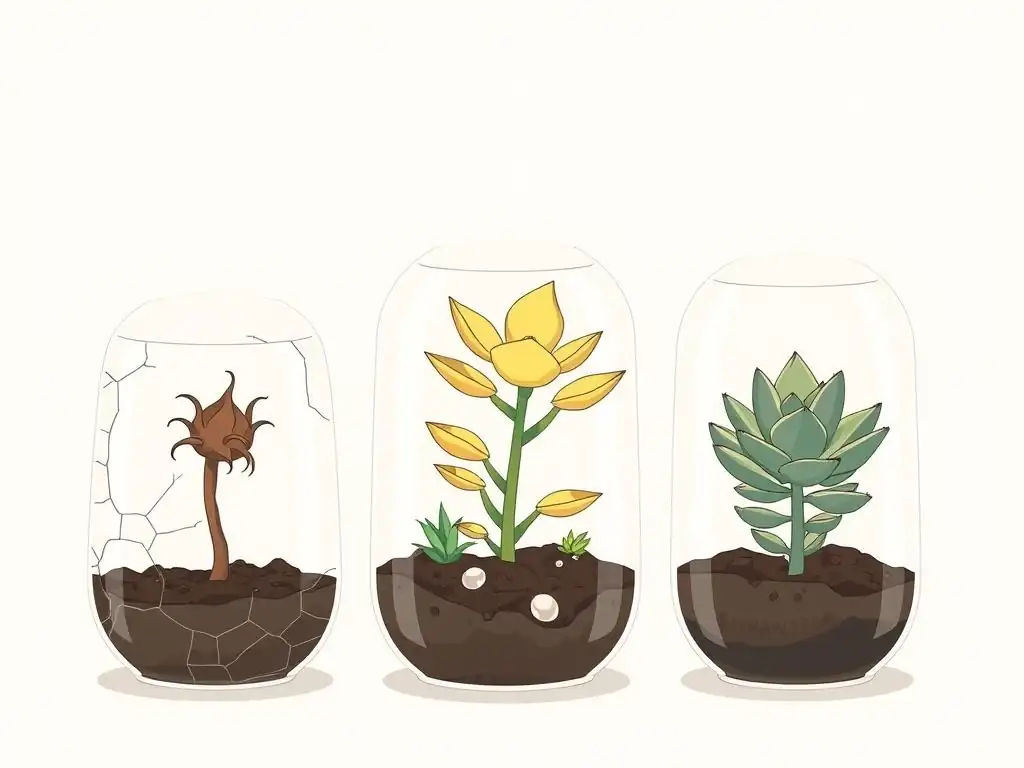
This section focuses on diagnosing and resolving frequent problems encountered when caring for succulent terrariums in diverse climates. Understanding your local climate's nuances is crucial for the long-term health and vibrancy of your miniature succulent garden. Remember, even seemingly minor variations in temperature and humidity can significantly impact your terrarium's inhabitants. This guide provides practical solutions to common issues, empowering you to cultivate thriving succulent terrariums regardless of your geographic location. Let's dive into some specific challenges and their effective solutions.
Dealing with Overwatering and Root Rot
Overwatering is a leading cause of succulent terrarium failure, particularly in humid climates or during periods of low light. Succulents, adapted to arid conditions, are highly susceptible to root rot when their soil remains excessively damp. The symptoms are often subtle at first, but can quickly escalate. You might notice mushy, discolored leaves, a foul odor emanating from the soil, or wilting despite seemingly adequate moisture.
To prevent overwatering, ensure your terrarium has adequate drainage. Use a well-draining potting mix specifically formulated for succulents and cacti, avoiding heavy clay-based soils. Water only when the top inch of the soil is completely dry, and even then, water sparingly. Avoid letting water accumulate at the bottom of the terrarium. Instead, water thoroughly until a small amount drains out, then discard any excess water.
Signs of Root Rot: A Detailed Look
Root rot manifests in various ways. Early stages might show only slightly softened leaves, but as the problem worsens, you’ll see:
- Leaves turning brown or black, often starting at the base.
- A soft, mushy texture to the leaves and stems.
- A noticeable foul odor from the soil.
- Wilting even after watering, indicating the roots are no longer functioning properly.
If you suspect root rot, carefully remove the affected succulent from the terrarium. Gently rinse the roots to remove excess soil. Trim away any mushy or blackened roots using sterilized pruning shears. Replant in fresh, dry succulent potting mix and monitor closely, reducing watering frequency.
Regularly inspect your terrarium for signs of overwatering. Early detection is key to successful intervention and preventing widespread damage within your miniature ecosystem. Remember, prevention is always better than cure when it comes to root rot.
Addressing Sunburn and Leaf Damage
While succulents thrive in sunlight, intense direct sunlight can scorch their delicate leaves, causing unsightly brown or bleached patches. This is especially prevalent in terrariums placed in south-facing windows or exposed to strong afternoon sun. The severity of sunburn depends on the intensity of the sunlight and the succulent species. Some succulents are more tolerant of sun than others.
To prevent sunburn, consider the placement of your terrarium. Avoid direct, intense sunlight, especially during the hottest part of the day. A sheer curtain or strategically placed blinds can help diffuse strong sunlight. You can also monitor your terrarium's location throughout the day to observe how the sun affects it, adjusting its position accordingly.
Succulent Species and Sun Tolerance: A Quick Guide
Not all succulents are created equal when it comes to sun exposure. Some thrive in full sun, while others prefer partial shade. Research the specific sun requirements of the succulents in your terrarium. For example, Echeveria species generally tolerate more sun than Haworthia.
If sunburn occurs, carefully remove any severely damaged leaves. Do not attempt to force the healing process; damaged leaves will not recover. However, healthy, undamaged leaves should continue to grow and thrive provided the terrarium environment is corrected. Regularly assess your terrarium's light exposure, and adjust its placement to avoid future instances of sunburn.
Combating Pests and Diseases in Various Climates
Climate plays a significant role in the susceptibility of succulent terrariums to pests and diseases. High humidity can encourage fungal growth, while warmer temperatures can accelerate pest infestations. Common pests include mealybugs, aphids, and spider mites. Fungal diseases, such as root rot (discussed above), can also be a significant concern.
Regular inspection is crucial for early pest detection. Examine your succulents closely, paying attention to the undersides of leaves and crevices where pests might hide. Prompt action is essential to prevent widespread infestation. Isolate infected plants to prevent the spread of pests or diseases to healthy succulents.
| Pest/Disease | Symptoms | Treatment | Prevention |
|---|---|---|---|
| Mealybugs | White, cottony masses on leaves and stems | Isopropyl alcohol application, insecticidal soap | Regular inspection, good air circulation |
| Aphids | Small, soft-bodied insects, often clustered | Insecticidal soap, neem oil | Introduce beneficial insects (ladybugs) |
| Spider Mites | Fine webbing, stippling on leaves | Miticides, insecticidal soap, increasing humidity | Regular misting, good air circulation |
| Fungal Diseases | Brown or black spots, leaf rot, wilting | Remove affected parts, fungicide (if necessary), improve air circulation | Avoid overwatering, ensure good drainage, use sterile potting mix |
Remember, climate significantly influences the success of your succulent terrarium. By understanding these common challenges and implementing the appropriate preventative measures and treatments, you can significantly increase the chances of cultivating a healthy and thriving miniature succulent garden, regardless of your climate. Careful observation and proactive care are key to long-term success in succulent terrarium cultivation.
Creating a Thriving Succulent Terrarium Ecosystem Regardless of Climate
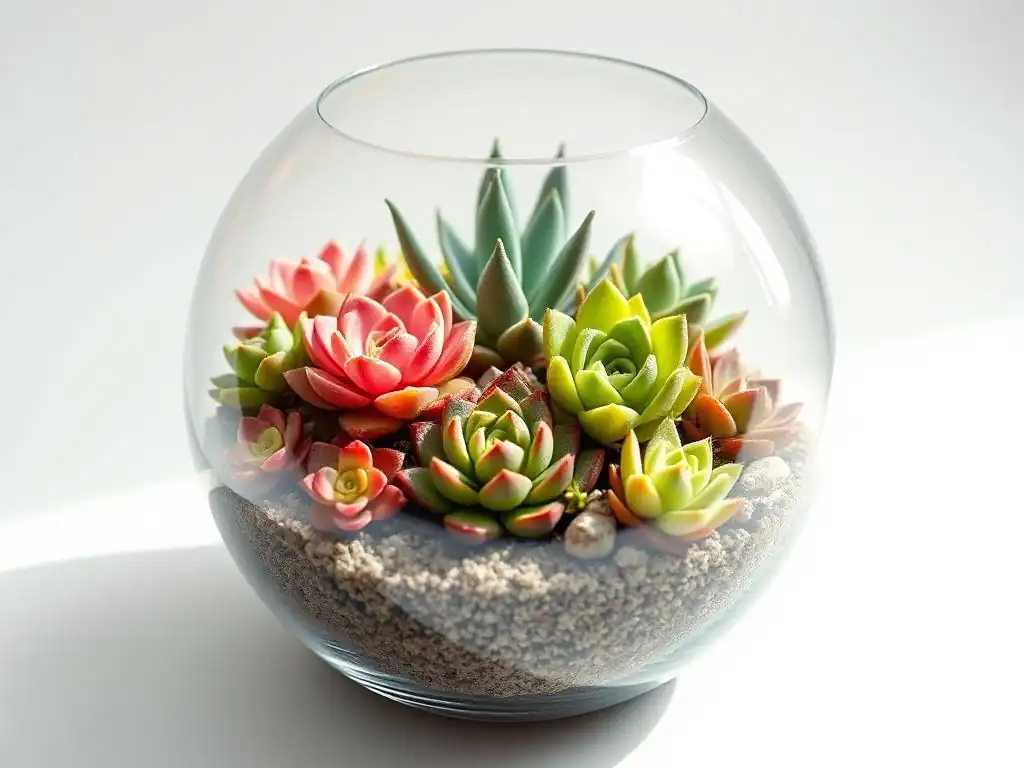
This section delves into the crucial aspects of maintaining a healthy succulent terrarium, irrespective of your geographic location and its associated climate. Successfully cultivating these drought-tolerant plants in a closed or semi-closed environment requires careful consideration of several key factors. Understanding these elements will transform your terrarium from a fleeting display into a vibrant, long-lasting miniature ecosystem. This detailed Succulent terrarium climate care guide will empower you to create a thriving environment for your succulents, no matter the weather outside.
Choosing the Right Container and Substrate
The foundation of any successful succulent terrarium lies in the selection of the appropriate container and substrate. The container's material and size directly impact drainage and humidity levels, which are critical for succulent health. Glass containers are popular for their aesthetic appeal, but they can retain excessive moisture if not managed correctly. Consider using containers with drainage holes, especially in humid climates, to prevent root rot. Alternatively, you can create a drainage layer within a container lacking holes by using a layer of gravel or pebbles at the base.
The substrate is equally important. A well-draining mix is essential to prevent waterlogging, which is detrimental to succulents. A typical blend might consist of:
- 50% Cactus and Succulent potting mix: This provides essential nutrients and structure.
- 30% Coarse sand: Improves drainage and aeration.
- 20% Perlite or pumice: Enhances drainage and prevents compaction.
Avoid using regular garden soil, as it retains too much moisture and can lead to fungal diseases. The specific ratio of components can be adjusted based on your climate. For example, in humid environments, you might increase the proportion of coarse sand and perlite to further enhance drainage. In drier climates, you may slightly reduce the amount of perlite to retain a bit more moisture. Experimentation and observation are key to finding the perfect blend for your specific conditions. Remember, a happy succulent is a well-drained succulent!
Maintaining Proper Drainage
Proper drainage is paramount in succulent terrarium care, regardless of climate. Poor drainage is the leading cause of root rot, a fatal condition for succulents. Even in arid climates, overwatering can occur if drainage is inadequate. The choice of container and substrate, as discussed previously, plays a crucial role. However, even with optimal substrate, additional measures can improve drainage.
Consider these strategies to ensure excellent drainage:
- Drainage Holes: Essential in most cases, especially for glass terrariums. If your container lacks holes, carefully drill some before planting.
- Drainage Layer: A layer of gravel or pebbles at the base of the container helps improve drainage by allowing excess water to collect below the substrate.
- Watering Techniques: Water sparingly and only when the soil is completely dry. Avoid overwatering, which is much more damaging than underwatering for succulents. Observe the soil carefully before each watering. In humid climates, you may need to water less frequently than in dry climates.
- Container Selection: Terracotta pots are excellent choices because they are porous and allow for better air circulation and evaporation.
Remember that monitoring your terrarium's drainage is an ongoing process. Regularly check the soil moisture levels and adjust your watering schedule accordingly. A consistently damp substrate is a recipe for disaster. Proper drainage is your first line of defense against root rot and other fungal diseases.
Regular Monitoring and Adjustments Based on Climate
Consistent monitoring is crucial for successful succulent terrarium maintenance, and this becomes even more critical when considering varying climates. The frequency and intensity of monitoring should adapt to the environment. In hot, arid climates, evaporation rates are higher, requiring more frequent watering (but still infrequent!). Conversely, in humid climates, less frequent watering is necessary to avoid waterlogging.
Consider these climate-specific adjustments:
| Climate Type | Watering Frequency | Monitoring Frequency | Ventilation Adjustments |
|---|---|---|---|
| Arid/Desert | Every 2-4 weeks | Weekly | Minimal |
| Temperate | Every 1-2 weeks | Bi-weekly | Moderate (as needed) |
| Humid/Tropical | Every 3-6 weeks | Monthly | Increased (consider lid removal) |
Always observe your plants closely for signs of stress, such as shriveling leaves, discoloration, or root rot. Adjust your watering and ventilation accordingly. In humid environments, consider increasing ventilation by slightly opening the terrarium lid or using a container with better airflow. In drier climates, maintain proper humidity levels by misting occasionally (avoid wetting the leaves directly). Remember that each terrarium and climate is unique, so careful observation and adaptation are key to success. Through diligent monitoring and appropriate adjustments, you can ensure your succulent terrarium thrives, regardless of the climate.
Maintaining Your Succulent Terrarium for Long-Term Success in Any Climate
This section delves into the practical aspects of ensuring your succulent terrarium thrives, regardless of your climate. Maintaining a thriving succulent terrarium requires consistent attention and adaptation to environmental conditions. Understanding the specific needs of your succulents and their environment is key to long-term success. Remember, even drought-tolerant succulents need proper care to flourish in a closed terrarium environment. This section provides a climate-conscious approach to succulent terrarium maintenance, focusing on preventative care and early detection of potential problems. This guide will help you master succulent terrarium climate care.
Long-term Succulent Terrarium Care and Maintenance Checklist
Maintaining a healthy succulent terrarium is an ongoing process. Regular checks and preventative measures are crucial for preventing issues before they escalate. The following checklist provides a structured approach to long-term care:
- Weekly Inspection: Check for signs of pests, diseases, or wilting. Observe the moisture levels of the soil and the overall health of your plants.
- Monthly Watering: The frequency depends on your climate and the terrarium's size and ventilation. In hotter, drier climates, you may need to water more frequently, while in humid environments, less frequent watering may be necessary. Always allow the soil to dry slightly between waterings. Avoid overwatering, a common cause of root rot.
- Seasonal Adjustments: Adjust watering frequency based on seasonal changes. Reduce watering during colder months and increase it during warmer, drier periods. Consider providing supplemental lighting during winter months in areas with limited sunlight.
- Pruning and Cleaning: Regularly prune dead or decaying leaves and stems to maintain a clean and healthy environment. Remove any dust buildup on the glass to ensure proper light penetration.
- Repotting (as needed): Eventually, your succulents may outgrow their terrarium. Repotting into a larger container provides more space for root growth and prevents overcrowding. This is usually necessary every 2-3 years, depending on the growth rate of your succulents.
- Pest and Disease Control: Regularly inspect your terrarium for signs of pests like mealybugs or aphids. Address any infestations promptly to prevent damage to your plants.
Signs Your Succulent Terrarium Needs Attention
Recognizing the signs of distress in your succulent terrarium is crucial for timely intervention. Early detection can often prevent serious problems and save your plants. Here are some key indicators that your terrarium needs attention:
- Wilting or Shrinking Succulents: This is a clear indication of underwatering or insufficient light. Adjust your watering schedule and consider providing supplemental lighting if necessary.
- Yellowing or Browning Leaves: This can be a sign of overwatering, underwatering, or a nutrient deficiency. Check the soil moisture and consider adjusting your watering schedule or providing a balanced succulent fertilizer.
- Presence of Pests: Mealybugs, aphids, and other pests can quickly infest a terrarium. Inspect your plants regularly and take action immediately if you spot any pests.
- Mold or Fungus Growth: This indicates excessive moisture. Improve ventilation and reduce watering frequency. Remove any affected leaves or soil.
- Soggy Soil: Consistent dampness can lead to root rot. Allow the soil to dry out completely before watering again. Consider improving drainage within the terrarium.
- Leggy Growth: If your succulents are becoming tall and spindly, they may not be receiving enough light. Increase light exposure or consider providing supplemental lighting.
This detailed guide offers a comprehensive approach to succulent terrarium climate care, empowering you to successfully maintain your miniature succulent garden for years to come. Remember, observation and proactive care are key to cultivating a thriving and visually appealing terrarium. 🌱
Frequently Asked Questions
What is the ideal climate for a succulent terrarium?
A succulent terrarium thrives in a bright, indirect light environment with good air circulation. Avoid direct sunlight which can scorch the plants, and ensure adequate ventilation to prevent dampness and rot.
How does climate affect succulent terrarium care?
Different climates require adjustments to watering and ventilation. Hot, dry climates may need more frequent misting, while humid climates require increased air circulation to prevent fungal growth. Colder climates need protection from frost.
How often should I water my succulent terrarium?
Watering frequency depends on your climate and the terrarium's size and materials. Generally, allow the soil to dry out completely between waterings, avoiding overwatering, which is a common cause of succulent death.
What are the signs of an unhealthy succulent terrarium?
Look for signs like shriveled or mushy leaves, unusual discoloration, or fungal growth. These indicate problems with watering, light, or ventilation. Address these issues promptly to save your plants.
Can I create a succulent terrarium in any climate?
Yes, but you'll need to adapt your care routine to your specific climate. Understanding the light, temperature, and humidity levels in your environment is key to creating a thriving succulent terrarium, regardless of location.
Final Reflection: Cultivating Resilience: Terrariums and Our Changing World
The art of succulent terrarium care mirrors the challenges we face in adapting to our changing climate. Creating thriving miniature ecosystems requires careful observation, thoughtful adjustments, and a deep understanding of the delicate balance between environment and life—a balance increasingly crucial for our planet's survival. The seemingly simple act of nurturing a terrarium becomes a powerful metaphor for our own responsibility in fostering resilience in the face of environmental change.
The journey of creating and maintaining a successful succulent terrarium has profoundly impacted my understanding of interconnectedness. It's a constant reminder that even the smallest actions have consequences, and that careful consideration of environmental factors—light, temperature, humidity—is essential for growth and well-being. This resonates deeply with the larger ecological conversation surrounding climate change. The Earth provides enough to satisfy every man's needs but not every man's greed.
- Mahatma Gandhi. This quote underscores the importance of mindful resource management, a principle equally applicable to our terrariums and our planet.
Now, consider your own environment, both the physical space around you and the broader context of our global climate. What adjustments can you make to foster a more sustainable and resilient lifestyle? Start small, perhaps by incorporating more sustainable practices into your daily routine, or by educating yourself and others about the importance of environmental stewardship. The lessons learned from nurturing a thriving terrarium can be a powerful catalyst for positive change, transforming our individual actions into a collective effort to cultivate a healthier and more vibrant future for all.
Unleash Your Inner Gardener: Thrive with Your Succulents!
Thank you for exploring the world of succulent care! We hope you've gained valuable insights into adapting your techniques to your specific climate. Ready to put your new knowledge into practice?
- Create a stunning succulent terrarium: Now's the time to experiment! Combine different succulent species and create a thriving miniature garden that reflects your personal style.
- Share your success: Inspire others by posting a picture of your terrarium on social media and tagging us—we'd love to see your creations!
- Join our online community: Connect with fellow succulent enthusiasts, share tips and tricks, and ask questions. It's a great way to learn and receive support from our community.
What challenges or successes have you experienced while growing succulents in your climate? Let's share our experiences!