
The Best Succulents for Creating a Unique Wreath

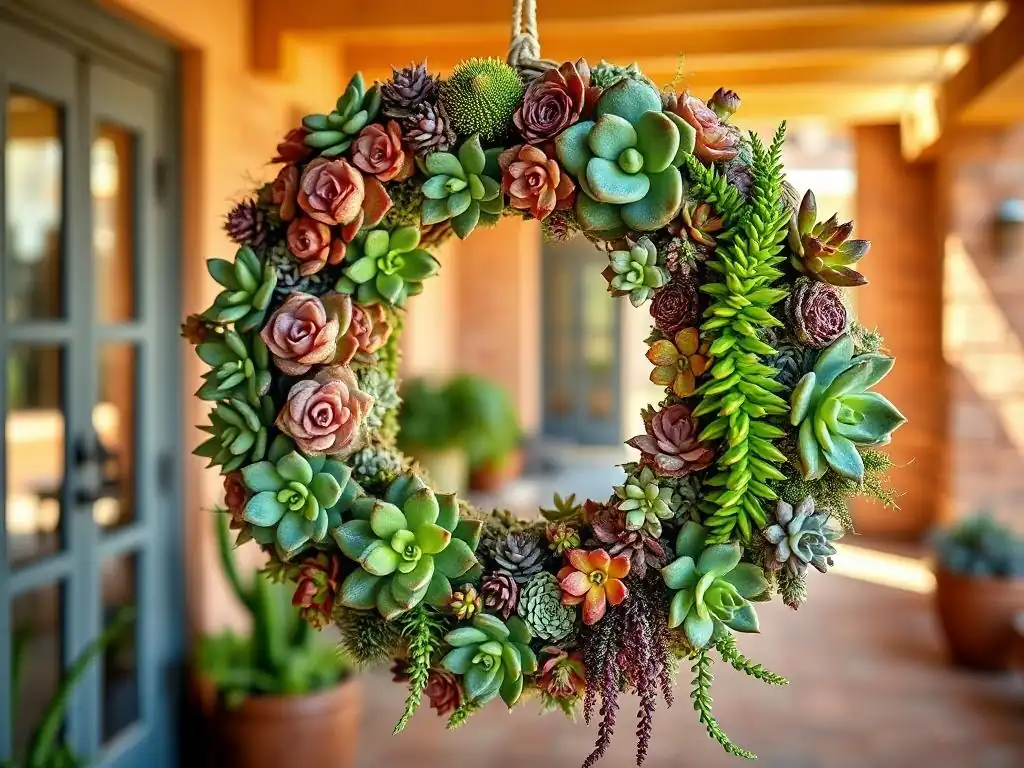
Welcome to SucculentEssentials.org, where the fascinating world of succulents unfolds! Are you ready to transform ordinary décor into extraordinary displays? We've got the secrets to unlocking the full potential of these resilient plants, and it all starts with exploring unique succulent wreath ideas. Dive in and discover how to craft breathtaking arrangements that will leave you and your guests utterly captivated. Prepare to be inspired!
- Choosing the Right Succulents for Your Wreath: A Guide to Unique Designs
- Step-by-Step Guide to Crafting Your Unique Succulent Wreath
-
Unique Succulent Wreath Ideas and Inspiration
- Miniature Succulent Wreaths: Perfect for Small Spaces and Unique Accents
- Bold and Dramatic Succulent Wreath Designs: Making a Statement with Size and Color
- Succulent Wreaths with Seasonal Elements: Incorporating Flowers and Berries
- Creative Succulent Wreath Arrangements: Combining Different Textures and Shapes
- Maintaining Your Succulent Wreath: Tips for Long-lasting Beauty
- Beyond the Basics: Advanced Succulent Wreath Design Techniques
- Frequently Asked Questions
- Final Reflection: Cultivating Creativity with Succulent Wreaths
- Unleash Your Inner Artist: Craft Your Dream Succulent Wreath!
Choosing the Right Succulents for Your Wreath: A Guide to Unique Designs
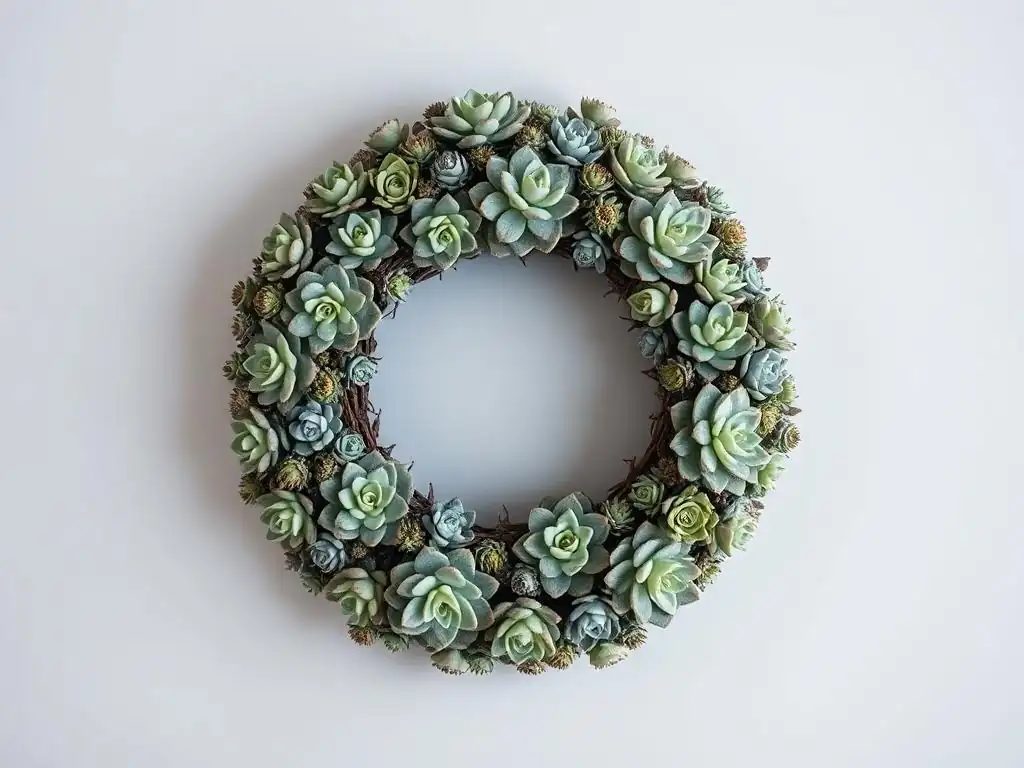
Creating a unique succulent wreath is a rewarding project that blends artistry with horticulture. This guide delves into the fascinating world of succulent selection, offering expert advice on choosing the perfect varieties to craft a breathtaking, long-lasting wreath. Whether you're a seasoned succulent enthusiast or a beginner looking to try something new, we'll equip you with the knowledge to design a truly one-of-a-kind piece that will impress and inspire.
We'll explore the key factors to consider, from size and texture to color palette and essential succulent species, ensuring your wreath becomes a stunning focal point in any setting. This guide will help you discover the best succulents for creating unique succulent wreath ideas, leading you to a beautiful and thriving final product. Get ready to unleash your creativity and transform ordinary succulents into extraordinary works of art!
Selecting Succulents Based on Size and Texture for a Balanced Wreath
The key to a visually appealing succulent wreath lies in achieving a harmonious balance of sizes and textures. Think of it as a miniature succulent landscape! You'll need a mix of succulents to create depth and visual interest. Larger succulents will form the base, providing structure and anchoring smaller varieties. Smaller succulents, in turn, fill in gaps and add intricate details. Consider the following:
- Focal Point Succulents: Larger varieties like Echeveria (especially the larger rosette types), Sedum morganianum (Burro's Tail), or even small Agave species can serve as striking focal points. These anchor your design and provide visual weight.
- Filler Succulents: Smaller succulents such as Sedum varieties, Sempervivum (Hens and Chicks), and various Echeveria species with smaller rosettes are ideal fillers. They add texture and density, creating a lush and full look.
- Trailing Succulents: To add movement and a cascading effect, incorporate trailing succulents such as Sedum morganianum (Burro's Tail) or Lampranthus species. These will drape beautifully over the wreath’s edges.
| Succulent Type | Size Category | Texture Description | Role in Wreath Design |
|---|---|---|---|
| Echeveria (large) | Large | Smooth, fleshy, waxy | Focal Point |
| Sedum | Small/Medium | Varied (e.g., spiky, smooth) | Filler, Textural Interest |
| Sempervivum | Small | Rosette, tightly packed | Filler, Density |
| Sedum morganianum | Medium/Trailing | Thin, cylindrical leaves | Trailing, Cascading Element |
Remember to vary the textures! Combining smooth, fleshy leaves with spiky or hairy varieties adds visual intrigue. A balanced approach ensures your wreath isn't monotonous but rather a captivating display of contrasting textures.
Color Considerations: Creating a Harmonious or Contrasting Succulent Wreath Palette
Color plays a crucial role in the aesthetic impact of your succulent wreath. You can opt for a harmonious palette, using shades that complement each other, or create a striking contrast by juxtaposing vibrant colors.
- Harmonious Palettes: Sticking to a range of similar colors, such as various shades of green, creates a serene and sophisticated look. You might combine light greens, silvery-greens, and bluish-greens for a calming effect.
- Contrasting Palettes: For a bolder statement, incorporate succulents with contrasting colors. Pair deep purples or reds with bright greens and yellows for a vibrant and energetic wreath. Consider incorporating succulents with variegated leaves for added visual interest.
- Monochromatic Palettes: Using different shades of a single color, for instance, different shades of purple or pink, can create a sophisticated and elegant wreath.
Choosing your color scheme is entirely dependent on your personal preference and the overall aesthetic you wish to achieve. Consider the colors of your home décor or the overall theme of the space where you plan to display your wreath. Remember to consider the color variations within a single succulent type – some varieties may offer subtle color shifts depending on sunlight exposure.
Essential Succulents for Lush and Full Wreath Designs
Several succulent species are particularly well-suited for wreath creation, offering a combination of beauty, hardiness, and ease of arrangement. Here are some top choices:
- Echeveria: Known for their beautiful rosettes, Echeverias come in a wide variety of colors and sizes, making them versatile choices for any design.
- Sedum: This diverse genus offers many options, from small, ground-covering varieties to larger, more upright forms. Their varying textures and colors add depth to your wreath.
- Sempervivum (Hens and Chicks): These charming succulents are perfect for filling in gaps and adding a touch of whimsy.
- Graptopetalum: These succulents often boast unique colors and patterns, adding visual interest to your wreath.
- Kalanchoe: Some Kalanchoe species are well-suited for wreath designs, offering interesting textures and colors.
Choosing the right succulents is the foundation for a truly unique and stunning succulent wreath. By carefully considering size, texture, and color, you can create a masterpiece that will brighten any space and endure for years to come. Remember to prioritize healthy succulents to ensure your wreath thrives!
Step-by-Step Guide to Crafting Your Unique Succulent Wreath
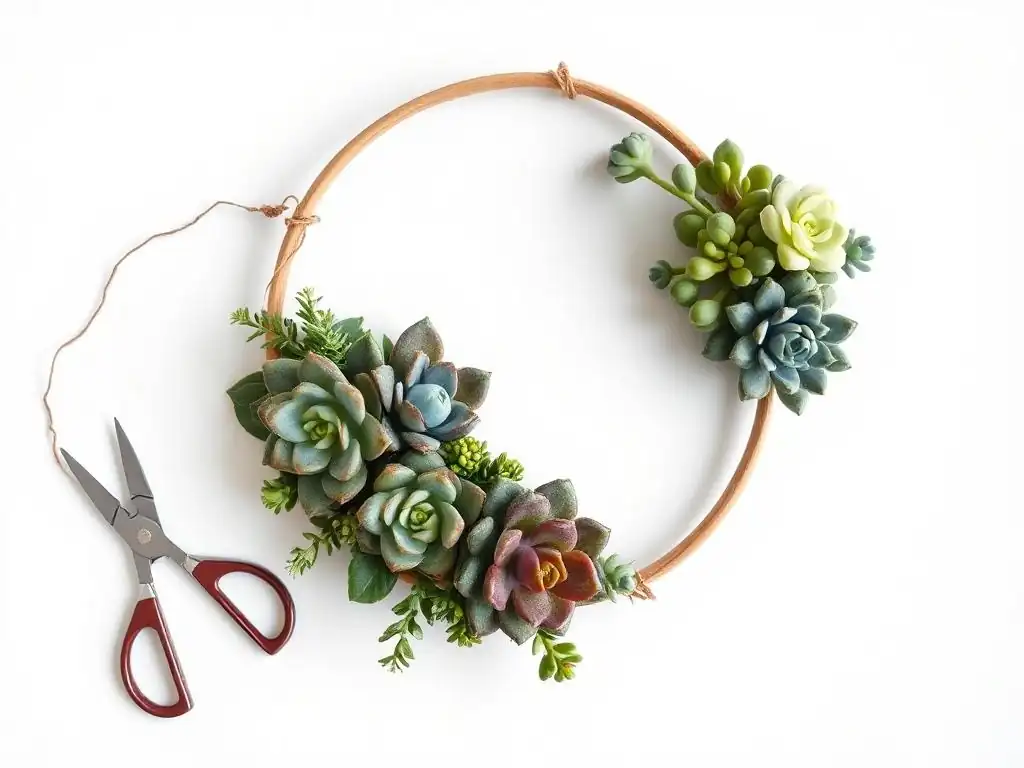
This section provides a detailed, step-by-step guide to creating a stunning and unique succulent wreath. We'll cover everything from selecting the right succulents to securing them to your chosen base, ensuring your creation lasts for months to come. Remember, the key to a truly unique succulent wreath lies in careful planning and execution.
Gathering Your Supplies: Essential Tools and Materials for Wreath Making
Before embarking on your succulent wreath project, gather all necessary supplies. Careful preparation is paramount for a successful and visually appealing result. Having everything readily available will streamline the process and prevent interruptions.
Here's a checklist of essential tools and materials:
- Wreath Base: Choose a sturdy base, such as a grapevine wreath, a foam ring (oasis), or even a wire frame. The size and shape will depend on your desired wreath dimensions and the number of succulents you plan to use. Consider the weight of the succulents when selecting the base; a heavier base is better suited for larger, more substantial wreaths.
- Succulents: Select a variety of succulents with differing textures, colors, and sizes. This contributes significantly to the overall aesthetic appeal and uniqueness of your wreath. Consider incorporating succulents with varying growth habits for a more dynamic look. Remember to choose healthy, well-hydrated plants.
- Floral Wire: This is crucial for securely attaching the succulents to the wreath base. Use different gauges of wire depending on the thickness of the stems and the weight of the succulents. Thicker wire is necessary for larger, heavier succulents.
- Floral Wire Cutters: A sharp pair of cutters will make cutting the wire quick and easy, ensuring clean cuts and preventing damage to the succulents.
- Hot Glue Gun & Glue Sticks: Hot glue is an excellent adhesive for securing succulents, especially smaller ones. Ensure your glue gun is fully heated and use caution to avoid burning yourself.
- Gardening Gloves: Protect your hands from thorns and potential irritants.
- Scissors or Pruning Shears: Use these for trimming succulent stems and removing any damaged or dead leaves.
- Optional: Moss, Decorative Elements: Add moss or other decorative elements to fill gaps and enhance the overall visual appeal of your unique succulent wreath. Consider small decorative stones, pebbles, or even small wooden elements for added texture and interest.
Preparing the Succulents: Cleaning and Properly Handling Your Chosen Plants
Properly preparing your succulents is crucial for their longevity and the overall success of your wreath. This involves careful cleaning and handling to minimize the risk of damage and ensure the plants remain healthy.
Begin by gently removing any loose or damaged leaves from your chosen succulents. This will improve their appearance and prevent them from falling off prematurely. Use clean scissors or pruning shears for this step to prevent the spread of diseases.
Next, consider gently rinsing the succulents to remove any excess soil or debris. Allow them to air dry completely before attaching them to the wreath base. Avoid overwatering, as this can lead to root rot and damage the plants. Handle the succulents carefully to avoid breaking their fragile leaves or stems. Remember that some succulents are more delicate than others; handle them with extra care accordingly. Proper handling prevents unnecessary stress on the plants, promoting their health and longevity within your unique succulent wreath.
Attaching Succulents to the Wreath Base: Techniques for Secure Placement
Attaching your succulents requires a delicate balance of securing them firmly while avoiding damage to the plants. Several techniques can be employed, depending on your chosen base and the size of your succulents.
For grapevine wreaths, carefully tuck the succulent stems into the gaps between the vines. Secure them with floral wire, wrapping it tightly around the vine and the succulent stem. Use multiple wraps for larger or heavier succulents to ensure a secure hold.
For foam wreaths, use hot glue to attach the succulents. Apply a small amount of hot glue to the base of the succulent stem and press it firmly onto the foam. Hold it in place for a few seconds until the glue sets. This method is particularly effective for smaller succulents. Remember to work quickly and efficiently, as hot glue sets rapidly.
For wire frame wreaths, use floral wire to secure the succulents. Wrap the wire around the frame and the succulent stem, ensuring a secure and aesthetically pleasing placement. Use multiple wraps for larger succulents to prevent them from becoming loose or falling out.
Regardless of the method used, consider the overall design and placement of each succulent. Arrange the succulents in a visually appealing manner, incorporating variety in color, size, and texture. Fill in any gaps with moss or other decorative elements to enhance the overall look of your unique succulent wreath. Remember to leave some space between the succulents to allow for air circulation and prevent overcrowding. Proper spacing is key to the long-term health and beauty of your creation.
Finishing Touches: Adding Accents and Enhancing Your Wreath's Design
Once your succulent wreath's foundation is secure and the succulents are nestled in place, it's time to unleash your creativity with finishing touches. These details will elevate your unique succulent wreath from charming to truly exceptional. Consider adding elements that complement your chosen succulents and the overall aesthetic you're aiming for. The possibilities are vast, limited only by your imagination!
One popular approach is incorporating natural elements. Small pieces of driftwood, carefully cleaned and secured, can add a rustic, beachy vibe. Dried flowers, such as lavender or baby's breath, offer a contrasting texture and a subtle fragrance. Think about using miniature pinecones for a touch of woodland charm, especially appropriate for a fall or winter wreath. Remember to choose elements that are lightweight to avoid stressing the wreath's structure.
For a more modern and polished look, consider metallic accents. Small, decorative metal beads or charms can be subtly woven into the design, adding a touch of shimmer and sophistication. These can be carefully wired into place, ensuring they don't interfere with the succulents' health. You could even incorporate small, decorative metal birds or insects for a whimsical touch. The key is to use these accents sparingly to avoid overwhelming the natural beauty of the succulents.
Another exciting option is to incorporate small decorative objects. Consider miniature fairy garden figurines, carefully chosen to complement the color palette and overall style of your wreath. These add a playful element and can create a truly unique and personalized piece. However, ensure that any added figurines are lightweight and securely attached to prevent them from falling off.
Finally, don't forget the importance of a final inspection. Once all accents are in place, take a step back and assess your creation from different angles. Ensure that the succulents are evenly spaced and that the accents complement the overall design rather than detract from it. This final check will ensure your unique succulent wreath is ready to be displayed and admired. Remember, the goal is to create a visually appealing and harmonious composition that showcases the beauty of the succulents while reflecting your personal style. Enjoy the process of crafting your masterpiece!
Unique Succulent Wreath Ideas and Inspiration
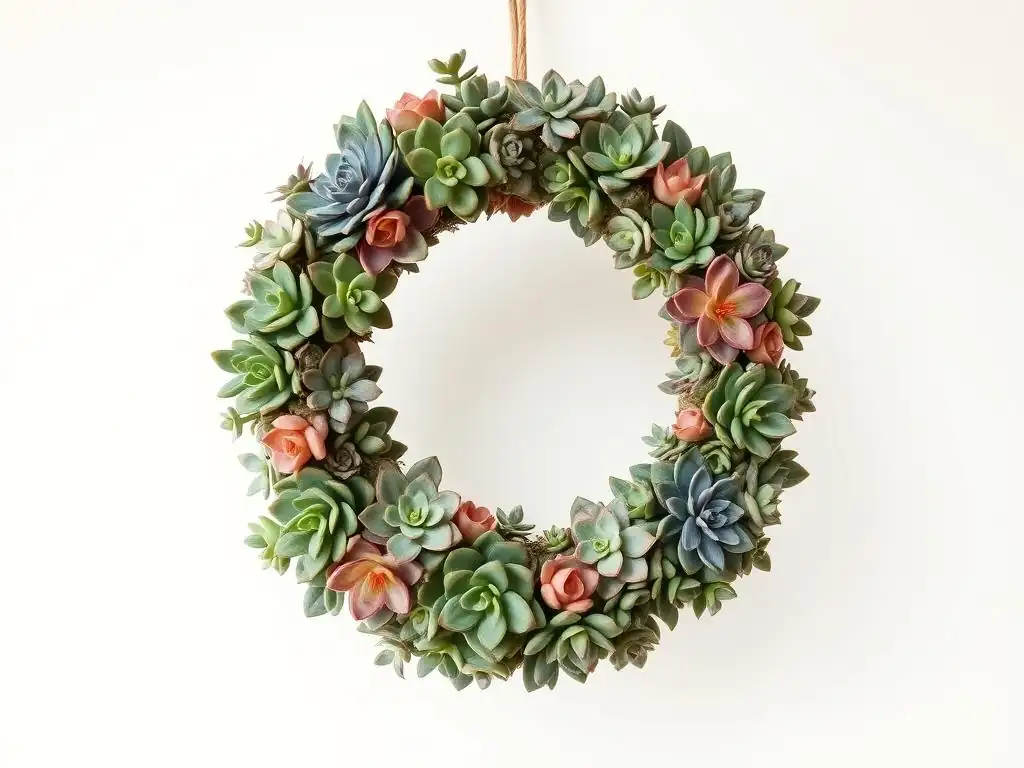
This section explores creative and distinctive approaches to crafting succulent wreaths, moving beyond the typical designs to inspire you to create truly unique pieces. We'll delve into specific succulent varieties ideal for wreath-making, discuss size and color considerations for impactful designs, and explore the incorporation of seasonal elements to enhance your creations. Remember, the key to a unique succulent wreath lies in thoughtful plant selection and arrangement.
Miniature Succulent Wreaths: Perfect for Small Spaces and Unique Accents
Miniature succulent wreaths offer a charming alternative to larger, more imposing designs. Their delicate size makes them perfect for small spaces, such as entryways, windowsills, or even as a unique accent on a larger arrangement. The key to success with miniature wreaths lies in selecting the right succulents. Tiny varieties like Sedum rubrotinctum (Jelly Bean Plant) and Echeveria minima work beautifully. Their compact growth habit prevents the wreath from becoming overly bulky.
Consider using a smaller diameter wreath base, perhaps a 4-6 inch foam ring, to create a proportional and visually appealing miniature. You can further enhance the miniature effect by using smaller pieces of floral wire to secure the succulents. The use of fine-gauge wire allows for a more delicate and less intrusive attachment, maintaining the miniature scale.
Here's a sample design:
| Succulent Variety | Quantity | Placement Notes |
|---|---|---|
| Sedum rubrotinctum | 10-12 | Outer ring, interspersed with other varieties. |
| Echeveria minima | 5-7 | Center and interspersed throughout the outer ring. |
| Graptopetalum paraguayense | 3-4 | Strategically placed for textural contrast. |
Remember to water sparingly after creation to prevent root rot. These miniature masterpieces are a testament to the versatility of succulents and their ability to create stunning displays even in small formats.
Bold and Dramatic Succulent Wreath Designs: Making a Statement with Size and Color
For a truly impactful statement, consider a larger, more dramatic succulent wreath. This design requires a bolder approach to both size and color selection. Larger succulent varieties like Echeveria species (especially those with vibrant colors) and Aeonium varieties are ideal choices for creating a visually striking piece.
Think about color contrast. Pairing succulents with contrasting foliage colors, like deep purples and bright greens, can create a visually stunning effect. Consider adding textural elements, such as small, woody branches or dried seed pods, to add depth and visual interest. A 12-16 inch foam ring provides a substantial base for a bold design.
Instead of a uniform arrangement, experiment with varying heights and textures. Allow some succulents to cascade slightly over the edge of the wreath for a more organic and less structured look. This technique also adds to the visual drama and uniqueness of the design.
This approach allows for a more dynamic and visually exciting wreath, showcasing the stunning diversity of colors and textures available within the succulent family.
Succulent Wreaths with Seasonal Elements: Incorporating Flowers and Berries
Adding seasonal elements to your succulent wreath elevates it beyond a simple arrangement and transforms it into a celebration of the current season. Incorporating fresh or dried flowers, berries, and other natural materials can create unique and thematic designs.
For a spring wreath, consider incorporating delicate pastel-colored flowers, such as miniature roses or pansies, alongside succulents. For fall, dried hydrangeas, wheat stalks, and autumn-toned berries can complement the succulents, creating a warm and inviting piece. Winter wreaths can utilize pinecones, frosted berries, and even small evergreen sprigs to evoke a festive atmosphere.
The key is to choose complementary colors and textures. The succulents provide the base structure and longevity, while the seasonal elements add a burst of color and seasonal charm. Use floral wire or hot glue to securely attach the additional elements to the wreath base. Remember to consider the longevity of the fresh elements and plan accordingly – some may require more frequent adjustments or replacements. This approach allows you to create beautiful and seasonally relevant wreaths that evolve with the changing seasons, offering a unique and dynamic display year-round.
Creative Succulent Wreath Arrangements: Combining Different Textures and Shapes
Creating a truly unique succulent wreath goes beyond simply arranging succulents in a circle. The key to a captivating design lies in thoughtfully combining different textures and shapes. Think of it as a miniature succulent landscape, where each plant plays a crucial role in the overall aesthetic. You can achieve stunning depth and visual interest by juxtaposing smooth, fleshy leaves with spiky, architectural forms.
For instance, consider using the plump, rounded leaves of Echeveria species as a base, providing a soft, flowing foundation for the wreath. These can be interspersed with the more dramatic, pointed leaves of Sedum morganianum ("Burro's Tail"), which cascade beautifully and add a dynamic, trailing element. The contrast between the smooth Echeveria and the textured Sedum instantly elevates the wreath's visual appeal.
Another effective technique is to incorporate succulents with varying heights and growth habits. Taller succulents, such as Aeonium, can be strategically placed to create focal points and add dimension. These can be balanced with lower-growing succulents, like Sempervivum (hens and chicks), which fill in gaps and create a lush, carpet-like effect. This layering approach adds depth and prevents the wreath from appearing flat or monotonous.
Don't be afraid to experiment with different colors and shades as well. The subtle variations in leaf color among different succulent varieties can dramatically enhance the overall visual impact. Pairing silvery-grey succulents with deep greens and vibrant reds creates a rich, textured palette. Consider the interplay of light and shadow, as well as the way different colors complement each other.
This careful consideration of color and texture is what truly distinguishes a unique succulent wreath from a simple arrangement. Remember, the goal is to create a visually stunning and harmonious blend of textures and forms, resulting in a truly one-of-a-kind creation. The possibilities are endless! Let your creativity guide you as you explore the diverse world of succulents and their potential for crafting unique and breathtaking wreaths.
Maintaining Your Succulent Wreath: Tips for Long-lasting Beauty
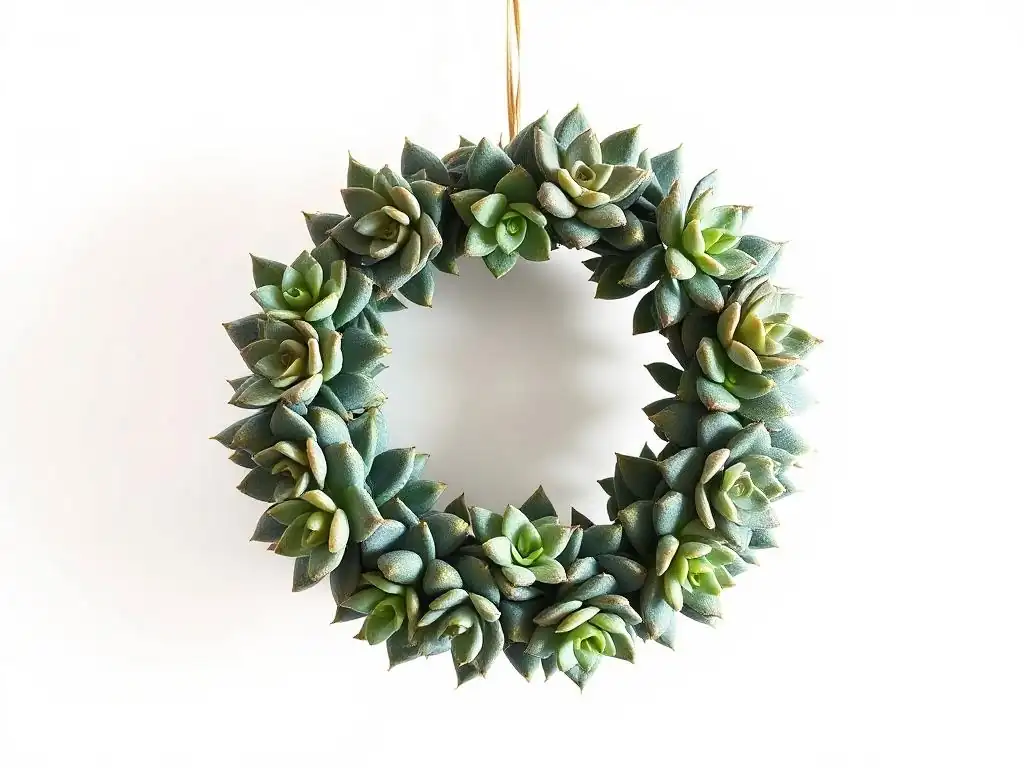
Creating a unique succulent wreath is a rewarding experience, but its beauty relies on proper care. Maintaining your succulent wreath involves a delicate balance: providing enough water and light without overwhelming the delicate plants. Neglect can lead to wilting and death, while overzealous care can cause root rot. This section provides essential tips to ensure your unique succulent wreath thrives and remains a stunning focal point for weeks, even months. We'll explore specific techniques to prolong its beauty and address common problems. Remember, the key to a long-lasting succulent wreath lies in mimicking the plants' natural desert environment.
Watering Your Succulent Wreath: Providing Adequate Moisture Without Overwatering
Overwatering is the most common cause of succulent wreath failure. Succulents are adapted to arid conditions and store water in their leaves. Frequent watering leads to root rot, a fatal condition. Instead of a regular watering schedule, assess the moisture level of your wreath. Feel the soil; if it's completely dry, then it's time to water.
The best method is to gently submerge the entire wreath in a container of water for about 10-15 minutes. Allow the excess water to drain completely before returning the wreath to its display location. Avoid letting the wreath sit in standing water, as this can lead to root rot. The frequency of watering will depend on factors such as the size of the wreath, the type of succulents used, and environmental conditions (temperature, humidity, sunlight). During winter months, watering may only be required once a month or even less frequently.
During the warmer months, you might need to water every 2-3 weeks; however, always check the soil's dryness first. Remember, it's better to underwater than overwater. Signs of underwatering include slightly shriveled leaves, while signs of overwatering include mushy leaves and a foul odor emanating from the soil. Regularly inspecting your wreath is key to preventing problems.
Providing Optimal Light Conditions for Your Succulent Wreath
Sunlight is crucial for succulent health. Your unique succulent wreath needs at least 4-6 hours of direct sunlight daily to thrive. Place your wreath in a south-facing window or an outdoor area that receives ample sunlight. However, be mindful of intense midday sun, which can scorch the succulents. During the hottest part of the day, consider providing some shade, especially during summer.
Observe your succulents; if their leaves start to turn reddish or brownish, they might be getting too much sun. If the leaves appear pale or leggy, they likely need more sunlight. Adjust the wreath's position accordingly to ensure it receives the optimal amount of light. Rotating the wreath periodically can also help ensure even sun exposure to all sides.
Identifying and Addressing Potential Problems: Troubleshooting Common Issues
Even with the best care, problems can arise. Here's a guide to identifying and addressing common issues:
| Problem | Cause | Solution |
|---|---|---|
| Root Rot | Overwatering, poor drainage | Reduce watering frequency, ensure proper drainage. If severe, carefully remove affected parts. |
| Wilting/Shriveled Leaves | Underwatering, insufficient sunlight | Increase watering frequency (but avoid overwatering), adjust light exposure. |
| Pest Infestation | Insects, mites | Treat with insecticidal soap or neem oil. Isolate the wreath to prevent spread. |
| Leaf Drop | Stress (temperature changes, shock) | Gradually acclimate the wreath to new environments. |
| Leggy Growth | Insufficient sunlight | Increase light exposure. |
Remember, prevention is key. Regular inspection, proper watering, and optimal light conditions are crucial for maintaining a beautiful and long-lasting unique succulent wreath. Addressing issues promptly can save your creation and keep your unique succulent wreath looking vibrant and healthy for a long time. Enjoy the beauty of your handcrafted masterpiece! 🪴
Beyond the Basics: Advanced Succulent Wreath Design Techniques
This section delves into more sophisticated techniques for crafting truly unique succulent wreaths. We'll move beyond simple circular arrangements and explore methods to add depth, texture, and visual interest. Mastering these techniques will elevate your succulent wreath creations from charming to breathtaking. Remember, the key to a stunning succulent wreath lies not just in the plant selection, but in the artistry of its construction.
Creating Layered Succulent Wreaths: Adding Depth and Dimension
Creating a layered succulent wreath involves strategically placing succulents of varying heights and textures to build a three-dimensional effect. This technique adds significant visual depth and prevents the wreath from looking flat. Consider using a combination of trailing succulents, like Sedum morganianum (Burro's Tail), cascading over the edges, and upright succulents, like Echeveria varieties, to create height and visual interest.
To achieve this layering effect, start by creating a base layer with smaller, low-growing succulents. This provides a foundation for the taller plants. Then, carefully add medium-sized succulents, strategically positioning them to fill gaps and create a more textured surface. Finally, incorporate the taller, more dramatic succulents, ensuring they are securely attached and add visual impact.
Here's a sample layered design:
| Layer | Succulent Type | Placement | Notes |
|---|---|---|---|
| 1 | Sedum album (White Stonecrop) | Close to the wreath base, filling in gaps | Creates a dense, textured foundation |
| 2 | Echeveria elegans (Mexican Snowball) | Slightly elevated, spaced evenly | Adds pops of color and structure |
| 3 | Sedum morganianum (Burro's Tail) | Cascading over the edges | Creates a dramatic, trailing effect |
Remember to use appropriate adhesive and ensure proper spacing to allow for air circulation and prevent rot. Experimentation is key! Don't be afraid to try different combinations until you achieve the desired layered look.
Using Unusual Succulents to Create Unique Wreath Designs
While popular succulents like Echeverias and Sedums are readily available and easy to work with, incorporating less common varieties can significantly enhance the uniqueness of your wreath. Think outside the box! Explore succulents with unusual colors, textures, or shapes. These unique elements can transform a simple wreath into a true conversation piece.
For instance, consider using succulents with striking foliage colors, such as the reddish-purple hues of Graptopetalum amethystinum or the bluish-green tones of Dudleya brittonii. Succulents with interesting textures, like the bumpy surface of Haworthia or the fuzzy leaves of Kalanchoe tomentosa, can also add a fascinating dimension.
Here are some examples of unusual succulents to consider:
- Graptopetalum paraguayense (Ghost Plant): Its ethereal, pale-green leaves offer a unique contrast.
- Sedum rubrotinctum (Jelly Bean Plant): Its small, colorful leaves resemble jelly beans.
- Sempervivum (Hens and Chicks): Their rosette shapes and various colors add a touch of whimsy.
Remember to research the specific care requirements of these less common succulents to ensure they thrive in your wreath.
Incorporating Other Elements: Adding Driftwood, Stones, and More
To further personalize and enhance your unique succulent wreath ideas, consider incorporating additional elements beyond succulents. Driftwood, stones, and other natural materials can add texture, visual interest, and a touch of rustic charm. These additions can also help to anchor the succulents and create a more stable structure.
Driftwood pieces can serve as a beautiful backdrop or even form the base of your wreath. Carefully attach smaller pieces of driftwood strategically to create visual focal points or to support trailing succulents. Similarly, smooth stones can be incorporated to fill gaps, add weight, and create a more natural aesthetic. Small, decorative elements like miniature birdhouses or metal accents can also add a personalized touch.
Remember to maintain a sense of balance and avoid overcrowding. The goal is to complement the succulents, not overpower them. Let the natural beauty of the succulents shine through while adding subtle yet impactful elements that create a truly unique and memorable wreath.
Frequently Asked Questions
What makes a succulent wreath unique?
A unique succulent wreath uses unusual succulent varieties in unexpected ways, incorporating creative design elements like driftwood, stones, or metal accents. The arrangement itself should be distinctive and visually striking.
What types of succulents are best for wreaths?
Smaller, trailing succulents like Sedum, String of Pearls, and Echeveria varieties work best. Choose succulents with strong stems that can be easily wired or glued into place. Avoid succulents that are too fragile or large.
How do I prevent my succulent wreath from drying out?
Proper watering is crucial. Water thoroughly but infrequently, allowing the soil to dry completely between waterings. Consider using a moisture-retentive soil mix specifically formulated for succulents.
Can I make a succulent wreath myself?
Absolutely! Many tutorials are available online. You'll need appropriate materials, including succulents, wire, floral foam (or other base), and glue. Start with a simple design and gradually increase complexity.
How long will my succulent wreath last?
With proper care, a succulent wreath can last for several months to a year or even longer. The lifespan depends on the types of succulents used, the environment, and the frequency of watering.
Final Reflection: Cultivating Creativity with Succulent Wreaths
The art of crafting unique succulent wreaths isn't merely a hobby; it's a vibrant expression of personal style that resonates deeply in our increasingly digital world. These living works of art offer a tangible connection to nature, a counterpoint to the fleeting trends of social media, and a testament to the enduring power of handcrafted beauty. They bring a touch of the desert's resilience and beauty into our homes, offering a calming presence and a conversation starter all in one.
The enduring appeal of succulent wreaths lies in their ability to transform ordinary spaces into havens of creativity and tranquility. They represent a mindful approach to decoration, a slow and deliberate process that fosters a sense of accomplishment and connection to the natural world. As we become more aware of sustainability and the importance of mindful living, the appeal of these living creations only grows stronger. The love for all living creatures is the most noble attribute of man.
– Charles Darwin. This quote speaks to the deeper connection we feel when nurturing something, and succulent wreaths embody this perfectly.
Now, consider your own creative potential. What unique vision do you hold for your own succulent wreath? Don't be afraid to experiment, to push boundaries, and to let your personality shine through in your design. Embrace the imperfections, celebrate the unique characteristics of each succulent, and allow the process to be as much a source of joy as the finished product. Let the creation of your succulent wreath be a testament to your own unique beauty and resilience, a living reminder of the power of creativity and connection with nature.
Unleash Your Inner Artist: Craft Your Dream Succulent Wreath!
Thank you for exploring the wonderful world of succulent wreaths with us! We hope you've found inspiration and learned valuable tips for creating a stunning, unique piece. Now it's time to put your knowledge into practice.
Here are a few ways to get started:
- Create your masterpiece! Gather your supplies and follow the steps outlined in the article to make a personalized succulent wreath. This is your chance to express your creativity and bring the beauty of nature indoors.
- Share your creation! Post a picture of your finished wreath on social media and tag us—we'd love to see your unique design! Use #SucculentWreathInspiration.
- Explore more succulent crafting ideas on our website—we have many projects waiting for you.
What unique design elements will you use to make your succulent wreath truly one-of-a-kind?