
Elevate Your Green Thumb: Succulent Care Masterclass for All Levels

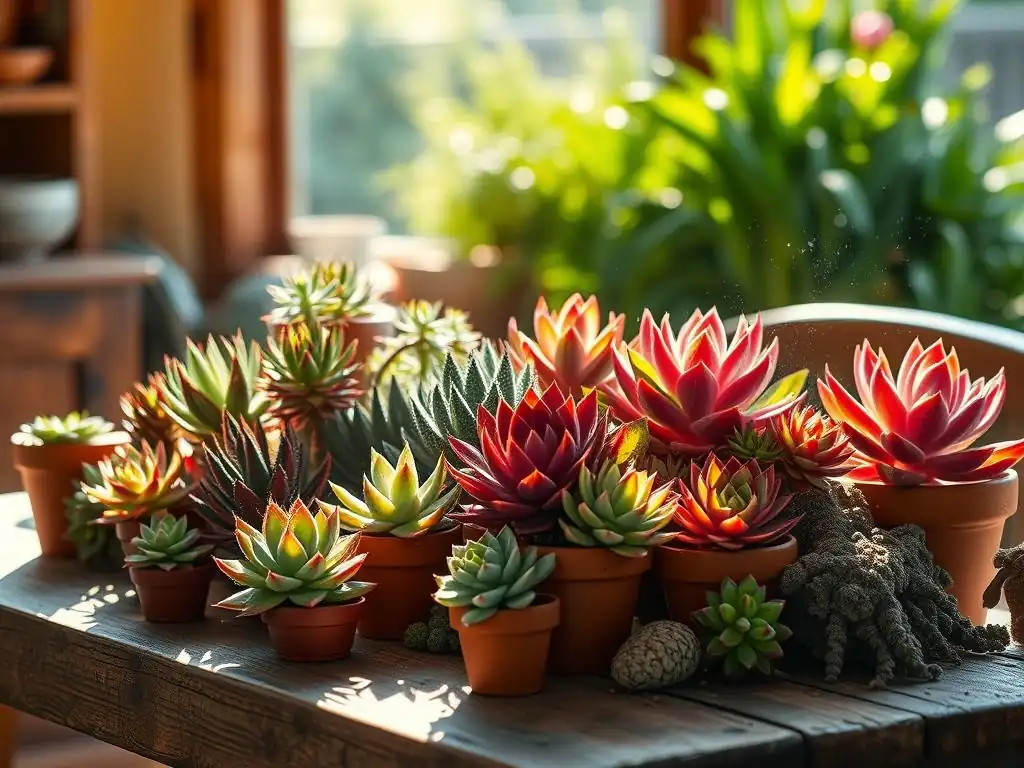
Welcome to SucculentEssentials.org, where the fascinating world of succulents unfolds before you! Are you ready to unlock the secrets to thriving succulents, regardless of your experience? Dive into our comprehensive Succulent care guide all levels and discover the artistry of cultivating these resilient plants. From beginner tips to advanced techniques, we'll equip you with the knowledge to transform your space into a miniature botanical paradise. Prepare to be amazed by the diversity and beauty waiting to be explored – your succulent journey starts now!
- Understanding Your Succulents: A Beginner's Guide to Succulent Identification
- Mastering the Art of Succulent Watering: Techniques for Healthy Growth
- Light Requirements for Thriving Succulents: Sunshine and Shade
- Soil Selection and Potting: The Foundation for Healthy Succulents
- Propagation Techniques: Growing More Succulents from Cuttings and Leaves
- Common Succulent Pests and Diseases: Prevention and Treatment
- Advanced Succulent Care: Techniques for Experienced Enthusiasts
- Resources and Further Learning: Continuing Your Succulent Journey
- Frequently Asked Questions
- Final Reflection: Cultivating Growth, Inside and Out
- Unleash Your Inner Plant Parent: Nurture Thriving Succulents!
Understanding Your Succulents: A Beginner's Guide to Succulent Identification
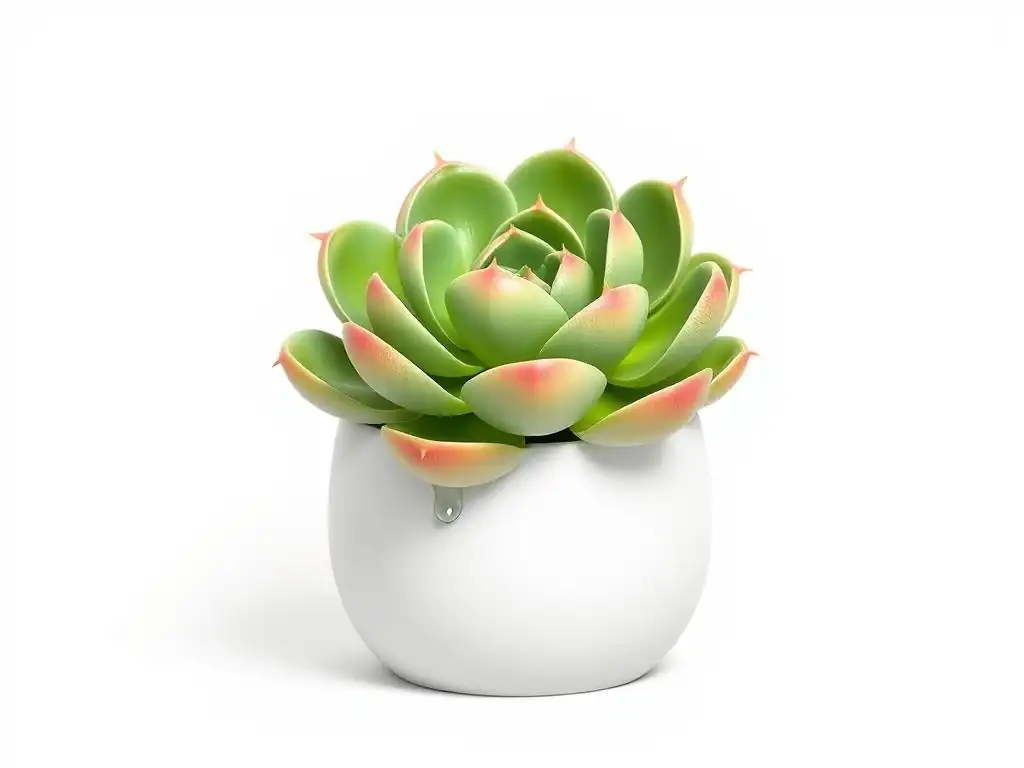
Embark on a journey into the captivating world of succulents! This comprehensive succulent care guide is designed for everyone, from the absolute beginner just starting their succulent collection to the seasoned enthusiast looking to refine their techniques. Whether you're dreaming of a vibrant windowsill display, a stunning vertical garden, or a miniature succulent terrarium, this masterclass will equip you with the knowledge and confidence to nurture these fascinating plants to their full potential.
We'll cover everything from identifying different succulent varieties and understanding their unique anatomy to mastering watering techniques and propagation methods. Get ready to elevate your green thumb and unlock the secrets to thriving succulents, regardless of your experience level!
This guide will help you confidently navigate the world of succulent care, ensuring your plants flourish and bring joy to your space. We'll explore the basics, delve into more advanced techniques, and provide practical tips to help you succeed in your succulent journey.
Identifying Common Succulent Varieties
The world of succulents boasts incredible diversity! From the spiky majesty of Agave to the delicate rosettes of Echeveria, there's a succulent to suit every taste and aesthetic. Understanding the characteristics of common varieties is the first step to providing them with the best possible care. Let's explore some popular examples:
- Echeveria: Known for their beautiful, tightly packed rosettes of fleshy leaves, Echeverias come in a wide array of colors and textures. They are relatively easy to care for, making them a popular choice for beginners.
- Sedum: This genus encompasses a vast range of succulents, exhibiting diverse growth habits, from trailing varieties perfect for hanging baskets to upright forms ideal for rock gardens. Sedums are generally hardy and adaptable.
- Haworthia: Often characterized by their striking patterns and textures, Haworthias are compact succulents that thrive in bright, indirect light. Their unique features make them a favorite among collectors.
- Aloe: Famous for their medicinal properties, Aloes are known for their thick, succulent leaves and often display beautiful spines or teeth along their margins. They require well-draining soil and prefer bright, sunny conditions.
To further aid in identification, consider these key features: leaf shape, size, color, texture (smooth, bumpy, hairy), and growth habit (rosette, trailing, columnar). Resources such as field guides and online databases can be invaluable tools in identifying your succulent specimens. Careful observation and a bit of research will help you build a robust understanding of the unique characteristics of each variety in your collection.
Understanding Succulent Anatomy
A deeper understanding of succulent anatomy will significantly improve your ability to provide appropriate care. Knowing how each part of the plant functions will help you diagnose problems and make informed decisions about watering, lighting, and propagation.
Let's break down the key components:
- Leaves: These are the primary photosynthetic organs, responsible for converting sunlight into energy. Succulent leaves are typically thick and fleshy, adapted to store water. The shape, size, and texture of the leaves vary greatly depending on the species.
- Stems: The stems support the leaves and flowers, and in some succulents, they are also significant water storage organs. Stems can be short and stout, long and trailing, or even woody.
- Roots: The root system anchors the plant and absorbs water and nutrients from the soil. Succulents typically have shallow, fibrous root systems.
- Flowers: While not all succulents flower frequently, their blooms can be spectacular and add to their overall appeal. Flowering times and colors vary widely depending on the species.
Understanding these fundamental aspects of succulent anatomy will help you better understand their needs and respond appropriately to any signs of stress or disease. For example, knowing that succulents store water in their leaves will help you avoid overwatering, a common cause of root rot. Similarly, understanding the role of the roots helps you select the appropriate potting mix and container.
Mastering the Art of Succulent Watering: Techniques for Healthy Growth
Proper watering is arguably the most crucial aspect of successful succulent care. Understanding your succulents' needs, and adapting your approach to their specific variety and environment, is key to thriving plants. This section delves into the nuances of succulent hydration, equipping you with the knowledge to avoid common pitfalls and nurture your collection to its full potential. This comprehensive succulent care guide will cover all levels of experience.
The Importance of Proper Watering
Succulents, unlike many other plants, are adapted to arid conditions. They store water in their leaves, stems, and roots, making them remarkably drought-tolerant. However, this doesn't mean they can survive on neglect. Improper watering is a leading cause of succulent death. Underwatering leads to shriveling and ultimately, death.
Overwatering, however, causes root rot, a devastating fungal infection that quickly overwhelms the plant's ability to absorb nutrients and water. The goal is to find the "Goldilocks zone"—watering just enough to keep the soil moist but not soggy. This delicate balance requires observation and adaptation based on factors like climate, pot size, and the specific succulent species. Remember, a happy succulent is a plump succulent! 🌵
Watering Schedules
There's no single watering schedule that fits all succulents. The frequency depends on several factors:
- Pot size and material: Smaller pots dry out faster than larger ones. Terracotta pots are porous and allow for more evaporation than plastic or glazed ceramic pots.
- Season: Water less frequently during the winter months when succulents are dormant and more frequently during the warmer growing season (spring and summer).
- Environment: Hot, dry, and sunny conditions will require more frequent watering than cooler, shadier environments.
- Succulent type: Some succulents, like Echeveria, are more drought-tolerant than others, like Sedum, which might require slightly more frequent watering.
A good rule of thumb is to allow the top inch or two of soil to dry out completely before watering thoroughly. Water deeply until water drains from the drainage holes, ensuring the entire root system is moistened. Then, allow the excess water to drain completely; never let your succulents sit in standing water.
| Season | Watering Frequency (Example) | Notes |
|---|---|---|
| Spring/Summer | Every 7-10 days | Adjust based on environmental conditions and pot type. |
| Autumn/Winter | Every 2-3 weeks | Reduce watering significantly during dormancy. Allow soil to dry fully. |
Recognizing Signs of Underwatering and Overwatering
Learning to recognize the signs of both underwatering and overwatering is crucial for maintaining healthy succulents. Early detection allows for corrective action before irreversible damage occurs.
Underwatering:
- Leaves become shriveled and wrinkled: This is a clear indication that the plant is dehydrated.
- Leaves feel soft and limp: A loss of turgor pressure indicates a lack of water.
- Leaves change color, often becoming pale or dull: The plant is struggling to produce chlorophyll.
Overwatering:
- Leaves become mushy or soft to the touch: This indicates root rot is setting in.
- Leaves develop dark spots or lesions: Signs of fungal or bacterial infections.
- Soil remains consistently wet or soggy: Poor drainage is contributing to the problem.
- A foul odor may emanate from the soil: This is a strong indicator of root rot.
By carefully monitoring your succulents and adjusting your watering practices accordingly, you'll significantly increase your chances of cultivating a thriving and beautiful collection. Remember, patience and observation are key to mastering the art of succulent watering! Happy growing! 🎉
Choosing the Right Watering Method
Selecting the appropriate watering method is crucial for succulent health and vitality. Overwatering is a common culprit behind succulent demise, so understanding your options and choosing the best one for your plants and lifestyle is key. There are several methods to consider, each with its own advantages and disadvantages.
One popular method is bottom watering. This involves placing the succulent pot in a tray filled with a few inches of water, allowing the soil to absorb moisture from the bottom up. This technique is beneficial because it ensures even saturation of the soil, reducing the risk of surface runoff and preventing salts from accumulating on the soil's surface.
Bottom watering is particularly effective for succulents planted in well-draining pots with drainage holes. However, it requires more time and attention, as you need to monitor the water level and remove the pot once the soil is sufficiently moist. It's less convenient than top watering but can be very effective for preventing overwatering, which is a significant problem for many succulent growers.
Conversely, top watering involves pouring water directly onto the soil surface. This is the most common method, simple and quick. However, it carries a higher risk of overwatering if not done carefully. Water should be applied slowly and gently, allowing the soil to absorb it gradually.
Avoid getting the leaves wet, as this can lead to rot. Top watering is best suited for fast-draining potting mixes and pots with ample drainage holes. Regular observation is needed to avoid overwatering. The key is to let the soil dry out completely between waterings—a finger test (inserting your finger a couple of inches into the soil to check for moisture) is a great way to gauge this.
Another less common but effective method is soaking. This involves completely submerging the pot in water for a short period, usually 15-30 minutes, allowing the soil to become thoroughly saturated. This approach works best for smaller pots and succulents with shallow root systems. After soaking, allow the pot to drain completely before returning it to its usual location. This is less frequent but can be a very effective way to deep water succulents, especially during drier periods. It’s crucial to avoid leaving them submerged for too long, or root rot can easily occur.
Finally, consider the drip irrigation system. While more of an investment upfront, drip irrigation provides a consistent and controlled watering approach, ideal for larger collections or those with limited time. This system delivers water directly to the roots, minimizing water waste and preventing leaf rot. However, it requires the installation of a system and regular maintenance. This method is best suited for established succulent gardens or large collections where consistent and controlled watering is essential for optimal growth. The benefits of minimal water waste and reduced labor are significant for those with many succulents.
Light Requirements for Thriving Succulents: Sunshine and Shade
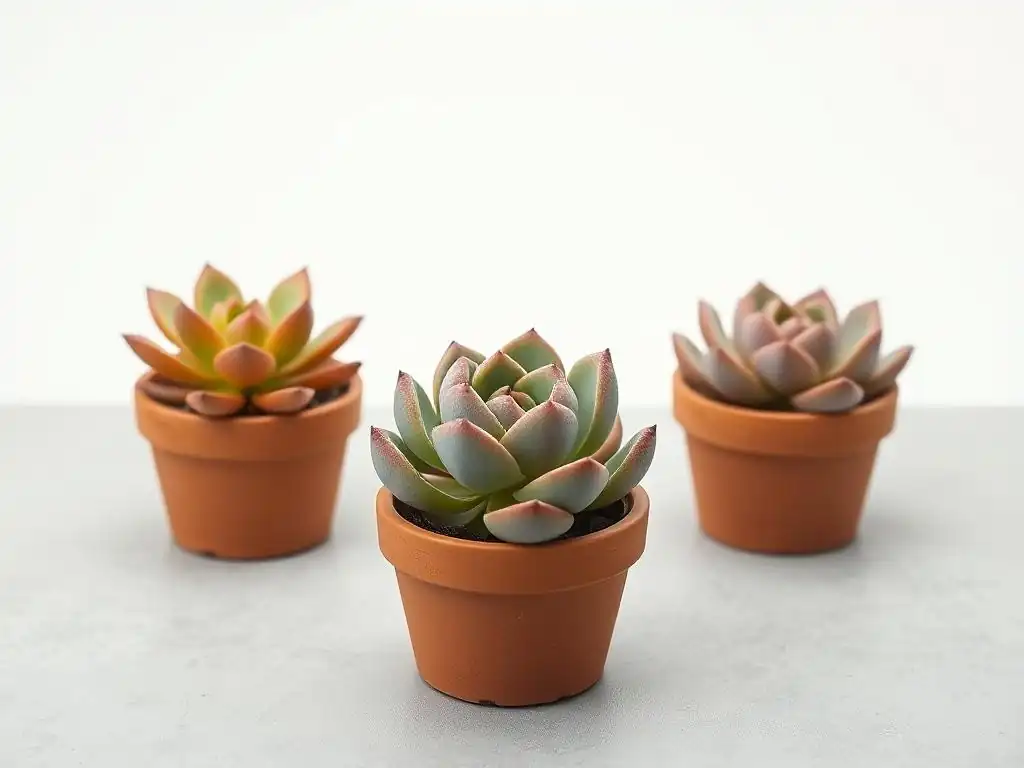
Succulents, with their diverse origins and adaptations, have varying needs when it comes to sunlight. A comprehensive succulent care guide must address this crucial aspect to ensure healthy growth and vibrant coloration. Failing to provide the correct amount of light can lead to etiolation (leggy growth), weak stems, and susceptibility to diseases. This section will delve into the specifics of light requirements, helping you master the art of providing optimal illumination for your succulent collection. Remember, understanding light is paramount for successful succulent cultivation at all levels of expertise.
Optimal Light Exposure for Different Succulents
Not all succulents bask in the same amount of sunlight. Some thrive in full sun, while others prefer partial shade or even filtered light. The following table summarizes the light preferences of some popular succulent varieties:
| Succulent Type | Light Requirement | Notes |
|---|---|---|
| Echeveria | Full sun to partial shade | Needs protection from intense midday sun in hot climates. |
| Sedum | Full sun | Tolerates intense heat and direct sunlight. |
| Haworthia | Partial shade to filtered light | Avoids direct, harsh sunlight; prefers bright, indirect light. |
| Sempervivum (Hens and Chicks) | Full sun to partial shade | Adaptable, but prefers at least several hours of direct sunlight daily. |
| Aloe vera | Full sun to partial shade | Can tolerate some shade, but full sun promotes optimal growth and potency. |
Understanding these nuances is key to providing the right environment for each succulent in your collection. For instance, an Echeveria placed in full, unshaded sun during the peak heat of summer might suffer sunburn, while a Haworthia in direct sunlight will likely become stressed and its leaves might turn brown.
Understanding Sunlight Intensity
Sunlight intensity varies throughout the day and across seasons. The amount of light a succulent receives isn't just about the number of hours of sun, but also about the intensity of that sun. Midday sun is significantly more intense than morning or late afternoon sun. Consider these factors:
- Latitude: Your geographical location influences the intensity and duration of sunlight. Higher latitudes receive less intense sunlight, especially during winter.
- Season: Summer months typically offer more intense sunlight than winter months.
- Orientation: South-facing windows receive the most direct sunlight, while east and west-facing windows receive gentler light. North-facing windows typically receive the least amount of direct sunlight.
Monitoring the light your succulents receive and adjusting their placement accordingly is crucial for their well-being. Observe your plants carefully. Signs of too much sun include sunburn (brown or bleached spots), leaf shriveling, and stunted growth. Signs of too little sun include etiolation (long, spindly growth) and pale coloration.
Adapting Succulents to Different Light Conditions
Gradually introducing succulents to different light conditions is essential to prevent shock. Don't suddenly move a shade-loving succulent into full sun or vice versa. Instead, acclimate them slowly over a period of several weeks. Start with a few hours of direct sunlight and gradually increase the exposure as the plant adapts. This process, often referred to as hardening off, minimizes the risk of sun damage and allows the succulent to adjust to its new environment without stress. Similarly, if you're moving a sun-loving succulent to a shadier location, gradually reduce its sun exposure to avoid sudden stress.
Remember, careful observation is key. Regularly inspect your succulents for signs of stress, adjusting their position as needed to optimize their light exposure. A successful succulent care guide emphasizes this continuous monitoring and adaptation to ensure optimal plant health. By understanding and responding to your succulents' needs, you'll cultivate a thriving and vibrant collection, regardless of your experience level.
Signs of Insufficient or Excessive Light
Insufficient light is a common problem for indoor succulents, leading to a cascade of negative effects. One of the most noticeable signs is etiolation, where the plant stretches excessively towards a light source, resulting in long, spindly stems and widely spaced leaves. This is the plant's desperate attempt to reach more light.
The leaves themselves may also become paler, smaller, and less vibrant in color, losing their characteristic hues. Additionally, a succulent suffering from light deprivation may exhibit stunted growth, failing to develop at a healthy rate. You might also notice a lack of flowering, as sufficient light is often crucial for succulents to bloom.
In severe cases, the plant may become weak and susceptible to diseases. Remember, even succulents that tolerate shade still need some light; complete darkness is detrimental. Identifying these symptoms early allows for corrective action, such as moving the plant closer to a window or supplementing with grow lights.
Conversely, excessive sunlight can be just as damaging. While succulents love sunshine, too much direct, intense light can lead to sunburn. This manifests as brown, scorched patches or blotches on the leaves, particularly on the parts exposed to the strongest rays. The leaves may also become crispy and dry, eventually shriveling and falling off.
The plant's overall appearance might seem dehydrated, even if the soil is moist. The sunburn damage is often irreversible, though you can try to protect the remaining healthy parts of the plant from further damage. Observe your succulents carefully during peak sun hours, especially during the summer months. If you notice signs of sunburn, consider providing some shade, either by moving the plant or using a sheer curtain to diffuse the light.
Careful observation and timely adjustments are key to preventing and mitigating the negative effects of excessive light exposure. Understanding the specific light needs of your succulent variety is also crucial, as some are more tolerant of intense sun than others. For example, Sedum morganianum (Burro's Tail) thrives in bright, indirect light, while Echeveria species often tolerate more direct sun, but even then, midday sun can be too intense.
Soil Selection and Potting: The Foundation for Healthy Succulents
Selecting the appropriate soil and pot is paramount for successful succulent cultivation. Unlike many plants that thrive in rich, moisture-retentive soil, succulents require a well-draining medium to prevent root rot, a common culprit in succulent demise. Understanding the nuances of soil composition and pot selection is crucial for every level of succulent enthusiast, from beginner to expert. This section will guide you through the process, providing practical tips and recipes to ensure your succulents flourish. This is a key component of any comprehensive succulent care guide for all levels.
Choosing the Right Potting Mix
The ideal potting mix for succulents mimics their natural, arid environments. It should be porous, allowing for excellent drainage and aeration. Avoid using garden soil, as it retains too much moisture and lacks the necessary drainage. Instead, opt for a commercial cactus and succulent mix, or create your own blend using the recipes detailed below. A well-draining mix is the cornerstone of healthy root systems, preventing waterlogging and fungal diseases. Consider these factors when choosing or making your potting mix:
- Drainage: The most critical aspect. The mix should allow water to drain quickly and completely.
- Aeration: Good airflow around the roots prevents compaction and promotes healthy growth.
- Nutrient Content: While succulents don't need highly fertile soil, a balanced blend provides essential nutrients for sustained growth. Avoid mixes that are too rich in organic matter.
- Particle Size: A mix of coarse and fine particles ensures optimal drainage and aeration.
Proper drainage is crucial for preventing root rot, a common problem for succulents kept in improperly draining soil. Symptoms include mushy leaves and stems, and a foul odor. Remember, it’s always better to underwater than overwater your succulents.
DIY Potting Mix Recipes
Creating your own succulent potting mix offers greater control over the ingredients and allows for customization based on your specific needs and the type of succulent. Here are two popular recipes:
Recipe 1: Basic Succulent Mix
- 1 part potting soil
- 1 part coarse sand (play sand works well)
- 1 part perlite (or pumice)
Recipe 2: Enhanced Drainage Mix
- 2 parts coarse sand
- 1 part perlite
- 1/2 part potting soil
- 1/4 part small gravel (optional, for improved drainage)
These ratios can be adjusted based on your climate and the specific needs of your succulents. Always ensure the mix is well-drained before planting. For example, if you live in a particularly humid climate, you may want to increase the proportion of perlite or pumice. Conversely, in a very dry climate, you might reduce the amount of inorganic components. Experimentation is key to finding the perfect blend for your succulents. Remember to sterilize any reused containers to prevent the spread of disease.
Repotting Your Succulents
Repotting is essential for the long-term health of your succulents. As they grow, they may outgrow their containers or the soil may become compacted, hindering proper drainage. Repotting allows you to refresh the soil and provide ample space for root growth. Here's a step-by-step guide:
- Choose the Right Time: Spring or early summer is ideal, allowing the succulents ample time to establish themselves before winter.
- Select a Suitable Pot: Choose a pot slightly larger than the previous one, ensuring adequate drainage holes. Terracotta pots are excellent for succulents due to their porosity.
- Prepare the Soil: Use a fresh batch of your chosen succulent potting mix.
- Gently Remove the Succulent: Carefully remove the succulent from its current pot, gently loosening the roots if necessary.
- Inspect the Roots: Check for any signs of rot or damage. Trim away any dead or decaying roots.
- Plant in the New Pot: Place the succulent in the new pot, ensuring the top of the root ball is level with the soil surface.
- Fill with Soil: Gently fill the pot with the potting mix, leaving some space at the top.
- Water Lightly: Water lightly after repotting, allowing the soil to drain completely.
Remember to handle succulents gently to avoid damaging their delicate leaves and stems. Proper repotting ensures your succulents continue to thrive for years to come. This detailed guide provides a comprehensive approach to succulent care, addressing all levels of expertise. 🪴
Selecting the Perfect Pot
Choosing the right pot is crucial for succulent health and thriving. The pot's material, size, and drainage significantly impact water retention and root health. Avoid pots that retain too much moisture, as this can lead to root rot, a common problem for succulents. Conversely, pots that drain too quickly can lead to dehydration. Finding the sweet spot depends on several factors.
Consider the material first. Terracotta pots are popular because they are porous, allowing for excellent drainage and airflow. This helps prevent the soil from becoming waterlogged, a major benefit for succulents that prefer drier conditions. However, terracotta pots also dry out more quickly, requiring more frequent watering, especially during warmer months.
Plastic pots, on the other hand, retain moisture longer, which can be advantageous in drier climates or for less experienced succulent owners. They are also lighter and less prone to breakage. Ceramic pots offer a balance, providing good drainage while retaining moisture longer than terracotta. The glazed finish on some ceramic pots can affect drainage, so look for unglazed options or those with drainage holes.
The size of the pot is equally important. Select a pot that is slightly larger than the succulent's root ball, allowing for some room for growth. A pot that is too large can lead to overwatering, as the excess soil will retain too much moisture. Conversely, a pot that's too small will restrict root growth, ultimately hindering the plant's development. Always examine the root system before repotting to determine the appropriate size. Overly crowded roots necessitate a larger pot, whereas healthy, well-spaced roots might only need a slight upgrade in size.
Finally, drainage holes are non-negotiable. Without adequate drainage, water will accumulate at the bottom of the pot, creating a breeding ground for bacteria and fungi that can cause root rot. Ensure your chosen pot has multiple drainage holes to facilitate proper water runoff. If your chosen pot lacks drainage, consider adding a layer of gravel or pebbles at the bottom before adding soil to improve drainage. This simple addition can make a considerable difference in your succulent's health. Remember, proper drainage is the cornerstone of successful succulent cultivation; a well-chosen pot is the first step towards a thriving collection.
Propagation Techniques: Growing More Succulents from Cuttings and Leaves
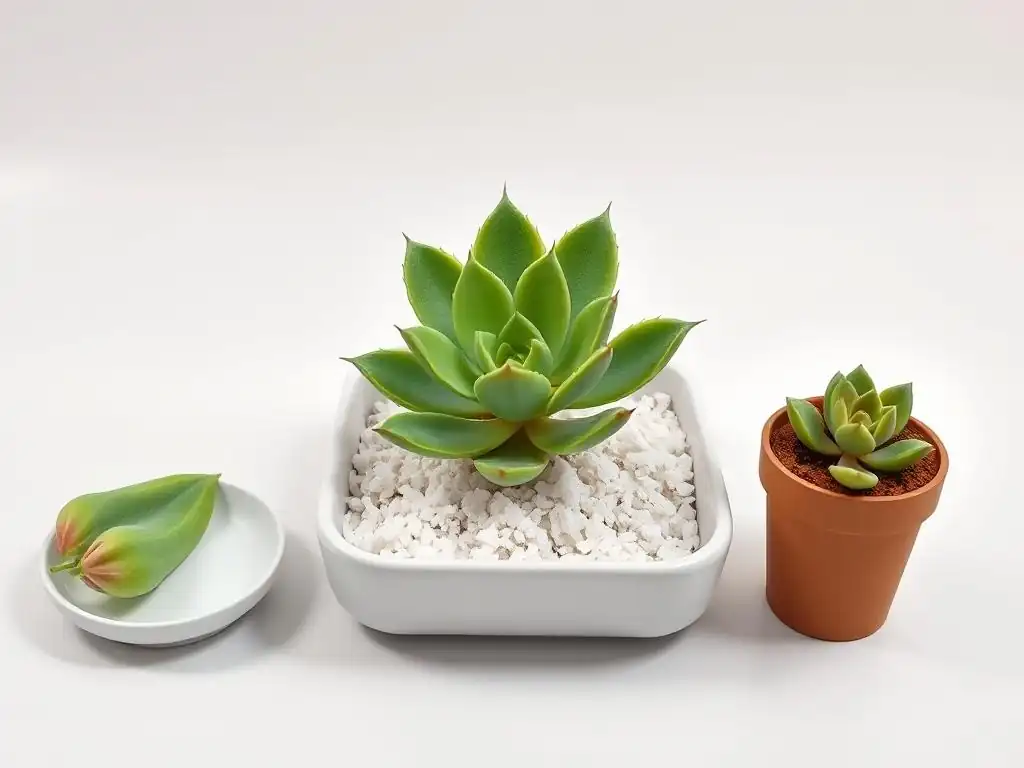
This section delves into the fascinating world of succulent propagation, a rewarding process that allows you to expand your collection and share the beauty of these resilient plants. We'll explore two primary methods: leaf propagation and stem cuttings propagation, providing you with a comprehensive succulent care guide all levels can understand and implement. Mastering these techniques will significantly enhance your succulent gardening journey. Remember, patience is key; some succulents propagate more easily than others.
Leaf Propagation
Leaf propagation is a surprisingly simple method, ideal for many succulent varieties. It involves separating a healthy, mature leaf from the mother plant and allowing it to root and grow a new plant. Here's a step-by-step guide:
- Selection: Choose plump, healthy leaves showing no signs of damage or disease. Avoid leaves that are too young or old.
- Separation: Gently twist or pull the leaf from the stem, ensuring a clean break. Avoid using sharp tools, as this can damage the leaf.
- Callusing: Allow the detached leaf to callus for a few days. This allows the wound to heal and reduces the risk of rot. Place the leaf on a dry, well-ventilated surface.
- Planting: Once calloused, place the leaf on a well-draining succulent potting mix. You can lightly press it into the soil, ensuring a small portion of the leaf remains in contact with the medium. Avoid burying the entire leaf.
- Watering: Water sparingly, only when the soil is completely dry. Overwatering is a common cause of failure in leaf propagation.
- Patience: Depending on the succulent species and environmental conditions, new growth may appear in a few weeks or several months. Be patient and avoid disturbing the leaf during this period.
Example: Echeveria and Sedum species are particularly well-suited to leaf propagation. Their leaves readily produce plantlets at the base.
Stem Cuttings Propagation
Stem cuttings are another effective propagation method, especially for succulents that don't readily propagate from leaves. This technique involves taking a cutting from the stem and rooting it to grow a new plant.
- Cutting Selection: Choose a healthy stem section, ideally 3-4 inches long. Ensure the cutting includes several leaf nodes.
- Cutting Preparation: Use a clean, sharp knife or pruning shears to make a clean cut just below a leaf node.
- Callusing (Optional): Similar to leaf propagation, allowing the cut end to callus for a few days can improve success rates.
- Planting: Insert the cut end of the stem into well-draining succulent potting mix. Ensure the lower leaves are above the soil line to prevent rot.
- Support (Optional): For taller cuttings, consider using a small stake for support to prevent the cutting from falling over.
- Watering: Water sparingly, ensuring the soil is dry between waterings.
- Monitoring: Regularly check for signs of new growth, indicating successful rooting.
Example: Many types of succulents, including Crassula ovata (Jade Plant) and Kalanchoe, propagate well from stem cuttings.
Propagation Tips for Different Succulent Types
The success of succulent propagation varies depending on the specific species. While the general principles remain the same, some adjustments may be necessary.
| Succulent Type | Propagation Method | Specific Tips | Success Rate |
|---|---|---|---|
| Echeveria | Leaf, Stem Cuttings | Easy to propagate from leaves; stem cuttings also work well | High |
| Sedum | Leaf, Stem Cuttings | Leaves readily produce plantlets; stem cuttings are reliable | High |
| Crassula ovata (Jade) | Stem Cuttings | Stem cuttings root easily; avoid overwatering | High |
| Kalanchoe | Leaf, Stem Cuttings | Leaf propagation can be challenging; stem cuttings are preferred | Medium |
| Haworthia | Leaf, Offsets | Leaves can be slow to root; offsets are easier to propagate | Medium |
Remember that consistent care is crucial for successful propagation. Provide adequate light, well-draining soil, and careful watering to nurture your new succulent babies. Happy propagating! 🎉
Creating a Successful Propagation Environment
Creating the ideal environment for succulent propagation is crucial for success. The right conditions mimic the plant's natural habitat, encouraging root development and preventing rot. This involves careful consideration of several key factors: light, humidity, temperature, and airflow.
Let's start with light. While succulents thrive in bright, indirect sunlight, newly propagated cuttings and leaves are more sensitive. Direct sunlight can scorch their delicate tissues before they've established roots. Therefore, a location with bright, filtered light is ideal – perhaps a shaded windowsill or a spot under a sheer curtain. Avoid placing them in completely dark areas, however, as this can lead to etiolation (leggy growth due to insufficient light).
Humidity plays a surprisingly important role. While succulents are drought-tolerant, high humidity can lead to fungal growth and rot in the propagation stage. Good air circulation is key to managing humidity levels. A well-ventilated area, perhaps with a gentle fan, is preferred over a humid, stagnant environment. Avoid covering the cuttings or leaves with plastic unless absolutely necessary and only for a short period to increase humidity briefly.
The temperature should be consistently warm, mirroring the natural growing season of most succulents. Temperatures between 65-75°F (18-24°C) are generally optimal. Avoid extreme temperature fluctuations, as these can stress the plants and hinder root development. Keep them away from drafts and heating/cooling vents.
Finally, airflow is essential to prevent fungal diseases and ensure the cuttings don't become overly damp. Good air circulation helps to keep the leaves dry and reduces the risk of rot. A gentle breeze from a fan can be beneficial, but avoid strong winds that could damage the delicate cuttings. Remember to monitor the environment regularly and adjust as needed to maintain optimal conditions for successful propagation.
Consistent monitoring is key to preventing issues and ensuring healthy growth. Even minor adjustments can significantly impact the success rate. Don't be afraid to experiment and find what works best in your specific environment.
Common Succulent Pests and Diseases: Prevention and Treatment
This section delves into the common pests and diseases that can affect your beloved succulents, offering practical prevention strategies and effective treatment methods. A healthy succulent is a happy succulent, and understanding these potential threats is crucial for maintaining a thriving collection. This guide is tailored for succulent care at all levels, from beginner to expert.
Identifying Common Pests
Identifying pests early is key to successful treatment. Many common succulent pests are small and easily overlooked, so regular inspection is vital. Here's a breakdown of some common culprits:
- Mealybugs: These tiny, white, cottony insects cluster in leaf axils and crevices. They suck sap, causing yellowing and stunted growth. A magnifying glass can help with identification, especially in early stages.
- Aphids: These soft-bodied insects, often green or black, cluster on new growth and stems, also sucking plant sap. They can cause leaf distortion and wilting, and secrete honeydew, leading to sooty mold.
- Spider Mites: These microscopic pests are difficult to see with the naked eye, but their presence is indicated by fine webbing on leaves and stippling (tiny yellow or white spots) on the foliage. Severe infestations can cause leaf discoloration and dropping.
- Scale Insects: These immobile pests appear as small, hard bumps on stems and leaves. They are often brown or black and can be difficult to remove. They, too, suck plant sap.
Table 1: Pest Identification and Initial Response
| Pest | Appearance | Symptoms | Initial Response |
|---|---|---|---|
| Mealybugs | White, cottony masses | Yellowing leaves, stunted growth | Isolate plant, manual removal |
| Aphids | Small, soft-bodied insects (green/black) | Leaf distortion, wilting, honeydew secretion | Isolate plant, insecticidal soap |
| Spider Mites | Fine webbing, stippling on leaves | Yellow/white spots, leaf discoloration | Isolate plant, insecticidal soap/mite spray |
| Scale Insects | Small, hard bumps (brown/black) | Yellowing leaves, stunted growth | Isolate plant, manual removal/insecticidal oil |
Remember to always carefully inspect new succulents before introducing them to your existing collection to prevent infestations. 🧐
Preventing Disease
Disease prevention in succulents relies heavily on proper care and hygiene. Here are some crucial preventative measures:
- Proper Watering: Overwatering is a major culprit in fungal diseases. Ensure well-draining soil and allow the soil to dry out completely between waterings. Avoid getting water on the leaves, especially in cooler, humid conditions.
- Good Air Circulation: Ensure adequate air circulation around your succulents to prevent the build-up of humidity, which can encourage fungal growth. Avoid overcrowding your plants.
- Sterile Tools: Always sterilize your pruning shears and other tools before and after use to prevent the spread of diseases. A simple solution of diluted bleach can be effective.
- Quarantine New Plants: Always quarantine new succulents for a few weeks before introducing them to your established collection to observe for any signs of pests or diseases.
Following these preventative measures significantly reduces the risk of succumbing to common succulent ailments.
Treating Common Diseases
While prevention is paramount, sometimes diseases still occur. Early detection and appropriate treatment are crucial. Some common succulent diseases include:
- Root Rot: This fungal disease is often caused by overwatering and poor drainage. Symptoms include mushy, brown roots and wilting leaves. Treatment often involves removing affected roots, repotting in fresh, well-draining soil, and adjusting watering practices. 😭
- Leaf Spot: This fungal or bacterial disease manifests as brown or black spots on the leaves. Treatment may involve removing affected leaves, improving air circulation, and using a fungicide or bactericide (if identified).
- Crown Rot: This fungal disease affects the base of the plant, causing it to rot and collapse. Treatment is difficult and often unsuccessful, but preventative measures are crucial.
Important Note: Always identify the specific disease before applying any treatment. Improper treatment can worsen the situation. If unsure, consult a horticultural expert or a local nursery for guidance. Accurate diagnosis and treatment are vital for successful recovery.
Integrated Pest Management
Integrated Pest Management (IPM) for succulents emphasizes a proactive, holistic approach, minimizing pesticide use while maximizing plant health. It's about preventing pest problems before they start, rather than reacting to infestations. This strategy relies on a multi-pronged attack, combining several techniques to create a robust defense for your succulent collection. A key element is regular inspection. Thoroughly examine your succulents weekly, checking for any signs of pests or diseases. Early detection is crucial for effective and less intensive treatment. Look closely at leaves, stems, and the soil surface.
The next step is cultural control. Providing optimal growing conditions significantly reduces the likelihood of pest infestations. This includes ensuring proper watering (avoiding overwatering which creates a humid environment attractive to pests), providing adequate sunlight, and using well-draining soil. Healthy, vigorous succulents are far better equipped to withstand pest attacks. Proper spacing between plants also improves air circulation, discouraging fungal growth and pest proliferation. Think of it like creating a less hospitable environment for unwelcome guests!
Mechanical control methods are another important component of IPM. This involves physically removing pests. For example, you can handpick mealybugs or aphids from your succulents. A strong spray of water can dislodge many soft-bodied insects. Sticky traps can be effective for catching flying insects like fungus gnats that might be affecting the soil. Remember to dispose of removed pests properly to prevent re-infestation. For larger infestations, you might need to consider more intensive methods, but always start with the least toxic options first.
Finally, biological control can be a valuable tool. Introducing beneficial insects, like ladybugs or lacewings, can help control pest populations naturally. These beneficial insects prey on many common succulent pests, providing a natural and environmentally friendly control method. However, it's important to research the specific beneficial insects appropriate for your region and the pests you're dealing with to ensure effectiveness and avoid unintended consequences. Remember, a balanced approach is key to successful IPM. By combining these strategies, you can create a thriving succulent garden while minimizing the need for harsh chemicals.
Advanced Succulent Care: Techniques for Experienced Enthusiasts
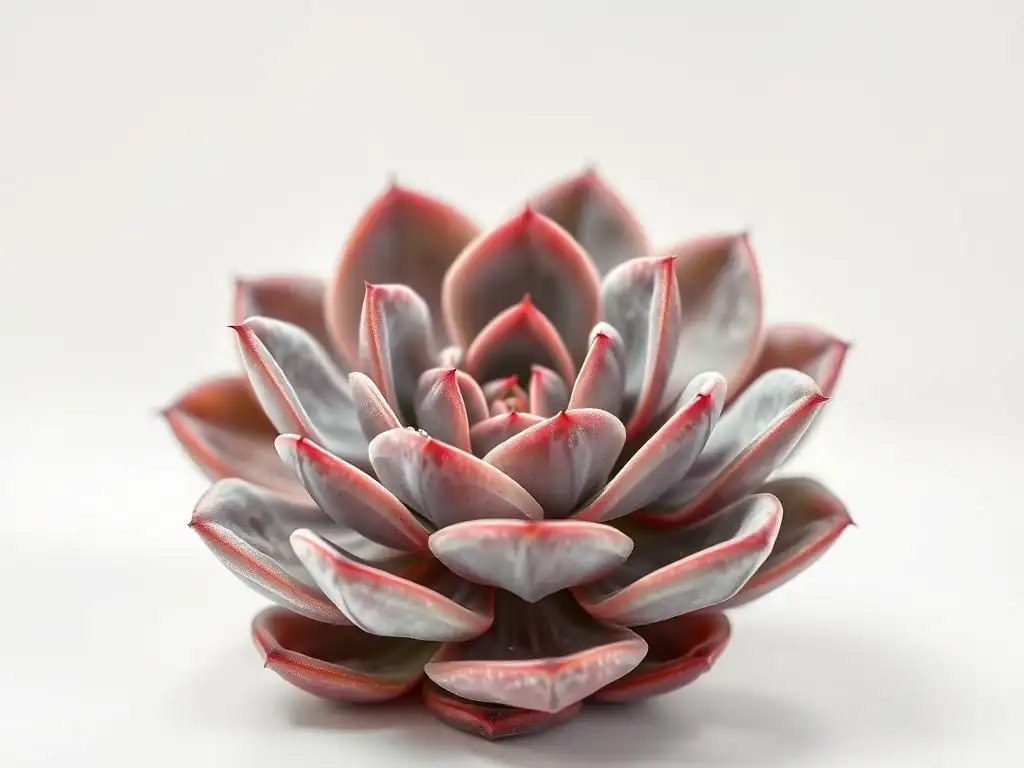
This section delves into sophisticated succulent care techniques designed for enthusiasts who have mastered the basics and are ready to elevate their skills. We'll explore advanced propagation methods, creating breathtaking arrangements, and understanding the nuances of succulent dormancy. This guide will help you achieve truly exceptional results in your succulent cultivation journey. Mastering these techniques will transform your collection from simply thriving to flourishing spectacularly.
Creating Stunning Succulent Arrangements
Designing captivating succulent arrangements requires more than just planting; it's an art form that blends aesthetics with horticultural knowledge. Consider these advanced techniques:
- Layering and Texturing: Don't just cluster succulents together. Experiment with layering different sizes and textures. Use larger, statement succulents as anchors, surrounded by smaller, contrasting varieties. Think about the interplay of colors, shapes, and heights to create visual depth. For instance, pair the spiky rosette of an Echeveria with the trailing tendrils of a Sedum morganianum (Burro's Tail) for a dramatic effect.
- Container Selection: The pot is as crucial as the plants themselves. Choose containers that complement the arrangement’s style. Terracotta pots offer excellent drainage, while glazed ceramic pots retain moisture longer – each choice impacts watering frequency. Unusual containers, such as repurposed vintage tins or wooden boxes, can add unique character.
- Soil Composition Refinement: Beyond the basic succulent soil mix, consider adjusting the proportions based on the specific needs of your chosen succulents. Some prefer more drainage, while others tolerate slightly more moisture retention. Experiment with adding perlite, pumice, or even coarse sand to fine-tune the soil's drainage and aeration. Regularly testing soil moisture levels is key to preventing root rot.
- Advanced Watering Techniques: Avoid overwatering, a common pitfall. Instead of following a strict schedule, learn to assess the soil's moisture content. Use a moisture meter or stick your finger a couple of inches into the soil. Water only when the soil is completely dry. Consider bottom-watering, allowing the soil to absorb water from the bottom of the pot.
Advanced Propagation Techniques
Beyond leaf cuttings and offsets, experienced succulent growers explore more challenging propagation methods for expanding their collections and preserving rare varieties.
- Stem Cuttings: This technique involves taking cuttings from the stems of certain succulents. Ensure you have a sharp, clean knife or shears to prevent the spread of disease. Allow the cuttings to callus over before planting them in a well-draining substrate. Some succulents, like Sedum, propagate very easily from stem cuttings.
- Grafted Succulents: Grafting combines two different succulent species, often to improve the hardiness or flower production of a specific variety. This requires precision and skill, but the results can be truly unique. This technique is more advanced and requires careful planning and execution.
- Tissue Culture: This laboratory-based method involves growing succulents from tiny pieces of plant tissue in a sterile environment. This allows for rapid multiplication of desirable varieties, but requires specialized equipment and aseptic techniques. It's a highly advanced technique best left to professionals or very experienced hobbyists.
Understanding Succulent Dormancy
Succulents, like many other plants, enter periods of dormancy. Understanding and adapting your care routine during these periods is essential for their long-term health.
- Recognizing Dormancy: Dormancy can manifest in several ways: slowed or stopped growth, changes in leaf color (often duller), and decreased watering needs. The timing of dormancy varies depending on the species and climate, but it typically occurs during the hottest summer months or the coldest winter months.
- Adjusting Care During Dormancy: During dormancy, reduce or completely stop fertilizing. Watering should be significantly reduced or even suspended altogether, depending on the climate and the type of succulent. Avoid placing them in direct sunlight during the hottest parts of the day. This is not a time for propagation.
- Monitoring for Pests and Diseases: While growth is slow, pests and diseases can still affect succulents during dormancy. Regularly inspect your plants for any signs of infestation or disease. Address any issues promptly. Prevention is key, so ensure proper air circulation around your plants.
This detailed guide provides a solid foundation for taking your succulent care to the next level. Remember, patience and observation are key to success in cultivating these unique and rewarding plants. Happy growing! 🎉
Troubleshooting Advanced Problems
Even experienced succulent enthusiasts occasionally encounter unexpected challenges. Successfully navigating these issues requires a keen eye for detail and a methodical approach to diagnosis and treatment. Let's explore some advanced troubleshooting scenarios and how to address them effectively.
One common advanced problem is root rot, which can manifest subtly in mature plants. While beginners might see obvious signs like mushy stems, advanced rot can occur deep within the root system, initially showing as stunted growth or discoloration of lower leaves, even with seemingly adequate watering. Diagnosis involves carefully removing the plant from its pot and inspecting the roots. Healthy roots are firm and white or light brown; rotten roots are dark brown or black and mushy.
Treatment involves removing the affected roots, applying a fungicide, and repotting in fresh, well-draining soil. Prevention focuses on using appropriate potting mixes and avoiding overwatering. Remember, it's better to underwater than overwater succulents, especially established plants.
Another advanced issue is pest infestations, which can be particularly damaging to large collections. While common pests like mealybugs and aphids are relatively easy to spot and treat, more insidious infestations, like those caused by root mealybugs, require more thorough investigation. Root mealybugs are difficult to detect as they reside in the soil and on the roots.
Signs include wilting, yellowing leaves, and stunted growth, despite appropriate watering and sunlight. Treatment requires repotting, carefully washing the roots, and using systemic insecticides. Regular inspection of your plants and proactive preventative measures, such as introducing beneficial insects, are crucial for managing these infestations.
Finally, nutritional deficiencies can present unique challenges in established succulents. While beginners might focus on basic watering and sunlight, experienced growers need to consider the nutritional needs of their plants, especially those in containers. Symptoms of nutrient deficiency can vary depending on the missing nutrient.
For example, nitrogen deficiency might lead to pale, yellow leaves, while phosphorus deficiency can result in stunted growth and dark purple coloration. Addressing these deficiencies requires careful analysis, often involving soil testing, and the application of appropriate fertilizers. It's crucial to choose a fertilizer specifically formulated for succulents, avoiding over-fertilization which can lead to salt buildup and root damage.
Remember to always follow the manufacturer's instructions carefully. Using a balanced fertilizer diluted to half strength is a good starting point, and monitoring the plants' response is key. Using slow-release fertilizers can help prevent nutrient burn and ensures a consistent supply of nutrients throughout the growing season.
Resources and Further Learning: Continuing Your Succulent Journey
This section provides you with valuable resources to continue your succulent care journey, regardless of your experience level. From beginner-friendly guides to expert-level discussions, these resources will help you deepen your knowledge and refine your succulent-growing skills. We encourage you to explore these avenues to further enhance your understanding of succulent care.
Recommended Books and Websites
Expanding your knowledge beyond this succulent care guide is crucial for long-term success. Many excellent resources are available to help you on your path. Here are a few recommended books and websites that offer detailed information and diverse perspectives on succulent cultivation:
- Books: Consider exploring titles focusing on specific succulent genera (like Echeveria or Sedum) for in-depth insights. Look for books with high-quality photography to aid in identification and understanding plant characteristics. Books covering propagation techniques, pest and disease management, and creating stunning succulent arrangements are also highly recommended. Pay attention to publication dates; newer books often incorporate the latest research and best practices.
- Websites: Beyond SucculentEssentials.org, several reputable websites offer valuable information. Search for websites specializing in succulent care, emphasizing those with active communities and forums for interaction and knowledge sharing. Look for sites that provide detailed care instructions, high-resolution images, and troubleshooting guides for common succulent problems. Be discerning, prioritizing websites with cited sources and credible authors.
We also recommend seeking out resources focusing on specific aspects of succulent care that interest you most. For example, if you are particularly interested in creating succulent terrariums, search for guides and tutorials specifically tailored to that area. This targeted approach allows for a deeper understanding and mastery of your chosen specialization.
Local Succulent Societies and Clubs
Connecting with your local succulent community offers invaluable opportunities for learning and networking. Local succulent societies and clubs often host workshops, lectures, and plant swaps, providing hands-on experience and the chance to meet fellow enthusiasts.
- Benefits of Joining: Membership in these groups offers access to experienced growers, allowing you to ask questions, exchange tips, and even obtain rare or hard-to-find succulents. These communities often organize group outings to nurseries and botanical gardens, offering unique learning opportunities. You'll also gain access to valuable local knowledge, such as which succulents thrive best in your specific climate and soil conditions.
- Finding Local Groups: Search online using keywords like "[your city/region] succulent society" or "[your city/region] cactus and succulent club." Check local community calendars and gardening websites for announcements of meetings and events. Many groups maintain active social media pages, offering another avenue for connecting and learning. Joining a local group significantly enhances your succulent journey, providing a supportive network and invaluable practical experience.
Online Forums and Communities
The internet offers a vast network of online forums and communities dedicated to succulents. These platforms provide a space for sharing information, asking questions, and connecting with other succulent enthusiasts worldwide.
- Types of Forums: You can find forums dedicated to specific succulent genera, propagation techniques, or even particular styles of succulent arrangement. Many forums offer image sharing capabilities, allowing you to showcase your own succulent collection and seek advice on plant identification or care.
- Engaging in Online Discussions: Active participation in these forums is key to maximizing your learning. Don't hesitate to ask questions, even if they seem basic. Remember to contribute to discussions by sharing your own experiences and insights. Engage respectfully with other members, fostering a positive and collaborative environment. Remember to be mindful of the specific rules and guidelines of each forum you join. Using online forums strategically can significantly improve your succulent care knowledge and connect you with a supportive global community.
Frequently Asked Questions
What is the best way to water succulents?
The best way to water succulents is to water deeply but infrequently, allowing the soil to dry out completely between waterings. Overwatering is a common cause of succulent death. Avoid getting water on the leaves.
How much sunlight do succulents need?
Most succulents thrive in bright, indirect sunlight. A few hours of direct morning sun is beneficial, but avoid harsh afternoon sun, which can scorch their leaves. Adjust lighting based on your specific succulent variety.
What type of soil is best for succulents?
Use a well-draining potting mix specifically formulated for cacti and succulents. This type of soil usually contains perlite or pumice to improve drainage and aeration, preventing root rot. Avoid using regular garden soil.
How do I propagate succulents?
Succulents are easily propagated through leaf cuttings or stem cuttings. Simply allow the cuttings to callus over before planting them in well-draining soil. Keep the cuttings slightly moist until roots develop.
How can I identify pests and diseases in my succulents?
Regularly inspect your succulents for signs of pests like mealybugs or aphids, and diseases like root rot. Early detection and treatment are crucial. Use appropriate insecticidal soap or fungicide if needed, and ensure proper watering and drainage to prevent further issues.
Final Reflection: Cultivating Growth, Inside and Out
The enduring appeal of succulents lies not just in their striking beauty, but in their resilience—a quality that mirrors our own capacity for growth and adaptation. In a world increasingly demanding of our time and energy, the simple act of nurturing these miniature desert landscapes offers a powerful antidote to stress and a tangible connection to the natural world. The lessons learned in succulent care—patience, observation, and the understanding of delicate balance—extend far beyond the confines of a pot.
The journey of cultivating succulents, much like life itself, is a process of continuous learning and refinement. Each wilted leaf, each unexpected bloom, teaches us valuable lessons about nurturing, resilience, and the beauty of imperfection. The glory of gardening: hands in the dirt, head in the sun, heart with nature. To nurture a garden is to feed not just the body, but the soul.
This quote perfectly encapsulates the profound connection we can forge with the natural world through even the simplest act of plant care. The quiet contemplation involved in tending to these plants offers a much-needed respite from the constant demands of modern life.
Now, consider your own journey. What aspects of succulent care resonate most deeply with you? Perhaps it's the patience required to watch a tiny cutting transform into a thriving plant, or the satisfaction of witnessing a burst of vibrant blooms. Take this knowledge and apply it to other areas of your life. Embrace the challenges with the same resilience you've shown your succulents, nurture your passions with the same dedication, and remember that even the smallest acts of care can yield extraordinary results, both in your garden and in your life.
Unleash Your Inner Plant Parent: Nurture Thriving Succulents!
Thank you for joining us on this succulent journey! We hope you've gained valuable insights and are ready to transform your space with these resilient plants. Now it's time to put your knowledge into practice.
- Start propagating succulents today! It's easier than you think to propagate a cutting from one of your existing plants.
- Share your successes (or questions!) with our community on social media using #SucculentEssentials. We love seeing your thriving plants!
- Explore our extensive collection of resources on SucculentEssentials.org to discover even more succulent care tips and tricks.
Ready to watch your succulent collection flourish? What's your biggest challenge with succulent care, and how can we help you overcome it?