
Succulents in Miniature: Workshop on Tiny Arrangements

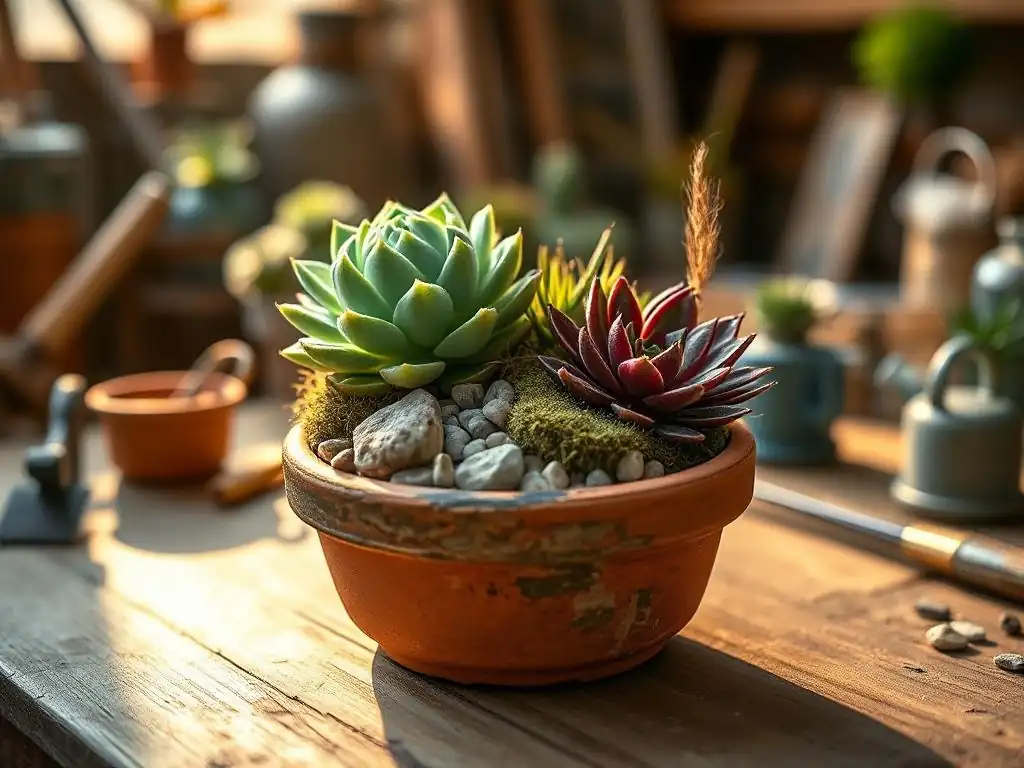
Welcome to SucculentEssentials.org, where the miniature world of succulents unfolds! Are you ready to unlock the secrets to crafting breathtaking miniature succulent arrangements? Our expert guide on the Miniature succulent arrangement workshop will take you on a journey from succulent selection to stunning, tiny landscapes. Dive in and discover the artistry of miniature succulent design – your own miniature succulent masterpiece awaits!
- Unveiling the Art of Miniature Succulent Arrangements
-
Step-by-Step Guide: Creating Your Miniature Succulent Arrangement
- Selecting the Perfect Miniature Succulents for Your Design
- Preparing Your Container: Choosing the Right Vessel for Tiny Plants
- Creating a Stunning Miniature Landscape: Soil, Drainage, and Planting Techniques
- Arranging Your Miniature Succulents: Achieving Balance and Visual Appeal
- Adding Finishing Touches: Accessorizing Your Miniature Succulent Garden
- Caring for Your Miniature Succulent Arrangement: Long-lasting Beauty
- Beyond the Workshop: Inspiring Miniature Succulent Designs
- Frequently Asked Questions
- Final Reflection: The Enduring Charm of Tiny Worlds
- Unleash Your Inner Artist: Craft Your Miniature Succulent Masterpiece
Unveiling the Art of Miniature Succulent Arrangements
Creating miniature succulent arrangements is a captivating blend of artistry and horticulture, allowing you to showcase the unique beauty of these resilient plants in charming, compact displays. This detailed guide serves as a comprehensive introduction to our "Miniature Succulent Arrangement Workshop," designed for succulent enthusiasts of all levels, from beginners eager to learn the basics to experienced hobbyists seeking to refine their techniques. We'll explore the essential elements of designing miniature succulent gardens, covering everything from selecting the right succulents and containers to mastering the art of composition and ensuring the long-term health of your tiny masterpieces.
This workshop isn't just about creating beautiful arrangements; it's about understanding the nuances of succulent care within a miniature environment, fostering a deeper appreciation for these fascinating plants. Prepare to embark on a journey of creative expression and botanical exploration as we delve into the delightful world of miniature succulent arrangements.
Workshop Overview: Mastering Tiny Succulent Gardens
Our "Miniature Succulent Arrangement Workshop" is a hands-on experience designed to equip you with the knowledge and skills necessary to create stunning miniature succulent gardens. The workshop is structured to provide a balanced approach, combining theoretical understanding with practical application. We begin with an introduction to the diverse world of succulents suitable for miniature arrangements, discussing their unique characteristics and care requirements.
We'll then delve into the art of container selection, exploring various options and their suitability for different arrangement styles. The core of the workshop focuses on the practical aspects of arrangement design, including proper planting techniques, achieving aesthetically pleasing compositions, and ensuring the long-term health and vitality of your creations. Throughout the workshop, our expert instructors will provide personalized guidance, answering your questions and offering tailored advice to help you create miniature succulent arrangements that reflect your individual style and preferences.
Participants will leave with a completed miniature succulent arrangement and the confidence to create many more. We'll also cover troubleshooting common issues encountered in miniature succulent gardening, ensuring your arrangements thrive. The workshop culminates in a Q&A session, allowing ample time to address any lingering questions and share tips and tricks amongst fellow enthusiasts.
What You'll Learn in Our Miniature Succulent Workshop
This workshop offers a comprehensive learning experience, covering a wide range of topics crucial for creating and maintaining thriving miniature succulent arrangements. Here's a detailed breakdown of what you can expect to learn:
- Succulent Selection: Identifying succulents best suited for miniature arrangements, considering size, growth habit, and color variations. We'll explore a variety of species and cultivars, showcasing their unique characteristics and potential in miniature settings.
- Container Selection and Preparation: Choosing the right containers for your miniature gardens, considering material, size, drainage, and aesthetic appeal. We'll cover techniques for preparing containers to ensure optimal drainage and prevent root rot.
- Soil and Planting Mediums: Understanding the importance of well-draining soil for succulents and learning how to create the perfect planting mix for miniature arrangements. We'll discuss different soil components and their benefits.
- Planting Techniques: Mastering the art of planting succulents in miniature containers, ensuring proper spacing, depth, and stability. We'll cover techniques for minimizing stress on the plants during the planting process.
- Arrangement Design Principles: Learning the basics of composition, including balance, proportion, and visual harmony. We'll explore different arrangement styles and techniques to create visually appealing miniature gardens.
- Watering and Care: Understanding the specific watering needs of succulents in miniature containers and learning how to avoid overwatering or underwatering. We'll also discuss other essential care practices.
- Troubleshooting Common Problems: Identifying and addressing common issues encountered in miniature succulent gardening, such as root rot, pest infestations, and etiolation. We'll provide practical solutions to help keep your arrangements healthy and vibrant.
Materials Needed for Your Miniature Succulent Creations
To fully participate and enjoy the workshop, please bring the following materials:
| Item | Description | Notes |
|---|---|---|
| Small Succulent Plants | 3-5 small succulents of varying textures and colors. | Choose a variety of shapes and sizes for a more interesting arrangement. |
| Small Container | A small container (e.g., teacup, small bowl, decorative pot) with drainage holes. | Ensure the container is appropriately sized for your chosen succulents. |
| Well-Draining Potting Mix | A succulent and cacti potting mix. | Avoid using regular garden soil, as it retains too much moisture. |
| Small Gardening Tools | Tweezers, small spoon or trowel. | These will help you carefully plant and arrange your succulents. |
| Gloves | Optional, but recommended to protect your hands. | |
| Optional: Decorative Elements | Small stones, pebbles, moss, or other decorative elements. | These can enhance the visual appeal of your miniature succulent arrangement. |
We look forward to welcoming you to our workshop! 🎉
Step-by-Step Guide: Creating Your Miniature Succulent Arrangement
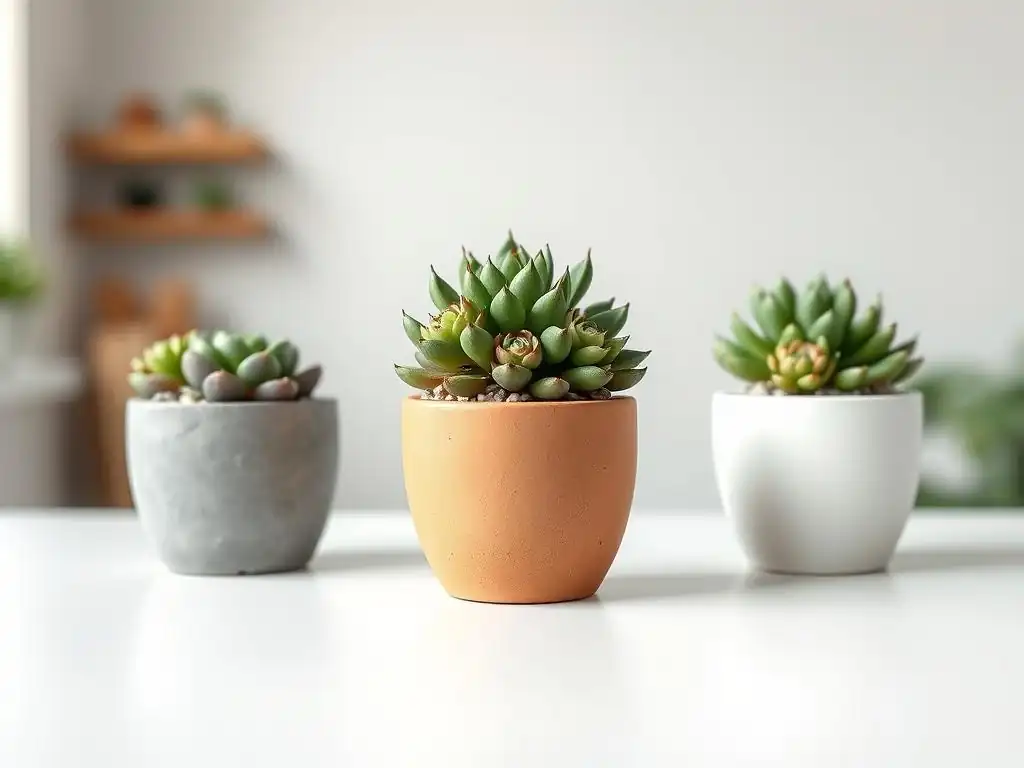
This section provides a detailed, step-by-step guide to crafting your own miniature succulent arrangement. We'll cover selecting the right succulents, preparing your container, and mastering planting techniques to achieve a stunning, miniature landscape. This workshop focuses on creating a miniature succulent arrangement, a perfect project for succulent enthusiasts of all levels.
Selecting the Perfect Miniature Succulents for Your Design
Choosing the right succulents is crucial for a successful miniature arrangement. Miniature succulents, often characterized by their slow growth and compact size, are ideal for these projects. Consider these factors:
- Variety: Opt for a diverse selection of textures, colors, and growth habits. Think about incorporating succulents with different leaf shapes, such as rosettes, cylindrical leaves, or trailing varieties. A mix of colors, from deep greens and purples to soft pinks and blues, adds visual interest. Experimenting with different species will bring a unique touch to your design.
- Size: Select succulents that are appropriately sized for your container. Avoid plants that are too large, as they'll overpower the miniature scale. Similarly, extremely tiny succulents might be difficult to handle and plant effectively. Aim for a balance—succulents that complement each other in size and proportions.
- Growth Habits: Consider the mature size and growth patterns of each succulent. Fast-growing varieties might quickly outgrow their space, disrupting the aesthetic balance of your miniature arrangement. Choose slow-growing species that will maintain their charm for an extended period.
- Health: Inspect each succulent carefully before purchasing. Look for healthy, vibrant foliage, free from pests or diseases. Avoid succulents with signs of stress, such as wilting, discoloration, or soft spots. Healthy succulents are essential for creating a thriving miniature garden.
Remember, a miniature succulent arrangement thrives on variety! Don't be afraid to experiment with different combinations to achieve the look you desire. Planning your selection beforehand, perhaps even sketching out a preliminary design, can be incredibly helpful.
Preparing Your Container: Choosing the Right Vessel for Tiny Plants
The container you choose significantly impacts the overall aesthetic of your miniature succulent arrangement. Consider these essential aspects:
- Size and Shape: Select a container that is appropriately sized for your chosen succulents. Too large a container will make the succulents appear lost, while too small a container will restrict their growth and potentially cause overcrowding. The shape of the container also influences the overall design—a shallow dish allows for a sprawling arrangement, while a taller pot is suitable for a layered design.
- Drainage: Excellent drainage is crucial for the health of your succulents. Ensure that your chosen container has drainage holes to prevent waterlogging, which can lead to root rot. If your container lacks drainage holes, consider adding a layer of gravel or pebbles at the bottom to improve drainage.
- Material: The material of the container also plays a role. Terracotta pots are a popular choice, as they allow for better airflow and prevent moisture retention. However, other materials, such as ceramic, glass, or metal, can also be used, provided they have adequate drainage.
- Style: The style of the container should complement the overall aesthetic of your miniature landscape. Consider the color, texture, and shape of the container and how it will harmonize with your chosen succulents.
Choosing the right container is a crucial step in crafting a successful miniature succulent arrangement. Think of it as the canvas for your miniature masterpiece.
Creating a Stunning Miniature Landscape: Soil, Drainage, and Planting Techniques
This section details the crucial steps of soil preparation, drainage enhancement, and the planting techniques specific to miniature succulent arrangements. Success hinges on meticulous attention to detail at this stage.
- Soil Selection: Use a well-draining succulent and cactus potting mix. Avoid using regular garden soil, as it retains too much moisture and can lead to root rot. A specialized succulent mix ensures proper aeration and drainage, essential for the health of your tiny plants.
- Drainage Enhancement: Even with a well-draining potting mix, enhancing drainage is vital. Start by adding a layer of gravel or small pebbles to the bottom of your container. This layer creates a drainage space, preventing water from accumulating at the roots.
- Planting Techniques: Gently remove your chosen succulents from their original containers. Carefully loosen the roots, taking care not to damage them. Plant each succulent individually, ensuring that the base of the plant is slightly below the soil surface. Space the succulents appropriately to prevent overcrowding. Use a small spoon or a chopstick to carefully fill the gaps between plants with the succulent potting mix. Gently firm the soil around the base of each plant.
- Watering: After planting, water your miniature arrangement sparingly. Allow the soil to dry completely before watering again. Overwatering is a common mistake that can lead to root rot. The frequency of watering will depend on the environment and the type of succulents used. Monitor the soil moisture regularly and adjust your watering schedule accordingly.
Creating a miniature succulent arrangement is a rewarding experience. By following these detailed steps and paying close attention to the specific needs of your miniature plants, you can create a thriving and beautiful miniature landscape. Remember to enjoy the process and celebrate the unique beauty of these miniature wonders!
Arranging Your Miniature Succulents: Achieving Balance and Visual Appeal
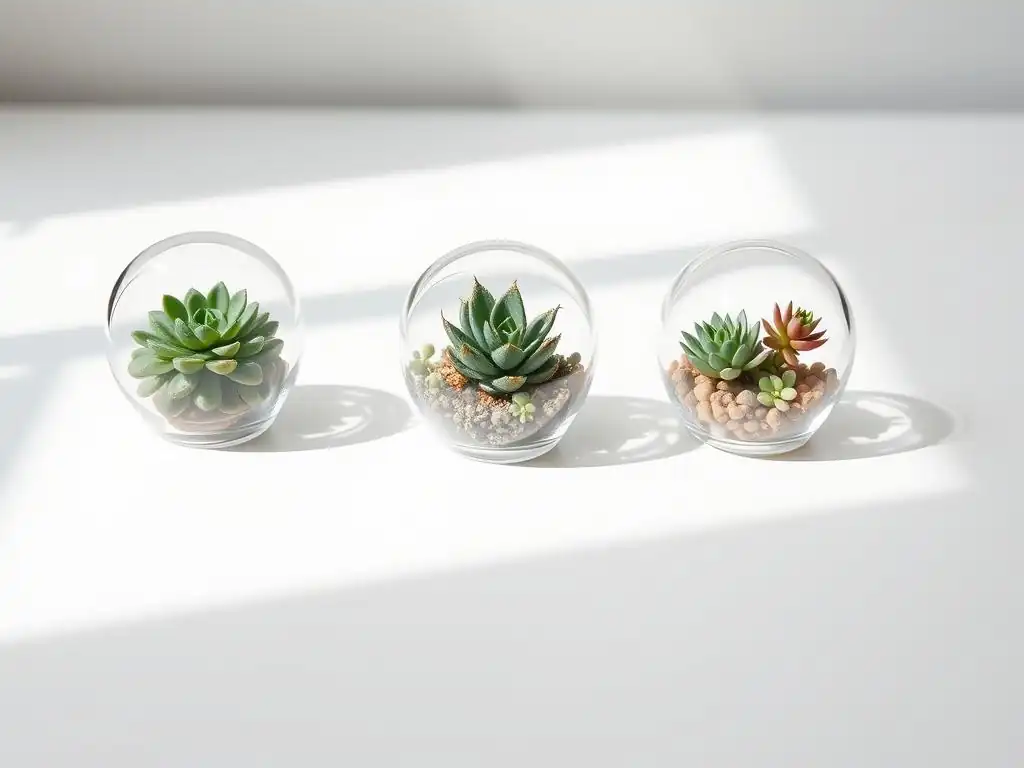
Creating a visually stunning miniature succulent arrangement involves more than just sticking plants into a container. Careful consideration of balance, color, texture, and form is crucial for achieving a truly captivating miniature garden. Think of it as a tiny landscape painting! Begin by selecting succulents with varying heights, shapes, and colors. This variety adds depth and interest to your miniature world.
For example, you might choose a taller echeveria as a focal point, surrounded by smaller sedums and sempervivums for textural contrast. Consider the color palette – a harmonious blend of greens, blues, and purples can create a serene atmosphere, while a bolder mix of reds, oranges, and yellows can provide a vibrant burst of energy. Remember the rule of thirds – don't center everything! Off-center arrangements often feel more natural and visually appealing. Experiment with placing taller succulents slightly off-center, using smaller plants to fill in empty spaces and create a sense of balance.
Don't be afraid to adjust the placement of your succulents until you're completely satisfied with the overall composition. A little trial and error is part of the creative process! The goal is to achieve a feeling of natural harmony and visual flow, mimicking the organic beauty of a larger succulent garden. Consider the shape of your container too; a round container might lend itself to a circular or spiral arrangement, while a rectangular container might be better suited to a linear design.
Adding Finishing Touches: Accessorizing Your Miniature Succulent Garden
Once your miniature succulents are arranged to your liking, it's time to add those delightful finishing touches that will elevate your creation from charming to truly exceptional. These accessories can be as simple or elaborate as you like, depending on your personal style and the overall aesthetic you're aiming for. Small decorative stones, for instance, can add a sense of natural texture and depth to your miniature garden. Choose stones in colors and sizes that complement your succulents. Tiny pebbles or polished river stones can create a pathway or delineate different areas within your arrangement.
Alternatively, you might incorporate miniature figurines, such as tiny animals or fairies, to add a playful touch. These whimsical additions can create a sense of scale and add a unique personality to your miniature world. Consider adding miniature houses, fences, or other architectural elements to create a miniature village scene. If you're feeling particularly creative, you could even add small, non-toxic decorative items like tiny mushrooms or flowers made of resin or polymer clay.
Just ensure any additional materials are safe for your succulents and won't interfere with their growth or health. Remember that less is often more – a few well-chosen accessories can make a big impact, while too many can clutter and detract from the overall beauty of your miniature succulent arrangement. The key is to create a cohesive and visually appealing miniature landscape that reflects your personal style and celebrates the beauty of these fascinating plants. A well-accessorized miniature succulent garden is a testament to attention to detail and creative flair.
Caring for Your Miniature Succulent Arrangement: Long-lasting Beauty
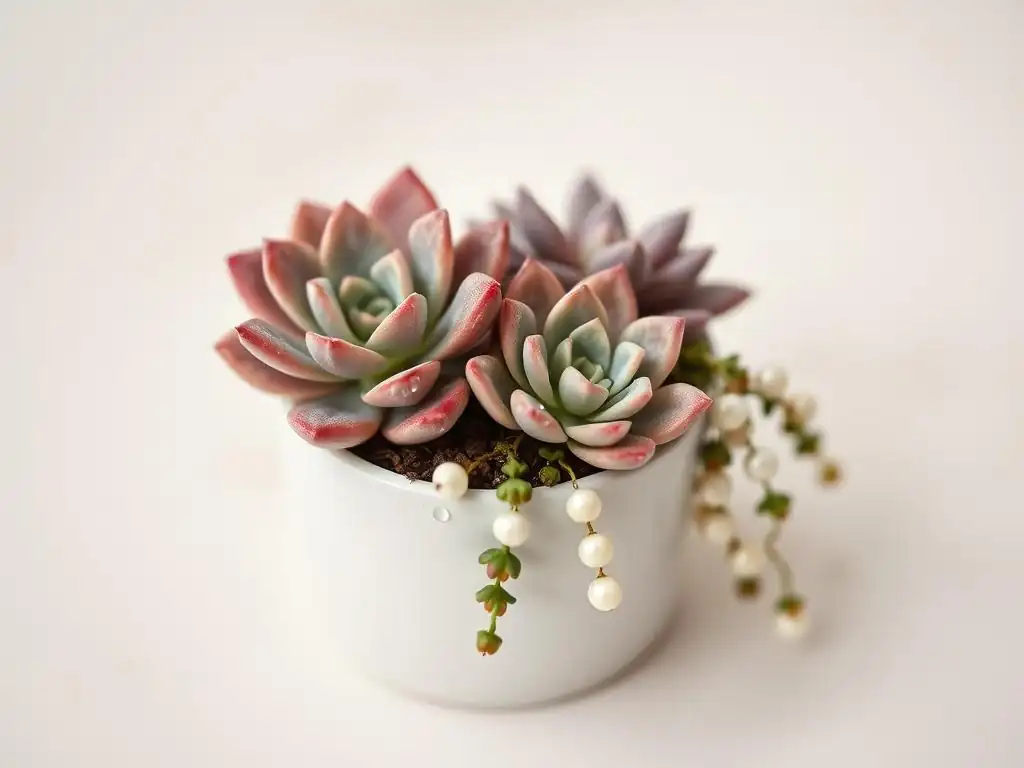
Creating a miniature succulent arrangement is a rewarding experience, but its beauty depends on proper ongoing care. These tiny ecosystems require a delicate balance of water, light, and environment to thrive. Neglecting any of these factors can lead to wilting, root rot, or even the death of your precious succulents.
This section focuses on the essential care practices needed to maintain the vibrant health and longevity of your miniature succulent masterpiece. We'll explore the key aspects of miniature succulent care, enabling you to enjoy your creations for years to come. Remember, patience and attention to detail are crucial for success in nurturing these delightful miniature gardens.
Watering Your Miniature Succulent Garden: Avoiding Overwatering
Overwatering is the most common mistake made when caring for succulents, especially in miniature arrangements. Because the soil volume is limited, the risk of root rot is significantly higher. Instead of following a strict watering schedule, monitor the soil moisture. Use your finger to check the top inch of soil; if it's completely dry, it's time to water.
Water thoroughly until you see water draining from the drainage holes (if your container has them). Then, allow the excess water to drain completely before returning the arrangement to its usual spot. Avoid letting the arrangement sit in standing water, as this can quickly lead to root rot. The frequency of watering will depend on several factors, including the type of succulent, the size of the container, the ambient temperature, and the level of sunlight.
In warmer months, you may need to water more frequently, while in cooler months, watering can be reduced significantly. Signs of overwatering include mushy leaves, yellowing, and a foul odor emanating from the soil. If you notice these signs, immediately remove the succulent from the pot, check the roots, and allow the soil to dry out completely before replanting. Remember, it's better to underwater than overwater your miniature succulent arrangement.
Light Requirements for Miniature Succulents: Ensuring Optimal Growth
Miniature succulents, like their larger counterparts, need ample sunlight to thrive. Aim for at least 6 hours of bright, indirect sunlight per day. Direct, intense sunlight can scorch the delicate leaves of these tiny plants. A south-facing window is ideal, but you may need to provide some shade during the hottest part of the day, particularly in summer.
Observe your succulents closely; if their leaves appear pale or stretched, they're likely not receiving enough light. Conversely, if the leaves are reddish or brown, they may be getting too much sun. Experiment with different locations in your home until you find the perfect balance.
Consider using a grow light during winter months, especially if your miniature arrangement is placed indoors, to supplement natural sunlight. This will help maintain the plants' growth and vibrant color. Remember that different succulent varieties have slightly different light requirements, so research the specific needs of the species in your arrangement for optimal growth.
Troubleshooting Common Issues in Miniature Succulent Arrangements
Even with careful attention, problems can arise in your miniature succulent arrangements. Here's a quick guide to help you troubleshoot common issues:
| Problem | Cause | Solution |
|---|---|---|
| Root Rot | Overwatering, poor drainage | Remove affected plants, let soil dry, repot in well-draining soil. |
| Leggy Growth | Insufficient light | Move to a brighter location or supplement with grow lights. |
| Sunburn | Too much direct sunlight | Provide shade during the hottest part of the day. |
| Wilting | Underwatering, extreme temperatures | Adjust watering schedule; protect from extreme heat or cold. |
| Pest Infestation | Insects, mealybugs | Isolate the arrangement and treat with appropriate insecticide or neem oil. |
| Yellowing Leaves | Overwatering, nutrient deficiency | Adjust watering; consider using a balanced succulent fertilizer (diluted). |
Remember, preventative care is key. Regularly inspect your miniature succulent arrangement for signs of pests or diseases. Early detection and treatment are crucial for preventing widespread damage. By understanding the needs of your miniature succulents and addressing problems promptly, you can ensure their long-term health and beauty, creating a miniature succulent arrangement that will bring joy for years to come. 🪴
Beyond the Workshop: Inspiring Miniature Succulent Designs
This section explores the creative possibilities extending beyond the structured environment of our "Miniature succulent arrangement workshop". We'll delve into diverse design inspirations and techniques to ignite your imagination and help you craft truly unique miniature succulent arrangements. Remember, the key to success lies in understanding the individual needs of your chosen succulents and selecting appropriate containers and materials. This allows for both aesthetic appeal and the long-term health of your tiny plant companions. The possibilities are endless! Let's explore some exciting avenues for your creative journey with miniature succulents.
Miniature Succulent Arrangement Ideas for Different Containers
The container you choose significantly impacts the overall aesthetic of your miniature succulent arrangement. Consider these diverse options and how they influence your design choices:
- Teacups and Saucers: These charming vessels create a whimsical, vintage feel. Smaller succulents like Sedum rubrotinctum ('Jelly Bean') or Echeveria cultivars work beautifully in this scale. Consider adding a layer of decorative pebbles or moss for added texture and visual interest. Think about color coordination – a vibrant pink teacup could pair beautifully with succulents exhibiting reddish hues.
- Miniature Watering Cans: A delightful way to add a touch of whimsy! Choose succulents that cascade gently over the edges, mimicking a miniature overflowing garden. Trailing succulents like Sedum morganianum ('Burro's Tail') are ideal for this type of arrangement.
- Seashells: For a beach-themed miniature succulent arrangement, select smooth, sturdy seashells. Smaller succulents with a more compact growth habit will be best suited to these uneven surfaces. Consider using a small amount of succulent-specific potting mix to secure them.
- Small Glass Jars: These offer a clean, modern look. You can create layered arrangements within the jar, or focus on a single, striking succulent. The transparency of the glass showcases the roots and potting mix, adding another layer of visual interest.
- Upcycled Items: Don't underestimate the potential of repurposed items! Tiny ceramic pots, miniature bowls, or even small, cleaned-out tins can become charming containers for your miniature succulent arrangements. Let your creativity guide you!
Creating Miniature Succulent Terrariums: A Unique Approach
Miniature succulent terrariums offer a unique challenge and reward. The enclosed environment requires careful consideration of moisture levels and airflow. Unlike open arrangements, terrariums create a microclimate, demanding a precise selection of succulents and a well-draining substrate.
Here are key considerations for successful miniature succulent terrarium creation:
- Choosing the Right Succulents: Opt for slow-growing, drought-tolerant succulents that thrive in low-humidity conditions. Avoid succulents prone to rot easily. Research is key!
- Substrate Selection: A well-draining mix is paramount. A blend of cactus potting mix and perlite or pumice is recommended. This ensures proper drainage and prevents waterlogging, a common cause of root rot in terrariums.
- Drainage Layer: Always incorporate a drainage layer at the bottom of your terrarium container. This could be small pebbles or gravel, allowing excess water to drain away from the roots.
- Air Circulation: While a closed terrarium provides humidity, ensure adequate air circulation to prevent mold and fungal growth. Consider using a container with a slightly loose-fitting lid or creating small vents.
Advanced Techniques for Miniature Succulent Design
Mastering miniature succulent arrangements involves more than simply planting succulents in small containers. These advanced techniques elevate your creations to the next level:
- Layering and Textural Contrast: Combine succulents with varying heights, textures, and colors to create visually interesting layers. Incorporate decorative elements like small stones, pebbles, or even miniature figurines to enhance the overall composition.
- Color Coordination: Plan your color palette strategically. Consider using succulents with complementary or contrasting colors to create a harmonious or dramatic effect. Think about the overall mood you want to convey – a calming, serene arrangement or a vibrant, energetic one.
- Creating Focal Points: Identify a focal point within your arrangement. This could be a larger, more striking succulent or a unique decorative element. The other elements should complement and enhance the focal point, guiding the viewer's eye.
- Maintaining Proportion and Balance: Achieve visual balance by carefully considering the placement and size of each element. Avoid overcrowding the container, allowing each succulent sufficient space to grow. A well-balanced arrangement is both aesthetically pleasing and promotes the health of your plants. Think of it as a miniature landscape! 🪴
The creation of miniature succulent arrangements is a rewarding journey of artistic expression and horticultural skill. By understanding the nuances of succulent care and employing these techniques, you can cultivate breathtaking miniature worlds that bring joy and beauty to any space. Remember, practice makes perfect! Experiment, learn from your experiences, and most importantly, have fun!
Frequently Asked Questions
What is a miniature succulent arrangement workshop?
A miniature succulent arrangement workshop is a hands-on class where you learn to create small, aesthetically pleasing arrangements using various miniature succulents. You'll learn about succulent selection, planting techniques, and design principles.
What will I learn in the workshop?
You will learn about selecting the right succulents, proper planting techniques, and design principles for creating balanced and visually appealing miniature arrangements. You'll also receive tips on aftercare and maintenance.
What materials are included in the workshop?
The workshop typically includes all necessary materials, such as a variety of miniature succulents, containers, soil, tools, and decorative elements. Specific inclusions may vary depending on the workshop provider.
Are there any prerequisites for attending the workshop?
No prior experience with succulents is necessary. The workshop is designed for beginners and will cover all the fundamental aspects of creating miniature succulent arrangements. It's perfect for all skill levels.
How can I find a miniature succulent arrangement workshop near me?
Check online event listings, local gardening centers, and craft stores for workshops in your area. Many community colleges and botanical gardens also offer similar classes. You can also search specifically for "miniature succulent arrangement workshop [your city/region]" online.
Final Reflection: The Enduring Charm of Tiny Worlds
The meticulous art of miniature succulent arrangement isn't just a fleeting trend; it's a powerful testament to the beauty found in the smallest details. These tiny ecosystems, crafted with care and precision, offer a tangible connection to nature's resilience and the surprising joy of creating something beautiful from seemingly insignificant elements. The workshops, bringing people together to nurture these miniature worlds, highlight a growing desire for mindful creativity and a deeper appreciation for the natural world.
The enduring appeal of miniature succulent arrangements lies in their ability to evoke a sense of calm and wonder. They represent a microcosm of life, demanding patience and attention, yet rewarding the creator with a vibrant, living artwork. This resonates deeply with our modern lives, often characterized by a frenetic pace and a disconnect from the natural world. The smallest things often have the greatest power.
This quote perfectly encapsulates the surprising impact these tiny arrangements can have on our mood and perspective.
Consider the quiet satisfaction of nurturing these miniature gardens, the gentle act of arranging each tiny leaf and stem. This is more than just a craft; it's a meditative practice, a chance to slow down, connect with nature, and create something uniquely your own. I invite you to explore the world of miniature succulents, to find the joy in the small details, and to discover the transformative power of creating your own tiny, thriving ecosystem. Let the enduring charm of these miniature worlds inspire you to find beauty and peace in the everyday.
Unleash Your Inner Artist: Craft Your Miniature Succulent Masterpiece
Thank you for exploring the world of miniature succulent arrangements! We hope you're feeling inspired and confident enough to create your own tiny masterpieces. Now it's time to put your newfound knowledge into practice.
Here's how you can take the next step:
- Design and create your own miniature succulent arrangement! Gather your supplies and let your creativity flow. Experiment with different shapes, sizes, and textures. Don't be afraid to get messy and have fun!
- Share your creations! Show us your unique designs on social media using #MiniSucculentMagic and #SucculentEssentials. We'd love to see what you create!
- Refine your technique. Explore different miniature containers and experiment with unusual succulent pairings to elevate your designs.
What unexpected element will you incorporate into your next miniature succulent creation to make it truly unique?