
The Right Pot for Succulents: Workshop on Container Selection

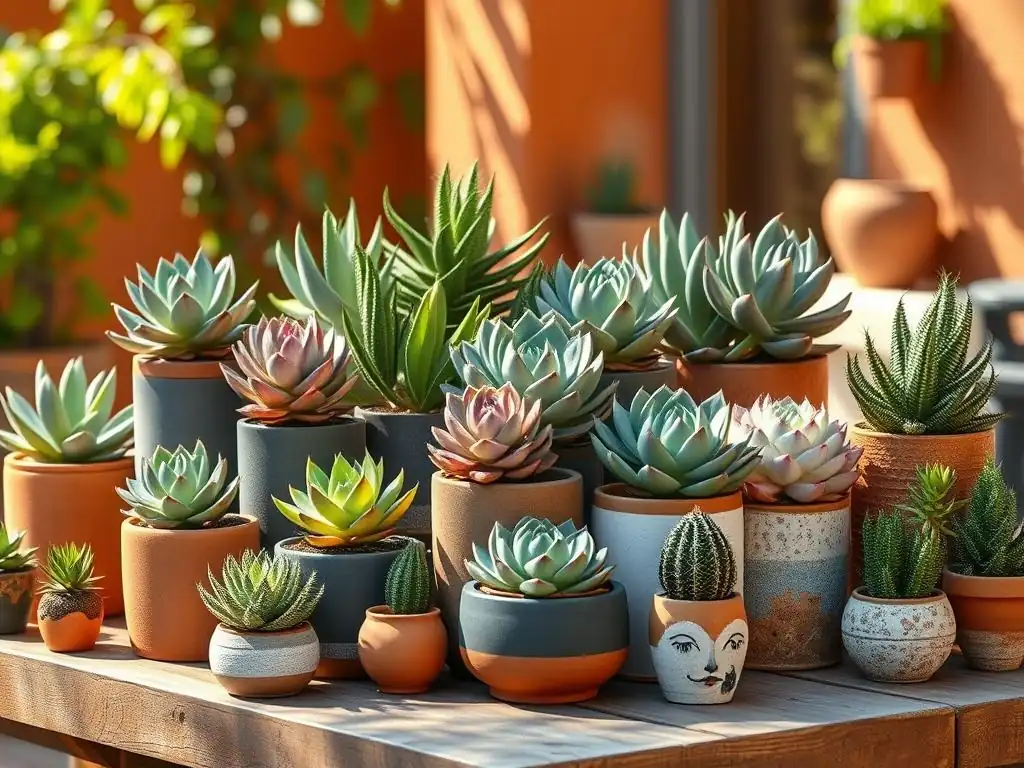
Welcome to SucculentEssentials.org, where the fascinating world of succulents unfolds! Are you ready to unlock the secrets to thriving succulents? We'll guide you through every step, from choosing the perfect pot (yes, even the pot matters!) to mastering propagation techniques. Discover the artistry of succulent arrangements and learn why selecting the best succulent planter pots is crucial for your plants' health and beauty. Dive in and explore the vibrant community of succulent enthusiasts—your journey to succulent success starts now!
- Understanding Drainage: Crucial for Succulent Health
- Best Succulent Planter Pots: Material Considerations
- Best Succulent Planter Pots: Size and Shape Selection
- Best Succulent Planter Pots: Choosing the Right Style
- Beyond the Pot: Essential Accessories for Succulent Success
- Workshop Summary: Selecting the Perfect Succulent Pot
- Frequently Asked Questions
- Final Reflection: Cultivating the Perfect Home for Your Succulents
- Unleash Your Inner Plant Parent: Craft the Perfect Succulent Home
Understanding Drainage: Crucial for Succulent Health
Selecting the best succulent planter pots isn't just about aesthetics; it's fundamentally about ensuring the health and longevity of your precious plants. Succulents, with their unique water retention capabilities, are particularly susceptible to root rot if their potting environment isn't properly managed. This workshop will guide you through the essential considerations for choosing the right container, focusing on drainage, material, and addressing potential drainage challenges.
We'll explore various pot types and techniques to help you create the perfect environment for your succulents to thrive, transforming your understanding of "best succulent planter pots" from a simple aesthetic choice to a crucial aspect of plant care. This knowledge will empower you to cultivate a flourishing succulent collection, regardless of your experience level. Let's delve into the details!
The Importance of Drainage Holes in Succulent Pots
Drainage holes are arguably the most crucial feature when choosing a pot for succulents. Succulents are adapted to arid conditions and store water in their leaves and stems. Overwatering is a common killer, leading to root rot, a fungal disease that quickly compromises the plant's health. Drainage holes prevent water from accumulating at the base of the pot, ensuring that the roots remain aerated and don't sit in soggy soil.
The presence of these holes is non-negotiable for the long-term survival of your succulents. Without them, you risk creating a breeding ground for harmful fungi and bacteria, ultimately leading to plant loss. Think of it this way: good drainage is the cornerstone of successful succulent cultivation.
Choosing the Right Pot Material for Optimal Drainage: Terracotta vs. Plastic
The material of your succulent pot significantly impacts drainage. Two popular choices are terracotta and plastic, each with its own advantages and disadvantages:
| Pot Material | Advantages | Disadvantages | Drainage Properties |
|---|---|---|---|
| Terracotta | Porous, allowing for good air circulation; Aesthetically pleasing; Helps regulate soil moisture. | Can dry out quickly, requiring more frequent watering; More fragile than plastic; Can be more expensive. | Excellent |
| Plastic | Lightweight, durable, and inexpensive; Comes in a wide variety of colors and styles. | Less porous, potentially leading to water retention; Can retain heat in direct sunlight. | Moderate to Good |
While terracotta offers superior drainage due to its porous nature, plastic pots can still be suitable for succulents, provided they have ample drainage holes and you are mindful of watering frequency. The best material ultimately depends on your specific needs and climate. Consider factors such as your local humidity and the amount of sunlight your plants receive when making your choice.
Addressing Drainage Issues in Non-Porous Pots: Techniques and Solutions
Not all pots are created equal. If you're working with attractive but non-porous containers (like glazed ceramic or metal), you need to take extra precautions to ensure adequate drainage. Here are some effective techniques:
- Adding a layer of gravel or pebbles: A layer at the bottom of the pot improves drainage by creating space for excess water to collect before reaching the soil.
- Using a well-draining potting mix: A mix specifically formulated for cacti and succulents will contain materials like perlite or pumice to enhance aeration and drainage.
- Careful watering practices: Water thoroughly but less frequently, allowing the soil to dry out completely between waterings. Observe your plants closely for signs of overwatering or underwatering.
- Consider a cachepot: Place your succulent pot inside a decorative cachepot without drainage holes. This allows you to use aesthetically pleasing containers without compromising drainage. Just remember to empty any excess water from the cachepot after watering.
By employing these techniques, you can successfully grow succulents even in pots without built-in drainage, expanding your options for creating beautiful and thriving succulent displays. Remember, the key is to mimic the natural, well-draining environment succulents thrive in.
Best Succulent Planter Pots: Material Considerations
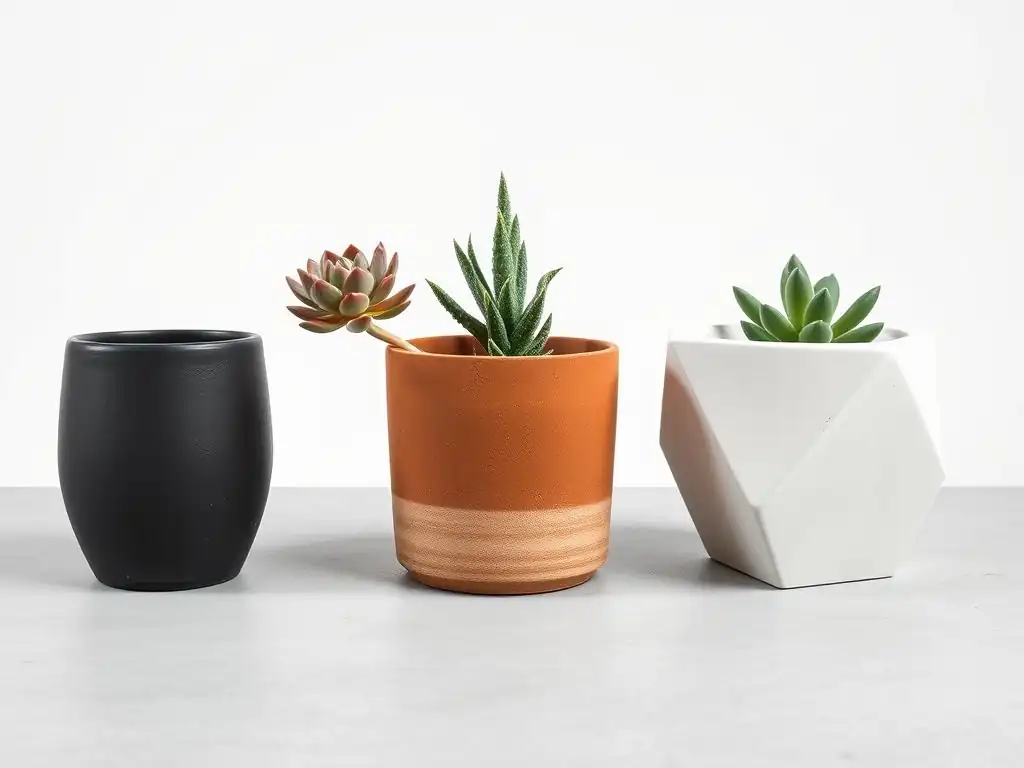
Choosing the right pot is crucial for the health and thriving of your succulents. The material of the pot significantly impacts drainage, aeration, and temperature regulation, all vital factors for these drought-tolerant plants. Selecting the best succulent planter pots involves understanding the unique properties of different materials. Let's delve into the most popular options.
Terracotta Pots: Benefits and Drawbacks for Succulents
Terracotta pots, made from baked clay, are a classic choice for succulent cultivation. Their porous nature allows for excellent drainage, preventing the dreaded root rot that often plagues succulents kept in overly moist environments. This breathability also promotes healthy air circulation around the roots, preventing fungal growth and encouraging strong root development. Furthermore, terracotta's natural color helps to reflect sunlight, minimizing the risk of overheating, particularly beneficial during hot summer months.
However, terracotta pots also have drawbacks. Their porousness means they dry out quickly, requiring more frequent watering. This can be advantageous in hot climates, but requires diligent monitoring to avoid underwatering, especially for smaller succulents or those in smaller pots. Additionally, terracotta pots are prone to cracking if subjected to extreme temperature fluctuations or if they freeze. Finally, they can be more expensive than plastic alternatives, and their weight can make them less convenient to move or rearrange.
Plastic Pots: Advantages and Disadvantages for Succulent Cultivation
Plastic pots offer a range of advantages, making them a popular choice among succulent enthusiasts. They are lightweight and inexpensive, making them easily accessible and convenient for large collections or propagation projects. Plastic's non-porous nature means they retain moisture longer than terracotta, requiring less frequent watering. This is particularly useful for beginners or those with busy schedules. Plastic pots also come in a wide variety of sizes, shapes, and colors, offering ample options for creative displays.
Despite their convenience, plastic pots also have limitations. The lack of porosity can lead to poor drainage if the pot doesn't have adequate drainage holes. This can easily lead to root rot if not carefully managed. Additionally, plastic pots can retain heat, potentially overheating the roots in direct sunlight. This is especially problematic in hot climates or during summer months. Finally, some plastic pots may not be as aesthetically pleasing as other options, especially for those seeking a more sophisticated look for their succulent arrangements.
Ceramic and Stone Pots: Aesthetics and Practical Considerations for Succulents
Ceramic and stone pots offer a blend of aesthetics and functionality, making them a desirable choice for many succulent growers. They come in a stunning array of designs, colors, and finishes, allowing for personalized and visually appealing displays. Many offer good drainage, though it’s crucial to check for sufficient drainage holes. The material's density helps to regulate temperature fluctuations more effectively than plastic, reducing the risk of overheating or chilling. Furthermore, high-quality ceramic and stone pots can be quite durable and long-lasting.
However, ceramic and stone pots are often more expensive than plastic or terracotta alternatives. Their weight can make them less convenient to move, and they can be fragile, potentially chipping or breaking if dropped. Proper drainage is essential, as inadequate drainage can still lead to root rot, despite the material’s benefits. Finally, the color of the pot can affect the temperature, with darker colors potentially absorbing more heat than lighter ones. Careful consideration of placement and sun exposure is important.
Choosing the Right Pot Size for Your Succulent Collection
Selecting the appropriate pot size is crucial for the health and thriving of your succulents. Oversized pots retain too much moisture, leading to root rot, a common killer of succulents. Conversely, pots that are too small restrict root growth, hindering the plant's ability to absorb nutrients and water efficiently. The ideal pot size depends on several factors, including the succulent species, its maturity, and the overall planting design.
For small, newly propagated succulents, tiny pots—around 2-3 inches in diameter—are perfect for their initial growth phase. As the plant matures and its root system expands, you'll need to repot it into progressively larger containers. This gradual increase in pot size allows the roots to adjust comfortably and prevents shock. Remember, it's better to slightly under-pot than over-pot a succulent.
Larger succulents, like Agave or certain Echeveria varieties, require significantly larger pots, potentially ranging from 6 inches to even 12 inches or more in diameter, depending on the mature size of the plant. Always consider the mature size of your succulent when choosing a pot. A good rule of thumb is to select a pot that's only slightly larger than the root ball, allowing for about an inch of extra space around the roots. This prevents the soil from becoming waterlogged and promotes proper drainage.
Furthermore, consider the growth habit of your succulent. Fast-growing varieties will require more frequent repotting than slow-growing ones. Regularly assessing your succulents' root systems will help you determine when a larger pot is needed. Look for roots circling the bottom of the pot or emerging from the drainage holes—clear signs that it's time for a bigger home.
This attentive observation is key to ensuring your succulents receive the optimal growing conditions. Ignoring this important aspect can lead to stunted growth and even plant death. Choosing the right size pot truly is an investment in the long-term health of your succulent collection.
Best Succulent Planter Pots: Size and Shape Selection
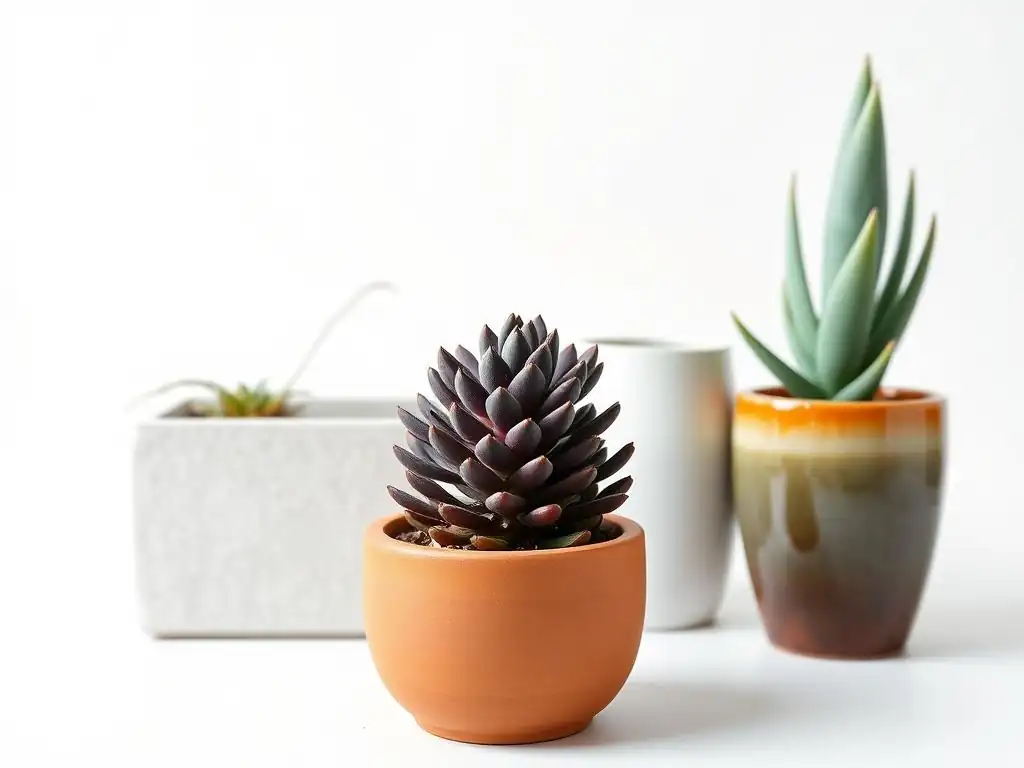
Choosing the right pot is crucial for the health and thriving of your succulents. The "best" succulent planter pot isn't a one-size-fits-all solution; instead, it's a careful consideration of several factors, primarily size and shape. Getting this right significantly impacts water retention, drainage, and ultimately, the plant's overall well-being. This section will delve into the nuances of selecting the perfect container, ensuring your succulents flourish.
Pot Size and Succulent Growth: Matching Container to Plant
The size of the pot directly correlates with the succulent's root system development and overall growth. A pot that's too small will restrict root growth, leading to stunted development and potentially impacting the plant's ability to absorb sufficient water and nutrients. Conversely, a pot that's too large can retain excessive moisture, increasing the risk of root rot – a common problem for succulents.
To determine the appropriate pot size, consider the mature size of your succulent. Research the specific variety you own; some succulents remain compact, while others can grow quite large. Generally, aim for a pot that's slightly larger than the succulent's root ball, allowing for a small amount of room for growth. For example, a small Echeveria might thrive in a 4-inch pot, while a larger Agave might require a 12-inch or even larger container.
Here's a helpful table summarizing appropriate pot sizes for different succulent growth habits:
| Succulent Type | Growth Habit | Recommended Pot Size (inches) |
|---|---|---|
| Echeveria | Compact | 4-6 |
| Sedum | Spreading | 6-8 |
| Sempervivum | Clustering | 6-10 |
| Agave | Large, slow-growing | 10-12+ |
| Haworthia | Small, slow-growing | 3-5 |
Remember, it's always better to err on the side of slightly smaller rather than too large, especially for beginners. You can always repot into a larger container as your succulent grows. Regularly checking for rootbound plants is a key aspect of succulent care.
The Impact of Pot Shape on Water Retention and Air Circulation
The shape of the pot plays a significant role in how well it retains water and allows for adequate air circulation around the roots. While terracotta pots are popular for their breathability, they also dry out much faster than plastic or glazed ceramic pots. This means more frequent watering for terracotta, but also a reduced risk of overwatering.
Wide, shallow pots are generally better suited for succulents that prefer drier conditions and have shallow root systems. These pots allow for quicker evaporation, reducing the risk of root rot. Conversely, taller, narrower pots can retain moisture for longer periods, potentially benefiting succulents that appreciate slightly more consistent moisture.
The drainage holes are another critical element of pot shape. Ensure your pot has adequate drainage holes to prevent waterlogging. Without proper drainage, water sits at the bottom, leading to root rot and eventually plant death. Consider using a layer of gravel or perlite at the bottom of the pot to further improve drainage. This creates an air pocket beneath the soil, enhancing air circulation.
Selecting the Ideal Pot Shape for Different Succulent Types
Different succulent types have varying needs, and the ideal pot shape reflects these differences. For example:
- Trailing succulents: Hanging baskets or pots with wider rims are ideal for succulents with trailing stems, allowing the stems to cascade beautifully. This showcases their unique growth habit.
- Columnar succulents: Taller, narrower pots are suitable for columnar succulents, providing support as they grow taller. These containers mimic their natural growing environment and prevent them from toppling over.
- Rosette succulents: A variety of pot shapes can work for rosette succulents, but shallow, wide pots are often preferred as they allow for even sunlight exposure to the rosette's leaves. This prevents etiolation (legginess) caused by insufficient light.
- Clustering succulents: Larger pots with ample space allow clustering succulents to spread and multiply without being cramped. This encourages healthy growth and vibrant displays.
Choosing the right pot is an art as much as it is a science. By understanding the interplay between pot size, shape, and the specific needs of your succulents, you can create the perfect environment for them to thrive, resulting in healthy, vibrant plants that add beauty to your space. Remember to prioritize good drainage and appropriate size for the mature size of your chosen succulent.
Best Succulent Planter Pots: Choosing the Right Style
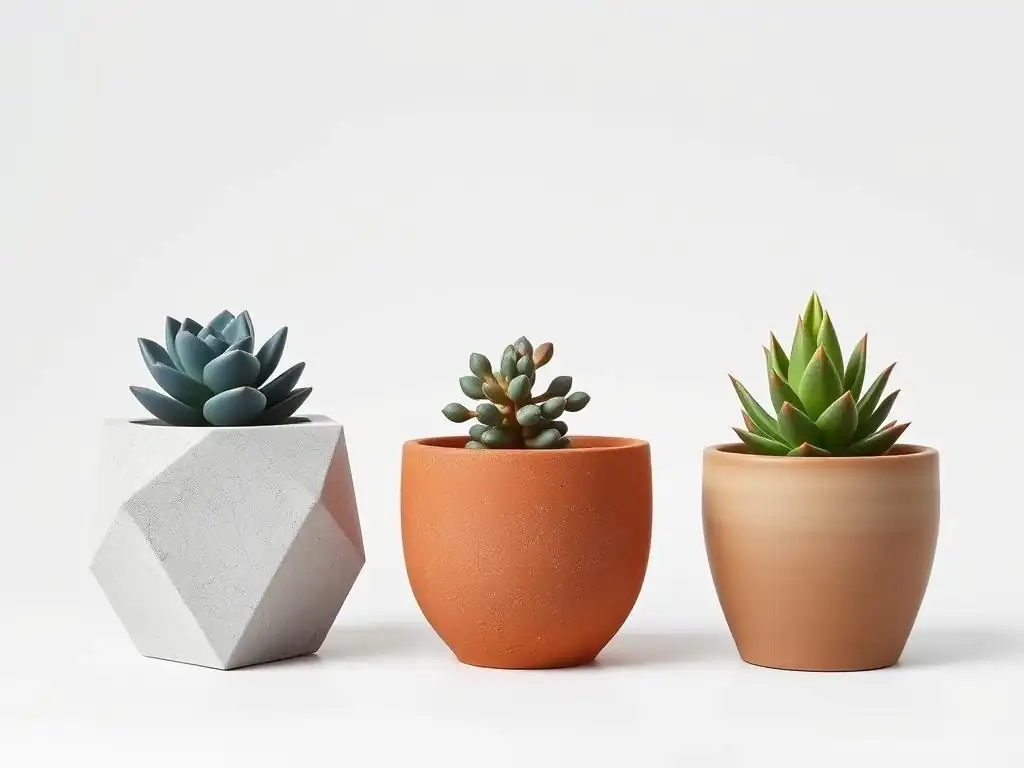
Selecting the best succulent planter pots involves more than just aesthetics; it's about creating the optimal environment for your plants to thrive. The right pot contributes significantly to the overall health and beauty of your succulent collection. This section explores crucial factors to consider when choosing containers, focusing on material, size, and drainage – key elements impacting your succulents' well-being. Finding the perfect balance between style and functionality is key to achieving a flourishing succulent garden.
Aesthetic Considerations for Succulent Pots: Matching Pots to Your Decor
The visual appeal of your succulent arrangements is undeniably important. The pot itself becomes an integral part of the overall design, influencing the overall aesthetic. Consider your existing home decor when selecting pots. Do you prefer a minimalist, modern style, or a more rustic, bohemian feel?
- Modern Minimalism: Sleek, geometric terracotta pots or simple, glazed ceramic containers in neutral colors (white, gray, black) complement modern interiors. These pots often feature clean lines and understated elegance.
- Rustic Charm: Wicker baskets, aged terracotta pots with a weathered look, or even repurposed metal containers add a touch of rustic charm. These pots often have a more organic and textured appearance.
- Bohemian Flair: Colorful, patterned pots, macrame hangers, or vintage-inspired containers create a bohemian vibe. Think vibrant hues, intricate designs, and eclectic mixes of materials.
Remember, the pot's color and texture should complement, not compete with, your succulents' colors and forms. A subtle contrast can be visually striking, while a clashing palette can detract from the overall appeal. Experiment with different combinations to find what works best for your space and personal style. Don't be afraid to mix and match different pot styles for a more dynamic display! The key is to maintain a cohesive look that reflects your individual taste.
Creative Potting Ideas for Succulents: Beyond the Basic Planter
While traditional terracotta pots are a classic choice, numerous creative options exist to showcase your succulents. Thinking outside the box can lead to truly unique and eye-catching displays.
| Potting Idea | Description | Pros | Cons |
|---|---|---|---|
| Upcycled Containers | Repurpose old teacups, tins, or even quirky vintage finds. | Eco-friendly, unique, adds character | May require extra drainage modifications, size limitations |
| Glass Terrariums | Create miniature gardens inside glass containers for a captivating display. | Allows for humidity control, visually stunning, great for smaller plants | Requires careful watering to prevent rot, less airflow |
| Hanging Baskets | Suspend pots from ceilings or walls to create vertical gardens. | Space-saving, visually interesting, ideal for trailing succulents | Requires sturdy hangers, potential for water spillage |
| Wooden Planters | Use wooden crates, troughs, or boxes for a rustic and natural look. | Durable, versatile, can be customized | Requires proper sealing to prevent water damage, can be heavier |
Consider the size and drainage capabilities of any unconventional container before planting. Remember that proper drainage is crucial for succulent health, regardless of the pot's aesthetic appeal.
Finding Unique and Stylish Succulent Pots for Your Home
Locating the perfect succulent planter pots involves exploring various avenues. Don't limit yourself to big-box stores; consider these options for discovering unique and stylish containers:
- Local Craft Fairs and Markets: These events often feature handmade pottery and unique upcycled containers, offering a chance to support local artisans and find one-of-a-kind pieces.
- Antique Shops and Flea Markets: Explore these venues for vintage pots and unusual containers with character and history. You might uncover hidden gems that add a touch of nostalgia to your succulent collection.
- Online Retailers: Numerous online stores specialize in succulent pots, offering a wide range of styles and materials. However, always check reviews and seller ratings to ensure quality and reliability.
Remember, the "best" succulent planter pots are those that meet both your aesthetic preferences and the specific needs of your plants. By carefully considering factors like material, size, drainage, and style, you can create a thriving and visually appealing succulent garden that enhances your home's beauty. Happy planting! 🪴
Beyond the Pot: Essential Accessories for Succulent Success
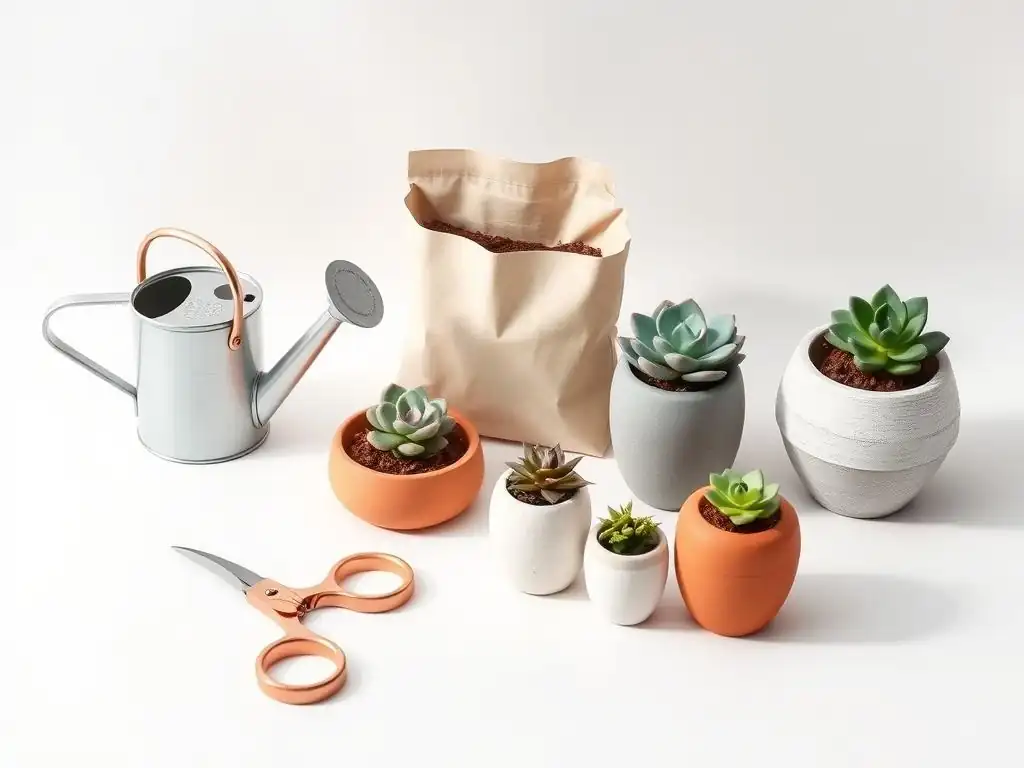
Selecting the best succulent planter pots is only half the battle. To truly thrive, your succulents need more than just a pretty container. This section delves into the crucial supporting elements that ensure your succulents flourish, transforming your planting experience from merely adequate to exceptionally successful. We'll explore the essential accessories that, when combined with the perfect pot, create the ideal environment for healthy growth. Think of it as building a robust foundation for your succulent collection – the pot is the house, but these accessories are the plumbing, electricity, and insulation!
Choosing the Right Potting Mix for Your Succulents
The potting mix is arguably as important as the pot itself. Standard potting soil, often too dense and water-retentive, can lead to root rot – a common succulent killer. Succulents need a well-draining mix that allows for aeration and prevents soggy conditions. A good mix should retain some moisture but primarily allow excess water to escape quickly.
Several options exist, and the best choice depends on your specific needs and the type of succulent. Here's a breakdown:
- Commercial Cactus and Succulent Mix: Readily available at most garden centers, these mixes are a convenient starting point. However, many commercial blends can still be too dense, so amending them is often necessary.
- DIY Potting Mix: Many enthusiasts prefer creating their own custom blend for optimal control. A common recipe involves combining:
- 1 part potting soil
- 1 part perlite
- 1 part coarse sand (avoid fine sand, which can compact)
- Optional: A small amount of pumice or vermiculite for extra drainage and aeration.
- Important Considerations: Regardless of the mix you choose, ensure it's free of organic matter that can decompose and retain excessive moisture. Always test the drainage by pouring water through a sample – it should drain quickly without puddling. The ideal mix should feel light and airy, not heavy and compact.
Choosing the correct mix is a critical step in ensuring the long-term health and beauty of your succulents. Remember that even the best succulent planter pots won't compensate for poorly-draining soil.
Selecting Appropriate Drainage Layers for Optimal Growth
Even with the perfect potting mix, adding a drainage layer to the bottom of your pot is a crucial step in preventing root rot. This layer prevents the soil from becoming waterlogged, allowing excess water to escape freely.
Here are some excellent options for drainage layers:
- Potsherds: Broken pieces of clay pots provide excellent drainage and aeration. They're readily available and a cost-effective solution.
- Leca (Lightweight Expanded Clay Aggregate): These small, porous clay balls are lightweight yet highly effective at improving drainage and aeration. They're reusable and can be cleaned and reused for multiple plantings.
- Pea Gravel: Another popular choice, pea gravel provides good drainage and adds a visually appealing element to the pot, especially in clear or glass containers. However, it's heavier than Leca or potsherds.
The amount of drainage material you use depends on the size of your pot. A layer of about 1-2 inches is generally sufficient for most pots. Avoid using materials that will decompose or compact over time. The goal is to create a layer that facilitates drainage while leaving ample space for the potting mix. This simple step significantly enhances the chances of succulent success.
Essential Tools for Potting and Repotting Succulents
Having the right tools makes potting and repotting succulents a smoother, safer process. While you may not need every tool listed, these are highly recommended for optimal results.
| Tool | Purpose | Importance Level |
|---|---|---|
| Succulent Trowel | Specifically designed for smaller pots, preventing damage to roots and plants. | ⭐️⭐️⭐️⭐️⭐️ |
| Gardening Gloves | Protect your hands from thorns and soil. | ⭐️⭐️⭐️⭐️ |
| Potting Mix | As discussed above, crucial for healthy growth. | ⭐️⭐️⭐️⭐️⭐️ |
| Drainage Layer | (Potsherds, Leca, etc.) Essential for preventing root rot. | ⭐️⭐️⭐️⭐️ |
| Watering Can | With a rose head for gentle, even watering. | ⭐️⭐️⭐️ |
| Spray Bottle | Useful for misting succulents, especially during propagation. | ⭐️⭐️ |
| Small Hand Rake | Helps to loosen and aerate the soil in the pot during repotting. | ⭐️⭐️ |
Remember, careful selection of these accessories, combined with the right pot, ensures the long-term health and beauty of your succulent collection. Investing in quality tools and materials will pay dividends in the form of thriving, vibrant plants.
Workshop Summary: Selecting the Perfect Succulent Pot
This workshop provided a comprehensive overview of selecting the best succulent planter pots, focusing on practical considerations for both novice and experienced succulent enthusiasts. We explored the crucial role of proper pot selection in ensuring the health and longevity of your succulent collection. Participants actively engaged in discussions, shared experiences, and learned valuable techniques for identifying ideal containers. The key takeaway?
Choosing the right pot isn't just about aesthetics; it's a fundamental aspect of successful succulent cultivation. The right pot contributes significantly to proper drainage, prevents root rot, and allows for optimal air circulation – all vital factors for thriving succulents. We covered various pot materials, sizes, and styles, providing a framework for informed decisions tailored to individual needs and preferences.
Recap of Key Considerations for Choosing the Right Pot
Choosing the best succulent planter pots involves careful consideration of several key factors. Drainage is paramount. Succulents are prone to root rot in overly saturated soil, so pots with drainage holes are absolutely essential. Terracotta pots are excellent for this purpose, as they are porous and allow for good air circulation, helping to prevent moisture buildup. However, they also dry out more quickly, requiring more frequent watering. Plastic pots, on the other hand, retain moisture longer, making them a suitable option for less experienced succulent owners or those in drier climates.
The size of the pot is equally important. Select a pot that is appropriately sized for your succulent. A pot that's too large can lead to overwatering and root rot, while a pot that's too small can restrict growth and limit the plant's access to nutrients. As a general rule, the pot should be only slightly larger than the succulent's root ball.
Finally, consider the material and style of the pot. While terracotta and plastic are common choices, other materials like ceramic, metal, and even wood can be used, each with its own benefits and drawbacks. The style of the pot should complement your personal aesthetic and the overall design of your garden or living space. Remember, the best succulent planter pots are those that meet the needs of your succulents while enhancing your enjoyment of them. Don't forget the importance of aesthetics! A beautiful pot can add to the overall appeal of your succulent display.
Q&A Session: Addressing Participant Questions
The Q&A session yielded several insightful questions and highlighted common concerns regarding pot selection for succulents. One participant inquired about the suitability of glazed ceramic pots. We clarified that while aesthetically pleasing, glazed pots often lack drainage holes and can lead to waterlogging, making them less ideal for succulents unless modified with additional drainage solutions.
Another participant asked about repotting succulents. We emphasized the importance of using well-draining potting mix and gently handling the roots during the repotting process to minimize stress on the plant. Several participants also discussed the challenges of choosing the right pot size for different succulent varieties, prompting a detailed discussion on the varying growth habits and root systems of various succulent species.
This highlighted the need for careful observation and understanding of individual plant needs. The session underscored the importance of continuous learning and adaptation in succulent care. Many questions focused on the balance between aesthetics and practicality when choosing a container for succulents.
Resources for Further Learning on Succulent Care and Potting
To further enhance your understanding of succulent care and potting techniques, we recommend exploring several reputable resources. These resources provide in-depth information on various aspects of succulent cultivation, from propagation and watering techniques to pest control and disease management. Consider researching different types of succulent potting mixes, learning about the benefits of different pot materials, and exploring advanced techniques like creating custom drainage systems. Expanding your knowledge in these areas will enable you to provide optimal care for your succulents, fostering their growth and ensuring their longevity.
Remember, continuous learning is key to mastering the art of succulent cultivation. The more you learn, the better equipped you'll be to choose the best succulent planter pots and provide the perfect environment for your treasured plants. Enjoy the journey of nurturing your succulents!
Frequently Asked Questions
What type of planter pot is best for succulents?
The best planter pots for succulents are those with adequate drainage. Terracotta pots are excellent because they are porous and allow for good air circulation, preventing root rot. Plastic pots are also suitable, provided they have drainage holes.
Why is drainage so important for succulents?
Succulents are prone to root rot if their roots sit in consistently wet soil. Good drainage allows excess water to escape, preventing this common problem. This is crucial for the health and longevity of your succulents.
What size planter pot should I choose for my succulents?
Select a pot that is only slightly larger than the succulent's root ball. Over-potting can lead to overwatering and root rot. Choose a pot size appropriate for the mature size of your succulent.
Are there any materials to avoid when choosing succulent planter pots?
Avoid pots made of materials that retain too much moisture, such as glazed ceramic or unglazed metal without drainage holes. These materials can lead to waterlogging and root rot. Prioritize drainage.
Can I use decorative pots without drainage holes for succulents?
While decorative pots are aesthetically pleasing, using them directly for succulents isn't recommended. Instead, plant your succulents in a pot with drainage, and then place that pot inside your decorative container. This allows for proper drainage while maintaining the desired aesthetic.
Final Reflection: Cultivating the Perfect Home for Your Succulents
The right pot isn't just about aesthetics; it's the cornerstone of a thriving succulent collection. Choosing the perfect container isn't a trivial detail; it's the foundation upon which your miniature desert garden flourishes or falters. This workshop has explored the crucial role of drainage, material, size, and style in ensuring the long-term health and beauty of your succulents.
The impact of proper container selection extends far beyond the individual plant. It's a reflection of our growing awareness of the interconnectedness of our choices and the environment. Choosing porous materials and appropriate sizes minimizes water waste and promotes sustainable gardening practices. This mindful approach resonates with a broader cultural shift towards eco-conscious living. The glory of gardening: hands in the dirt, head in the sun, heart with nature. To nurture a garden is to feed not just the body, but the soul.
This quote perfectly encapsulates the deeper connection we forge with nature when we cultivate life, even in the smallest of spaces.
Now, consider your own succulent collection. What changes can you make today to ensure each plant thrives in its ideal environment? Perhaps it's repotting a struggling succulent into a more suitable container, or simply taking a moment to appreciate the intricate relationship between plant and pot. Embrace the journey of learning and growth, and watch your succulent collection flourish as a testament to your dedication and understanding. Let the beauty of these resilient plants inspire you to cultivate not just a garden, but a deeper connection with the natural world.
Unleash Your Inner Plant Parent: Craft the Perfect Succulent Home
Thanks for exploring the world of succulent container selection! We hope you've gained valuable insights into choosing the perfect pot for your thriving plants. Now it's time to put your knowledge into practice.
- Design your dream succulent container garden: Sketch out your ideal arrangement, considering pot size, material, and drainage. Let your creativity flourish!
- Share your vision: Post a picture of your succulent plan or your finished creation on social media using #SucculentEssentials – we'd love to see it!
- Explore our extensive range of high-quality succulent pots on our website to find the perfect fit for your designs.
What exciting succulent projects will you create next?