
The Stem Rot Saga: Understanding and Preventing Stem Rot in Succulents

Welcome to SucculentEssentials.org, your gateway to the fascinating world of succulents! Are you ready to unlock the secrets to thriving succulents? Then prepare to delve into the intriguing details of succulent care, starting with our essential guide on preventing succulent stem rot. Discover how to avoid this common—and often devastating—problem, and learn the techniques that will keep your precious plants healthy and vibrant. Let's embark on this journey together!
- Understanding Succulent Stem Rot: Symptoms and Causes
-
Preventing Succulent Stem Rot: Proactive Measures for Healthy Plants
- Choosing the Right Potting Mix for Succulents: Ensuring Proper Drainage
- Mastering the Art of Watering Succulents: Avoiding Overwatering
- Selecting the Perfect Pot: Size and Material Considerations for Preventing Rot
- Providing Adequate Air Circulation: Preventing Humidity Buildup
- Importance of Sunlight and Proper Exposure for Succulent Health
-
Treating Stem Rot: Remedial Actions and Prevention Strategies
- Treating Mild Stem Rot Infections: Trimming and Propagation Techniques
- Dealing with Severe Stem Rot: When to Discard Affected Plants
- Preventing Future Stem Rot Infections: Long-Term Care Strategies
- Using Fungicides and Other Treatments: A Cautious Approach
- When to Seek Professional Help for Your Infected Succulents
- Specific Succulent Species Prone to Stem Rot: Specific Succulent Species Prone to Stem Rot
- Common Myths and Realities about Succulent Stem Rot: Debunking Misconceptions
- Frequently Asked Questions
- Final Reflection: The Enduring Battle Against Succulent Stem Rot
- Rescue Your Succulents: Prevent Stem Rot Now!
Understanding Succulent Stem Rot: Symptoms and Causes
Succulent stem rot, a dreaded affliction for many succulent enthusiasts, is a serious disease that can quickly decimate your prized collection. This comprehensive guide will equip you with the knowledge to not only identify stem rot but, more importantly, to prevent it. We'll explore the telltale signs of this insidious condition, delve into its common causes, and outline effective preventative measures to keep your succulents thriving.
Preventing succulent stem rot requires vigilance and a proactive approach to succulent care, focusing on proper watering techniques and ensuring excellent drainage. This article provides a detailed roadmap to help you safeguard your plants and enjoy the beauty of these resilient yet delicate plants for years to come.
Understanding the nuances of stem rot, from its subtle initial symptoms to its devastating final stages, is crucial for successful prevention and treatment. Let's dive into the specifics to ensure the health and longevity of your succulent collection.
Identifying Stem Rot in Your Succulents: Early Detection is Key
Early detection is paramount when it comes to combating succulent stem rot. The initial symptoms can be subtle, easily overlooked, or mistaken for other issues. Look for these key indicators:
- Soft, mushy stems: This is often the first and most noticeable sign. Gently squeeze the stem; if it feels unusually soft or squishy compared to healthy stems, it's a strong indication of rot.
- Change in stem color: Healthy succulent stems typically exhibit a firm texture and a consistent color. Observe your succulents for discoloration, such as darkening (brown, black) or unusual paleness.
- Water-soaked lesions: These appear as dark, waterlogged areas on the stem, often spreading rapidly.
- Unpleasant odor: In advanced stages, rotting stems may emit a foul, musty smell.
- Leaf drop: While not always indicative of stem rot alone, sudden and unexplained leaf loss can be a symptom, especially when coupled with other warning signs.
Regularly inspecting your succulents, paying close attention to the stems, is crucial for early detection. A proactive approach, involving consistent monitoring and immediate action upon noticing any abnormalities, significantly increases your chances of successfully treating and preventing further spread. Remember, catching stem rot early significantly improves the chances of saving the plant. Don't hesitate to remove affected parts if necessary.
Common Causes of Succulent Stem Rot: Overwatering and Poor Drainage
The primary culprit behind succulent stem rot is overwhelmingly overwatering. Succulents, adapted to arid climates, store water in their leaves and stems. Excessive watering saturates the soil, depriving the roots of oxygen and creating an ideal environment for fungal and bacterial pathogens to thrive. This leads to the breakdown of the stem tissue.
Poor drainage exacerbates the problem. Soggy, waterlogged soil creates a breeding ground for rot-causing organisms. Ensure your pots have adequate drainage holes and use a well-draining potting mix specifically formulated for succulents. Avoid using heavy, clay-based soils which retain too much moisture.
Other contributing factors include:
- High humidity: Excessive moisture in the air can also contribute to stem rot, especially when combined with overwatering.
- Lack of air circulation: Poor airflow around your succulents can trap moisture, increasing the risk of rot.
- Infections from neighboring plants: Stem rot can sometimes spread from one plant to another through contaminated soil or tools. Always sterilize your tools between uses.
Recognizing Different Types of Stem Rot: Bacterial vs. Fungal Infections
While both bacterial and fungal infections can cause stem rot, the symptoms can vary slightly:
| Type of Infection | Symptoms | Treatment |
|---|---|---|
| Bacterial | Often presents as a soft, mushy rot with a foul odor | Difficult to treat; often requires removal of affected areas or the entire plant |
| Fungal | May show darker, more defined lesions or discoloration | Fungicides can sometimes be effective, but preventative measures are key. |
Differentiating between bacterial and fungal stem rot can be challenging, even for experienced succulent growers. In many cases, the best approach is preventative care. Focusing on proper watering techniques and ensuring excellent drainage is more effective than trying to diagnose and treat the specific type of infection. Prevention is always the best cure when it comes to succulent stem rot. Early detection and swift action remain crucial for managing both types of infections.
Preventing Succulent Stem Rot: Proactive Measures for Healthy Plants
Preventing succulent stem rot requires a multi-pronged approach focusing on environmental control and cultural practices. Stem rot, a devastating fungal disease, thrives in moist, poorly-drained conditions. By proactively addressing these factors, you significantly reduce the risk of this common succulent ailment. This section details crucial preventative measures to keep your succulents healthy and vibrant. Remember, prevention is always better than cure when it comes to succulent stem rot. This proactive strategy is key to maintaining a thriving succulent collection, even for novice succulent enthusiasts.
Choosing the Right Potting Mix for Succulents: Ensuring Proper Drainage
The foundation of preventing succulent stem rot lies in the potting mix. Succulents require exceptionally well-draining soil to avoid waterlogging, the primary culprit behind stem rot. Avoid using garden soil, which retains too much moisture. Instead, opt for a specifically formulated succulent and cactus potting mix. These mixes typically contain components like perlite, pumice, and coarse sand, which enhance drainage and aeration.
A good potting mix should feel gritty and airy, not dense and compact. You should be able to easily see the individual components of the mix. If water sits on top of the soil for an extended period after watering, your mix is likely too dense and needs amendment. Consider adding more perlite or pumice to improve drainage.
Regularly checking your soil's drainage capabilities is vital in preventing succulent stem rot. Think of it as a preventative maintenance strategy for your succulents' long-term health. A healthy root system is crucial, and a well-draining potting mix is the first step towards achieving that.
Mastering the Art of Watering Succulents: Avoiding Overwatering
Overwatering is the single most significant contributor to succulent stem rot. Succulents are adapted to arid conditions and store water in their leaves and stems. Frequent watering leads to saturated soil, creating the ideal environment for fungal pathogens to flourish. Instead of following a rigid watering schedule, assess the moisture level of the soil before watering.
Insert your finger about an inch into the soil; if it feels dry, it's time to water. Thoroughly water the plant until water drains from the drainage holes, but avoid letting the pot sit in standing water. Allow the soil to dry out completely between waterings. The frequency of watering will depend on factors such as pot size, potting mix, ambient temperature, and humidity.
During winter months, when growth slows, watering frequency should be reduced significantly. Observe your succulents closely; wilting leaves are a sign of underwatering, while mushy, discolored leaves indicate overwatering and potential stem rot. The key is to find the delicate balance between providing enough moisture and preventing waterlogging. This requires patience and careful observation.
Selecting the Perfect Pot: Size and Material Considerations for Preventing Rot
The choice of pot plays a crucial role in preventing succulent stem rot. The ideal pot has drainage holes to prevent water from accumulating around the roots. Terracotta pots are excellent choices because they are porous and allow for better air circulation, which helps to dry out the soil more quickly. Plastic pots, while convenient, can retain moisture for longer periods, increasing the risk of rot. If using plastic pots, ensure excellent drainage and avoid overwatering.
The size of the pot also matters. A pot that's too large can lead to overwatering because the soil takes longer to dry out. Choose a pot that's appropriately sized for the succulent; a slightly snug fit is often preferable. Avoid overcrowding succulents in a single pot, as this can impede air circulation and increase the risk of rot.
Proper pot selection, alongside careful watering and a well-draining mix, forms a robust defense against stem rot. The right pot is a small but significant investment in the long-term health of your succulents. Pay attention to these details, and you'll significantly reduce the risk of this common problem, keeping your succulents happy and thriving.
Providing Adequate Air Circulation: Preventing Humidity Buildup
High humidity is a major contributor to stem rot in succulents. These plants thrive in dry conditions, and excessive moisture trapped around their stems creates the perfect breeding ground for fungi and bacteria. To prevent this, ensuring proper air circulation is paramount. Cramped, overcrowded arrangements, especially indoors, significantly increase humidity levels. Leaves touching each other restrict airflow, creating damp microclimates ideal for rot development.
Therefore, spacing your succulents appropriately is crucial. Aim for enough space between individual plants to allow for a free flow of air. This is particularly important in terrariums or enclosed environments. Consider using fans, especially during periods of high humidity or in poorly ventilated spaces, to gently circulate the air around your succulents.
Regularly inspect your plants for any signs of overcrowding and promptly adjust their arrangement as needed. Remember, prevention is key when it comes to succulent stem rot; a well-ventilated environment significantly reduces the risk. Proper spacing also aids in early detection of issues as it allows for easier visual inspection of each plant’s base. Neglecting air circulation can quickly lead to a cascade of problems, impacting not only stem health but also overall plant vigor.
Importance of Sunlight and Proper Exposure for Succulent Health
Sunlight plays a crucial role in preventing succulent stem rot. Sufficient sunlight strengthens the plant's immune system, making it more resistant to fungal and bacterial infections, the primary culprits behind stem rot. Succulents need ample sunlight to maintain healthy, firm stems and leaves. A lack of light weakens the plant, making it more susceptible to diseases and pests, including those that cause stem rot.
The ideal amount of sunlight varies depending on the specific succulent species, but generally, most require at least 6 hours of direct sunlight per day. However, be mindful of intense midday sun, which can scorch delicate leaves. Observe your plants closely; signs of sunburn (brown or bleached spots) indicate the need for some shade during the hottest part of the day. Providing the right amount of sunlight is a balancing act; insufficient light weakens the plant, while excessive light can cause damage, both increasing vulnerability to stem rot.
Therefore, carefully assess your succulent's light requirements and adjust its location accordingly. Rotating your plants regularly can ensure even light distribution and prevent uneven growth, further enhancing their resistance to disease. A healthy, sun-drenched succulent is much less likely to fall victim to stem rot than a weak, etiolated one. The difference is often dramatic, with well-lit plants exhibiting vibrant colors and firm stems, while poorly lit succulents become leggy and prone to disease.
Treating Stem Rot: Remedial Actions and Prevention Strategies
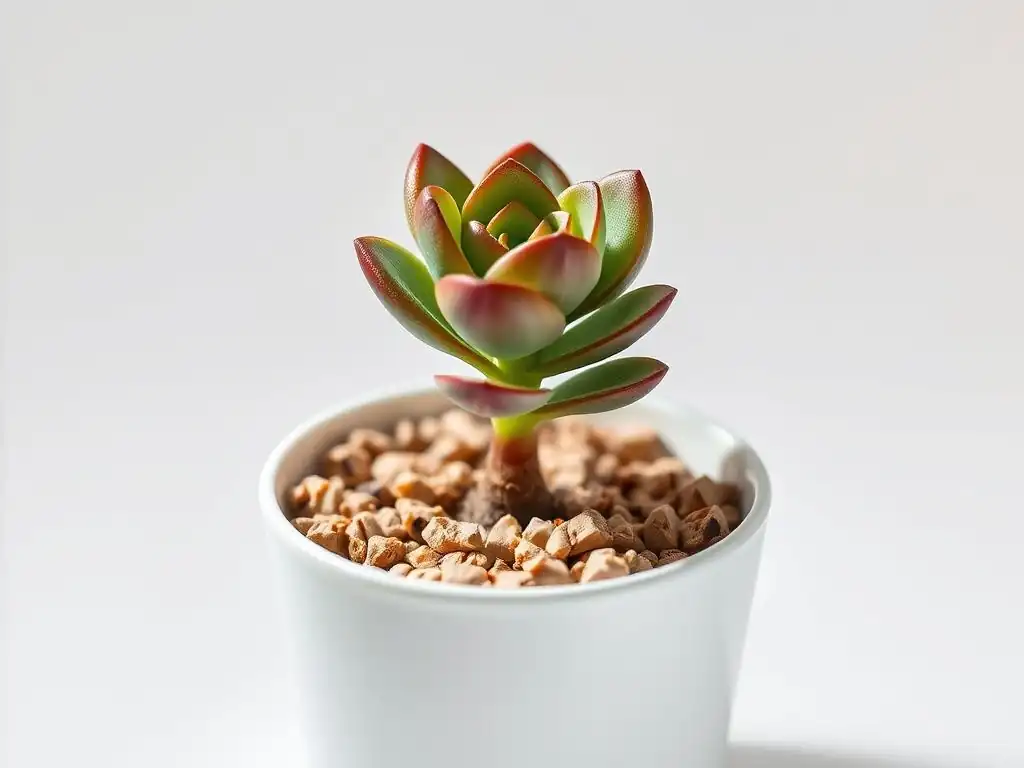
Stem rot, a devastating succulent disease, necessitates prompt action. Early detection is crucial for successful treatment and preventing further spread. This section details effective strategies for managing stem rot, ranging from treating minor infections to knowing when to sadly say goodbye to a severely affected plant. Remember, preventing succulent stem rot is always preferable to curing it.
Treating Mild Stem Rot Infections: Trimming and Propagation Techniques
If you catch stem rot early, when the affected area is small and localized, you might be able to salvage your succulent. This often involves careful trimming and propagation. The key here is sterile technique to prevent reinfection.
First, sterilize your tools. Use a 70% isopropyl alcohol solution or a diluted bleach solution (1 part bleach to 9 parts water). Thoroughly clean your knife or shears before and after each cut. This meticulousness is paramount in preventing succulent stem rot.
Next, carefully remove the affected portion of the stem. Cut well below the visibly diseased area into healthy tissue. You want to ensure you've removed all the infected material. This might mean sacrificing a significant portion of the stem, but it's necessary to prevent the rot from spreading.
After trimming, allow the cut area to callus over for a few days. This allows the wound to heal and prevents further infection. Once calloused, you can propagate the healthy portion by planting it in well-draining soil. Avoid overwatering during the rooting phase, as excess moisture can easily lead to a recurrence of stem rot.
Remember, even with careful treatment, there's no guarantee of success. Monitor the plant closely for any signs of recurring rot. Early detection remains the best strategy for preventing succulent stem rot.
Dealing with Severe Stem Rot: When to Discard Affected Plants
Unfortunately, sometimes the damage is too extensive. If the stem rot has progressed significantly, affecting a large portion of the stem or exhibiting mushy, foul-smelling decay, it's often best to discard the plant. This prevents the disease from spreading to your other succulents.
Before discarding, carefully remove the infected plant from its pot and inspect the soil. If the soil appears contaminated, discard it as well. Do not compost infected plants; dispose of them in the trash to avoid spreading the disease in your garden.
This step, while disheartening, is a crucial part of preventative succulent care. It protects the health of your other plants and helps maintain a healthy succulent collection. Think of it as a necessary sacrifice to safeguard your other prized succulents.
Preventing Future Stem Rot Infections: Long-Term Care Strategies
Preventing succulent stem rot is far easier than treating it. Implementing the following strategies can significantly reduce your risk:
- Well-draining soil: This is the cornerstone of preventing succulent stem rot. Use a cactus and succulent potting mix that allows for excellent drainage. Avoid heavy, clay-based soils that retain too much moisture.
- Appropriate watering: Overwatering is a major culprit in stem rot development. Water thoroughly but infrequently, allowing the soil to dry out completely between waterings. Adjust watering frequency based on the season and the succulent's specific needs.
- Proper pot selection: Ensure your pots have adequate drainage holes to prevent waterlogging. Terracotta pots are excellent choices because they allow for better air circulation and evaporation.
- Good air circulation: Avoid overcrowding your succulents. Ensure adequate spacing between plants to promote good air circulation and prevent moisture buildup.
- Sterile tools: Always sterilize your tools before and after pruning or handling succulents, especially if you suspect the presence of disease.
By following these preventative measures, you can significantly reduce the risk of stem rot and maintain a thriving succulent collection. Remember, proactive succulent care is the best defense against this common problem. Prioritizing these preventative steps is your best bet for preventing succulent stem rot and keeping your plants happy and healthy!
Using Fungicides and Other Treatments: A Cautious Approach
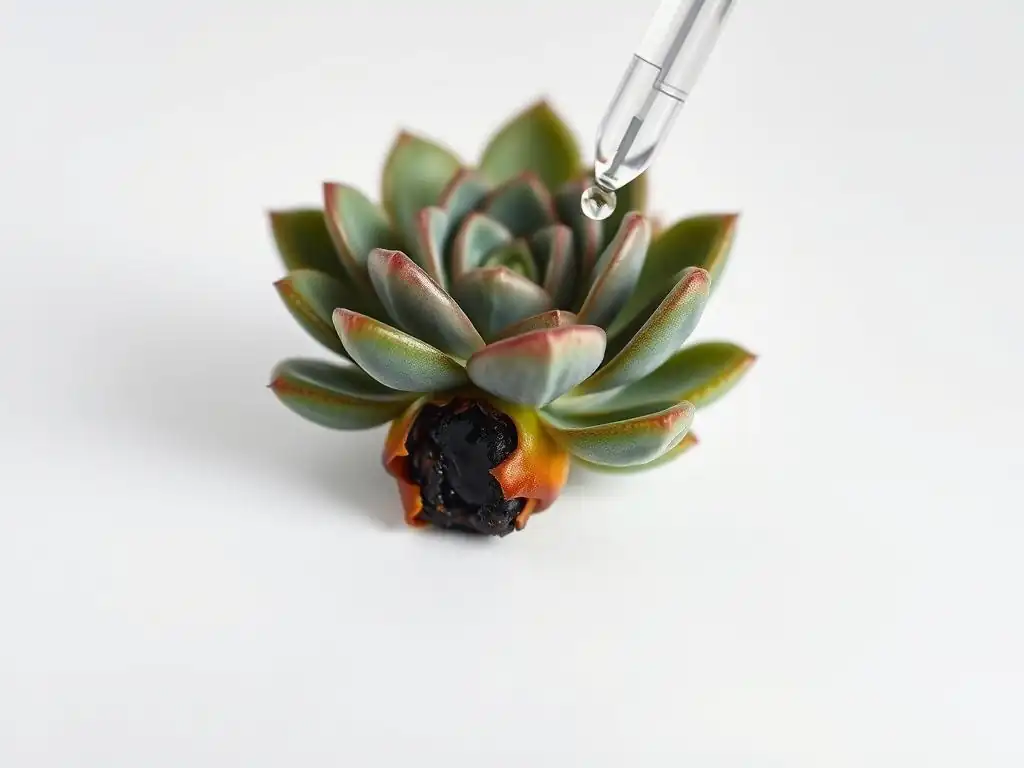
Fungicides can be a useful tool in combating stem rot, but their application requires caution and precision. It's crucial to understand that fungicides aren't a guaranteed cure and often only work as a preventative measure or in the early stages of infection. Over-reliance on fungicides can also lead to the development of resistant strains of fungi, making future treatments less effective. Always identify the specific fungal pathogen causing the stem rot before selecting a fungicide, as different fungi respond differently to various treatments.
This often requires a laboratory analysis, which can be costly but offers a more accurate diagnosis. Furthermore, the application method is critical; improper use can damage the succulent further or fail to reach the infected area effectively. Always follow the manufacturer's instructions meticulously, paying close attention to dilution ratios and application techniques. Remember to wear appropriate personal protective equipment (PPE), including gloves, eye protection, and a mask, as many fungicides contain harsh chemicals.
Finally, consider the environmental impact of using fungicides. Opt for environmentally friendly options whenever possible, and always dispose of leftover fungicide safely according to local regulations. In many cases, preventative measures, such as proper watering techniques and well-draining soil, are far more effective and environmentally sound than relying on fungicides. The use of fungicides should be a last resort, implemented only after careful consideration and ideally guided by professional advice.
Consider this case study: A collector noticed small, dark lesions on the base of several Echeveria plants. Initially, they tried a home remedy, but the lesions progressed rapidly. After obtaining a laboratory diagnosis confirming Phytophthora root and stem rot, they used a specific fungicide recommended by the lab, strictly following the instructions. While the spread of the rot was halted, the affected leaves couldn't be saved, highlighting the importance of early intervention. The collector also implemented improved drainage and watering practices to prevent future infections.
When to Seek Professional Help for Your Infected Succulents
While many minor succulent issues can be addressed with home remedies and careful observation, severe stem rot infections often require professional intervention. If the rot has progressed significantly, affecting a large portion of the stem or multiple plants, it's advisable to consult a plant pathologist or a specialist in succulent care. Professional help is particularly important when you're unable to identify the cause of the rot, as misdiagnosis can lead to ineffective treatments and further damage. A professional can conduct a thorough examination of your plants, identify the specific pathogen, and recommend appropriate treatments, including potentially more advanced fungicides or other specialized techniques.
They can also advise on preventative measures to protect your other succulents. Furthermore, if you have a large collection of valuable or rare succulents, professional assistance is highly recommended to minimize losses and ensure the long-term health of your plants. The cost of professional help might seem high initially, but the potential savings from preventing further spread of the disease and preserving valuable plants often outweigh the expense.
Consider it an investment in the health and longevity of your succulent collection. In situations involving unusual symptoms or rapid disease progression, seeking professional advice promptly increases the chances of successful treatment and minimizes the risk of losing cherished plants. Don't hesitate to contact your local agricultural extension office or a reputable nursery specializing in succulents; they can often provide valuable guidance or connect you with a qualified expert.
Specific Succulent Species Prone to Stem Rot: Specific Succulent Species Prone to Stem Rot
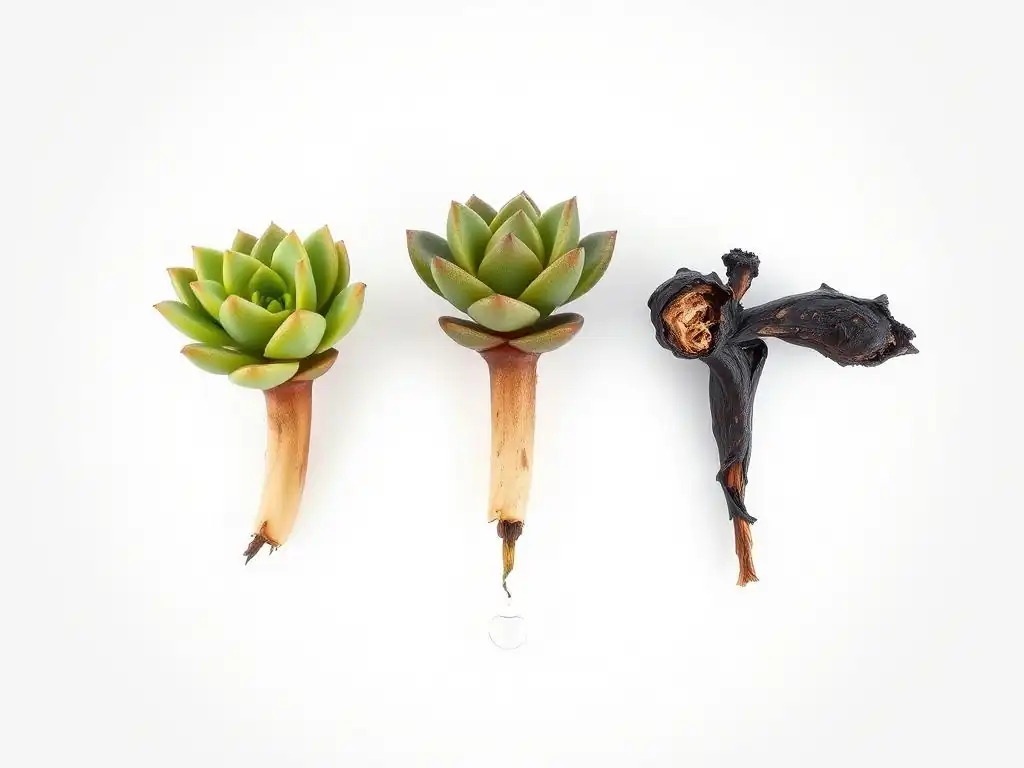
Stem rot, a devastating fungal or bacterial disease, disproportionately affects certain succulent species. Understanding which succulents are most vulnerable is crucial for effective prevention and treatment. This knowledge allows for proactive measures, minimizing the risk of losing prized specimens to this insidious rot. While any succulent can succumb under the right (or wrong!) conditions, some are significantly more susceptible than others. Proper watering techniques and well-draining soil are key preventative measures for all succulents, but certain species demand extra attention. Let's delve into some examples.
Echeveria: Prevention and Treatment Strategies
Echeverias, with their rosette formations and captivating colors, are popular among succulent enthusiasts. However, their dense leaf rosettes can trap moisture, creating an ideal breeding ground for stem rot pathogens. Preventing stem rot in Echeverias requires meticulous care.
Overwatering is the primary culprit. Ensure your Echeveria's soil dries completely between waterings. Avoid overhead watering, opting instead for bottom watering or carefully directing water to the base of the plant. Use a well-draining succulent potting mix that contains perlite, pumice, or coarse sand to improve aeration and prevent waterlogging. Proper air circulation is also vital; avoid overcrowding plants.
Early detection is key to successful treatment. If you notice signs of stem rot – soft, mushy stems, discoloration, or a foul odor – act quickly. Remove affected leaves and stems with a clean, sterilized knife or scissors. Apply a fungicide or bactericide specifically formulated for succulents to the affected area and surrounding tissue. In severe cases, propagation from healthy cuttings might be necessary to save the plant. Remember, prevention is always better than cure! Consistent monitoring and proactive care are crucial for preventing stem rot in your beloved Echeverias.
Sedum: Prevention and Treatment Strategies
Sedums, known for their diverse forms and hardiness, are generally less susceptible to stem rot than some other succulents. However, they are not immune. Certain Sedum species, especially those with fleshy stems and dense growth habits, can still fall victim to stem rot if proper care isn't followed.
Prevention focuses on maintaining optimal growing conditions. Well-draining soil is paramount. Sedums tolerate drought conditions well, so avoid overwatering. Ensure pots have adequate drainage holes. Overwatering, especially during cooler months, significantly increases their vulnerability. Additionally, ensure good air circulation around your Sedums, preventing humid conditions that favor fungal growth.
If stem rot does appear, the approach is similar to that for Echeverias. Remove the affected parts using sterilized tools. Apply a suitable fungicide or bactericide, and consider repotting the plant in fresh, dry soil to prevent reinfection. Prompt action is essential to limit the spread of the rot and preserve the plant's health. Regular inspection of your Sedums, particularly after watering or periods of high humidity, helps in early detection and timely intervention.
Haworthia: Prevention and Treatment Strategies
Haworthias, often prized for their unique textures and patterns, can also suffer from stem rot, although they are generally considered relatively resistant. However, poor drainage and excessive moisture can still lead to problems.
Preventing stem rot in Haworthias hinges on careful watering. Allow the soil to dry out thoroughly between waterings, and avoid getting water on the leaves. Use a well-draining potting mix, and ensure the pot has adequate drainage holes. Good air circulation is also important, preventing the buildup of moisture around the plant.
Should stem rot appear, promptly remove the affected portions with sterilized tools. The use of a fungicide or bactericide, specifically designed for succulent use, can help prevent further spread. Repotting in fresh, dry soil is also recommended. Careful monitoring and attention to watering practices are essential for maintaining the health of your Haworthias and preventing stem rot. Remember, even seemingly resistant succulents require attentive care to thrive.
Common Myths and Realities about Succulent Stem Rot: Debunking Misconceptions
Succulent stem rot, a dreaded disease among succulent enthusiasts, is often shrouded in misinformation. Successfully preventing succulent stem rot requires dispelling common myths and understanding the realities of this fungal infection. Let's address some prevalent misconceptions.
Myth 1: All brown succulents have stem rot - Reality: Actual fact
Many believe that any browning on a succulent automatically signifies stem rot. This is inaccurate. While browning can indicate stem rot, it's often a symptom of other issues. Sunburn, for instance, can cause browning, particularly on the tips or exposed areas of the leaves.
Similarly, chilling injury from exposure to cold temperatures can lead to discoloration. Overwatering, while a major contributor to stem rot, initially manifests as mushy, soft, and dark brown areas at the base of the stem, not necessarily a general browning of the leaves. Proper diagnosis requires a close examination of the affected area. Is the tissue mushy and soft to the touch, or is it firm and dry?
A firm, dry brown area is likely a different problem entirely, possibly requiring a different treatment. To differentiate, carefully examine the affected area. If the browning is accompanied by a foul odor and soft, mushy texture, then stem rot is a strong possibility. However, if the browning is dry and the succulent's overall structure remains firm, the cause is likely different.
Myth 2: Stem rot is always curable - Reality: Actual fact
The curability of stem rot depends heavily on the severity of the infection. Early detection is crucial. If the rot is confined to a small area of the stem, carefully removing the affected portion with a sterilized knife and allowing the wound to callous over can often save the plant. Applying a fungicide to the cut surface can also help prevent further infection.
However, if the rot has progressed significantly, encompassing a large portion of the stem or the root system, saving the succulent becomes considerably more difficult, if not impossible. In advanced cases, the entire plant may need to be discarded to prevent the spread of the fungus to other plants in your collection. Preventing succulent stem rot through proper watering and cultural practices is far more effective than trying to cure an advanced infection.
Myth 3: Succulents need frequent watering - Reality: Actual fact
Overwatering is the primary culprit behind stem rot. Succulents are adapted to arid conditions and store water in their leaves and stems. Frequent watering leads to waterlogged soil, creating the perfect environment for fungal pathogens to thrive. The excess moisture suffocates the roots, preventing them from absorbing oxygen, leading to root rot, which quickly progresses to stem rot.
Proper watering involves allowing the soil to dry out completely between waterings. The frequency of watering depends on factors like the type of succulent, pot size, soil mix, and environmental conditions (temperature, humidity, and sunlight). Always check the soil moisture before watering; stick your finger a couple of inches into the soil – if it's dry, it's time to water.
Underwatering is preferable to overwatering when it comes to succulent care, as underwatering is easier to rectify than dealing with the consequences of overwatering and subsequent stem rot. Remember, prevention is key to keeping your succulents healthy and thriving. By understanding the realities of succulent care and debunking common myths, you can significantly reduce the risk of stem rot and enjoy the beauty of your succulent collection for years to come.
Frequently Asked Questions
What is stem rot in succulents?
Stem rot is a serious fungal or bacterial disease affecting succulents. It causes the stem to become soft, mushy, and dark, often leading to plant death. Early detection and treatment are crucial.
What are the common causes of succulent stem rot?
Overwatering is the primary culprit, creating a damp environment perfect for pathogens. Poor drainage, infrequent repotting, and high humidity also contribute to stem rot.
How can I prevent succulent stem rot?
Use well-draining soil mixes, ensure proper pot drainage, and water only when the soil is completely dry. Provide adequate air circulation to prevent humidity buildup.
What are the signs of stem rot in my succulents?
Look for a soft, mushy, or discolored stem, often dark brown or black. The affected area may feel slimy or have an unpleasant odor. Leaves may also wilt and fall off.
My succulent has stem rot, can it be saved?
Sometimes! Remove the affected parts with a sterilized knife, treat with fungicide, and repot in fresh, dry soil. Ensure proper watering and air circulation going forward. Success depends on the extent of the damage.
Final Reflection: The Enduring Battle Against Succulent Stem Rot
The fight against succulent stem rot is far from over, and understanding its insidious nature is crucial for the continued health and vibrancy of our beloved plant collections. The prevalence of this devastating disease, coupled with the increasing popularity of succulents, underscores the urgent need for widespread knowledge and proactive preventative measures. Ignoring the subtle signs can lead to irreversible damage, highlighting the importance of diligent care and observation.
The impact of stem rot extends beyond the individual plant; it represents a loss of beauty, a disruption of the carefully cultivated balance in our homes, and a reminder of the delicate ecosystem we strive to maintain. The greatest glory in living lies not in never falling, but in rising every time we fall.
This quote, while not directly about succulents, perfectly encapsulates the resilience needed both in battling stem rot and in our approach to plant care in general. Learning from setbacks, adapting our techniques, and celebrating the successes along the way are all vital components of this ongoing journey.
You, the dedicated succulent enthusiast, now hold the knowledge to prevent this common ailment. Take this information and apply it to your own plant care routines. Observe your succulents closely, adjust your watering habits as needed, and don't hesitate to seek further advice if you suspect any problems. By actively participating in the care of your plants, you not only contribute to their well-being but also cultivate a deeper connection with the natural world, fostering a sense of responsibility and appreciation for the delicate balance of life. Let's work together to ensure the continued flourishing of our succulent companions!
Rescue Your Succulents: Prevent Stem Rot Now!
Congratulations on taking the first steps toward becoming a succulent expert! You've already learned how to combat the dreaded stem rot, and now it's time to put that knowledge into practice. Let's keep those succulents thriving!
Here's your next action plan:
- Master the art of succulent watering: Begin implementing proper watering techniques immediately to prevent future stem rot. This is the most crucial step to protecting your succulent collection.
- Share your newfound knowledge: Spread the word among your fellow succulent enthusiasts and help build a stronger, healthier succulent community!
- Experiment with your potting mix: Consider improving drainage by adding perlite or pumice to your potting mix. Share your results in the comments below—we'd love to hear about your success!
Ready to give your succulents the best possible care? What's the first adjustment you'll make to your watering schedule?