
Starter Secrets: Choosing the Perfect Environment for Your First Succulent

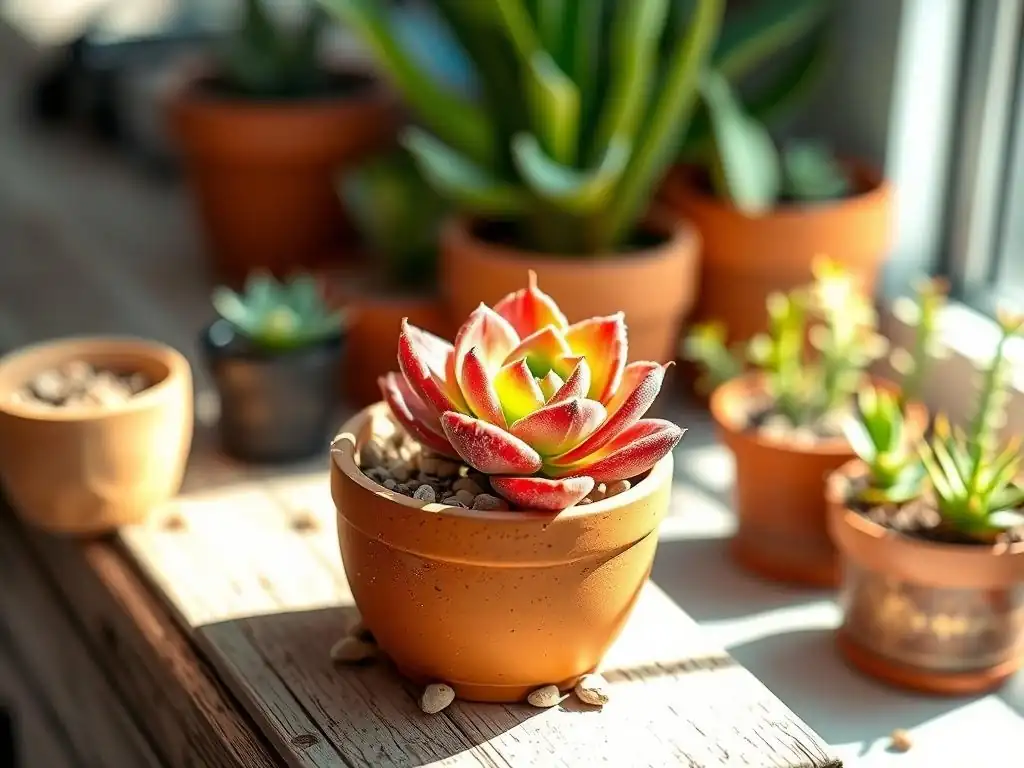
Welcome to SucculentEssentials.org, your gateway to the fascinating world of succulents! Are you ready to unlock the secrets to thriving succulents? Then you've come to the right place. Discover the key to success with your very first succulent – learn how to choose the best environment and nurture your little desert dweller from its first sprout. Dive into our comprehensive guide, "Starter Secrets: Choosing the Perfect Environment for Your First Succulent," and begin your succulent journey today!
- Understanding Your Succulent's Needs: Light, Water, and Temperature
- Indoor vs. Outdoor Growing: Best Environment for Your First Succulent
- Choosing the Right Succulent for Your Environment: Beginner-Friendly Options
- Troubleshooting Common Problems: Identifying and Solving Issues
- Maintaining Your Succulent's Environment for Long-Term Health
- Frequently Asked Questions
- Final Reflection: Cultivating Growth, Inside and Out
- Unleash Your Inner Green Thumb: Nurture Your First Succulent!
Understanding Your Succulent's Needs: Light, Water, and Temperature
Embarking on your succulent journey? Choosing the right environment is paramount to the success and longevity of your first succulent. This guide delves into the essential factors – light, water, and temperature – that will help you create a thriving home for your drought-tolerant delight. We'll explore the optimal conditions to ensure your succulent flourishes, answering the crucial question: what's the best environment for a first succulent? Understanding these basics will set you up for success, avoiding common pitfalls like overwatering and insufficient sunlight, and paving the way for a beautiful and rewarding succulent collection. Let's get started!
Light Requirements for Beginner Succulents: Sunlight vs. Shade
Succulents, renowned for their resilience, still require specific light conditions to thrive. While many tolerate full sun, beginners often find success with succulents that prefer bright, indirect light. Direct, intense sunlight, especially during the hottest parts of the day, can scorch delicate leaves, causing unsightly browning and damage. Think of it like this: a gentle sunbath is beneficial, but a prolonged sunbaking session can be harmful!
The ideal situation is a location that receives several hours of bright, indirect sunlight each day. A south-facing window (in the Northern Hemisphere) might be too intense, leading to sunburn. East- or west-facing windows often provide a gentler, more balanced light exposure. You can also use sheer curtains to diffuse harsh sunlight if needed. Observe your succulent closely; if its leaves appear pale or stretched, it may need more light. Conversely, if the leaves are browning or shriveling, reduce light exposure.
Here's a handy table summarizing light preferences for common beginner succulents:
| Succulent Type | Light Preference |
|---|---|
| Echeveria | Bright, indirect light |
| Sedum | Bright, indirect to full sun |
| Haworthia | Bright, indirect light |
| Sempervivum (Hens and Chicks) | Bright, indirect to full sun |
| Aloe vera | Bright, indirect to full sun |
Remember, the intensity of sunlight also varies with the season. You might need to adjust your succulent's position throughout the year to accommodate changes in sunlight duration and strength.
Water Needs: Avoiding Overwatering Your First Succulent
Overwatering is the most common cause of succulent death. Succulents are adapted to arid conditions and store water in their leaves and stems. Frequent watering leads to root rot, a fatal condition. Instead of a regular watering schedule, focus on allowing the soil to dry out completely between waterings. This means checking the soil moisture level before watering, rather than following a set timetable.
How do you check soil moisture? Stick your finger about an inch into the soil. If it feels dry, it’s time to water. If it’s still moist, wait a few more days. Thoroughly water your succulent when you do water it, ensuring the water drains completely from the pot. Avoid letting your succulent sit in standing water.
Here are some key tips to avoid overwatering:
- Use a well-draining potting mix specifically formulated for succulents and cacti.
- Choose pots with drainage holes to prevent waterlogging.
- Water less frequently during the winter months when succulents are dormant.
- Observe your succulent for signs of overwatering, such as mushy leaves or a foul odor.
Temperature Tolerance: Finding the Ideal Climate for Your New Plant
Most succulents prefer moderate temperatures, generally between 65-80°F (18-27°C). They can tolerate slightly higher temperatures, but extreme heat can cause stress and damage. Similarly, prolonged exposure to freezing temperatures can be fatal. Protect your succulents from frost and harsh winter winds.
During the colder months, you might need to bring your succulents indoors or provide additional protection if they are grown outdoors. A sunny windowsill can provide warmth and light, especially on colder days. Avoid placing your succulents near heating vents or air conditioning units, which can cause rapid fluctuations in temperature and humidity. Remember to monitor the temperature in your chosen location and adjust as needed. A consistent, moderate temperature is key to a happy and healthy succulent. Monitoring the temperature and adjusting your plant's position accordingly will ensure its wellbeing throughout the year.
Indoor vs. Outdoor Growing: Best Environment for Your First Succulent
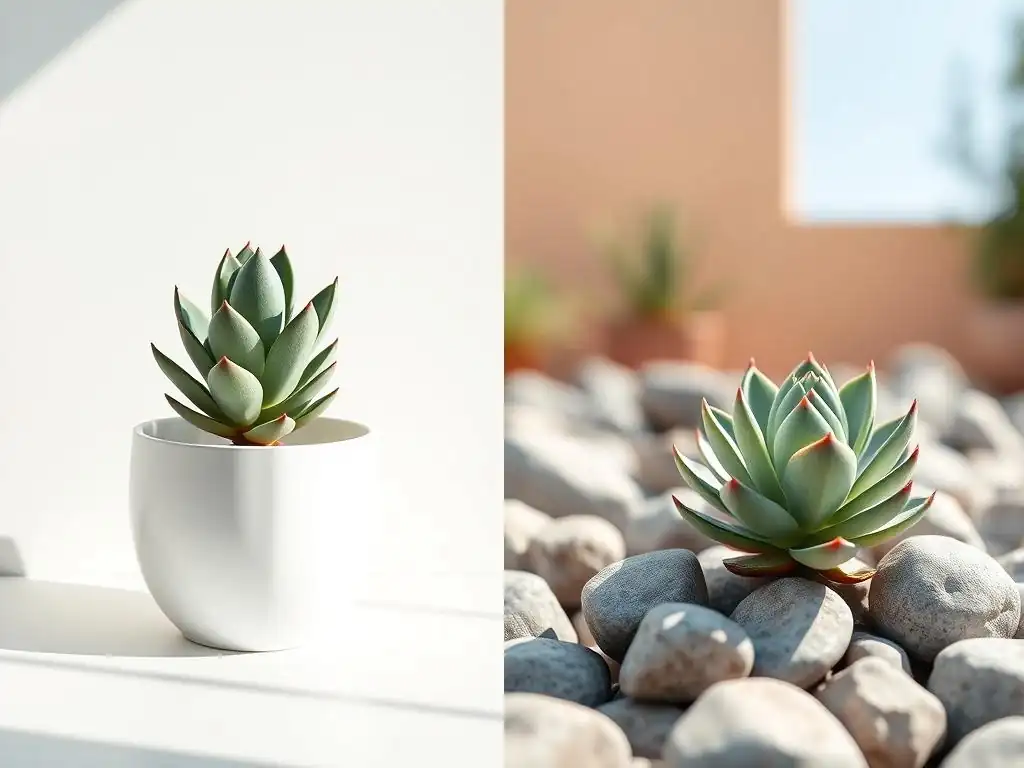
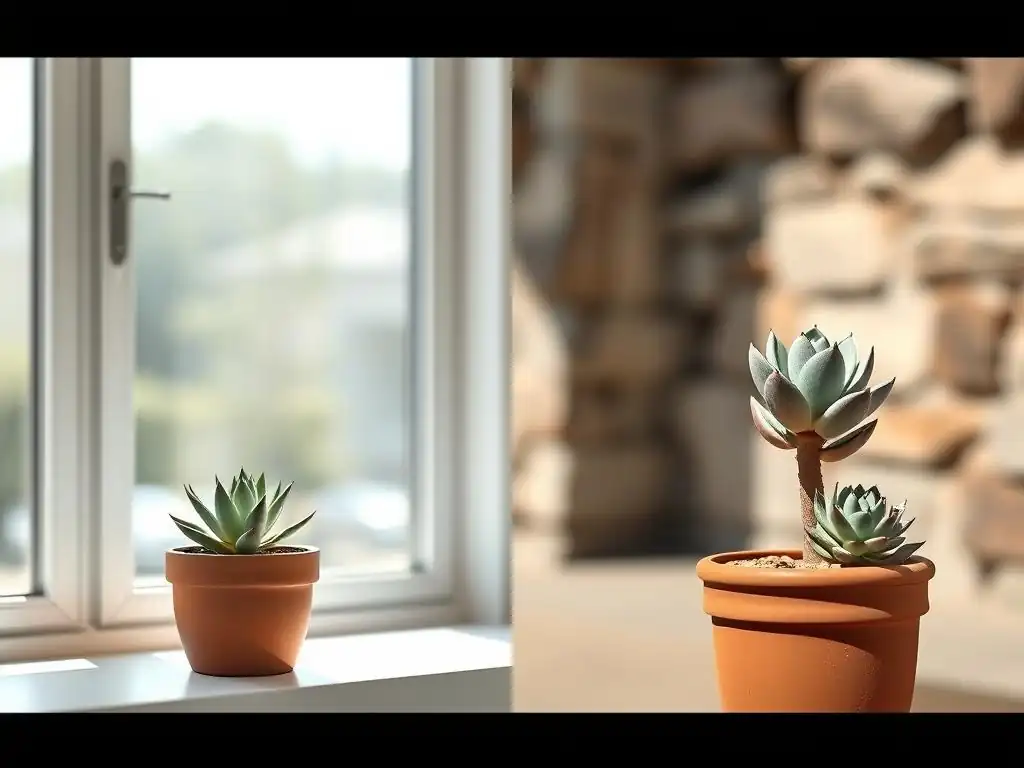
This section explores the crucial decision of where to place your first succulent: indoors or outdoors. The "best environment" truly depends on your climate, lifestyle, and the specific succulent species you've chosen. Let's delve into the specifics of indoor and outdoor succulent care to help you make the right choice for thriving plants.
Indoor Succulent Care: Creating the Perfect Indoor Habitat
Bringing the beauty of succulents indoors offers a unique opportunity to enjoy these plants year-round, regardless of the external climate. However, replicating their natural environment requires attention to detail. Success hinges on selecting the appropriate location and maintaining suitable humidity levels.
Choosing the Right Indoor Location for Optimal Growth
The ideal indoor spot for your succulent mimics its natural habitat – plenty of bright, indirect sunlight. Avoid placing your succulent in direct sunlight, which can scorch its leaves. A south-facing window (in the Northern Hemisphere) might be too intense; an east- or west-facing window often provides the best balance. Consider the following:
- Light Intensity: Observe the light levels throughout the day. Too little light leads to etiolation (leggy growth), while too much causes sunburn. Rotate your succulent regularly to ensure even light exposure.
- Temperature Fluctuations: Succulents generally prefer temperatures between 65-80°F (18-27°C). Avoid placing them near heating or cooling vents, which can cause drastic temperature swings.
- Air Circulation: Good airflow prevents fungal diseases. Ensure gentle air movement around your plant, but avoid drafts.
Remember, different succulent varieties have varying light requirements. Research your specific succulent's needs for optimal growth. For instance, Echeveria generally prefer bright, indirect light, while Haworthia can tolerate lower light conditions.
Maintaining Humidity Levels for Indoor Succulents
Unlike many houseplants, succulents thrive in low-humidity environments. High humidity can lead to root rot, a common problem for indoor succulents. Therefore, avoid misting your succulents unless absolutely necessary (e.g., during extreme heat).
- Ventilation: Good air circulation is key to regulating humidity. A well-ventilated room is preferable to a stuffy one.
- Watering Practices: Overwatering is a major culprit in high humidity around succulents. Ensure your pot has adequate drainage and water only when the soil is completely dry.
- Potting Mix: Use a well-draining potting mix specifically formulated for succulents and cacti. This mix typically includes perlite, pumice, or coarse sand to improve drainage.
Outdoor Succulent Care: A Guide to Successful Outdoor Cultivation
Cultivating succulents outdoors provides them with natural sunlight and weather patterns, closer to their native environments. However, this requires careful consideration of sun exposure, protection from harsh elements, and potential pest control.
Selecting the Ideal Outdoor Spot: Sun Exposure and Protection
The perfect outdoor location for your succulent depends heavily on your climate and the specific species. Most succulents thrive in full sun (at least 6 hours of direct sunlight daily), but some prefer partial shade, particularly during the hottest part of the day. Consider these factors:
- Sunlight: Start with a location that receives ample sunlight. Observe your succulent's response – signs of sunburn (brown or bleached spots) indicate too much direct sun. Adjust accordingly by providing some shade during peak sun hours.
- Shelter: Protect your succulents from strong winds, which can damage their delicate leaves and stems. A sheltered location, such as a patio or near a wall, is ideal.
- Drainage: Ensure the soil drains well to prevent root rot. Amend heavy clay soils with organic matter to improve drainage.
Protecting Your Succulents from Extreme Weather Conditions
Outdoor succulents face various environmental challenges, including extreme temperatures, rain, and pests. Proper protection is essential for their survival and thriving.
- Frost Protection: Succulents are generally not frost-tolerant. During freezing temperatures, bring them indoors or provide adequate protection with a covering like a frost cloth.
- Heat Stress: Intense heat can also damage succulents. Provide shade during the hottest part of the day or use mulch to help retain soil moisture and regulate temperature.
- Rain Protection: While most succulents tolerate some rain, excessive rainfall can lead to root rot. Consider providing some overhead protection during prolonged periods of heavy rain. Proper drainage is crucial.
By carefully considering these factors, you can provide your first succulent with the best environment for healthy growth, whether indoors or outdoors. Remember to research your specific succulent species for detailed care instructions for optimal results.
Choosing the Right Succulent for Your Environment: Beginner-Friendly Options
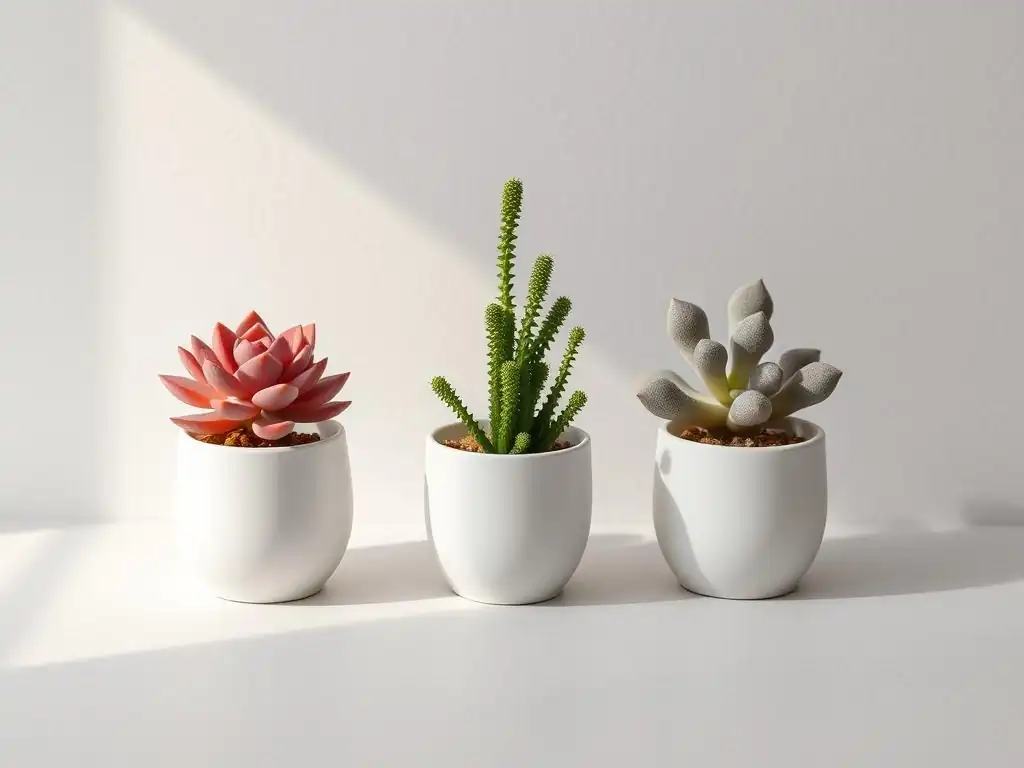
Selecting your first succulent is an exciting step into the world of these fascinating plants! But before you rush to purchase, understanding the environment you can offer is crucial for their success. The "best environment for your first succulent" depends largely on the type of succulent you choose and the amount of sunlight, water, and temperature your space provides. This section focuses on matching beginner-friendly succulents with suitable environments, maximizing your chances of success. We'll explore low-light indoor options, high-light outdoor choices, and drought-tolerant varieties perfect for those new to succulent care.
Low-Light Succulents for Indoor Environments
Many believe succulents need intense sunlight, but several thrive in lower-light conditions, making them ideal for indoor spaces. Remember, even "low-light" succulents still benefit from several hours of indirect sunlight daily. Avoid placing them in completely shaded areas.
Here are some excellent low-light options for your first succulent experience:
- Haworthia: These fascinating succulents boast unique textures and patterns, tolerating low light conditions remarkably well. They prefer bright, indirect light but can adapt to less intense conditions. Overwatering is their biggest enemy, so allow the soil to dry completely between waterings.
- Echeveria 'Perle von Nürnberg': This rosette-forming succulent displays beautiful, powdery blue-green leaves. While it appreciates bright, indirect light, it's more forgiving than many other Echeverias in low-light situations. Regularly check for pests, as low-light conditions can sometimes weaken plants, making them more susceptible.
- Sansevieria (Snake Plant): Known for their resilience, snake plants are practically indestructible. They tolerate very low light levels and infrequent watering, making them perfect for beginner succulent enthusiasts who might forget to water regularly. Their striking vertical foliage adds a modern touch to any indoor space.
Remember to rotate your indoor succulents regularly to ensure even light exposure on all sides. This prevents legginess and promotes healthy, compact growth. Observe your plants carefully; any signs of etiolation (stretching towards a light source) indicate a need for more light.
High-Light Succulents for Sunny Outdoor Spaces
For those with sunny outdoor spaces, a wider variety of succulents becomes available. These sun-loving plants will reward you with vibrant colors and robust growth if given the right conditions. However, even these hardy plants can suffer from sunburn if not acclimated gradually to intense sunlight.
Here are some high-light succulents perfect for outdoor gardens:
- Sedum spp. (Stonecrop): Sedums are incredibly diverse, with many varieties boasting unique textures, colors, and growth habits. They thrive in full sun and well-drained soil. They are also relatively drought-tolerant once established.
- Sempervivum spp. (Hens and Chicks): These charming succulents form dense mats of rosettes, spreading readily. They are incredibly adaptable and can withstand extreme temperatures and drought. They are a great choice for rock gardens or containers.
- Aeonium spp.: Aeoniums are known for their striking rosette formations and often display beautiful colors. They prefer full sun to partial shade and well-drained soil. However, they are sensitive to frost, so protect them during colder months in areas with freezing temperatures.
The key to success with outdoor succulents is providing excellent drainage. Use a well-draining potting mix specifically formulated for succulents, and avoid overwatering, especially during cooler months.
Drought-Tolerant Succulents for Beginners
Drought tolerance is a defining characteristic of many succulents. This makes them incredibly low-maintenance, perfect for those new to plant care. However, even drought-tolerant succulents need some water, especially during periods of active growth.
Here’s a list of excellent drought-tolerant options:
| Succulent Type | Water Needs | Light Requirements | Difficulty Level |
|---|---|---|---|
| Sedum morganianum | Infrequent, allow soil to dry completely | Full sun to partial shade | Easy |
| Echeveria elegans | Infrequent, allow soil to dry completely | Bright, indirect light | Easy |
| Graptopetalum paraguayense | Infrequent, allow soil to dry completely | Full sun to partial shade | Easy |
| Dudleya brittonii | Infrequent, very drought-tolerant | Full sun | Moderate |
Remember, the "best" succulent for a beginner is one that matches your environment and your commitment level. Start with easier-to-care-for varieties and gradually expand your collection as you gain experience. Careful observation and attention to your plant's needs are key to success in cultivating these beautiful and resilient plants. Happy growing! 🪴
Troubleshooting Common Problems: Identifying and Solving Issues
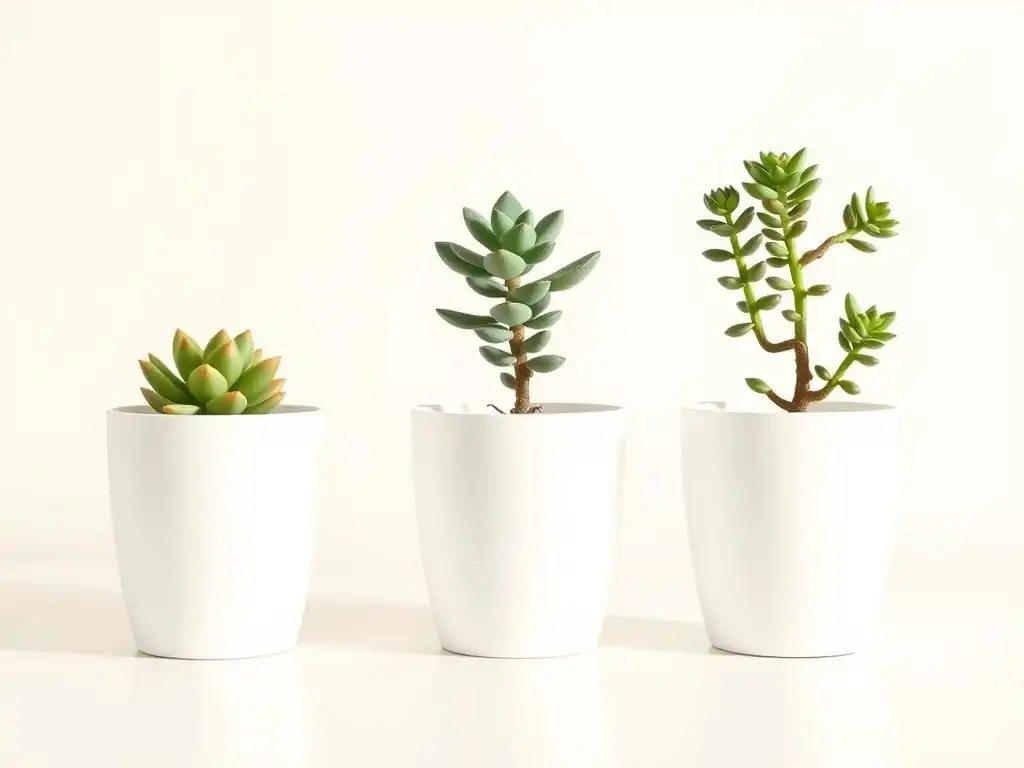
Starting your succulent journey is exciting, but even the hardiest succulents can encounter problems. Understanding common issues and their solutions is crucial for ensuring your plants thrive. This section will equip you with the knowledge to diagnose and address some of the most frequent challenges faced by new succulent owners, focusing on the best environment for your first succulent. Remember, prevention is key, so always prioritize providing the optimal growing conditions from the start.
Dealing with Overwatering: Signs and Solutions
Overwatering is a leading cause of succulent demise, especially for beginners. Succulents store water in their leaves and stems, making them highly susceptible to root rot in overly moist soil. Recognizing the signs early is paramount.
Look for these telltale symptoms:
- Mushy or soft leaves: This is a clear indication of waterlogged roots. The leaves will lose their firmness and plumpness, becoming easily damaged.
- Yellowing or browning leaves: While yellowing can have multiple causes, in the context of overwatering, it often accompanies mushiness and a general decline in plant health. Brown, shriveled leaves can also indicate overwatering, particularly if accompanied by other symptoms.
- Leaf drop: Healthy succulents don't readily shed their leaves. Excessive moisture weakens the plant, causing it to drop leaves in an attempt to conserve energy.
- Foul odor from the soil: A musty or unpleasant smell emanating from the soil is a strong indicator of root rot – a direct consequence of overwatering.
Solutions:
- Remove the succulent from its pot: Carefully inspect the roots. If they are brown, mushy, and slimy, you'll need to take action.
- Trim away affected roots: Use clean, sharp scissors or a knife to remove any rotting roots. This allows for healthier growth.
- Repot in well-draining soil: Use a succulent and cacti potting mix, which is specifically formulated to allow for excellent drainage. Avoid using regular garden soil.
- Allow the soil to dry completely before watering again: Always check the moisture level before watering. Water thoroughly only when the soil is completely dry, typically allowing the top inch or two to dry out.
- Improve drainage: Ensure the pot has drainage holes and consider adding a layer of gravel or perlite to the bottom to further improve drainage.
Addressing Underwatering: Recognizing and Remedying the Problem
While overwatering is common, underwatering can also harm your succulents. Although succulents are drought-tolerant, they still need water to survive. Neglecting watering can lead to stress and even death.
Signs of underwatering include:
- Shriveled or wrinkled leaves: The leaves will appear deflated and lose their plumpness. This is the most obvious sign of dehydration.
- Dry, brittle soil: The soil will feel completely dry even several inches below the surface.
- Leaf discoloration: Leaves might appear dull, pale, or brown and crispy at the tips and edges.
- Stunted growth: The succulent will appear to have stopped growing or growing at a significantly slower rate.
Solutions:
- Water thoroughly: When you do water, make sure to thoroughly soak the soil until water drains from the drainage holes. This ensures the roots receive adequate hydration.
- Adjust watering frequency: Increase the frequency of watering, but still check the soil moisture before each watering. The frequency will depend on factors such as the environment, pot size, and type of succulent.
- Improve soil moisture retention (carefully): While well-draining soil is crucial, you can slightly improve moisture retention by adding a small amount of organic matter like coco coir to your succulent potting mix. However, be cautious not to overdo it, as this can still lead to overwatering issues.
- Monitor environmental conditions: Adjust watering frequency based on changes in temperature and humidity. Hotter, drier conditions will require more frequent watering.
Protecting Your Succulents from Pests and Diseases
Pests and diseases can significantly impact the health of your succulents. Regular inspection and prompt action are vital for preventing and controlling infestations or infections. Early detection is key to successful treatment.
Common pests include mealybugs, aphids, and spider mites. Signs of infestation include small insects visible on the plant, sticky residue (honeydew), or webbing.
Common diseases include root rot (already discussed), fungal infections, and bacterial infections. Signs of disease can include leaf spots, discoloration, wilting, or unusual growths.
Solutions:
- Regular inspection: Regularly inspect your succulents for any signs of pests or diseases. Early detection is crucial for effective treatment.
- Isolate affected plants: Separate affected plants from healthy ones to prevent the spread of pests or diseases.
- Use appropriate treatments: Use insecticidal soap, neem oil, or other suitable treatments to control pests. For diseases, fungicides or bactericides may be necessary, but always follow the instructions carefully. In severe cases, removing the affected parts of the plant might be the best option to save the rest.
- Maintain good hygiene: Keep your succulents' growing environment clean and free of debris to minimize the risk of pest and disease outbreaks. This includes keeping the area around your plants clean and removing dead leaves promptly. Good air circulation can also help prevent many problems. 🌱
Remember that providing the best environment for your first succulent involves not only proper watering but also adequate sunlight, well-draining soil, and protection from pests and diseases. By carefully following these guidelines, you'll be well on your way to cultivating a thriving collection.
Maintaining Your Succulent's Environment for Long-Term Health
This section delves into the ongoing care needed to ensure your first succulent thrives. Successfully establishing the best environment for your succulent is only the first step; consistent monitoring and timely adjustments are crucial for its long-term health and vibrant growth. Neglecting these aspects can lead to etiolation (leggy growth), root rot, or even the demise of your plant. Remember, even drought-tolerant succulents require attentive care.
Regular Monitoring and Adjustments: Light, Water, and Temperature Checks
Regular checks are vital for maintaining the ideal environment. Think of it as a wellness checkup for your plant. You should be assessing your succulent's needs at least weekly, and more frequently during periods of rapid growth (spring and summer).
- Light: Succulents need ample sunlight, but the amount varies depending on the species. Observe your succulent's leaves. Pale, stretched-out leaves indicate insufficient light, while scorched or browned leaves suggest too much direct sun. Adjust its position accordingly – perhaps closer to a window or slightly shaded. Remember, even indirect sunlight is crucial for many succulents. A south-facing window provides the most intense light, while an east- or west-facing window offers gentler illumination. Rotating your plant regularly helps prevent uneven growth.
- Watering: Overwatering is a common killer of succulents. Before watering, check the soil's moisture level. Stick your finger about an inch into the soil; if it feels dry, it's time to water. If it's still moist, wait a few more days. Water thoroughly, ensuring the water drains completely from the pot to avoid waterlogging. During winter, significantly reduce watering frequency as succulents become dormant. The frequency depends on your environment; humidity, temperature, and the type of pot all play a role. Always use well-draining soil.
- Temperature: Succulents generally prefer moderate temperatures. Extreme heat or cold can stress them. Monitor the temperature in your chosen location, especially near windows or heating/cooling vents. During extreme weather, you may need to move your plant to a more protected area, or consider using a fan for better air circulation to prevent heat buildup. Avoid sudden temperature fluctuations. A consistent temperature range is key to a healthy succulent.
Repotting Your Succulent: When and How to Repot for Optimal Growth
Repotting is essential for the long-term health of your succulent, providing it with fresh soil and more space for its roots to grow. However, avoid repotting too frequently, as it can stress the plant. Generally, repotting every 1-2 years is sufficient for most succulents, or when the roots become root-bound (growing out of the drainage holes or circling the inside of the pot).
Here's a step-by-step guide to repotting your succulent:
- Choose the right pot: Select a pot slightly larger than the previous one, with drainage holes to prevent waterlogging. Terracotta pots are excellent for succulents due to their breathability.
- Prepare the soil: Use a well-draining succulent and cactus potting mix. Avoid using regular garden soil, as it retains too much moisture.
- Gently remove the succulent: Carefully remove the succulent from its current pot. If the roots are tightly bound, gently loosen them.
- Inspect the roots: Check for any signs of root rot (brown, mushy roots). If found, trim the affected areas with clean, sharp scissors.
- Plant in the new pot: Place a layer of gravel or pebbles at the bottom of the new pot for better drainage. Add the succulent potting mix and plant your succulent, ensuring the base of the stem is at the same level as before.
- Water lightly: After repotting, water lightly to help settle the soil. Avoid overwatering immediately after repotting.
Remember, providing the best environment for your first succulent is an ongoing process, not a one-time event. By consistently monitoring and making necessary adjustments, you'll help your plant thrive and enjoy its beauty for years to come. 🪴
Frequently Asked Questions
What is the best environment for a first-time succulent owner?
A bright, indirect light location is ideal for your first succulent. Avoid direct sunlight, which can scorch the leaves. Good air circulation is also important to prevent fungal diseases.
How much sunlight does my first succulent need?
Most succulents thrive in bright, indirect light for at least 6 hours a day. A south-facing window (in the Northern Hemisphere) might be too intense; an east- or west-facing window is often better. Monitor your plant closely for signs of sunburn or etiolation (legginess).
What type of soil is best for my first succulent?
Use a well-draining potting mix specifically formulated for succulents and cacti. Standard potting soil retains too much water, which can lead to root rot. You can amend regular potting soil with perlite or coarse sand to improve drainage.
How often should I water my first succulent?
Water thoroughly but infrequently. Allow the soil to dry completely between waterings. Overwatering is a common mistake that can kill succulents. The frequency will depend on the environment and the pot size.
What are some common problems to watch out for with my first succulent?
Be vigilant for signs of root rot (mushy leaves, stems), pest infestations (mealybugs, aphids), and sunburn (brown or crispy leaves). Proper watering and good air circulation are key to preventing these issues.
Final Reflection: Cultivating Growth, Inside and Out
The quest for the perfect environment for your first succulent isn't just about finding the right sunlight and soil; it's about nurturing a connection with the natural world and fostering patience in the face of growth. This seemingly simple act of planting a succulent mirrors our own journeys of self-discovery, requiring careful attention, understanding, and a willingness to adapt. The lessons learned in tending to a small plant can blossom into a deeper appreciation for the delicate balance of life.
The enduring appeal of succulents lies not only in their resilience but also in their quiet beauty. They teach us the importance of finding the right conditions to thrive, mirroring the challenges we face in finding our own ideal environments. The best way to find yourself is to lose yourself in the service of others.
- Mahatma Gandhi. This quote, while seemingly unrelated to succulents at first glance, speaks to the nurturing aspect of plant care and how that act of giving can lead to personal growth and self-discovery. The care we give our succulents reflects the care we should give ourselves, seeking out the conditions that allow us to flourish.
Now, consider your own "environment." What conditions do you need to thrive? What aspects of your life require careful tending, like the sun exposure and watering schedule of your succulent? Take a moment to reflect on this. Identify the elements that nurture your growth and those that hinder it. By applying the principles of succulent care – observation, patience, and adaptation – to your own life, you can cultivate a richer, more fulfilling existence. Begin your journey today, and watch both your succulent and yourself flourish.
Unleash Your Inner Green Thumb: Nurture Your First Succulent!
Thanks for joining us on this succulent journey! We hope you feel confident in choosing the right environment for your new plant. Ready to get started?
- Give your succulent a thriving home: Carefully select a pot and soil mix appropriate for succulents, and place it in the sunny spot you identified. Now it's time to plant!
- Share your succulent's new home with us! Post a picture of your setup on social media using #MySucculentStory.
- Explore our comprehensive succulent care guide for tips and tricks to keep your plant happy and healthy.
Ready to watch your succulent flourish? What are you most looking forward to, or what challenges do you anticipate, in caring for your first succulent?