
How to Avoid Water Spots on Succulent Leaves: Expert Tips

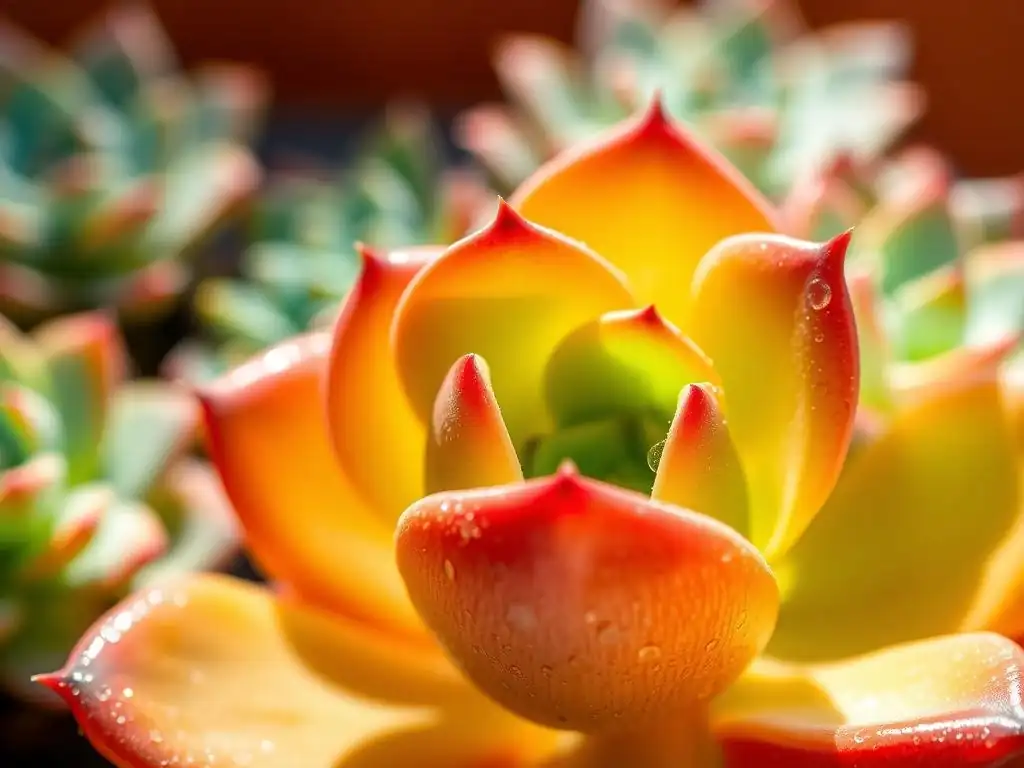
Welcome to SucculentEssentials.org, your gateway to the fascinating world of succulents! Are you puzzled by those unsightly water spots marring the beauty of your beloved plants? We understand the frustration. Discover the secrets to preventing succulent leaf water spots and unlock the key to thriving, vibrant succulents in our expert guide, "How to Avoid Water Spots on Succulent Leaves: Expert Tips," found within our Fundamentals of Succulent Care section. Dive in and learn how to keep your succulents looking their absolute best!
- Understanding Water Spots on Succulents: Causes and Prevention
- Best Practices for Watering Succulents to Prevent Spots
- Environmental Factors Affecting Water Spot Development
- Effective Solutions for Existing Water Spots on Succulents
- Preventing Future Water Spots: Long-Term Strategies
- Frequently Asked Questions
- Final Reflection: The Enduring Beauty of Spotless Succulents
- Unveil Your Succulents' Radiant Glow: Banish Water Spots for Good!
Understanding Water Spots on Succulents: Causes and Prevention
Water spots on succulent leaves are a common problem that can detract from the beauty of these drought-tolerant plants, and if left unchecked, can lead to more serious issues. This comprehensive guide will delve into the root causes of these unsightly blemishes, helping you understand how to effectively prevent succulent leaf water spots and maintain the vibrant health of your collection. We will explore the telltale signs of water damage, the impact of overwatering and mineral buildup, and the crucial role of water quality in preventing these issues.
By following these expert tips, you can ensure your succulents remain healthy, beautiful, and free from those pesky water spots, ultimately contributing to a thriving and visually stunning succulent garden. Let's dive into the details and learn how to keep your succulents looking their best!
Identifying Water Spot Symptoms on Succulent Leaves
Identifying water spots on succulent leaves is the first step towards preventing further damage. These spots often manifest as:
- Brown or dark blemishes: These are typically the most visible sign. The spots can vary in size and shape, sometimes appearing as small dots or larger, irregular patches.
- Soft or mushy texture: Affected areas may feel softer than the surrounding healthy leaf tissue, indicating potential rot.
- Leaf discoloration: Beyond browning, you might observe yellowing or other color changes around the affected area.
- Leaf drop: In severe cases, waterlogged leaves may eventually detach from the plant.
It's important to distinguish water spots from other issues like fungal infections or pest damage. Water spots usually appear as isolated blemishes, unlike fungal infections which often spread more rapidly and show characteristic patterns. Careful observation and comparison are key to accurate diagnosis. Early detection is crucial for effective treatment and preventing the spread of damage to other parts of the plant. Remember, acting quickly can save your succulent! 🧐
Common Causes of Water Spots: Overwatering and Mineral Buildup
Two primary culprits contribute to water spots on succulent leaves: overwatering and mineral buildup.
- Overwatering: This is the most frequent cause. Succulents store water in their leaves, and excessive watering prevents proper drainage, leading to waterlogging. The trapped moisture causes the leaves to become susceptible to rot and discoloration, resulting in those unsightly brown spots. Proper drainage is paramount, so ensure your pots have adequate drainage holes and use a well-draining potting mix. 💧
- Mineral Buildup: Hard water containing high levels of minerals can leave behind deposits on the succulent's leaves after evaporation. These mineral deposits can appear as white or grayish spots, eventually turning brown. Using filtered water or rainwater can significantly mitigate this problem. Regular flushing of the soil with distilled water can help remove accumulated salts. This process involves slowly pouring distilled water through the soil until it drains out from the bottom of the pot. This helps leach out excess minerals and prevent future buildup. 🚰
The Role of Water Quality in Succulent Health
The quality of the water you use to irrigate your succulents plays a significant role in their overall health and the prevention of water spots.
- Hard Water Issues: Hard water, rich in minerals like calcium and magnesium, can leave unsightly deposits on leaves as mentioned earlier. These deposits can interfere with the plant's ability to absorb nutrients and can contribute to water spots and even leaf damage.
- Chlorinated Water: Chlorine in tap water can be harmful to succulents. While small amounts might not cause immediate harm, consistent use of chlorinated water can stress the plant and make it more vulnerable to diseases and water damage. Allowing tap water to sit out overnight can help reduce chlorine levels.
- The Benefits of Filtered or Rainwater: Using filtered water or rainwater eliminates the risk of mineral buildup and chlorine damage, promoting healthier succulents and reducing the likelihood of water spots. Rainwater is a naturally soft and chlorine-free option, while filtered water removes most impurities. The investment in a water filter can be invaluable for maintaining a thriving succulent collection. 🌱
Remember, consistent observation, proper watering techniques, and attention to water quality are key to preventing water spots and ensuring the continued health and beauty of your succulents. By understanding and addressing these factors, you can cultivate a vibrant and flourishing collection of these fascinating plants.
Best Practices for Watering Succulents to Prevent Spots
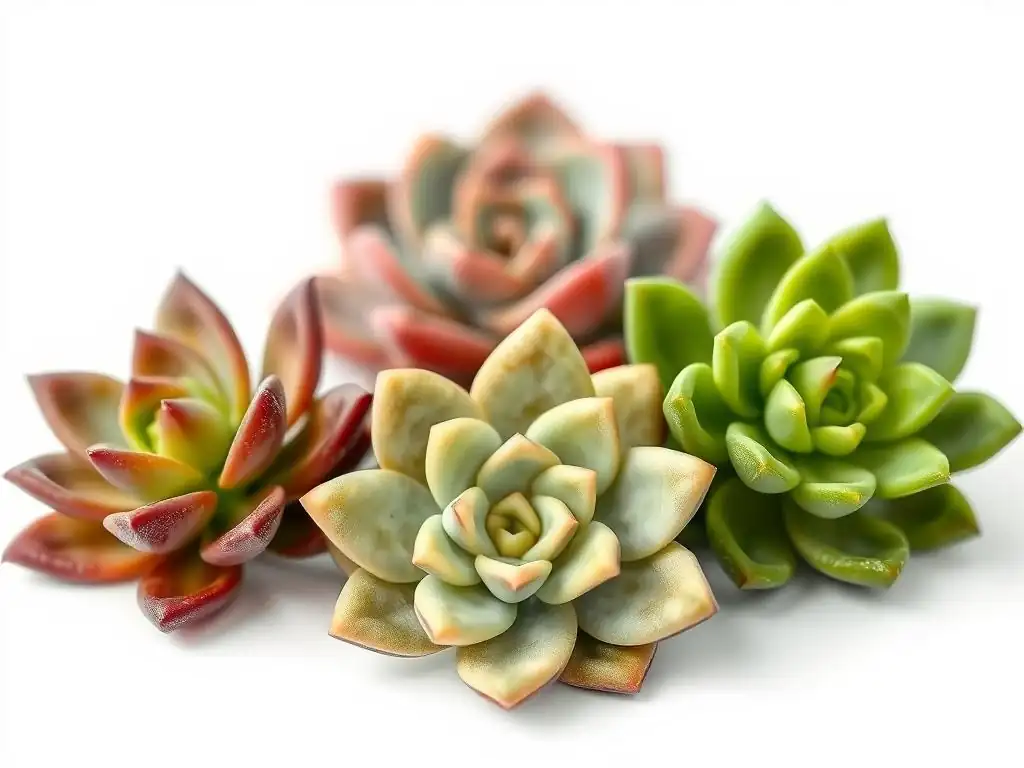
Preventing succulent leaf water spots requires a multifaceted approach, focusing on proper watering techniques and environmental control. Ignoring these best practices can lead to unsightly blemishes and, in severe cases, fungal infections or root rot. The key is to strike a balance: providing enough water for healthy growth while avoiding excessive moisture that encourages spot formation.
This section will delve into specific methods and considerations for achieving this balance. Remember, consistent application of these techniques is crucial for long-term success in preventing water spots and maintaining the vibrant health of your succulents. This is key to preventing succulent leaf water spots.
Watering Techniques for Preventing Water Spots on Succulents
The method by which you water your succulents significantly impacts the likelihood of water spots. Avoid overhead watering, as water droplets clinging to leaves act as tiny magnifying glasses, focusing sunlight and potentially scorching the leaf tissue. This leads to those unpleasant brown spots. Instead, opt for bottom watering. This involves placing the pot in a tray filled with a few inches of water, allowing the soil to absorb moisture from the bottom up. This method ensures even hydration while minimizing the risk of water accumulating on the leaves.
Another effective technique is soaking. Thoroughly soak the soil until water drains from the drainage holes. Allow the soil to dry out completely before watering again. This deep watering encourages strong root growth and reduces the frequency of watering, mitigating the chances of excess moisture leading to spots. Overwatering is a major culprit in causing water spots on succulent leaves.
Finally, consider the time of day. Water your succulents in the morning, allowing the foliage to dry completely before nightfall. This prevents the leaves from staying damp overnight, reducing the risk of fungal growth and spot formation. Remember, prevention is key to maintaining beautiful, spot-free succulents.
The Importance of Well-Draining Soil for Succulent Health
Well-draining soil is paramount in preventing water spots and ensuring the overall health of your succulents. Poorly draining soil retains excess water, creating a soggy environment that invites fungal diseases and root rot, both of which can manifest as unsightly spots on the leaves. A well-draining mix allows for proper aeration and prevents waterlogging around the roots.
A suitable succulent potting mix typically includes a blend of inorganic materials like perlite, pumice, or coarse sand, mixed with a small amount of organic matter like coco coir. The inorganic components enhance drainage and aeration, while the organic matter provides essential nutrients. Avoid using garden soil, as it tends to retain too much water and lacks the necessary drainage for succulents. The correct soil mix is crucial for preventing succulent leaf water spots and ensuring healthy plant growth.
Choosing the Right Pot: Drainage and Material Considerations
The pot you choose plays a significant role in preventing water spots. Always select pots with drainage holes to allow excess water to escape, preventing waterlogging at the base of the plant. Terracotta pots are ideal for succulents because they are porous, allowing for better air circulation and evaporation, thereby reducing the risk of water spots. Plastic pots, while convenient, can retain more moisture, increasing the likelihood of water problems if not carefully monitored.
The size of the pot is also crucial. Select a pot that is appropriately sized for your succulent. A pot that is too large can retain too much moisture, while a pot that is too small can restrict root growth and lead to stress, making the plant more susceptible to water spot formation. Therefore, choosing the right pot size and material is an important step in preventing succulent leaf water spots and ensuring the long-term health of your plants.
Environmental Factors Affecting Water Spot Development
Preventing succulent leaf water spots requires a holistic approach, considering not only your watering technique but also the environmental conditions your succulents are exposed to. High humidity, direct water spray, and intense sunlight all contribute to the development of unsightly water spots, hindering the aesthetic appeal and potentially impacting the health of your plants. Understanding these environmental factors is crucial for effective prevention. Let's delve into the specifics.
Humidity Levels and Their Impact on Succulent Leaves
High humidity creates an ideal breeding ground for fungal diseases and bacterial infections, which often manifest as water spots on succulent leaves. Succulents, adapted to arid climates, thrive in low-humidity environments. Prolonged exposure to excessive moisture in the air can weaken the plant's natural defenses, making it susceptible to these pathogens. The water spots themselves are often a symptom, not the primary problem. The underlying issue is the damp conditions that allow these microorganisms to flourish.
For example, a succulent kept in a consistently humid greenhouse or bathroom might develop water spots more readily than one situated in a well-ventilated room with lower humidity. The difference isn't just about the amount of water the plant receives directly, but the ambient moisture content in the air. Monitoring humidity levels, particularly during periods of high atmospheric moisture, is vital.
Using a hygrometer to measure humidity can help you maintain an optimal environment for your succulents, minimizing the risk of water spot development. Consider using a dehumidifier in excessively humid locations or improving air circulation to reduce the risk.
Avoiding Direct Water Spray on Succulent Leaves
Directly spraying water onto succulent leaves is a common cause of water spots. The water droplets act like tiny magnifying glasses, focusing the sun's rays and potentially scorching the leaf tissue. This leads to the development of brown or dark spots, often mistaken for simple water spots. Furthermore, the prolonged presence of water on the leaf surface can create a favorable environment for fungal growth.
Think of it this way: leaving water droplets on the leaves is like leaving a damp towel folded on a surface – it encourages mold and mildew. The same principle applies to succulents. The best watering practice involves watering the soil directly, ensuring that the water reaches the roots without wetting the foliage.
If you must water from above (e.g., using a watering can), do so early in the day, allowing the leaves to dry completely before nightfall. This minimizes the risk of fungal growth and sunscald. Even better, opt for bottom-watering techniques where the succulent absorbs water from the bottom of the pot, keeping the leaves dry.
The Impact of Sunlight on Water Spot Formation
Sunlight plays a crucial role in water spot formation, not directly as a cause, but as a catalyst. While the water itself doesn't cause the spots, the presence of water on the leaves in direct sunlight significantly increases the likelihood of sunscald. The water droplets magnify the sun's rays, effectively burning the leaf tissue. This results in brown or bleached spots that are often mistaken for simple water damage.
Consider this scenario: you water your succulents in the afternoon sun. The water droplets on the leaves act as lenses, focusing the intense sunlight onto a small area, causing damage. This is especially true with succulents that have a thick, waxy coating or fuzzy leaves, which can trap water droplets for extended periods.
Therefore, always water your succulents in the morning or late afternoon, when the sun's intensity is lower. This allows the leaves to dry before being exposed to direct sunlight, reducing the chance of sunscald and preventing water spots. Choosing a location with filtered sunlight can also minimize the risk.
Effective Solutions for Existing Water Spots on Succulents
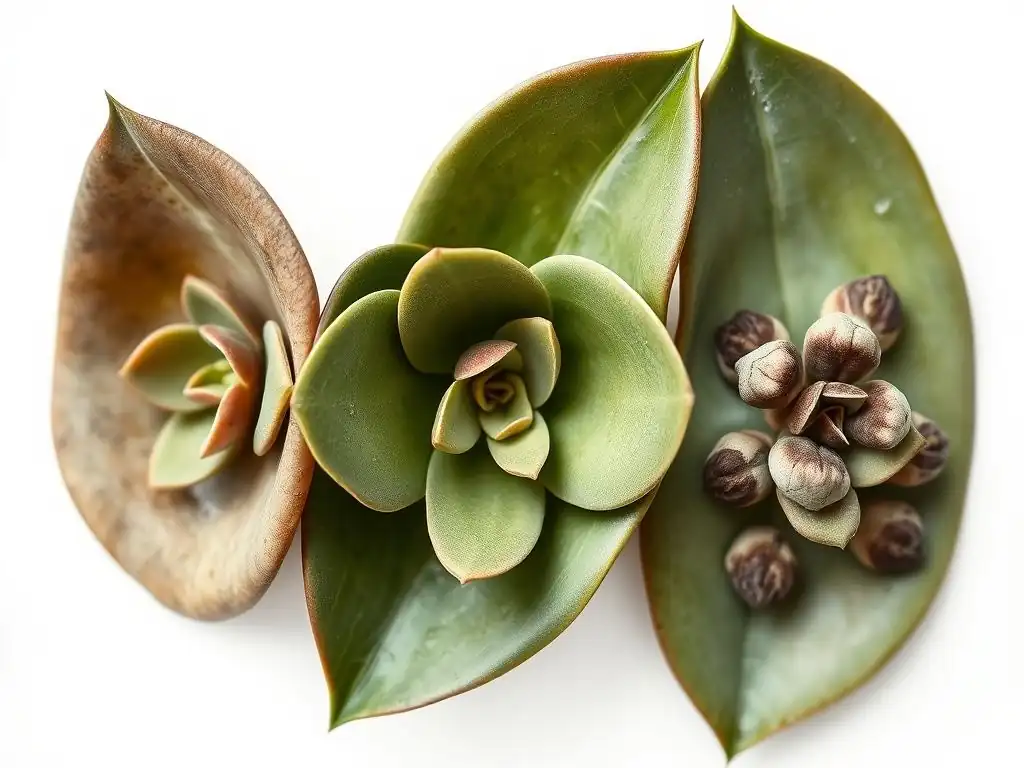
Water spots on succulent leaves, while unsightly, aren't always a death sentence. The key is early intervention and gentle treatment. Ignoring the spots can lead to further damage, potentially causing scarring or even fungal infections. This section focuses on practical solutions to address existing water spots, minimizing their impact and promoting the health of your succulents. Remember, prevention is always better than cure, but addressing existing issues promptly is crucial for maintaining vibrant and healthy plants. Proper identification of the cause of the spots (hard water minerals, for example) will inform the most appropriate treatment.
Gentle Cleaning Methods for Removing Water Spots
Removing water spots requires a delicate approach. Harsh scrubbing can damage the delicate succulent leaves, exacerbating the problem. The goal is to gently lift the spots without causing further injury. Here's a breakdown of effective methods:
- Soft Cloth and Distilled Water: This is the most gentle method. Use a soft, lint-free cloth dampened with distilled water (to avoid mineral deposits) and gently wipe the affected areas. Avoid excessive rubbing.
- Soft-Bristled Brush: For stubborn spots, a soft-bristled brush can be helpful. Gently brush the spots, ensuring you're not applying excessive pressure. Follow up with a soft cloth and distilled water to remove any loosened residue.
- Mild Soap Solution (Use Sparingly): In cases of persistent mineral deposits, a very diluted solution of mild dish soap and distilled water might help. Mix a tiny amount of soap with plenty of water. Apply sparingly using a soft cloth, rinse thoroughly with distilled water, and allow the plant to dry completely. Always test this method on a small, inconspicuous area first to ensure it doesn't damage the plant.
Preventing Further Damage: Adjusting Watering Practices
The most effective way to prevent succulent leaf water spots is to adjust your watering practices. Overwatering is a primary culprit, leading to excess moisture on the leaves and subsequent spotting. Here are key adjustments:
- Water Thoroughly, But Less Frequently: Instead of frequent, light watering, water deeply but less often. Allow the soil to dry out completely between waterings. This encourages strong root growth and prevents waterlogging.
- Ensure Proper Drainage: Ensure your pots have drainage holes to prevent water from accumulating at the base of the plant. Soggy soil is a breeding ground for problems.
- Water at the Base: Avoid getting water directly on the leaves. Water the soil at the base of the plant, allowing the water to absorb naturally.
- Monitor Soil Moisture: Use your finger to check the soil moisture before watering. If the top inch or two of soil is dry, it's time to water.
- Consider Your Environment: Adjust watering frequency based on the season, temperature, and humidity. Plants in hotter, drier climates will need more frequent watering than those in cooler, more humid environments. A well-draining potting mix specifically formulated for succulents is essential.
When to Seek Professional Help for Severely Damaged Succulents
Despite your best efforts, some succulents may sustain severe damage from water spots or related issues. If you notice significant discoloration, leaf drop, or signs of rot, it's best to seek professional help. A local nursery or succulent specialist can diagnose the problem accurately and recommend appropriate treatment options. They may have access to specialized fungicides or other treatments that aren't readily available to home gardeners. Early intervention can often save a severely affected succulent, but advanced cases may require expert care. Don't hesitate to seek help when needed; it’s better to be proactive and save your precious plants.
Preventing Future Water Spots: Long-Term Strategies
Preventing succulent leaf water spots isn't just about fixing the problem; it's about establishing healthy watering habits that minimize the risk in the first place. Consistent, mindful watering is key to preventing these unsightly blemishes and ensuring your succulents thrive. This section will explore long-term strategies to avoid future water spot issues, focusing on proactive care rather than reactive solutions. Remember, the goal is to avoid overwatering, a primary culprit behind water spots.
Creating a Consistent Watering Schedule for Your Succulents
Developing a consistent watering schedule tailored to your specific environment and succulent species is crucial. Avoid a rigid schedule, however, as factors like temperature, sunlight exposure, and pot size significantly influence how quickly the soil dries. Instead, focus on feeling the soil.
Here's a practical approach:
- Check soil moisture: Before watering, insert your finger about an inch into the soil. If it's dry, it's time to water. If it's still moist, wait a few more days. This "feel" method is far more reliable than a fixed schedule.
- Seasonal adjustments: Watering needs change with the seasons. During hotter months, succulents may need more frequent watering, while in winter, they’ll require less. Observe your plants carefully and adjust accordingly.
- Pot size and material: Smaller pots dry out faster than larger ones. Terracotta pots are porous and allow for quicker evaporation than plastic or glazed ceramic pots. Consider these factors when determining your watering frequency.
- Species-specific needs: Different succulents have different water requirements. Research the specific needs of your succulent varieties to tailor your approach. For instance, Echeveria generally prefer less frequent watering than Sedum.
Monitoring Soil Moisture Levels for Optimal Watering
Beyond the finger test, there are other methods to accurately monitor soil moisture. Overwatering is the most common cause of water spots, and precise monitoring helps prevent this.
- Moisture meters: These handy tools measure the moisture content of the soil, providing a numerical reading. They are particularly useful for beginners, offering a more objective assessment than the finger test alone.
- Weighing the pots: Before watering, weigh your pots. As the soil dries, the weight decreases. Consistent weighing helps you establish a baseline weight for each pot, indicating when watering is needed.
- Observing the soil: Carefully examine the soil's surface. Dry soil often appears lighter in color and may crack slightly. This visual cue provides another indication of when watering is necessary.
- Avoid overwatering: Even with these monitoring methods, err on the side of underwatering rather than overwatering. It's easier to recover from underwatering than to deal with the consequences of overwatering, including water spots.
Observing Your Succulents for Early Signs of Water Damage
Early detection is crucial in preventing extensive water damage. Learning to recognize the subtle signs of overwatering allows for timely intervention, minimizing the risk of severe leaf spotting.
- Soft, mushy leaves: Overwatered succulents often develop soft, mushy leaves, indicating root rot. This is a clear warning sign.
- Leaf discoloration: Water spots are often preceded by subtle discoloration, which may appear as slight yellowing or browning around the leaf edges or base.
- Drooping leaves: While drooping can indicate underwatering, it can also be a sign of overwatering, especially when combined with other symptoms.
- Root inspection: If you suspect overwatering, carefully remove the succulent from its pot and inspect the roots. Healthy roots are firm and white; decaying roots are brown and mushy.
Remember, preventing succulent leaf water spots is a proactive process. By combining consistent watering schedules, precise moisture monitoring, and careful observation of your succulents, you can significantly reduce the risk of these unsightly blemishes and ensure the long-term health and beauty of your collection. Careful attention to detail, and patience, are key elements in succulent care. 🪴
Frequently Asked Questions
What causes water spots on succulent leaves?
Water spots are usually caused by improper watering techniques. Leaving water droplets on the leaves for extended periods, especially in direct sunlight, can lead to sunscald and spotting. Overwatering can also contribute to this issue.
How can I prevent water spots on my succulents?
Water thoroughly but infrequently, allowing the soil to dry out completely between waterings. Avoid getting water on the leaves; water at the base of the plant. Ensure good air circulation around your succulents to prevent moisture buildup.
My succulents already have water spots. Can I fix them?
Unfortunately, existing spots are usually permanent. Focus on preventing future spots by adjusting your watering practices. You can try to improve the plant's overall health to encourage new, healthy growth.
What type of water is best for succulents to avoid spots?
Use room-temperature water; avoid using cold water, which can shock the plant. Some people find that using filtered or rainwater helps to prevent mineral buildup and spotting.
Are some succulent varieties more prone to water spots than others?
While all succulents can be affected, those with thicker, smoother leaves may be more susceptible to water spots than those with hairy or textured leaves. Proper watering techniques are still key regardless of the variety.
Final Reflection: The Enduring Beauty of Spotless Succulents
The quest for pristine succulent leaves, free from unsightly water spots, is more than just an aesthetic pursuit; it's a testament to our connection with the natural world and our desire to nurture its beauty. The seemingly simple act of watering these resilient plants correctly holds a deeper significance, reflecting our mindful approach to plant care and the appreciation of their delicate forms. Proper watering techniques are not merely about avoiding blemishes; they are about fostering healthy growth and ensuring the longevity of these captivating desert dwellers.
The journey to understanding the nuances of succulent watering has been a fascinating one, revealing the intricate relationship between water, light, and the plant's overall health. It's a journey that underscores the importance of observation and patience, qualities often overlooked in our fast-paced lives. The best things in life are worth waiting for,
and the reward of a perfectly healthy, spot-free succulent is a testament to this truth. This process of learning, adapting, and refining our techniques mirrors our own personal growth and the continuous effort required to cultivate beauty, both in our plants and in ourselves.
Now, consider your own succulents. Take a moment to observe their leaves, their unique textures, and their silent resilience. Remember the techniques discussed – the gentle watering, the proper drainage, the importance of sunlight. Apply this knowledge not just to your plants, but to other aspects of your life where careful attention to detail yields remarkable results. Embrace the journey of nurturing, learning, and appreciating the beauty that surrounds us, one spotless succulent leaf at a time.
Unveil Your Succulents' Radiant Glow: Banish Water Spots for Good!
Thank you for learning how to keep your succulents looking their best! You now have expert tips to prevent those pesky water spots. Ready to put your knowledge into practice?
- Master proper watering techniques: Using filtered water and avoiding overhead watering are key to success. This is the most impactful change you can make.
- Share your results: Let's build a community! Share your before-and-after photos and watering strategies on our social media channels using #SucculentEssentials.
- Find the perfect watering schedule: Every succulent is unique. Observe how your plants respond to different watering frequencies to determine their ideal schedule.
What's the most surprising thing you learned about preventing water spots on your succulents? Let's discuss!