
Succulent Light and Temperature: The Ultimate Guide for Thriving Plants

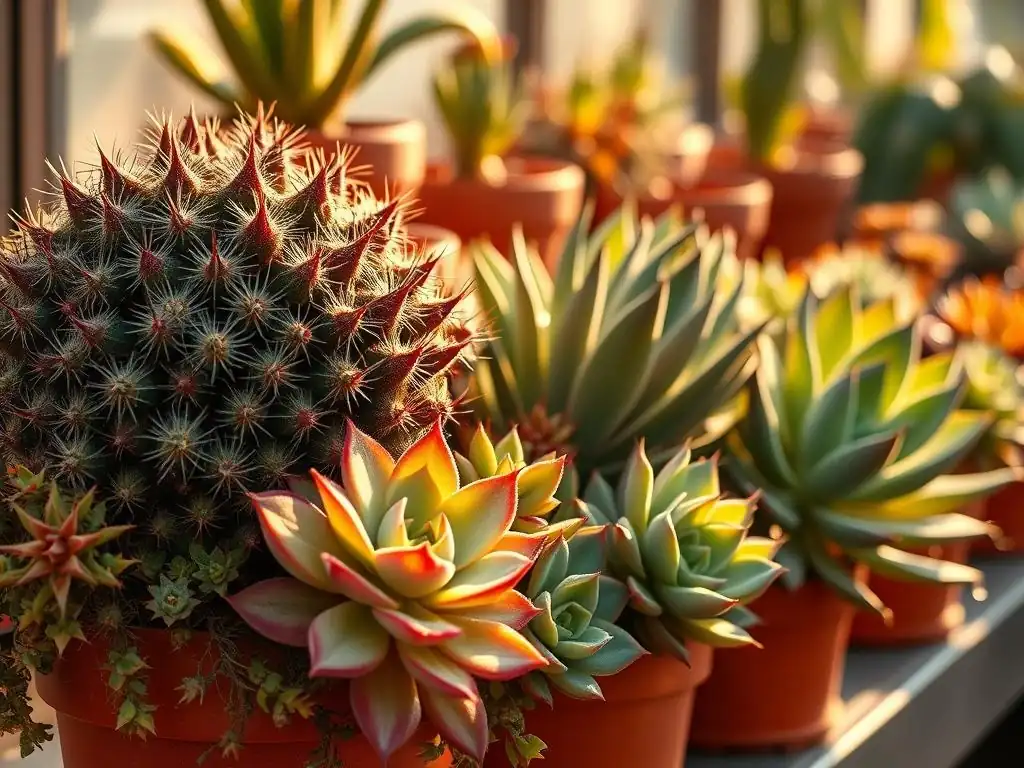
Welcome to SucculentEssentials.org, your gateway to the fascinating world of succulents! Are you ready to unlock the secrets to cultivating thriving, vibrant succulents? We delve into every aspect of succulent care, from mastering the art of propagation to creating breathtaking displays. But first, let's tackle a crucial element: discovering the best succulent light temperature for optimal growth. Dive into our ultimate guide and learn how to perfectly illuminate your miniature desert oasis.
- Understanding Light Requirements for Optimal Succulent Growth
- The Role of Temperature in Succulent Health
- Light and Temperature: A Synergistic Relationship
- Practical Tips for Maintaining Ideal Light and Temperature Conditions
- Troubleshooting Common Light and Temperature Issues
- Frequently Asked Questions
- Final Reflection: Cultivating Success: Light, Temperature, and the Enduring Allure of Succulents
- Unleash Your Inner Plant Parent: Nurture Thriving Succulents!
Understanding Light Requirements for Optimal Succulent Growth
Succulents, with their fascinating diversity of shapes, colors, and textures, are beloved for their drought-tolerance and relatively low-maintenance nature. However, even these resilient plants thrive best when provided with the right amount of sunlight and temperature. This comprehensive guide delves into the specifics of light and temperature requirements, helping you cultivate healthy, vibrant succulents regardless of your climate or growing environment. We'll explore the ideal temperature ranges, different types of light exposure, and how to identify the perfect lighting conditions for your specific succulent species.
Mastering these fundamentals is key to unlocking the full potential of your succulent collection, ensuring their longevity and beauty. This guide aims to answer the question: What is the best succulent light temperature for optimal growth? Let's dive in!
Best Succulent Light Temperature: The Importance of Sunlight
Sunlight is crucial for succulent growth and health. It fuels photosynthesis, the process by which succulents convert light energy into chemical energy for growth. The "best" succulent light temperature isn't a single number, but rather a range influenced by both light intensity and ambient air temperature. Generally, succulents prefer temperatures between 65°F and 80°F (18°C and 27°C) during the day for optimal photosynthesis. However, they can tolerate higher temperatures, especially with adequate airflow and proper watering. Crucially, nighttime temperatures should be cooler, ideally dropping by 10-15°F (5-8°C), to mimic their natural desert environment. This temperature fluctuation is essential for healthy growth and prevents issues like etiolation (leggy growth due to insufficient light). Too much heat, especially combined with intense sunlight, can scorch leaves, while prolonged exposure to cold temperatures can cause damage or even death. Monitoring both light intensity and temperature is key to providing the ideal growing conditions. ☀️
Types of Light: Full Sun, Partial Shade, and Indirect Light for Succulents
Not all succulents require the same amount of sunlight. Understanding the different types of light exposure is vital for selecting the appropriate location for your plants and ensuring their well-being.
- Full Sun: This refers to at least 6 hours of direct, unfiltered sunlight daily. Succulents that thrive in full sun often have thicker leaves and a more compact growth habit. Examples include Sedum, Echeveria, and Sempervivum species. However, even full-sun succulents can be susceptible to sunburn during the hottest part of the day, especially in intense summer heat.
- Partial Shade: This means receiving between 4-6 hours of sunlight, often with some dappled shade during the hottest periods. Many succulents tolerate partial shade well, making it a suitable option for areas that don't receive full sun all day.
- Indirect Light: This type of light is diffused, filtered through a window or shade cloth. Succulents needing indirect light often have thinner leaves and may be more sensitive to direct sunlight. They're ideal for indoor locations with bright, but not directly sunny, conditions. Examples include Haworthia and some Gasteria species.
Choosing the right light exposure depends heavily on the specific succulent species and the intensity of the sunlight in your region.
Identifying Ideal Light Conditions for Your Succulent Species
Different succulent species have varying light requirements. Careful observation of your plant's condition is crucial. Signs of insufficient light include etiolation (leggy growth), pale coloration, and weak stems. Conversely, signs of excessive light include sunburn (brown or bleached spots on leaves), leaf curling, and shriveled appearance. Researching the specific needs of your succulent species is vital; consult reliable resources or succulent experts for species-specific guidance.
Remember that even within a single species, individual plants might exhibit slight variations in their light preferences. Regular monitoring and adjustments to your plant's position are essential for maintaining optimal health and growth. Pay attention to the details, and your succulents will reward you with vibrant health and beauty! 🪴
Light Adjustments for Different Seasons: Summer vs. Winter Care
Succulents, despite their resilience, require careful light management throughout the year to thrive. The intensity and duration of sunlight vary significantly between summer and winter, demanding adjusted care practices to prevent sunburn or etiolation (leggy growth due to insufficient light). Understanding these seasonal differences is crucial for maintaining the health and vibrant appearance of your succulent collection.
The summer months bring intense sunlight and longer days. While succulents love sunlight, excessive exposure during the peak hours of the day (typically midday) can lead to sunburn, manifested as brown or bleached patches on the leaves. To avoid this, consider providing some afternoon shade, especially for succulents with delicate foliage.
This could involve moving your plants to a slightly shadier location, using shade cloth, or strategically placing them behind taller plants. Remember that even succulents that tolerate full sun benefit from some protection during the hottest part of the summer. Observe your plants carefully; if you notice any signs of sunburn, immediately relocate them to a less intense light environment.
Winter, on the other hand, presents a different challenge. Days are shorter, and sunlight intensity is significantly reduced. Many succulent species require supplemental light during the winter months to prevent etiolation.
This is particularly crucial for indoor succulents, which receive much less natural light than their outdoor counterparts. Using grow lights, especially those mimicking the full spectrum of sunlight, can ensure your succulents receive the necessary light for photosynthesis and healthy growth. The duration of supplemental light will depend on the specific species and the amount of natural light available; however, a general guideline is to provide several hours of supplemental light daily during the shortest days of the year.
Don't forget that even outdoor succulents may benefit from extra light during cloudy winter periods. Regular monitoring is key to ensuring your succulents receive optimal light throughout the winter. A noticeable increase in stem length or pale coloration is a clear indication that your succulents need more light.
The Role of Temperature in Succulent Health
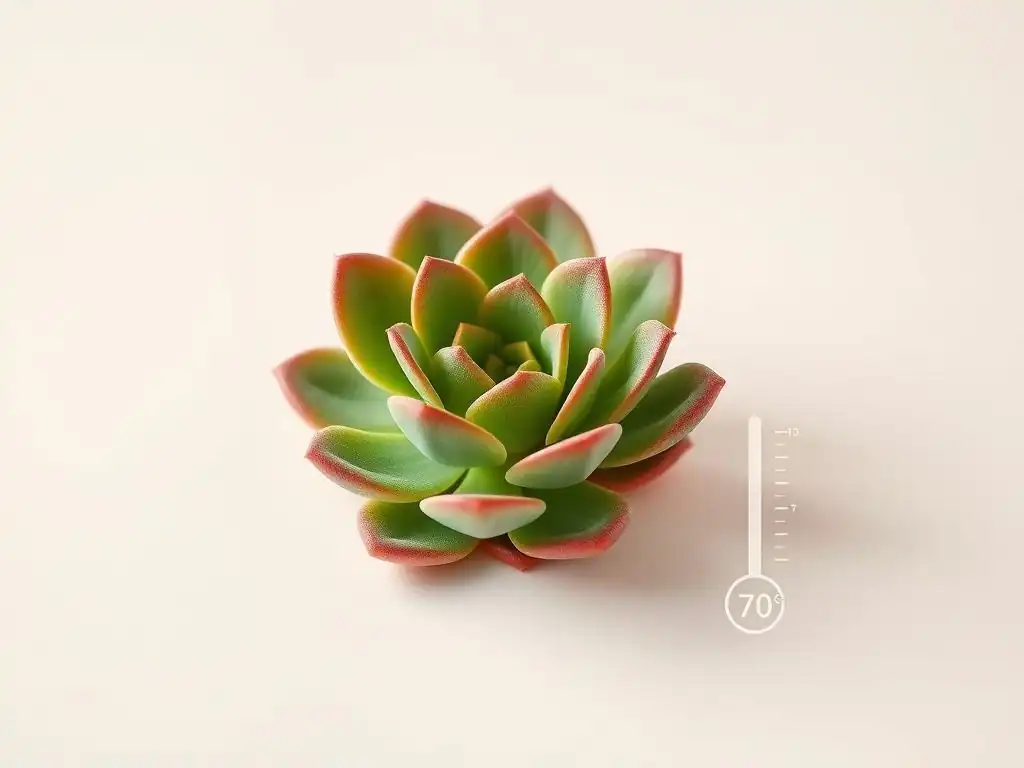
Temperature plays a crucial role in the overall health and well-being of succulents. These fascinating plants, while known for their drought tolerance, are sensitive to extreme temperatures. Understanding their ideal temperature range is key to cultivating thriving succulents, whether indoors or outdoors. The "best succulent light temperature" isn't just about the sun's rays; it's a delicate balance between warmth, light, and avoiding temperature extremes that can lead to stress or even death.
Think of temperature as another essential nutrient, just as important as water and sunlight, in the recipe for successful succulent cultivation. Ignoring the temperature factor can lead to a range of problems, from stunted growth to irreversible damage. This section will delve into the specifics of temperature requirements, helping you optimize conditions for your succulent collection. Proper temperature management is a cornerstone of successful succulent care, contributing significantly to their overall vibrancy and longevity.
Best Temperature Range for Succulents: Finding the Sweet Spot
Most succulents thrive in temperatures ranging between 65°F and 80°F (18°C and 27°C). This is considered the optimal range for many common succulent species. However, it's crucial to remember that this is a generalization. Specific temperature preferences vary greatly depending on the species. For example, Echeveria species generally prefer slightly cooler temperatures than Sedum species.
Always research the specific needs of your succulents to ensure they're receiving the ideal conditions. Maintaining this temperature range encourages robust growth, vibrant coloration, and overall plant health. Deviations from this ideal can impact flowering, leaf development, and the plant's susceptibility to diseases. Monitoring temperature fluctuations, especially during extreme weather events, is crucial for protecting your succulents.
High Temperatures and Succulents: Heat Stress and Prevention
Excessively high temperatures can cause significant stress to succulents. Symptoms of heat stress include leaf scorching, wilting, and discoloration. Prolonged exposure to temperatures above 90°F (32°C) can lead to irreversible damage and even death. To prevent heat stress, consider the following measures:
- Provide shade during the hottest part of the day: This can be achieved by using shade cloth, moving plants to a more shaded location, or simply using a strategically placed object to cast a shadow.
- Increase airflow: Good air circulation prevents the build-up of hot, stagnant air around the plants. A gentle breeze can make a significant difference.
- Water deeply but infrequently: Avoid frequent watering during hot weather, as this can lead to root rot. Instead, water thoroughly when the soil is completely dry.
- Choose appropriate planting containers: Terracotta pots, for example, allow for better air circulation and evaporation than plastic pots.
Low Temperatures and Succulents: Frost Protection and Winterizing
Succulents are generally not frost-tolerant. Temperatures below freezing (32°F or 0°C) can cause significant damage, leading to frostbite and ultimately plant death. The level of cold tolerance varies among different succulent species; some are more cold-hardy than others. Protecting your succulents from frost is essential during winter months. Here are some strategies for frost protection and winterizing:
- Move plants indoors: Bring your succulents indoors to a protected location with temperatures above freezing.
- Provide insulation: Cover your plants with frost cloth or blankets during freezing temperatures. This creates a microclimate that helps protect them from the cold.
- Mulch the soil: Applying a layer of mulch around the base of your succulents can help insulate the roots.
- Choose the right location: If keeping succulents outdoors, select a location sheltered from harsh winds and cold air. South-facing walls can offer protection.
Remember, proper temperature management, alongside appropriate lighting, is paramount for maintaining the health and vitality of your succulents. By understanding the specific temperature requirements of your plants and employing the right preventative measures, you can ensure they thrive year-round. Consistent monitoring and proactive adjustments are key to achieving the “best succulent light temperature” for your unique collection.
Temperature Fluctuations and Their Impact on Succulent Growth
Succulents, while remarkably adaptable, are sensitive to drastic temperature swings. Consistent, moderate temperatures are ideal for optimal growth and health. Sharp drops or spikes can trigger stress responses, potentially leading to stunted growth, leaf discoloration, or even death, depending on the severity and duration of the fluctuation.
For example, a sudden freeze after a period of warm weather can cause irreversible damage to the plant's tissues, resulting in mushy or blackened leaves. Conversely, extremely high temperatures can lead to sunburn, manifested as brown or bleached patches on the leaves. The best succulent light temperature involves not just the average temperature, but also the consistency.
Understanding diurnal temperature variation is crucial. Most succulents experience natural temperature fluctuations between day and night in their native habitats. These fluctuations, typically within a moderate range, are usually beneficial and even necessary for the plant's metabolic processes.
However, excessively large differences, like a 30°C (86°F) difference between day and night, can be detrimental, stressing the plant and hindering its ability to photosynthesize efficiently. This is why providing some shade during the hottest parts of the day, even for sun-loving succulents, is often beneficial in hot climates. The goal is to mimic the natural temperature variations of their native environments as closely as possible.
The impact of temperature fluctuations also depends on the specific succulent species. Some, like Sedum morganianum (Burro's Tail), are more tolerant of temperature variations than others, such as Echeveria varieties, which are more sensitive to cold temperatures and require protection from frost. Therefore, researching the specific needs of your succulent species is essential for providing the best possible care, ensuring they thrive even with fluctuating temperatures.
This information is usually readily available from nurseries or online succulent databases. Remember, consistent monitoring and careful adjustment of the growing environment are key to protecting your succulents from temperature-related stress. A good thermometer and a watchful eye are invaluable tools for any succulent enthusiast.
Light and Temperature: A Synergistic Relationship
The "best succulent light temperature" isn't a single number, but rather a carefully balanced interplay between light intensity and ambient temperature. These two factors are intrinsically linked, affecting photosynthesis, water retention, and overall plant health. Think of it as a Goldilocks scenario: too much or too little of either light or heat can lead to unhappy succulents. High light intensity, for example, increases the plant's need for water, making it more susceptible to dehydration if temperatures are also high.
Conversely, low light combined with cold temperatures can lead to etiolation (leggy growth) and reduced vigor. Understanding this dynamic is crucial for cultivating thriving succulents. We'll explore the nuances of this relationship in more detail below. Optimizing both light and temperature is key to achieving optimal growth and preventing common succulent problems.
Balancing Light Exposure and Temperature for Healthy Succulents
Succulents, native to arid and semi-arid regions, have evolved to thrive in intense sunlight and fluctuating temperatures. However, the specific requirements vary considerably depending on the species. Sedum species, for example, generally tolerate full sun and high temperatures, while Echeveria might prefer some afternoon shade during the hottest part of the day. This necessitates careful observation and adaptation to your specific climate and the individual needs of your succulents.
To achieve the best balance:
- Monitor Sunlight: Observe the intensity and duration of sunlight in your growing location. Full sun typically refers to at least 6 hours of direct sunlight daily. Partial sun indicates 4-6 hours, while filtered sunlight implies less direct exposure.
- Temperature Considerations: Ideal daytime temperatures range from 70-85°F (21-29°C) for most succulents. Nighttime temperatures can be slightly cooler, ideally not dropping below 50°F (10°C) for most varieties. Extreme heat or cold can stress the plants, leading to sunburn, chilling injury, or even death.
- Acclimation is Key: Gradually introduce succulents to increased light intensity to prevent sunburn. Start with filtered sunlight and slowly increase exposure over several weeks. Similarly, protect your plants from sudden temperature drops or extreme heat waves.
- Seasonal Adjustments: Light intensity and temperature naturally fluctuate throughout the year. Adjust your succulent's location and care accordingly. During winter, they may require less light and warmer temperatures.
Signs of Incorrect Light and Temperature: Identifying Problems
Recognizing the signs of improper light and temperature is crucial for timely intervention. Here's a table summarizing common issues:
| Problem | Light Issue | Temperature Issue | Visual Symptoms |
|---|---|---|---|
| Sunburn | Too much direct sunlight | High temperatures | Brown or bleached patches, wilting |
| Etiolation (leggy growth) | Too little sunlight | Not directly related | Weak stems, elongated leaves, pale coloration |
| Stunted Growth | Insufficient light | Too cold or too hot | Slow or no growth, small leaves, discoloration |
| Leaf Drop | Sudden change in light | Extreme temperature swings | Premature leaf loss, overall weakening of the plant |
| Root Rot | Not directly related | Consistently cold & wet soil | Soft, mushy leaves and stems, foul odor from soil |
Remember that multiple factors can contribute to a single symptom. For example, leaf drop could be caused by a sudden temperature drop or a sudden reduction in light exposure. Careful observation and consideration of all environmental factors are essential for accurate diagnosis.
Adjusting Light and Temperature Based on Succulent Behavior
Once you've identified a problem, adjust the light and temperature accordingly. This might involve:
- Relocation: Move your succulents to a location with more or less sunlight, depending on the need. Consider using shade cloth during the hottest part of the day to filter intense sunlight.
- Temperature Control: Utilize fans, heaters, or air conditioning to maintain optimal temperatures, especially during extreme weather events. Consider providing additional insulation during cold periods.
- Watering Adjustments: Increased light intensity often necessitates more frequent watering, while lower light may reduce water requirements. Always allow the soil to dry out completely between waterings to prevent root rot.
- Supplemental Lighting: In low-light conditions, supplemental grow lights can provide the necessary light intensity for healthy growth. Choose full-spectrum grow lights to mimic natural sunlight.
By carefully monitoring your succulents, understanding their specific needs, and making timely adjustments to their environment, you can create the perfect balance of light and temperature for thriving, vibrant plants. Remember, patience and observation are key to mastering the art of succulent care and achieving the "best succulent light temperature" for your collection. 🪴
Practical Tips for Maintaining Ideal Light and Temperature Conditions
This section delves into actionable strategies for ensuring your succulents receive the optimal light and temperature balance for robust growth and vibrant health. Understanding these nuances is crucial for achieving the best succulent light temperature conditions, leading to thriving plants and stunning displays. We'll explore practical methods to manage both indoor and outdoor environments, ensuring your succulents flourish regardless of your climate. Remember, the "best" light and temperature will vary slightly depending on the specific succulent species, so always research the individual needs of your plants.
Choosing the Right Location for Your Succulents: Indoor vs. Outdoor
The ideal location for your succulents hinges on several factors: the amount of natural sunlight available, the prevailing temperatures, and the specific needs of each succulent variety. Outdoor placement generally offers more intense sunlight, but requires careful monitoring to avoid scorching or frost damage. Indoor placement offers more control but often necessitates supplemental lighting.
Let's consider a comparative analysis:
| Feature | Outdoor Placement | Indoor Placement |
|---|---|---|
| Sunlight | Abundant, but requires careful monitoring | Limited; often requires supplemental grow lights |
| Temperature | Subject to fluctuations; prone to extremes | More stable; easier to control |
| Protection | Requires protection from harsh weather conditions | Protected from extreme weather; less prone to damage |
| Maintenance | Higher maintenance; requires more attention | Lower maintenance; requires less frequent watering |
For outdoor placement, south-facing windows (in the Northern Hemisphere) provide the most direct sunlight. However, intense midday sun can scorch delicate succulents. Consider providing afternoon shade during the hottest part of the day, perhaps with a sheer curtain or strategically placed taller plants. In contrast, indoor placement requires careful consideration of window placement and orientation. East- or west-facing windows provide ample light, but north-facing windows usually require supplemental grow lights. Remember to rotate your plants regularly to ensure even light exposure. Avoid placing succulents near heating or air conditioning vents, as these can cause drastic temperature fluctuations and desiccation.
Utilizing Grow Lights for Supplemental Illumination
Grow lights are invaluable for supplementing natural light, especially during shorter winter days or for succulents situated in low-light indoor environments. They provide a controlled and consistent source of light, crucial for maintaining healthy growth. Different types of grow lights offer varying levels of effectiveness and energy efficiency.
Choosing the right grow light involves considering these key factors:
- Type of Light: Fluorescent, LED, or high-intensity discharge (HID) lights each have their pros and cons regarding cost, energy efficiency, and light spectrum. LED grow lights are increasingly popular due to their energy efficiency and long lifespan.
- Light Spectrum: Succulents benefit from a full-spectrum light that mimics natural sunlight. Look for grow lights that offer a balanced spectrum covering both the red and blue wavelengths essential for photosynthesis.
- Intensity: The intensity of the light is crucial; too little light leads to etiolation (leggy growth), while too much can scorch the leaves. Follow the manufacturer's instructions for appropriate distances between the light and the plants.
- Duration: Mimic natural daylight hours as closely as possible. A 12-14 hour light cycle is generally recommended for most succulents.
Implementing grow lights effectively necessitates careful planning and monitoring. Start with a lower intensity and gradually increase it as needed, closely observing your succulents' response. Remember to maintain a safe distance between the light and your plants to prevent overheating or scorching.
Protecting Succulents from Extreme Temperatures: Shelter and Shade
Extreme temperatures, both hot and cold, pose significant threats to succulents. Protecting them from these extremes is critical for their survival and well-being. Heat stress can lead to sunburn, wilting, and even death, while frost can cause irreversible damage to the plant tissues.
Several strategies can be employed to mitigate these risks:
- Heat Protection: During hot summers, provide afternoon shade, using shade cloth, awnings, or strategically placed taller plants. Ensure good air circulation to prevent overheating. Consider moving your succulents to a cooler location during the hottest part of the day.
- Cold Protection: During cold winters, protect your succulents from frost by bringing them indoors or covering them with frost cloth or other insulating materials. Avoid placing them near cold drafts or windows.
- Shelter from Wind: Wind can desiccate succulents, leading to dehydration and damage. Provide shelter from strong winds using windbreaks or by placing them in a sheltered location.
- Monitoring: Regularly monitor the temperature and adjust your protection strategies accordingly. A thermometer can be invaluable in tracking temperature fluctuations and ensuring your succulents remain within their optimal temperature range.
By implementing these preventative measures, you can significantly reduce the risk of temperature-related damage and ensure the long-term health and vitality of your succulent collection. Remember, proactive protection is key to maintaining the best succulent light temperature for optimal growth. 🪴
Monitoring Temperature and Light Levels: Tools and Techniques
Maintaining the perfect balance of light and temperature for your succulents requires diligent monitoring. Fortunately, several tools and techniques can help you achieve this. Accurate measurement is key to ensuring your succulents thrive, avoiding both scorching sun damage and the chilling effects of inadequate warmth.
One of the most straightforward methods is using a thermometer. A simple digital thermometer, placed amongst your succulents, will provide a continuous reading of the ambient temperature. For more precise monitoring, consider a minimum-maximum thermometer, which records the highest and lowest temperatures reached over a period of time. This gives you a complete picture of temperature fluctuations, crucial information for understanding how your succulents are responding to their environment. Remember to place the thermometer at the approximate height of your succulents to get the most accurate reading, avoiding placing it directly in sunlight or near a heat source.
Measuring light levels is equally important. While your eyes can give a general indication of light intensity, a light meter offers far more precise measurements. These meters measure light intensity in foot-candles or lux, allowing you to quantify the amount of light your succulents receive. This is particularly useful when placing succulents in various locations or adjusting window coverings.
Different succulents have different light requirements; using a light meter ensures you're providing the optimal amount for each species. For example, a Haworthia might thrive in lower light conditions (perhaps 500-1000 lux), while an Echeveria might need significantly more (1500-3000 lux or more). Regularly checking light levels with a meter helps you adjust your succulent's position as seasons change and light availability fluctuates.
Beyond dedicated tools, observation plays a crucial role. Pay close attention to your succulents' appearance. Signs of sunburn, such as browning or bleaching, indicate excessive light exposure. Conversely, leggy growth or etiolation (elongated stems and pale coloration) signals insufficient light.
These visual cues, coupled with temperature and light readings, allow you to fine-tune your care routine, ensuring your succulents receive the precise conditions they need to flourish. Combining these observational techniques with the use of thermometers and light meters provides a comprehensive approach to maintaining optimal light and temperature levels for your beloved succulents. Remember, consistency is key – regular monitoring ensures your succulents remain happy and healthy.
Troubleshooting Common Light and Temperature Issues
This section delves into practical solutions for common problems succulent owners encounter regarding light and temperature. Understanding these issues and their remedies is crucial for maintaining healthy and vibrant succulents. Achieving the best succulent light temperature is a balancing act, and knowing how to address imbalances is key to success.
Dealing with Sunburn and Heat Stress in Succulents
Sunburn and heat stress are common problems, especially during the hotter months. Symptoms include discoloration (often appearing as reddish-brown or bleached patches), wilting, and leaf drop. The intensity of the damage depends on the succulent species; some are more tolerant of direct sun than others. Prevention is key, so always acclimate your succulents gradually to brighter light conditions. Avoid placing them in direct, intense sunlight, particularly during the midday hours.
The best approach is to move your affected succulents to a location with filtered sunlight or partial shade. Ensure good air circulation to prevent overheating. You can also use shade cloth or other protective measures to reduce the intensity of the sun. If the damage is minor, the plant should recover within a few weeks with proper care. However, severely sunburned leaves may not recover and will need to be carefully removed to prevent rot. Regular watering (but avoid overwatering!) can also help the plant recover from heat stress, but only if the soil is dry to the touch.
Here's a table summarizing the typical signs and treatments for sunburn and heat stress:
| Symptom | Severity | Treatment |
|---|---|---|
| Discoloration (reddish-brown/bleached) | Mild | Move to partial shade, monitor watering. |
| Wilting | Moderate | Move to partial shade, increase air circulation. |
| Leaf Drop | Severe | Move to shade, water sparingly, trim dead leaves. |
| Soft, mushy leaves | Severe | This indicates rot, possibly secondary to sunburn. Remove affected parts immediately. |
Remember, even succulents that thrive in full sun need protection from the harshest midday rays during the summer. Observing your plants closely and adjusting their position as needed is crucial for preventing sunburn. Think of it as providing the best succulent light temperature for optimal growth.
Reviving Succulents Affected by Cold Temperatures
Cold temperatures can cause significant damage to succulents, leading to chilling injury. Symptoms include discoloration (often turning black or brown), wilting, and mushy leaves. The sensitivity to cold varies widely among species. Some are quite hardy, while others are extremely sensitive to freezing temperatures.
Prevention is again paramount. During colder months, move your succulents indoors or to a protected area where they are shielded from frost and freezing temperatures. If temperatures are expected to drop below freezing, consider covering your plants with frost cloth or bringing them indoors.
If your succulents have already suffered from cold damage, the first step is to assess the extent of the damage. If only a few leaves are affected, you can carefully remove them. If the damage is more extensive, try to gradually acclimate the plant to warmer temperatures. Avoid sudden temperature changes, as this can further stress the plant.
Water sparingly. Overwatering a cold-stressed succulent can lead to rot. Patience is key; it may take several weeks or even months for the plant to recover fully. The best succulent light temperature for recovery is a consistently warm, but not hot, environment.
Specific Examples of Cold Damage Recovery
A Echeveria exposed to a brief frost might recover fully with minimal leaf loss after a few weeks in a warmer, sheltered spot. However, a Sedum morganianum (Burro's Tail) experiencing a prolonged freeze may suffer extensive damage and require more time for recovery or may not recover at all.
Many succulent diseases are exacerbated by improper light and temperature conditions. Stress weakens the plant's defenses, making it more susceptible to fungal and bacterial infections. Maintaining the best succulent light temperature is a significant preventative measure.
Proper watering practices are also crucial. Overwatering, often combined with low light and cool temperatures, creates a breeding ground for fungal diseases like root rot. Ensure well-draining soil and avoid overwatering, especially during colder months when the plant's growth slows down. Good air circulation helps to prevent fungal diseases by reducing humidity around the plant.
Regular inspection is key to early detection. Look for signs of discoloration, unusual spots, or wilting. If you notice any signs of disease, promptly isolate the affected plant to prevent the spread of infection. In some cases, fungicides or bactericides may be necessary, but proper light and temperature conditions are the best preventative measures. Remember to always research the specific needs of your succulent species, as different types have varying tolerances for light and temperature. The best succulent light temperature is specific to each type of succulent.
Frequently Asked Questions
What is the best light temperature for succulents?
Succulents thrive in bright, indirect light. While they tolerate some direct sun, avoid intense midday sun which can scorch their leaves. Aim for a location with ample light but filtered sunlight.
How much sunlight do succulents need daily?
The ideal amount of sunlight varies by succulent species, but generally, 6-8 hours of bright, indirect light is a good target. Observe your plants; signs of stretching indicate insufficient light, while browning or scorching signal too much.
What temperature range is best for succulents?
Most succulents prefer daytime temperatures between 65-80°F (18-27°C) and slightly cooler nighttime temperatures. They are relatively tolerant of temperature fluctuations, but extreme heat or cold can damage them.
How can I tell if my succulents are getting the right amount of light?
Look for vibrant, healthy coloration and compact growth. Leggy growth suggests insufficient light, while pale or burnt leaves indicate too much. Adjust your plant's location accordingly.
My succulents are etiolating (stretching). What should I do?
Etiolation indicates insufficient light. Move your succulents to a brighter location, gradually increasing their light exposure to prevent shock. Consider supplemental grow lights if natural light is limited.
Final Reflection: Cultivating Success: Light, Temperature, and the Enduring Allure of Succulents
The quest for the perfect succulent—lush, vibrant, and thriving—is a journey deeply intertwined with understanding the delicate balance of light and temperature. This seemingly simple equation holds the key to unlocking the extraordinary beauty and resilience these plants offer, a beauty that resonates with millions of plant enthusiasts worldwide. The impact of even minor fluctuations in these environmental factors can be profound, shaping the health and longevity of your succulent collection.
The enduring appeal of succulents transcends mere aesthetics; they represent a connection to nature, a quiet resilience in the face of challenging conditions, and a rewarding hobby that fosters patience and observation. The love for plants is a love for life.
This simple statement encapsulates the deeper meaning behind our fascination with these remarkable plants. Their ability to thrive in seemingly harsh environments mirrors our own capacity for adaptation and growth, reminding us of the strength found in embracing challenges. The knowledge gained in understanding their needs allows us to appreciate not only their beauty but also their inherent strength and adaptability.
Now, consider your own succulents. Take a moment to observe their unique needs, their subtle cues, and the ways in which light and temperature shape their growth. Embrace the journey of learning and nurturing, understanding that each plant is a unique individual with its own story to tell.
By applying the principles outlined in this guide, you'll not only cultivate thriving succulents but also cultivate a deeper appreciation for the interconnectedness of life and the beauty of mindful cultivation. Let the vibrant colors and resilient spirit of your succulents inspire you to embrace your own journey of growth and resilience.
Unleash Your Inner Plant Parent: Nurture Thriving Succulents!
Thank you for exploring the world of succulent care! We hope you've gained valuable insights into providing the perfect light and temperature for your plants. Now, let's put that knowledge into practice.
- Repot your succulents today! Use the tips you learned to ensure they have ideal soil and a pot of the appropriate size for optimal growth. This is the most impactful step you can take.
- Experiment with different light sources: Try moving a succulent to a sunnier or shadier location to observe how it reacts to varied sunlight exposure. Keep a journal to track its progress!
- Share your succulent successes (and challenges!) on social media using #SucculentEssentials. Let's build a thriving community of plant parents!
Ready to watch your succulents flourish? What's the first thing you'll do to improve their environment?