
Protecting Our Planet, One Succulent at a Time: A Guide to EcoFertilizing

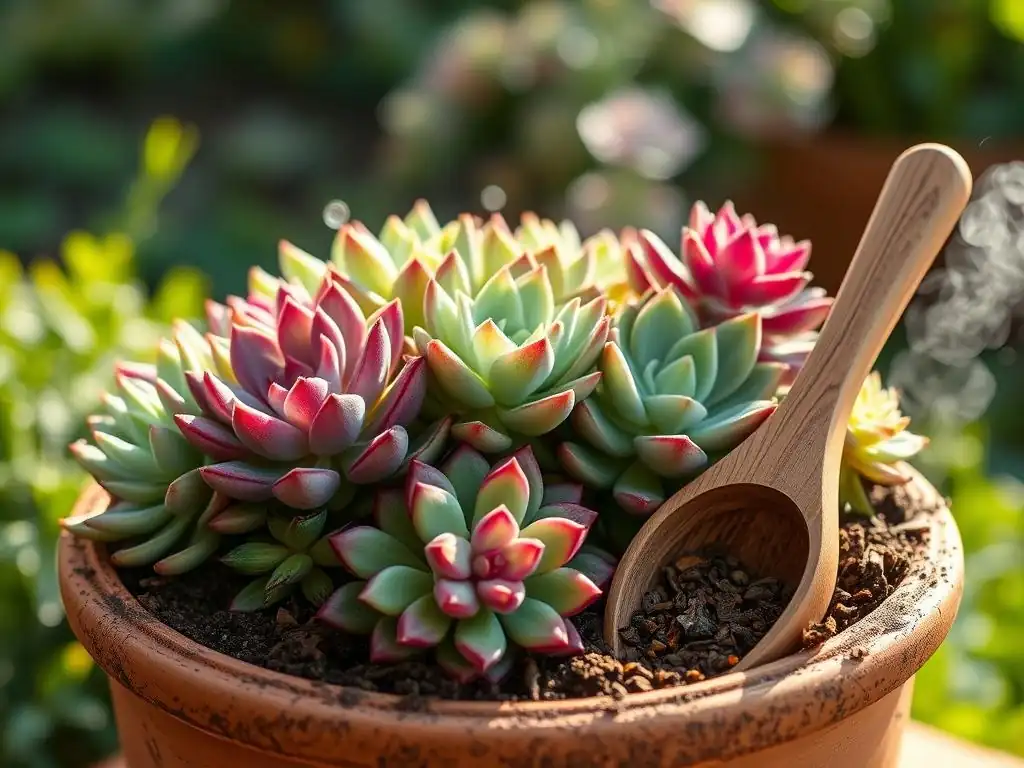
Welcome to SucculentEssentials.org, where the thriving world of succulents meets sustainable practices. Are you ready to unlock the secrets to nurturing your beloved plants while minimizing your environmental footprint? Then dive into our Ecofriendly succulent fertilizer guide, a comprehensive resource that will transform how you care for your drought-resistant beauties. Discover surprising ways to nourish your succulents and protect our planet – one perfectly formed leaf at a time.
- Understanding Eco-Friendly Fertilizers for Succulents
- Choosing the Right Eco-Friendly Fertilizer for Your Succulents
- Applying Eco-Friendly Fertilizer to Your Succulents
- Maintaining Soil Health with Eco-Friendly Practices
- Eco-Friendly Succulent Fertilizer Guide: Frequently Asked Questions
- Long-Term Sustainability: Growing Eco-Conscious Succulents
- Frequently Asked Questions
- Final Reflection: The Blooming Future of Sustainable Succulent Care
- Unleash Your Green Thumb: Grow Greener with Eco-Fertilizing!
Understanding Eco-Friendly Fertilizers for Succulents
Succulents, with their striking beauty and resilience, are increasingly popular additions to homes and gardens worldwide. However, responsible succulent care extends beyond simply providing sunlight and water. Choosing the right fertilizer plays a crucial role in ensuring the health of your plants while minimizing your environmental impact. This guide delves into the world of eco-friendly fertilizers, specifically tailored for the unique needs of succulents. We'll explore what constitutes an eco-friendly succulent fertilizer, highlight the benefits of choosing organic options, and compare them to their chemical counterparts, ultimately empowering you to cultivate thriving succulents while protecting our planet. This comprehensive guide will help you make informed decisions, ensuring both the well-being of your plants and the health of our environment. Choosing eco-friendly options isn't just a trend; it's a responsible approach to gardening that contributes to a more sustainable future. Let's explore how to nurture your succulents while nurturing the Earth.
Defining Eco-Friendly Succulent Fertilizers
Eco-friendly succulent fertilizers are those formulated using natural, sustainable ingredients that minimize harm to the environment. Unlike their chemical counterparts, which often contain synthetic compounds and potentially harmful chemicals, eco-friendly options prioritize plant health without compromising environmental well-being. These fertilizers are typically derived from organic sources such as composted materials, seaweed extracts, or bat guano. They often use slow-release mechanisms, reducing the risk of nutrient runoff and soil contamination. Key characteristics of an eco-friendly succulent fertilizer include:
- Biodegradable ingredients: The fertilizer breaks down naturally, leaving no harmful residues in the soil or water systems.
- Sustainable sourcing: The ingredients are sourced responsibly, minimizing environmental impact during the production process.
- Reduced chemical footprint: The fertilizer is free from synthetic pesticides, herbicides, and other potentially harmful chemicals.
- Balanced nutrient profile: Provides essential nutrients in a form readily available to succulents without excessive amounts that could harm the plant or the environment.
Advantages of Organic Fertilizers for Succulent Growth
Choosing organic fertilizers for your succulents offers a multitude of benefits, extending beyond environmental protection. These advantages include:
- Improved soil health: Organic fertilizers enrich the soil with beneficial microorganisms, improving soil structure, aeration, and water retention. This creates a healthier environment for root growth and overall plant vigor. The improved soil structure also reduces the need for frequent watering, conserving water resources.
- Enhanced nutrient uptake: The slow-release nature of organic fertilizers ensures a consistent supply of nutrients, promoting steady and healthy growth. This contrasts with the rapid release of chemical fertilizers, which can lead to nutrient burn or imbalances.
- Reduced risk of nutrient runoff: Unlike chemical fertilizers, organic fertilizers are less prone to leaching into groundwater, minimizing water pollution. This is particularly important in arid and semi-arid regions where succulents often thrive.
- Stronger, healthier plants: Plants fertilized organically often exhibit improved disease resistance and overall hardiness, leading to more robust and resilient succulents. This results in fewer pest problems and a reduction in the need for chemical pest control.
Comparing Organic and Chemical Fertilizers for Succulents
While chemical fertilizers offer quick results, they often come at a cost to the environment and the long-term health of your succulents. The following table summarizes the key differences:
| Feature | Organic Fertilizer | Chemical Fertilizer |
|---|---|---|
| Ingredients | Natural, compost, seaweed, bat guano, etc. | Synthetic compounds, chemicals |
| Nutrient Release | Slow and consistent | Rapid and potentially excessive |
| Soil Health | Improves soil structure and microbial activity | Can disrupt soil balance and harm beneficial microbes |
| Environmental Impact | Minimal to none | Potentially high due to runoff and chemical residues |
| Cost | Often slightly more expensive initially | Typically less expensive upfront |
| Long-term Effects | Promotes healthy, resilient plants | Can lead to nutrient burn, imbalances, and weaker plants |
Choosing an eco-friendly approach to fertilizing your succulents is an investment in both the health of your plants and the health of our planet. By understanding the benefits of organic fertilizers and the potential drawbacks of chemical alternatives, you can make informed decisions that support sustainable gardening practices. 🌱
Choosing the Right Eco-Friendly Fertilizer for Your Succulents
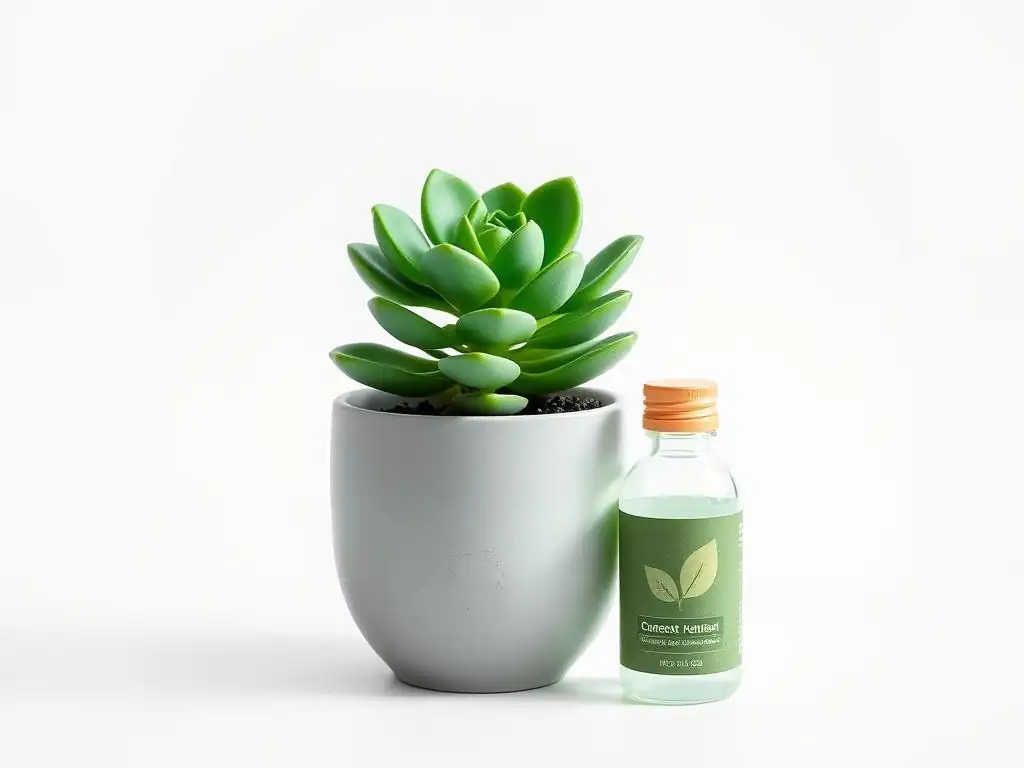
Choosing the right eco-friendly fertilizer is crucial for the health and vibrancy of your succulents while minimizing your environmental impact. Unlike many commercially produced fertilizers, which often contain harmful chemicals and contribute to pollution, eco-friendly options prioritize both plant health and environmental sustainability. The key is to understand your succulents' specific needs and select a fertilizer that aligns with those needs. Over-fertilizing can be just as detrimental as under-fertilizing, potentially leading to root burn and even plant death. Therefore, a careful and informed approach is essential. Remember, less is often more when it comes to fertilizing succulents.
Selecting Organic Fertilizers Based on Succulent Species and Growth Stage
Different succulent species have varying nutrient requirements, and their needs also change throughout their growth stages. For example, fast-growing succulents like Echeveria may benefit from slightly more frequent fertilization than slow-growing varieties like Haworthia. Similarly, actively growing succulents require more nutrients than dormant ones. Here's a breakdown:
- Fast-growing succulents (e.g., Echeveria, Sedum): These benefit from a balanced, diluted organic fertilizer (e.g., a diluted compost tea or a low-nitrogen liquid fertilizer) every 4-6 weeks during their active growing season (typically spring and summer).
- Slow-growing succulents (e.g., Haworthia, Lithops): These need less frequent fertilization. A diluted application every 6-8 weeks during the growing season is usually sufficient.
- Dormant succulents (winter months): Reduce or completely cease fertilization during the winter months when growth slows significantly. Over-fertilizing during dormancy can stress the plants and make them susceptible to diseases.
| Succulent Type | Growth Rate | Fertilization Frequency (Growing Season) | Fertilizer Type Recommendation |
|---|---|---|---|
| Fast-growing (Echeveria) | Fast | Every 4-6 weeks | Balanced, diluted organic fertilizer |
| Slow-growing (Haworthia) | Slow | Every 6-8 weeks | Diluted compost tea or low-nitrogen |
| Cacti | Variable | Every 6-8 weeks, less is often more | Low-nitrogen, slow-release formula |
Remember to always follow the instructions on your chosen fertilizer's label, adjusting the dilution rate as needed. Observe your plants carefully for signs of over-fertilization (e.g., leaf discoloration, stunted growth) and adjust your approach accordingly.
DIY Organic Fertilizer Recipes for Succulents
Creating your own eco-friendly succulent fertilizer is a rewarding way to control the ingredients and ensure they are truly organic. Here are a couple of simple recipes:
Recipe 1: Compost Tea
- Fill a bucket with rainwater or non-chlorinated water.
- Add a handful of well-rotted compost.
- Steep for 24-48 hours, stirring occasionally.
- Strain the tea through a cheesecloth or fine-mesh sieve.
- Dilute the tea with an equal amount of water before applying to your succulents.
Recipe 2: Banana Peel Fertilizer
- Save banana peels and let them dry completely.
- Blend the dried banana peels into a powder.
- Mix one tablespoon of banana peel powder with one gallon of water.
- Let it steep for a few days, stirring occasionally.
- Strain and dilute further (1:1 ratio with water) before applying to your succulents.
Remember to always test a small area before applying any DIY fertilizer to your entire collection. Observe your plants for any adverse reactions. These recipes provide essential nutrients in a gentle, readily available form.
Sourcing Sustainable and Eco-Friendly Fertilizer Ingredients
The key to truly eco-friendly fertilizing lies in sourcing sustainable ingredients. Look for compost made from locally sourced organic materials, avoiding those containing synthetic chemicals or pesticides. When using ingredients like banana peels, ensure they are organically grown to avoid introducing unwanted chemicals to your plants. Prioritize using rainwater whenever possible, avoiding tap water that may contain chlorine or other harmful chemicals.
By making conscious choices about your fertilizer ingredients, you can minimize your environmental impact while nourishing your succulents. Consider joining local composting initiatives or sourcing materials from your own garden or kitchen scraps to close the loop and further reduce your carbon footprint. This commitment to sustainability ensures a healthier environment for your plants and the planet.
Applying Eco-Friendly Fertilizer to Your Succulents
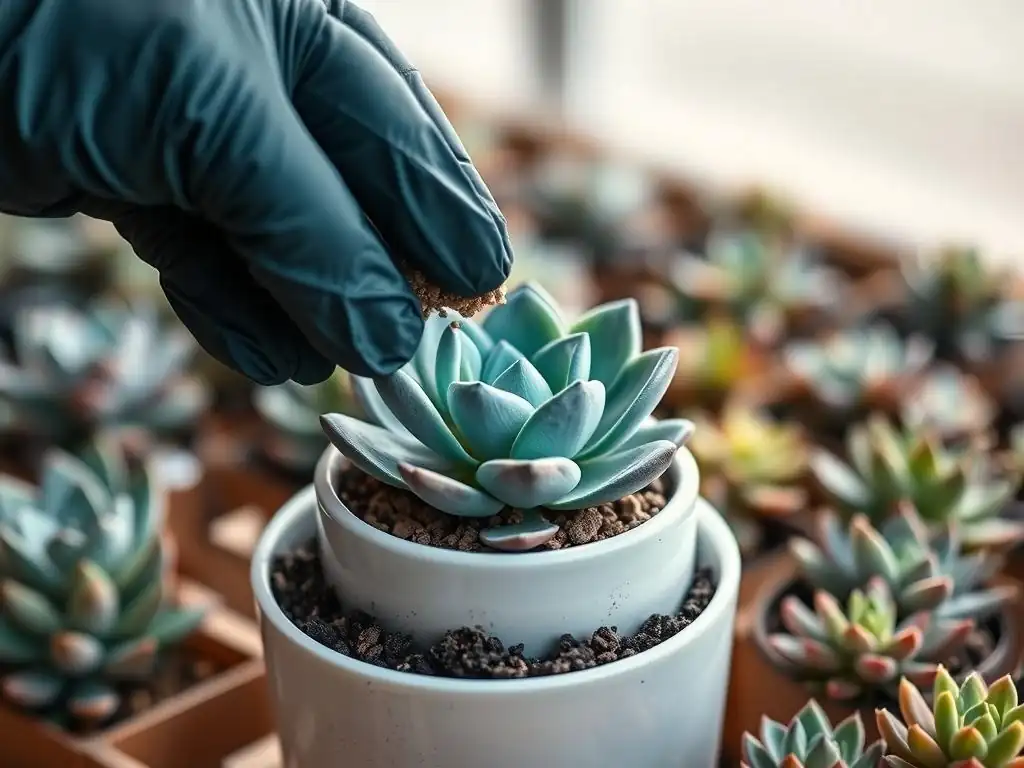
This section details the practical application of eco-friendly fertilizers to your succulents, ensuring optimal growth and health while minimizing environmental impact. Remember, less is often more when it comes to fertilizing succulents; their drought-tolerant nature means they don't require frequent feeding.
Best Practices for Applying Organic Succulent Fertilizers
Applying organic succulent fertilizers effectively involves understanding the product and your plants' needs. Start by choosing a fertilizer specifically formulated for succulents or cacti. These blends typically have a lower nitrogen content compared to general-purpose fertilizers, preventing leggy growth, which is common in over-fertilized succulents.
Many organic options, such as compost tea, worm castings, or seaweed extract, provide a slow-release of nutrients, minimizing the risk of burning your plants. Always dilute the fertilizer according to the manufacturer's instructions. It's better to under-fertilize than over-fertilize.
The application method also matters. For liquid fertilizers, dilute them thoroughly and apply them directly to the soil, avoiding contact with the succulent leaves. Avoid fertilizing during the dormant season (usually winter), as the plants are not actively growing and won't absorb the nutrients effectively. Instead, focus on fertilizing during the active growing season (spring and summer).
Here's a sample schedule for applying organic succulent fertilizer:
| Season | Frequency | Fertilizer Type | Notes |
|---|---|---|---|
| Spring | Every 2-4 weeks | Diluted liquid fertilizer | Monitor plant response closely. |
| Summer | Every 3-4 weeks | Diluted liquid fertilizer | Reduce frequency in hot, dry conditions. |
| Fall | Every 4-6 weeks | Diluted liquid fertilizer | Gradually reduce frequency as days shorten. |
| Winter | Do not fertilize | N/A | Allow plants to rest. |
Remember to always check the soil moisture before applying any fertilizer. Never fertilize dry soil, as this can burn the roots. Water your succulents thoroughly before applying fertilizer to ensure the nutrients are properly absorbed.
Preventing Over-Fertilization of Succulents
Over-fertilizing succulents can lead to several issues, including root burn, salt buildup in the soil, and leggy, weak growth. The symptoms of over-fertilization often mimic those of underwatering or pest infestations, making diagnosis crucial.
To prevent over-fertilization, follow these guidelines:
- Use a balanced, low-nitrogen fertilizer: High nitrogen can promote excessive leafy growth at the expense of robust root development.
- Dilute the fertilizer: Always dilute your fertilizer to a weaker concentration than recommended. It's better to under-fertilize than risk burning the roots.
- Less is more: Succulents have low nutrient requirements. Apply fertilizer sparingly and less frequently than other plants.
- Flush the soil: Periodically flush the soil with plain water to remove excess salts that can accumulate from fertilizers. This helps maintain a healthy soil environment.
- Observe your plants: Regularly inspect your succulents for signs of over-fertilization, such as yellowing or browning leaves, stunted growth, or root rot. If you notice any of these symptoms, immediately cease fertilizing and flush the soil.
By following these preventative measures, you can ensure the health and vitality of your succulents while maintaining an eco-friendly approach to plant care. Remember, a healthy, well-draining soil mix is crucial for preventing many fertilizer-related problems.
Identifying Nutrient Deficiencies and Excess in Succulents
Identifying nutrient deficiencies or excesses in succulents requires careful observation. While succulents are relatively tolerant, imbalances can affect their growth and appearance.
Nutrient deficiencies often manifest as discoloration or stunted growth. For example, a lack of nitrogen might lead to pale green or yellow leaves, while phosphorus deficiency could result in poor root development and slow growth. Conversely, over-fertilization, particularly with nitrogen, can cause leggy growth and weak stems.
Common Signs of Nutrient Deficiencies and Excesses
Nitrogen Deficiency: Pale green or yellow leaves, stunted growth.
Phosphorus Deficiency: Poor root development, slow growth, dark green leaves.
Potassium Deficiency: Yellowing and browning leaf margins, weak stems.
Over-fertilization (Nitrogen Excess): Leggy growth, weak stems, yellowing leaves (can be similar to nitrogen deficiency).
Salt Buildup: White crust on the soil surface, leaf tips browning.
To address nutrient deficiencies, consider soil testing to determine the precise nutrient levels. Based on the results, you can amend the soil with appropriate organic fertilizers or supplements. For example, adding compost or worm castings can improve overall soil health and nutrient availability. Remember, addressing nutrient imbalances requires patience and careful observation, ensuring that your eco-friendly approach to succulent care results in thriving plants. 🌱
Maintaining Soil Health with Eco-Friendly Practices
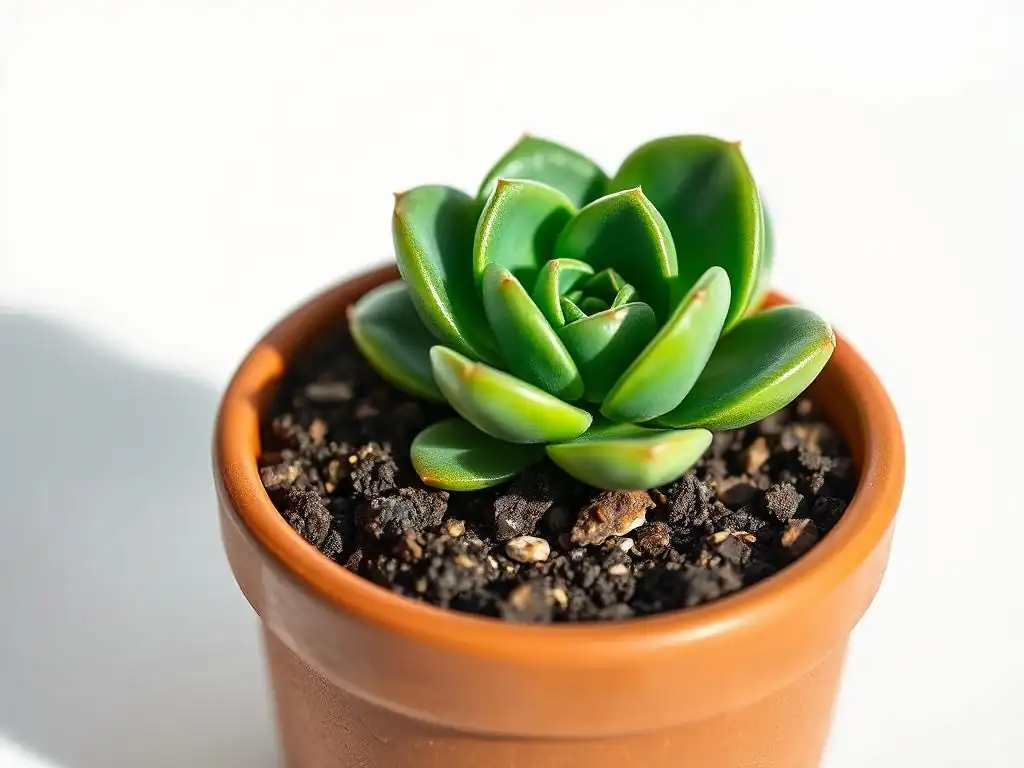
This section delves into the crucial role of healthy soil in sustainable succulent cultivation. A thriving succulent relies heavily on well-drained, nutrient-rich soil. Eco-friendly practices are paramount not only for the plant's well-being but also for minimizing the environmental impact of succulent care. We'll explore specific techniques to achieve this balance. Using eco-friendly methods to maintain soil health contributes directly to a more sustainable approach to succulent gardening, aligning perfectly with the principles of an ecofriendly succulent fertilizer guide.
Utilizing Compost and Organic Matter to Improve Soil Structure
Compost is the cornerstone of healthy soil. It improves drainage, aeration, and water retention – all critical factors for succulent success. By incorporating compost, we increase the soil's organic matter content, creating a more stable and fertile environment. This is particularly important for succulents, which are susceptible to root rot in poorly draining soils. The addition of compost also introduces beneficial microorganisms, further enhancing soil health.
The ideal compost for succulents should be well-rotted and relatively low in nitrogen. High nitrogen levels can lead to leggy growth in succulents, compromising their compact and attractive form. A balanced compost, rich in organic matter but not overly nitrogenous, provides the perfect nutrient profile for these drought-tolerant plants. You can achieve this by using a mix of brown and green materials in your compost pile, ensuring a carbon-to-nitrogen ratio favorable to succulent growth. Adding materials like shredded leaves, dried grass clippings, and even aged wood chips helps in achieving this balance.
Here's a simple table illustrating the benefits of compost:
| Benefit | Description | Impact on Succulents |
|---|---|---|
| Improved Drainage | Increased pore space allows excess water to drain easily, preventing root rot. | Healthier root systems, reduced risk of disease. |
| Enhanced Aeration | Better oxygen flow to roots promotes strong root growth and nutrient uptake. | Vigorous growth, improved overall plant health. |
| Better Water Retention | Holds moisture longer, reducing the frequency of watering. | Less frequent watering, conserving water resources. |
| Nutrient Richness | Provides a slow-release of essential nutrients, promoting healthy growth. | Strong, vibrant plants with enhanced color and texture. |
The Role of Beneficial Microorganisms in Sustainable Succulent Cultivation
The soil isn't just a substrate; it's a living ecosystem teeming with microorganisms. These beneficial bacteria and fungi play a crucial role in nutrient cycling, disease suppression, and overall soil health. They break down organic matter, making nutrients more readily available to the succulent's roots. They also compete with harmful pathogens, reducing the risk of disease. This natural process minimizes the need for chemical fertilizers and pesticides, aligning perfectly with an ecofriendly succulent fertilizer guide.
Promoting a diverse and thriving microbial community is key to sustainable succulent cultivation. This can be achieved through the practices mentioned above, particularly the use of compost and organic matter. Avoid using chemical pesticides or fertilizers, as these can disrupt the delicate balance of the soil ecosystem. Instead, focus on creating a healthy environment that supports the growth of beneficial microorganisms.
This will ultimately lead to healthier, more resilient succulents. The vibrant soil life contributes significantly to the overall vitality and sustainability of your succulent garden. Think of it as a miniature, self-regulating ecosystem working in harmony to support your plants.
Implementing Water Conservation Techniques in Succulent Care
Water conservation is intrinsically linked to sustainable succulent cultivation. Succulents are inherently drought-tolerant, and overwatering is a common cause of plant death. Implementing water conservation techniques not only benefits the plants but also reduces water consumption, a crucial aspect of eco-friendly gardening. This aligns with the core principles of an ecofriendly succulent fertilizer guide, as efficient water management is a cornerstone of sustainable plant care.
Efficient watering involves understanding the succulent's water needs. This varies depending on the species, the season, and the environmental conditions. Always allow the soil to dry out completely between waterings. Avoid overhead watering, which can lead to fungal diseases. Instead, water directly at the base of the plant.
Consider using a watering can with a long spout to target the roots precisely. Observe your succulents closely; wilting leaves are a sign of underwatering, while mushy or rotting leaves indicate overwatering. Adjust your watering schedule according to your specific conditions and the signals your plants provide. Regularly checking the soil moisture level using a moisture meter can assist in preventing both overwatering and underwatering. Proper watering is a critical element of an ecofriendly succulent fertilizer guide, emphasizing responsible water usage.
Eco-Friendly Succulent Fertilizer Guide: Frequently Asked Questions
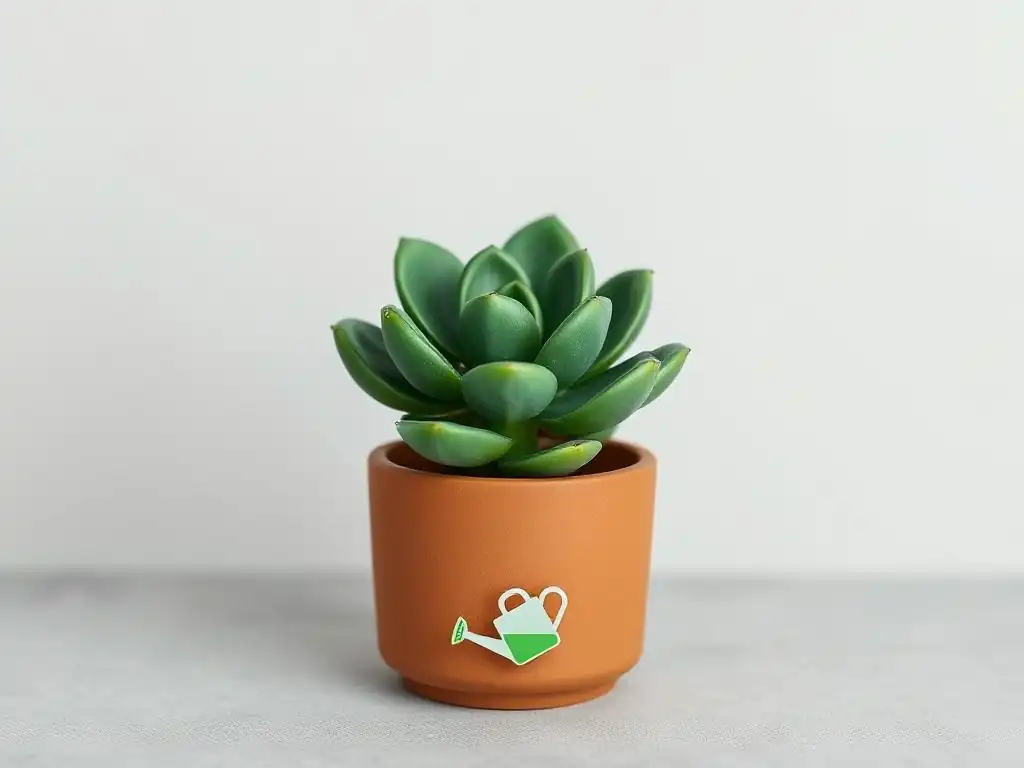
This section addresses common queries regarding the fertilization of succulents using eco-friendly methods, providing practical advice for successful succulent cultivation while minimizing environmental impact. We'll explore the frequency of fertilization, signs of over-fertilization, and the possibility of using household items as natural fertilizers. Remember, responsible plant care is key to both thriving succulents and a healthy planet!
How Often Should I Fertilize My Succulents?
Succulents are remarkably low-maintenance plants, and over-fertilizing is a far more common problem than under-fertilizing. Unlike many other plants, succulents don't require frequent feeding. Their slow growth rate means they need fewer nutrients. The best approach is to fertilize sparingly during the growing season (typically spring and summer).
Over-fertilizing can lead to salt buildup in the soil, which can damage or even kill your succulents. A good rule of thumb is to fertilize only once or twice during the active growing months. Always dilute your chosen fertilizer to half or even a quarter of the recommended strength on the label. This helps prevent salt buildup and ensures your succulents receive only the nutrients they need. During the dormant period (fall and winter), it's best to completely withhold fertilizer, allowing your plants to rest.
Consider your succulent's specific needs. Fast-growing varieties might require slightly more frequent feeding than slow-growing ones, but even then, less is more. Observe your plants carefully; healthy growth indicates they are receiving adequate nutrients. If you notice signs of nutrient deficiency (discussed below), you can adjust your fertilization schedule accordingly. Remember, prevention is better than cure when it comes to succulent care.
What are the Signs of Over-Fertilization in Succulents?
Over-fertilizing succulents can manifest in several ways, often causing more harm than good. Recognizing these signs early is crucial to taking corrective action. Here are some key indicators of over-fertilization:
- Leaf Burn: Brown or crispy leaf edges or tips are a classic sign of salt buildup from excessive fertilizer. This damage is often irreversible.
- Leggy Growth: While some legginess might be due to insufficient sunlight, excessive fertilizer can also contribute. The plant may grow tall and spindly, sacrificing strength and structural integrity.
- Root Rot: Excessive salts in the soil can disrupt the delicate balance of the root system, leading to root rot. This is often fatal to the plant.
- Wilting: Ironically, over-fertilized succulents can appear wilted, even when the soil is moist. This is due to the damage caused to the roots' ability to absorb water effectively.
- Slow or Stunted Growth: While it might seem counterintuitive, excessive fertilizer can actually stunt growth, hindering the plant's ability to thrive.
If you notice any of these symptoms, immediately flush the soil with plenty of water to leach out excess salts. This involves slowly pouring a large volume of water through the pot until water drains freely from the bottom. Avoid fertilizing for several months to allow the plant to recover. In severe cases, repotting in fresh, well-draining soil might be necessary. Remember, a healthy succulent exhibits vibrant colors, plump leaves, and robust growth.
Can I Use Household Items as Eco-Friendly Succulent Fertilizers?
Yes! Several common household items can be repurposed as eco-friendly, low-impact fertilizers for your succulents. However, remember to use them sparingly and in diluted forms to avoid burning your plants.
Here are a few examples:
| Household Item | Application | Precautions |
|---|---|---|
| Diluted Banana Peel Tea: | Steep banana peels in water for a few days, then dilute the resulting tea before applying. | Avoid using undiluted tea, which can be too strong. |
| Diluted Eggshells: | Crush eggshells and mix them into the potting soil. The calcium carbonate provides a slow-release source of calcium. | Don't use too many eggshells, as it can affect soil drainage and aeration. |
| Compost Tea: | Brew a tea from your compost, ensuring it's well-rotted and not overly strong. This provides a balanced mix of nutrients. | Always dilute compost tea thoroughly before applying it to your succulents. |
| Used Coffee Grounds: | Incorporate small amounts of used coffee grounds into the soil. They improve drainage and provide some nutrients. | Use sparingly to prevent soil compaction and potential fungal growth. |
Remember, using household items as fertilizers requires careful observation. Monitor your succulents closely for any signs of over-fertilization. Always err on the side of caution, using less fertilizer than you think is necessary. Sustainable succulent cultivation is a journey of learning and adaptation! 🌱
Where Can I Purchase Organic Fertilizers for Succulents?
Finding organic fertilizers specifically formulated for succulents might require a bit more searching than grabbing a synthetic option from a big-box store. However, the effort is well worth it for the benefit to your plants and the environment! You can explore several avenues to source high-quality, eco-friendly succulent food.
Firstly, consider local nurseries and garden centers. Many independent nurseries are increasingly stocking organic and biodynamic products, recognizing the growing demand for sustainable gardening practices. Don't hesitate to ask staff; they are often knowledgeable about locally sourced fertilizers and can recommend options tailored to succulents' unique needs. They might even carry blends specifically formulated for cacti and succulents, which share similar fertilization requirements. This route also supports local businesses and reduces your carbon footprint associated with transportation.
Secondly, online retailers offer a vast selection of organic fertilizers. Look for reputable companies specializing in organic gardening supplies. Read reviews carefully to gauge the quality and effectiveness of different products. Pay attention to the ingredients list; you'll want to see things like composted manure, seaweed extracts, bat guano, or other naturally derived nutrients. Avoid anything with synthetic chemicals or unknown ingredients. The convenience of online shopping is balanced by the need to carefully research suppliers and ensure you are purchasing a high-quality product. Check for certifications like OMRI (Organic Materials Review Institute) for added assurance.
Thirdly, you can explore the option of making your own compost tea. This is a fantastically eco-friendly and cost-effective method. Compost tea is essentially a liquid extract of your own compost, rich in beneficial microbes and nutrients. While it doesn't provide the same level of concentrated nutrients as a commercial fertilizer, it's a gentle and effective way to boost your succulents' soil health. This requires time and effort but rewards you with a truly sustainable and personalized fertilizer. Remember to research the proper brewing techniques to avoid harming your plants.
Finally, don't underestimate the power of natural amendments. Adding things like worm castings or aged manure directly to the potting mix provides a slow-release source of nutrients. These are not strictly fertilizers but contribute significantly to soil health, which in turn promotes healthy succulent growth. This method offers a low-impact, long-term approach to fertilizing your succulents. Remember to use these amendments sparingly, as over-fertilizing can still harm your plants. The key is balance and understanding the specific needs of your succulent species.
Long-Term Sustainability: Growing Eco-Conscious Succulents
This section delves into the long-term benefits of adopting eco-friendly practices in succulent cultivation. Moving beyond simply choosing an eco-friendly fertilizer, we'll examine how sustainable gardening contributes to a healthier planet and a more rewarding hobby. The shift towards eco-conscious succulent growing isn't just a trend; it's a crucial step in responsible plant ownership.
By minimizing our environmental footprint, we contribute to the preservation of biodiversity and the overall health of our ecosystems. This translates to healthier plants, a more vibrant garden, and a cleaner environment for generations to come. The rewards extend beyond the aesthetic appeal of thriving succulents; it's about fostering a symbiotic relationship between our passion and the planet.
Minimizing Waste in Succulent Gardening
Reducing waste is paramount in sustainable succulent cultivation. This involves careful consideration of every aspect, from packaging to the disposal of plant material. Let's explore practical strategies:
- Repurposing containers: Instead of buying new pots, consider upcycling existing containers. Cleaned glass jars, terracotta pots, and even repurposed food containers can serve as excellent homes for your succulents. This significantly reduces plastic waste associated with new pot purchases. Think creatively – old teacups, tin cans (ensure they're properly cleaned and drained), and even discarded plastic bottles (cut and modified) can be used.
- Composting succulent cuttings: When propagating succulents, many cuttings might not survive. Instead of discarding these, compost them! This enriches your garden soil naturally, reducing the need for chemically-produced fertilizers. Ensure the compost pile is well-ventilated to prevent rot.
- Reducing packaging: When purchasing succulent-related products, opt for minimal packaging options. Choose suppliers who prioritize eco-friendly packaging materials. Look for companies that use recycled cardboard or biodegradable alternatives instead of plastic.
Propagating Succulents for Reduced Environmental Impact
Propagation is an incredibly sustainable method for expanding your succulent collection. By propagating existing plants, you significantly reduce the demand for new plants from nurseries, thereby minimizing the environmental impact associated with commercial cultivation and transportation. This process also allows for the conservation of rare or endangered succulent species.
Consider these propagation methods:
- Leaf cuttings: This simple technique involves separating healthy leaves and placing them on well-draining soil. It's an effective way to multiply your succulents without purchasing new plants.
- Stem cuttings: Similar to leaf cuttings, stem cuttings are easy to root and require minimal resources.
- Offset propagation: Many succulents produce offsets (baby plants) that can be carefully separated from the mother plant and potted individually. This is a natural form of propagation, minimizing external intervention.
Selecting Sustainable Potting Mixes for Succulents
The potting mix you choose directly impacts the health of your succulents and the environment. Avoid mixes containing peat moss, a non-renewable resource that contributes to habitat destruction. Instead, explore sustainable alternatives:
- DIY potting mixes: Create your own blend using materials like perlite, pumice, coco coir (ensure it's sustainably sourced), and well-rotted compost. This allows for precise control over the mix's drainage and aeration, crucial for succulent health. A well-balanced DIY mix reduces reliance on commercially-produced, potentially environmentally harmful, potting mixes.
- Organic and sustainable commercial mixes: Some companies are producing commercial potting mixes that incorporate sustainable and organic materials, minimizing environmental impact. Look for certifications and labels that indicate sustainable sourcing and production practices. Read ingredient lists carefully to ensure they avoid peat moss and other environmentally questionable components. Choosing these options supports businesses committed to eco-friendly practices.
Remember, the journey towards eco-friendly succulent gardening is ongoing. By adopting these practices, you're not only nurturing your plants but also contributing to a greener future. Your commitment to sustainable succulent cultivation makes a real difference in protecting our planet.
Frequently Asked Questions
What makes a succulent fertilizer eco-friendly?
An eco-friendly succulent fertilizer is made with sustainable and biodegradable ingredients, minimizing its environmental impact. It avoids harmful chemicals and synthetic materials, often utilizing natural sources like compost or seaweed.
Are all organic fertilizers suitable for succulents?
Not all organic fertilizers are created equal. While many are beneficial, some may be too high in nitrogen, which can harm succulents. Look for fertilizers specifically formulated for succulents or cacti, with a balanced NPK ratio.
How often should I fertilize my succulents?
Succulents are low feeders and don't require frequent fertilization. A balanced, diluted eco-friendly fertilizer applied once or twice during the growing season (spring and summer) is usually sufficient.
What are the benefits of using eco-friendly succulent fertilizer?
Eco-friendly fertilizers help your succulents thrive while protecting the environment. They improve soil health, reduce pollution, and avoid the use of harmful chemicals that could contaminate water sources.
Where can I find eco-friendly succulent fertilizers?
Many online retailers and garden centers now carry eco-friendly options. You can also make your own using compost tea or other natural ingredients. Look for products labeled as organic or environmentally friendly.
Final Reflection: The Blooming Future of Sustainable Succulent Care
The future of gardening, and indeed our planet's health, hinges on our ability to cultivate beauty sustainably. Ignoring the environmental impact of our hobbies is no longer an option; we must actively seek eco-conscious practices, even in seemingly small pursuits like succulent cultivation. The shift towards eco-fertilizing isn't just a trend; it's a necessary evolution in our relationship with the natural world.
The journey towards eco-friendly succulent care has profoundly impacted my own gardening practices, fostering a deeper appreciation for the interconnectedness of all living things. It's not just about healthier plants; it's about contributing to a healthier planet. The earth provides enough to satisfy every man's needs but not every man's greed.
- Mahatma Gandhi. This quote resonates deeply, reminding us that mindful consumption and sustainable practices are crucial, not just for our plants, but for the well-being of future generations.
Now, it's your turn. Consider the impact of your gardening choices. Will you embrace the challenge of eco-fertilizing, contributing to a greener future, one succulent at a time? Start small, experiment with natural alternatives, and share your experiences. Let's cultivate a world where beauty and sustainability thrive together, proving that even the smallest actions can blossom into significant change.
Unleash Your Green Thumb: Grow Greener with Eco-Fertilizing!
Thank you for joining us on this journey to cultivate healthier succulents while protecting our planet. You've already learned how easy it is to nurture your plants sustainably. Now, let's put that knowledge into practice.
- Craft your own eco-fertilizer: This is the key! Use the recipes from the article to create your own nutrient-rich, sustainable fertilizer. It's surprisingly simple and rewarding.
- Share your success: Inspire others to adopt eco-friendly fertilizing methods! Share your experiences and photos of your thriving succulents on social media using #EcoSucculents.
- Challenge a friend: Have a friendly competition to see who can grow the healthiest, most vibrant succulents using only eco-friendly methods. It's a fun way to make a positive impact on the environment!
What eco-fertilizing technique are you most excited to try? Let's discuss!