
Design Your Dream: LowMaintenance Succulent Gardens for Every Home

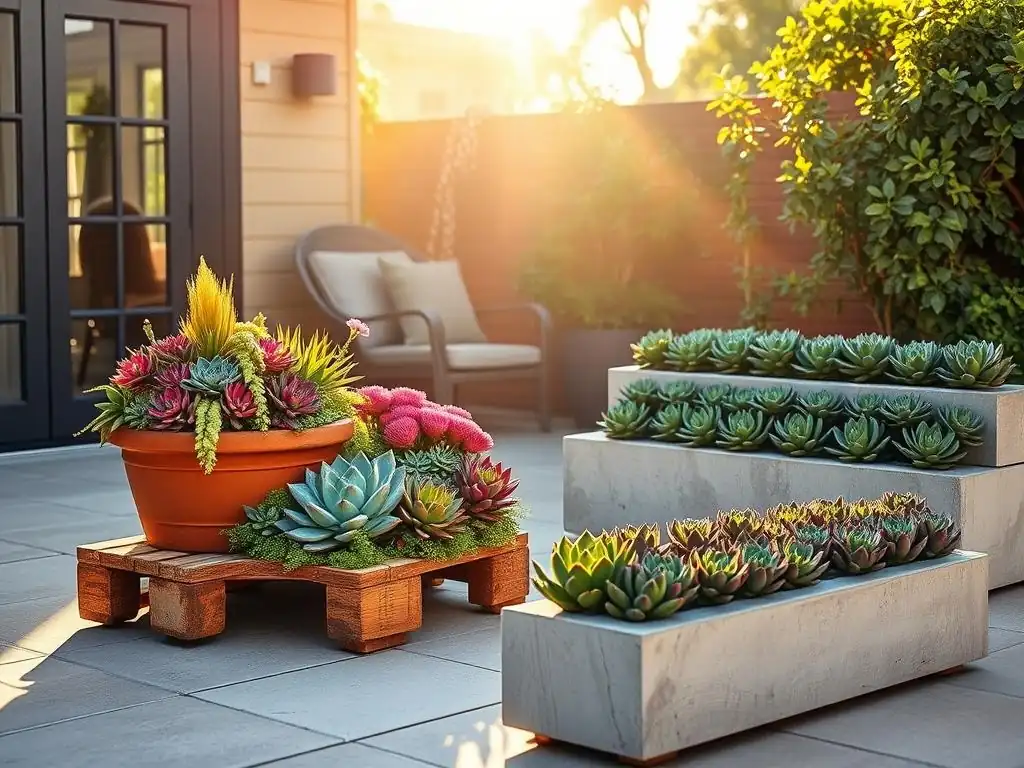
Welcome to SucculentEssentials.org, where the captivating world of succulents unfolds before you! Are you ready to unlock the secrets to creating breathtaking, low-maintenance succulent gardens that thrive? Forget complicated landscaping; we'll guide you through easy succulent garden designs, transforming your outdoor space into a vibrant oasis. Dive in and discover the endless possibilities—your dream garden awaits!
- Easy Succulent Garden Designs: Choosing the Right Location and Layout
- Low-Maintenance Succulent Garden Ideas: Plant Selection and Combinations
- Easy Succulent Garden Designs: Soil, Planting, and Watering
- Maintaining Your Easy Succulent Garden: Minimal Effort, Maximum Impact
- Inspiring Easy Succulent Garden Designs: Examples and Ideas
- Creating Your Dream Low-Maintenance Succulent Garden: A Recap
- Frequently Asked Questions
- Final Reflection: Cultivating Joy: The Enduring Power of Low-Maintenance Gardens
- Unleash Your Inner Gardener: Craft Your Dream Succulent Oasis!
Easy Succulent Garden Designs: Choosing the Right Location and Layout
Creating a stunning and low-maintenance succulent garden doesn't require extensive gardening experience. This guide will walk you through designing the perfect succulent oasis for your home, focusing on easy-to-implement designs that even beginners can master. We'll cover selecting the ideal location, optimizing layouts for various spaces, and maximizing your area with creative vertical gardens.
Whether you have a sprawling backyard or a tiny balcony, you can cultivate a thriving succulent collection that adds beauty and vibrancy to your outdoor space. This guide is perfect for anyone searching for "easy succulent garden designs," providing practical tips and inspiring ideas to transform your outdoor area into a captivating succulent haven. Get ready to embrace the drought-tolerant beauty of succulents and enjoy a garden that thrives with minimal effort!
Selecting the Perfect Sunny Spot for Your Succulents
Succulents, with their remarkable adaptability, are relatively low-maintenance, but their need for ample sunlight is paramount. Most succulent varieties thrive in at least six hours of direct sunlight daily. 1 Before you even begin sketching your dream garden, carefully assess your outdoor spaces. Observe how sunlight patterns change throughout the day. A south-facing location (in the Northern Hemisphere) generally receives the most sunlight. However, even east- or west-facing areas can provide suitable conditions, particularly if they offer protection from intense afternoon sun, which can scorch delicate succulents.
Consider the surrounding environment. Will your chosen spot be exposed to strong winds that could damage your plants? Is it near a water source for easy irrigation (though succulents need infrequent watering)? Taking these factors into consideration ensures the long-term health and beauty of your succulent garden. Remember that proper sunlight exposure directly translates to healthier, more vibrant succulents, showcasing their unique colors and textures. Choosing the right location is the cornerstone of any successful, low-maintenance succulent garden.
Designing Layouts for Small Spaces: Balcony and Patio Gardens
Even if you lack a sprawling backyard, you can still create a captivating succulent garden. Balconies and patios offer fantastic opportunities to showcase these drought-tolerant beauties. The key is to maximize vertical space and choose compact succulent varieties. Consider using hanging planters, tiered stands, or wall-mounted containers to create a multi-layered display.
For example, a small balcony can be transformed with a combination of trailing succulents like Sedum morganianum (Burro's Tail) spilling over the edges of hanging baskets, complemented by upright varieties like Echeveria planted in smaller pots arranged on a tiered stand. This creates visual interest and maximizes the limited space. Remember to choose pots with drainage holes to prevent root rot, a common problem with succulents in containers. Think creatively—even a single, beautifully arranged succulent in a stylish pot can make a statement on a small patio or balcony.
Maximizing Space: Vertical Succulent Gardens and Wall Art
Vertical gardening is a game-changer for small spaces and allows for creative expression. Vertical succulent gardens can be as simple as attaching small pots to a fence or wall, or as elaborate as constructing a living wall using specialized panels and planting techniques. This approach not only saves space but also adds a unique, eye-catching element to your outdoor design.
Consider using repurposed materials like old pallets or reclaimed wood to create a rustic vertical succulent garden. Simply attach small pots or containers to the wood, ensuring adequate drainage. Alternatively, you can create stunning wall art by arranging succulents in various shapes and sizes on a piece of wood or metal, using adhesive to secure them in place.
This approach allows for artistic freedom and provides a unique focal point in your outdoor space. Vertical succulent gardens are a fantastic way to showcase the diverse textures and colors of these amazing plants, even in limited space. They offer a truly unique and stylish addition to any home landscape.
1 This is a general guideline; specific sunlight requirements vary depending on the succulent species. Always research the individual needs of the succulents you choose.
Creating a Focal Point: Using Larger Succulents as Centerpieces
Larger succulents, such as Agave americana (century plant) or various Echeveria cultivars, can serve as stunning focal points in your easy succulent garden designs. Their size and unique forms immediately draw the eye, anchoring the overall composition. Think of them as the anchors of your design, providing a sense of stability and visual weight.
Strategically placing these larger plants allows you to build the rest of your design around them, creating a sense of balance and visual harmony. The textural contrast they offer against smaller succulents further enhances the overall aesthetic appeal. For instance, the spiky leaves of an Agave can beautifully contrast with the smoother, rosette-like forms of Echeverias.
Consider the mature size of your chosen centerpiece succulents. Overlooking this crucial aspect can lead to overcrowding and an unbalanced design. Before planting, research the ultimate size of your chosen species to ensure sufficient space for growth. Remember, you want your focal point to stand out, not to be overwhelmed by its neighbors. Allow ample room around the centerpiece to showcase its unique beauty and prevent it from becoming cramped. Proper spacing also promotes airflow, reducing the risk of fungal diseases and pest infestations, contributing to the overall health and longevity of your succulent garden.
When selecting a large succulent as a centerpiece, also consider its color and texture. A vibrant, intensely colored succulent can add a striking pop of color to your design, while a textured succulent can add visual interest and depth. Consider the surrounding plants; a subtly colored centerpiece might be a better choice if you are using a variety of brightly colored succulents.
Conversely, a brightly colored centerpiece can add a focal point of interest against a background of more muted tones. The key is to create a cohesive and visually pleasing arrangement, where each element complements the others. Careful planning and consideration of these factors will help you create a truly captivating and easy-to-maintain succulent garden.
Low-Maintenance Succulent Garden Ideas: Plant Selection and Combinations
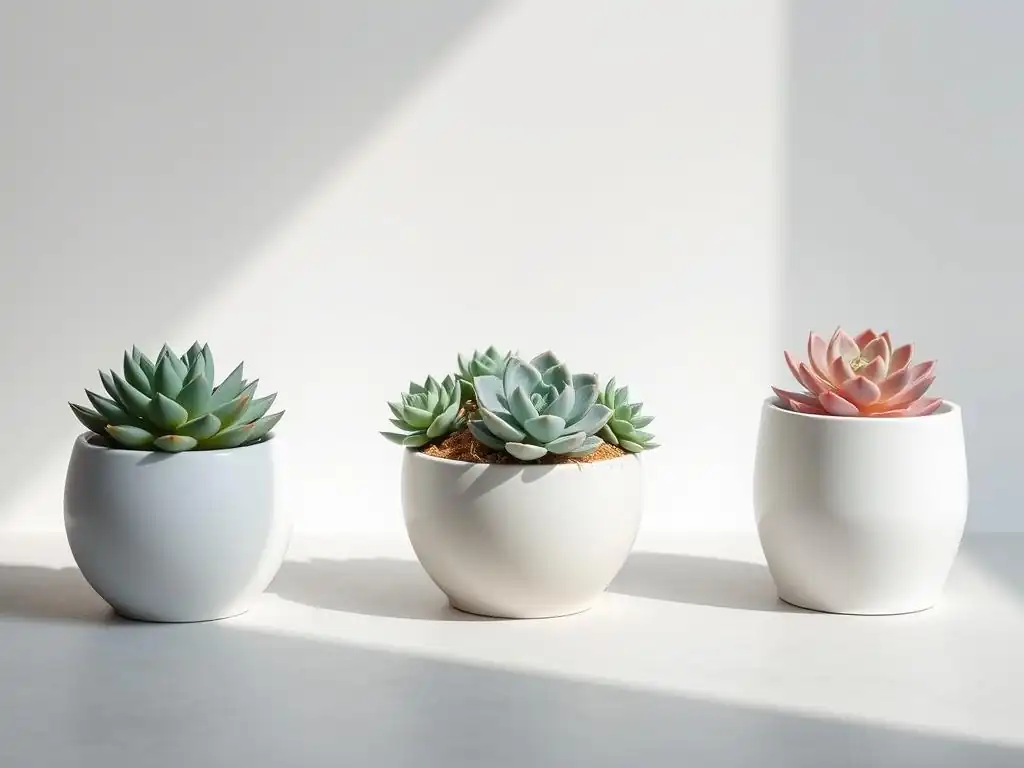
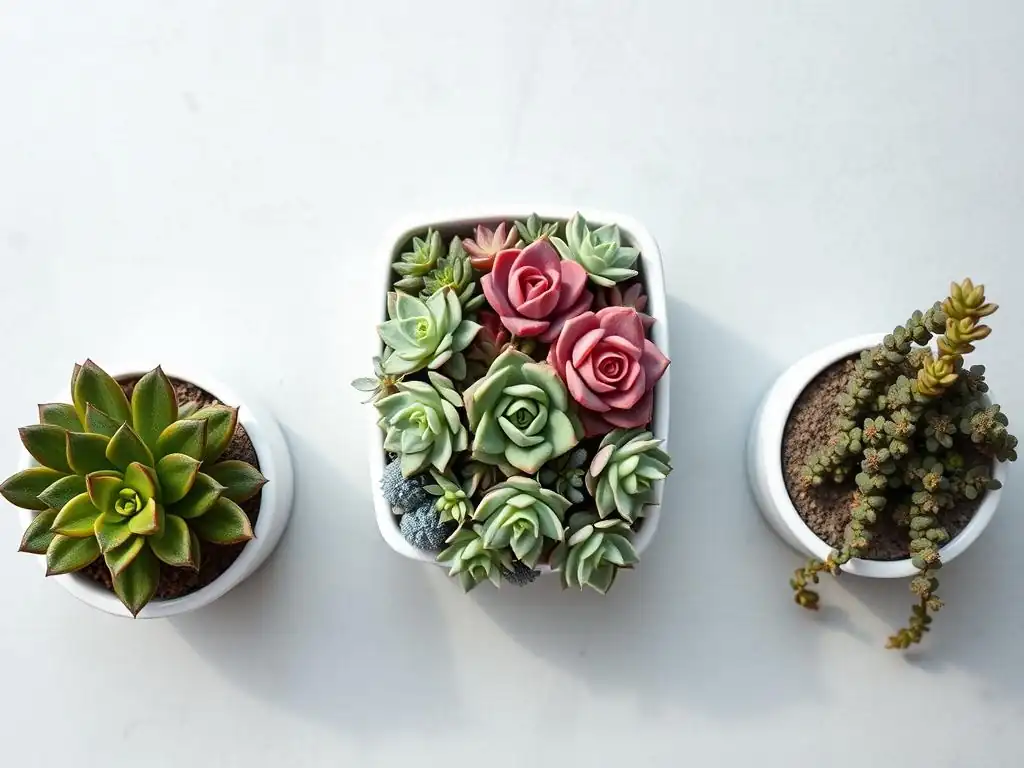
This section delves into the crucial aspects of plant selection and combination for creating stunning, low-maintenance succulent gardens. Choosing the right succulents and arranging them thoughtfully is key to achieving a thriving and visually appealing landscape that requires minimal upkeep. Mastering these techniques will transform your "easy succulent garden designs" from a dream into a reality.
Choosing Drought-Tolerant Succulents for Your Garden
Selecting drought-tolerant succulents is paramount for creating a low-maintenance garden. These plants are naturally adapted to arid conditions, requiring less frequent watering than many other plant types. This significantly reduces the time and effort needed for garden maintenance. Consider these excellent choices for your easy succulent garden designs:
- Sedum: A highly versatile genus offering a wide range of colors, sizes, and textures. Sedums are incredibly resilient and tolerate a wide variety of conditions. Examples include Sedum spurium (Dragon's Blood Sedum) and Sedum morganianum (Burro's Tail).
- Echeveria: Known for their beautiful rosettes, Echeverias offer a diverse palette of colors and shapes. They are relatively easy to care for and add elegance to any succulent garden. Popular choices include Echeveria elegans (Mexican Snowball) and Echeveria laui.
- Sempervivum: Also known as Hens and Chicks, Sempervivums are hardy and cold-tolerant succulents, making them suitable for a wider range of climates. They form dense mats and are ideal for ground cover.
- Aeonium: These succulents boast striking rosettes and are available in various colors, including greens, reds, and purples. They prefer bright sunlight and well-draining soil. Aeonium arboreum is a particularly popular choice.
Remember to research the specific needs of each succulent variety before incorporating it into your design. Understanding their individual sunlight, water, and soil requirements is vital for successful cultivation. Proper plant selection is the foundation of any successful, easy succulent garden design.
Combining Textures and Colors for Visual Appeal
The beauty of a succulent garden lies not only in individual plant selection but also in the artful combination of textures and colors. By strategically blending different succulent species, you can create a visually captivating and dynamic landscape.
Consider the following elements when combining textures and colors:
| Texture | Examples | Color Palette Suggestion |
|---|---|---|
| Smooth, Waxy | Echeveria, some Sedum species | Soft pastels, blues, greens, silvers |
| Rough, Textured | Sempervivum, Haworthia, some Aeonium species | Deep greens, purples, reds, browns, contrasting textures |
| Spiky, Pointed | Agave, some Euphorbia species | Earthy tones, yellows, oranges, pops of bright color |
Think about creating visual interest through:
- Height variation: Combine low-growing succulents with taller ones to add depth and dimension.
- Color contrast: Juxtapose succulents with contrasting colors to create a vibrant display. For example, pair deep purple succulents with bright yellow or orange ones.
- Texture contrast: Blend smooth, waxy succulents with rough, textured ones for a varied and interesting look.
Careful planning and consideration of these factors will elevate your easy succulent garden designs from simple to spectacular.
Selecting Succulents Based on Light Exposure and Soil Type
The success of your low-maintenance succulent garden hinges on choosing succulents that thrive in the specific light and soil conditions of your location. Understanding these needs is critical for creating a flourishing, easy succulent garden design.
- Sunlight: Most succulents need at least six hours of sunlight daily. However, some prefer partial shade, especially during the hottest part of the day. Always research the specific light requirements of each succulent before planting. Consider the orientation of your garden and the amount of sunlight it receives throughout the day.
- Soil: Well-draining soil is essential for succulents. They are susceptible to root rot in poorly draining soil. Amend heavy clay soil with sand, perlite, or pumice to improve drainage. Consider using a specialized succulent potting mix that is formulated for optimal drainage.
Remember, proper plant selection based on light exposure and soil type is a cornerstone of successful and easy succulent garden designs. Prioritize these factors to ensure your succulents thrive and require minimal intervention. Pay attention to the specific needs of each succulent to create a thriving and visually stunning garden.
Incorporating Other Drought-Tolerant Plants for Variety
While succulents are the stars of a low-maintenance succulent garden, incorporating other drought-tolerant plants adds texture, color, and visual interest. This strategic blending elevates your design beyond a simple succulent collection, creating a more dynamic and engaging landscape. Careful plant selection is key to ensuring the overall harmony of the garden, mirroring the low-water needs of your succulents.
Consider adding grasses like Festuca glauca (blue fescue), known for its silvery-blue foliage and tolerance to dry conditions. Its fine texture contrasts beautifully with the often bolder forms of succulents, adding a sense of movement and airiness. Alternatively, Stipa tenuissima (Mexican feather grass) offers a delicate, airy feel with its feathery plumes, providing a textural counterpoint to the succulents' fleshy leaves. Remember to choose grasses appropriate for your climate and soil conditions for optimal growth and minimal maintenance.
For bursts of color, integrate flowering perennials that thrive in dry conditions. Lavender, with its fragrant purple flowers, is a classic choice that complements many succulents. Its silvery-grey foliage also adds textural variety. Salvia varieties, such as Salvia officinalis (common sage) or Salvia microphylla (baby sage), offer attractive flowers and aromatic foliage. These plants attract pollinators, adding a layer of biodiversity to your garden. Remember to research specific Salvia varieties suitable for your region to ensure their success in your climate.
When choosing companion plants, it's crucial to consider mature size and growth habits. Avoid overcrowding, which can lead to competition for resources and potentially hinder the growth of both succulents and companion plants. Space plants appropriately to allow for adequate air circulation, reducing the risk of fungal diseases, a common concern in humid environments.
Proper spacing also enhances the visual appeal, showcasing the unique qualities of each plant. Research the mature size of each plant before planting to ensure a balanced and aesthetically pleasing arrangement. A well-planned design minimizes future maintenance and maximizes the visual impact of your easy succulent garden designs.
Easy Succulent Garden Designs: Soil, Planting, and Watering
This section delves into the practical aspects of creating and maintaining easy succulent gardens, focusing on soil preparation, planting techniques, and efficient watering strategies. We'll explore how these crucial elements contribute to the success of low-maintenance, thriving succulent landscapes. Mastering these techniques will transform your dream of an easy succulent garden into a reality.
Preparing the Ideal Soil Mix for Succulents
The foundation of a healthy succulent garden lies in the soil. Succulents, unlike many other plants, thrive in well-draining soil that prevents waterlogging. Poor drainage leads to root rot, a common culprit in succulent demise. Therefore, creating the right soil mix is paramount for "easy succulent garden designs."
Creating the perfect blend involves combining several components:
- Potting Mix: This forms the base of your mixture. Look for a commercial cactus and succulent potting mix, as these are formulated to provide excellent drainage.
- Coarse Sand: Adding coarse sand, such as horticultural grit, improves drainage and aeration. Avoid fine sand, which can compact and hinder water flow. Aim for a ratio of approximately 1:3 potting mix to sand.
- Perlite: This volcanic glass adds further drainage and aeration, preventing the soil from becoming too dense. A small amount, about 10-20% of the total volume, is usually sufficient.
- Optional: Pumice: Pumice is another excellent amendment for improving drainage and aeration. It's especially beneficial in heavier clay soils.
Example Soil Mix: A well-balanced mix might consist of 50% cactus and succulent potting mix, 30% coarse sand, and 20% perlite. Remember to adjust the ratios depending on your specific climate and soil conditions. Always test your soil mixture by watering it thoroughly and checking for drainage. The water should drain quickly; if it pools, add more coarse material.
Planting Succulents: A Step-by-Step Guide
Planting succulents correctly ensures their long-term health and contributes significantly to the overall ease of maintenance. The following step-by-step guide simplifies the process, making it accessible even for beginners aiming for "easy succulent garden designs."
- Choose Your Location: Select a sunny spot that receives at least six hours of sunlight daily. Consider the mature size of your succulents to avoid overcrowding.
- Prepare the Planting Area: Amend the soil with your prepared succulent mix, ensuring excellent drainage. Loosen compacted soil to allow for proper root penetration.
- Plant Spacing: Space your succulents according to their mature size, leaving enough room for growth and air circulation. Overcrowding can lead to disease and competition for resources.
- Planting Depth: Plant your succulents at the same depth they were previously growing. Planting too deep can lead to root rot, while planting too shallow can destabilize the plant.
- Gentle Firming: Gently firm the soil around the base of each succulent to ensure good contact with the roots. Avoid compacting the soil too tightly.
- Watering After Planting: Water gently after planting to help settle the soil and encourage root establishment. Avoid overwatering.
Watering Techniques for Low-Maintenance Succulent Gardens
Efficient watering is key to maintaining healthy succulents with minimal effort. Overwatering is a far more common problem than underwatering, leading to root rot and eventual plant death. The goal is to allow the soil to dry out completely between waterings. This promotes strong root growth and helps prevent disease. Here are some tips for mastering watering techniques for "easy succulent garden designs":
- Watering Frequency: The frequency of watering depends on several factors, including climate, soil type, pot size, and the specific succulent species. As a general rule, water deeply but infrequently, allowing the soil to dry completely before watering again.
- Watering Methods: Avoid overhead watering, which can lead to fungal diseases. Instead, water at the base of the plants, ensuring the water reaches the roots without wetting the leaves.
- Signs of Thirst: Learn to recognize signs of underwatering, such as slightly shriveled leaves or a slightly softer feel to the plant. These are indications that it's time to water.
- Seasonal Adjustments: Water less frequently in winter when succulents are dormant and more frequently in summer during periods of intense heat.
- Drainage: Ensure that your pots have adequate drainage holes to prevent waterlogging. Use saucers under your pots only if you know you can empty them after watering to prevent sitting water.
By following these guidelines for soil preparation, planting, and watering, you can create and maintain a beautiful and low-maintenance succulent garden that will thrive for years to come. Remember, the key to easy succulent garden designs is understanding the unique needs of these fascinating plants. 🌵
Preventing Overwatering and Root Rot
Overwatering is the most common mistake made by even experienced succulent gardeners, leading to root rot, a fatal condition for these drought-tolerant plants. Succulents store water in their leaves and stems, making them incredibly resilient to dry conditions. However, consistently soggy soil suffocates their roots, preventing them from absorbing oxygen and leading to decay. The signs of overwatering are often subtle at first: slightly mushy leaves, a change in leaf color (often yellowing or browning), and a general lack of vigor. Advanced stages manifest as visibly rotting stems and a foul odor emanating from the soil.
To prevent overwatering, choose a well-draining potting mix specifically formulated for succulents and cacti. These mixes typically contain a high proportion of inorganic materials like perlite, pumice, or coarse sand, which enhance drainage and aeration. Avoid using garden soil, as it retains too much moisture. Furthermore, the pot itself plays a crucial role. Terracotta pots are ideal because their porous nature allows for better evaporation, preventing the soil from staying overly wet. Plastic pots, on the other hand, retain moisture for longer periods, requiring more careful watering.
Watering frequency depends heavily on factors like the climate, pot size, and the type of succulent. A general rule of thumb is to water thoroughly only when the soil is completely dry. This can be checked by inserting your finger about an inch into the soil; if it feels dry, it's time to water. During the winter months, when succulents are dormant, watering should be significantly reduced, perhaps to once a month or even less, depending on your local conditions.
Always water deeply, allowing excess water to drain freely from the drainage holes. Never let your succulents sit in standing water, as this creates the perfect environment for root rot. Consider using a pot with a saucer underneath, but ensure that any excess water is emptied promptly after watering.
Regular inspection of your succulents is key to early detection of problems. If you notice any signs of overwatering, act quickly. Remove the affected plant from its pot, carefully inspect the roots, and remove any rotten or mushy sections with a clean, sharp knife. Repot the plant in fresh, dry succulent soil, ensuring the pot has adequate drainage.
Allow the soil to dry completely before watering again, and monitor your watering habits closely to avoid repeating the mistake. Remember, prevention is always better than cure when it comes to root rot. By paying close attention to your succulent’s needs and providing the right conditions, you can ensure their long-term health and beauty.
Maintaining Your Easy Succulent Garden: Minimal Effort, Maximum Impact
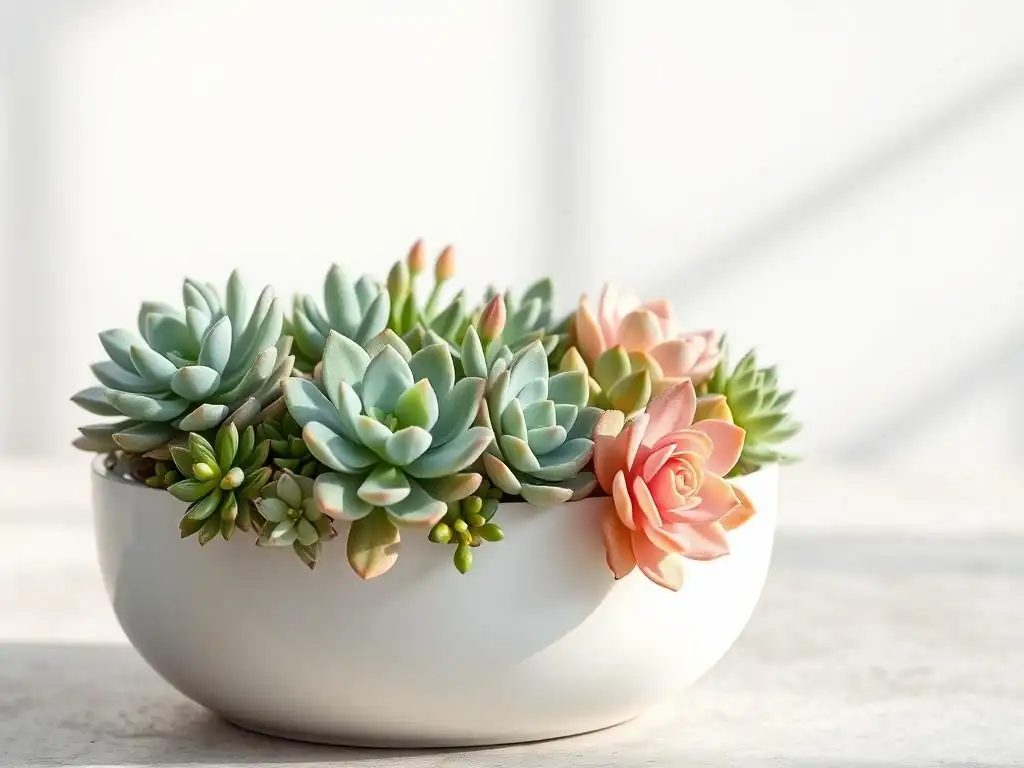
Creating a beautiful and thriving succulent garden doesn't require constant, laborious maintenance. With a few simple strategies, you can enjoy the beauty of these resilient plants with minimal effort. This section focuses on practical, low-maintenance techniques to keep your easy succulent garden designs flourishing. We'll explore efficient weeding, pest control, pruning, propagation, and fertilization methods, all geared towards maximizing impact while minimizing your workload. Remember, the key to effortless succulent gardening is understanding their unique needs and adapting your approach accordingly.
Simple Weeding and Pest Control Strategies
Weeding is crucial for maintaining healthy succulent gardens. Succulents, while drought-tolerant, still compete with weeds for resources like water and nutrients. Regular weeding, though not excessively frequent, prevents weeds from overshadowing your succulents and stealing vital resources. Instead of aggressive weeding that can damage delicate roots, opt for targeted removal.
Use a small hand trowel or weeding fork to carefully remove weeds close to the base of your succulents, being mindful not to disturb the succulent's root system. For larger areas, a hoe can be helpful but requires careful maneuvering. Mulching around your succulents helps suppress weed growth, reducing the frequency of weeding. A layer of gravel, small stones, or even shredded bark can be effective.
Pest control for succulents usually involves preventative measures rather than reactive treatments. Regularly inspect your plants for signs of pests such as mealybugs, aphids, or spider mites. Early detection is key. For minor infestations, a simple solution of water and mild dish soap can often suffice. Spray the affected areas gently, ensuring the solution reaches the undersides of leaves where pests often hide. For more severe infestations, consider using insecticidal soap or neem oil, following the product instructions carefully. Always prioritize organic and less-toxic options whenever possible, protecting both your plants and the environment.
Pruning and Propagation Techniques for Succulents
Pruning succulents is primarily about shaping and maintaining their aesthetic appeal, rather than a necessity for their survival. However, removing dead or damaged leaves and stems prevents disease and encourages bushier growth. Use clean, sharp pruning shears or scissors to make precise cuts, avoiding tearing or crushing the plant tissue. Always sterilize your tools between plants to prevent the spread of diseases.
Pruning also provides an opportunity for propagation. Many succulent cuttings readily root, allowing you to expand your collection effortlessly. Simply allow the cuttings to callous over for a day or two before planting them in well-draining soil. This easy propagation method is a fantastic way to multiply your favorite succulents and create new, vibrant arrangements with minimal expense and effort.
Fertilizing Your Succulents: Less is More
Succulents are remarkably low-maintenance when it comes to fertilization. Unlike many other plants, they don't require frequent feeding. In fact, over-fertilizing can be harmful, potentially leading to root burn and other issues. If you choose to fertilize, use a balanced, water-soluble fertilizer diluted to half the recommended strength. Apply it sparingly, only during the growing season (typically spring and summer).
Avoid fertilizing during the dormant period (fall and winter), as the plants are not actively growing and won't utilize the nutrients effectively. Observe your succulents carefully. If they appear healthy and vigorous, fertilization is likely unnecessary. Remember, healthy succulent growth is often a result of proper sunlight, well-draining soil, and appropriate watering, rather than excessive fertilization. Prioritize these fundamental aspects of succulent care, and you'll find that minimal fertilizing is often the best approach.
Winter Care for Succulents in Different Climates
Succulents, while remarkably drought-tolerant, still require specific care during winter months, depending on your climate. Understanding your region's typical winter conditions is crucial for ensuring your succulents thrive. Neglecting this crucial aspect can lead to frost damage, root rot, or even plant death. Let's explore winter care strategies tailored to different climates.
Mild Winter Climates (Mediterranean, Coastal California): In regions with mild winters and infrequent frost, your succulents will likely require minimal intervention. However, even in these areas, reducing watering frequency is key. Overwatering during winter is a common mistake, leading to soggy soil and potential root rot. Aim to water only when the soil is completely dry, usually every few weeks or even less frequently.
Continue to provide ample sunlight, as succulents still need light for photosynthesis even in winter. You may see a slight slowdown in growth, which is perfectly natural during this dormant period. Monitor your plants closely for any signs of pests or diseases, addressing them promptly.
Moderate Winter Climates (Some parts of the US, Western Europe): Regions with moderate winters, characterized by occasional frost and cooler temperatures, require a slightly more proactive approach to succulent care. Consider providing some protection from frost, especially for sensitive varieties. This might involve moving your pots to a sheltered location, like a porch or garage, during particularly cold nights. Reduce watering significantly, but don't let the soil become bone dry.
A light watering every couple of weeks, or even less depending on the weather, might be sufficient. Mulching around the base of your plants can also help insulate the roots and protect them from extreme temperature fluctuations. Observe your plants closely for any signs of stress, such as leaf discoloration or wilting.
Cold Winter Climates (Northern US, Canada, Northern Europe): In regions experiencing harsh winters with prolonged freezing temperatures, protecting your succulents from frost is paramount. Bring potted succulents indoors to a bright, cool location, such as a sunroom or an unheated garage. Avoid placing them near heating vents, as this can lead to desiccation. Reduce watering to a minimum, potentially watering only once a month or less, depending on the dryness of the soil.
For succulents planted directly in the ground, consider covering them with a thick layer of mulch or using frost blankets for added protection. Remember to remove the protective layer on milder days to prevent rot. Careful monitoring and prompt action are vital in cold climates to ensure your succulents survive the winter. Consider using a greenhouse for extra protection if you have a large collection.
This tailored approach to winter care will ensure your easy succulent garden continues to thrive, even during the colder months. Remember that observation is key; paying attention to your plants' needs will help you adjust your care accordingly, ensuring a beautiful and healthy garden year-round. 🪴
Inspiring Easy Succulent Garden Designs: Examples and Ideas
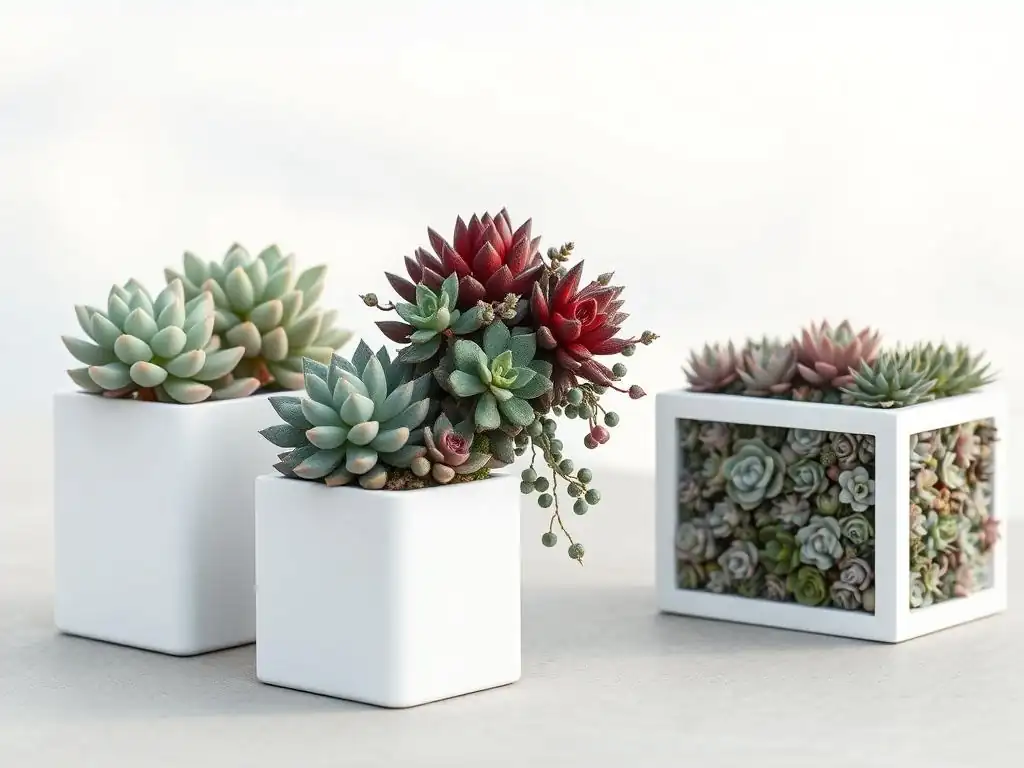
This section explores diverse and achievable designs for easy succulent gardens, catering to various spaces and preferences. We'll delve into specific examples, highlighting the simplicity and beauty achievable with minimal effort. Remember, the key to an "easy succulent garden design" lies in selecting the right succulents for your environment and utilizing effective planting and maintenance strategies. Let's cultivate some inspiration!
Small-Space Succulent Garden Designs for Apartments and Condos
Living in a small space shouldn't limit your green thumb! Small-space succulent garden designs are remarkably versatile. Think vertical gardens using wall-mounted planters or hanging baskets overflowing with cascading succulents like Sedum morganianum (Burro's Tail) or String of Pearls. These designs maximize vertical space, adding a touch of nature without overwhelming the room.
Another excellent option is a miniature succulent garden in a shallow dish or tray. Choose compact varieties like Echeveria or Sempervivum (Hens and Chicks) for a densely packed, visually appealing arrangement. These require minimal maintenance and can thrive on a sunny windowsill. Consider incorporating small decorative elements like pebbles or seashells to enhance the aesthetic appeal. The possibilities are endless, limited only by your creativity and available space.
Here's a sample design plan for a small-space succulent garden:
| Element | Description | Quantity | Notes |
|---|---|---|---|
| Planter | 12" diameter shallow ceramic dish | 1 | Ensure drainage holes are present. |
| Succulents | Echeveria 'Perle von Nürnberg' (3), Sedum album (2), Sempervivum tectorum (5) | 10 | Select healthy, established plants. |
| Cactus Soil Mix | Well-draining potting mix specifically for succulents | 1 quart | Avoid using regular garden soil. |
| Decorative Stones | Small, smooth river rocks | 1 cup | Adds visual interest and helps with drainage. |
Rock Garden Designs Featuring Succulents
Rock gardens, also known as xeriscapes, provide an ideal environment for succulents. The rocky, well-drained soil mimics their natural habitat. These designs are exceptionally low-maintenance, requiring minimal watering and weeding once established. The contrast between the rugged rocks and the vibrant succulents creates a striking visual effect.
When designing a rock garden, select succulents that thrive in full sun and well-drained soil. Larger succulents, such as Agave varieties or Yucca, can serve as anchor plants, while smaller succulents can fill in the spaces between the rocks. Consider incorporating different textures and colors of succulents to add visual interest. For example, the silvery-blue foliage of Sedum blue spruce complements the deep green of Echeveria.
Remember to choose rocks that are appropriate for your climate and soil conditions. Larger, irregularly shaped rocks can create a more natural look, while smaller rocks can be used to fill in gaps and create pathways. Proper drainage is crucial for the health of your succulents, so ensure that the soil is well-drained and that the rocks allow for adequate water flow.
Container Garden Ideas for Succulents: Pots, Planters, and More
Container gardening offers incredible flexibility for creating easy succulent garden designs. You can move your containers as needed to follow the sun or protect them from harsh weather conditions. The variety of pots, planters, and other containers available is vast, allowing you to personalize your design to match your style and décor.
From terracotta pots to sleek modern planters, the choice is yours. Consider the size and shape of your container when selecting your succulents. Larger containers can accommodate larger succulents, while smaller containers are perfect for miniature varieties. Remember to choose containers with drainage holes to prevent root rot.
For a truly unique design, consider using unconventional containers such as old watering cans, teacups, or even repurposed boots! The creative possibilities are endless. Think about grouping different containers together to create a cohesive and visually appealing display. Adding decorative elements such as pebbles, sand, or small figurines can further enhance the aesthetic appeal of your container succulent garden. This approach offers a fantastic opportunity to experiment with various "easy succulent garden designs" in a contained and easily manageable space.
Modern and Minimalist Succulent Garden Designs
Modern and minimalist succulent garden designs emphasize clean lines, geometric shapes, and a restrained color palette. These designs often feature a single succulent variety or a carefully curated selection of succulents with similar textures and colors, creating a sense of calm and understated elegance. Think sleek, raised planters made of concrete or metal, showcasing the sculptural beauty of echeverias, sedums, and sempervivums arranged in precise patterns. The overall effect is sophisticated and serene, perfectly suited for contemporary homes and patios.
The use of gravel or smooth stones as mulch further enhances the minimalist aesthetic, providing excellent drainage and weed suppression. Maintaining these gardens is remarkably straightforward; infrequent watering and minimal pruning are usually all that's needed. The key is choosing succulents that are well-suited to the chosen container and location, ensuring they receive adequate sunlight. A thoughtful selection of plants, coupled with a well-designed container and appropriate mulching, will guarantee a low-maintenance yet stunning succulent garden.
Many modern designs incorporate raised beds or wall-mounted planters, maximizing space in smaller yards or urban environments. These vertical solutions offer a space-saving approach to integrating succulents into a modern aesthetic while still delivering a visually impactful display. The use of geometric shapes in the planting itself, such as creating square or triangular groupings, adds another layer of sophistication to the overall design.
Consider, for example, a long, rectangular trough planter positioned along a modern patio. Filled with a carefully chosen selection of grey-green echeverias, the planter's clean lines are echoed by the succulents' rosette shapes. The addition of a few strategically placed smooth river rocks provides contrast and texture without detracting from the overall minimalist feel.
This simple yet effective design requires minimal upkeep, offering a low-maintenance yet stylish addition to any outdoor space. The beauty of this approach lies in its simplicity; less is truly more when it comes to achieving a modern and minimalist aesthetic in succulent gardening. The focus is on showcasing the inherent beauty of the succulents themselves, allowing their unique forms and textures to take center stage.
Creating Your Dream Low-Maintenance Succulent Garden: A Recap
This section summarizes the key design principles discussed earlier, focusing on creating easy-to-maintain succulent gardens that thrive. We'll revisit the core concepts to ensure you're equipped to design your own stunning, low-maintenance succulent oasis. Remember, the beauty of succulent gardening lies in its simplicity and resilience. With a little planning and these design principles, you can enjoy a vibrant garden with minimal effort.
Recap of Key Design Principles for Easy Succulent Gardens
Creating an easy succulent garden hinges on understanding the plant's needs and incorporating design elements that cater to those needs. Let's review some crucial aspects:
- Sunlight: Succulents crave ample sunlight. Aim for at least 6 hours of direct sunlight daily. Consider your home's orientation and choose a location accordingly. South-facing locations are generally ideal in the Northern Hemisphere. Remember to observe your specific location's sunlight patterns throughout the day to find the perfect spot.
- Drainage: Excellent drainage is paramount. Succulents are prone to root rot in soggy soil. Use well-draining soil mixes, preferably those specifically formulated for cacti and succulents. Adding perlite, pumice, or coarse sand to your potting mix significantly improves drainage. Consider raised beds or containers with drainage holes to further enhance drainage.
- Soil Selection: The right soil is crucial for healthy succulent growth. Avoid using garden soil, which often retains too much moisture. Instead, opt for a specialized cactus and succulent potting mix. These mixes are formulated to provide the necessary drainage and aeration for these plants to flourish.
- Watering: Overwatering is a common mistake that leads to succulent demise. Allow the soil to dry completely between waterings. The frequency of watering depends on factors like climate, pot size, and soil type. During the dormant season, reduce watering significantly. Observe your plants carefully for signs of underwatering or overwatering.
- Plant Selection: Choose succulent varieties that are compatible with your climate and sunlight conditions. Research the specific needs of each succulent before planting to ensure a harmonious garden. Mix and match different textures, colors, and sizes to create visual interest. Consider the mature size of each plant to avoid overcrowding.
- Container Choice: If using containers, select materials that allow for proper drainage and aeration. Terracotta pots are a popular choice, as they are porous and allow excess moisture to evaporate. However, ensure that they are appropriately sized for the succulents you are planting. Larger pots generally require less frequent watering.
| Design Element | Best Practices | Importance |
|---|---|---|
| Sunlight | 6+ hours of direct sunlight | Prevents etiolation (leggy growth) |
| Drainage | Well-draining soil, raised beds, containers with holes | Prevents root rot |
| Soil | Specialized cactus & succulent mix | Provides proper aeration and moisture retention |
| Watering | Allow soil to dry completely between waterings | Prevents overwatering and root rot |
| Plant Selection | Climate-appropriate, varied textures and sizes | Ensures plant health and visual appeal |
| Container Choice (if applicable) | Porous materials (e.g., terracotta), proper sizing | Promotes drainage and aeration |
Additional Tip: Mulching
Using a thin layer of gravel or small pebbles around your succulents helps to retain moisture, suppress weeds, and regulate soil temperature. It also enhances the visual appeal of your garden.
Resources for Further Learning and Inspiration on Succulent Gardening
To further enhance your succulent gardening expertise, consider exploring specialized books and online resources dedicated to succulent cultivation and design. Many excellent guides provide detailed information on various aspects of succulent care, propagation, and arrangement. Online communities and forums offer a platform to connect with fellow succulent enthusiasts, share experiences, and seek advice. Remember, continuous learning and experimentation are key to mastering the art of succulent gardening. Embrace the journey and enjoy the process of creating your own unique and thriving succulent garden!
Frequently Asked Questions
What are the easiest succulents to grow for beginners?
Many succulents are beginner-friendly! Look for hardy varieties like Sedum, Echeveria, and Sempervivum. These are known for their tolerance of neglect and adaptability.
How much sunlight do succulents need in a garden design?
Succulents generally need at least 6 hours of sunlight daily. However, the specific needs vary by species; some prefer partial shade, especially during the hottest part of the day. Observe your plants for signs of sunburn or stretching.
What is the best soil for a succulent garden?
Use a well-draining potting mix specifically formulated for succulents and cacti. Avoid using regular garden soil, as it retains too much moisture and can lead to root rot. Adding perlite or pumice improves drainage.
How often should I water my succulent garden?
Water thoroughly but infrequently. Allow the soil to completely dry out between waterings. Overwatering is a common mistake that can kill succulents. The frequency depends on factors like climate and pot size.
What are some creative and easy succulent garden designs?
There are many! Consider DIY vertical gardens, raised beds, terracotta pot arrangements, or even repurposed containers. Choose a design that suits your space and personal style. Explore succulent-specific design ideas on SucculentEssentials.org for inspiration!
Final Reflection: Cultivating Joy: The Enduring Power of Low-Maintenance Gardens
The art of cultivating a beautiful garden needn't be a daunting task; embracing low-maintenance succulent gardens offers a pathway to horticultural happiness accessible to everyone. These resilient plants, with their striking beauty and minimal care requirements, are transforming how we interact with our living spaces, proving that a vibrant green thumb isn't a prerequisite for enjoying the tranquility of nature.
The enduring appeal of succulent gardens lies not just in their ease of care, but in their symbolic resonance. They represent resilience, adaptability, and the quiet beauty found in simplicity. The glory of gardening: hands in the dirt, head in the sun, heart with nature. To nurture a garden is to feed not just the body, but the soul.
This quote perfectly encapsulates the profound connection we can forge with the natural world, even within the confines of our homes, through the simple act of tending to these remarkable plants. The increasing popularity of succulent gardening reflects a broader societal shift towards mindful living and a deeper appreciation for sustainable practices.
Now, consider your own space. Imagine the calming presence of a miniature desert landscape thriving on your balcony, windowsill, or even a small patio. What small step can you take today to bring the joy and tranquility of a succulent garden into your life? Start small, choose a few cuttings or a small starter pot, and watch as you nurture not only a beautiful garden, but also a deeper connection with the natural world and a sense of accomplishment that will bloom alongside your succulents.
Unleash Your Inner Gardener: Craft Your Dream Succulent Oasis!
Thank you for exploring the world of low-maintenance succulent gardens with us! We hope you're feeling inspired and ready to bring a touch of desert beauty to your home. Now, let's turn that inspiration into action.
- Start designing your succulent garden today! Sketch out a plan, considering the available space, sunlight, and the types of succulents you'd like to include. Don't be afraid to experiment!
- Share your vision: Post a picture of your design or inspiration on social media using #SucculentEssentials and tag us! Let's build a thriving community of succulent enthusiasts.
- Explore our website's resources for detailed guides on succulent selection, planting, and care. You might be surprised by the wealth of information available!
Ready to transform your space with the beauty and resilience of succulents? What will be the first succulent you add to your dream garden?