
The Key to Success: Understanding Leaf Structures for Propagation

Welcome to SucculentEssentials.org, where the fascinating world of succulents unfolds before you! Are you ready to unlock the secrets to thriving succulent gardens? We delve into the art of succulent cultivation, from identifying rare varieties to mastering propagation techniques. Discover the key to success with our comprehensive Succulent leaf propagation guide, and learn how even the smallest leaf can become a stunning new plant. Prepare to be amazed by the possibilities – your journey to a flourishing succulent collection starts now!
- Understanding Succulent Leaf Anatomy for Successful Propagation
- Preparing Succulent Leaves for Propagation
- Optimizing Conditions for Succulent Leaf Propagation
- Troubleshooting Common Problems in Succulent Leaf Propagation
- Harvesting and Transplanting Your New Succulents
- Advanced Techniques for Succulent Leaf Propagation
- Succulent Leaf Propagation Guide: A Summary of Key Steps
- Frequently Asked Questions
- Final Reflection: The Enduring Power of a Single Leaf
- Unleash Your Inner Plant Wizard: Propagate Your Succulents!
Understanding Succulent Leaf Anatomy for Successful Propagation
Successfully propagating succulents from leaves requires more than just placing a leaf on soil and hoping for the best. A deep understanding of succulent leaf anatomy is crucial for maximizing your success rate and understanding why some leaves root readily while others fail. This guide delves into the key structural components of succulent leaves, explaining their roles in the propagation process and highlighting variations across different succulent species.
Mastering this knowledge will transform you from a hopeful propagator to a confident cultivator, significantly increasing your chances of creating thriving new plants from seemingly simple leaf cuttings. We will explore the crucial aspects of leaf structure that directly impact the rooting and growth of new succulent plants, providing you with the knowledge to successfully propagate a wider variety of succulents. This detailed guide will empower you to confidently tackle leaf propagation, boosting your succulent collection with ease.
Identifying Key Leaf Structures in Succulents: A Visual Guide
Understanding succulent leaf structure is the first step to successful propagation. Let's break down the key components:
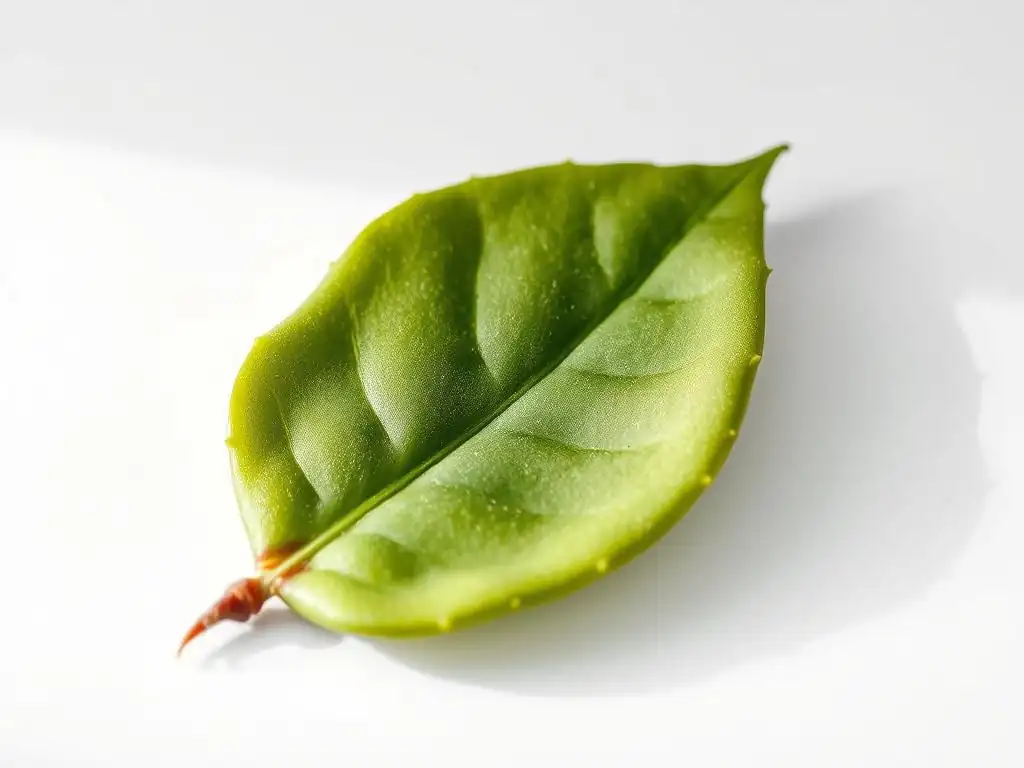
- Leaf Blade (Lamina): This is the main, flattened part of the leaf, responsible for photosynthesis. Its size, shape, and thickness vary greatly depending on the succulent species. Some are thick and fleshy, while others are thin and elongated. The leaf blade's condition significantly impacts propagation success; healthy, plump leaves are ideal.
- Leaf Margin: The edge of the leaf blade. This can be smooth, serrated (toothed), or wavy, again depending on the species. The leaf margin is often an indicator of the overall health of the leaf and its potential for propagation.
- Leaf Apex: The tip of the leaf blade. Its shape can vary considerably.
- Leaf Base: This is the point where the leaf attaches to the stem. This is a critical area for propagation, as it's where root formation begins. We'll explore its importance in more detail in the next section.
- Vascular Bundles: These are the veins within the leaf, transporting water and nutrients. Their visibility varies across species. Observing these bundles can help you assess the leaf's health and potential for successful propagation.
The following table summarizes these key structures:
| Structure | Description | Importance in Propagation |
|---|---|---|
| Leaf Blade | Main, flattened part of the leaf | Size, thickness, and health impact rooting success |
| Leaf Margin | Edge of the leaf blade | Indicates overall leaf health |
| Leaf Apex | Tip of the leaf blade | Less critical for propagation than other structures |
| Leaf Base | Point of attachment to the stem | Crucial area for root formation; often the source of callus formation |
| Vascular Bundles | Veins transporting water and nutrients | Assessing their visibility helps determine leaf health |
The Role of the Leaf Base in Root Development
The leaf base is arguably the most important part of the leaf for propagation. This is where the callus forms, a protective layer of tissue that eventually develops into roots. A healthy, firm leaf base is essential for successful root formation. Damage to this area can significantly reduce or even eliminate the chances of propagation.
When preparing a leaf for propagation, it's crucial to handle the leaf base with care, avoiding any bruising or damage. The process of callus formation involves the leaf's natural healing response, creating a protective barrier against infection and dehydration, which is essential for the development of healthy roots. The callus formation is vital for successful propagation, and understanding this process can significantly improve your success rate. Proper preparation and care of the leaf base are key factors in maximizing your chances of successful propagation.
Leaf Structure Variations Across Succulent Species
Succulent leaf structures exhibit remarkable diversity. Species with thick, fleshy leaves often propagate more easily than those with thin, delicate leaves. Similarly, the size and shape of the leaf base can influence the ease of propagation. Some succulents have prominent, readily identifiable leaf bases, while others have less defined attachment points. These variations highlight the importance of understanding the specific characteristics of each succulent species when attempting leaf propagation.
For example, Echeveria leaves typically root more easily than those of Haworthia, due to differences in leaf structure and physiology. Careful observation and research into the specific species you are working with are crucial for optimizing your propagation techniques. This variability emphasizes the need for a nuanced approach to leaf propagation, tailoring techniques to the specific characteristics of each succulent. Learning to identify these variations will significantly improve your overall success rate in succulent propagation.
Preparing Succulent Leaves for Propagation
This section delves into the crucial first steps of succulent leaf propagation: preparing the leaves for the propagation process. Success hinges on selecting healthy, robust leaves and properly cleaning and preparing them to minimize the risk of rot and disease. Understanding these initial stages is key to achieving a high success rate in your succulent leaf propagation endeavors. This detailed guide will equip you with the knowledge to cultivate thriving new succulents from leaves.
Selecting Healthy Leaves for Propagation
Choosing the right leaves is paramount for successful propagation. Avoid leaves showing any signs of stress, disease, or damage. Look for plump, firm leaves with vibrant color characteristic of the specific succulent variety. Avoid:
- Leaves exhibiting discoloration (brown spots, yellowing, or unusual blotches)
- Leaves that are soft, wrinkled, or shriveled – these indicate dehydration or disease.
- Leaves with cuts, tears, or insect damage.
- Leaves from the lower, older sections of the plant; younger, healthier leaves from the upper sections are preferable.
Consider these factors when making your selections:
| Criteria | Description | Importance |
|---|---|---|
| Leaf Firmness | A plump, firm leaf indicates healthy turgor pressure and high water content, essential for successful rooting. | A soft or shriveled leaf lacks the resources to support the energy-intensive process of root and plantlet development. |
| Leaf Color | Leaves should display the characteristic color for their variety. Abnormal coloring suggests stress or disease. | Healthy color indicates a robust leaf with sufficient chlorophyll for photosynthesis and subsequent growth. |
| Leaf Location on Plant | Select leaves from the healthier, upper portions of the plant, avoiding older, lower leaves. | Younger leaves have more readily available resources for successful propagation. |
Remember, a healthy leaf is your starting point for a thriving new succulent. Take your time, carefully inspect each leaf, and select only the best candidates for propagation. This meticulous selection process will significantly increase your chances of successful propagation.
Cleaning and Preparing Leaves for Planting
Once you've selected your healthy leaves, the next step is crucial: cleaning and preparing them for planting. This process minimizes the risk of introducing pathogens and ensures optimal conditions for root development. This involves a gentle cleaning and, in some cases, a slight wounding of the leaf base to encourage callus formation.
Before planting, gently rinse the leaves under lukewarm, running water to remove any dust, debris, or potential pests. Avoid using harsh soaps or chemicals, as these can damage the delicate leaf surface. Allow the leaves to air dry completely before proceeding.
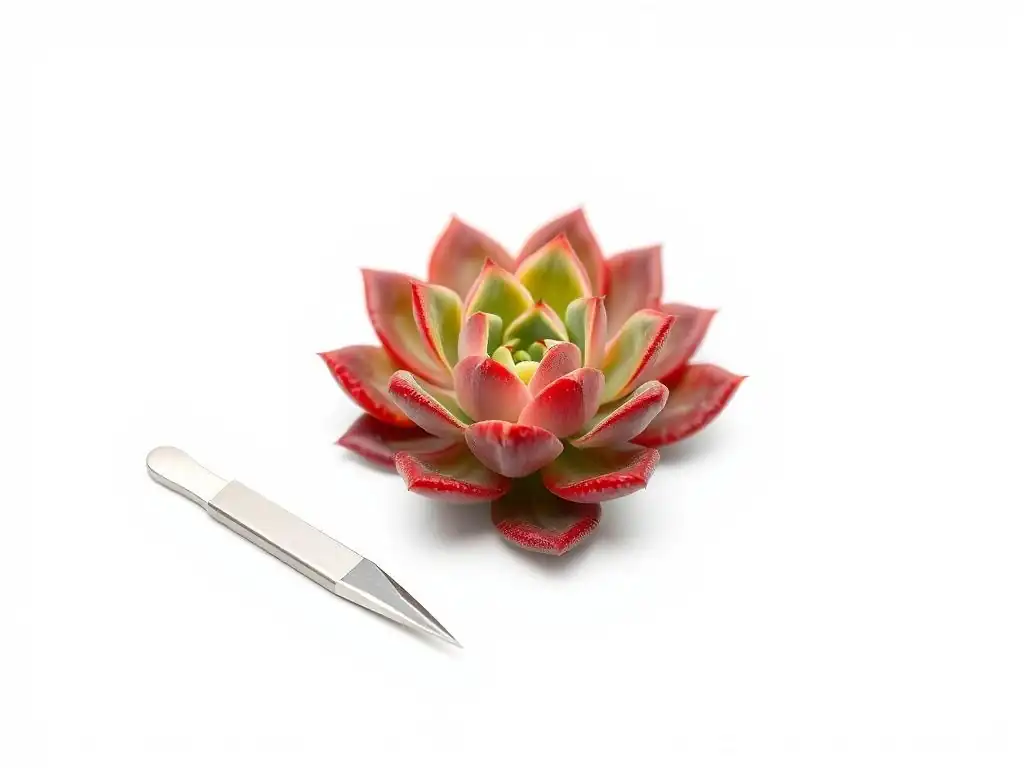
Some succulent enthusiasts recommend lightly scoring the cut end of the leaf (the base where it was detached from the mother plant). This slight wounding can promote faster callus formation, protecting the leaf from rot. However, this is not always necessary; many growers achieve success without this step. If you choose to score the leaf, use a clean, sharp knife or blade, making a very shallow cut.
Preventing Rot and Disease During Propagation
Preventing rot and disease is a critical aspect of successful succulent leaf propagation. The moist environment necessary for root development also creates ideal conditions for fungal and bacterial growth. Here's how to minimize these risks:
- Use a well-draining potting mix: A mix specifically formulated for succulents or cacti, or one amended with perlite or coarse sand, prevents waterlogging.
- Avoid overwatering: Allow the soil to dry out completely between waterings. Overwatering is the most common cause of rot in succulent propagation.
- Ensure good air circulation: Avoid overcrowding the leaves, providing ample space for airflow to reduce humidity.
- Sterilize your tools: Clean your knife or scissors with rubbing alcohol before and after use to prevent the spread of pathogens.
- Monitor for signs of rot: Regularly inspect the leaves for any signs of softening, discoloration, or foul odor. Remove any affected leaves immediately to prevent the spread of disease.
By following these guidelines, you significantly reduce the risk of fungal or bacterial issues and significantly improve your chances of producing healthy, robust succulent plantlets from leaves. Remember, patience is key. The process takes time, and consistent monitoring is essential for success. 🌱
Optimizing Conditions for Succulent Leaf Propagation
Successful succulent leaf propagation hinges significantly on providing the optimal growing environment. Neglecting even one aspect can drastically reduce your success rate. This section delves into the crucial environmental factors that influence the rooting and growth of your succulent cuttings. Understanding these nuances will transform you from a casual propagator to a true succulent expert. Mastering these techniques is key to achieving high germination rates and healthy plantlets.
Creating the Ideal Growing Environment: Light, Humidity, and Temperature
The ideal environment for succulent leaf propagation mimics their natural habitat – bright, indirect sunlight, low humidity, and moderate temperatures. Direct sunlight can scorch delicate leaves before they have a chance to root, while overly humid conditions can encourage fungal growth, leading to rot.
Let's break down each element:
- Light: Provide bright, indirect light. A south-facing window (in the Northern Hemisphere) is often ideal, but you might need to provide some shade during the hottest parts of the day, especially during summer months. Consider using a sheer curtain to diffuse the sunlight. Insufficient light leads to etiolation (leggy growth), while excessive light leads to sunburn. Observe your leaves closely; slight discoloration indicates a need for adjustment.
- Humidity: Succulents thrive in low-humidity environments. High humidity can lead to fungal diseases and rot, particularly in the early stages of propagation. Avoid misting your leaves, and ensure good air circulation around the cuttings. A well-ventilated area is crucial for preventing moisture buildup. High humidity can be identified by the presence of mold or mildew on the leaves or soil.
- Temperature: Moderate temperatures, between 65-75°F (18-24°C), generally promote optimal rooting and growth. Avoid extreme temperature fluctuations, as these can stress the leaves and hinder propagation. Keep your propagation tray away from heating vents or air conditioners. Consistent temperatures are essential for healthy growth. Monitoring the temperature with a thermometer guarantees ideal conditions.
Choosing the Right Soil Mix for Leaf Propagation
The soil mix plays a vital role in successful leaf propagation. A well-draining mix is crucial to prevent waterlogging, which can quickly lead to root rot. Avoid using heavy clay soils, as they retain too much moisture.
Here are some recommended soil mix recipes:
| Ingredient | Proportion | Purpose |
|---|---|---|
| Potting Soil | 1 part | Provides essential nutrients |
| Perlite | 1 part | Improves drainage and aeration |
| Coarse Sand | 1 part | Enhances drainage and prevents compaction |
| (Optional) Vermiculite | 1/2 part | Increases water retention (use sparingly) |
Using a mix that's too rich in organic matter can lead to over-watering issues, while a mix that's too sandy may not retain enough moisture for the developing roots. The ideal balance provides adequate drainage while still retaining enough moisture to support root growth.
Watering Techniques for Successful Leaf Growth
Watering succulent leaf cuttings requires a delicate balance. Overwatering is a common mistake that can quickly lead to rot. Underwatering, on the other hand, can hinder root development.
The key is to allow the soil to dry out almost completely between waterings. Before watering, check the moisture level by inserting your finger about an inch into the soil. If it feels dry, it's time to water. Water thoroughly until water drains from the drainage holes, but avoid letting the leaves sit in standing water. Consistent, but not excessive, watering, is the key to success.
Observe the leaves; if they appear shriveled, it is a sign of underwatering; if they appear mushy or soft, then you are overwatering. Adjust your watering schedule accordingly. Remember, it's better to underwater slightly than to overwater. A well-draining soil mix will significantly reduce the risk of overwatering.
Troubleshooting Common Problems in Succulent Leaf Propagation
Successfully propagating succulents from leaves requires patience and attention to detail. While the process is generally straightforward, several issues can hinder growth and even lead to failure. Understanding these common problems and their solutions is key to achieving a high success rate in your succulent leaf propagation endeavors. This section focuses on identifying and resolving some of the most frequently encountered challenges. We'll delve into fungal issues, pest infestations, and developmental problems, arming you with the knowledge to nurture your new succulents to maturity.
Addressing Root Rot and Other Fungal Issues
Root rot, a common problem in succulent propagation, arises from excessive moisture. Overwatering, poor drainage, and overly humid environments create the perfect breeding ground for Phytophthora and other fungal pathogens. These fungi attack the delicate roots of developing succulents, leading to wilting, discoloration, and ultimately, death.
Preventing root rot involves several crucial steps. First, ensure your propagation medium provides excellent drainage. A well-draining mix, such as a blend of coarse sand, perlite, and potting soil, is crucial. Avoid using heavy, clay-based soils that retain too much water. Secondly, water sparingly. Only water when the propagation medium is completely dry to the touch. Allow the surface to dry out completely between waterings. Overwatering is the most common cause of root rot in succulent leaf propagation.
Symptoms of root rot include soft, mushy leaves, a foul odor emanating from the base of the cutting, and a dark, discolored stem. If you suspect root rot, immediate action is necessary. Carefully remove the affected leaf from the propagation medium. Examine the roots; if they are mushy and dark, the leaf is likely beyond saving.
However, if only a portion of the root system is affected, you might be able to salvage the cutting. Remove the affected roots using sterilized scissors or a knife, and replant the cutting in fresh, dry propagation medium. Avoid overwatering the salvaged cutting and monitor it closely for any signs of recurring rot. Consider using a fungicide as a preventative measure.
Dealing with Pests and Diseases Affecting New Growth
Tiny pests, such as mealybugs, aphids, and spider mites, can infest succulent cuttings, hindering their growth and potentially killing them. These pests feed on the plant's sap, weakening the leaf and making it susceptible to diseases. Early detection is essential for effective pest management. Regularly inspect your cuttings for signs of infestation, such as white cottony masses (mealybugs), tiny sucking insects (aphids), or fine webbing (spider mites).
Effective pest control involves a combination of preventative and reactive measures. Preventative measures include maintaining good hygiene around your propagation area, ensuring proper ventilation to prevent humidity build-up, and inspecting new cuttings before introducing them to your existing collection. For infestations, you can use insecticidal soap or neem oil to treat the affected cuttings. These natural pesticides are effective against many common succulent pests and are relatively safe for the plant.
In severe cases, you may need to consider using a stronger systemic insecticide. However, always follow the manufacturer's instructions carefully and consider the potential impact on beneficial insects. A careful and preventative approach is crucial for the successful propagation of your succulents and avoiding pest-related issues.
Recognizing and Solving Problems with Leaf Development
Even with proper care, some succulent leaves may fail to develop roots or produce healthy new growth. This can be due to several factors, including improper leaf selection, inadequate light, or nutrient deficiencies.
Choosing healthy, mature leaves is crucial for successful propagation. Avoid using leaves that are damaged, diseased, or overly young. Mature leaves are more likely to have sufficient stored energy to support root and shoot development. Adequate light is essential for photosynthesis, providing the energy needed for growth. Ensure your propagation area receives sufficient bright, indirect light. Direct sunlight can scorch the delicate leaves, hindering their development.
Finally, nutrient deficiencies can also impede growth. While succulents are drought-tolerant, they still require essential nutrients. Using a well-balanced, diluted succulent fertilizer can help ensure the cuttings receive the nutrients they need to thrive. Regular monitoring, careful observation, and timely intervention are key to overcoming these developmental challenges and ensuring the healthy propagation of your succulents. Remember patience is key – some varieties are simply slower growers than others.
Harvesting and Transplanting Your New Succulents
This section focuses on the crucial steps involved in harvesting your successfully propagated succulent leaves and transplanting them into their permanent homes. Proper harvesting and transplanting techniques significantly impact the survival rate of your new succulents. Remember, patience and gentle handling are key throughout this process.
Identifying When to Transplant Your Propagated Succulents
Knowing the optimal time to transplant your propagated succulents is vital for their success. Generally, you'll want to wait until the leaf cuttings have developed a robust root system and several small leaves. This usually takes several weeks, depending on the succulent species and environmental conditions. Signs of readiness include:
- Visible root growth: You should see small, white roots emerging from the base of the leaf cutting. These roots indicate the plant is actively absorbing nutrients and water, and is ready to be moved to a larger container.
- New leaf growth: The appearance of small, healthy new leaves signals that the cutting has successfully established itself and is capable of supporting further growth.
- Firmness of the cutting: The leaf cutting should feel firm and plump, not shriveled or soft. A soft, shriveled cutting may indicate it’s still too weak to be transplanted.
It's important to avoid transplanting too early. Premature transplanting can shock the delicate root system, leading to failure. Conversely, delaying transplantation for too long may cause overcrowding and competition for resources, hindering growth. Observe your cuttings carefully and transplant them when they demonstrate clear signs of robust growth. Remember, it's better to err on the side of caution and wait a little longer than to risk transplant shock.
Transplanting Techniques for Young Succulents
Transplanting young succulents requires a gentle touch. Here’s a step-by-step guide to ensure minimal stress on your delicate plantlets:
- Prepare the potting mix: Use a well-draining succulent and cactus potting mix. Avoid using garden soil, as it retains too much moisture, which can lead to root rot.
- Choose the right container: Select a small pot with drainage holes. Oversized pots can retain excess moisture, while undersized pots can restrict root growth.
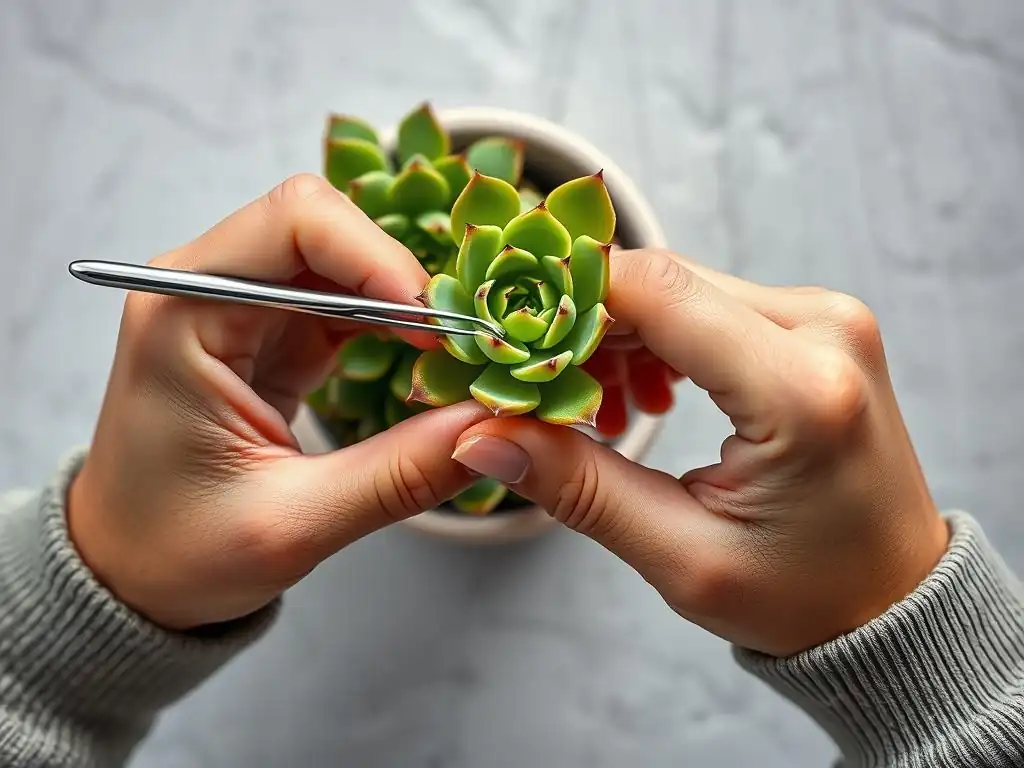
- Gentle removal: Carefully remove the propagated succulent from its propagation tray or container. Try to avoid damaging the roots. If the roots are entangled, gently loosen them with a small tool.
- Planting: Plant the succulent at the same depth it was growing in its previous container. Gently firm the soil around the base of the plant.
- Watering: Water the newly transplanted succulent sparingly. Allow the soil to dry out slightly between waterings to prevent root rot.
Caring for Newly Transplanted Succulents
After transplanting, providing the right care is crucial for the survival and growth of your new succulents. Here are some key considerations:
- Sunlight: Place your newly transplanted succulents in a location with bright, indirect sunlight. Avoid direct sunlight, especially during the hottest part of the day, which can scorch the delicate leaves.
- Watering: Water only when the soil is completely dry. Overwatering is a common mistake that can lead to root rot and plant death. Feel the soil before watering – if it's still moist, wait a few more days.
- Temperature: Maintain a consistent temperature. Avoid sudden temperature fluctuations, as these can stress the plants.
- Fertilizing: Avoid fertilizing your newly transplanted succulents for several weeks. Allow them time to establish their root systems before introducing fertilizer. Once established, use a balanced succulent fertilizer diluted to half strength.
Following these guidelines will significantly increase your chances of success in propagating succulents from leaves. Remember to be patient and observant, adapting your techniques based on the specific needs of your succulent species. With careful attention and the right techniques, you'll soon be enjoying a thriving collection of succulents propagated from leaves! This detailed guide should help you master the art of succulent leaf propagation.
Advanced Techniques for Succulent Leaf Propagation
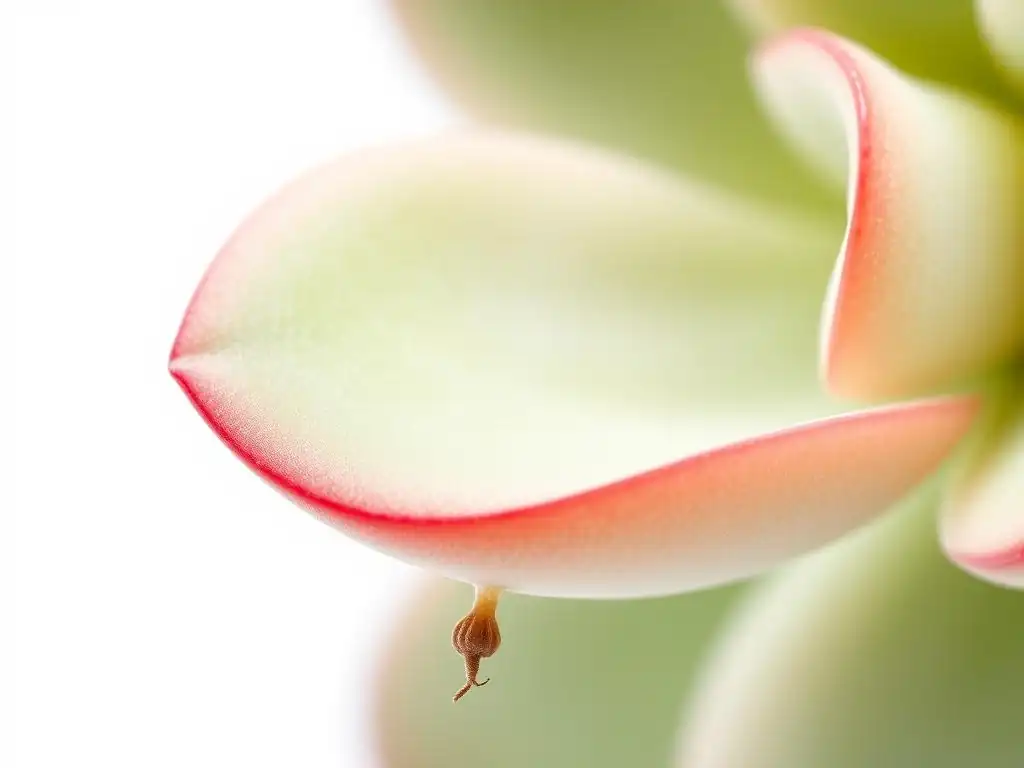
This section delves into more advanced methods for succulent leaf propagation, building upon the foundational knowledge of basic techniques. Mastering these advanced strategies significantly increases your success rate, especially with challenging succulent varieties. We'll explore different propagation media, growth acceleration techniques, and specialized approaches for propagating rare or difficult succulents. Remember, patience and meticulous attention to detail are crucial for optimal results, regardless of the method employed.
Leaf Propagation in Different Media (e.g., Water, Soil, Perlite)
The choice of propagation medium significantly impacts the success of succulent leaf propagation. While many beginners opt for soil, experimenting with different media can yield surprising results. Let's explore the pros and cons of several popular options:
- Water Propagation: This method is straightforward, allowing for close observation of root development. However, it increases the risk of rot if not carefully monitored. Clean, room-temperature water should be used, changed every 2-3 days to prevent bacterial growth. Signs of root development are typically visible within 2-4 weeks. Once roots are approximately 1 inch long, the leaf can be gently planted in a well-draining succulent potting mix.
- Soil Propagation: Using a well-draining succulent and cactus potting mix is a common and often successful method. The mix should be slightly moist but not soggy. Planting the leaf slightly deeper than its original position in the mother plant helps to encourage root formation. Avoid overwatering; allow the soil to dry completely between waterings.
- Perlite Propagation: Perlite offers excellent drainage and aeration, reducing the risk of rot. However, it requires more frequent monitoring for moisture levels, as perlite dries out quickly. This method is particularly effective for succulents prone to root rot. The leaf can be placed directly on top of the perlite or partially buried.
Accelerating Growth with Specialized Techniques
While patience is key, certain techniques can gently accelerate the growth of your succulent leaf cuttings. These methods are not substitutes for proper care but can provide a helpful boost under ideal conditions:
- Bottom Heat: Providing gentle bottom heat, using a heat mat set to low, can stimulate root development and overall growth. This is especially beneficial during cooler months or for slow-growing varieties. However, avoid excessive heat, which can damage the leaf.
- Humidity Dome: A humidity dome or plastic bag (with ventilation) can create a more humid microclimate, ideal for the initial stages of propagation. This helps maintain moisture levels and reduces the risk of desiccation, particularly in low-humidity environments. However, ensure adequate ventilation to prevent fungal growth.
- Growth Hormones: While not strictly necessary, rooting hormones can sometimes improve the success rate, especially with challenging succulents. These hormones stimulate root formation and can help overcome environmental stressors. Follow the manufacturer's instructions carefully.
| Technique | Benefits | Precautions |
|---|---|---|
| Bottom Heat | Faster root development, improved growth | Avoid excessive heat, monitor temperature closely |
| Humidity Dome | Increased humidity, reduced desiccation | Ensure adequate ventilation, prevent fungal growth |
| Growth Hormones | Enhanced root formation | Follow instructions carefully, use sparingly |
Leaf Propagation of Rare or Difficult-to-Propagate Succulents
Propagating rare or difficult succulents requires extra care and attention to detail. These plants often have specific environmental requirements and may be more susceptible to rot or other issues. Here are some crucial considerations:
- Species-Specific Requirements: Research the specific needs of the succulent species. Some succulents require specific temperature ranges, light levels, or humidity levels for successful propagation. Information on specific species should be sought from reliable sources.
- Sterile Conditions: Maintaining sterile conditions is crucial to prevent fungal and bacterial infections, particularly with delicate cuttings. Use sterilized tools and potting media to minimize the risk of contamination.
- Patience and Persistence: Be prepared for a slower propagation process. Some rare succulents may take months or even years to develop into mature plants. Don't be discouraged by slow progress; consistent care and attention are essential.
Success in succulent leaf propagation isn't just about technique; it's about understanding the subtle nuances of each species and adapting your approach accordingly.
Remember, even with advanced techniques, not every leaf cutting will successfully propagate. But by carefully following these guidelines and paying close attention to your plants, you significantly increase your chances of success in your succulent leaf propagation journey. 🌱
Succulent Leaf Propagation Guide: A Summary of Key Steps
This section provides a concise overview of the succulent leaf propagation process. Successfully propagating succulents from leaves requires patience and attention to detail, but the rewards of expanding your collection are well worth the effort. This guide focuses on the core steps, ensuring you have a solid foundation before tackling more advanced techniques. Remember, different succulent varieties may exhibit slight variations in their propagation speed and success rates.
Step-by-step guide with images (placeholder)
The process of propagating succulents from leaves generally involves these key steps:
- Leaf Selection: Choose healthy, mature leaves that are plump and free from pests or diseases. Avoid leaves that are damaged, discolored, or show signs of stress. Look for leaves with a firm texture and vibrant color, indicating their vitality and potential for successful propagation. The best time to collect leaves is usually after a period of active growth.
- Leaf Separation: Gently twist or pull the leaf from the mother plant. Avoid cutting the leaf, as this can introduce unwanted bacteria and increase the risk of rot. A clean break at the base of the leaf is ideal. Some succulent varieties may require more force than others, so proceed cautiously and observe the plant's response.
- Callus Formation: Allow the detached leaves to dry for several days to a week. This crucial step allows a callus to form over the cut end, preventing rot and facilitating root development. The callus formation time can vary depending on environmental conditions (humidity and temperature) and the succulent species. Place the leaves on a clean, dry surface, ideally in a well-ventilated area.
- Planting the Leaves: Once a callus has formed (you'll notice a slightly hardened, dry area at the base), gently place the leaves on top of a well-draining succulent potting mix. Avoid burying the entire leaf; the callus should be in contact with the soil, while the rest of the leaf remains above the surface. Gently press the leaf into the soil to ensure good contact.
- Watering and Light: Water sparingly after planting, allowing the soil to dry slightly between waterings. Overwatering is a common cause of leaf rot. Provide bright, indirect sunlight; direct sunlight can scorch the delicate leaves before they have established a root system.
- Root and Pup Development: With proper care, you should see tiny roots emerging from the base of the leaf within a few weeks. After roots have developed, small plantlets, or "pups," will eventually sprout from the base of the leaf. This process can take several weeks or even months, depending on the succulent species and environmental factors.
- Transplanting: Once the pups have developed a few leaves and a strong root system, they can be carefully separated from the mother leaf and transplanted into individual pots. Handle the delicate pups with care to avoid damaging their roots.
Example: Propagating Echeveria leaves typically involves a slightly quicker callus formation than propagating Sedum leaves. Echeveria leaves may form a callus in 3-5 days, while Sedum leaves might require 5-7 days.
Troubleshooting tips for common issues (placeholder)
Several challenges can arise during succulent leaf propagation. Here are some common problems and their solutions:
- Leaf Rot: This is often caused by overwatering or poor drainage. Ensure your potting mix is well-draining and avoid overwatering. Remove any rotting leaves immediately to prevent the spread of rot to other leaves. Adding a layer of perlite or pumice to the potting mix can improve drainage.
- No Root Development: This can be due to insufficient callus formation, improper watering, or low light conditions. Ensure the leaves have dried sufficiently before planting. Provide bright, indirect light and water sparingly.
- Slow Growth: Slow growth can be due to low light, low temperatures, or nutrient deficiencies. Increase light exposure and ensure the plants are receiving sufficient nutrients through a balanced succulent fertilizer.
- Pest Infestation: Inspect leaves regularly for pests such as mealybugs or aphids. Treat infestations promptly with insecticidal soap or other appropriate methods.
Essential resources for further learning (placeholder)
For those wanting to delve deeper into succulent leaf propagation, consider exploring specialized books and online forums dedicated to succulent cultivation. Many experienced succulent growers share their knowledge and techniques online, providing valuable insights and support. Local botanical gardens or horticultural societies may also offer workshops or resources on succulent propagation. Furthermore, exploring different succulent species and their specific propagation requirements will enhance your understanding and success rate. Remember, patience and observation are key to mastering this rewarding propagation method.
Frequently Asked Questions
What is succulent leaf propagation?
Succulent leaf propagation is a method of growing new succulents from their leaves. It's a simple and effective way to increase your succulent collection using readily available materials. You essentially clone your plants!
Which succulent leaves are best for propagation?
Healthy, mature leaves that are firm and not damaged are ideal for propagation. Avoid using leaves that are soft, wilted, or show signs of disease. Leaf size doesn't matter as much as leaf health.
How long does it take for roots to appear?
The time it takes for roots to appear varies depending on the succulent species and environmental conditions. It can take anywhere from a few weeks to a couple of months. Patience is key!
What is the best medium for rooting succulent leaves?
A well-draining medium like a cactus and succulent potting mix is recommended. You can also use perlite or vermiculite for better drainage. Avoid using soil that retains too much moisture, as this can lead to rot.
What are some common mistakes to avoid when propagating succulent leaves?
Overwatering is a common mistake. Ensure the leaves are not sitting in water. Also, be patient and avoid disturbing the leaves too frequently while they're rooting. Consistent, indirect sunlight is also important.
Final Reflection: The Enduring Power of a Single Leaf
Understanding succulent leaf propagation isn't just a horticultural hobby; it's a potent symbol of resilience and the boundless potential hidden within the seemingly insignificant. The ability to coax life from a single, seemingly discarded leaf speaks to a deeper understanding of nature's tenacity and our own capacity for nurturing growth. This knowledge, once confined to the realm of experienced gardeners, is now readily accessible, empowering a new generation of plant enthusiasts.
The impact of this simple technique extends far beyond the propagation of succulents. It fosters a deeper connection with the natural world, encouraging observation, patience, and a profound appreciation for the intricate processes of life. The glory of gardening: hands in the dirt, head in the sun, heart with nature. To nurture a garden is to feed not just the body, but the soul.
This quote perfectly encapsulates the transformative power of engaging with the natural world through practices like leaf propagation, offering a respite from the frenetic pace of modern life and a pathway to inner peace.
You now hold the key to unlocking the vibrant potential within each succulent leaf. Don't just passively read about this technique; actively embrace it. Experiment, learn from your successes and failures, and share your newfound knowledge with others. The journey of propagating succulents is a journey of self-discovery, a testament to the power of perseverance, and a celebration of life's remarkable ability to regenerate and thrive. Let the humble leaf inspire you to cultivate not only plants, but also your own inner growth and resilience.
Unleash Your Inner Plant Wizard: Propagate Your Succulents!
Thank you for exploring the fascinating world of succulent leaf propagation! You've learned how to significantly expand your succulent collection. Ready to try it yourself?
- Start propagating today! Select a healthy leaf from your favorite succulent and follow the steps in this article. You'll be amazed at how quickly new plants develop.
- Share your propagation journey! Showcase your successes (and even your failures—we all learn from mistakes!) on the SucculentEssentials.org forum. Connect with fellow plant enthusiasts and exchange tips.
- Experiment with different propagation methods! Try various succulents and techniques—the possibilities are endless!
What exciting new succulents will you propagate next?