
Hybridizing Succulents: The Importance of Patience and Observation in Hybridization

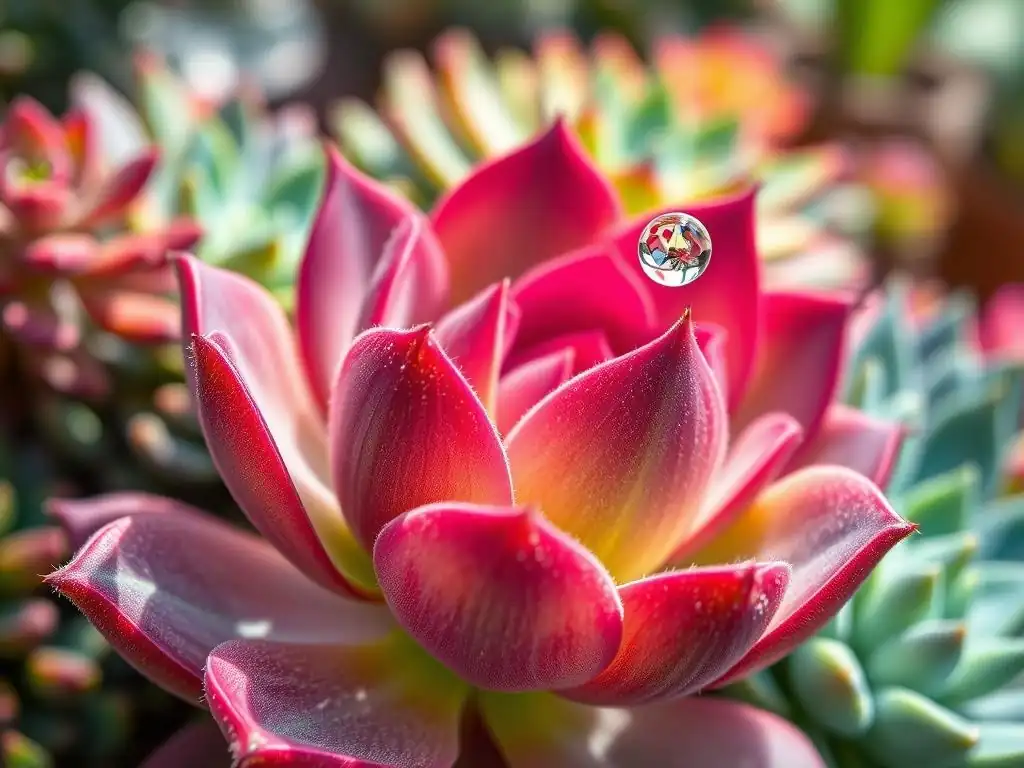
Dive into the captivating world of succulent hybridization! At SucculentEssentials.org, we unlock the secrets to cultivating these resilient beauties. Are you ready to embark on a journey of patience and observation? Discover the surprising rewards of succulent hybridization, and learn the crucial patience tips that will transform your propagation efforts from challenging to triumphantly successful. Explore the intricacies of this fascinating process and uncover the techniques that will lead to breathtaking results – your own unique succulent creations await!
- Understanding the Basics of Succulent Hybridization
- The Crucial Role of Patience in Succulent Hybridization
- Mastering Observation Skills for Successful Hybridization
- Tips and Techniques for Patient Succulent Hybridization
- Common Challenges and Solutions in Succulent Hybridization
- Long-Term Care of Hybrid Succulent Plants
-
Frequently Asked Questions
- How long does succulent hybridization typically take?
- What are some signs that my succulent hybridization attempt is successful?
- Is it necessary to use specific tools for succulent hybridization?
- How can I improve my chances of successful succulent hybridization?
- What should I do if my succulent hybridization attempt fails?
- Final Reflection: Cultivating Patience, Harvesting Success
- Unleash Your Inner Plant Wizard: Start Your Succulent Hybridization Journey!
Understanding the Basics of Succulent Hybridization
Succulent hybridization, the art and science of creating new succulent varieties by combining the genetic material of two parent plants, is a rewarding yet challenging endeavor. This process requires significant patience, keen observation, and a deep understanding of succulent biology. Unlike simply propagating a succulent via cuttings or leaves, hybridization aims to produce offspring with unique characteristics, inheriting desirable traits from both parents – perhaps a vibrant new color, a more compact growth habit, or increased drought tolerance.
This article will delve into the crucial aspects of successful succulent hybridization, focusing on the importance of patience and meticulous observation at every stage, providing you with the knowledge to embark on your own hybridization journey. We'll explore selecting parent plants, understanding pollination methods, and gathering the necessary tools and supplies, ultimately guiding you toward successfully creating your own unique succulent hybrids.
Remember, patience is key; the rewards of a successful hybridization are well worth the time and effort invested. 🌱
Selecting Parent Plants for Successful Hybridization
Choosing the right parent plants is the cornerstone of successful succulent hybridization. The characteristics of the offspring are directly influenced by the genetic makeup of its parents. Therefore, careful selection is crucial to achieving desired outcomes. Consider the following factors when selecting your parent plants:
- Desired Traits: Clearly define the characteristics you want your hybrid to possess. Do you want a larger rosette, a specific flower color, or increased cold hardiness? List these desired traits to guide your plant selection.
- Genetic Diversity: Selecting genetically diverse parents increases the chance of producing unique and robust offspring. Avoid using closely related plants, as this can lead to inbreeding depression and less vigorous hybrids.
- Plant Health: Ensure both parent plants are healthy and vigorous, free from pests and diseases. Weak or stressed plants are less likely to produce viable seeds or pollen.
- Flowering Compatibility: Not all succulents are compatible for hybridization. Ensure the selected parent plants are of the same genus or closely related genera and that they flower simultaneously or within a close timeframe to allow for effective pollination. Some species may have differing flowering times, rendering hybridization impossible.
- Flower Structure: Observe the flower structure of your chosen plants to ensure compatibility. The pollen from one plant must be able to reach the stigma of the other effectively.
Understanding Pollination Methods in Succulent Hybridization
Successful hybridization hinges on effective pollination. While some succulents are self-pollinating, many require cross-pollination – the transfer of pollen from one plant to the stigma of another. Several methods can achieve this:
- Hand Pollination: This is the most common method. Using a small, clean brush (a fine artist's brush works well), gently collect pollen from the anthers of the pollen parent and carefully apply it to the stigma of the seed parent. Repeat this process several times over a few days to increase the chances of successful fertilization.
- Natural Pollination: If your succulents flower simultaneously and are planted near each other, you can attempt natural pollination. However, this method is less reliable, as it depends on pollinators like insects or wind.
- Isolation: To prevent unwanted cross-pollination, isolate your chosen parent plants from other succulents of the same species during their flowering period. This ensures the integrity of your experiment.
Remember to meticulously document your pollination efforts, noting the date, parent plants used, and pollination method employed. This detailed record-keeping is essential for tracking the progress of your hybridization project.
Essential Tools and Supplies for Succulent Hybridization
Having the right tools significantly simplifies the hybridization process and increases the chances of success. Gather these essential items before you begin:
| Tool/Supply | Description | Importance |
|---|---|---|
| Fine Artist's Brush | Used for collecting and transferring pollen. | Ensures precise pollen transfer and minimizes damage to delicate flowers. |
| Magnifying Glass | Helpful for observing flower structures and pollen. | Allows for detailed inspection of pollen viability and stigma receptivity. |
| Small Containers | For collecting and storing pollen. | Prevents pollen contamination and maintains its viability. |
| Notebook & Pen | For recording detailed notes on the hybridization process. | Essential for tracking progress and ensuring reproducibility of successful crosses. |
| Gloves | Maintain hygiene and prevent contamination. | Prevents the transfer of unwanted pollen or pathogens. |
| Tweezers (optional) | Useful for carefully removing spent flowers or handling delicate plant parts. | Improves precision during the pollination process. |
This careful preparation, combined with patience and diligent observation, will significantly improve your chances of successfully hybridizing succulents and creating your own unique plant varieties. Remember that not every attempt will result in a successful hybrid – persistence and learning from each experience are crucial to mastering this fascinating horticultural skill. 🎉
The Crucial Role of Patience in Succulent Hybridization
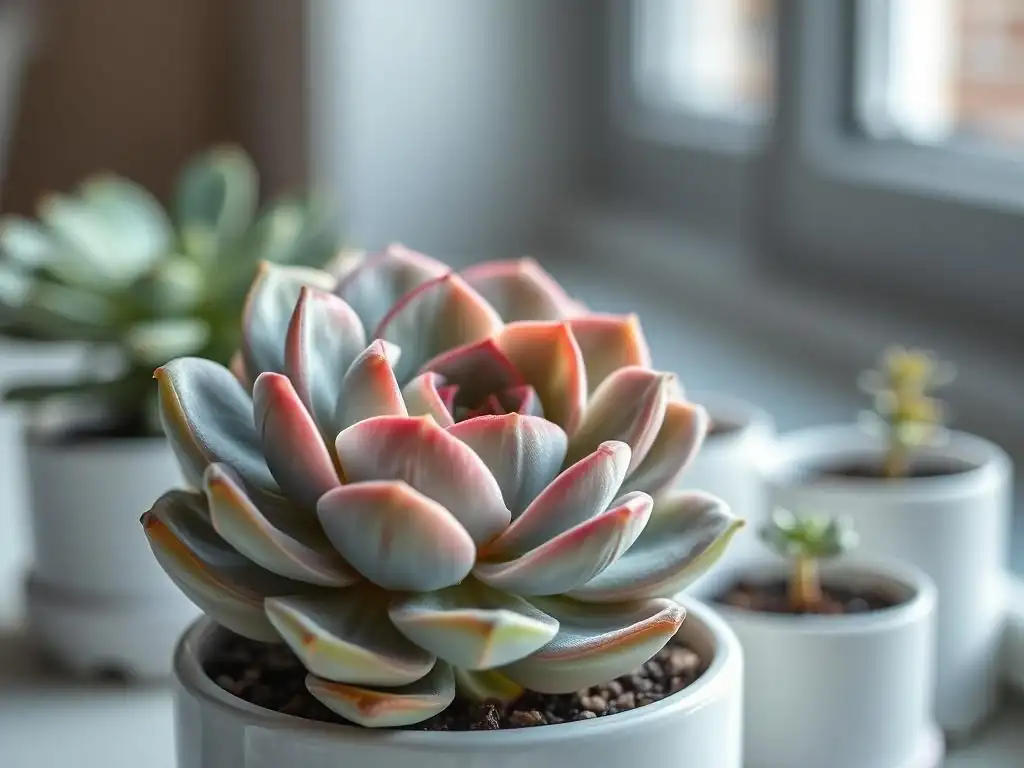
Patience is paramount in succulent hybridization. Unlike some faster-growing plants, the process of creating new succulent hybrids demands significant time and unwavering dedication. The slow growth rate of many succulents, coupled with the intricacies of pollination and seed germination, necessitates a long-term perspective. Successful hybridization isn't a sprint; it's a marathon requiring careful observation, meticulous record-keeping, and, above all, patience. Rushing the process often leads to frustration and failure.
Understanding the typical timeframes involved and anticipating potential delays are key components of a successful hybridization strategy. This patience allows for the careful nurturing of developing plants and increases the likelihood of achieving desirable results. The rewards, however, in the form of unique and beautiful new succulent varieties, are well worth the wait. Remember, "Succulent hybridization patience tips" are not just suggestions; they are essential guidelines for achieving success.
Timeframes for Succulent Hybrid Seed Germination
Seed germination in succulent hybrids varies greatly depending on the parent plants involved and environmental conditions. Some crosses might show germination within a few weeks, while others may take several months, or even a year or more.
Several factors influence germination times:
- Species involved: Hybrids involving slow-growing species like Lithops or Haworthia will generally have longer germination times than those involving faster-growing Echeveria or Sedum species.
- Seed quality: Fresh, well-developed seeds have a higher germination rate and quicker germination time. Poorly formed or old seeds may fail to germinate or germinate very slowly.
- Environmental conditions: Temperature, humidity, and light levels all play a crucial role. Optimal conditions will generally lead to faster germination. Too much or too little heat, humidity, or light can inhibit germination.
It's crucial to maintain detailed records of each cross, noting the date of pollination, the date of seed collection, and the date of sowing. Regularly monitor the seed trays for signs of germination, being patient and understanding that some seeds may germinate much later than others. Don't discard a seed tray prematurely, as late germinators can still produce viable plants. Patience and meticulous record-keeping are vital aspects of "Succulent hybridization patience tips."
Recognizing Signs of Successful Pollination and Seed Development
Successful pollination is the first critical step in succulent hybridization. After pollinating the flowers, you won't see immediate results. The development of seed pods takes time, and careful observation is key. Look for the following signs:
- Flower wilting and ovary swelling: After successful pollination, the flower will typically wilt and the ovary (the base of the flower where the seeds develop) will begin to swell gradually.
- Seed pod development: The ovary will gradually mature into a seed pod, often changing color or texture as it develops. The time it takes for a seed pod to mature varies greatly depending on the species.
- Seed pod ripening: The seed pod will eventually ripen and dry, often changing color to indicate maturity. This is usually a sign that the seeds inside are ready for harvest. This process can take several months.
Careful observation is crucial. If the ovary fails to swell or the seed pod doesn't develop, pollination may not have been successful. This isn't necessarily a failure; it's simply an indication that further attempts may be needed. Patience is a virtue in the art of succulent hybridization.
Dealing with Unexpected Delays and Setbacks in Hybridization
Even with careful planning and meticulous attention, setbacks can occur in succulent hybridization. Some common issues include:
- Seed rot: Overwatering or poor drainage can lead to seed rot before germination. Properly draining seed-starting mixes and careful watering are essential.
- Pest infestations: Small insects can damage seeds or seedlings. Regular inspection and appropriate pest control measures are necessary.
- Slow or incomplete germination: Some seeds may germinate slowly or fail to germinate altogether, even under optimal conditions. This is a common occurrence and doesn't necessarily indicate failure.
- Environmental stress: Unexpected temperature fluctuations, insufficient light, or other environmental factors can affect germination and seedling development.
When facing setbacks, patience and adaptability are essential. Don't be discouraged by initial failures. Analyze what might have gone wrong, adjust your techniques accordingly, and try again. Keep detailed records to track your successes and failures, learning from each experience. Remember, "Succulent hybridization patience tips" emphasize perseverance through unexpected challenges. The beauty of a unique hybrid is a testament to the patience and dedication invested in its creation.
Mastering Observation Skills for Successful Hybridization
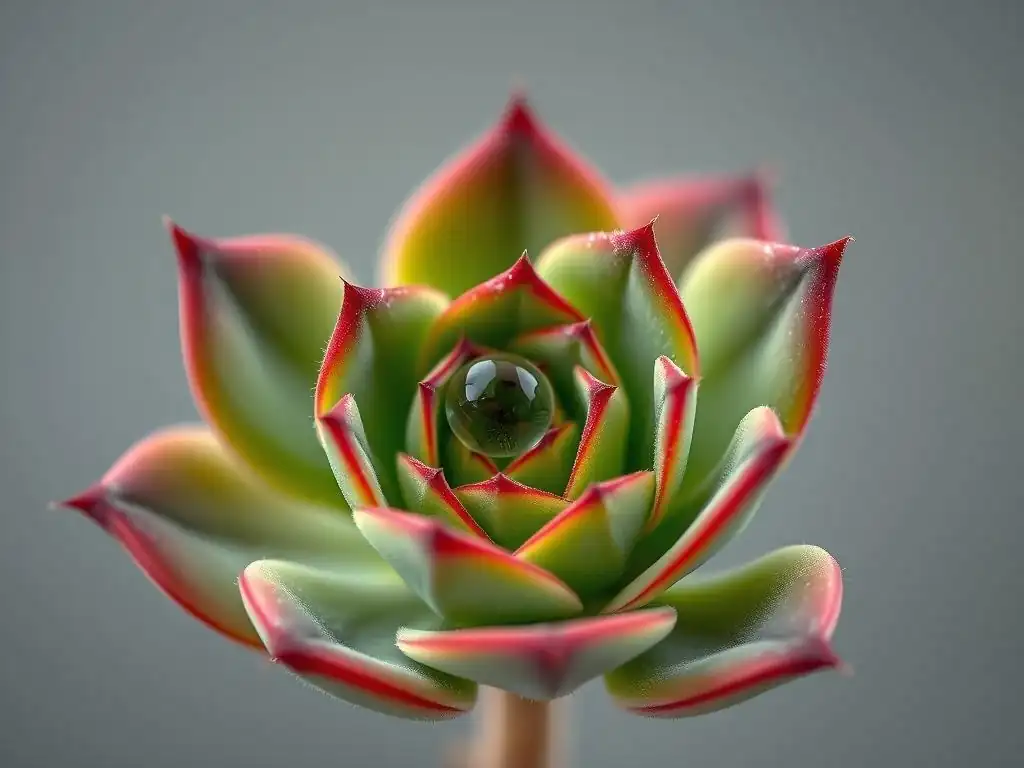
Successful succulent hybridization hinges significantly on meticulous observation. It's not merely about cross-pollinating plants; it's about understanding the nuances of each species, predicting optimal conditions, and patiently monitoring the results. This section delves into the crucial role of observation in each stage of the hybridization process, from initial pollination to seedling maturity.
Sharpening your observation skills will drastically improve your chances of creating unique and thriving succulent hybrids. Remember, patience and keen observation are your most valuable tools in this fascinating endeavor. The more you observe, the more you learn about the individual needs of your plants and the subtle cues they provide.
Identifying Optimal Pollination Conditions for Specific Succulent Species
Optimal pollination conditions vary considerably across succulent species. Some species are more receptive to pollination during specific times of the day or year, while others require specific environmental factors like temperature and humidity. For instance, Echeveria species often pollinate more readily in cooler, drier conditions, while some Sedum varieties thrive in warmer, more humid environments. Careful observation of your plants' flowering cycles is paramount. Note the timing of flower opening, the duration of pollen viability, and any apparent sensitivities to environmental factors.
Observing the flowers themselves offers valuable clues. Examine the flower structure, noting the presence or absence of nectar guides, the shape and size of the stigma and anthers, and the timing of pollen release. Keep detailed records of these observations, including date, time, weather conditions, and any other relevant factors.
This detailed record-keeping allows you to identify patterns and trends, enabling you to predict optimal pollination windows for future hybridization attempts. Remember to document any unsuccessful attempts, noting the possible reasons for failure to refine your approach. This iterative process of observation, documentation, and refinement is key to mastering succulent hybridization.
Observing Seedling Growth and Development for Early Identification
Once pollination is successful and seeds begin to develop, consistent observation is crucial for monitoring seedling growth and development. This early stage is critical for identifying potential hybrid traits and ensuring the seedlings receive appropriate care. Early detection of abnormalities or weaknesses allows for timely intervention, improving the survival rate of your precious hybrids.
Seedling growth rates vary significantly depending on the parent plants and environmental conditions. Some seedlings might exhibit rapid growth, while others develop at a slower pace. Regularly monitor the seedlings for signs of healthy growth, such as robust root systems, vibrant leaf coloration, and consistent growth patterns. Pay close attention to any deviations from expected growth patterns.
Unusual leaf shapes, coloration, or growth habits may indicate the presence of unique hybrid traits. Document these observations meticulously, using photographs and detailed notes to track the development of each seedling. This detailed tracking enables you to understand the influence of genetics and environmental factors on the resulting offspring. Careful observation will allow you to recognize and nurture particularly promising hybrids.
Recognizing Hybrid Traits: Identifying Unique Characteristics
Identifying hybrid traits requires a keen eye and a thorough understanding of the parent plants' characteristics. Hybrid succulents often exhibit a combination of traits from both parents, sometimes resulting in unique and unexpected characteristics. These unique characteristics can manifest in various ways, including leaf shape, size, color, texture, and growth habit.
For example, a hybrid between a Graptopetalum paraguayense and an Echeveria might inherit the powdery coating of the Graptopetalum combined with the rosette structure of the Echeveria. Similarly, a hybrid between two Sedum species could exhibit a unique leaf color or a different flowering pattern. To effectively recognize hybrid traits, maintain detailed records of the parent plants' characteristics and compare them to the offspring's traits. Photographs, detailed descriptions, and even measurements can be invaluable in documenting these differences.
Documenting successful and unsuccessful hybridization attempts helps refine your understanding of inheritance patterns in succulents. The more you observe and record, the better you’ll become at predicting the outcome of future hybridization projects. This detailed observation process allows you to appreciate the unique beauty and genetic diversity that succulent hybridization can create.
Tips and Techniques for Patient Succulent Hybridization
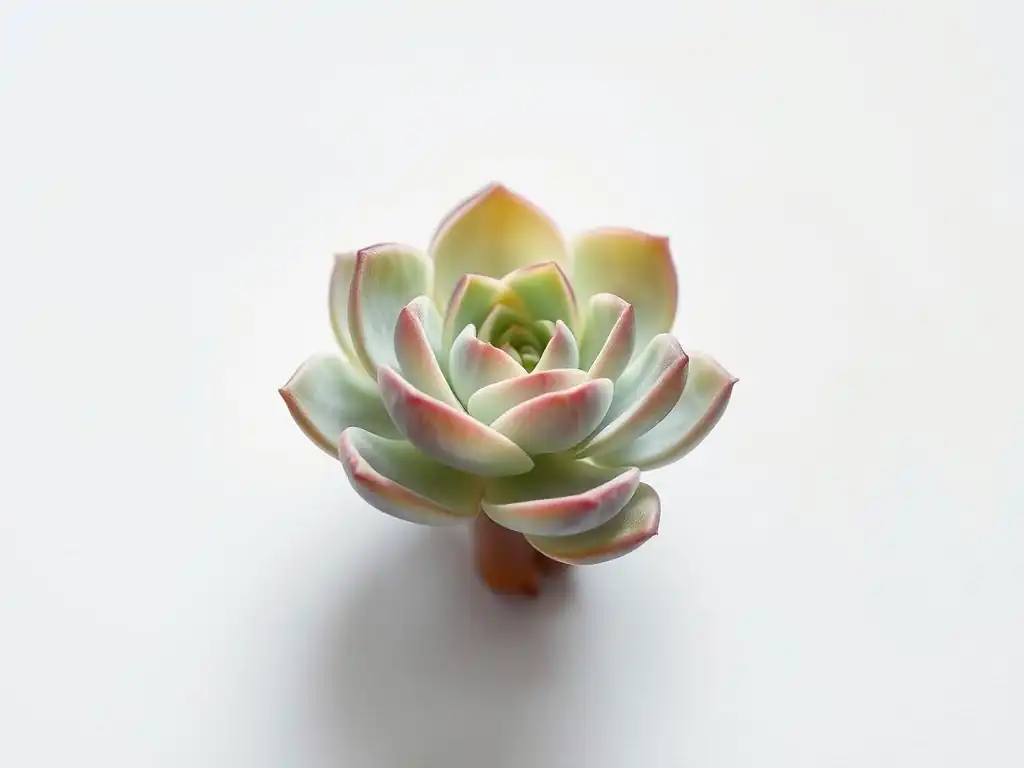
Successful succulent hybridization demands patience; it's not a quick process. Many attempts may yield no results, and even successful crosses require diligent care over extended periods. This section delves into specific techniques that enhance your chances of success while emphasizing the crucial role of patience and keen observation. Remember, the beauty of succulent hybridization lies not just in the final result, but in the journey itself.
The reward is a unique succulent, a testament to your dedication and understanding of these fascinating plants. This process necessitates meticulous attention to detail and a realistic understanding of the time commitment involved. Patience, consistent observation, and a willingness to learn from both successes and failures are key to mastering succulent hybridization.
Creating a Controlled Environment for Succulent Hybridization
Creating a controlled environment is crucial for successful succulent hybridization, particularly during the delicate pollination and seed germination stages. This involves managing several key factors:
- Temperature: Maintaining a consistent temperature range is vital. Most succulent species thrive in temperatures between 65-80°F (18-27°C). Fluctuations outside this range can stress the plants and negatively impact pollination and seed viability. Consider using a greenhouse or grow tent with a thermostat to maintain a stable environment.
- Humidity: While succulents are drought-tolerant, maintaining a slightly higher humidity level (around 40-50%) during pollination and seed germination can improve success rates. A humidity tray or humidifier can help achieve this.
- Light: Adequate light is essential for both parent plants and seedlings. 12-14 hours of bright, indirect light is ideal. Avoid direct sunlight, which can scorch delicate succulent tissues. Supplemental grow lights may be necessary, especially during shorter winter days.
- Protection from Pests and Diseases: A controlled environment helps minimize the risk of pests and diseases that can damage parent plants or seedlings. Regular inspection and prompt treatment are crucial. Consider using preventative measures such as insecticidal soap or neem oil.
Careful control over these environmental factors significantly increases the probability of successful pollination and seed germination, showcasing the importance of creating the right conditions for your succulent hybridization projects. Remember, even small variations can have a significant impact on the outcome.
Maintaining Optimal Growing Conditions for Hybrid Seedlings
Once you've successfully pollinated your succulents and obtained seeds, the nurturing of the seedlings is equally crucial. This stage requires continued patience and attention to detail.
- Seed Starting Mix: Use a well-draining seed-starting mix specifically formulated for succulents. Avoid using garden soil, which may retain too much moisture and lead to root rot.
- Watering: Water seedlings sparingly, allowing the soil to dry completely between waterings. Overwatering is a common cause of seedling death. Use a fine mist spray to avoid damaging delicate seedlings.
- Light: Provide consistent bright, indirect light. As seedlings grow, gradually acclimate them to more direct sunlight.
- Transplanting: Once seedlings develop a few true leaves, carefully transplant them into individual pots with a well-draining succulent potting mix. Handle seedlings gently to avoid damaging their roots.
- Pest and Disease Control: Continue monitoring for pests and diseases, taking prompt action if any problems arise.
The survival and growth of hybrid succulent seedlings are directly linked to the consistency of care. Meticulous attention to detail in providing the optimal growing conditions is essential for maximizing your chances of success in succulent hybridization. Don’t rush this delicate phase; patience is key to nurturing your unique creations.
Documenting Your Hybridization Process: A Step-by-Step Guide
Maintaining detailed records is essential for any serious succulent hybridizer. This documentation helps you track your progress, analyze results, and improve your techniques over time. Consider incorporating the following elements into your documentation:
- Parent Plants: Record the names (or IDs) of the parent plants used in each cross. Include any relevant information about their characteristics, such as leaf shape, color, and size.
- Pollination Date: Note the exact date of pollination for each cross.
- Pollination Method: Document the method used for pollination (hand-pollination, etc. ).
- Seed Germination Date: Record the date when seeds begin to germinate.
- Seedling Growth: Track the growth and development of seedlings over time, including observations on their appearance, growth rate, and any unusual characteristics.
- Photographs: Take regular photographs of parent plants, flowers, and seedlings to document their development.
- Notes: Record any observations or insights regarding the hybridization process.
| Data Point | Description | Example |
|---|---|---|
| Parent Plant 1 | Name or ID of the first parent plant | Echeveria 'Perle von Nürnberg' |
| Parent Plant 2 | Name or ID of the second parent plant | Sedum morganianum |
| Pollination Date | Date of successful pollination | 2024-03-15 |
| Germination Date | Date when seeds started to germinate | 2024-04-20 |
| Seedling Observations | Notes on seedling growth, appearance, and health | Strong growth, healthy green leaves |
A well-maintained record-keeping system is an invaluable asset for any succulent hybridization enthusiast. It provides a detailed history of your experiments, allowing you to learn from past successes and failures, ultimately improving your skills and increasing your chances of creating stunning new hybrids. This systematic approach transforms the process from a trial-and-error endeavor into a structured, scientific pursuit. 🌱
Common Challenges and Solutions in Succulent Hybridization
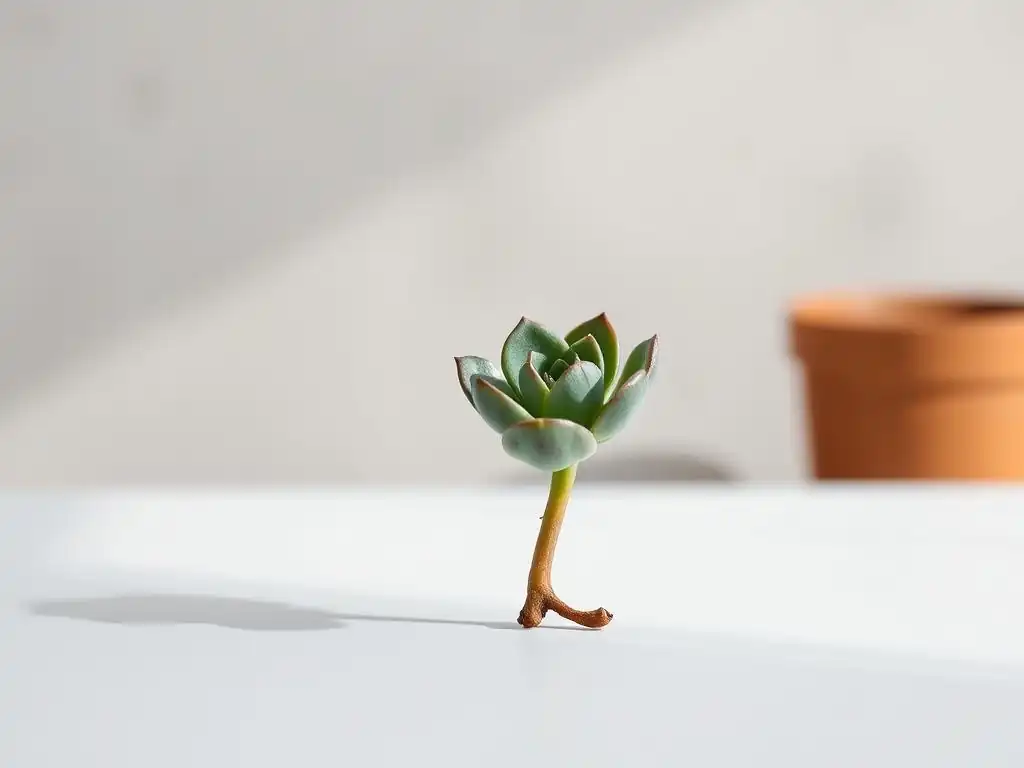
Succulent hybridization, while rewarding, presents unique challenges. Patience and keen observation are paramount for success. This section details common problems encountered during the process and offers practical solutions to improve your chances of creating thriving hybrid succulents. Understanding these hurdles is crucial for any enthusiast aiming to master succulent hybridization techniques and achieve high success rates. The patience required is often underestimated, but mastering these techniques can drastically improve your results.
Dealing with Low Germination Rates in Hybrid Succulents
Low germination rates are a frequent frustration in succulent hybridization. Several factors contribute to this, including:
- Seed Viability: Hybrid seeds often have lower viability than those from established cultivars. Poor pollination, genetic incompatibility, or improper seed storage can all reduce the chances of germination. Careful selection of parent plants and meticulous seed handling are vital. For instance, ensure the pollen is fresh and viable and that the seeds are harvested and stored under optimal conditions (cool, dry, and dark).
- Seed Sowing Technique: The sowing medium needs to be well-draining and sterile to prevent fungal diseases. Overwatering is a common mistake that leads to seed rot before germination. A light misting and maintaining consistent humidity are more effective than heavy watering.
- Environmental Conditions: Temperature and light are crucial. Optimal temperature ranges vary depending on the species involved, but generally, consistent warmth is preferred. Avoid direct sunlight, which can scorch delicate seedlings. The process should be carefully monitored and adjusted as needed.
The following table summarizes best practices for improving germination rates:
| Factor | Best Practice |
|---|---|
| Seed Viability | Select healthy parent plants, ensure proper pollination, and store seeds correctly |
| Sowing Technique | Use a well-draining, sterile medium; sow seeds thinly; avoid overwatering |
| Environmental Conditions | Maintain consistent warmth and humidity; avoid direct sunlight |
To further enhance germination, consider using a humidity dome or propagating tray to maintain consistent moisture levels. Regular inspection for fungal growth is also essential. Careful attention to detail in these areas significantly increases the likelihood of successful germination. Remember, consistent monitoring is key to success.
Even with successful germination, hybrid succulent seedlings can exhibit weak growth or other developmental problems. Several factors influence seedling vigor:
- Genetic Factors: The genetic makeup of the parent plants plays a significant role. Incompatibilities can lead to weaker seedlings. Careful selection of parent plants with strong traits, considering their genetic background, can mitigate this issue.
- Nutrient Deficiencies: Young seedlings require proper nutrition for optimal growth. A balanced, well-draining potting mix is essential. Supplementing with a diluted, balanced fertilizer can promote healthy development, but avoid over-fertilizing.
- Pest and Disease: Seedlings are particularly vulnerable to pests and diseases. Regular inspection and prompt treatment are crucial. Maintaining a clean and sterile growing environment is preventative.
Patience is a virtue, especially when dealing with the delicate process of succulent hybridization. Observe your seedlings closely for any signs of stress or disease and address them promptly.
Using a sterile growing medium and ensuring proper ventilation can help prevent fungal issues. A well-lit environment without direct sunlight is important. Monitoring the seedlings' growth and adjusting conditions as necessary is an important ongoing task.
Troubleshooting Problems with Hybrid Succulent Development
As hybrid succulents mature, various problems can arise:
- Slow Growth: Slow growth can be attributed to several factors, including nutrient deficiencies, inadequate light, or improper watering. Adjusting the growing conditions, providing supplemental nutrients, and ensuring proper watering techniques can address this.
- Unusual Morphology: Hybrids sometimes exhibit unusual growth patterns or morphological characteristics. This is often a result of the genetic combination of the parent plants. Careful observation and documentation are valuable for understanding the unique traits of the new hybrid.
- Susceptibility to Disease: Some hybrids may be more susceptible to diseases than their parent plants. Maintaining a clean growing environment, practicing good hygiene, and monitoring for signs of disease are essential to preventing and managing outbreaks.
Careful record-keeping, including details on parent plants, growing conditions, and any observed problems, is crucial for learning from successes and failures. This detailed approach allows for continuous improvement in your hybridization techniques. This data-driven approach is crucial for long-term success in succulent hybridization. Remember, even experienced hybridizers encounter setbacks; the key is to learn from these experiences and adapt your techniques accordingly.
Long-Term Care of Hybrid Succulent Plants
Successfully hybridizing succulents is only half the battle; the long-term care of these unique plants is equally crucial for their survival and continued thriving. These hybrids, often more delicate than their parent plants, require careful attention to ensure they flourish and don't revert to their parent traits. Patience and meticulous observation are key throughout this process, echoing the importance of these qualities during the initial hybridization. Understanding the specific needs of your newly created succulent is paramount, and this understanding often comes from careful monitoring and adaptation.
Acclimatizing Hybrid Succulents to Outdoor Conditions
Introducing a newly hybridized succulent to outdoor conditions requires a gradual approach, mirroring the slow introduction of a seedling to direct sunlight. A sudden shift can shock the plant, leading to sunburn, dehydration, or even death. Start by placing the succulent in a shaded area for a few hours each day, gradually increasing the exposure time over several weeks. Monitor the plant carefully for any signs of stress, such as wilting, discoloration, or leaf drop.
Remember, succulent hybridization patience tips often emphasize the importance of slow and steady acclimatization. The ideal environment will mimic the conditions the parent plants thrived in, considering factors such as sunlight intensity, temperature fluctuations, and humidity levels. This gradual transition ensures the plant adapts successfully to its new environment, reducing the risk of stress and promoting healthy growth. Consistent observation during this period allows for timely adjustments, ensuring optimal conditions for your unique hybrid.
Providing Ongoing Care for Your Hybrid Succulent Creations
Once acclimatized, providing ongoing care for your hybrid succulents involves maintaining consistent watering, fertilization, and pest control practices. Overwatering is a common pitfall, especially for newly created hybrids. Allow the soil to dry completely between waterings, checking the soil moisture with your finger before watering. During the growing season (typically spring and summer), a balanced liquid fertilizer diluted to half strength can be applied monthly. However, avoid over-fertilizing, as this can lead to salt buildup in the soil, harming the plant's roots. Regularly inspect your succulents for pests such as mealybugs, aphids, or spider mites. Early detection and treatment are crucial in preventing infestations from damaging your precious hybrids. Remember, consistent care, mirroring the patience invested in the hybridization process, ensures the long-term health and beauty of your succulent creations. Documenting your care routine and the plant's response will aid in refining your approach for future generations of your hybrid.
Preserving Your Hybrid Succulent Varieties Through Propagation
Preserving your unique hybrid succulent varieties is crucial for sharing your achievements and ensuring the continuation of your hard work. Propagation methods such as leaf cuttings, stem cuttings, or offsets are effective ways to create new plants that are genetically identical to the parent plant. Leaf propagation, while simple, may not always be successful with hybrids, as it depends on the specific characteristics inherited from the parent plants. Stem cuttings, on the other hand, offer a higher success rate, especially when combined with rooting hormone.
Offsets, or "pups," are the easiest method, offering a quicker way to multiply your hybrid, though it might be less common in certain hybrids. Careful selection of healthy, mature cuttings or offsets is key to ensuring the success of the propagation process. Similar to the hybridization process itself, patience is vital; allow sufficient time for the cuttings or offsets to root and establish themselves before transplanting them into individual pots.
Proper care during this phase is crucial for their survival and growth, echoing the importance of consistent attention throughout the entire life cycle of your hybrid succulent. Detailed records of your propagation techniques and their success rates will prove invaluable for future endeavors, refining your methods and maximizing your success. This meticulous approach will ensure the legacy of your unique hybrid creations.
Frequently Asked Questions
How long does succulent hybridization typically take?
The time it takes for succulent hybridization to yield results varies greatly, from a few months to several years. Patience is key, as successful hybridization depends on careful observation and the right conditions.
What are some signs that my succulent hybridization attempt is successful?
Look for new growth that exhibits characteristics of both parent plants. This might include leaf shape, color, or flower structure that's a blend of traits. Sometimes, it takes time for these traits to become evident.
Is it necessary to use specific tools for succulent hybridization?
While not strictly necessary, using sterile tools minimizes the risk of infection. Clean instruments help prevent the introduction of bacteria or fungi that could harm the plants. Tweezers and a small, sharp knife are usually sufficient.
How can I improve my chances of successful succulent hybridization?
Careful selection of parent plants is crucial. Choose healthy, mature succulents with desirable traits. Optimal environmental conditions, including proper light and watering, also significantly increase your chances of success.
What should I do if my succulent hybridization attempt fails?
Don't be discouraged! Succulent hybridization can be challenging. Analyze what might have gone wrong (e.g., pollination issues, environmental factors) and try again with different plants or improved techniques. Learning from failures is part of the process.
Final Reflection: Cultivating Patience, Harvesting Success
The art of succulent hybridization isn't merely about combining genetics; it's a testament to the power of patient observation and the enduring rewards of nurturing life. The meticulous process, from selecting parent plants to patiently awaiting the first bloom of a hybrid offspring, mirrors the larger journey of growth and discovery in any creative endeavor. This careful cultivation extends beyond the greenhouse, reflecting a vital need for patience and attentiveness in our increasingly fast-paced world.
The influence of succulent hybridization extends beyond the realm of horticulture; it speaks to a deeper human need for connection with the natural world and the satisfaction derived from witnessing the unfolding of life. The patience to wait is the secret of success.
This quote, often attributed to various sources, perfectly encapsulates the essence of successful hybridization. It's a reminder that true growth takes time, and the most beautiful creations often require the longest gestation periods. My own journey into succulent hybridization has taught me the value of slowing down, observing the subtle nuances of each plant, and appreciating the beauty of the process itself, not just the final product.
Now, I invite you to consider your own "hybrid creations," be they artistic endeavors, personal projects, or even relationships. What patience are you cultivating? What observations are you making? Embrace the slow, deliberate process of growth. Allow yourself the time to nurture your passions, to learn from setbacks, and to celebrate the unique beauty that emerges from the careful blending of different elements. The rewards, like the vibrant blooms of a successfully hybridized succulent, will be well worth the wait.
Unleash Your Inner Plant Wizard: Start Your Succulent Hybridization Journey!
Thanks for exploring the fascinating world of succulent hybridization! You've learned about the patience and observation required to create unique plant combinations. Ready to apply your new knowledge?
- Begin your own hybridization project: Carefully select two compatible succulent varieties and pollinate their flowers using the techniques described in the article. This is the first step toward creating your own unique succulent.
- Share your experiences: Join our online community and share your progress, successes, and even setbacks! Collaborative learning is invaluable.
- Document your journey: Keep a detailed journal recording the parent plants, pollination dates, and the development of your hybrid seedlings. This will be invaluable for future projects.
What characteristics are you hoping to combine in your next succulent hybrid? Let's discuss!