
The Indoor Advantage: Why Some Succulents Thrive Inside

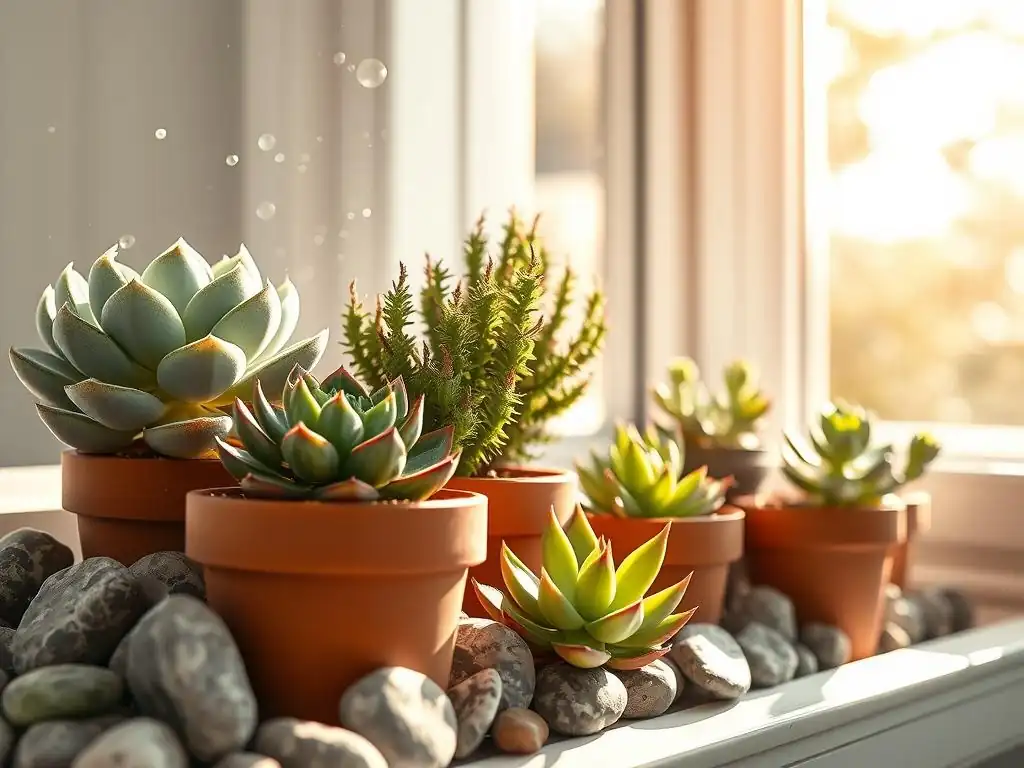
Welcome to SucculentEssentials.org, your gateway to the mesmerizing world of succulents! Are you ready to unlock the secrets to cultivating thriving succulents, even indoors? Discover which varieties truly excel in the home environment and learn how to transform your space into a miniature desert oasis. Dive into our article, "The Indoor Advantage: Why Some Succulents Thrive Inside," and begin your journey to mastering the art of succulent care. Let's get growing!
- Understanding the Best Indoor Succulents: Light, Humidity, and More
- Top Succulent Varieties That Thrive Indoors
- Common Indoor Succulent Problems and Solutions
- Creating the Perfect Indoor Environment for Succulents
- Designing Stunning Indoor Succulent Displays
- Frequently Asked Questions
- Final Reflection: Cultivating Resilience, Inside and Out
- Unleash Your Inner Green Thumb: Cultivate Your Succulent Success!
Understanding the Best Indoor Succulents: Light, Humidity, and More
Succulents, with their striking beauty and remarkable resilience, have captured the hearts of plant enthusiasts worldwide. While many envision succulents basking under the desert sun, the truth is that many varieties thrive indoors, provided they receive the right care. This article delves into the specific needs of succulents flourishing in indoor environments, exploring the key factors that contribute to their success and helping you choose the best indoor succulents for your home.
We'll uncover the secrets to providing optimal light, humidity, and soil conditions to ensure your indoor succulent collection thrives. Understanding these nuances will transform your indoor space into a vibrant succulent oasis, even without access to a sunny outdoor patio.
This guide focuses on selecting and caring for the succulents best suited to indoor life, helping you avoid common pitfalls and achieve spectacular results. Let's explore the fascinating world of indoor succulent cultivation and discover which varieties are truly built for indoor success.
Light Requirements for Thriving Indoor Succulents
Light is arguably the most crucial factor determining the health and beauty of indoor succulents. Unlike their outdoor counterparts, indoor succulents often struggle to receive the intense, direct sunlight they naturally crave. Therefore, selecting a location with ample bright, indirect light is paramount. Direct sunlight, especially through a south-facing window, can scorch delicate succulent leaves, leading to unsightly brown spots and potential damage. Instead, aim for an east- or west-facing window, which provides a gentler, more diffused light throughout the day.
Consider supplementing natural light with grow lights, especially during winter months when sunlight is limited. Grow lights can significantly boost the intensity and duration of light exposure, promoting healthy growth and preventing etiolation (leggy growth due to insufficient light). Observe your succulents closely; if they appear stretched or pale, it's a clear sign they need more light.
Experiment with different locations in your home to find the optimal balance of light intensity and duration for each succulent variety. Remember, different succulents have varying light requirements, so research the specific needs of your plants for best results. Even a slight adjustment in placement can make a significant difference in their overall health and appearance.
Ideal Humidity Levels for Indoor Succulent Success
Contrary to popular belief, succulents don't necessarily require extremely dry air to thrive indoors. While they are drought-tolerant, excessively low humidity can lead to dehydration and leaf shriveling. The ideal humidity range for most indoor succulents is between 30% and 50%. Most homes maintain humidity levels within this range naturally, especially during humid months. However, during dry winter months or in homes with central heating, humidity levels can drop significantly.
To maintain appropriate humidity, consider grouping your succulents together to create a microclimate. You can also place the pots on a tray filled with pebbles and water (making sure the pot's bottom doesn't sit in the water). The evaporating water will increase the humidity around your plants. Using a humidifier in the room can also be beneficial, especially in dry climates or during winter.
Avoid misting your succulents directly, as this can lead to fungal diseases. Instead, focus on maintaining consistent humidity levels through the methods mentioned above. Regular monitoring of humidity levels using a hygrometer is recommended for optimal succulent care.
Choosing the Right Potting Mix for Indoor Succulents
The potting mix is crucial for the success of indoor succulents. Standard potting soil retains too much moisture, which can lead to root rot, a common cause of succulent death. Succulents require a well-draining potting mix that allows excess water to escape quickly. A suitable mix often consists of a blend of cactus and succulent potting mix, perlite, and coarse sand. This combination provides excellent drainage and aeration, preventing the soil from becoming waterlogged.
Avoid using heavy clay soils, which retain too much water and can suffocate the roots. Similarly, avoid using garden soil, which often contains too much organic matter and can harbor diseases. When repotting your succulents, choose pots with drainage holes to ensure proper water drainage. Overwatering is a common mistake, so allow the soil to dry out completely between waterings.
Feel the soil with your finger; if it's dry an inch or two below the surface, it's time to water. By using the right potting mix and watering techniques, you can create an environment where your indoor succulents can flourish. The proper potting mix is a cornerstone of successful indoor succulent cultivation.
Watering Techniques for Indoor Succulents: Avoiding Overwatering
Overwatering is the single biggest killer of indoor succulents. Unlike their outdoor counterparts, which benefit from natural drainage and fluctuating temperatures, indoor succulents are entirely reliant on our care. Understanding the nuances of watering is crucial for their survival and flourishing. The key is to allow the soil to dry out completely between waterings. This means letting the top inch, and even sometimes the top two inches, of soil become completely dry before you water again.
Don't rely on a schedule; instead, use the "finger test." Stick your finger about an inch into the soil. If it feels dry, it's time to water. If it's still moist, wait a few more days.
The frequency of watering will depend on several factors, including the type of succulent, the size of the pot, the type of potting mix, and the ambient temperature and humidity of your home. For example, a small echeveria in a terracotta pot will dry out faster than a large agave in a plastic container. Terracotta pots are porous and allow for better evaporation, while plastic pots retain moisture longer.
A well-draining succulent potting mix is essential to prevent soggy soil, which leads to root rot. During winter months, when growth slows and the plant's water requirements are significantly reduced, you'll need to water even less frequently. Conversely, during periods of intense heat, you might need to water slightly more often.
Avoid getting water on the leaves of your succulents, as this can cause fungal diseases or rot. Instead, water deeply at the base of the plant, allowing the water to soak into the soil thoroughly. Make sure the pot has drainage holes to prevent water from accumulating at the bottom, which can lead to root rot.
It's better to underwater than overwater, as succulents are remarkably resilient to drought. A slightly underwatered succulent will simply slow its growth, while an overwatered one will likely succumb to root rot and die. Observe your plants carefully; their appearance will tell you a lot about their hydration levels.
Wrinkled leaves are a sign of underwatering, while mushy, dark leaves indicate overwatering. Learning to recognize these signs is key to mastering the art of watering indoor succulents and ensuring they thrive. Remember, prevention is key: proper watering practices are the foundation of healthy, happy indoor succulents.
Top Succulent Varieties That Thrive Indoors
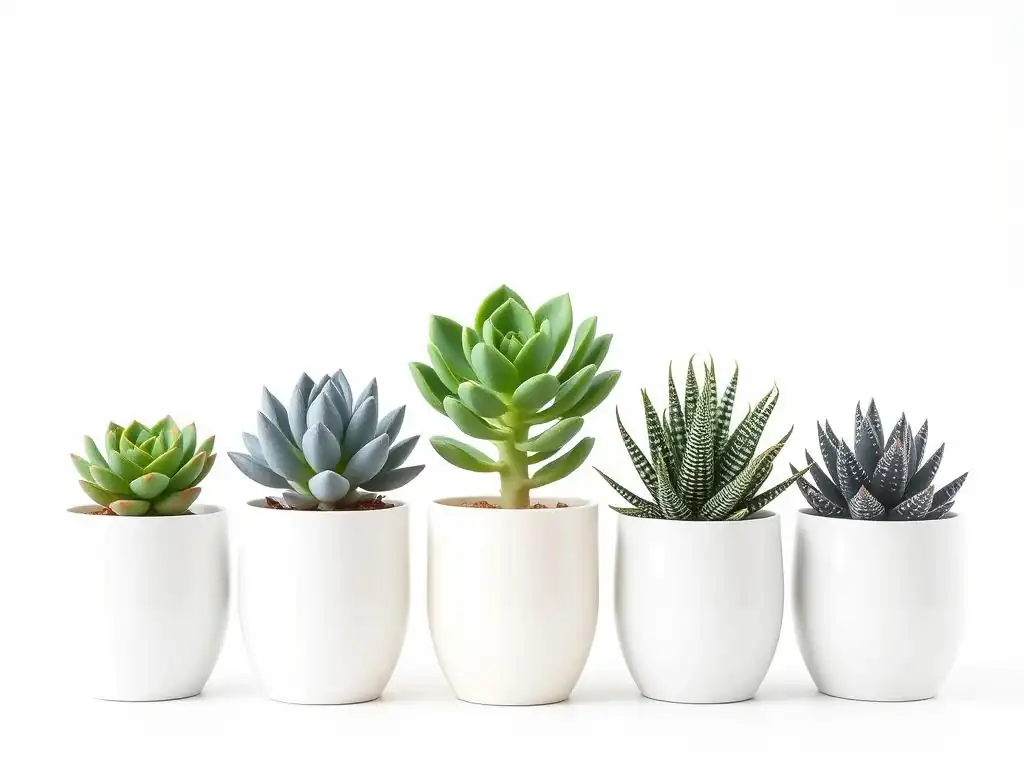
This section explores some of the best indoor succulents thrive in typical home environments. Choosing the right succulent for your indoor space depends heavily on the amount of light available. We'll examine varieties suited to different light conditions, helping you select the perfect succulent companions for your home. Remember, even the best indoor succulents need proper care to flourish!
Haworthia: Low-Light Champions Among Indoor Succulents
Haworthias are renowned for their tolerance of low-light conditions, making them ideal for those areas of your home that don't receive direct sunlight. These succulents boast fascinating textures and patterns, adding visual interest to any space. Their compact size makes them perfect for small shelves, desks, or windowsills where space is limited.
Several Haworthia varieties excel indoors. Haworthia attenuata, with its distinctive tubercles, thrives in low light and infrequent watering. Haworthia fasciata, also known as the zebra plant, is another popular choice, showcasing striking white lines on its dark green leaves. These plants are relatively slow-growing, requiring repotting only every 2-3 years. Overwatering is their biggest enemy, leading to root rot. Ensure your pot has adequate drainage to prevent this. Remember to allow the soil to dry completely between waterings – a key factor in keeping these low-light champions happy.
Echeveria: Elegant Choices for Bright Indoor Spaces
Echeverias, with their rosette shapes and vibrant colors, bring an undeniable elegance to indoor spaces. However, unlike Haworthias, Echeverias require significantly more light. A south-facing window, or a bright east or west-facing window with several hours of direct sunlight, is ideal for these stunning succulents. Insufficient light will lead to leggy growth and a loss of the compact rosette form that makes them so desirable.
The beauty of Echeverias lies in their diversity. From the powdery blue-green of Echeveria 'Perle von Nürnberg' to the fiery red hues of Echeveria 'Firecracker', there's an Echeveria to suit every taste. Ensure your chosen variety receives at least 6 hours of bright, indirect light per day for optimal growth. Overwatering remains a concern, so always allow the soil to dry out completely before watering again. Regularly check for pests, such as mealybugs, which can sometimes infest Echeverias.
Sedum: Hardy and Adaptable Indoor Succulents
Sedums offer a delightful blend of hardiness and adaptability, making them excellent choices for both beginners and experienced succulent enthusiasts. While they appreciate bright, indirect light, they are generally more forgiving than Echeverias when it comes to light levels. Many Sedum varieties can tolerate lower light conditions, though their growth may be slower. Their resilience to less-than-ideal conditions contributes to their popularity as best indoor succulents thrive even with minimal care.
The variety within the Sedum genus is vast. Sedum morganianum, or Burro's Tail, is a popular choice with its cascading, trailing stems. Sedum rubrotinctum, or Jelly Bean Plant, features plump, colorful leaves. These succulents are relatively drought-tolerant, needing watering only when the soil is completely dry.
Proper drainage is crucial to prevent root rot. Regularly inspect your Sedums for signs of pests or diseases, and promptly address any issues to maintain their health and vibrancy. Sedums are a great option for hanging baskets or elevated planters, showcasing their attractive cascading or upright growth habits. They add a touch of nature's artistry to any indoor setting.
Aloe Vera: A Medicinal Marvel for Indoor Environments
Aloe vera, renowned for its medicinal properties, also makes an excellent indoor succulent. Its striking, spiky leaves and relatively low maintenance requirements make it a popular choice for beginners and experienced succulent enthusiasts alike. The plant thrives in bright, indirect sunlight, making a sunny windowsill an ideal location. However, it's crucial to avoid direct, intense sunlight, which can scorch its leaves.
Overwatering is a common pitfall with aloe vera, leading to root rot. Therefore, allow the soil to dry out completely between waterings. A well-draining potting mix specifically formulated for succulents is essential. During winter months, reduce watering frequency significantly, as the plant’s growth slows considerably.
Properly cared for, an aloe vera plant can flourish indoors for many years, rewarding you with its visually appealing form and the readily available gel within its leaves, known for its soothing properties on minor burns and skin irritations. Remember to always use a clean, sharp knife to harvest the gel, avoiding contamination. The gel should be used fresh for maximum effectiveness. While aloe vera is relatively pest-resistant, keep an eye out for mealybugs, a common succulent pest that can be treated with insecticidal soap or neem oil.
Regularly inspecting your plant for any signs of infestation is key to preventing a larger problem. With a little attention, this versatile succulent will add both beauty and practicality to your indoor space. Its ability to thrive in a range of indoor conditions, coupled with its medicinal benefits, solidifies its position among the best indoor succulents.
Common Indoor Succulent Problems and Solutions
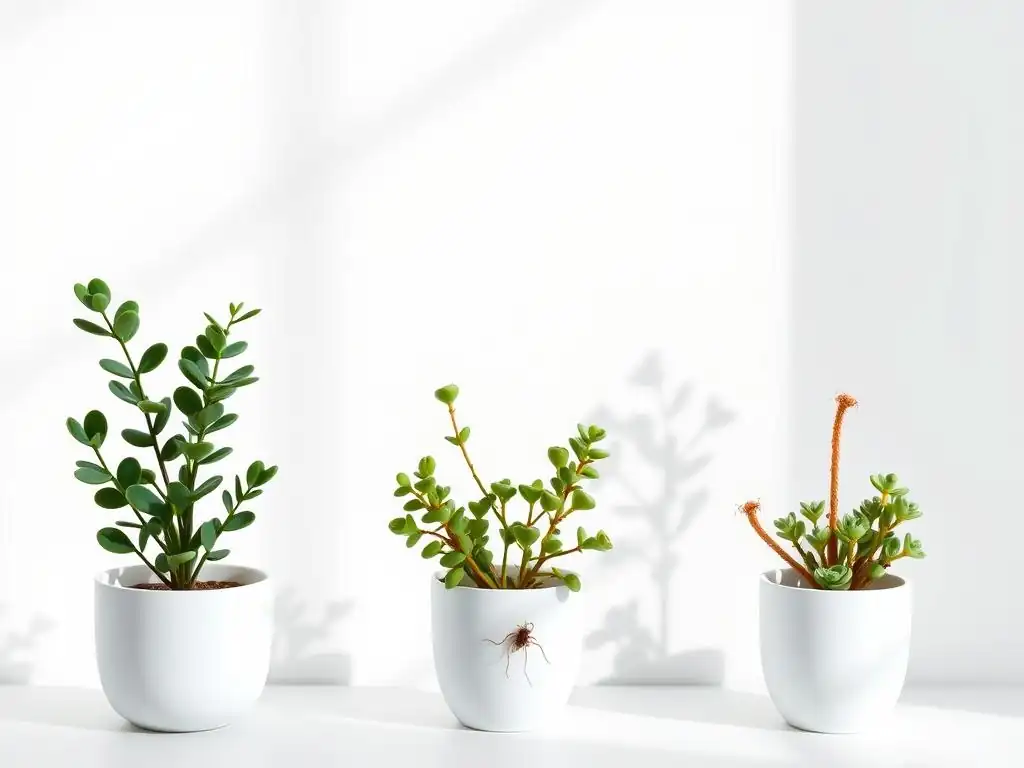
Many succulent enthusiasts choose indoor cultivation for its convenience and control over environmental factors. However, even with the best intentions, indoor succulents can encounter challenges. Understanding common problems and their solutions is crucial for cultivating thriving indoor succulent gardens. This section focuses on the most prevalent issues and provides practical, actionable advice to address them. Successfully navigating these hurdles will significantly increase your chances of having the best indoor succulents thrive.
Dealing with Pests and Diseases in Indoor Succulents
Indoor succulents, while generally hardy, are not immune to pests and diseases. Early detection and swift action are key to preventing widespread infestation or infection. Common culprits include mealybugs, aphids, spider mites, and root rot (a fungal disease).
Mealybugs, identifiable by their cottony white masses, often congregate at the base of leaves or stems. Aphids are small, soft-bodied insects that suck plant sap, causing stunted growth. Spider mites, tiny arachnids, create fine webbing on leaves and cause stippling. These pests can be controlled with insecticidal soap, neem oil, or rubbing alcohol solutions. Always test a small area first to ensure no adverse reactions occur. Regular inspection, at least once a week, is vital for early pest detection.
Root rot, caused by overwatering and poorly draining soil, manifests as mushy, dark-colored roots and often a foul odor. Affected plants may show wilting despite moist soil. Prevention is paramount; use well-draining potting mix specifically formulated for succulents, and water only when the soil is completely dry. If root rot is detected, remove the affected roots and repot the succulent in fresh, dry soil.
Preventing Root Rot in Indoor Succulents
Root rot is arguably the most significant threat to indoor succulents. It stems from consistently damp soil, preventing proper oxygen flow to the roots. This anaerobic environment encourages fungal growth, leading to decay. The best indoor succulents thrive in a well-aerated environment.
To prevent root rot, prioritize proper potting mix selection. A well-draining blend is essential. Many commercial succulent potting mixes are available, but you can also create your own by combining cactus potting mix, perlite, and coarse sand. The ideal mix promotes excellent drainage and aeration.
Another crucial aspect is the choice of pot. Terracotta pots are preferred by many succulent growers for their porous nature, allowing excess moisture to evaporate. Ensure your pots have adequate drainage holes to prevent water from accumulating at the bottom. Avoid overwatering – this is arguably the most common cause of root rot. Water thoroughly only when the soil is completely dry, allowing excess water to drain freely. Observe your succulents closely; they'll exhibit signs of underwatering (slightly shriveled leaves) long before they reach the point of root rot.
Addressing Signs of Overwatering or Underwater in Indoor Succulents
Overwatering and underwatering present distinct symptoms in succulents. Recognizing these signs is vital for adjusting your watering practices and ensuring the best indoor succulents thrive.
Overwatering: Overwatered succulents exhibit soft, mushy leaves; they may appear bloated or swollen. The leaves might develop dark spots or discoloration. The soil remains consistently moist, often for extended periods. In severe cases, the stem might become soft and susceptible to rot.
Underwatering: Underwatered succulents show signs of dehydration. Leaves will become shriveled, wrinkled, or significantly smaller than normal. The soil will be completely dry, often cracked on the surface. The plant may droop or wilt.
Addressing these issues requires adjusting watering habits. For overwatering, allow the soil to dry completely before watering again. Consider repotting in a well-draining mix if the current soil retains too much moisture. For underwatering, water thoroughly, ensuring the water reaches the roots. Increase watering frequency if necessary, but always allow the soil to dry out between waterings. Regular monitoring of the soil moisture is key to maintaining a balance. A moisture meter can be a helpful tool for beginners. Remember, preventing these issues is far easier than addressing them after they have become severe.
Boosting Growth and Promoting Healthy Indoor Succulents
Many succulent enthusiasts find that their indoor succulents, while surviving, aren't thriving as robustly as they'd like. This often stems from a mismatch between the plant's needs and its indoor environment. To encourage vigorous growth and maintain the health of your indoor succulents, several key factors need careful consideration. Light is paramount; even the most drought-tolerant succulents need adequate sunlight for photosynthesis.
While many thrive on bright, indirect light, some species, like Haworthia and Gasteria, prefer a bit more shade. Observe your plants carefully; signs of etiolation (leggy growth) indicate insufficient light. Relocating the plant closer to a south-facing window (or supplementing with grow lights during winter months) can often resolve this. Remember to rotate your plants regularly to ensure even light exposure on all sides, preventing uneven growth and potential sunscald.
Beyond light, proper watering is crucial. Overwatering is a leading cause of succulent demise indoors. Always allow the soil to dry completely between waterings, checking the soil moisture with your finger before adding more water. The frequency of watering will vary depending on the season, the type of succulent, and the size of the pot.
During winter, when growth slows, water even less frequently. Underwatering, while less common indoors, can lead to shriveled leaves and stunted growth. A good rule of thumb is to water thoroughly when the soil is completely dry, ensuring the water drains freely from the drainage holes. Avoid letting your succulents sit in standing water, which can lead to root rot.
Providing the right soil is another critical aspect of promoting healthy growth. Succulents need well-draining soil to prevent waterlogging. A commercially available cactus and succulent potting mix is ideal, or you can create your own by blending regular potting soil with perlite or coarse sand to improve drainage and aeration.
Repotting your succulents every 1-2 years, or as needed, into slightly larger pots with fresh soil will also help ensure optimal growth. This allows for healthy root development and replenishes essential nutrients. Using terracotta pots can also aid in better drainage and airflow, which is beneficial for many succulent species.
Finally, consider the temperature and humidity levels in your home. While succulents tolerate a wide range of temperatures, extreme fluctuations can stress the plants. Maintain a consistent temperature within a comfortable range and avoid placing them near heating or cooling vents. High humidity can also be detrimental, potentially leading to fungal diseases.
Good air circulation around your plants is essential to prevent this. Regularly inspecting your plants for pests and diseases is also vital for maintaining their health. Early detection and treatment can prevent serious problems. A healthy, thriving succulent collection is a testament to attentive care and understanding of their specific needs.
Creating the Perfect Indoor Environment for Succulents
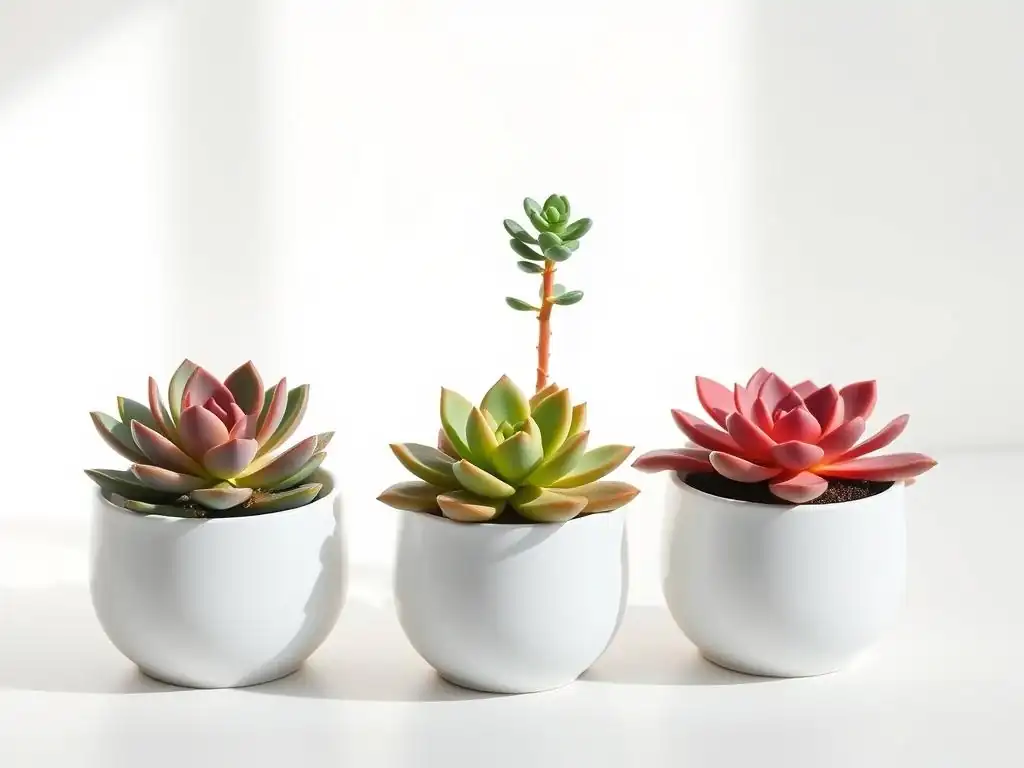
This section delves into the crucial aspects of cultivating thriving indoor succulents, focusing on light, temperature, and location—key factors determining their success. Mastering these elements translates directly into healthier, more vibrant plants, maximizing your chances of success with even the most challenging varieties. Choosing the best indoor succulents thrive requires understanding their environmental needs.
Selecting the Ideal Location for Indoor Succulents
The placement of your succulents significantly impacts their growth. Avoid areas with consistently low light, as this can lead to etiolation (leggy growth) and weakened plants. Instead, prioritize locations that receive ample, indirect sunlight. South-facing windows are generally ideal, but the intensity of the sun can vary greatly depending on your climate and the time of year. In particularly sunny locations, consider using sheer curtains to diffuse the light and prevent scorching. East- or west-facing windows also provide good options, offering softer light throughout the day.
Consider the airflow around your plants. Good air circulation prevents fungal diseases and helps to regulate humidity. Avoid placing succulents near air conditioning vents or heating registers, as these can create drastic temperature fluctuations. A well-ventilated space promotes healthy growth and reduces the risk of pests and diseases. Observe your plants closely; if you notice signs of stress (e.g., wilting, discoloration), consider adjusting their position.
Utilizing Supplemental Lighting for Indoor Succulents
Even with optimal window placement, supplemental lighting often proves beneficial, especially during shorter winter days or in rooms with limited natural light. Various options exist, each with its pros and cons. Fluorescent lights are a cost-effective choice, offering consistent illumination. However, they may not provide the full spectrum of light that succulents prefer. LED grow lights, while more expensive upfront, offer superior light quality and energy efficiency, making them a worthwhile investment for serious succulent enthusiasts. They closely mimic natural sunlight, promoting robust growth and vibrant colors.
When using supplemental lighting, aim for a minimum of 6-8 hours of light per day. Monitor your plants closely for any signs of burning or stress. If the leaves appear pale or yellowed, the light intensity might be too high. Conversely, if the plants are exhibiting etiolation, they may need more light. Experiment with different light sources and distances to find the optimal balance for your specific succulents and indoor environment. Remember, consistent monitoring and adjustments are key to providing the ideal light conditions for your collection of the best indoor succulents thrive.
Maintaining Consistent Temperatures for Indoor Succulent Growth
Succulents generally thrive in temperatures between 65-80°F (18-27°C). Extreme temperature fluctuations can stress your plants, leading to slower growth or even death. Avoid placing them near drafts or areas subject to rapid temperature changes. While succulents are relatively drought-tolerant, they still benefit from consistent humidity levels. During winter months, when central heating can dry out the air, consider using a humidifier or placing a tray of water near your plants to increase humidity.
Monitoring temperature and humidity is crucial, especially for those cultivating more sensitive varieties. A simple thermometer and hygrometer can provide valuable insights into your indoor environment. By maintaining a stable temperature and humidity range, you create the optimal conditions for your succulents to flourish. Remember, consistent care is essential for selecting and maintaining the best indoor succulents thrive in your home environment. Paying close attention to these factors will ensure that your indoor succulents remain healthy and vibrant all year round.
Optimizing Air Circulation for Healthy Indoor Succulents
Proper air circulation is crucial for the health and vitality of indoor succulents. Stagnant air can lead to a build-up of humidity, increasing the risk of fungal diseases like root rot, a common nemesis of succulents. These fungi thrive in damp, poorly ventilated environments, quickly compromising the plant's root system and potentially leading to its demise. Ensuring adequate airflow prevents this by keeping the leaves dry and reducing the likelihood of fungal spores taking hold.
One effective strategy is to place your succulents near a window that can be opened regularly, particularly on warmer days. This allows for natural ventilation, bringing in fresh air and carrying away moisture. However, be mindful of direct drafts, which can dry out the plants too quickly. A gentle breeze is ideal; a forceful wind can be detrimental.
For those without easily accessible windows, or during colder months when opening windows isn't feasible, consider using a small fan. A low-speed fan placed strategically can gently circulate the air around your succulent collection without causing excessive dryness. Experiment with placement to find the optimal balance; you don't want the fan blowing directly onto the plants constantly. Aim for a subtle air movement to maintain a healthy environment.
Furthermore, avoid overcrowding your succulents. Leaving sufficient space between individual plants allows for better air circulation among them. Cramped conditions create pockets of stagnant air, promoting humidity and increasing the risk of disease. Proper spacing is a simple yet highly effective way to improve the overall health and resilience of your indoor succulent collection.
Consider the mature size of each succulent when arranging them to ensure there's adequate space for growth. Regularly inspect your plants for any signs of fungal growth or excessive moisture, taking prompt action to address any issues that may arise. Prevention is always easier and more effective than cure when it comes to plant health.
Designing Stunning Indoor Succulent Displays
This section explores the art of showcasing your thriving indoor succulents. Proper display not only enhances their beauty but also contributes to their overall health by providing optimal light and ventilation. Remember, even the best indoor succulents thrive when given the right presentation.
Creating Eye-Catching Arrangements with Indoor Succulents
Arranging succulents indoors requires careful consideration of plant size, color, texture, and growth habits. Avoid overcrowding, allowing for adequate airflow between plants. Here's a step-by-step guide to creating a captivating arrangement:
- Choose your container: Select a pot with drainage holes to prevent root rot. Terracotta pots are excellent for their breathability, but ceramic, plastic, or even repurposed containers can work well. Consider the size and shape – a shallow, wide pot suits low-growing succulents, while a taller, narrower pot is better for columnar varieties.
- Select your succulents: Choose a variety of succulents with contrasting colors, textures, and forms. Consider incorporating plants with different growth habits – some sprawling, some upright – to create visual interest. For beginners, opting for easy-to-care-for varieties like Echeveria, Sedum, and Haworthia is recommended.
- Prepare your succulents: Gently remove any dead or damaged leaves before planting. If the roots are excessively long, carefully trim them back to encourage healthy growth in the new pot.
- Planting: Start with a well-draining succulent potting mix. Avoid using regular garden soil, as it retains too much moisture. Carefully position the succulents, ensuring they are not crowded. Fill in the spaces with more potting mix, gently firming it around the base of each plant.
- Watering: After planting, water sparingly. Allow the soil to dry completely before watering again. Overwatering is a common cause of succulent death, even for the best indoor succulents.
- Placement: Choose a location with bright, indirect sunlight. Avoid placing your arrangement in direct sunlight, which can scorch the leaves. A south-facing window (in the Northern Hemisphere) might need to be filtered with a sheer curtain.
DIY Indoor Succulent Terrariums and Planters
Terrariums and unique planters offer creative ways to display indoor succulents. These enclosed environments provide a more controlled microclimate, making them ideal for certain species. However, proper ventilation remains crucial to prevent fungal growth and maintain a healthy environment.
Creating a terrarium involves layering drainage material (gravel or small stones), activated charcoal (to filter water), potting mix, and finally, your succulents. Remember to choose succulents suited to the low-light conditions often found in terrariums. Regularly monitor moisture levels to prevent overwatering.
For planters, consider using glass containers, repurposed teacups, or even hanging baskets. The possibilities are endless! Just ensure adequate drainage and a suitable potting mix. Remember that the best indoor succulents thrive in well-drained environments, regardless of the container.
Integrating Succulents into Your Home Decor
Succulents seamlessly blend into various home decor styles. Their unique textures and colors add a touch of nature to any space. Consider these ideas:
- Minimalist aesthetic: A single, striking succulent in a simple ceramic pot can be a beautiful centerpiece.
- Bohemian style: Group several succulents of varying sizes and colors in a macrame hanger for a visually appealing display.
- Modern decor: Use geometric planters or sleek containers to complement your modern interior.
- Rustic charm: Place succulents in terracotta pots or wooden crates for a more natural look.
Remember that even the best indoor succulents thrive when their placement complements your overall home design. Experiment with different arrangements and containers to find what best suits your style and the needs of your plants. The key is to create a harmonious blend of nature and interior design. Enjoy the process of crafting your own succulent oasis!
Frequently Asked Questions
What are the best indoor succulents?
Many succulents thrive indoors! Haworthia, Echeveria, and Sedum varieties are known for their adaptability to low-light conditions and are excellent choices for beginners. Consider the light levels in your home when selecting a specific variety.
How much sunlight do indoor succulents need?
Indoor succulents need bright, indirect light. Avoid direct sunlight, which can scorch their leaves. A south-facing window is often too intense; an east or west-facing window is usually ideal. Supplement with grow lights if needed.
How often should I water my indoor succulents?
Water thoroughly only when the soil is completely dry. Overwatering is a common problem leading to root rot. Allow excess water to drain completely from the pot. The frequency depends on the pot size, soil type, and the environment.
What type of soil is best for indoor succulents?
Use a well-draining succulent and cactus potting mix. Avoid using regular potting soil, as it retains too much moisture and can lead to root rot. You can amend regular potting soil with perlite or coarse sand to improve drainage.
How can I propagate my indoor succulents?
Succulents are easily propagated through leaf cuttings or stem cuttings. Allow cuttings to callous over before planting them in well-draining soil. Keep the soil slightly moist until roots develop. Patience is key for successful propagation.
Final Reflection: Cultivating Resilience, Inside and Out
The enduring appeal of succulents lies not just in their beauty, but in their resilience—a quality mirrored in our own lives. Their ability to thrive in seemingly harsh conditions, even within the confines of our homes, offers a powerful metaphor for navigating challenges and finding strength in unexpected places. This resilience, both in plants and people, is more vital than ever in our increasingly complex world.
The journey of understanding which succulents flourish indoors has been a fascinating exploration of adaptability and the delicate balance between environment and nurture. It's a microcosm of the larger human experience, where finding the right conditions – be it sunlight, water, or emotional support – is crucial for growth and well-being. The best way to find yourself is to lose yourself in the service of others.
– Mahatma Gandhi. This quote, while seemingly unrelated to succulents at first glance, speaks to the interconnectedness of all living things and the nurturing that fosters growth, whether it's a thriving plant or a supportive community.
Now, consider your own "indoor garden"—the aspects of your life that require careful tending. What are the conditions you need to cultivate your own resilience? What small changes can you make to nurture your own growth, just as you would a beloved succulent? Take a moment to reflect on this, and discover the surprising strength that lies within you, waiting to bloom.
Unleash Your Inner Green Thumb: Cultivate Your Succulent Success!
Thank you for exploring the fascinating world of indoor succulents with us! You've gained valuable insights into their care, and now it's time to put that knowledge into practice. Ready to nurture your own miniature desert oasis?
- Start your own succulent propagation project! Propagating a leaf or stem cutting from your existing plants is surprisingly easy. Try it!
- Share your succulent journey! Post a picture of your thriving plants on social media using #SucculentEssentials and tag us – we'd love to see your progress!
- Expand your succulent collection! Consider adding a new variety to your collection, choosing one that suits your available light and your watering habits.
What exciting succulent will you welcome into your home next?