
Succulent First Aid: Workshop on Plant Health & Recovery

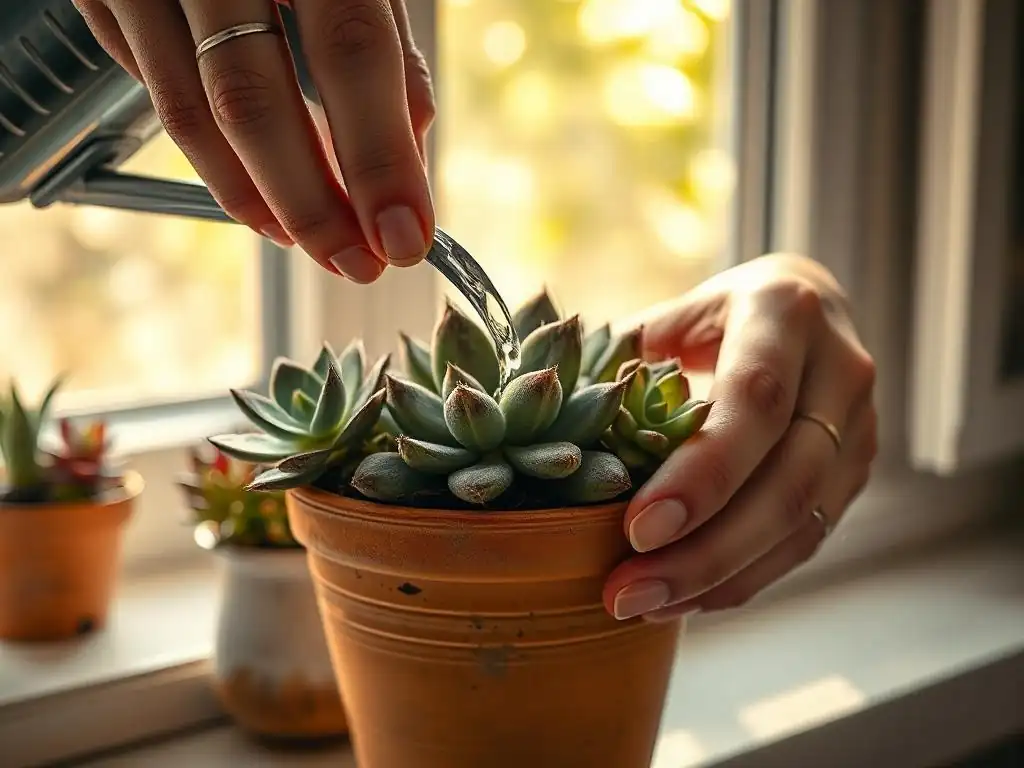
Welcome to SucculentEssentials.org, where the fascinating world of succulents unfolds before you! Are your beloved succulents looking a little less vibrant than usual? Discover the secrets to saving dying succulents fast with our expert guide – a crucial first step in ensuring the health and longevity of your drought-resistant treasures. Dive into our comprehensive resources, brimming with propagation techniques, creative arrangement ideas, and much more, to nurture your succulent collection and unlock their full potential. Let's get started on your succulent journey!
- Saving Dying Succulents Fast: Identifying Common Problems
-
Reviving Your Succulents: Step-by-Step Guide
- Assessing the Damage: Evaluating Your Succulent's Condition Using a Magnifying Glass
- Emergency Care for Severely Stressed Sempervivums
- Repotting Techniques for Root Rot Recovery Using Cactus and Succulent Mix
- Treating Mealybugs and Root Aphids: Effective Methods with Neem Oil
- Watering Techniques for Optimal Succulent Health: The "Soak and Dry" Method
- Providing the Right Light and Temperature for Recovery: South-Facing Window and Temperature Control
-
Preventing Future Problems: Best Practices for Succulent Care
- Choosing the Right Pot and Soil for Your Succulents: Terracotta Pots and Well-Draining Soil
- Creating the Perfect Environment for Your Succulents: Sunlight and Air Circulation
- Establishing a Regular Watering Schedule: Once Every Two Weeks
- Protecting Your Succulents from Pests and Diseases: Regular Inspection and Prevention
- Nutrient Management for Healthy Growth: Balanced Fertilizer
- Workshop Details: Learn More and Register
- Frequently Asked Questions
- Final Reflection: The Resilient Spirit of Succulents and Ourselves
- Revive Your Collection: Take Action for Thriving Succulents!
Saving Dying Succulents Fast: Identifying Common Problems
Succulents, with their striking beauty and low-maintenance reputation, often become beloved additions to homes and gardens. However, even these resilient plants can succumb to various ailments. This workshop focuses on providing succulent first aid, equipping you with the knowledge and techniques to quickly identify and address common problems, ultimately helping you save dying succulents fast. We'll explore the most prevalent issues facing succulent enthusiasts, offering practical solutions and preventative measures to ensure the longevity and vibrancy of your collection.
Understanding the early warning signs is crucial; timely intervention significantly increases the chances of a full recovery. This guide provides a practical, step-by-step approach to diagnosing and treating ailing succulents, transforming your plant rescue efforts from daunting tasks to manageable challenges. Let's delve into the specifics of recognizing and resolving common succulent ailments.
Recognizing Signs of Distress in Echeveria and Sedum
Echeveria and Sedum, two incredibly popular succulent genera, exhibit specific signs of distress when facing unfavorable conditions. Learning to recognize these subtle cues is the first step in effective succulent first aid. For Echeveria, look for:
- Leaf discoloration: Changes in leaf color, from the typical vibrant hues to dull, pale, or even brownish tones, often indicate underwatering, sunburn, or nutrient deficiencies.
- Leaf shrinkage and wrinkling: These symptoms are strong indicators of dehydration, especially when accompanied by a loss of turgor pressure (the firmness of the leaves).
- Soft, mushy leaves: This points to overwatering and potential root rot, a serious condition requiring immediate action.
- Black or brown spots: These could signal fungal infections or pest infestations.
Sedum, while generally hardy, also displays its own distress signals:
- Stem wilting: Sedum's stems often droop significantly when dehydrated.
- Leaf drop: Excessive leaf loss, especially from the lower stems, is a clear sign of stress, possibly due to improper watering, temperature fluctuations, or pest activity.
- Yellowing leaves: This can be caused by overwatering, poor drainage, or nutrient imbalances.
- Unusual growth patterns: Stunted or leggy growth might indicate insufficient sunlight or nutrient deficiencies.
Careful observation of these visual cues allows for early diagnosis and targeted treatment, significantly improving the chances of reviving your beloved Echeveria and Sedum. Remember, prompt action is key! 🌱
Diagnosing Root Rot: Symptoms and Prevention with Perlite
Root rot, caused by excessive moisture and poor drainage, is a common and often fatal condition for succulents. Early detection is vital for successful treatment. Here's how to identify root rot:
- Soft, mushy stems: This is a primary indicator of root rot's spread from the roots upward.
- Unpleasant odor: A foul smell emanating from the soil or the base of the plant is a strong sign of bacterial or fungal infection associated with root rot.
- Falling leaves: As the roots decay, the plant loses its ability to absorb water and nutrients, resulting in leaf drop.
- Delayed recovery: Even after adjusting watering, the plant fails to show signs of improvement, further indicating severe root damage.
Prevention is key! Using a well-draining potting mix, such as one incorporating perlite, is crucial. Perlite improves aeration and prevents waterlogging, reducing the risk of root rot significantly. Ensure your pots have adequate drainage holes to allow excess water to escape easily. Remember, less is often more when it comes to watering succulents; allow the soil to dry out completely between waterings. Overwatering is a leading cause of root rot, so careful monitoring of soil moisture is essential.
Identifying Mealybugs and Root Aphids Affecting Succulents
Pest infestations can severely weaken succulents, leading to their decline. Mealybugs and root aphids are two common culprits. Let's learn how to identify them:
- Mealybugs: These small, soft-bodied insects are easily identifiable by their white, cottony masses. They typically cluster on stems, leaf axils, and under leaves, sucking sap from the plant. Look closely, using a magnifying glass if necessary, to spot these pests. Infestations can lead to stunted growth, leaf discoloration, and even plant death if left untreated.
- Root aphids: These tiny insects infest the root system, making them harder to detect. Symptoms include stunted growth, wilting, and yellowing leaves. To check for root aphids, carefully remove the plant from its pot and inspect the roots. You might see small, dark-colored insects clustered on the roots.
Early detection is crucial for effective control. Regular inspection of your succulents is essential for early identification of pests. For mealybugs, manual removal (using a cotton swab dipped in rubbing alcohol) or insecticidal soap can be effective. For root aphids, repotting with fresh, pest-free soil and treating the roots with an appropriate insecticide might be necessary. Remember to always follow the instructions on any pesticide carefully. 🐞
Recognizing Overwatering and Underwatering Symptoms in Haworthia
Haworthia, with their charming rosette shapes and intriguing textures, are popular succulents, but they can be surprisingly sensitive to improper watering. Both overwatering and underwatering manifest in distinct ways, requiring different approaches to remedy. Let's delve into the specific symptoms to help you save your dying Haworthia fast.
Overwatering in Haworthia often presents as a soft, mushy base. This is because excess moisture encourages rot, starting at the crown and spreading downwards. The leaves themselves may appear bloated and discolored, possibly turning yellow or brown. You might also notice a foul odor emanating from the soil, a clear sign of bacterial or fungal growth fueled by excessive dampness. The roots, if examined, will be dark brown or black and slimy, rather than the healthy, firm, light brown of a well-watered plant. Early detection is crucial; a mushy base indicates advanced rot, making recovery challenging.
In contrast, underwatering in Haworthia results in a different set of symptoms. The leaves will become shriveled, wrinkled, and significantly smaller than usual. The plant's overall appearance will be noticeably limp and dehydrated. The soil will be completely dry, even several inches below the surface. Unlike overwatering, underwatering rarely causes a foul odor. While the plant may look distressed, it's usually easier to revive than one suffering from rot. The leaves will regain their plumpness with proper rehydration, provided the roots haven't completely dried out and died.
Differentiating between overwatering and underwatering is essential for effective treatment. If you suspect overwatering, immediately remove the plant from its pot, carefully clean away the wet soil, and trim away any visibly rotten parts. Allow the roots to air dry before repotting in fresh, well-draining soil. For underwatering, gently water the plant thoroughly, ensuring the water reaches the roots. Avoid overwatering during recovery to prevent further damage.
Regularly monitor the soil moisture to prevent future problems. Remember, prevention is key! Properly sized pots with excellent drainage are essential for preventing both overwatering and underwatering issues in Haworthia. Observing your plant regularly and paying close attention to its appearance will greatly assist you in "saving dying succulents fast".
Reviving Your Succulents: Step-by-Step Guide
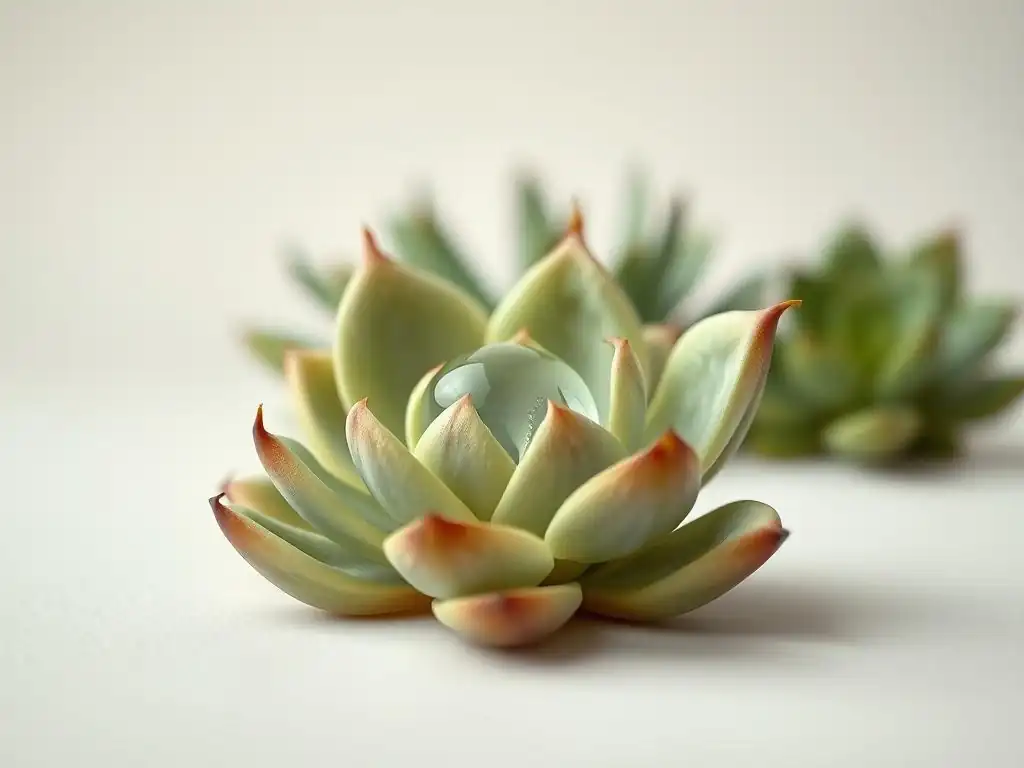
This section details practical steps for rescuing your succulents from the brink. We'll cover assessments, emergency treatments, and repotting techniques to help you save dying succulents fast. Remember, early intervention is key to successful resuscitation! Even seemingly lifeless succulents can often be revived with the right care and attention.
Assessing the Damage: Evaluating Your Succulent's Condition Using a Magnifying Glass
Before initiating any rescue efforts, a thorough assessment is crucial. Using a magnifying glass allows for a detailed examination of your succulent's condition, identifying the precise nature and extent of the problem. This detailed observation is essential for determining the appropriate treatment strategy. Look closely for:
- Root Rot: Examine the roots carefully. Healthy roots are firm and light-colored. Dark, mushy, or slimy roots indicate root rot, a common cause of succulent death. A magnifying glass helps detect early signs of rot before they become widespread.
- Pest Infestation: Magnification reveals tiny pests like mealybugs, aphids, or spider mites, often hidden in crevices or under leaves. Early detection prevents widespread infestation and damage.
- Fungal or Bacterial Infections: Look for unusual spots, discoloration, or lesions on the leaves and stems. A magnifying glass can help identify the characteristics of these infections, aiding in diagnosis and treatment.
- Sunburn: Sunburn manifests as pale, bleached, or brown patches on leaves. A magnifying glass helps assess the severity of the sunburn and determine if the damage is superficial or deeper.
Here's a table summarizing common signs of distress and their possible causes:
| Symptom | Possible Cause(s) | Magnifying Glass Observation |
|---|---|---|
| Mushy, soft leaves | Overwatering, root rot | Dark, slimy roots; waterlogged soil |
| Wrinkled, shriveled leaves | Underwater, lack of nutrients | Dry soil; pale, brittle roots |
| Brown, mushy spots | Fungal or bacterial infection, pest damage | Discolored spots; presence of pests; fungal mycelium |
| Pale, bleached areas | Sunburn | Pale, bleached or brown patches on leaves; leaf damage |
| Yellowing leaves | Overwatering, nutrient deficiency, root damage | Yellowing leaves; possible root damage visible |
Remember, acting quickly based on accurate observations is key to saving your succulents. The magnifying glass is your ally in this crucial first step.
Emergency Care for Severely Stressed Sempervivums
Sempervivums, also known as Hens and Chicks, are relatively hardy succulents but can still experience severe stress. When a Sempervivum shows signs of extreme distress—such as significant leaf loss, shriveled leaves, or a completely limp appearance—immediate action is required.
First, carefully remove the sempervivum from its pot. Gently inspect the roots for signs of rot or damage. If root rot is present, trim away the affected portions using sterilized scissors. If the crown is healthy, there's a chance for recovery.
Next, prepare a well-draining potting mix specifically formulated for succulents and cacti. Plant the sempervivum in its new pot, ensuring that the crown remains slightly above the soil level to prevent rot. Avoid overwatering! Water sparingly only when the soil is completely dry. Place the sempervivum in a bright, indirect light location, avoiding harsh afternoon sun.
Monitor the plant closely for any signs of improvement or further deterioration. Providing a gentle environment and avoiding stress are crucial for its recovery. Patience is key; reviving a severely stressed sempervivum may take time.
Repotting Techniques for Root Rot Recovery Using Cactus and Succulent Mix
Root rot is a significant threat to succulents, often leading to their demise. Repotting with a suitable medium is crucial for recovery. Using a well-draining cactus and succulent mix is paramount. This specialized mix typically consists of a blend of inorganic materials like perlite or pumice, which promote excellent drainage and aeration, preventing waterlogging.
The repotting process should be conducted carefully to minimize further stress on the plant. Gently remove the succulent from its pot, carefully examining the root system. Trim away any decayed or mushy roots using clean, sharp scissors or a knife that have been sterilized with rubbing alcohol. Remove any remaining soil from the healthy roots.
Plant the succulent in its new, well-draining potting mix. Ensure that the crown is slightly above the soil surface to prevent rot. Water sparingly only after the soil has completely dried. Provide bright, indirect light and monitor the plant closely for signs of recovery. Regular inspection for any signs of renewed root rot is important for long-term success. Early detection and prompt action remain crucial for saving your succulents.
Treating Mealybugs and Root Aphids: Effective Methods with Neem Oil
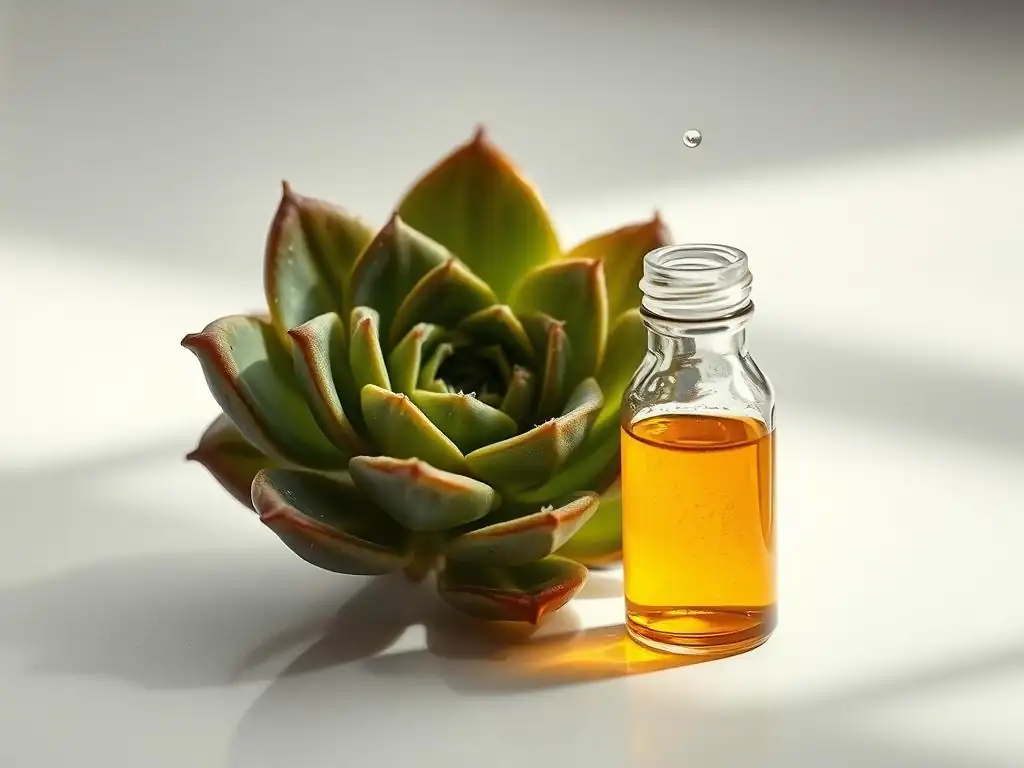
Mealybugs and root aphids are common succulent pests that can quickly weaken and even kill your plants if left untreated. Early detection is key to saving your dying succulents fast. Mealybugs, easily identified by their cottony white masses, typically infest the stems and leaves. Root aphids, on the other hand, are hidden within the soil and damage the roots, leading to wilting and stunted growth. Neem oil is a highly effective, natural solution for combating both.
Neem oil works by disrupting the insect's life cycle, preventing reproduction and ultimately killing them. For mealybugs, you can directly apply neem oil to the affected areas using a cotton swab or a small spray bottle. Ensure thorough coverage, paying close attention to crevices and folds in the leaves. Repeat the application every 7-10 days for at least three treatments to ensure complete eradication. Remember to test a small, inconspicuous area first to check for any adverse reactions to the neem oil on your specific succulent variety.
Dealing with root aphids requires a slightly different approach. Since they're hidden underground, you need to water the soil with a diluted neem oil solution. Mix the neem oil according to the product instructions—typically a ratio of 1-2 teaspoons per gallon of water. Gently water the soil until it's thoroughly moistened, allowing the solution to reach the roots.
This method will kill the aphids and prevent further infestation. Repeat the process every two weeks for a few cycles, monitoring the plant's health closely. You might also consider repotting the plant in fresh, sterilized soil to eliminate any remaining aphids or their eggs. This step is crucial for saving severely infested succulents.
Remember to always wear gloves when handling neem oil and ensure proper ventilation. While neem oil is considered a safe and natural pesticide, it's still important to take precautions.
Watering Techniques for Optimal Succulent Health: The "Soak and Dry" Method
Improper watering is a leading cause of succulent death. Overwatering leads to root rot, while underwatering causes dehydration and wilting. Mastering the "soak and dry" method is crucial for saving dying succulents fast and maintaining their long-term health. This technique involves thoroughly saturating the soil until water drains from the drainage holes, then allowing the soil to completely dry out before watering again.
The key is to avoid consistently damp soil. Before watering, check the soil moisture level by inserting your finger about an inch into the soil. If it feels dry, it's time to water.
The frequency of watering depends on several factors, including the type of succulent, pot size, soil mix, and environmental conditions (temperature, humidity, sunlight). During hotter months, you'll likely need to water more frequently than during cooler months. For example, a small succulent in a terracotta pot might need watering every 7-10 days during summer, while a larger succulent in a plastic pot might only need watering every 2-3 weeks.
Signs of overwatering include mushy leaves, yellowing, and a foul odor from the soil. If you notice these symptoms, immediately remove the succulent from its pot, inspect the roots, and remove any rotten or damaged portions. Repot the succulent in fresh, well-draining soil. Underwatering, on the other hand, leads to shriveled leaves and overall wilting. While the "soak and dry" method prevents overwatering, it's important to ensure the plant receives sufficient water when needed to prevent dehydration. Regular monitoring and adjusting watering schedules based on your plant's needs are essential for succulent success.
Providing the Right Light and Temperature for Recovery: South-Facing Window and Temperature Control
Succulents thrive in bright, indirect sunlight. A south-facing window, often considered the sunniest spot in a home, provides ample light for most succulent species, but direct, intense sunlight can scorch their leaves. To prevent this, consider using a sheer curtain or positioning the plant slightly away from the window.
The ideal amount of sunlight varies depending on the succulent species; some prefer more intense light than others. Research the specific light requirements of your succulent to ensure it receives the optimal amount. Insufficient light can lead to etiolation (leggy growth), which is a sign that your succulent isn't getting enough sunlight.
Temperature also plays a crucial role in succulent health. Most succulents prefer moderate temperatures, generally between 65-80°F (18-27°C). Extreme temperatures, both hot and cold, can stress the plant and hinder its recovery. Avoid placing succulents near heating vents or air conditioners.
During the winter months, protect your succulents from freezing temperatures by bringing them indoors or providing additional insulation. Sudden temperature fluctuations should also be avoided; maintaining a consistent temperature range is crucial for their well-being. Proper light and temperature control are essential components of a successful succulent recovery plan and help in saving dying succulents fast. Monitoring the plant's response to its environment and adjusting accordingly will significantly improve its chances of survival.
Preventing Future Problems: Best Practices for Succulent Care
This section focuses on proactive measures to ensure your succulents thrive and avoid the need for emergency "saving dying succulents fast" techniques. Proactive care is far more effective than reactive treatment. By implementing these best practices, you'll significantly reduce the risk of encountering succulent health issues. Remember, prevention is key to maintaining a vibrant and healthy succulent collection.
Choosing the Right Pot and Soil for Your Succulents: Terracotta Pots and Well-Draining Soil
The foundation of healthy succulent growth lies in the right pot and soil. Poor drainage is a leading cause of root rot, a common succulent killer. Terracotta pots are ideal because they're porous, allowing excess water to evaporate, thus preventing waterlogging. Avoid glazed ceramic or plastic pots, which retain moisture for extended periods.
The soil mix is equally crucial. Succulents need well-draining soil that doesn't retain excessive moisture. A commercially available cactus and succulent potting mix is a good starting point. You can further enhance drainage by adding perlite, pumice, or coarse sand to the mix. The ideal soil should feel loose and gritty, not compact or heavy. Aim for a soil blend that allows for excellent aeration and prevents water from pooling around the roots. This simple step will dramatically improve your chances of avoiding common succulent ailments and contribute to the long-term health of your plants.
Creating the Perfect Environment for Your Succulents: Sunlight and Air Circulation
Sunlight and air circulation are vital for the overall health and vigor of your succulents. These desert natives crave ample sunlight, ideally 6-8 hours per day. However, the intensity of sunlight varies depending on your geographic location and the time of year. Avoid placing your succulents in direct, intense midday sun during the hottest summer months, as this can scorch their leaves. A south-facing window (in the Northern Hemisphere) is often a good choice, but monitor your plants closely and adjust their position as needed.
Adequate air circulation prevents the build-up of humidity, which can lead to fungal diseases. Ensure good airflow around your succulents by spacing them appropriately, avoiding overcrowding. Consider placing a small fan nearby on hot, humid days to encourage air circulation. This simple measure can help to prevent the development of fungal diseases and promote healthier growth. Proper air circulation is crucial to saving dying succulents and preventing future issues.
Establishing a Regular Watering Schedule: Once Every Two Weeks
Overwatering is a common mistake that often leads to the demise of succulents. These drought-tolerant plants store water in their leaves and stems, so they don't need frequent watering. A good rule of thumb is to water your succulents thoroughly once every two weeks, allowing the soil to dry out completely between waterings. The frequency may vary depending on factors such as the climate, pot size, and type of succulent.
Before watering, check the soil moisture by inserting your finger about an inch into the soil. If the soil feels dry, it's time to water. Water thoroughly until water drains from the drainage holes, then discard any excess water that collects in the saucer. Avoid letting your succulents sit in standing water, as this can lead to root rot. Consistent, appropriate watering is crucial for preventing problems and keeping your succulents healthy and vibrant. Remember, "saving dying succulents fast" is often a consequence of improper watering habits. A well-established watering schedule is a crucial preventative measure.
Protecting Your Succulents from Pests and Diseases: Regular Inspection and Prevention
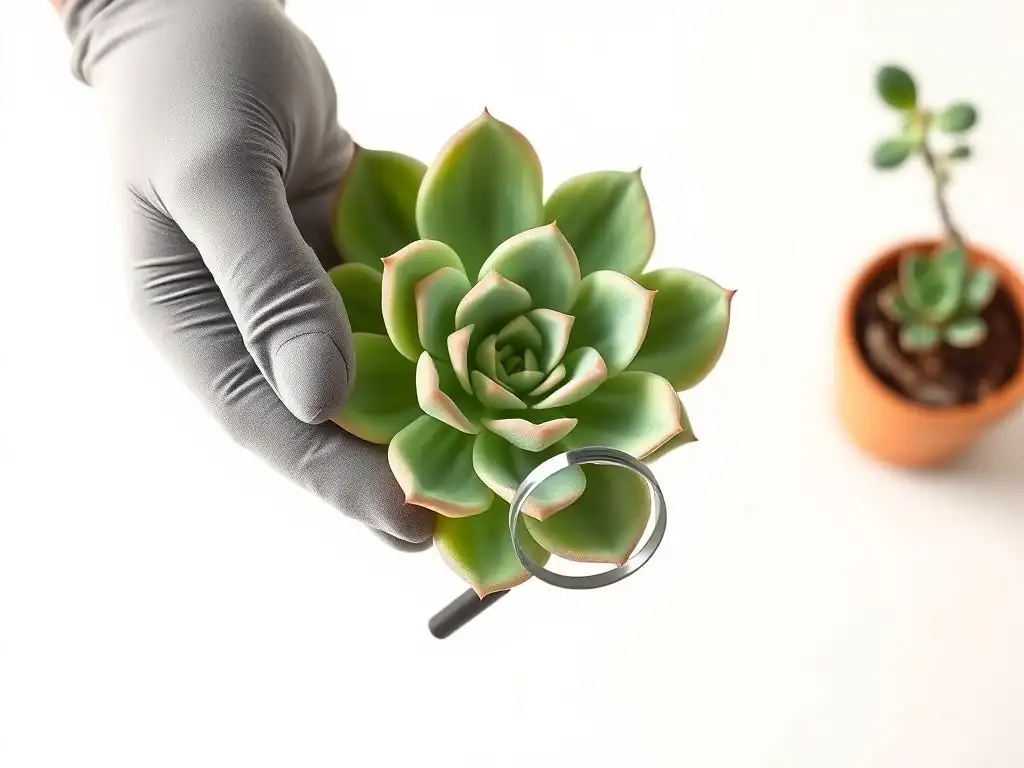
Regular inspection is the cornerstone of preventing succulent demise. Early detection of pests and diseases dramatically increases your chances of successful treatment and saving your dying succulents fast. Aim to inspect your succulents at least once a week, paying close attention to the leaves, stems, and soil. Look for any signs of discoloration, unusual spots, webbing, or insects. A magnifying glass can be incredibly helpful in identifying tiny pests.
Common succulent pests include mealybugs, aphids, spider mites, and scale insects. Mealybugs, for example, appear as small, white, cottony masses, often clustered in leaf axils or crevices. Aphids are small, soft-bodied insects that suck plant sap, leading to stunted growth and leaf distortion. Spider mites are tiny arachnids that create fine webbing on leaves, causing stippling and yellowing. Scale insects look like small, hard bumps on stems and leaves.
Diseases in succulents are less common than pest infestations but can still be devastating. Root rot, caused by overwatering, is a frequent culprit, manifesting as mushy, brown roots and wilting foliage. Fungal infections can also occur, sometimes appearing as spots or lesions on leaves. Identifying the specific disease requires careful observation and sometimes, professional consultation.
Prevention is always better than cure. Maintaining good air circulation around your succulents helps prevent fungal diseases. Avoid overcrowding, ensuring sufficient space between plants for airflow. Using well-draining potting mix prevents root rot. Regularly cleaning your pots and tools minimizes the risk of spreading pests and diseases. Introducing beneficial insects, such as ladybugs, can help control pest populations naturally. Remember, a proactive approach to pest and disease management is crucial for keeping your succulents thriving. Acting quickly when you notice a problem is key to saving dying succulents fast.
Nutrient Management for Healthy Growth: Balanced Fertilizer
Providing your succulents with the right nutrients is paramount for their health and vigor. While succulents are drought-tolerant, they still need essential nutrients for optimal growth. However, over-fertilizing is a common mistake that can lead to salt buildup in the soil, causing root damage and ultimately, killing your plants. Therefore, a balanced approach is vital.
A balanced, slow-release fertilizer specifically formulated for cacti and succulents is recommended. These fertilizers typically have a lower nitrogen content compared to fertilizers for other plants. High nitrogen can encourage excessive leaf growth, making succulents more susceptible to pests and diseases. Always follow the instructions on the fertilizer package carefully. Less is often more when it comes to fertilizing succulents.
The best time to fertilize is during the growing season, typically spring and summer. Avoid fertilizing during the dormant period (fall and winter) as the plants are not actively growing and won't utilize the nutrients effectively. Instead of frequent fertilizing, consider a diluted application every few weeks during the growing season. Alternatively, you can opt for a slow-release granular fertilizer that provides nutrients over a longer period.
Observe your succulents closely after fertilizing. If you notice any signs of salt buildup (white crust on the soil surface), flush the soil with plenty of water to leach out excess salts. This preventative measure can save your succulents from potential damage. Remember, proper nutrient management, combined with other good care practices, contributes significantly to preventing future problems and keeping your succulents healthy and vibrant, helping you avoid the stress of saving dying succulents fast.
Workshop Details: Learn More and Register
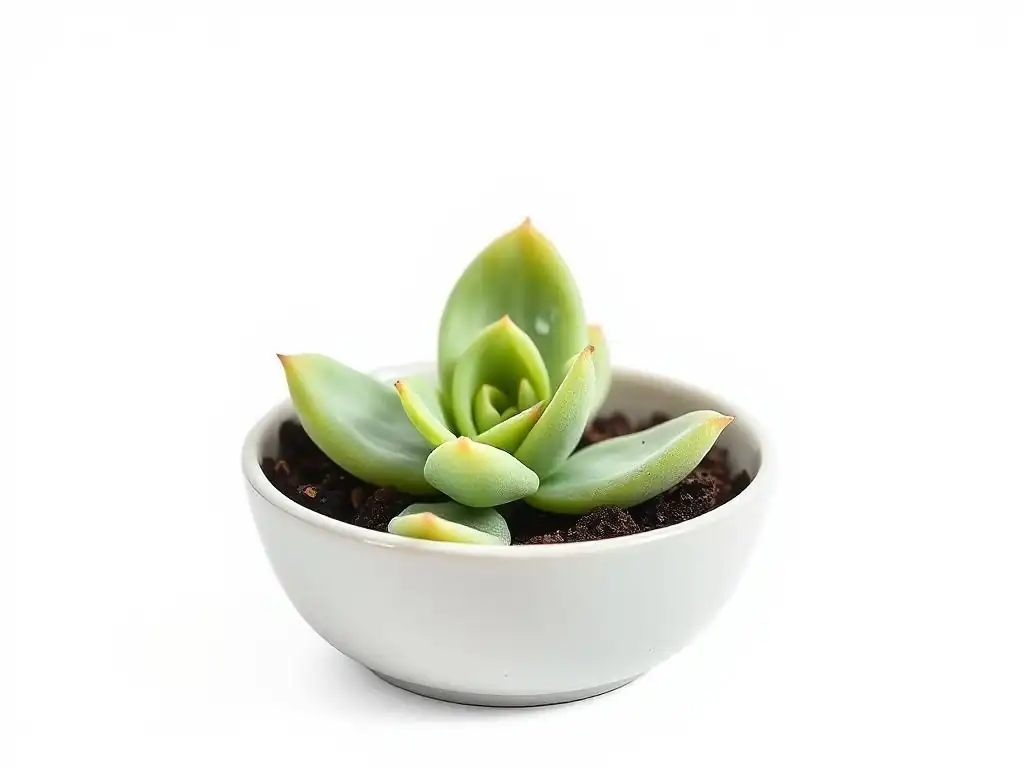
This intensive workshop, "Succulent First Aid: Workshop on Plant Health & Recovery," is designed to equip you with the knowledge and skills to quickly diagnose and treat ailing succulents. We'll cover everything from identifying common succulent diseases and pest infestations to implementing effective rescue techniques. Participants will learn practical, hands-on methods for saving dying succulents fast, ensuring the longevity and vibrancy of your precious plant collection. This workshop is ideal for both beginner and intermediate succulent enthusiasts seeking to improve their plant care skills and prevent future issues. Space is limited, so register early to secure your spot!
Workshop Curriculum Overview
This comprehensive workshop is structured to provide a holistic understanding of succulent health and recovery. We'll move progressively from identifying problems to implementing solutions, ensuring you gain a strong foundation in succulent first aid.
The curriculum includes:
- Module 1: Diagnosis & Identification: Learn to identify common succulent diseases (root rot, fungal infections, bacterial blight), pest infestations (mealybugs, aphids, spider mites), and signs of nutrient deficiencies or improper watering. We'll explore visual cues, and utilize magnifying glasses to closely examine affected areas. We'll also discuss the importance of preventative measures to avoid future issues. Expect detailed explanations and illustrative examples.
- Module 2: Treatment & Rescue Techniques: Master practical techniques for treating various succulent ailments. This module will cover methods for addressing root rot, including repotting, pruning, and the use of appropriate fungicides. We'll also explore effective pest control strategies, both organic and chemical, emphasizing safe and responsible use. Learn how to provide supplemental nutrients and adjust watering practices for optimal plant health.
- Module 3: Prevention & Best Practices: This module focuses on preventative care to keep your succulents thriving. We'll delve into the importance of proper potting mixes, appropriate sunlight exposure, and ideal watering schedules. We will also cover the role of environmental factors and how to create a healthy growing environment for your succulents. Learn to anticipate potential problems and implement proactive solutions. We'll discuss the specific needs of different succulent varieties.
- Module 4: Hands-on Practice & Q&A: This session allows you to put your newly acquired skills to the test. Participants will work individually and collaboratively on real-life succulent rescue cases, receiving personalized guidance and feedback from our expert instructors. This is a perfect opportunity to ask questions and address specific challenges related to your own succulent collection.
Dates, Times, and Location
The workshop will be held over one full day:
- Date: [Specific date pending]
- Time: 9:00 AM - 5:00 PM
- Location: [Specific location pending]
A detailed schedule with specific timings for each module will be provided to registered participants prior to the workshop. Lunch will be provided.
Materials and Equipment Provided
All necessary materials and equipment will be provided for the workshop. This includes:
- Potting mix: A high-quality, well-draining succulent potting mix.
- Containers: A variety of pots and containers suitable for repotting succulents.
- Tools: Pruning shears, trowels, and other essential gardening tools.
- Magnifying glasses: For detailed inspection of plants.
- Protective gear: Gloves and eye protection.
- Reference materials: Handouts with detailed information and images for future reference.
- Light refreshments and lunch will also be provided throughout the day.
Participants are welcome to bring their own succulents for individual assessment and treatment, however, this is not mandatory. We will have a selection of plants available for hands-on practice. 🌱
Registration and Fees
Securing your spot in our "Succulent First Aid" workshop is easy! Registration is open online and closes two weeks prior to the workshop date to allow for adequate preparation. We offer tiered pricing to accommodate various budgets and needs. Early bird registration, completed one month before the workshop, grants a 15% discount on the standard fee.
This early registration period allows us to effectively manage resources and ensure a smooth learning experience for all participants. The standard registration fee includes all workshop materials, a detailed handout with comprehensive notes, and access to our exclusive online resource library containing additional succulent care tips and techniques. For those wishing to bring a struggling succulent for personalized attention during the workshop, a small additional fee of $5 will be applied. This fee covers the cost of specialized tools and materials used in the hands-on recovery sessions.
We understand that financial constraints can sometimes hinder participation, so we also offer a limited number of scholarships for individuals facing financial hardship. To learn more about our scholarship program, please contact us directly using the information provided below. We’re committed to making this valuable workshop accessible to as many succulent enthusiasts as possible. Don't delay – register today to learn the secrets of saving your dying succulents fast!
Contact Information
For any inquiries regarding registration, workshop content, scholarship opportunities, or anything else related to the "Succulent First Aid" workshop, please don't hesitate to contact us. We are happy to answer your questions and provide any assistance you may need. You can reach us via email at [email address pending] or by phone at [phone number pending]. For quicker responses, we encourage you to use email. Our team is dedicated to providing prompt and helpful support, ensuring a positive and informative experience for all participants. We look forward to hearing from you and helping you revive your beloved succulents! We are available Monday through Friday, from 9:00 AM to 5:00 PM [Time Zone pending]. Outside of these hours, please leave a message, and we will respond within 24 hours. We are passionate about succulents and excited to share our knowledge with you. Let's work together to save those precious plants! 🌱
Frequently Asked Questions
What are the first signs of a dying succulent?
Signs include shriveled leaves, a change in leaf color (often yellowing or browning), and soft or mushy stems or leaves. Address these issues immediately to increase chances of recovery.
How can I quickly revive a severely dehydrated succulent?
Gently water the succulent, ensuring the water drains well. Avoid overwatering, which can worsen the problem. Place it in bright, indirect sunlight.
My succulent is rotting. Can it be saved?
If rot is limited, carefully remove the affected parts with a clean, sharp knife. Allow the wound to dry before repotting in fresh, well-draining soil. Avoid overwatering.
What are the common causes of succulent death?
Overwatering is the most common culprit, followed by under-watering, improper soil, pest infestations, and incorrect sunlight exposure. Identify the cause for effective treatment.
How can I prevent my succulents from dying in the future?
Use well-draining soil, provide adequate sunlight, and water only when the soil is completely dry. Monitor your plants regularly for signs of stress or disease.
Final Reflection: The Resilient Spirit of Succulents and Ourselves
The art of succulent revival isn't just about saving plants; it's a potent metaphor for resilience in the face of adversity. Learning to nurse a seemingly lifeless succulent back to health offers a surprisingly powerful lesson applicable to many aspects of life, reminding us that even in seemingly hopeless situations, revitalization is possible.
The enduring popularity of succulents speaks volumes about our innate desire to nurture and witness growth, even in the smallest of forms. Their ability to thrive in harsh conditions resonates deeply, mirroring our own capacity to overcome challenges. The greatest glory in living lies not in never falling, but in rising every time we fall.
– Nelson Mandela. This quote perfectly encapsulates the journey of both succulent revival and personal growth; it's in the struggle and the recovery that true strength is revealed. The quiet perseverance of these plants serves as a constant reminder of our own inner strength and potential for renewal.
You've learned techniques to revive your struggling succulents, but consider extending this knowledge beyond the plant world. What areas of your own life need tending, nurturing, and perhaps a little "first aid"? Identify those areas where you feel depleted or struggling, and approach them with the same patience, observation, and careful action you've learned to apply to your succulents. Embrace the process of recovery, celebrate small victories, and remember that even the most seemingly lifeless situations hold the potential for extraordinary renewal.
Revive Your Collection: Take Action for Thriving Succulents!
Thank you for exploring the world of succulent care! You've learned valuable techniques to keep your plants healthy and happy. Now it's time to apply that knowledge.
Here's how to elevate your succulent care:
- Focus on one struggling succulent: Choose a plant that needs attention and apply the recovery methods discussed. You'll be amazed at its transformation!
- Share your progress (and any challenges!): Post a picture of your recovering succulent on social media and tag us – we love seeing your successes! #SucculentEssentials #PlantRescue
- Explore our website's extensive resources: Discover more helpful articles, tips, and guides to ensure all your succulents thrive.
Ready to see your succulents flourish? What's the first step you'll take today to improve the health of your plants?