
Commercial Succulent Landscaping: The Future of Green Building Design

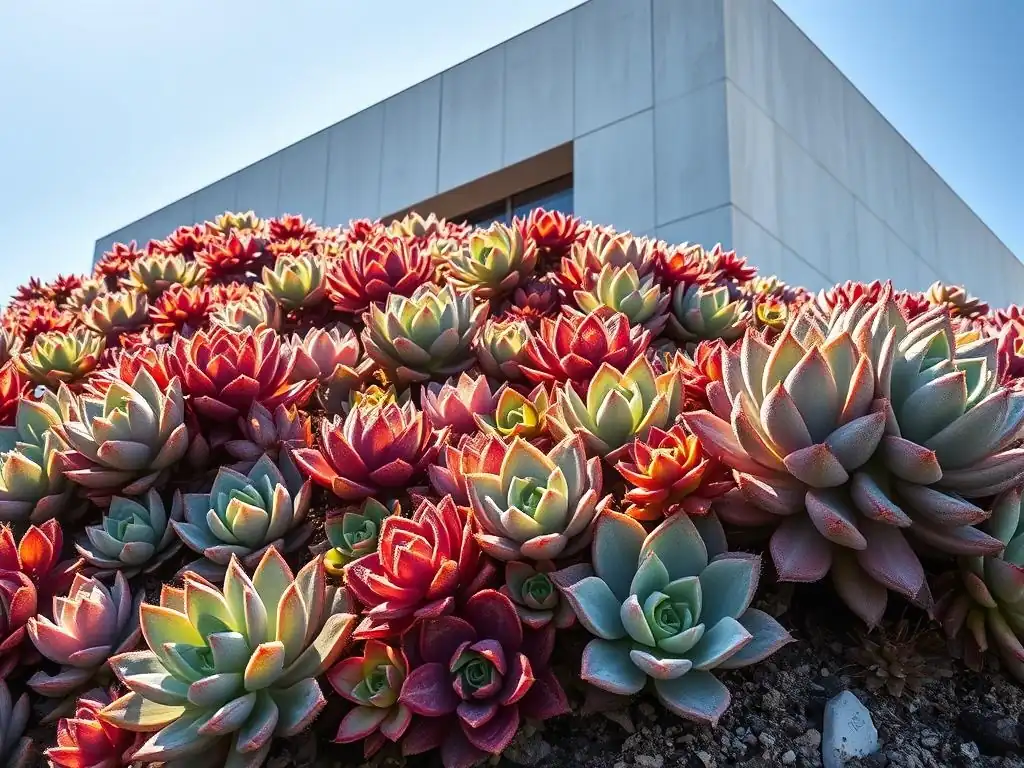
Welcome to SucculentEssentials.org, your gateway to the captivating world of succulents! Are you ready to unlock the secrets to transforming your outdoor space into a breathtaking oasis? We delve into the exciting realm of succulent landscaping design ideas, exploring innovative and sustainable approaches to gardening. Discover how these drought-tolerant wonders can revolutionize your landscape, and prepare to be inspired by the stunning possibilities of commercial succulent landscaping – the future of green building design awaits!
- The Rise of Sustainable Landscaping: Why Choose Succulents?
- Designing Commercial Succulent Landscapes: Key Considerations
- Creative Commercial Succulent Landscaping Design Ideas
- Implementation and Maintenance of Commercial Succulent Landscapes
- Case Studies: Successful Commercial Succulent Installations
- The Future of Commercial Succulent Landscaping Design
- Frequently Asked Questions
- Final Reflection: Blooming Sustainability: The Enduring Power of Succulents
- Unleash Your Green Thumb: Design a Thriving Succulent Landscape
The Rise of Sustainable Landscaping: Why Choose Succulents?
The increasing awareness of environmental responsibility and the escalating costs of traditional landscaping are driving a significant shift towards sustainable practices in commercial building design. This movement prioritizes water conservation, reduced maintenance, and the creation of visually appealing, eco-friendly outdoor spaces. Succulent landscaping is emerging as a leading solution, offering a compelling blend of aesthetic appeal and environmental benefits.
This article explores the advantages of incorporating succulents into large-scale commercial installations, examining how their unique characteristics contribute to a more sustainable and cost-effective approach to green building design, providing you with inspiring succulent landscaping design ideas. We'll delve into the specifics of reduced water consumption, lower maintenance requirements, and the enhanced curb appeal that succulent installations offer, solidifying their position as a key component of forward-thinking commercial landscaping.
Reduced Water Consumption and Drought Tolerance in Commercial Landscaping
Commercial properties often encompass vast expanses of landscaping, leading to substantial water consumption. Traditional landscaping designs, relying heavily on water-intensive plants like lawns and flowering shrubs, contribute significantly to water waste. Succulents, however, are renowned for their exceptional drought tolerance.
Their unique physiological adaptations enable them to store water in their leaves and stems, requiring significantly less frequent watering than other plant types. This translates to substantial water savings for commercial properties, reducing both environmental impact and water bills. A study conducted by [Specific Institution and Year Pending] showed a [Percentage]% reduction in water usage in commercial landscapes after switching to succulent-based designs.
This remarkable water efficiency makes succulents a particularly attractive option in arid and semi-arid climates, where water conservation is paramount. Furthermore, the use of drought-tolerant succulents aligns with sustainable building practices, contributing to LEED certification points and enhancing a company's environmental image. The aesthetic appeal is not compromised; rather, the unique textures and colors of succulents add a modern and sophisticated touch.
Lower Maintenance Costs: Long-Term Savings with Succulent Installations
Beyond water conservation, succulent landscaping offers significant long-term cost savings through reduced maintenance requirements. Unlike many traditional plants, succulents are relatively low-maintenance. They are less susceptible to pests and diseases, requiring fewer pesticides and herbicides. Their slow growth rate means less frequent pruning and trimming, minimizing labor costs. This translates to considerable financial benefits for commercial property owners, freeing up resources for other essential aspects of building management.
For example, a large office complex might save approximately [Dollar Amount] annually on maintenance by replacing traditional landscaping with a succulent-based design. This is because succulents often need watering only every [Frequency] weeks, compared to [Frequency] for traditional plants. The long-term cost savings, coupled with the environmental benefits, make succulent landscaping a financially prudent and ecologically responsible choice. The initial investment might seem higher, but the long-term return on investment is undeniable.
Enhanced Curb Appeal and Property Value with Unique Succulent Designs
The visual impact of succulent landscaping is undeniable. Their diverse shapes, colors, and textures offer a wide range of design possibilities, allowing for the creation of unique and eye-catching landscapes. From modern minimalist designs to vibrant, eclectic arrangements, succulents can be incorporated into various architectural styles, enhancing the overall curb appeal of commercial properties.
This improved aesthetic can significantly boost property value and create a more welcoming and inviting environment for employees, clients, and visitors. Moreover, the use of succulents showcases a commitment to sustainability and innovation, enhancing a company's brand image and attracting environmentally conscious clients. The versatility of succulents also means that designs can be adapted to fit different sizes and shapes of commercial properties, from small office buildings to large shopping malls.
The potential for creative and unique designs is virtually limitless, making succulent landscaping a truly distinctive and valuable asset. The use of different succulent varieties, combined with strategically placed rocks and gravel, can create breathtaking, low-maintenance landscapes that are both functional and visually stunning.
Eco-Friendly Solutions: Promoting Biodiversity and Environmental Responsibility
Succulent landscaping offers a powerful pathway towards environmentally responsible design in commercial spaces. Unlike traditional landscaping that often relies on thirsty lawns and resource-intensive maintenance, succulent gardens thrive with minimal water and upkeep. This inherent drought tolerance translates directly into significant water conservation, a crucial factor in arid and semi-arid regions facing water scarcity. By choosing succulents, businesses actively contribute to reducing their environmental footprint and demonstrate a commitment to sustainable practices. This resonates positively with environmentally conscious consumers and can enhance a company's brand image.
Furthermore, the diverse range of succulent species available allows for the creation of habitats that support local pollinators and beneficial insects. Many succulents attract hummingbirds and butterflies, adding a vibrant layer of biodiversity to the commercial landscape. This contrasts sharply with monoculture lawns which offer little ecological value.
The use of native succulent species is particularly beneficial, as they are already adapted to the local climate and require less intervention to thrive, further boosting biodiversity and reducing the need for fertilizers and pesticides. Careful selection of succulents can even create microhabitats that support small animals, enriching the overall ecosystem within the commercial property. This approach moves beyond mere aesthetics, transforming the landscape into a functioning and vibrant ecosystem that contributes to the overall health of the environment.
The long-term benefits of reduced water consumption, minimized pesticide use, and increased biodiversity far outweigh the initial investment, making succulent landscaping a truly sustainable and responsible choice for commercial properties. The aesthetic appeal also contributes to employee wellbeing and boosts morale, creating a more pleasant and productive work environment.
Designing Commercial Succulent Landscapes: Key Considerations
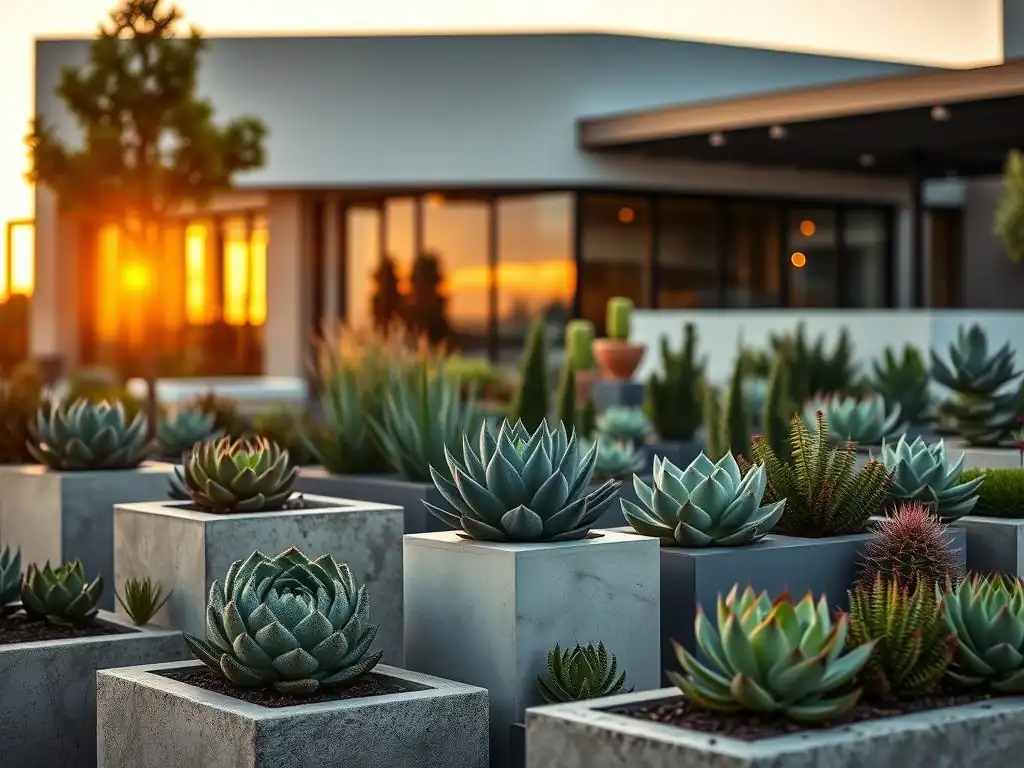
This section delves into the crucial aspects of designing successful and sustainable commercial succulent landscapes. We'll explore site assessment, species selection, integration with existing architecture, and essential soil and drainage solutions. Mastering these elements is key to creating thriving, visually appealing succulent installations that enhance the aesthetic and environmental value of commercial properties. This contributes directly to the growing trend of incorporating "succulent landscaping design ideas" into modern green building design.
Site Assessment and Species Selection for Optimal Growth
Before embarking on any commercial succulent landscaping project, a thorough site assessment is paramount. This involves evaluating several key factors that directly impact the long-term health and aesthetic appeal of the succulents. Sunlight exposure is crucial; succulents thrive in various light conditions, but accurate assessment prevents costly mistakes. For example, a south-facing wall receives intense sunlight, necessitating drought-tolerant species like Sedum, Echeveria, and Sempervivum, while a north-facing wall might require shade-tolerant varieties like Dudleya or Kalanchoe.
Detailed analysis should also include:
- Microclimate: Consider wind exposure, temperature fluctuations, and potential frost pockets. Windbreaks might be necessary in exposed locations.
- Soil Composition: Analyze existing soil drainage, pH levels, and nutrient content. Amendments might be necessary to create optimal growing conditions. Poor drainage is a common problem and needs to be addressed proactively.
- Water Availability: Evaluate access to irrigation systems and water sources. Efficient irrigation strategies are essential for commercial projects.
- Maintenance Access: Plan for easy access to maintain the landscape, including pruning, watering, and pest control.
Species selection should be tailored to the specific microclimate and site conditions identified during the assessment. Choosing the right succulents ensures their survival and enhances the overall design's longevity. Consider using a diverse range of succulents with varying textures, colors, and growth habits to create a visually stunning and resilient landscape. For instance, incorporating a variety of sizes and shapes (columnar, rosette, trailing) can add significant visual interest.
Integrating Succulents with Existing Building Design and Architectural Styles
Successfully integrating succulents into commercial landscapes requires careful consideration of the existing building design and architectural style. The goal is to create a harmonious and visually appealing blend of nature and architecture. This involves understanding the architectural features, materials, and color palettes to ensure that the succulent landscaping complements, rather than clashes with, the building's aesthetic.
For example:
- Modern Architecture: Clean lines and minimalist designs might pair well with geometrically arranged succulents in sleek planters or integrated into green walls.
- Traditional Architecture: More ornate buildings might benefit from softer, more textured succulent arrangements, mimicking the building's detailing.
- Mediterranean Styles: Buildings with stucco or terracotta features could be complemented by drought-tolerant succulents native to the Mediterranean region.
Think beyond just planting; consider the following:
- Planter Design: Choose planters that complement the building's style, using materials like concrete, metal, or wood.
- Color Coordination: Select succulents with colors that harmonize with the building's exterior.
- Scale and Proportion: Ensure the scale of the succulent landscape is appropriate for the size and scale of the building.
Choosing the Right Soil and Drainage Solutions for Commercial Settings
Proper soil and drainage are critical for the long-term health of commercial succulent installations. Succulents are prone to root rot if their soil retains too much moisture. Therefore, selecting the right soil mix and implementing effective drainage solutions is crucial.
A well-draining soil mix is essential. A common recipe includes:
- 50% inorganic material (pumice, perlite, coarse sand)
- 50% organic material (well-rotted compost)
This blend ensures excellent drainage while providing essential nutrients. However, the exact ratio can be adjusted based on the specific site conditions and the types of succulents being used. For large-scale commercial projects, consider using raised beds or incorporating drainage layers beneath the soil to further improve drainage. This is particularly important in areas with high water tables or clay soils.
Beyond soil composition, consider:
- Irrigation Systems: Drip irrigation or soaker hoses are ideal for delivering water directly to the roots, minimizing water waste and preventing overwatering. Smart irrigation systems can further optimize water usage.
- Mulching: Applying a layer of gravel or other inorganic mulch helps retain soil moisture, suppress weeds, and regulate soil temperature. This also enhances the visual appeal of the landscape.
- Regular Maintenance: Regular monitoring of soil moisture levels and prompt attention to any drainage issues are crucial for maintaining healthy succulent landscapes. This includes addressing any signs of root rot or other diseases promptly.
Designing for Scalability: Adapting Succulent Landscapes to Various Sizes
Designing succulent landscapes for commercial spaces requires a keen understanding of scalability. What works beautifully in a small courtyard might look overwhelming or sparse when scaled up for a large corporate campus. The key is to create a modular design system that allows for seamless adaptation to different sizes and shapes.
This involves selecting a core palette of succulents that can be repeated and varied to create visual interest without compromising the overall design aesthetic. Consider using repeating patterns or variations on a theme, such as a wave-like pattern of different Echeveria varieties, which can be easily scaled up or down depending on the available space. This ensures consistency and a cohesive look, regardless of the project's size.
Furthermore, planning for future expansion is crucial. The initial design should incorporate elements that can be easily expanded upon without requiring significant redesign or disruption. For example, a modular system of raised beds or terraced planting areas can be readily expanded to accommodate future growth.
Another critical aspect of scalability is the selection of appropriate succulent species. Some succulents, such as Sedum spp., are naturally more adaptable to mass planting and can create a stunning visual impact on a large scale. Others, like certain rare or slow-growing varieties, might be better suited for smaller, more intimate spaces or as focal points within a larger design.
Thorough research into the growth habits and mature sizes of each species is essential to ensure that the landscape will continue to thrive and look its best as it matures. Careful consideration of the mature size of each plant is vital to prevent overcrowding or unsightly gaps in the landscape. Overcrowding can lead to disease and competition for resources, while sparse planting can make the design look unfinished.
A well-planned and scalable design ensures the landscape remains visually appealing and healthy for years to come. This approach also streamlines the installation process, making larger projects more manageable and cost-effective. Careful planning from the outset will minimize potential issues later on and result in a more successful and visually stunning landscape.
Creative Commercial Succulent Landscaping Design Ideas
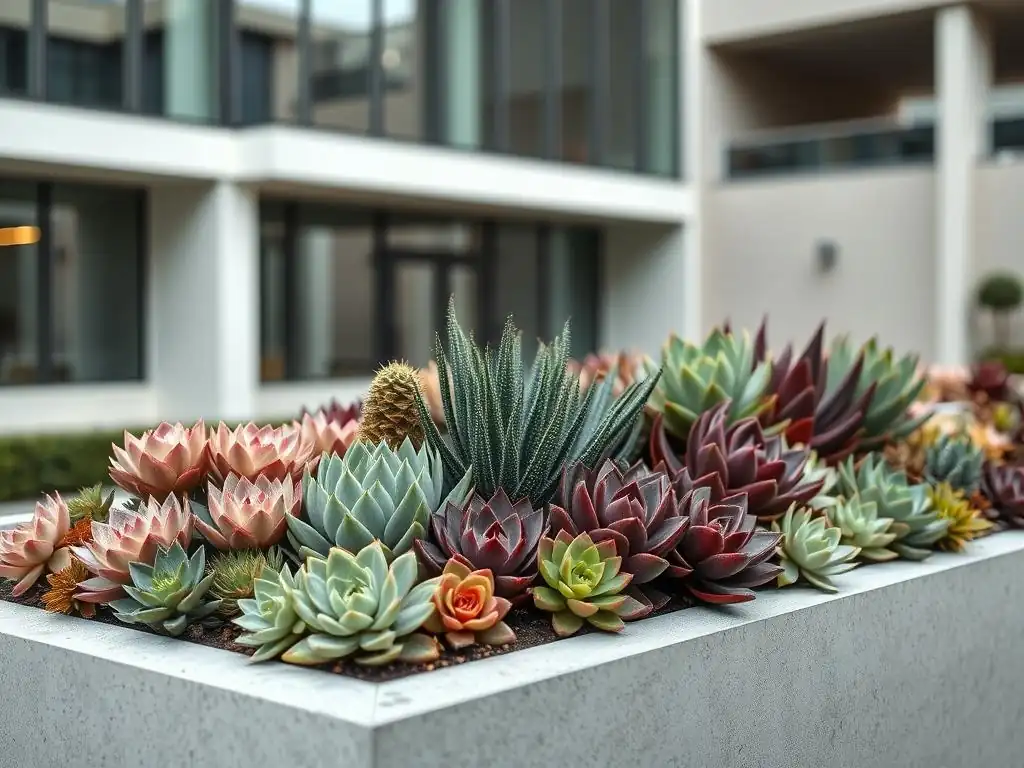
This section explores innovative and visually striking succulent landscaping design ideas specifically tailored for commercial applications. We'll delve into various styles, highlighting the versatility and adaptability of succulents in creating unique and sustainable outdoor spaces. Remember, successful succulent landscaping design hinges on choosing the right succulents for the specific microclimate and considering the overall aesthetic goals of the project. This ensures both visual appeal and the long-term health and vibrancy of your succulent installation. Proper planning and execution are key to realizing the full potential of these drought-tolerant beauties in commercial settings.
Modern Minimalist Designs: Incorporating Geometric Shapes and Textures
Modern minimalist succulent landscaping emphasizes clean lines, geometric shapes, and a muted color palette. This style is ideal for creating a sophisticated and calming atmosphere in commercial spaces. Think sleek, raised planters filled with carefully selected succulents exhibiting a range of textures—from the smooth, fleshy leaves of Echeveria to the spiky, architectural forms of Agave.
The use of contrasting textures and colors within a structured framework is paramount. For instance, you might pair the silvery-blue foliage of Sedum with the deep green of Sempervivum, creating visual interest within a strictly geometric planter arrangement. Consider incorporating gravel pathways or minimalist stone features to enhance the overall clean aesthetic. Think of the subtle beauty of a perfectly aligned row of Haworthia, their translucent leaves catching the sunlight, within a rectangular trough.
This creates a stunning, low-maintenance focal point. The key is precision and restraint; less is often more in this design style. We can even integrate modern materials like corten steel or polished concrete into the design, creating a stunning contrast against the organic forms of the succulents.
Mediterranean-Inspired Landscapes: Utilizing Drought-Tolerant Succulents
Mediterranean-inspired succulent landscaping evokes the sun-drenched beauty of the Mediterranean region, utilizing drought-tolerant succulents to create a warm, inviting atmosphere. This style is particularly well-suited for commercial spaces in warm, dry climates.
This design emphasizes a relaxed, informal arrangement, mimicking the natural growth patterns found in Mediterranean landscapes. Imagine a sprawling arrangement of Opuntia (prickly pear cacti), their vibrant pads interspersed with the delicate blooms of Lampranthus. The use of terracotta pots, stone walls, and gravel pathways further enhances the Mediterranean feel. Consider incorporating aromatic herbs like rosemary and lavender among the succulents, creating a fragrant and visually appealing blend. The color palette should be warm and earthy, with shades of terracotta, ochre, and beige dominating.
The incorporation of drought-tolerant grasses can also add texture and movement to the landscape. Remember to carefully select succulents that thrive in full sun and well-drained soil, mirroring the conditions found in the Mediterranean region. This approach requires less frequent watering, making it a sustainable and cost-effective choice for commercial settings. The result is a vibrant, low-maintenance landscape that exudes warmth and sophistication.
Vertical Succulent Gardens and Walls for Commercial Spaces
Vertical succulent gardens and walls offer a unique and space-saving solution for commercial landscaping, maximizing visual impact in limited areas. These living walls are not only aesthetically pleasing but also contribute to improved air quality and a more sustainable environment. The design and construction of these vertical gardens require specialized techniques, often utilizing modular systems or felt pockets to support the succulents.
The selection of succulents for vertical gardens requires careful consideration of their size, growth habit, and water requirements. Smaller, trailing varieties like Sedum morganianum (Burro's Tail) and String of Pearls are ideal for cascading effects, while upright varieties can be used to create structured patterns. The use of different textures and colors will add visual interest, but ensure a balance to avoid overwhelming the eye.
Regular maintenance, including pruning and occasional watering, is essential to maintain the health and appearance of the vertical garden. Proper irrigation systems are crucial, often employing drip irrigation to ensure efficient and even water distribution. Consider the placement of the vertical garden; it should receive adequate sunlight and protection from harsh winds.
A well-designed vertical succulent wall can transform a plain wall into a striking focal point, adding a touch of natural beauty to any commercial space while showcasing the versatility of succulent landscaping design ideas. This innovative approach is a significant advancement in green building design.
Groundcover Succulents for Large-Scale Commercial Applications
Groundcover succulents offer a compelling solution for large-scale commercial landscaping projects, providing a low-maintenance, drought-tolerant, and visually appealing alternative to traditional lawns. Their ability to thrive in harsh conditions and their diverse textures and colors make them ideal for creating stunning, sustainable landscapes. Choosing the right groundcover succulents depends heavily on the specific climate and soil conditions of the project location. Factors such as sun exposure, temperature fluctuations, and soil drainage must be carefully considered to ensure the long-term health and success of the planting.
Several species excel in commercial applications due to their rapid growth and ability to form dense mats. Sedum spp., for example, are incredibly versatile and come in a wide range of colors and textures. They are exceptionally drought-tolerant and require minimal maintenance once established. Similarly, Delosperma cooperi (Ice Plant) is a popular choice for its vibrant blooms and its ability to tolerate full sun and poor soil. Its rapid spread makes it perfect for quickly covering large areas, significantly reducing the time and labor required for installation.
Beyond the aesthetic benefits, groundcover succulents contribute significantly to sustainable landscaping practices. Their low water requirements drastically reduce water consumption, a crucial factor in environmentally conscious commercial developments. Furthermore, their dense growth helps prevent soil erosion, reducing the need for chemical treatments and contributing to a healthier ecosystem. This aligns perfectly with the growing trend towards green building design, where sustainability is a key consideration. Careful planning and species selection are crucial for successful implementation.
A detailed site assessment is needed to determine the best-suited succulent species for the specific conditions. This may involve soil testing to identify nutrient levels and drainage capabilities. The selection process should also take into account the desired aesthetic, considering factors like color, texture, and flowering periods. Careful consideration of these factors ensures a visually stunning and ecologically responsible landscape.
The initial investment in establishing a groundcover succulent landscape might seem higher than traditional methods, but the long-term savings in water usage, maintenance, and reduced need for fertilizers and pesticides significantly offset this initial cost. The reduced maintenance requirements also translate to lower labor costs over the lifetime of the landscaping project. The overall result is a cost-effective and environmentally friendly solution that enhances the aesthetic appeal of the commercial property. This makes groundcover succulents a particularly attractive option for businesses looking to reduce their environmental footprint and enhance their curb appeal with minimal ongoing effort.
Implementation and Maintenance of Commercial Succulent Landscapes
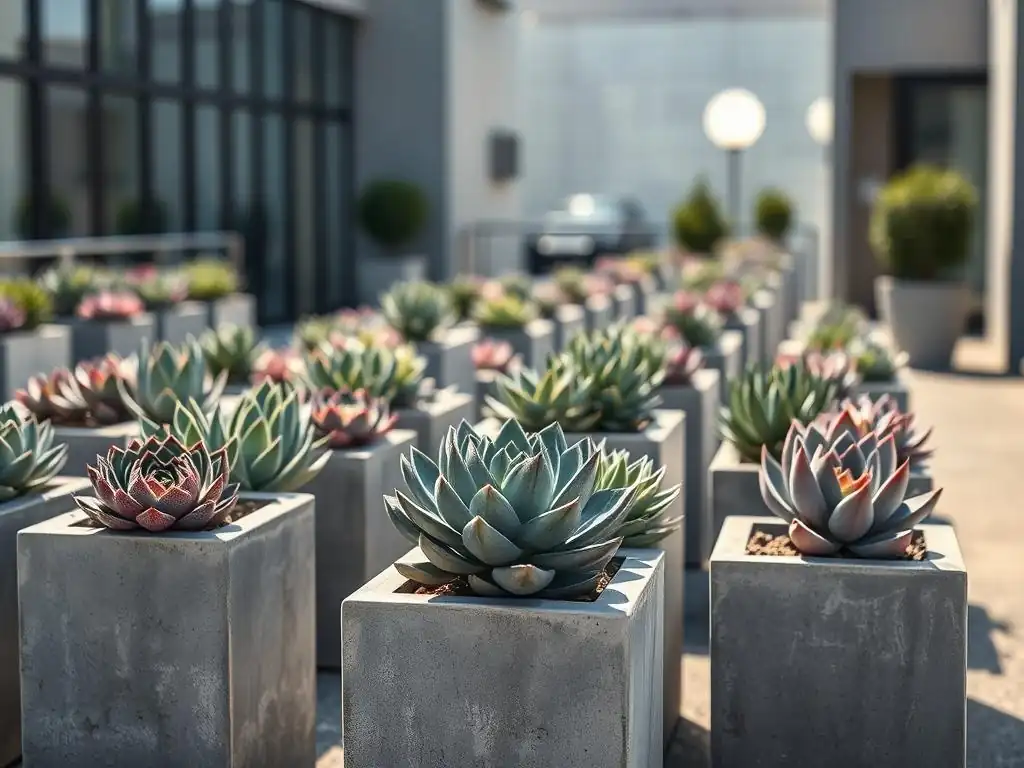
This section delves into the practical aspects of establishing and maintaining thriving succulent landscapes in commercial settings. Successful implementation requires careful planning, expert execution, and a proactive maintenance strategy. Ignoring these crucial steps can lead to significant setbacks, impacting the aesthetic appeal and longevity of your succulent landscaping design ideas.
Professional Installation and Project Management for Large-Scale Projects
Large-scale commercial succulent installations demand meticulous planning and professional execution. Unlike smaller, residential projects, these undertakings require specialized expertise in project management, soil preparation, and plant selection. A phased approach is often necessary, ensuring minimal disruption to ongoing business operations.
Consider these key aspects:
- Site Assessment and Design: A thorough assessment of the site's sun exposure, soil composition, and drainage is paramount. This informs the selection of appropriate succulent species and guides the design process, ensuring optimal plant health and visual impact. Detailed plans, including plant spacing and irrigation layouts, are crucial for a successful installation.
- Soil Preparation: Succulents thrive in well-draining soil. Improper soil preparation can lead to root rot, a significant threat to succulent survival. Amendments like perlite, pumice, and coarse sand are often incorporated to improve drainage and aeration. The scale of commercial projects necessitates the use of heavy machinery for effective soil preparation.
- Plant Selection and Sourcing: Selecting the right succulent species is crucial for long-term success. Consider factors like drought tolerance, sun exposure requirements, and overall aesthetic appeal. Sourcing plants from reputable nurseries ensures high-quality, disease-free specimens, minimizing the risk of plant failure. For large projects, negotiating bulk discounts with nurseries can significantly reduce costs.
- Installation Techniques: Proper planting techniques are essential. Plants should be placed at the correct depth to avoid root damage and ensure stability. Careful handling of succulents during transportation and installation is critical to minimize stress and prevent damage. For large-scale installations, employing experienced crews is vital for efficient and damage-free planting.
- Post-Installation Care: Post-installation monitoring is critical to identify and address any immediate issues. This includes checking for proper watering, signs of stress, and addressing any immediate pest or disease problems. A detailed checklist can help ensure comprehensive post-installation care.
Ongoing Maintenance and Irrigation Strategies for Optimal Health
Maintaining the health and beauty of a commercial succulent landscape requires a proactive approach to irrigation and ongoing care. Neglecting this aspect can lead to plant stress, disease, and ultimately, landscape failure. Effective irrigation is particularly critical, balancing the needs of drought-tolerant succulents with the demands of a commercial environment.
The following points highlight essential strategies:
- Drip Irrigation Systems: Drip irrigation is the preferred method for watering succulents in commercial landscapes. It delivers water directly to the roots, minimizing water waste and preventing foliar diseases. Properly designed systems ensure even water distribution across the entire landscape. Regular maintenance of drip lines is crucial to prevent clogging and ensure optimal water delivery.
- Soil Moisture Monitoring: Regular monitoring of soil moisture levels is essential to avoid both overwatering and underwatering. Soil moisture sensors can provide valuable data, guiding irrigation scheduling and ensuring optimal plant health. Data logging and analysis can help refine irrigation strategies over time, optimizing water use and plant performance.
- Fertilization: While succulents are drought-tolerant, they still require nutrients. A balanced, slow-release fertilizer applied sparingly can promote healthy growth. Over-fertilization can be detrimental, so adhering to recommended application rates is crucial. The frequency and type of fertilizer will depend on the specific succulent species and the soil conditions.
- Weeding: Regular weeding is essential to prevent competition for resources and to maintain the aesthetic appeal of the landscape. Hand weeding is often preferred to avoid damaging succulent roots. Mulching can help suppress weed growth and conserve soil moisture.
Pest and Disease Management in Commercial Succulent Landscapes
Succulents, while generally hardy, are susceptible to certain pests and diseases. Early detection and proactive management are crucial to prevent widespread problems and maintain the health of your commercial succulent landscape.
Here's a breakdown of key considerations:
| Pest/Disease | Symptoms | Management Strategies |
|---|---|---|
| Mealybugs | White, cottony masses on stems and leaves | Insecticidal soap, neem oil, manual removal |
| Aphids | Small, soft-bodied insects, often clustered | Insecticidal soap, neem oil, beneficial insects (ladybugs) |
| Root Rot | Wilting, yellowing leaves, soft stems | Improved drainage, fungicides (as a last resort) |
| Scale Insects | Hard, shell-like insects on stems and leaves | Insecticidal soap, horticultural oil |
Regular inspections are crucial for early detection. Implementing integrated pest management (IPM) strategies, which prioritize preventative measures and minimize the use of chemical pesticides, is environmentally responsible and effective in the long run. This includes promoting beneficial insects and utilizing biological controls whenever feasible. Documenting pest and disease occurrences helps track trends and inform future management strategies, contributing to the long-term health and beauty of your commercial succulent landscape. Remember, preventative measures are always more cost-effective than reactive treatments.
Long-Term Sustainability and Planning for Succulent Landscape Longevity
Creating a thriving commercial succulent landscape requires a long-term vision that extends beyond the initial installation. Careful planning is crucial for ensuring the continued health and beauty of the design for years to come. This involves selecting the right succulent species for the specific microclimate, considering factors like sun exposure, soil drainage, and potential wind exposure.
Different succulents have varying tolerances to these conditions; neglecting this crucial step can lead to significant plant loss and necessitate costly replacements. For example, Echeveria species generally prefer full sun, while Sempervivum (hens and chicks) can tolerate partial shade. Choosing inappropriate species for a given location directly impacts the sustainability and longevity of the project.
Beyond species selection, proper soil preparation is paramount. Succulents thrive in well-draining soil to prevent root rot, a common problem in commercial landscapes where irrigation systems may be less precisely controlled than in home gardens. Amendments like perlite or pumice should be incorporated to improve drainage, especially in heavy clay soils. Regular soil testing can identify nutrient deficiencies and inform fertilization strategies. Over-fertilizing can be as detrimental as under-fertilizing, potentially leading to succulent damage. A balanced approach, tailored to the specific soil conditions and chosen succulent species, is essential for long-term health.
Irrigation strategies are also critical for long-term sustainability. While succulents are drought-tolerant, they still require watering, particularly during establishment and periods of extreme heat. Implementing a smart irrigation system that delivers precise amounts of water based on soil moisture levels can significantly reduce water waste and ensure consistent hydration without overwatering. This is particularly important in commercial settings where water conservation is often a key concern.
Regular monitoring of the irrigation system and adjustments as needed are crucial elements of long-term landscape management. Furthermore, incorporating water-wise design principles, such as grouping succulents with similar water needs, can further optimize irrigation efficiency. Careful planning and implementation of these measures directly impact the overall longevity and sustainability of the succulent landscape.
Case Studies: Successful Commercial Succulent Installations
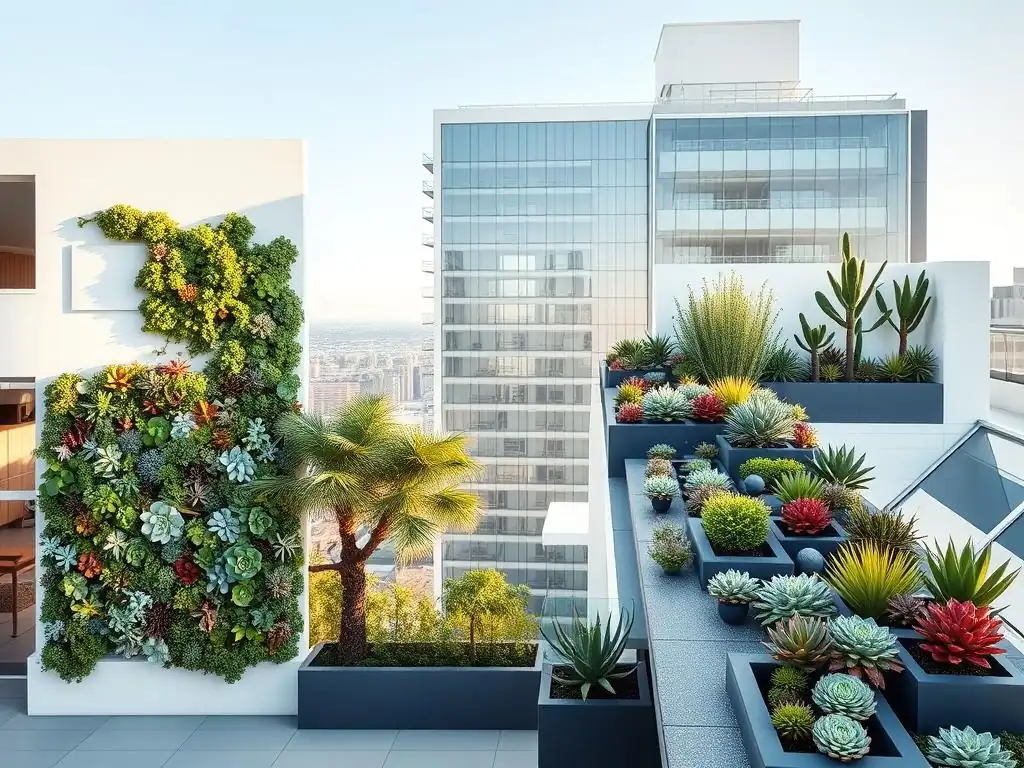
This section showcases real-world examples of successful commercial succulent landscaping projects, demonstrating the versatility and impact of incorporating these drought-tolerant plants into large-scale designs. These case studies highlight diverse applications and innovative design solutions, providing inspiration for your own succulent landscaping design ideas. We analyze the challenges faced, the solutions implemented, and the ultimate results achieved, offering valuable insights for professionals and enthusiasts alike.
Case Study 1: Hotel Landscape Redesign with Succulents
A luxury hotel in a desert climate underwent a complete landscape redesign, replacing its high-maintenance, water-intensive landscaping with a vibrant succulent garden. The goal was to create a visually stunning and environmentally responsible outdoor space that minimized water usage and maintenance costs.
The initial design involved a detailed survey of the existing landscape, soil analysis to determine suitability for succulents, and a meticulous selection of succulent species based on their size, color, texture, and drought tolerance. A diverse range of succulents, including Echeveria, Sedum, and Agave, were chosen to create layers of texture and color throughout the landscape.
The implementation phase focused on careful soil preparation, incorporating amendments to improve drainage and water retention. A sophisticated drip irrigation system was installed to provide targeted watering, minimizing water waste. The team also incorporated large, drought-tolerant boulders and gravel pathways to enhance the desert aesthetic and further reduce water needs.
The final result exceeded expectations. The new succulent landscape significantly reduced water consumption by approximately 75%, while simultaneously enhancing the hotel's curb appeal and creating a tranquil oasis for guests. This project demonstrates the potential for succulent landscaping design ideas to enhance both aesthetics and sustainability in commercial settings. The cost savings in water and maintenance alone made this a highly successful and financially sound choice for the hotel.
Case Study 2: Office Building Green Wall Installation
A modern office building integrated a large-scale vertical succulent garden as part of its commitment to sustainable design and employee well-being. The challenge was to create a visually appealing and functional green wall that could thrive in a partially shaded environment.
The design process involved selecting succulent varieties known for their tolerance to varying light conditions and their ability to grow in vertical spaces. A specialized green wall system was employed, incorporating a lightweight, modular structure with integrated irrigation. The system ensured adequate water and nutrient delivery to the succulents while minimizing maintenance requirements.
The installation process required careful planning and execution, with a team of experienced horticulturalists ensuring the proper placement and support of each succulent. Regular monitoring and maintenance were implemented to address any issues promptly and maintain the overall health and vitality of the green wall.
The completed green wall not only improved the building's aesthetic appeal but also enhanced indoor air quality and provided a calming visual backdrop for employees. This project showcases the versatility of succulents in innovative green building design, demonstrating how succulent landscaping design ideas can be seamlessly incorporated into vertical spaces. The positive impact on employee morale and the building's overall sustainability profile further solidified the success of this project.
Case Study 3: Retail Space Xeriscaping with Succulents
A retail center located in an arid region implemented a xeriscaping strategy using succulents to create a low-maintenance, water-wise landscape that complemented the building's modern design. The primary goal was to minimize water usage while maximizing visual appeal and creating a welcoming atmosphere for customers.
The design incorporated a variety of succulent species, carefully selected to create a visually interesting and diverse landscape. The team focused on creating distinct planting beds, using contrasting textures and colors to enhance the overall aesthetic. They incorporated pathways made of permeable paving materials to allow for water infiltration and minimize runoff.
The installation involved careful soil preparation, ensuring proper drainage and the addition of organic matter to improve soil fertility. A low-volume irrigation system was implemented, providing targeted watering to the planting beds. Regular maintenance included weeding, pruning, and occasional fertilization to maintain the health and vigor of the succulents.
The resulting xeriscape significantly reduced water consumption compared to traditional landscaping, while simultaneously enhancing the retail center's curb appeal and creating a welcoming environment for customers. This case study highlights the practicality and beauty of succulent landscaping design ideas in commercial settings, demonstrating their potential to contribute to both environmental sustainability and business success. The positive customer feedback and the reduced maintenance costs further emphasized the project's success.
The Future of Commercial Succulent Landscaping Design
The integration of succulents into commercial landscaping is rapidly evolving, moving beyond simple plantings to become a sophisticated design element reflecting modern aesthetics and sustainability. This shift presents exciting opportunities for landscape architects and businesses alike, offering a unique blend of visual appeal and ecological responsibility. The increasing popularity of succulent landscaping design ideas stems from the plants' inherent drought tolerance, low maintenance requirements, and striking visual diversity.
This section explores the key drivers shaping this burgeoning field and the innovative approaches transforming commercial landscapes. We'll examine emerging trends, technological advancements, and the growing demand for environmentally conscious landscaping solutions, solidifying the position of succulents as a cornerstone of modern green building design.
Emerging Trends and Innovations in Succulent Landscape Design
Several key trends are shaping the future of succulent landscaping design ideas in commercial settings. We are seeing a move away from homogenous plantings towards more dynamic and artistic arrangements. This includes:
- Sculptural Planting: The use of succulents to create three-dimensional forms and focal points, mimicking natural rock formations or abstract art installations. Think cascading walls of Echeveria or meticulously arranged Sedum to form geometric patterns. This approach allows for creative expression and unique branding opportunities for businesses.
- Color and Texture Play: Designers are increasingly utilizing the vast array of succulent colors and textures to create visually stunning landscapes. Combining vibrant hues of Sedum with the muted tones of Graptopetalum or the striking textures of Agave can produce breathtaking results. This allows for the creation of landscapes that are both aesthetically pleasing and ecologically sound.
- Integration with Other Plants: While succulents are the stars of the show, integrating them with drought-tolerant grasses, shrubs, and groundcovers can create a more balanced and diverse ecosystem. This approach enhances biodiversity and adds visual interest, showcasing the versatility of succulent landscaping design ideas.
- Xeriscaping Integration: The inherent drought-resistance of succulents makes them ideal for xeriscaping, a landscaping approach that minimizes water usage. This is particularly relevant for commercial settings, where water conservation is a major concern. Careful planning and selection of appropriate species are crucial for successful xeriscaping integration.
Technological Advancements in Irrigation and Maintenance
Technological advancements are playing a crucial role in optimizing succulent landscape maintenance and water management. This includes:
- Smart Irrigation Systems: Sophisticated irrigation systems, incorporating soil moisture sensors and weather data, allow for precise water delivery, minimizing waste and ensuring optimal plant health. This technology is especially important in commercial settings where efficient resource management is paramount.
- Automated Weeding and Pest Control: Robotics and AI-powered solutions are emerging to address weed control and pest management, reducing the need for manual intervention and harmful chemicals. These technologies promise to drastically reduce maintenance costs and enhance sustainability.
- Data-Driven Landscape Management: The use of sensors and data analytics allows for real-time monitoring of plant health, soil conditions, and water usage. This provides valuable insights for proactive maintenance and informed decision-making, leading to more resilient and aesthetically pleasing landscapes.
The Growing Demand for Sustainable and Water-Wise Landscaping Solutions
The demand for sustainable and water-wise landscaping solutions is driving the adoption of succulent landscaping design ideas in commercial settings. Businesses are increasingly recognizing the environmental and economic benefits of incorporating drought-tolerant plants, including:
- Reduced Water Consumption: Succulents require significantly less water than traditional landscaping plants, leading to substantial cost savings and reduced environmental impact. This aligns with corporate social responsibility initiatives and resonates with environmentally conscious consumers.
- Lower Maintenance Costs: The low maintenance requirements of succulents translate to reduced labor costs and long-term savings for businesses. This makes them an economically viable option for commercial landscaping projects.
- Enhanced Biodiversity: Well-designed succulent landscapes can support a diverse range of pollinators and beneficial insects, contributing to local biodiversity and improving the overall health of the ecosystem. This aspect appeals to businesses committed to environmental stewardship.
- Improved Air Quality: Succulents, like many plants, contribute to improved air quality by absorbing carbon dioxide and releasing oxygen. This adds another layer of environmental benefit to their already impressive list of advantages. The incorporation of succulents into commercial landscaping projects is not just a trend; it is a strategic move towards a more sustainable and aesthetically pleasing future.
Succulent Landscaping: A Sustainable Investment for Commercial Properties
Succulent landscaping represents a significant shift in commercial property development, moving beyond mere aesthetics to encompass environmental responsibility and long-term cost savings. The drought-tolerance inherent in succulents makes them an incredibly sustainable choice, reducing the need for extensive irrigation systems and minimizing water consumption – a crucial factor in regions facing water scarcity. This translates directly into lower water bills, a considerable advantage for any business aiming to reduce operational expenses.
Furthermore, the reduced need for frequent watering contributes to a smaller carbon footprint, aligning with the growing corporate commitment to environmental, social, and governance (ESG) initiatives. Many businesses are actively seeking ways to demonstrate their commitment to sustainability, and incorporating succulent landscaping is a highly visible and impactful way to achieve this.
The initial investment in establishing a succulent landscape might seem higher than traditional landscaping, but the long-term savings in water and maintenance easily offset this initial cost. The resilience of succulents also means reduced maintenance needs; they require less fertilization and pest control compared to other plants, leading to further cost reductions.
This sustainable approach isn't just financially beneficial; it also enhances the property's value. Studies have shown that green spaces, particularly those demonstrating a commitment to sustainability, positively impact property values. A well-maintained succulent landscape adds curb appeal, attracting potential clients and tenants, and improving the overall aesthetic appeal of the commercial property. This can translate to higher rental rates and increased property value, making succulent landscaping a sound financial investment with a demonstrably positive return on investment (ROI).
The use of drought-tolerant succulents also aligns with growing consumer demand for environmentally conscious businesses, further enhancing a company's brand image and reputation. In essence, succulent landscaping offers a triple win: environmental sustainability, cost-effectiveness, and enhanced property value. It represents a forward-thinking approach to commercial property management that balances financial prudence with ecological responsibility.
Frequently Asked Questions
What is commercial succulent landscaping?
Commercial succulent landscaping uses succulents in large-scale, professional landscaping projects, such as office buildings, hotels, or public spaces. It offers a unique, drought-tolerant, and low-maintenance alternative to traditional landscaping. This is becoming increasingly popular due to its sustainability and visual appeal.
What are the benefits of using succulents in commercial landscaping?
Succulents offer several advantages: they require minimal watering, are highly adaptable to various climates, and provide long-lasting visual interest. Their low maintenance translates to cost savings and reduced environmental impact.
How much does commercial succulent landscaping cost?
The cost varies greatly depending on the scale of the project, the types of succulents used, and the level of design complexity. It's best to get a customized quote from a professional landscaping company specializing in succulents.
Are succulents suitable for all climates?
While succulents are known for their drought tolerance, different varieties thrive in different conditions. Choosing climate-appropriate succulents is crucial for successful commercial landscaping. A professional can advise on the best choices for your specific location.
Where can I find a professional for succulent landscaping design?
Many landscaping companies now specialize in succulent design. You can find them through online searches, local directories, or by contacting nurseries specializing in succulents. Look for companies with proven experience in commercial projects.
Final Reflection: Blooming Sustainability: The Enduring Power of Succulents
The integration of succulent landscaping into green building design is no longer a niche trend; it's a vital component of a sustainable future. The drought-resistant nature of succulents, coupled with their aesthetic versatility, offers a powerful solution to the growing challenges of water scarcity and urban heat island effects, making them a crucial element in environmentally conscious building practices.
The shift towards succulent landscaping reflects a broader cultural awakening to the importance of biodiversity and responsible resource management. We are increasingly recognizing the interconnectedness of our built environments and the natural world, seeking harmonious solutions that benefit both. The earth provides enough to satisfy every man's needs but not every man's greed.
- Mahatma Gandhi. This quote underscores the urgency of adopting sustainable practices like succulent landscaping, which prioritize resource efficiency and minimize environmental impact. The beauty of these resilient plants serves as a constant reminder of nature's ability to thrive even in challenging conditions, inspiring us to find similar resilience in our own approaches to design and living.
Consider the potential within your own sphere of influence. Imagine the impact of incorporating even a small succulent garden into your home, your workplace, or your community. You can be a part of this growing movement, championing sustainable design and contributing to a greener, more beautiful world, one succulent at a time. Let the enduring beauty and resilience of succulents inspire you to create spaces that are both aesthetically pleasing and environmentally responsible.
Unleash Your Green Thumb: Design a Thriving Succulent Landscape
Thanks for exploring the exciting world of commercial succulent landscaping! You've learned how these resilient plants can transform building design and contribute to a more sustainable future. Ready to put your knowledge into practice?
- Design your dream succulent landscape: Start sketching ideas for your commercial space, considering the building's unique needs and the diverse beauty of succulents. Think beyond the ordinary—what innovative designs can you create? Consider factors like sunlight exposure, water availability, and the overall aesthetic you want to achieve.
- Share your succulent vision: Inspire others by posting your design ideas on social media and using the hashtag #SucculentEssentials. Let's build a community of environmentally conscious designers!
- Explore our comprehensive resource library at SucculentEssentials.org for in-depth guides and expert tips to help you through every step of the process. We offer advice on plant selection, installation, and ongoing care to ensure your succulent landscape thrives.
What creative succulent landscaping solutions will you bring to life?