
Succulent Competition Preparation: A StepbyStep Guide

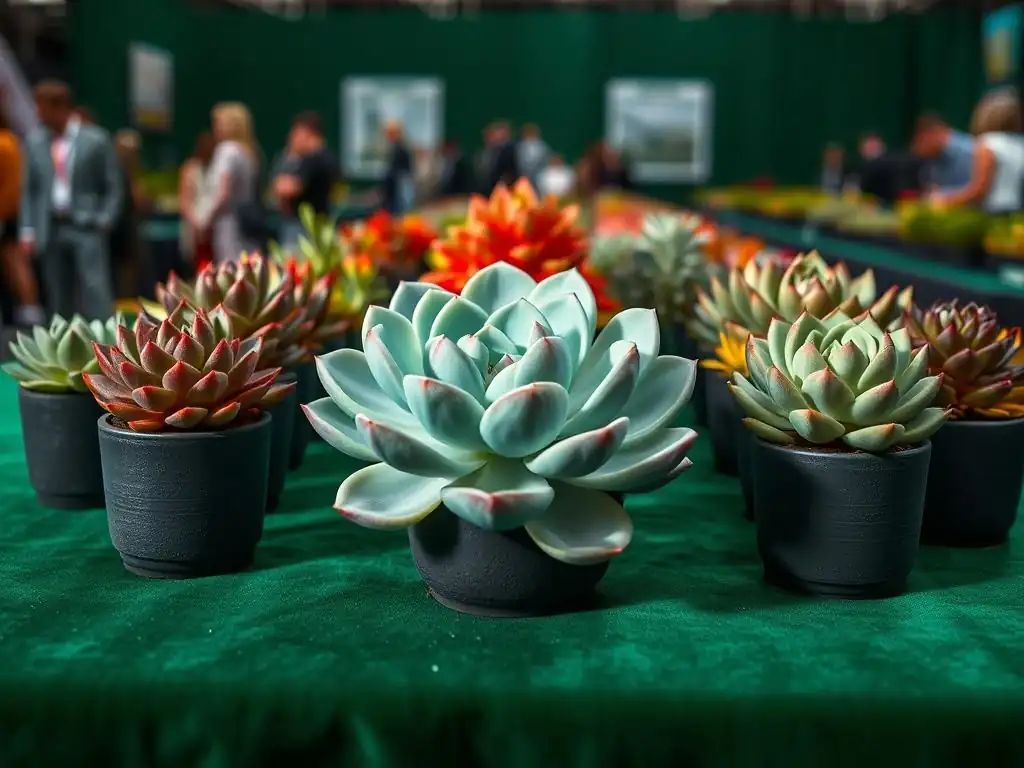
Welcome to SucculentEssentials.org, your gateway to the fascinating world of succulents! Are you ready to elevate your succulent game? Then prepare to unlock the secrets to winning succulent competitions. Discover expert advice and proven strategies within our comprehensive "Win succulent competition guide", designed to help you cultivate award-winning plants. Dive in and learn how to cultivate, care for, and showcase your succulents like a true professional – your journey to succulent success starts now!
- Winning Succulent Competitions: A Comprehensive Guide for Beginners and Experts
- Selecting Your Winning Succulents for Competition
- Preparing Your Succulents for the Show
- Transportation and Display Strategies
- Show Day Success Strategies: Tips and Tricks
- Beyond the Ribbon: Learning from the Experience
-
Frequently Asked Questions
- What are the key judging criteria in most succulent competitions?
- How can I improve my succulents' chances of winning?
- What types of succulents typically do well in competitions?
- What are some common mistakes to avoid when preparing succulents for a competition?
- Where can I find information on local succulent competitions?
- Final Reflection: Cultivating Success: Beyond the Ribbon
- Unleash Your Inner Succulent Expert!
Winning Succulent Competitions: A Comprehensive Guide for Beginners and Experts
Entering a succulent competition can be a thrilling experience for any plant enthusiast! Whether you're a seasoned cultivator or a burgeoning hobbyist, the chance to showcase your carefully nurtured succulents and compete against fellow enthusiasts is incredibly rewarding. This guide provides a step-by-step approach to preparing your succulents for competition, covering everything from understanding judging criteria to perfecting presentation techniques. We'll delve into the key aspects judges look for, helping you boost your chances of taking home a prize and achieving your goal of winning a succulent competition.
This comprehensive guide will equip you with the knowledge and strategies needed to confidently enter and excel in the world of succulent competitions. Get ready to transform your succulent passion into competitive success! 🎉
Understanding Succulent Competition Judging Criteria
The key to winning any succulent competition lies in understanding what judges prioritize. While specific criteria may vary slightly between competitions, several common themes consistently emerge. Judges assess a variety of factors, ensuring a holistic evaluation of each entry. Let's explore these crucial aspects in detail:
Judging Criteria for Size and Health
Judges highly value succulents that exhibit exceptional health and vigor. This encompasses several key elements:
- Size and Proportion: The ideal size often depends on the specific class or category of the competition. However, a well-proportioned plant, exhibiting balanced growth and a harmonious shape, is generally preferred over an overly large or stunted specimen.
- Leaf Condition: Look for plump, firm leaves free from blemishes, pests, or diseases. Healthy leaves typically display vibrant coloration and a healthy sheen. Signs of stress, such as wilting, discoloration, or leaf drop, will negatively impact your score.
- Root System: While not always directly visible, a robust root system is crucial for a healthy plant. This indicates that the succulent is thriving and well-established. [Specific information pending on how to indirectly assess root health during judging]
- Overall Vigor: A truly exceptional entry will radiate health and vitality. This encompasses factors like leaf color intensity, growth rate, and the overall aesthetic impression of robustness and resilience.
Assessing Aesthetic Appeal and Presentation
Beyond health, the aesthetic appeal of your succulent significantly influences the judge's assessment. This aspect involves:
- Color and Texture: Striking color combinations and unique textures are highly valued. The visual impact of your succulent, its overall attractiveness, is a critical factor.
- Form and Shape: The overall shape and form of your succulent, including its branching pattern, leaf arrangement, and overall silhouette, all contribute to its aesthetic appeal. Unusual or striking shapes are often rewarded.
- Presentation: The way you present your succulent is just as important as the plant itself. A clean, well-maintained pot, a well-designed display, and a clear label all enhance the overall impression.
Evaluating Species Authenticity and Rarity
For some competitions, the accuracy of species identification and the rarity of the succulent are important factors.
- Accurate Identification: Ensure you correctly identify the species of your succulent. Incorrect identification can lead to disqualification or a lower score.
- Rarity and Uniqueness: While not always a primary criterion, rare or unusual varieties often receive higher marks. Documenting the provenance of your succulent can be beneficial. [Specific information pending on documenting succulent provenance].
- Cultivation Challenges: If your entry represents a species known for being difficult to cultivate, successfully growing it to a healthy state will significantly boost your score. This highlights your expertise and dedication.
This detailed breakdown of judging criteria will significantly enhance your competitive preparation. Remember that consistent practice, meticulous care, and a deep understanding of succulent cultivation are key to success!
Selecting Your Winning Succulents for Competition
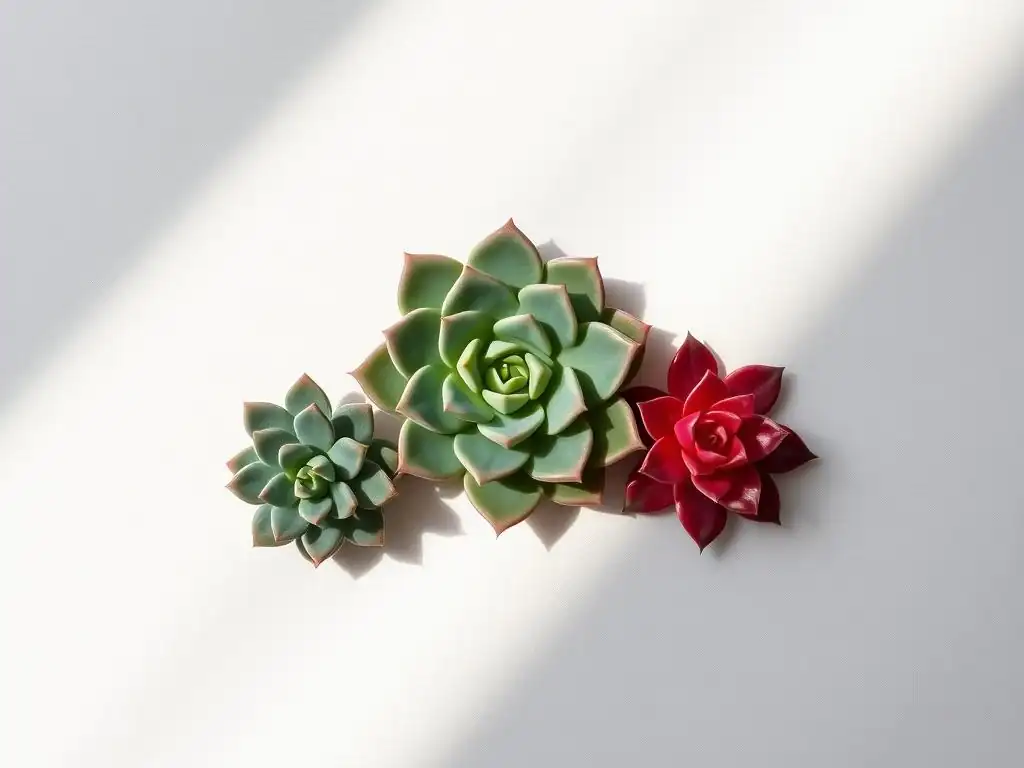
Winning a succulent competition requires careful planning and execution, starting with the selection of your plants. This section focuses on choosing specimens that not only meet the competition's criteria but also showcase their inherent beauty and health. The key to a winning entry is understanding what judges look for and presenting succulents that exemplify those qualities. This involves careful consideration of factors like health, maturity, and uniqueness. Let's delve into the specifics.
Choosing Healthy and Mature Specimens
The foundation of any winning succulent entry is a healthy and mature specimen. Judges prioritize plants free from pests, diseases, and signs of stress. Look for succulents with plump, firm leaves, vibrant coloration, and a well-defined growth habit. Avoid plants exhibiting etiolation (leggy growth due to insufficient light), sunburn, or any signs of rot or infestation. A mature plant, exhibiting its full potential, is more likely to impress judges than a young, underdeveloped one.
Consider the specific competition's rules regarding size and age. Some competitions may have specific size requirements, favoring larger, more established plants. Others might focus on younger specimens, showcasing rapid growth or unique propagation techniques. Always check the rules before making your selection.
- Visual Inspection: Carefully examine each succulent for any signs of damage, including:
- Brown or yellowing leaves
- Soft or mushy areas
- Insect infestations (mealybugs, aphids, etc.)
- Signs of fungal diseases
- Firmness Test: Gently press on the leaves. Healthy leaves should be firm and plump. Soft or shriveled leaves indicate potential problems.
- Root Check (optional): For potted succulents, gently examine the roots. Healthy roots should be white or light brown and not overly compacted.
Remember, healthy succulents are more likely to survive the transport and display process, ensuring your entry remains in peak condition on show day. A healthy plant is the first step towards winning a succulent competition.
Identifying Rare and Unique Succulent Varieties
While health is paramount, selecting rare or unique succulent varieties significantly enhances your chances of winning. Judges often favor plants that are unusual, exhibiting uncommon coloration, form, or characteristics. This doesn't necessarily mean you need the most expensive or obscure succulent; rather, it's about showcasing something different and captivating.
Consider these factors when searching for unique succulents:
- Unusual Coloration: Succulents with unusual leaf colors, variegations, or markings tend to stand out. Think striking reds, blues, or unusual patterns.
- Unusual Form: Look for succulents with unusual growth habits, like crested forms (fasciated growth), monstrose forms (abnormal growth), or miniature varieties.
- Hybrids and Cultivars: Many unique succulents are hybrids or cultivars, bred for their distinctive traits. Researching these varieties can lead to some truly eye-catching specimens.
Remember to properly identify your succulent and provide accurate labeling for the competition. This demonstrates your knowledge and expertise. A well-researched and accurately identified plant will score higher than an unidentified one, even if it's visually stunning. Knowing the specific name and cultivar of your succulent adds to its overall appeal and demonstrates your dedication to the hobby.
Preparing Your Succulents for Show Day: Pruning and Cleaning
The final stage before the competition involves meticulous preparation of your chosen succulents. This includes careful pruning to enhance their shape and remove any blemishes, as well as thorough cleaning to ensure they are spotless and presentable. A well-groomed succulent will make a much stronger impression than a neglected one.
- Pruning: Remove any dead, damaged, or yellowing leaves. Gently prune any overly long stems or branches to improve the overall shape and symmetry of the plant. Avoid aggressive pruning close to the show date, allowing time for the plant to recover.
- Cleaning: Gently wipe down the leaves of your succulents with a soft, damp cloth to remove any dust or debris. Be careful not to damage the delicate leaves. Avoid using harsh chemicals or cleaning solutions.
- Potting (if applicable): Ensure your succulent is in a clean, attractive pot that complements the plant. Avoid using chipped or damaged pots. The pot should be appropriately sized for the plant and should not detract from the plant's beauty.
Remember, presentation is key. A meticulously prepared succulent will always stand out. Even the most beautiful succulent will be penalized if it appears unkempt or dirty. Take your time, be patient, and make sure your entry is in perfect condition for judging. This final preparation step is crucial for achieving a winning entry.
Preparing Your Succulents for the Show
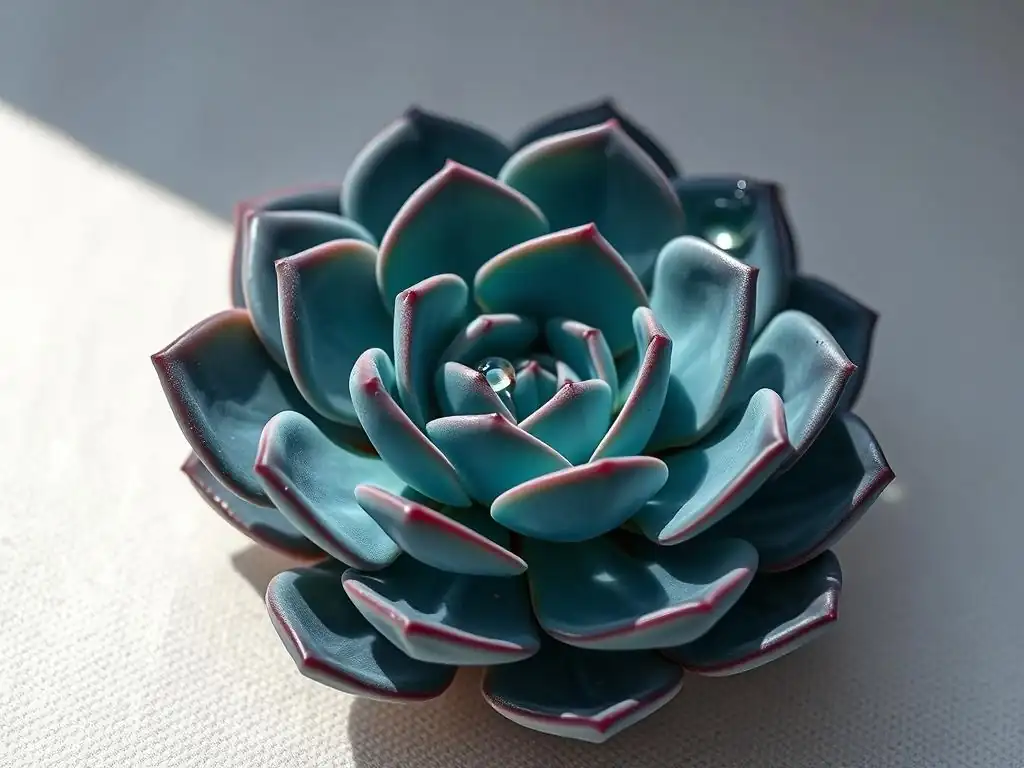
This section focuses on the crucial pre-show preparation of your succulents to maximize their chances of winning a succulent competition. We'll cover essential techniques to ensure your plants are healthy, vibrant, and beautifully presented. Remember, winning isn't just about the plant's inherent beauty; it's about showcasing it at its absolute best. This guide will help you achieve that.
Proper Potting and Repotting Techniques for Competition
Proper potting is paramount for a winning succulent. Judges look for healthy root systems, appropriate pot size, and the overall well-being of the plant, all indicators of excellent care. Avoid repotting too close to the competition date; aim for at least 4-6 weeks beforehand to allow the plant to settle and recover from any transplant shock.
Here's a breakdown of best practices:
- Pot Selection: Choose pots that are well-draining. Terracotta pots are excellent choices because they allow for good air circulation and prevent waterlogging, a common succulent killer. The pot size should be proportional to the plant; a significantly oversized pot can lead to root rot, while one that's too small can restrict growth. Avoid plastic pots as they don't breathe as well.
- Soil Mix: Use a well-draining succulent and cacti potting mix. You can purchase pre-made mixes or create your own by combining potting soil, perlite, and coarse sand. The ideal mix will retain some moisture but won't become soggy. Avoid using garden soil, as it retains too much water and is prone to fungal diseases.
- Repotting Process: Gently remove the plant from its old pot, taking care not to damage the roots. Inspect the roots and remove any that are dead or rotting. Place a layer of drainage material (like gravel or small pebbles) at the bottom of the new pot. Add a portion of the potting mix, place the succulent, and fill in the remaining space with more mix, ensuring the crown of the plant remains above the soil line.
- Watering After Repotting: After repotting, wait a week or two before watering to allow the roots to heal and establish themselves in the new soil. This prevents root rot, a common problem after repotting.
Creating Stunning Displays: Pot Selection and Arrangement
The visual presentation of your succulent is just as important as its health. Judges appreciate attention to detail, harmonious arrangements, and a sense of artistry. This is where pot selection and arrangement play a vital role in winning a succulent competition.
- Pot Selection for Display: This goes beyond just drainage. Consider the pot's aesthetics. A beautiful pot complements the succulent and enhances its overall appeal. The pot's color, texture, and shape should work in harmony with the plant. Avoid overly flashy or distracting pots that take away from the plant itself. Consider using complementary colors or textures.
- Arrangement Techniques: For single succulents, choose a pot that complements the plant's size and shape. For multiple succulents, consider creating a cohesive arrangement. Use different sizes and textures of succulents to create visual interest. Ensure the plants are spaced appropriately and don't overcrowd the pot.
- Adding Accents: Subtle accents can enhance the arrangement. Consider adding small decorative stones, pebbles, or even a layer of moss to the top of the soil. However, keep it simple and tasteful; avoid anything that distracts from the plants themselves.
Essential Tools and Supplies for Show Day
Having the right tools and supplies on show day ensures a smooth and stress-free experience. This is especially important if you need to make last-minute adjustments or repairs. Proper preparation is key to avoid any unforeseen issues. Here’s a checklist:
| Tool/Supply | Description | Importance |
|---|---|---|
| Small Trowel | For gentle handling of plants and soil. | Prevents root damage during transport and any necessary adjustments. |
| Spray Bottle | For misting plants to maintain hydration and freshness. | Helps to maintain the plants' appearance, especially in dry environments. |
| Tweezers/Forceps | For removing any stray leaves or debris. | Ensures a clean and polished presentation. |
| Plant Labels | Clearly identify the plant's name and variety. | Crucial for judging and prevents any confusion about plant identification. |
| Gloves | Protect your hands and prevent the transfer of diseases or pests. | Maintains hygiene and protects your plants. |
| Small Hand Rake | For smoothing the soil surface and creating a neat finish. | Improves the overall appearance of the pot and the arrangement. |
| Spare Potting Mix | In case of any spills or if minor soil adjustments are needed on the day of the show. | Allows for quick fixes and prevents last-minute panic. |
| Small Brush | To gently remove dust from the plant's leaves. | Adds the final touch for a pristine presentation. |
Remember, meticulous preparation is the key to winning a succulent competition. By paying attention to detail in every aspect – from proper potting and repotting to creating stunning displays and having the right tools on hand – you greatly increase your chances of success. Good luck! 🏆
Transportation and Display Strategies
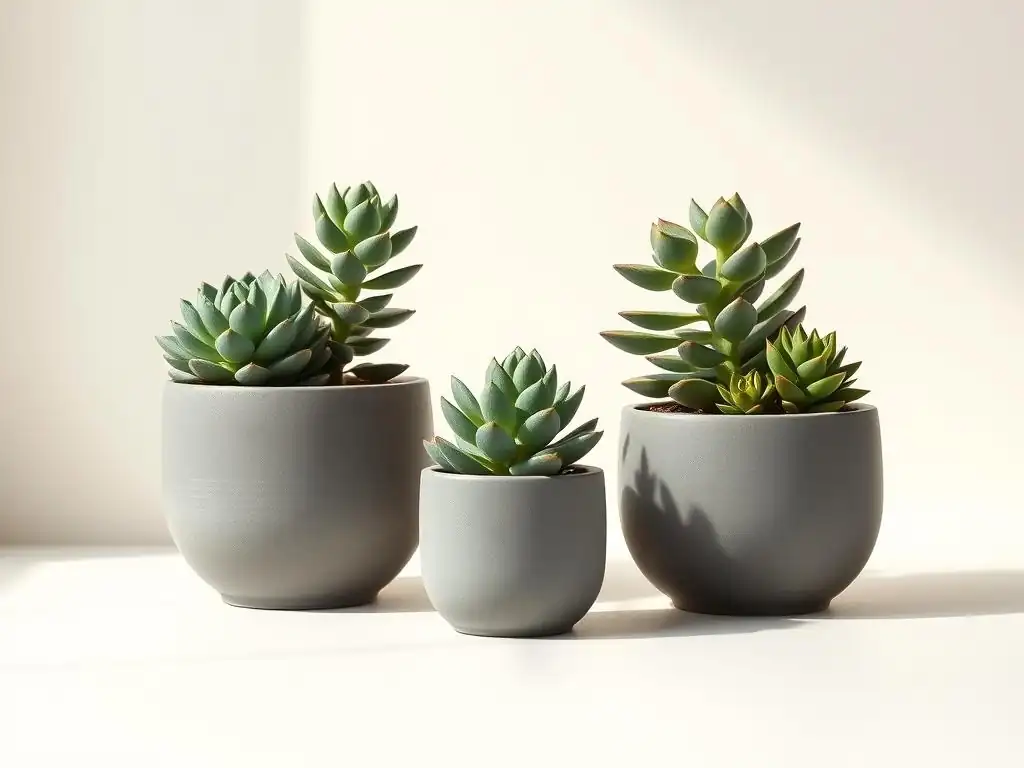
This section focuses on the crucial aspects of transporting your succulents safely and showcasing them effectively at the competition. Proper preparation significantly impacts your chances of winning a succulent competition, so meticulous attention to detail is key. Remember, a winning entry isn't just about the plant's health; it's about its presentation. This guide will help you navigate the logistics of getting your prized succulents to the show and displaying them to their full potential. Winning a succulent competition requires more than just healthy plants; it requires strategic planning for transport and display, which we will discuss in detail.
Safe Transportation of Succulents to the Show
Transporting delicate succulents requires careful planning to prevent damage. Avoid harsh conditions that could stress your plants. Consider the time of year and the weather forecast. Extreme heat or cold can be detrimental. Here's a step-by-step guide to ensure a safe journey:
- Choose the Right Container: Use sturdy containers, preferably ones with adequate ventilation. Avoid using plastic bags, as they can trap moisture and lead to rot. Cardboard boxes with air holes punched in the sides are a good option. For larger pots, consider using a padded container to minimize movement during transit.
- Provide Support: Secure your succulents within the container to prevent them from shifting and bumping against each other. You can use bubble wrap, packing peanuts, or even rolled-up newspaper to cushion your plants. For particularly tall or fragile specimens, consider individual supports.
- Protect from the Elements: If transporting your succulents on a hot day, place them in a shaded area of your vehicle. Consider using a cooler, but ensure adequate ventilation to prevent condensation. On cold days, wrap the container in a blanket or use a heat pack (avoid direct contact with the plants).
- Avoid Direct Sunlight: Direct sunlight can quickly overheat your succulents. Keep them away from direct sunlight during transport. Even on a cloudy day, prolonged exposure can cause damage.
- Plan Your Route: If your journey is long, plan rest stops to check on your plants and provide any necessary adjustments. This allows you to catch any issues early on, and ensures the succulents arrive in prime condition.
Setting Up Your Display for Maximum Impact
The way you present your succulents significantly impacts the judges' perception. A well-planned display can elevate even a moderately healthy plant, while a poorly presented specimen, even a perfectly healthy one, may not stand out. Consider these points:
- Choose the Right Pot: The pot should complement the plant, not overpower it. Consider the size, shape, color, and material of the pot. A simple, elegant pot allows the succulent's beauty to shine.
- Create Visual Appeal: Use contrasting colors and textures to create a visually appealing arrangement. Consider adding decorative elements, but avoid anything that distracts from the succulents themselves. Simplicity and elegance often win.
- Lighting Considerations: Understand how lighting impacts the display. Avoid harsh, direct lighting that can cast unflattering shadows. Soft, diffused lighting is ideal. The show's lighting should be considered when planning your display.
- Height and Placement: Carefully consider the height and placement of your succulents. Taller succulents should generally be placed in the back, while smaller ones should be in the front. Balance and visual flow are essential.
- Cleanliness is Key: Ensure your pots and plants are clean and free of dust or debris. This detail shows attention to care and enhances the overall presentation. A little extra effort can make a big difference.
Handling and Protecting Your Succulents During the Show
Once your succulents are on display, you need to maintain their condition throughout the show. This involves careful handling and protection from potential hazards:
- Avoid Touching: Encourage others to admire your succulents from a distance. Constant handling can damage fragile leaves and stems. A clear barrier can help prevent accidental damage.
- Monitor Conditions: Keep an eye on the temperature and lighting conditions at the show. If necessary, make adjustments to protect your plants from excessive heat or cold. This might involve repositioning your display or using temporary shading.
- Protect from Pests and Diseases: Be vigilant against pests and diseases. Inspect your plants regularly and take appropriate measures if you notice any issues. Early detection is crucial for preventing widespread problems.
- Water Wisely: Avoid overwatering your plants during the show. Overwatering can lead to root rot and other issues. If necessary, provide minimal watering, but only if absolutely needed, and with utmost care.
- Labeling: Ensure your plants are clearly labeled with their names and any relevant information. This helps judges identify the species and assess your knowledge. Accurate labeling is a crucial detail. Using neat, clearly visible labels is paramount.
Remember, winning a succulent competition is a combination of growing healthy plants and presenting them strategically. By following these guidelines, you'll significantly increase your chances of success. Good luck! 🏆
Show Day Success Strategies: Tips and Tricks
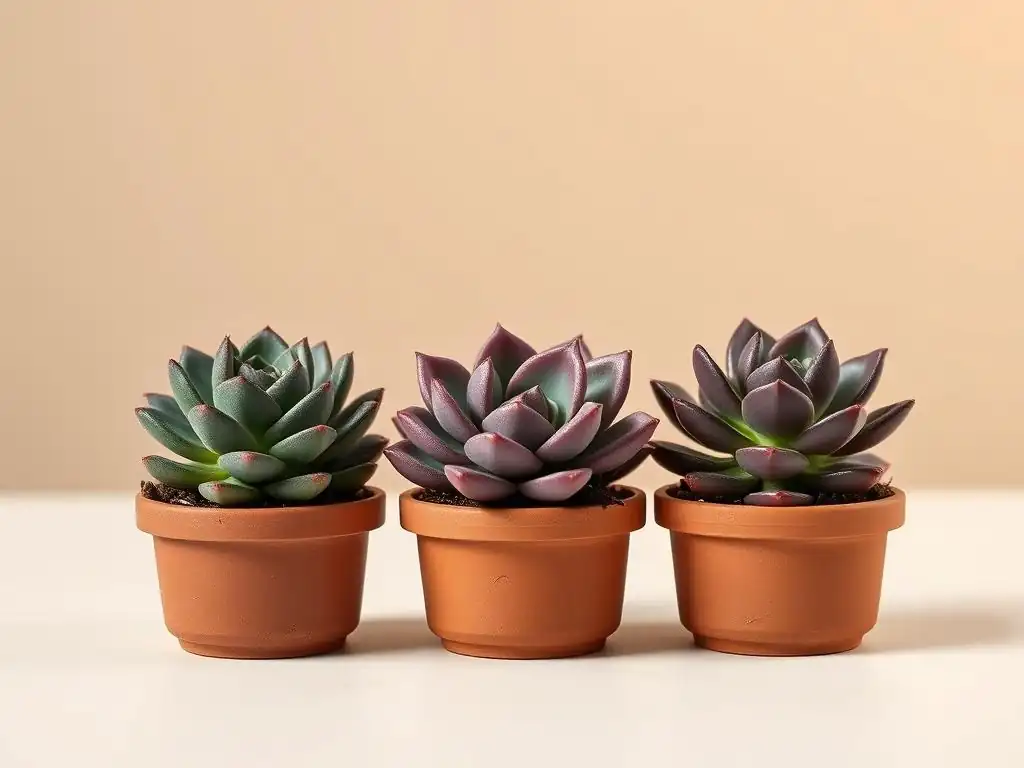
This section focuses on the crucial elements contributing to a successful showing on competition day. Preparation is key, but executing your plan flawlessly under pressure is equally important. Winning a succulent competition isn't just about growing a healthy plant; it's about presenting it in the best possible light.
Mastering the Art of Succulent Presentation
Presentation is paramount in any succulent competition. Judges are assessing not just the health of your plant but also its aesthetic appeal. Think of it as showcasing a piece of art. Here's how to elevate your presentation:
- Cleanliness is key: Ensure your succulent is free from dust, debris, or pests. Gently wipe the leaves with a soft, damp cloth. A clean plant instantly appears more vibrant and healthy.
- Potting Perfection: The pot itself plays a significant role. Choose a pot that complements your succulent, not overshadows it. Avoid chipped or cracked pots. A well-draining pot is crucial, and the soil should be level and neat, not overflowing or spilling over the edges. Consider the pot's color and texture – these elements can enhance the overall presentation.
- Strategic Placement: Consider the lighting conditions at the show. Avoid placing your succulent in direct sunlight, which could scorch the leaves. Ensure your plant is easily visible to the judges without being crowded or obscured by other entries.
- Supporting Structures: For larger or more sprawling succulents, consider using appropriate supports to maintain shape and prevent drooping. These supports should be unobtrusive and aesthetically pleasing. Think of elegant stakes or small, discreet wires.
- Labels and Information: Make sure your entry label is clearly visible, accurately filled out, and free of smudges or errors. A well-presented label reflects attention to detail.
Remember, even minor details contribute to the overall impression. A perfectly presented succulent communicates professionalism and pride in your work, significantly increasing your chances of winning a succulent competition.
Engaging with Judges and Fellow Enthusiasts
While your succulent's health and presentation are primary, interacting professionally and respectfully with judges and fellow competitors can subtly influence the outcome.
- Professionalism: Maintain a courteous and respectful demeanor throughout the show. Engage positively with judges and other participants, demonstrating your passion for succulents. Avoid arguing or criticizing other entries.
- Knowledge Display: Be prepared to answer questions from the judges about your succulent. Know its variety, propagation method, care requirements, and any unique challenges you faced in cultivating it. This showcases your expertise and dedication.
- Networking: Succulent shows are excellent networking opportunities. Connect with other enthusiasts, share your knowledge, and learn from their experiences. This builds community and can lead to valuable collaborations in the future. This is valuable for future competitions and building your reputation within the succulent community.
Engaging constructively with the judging process and fellow competitors not only boosts your chances but also enriches your experience and strengthens your position within the succulent community.
Post-Show Care and Maintenance of Your Winning Succulents
Winning a succulent competition is a fantastic achievement, but the journey doesn't end there. Proper post-show care is crucial to maintain the health and vibrancy of your prize-winning succulents.
- Gentle Handling: Avoid rough handling during transport back home. Protect your succulents from extreme temperatures and sudden jolts.
- Acclimatization: Gradually acclimate your succulents to their new environment. Avoid immediate changes in light, temperature, or humidity.
- Watering and Feeding: Resume your regular watering and feeding schedule, adjusting as needed based on the environment. Avoid overwatering, which is a common problem after a show.
- Monitoring: Regularly inspect your succulents for signs of stress, pests, or diseases. Address any issues promptly.
- Propagation (Optional): If your winning succulent is easily propagated, consider taking cuttings to create new plants. This allows you to share your success and expand your collection.
By following these post-show care guidelines, you can ensure that your winning succulents continue to thrive and remain a source of pride and inspiration, solidifying your position as a skillful and dedicated succulent cultivator. This careful post-competition care will also help you "win" in the long run, by maintaining the health and beauty of your prized plants.
Beyond the Ribbon: Learning from the Experience
Winning a succulent competition is a fantastic achievement, but the learning doesn't stop with the ribbon. The true value lies in analyzing your performance, identifying areas for improvement, and using this experience to cultivate your skills further. This section will focus on extracting maximum benefit from your participation, regardless of the outcome. Winning a "Win succulent competition guide" isn't just about the prize; it's about the journey of growth.
Analyzing Your Performance and Identifying Areas for Improvement
After the competition, take some time for a thorough self-assessment. Consider these key aspects:
- Plant Health: Were your succulents vibrant and healthy? Did they show any signs of stress, pests, or diseases? Detailed notes on each plant's condition before, during, and after the show are crucial. For example, did your Echeveria laui exhibit any sunburn despite your best efforts? Documenting these observations helps you refine your care techniques for future competitions.
- Presentation: How did your arrangement or individual plants present? Was the potting mix appropriate? Were the containers clean and aesthetically pleasing? Did your labeling accurately reflect the plant's species and variety? Consider the overall visual impact: did your entry stand out in a positive way? Did you use effective methods for showcasing unique features like color, texture, or form?
- Competition Rules: Did you fully understand and adhere to all rules and guidelines? Were there any areas where you could have improved your entry to better meet the judging criteria? Reviewing the specific rules and judging rubric after the fact will reveal areas for improvement and prevent repeating mistakes. A thorough understanding of the "Win succulent competition guide" involves mastering the rules.
- Judging Feedback (if available): If the judges provided feedback, carefully review their comments. This is invaluable information! Focus on constructive criticism and use it to improve your future entries. Even seemingly minor details can make a significant difference. For instance, did the judge comment on the need for better spacing between plants? Or perhaps they suggested a different type of pot.
| Aspect | Strengths | Weaknesses | Action Plan |
|---|---|---|---|
| Plant Health | Robust growth, vibrant colors | Some leaf discoloration, minor pest infestation | Improve pest control, adjust watering schedule |
| Presentation | Creative arrangement, clean containers | Potting mix slightly too dry | Adjust watering and humidity control |
| Competition Rules | Complete adherence to all guidelines | N/A | Maintain thorough understanding of rules |
| Judging Feedback | Positive comments on plant health | Suggestion to improve pot selection | Explore different container options |
This detailed analysis allows you to develop a targeted action plan for future competitions, transforming setbacks into opportunities for growth.
Networking with Other Succulent Enthusiasts
Succulent competitions are excellent opportunities for networking. Engage with other participants, judges, and vendors. Learn from their experiences, techniques, and perspectives. Share your own knowledge and insights. Building relationships within the succulent community can lead to valuable mentorship, collaboration opportunities, and a deeper appreciation for the hobby.
Consider these networking strategies:
- Start conversations: Don't be afraid to approach other participants and initiate conversations. Ask about their plants, their growing techniques, and their experiences in competitions.
- Share your knowledge: Offer helpful tips and advice to others, fostering a collaborative environment.
- Exchange contact information: Connect with fellow enthusiasts on social media or through email to maintain ongoing communication and share future successes.
- Attend workshops and seminars: Many competitions offer educational sessions. These are great opportunities to learn from experts and network with other enthusiasts.
- Volunteer at future events: Volunteering is a fantastic way to learn more about the organization of succulent competitions and meet people involved in the planning and running of these events.
Networking not only enriches your succulent journey but also provides valuable support and camaraderie within a shared passion. This aspect is often overlooked in a “Win succulent competition guide”, but is vital for long-term success and enjoyment.
Continuing Your Succulent Journey: Learning and Growth
Winning a succulent competition is a milestone, but it's only one step in a lifelong journey of learning and growth. Continue to expand your knowledge and skills by:
- Reading and Research: Stay up-to-date on the latest succulent care techniques, propagation methods, and pest control strategies. Explore diverse resources, including books, magazines, websites, and online forums. The more you learn, the better equipped you will be to cultivate healthy and stunning succulents.
- Experimentation: Don't be afraid to experiment with different growing techniques, potting mixes, and propagation methods. Record your findings to learn what works best for you and your specific environment. This experimentation will refine your expertise and help you develop unique approaches to growing succulents.
- Joining Clubs and Societies: Become a member of a local or online succulent club or society. These groups provide opportunities for learning, sharing experiences, and connecting with other enthusiasts. The shared knowledge and support within these communities are invaluable.
- Participating in Workshops: Attend workshops and classes on succulent care, propagation, and arrangement design. These events offer hands-on learning experiences and the chance to learn from experts in the field.
By consistently engaging in learning and growth, you'll continually refine your skills and enhance your appreciation for the diverse and captivating world of succulents. This ongoing commitment will ultimately lead to even greater success in future succulent competitions and, more importantly, a deeper understanding and enjoyment of your succulent passion. Remember, the ultimate "Win succulent competition guide" is a commitment to continuous learning.
Frequently Asked Questions
What are the key judging criteria in most succulent competitions?
Most succulent competitions judge on several factors: overall health and vigor, aesthetic appeal (including form, color, and arrangement), and species accuracy (correct identification). Judges often look for plants free of pests and diseases.
How can I improve my succulents' chances of winning?
Focus on optimal growing conditions including sufficient sunlight, well-draining soil, and appropriate watering. Careful grooming and removing dead leaves before the competition are crucial. Choose healthy, vibrant specimens that showcase the best qualities of their species.
What types of succulents typically do well in competitions?
Rare or unusual varieties often impress judges, as do plants exhibiting exceptional size, color, or unique characteristics. However, healthy specimens of common varieties can also win if they are exceptionally well-maintained. Consider the competition's specific rules and categories.
What are some common mistakes to avoid when preparing succulents for a competition?
Avoid overwatering, which can lead to root rot and other problems. Don't use harmful chemicals near your plants. Ensure your succulents are clean and free of pests prior to the competition. Also, transporting them carefully is key.
Where can I find information on local succulent competitions?
Check local gardening clubs, botanical societies, and online forums dedicated to succulents. Many horticultural societies host competitions, and searching online for "[your location] succulent competition" will yield relevant results. Look for announcements and entry details well in advance.
Final Reflection: Cultivating Success: Beyond the Ribbon
The meticulous art of succulent cultivation, as detailed in this guide, is more than just a hobby; it's a testament to patience, precision, and a deep understanding of the natural world. Winning a succulent competition, while rewarding, is merely a reflection of the dedication poured into nurturing these remarkable plants. The true victory lies in the journey itself, in the quiet satisfaction of witnessing growth and overcoming challenges.
The impact of succulent cultivation extends far beyond the competitive arena. It fosters a connection with nature, a sense of calm amidst the chaos of modern life, and a deep appreciation for the beauty found in simplicity. The glory of gardening: hands in the dirt, head in the sun, heart with nature. To nurture a garden is to feed not just the body, but the soul.
This quote perfectly encapsulates the profound and lasting influence this hobby has on individuals, creating a community of passionate growers who share knowledge and celebrate shared successes.
Now, consider your own journey. What aspects of succulent care resonate most with you? Perhaps it's the meticulous propagation process, the thrill of discovering a rare variety, or simply the quiet joy of tending to your collection. Take this knowledge, this passion, and cultivate not just prize-winning succulents, but also a deeper connection with the natural world and a sense of accomplishment that extends far beyond any ribbon or trophy. Embrace the challenge, nurture your passion, and watch your own success bloom.
Unleash Your Inner Succulent Expert!
Thank you for exploring the world of succulent competition preparation! We hope you feel confident and ready to take on the challenge. Ready to elevate your succulent skills?
- Enter your prize-winning succulents in a local competition! Find a show near you and register—you've already learned so much; this is the perfect opportunity to showcase your expertise.
- Share your succulent journey on social media using #SucculentEssentials and tagging @SucculentEssentials (fictional social media handle). Let's inspire other succulent enthusiasts!
- Join a local succulent society—it's a fantastic way to connect with fellow plant lovers and learn even more about these amazing plants.
What unique techniques will you employ to highlight the stunning beauty of your succulents in your next competition?