
How to Water Succulent Event Arrangements Properly

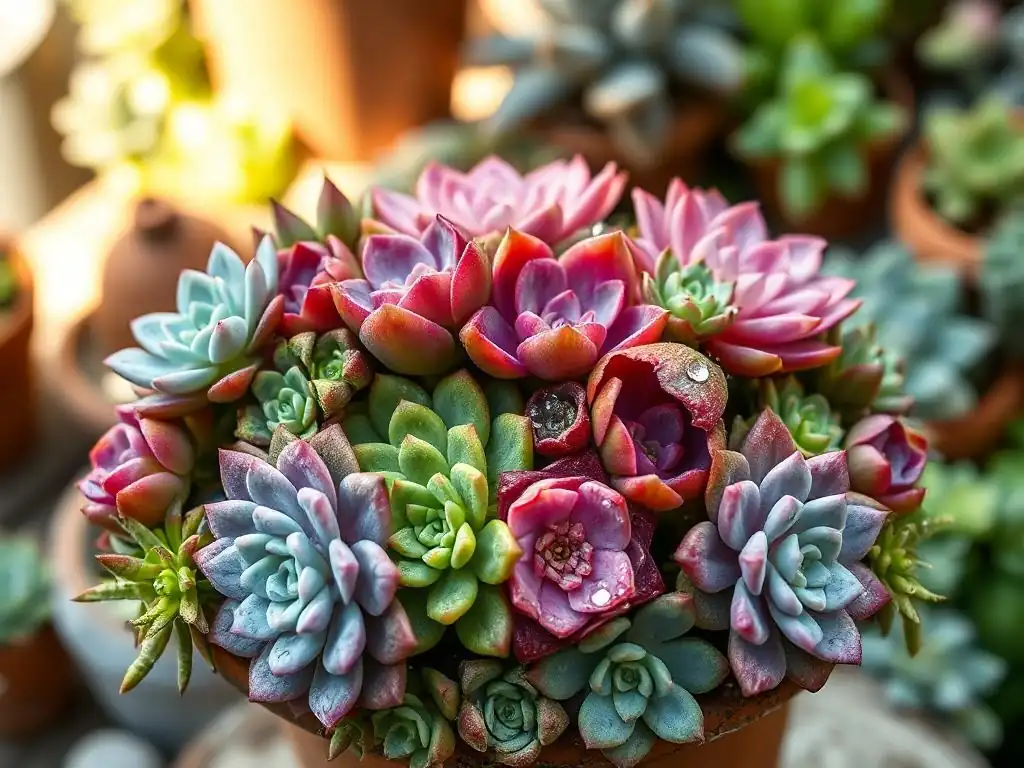
Welcome to SucculentEssentials.org, your gateway to the captivating world of succulents! Are you ready to unlock the secrets to thriving succulent displays? We'll guide you through the intricacies of succulent care, from propagation techniques to breathtaking arrangement ideas. But first, let's tackle a crucial element often overlooked: watering succulent event arrangements. Discover the surprising techniques that ensure your stunning creations remain vibrant and healthy – learn more and prepare to be amazed!
- Understanding Succulent Watering Needs in Event Settings
- Watering Techniques for Different Succulent Arrangement Types
- Avoiding Common Watering Mistakes in Event Arrangements
- Post-Event Care and Maintenance of Succulent Arrangements
- Maintaining the Vibrancy of Your Succulent Event Displays: Essential Tips
-
Frequently Asked Questions
- How often should I water my succulent event arrangements?
- What's the best way to water succulent event arrangements?
- What are the signs of overwatering in succulent event arrangements?
- How can I prevent my succulent event arrangements from drying out too quickly?
- What type of water is best for watering succulent event arrangements?
- Final Reflection: The Enduring Beauty of Hydrated Succulents
- Unveil Your Succulent's Full Potential: Next Steps to Thriving Arrangements
Understanding Succulent Watering Needs in Event Settings
Succulents, with their striking beauty and low-maintenance reputation, are increasingly popular choices for wedding and event decorations. Their drought-tolerance makes them ideal for displays that might not have constant attention, but proper watering is still crucial to ensure they remain vibrant and healthy throughout the event.
This guide will walk you through the essential techniques for watering succulent event arrangements, helping you avoid common pitfalls and maintain the stunning visual impact of your chosen succulents. From understanding the nuances of watering frequency based on the event's duration and environment to mastering soil moisture assessment techniques, we'll cover everything you need to know to keep your succulent arrangements thriving.
We'll also explore how light and temperature impact watering needs, providing you with the knowledge to adapt your watering strategy for any situation. By following these tips, you can ensure your succulent displays remain a breathtaking focal point, even in challenging event conditions.
Watering Frequency: Adapting to Event Duration and Environment
The frequency of watering succulent event arrangements depends heavily on two factors: the duration of the event and the surrounding environment. A short, indoor event in a climate-controlled space will require a vastly different watering schedule than a multi-day outdoor wedding in direct sunlight.
For short-term indoor events (less than 2 days), watering is often unnecessary. The succulents will likely have sufficient moisture from their potting mix. However, visually inspect the soil; if it appears extremely dry, a light misting may be appropriate. Avoid overwatering, as this can lead to root rot, even in short-term situations.
Longer-term indoor events (2-7 days) may require a light watering, but only if the soil feels completely dry to the touch. Use a watering can with a fine rose to avoid dislodging the succulents or saturating the soil excessively. Water gently around the base of the plants, avoiding wetting the leaves.
Outdoor events, especially those lasting several days, present unique challenges. High temperatures and direct sunlight will rapidly dry out the soil. Regular monitoring is crucial, perhaps checking the soil moisture daily and watering as needed. Consider the time of year; watering needs will be higher during hot summer months than during cooler spring or autumn events. Remember that even with careful watering, extreme heat can still stress succulents. Providing some shade during the hottest parts of the day can be beneficial. A schedule might look like this:
| Event Duration | Environment | Watering Frequency | Considerations |
|---|---|---|---|
| < 2 days | Indoor, climate controlled | Minimal to none; light misting if extremely dry | Avoid overwatering |
| 2-7 days | Indoor, climate controlled | Light watering if soil is completely dry | Use a fine-rose watering can; water at the base |
| > 7 days | Outdoor, sunny | Daily or every other day, depending on conditions | Monitor soil moisture carefully; provide shade if possible |
Assessing Soil Moisture: Techniques for Event Arrangements
Accurately assessing soil moisture is critical to avoid both underwatering and overwatering. For succulent arrangements, relying solely on visual cues can be misleading, as the top layer of soil might appear dry while the lower layers remain moist.
The finger test remains a reliable method. Gently insert your finger about an inch into the soil. If it feels dry, it's time to water. If it's still moist, wait a day or two before checking again.
For larger or more complex arrangements, a moisture meter can provide more precise readings. These meters measure the electrical conductivity of the soil, indicating its moisture level. However, remember that these meters can vary in accuracy, so it's best to use them in conjunction with the finger test.
Avoid lifting the entire arrangement to check the weight; this can damage the plants and their delicate placement.
The Impact of Light and Temperature on Watering
Light intensity and temperature significantly influence how quickly succulent arrangements dry out. Direct sunlight accelerates evaporation, increasing the frequency of watering. Conversely, low light conditions and cooler temperatures will slow down the drying process, requiring less frequent watering.
Succulents placed in direct sunlight will need more frequent watering, perhaps even daily during hot, sunny days. However, remember that even with increased watering, intense heat can still stress the plants. Consider providing some shade, especially during the peak sun hours.
In shade or low-light conditions, watering will need to be less frequent. The soil will retain moisture for a longer period, reducing the risk of overwatering. Monitor the soil moisture carefully, and adjust your watering schedule accordingly. Always prioritize proper drainage to prevent root rot, regardless of the light conditions. Remember, a happy succulent is a well-draining succulent!
Watering Techniques for Different Succulent Arrangement Types
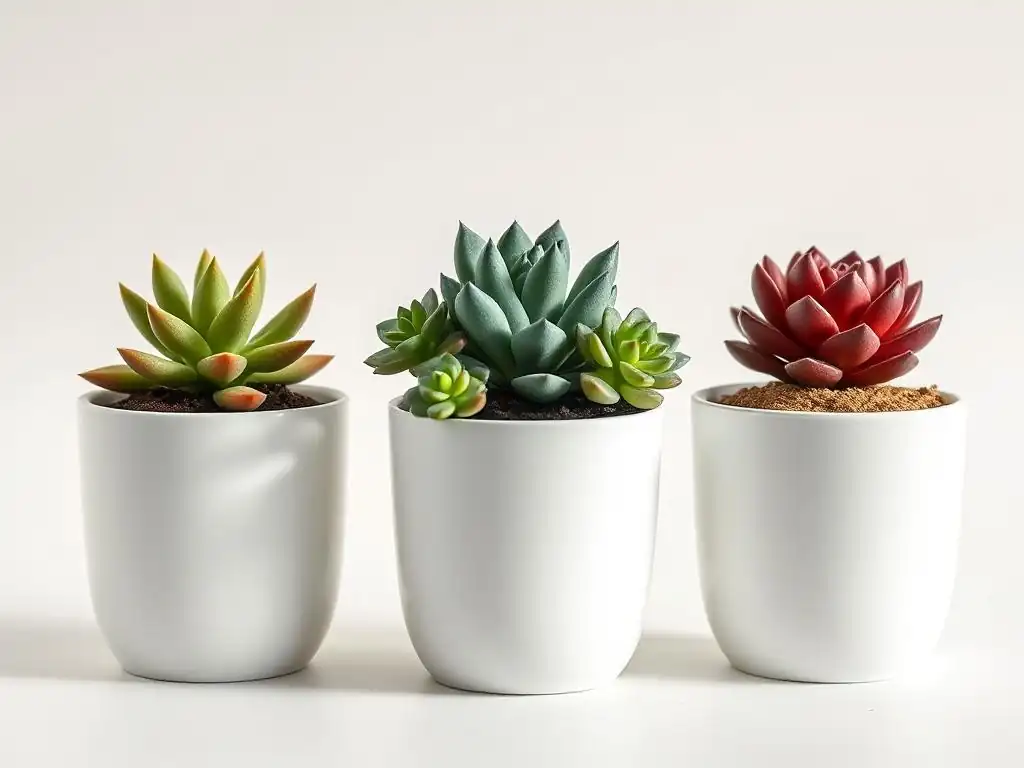
This section delves into the specifics of watering succulent arrangements based on their size and design, providing tailored techniques for optimal plant health and longevity. Remember, the key to successful succulent event arrangement watering is consistency and observation. Overwatering is far more detrimental than underwatering for succulents.
Watering Centerpieces: A Step-by-Step Guide
Centerpieces, often featuring smaller succulents in shallow containers, require a delicate watering approach. The goal is to moisten the soil thoroughly without causing waterlogging.
- Assessment: Before watering, inspect the soil's moisture level. Stick your finger about an inch into the soil; if it feels dry, it's time to water. Avoid watering on a schedule; instead, water based on need.
- Method: Use a watering can with a fine rose, gently pouring water around the base of the plants, avoiding direct contact with the leaves to prevent rot. Water until you see a small amount drain from the drainage holes (if present).
- Frequency: For small centerpieces, watering might be needed every 1-2 weeks, depending on the environment and the type of succulent. Hotter, drier conditions will necessitate more frequent watering.
- Drainage: Ensure your containers have adequate drainage to prevent root rot. Remove any excess water from saucers or drip trays immediately after watering.
- Observation: Carefully monitor your succulents for signs of overwatering (mushy leaves, stem rot) or underwatering (shriveled leaves, leaf drop). Adjust your watering schedule accordingly. This is crucial for maintaining the vibrancy of your centerpiece throughout the event.
Watering Tabletop Arrangements: Considerations and Methods
Tabletop arrangements, often larger and more complex than centerpieces, present unique watering challenges. They may incorporate a variety of succulents with different watering needs.
The key here is to understand the individual needs of each succulent species within the arrangement. Some succulents, like Echeveria, are more drought-tolerant than others, like Sedum. Therefore, a balanced approach is critical.
- Targeted Watering: Rather than watering the entire arrangement uniformly, consider using a small syringe or pipette to target individual plants. This allows for precise moisture control and minimizes the risk of overwatering sensitive succulents.
- Soil Mix: Use a well-draining succulent and cacti potting mix to ensure proper aeration and prevent water retention.
- Container Selection: Select containers with drainage holes to prevent waterlogging. Terracotta pots are excellent choices as they allow for better air circulation and evaporation.
- Environmental Factors: Consider the location of the tabletop arrangement. Arrangements in direct sunlight will require more frequent watering than those in shaded areas.
| Succulent Type | Watering Frequency (Approximate) | Signs of Overwatering | Signs of Underwatering |
|---|---|---|---|
| Echeveria | Every 10-14 days | Mushy leaves, stem rot | Shriveled leaves, leaf drop |
| Sedum | Every 7-10 days | Yellowing leaves, root rot | Wrinkled leaves, stunted growth |
| Sempervivum | Every 7-14 days | Soggy leaves, leaf discoloration | Dry, brittle leaves |
Watering Large-Scale Installations: Strategies for Success
Large-scale installations, such as succulent walls or vertical gardens, require a more strategic approach to watering. These arrangements often involve a large number of plants and may be difficult to access for individual watering.
- Drip Irrigation: Consider using a drip irrigation system for consistent and efficient watering. This method delivers water directly to the roots, minimizing water waste and ensuring even moisture distribution.
- Soaker Hoses: Soaker hoses placed beneath the installation can provide slow, deep watering, ideal for larger arrangements.
- Watering Schedule: Develop a regular watering schedule based on environmental conditions and the specific needs of the succulents used. Monitor the moisture level regularly and adjust the schedule as needed. This might involve a slightly more frequent watering schedule than smaller arrangements.
- Plant Selection: Choose succulents known for their drought tolerance for large-scale installations to reduce the frequency of watering and minimize the risk of overwatering.
Remember, careful observation and adjustments are key to successful watering of any succulent arrangement, regardless of size. Always prioritize the health and longevity of your plants. Monitoring for signs of stress, such as leaf discoloration or wilting, will enable you to make necessary adjustments to your watering routine. Happy watering! 🪴
Avoiding Common Watering Mistakes in Event Arrangements
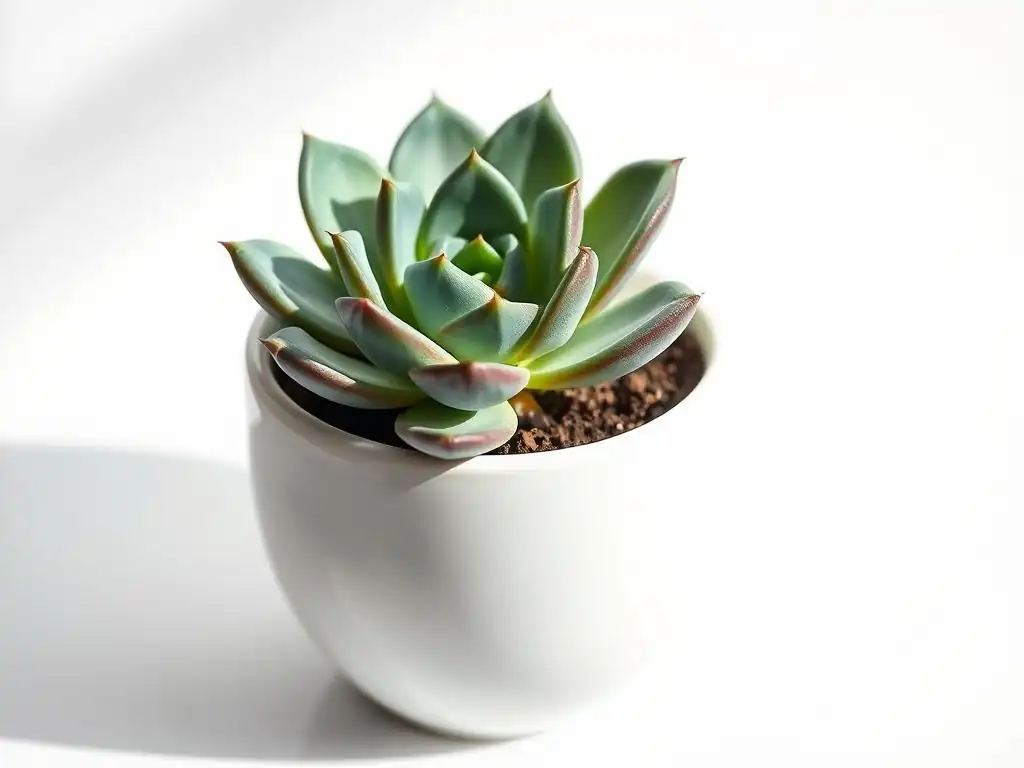
Creating stunning succulent event arrangements requires careful planning and execution, and proper watering is paramount to their success. Neglecting this crucial aspect can lead to wilting, browning, and even the death of your carefully chosen succulents, ruining the visual impact of your hard work. Mastering the art of watering succulent event arrangements ensures their vibrancy and longevity throughout the event, leaving a lasting impression on guests.
This section will focus on common pitfalls and offer practical solutions to ensure your succulent arrangements thrive. We'll cover overwatering, underwatering, and the importance of using the right tools. Proper watering techniques are key to successfully watering succulent event arrangements.
Overwatering: Signs, Prevention, and Solutions
Overwatering is a frequent culprit in succulent demise. Succulents, adapted to arid climates, store water in their leaves and stems. Excessive moisture leads to root rot, a fatal condition that manifests in various ways. Look for these telltale signs:
- Soft, mushy leaves: This indicates waterlogged tissues, a clear sign of overwatering. The leaves will lose their firmness and plumpness.
- Yellowing or browning lower leaves: As the roots rot, they can no longer effectively transport nutrients, leading to discoloration and leaf drop.
- Unpleasant odor: Rotting roots often emit a foul smell, a strong indication of a serious problem.
- Falling off leaves: Overwatering weakens the plant, causing leaves to detach easily.
Preventing overwatering requires careful consideration:
- Well-draining soil: Use a specially formulated succulent and cacti potting mix that allows for excellent drainage. Avoid using regular garden soil, which retains too much moisture.
- Proper pot selection: Choose pots with drainage holes to prevent water from accumulating at the base. Terracotta pots are excellent as they are porous and allow for better evaporation.
- Watering frequency: Water thoroughly only when the soil is completely dry. This might be every 7-14 days, depending on the environment, pot size, and succulent type. Avoid a strict schedule; instead, check the soil moisture before watering.
- Avoid overhead watering: This can lead to fungal diseases. Water directly at the base of the plant to avoid wetting the leaves.
Solutions for overwatered succulents include:
- Immediate repotting: If root rot is suspected, remove the succulent from its pot, carefully inspect the roots, and remove any mushy or dark areas. Repot in fresh, dry soil.
- Allowing the soil to dry completely: Before watering again, ensure the soil is completely dry several inches down. This could take several days or even a week.
- Improving air circulation: Ensure good airflow around the arrangements to prevent moisture buildup.
Underwatering: Identifying and Addressing the Problem
While overwatering is common, underwatering can also severely damage succulents. Underwatered succulents will exhibit different symptoms:
- Shriveled or wrinkled leaves: This is a clear indication that the plant is dehydrated and needs water.
- Leaves turning brown and crispy at the tips: This is a sign of prolonged lack of moisture.
- Slow or stunted growth: Underwatered succulents will not grow as vigorously as those receiving adequate moisture.
- Drooping stems: The plant’s structure will be noticeably weaker, often leaning or drooping.
Addressing underwatering involves a gentle approach:
- Gradual watering: Don't suddenly soak a severely dehydrated succulent. Water thoroughly but gradually to avoid shocking the plant. Allow excess water to drain completely.
- Monitoring the soil moisture: Regularly check the soil moisture to ensure it doesn't become bone dry again.
- Adjusting watering frequency: Increase the frequency of watering, but only when the soil is completely dry. Consider the environmental conditions (sunlight, temperature, humidity) when determining the watering schedule. Remember, watering succulent event arrangements requires careful observation and adaptation.
Using the Right Watering Tools for Succulent Arrangements
The right tools can make all the difference in effectively watering succulent event arrangements. Avoid using a standard watering can with a forceful spray, which can dislodge delicate succulents or damage their leaves. Instead, opt for:
- Watering can with a rose head: A rose head provides a gentle, even distribution of water, minimizing the risk of damage.
- Small watering bottles: Ideal for reaching individual plants within a larger arrangement, especially those in tight spaces or hard to access areas.
- Soaker hoses: For larger arrangements or succulent gardens, soaker hoses provide slow, even watering, minimizing runoff and promoting deeper root penetration. However, monitor carefully to avoid overwatering.
- Drip irrigation systems: For more complex arrangements or long-term installations, a drip irrigation system provides a controlled and efficient watering method.
Remember, the key to success lies in observation and adaptation. Regularly check your succulent arrangements, feeling the soil before watering. By following these guidelines and choosing the right tools, you can ensure your succulent event arrangements remain healthy, vibrant, and visually stunning throughout the event. 🌵
Post-Event Care and Maintenance of Succulent Arrangements
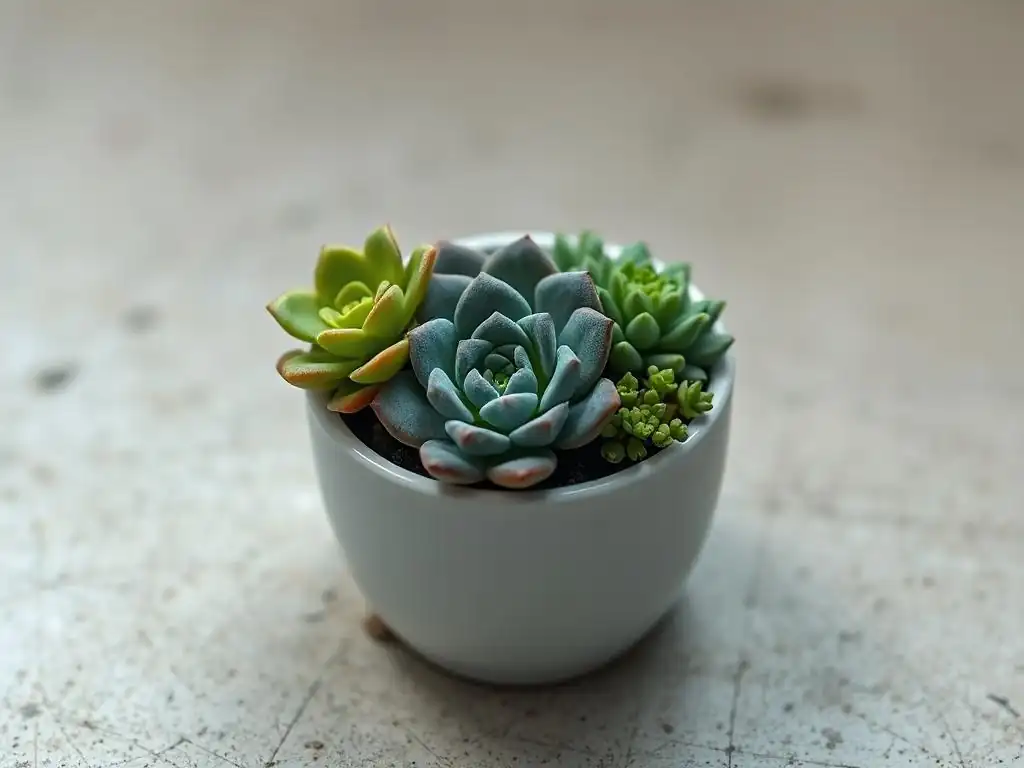
This section focuses on the crucial post-event care required to ensure the longevity and health of your succulent arrangements after a wedding or other special event. Proper care following the event is vital for maximizing the lifespan of these drought-tolerant plants, extending their beauty beyond the initial display. Neglecting post-event care can quickly lead to wilting, root rot, and ultimately, plant death. Therefore, understanding the specific needs of your succulents after the event is paramount. We'll explore the nuances of watering, long-term care, and other essential maintenance practices to keep your succulents thriving.
Properly Watering After the Event
Watering succulent event arrangements correctly after the event is critical. Overwatering is a common mistake that can be fatal. Remember, succulents are adapted to arid conditions and store water in their leaves. Therefore, they require significantly less water than many other plant types.
The first step involves assessing the arrangement's environment. Was it displayed indoors or outdoors? What was the ambient temperature and humidity? These factors influence how quickly the soil dries out. Generally, you should wait until the top inch or two of the soil is completely dry before watering. This can take several days, even a week, depending on the conditions.
Use a watering can with a fine rose to gently water the arrangement, avoiding direct, forceful streams that can dislodge the succulents or damage their delicate leaves. Water thoroughly until you see some drainage from the bottom of the container. This ensures the roots are properly hydrated without causing waterlogging.
Avoid overhead watering, which can lead to fungal diseases. Instead, water from the bottom, allowing the soil to absorb moisture gradually. You can achieve this by placing the container in a tray of water for a short time, allowing the soil to draw up the water through the drainage holes.
Here's a helpful table summarizing watering guidelines:
| Condition | Watering Frequency | Amount of Water |
|---|---|---|
| Hot, Dry Indoor | Every 7-10 days | Until drainage is observed |
| Cool, Dry Indoor | Every 10-14 days | Until drainage is observed |
| Hot, Dry Outdoor | Every 5-7 days | Until drainage is observed |
| Cool, Dry Outdoor | Every 7-14 days | Until drainage is observed |
Remember, it's always better to underwater than overwater succulents. Regularly check the soil moisture levels by gently inserting your finger into the soil. If it feels damp, wait before watering. Observe your succulents for signs of underwatering (shriveled leaves) or overwatering (soft, mushy leaves). Adjust your watering schedule accordingly. Careful observation and a light touch are key to success.
Long-Term Care Tips for Event Succulents
Once the event is over, the focus shifts to long-term care to ensure your succulents continue to thrive. This involves more than just watering; it encompasses several crucial aspects of plant care.
- Light: Succulents need ample sunlight, ideally 6-8 hours per day. Place your arrangements in a bright, sunny location, but avoid direct, intense midday sun, which can scorch their leaves. Rotate the arrangement periodically to ensure even light exposure on all sides.
- Soil: Well-draining soil is crucial. Succulents are susceptible to root rot in poorly draining soil. Use a cactus and succulent potting mix, which is specially formulated to provide excellent drainage. You may even consider adding perlite or pumice to further improve drainage.
- Temperature: Maintain a consistent temperature. Sudden temperature fluctuations can stress succulents. Keep them away from heating or cooling vents. Optimal temperatures typically range from 65°F to 80°F (18°C to 27°C).
- Fertilization: Succulents are not heavy feeders. Fertilize sparingly, only during their growing season (spring and summer). Use a balanced, diluted liquid fertilizer specifically formulated for cacti and succulents. Over-fertilizing can damage the plants.
- Pest and Disease Control: Regularly inspect your succulents for pests such as mealybugs or spider mites. Address any infestations promptly with appropriate insecticidal soap or other organic treatments. Good air circulation can help prevent fungal diseases.
By following these post-event care guidelines and paying close attention to your succulents' needs, you can significantly increase their lifespan and enjoy their beauty for much longer, transforming your wedding or event succulents into long-lasting houseplants. Remember, proper watering is just one piece of the puzzle. A holistic approach to post-event care is essential for the continued health and vibrancy of your cherished succulent arrangements.
Maintaining the Vibrancy of Your Succulent Event Displays: Essential Tips
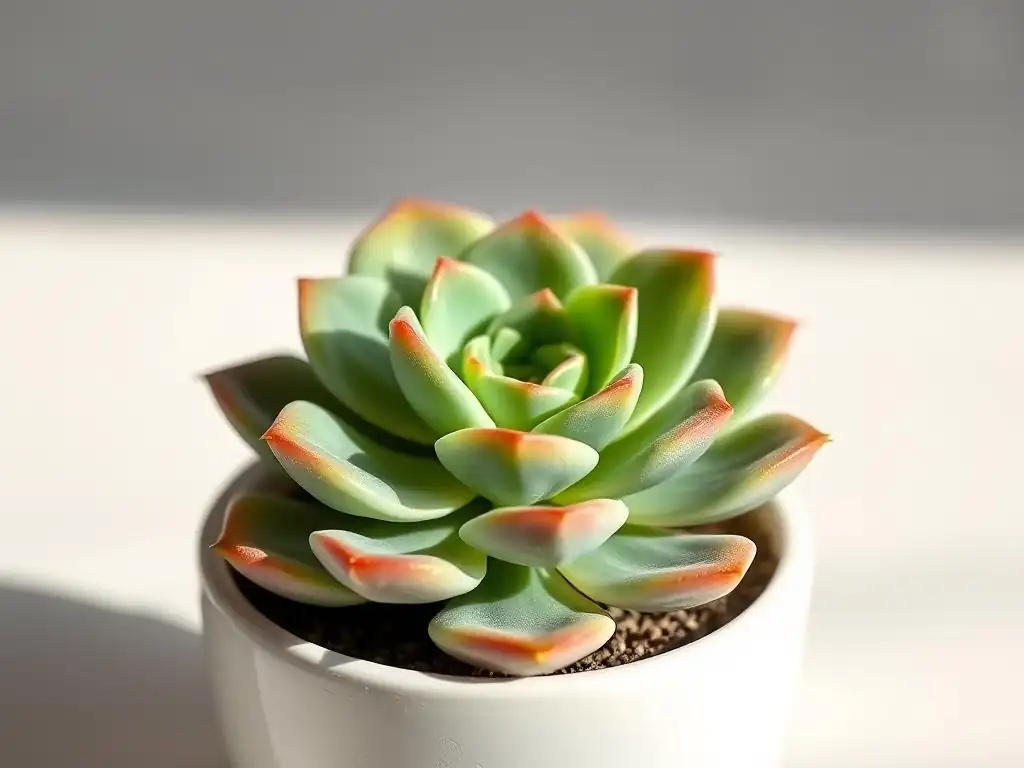
This section focuses on the crucial aspects of maintaining the health and beauty of succulent arrangements used in events, ensuring they remain vibrant and visually appealing throughout the duration. Proper watering is key, but other factors play a significant role in achieving this goal. We'll explore these factors to help you create stunning, long-lasting succulent displays.
Nutrient Considerations for Event Succulents
Succulents, while drought-tolerant, still require essential nutrients for optimal growth and vibrant coloration. Depleted soil can lead to stunted growth and a less appealing appearance, especially in event arrangements where the plants are often stressed by temporary environments. For event succulents, consider using a well-draining potting mix specifically formulated for succulents, enriched with slow-release fertilizer. This provides a steady supply of nutrients without the risk of over-fertilizing, which can harm the plants.
Avoid using fertilizers with high nitrogen content, as this can encourage leggy growth and reduce the plants' natural compact form. Instead, opt for a balanced fertilizer with a lower nitrogen-to-phosphorus ratio, promoting strong root systems and healthy leaf development. A good rule of thumb is to fertilize lightly every 2-3 months during the growing season (spring and summer) with a water-soluble succulent fertilizer diluted to half strength. Remember to avoid fertilizing during the dormant period (fall and winter).
Here's a comparison table of different fertilizer types suitable for event succulents:
| Fertilizer Type | Nitrogen (N) | Phosphorus (P) | Potassium (K) | Suitable for Event Succulents? | Notes |
|---|---|---|---|---|---|
| Slow-Release Granules | Low | Moderate | Moderate | ✅ | Ideal for long-term nutrient release. |
| Water-Soluble Liquid | Low to Moderate | Moderate | Moderate | ✅ | Easy application, requires dilution. |
| Organic Compost | Low | Low to Moderate | Low to Moderate | ✅ | Provides natural nutrients, improves drainage. |
| High-Nitrogen Fertilizer | High | Low | Low | ❌ | Avoids; encourages leggy growth. |
Remember, less is often more when it comes to fertilizing succulents. Over-fertilizing can lead to salt buildup in the soil, damaging the roots and causing leaf discoloration.
Preventing Pests and Diseases in Event Arrangements
Maintaining the health of your succulent event arrangements also involves proactive pest and disease management. Stress from transportation, changing environments, and less-than-ideal watering practices can weaken plants, making them more susceptible to infestations and diseases. Regular inspection is crucial.
Common pests include mealybugs, aphids, and spider mites. These can be identified by visual inspection – look for small insects, webbing, or white cottony masses on the plants. Early detection is key. For minor infestations, you can often manually remove pests with a cotton swab dipped in rubbing alcohol. For more severe infestations, consider using insecticidal soap or neem oil, ensuring you follow the product instructions carefully. Always test any treatment on a small, inconspicuous area of the arrangement first to check for any adverse reactions.
Diseases are less common but can still occur. Root rot, caused by overwatering, is a significant concern. Ensure your succulent arrangements have excellent drainage to prevent this. Fungal diseases can also affect succulents, often manifesting as leaf spots or discoloration. Proper spacing within the arrangement improves air circulation, reducing the risk of fungal growth. Avoid overhead watering, which can encourage fungal growth. Using sterile potting mix also helps prevent the spread of diseases.
Regularly inspect your arrangements for any signs of pests or diseases. Addressing issues promptly will help maintain the vibrancy and health of your succulent event displays, ensuring a stunning and long-lasting impression. Prevention is key: healthy, well-cared-for succulents are far less susceptible to problems. 🌱
Frequently Asked Questions
How often should I water my succulent event arrangements?
This depends on several factors, including the size of the arrangement, the type of succulents used, and the environment. Generally, less is more; allow the soil to dry completely between waterings.
What's the best way to water succulent event arrangements?
Avoid getting the leaves wet; water the soil directly at the base of the arrangement. You can use a watering can with a fine rose or even a syringe for precise watering.
What are the signs of overwatering in succulent event arrangements?
Overwatering leads to mushy leaves, root rot, and eventually, plant death. Look for signs of wilting that doesn't improve after a few days.
How can I prevent my succulent event arrangements from drying out too quickly?
Choose a well-draining potting mix specifically designed for succulents. Also, consider the location; avoid direct sunlight which can dry out the soil rapidly.
What type of water is best for watering succulent event arrangements?
Use room temperature water, ideally filtered or rainwater, to avoid adding chemicals that could harm your succulents. Avoid using tap water with high mineral content.
Final Reflection: The Enduring Beauty of Hydrated Succulents
The art of crafting and maintaining vibrant succulent event arrangements extends far beyond mere aesthetics; it's a testament to understanding the delicate balance between life and design. These miniature ecosystems, so often chosen for their resilience, require careful nurturing to truly thrive and enhance the beauty of any celebration. Ignoring their specific needs can lead to wilting displays, diminishing the impact of your carefully planned event.
The enduring popularity of succulents in event design speaks volumes about our desire to connect with nature, even in the most meticulously planned settings. Their unique textures and varied colors offer a captivating visual appeal, but their longevity depends entirely on proper hydration. This delicate dance between aesthetics and practicality underscores a larger truth about our relationship with the natural world: The glory of gardening: hands in the dirt, head in the sun, heart with nature. To nurture a garden is to feed not just the body, but the soul.
This quote perfectly encapsulates the mindful approach needed when caring for these living decorations, ensuring their beauty endures throughout the event and beyond.
Now, consider your own approach to nurturing beauty, whether it's in the context of event planning or in your everyday life. Think about the delicate balance you strive for, the attention to detail you invest, and the lasting impact you wish to create. Take the lessons learned here – the importance of mindful watering, careful observation, and a deep appreciation for the living elements – and apply them to other areas of your life. Let the enduring beauty of a well-cared-for succulent arrangement inspire you to cultivate growth and vibrancy wherever you find yourself.
Unveil Your Succulent's Full Potential: Next Steps to Thriving Arrangements
Thank you for learning about the art of creating and caring for succulent arrangements! We hope you feel confident in keeping your stunning creations vibrant and healthy. Ready to put your new knowledge into practice?
- Prioritize mindful watering: Remember, less is often more with succulents! Allow the soil to dry out completely between waterings. This "soak and dry" method is key to long-lasting, beautiful arrangements.
- Share your stunning succulent arrangements with our community on social media using #SucculentEssentials – we'd love to see them!
- Consider adjusting your watering technique based on your environment and the specific arrangement. Even a small change can significantly improve your watering routine.
What challenges have you faced, or successes have you experienced, while caring for your succulent arrangements? Let's discuss!