
Troubleshooting Common Problems in Succulent Living Walls

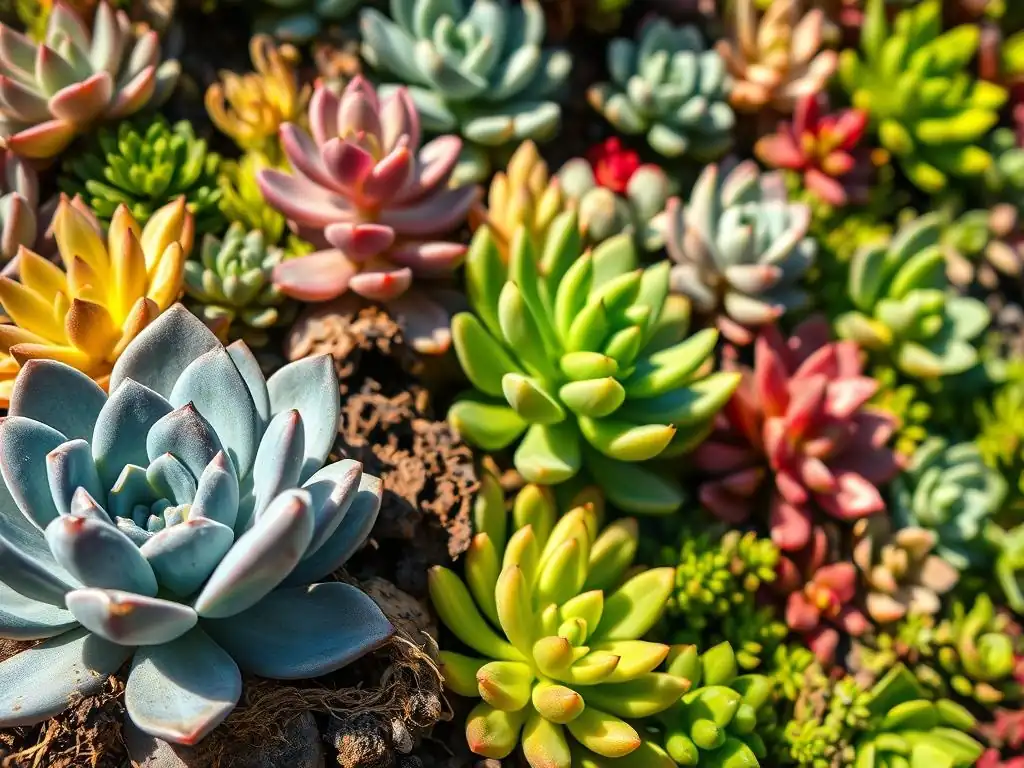
Welcome to SucculentEssentials.org, your gateway to the fascinating world of succulents! Are you ready to unlock the secrets to thriving succulent displays? We'll help you navigate the sometimes tricky terrain of succulent care, from basic propagation to more advanced techniques. But first, let's tackle a common challenge: discover the solutions to those pesky Succulent Wall Problems and create the lush, vibrant vertical garden you've always dreamed of. Dive in and let's get growing!
-
Identifying Problems in Your Succulent Vertical Garden
- Wilting and Drooping Succulents: Signs of Underwatering or Root Rot in Succulent Walls
- Leaf discoloration: Yellowing, Browning, and Other Color Changes in Succulent Walls
- Pest Infestations: Identifying and Treating Common Succulent Pests in Vertical Gardens
- Slow or Stunted Growth: Diagnosing Nutrient Deficiencies and Other Growth Issues in Succulent Living Walls
- Root Rot Prevention and Treatment in Vertical Succulent Gardens
-
Solutions for Common Succulent Wall Issues
- Watering Techniques for Vertical Succulent Gardens: Avoiding Overwatering and Underwatering
- Optimizing Light Exposure for Your Succulent Living Wall: Sunlight Needs for Different Succulents
- Choosing the Right Succulents for Your Living Wall: Species Selection for Vertical Gardens
- Nutrient Management for Thriving Succulent Walls: Fertilizer and Soil Considerations
- Pest and Disease Control for Vertical Succulent Gardens: Natural and Chemical Solutions
- Maintaining Proper Drainage and Air Circulation in Your Succulent Wall
- Structural Issues in Living Walls: Addressing Support and Stability Problems
-
Preventing Future Problems in Your Succulent Living Wall
- Regular Inspection and Maintenance of Your Succulent Vertical Garden
- Proactive Pest and Disease Prevention Strategies for Succulent Walls
- Choosing the Right Location for Your Succulent Living Wall: Light and Environmental Factors
- Long-Term Care Tips for a Healthy and Vibrant Succulent Wall
- Troubleshooting Common Succulent Wall Problems: A Checklist for Succulent Enthusiasts
- Advanced Troubleshooting for Succulent Living Walls
- Frequently Asked Questions
- Final Reflection: Cultivating Resilience in Vertical Gardens
- Revitalize Your Living Wall Today!
Identifying Problems in Your Succulent Vertical Garden
Creating a stunning succulent living wall is a rewarding experience, but maintaining its vibrant health requires vigilance. This guide tackles common issues encountered in succulent vertical gardens, providing practical solutions to keep your wall thriving. We'll explore the telltale signs of underwatering, root rot, pest infestations, and other problems, offering actionable steps to diagnose and remedy these challenges.
From understanding leaf discoloration to identifying and treating common pests, this comprehensive resource empowers you to troubleshoot effectively and ensure your succulent wall remains a beautiful and healthy centerpiece for years to come. Mastering these techniques will transform you from a succulent enthusiast into a true succulent wall expert, capable of handling any challenge your vertical garden might throw your way. Let's delve into the most frequent problems and their effective solutions.
Wilting and Drooping Succulents: Signs of Underwatering or Root Rot in Succulent Walls
Wilting and drooping succulents in your vertical garden are often the first sign something is amiss. This symptom can stem from two very different causes: underwatering or, conversely, root rot. Distinguishing between these requires careful observation.
Underwatering manifests as a gradual wilting, with leaves becoming soft and shriveled. The soil in the wall will feel completely dry to the touch. Addressing this is straightforward: a thorough, deep watering is usually sufficient. However, ensure the water drains freely; poor drainage is a significant contributor to root rot in vertical gardens. You might need to adjust your watering schedule based on the climate and the specific succulent species in your wall.
Conversely, root rot presents as a sudden, dramatic wilting, often accompanied by a foul odor emanating from the base of the plants. Leaves may also turn mushy or black. This is a more serious problem, often caused by overwatering or poor drainage. Unfortunately, severely affected succulents are difficult to save.
The best solution is preventative: use a well-draining potting mix specifically formulated for succulents and ensure adequate drainage within the wall's structure. Early detection is key; if you notice signs of root rot, promptly remove affected plants to prevent the spread of disease. Consider using a fungicide as a preventative measure, especially in humid environments.
Leaf discoloration: Yellowing, Browning, and Other Color Changes in Succulent Walls
Changes in leaf color are another common indicator of problems in your succulent wall. Yellowing leaves often point towards underwatering, while browning can be a symptom of sunburn, overwatering, or pest infestations.
- Yellowing: While some yellowing can be a natural part of a succulent's life cycle (older leaves often yellow before dropping), widespread yellowing usually signals insufficient watering. Adjust your watering schedule and monitor the soil moisture levels.
- Browning: Browning leaves can have multiple causes. Sunburn manifests as crispy, brown patches on the leaves, particularly those exposed to direct sunlight. Relocating the wall to a shadier spot or providing some afternoon shade can solve this. Overwatering can also cause browning, often accompanied by mushy leaves and a foul odor. If overwatering is suspected, allow the soil to dry out completely before watering again. Examine the leaves closely for any signs of pests; browning can sometimes be a result of pest damage.
- Other Color Changes: Unusual color changes, such as purplish or reddish hues, can be a sign of stress due to temperature fluctuations, nutrient deficiencies, or even changes in light exposure. Observe the conditions surrounding your succulent wall and make adjustments as needed. Consider soil testing to determine if nutrient levels are adequate.
Pest Infestations: Identifying and Treating Common Succulent Pests in Vertical Gardens
Succulents, while generally hardy, are not immune to pest infestations. Mealybugs, aphids, and spider mites are common culprits. Early detection and prompt treatment are crucial to prevent widespread damage.
Regular inspection is vital. Examine your succulent wall regularly, paying close attention to the undersides of leaves and crevices between plants. Look for signs of pests, such as white cottony masses (mealybugs), tiny sucking insects (aphids), or fine webbing (spider mites).
Treatment options range from manual removal (for small infestations) to the use of insecticidal soaps or neem oil. Always follow the product instructions carefully. For severe infestations, professional pest control might be necessary. Preventative measures, such as maintaining good air circulation and avoiding overwatering, can significantly reduce the risk of pest infestations. Healthy plants are naturally more resistant to pests.
Slow or Stunted Growth: Diagnosing Nutrient Deficiencies and Other Growth Issues in Succulent Living Walls
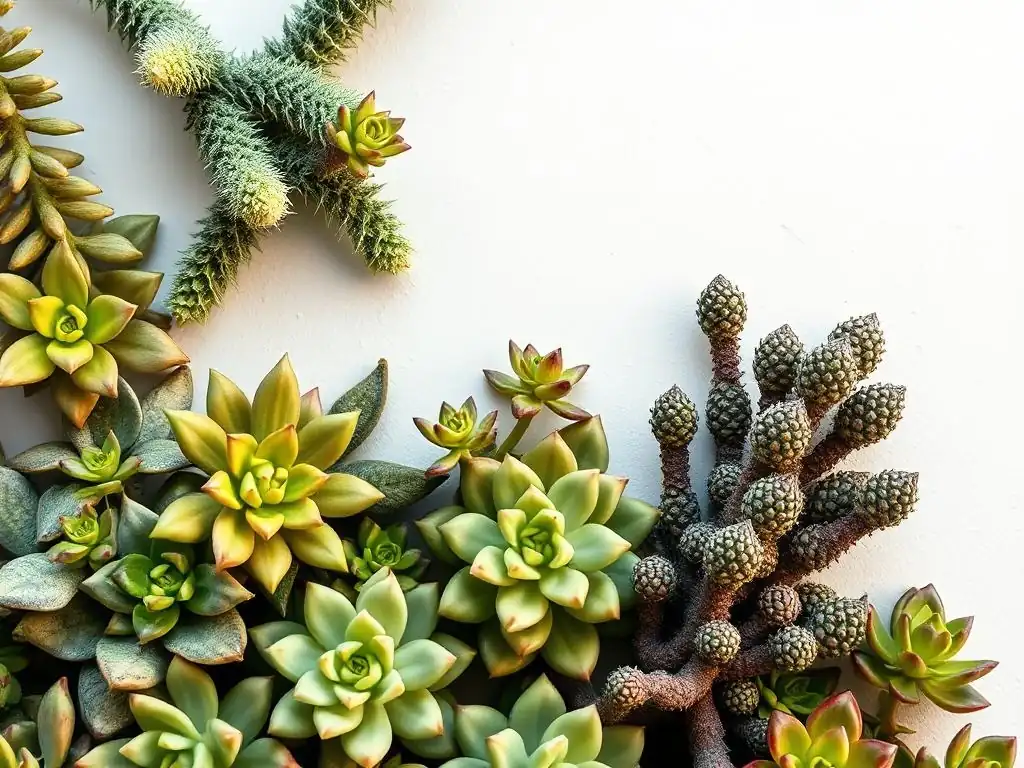
Slow or stunted growth in your succulent wall is a common problem with several potential causes. Often, it points to a nutrient deficiency, but other factors like insufficient sunlight, improper watering, or pest infestations can also play a significant role. Let's delve into the specifics.
Nutrient deficiencies manifest differently depending on the missing nutrient. For instance, a lack of nitrogen can lead to pale, yellowish leaves and overall weak growth. Phosphorus deficiency might result in stunted growth and dark green or purplish leaves. Potassium deficiency often causes browning of leaf tips and edges. Addressing these deficiencies requires careful attention to the type of succulent and the soil composition.
A soil test can provide valuable insights into the specific nutrient imbalances. Applying a balanced, slow-release fertilizer formulated for succulents is usually the best approach. Remember to always follow the instructions on the fertilizer packaging to prevent over-fertilization, which can be just as damaging as under-fertilization. Over time, the soil in a vertical garden may become depleted of essential nutrients. Therefore, regular fertilization, typically once or twice a year, is recommended to maintain optimal growth.
Beyond nutrient deficiencies, inadequate sunlight is another major contributor to slow growth. Succulents, being desert dwellers, thrive in ample sunlight. A living wall in a shaded location will inevitably struggle. Consider the amount of sunlight your wall receives throughout the day. If insufficient, you may need to relocate it or consider supplementary lighting, such as grow lights. Similarly, improper watering techniques can hinder growth. Overwatering leads to root rot (discussed in detail below), while underwatering causes dehydration and stunted growth.
Finding the right balance is crucial. Ensure your watering system delivers water evenly and avoids waterlogging. Finally, carefully inspect your succulents for signs of pests like mealybugs, aphids, or spider mites. These tiny invaders can sap the plants' energy, leading to slow or stunted growth. Prompt treatment with appropriate insecticides is necessary to restore plant health. Regular inspection is key to early detection and effective pest control.
Root Rot Prevention and Treatment in Vertical Succulent Gardens
Root rot is a significant threat to succulents in vertical gardens, often stemming from poor drainage and overwatering. The vertical nature of these gardens makes proper drainage even more critical, as excess water collects at the bottom, creating a saturated environment conducive to root rot. Preventing root rot requires a proactive approach focusing on the right growing medium and watering practices.
The ideal growing medium for succulent vertical gardens is a well-draining mix. This typically involves a blend of potting soil, perlite, and coarse sand. The addition of perlite and sand improves aeration and prevents waterlogging, allowing excess water to drain freely. Avoid using soil that retains too much moisture.
When planting, ensure the drainage holes in your planters are unobstructed. Regularly check the moisture level of the soil. The best way to water is to thoroughly water until water drains from the bottom, then allow the soil to dry out completely before watering again. Avoid frequent, shallow watering, as this keeps the soil constantly damp, fostering root rot.
If root rot does occur, prompt action is essential. Early signs include soft, mushy leaves and a foul odor emanating from the roots. If you suspect root rot, carefully remove the affected succulent from the wall. Gently rinse the roots to remove excess soil. Trim away any visibly rotten roots using clean, sterilized pruning shears.
You can treat the remaining healthy roots with a fungicide before replanting the succulent in fresh, dry soil. Ensure proper drainage and adjust your watering schedule to prevent recurrence. Prevention is always better than cure, so establishing good watering practices and using a well-draining growing medium from the outset are crucial steps in protecting your succulent wall from root rot. Remember, consistent monitoring and prompt action are key to maintaining a thriving and healthy succulent vertical garden.
Solutions for Common Succulent Wall Issues
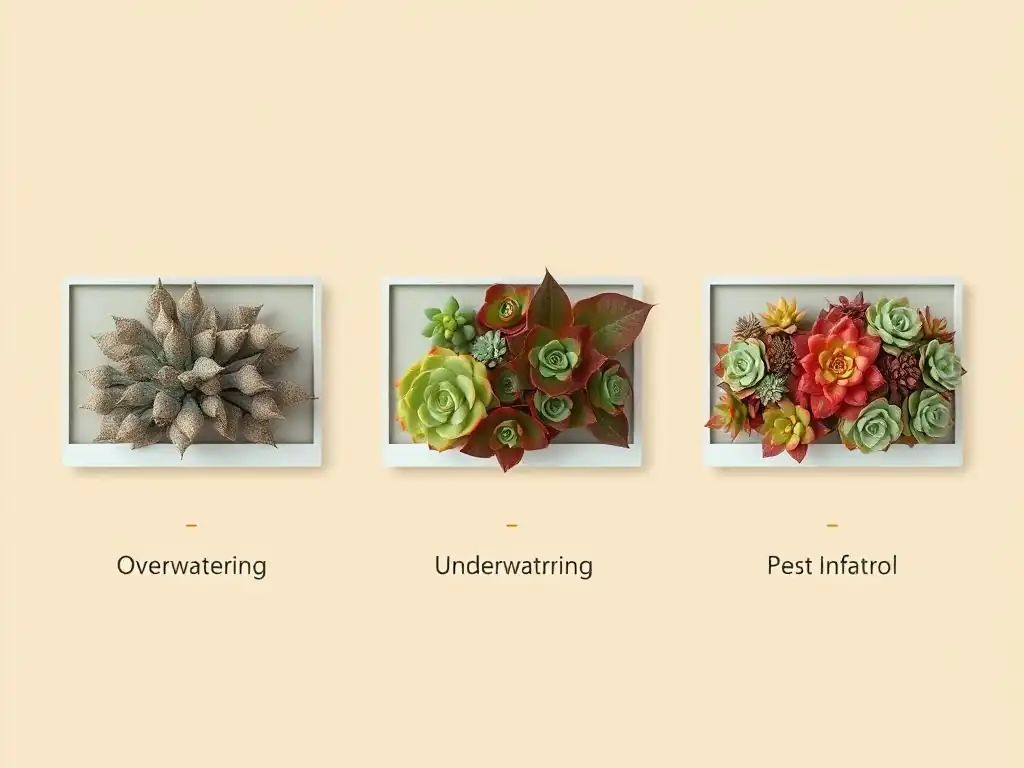
This section delves into practical solutions for frequently encountered problems in succulent living walls, offering actionable advice to ensure the longevity and beauty of your vertical garden. We'll explore crucial aspects of succulent wall maintenance, focusing on techniques to prevent and address common issues. Mastering these techniques will transform your succulent wall from a potential headache into a thriving, vibrant display. Remember, a healthy succulent wall is a testament to careful planning and consistent care. This guide will equip you with the knowledge to achieve just that.
Watering Techniques for Vertical Succulent Gardens: Avoiding Overwatering and Underwatering
Proper watering is paramount for a thriving succulent wall. Overwatering is a common culprit behind root rot and fungal diseases, while underwatering leads to shriveling and stunted growth. The key lies in finding the delicate balance. Instead of adhering to a rigid schedule, monitor the moisture level of your wall's substrate. A finger test is a simple yet effective method: insert your finger about an inch into the soil; if it feels dry, it's time to water.
Several factors influence watering frequency:
- Climate: Hot, dry climates necessitate more frequent watering than cooler, humid environments.
- Substrate: Well-draining substrates dry out faster than those that retain moisture. A mix of potting soil, perlite, and coarse sand is ideal for succulents.
- Succulent variety: Different succulent species have varying water requirements. Research the specific needs of the succulents in your wall.
- Wall size and construction: Larger walls with thicker substrates may require less frequent watering.
Avoid overhead watering, as this can lead to excessive moisture buildup and fungal growth. Instead, opt for a gentle bottom-watering technique using a drip irrigation system or by carefully pouring water at the base of the wall, allowing it to soak up from below. Observe the drainage; if water pools at the bottom, adjust your watering technique or consider improving drainage.
Consistent monitoring and adjustment are crucial for preventing both overwatering and underwatering. Remember, it's better to underwater slightly than to overwater. Signs of underwatering include shriveled leaves and dull coloration, while overwatering manifests as mushy leaves and a foul odor.
Optimizing Light Exposure for Your Succulent Living Wall: Sunlight Needs for Different Succulents
Sunlight is essential for the health and vibrant coloration of your succulent wall. Insufficient light can lead to etiolation (leggy growth) and pale coloration, while excessive sunlight can cause sunburn and leaf damage. The optimal light exposure varies depending on the specific succulent species in your wall.
Here's a breakdown of light requirements for common succulent types:
| Succulent Type | Light Requirement | Notes |
|---|---|---|
| Echeveria | Full sun to partial shade | Tolerates some shade but thrives in bright light. |
| Sedum | Full sun | Needs at least 6 hours of direct sunlight daily. |
| Sempervivum (Hens and Chicks) | Full sun to partial shade | Adaptable but prefers bright light. |
| Haworthia | Bright indirect light | Avoid direct sunlight, as it can scorch the leaves. |
| Crassula | Full sun to partial shade | Many Crassula species are quite adaptable to varying light conditions. |
To optimize light exposure, consider the orientation of your living wall. South-facing walls receive the most sunlight, while north-facing walls receive the least. In climates with intense sunlight, consider providing some afternoon shade to prevent sunburn. Regularly inspect your succulent wall for signs of light stress; adjust its position or provide shade as needed. Remember, the key to success is to match the light exposure to the specific needs of the succulents you've chosen for your wall.
Choosing the Right Succulents for Your Living Wall: Species Selection for Vertical Gardens
Selecting the appropriate succulent species is crucial for a thriving living wall. Consider factors such as light requirements, water needs, growth habits, and mature size. Choosing succulents with compatible needs ensures a harmonious and healthy environment within your vertical garden.
When designing your succulent wall, aim for variety in color, texture, and form. This creates visual interest and depth, enhancing the aesthetic appeal of your creation. However, be mindful of the mature size of each succulent; overcrowding can lead to competition for resources and hinder growth. Prioritize succulents known for their tolerance to close proximity and vertical growth habits.
Here are some excellent choices for succulent living walls:
- Sedum: Many Sedum species are ideal for vertical gardens due to their trailing growth habits and tolerance of various conditions.
- Echeveria: These rosette-forming succulents add visual appeal with their diverse colors and textures. Choose compact varieties for a living wall.
- Sempervivum: These hardy succulents are known for their tolerance to drought and temperature fluctuations, making them suitable for a range of climates.
- Graptopetalum: These succulents offer unique foliage shapes and colors, adding visual interest to your design.
Careful planning and selection of succulents are vital to avoid future problems. Research the specific requirements of each succulent before including it in your design. Consider creating a detailed planting plan that outlines the placement and spacing of each succulent to ensure a balanced and visually appealing living wall that thrives for years to come.
Nutrient Management for Thriving Succulent Walls: Fertilizer and Soil Considerations
Maintaining the health and vibrancy of your succulent wall hinges significantly on proper nutrient management. Succulents, while drought-tolerant, still require essential nutrients for optimal growth. Over-fertilizing, however, can be just as detrimental as under-fertilizing, potentially leading to root burn and salt buildup in the soil. The key is finding the right balance.
A well-draining succulent potting mix is crucial. Avoid using regular garden soil, as it retains too much moisture, leading to root rot – a common culprit in succulent wall failures. A specialized succulent mix, often containing perlite, pumice, and coarse sand, ensures excellent aeration and drainage. This prevents waterlogging, a major problem in vertical gardens where water can accumulate at the bottom.
Fertilizing should be done sparingly and only during the active growing season (typically spring and summer). Use a balanced, water-soluble fertilizer diluted to half or even a quarter of the recommended strength. Apply fertilizer every 4-6 weeks, ensuring it reaches the roots without causing runoff. Avoid fertilizing during the dormant period (fall and winter) as succulents' metabolic rate slows down, and excess nutrients can harm them.
Observe your succulents carefully; if they exhibit signs of rapid growth or stretching, reduce or stop fertilizing. Remember, it's better to under-fertilize than over-fertilize when it comes to succulents. Regularly monitoring the soil's pH is also beneficial; succulents thrive in slightly acidic to neutral conditions (pH 6.0-7.5).
Pest and Disease Control for Vertical Succulent Gardens: Natural and Chemical Solutions
Succulents in vertical gardens, while generally resilient, are not immune to pests and diseases. Early detection and appropriate treatment are critical to preventing widespread infestation or infection and saving your succulent wall. Common pests include mealybugs, aphids, and spider mites, while diseases such as root rot and fungal infections can also occur, especially in poorly ventilated or overly moist environments.
For pest control, a combination of natural and chemical methods might be necessary. Natural solutions include insecticidal soap, neem oil, and introducing beneficial insects like ladybugs. These options are environmentally friendly and generally safe for succulents, but they might require repeated applications for effective control. Always test a small area before applying any treatment to the entire wall to ensure it doesn't damage the plants.
Chemical control, if necessary, should be used judiciously and only as a last resort, following all label instructions carefully. Choose insecticides specifically formulated for succulents and apply them sparingly, taking precautions to avoid harming beneficial insects or pollinators. Always wear protective gear when handling chemical pesticides. Regular inspection of your succulent wall is crucial for early detection of pests or diseases. Prompt action will minimize damage and protect the overall health of your living wall. Proper sanitation, including removing infected or dead plants promptly, is equally important in preventing further spread.
Maintaining Proper Drainage and Air Circulation in Your Succulent Wall
Adequate drainage and air circulation are paramount for the long-term health and survival of your succulent wall. Without them, waterlogging and the subsequent development of root rot are almost guaranteed. These conditions create a breeding ground for fungal diseases and attract pests, leading to significant damage or even total loss of your vertical garden.
The design of your succulent wall plays a crucial role in drainage. Ensure the structural components (e.g., the backing, the planting pockets) allow for efficient water runoff. Avoid using materials that retain excessive moisture. The planting medium itself, as mentioned earlier, must be well-draining. Consider incorporating drainage layers at the bottom of your wall structure to facilitate water flow. Regularly check for any signs of water accumulation; if you notice pooling, address the issue immediately to prevent root rot.
Air circulation is equally important. Proper spacing between succulents prevents overcrowding, allowing for better airflow and reducing the risk of fungal growth. The structure of the wall itself should also promote airflow; avoid creating enclosed spaces where moisture can become trapped. Regularly inspect the wall for any signs of mold or mildew, which are indicators of poor air circulation. In humid climates, you might need to take extra measures to enhance airflow, perhaps by incorporating fans or strategically placing the wall in a well-ventilated area. Remember, a well-ventilated succulent wall is a healthy succulent wall.
Structural Issues in Living Walls: Addressing Support and Stability Problems
Succulent wall problems often stem from inadequate structural support. A poorly constructed living wall can lead to plant loss, unsightly sagging, and even structural damage to the wall itself. Ensuring stability is paramount for a thriving succulent wall. This requires careful consideration of several key factors, starting with the initial design and construction phase.
One common problem is insufficient framework strength. The underlying structure, whether it's a grid system, modular panels, or a custom-built frame, must be robust enough to support the weight of the succulents, soil, and irrigation system over time. Lightweight materials might initially seem appealing, but they can prove inadequate as the plants grow and mature, leading to instability and potential collapse. Consider using durable materials like galvanized steel or treated wood that can withstand the environmental stresses and weight. Regular inspections are crucial to detect any signs of weakening or damage to the framework.
Another crucial aspect is proper anchoring. The wall's structure needs to be securely anchored to the underlying wall or building to prevent it from pulling away or falling. This is especially important in areas prone to strong winds or seismic activity. Using appropriate fasteners and ensuring their proper installation are essential steps to prevent structural failure. Overlooking this can result in a costly and potentially dangerous situation.
The choice of growing medium also influences structural integrity. A heavy, water-retentive medium can increase the overall weight of the wall, placing additional stress on the framework. Using a well-draining, lightweight mix specifically formulated for succulents minimizes this risk, promoting healthy root development without undue strain on the support system. The use of coco coir, perlite, and pumice in combination helps achieve this balance. Furthermore, overwatering significantly increases the weight and can contribute to structural issues.
Finally, regular maintenance is key to preventing structural problems. This includes routine inspections for loose components, damaged framework, or signs of sagging. Early detection allows for timely repairs, preventing minor issues from escalating into major structural failures. Addressing these problems promptly ensures the longevity and aesthetic appeal of your succulent wall. Ignoring even minor structural issues can lead to a domino effect, potentially resulting in the loss of numerous plants and the need for extensive repairs. A proactive approach to maintenance is the most effective way to ensure the long-term health and stability of your vertical succulent garden.
Preventing Future Problems in Your Succulent Living Wall

This section focuses on proactive measures to ensure the long-term health and beauty of your succulent living wall. By implementing preventative strategies, you can significantly reduce the likelihood of encountering common succulent wall problems and enjoy a thriving vertical garden for years to come. Remember, a little preventative care goes a long way in maintaining a flourishing succulent wall. This is key to avoiding costly and time-consuming repairs down the line. Let's delve into some crucial preventative steps.
Regular Inspection and Maintenance of Your Succulent Vertical Garden
Regular maintenance is paramount in preventing succulent wall problems. Think of it as a preventative health checkup for your living wall. A thorough inspection every 1-2 weeks, depending on the climate and the type of succulents used, is ideal. During these inspections, look for:
- Signs of wilting or discoloration: These are early warning signs of underwatering, overwatering, or pest infestations. Address these immediately to prevent widespread damage.
- Loose or falling succulents: This can indicate issues with the planting medium or the wall's structure itself. Reinforce any loose plants and address structural concerns promptly.
- Pest or disease infestations: Early detection is crucial in managing infestations before they spread. Regularly check for signs of mealybugs, aphids, or fungal diseases.
- Accumulation of debris: Dust and debris can obstruct sunlight and airflow, impacting the health of your succulents. Gently remove any accumulated debris using a soft brush or compressed air.
Beyond regular inspections, consider incorporating these maintenance tasks:
- Watering schedule adjustments: Adjust your watering schedule based on the season and the environmental conditions. Overwatering is a common culprit behind succulent wall problems, so careful monitoring is vital.
- Fertilizing: Use a balanced, water-soluble fertilizer diluted to half strength once a month during the growing season (spring and summer). Avoid over-fertilizing, which can lead to root burn.
- Pruning: Remove any dead or dying succulents to prevent the spread of disease and to maintain the aesthetic appeal of your wall.
Proactive Pest and Disease Prevention Strategies for Succulent Walls
Proactive pest and disease management is essential for preventing significant succulent wall problems. A healthy living wall is less susceptible to infestations. Here are some key strategies:
- Quarantine new succulents: Before integrating new succulents into your living wall, quarantine them for a couple of weeks to observe for any signs of pests or diseases. This prevents introducing problems into your established wall.
- Maintain good air circulation: Ensure adequate air circulation around your succulent wall to prevent the development of fungal diseases. Avoid overcrowding your succulents.
- Use insecticidal soap or neem oil: These are natural and effective methods for controlling common succulent pests like mealybugs and aphids. Apply as a preventative measure, especially during peak pest seasons.
- Improve drainage: Proper drainage is crucial to prevent root rot, a common fungal disease. Ensure your planting medium and wall structure allow for excellent drainage.
- Choose disease-resistant succulents: When selecting succulents for your wall, opt for varieties known for their resistance to common diseases. Researching the specific needs of each species is vital.
Regular preventative treatments, even in the absence of visible problems, can significantly reduce the risk of future infestations. This proactive approach is far more effective than reacting to a full-blown infestation.
Choosing the Right Location for Your Succulent Living Wall: Light and Environmental Factors
The location of your succulent living wall plays a significant role in its long-term health and success. Choosing an unsuitable location can lead to various problems, including stunted growth, discoloration, and increased susceptibility to pests and diseases. Consider these factors carefully:
- Sunlight exposure: Succulents require ample sunlight, typically at least 6 hours of direct sunlight per day. However, excessive midday sun can scorch the leaves. A location with bright, indirect light during the hottest part of the day is ideal. South-facing walls are generally suitable, but consider the specific climate and time of year.
- Protection from the elements: Protect your succulent wall from harsh winds, extreme temperatures, and heavy rainfall. A sheltered location will minimize stress on the plants and help prevent damage.
- Temperature fluctuations: Succulents thrive in moderate temperatures. Avoid locations subject to extreme temperature fluctuations, which can cause stress and damage to the plants. Consider the microclimate of your chosen location.
- Air circulation: Good air circulation is crucial to prevent the buildup of humidity and the development of fungal diseases. Avoid locations where air circulation is restricted.
Careful consideration of these factors will significantly reduce the likelihood of encountering common succulent wall problems and contribute to the long-term success of your vertical garden. Remember, a well-chosen location is a cornerstone of a thriving succulent living wall.
Long-Term Care Tips for a Healthy and Vibrant Succulent Wall
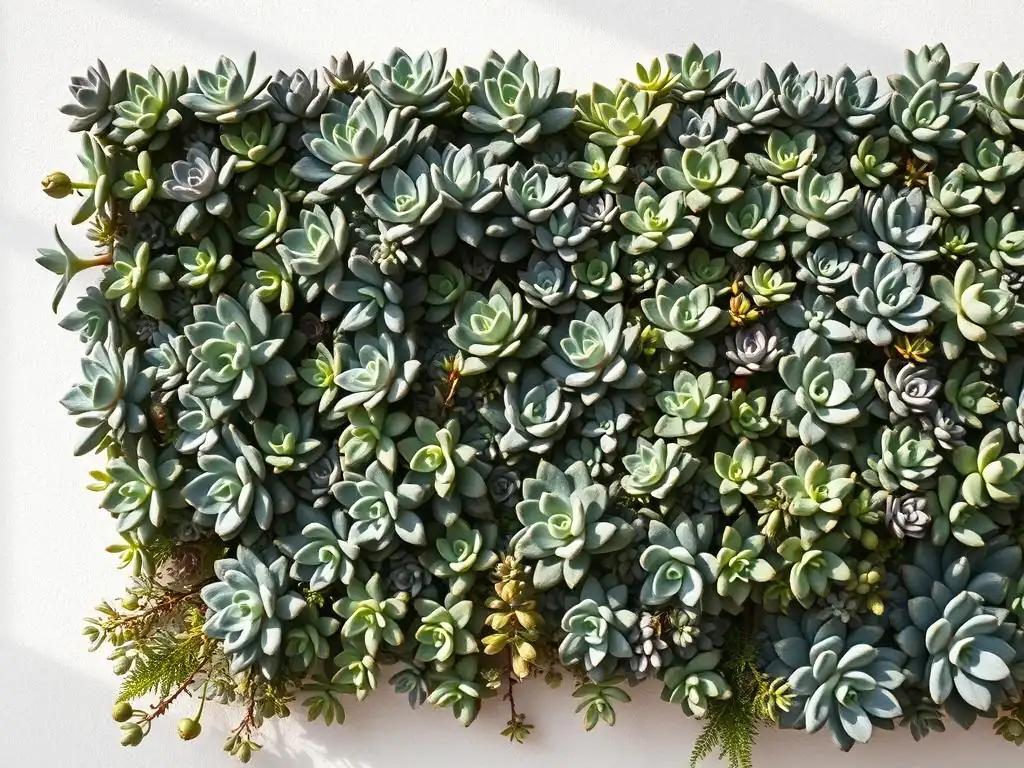
Maintaining a thriving succulent wall requires consistent attention and a proactive approach to care. Regular inspection is paramount; a quick weekly check can prevent minor issues from escalating into major problems. Look for signs of pests, diseases, or wilting. Early detection significantly improves the chances of successful treatment and minimizes damage to your succulent wall.
Watering is a crucial aspect of long-term succulent wall health. Overwatering is a common culprit behind succulent wall failure. Remember, succulents are drought-tolerant; they store water in their leaves. Instead of frequent, light watering, opt for deep, infrequent watering, allowing the soil to dry out completely between waterings. The frequency will vary depending on factors like climate, sunlight exposure, and the type of succulent used. Adjust your watering schedule based on observation; feel the soil moisture to guide your decisions. Signs of overwatering include mushy leaves and root rot.
Sunlight is another key element. Most succulents thrive in bright, indirect sunlight. Ensure your succulent wall receives adequate light; insufficient light can lead to etiolation (leggy growth) and weaken the plants. Monitor the wall's position relative to the sun throughout the year, adjusting as needed to maintain optimal light exposure. Consider supplemental lighting during winter months in areas with limited sunlight.
Proper fertilization is also vital. Succulents don't require heavy feeding. Use a balanced, diluted succulent fertilizer sparingly during the growing season (spring and summer). Avoid over-fertilizing, as this can burn the roots and harm the plants. Opt for a slow-release fertilizer to provide a consistent nutrient supply without the risk of over-fertilization.
Finally, regular pruning and maintenance are essential. Remove dead or dying leaves and stems promptly to prevent the spread of disease and maintain the aesthetic appeal of your succulent wall. Pruning can also encourage bushier growth and prevent overcrowding, which can lead to poor air circulation and increased susceptibility to pests and diseases. Remember to use clean, sharp tools to prevent the transmission of diseases between plants.
Troubleshooting Common Succulent Wall Problems: A Checklist for Succulent Enthusiasts
This checklist helps you systematically diagnose and address issues in your succulent living wall. It's crucial to address problems promptly to minimize damage and maintain the health and beauty of your wall.
| Problem | Possible Cause(s) | Solution |
|---|---|---|
| Wilting/Drooping Leaves | Underwatering, overwatering, insufficient sunlight, root rot | Check soil moisture; adjust watering schedule; improve sunlight exposure; repot if necessary. |
| Yellowing Leaves | Overwatering, root rot, nutrient deficiency, pest infestation | Improve drainage; treat root rot; fertilize appropriately; treat pests. |
| Mushy Leaves | Overwatering, root rot | Improve drainage; remove affected leaves; repot to well-draining soil. |
| Leggy Growth (Etiolation) | Insufficient sunlight | Increase light exposure; consider supplemental lighting. |
| Pest Infestation | Mealybugs, aphids, spider mites | Treat with insecticidal soap or neem oil; remove heavily infested plants. |
| Root Rot | Overwatering, poor drainage | Improve drainage; repot in well-draining soil; remove affected roots. |
| Leaf Drop | Stress (e.g., temperature fluctuations, transplant shock) | Provide consistent conditions; avoid sudden changes in temperature or light. |
Remember to always carefully examine your succulent wall for signs of distress. Early detection and prompt action are key to maintaining a healthy and vibrant succulent wall. By following these tips and using the checklist, you can prevent many common problems and enjoy the beauty of your succulent wall for years to come. Don't hesitate to consult with a local gardening expert if you encounter persistent or severe issues. 🌱
Advanced Troubleshooting for Succulent Living Walls
This section delves into more complex issues you might encounter with your succulent living wall, moving beyond basic care problems. We'll explore diagnosing challenging situations and implementing effective solutions to revive your vertical garden. Remember, early detection is key to successful treatment. Proper identification of the problem is crucial for effective remediation of your succulent wall problems.
Diagnosing Complex Issues in Your Succulent Vertical Garden
Complex issues in succulent living walls often stem from a combination of factors, rather than a single cause. For example, unexpected die-back might be a symptom of root rot and insufficient sunlight, making diagnosis challenging. To effectively troubleshoot, a systematic approach is crucial. Begin by carefully observing your wall. Note which plants are affected, the pattern of damage (localized or widespread), and any environmental factors that might be contributing.
Consider these questions:
- Watering Schedule: Is your watering consistent and appropriate for the current season and climate? Overwatering is a frequent culprit, leading to root rot, a common cause of succulent wall problems. Underwatering, however, can also cause stress and wilting.
- Light Exposure: Are all succulents receiving adequate sunlight? Even slight variations in light intensity across the wall can lead to uneven growth and stress. South-facing walls generally receive the most sunlight, but even these can be affected by shading from buildings or trees.
- Air Circulation: Is there sufficient airflow around the plants? Poor air circulation can increase humidity, fostering fungal diseases and pest infestations.
- Nutrient Levels: Are your succulents receiving the necessary nutrients? While succulents don't require heavy fertilization, a balanced, slow-release fertilizer can prevent nutrient deficiencies, especially in established walls. Signs of nutrient deficiency often manifest as pale or discolored leaves.
- Plant Health: Are there any signs of pests or diseases? Inspect plants closely for infestations of mealybugs, aphids, or other common succulent pests. Look for signs of fungal diseases like powdery mildew, which can appear as a white, powdery coating on leaves.
Creating a detailed log of your observations, including dates and specific plant locations, will help track progress and identify trends. This detailed record is invaluable in pinpointing the underlying cause of your succulent wall problems.
Addressing Unusual Growth Patterns and Diseases in Succulents
Unusual growth patterns in your succulent wall, such as etiolation (leggy growth due to insufficient light), stunted growth, or leaf discoloration, often indicate underlying problems. Similarly, diseases can manifest in various ways, from leaf spots to overall wilting. Let's examine some common scenarios:
- Etiolation: This is easily remedied by increasing light exposure. Consider adding supplemental lighting, especially during shorter winter days. Rotate the wall periodically to ensure even light distribution.
- Root Rot: This is a serious problem, often caused by overwatering. Affected plants will exhibit soft, mushy stems and roots. Immediate action is necessary. Carefully remove affected plants, allow the wall to dry thoroughly, and repot using well-draining soil.
- Fungal Diseases: These are often promoted by high humidity and poor air circulation. Improve air circulation, avoid overhead watering, and consider applying a fungicide according to package instructions. Prevention is key here – proper spacing and air circulation are crucial.
- Pest Infestations: Regularly inspect your succulents for signs of pests. Use appropriate insecticides or other pest control measures, but always follow the instructions carefully. Early detection and treatment are essential to prevent widespread infestation.
| Problem | Symptoms | Solutions |
|---|---|---|
| Root Rot | Soft, mushy stems and roots; foul odor | Remove affected plants, allow wall to dry, repot with well-draining soil |
| Etiolation | Leggy growth, pale leaves | Increase light exposure; add supplemental lighting |
| Fungal Diseases | White powdery coating, leaf spots | Improve air circulation, avoid overhead watering, use fungicide (if needed) |
| Pest Infestations | Visible insects, damaged leaves | Use appropriate insecticides or other pest control measures |
Remember, a healthy succulent wall thrives on a balance of light, water, and air circulation. Addressing these factors proactively is the best way to prevent many succulent wall problems.
Rehabilitating a Damaged or Stressed Succulent Living Wall
Rehabilitating a damaged or stressed succulent living wall requires patience and careful attention. The process depends on the extent of the damage and the underlying cause. Here's a step-by-step guide:
- Assessment: Thoroughly assess the damage. Identify the affected areas, the severity of the problem, and any potential contributing factors. Are there specific plants suffering more than others?
- Pruning: Remove any dead or severely damaged plants and prune back any unhealthy growth. This promotes new growth and improves air circulation.
- Cleaning: Gently clean the wall to remove any debris or accumulated dust.
- Soil Replacement: If necessary, replace the existing soil with fresh, well-draining succulent potting mix. Ensure the soil is appropriate for the specific types of succulents in your wall.
- Replanting: Carefully repot healthy succulents, ensuring proper spacing to allow for air circulation.
- Watering and Maintenance: Gradually resume watering, ensuring the soil is allowed to dry between waterings. Continue monitoring the wall for any signs of further stress or damage. Regular maintenance, including cleaning and pruning, is essential for long-term health.
Reviving a stressed succulent living wall might take time. Be patient and persistent, and your efforts will be rewarded with a thriving, beautiful vertical garden. The key to success is consistent monitoring, proactive adjustments, and a deep understanding of your succulents' needs. Remember, prevention is always better than cure when it comes to succulent wall problems. By addressing potential issues early and maintaining a healthy environment, you can enjoy a thriving succulent living wall for years to come.
Expert Advice for Complex Succulent Wall Problems
Addressing intricate issues in succulent living walls often requires a multifaceted approach. Simple solutions like adjusting watering schedules or improving drainage may not suffice when dealing with persistent problems. For example, if you're noticing widespread wilting despite consistent watering, the problem might lie deeper than just hydration. This could indicate root rot, a common issue in poorly draining systems, or even a more severe structural problem within the wall itself.
Diagnosing the root cause requires careful observation and potentially some investigative work. You might need to carefully examine the roots of several plants to assess their health and identify any signs of disease or decay. This often involves gently removing a few plants from the wall to get a clearer picture of the underlying substrate and root systems.
Furthermore, persistent pest infestations can represent a significant challenge. While occasional pests are manageable, widespread infestations require a more robust strategy. This might involve the use of specialized insecticidal soaps or other pest control methods specifically designed for succulents. Crucially, identifying the specific pest is key to choosing the correct treatment.
A professional consultation with a horticulturalist experienced in succulent care and vertical gardening can provide invaluable assistance in such cases. They can offer tailored advice based on the specific circumstances and the type of succulents used in your wall. Don't hesitate to seek professional help if you're struggling to manage a significant pest problem, as this can prevent widespread damage to your living wall.
Finally, consider the long-term health of your succulent wall. Regular maintenance, including pruning, replacing damaged or diseased plants, and refreshing the substrate, is crucial for preventing future problems. This proactive approach is far more effective than reacting to issues as they arise. Planning for regular maintenance from the outset will significantly improve the longevity and aesthetic appeal of your succulent wall, helping to avoid many common problems.
Remember, a healthy, thriving succulent wall is the result of ongoing care and attention to detail. Proactive care is vital for preventing many issues before they become major problems requiring expert intervention. The investment in regular maintenance pays off in the long run with a vibrant and healthy living wall.
Frequently Asked Questions
What are some common problems with succulent living walls?
Succulent living walls can suffer from inadequate watering, leading to dehydration and shriveling, or overwatering, resulting in root rot. Improper sunlight exposure is another major issue, causing etiolation or sunburn.
How do I prevent root rot in my succulent wall?
Ensure your wall has excellent drainage. Use a well-draining succulent potting mix and avoid overwatering. Check the moisture level before watering to prevent soggy conditions.
My succulent wall isn't growing; what could be wrong?
Lack of sufficient sunlight is a common cause of slow or stunted growth. Nutrient deficiencies or incorrect watering practices can also hinder growth. Consider adjusting your lighting and watering schedule.
How can I tell if my succulents in the living wall need more water?
Check the weight of the planter; it will feel lighter when dry. Examine the leaves for signs of wrinkling or shriveling, indicating dehydration. Avoid watering based solely on a schedule; assess the plant's needs.
What types of succulents are best suited for living walls?
Choose drought-tolerant succulents that thrive in similar conditions. Smaller, low-growing varieties are generally better suited for living walls to avoid overcrowding and allow for proper airflow. Research specific species to ensure they are appropriate for your wall's environment.
Final Reflection: Cultivating Resilience in Vertical Gardens
The art of creating and maintaining thriving succulent living walls is more than just aesthetics; it's a testament to understanding the delicate balance of nature. These vibrant vertical gardens, increasingly popular in urban landscapes, demand careful attention and proactive problem-solving. Ignoring the common pitfalls can lead to wilting beauty, but understanding these challenges empowers us to cultivate resilient and breathtaking displays.
The journey of building and nurturing a succulent living wall is a microcosm of life itself – a constant process of adaptation, learning, and renewal. It mirrors our own struggles to thrive in challenging environments. The resilience required to overcome issues like overwatering, pest infestations, or improper sunlight exposure reflects the strength we need to face life's obstacles. The best and most beautiful things in the world cannot be seen or even touched - they must be felt with the heart.
- Helen Keller. This quote resonates deeply because the true beauty of a thriving succulent wall, like the beauty of life itself, lies not just in its outward appearance, but in the dedication and understanding that went into its creation.
Now, consider your own "living wall"—your personal goals, relationships, and aspirations. What challenges are you facing? How can you apply the principles of careful observation, proactive problem-solving, and patient nurturing to overcome them? Embrace the lessons learned from the world of succulent living walls, and cultivate your own resilience, one challenge at a time. Let the vibrant beauty of a thriving vertical garden inspire you to build a similarly flourishing life.
Revitalize Your Living Wall Today!
Thank you for exploring the world of succulent living walls with us! We hope you found our information helpful. Now, let's put that knowledge into practice.
Here's how to get started:
- Focus on individual plant care: Research the specific needs of each succulent in your wall to ensure their long-term health and vibrancy. This is crucial for success!
- Share your experiences with our community! We encourage you to post photos of your living wall to our social media group – we love seeing your progress and learning from your successes and challenges.
- Make small, targeted adjustments to your wall's environment. For example, improving drainage or slightly altering sunlight exposure can significantly impact your plants' health. Even minor changes can yield impressive results.
Ready to see your living wall thrive? Let's discuss your next steps in the comments below!