
The Ultimate Guide to Using Different Textures in Your Succulent Design

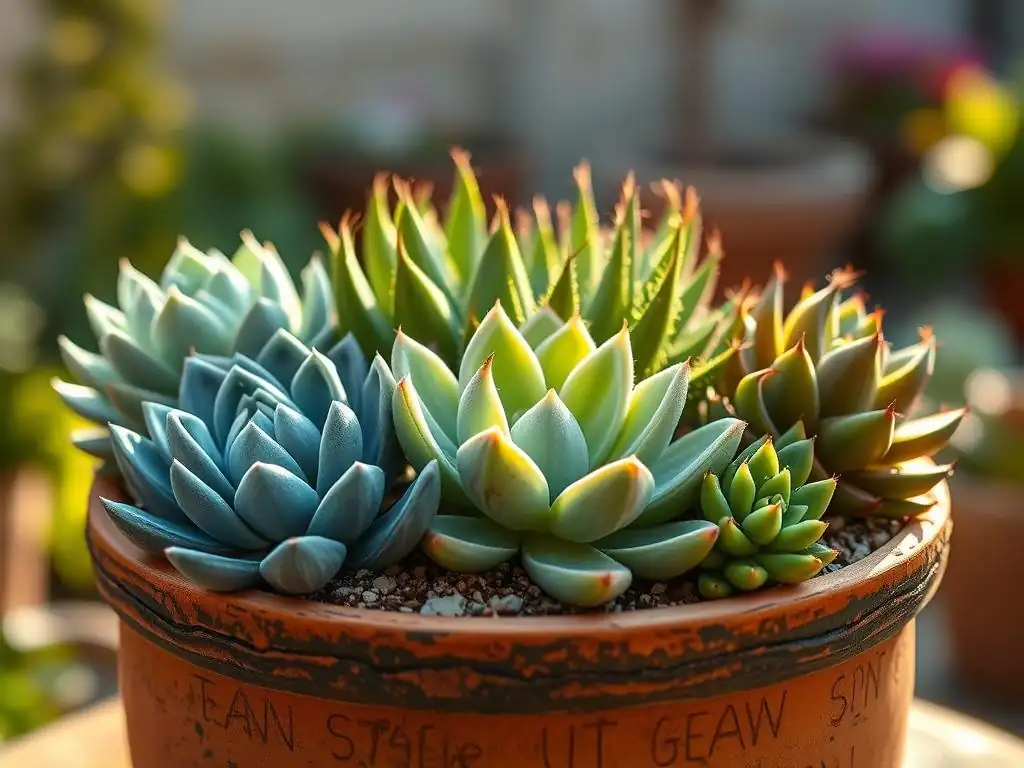
Welcome to SucculentEssentials.org, where the fascinating world of succulents unfolds! Are you ready to unlock the secrets to creating breathtaking succulent arrangements? Our expert guide on Succulent arrangement texture guide will reveal how to master the art of combining diverse textures for truly stunning displays. Dive in and discover how the right textural combinations can transform your outdoor space into a vibrant, drought-tolerant oasis. Prepare to be amazed!
- Understanding Texture in Succulent Arrangements: A Succulent Arrangement Texture Guide
- Exploring Diverse Textures for Your Succulent Designs
- Creating a Balanced Succulent Arrangement with Texture
- Practical Tips for Incorporating Texture in Your Succulent Arrangements
- Advanced Techniques for Mastering Succulent Arrangement Texture
- Examples of Stunning Succulent Arrangements with Diverse Textures
- Maintaining Your Textured Succulent Arrangement
- Resources for Sourcing Textural Elements for Your Succulent Arrangements
-
Frequently Asked Questions
- What is the importance of texture in succulent arrangements?
- How can I incorporate different textures into my succulent arrangements?
- What are some examples of succulents with contrasting textures?
- Are there specific textures that work better together in a succulent arrangement?
- Where can I find more information on creating textured succulent arrangements?
- Final Reflection: Weaving a Tapestry of Texture in Succulent Design
- Unleash Your Inner Succulent Artist!
Understanding Texture in Succulent Arrangements: A Succulent Arrangement Texture Guide
Creating a stunning succulent arrangement goes beyond simply selecting visually appealing plants. A truly captivating display considers the interplay of textures, creating depth, visual interest, and a harmonious overall aesthetic. This ultimate guide will delve into the world of succulent arrangement texture, providing a comprehensive understanding of how to utilize diverse textures to elevate your succulent designs. We'll explore the crucial role texture plays in visual appeal, discuss how to choose the right textures for your specific garden design, and provide practical tips for achieving a balanced and captivating succulent landscape. This guide serves as your definitive Succulent arrangement texture guide, empowering you to transform your succulent arrangements from ordinary to extraordinary.
The Importance of Textural Variety in Succulent Displays
The beauty of a succulent arrangement is significantly enhanced by the inclusion of diverse textures. Think of it like a painter's palette: a single color is beautiful, but a masterful blend of shades and hues creates depth and complexity. Similarly, incorporating a variety of textures – smooth, rough, fine, coarse – adds visual intrigue and prevents the arrangement from appearing flat or monotonous. Consider the contrast between the smooth, almost waxy leaves of an Echeveria and the spiky, almost prickly texture of an Agave.
This juxtaposition creates a dynamic and engaging display. Furthermore, the interplay of textures can also subtly influence the perceived size and scale of your arrangement. For example, including plants with fine textures can make larger succulents appear even more impressive, while conversely, incorporating larger, coarser textures can highlight the delicacy of smaller succulents.
This carefully considered balance is key to creating a visually stunning and harmonious arrangement. Don't be afraid to experiment! The right combination of textures will transform your succulent garden into a captivating masterpiece.
Visual Appeal and Depth Through Texture
Texture is not merely about the tactile experience; it profoundly impacts the visual appeal of your succulent arrangement. The interplay of light and shadow across different textures adds a three-dimensional quality, creating depth and preventing the arrangement from appearing flat. For instance, the light reflecting off the smooth, almost glassy surface of a Sedum contrasts beautifully with the shadows cast by the intricate, textured leaves of a Sempervivum.
This interplay of light and shadow enhances the visual interest and draws the eye across the entire arrangement. Furthermore, the use of contrasting textures can create focal points, guiding the viewer's gaze and highlighting specific plants or elements within the design. Consider using succulents with fine, delicate textures as a backdrop to showcase succulents with bolder, more pronounced textures.
This strategic use of texture helps to create a sense of balance and visual harmony. Remember, the goal is to create a visually engaging and captivating display that invites closer inspection and appreciation.
Choosing the Right Textures for Your Succulent Garden Design
Selecting the right textures for your succulent arrangement depends on several factors, including the overall style of your garden, the size and shape of the planting area, and the specific succulents you're working with. For a modern, minimalist design, consider using succulents with smooth, clean lines and simple textures. Conversely, a more rustic or bohemian style might benefit from incorporating succulents with rougher, more irregular textures. The size and shape of your planting area also play a role.
In a small container, you might want to stick to finer textures to avoid overcrowding. For larger areas, you have more freedom to experiment with a wider range of textures, creating a more dynamic and complex arrangement. Finally, consider the individual characteristics of your succulents. Some succulents have incredibly fine, almost hair-like textures, while others boast thick, fleshy leaves or spiky, almost thorny structures.
The key is to carefully consider these characteristics and choose a combination of textures that complements each plant and enhances the overall visual appeal of your succulent garden. Experimentation and observation are your best tools here! Don't be afraid to try different combinations until you find the perfect balance. The result will be a unique and stunning succulent arrangement that reflects your personal style and creativity.
Exploring Diverse Textures for Your Succulent Designs
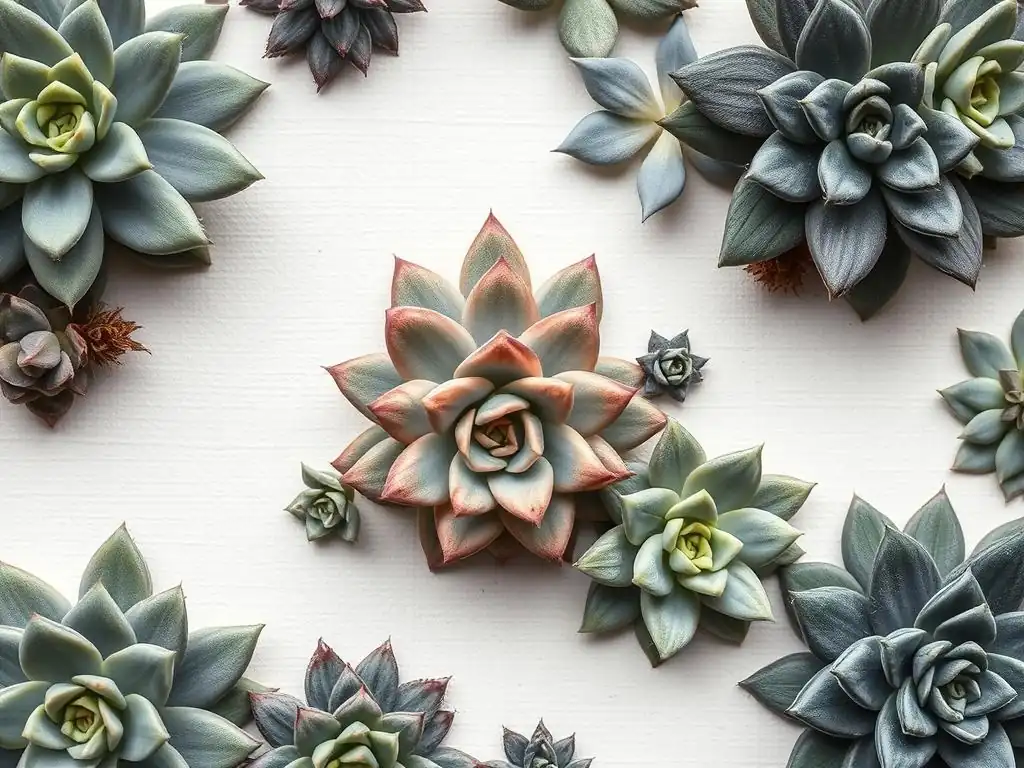
This section delves into the crucial role of texture in creating visually captivating succulent arrangements. Mastering the art of textural contrast and harmony is key to achieving a truly stunning and unique succulent design. A well-executed textural approach elevates your arrangement from a simple collection of plants to a sophisticated and engaging landscape.
This guide will explore various textures and how to effectively incorporate them into your succulent masterpieces, enhancing their visual appeal and overall impact. Remember, the "Succulent arrangement texture guide" is all about experimenting and finding what works best for your personal style and the specific succulents you are working with.
Incorporating Smooth Textures: Polished Stones and Glass Containers
Smooth textures offer a clean, modern aesthetic, contrasting beautifully with the often rugged forms of succulents. Polished stones, particularly those with a glossy finish, provide a sleek backdrop or focal point. Their reflective surfaces can subtly enhance the colors of your succulents, creating a visually interesting interplay of light and shadow. Think of using river stones, tumbled glass beads, or even polished marble chips.
Consider the size and color of the smooth elements. Smaller, lighter-colored stones might work well as a filler around smaller succulents, while larger, darker stones can serve as anchors for larger specimens. The smooth surfaces also create a sense of calm and sophistication, complementing the often more dramatic textures of the succulents themselves.
Glass containers, especially those with clear or subtly tinted glass, offer another excellent avenue for incorporating smooth textures. The transparency allows for the display of the succulent roots and soil, adding another layer of visual interest. Consider using various shapes and sizes of glass containers to create a dynamic arrangement. For example, a combination of sleek cylindrical vases and more organic, rounded bowls can provide a visually engaging contrast. Remember to always use well-draining soil and ensure proper aeration to prevent root rot in glass containers.
Utilizing Rough Textures: Natural Stones, Bark, and Rustic Pots
Rough textures add a touch of rustic charm and natural beauty to succulent arrangements. Natural stones, such as unpolished river rocks, slate, or even pieces of rough-hewn granite, provide a grounding element, contrasting beautifully with the smoother forms of the succulents. The varied shapes and sizes of these stones add visual interest and depth to the arrangement.
Tree bark, particularly that of larger, more textured trees, can add a unique and organic element to your designs. Pieces of bark can be used as a base for the arrangement, or they can be incorporated directly into the planting mix to provide a natural, earthy feel. However, ensure the bark is thoroughly cleaned and free of any pests or diseases before using it in your succulent arrangement.
Rustic pots, made from materials like terracotta or unglazed ceramic, add another layer of rough texture. The porous nature of these pots allows for better air circulation and drainage, which is crucial for the health of succulents. The imperfections and variations in color and texture of these pots add character and charm to your designs. Consider using a variety of pot sizes and shapes to create a dynamic and visually interesting arrangement. The rough texture of these pots also complements the often rugged forms of the succulents, creating a harmonious and balanced aesthetic.
Adding Fine Textures: Sand, Gravel, and Small Decorative Elements
Fine textures provide subtle details and visual interest to your succulent arrangements. Sand, particularly coarse sand, adds a delicate textural layer to the base of the arrangement, helping to anchor the succulents and create a visually appealing surface. Different colored sands can be used to create patterns or gradients, adding another dimension to your design. Remember to choose sands that are well-drained to avoid waterlogging.
Gravel, especially small, colorful gravels, can be used in a similar way to sand. The varied colors and sizes of gravels can add visual interest and help to create a more naturalistic look. Consider using a mix of different sizes and colors of gravel to create texture and depth. Again, proper drainage is paramount; avoid using fine gravel which can compact and impede water flow.
Small decorative elements, such as miniature figurines, seashells, or small pieces of driftwood, can add a whimsical and personalized touch to your succulent arrangements. These elements should be used sparingly to avoid overwhelming the succulents. Their inclusion adds a final layer of complexity and visual interest to the overall design. Choose elements that complement the overall style and color palette of your arrangement. The key is to balance the fine textures with the coarser elements for a well-rounded composition.
Playing with Contrasting Textures: Combining Smooth and Rough Elements
Creating visual interest in your succulent arrangements hinges on understanding and utilizing texture contrast. Smooth, almost waxy succulents like Echeveria species offer a stark contrast to the rough, heavily textured leaves of Sedum morganianum (Burro's Tail) or the spiky, almost prickly nature of Haworthia. This juxtaposition is key to a captivating design. Think of it like a painter using smooth strokes alongside heavily textured impasto—the difference creates depth and visual excitement.
Consider a shallow, smooth ceramic dish as your base. The smooth surface provides a clean backdrop that beautifully highlights the contrasting textures of your succulents. You could then plant a cluster of smooth Echeveria in the center, their rosettes forming a focal point.
Around these, strategically place several strands of Sedum morganianum, their cascading, rope-like stems creating a dramatic, rough counterpoint. The interplay between the sleek, polished surface of the Echeveria and the coarse, almost hairy texture of the Sedum instantly elevates the design. The contrast isn't just visual; it adds a tactile dimension to the arrangement, inviting closer inspection and appreciation.
Furthermore, incorporating hardscaping elements can enhance this textural contrast. For example, the smooth, polished stones often used in succulent arrangements perfectly complement the rough texture of certain succulents. Similarly, the rough-hewn surface of a rustic terracotta pot can dramatically enhance the visual impact of smooth succulents planted within. The key is to carefully consider the interplay between each element, ensuring a balanced composition where no single texture overwhelms the others.
Experiment with different combinations to achieve the perfect equilibrium of smooth and rough. Remember, the goal is to create a dynamic and engaging arrangement that captures the eye and stimulates the senses. Don't be afraid to experiment! The beauty of succulent arrangements lies in their versatility and the endless possibilities for creative expression.
Creating a Balanced Succulent Arrangement with Texture
This section delves into the art of achieving textural harmony in your succulent arrangements. Mastering texture isn't just about visual appeal; it's about creating a balanced and engaging composition that captivates the eye. Think of texture as another layer of design, working in conjunction with color, shape, and size to create a truly stunning succulent masterpiece. A successful succulent arrangement uses texture to create depth, interest, and a sense of visual rhythm. Ignoring texture can lead to a flat, uninteresting display, even if you've selected beautiful succulents.
The Rule of Thirds and Textural Balance
The rule of thirds, a fundamental principle in photography and design, applies equally well to succulent arrangements. Imagine dividing your arrangement into nine equal parts using two equally-spaced horizontal lines and two equally-spaced vertical lines. Strategic placement of textural elements – smooth, rough, fine, coarse – at the intersections of these lines creates visual equilibrium. For example, you might place a cluster of fine-textured Sedum rubrotinctum ('Aurora') near one intersection, contrasting it with a coarser, more rugged Echeveria at another.
This prevents the arrangement from feeling visually "heavy" in one area. Experiment with different placements to discover what works best for your specific arrangement and chosen succulents. Consider the overall shape of your container as well; a wider, shallower container may necessitate a different approach to textural balance than a tall, narrow pot.
Highlighting Focal Points Through Texture Contrast
Strategic use of texture contrast is crucial for creating focal points within your succulent arrangement. A succulent with a uniquely textured leaf, such as the bumpy Haworthia attenuata, can serve as a striking centerpiece when placed amongst smoother-leaved varieties. The contrast draws the eye directly to this focal point, creating a visual hierarchy within the arrangement.
This technique is especially effective when combined with color contrast. For instance, a silvery-blue Senecio serpens with its smooth, cylindrical leaves can be juxtaposed against a dark-green, rough-textured succulent to heighten the impact of both. Remember, the goal is to create a dynamic interplay of textures, not just a random assortment.
Using Texture to Guide the Eye Through the Arrangement
Think of texture as a visual pathway. By carefully arranging succulents with varying textures, you can subtly guide the viewer's eye through the arrangement, revealing its beauty gradually. Start with a smooth, low-lying succulent at the base, perhaps a Graptopetalum paraguayense, then gradually introduce succulents with increasingly complex textures as you move upwards.
This creates a sense of visual progression, encouraging exploration of the entire arrangement. You can also use lines created by the arrangement of differently textured succulents to lead the eye towards a particular focal point. This technique adds a layer of sophistication to your design, transforming a simple collection of succulents into a carefully curated work of art.
Experiment with different patterns and textures to find what works best for your creative vision and the specific succulents you are using. Don't be afraid to break the rules and create your own unique style; the most important aspect is to create a visually pleasing and harmonious arrangement.
Practical Tips for Incorporating Texture in Your Succulent Arrangements
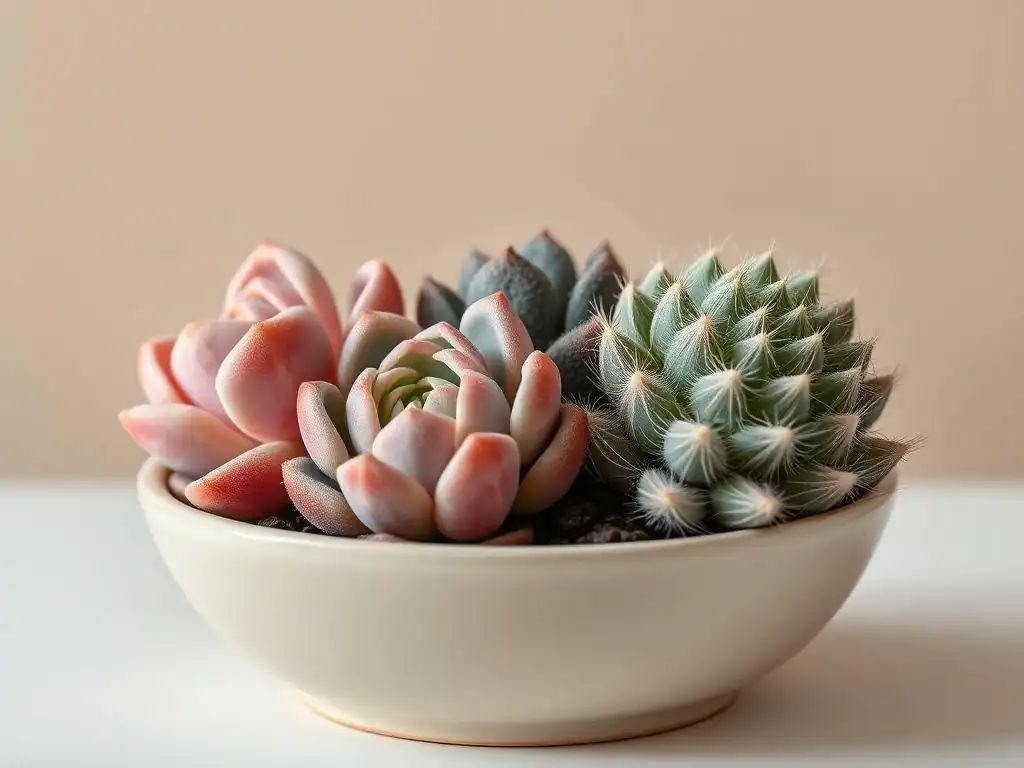
This section delves into the practical application of texture in succulent arrangements, offering actionable advice for achieving visually appealing and harmonious designs. We'll explore how to choose containers, strategically place elements, and maintain textural balance over time, transforming your succulent displays from simple plantings into captivating works of art. Mastering texture is key to creating a truly stunning and memorable succulent arrangement. Remember, the goal is to create visual interest and depth, enhancing the overall aesthetic appeal of your succulent design.
Selecting Containers with Complementary Textures
The container you choose is the foundation of your succulent arrangement, profoundly impacting the overall texture. Avoid clashing textures; instead, strive for harmony. For instance, a smooth, glazed ceramic pot complements succulents with fine, delicate leaves, such as Sedum rubrotinctum ('Jelly Bean'). The smooth surface provides a stark contrast, highlighting the plant's texture. Conversely, a rough, terracotta pot pairs beautifully with succulents featuring coarser, thicker leaves or a rugged growth habit, like Echeveria species. The rough texture of the pot echoes the plant's texture, creating a cohesive feel.
Consider these examples:
| Container Material | Texture | Suitable Succulent Types | Visual Effect |
|---|---|---|---|
| Glazed Ceramic | Smooth, Polished | Sedum rubrotinctum, String of Pearls, Graptopetalum | Highlights delicate leaf textures; creates contrast |
| Terracotta | Rough, Porous | Echeveria, Agave, Haworthia | Enhances rugged textures; creates unity |
| Woven Basket | Rough, Organic | Sedum morganianum, trailing succulents | Adds rustic charm; contrasts with smooth leaves |
| Metal (galvanized) | Industrial, Smooth | Various succulents; creates a modern, minimalist look | Bold statement; contrasts with organic textures |
Remember that the color of the container also plays a role in how the texture is perceived. A dark container can make textures appear more dramatic, while a light-colored one can soften them.
Strategically Placing Textural Elements Within the Arrangement
Once you've selected your container, the strategic placement of textural elements within the arrangement itself is crucial. Think about layering different textures – for example, combining succulents with smooth leaves alongside those with fuzzy or spiky leaves. This creates visual interest and depth. Varying heights also contributes to textural complexity. Taller succulents can provide a backdrop for smaller, more delicate ones, highlighting the differences in their textures.
Consider these tips:
- Layering: Start with a base layer of larger, coarser succulents. Then, add layers of progressively finer textures towards the top.
- Contrast: Place succulents with very different textures next to each other to create a visually striking effect. For example, combine a fuzzy Kalanchoe tomentosa with a smooth Graptopetalum paraguayense.
- Repetition: Don't be afraid to repeat certain textures throughout the arrangement to create a sense of rhythm and unity. This creates a more cohesive and visually pleasing result.
- Focal Points: Use succulents with unique textures as focal points to draw the eye. A succulent with unusual leaf shape or coloration can serve as a stunning centerpiece.
Careful consideration of these factors will ensure your arrangement avoids a monotonous appearance.
Maintaining Textural Balance Over Time
Succulents grow, and their textures can change over time. Regular maintenance is essential to preserve the textural balance of your arrangement. Some succulents may become leggy, losing their compact form and altering their texture. Others might spread rapidly, potentially overwhelming the other elements.
To maintain textural harmony:
- Pruning: Regularly prune leggy succulents to encourage bushier growth and maintain the desired texture. This keeps the arrangement looking neat and prevents any one element from dominating.
- Repotting: Repot succulents as needed to provide adequate space for growth. Overcrowding can lead to uneven growth and disrupt the textural balance.
- Replacing: If a succulent dies or significantly alters its texture, replace it with a similar plant to maintain the visual appeal. Consider using cuttings from existing plants to maintain consistency.
By proactively addressing these aspects, you can ensure your succulent arrangement retains its initial textural appeal for years to come. Regular inspection and careful maintenance are key to preserving the balance and beauty of your succulent masterpiece. This ongoing care ensures your succulent arrangement remains a stunning display of carefully curated texture.
Advanced Techniques for Mastering Succulent Arrangement Texture
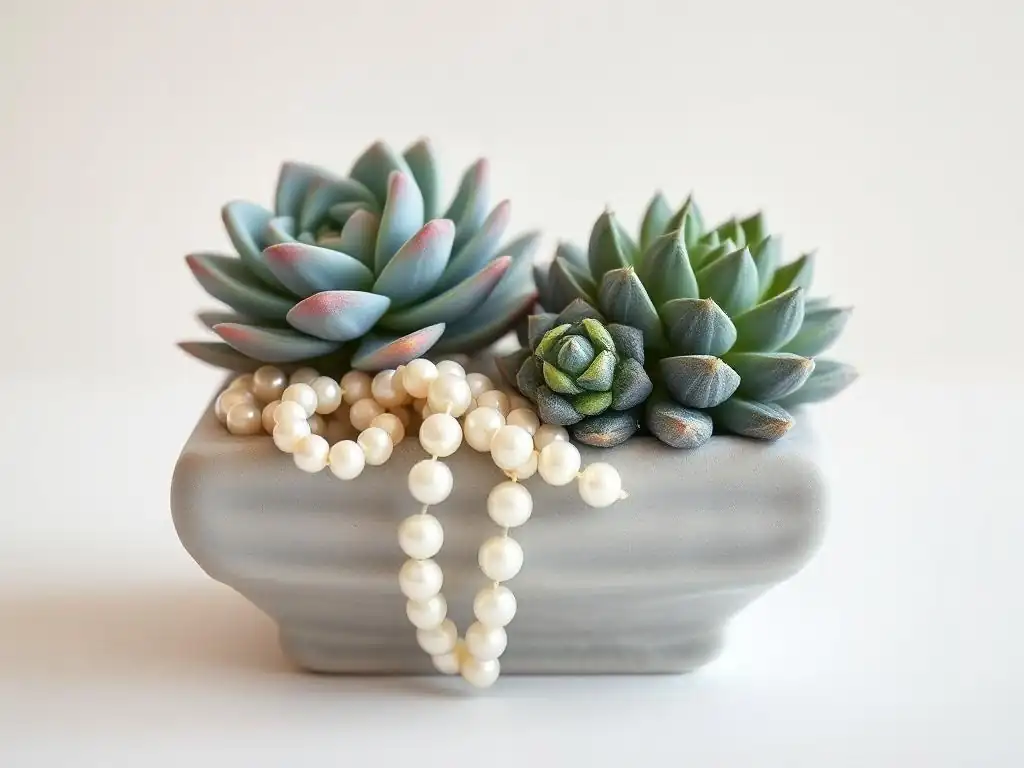
This section delves into sophisticated techniques to elevate your succulent arrangements beyond the basics, focusing on the skillful manipulation of texture for a truly captivating display. We'll explore how strategic textural layering and the incorporation of unusual elements can transform your designs. Remember, the key to a successful succulent arrangement lies not just in the plant selection, but in the thoughtful interplay of textures. This Succulent arrangement texture guide will help you achieve professional-level results.
Layering Textures for Depth and Dimension
Layering textures is crucial for creating depth and visual interest in your succulent arrangements. Think of it like a painter using different brushstrokes – a variety of textures prevents monotony and adds dynamism. Start with a base layer of coarser textures. This could be achieved using larger, bolder succulents like Echeveria 'Laui' with their powdery, almost frosted leaves, or Sedum morganianum ('Burro's Tail') with its cascading, rope-like stems. These provide a strong foundation.
Next, introduce a middle layer with medium textures. Consider succulents with interesting leaf shapes and slightly finer textures, such as Graptopetalum paraguayense ('Ghost Plant') with its smooth, almost ethereal leaves, or Sempervivum tectorum (Houseleek) varieties with their rosette formations and varied surface textures. These plants bridge the gap between the coarse base and the finer details.
Finally, add a top layer using succulents with fine textures. This could include plants like Sedum album with its tiny, densely packed leaves, or string-of-pearls ( Senecio rowleyanus) with its delicate bead-like leaves. These delicate textures add a finishing touch, enhancing the overall visual complexity. The contrast between these layers—rough and smooth, large and small—creates a three-dimensional effect that's visually stunning. Experiment with different combinations to find what works best for you!
Using Texture to Create Visual Interest in Small Spaces
Even small succulent arrangements can benefit greatly from careful texture selection. In limited spaces, maximizing visual impact is paramount. The strategic use of texture can make a small arrangement feel much more substantial and engaging. Prioritize succulents with a variety of textures, but keep the overall scale smaller to avoid overwhelming the space.
For example, a small terracotta pot could be beautifully adorned with a single, larger succulent like a Haworthia cooperi with its translucent, bumpy leaves, paired with several smaller succulents like Echeveria minima known for their delicate rosettes. The contrast in size and texture creates a sense of depth that belies the arrangement's small scale. Don't be afraid to use textural elements beyond the plants themselves.
Small pebbles or decorative gravel can add another layer of texture and visual interest to your miniature succulent garden. Consider the pot's texture as well; a rough-textured pot will complement certain succulents better than a smooth one.
Incorporating Unexpected Textures for Unique Designs
To truly stand out, consider incorporating unexpected textures into your succulent arrangements. Think beyond the typical smooth or rough leaf textures. Experiment with materials that provide contrasting textures, such as driftwood, smooth river stones, or even pieces of rusted metal. These additions not only add textural variety but also introduce unique visual elements that can elevate your designs.
For instance, a succulent arrangement featuring a mix of smooth, fleshy leaves could be dramatically enhanced by adding a piece of weathered driftwood. The rough, organic texture of the wood provides a stunning contrast to the softer textures of the succulents. Similarly, incorporating shiny, metallic elements, such as small copper or brass accents, can add a touch of unexpected glamour and visual intrigue. Remember, the goal is to create a harmonious yet surprising juxtaposition of textures—a carefully curated visual symphony that captivates the eye. Don't be afraid to experiment and discover your own unique combinations!
Examples of Stunning Succulent Arrangements with Diverse Textures
This section explores the captivating world of succulent arrangement texture, showcasing how different textures can elevate your designs from simple to spectacular. A well-executed succulent arrangement isn't just about the plants themselves; it's about the interplay of textures, creating visual depth and interest. This guide will help you understand how to leverage texture to achieve stunning results, regardless of your design style. Remember, the key to a successful succulent arrangement lies in the careful selection and arrangement of succulents with varying textures, combined with complementary hardscaping elements. This "Succulent arrangement texture guide" will help you master this art.
Showcase of Smooth and Sleek Succulent Displays
Smooth, sleek succulents, such as Echeveria varieties, offer a clean, modern aesthetic. Their polished leaves create a sense of sophistication and elegance. Consider these points when incorporating smooth textures:
- Color Contrast: Pair smooth, dark-leaved succulents with lighter-colored stones or containers for a striking contrast. The smooth texture will highlight the color differences, making the arrangement more dynamic.
- Geometric Shapes: Utilize containers with clean lines and geometric shapes to complement the smooth texture of the succulents. A square or rectangular pot will emphasize the sleekness of the plants.
- Minimalist Approach: Less is more when it comes to smooth textures. Avoid overcrowding the arrangement; instead, focus on showcasing the individual beauty of each succulent.
For instance, imagine a minimalist arrangement featuring a single, large Echeveria Laui in a sleek, white ceramic pot. The soft, powdery bloom of the Echeveria Laui contrasts beautifully with the sharp lines of the pot, creating a visually appealing and sophisticated display.
Showcase of Rustic and Natural Succulent Arrangements
Rustic succulent arrangements evoke a sense of natural beauty and charm. These arrangements often incorporate elements like weathered wood, rough stones, and succulents with textured leaves, such as Sedum morganianum (Burro's Tail) or Sempervivum (Hens and Chicks).
- Material Selection: Choose containers made from natural materials like terracotta, wood, or stone. The rough texture of these materials complements the rustic feel of the arrangement.
- Organic Shapes: Opt for containers with irregular, organic shapes to enhance the natural aesthetic. A reclaimed wood box or a roughly hewn stone trough will work perfectly.
- Variety of Textures: Combine succulents with different leaf textures – some smooth, some rough, some fuzzy – to create visual interest within the rustic theme.
A stunning example could be a trough planter filled with a mix of Sedum, Sempervivum, and Graptopetalum succulents, nestled amongst small, irregularly shaped river stones. The varying textures and colors of the succulents, combined with the rough texture of the stone and the planter, create a captivatingly rustic display.
Showcase of Modern Succulent Designs with Textural Contrast
Modern succulent arrangements often highlight the contrast between different textures to create visually striking displays. This approach involves juxtaposing smooth and rough textures, or even incorporating unexpected elements to add visual interest.
- Unexpected Materials: Incorporate unexpected materials like polished metal, glass, or concrete to contrast with the organic textures of the succulents.
- Strategic Placement: Carefully consider the placement of succulents with different textures. For example, place a smooth succulent next to a fuzzy one to emphasize the contrast.
- Color Coordination: While texture is key, don't forget about color! Use a coordinated color palette to tie the arrangement together.
Consider a modern arrangement featuring a sleek, black ceramic pot containing a mix of smooth Echeveria and fuzzy Kalanchoe tomentosa (Panda Plant). The contrast between the smooth, dark pot, the smooth leaves of the Echeveria, and the fuzzy texture of the Kalanchoe tomentosa creates a visually stunning and sophisticated display. This exemplifies how a thoughtful approach to texture can elevate a succulent arrangement to a true work of art, perfectly illustrating the principles of a successful "Succulent arrangement texture guide".
Maintaining Your Textured Succulent Arrangement
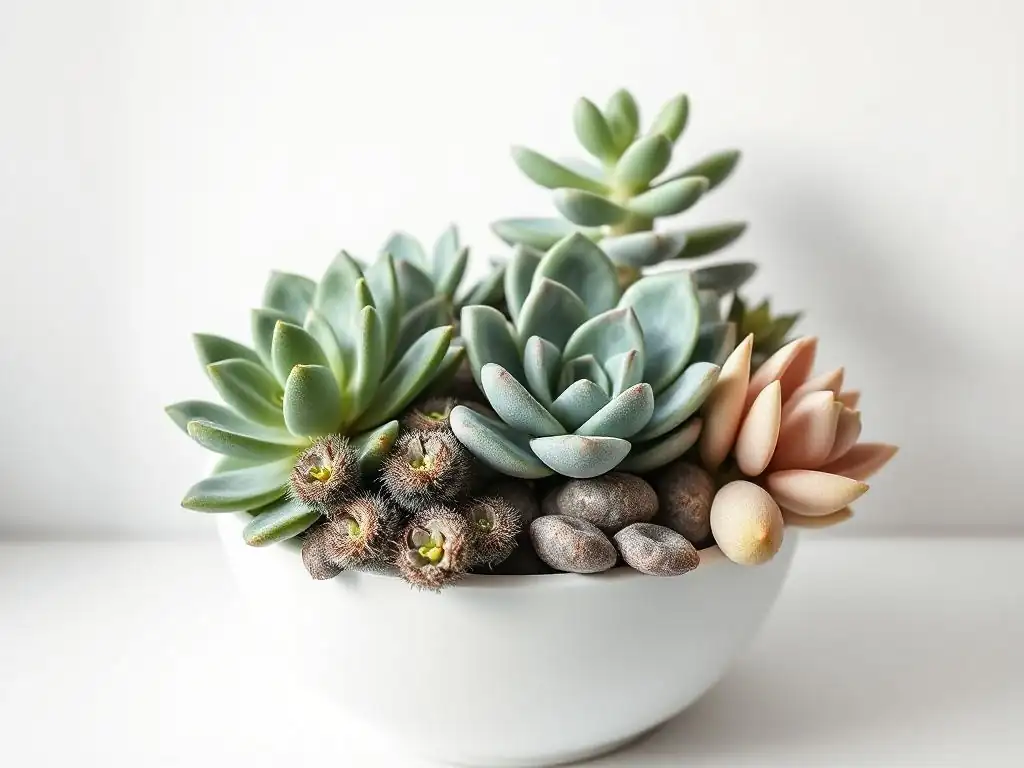
Creating a stunning succulent arrangement with diverse textures is only half the battle. Maintaining that visual appeal and the structural integrity of your design requires ongoing care and attention. This section focuses on practical strategies to ensure your succulent arrangement retains its unique textural charm for years to come. We'll explore techniques for preventing soil erosion, refreshing the arrangement, and preserving its overall textural integrity. Understanding these maintenance aspects is crucial for maximizing the longevity and aesthetic impact of your succulent masterpiece, ensuring your hard work continues to shine.
Preventing Soil Erosion and Texture Degradation
Soil erosion is a significant threat to the longevity and visual appeal of any textured succulent arrangement. The delicate balance of textures, especially in elevated arrangements or those with exposed soil, can be easily disrupted by wind, rain, and even watering techniques. Here's how to mitigate this risk:
- Choosing the Right Soil: Using a well-draining succulent and cactus potting mix is paramount. This prevents waterlogging, which can lead to soil erosion and root rot. Consider adding perlite or pumice to further enhance drainage and aeration. A chunky mix helps maintain the structural integrity of the arrangement.
- Strategic Planting: Planting succulents densely, especially near the edges of the arrangement, can help stabilize the soil and prevent washout. Larger succulents can act as natural barriers against erosion.
- Mulching: Applying a thin layer of decorative gravel or small stones around the base of your succulents not only adds to the visual texture but also helps to retain moisture, suppress weeds, and prevent soil erosion. Choose gravel that complements the overall color scheme and textures of your design.
- Careful Watering: Avoid overwatering, a common cause of soil erosion. Water deeply but infrequently, allowing the soil to dry out completely between waterings. Consider using a watering can with a gentle rose to minimize soil disturbance. Bottom watering is also an effective method to reduce erosion.
- Protective Barriers: In exposed areas prone to strong winds or heavy rain, consider adding physical barriers, such as low walls or windbreaks, to protect your arrangement from the elements. These barriers can significantly reduce soil erosion and help maintain the arrangement's shape and texture.
Refreshing and Updating Your Arrangement's Texture
Over time, the textures in your succulent arrangement may begin to look less vibrant. This is a natural process, and periodic refreshing can help revitalize your design.
- Pruning and Trimming: Regularly prune away dead or dying leaves and stems to maintain a clean and aesthetically pleasing appearance. This also helps to prevent the accumulation of debris, which can contribute to soil erosion and disease. Pruning can be a great way to refine the overall texture of your design.
- Repotting (Partial): If certain areas of your arrangement are becoming sparse or the soil has compacted, consider partially repotting. This involves carefully removing some of the soil, adding fresh potting mix, and replanting succulents to fill in any gaps. This helps to refresh the texture and maintain a healthy environment for your plants.
- Adding New Elements: Introduce new succulent varieties with contrasting textures to add visual interest and depth to your arrangement. This is an excellent way to refresh the overall look and feel of the design without completely starting over. Consider incorporating elements like decorative stones, pebbles, or small pieces of driftwood to further enhance the textural variety.
- Cleaning: Regularly cleaning the arrangement by removing any dust or debris will help to maintain its vibrancy and highlight the diverse textures. A gentle brush or compressed air can be used to clean delicate succulents without causing damage.
Long-Term Care for Preserving Textural Integrity
Maintaining the textural integrity of your succulent arrangement is a long-term commitment. Here are some key considerations for ensuring its beauty endures:
- Seasonal Adjustments: Seasonal changes can impact the appearance of your succulents. During colder months, you may need to provide additional protection from frost or freezing temperatures. During hotter months, ensure adequate watering and shade to prevent scorching and wilting.
- Pest and Disease Control: Regularly inspect your arrangement for pests and diseases. Early detection and treatment are crucial for preventing widespread damage and preserving the overall health and appearance of your succulents.
- Rotation and Sun Exposure: Rotate your arrangement periodically to ensure that all succulents receive even sunlight exposure. This prevents uneven growth and maintains the uniformity of textures throughout the arrangement.
- Documentation: Keeping a record of the types of succulents used, planting dates, and maintenance activities can be invaluable for future reference. This documentation can help you understand the long-term behavior of your arrangement and adjust your care practices accordingly. This is especially helpful if you're experimenting with different textures and combinations.
This detailed guide helps you create and maintain a stunning succulent arrangement that showcases the beauty of various textures. Remember, consistent care and attention are key to preserving the visual appeal and structural integrity of your unique design. By following these tips, you can enjoy the beauty of your textured succulent arrangement for many years to come.
Resources for Sourcing Textural Elements for Your Succulent Arrangements
This section delves into the practical aspects of acquiring the materials needed to create stunning succulent arrangements with diverse textures. Finding the right elements can significantly elevate your designs, transforming them from simple plantings to captivating works of art. This guide focuses on both physical and online resources, ensuring you have a comprehensive approach to sourcing your materials. Remember, the key to a successful succulent arrangement is a thoughtful blend of textures – contrasting smooth stones with rough bark, fine gravel with chunky pebbles – to create visual interest and depth.
Suppliers of Unique Stones and Decorative Materials
Locating suppliers of unique stones and decorative materials is crucial for adding that extra layer of texture and visual appeal to your succulent arrangements. The right materials can dramatically enhance the overall aesthetic, transforming a simple planting into a miniature landscape. Consider these sourcing options:
- Local Landscape Supply Companies: These businesses often carry a wide variety of stones, gravels, and other hardscaping materials in various sizes and colors. They are a convenient option, allowing for direct inspection of the materials before purchase. Don't hesitate to ask about bulk discounts, especially if you're creating multiple arrangements.
- Specialty Rock and Mineral Shops: These shops cater to collectors and enthusiasts, often offering a more curated selection of unique and interesting stones, crystals, and minerals. You might find unusual shapes, colors, and textures that are perfect for adding a distinctive touch to your succulent designs. Expect to pay a premium for these higher-quality, often hand-picked items.
- Garden Centers with Hardscaping Sections: Many larger garden centers now incorporate sections dedicated to hardscaping materials. These sections often include a range of options suitable for succulent arrangements, providing a convenient one-stop shop for both plants and decorative elements. Look for options that complement your chosen succulents in both color and texture.
- Artisan and Craft Fairs: These events often feature local artisans selling hand-crafted items, including unique stones and decorative pieces. This is a great opportunity to discover one-of-a-kind materials and support local businesses. You might discover unusual repurposed materials perfect for adding a rustic charm to your succulent arrangements.
Online Retailers Specializing in Succulent Arrangement Supplies
The internet offers a vast marketplace for sourcing materials for your succulent arrangements, opening up possibilities beyond your local area. However, it’s crucial to choose reputable online retailers to ensure quality and timely delivery. Here are some avenues to explore:
- Etsy: This platform hosts numerous small businesses and individual sellers offering a wide array of unique and handcrafted items, including decorative stones, pebbles, and other materials perfect for succulent arrangements. You’ll find a diverse range of styles and textures, often with personalized options. Be sure to check seller reviews before making a purchase.
- Amazon: While a massive general retailer, Amazon also offers a surprisingly large selection of succulent-related supplies, including decorative stones, gravels, and containers. While the selection may be less curated than specialty sites, the convenience and wide variety can be beneficial. Pay attention to product descriptions and customer reviews to avoid disappointments.
- Specialty Succulent Websites: Several online retailers specialize exclusively in succulents and related supplies. These websites often offer curated collections of materials specifically designed to complement succulent arrangements, providing a streamlined shopping experience. Look for sites with high-quality images and detailed product descriptions.
- eBay: eBay is another option for finding unique and sometimes rare materials at potentially lower prices. However, exercise caution and thoroughly check seller ratings and return policies before making a purchase. Patience is key when sourcing unique items on eBay, as availability can fluctuate.
Remember to always consider the size, color, and texture of your chosen materials in relation to your succulents. A well-thought-out combination of these elements will create a visually stunning and harmonious arrangement. Happy arranging!
Frequently Asked Questions
What is the importance of texture in succulent arrangements?
Texture adds visual interest and depth to your succulent arrangements. Different textures create contrast and make the arrangement more dynamic and appealing. It prevents a monotonous look.
How can I incorporate different textures into my succulent arrangements?
Use succulents with varying leaf shapes and sizes, such as smooth, bumpy, fuzzy, or spiky leaves. Consider adding elements like stones, wood, or decorative sand for added textural contrast. Experiment with different pot materials as well.
What are some examples of succulents with contrasting textures?
Echeveria offer smooth, waxy leaves, while Sedum can have plump, bumpy, or even spiky leaves. Consider using Sempervivum (hen and chicks) for their rosette shapes and fuzzy textures. These offer great textural diversity.
Are there specific textures that work better together in a succulent arrangement?
There's no strict rule, but complementing textures often works best. For example, pairing smooth, waxy leaves with rough, textured stones can create a pleasing contrast. Experiment to find combinations you like.
Where can I find more information on creating textured succulent arrangements?
Explore SucculentEssentials.org for more in-depth guides and tutorials on creating stunning succulent arrangements with a focus on texture. We offer many examples and tips for successful succulent design.
Final Reflection: Weaving a Tapestry of Texture in Succulent Design
The art of succulent arrangement is more than just selecting pretty plants; it's about crafting a visual narrative through texture. This guide has explored the diverse tactile and visual elements available, demonstrating how strategically combining rough, smooth, fine, and coarse textures can elevate a simple succulent display into a breathtaking masterpiece. The impact of this careful consideration is undeniable, transforming a collection of plants into a truly captivating work of art.
The exploration of texture in succulent design isn't merely an aesthetic pursuit; it's a reflection of our innate human desire to connect with the natural world. The subtle roughness of a Haworthia's leaves juxtaposed against the smooth, almost waxy surface of an Echeveria speaks to a deeper appreciation for the beauty found in nature's diversity. The details are not the details. They make the design.
- Charles Eames. This quote perfectly encapsulates the importance of texture in creating a truly memorable and impactful succulent arrangement. It's in the careful consideration of these seemingly small details that the true artistry emerges.
Now, it's your turn. Take what you've learned from this guide and apply it to your own succulent creations. Don't be afraid to experiment, to push boundaries, and to let your creativity flourish. Imagine the possibilities: the satisfying contrast of a velvety-soft Sedum against the sharp, spiky points of an Aloe. Embrace the challenge of weaving a tapestry of texture, and watch as your succulent arrangements transform from simple displays into stunning, personalized works of art that reflect your unique vision and passion.
Unleash Your Inner Succulent Artist!
Thanks for exploring the wonderful world of succulent textures with us! We hope you've discovered new ways to enhance your designs. Ready to put your knowledge into practice?
- Craft a stunning succulent arrangement: Experiment with a variety of shapes and sizes for a truly unique design. Consider combining different textures for added visual interest.
- Share your creation: Snap a photo of your succulent arrangement and share it on social media using #SucculentEssentials – let's inspire each other!
- Join our community: Connect with fellow succulent enthusiasts, share your techniques, and discover new ideas.
What exciting textural combinations will you explore next in your succulent designs?