
Indoor Succulent Workshops: Learning the Art of Plant Design

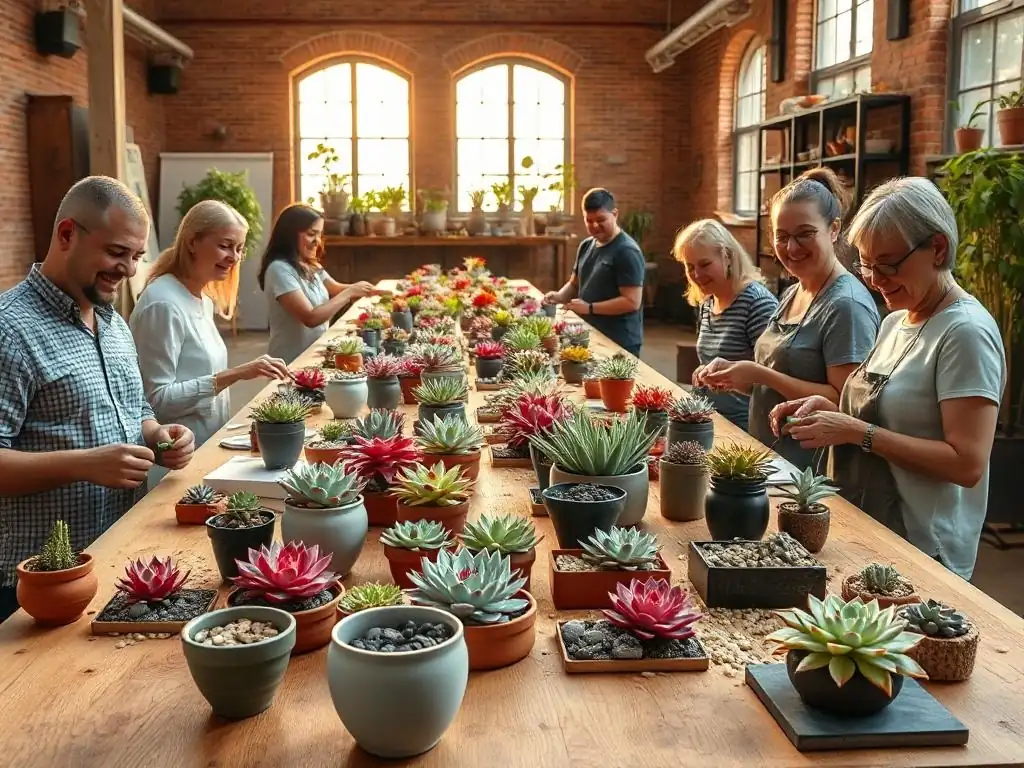
Welcome to SucculentEssentials.org, where the thriving world of succulents awaits! Are you ready to unlock the secrets to crafting breathtaking succulent arrangements? We'll guide you through everything from basic care to creating stunning displays, and this time we're focusing on Indoor Succulent Workshop Ideas – igniting your creativity and transforming your space into a miniature botanical paradise. Dive in and discover the endless possibilities!
- Discovering the Joy of Indoor Succulent Workshop Ideas
- Planning Your Ideal Indoor Succulent Workshop Experience
- Creative Indoor Succulent Workshop Projects & Designs
- Mastering Succulent Arrangement Techniques in Workshops
- Beyond the Workshop: Continuing Your Succulent Journey
- Finding and Booking Your Indoor Succulent Workshop
-
Frequently Asked Questions
- What types of succulent arrangements can I learn to make in an indoor workshop?
- Are indoor succulent workshops suitable for beginners?
- What materials are typically provided in an indoor succulent workshop?
- How long do indoor succulent workshops typically last?
- Where can I find indoor succulent workshops near me?
- Final Reflection: Cultivating Creativity, One Succulent at a Time
- Unleash Your Inner Plant Stylist: Design Your Dream Succulent Garden
Discovering the Joy of Indoor Succulent Workshop Ideas
Embark on a captivating journey into the miniature world of succulents with our comprehensive guide to indoor succulent workshops! This article explores the enriching experience of learning succulent arrangement techniques within the comfort of your own home or a dedicated studio setting. We'll delve into the numerous benefits of participating in these workshops, helping you discover the perfect learning environment to cultivate your passion for these fascinating drought-tolerant plants. Whether you're a seasoned succulent enthusiast or a curious beginner, this guide provides valuable insights into finding and maximizing the benefits of an indoor succulent workshop, transforming your home into a thriving succulent oasis. From understanding the basics of succulent care to mastering the art of creating stunning arrangements, we'll cover everything you need to know to turn your indoor space into a verdant paradise. Let's explore the exciting world of indoor succulent workshop ideas and unlock your inner plant artist!
Why Choose an Indoor Succulent Workshop?
Attending an indoor succulent workshop offers a unique and engaging learning experience that surpasses simply reading online tutorials or watching videos. The hands-on approach provides invaluable practical skills and fosters a deeper understanding of succulent care and design. Imagine the satisfaction of crafting your own breathtaking succulent arrangement under the expert guidance of experienced instructors.
This personalized instruction allows for immediate feedback and addresses individual challenges, ensuring you develop confidence and proficiency in your succulent journey. Furthermore, indoor workshops often cultivate a sense of community among fellow succulent enthusiasts, providing opportunities for networking, sharing tips, and exchanging inspiration. The intimate setting promotes a relaxed and supportive learning environment, making the experience enjoyable and rewarding.
In short, an indoor succulent workshop is the ideal blend of practical learning, creative expression, and social interaction, all within a comfortable and controlled environment. It's a fantastic way to enhance your skills and broaden your knowledge of these captivating plants.
Benefits of Learning Succulent Arrangement Techniques
Learning succulent arrangement techniques opens up a world of creative possibilities. Beyond the simple act of planting, mastering these techniques allows you to transform ordinary containers into stunning miniature landscapes. You'll learn to select the right succulents for your chosen container, considering factors like size, color, texture, and growth habits.
This involves understanding the unique needs of different succulent species and ensuring their compatibility within the arrangement. You'll also gain valuable insights into proper potting techniques, ensuring optimal drainage and aeration for healthy plant growth. Moreover, you'll discover various design principles and artistic approaches, from minimalist arrangements to more elaborate, cascading displays.
These techniques empower you to create personalized arrangements that perfectly complement your home decor, adding a touch of natural beauty and tranquility to your living space. The ability to create these living works of art is incredibly rewarding and offers a unique form of creative expression. Imagine the pride of displaying your own handcrafted succulent masterpieces!
Finding the Right Indoor Succulent Workshop for You
Choosing the right indoor succulent workshop involves considering several key factors. Firstly, assess your skill level and experience with succulents. Beginner workshops offer a foundational understanding of succulent care and basic arrangement techniques, while intermediate or advanced workshops cater to those seeking to refine their skills and explore more complex designs. Secondly, research the instructors and their credentials.
Look for workshops led by experienced succulent enthusiasts with a proven track record of teaching and a passion for sharing their knowledge. Thirdly, consider the workshop's location, duration, and cost. Opt for a location that is convenient and accessible, and ensure the duration aligns with your schedule and learning style.
Finally, read reviews and testimonials from past participants to gain insights into the workshop's quality and overall experience. Taking these factors into account will help you choose a workshop that aligns with your needs, budget, and learning goals, setting you on the path to becoming a confident and creative succulent artist. Remember, selecting the right workshop is crucial for a successful and enriching learning experience.
Planning Your Ideal Indoor Succulent Workshop Experience
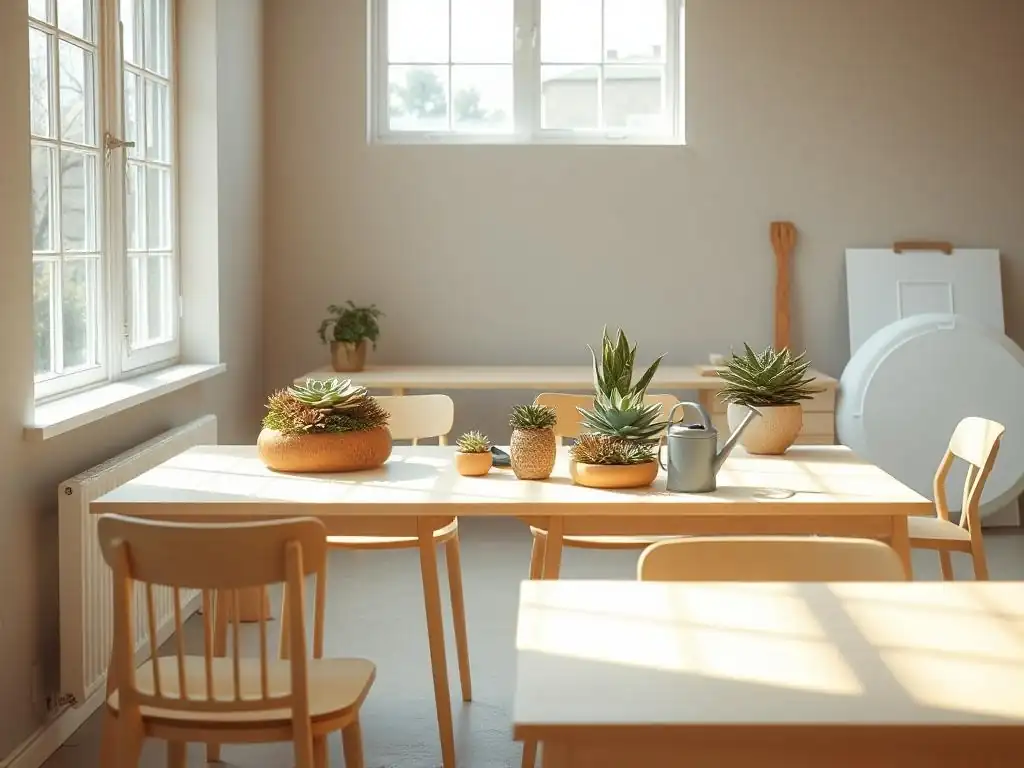
Choosing the right indoor succulent workshop can significantly impact your learning experience and overall enjoyment. Careful planning before you enroll is key to maximizing your time and investment. Consider these crucial factors when selecting a workshop:
Choosing the Perfect Workshop Style: Beginner, Intermediate, or Advanced?
The success of your indoor succulent workshop hinges on selecting a skill level appropriate to your experience. Beginner workshops typically focus on fundamental succulent care, basic planting techniques, and simple arrangement designs. Expect to learn about soil selection, watering practices, and identifying common succulent varieties. These workshops are ideal for newcomers to the world of succulents, offering a gentle introduction to the art of succulent cultivation and arrangement.
Intermediate workshops delve deeper into more advanced techniques. Participants might learn about propagation methods like leaf cuttings and offsets, explore more complex arrangement styles, and experiment with different container types and sizes. A stronger understanding of succulent needs and potential problems is assumed.
Advanced workshops cater to experienced succulent enthusiasts seeking to refine their skills and explore specialized techniques. These could include creating intricate terrariums, designing vertical gardens, and mastering more challenging propagation methods. Expect in-depth discussions on advanced succulent care, including dealing with pests and diseases, and potentially experimenting with unusual succulent varieties or unique arrangement styles. Think miniature landscapes and artistic, highly stylized displays.
Here's a table summarizing the key differences:
| Workshop Level | Focus | Skills Covered | Expected Outcome |
|---|---|---|---|
| Beginner | Basic succulent care and simple arrangements | Soil selection, watering, basic planting, identifying common succulents, simple designs | Confidence in basic succulent care and simple arrangements |
| Intermediate | Advanced techniques and complex arrangements | Propagation, diverse container options, more complex designs, troubleshooting | Ability to create more intricate and varied arrangements |
| Advanced | Specialized techniques and artistic designs | Advanced propagation, terrarium construction, vertical gardens, specialized succulents | Mastery of advanced techniques and creation of unique designs |
Essential Supplies and Materials Provided in Workshops
A well-structured indoor succulent workshop will provide all the necessary materials, minimizing the need for participants to bring their own supplies. This ensures a seamless and focused learning experience. Typically, workshops will provide:
- A wide variety of healthy succulents, carefully selected for their suitability to the workshop's focus. Expect a range of sizes, colors, and textures.
- High-quality succulent potting mix, formulated specifically for optimal drainage and aeration.
- Appropriate containers, ranging from simple pots to more decorative options depending on the workshop's theme.
- Essential tools: These might include trowels, small hand rakes, and possibly even specialized tools for creating terrariums or vertical gardens.
- Gloves to protect hands during planting and handling of succulents.
- Optional decorative elements: These could include pebbles, stones, moss, or other materials to enhance the aesthetic appeal of the arrangements.
The specific materials provided will vary depending on the workshop's focus and skill level. For instance, a terrarium-focused workshop will likely provide more specialized materials like glass containers, activated charcoal, and decorative elements suited to a miniature landscape. Always check the workshop's description for a detailed list of provided materials.
Understanding Workshop Curricula: From Basic Planting to Advanced Designs
The curriculum of an indoor succulent workshop is crucial for ensuring a structured and effective learning experience. A well-designed curriculum should progressively build upon foundational knowledge, introducing new concepts and techniques in a logical sequence.
Beginner workshops typically begin with an introduction to succulent basics, covering topics such as:
- Identifying different succulent types and their specific needs.
- Understanding the importance of proper soil drainage and aeration.
- Mastering basic planting techniques, including preparing the pot, planting the succulent, and watering appropriately.
- Learning about light requirements and suitable indoor locations for succulents.
Intermediate and advanced workshops will expand upon these fundamentals, introducing more complex topics such as:
- Propagation methods: Leaf cuttings, stem cuttings, offsets, and other techniques.
- Creating various arrangement styles: From simple single-pot arrangements to more complex compositions.
- Designing and constructing terrariums and vertical gardens.
- Troubleshooting common succulent problems, including pests, diseases, and overwatering.
- Advanced techniques: This could include creating miniature landscapes, using specialized containers, or incorporating unique decorative elements.
A strong curriculum will balance theory with hands-on practice, allowing ample time for participants to apply the learned techniques and receive personalized guidance from the instructor. Look for workshops that clearly outline their curriculum and emphasize a hands-on approach. The more detailed the curriculum description, the better equipped you'll be to assess if the workshop aligns with your learning goals and skill level.
Creative Indoor Succulent Workshop Projects & Designs
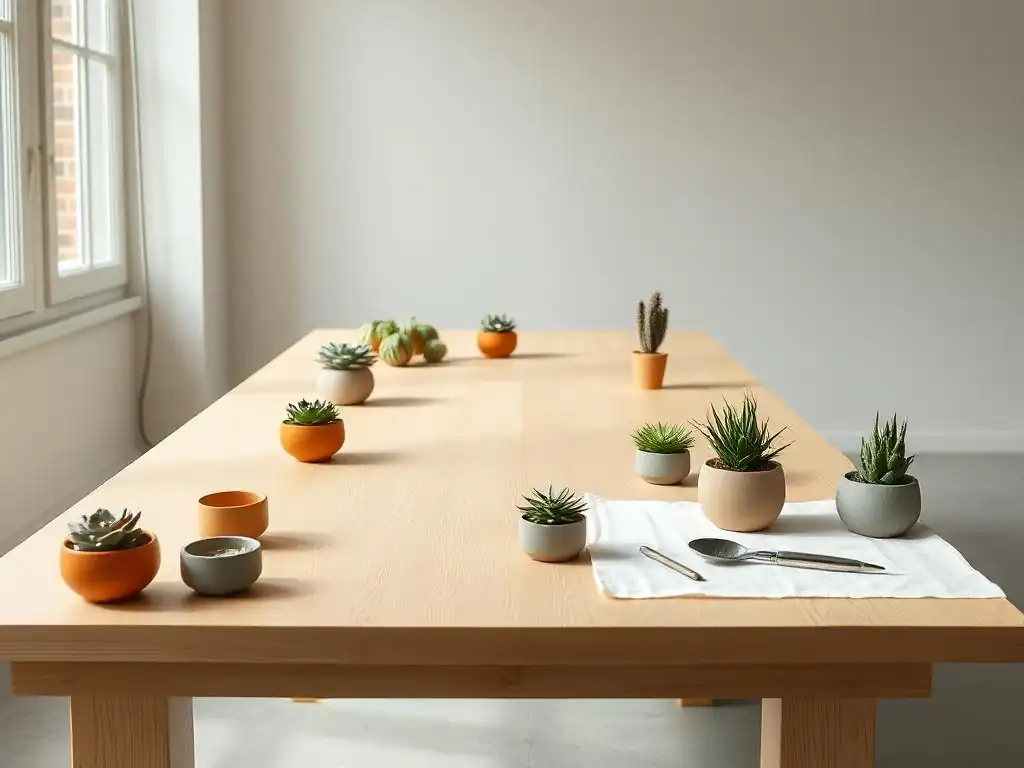
This section explores exciting and innovative indoor succulent workshop project ideas, perfect for both beginners and experienced succulent enthusiasts. We'll delve into various designs and techniques, providing you with the inspiration and knowledge to create stunning indoor succulent displays. The aim is to spark your creativity and offer practical, actionable steps for your own workshops or personal projects. Remember, the key to a successful indoor succulent workshop lies in offering diverse project options to cater to different skill levels and interests.
Miniature Succulent Gardens: Terrariums and Kokedamas
Miniature succulent gardens are incredibly popular workshop projects due to their charming scale and relative ease of creation. Terrariums, in particular, offer a self-contained ecosystem, requiring minimal maintenance once established. Participants can learn about selecting the right succulents for a closed environment, understanding drainage requirements, and creating visually appealing compositions. The use of different types of glass containers—from vintage jars to modern geometric shapes—adds another layer of creativity.
We can further enhance the workshop experience by incorporating kokedamas into the curriculum. Kokedamas, Japanese moss balls, offer a unique alternative to traditional potting. Participants will learn how to prepare the moss ball, select appropriate succulents, and secure them using twine or other natural materials. This project introduces participants to a different planting technique and expands their understanding of succulent care.
Consider offering various terrarium sizes and styles:
| Terrarium Type | Description | Skill Level | Time Estimate |
|---|---|---|---|
| Small Glass Globe | Ideal for beginners, simple composition. | Beginner | 1-1.5 hours |
| Rectangular Glass Terrarium | Allows for more complex layered designs. | Intermediate | 2-3 hours |
| Open-Top Glass Container | Offers more flexibility in plant selection. | Intermediate | 2-3 hours |
Kokedama creation is a rewarding experience:
- Select a well-draining soil mix specifically designed for succulents.
- Use sphagnum moss to create a cohesive ball around the root system.
- Choose compact succulents that complement each other in size and color.
- Secure the kokedama with twine or decorative string.
Vertical Succulent Gardens: Wall Hangings and Planters
Vertical succulent gardens provide a space-saving and visually striking alternative to traditional arrangements. Workshops focusing on this technique can explore various methods, including wall hangings using felt pockets, repurposed picture frames, or specially designed vertical planters. Participants will learn about selecting succulents suitable for vertical growth, proper planting techniques to avoid overcrowding, and the importance of adequate drainage in these unique setups.
The beauty of vertical succulent gardens lies in their adaptability. Participants can explore different materials and designs, leading to highly personalized creations. For instance, workshops can incorporate upcycled materials like old pallets or repurposed metal sheets, adding an eco-friendly and artistic dimension to the project. This also caters to a wider range of participants' interests and skill sets.
The following are essential considerations for creating vertical succulent gardens:
- Drainage: Ensure adequate drainage to prevent root rot. Use a well-draining soil mix and consider adding drainage holes to containers.
- Light: Select a location that receives sufficient sunlight, particularly for south-facing windows.
- Succulent Selection: Choose succulents that tolerate some shade and have a trailing or cascading growth habit.
- Mounting Techniques: Explore various mounting techniques, such as using adhesive, wire, or specialized clips.
Unique Container Choices for Indoor Succulent Displays
The container significantly impacts the overall aesthetic of an indoor succulent arrangement. A well-chosen container can elevate a simple arrangement into a captivating focal point. Workshops can explore a wide range of options, from repurposed vintage teacups and tin cans to modern ceramic pots and glass vessels. Participants will learn about the importance of drainage, container size relative to plant size, and how the container's style complements the succulent's characteristics. This aspect adds a significant design element to the succulent arrangement process.
Furthermore, the workshop can explore unconventional container choices. For instance, participants could learn how to use driftwood, seashells, or even old boots to create unique and eye-catching displays. This element of upcycling and creative repurposing appeals to environmentally conscious individuals and adds a unique touch to the workshop.
Remember to consider these factors when selecting containers:
- Material: Choose materials that are durable, water-resistant, and appropriate for indoor use.
- Size and Shape: Select containers that are proportional to the size of the succulents and complement their overall aesthetic.
- Drainage: Ensure adequate drainage holes to prevent waterlogging.
- Style: Consider the overall style of the container and how it complements the surrounding décor. The container should enhance, not detract from, the beauty of the succulents.
Mastering Succulent Arrangement Techniques in Workshops
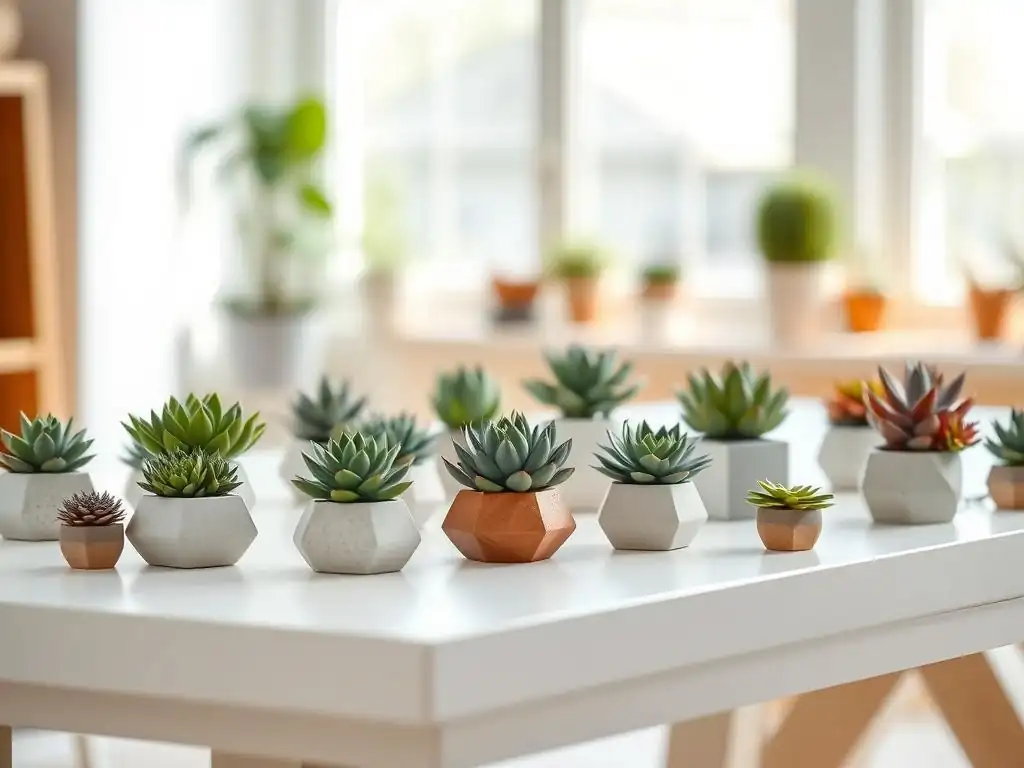
This section delves into the core techniques taught in successful indoor succulent workshops, focusing on the practical skills needed to create thriving and aesthetically pleasing arrangements. We'll explore the nuances of selecting the right succulents, the importance of proper planting and soil, and the ongoing care required to maintain these miniature landscapes. Mastering these techniques will transform your indoor space into a vibrant succulent oasis.
Selecting the Right Succulents for Indoor Arrangements
Choosing the right succulents is paramount to the success of your indoor arrangement. Not all succulents thrive in the same conditions, and indoor environments present unique challenges. Consider these factors when selecting your plants:
- Light Requirements: Many succulents need bright, indirect light. Assess the light levels in your chosen location before selecting your plants. Low-light succulents, like Haworthia or Gasteria, are better suited for dimly lit corners, while Echeveria and Sedum varieties generally prefer brighter conditions.
- Size and Growth Habit: Plan the overall size and shape of your arrangement. Consider the mature size of each succulent to ensure a balanced and harmonious composition. Some succulents are compact and slow-growing, while others are more vigorous and expansive. Choosing a variety of growth habits creates visual interest.
- Color and Texture: Introduce visual contrast through a diverse palette of colors and textures. Combine smooth, waxy leaves with rough, textured ones; pair vibrant greens with dusty blues or reddish hues. This layering adds depth and complexity to your arrangement.
- Compatibility: Ensure the selected succulents have similar water and light requirements to prevent imbalances within the arrangement. Grouping plants with similar needs simplifies care and promotes overall health.
Proper Planting and Soil Selection for Indoor Success
The success of your indoor succulent arrangement hinges on proper planting and the use of appropriate soil. Using the wrong soil can lead to root rot, a common problem for indoor succulents.
- Well-Draining Soil Mix: Succulents are prone to root rot in overly wet soil. A well-draining soil mix is crucial. A typical mix often includes a blend of potting soil, coarse sand, and perlite. The addition of pumice or gravel further enhances drainage. Avoid using garden soil, as it retains too much moisture.
- Pot Selection: Choose pots with drainage holes to prevent waterlogging. Terracotta pots are excellent choices as they allow for better aeration. The size of the pot should be proportionate to the size of the succulent arrangement. Overly large pots can lead to excess moisture retention.
- Planting Process: Gently remove succulents from their individual containers, taking care not to damage the roots. Prepare the pot with a layer of drainage material (e.g., gravel or broken pottery). Add the soil mix, creating a slight mound in the center. Plant the succulents, spacing them appropriately to allow for growth. Fill in any gaps with additional soil, ensuring that the base of the succulents is slightly above the soil level.
Maintaining Your Indoor Succulent Arrangements: Watering and Care
Once your arrangement is planted, ongoing care is essential to its longevity. Overwatering is a common mistake, leading to root rot and plant death.
- Watering Techniques: Water thoroughly when the soil is completely dry. Avoid frequent, shallow watering. Allow excess water to drain completely from the drainage holes. During winter months, reduce watering frequency significantly. The frequency depends on factors like ambient temperature, humidity, and pot size.
- Light Exposure: Monitor the light levels. Rotate the arrangement periodically to ensure even light distribution. Insufficient light can lead to etiolation (leggy growth), while excessive direct sunlight can scorch the leaves.
- Pest and Disease Control: Regularly inspect your succulents for signs of pests or diseases. Address any issues promptly to prevent widespread damage. Mealybugs and aphids are common pests that can infest succulents. Using insecticidal soap or neem oil can help control these pests.
- Repotting: As your succulents grow, they may require repotting to a larger container. Repotting provides fresh soil and allows for continued growth. The optimal time for repotting is during the growing season (spring or summer). Choose a pot only slightly larger than the previous one.
This detailed guide provides a foundation for creating and maintaining beautiful indoor succulent arrangements. Remember, consistent observation and adjustment based on your specific environment are key to success. Enjoy the process of nurturing your miniature succulent gardens!
Beyond the Workshop: Continuing Your Succulent Journey
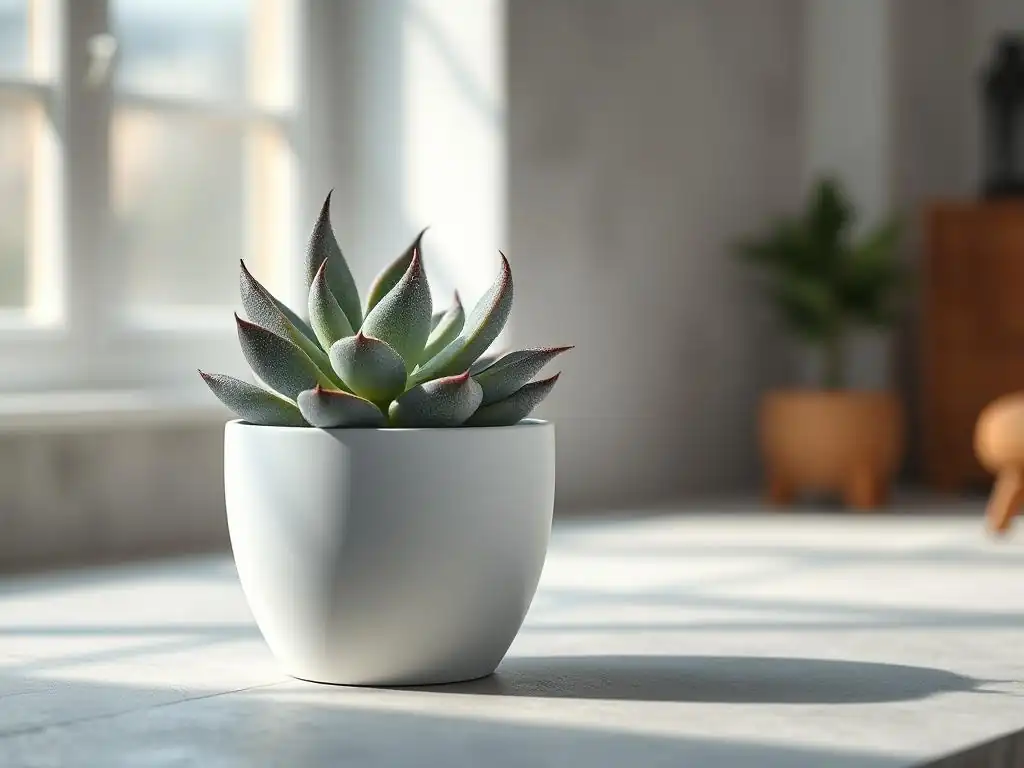
After the stimulating experience of an indoor succulent workshop, the desire to nurture your newfound skills and expand your knowledge is natural. The journey of succulent cultivation is a continuous process of learning and discovery. This section provides avenues to sustain your enthusiasm and delve deeper into the captivating world of succulents.
Resources for Continued Learning and Inspiration
The workshop may have only scratched the surface of the vast knowledge available on succulent care and design. Numerous resources are readily accessible to help you continue your learning and keep your creative juices flowing. Consider exploring online forums dedicated to succulent enthusiasts. These vibrant communities offer a wealth of information, shared experiences, and expert advice. Many experienced succulent growers generously share their tips, tricks, and troubleshooting strategies, providing invaluable support as you refine your skills. You can find answers to specific questions, learn about new succulent varieties, and even get feedback on your own arrangements.
Beyond online forums, consider subscribing to succulent-focused magazines or blogs. These publications often feature insightful articles on various aspects of succulent cultivation, from propagation techniques to innovative design ideas. High-quality photography and detailed instructions can significantly enhance your understanding and inspire new projects. Don't underestimate the power of books either! Many excellent books are available on succulent identification, care, and design, offering a more comprehensive and in-depth exploration of the topic than what a workshop can provide. These resources can serve as valuable references as you continue to grow your knowledge and skills.
Building Your Own Indoor Succulent Collection
One of the most rewarding aspects of succulent cultivation is building a personal collection. Starting with a few carefully selected succulents allows you to practice your care techniques and experiment with different arrangements. Remember to consider the specific needs of each succulent variety when choosing plants for your indoor space. Some succulents thrive in bright, indirect light, while others prefer slightly shadier conditions. Pay close attention to the light levels in your home to ensure that your succulents receive the appropriate amount of sunlight.
The process of expanding your collection can be incredibly fulfilling. You can propagate succulents from cuttings, a cost-effective and rewarding way to increase your plant numbers. This involves taking small cuttings from existing plants and allowing them to root in a suitable medium.
It’s a fantastic way to learn more about the life cycle of succulents and to expand your collection without breaking the bank. Alternatively, you can purchase new succulents from reputable nurseries or online retailers, ensuring the health and quality of your additions. However, always remember to research the specific care requirements of each new succulent before adding it to your collection to ensure its successful integration into your indoor environment.
The joy of cultivating succulents extends beyond personal enjoyment. Sharing your creations and connecting with fellow enthusiasts can enhance your experience and provide valuable opportunities for learning and collaboration. Consider joining a local succulent club or society. These groups offer a supportive community where you can share your knowledge, seek advice, and participate in workshops and events. The camaraderie and shared passion for succulents create a vibrant atmosphere for learning and growth.
Moreover, sharing your succulent arrangements on social media platforms can connect you with a wider network of enthusiasts. Platforms like Instagram and Pinterest provide visual showcases for your creations, fostering inspiration and constructive feedback from others. Use relevant hashtags to increase visibility and engage with a broader community. Sharing your successes and challenges can inspire others and solidify your own learning process. Remember to always give credit where credit is due when sharing ideas or images. The succulent community thrives on collaboration and mutual respect. Sharing your passion and connecting with others will enrich your succulent journey immensely.
Finding and Booking Your Indoor Succulent Workshop
Finding the perfect indoor succulent workshop can transform your plant-arranging skills and unleash your creativity. This section will guide you through the process of discovering and booking a workshop that matches your experience level and aspirations. Whether you're a seasoned succulent enthusiast or a complete beginner, there's a workshop out there waiting for you! Remember, the key is to find a class that aligns with your skill level and interests, ensuring a rewarding and enjoyable learning experience.
Online Resources and Workshop Directories
The internet is a treasure trove of information, and finding succulent workshops is no exception. Numerous websites and platforms specialize in listing workshops and classes across various creative fields, including horticulture. Many dedicated to "indoor succulent workshop ideas" specifically. Start by searching online directories that specialize in crafting and gardening workshops in your area. These directories often allow you to filter results by location, date, skill level, and even specific succulent types featured in the workshop.
Pay close attention to the workshop descriptions; look for details on the techniques taught, materials provided, and the instructor's experience. A well-structured online listing will usually include photos of past workshops, testimonials from previous participants, and contact information for any questions you might have. Don't hesitate to reach out to organizers to clarify any uncertainties before booking. This proactive approach ensures a smooth and successful workshop experience.
Local Community Centers and Botanical Gardens Offering Workshops
Beyond online resources, your local community is a fantastic source for discovering succulent workshops. Many community centers and botanical gardens host regular workshops and classes taught by local experts. Checking their websites or contacting them directly is a great way to uncover hidden gems. These local institutions often offer workshops at affordable prices, sometimes even subsidized by community grants.
Furthermore, attending a workshop at a botanical garden or community center provides a unique learning environment, often incorporating access to their extensive plant collections and resources. This immersive experience can significantly enhance your learning and appreciation for succulents. Look for announcements on community bulletin boards or newsletters, and don't hesitate to visit these locations in person to inquire about upcoming events. You might even find a workshop that wasn't advertised online!
Tips for Choosing a Reputable Workshop Instructor
Choosing the right instructor is crucial for a successful and enjoyable workshop experience. Look for instructors with demonstrable experience in succulent cultivation and arrangement. Consider the following factors:
- Experience: How long has the instructor been working with succulents? Do they have any formal qualifications or certifications in horticulture or related fields?
- Teaching Style: Do they offer a hands-on approach or mostly lecture-based instruction? Choose a style that best suits your learning preferences.
- Reviews and Testimonials: Check online reviews and testimonials from past participants. Positive feedback indicates a positive learning environment and a skilled instructor.
- Curriculum: What specific techniques and skills will be covered in the workshop? Ensure the curriculum aligns with your interests and goals.
- Materials Provided: Will all necessary materials be provided, or will you need to bring your own? Clarify this detail beforehand to avoid any surprises.
By carefully considering these factors, you can confidently select a reputable instructor who will guide you through the art of indoor succulent arrangements with expertise and passion. Remember, investing time in finding the right workshop will significantly improve your overall learning experience. 🌱
Frequently Asked Questions
What types of succulent arrangements can I learn to make in an indoor workshop?
You can learn to create a wide variety of arrangements, from miniature terrariums and vertical gardens to decorative bowls and hanging planters. Workshops often focus on different skill levels, ensuring there's something for everyone.
Are indoor succulent workshops suitable for beginners?
Absolutely! Many workshops are designed specifically for beginners, providing a foundation in succulent care and basic arrangement techniques. Experienced instructors guide you through each step.
What materials are typically provided in an indoor succulent workshop?
Workshops usually provide all the necessary materials, including succulents, pots, soil, tools, and decorative elements. You'll leave with your finished creation and new skills.
How long do indoor succulent workshops typically last?
Workshop durations vary, but you can expect sessions ranging from 2-4 hours, depending on the complexity of the project and the number of participants. Check the specific workshop details.
Where can I find indoor succulent workshops near me?
Check local community centers, craft stores, botanical gardens, and online event listings for workshops in your area. Many florists and plant shops also offer classes.
Final Reflection: Cultivating Creativity, One Succulent at a Time
The resurgence of interest in indoor plants, and specifically succulents, reflects a deeper human need for connection with nature and a desire for creative expression. These miniature botanical masterpieces offer a tangible way to bring the calming influence of the natural world into our often-chaotic lives, and the art of succulent design provides a unique avenue for self-expression and mindful creation.
The popularity of indoor succulent workshops speaks volumes about our collective yearning for hands-on experiences and the therapeutic benefits of working with nature. These workshops aren't simply about learning how to arrange plants; they're about fostering a sense of community, sharing knowledge, and discovering the joy of creating something beautiful with your own hands. The love for all living creatures is the most noble attribute of man.
– Charles Darwin. This quote resonates deeply with the spirit of these workshops, highlighting the inherent human connection to the natural world and the satisfaction derived from nurturing life.
Now, consider your own space. Imagine the calming presence of a meticulously arranged succulent garden, a testament to your creativity and patience. What small act of nurturing can you bring into your life today? Perhaps it's starting a small succulent collection, attending a local workshop, or simply taking a moment to appreciate the beauty of the natural world around you. Let the art of succulent design inspire you to cultivate not only beautiful plants, but also a more mindful and creative approach to life itself.
Unleash Your Inner Plant Stylist: Design Your Dream Succulent Garden
Thank you for exploring the world of indoor succulent design with us! We hope you feel inspired and ready to create something beautiful. Now, let's turn that inspiration into action.
- Design your own succulent arrangement: Gather your favorite pot, some soil, and your chosen succulents, then begin creating! Experiment with different textures, colors, and heights. Don't be afraid to get creative!
- Share your succulent journey: Post a picture of your finished arrangement on social media and tag us! We'd love to see your unique creations.
- Join our online community: Connect with fellow succulent enthusiasts in our online forum to share tips, ask questions, and discover even more amazing plant designs.
What unique design element will you incorporate into your next succulent arrangement?