
Beneficial Bugs: Introducing Natural Predators for a Healthier Succulent Garden

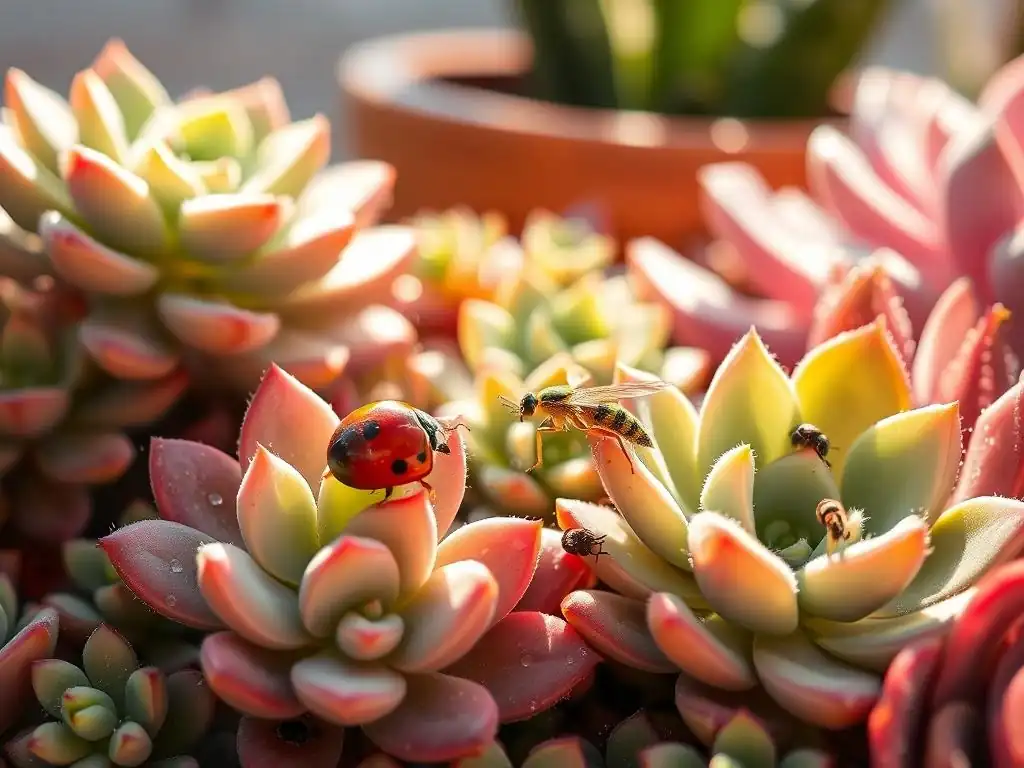
Welcome to SucculentEssentials.org, where the thriving world of succulents unfolds before you! Are you ready to unlock the secrets to a truly flourishing succulent garden? We delve into the fascinating realm of beneficial insects, revealing how these tiny allies can become your secret weapon against common succulent pests. Discover how to cultivate a healthy ecosystem within your plant collection, and learn to nurture your succulents to their fullest potential. Dive in and uncover the surprising truth about natural pest control – your succulent journey starts now!
- Understanding Common Succulent Pests and Their Impact
- Beneficial Insects: Nature's Solution for Pest Control
- Attracting Beneficial Insects to Your Succulent Garden
- Integrating Beneficial Insects into Your Pest Management Strategy
- Monitoring the Effectiveness of Beneficial Insects
- When to Consider Additional Pest Control Measures
- Resources and Further Information on Beneficial Insects for Succulents
-
Frequently Asked Questions
- What are some beneficial insects for my succulents?
- How do I attract beneficial insects to my succulent garden?
- Are there any risks associated with introducing beneficial insects?
- How can I tell the difference between beneficial insects and pests?
- What if beneficial insects don't completely eliminate my succulent pests?
- Final Reflection: Cultivating a Thriving Ecosystem, One Beneficial Bug at a Time
- Unleash Your Garden's Natural Defenses!
Understanding Common Succulent Pests and Their Impact
Succulents, with their striking beauty and resilience, are increasingly popular additions to gardens and homes. However, even these hardy plants are susceptible to pests, which can significantly impact their health and aesthetic appeal. This article delves into the world of beneficial insects, specifically exploring how introducing natural predators can be a highly effective and environmentally friendly method for controlling common succulent pests.
We'll explore the most prevalent succulent pests, the damage they inflict, and how to recognize the early warning signs of infestation, ultimately leading you to a healthier and more vibrant succulent garden. Understanding the dynamics of your succulent ecosystem – both the harmful and the helpful inhabitants – is crucial for long-term success in succulent cultivation.
Learning to harness the power of beneficial insects is a key step towards achieving this goal. This approach offers a sustainable alternative to harsh chemical pesticides, ensuring the well-being of your plants and the environment.
Identifying Mealybugs, Aphids, and Scale on Succulents
Mealybugs, aphids, and scale insects are among the most common pests plaguing succulent collections. Identifying them early is crucial for effective control. Let's examine each pest individually:
- Mealybugs: These soft-bodied insects are easily recognizable by their white, cottony or fluffy appearance. They often cluster in leaf axils, along stems, and at the base of the plant. A magnifying glass can help confirm their presence. They suck plant sap, causing stunted growth and yellowing leaves. Heavy infestations can lead to plant death.
- Aphids: These tiny, pear-shaped insects are typically green, black, or brown. They also feed on plant sap, causing similar damage to mealybugs. Look for them on the undersides of leaves and at the growing tips of stems. They often secrete a sticky substance called honeydew, which can attract ants and lead to sooty mold growth.
- Scale Insects: Scale insects are characterized by their hard, protective shell. They can be various colors, including brown, gray, or white, and are often difficult to dislodge. They attach themselves firmly to the plant's surface, sucking sap and weakening the plant. They may appear as small bumps or raised areas on stems and leaves.
Understanding the visual differences between these pests is the first step in creating a targeted pest management strategy. Remember, early detection is crucial for minimizing damage. A regular inspection of your succulents, paying close attention to crevices and hidden areas, is highly recommended.
The Damage Caused by Common Succulent Pests
The damage caused by mealybugs, aphids, and scale insects varies depending on the severity of the infestation but generally includes:
- Sap depletion: These pests feed on the plant's sap, depriving it of essential nutrients and water. This leads to stunted growth, weakened stems, and overall plant decline.
- Yellowing and wilting leaves: As the plant is deprived of nutrients, leaves may yellow, wilt, and eventually drop off.
- Sooty mold: The sticky honeydew excreted by aphids often attracts sooty mold, a black fungus that can further hinder the plant's ability to photosynthesize.
- Plant death: In severe cases, particularly with untreated infestations, these pests can lead to the death of the succulent.
The economic impact on succulent growers can also be significant, particularly for those involved in commercial production. Losses due to pest damage can affect profitability and create a need for effective control measures. This is where beneficial insects can play a crucial role.
Recognizing the Signs of Infestation: Early Detection is Key
Early detection is critical for effective pest management. Regular inspections are key to preventing widespread infestation and minimizing damage. Look for the following signs:
- Visible pests: Directly observing mealybugs, aphids, or scale insects on the plant.
- Yellowing or discolored leaves: A change in leaf color can be an early indicator of sap-sucking pests.
- Wilting or stunted growth: If your succulent is not growing as expected, or if the leaves are wilting, investigate for pests.
- Honeydew: The presence of sticky honeydew is a strong indicator of aphid infestation.
- Sooty mold: The appearance of black, sooty mold on the leaves is a secondary sign indicating the presence of sap-sucking insects.
By regularly checking your succulents and recognizing these signs, you can intervene early, preventing serious damage and protecting the health of your plants. This proactive approach is essential for maintaining a thriving succulent collection.
Beneficial Insects: Nature's Solution for Pest Control
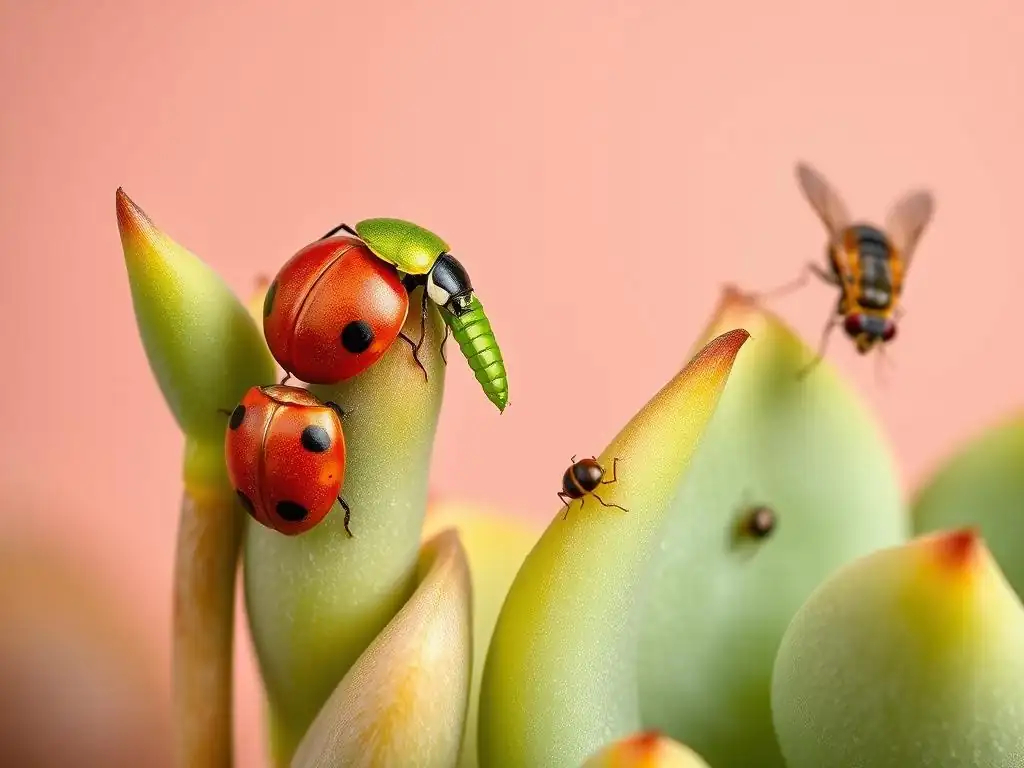
This section delves into the world of beneficial insects, specifically those that can help control common succulent pests without resorting to harmful chemicals. Introducing these natural predators into your succulent garden offers a sustainable and environmentally friendly approach to pest management, promoting a healthier and more vibrant plant ecosystem. Understanding their roles and how to attract them is key to achieving a thriving succulent collection. The effective use of beneficial insects for pest control in succulents is a cornerstone of integrated pest management (IPM), a holistic strategy minimizing the need for pesticides.
Introducing Ladybugs: Effective Predators of Aphids and Mealybugs
Ladybugs, those charming polka-dotted beetles, are voracious predators of aphids and mealybugs – two common succulent pests. A single ladybug can consume up to 5,000 aphids in its lifetime! Their effectiveness stems from their life cycle; both larvae and adult ladybugs actively hunt for these soft-bodied insects. To attract ladybugs to your succulent garden, plant flowers that attract them, such as dill, fennel, and yarrow. Avoid using pesticides, as these will harm ladybugs as well as the pests.
You can even purchase ladybug larvae or adults from reputable suppliers and release them directly into your garden. Remember to release them in the evening when they are less active and more likely to settle in. Monitoring their populations will help you assess their effectiveness and determine if you need to introduce more. A healthy ladybug population is a significant indicator of a balanced and healthy succulent ecosystem. 🐞
Lacewings: Versatile Predators for a Wide Range of Pests
Lacewings are another incredibly beneficial insect for your succulent garden. Both the adult and larval stages are predatory, feeding on a wide variety of pests, including aphids, mealybugs, spider mites, and thrips. Lacewing larvae, often called "aphid lions," are particularly effective hunters, possessing powerful jaws that can quickly dispatch their prey. Attracting lacewings involves providing a habitat with diverse flowering plants and minimal pesticide use.
They are attracted to plants with nectar and pollen, such as Queen Anne's lace, cosmos, and alyssum. Consider planting these around the perimeter of your succulent garden to create a haven for these beneficial insects. Unlike ladybugs, lacewings are more delicate and susceptible to environmental changes, so maintaining a consistent, pesticide-free environment is crucial for their survival and effectiveness. Their delicate, green wings and intricate bodies make them a beautiful addition to any garden, further rewarding your efforts in promoting biodiversity.
Praying Mantises: Masters of Ambush for Larger Pests
Praying mantises are fearsome predators known for their ambush hunting style. Their powerful forelegs are perfectly adapted for capturing and consuming a variety of insects, including larger pests that other beneficial insects might avoid. While they are not as specialized for succulent pests as ladybugs or lacewings, they can provide valuable control of larger, more destructive insects that might threaten your plants.
Attracting praying mantises requires providing a suitable habitat with tall grasses, shrubs, and other vegetation where they can build their egg cases (oothecae). Avoid disturbing their egg cases, as these contain numerous mantis nymphs that will emerge and help control pests throughout the growing season. Their presence indicates a robust and well-balanced ecosystem, a testament to your commitment to natural pest control.
Remember, however, that praying mantises are generalist predators, so they might also prey on some beneficial insects. The benefits generally outweigh the risks, especially when dealing with significant infestations of larger pests. Their striking appearance and effective hunting skills make them a fascinating addition to any garden striving for natural pest control.
Parasitic Wasps: Tiny but Mighty Allies Against Succulent Pests
Parasitic wasps, often overlooked in the garden, are incredibly effective natural predators of many common succulent pests. These tiny insects, belonging to various families, don't directly attack your succulents. Instead, they lay their eggs inside or on the bodies of pest insects like mealybugs, aphids, and scale. The wasp larvae then hatch and consume their host from the inside out, ultimately killing the pest. This biological control method is highly specific, meaning the wasps generally target only specific pest species, leaving beneficial insects unharmed. This minimizes the risk of unintended ecological consequences often associated with broad-spectrum pesticides.
The effectiveness of parasitic wasps is largely dependent on the existing pest population. A high concentration of pests will provide ample breeding grounds for the wasps, leading to a natural population boom and effective pest control. However, if the pest infestation is already severely damaging your succulents, introducing parasitic wasps alone might not be enough to reverse the damage.
In such cases, a combination of strategies, including manual removal of pests and the introduction of other beneficial insects, may be necessary. Remember that patience is key; it takes time for the wasp population to establish itself and effectively control the pest numbers.
Different species of parasitic wasps target different pests. For example, some species are highly effective against mealybugs, a particularly stubborn pest in succulent cultivation. Others specialize in controlling aphids or scale insects. Therefore, identifying the specific pest affecting your succulents is crucial in selecting the most appropriate type of parasitic wasp for introduction. Professional horticulturalists or local nurseries specializing in beneficial insects can provide guidance on choosing the right wasp species for your specific needs. They can often provide advice on optimal release methods and environmental conditions to ensure the wasps thrive in your succulent garden.
Choosing to utilize parasitic wasps is a commitment to a more sustainable and environmentally friendly approach to pest control. It represents a move away from harmful chemical pesticides and towards a more balanced ecosystem in your succulent garden. While it may require a bit more patience and understanding than simply spraying a chemical, the long-term benefits for both your plants and the environment are considerable. The gradual reduction of pest populations fosters a healthier, more resilient succulent collection, requiring less intervention in the long run. This natural approach promotes biodiversity and contributes to a more sustainable gardening practice.
Attracting Beneficial Insects to Your Succulent Garden
Beneficial insects are your secret weapon in the fight against succulent pests. Instead of relying solely on chemical pesticides, which can harm your plants and the environment, attracting these natural predators offers a sustainable and effective pest control solution. This section explores practical strategies to transform your succulent garden into a haven for beneficial bugs, thereby reducing pest populations naturally and promoting a healthier ecosystem.
Understanding the needs of these helpful insects is key to successfully integrating them into your succulent care routine. This approach aligns perfectly with the growing interest in organic gardening methods and minimizes the risk of harming your precious succulents. The key is creating an environment that's irresistible to these tiny allies.
Creating a Habitat that Attracts Beneficial Bugs
Creating a welcoming habitat involves providing essential resources for beneficial insects. This goes beyond simply planting succulents; it's about building a miniature ecosystem that caters to their specific needs. Think of it as offering a "bug buffet" and comfortable lodging!
Many beneficial insects, such as ladybugs and lacewings, require shelter from harsh weather and predators. Providing this can be as simple as incorporating elements like:
- Loose mulch: A layer of organic mulch around your succulents offers protection from the elements and creates ideal overwintering sites for beneficial insects. Wood chips, shredded bark, or even straw can work wonders.
- Rock piles: These create microhabitats, providing shade and hiding places for insects. Choose rough, porous rocks to allow for better airflow and moisture retention.
- Leaving some leaf litter: Resist the urge to meticulously clean up every fallen leaf. Some leaf litter provides shelter and overwintering sites for beneficial insects. Just keep it to a manageable level to prevent disease.
- Hollow stems: Leaving some hollow plant stems intact (if not diseased) can serve as excellent shelters.
The diversity of your garden also plays a crucial role. A monoculture of succulents is less attractive to beneficial insects than a diverse garden with a variety of flowering plants that provide pollen and nectar. Remember, a healthy ecosystem supports a wider range of beneficial insects.
Choosing Plants that Attract Beneficial Insects
Specific plants act as magnets for beneficial insects. Incorporating these into your succulent garden can significantly boost the population of natural predators. These plants often provide nectar and pollen, essential resources for many beneficial insects.
Consider adding these companion plants to your succulent garden:
| Plant Type | Beneficial Insects Attracted | Benefits to Succulents |
|---|---|---|
| Yarrow | Ladybugs, Lacewings, Hoverflies | Deters aphids and other common succulent pests |
| Dill | Ladybugs, Lacewings, parasitic wasps | Provides a food source and habitat for beneficial insects |
| Chamomile | Hoverflies, beneficial parasitic wasps | Attracts beneficial insects and improves soil health |
| Calendula | Ladybugs, Lacewings | Deters pests and adds color to your succulent garden |
| Fennel | Ladybugs, Lacewings, beneficial parasitic wasps | Provides a food source and habitat for beneficial insects |
Remember to research plants suitable for your climate and soil conditions. The goal is to create a balanced ecosystem where your succulents thrive alongside plants that support beneficial insects. This symbiotic relationship is crucial for long-term pest control.
Providing Water Sources for Beneficial Insects
Access to water is as vital as shelter and food. Beneficial insects, like all living things, need hydration. However, providing a water source needs a thoughtful approach. A simple, shallow dish filled with water can be a drowning hazard for many insects. Instead, consider:
- Shallow dishes with pebbles: Place pebbles or marbles in a shallow dish of water. This allows insects to land on the pebbles and drink without drowning. Change the water regularly to prevent the growth of harmful bacteria.
- Watering the plants early in the day: This allows the plants to dry before nightfall and also provides moisture that beneficial insects can access.
- Misting plants: Regular misting, especially during dry periods, provides moisture for beneficial insects and helps maintain the humidity level in your garden, which many beneficial insects prefer.
A well-hydrated garden is a healthy garden, promoting the flourishing of both your succulents and their beneficial insect allies. Remember, a sustainable approach to pest control involves creating a supportive environment for these natural predators, ensuring the long-term health and resilience of your succulent collection. 🐞
Avoiding Harmful Pesticides: Protecting Beneficial Insects
Harmful pesticides, while seemingly offering a quick solution to pest problems, can wreak havoc on your succulent garden's delicate ecosystem. They indiscriminately kill both harmful and beneficial insects, disrupting the natural balance and potentially leaving your succulents more vulnerable in the long run. Broad-spectrum insecticides, in particular, are especially damaging, wiping out the very beneficial insects you're trying to attract to control pests naturally.
This can lead to a resurgence of pests, requiring even more aggressive (and harmful) interventions. The loss of beneficial insects also means a reduction in natural pollination, potentially impacting the health and fruit production (if applicable) of your succulents.
Instead of reaching for chemical pesticides, consider the long-term consequences. The initial relief from pests is often temporary, and the damage to your garden's biodiversity can be significant and lasting. Beneficial insects play a crucial role in maintaining a healthy environment, and their elimination can create a cascade of negative effects within your succulent collection.
Remember, a healthy, thriving ecosystem is the best defense against pest infestations. A diverse range of beneficial insects helps keep pest populations in check naturally, preventing large-scale outbreaks and minimizing the need for harmful chemical interventions. Investing time in attracting these beneficial insects is a far more sustainable and environmentally responsible approach to pest control than relying on chemical pesticides.
The health of your succulents, and the overall health of your garden, will greatly benefit from this long-term strategy. Consider the long-term costs, both financial and environmental, before resorting to harmful pesticides. The investment in attracting beneficial insects is a far more sustainable and rewarding approach.
Integrating Beneficial Insects into Your Pest Management Strategy
Integrating beneficial insects into your succulent pest management strategy offers a natural and sustainable approach to controlling common pests. Instead of relying solely on chemical pesticides which can harm your plants and beneficial insects alike, a bio-control strategy leverages the natural predatory instincts of certain insects to keep pest populations in check. This method promotes a healthier ecosystem within your succulent garden, fostering a balance between predator and prey. The key is to understand which beneficial insects target the specific pests affecting your succulents and to create an environment conducive to their survival and proliferation.
Combining Beneficial Insects with Other Organic Pest Control Methods
A truly effective pest management strategy rarely relies on a single tactic. Combining beneficial insects with other organic methods provides a more comprehensive and resilient approach to pest control. For example, you can enhance the effectiveness of beneficial insects by simultaneously implementing cultural controls.
This includes practices like proper watering to avoid fungal issues which can attract pests, ensuring good air circulation to prevent mold and mildew, and maintaining plant hygiene by removing dead or decaying plant matter that could harbor pests. These methods create a less hospitable environment for pests, making it easier for beneficial insects to thrive and effectively control pest populations.
Furthermore, you can incorporate other organic pest control methods alongside beneficial insects. These might include:
- Neem oil: A natural insecticide derived from the neem tree, effective against a wide range of pests. Apply neem oil according to the manufacturer's instructions, being mindful not to harm beneficial insects.
- Insecticidal soap: Another natural insecticide that disrupts the cell membranes of soft-bodied insects. Again, careful application is crucial to minimize harm to beneficial insects.
- Diatomaceous earth: A naturally occurring sedimentary rock that can be used to physically damage the exoskeletons of insects. It's relatively safe for beneficial insects but should be applied cautiously.
By combining these approaches, you create a synergistic effect, maximizing pest control while minimizing the environmental impact and the risk of harming your plants. Think of it as building a multi-layered defense system against succulent pests.
Monitoring the Effectiveness of Beneficial Insects
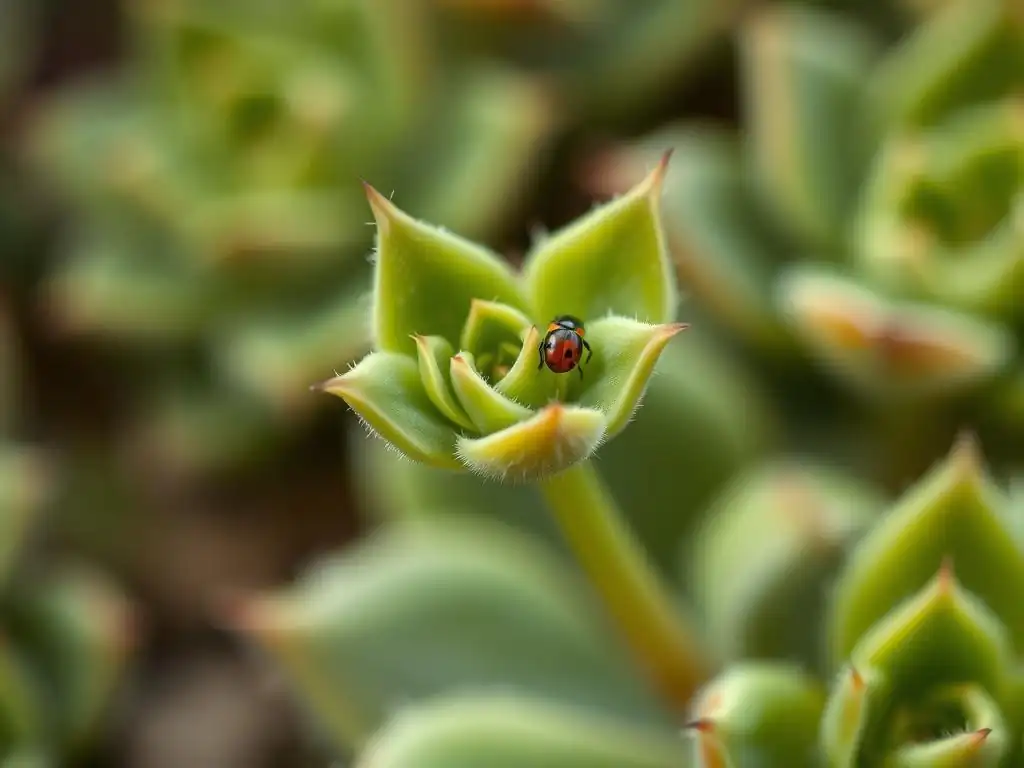
Regular monitoring is crucial to assess the effectiveness of your beneficial insect program. This involves regularly inspecting your succulents for signs of pest activity and observing the populations of both beneficial and harmful insects. Keep a detailed log of your observations, noting the types and numbers of both pests and beneficial insects, as well as the dates of any pest control measures you’ve taken.
Here’s how you can effectively monitor your beneficial insects:
- Visual inspection: Regularly examine your succulents for signs of pest damage (e.g., holes in leaves, webbing, discoloration) and for the presence of beneficial insects. A magnifying glass can be helpful for spotting smaller insects.
- Sticky traps: Place yellow sticky traps near your plants to capture flying insects. While this method will catch both beneficial and harmful insects, it can provide valuable data on the types and relative numbers present in your garden.
- Note taking and photography: Maintaining a detailed log, supplemented with photos, allows you to track trends and assess the effectiveness of your pest management strategy over time. This data will help you refine your approach if necessary.
This diligent monitoring allows you to adjust your strategy as needed. If pest populations remain high despite the introduction of beneficial insects, it may indicate that you need to implement additional control measures or that you need to introduce a different type of beneficial insect.
When to Consider Additional Pest Control Measures
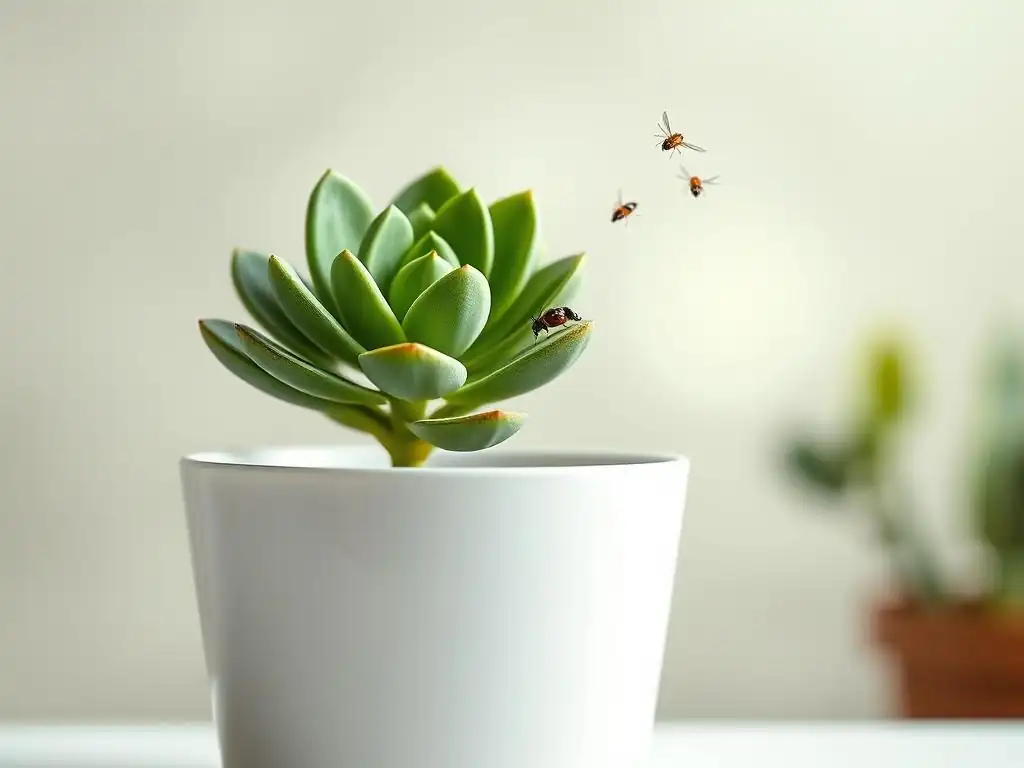
Even with a robust beneficial insect program, there may be times when additional pest control measures become necessary. This might be due to a sudden surge in pest populations, the presence of particularly damaging pests that are not effectively controlled by beneficial insects, or the failure of beneficial insects to establish themselves in your garden. Don’t be discouraged; this is a common occurrence in integrated pest management.
Signs that you might need to consider supplemental control measures include:
- Significant plant damage: If you observe widespread damage to your succulents despite the presence of beneficial insects, it's a clear indication that additional intervention is needed.
- Persistent high pest populations: If you consistently observe large numbers of pests despite your efforts, your current approach may not be sufficient.
- Failure of beneficial insects to establish: If the beneficial insects you introduced aren't thriving, you may need to investigate the underlying causes (e.g., unsuitable habitat, lack of food sources) and adjust your strategy accordingly.
When deciding on additional measures, prioritize organic options whenever possible, continuing to minimize the use of harsh chemicals that could harm beneficial insects and the overall health of your succulent garden. Remember that consistent monitoring and a flexible approach are key to long-term success in managing succulent pests using beneficial insects.
Maintaining a Balanced Ecosystem in Your Succulent Garden
A thriving succulent garden isn't just about healthy plants; it's about fostering a balanced ecosystem where beneficial insects can thrive alongside your succulents. This delicate balance helps naturally control pest populations, reducing the need for harsh chemical interventions. Think of it like a mini-food web, where beneficial insects prey on common succulent pests, keeping their numbers in check. This natural pest control method is far gentler on your plants and the environment than chemical pesticides. The key is to create an environment that attracts and supports these helpful creatures.
One crucial aspect of maintaining this balance is providing diverse habitats. Succulents themselves offer some shelter, but adding elements like rocks, small logs, or even a small birdbath can significantly increase the biodiversity in your garden. These additions provide hiding places for beneficial insects during their less active periods and offer essential resources like water. Avoiding the excessive use of chemical pesticides and herbicides is also paramount. These chemicals can indiscriminately harm beneficial insects, disrupting the delicate equilibrium you're trying to achieve. Remember, a healthy ecosystem is a resilient one, better equipped to handle occasional pest outbreaks.
Furthermore, the careful selection of your succulent varieties can indirectly support beneficial insects. Certain succulents may attract specific pollinators, which in turn can support the food web. While not directly predatory, these pollinators contribute to a healthier overall environment, reducing the stress on your plants and making them less susceptible to pest infestations. By creating a diverse and supportive environment, you are essentially providing a “natural pest control service” that works continuously and subtly to protect your succulents.
This approach encourages a robust and sustainable garden, minimizing the need for any external interventions. The long-term benefits of a balanced ecosystem far outweigh the initial effort of creating a supportive habitat for beneficial insects. It's an investment in the long-term health and resilience of your succulent collection.
Resources and Further Information on Beneficial Insects for Succulents
This section provides valuable resources to help you attract and utilize beneficial insects in your succulent garden. Successfully integrating these natural predators into your pest control strategy requires understanding where to source them and staying up-to-date on the latest research. Remember, a healthy ecosystem is key to a thriving succulent collection.
Recommended Suppliers of Beneficial Insects
Finding reliable suppliers of beneficial insects is crucial for a successful biological control program. Many online retailers and local nurseries specialize in providing these insects, but quality and species availability can vary significantly. Consider the following factors when choosing a supplier:
- Species Specificity: Ensure the supplier offers insects effective against the specific pests affecting your succulents (e.g., mealybugs, aphids, spider mites). Not all beneficial insects target the same pests.
- Shipping and Handling: Insects need to arrive alive and healthy. Check reviews to see how well the supplier handles shipping and packaging to minimize mortality during transit.
- Customer Service: A responsive supplier is essential if you encounter problems with your order or have questions about the insects.
- Quantity and Pricing: Balance the number of insects needed to effectively control the pest population with the cost. Larger infestations might require more insects, potentially increasing the expense.
| Supplier Name (Example) | Species Offered (Example) | Shipping Methods (Example) | Customer Reviews (Example) |
|---|---|---|---|
| BeneficialBugs.com | Ladybugs, Lacewings, Praying Mantises | Overnight Express, Two-Day Shipping | 4.8 stars (based on 100+ reviews) |
| GreenThumb Gardens | Minute Pirate Bugs, Predatory Mites | Standard Mail, Priority Mail | 4.5 stars (based on 50+ reviews) |
| Local Nursery X | Locally sourced beneficial insects (species vary) | In-person pickup only | [Specific information pending] |
Remember to always research the specific needs of the beneficial insects you purchase, including their preferred food sources and environmental conditions.
Relevant Research Articles and Studies
Scientific research provides valuable insights into the effectiveness of different beneficial insects in controlling succulent pests. Staying abreast of these studies helps you make informed decisions about which insects to introduce to your garden and how best to manage them. Search keywords like "biological control of succulent pests," "predatory insects on mealybugs," or "efficacy of [specific beneficial insect] on [specific succulent pest]" to find relevant articles. Unfortunately, specific research focusing solely on succulents is limited, but studies on related plants and insects can still provide useful information. Look for publications in peer-reviewed journals and reputable online databases.
Example Search Terms: "biological control mealybugs succulents," "efficacy lacewings aphids," "predatory mites spider mites."
Local Gardening Groups and Resources
Connecting with local gardening groups and resources can provide invaluable practical advice and support. Local experts often have firsthand experience with effective pest control methods tailored to your region's climate and common pests. These groups can offer guidance on:
- Identifying local beneficial insects: Learn which species are naturally present in your area and how to attract them.
- Suitable release times: Understand the optimal time to introduce beneficial insects based on the life cycle of the pests and local climate conditions.
- Troubleshooting: Get advice on dealing with unexpected challenges, such as unexpected insect mortality or ineffective pest control.
Consider attending local gardening workshops or joining online forums focused on succulents and pest management in your area. These communities often share valuable tips and experiences, helping you build a healthier and more resilient succulent garden. The exchange of information among fellow enthusiasts is often invaluable.
Frequently Asked Questions
What are some beneficial insects for my succulents?
Many insects help control succulent pests! Ladybugs, lacewings, and green lacewings are excellent predators of aphids and mealybugs. Introducing these natural predators can significantly reduce pest populations.
How do I attract beneficial insects to my succulent garden?
Provide a habitat that attracts them. Plant flowering plants that provide nectar and pollen, offer water sources, and avoid using harmful pesticides. A diverse garden is key!
Are there any risks associated with introducing beneficial insects?
Generally, the risks are minimal. However, ensure you're introducing species native to your area to avoid unintended ecological consequences. Overpopulation of beneficials is rare.
How can I tell the difference between beneficial insects and pests?
Beneficial insects often have a predatory appearance (large mandibles, etc.). Pests usually cause visible damage to your succulents, such as leaf discoloration or webbing. Research images online for comparison.
What if beneficial insects don't completely eliminate my succulent pests?
Beneficial insects are part of an integrated pest management strategy. They are most effective at suppressing pest populations, but consistent monitoring and occasional manual removal of pests may still be necessary.
Final Reflection: Cultivating a Thriving Ecosystem, One Beneficial Bug at a Time
The delicate balance within a succulent garden, often unseen, is as crucial to its health as sunlight and water. Ignoring the intricate web of life that thrives amongst our beloved plants invites pest infestations and ultimately, unhealthy growth. Understanding this interconnectedness is key to cultivating truly thriving succulent collections.
The shift towards natural pest control, away from harsh chemicals, reflects a growing awareness of the importance of biodiversity, not just in our gardens but in our world. Nature always wears the colors of the spirit.
– Ralph Waldo Emerson. This quote resonates deeply, as embracing beneficial insects isn't merely about pest control; it's about fostering a vibrant, self-regulating ecosystem that mirrors the beauty and resilience of nature itself. This approach not only benefits our succulents but also contributes to a healthier environment, free from the harmful effects of synthetic pesticides.
Now, consider your own succulent garden. What steps can you take today to invite these tiny allies into your space? Perhaps it’s planting pollinator-friendly flowers nearby, providing water sources, or simply resisting the urge to reach for chemical sprays. By embracing the power of beneficial insects, you're not just protecting your plants; you're actively participating in the creation of a more harmonious and sustainable world, one succulent at a time.
Unleash Your Garden's Natural Defenses!
Thanks for exploring the world of beneficial insects and their crucial role in a thriving succulent garden! You've learned how to harness nature's power to protect your plants from pests. Ready to put this knowledge into practice?
- Introduce beneficial insects: Begin by identifying the pests affecting your succulents and researching their natural predators. You can purchase ladybugs, lacewings, or praying mantises from a reputable supplier.
- Create a welcoming habitat: Attract beneficial insects by planting nectar-rich flowers and providing water sources. A simple shallow dish with pebbles and water can significantly help!
- Share your experiences: Let's build a community! Share your successes and challenges in the comments below. Which beneficial insects have worked best for you?
Ready to transform your succulent garden into a vibrant, pest-resistant paradise?