
Design for All: LowMaintenance Succulent Gardens for Every Gardener

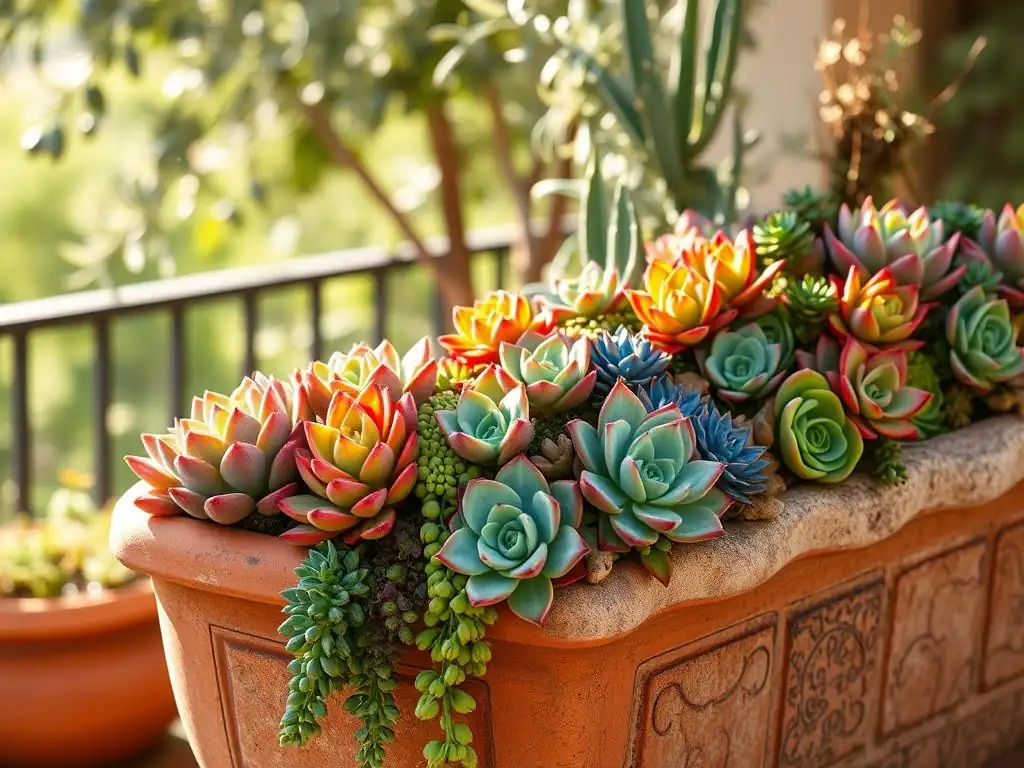
Welcome to SucculentEssentials.org, where the captivating world of succulents unfolds before you! Are you dreaming of a low-maintenance, yet stunning, succulent garden? Then prepare to be inspired. We delve into the art of easy succulent garden designs, offering a wealth of knowledge and creative ideas to transform your outdoor space into a thriving desert oasis. Discover the secrets to cultivating these resilient plants and unlock the potential of your very own breathtaking, drought-tolerant landscape. Let's begin your succulent journey!
- Easy Succulent Garden Designs: Choosing the Right Plants for Your Space
- Creating Stunning Low-Maintenance Succulent Arrangements
- Easy Succulent Garden Designs: Essential Care Tips for Minimal Effort
- Inspiring Easy Succulent Garden Designs: Gallery of Ideas
- Easy Succulent Garden Designs: Long-Term Maintenance and Sustainability
- Frequently Asked Questions
- Final Reflection: Blooming Inclusivity: Succulents for Everyone
- Unleash Your Inner Green Thumb: Start Your Succulent Journey Today!
Easy Succulent Garden Designs: Choosing the Right Plants for Your Space
Designing a beautiful and thriving succulent garden doesn't require extensive gardening experience or constant upkeep. This guide focuses on creating low-maintenance succulent gardens perfect for beginners and seasoned gardeners alike, highlighting the ease and beauty of these drought-tolerant plants. We'll explore selecting the right succulents for your space, considering factors like climate, sunlight, and pot size to ensure your succulent garden flourishes with minimal effort.
Creating an easy succulent garden design is all about understanding the basic needs of these fascinating plants and matching them to your specific environment. This approach ensures a beautiful and long-lasting display, even for those with limited gardening time. Let's delve into the specifics of designing your own easy succulent garden, perfect for showcasing the unique beauty of these resilient plants.
Selecting Drought-Tolerant Succulents for Beginners
Starting your succulent garden journey requires choosing the right plants. Many succulents are incredibly forgiving, making them ideal for beginner gardeners. Here are some excellent choices known for their resilience and ease of care:
- Echeveria: These rosette-shaped succulents offer a wide variety of colors and textures, from powdery blues to vibrant greens and reds. They are relatively slow-growing and tolerate occasional neglect.
- Sedum: Sedums, also known as stonecrops, are incredibly versatile and come in various forms, including groundcovers, upright varieties, and even trailing options. They are highly drought-tolerant and thrive in full sun.
- Sempervivum (Hens and Chicks): These charming succulents form dense mats of rosettes, producing "chicks" (offshoots) that easily propagate. They're incredibly hardy and adapt well to various conditions.
- Haworthia: These succulents are known for their interesting textures and patterns, often featuring intricate markings on their leaves. They prefer bright, indirect light and are relatively low-maintenance.
Remember to research specific varieties within these genera, as individual species may have slightly different needs. Begin with a few easy-to-care-for varieties and gradually expand your collection as you gain experience. Choosing the right starter succulents is crucial for setting your easy succulent garden design up for success!
Matching Succulents to Your Climate and Sunlight Exposure
Understanding your local climate and the amount of sunlight your garden receives is crucial for selecting the appropriate succulents. Different succulents thrive under different conditions:
| Succulent Type | Sunlight Exposure | Climate Tolerance |
|---|---|---|
| Echeveria | Full sun to partial shade | Mild to warm climates; avoid frost |
| Sedum | Full sun | Wide range of climates; some tolerate frost |
| Sempervivum (Hens & Chicks) | Full sun to partial shade | Hardy in colder climates; tolerates frost |
| Haworthia | Bright, indirect light | Warm climates; avoid direct intense sunlight |
For example, if you live in a hot, arid climate, you'll want to choose succulents that tolerate full sun and intense heat. Conversely, in cooler climates, opt for succulents that can withstand some shade and potential frost. Incorrect sunlight exposure can lead to etiolation (leggy growth) or sunburn, so careful consideration is key to a successful easy succulent garden design.
Choosing the Perfect Pot Size and Material for Your Succulents
The right pot is essential for the health and aesthetics of your succulent garden. Here's what to consider:
- Pot Size: Choose pots that are appropriately sized for your succulents. Overly large pots can retain too much moisture, leading to root rot. Conversely, pots that are too small can restrict growth. A good rule of thumb is to select pots that are only slightly larger than the root ball of your succulents.
- Pot Material: Terracotta pots are excellent for succulents because they are porous and allow for good drainage and airflow. Plastic pots are also a good option, but ensure they have drainage holes. Avoid glazed pots, as they retain too much moisture.
Consider the overall aesthetic of your garden when choosing pot styles and colors. Mixing and matching different pot sizes and materials can create a visually interesting and dynamic display. The right pot selection is a crucial detail in achieving an attractive and thriving easy succulent garden design.
Understanding Soil Requirements for Easy Succulent Garden Maintenance
Well-draining soil is the cornerstone of successful and easy succulent gardening. Succulents, adapted to arid and semi-arid climates, are highly susceptible to root rot in soggy conditions. This is because their thick, fleshy leaves store water, and excess moisture can lead to fungal infections and the decay of the root system. Therefore, choosing the right soil mix is paramount for creating a low-maintenance, thriving succulent garden.
Avoid using standard garden soil, which often retains too much water. Instead, opt for a specialized succulent and cactus potting mix, readily available at most garden centers. These mixes typically include components like perlite, pumice, or coarse sand, which improve drainage and aeration. Perlite, for instance, is a volcanic glass that increases porosity, preventing waterlogging. Pumice, another volcanic rock, provides excellent drainage and aeration while retaining some moisture. Coarse sand adds grit to the mix, further enhancing drainage.
You can also create your own custom succulent soil blend. A common recipe involves combining equal parts of potting soil, coarse sand, and perlite. Experimentation might be necessary to find the perfect balance for your specific climate and succulent varieties.
For example, in hotter, drier climates, you might increase the proportion of coarse sand to enhance drainage, while in slightly more humid regions, a slightly higher percentage of potting soil might be beneficial. Always remember to test the soil's drainage before planting; a simple test involves placing a small amount of the mix in a container and watering it. If the water drains quickly, the soil is suitable.
If it pools at the bottom, you need to amend the mix by adding more perlite or sand. Regular monitoring of soil moisture is crucial, especially for beginners, to prevent overwatering, the most common cause of succulent failure. Proper soil selection and management significantly contributes to the creation of an easy-care succulent garden that thrives with minimal effort.
Creating Stunning Low-Maintenance Succulent Arrangements
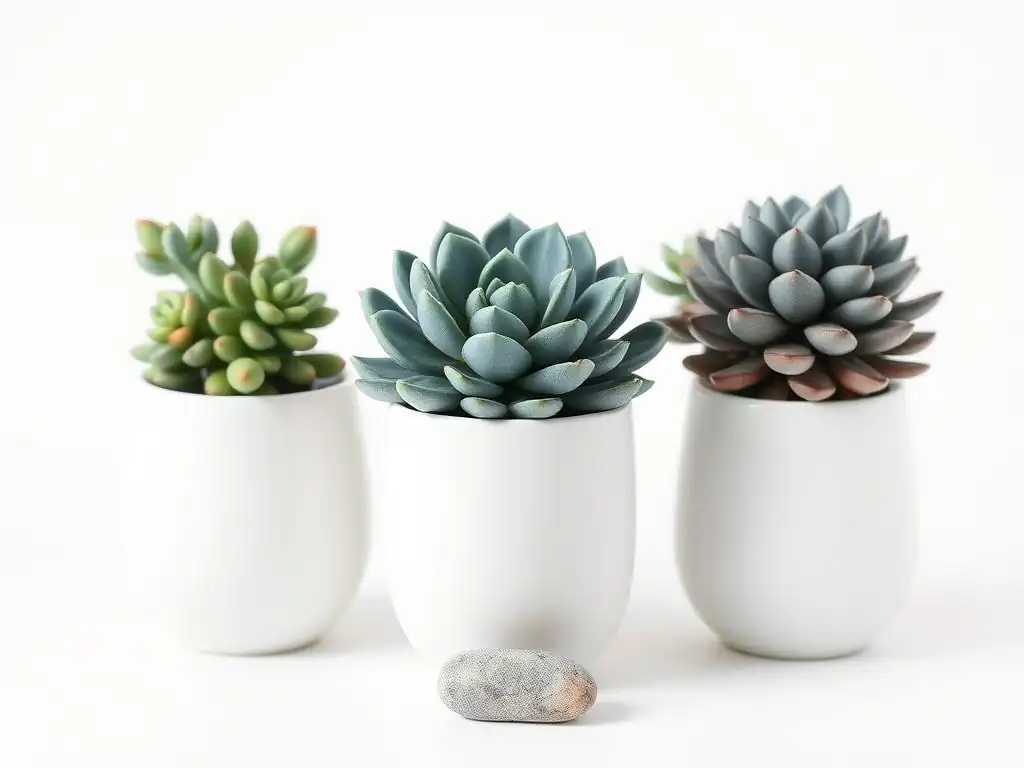
This section explores the art of crafting visually appealing yet incredibly low-maintenance succulent gardens. We'll delve into practical design choices that minimize upkeep while maximizing aesthetic impact, perfect for busy gardeners or those new to succulent cultivation. The key is to select the right succulents for your climate and location, then utilize design principles that enhance their natural beauty and resilience. Remember, "easy succulent garden designs" aren't about sacrificing beauty; they're about smart planning and thoughtful execution.
Simple Succulent Garden Designs: Container Gardening Ideas
Container gardening offers unparalleled flexibility for creating easy succulent garden designs. The portability of containers allows you to adjust placement based on sunlight needs, and the contained nature of the planting area simplifies watering and maintenance. Here are some inspiring ideas:
- Layered Terracotta Pots: Arrange terracotta pots of varying sizes, nesting smaller pots within larger ones, creating a visually interesting and space-saving design. Choose succulents with contrasting textures and colors for maximum impact. Consider using a mix of Echeveria, Sedum, and Sempervivum for their varied shapes and drought tolerance.
- Succulent Window Boxes: Window boxes are ideal for showcasing succulents in a vertical display. Select low-growing, trailing varieties like Sedum morganianum ("Burro's Tail") to spill over the edges, creating a cascading effect. Combine them with upright succulents for a balanced aesthetic. Remember to use well-draining potting mix.
- Hanging Baskets: Hanging baskets offer an excellent way to add vertical interest and save space. Choose succulents that trail gracefully, such as String of Pearls ( Senecio rowleyanus) or String of Bananas ( Senecio radicans). Ensure the basket has sufficient drainage holes to prevent root rot.
DIY Succulent Planters: Upcycled and Creative Container Options
Upcycling old containers adds a unique charm to your easy succulent garden designs. It's also a cost-effective and environmentally friendly approach. Consider these creative options:
- Tin Cans: Clean and paint old tin cans in vibrant colors. Drill drainage holes in the bottom. These make charming individual succulent planters. Use a mix of small echeverias and sedums.
- Teacups and Saucers: Vintage teacups and saucers create whimsical and elegant displays. Plant a single succulent in each cup, choosing varieties that complement the shape and size of the container. Consider using Haworthia or Gasteria for their unique textures.
- Old Boots and Wellies: Give old boots and wellies a new life by transforming them into quirky succulent planters. Line the inside with plastic sheeting to prevent water damage and add well-draining potting mix. Plant a variety of succulents to create a visually appealing arrangement.
Building Raised Succulent Beds: A Step-by-Step Guide
Raised beds provide excellent drainage and control over soil composition, crucial elements for successful succulent cultivation. Here's a simple guide to building a raised bed specifically designed for easy succulent garden designs:
- Planning and Design: Determine the size and location of your raised bed. Consider the amount of sunlight the area receives and the overall aesthetic of your garden.
- Materials: Choose durable materials such as cedar, redwood, or treated lumber. Avoid using pressure-treated lumber that contains arsenic, as it can be harmful to plants.
- Construction: Assemble the sides of the bed, ensuring they are securely joined. Line the inside of the bed with landscape fabric to prevent soil from escaping and to suppress weeds.
- Filling: Fill the bed with a well-draining succulent potting mix. Avoid using garden soil, as it tends to retain too much moisture. A mixture of coarse sand, perlite, and potting soil is ideal.
- Planting: Plant your chosen succulents, spacing them appropriately to allow for growth. Water thoroughly after planting.
This structured approach ensures your raised bed is optimized for the specific needs of succulents, contributing to the longevity and beauty of your easy succulent garden designs. Remember to consider the mature size of each succulent to prevent overcrowding. Regular weeding and occasional fertilization will keep your raised bed thriving for years to come.
Designing a Groundcover Succulent Garden: Low-Maintenance Landscaping Solutions
Groundcover succulent gardens offer a fantastic solution for low-maintenance landscaping, providing beautiful, drought-tolerant greenery with minimal upkeep. The key to success lies in selecting the right succulents for your climate and soil conditions. Consider factors like sunlight exposure, drainage, and temperature fluctuations when choosing your plant varieties. Some excellent groundcover options include Sedum, Delosperma, and Lampranthus, known for their sprawling growth habits and vibrant blooms. These plants readily fill in spaces, suppressing weed growth and reducing the need for frequent weeding.
Creating a thriving groundcover succulent garden requires careful soil preparation. Well-draining soil is crucial; succulents are susceptible to root rot in soggy conditions. Amend heavy clay soils with plenty of organic matter like perlite or pumice to improve drainage and aeration. Before planting, thoroughly loosen the soil to a depth of at least 12 inches to allow roots to penetrate easily. This initial effort will significantly reduce future maintenance needs.
Once the soil is prepared, spacing is key. Plant succulents according to their mature size to avoid overcrowding. Overcrowding can lead to competition for resources and increased susceptibility to disease. Consult plant labels for recommended spacing or research the specific growth habits of your chosen varieties. A staggered planting pattern often creates a more natural and visually appealing look.
Maintaining a groundcover succulent garden is remarkably simple. Water deeply but infrequently, allowing the soil to dry completely between waterings. Overwatering is a common mistake that can lead to plant loss. Regularly inspect the plants for pests or diseases, addressing any issues promptly. Most groundcover succulents require minimal fertilization; a light application of a balanced, slow-release fertilizer in spring is usually sufficient.
With proper planning and minimal upkeep, a groundcover succulent garden will reward you with years of low-maintenance beauty. The vibrant colors and textures of the succulents will add a unique and eye-catching element to your landscape, making it a truly easy succulent garden design. Remember to consider the overall aesthetic you desire—a carefully planned design, even for a groundcover, can elevate the visual appeal of the space significantly. Think about color palettes and textural contrasts to create a stunning and easy-to-maintain garden.
Easy Succulent Garden Designs: Essential Care Tips for Minimal Effort
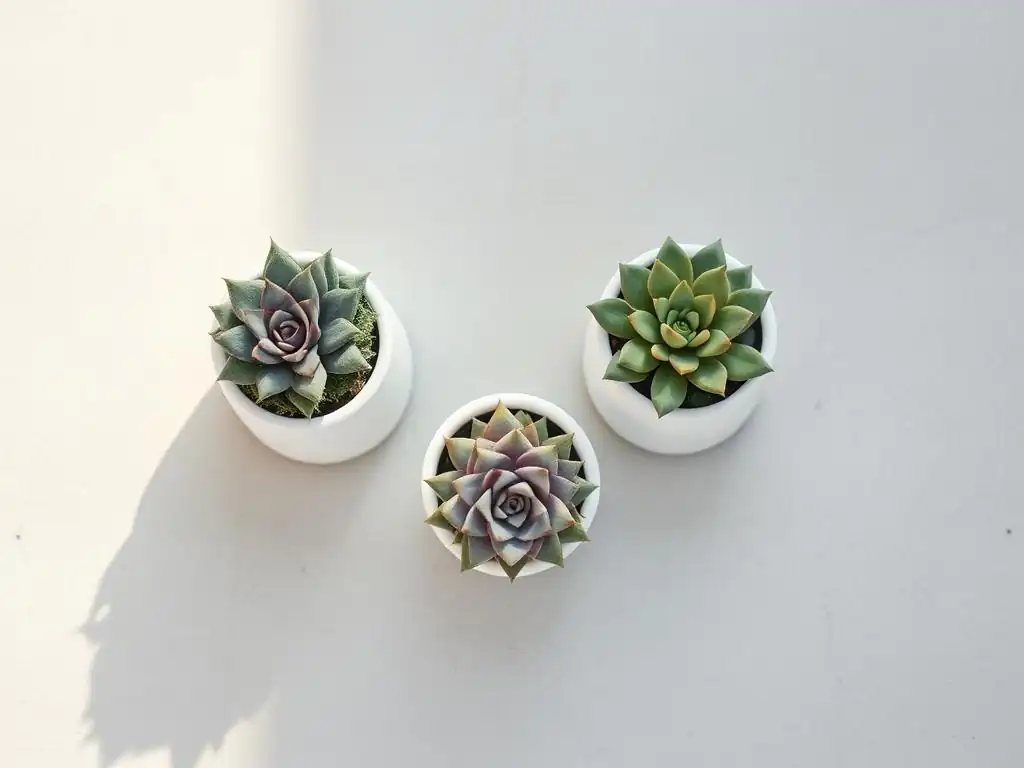
This section focuses on simplifying succulent garden maintenance for even the busiest gardeners. We'll cover key aspects of care, ensuring your succulents thrive with minimal effort, resulting in beautiful, low-maintenance landscapes. Remember, the key to easy succulent garden designs lies in understanding their unique needs. These drought-tolerant plants are surprisingly resilient, but proper care ensures optimal health and vibrant displays.
Watering Your Succulents: A Guide to Avoiding Overwatering
Overwatering is the most common mistake made by succulent enthusiasts. Succulents store water in their leaves and stems, making them highly susceptible to root rot in excessively moist soil. The frequency of watering depends heavily on factors such as climate, pot size, and the type of succulent. Instead of adhering to a strict schedule, focus on the feel of the soil.
Before watering, check the soil's moisture level by inserting your finger about an inch deep. If the soil feels dry, it's time to water thoroughly. Allow excess water to drain completely from the pot to prevent waterlogging. Between waterings, allow the soil to dry out completely.
This might mean watering once a week during warmer months and significantly less frequently during the winter dormancy period. Signs of overwatering include mushy leaves, yellowing, and stem rot. Underwatering, on the other hand, will manifest as shriveled leaves and stunted growth. Finding the right balance is key to achieving easy succulent garden designs.
Consider using well-draining potting mix specifically formulated for cacti and succulents. These mixes usually contain perlite, pumice, or coarse sand to improve aeration and drainage. Proper drainage is crucial for preventing water retention at the roots, a major cause of succulent demise. Remember, infrequent, deep watering is far superior to frequent, shallow watering when it comes to succulent care.
Fertilizing Succulents: Nutrient Needs for Healthy Growth
Succulents are not heavy feeders. Over-fertilizing can be just as detrimental as underwatering, leading to salt buildup in the soil and potentially burning the roots. Therefore, fertilizing should be done sparingly and only during the growing season (typically spring and summer).
A balanced, water-soluble fertilizer diluted to half strength is generally recommended. Apply fertilizer every 2-4 weeks during the growing season. Avoid fertilizing during the dormant period (fall and winter), as succulents are not actively growing and will not absorb the nutrients effectively. Using a slow-release fertilizer can also be a convenient approach for easy succulent garden designs, eliminating the need for frequent applications.
Remember to always follow the instructions on the fertilizer packaging carefully. It's better to err on the side of caution and under-fertilize than to over-fertilize. Observe your succulents closely for any signs of fertilizer burn, such as browning or leaf drop. If you notice these symptoms, immediately flush the soil with plenty of water to remove excess salts. The goal is healthy growth, not explosive growth, which is often a sign of over-fertilization.
Protecting Your Succulents from Pests and Diseases
While succulents are relatively resistant to pests and diseases, they are not entirely immune. Regular inspection is crucial to detect any problems early on. Common pests include mealybugs, aphids, and spider mites. These can be controlled with insecticidal soap or neem oil. Always follow the product instructions carefully and consider using a natural pest control method first to minimize the use of harsh chemicals.
Fungal diseases can also affect succulents, particularly in humid conditions. Ensure good air circulation around your plants to prevent fungal growth. Avoid overhead watering, which can promote fungal spores. If you notice any signs of disease, such as spots or discoloration on the leaves, isolate the affected plant to prevent the spread of the disease.
Pruning affected parts can sometimes help, but severe cases may require discarding the plant to prevent further contamination. A proactive approach to pest and disease management is vital for maintaining the health and beauty of your easy succulent garden designs. Regular monitoring and prompt action will ensure your succulents remain vibrant and healthy for years to come.
Winterizing Your Succulent Garden: Protection from Frost and Cold
Succulents, while remarkably drought-tolerant, are surprisingly sensitive to frost and extreme cold. Winterizing your succulent garden is crucial to ensuring their survival and continued beauty throughout the colder months. The level of protection needed depends heavily on your specific climate and the hardiness of your succulent varieties. Some succulents, like Sempervivum (hens and chicks), are incredibly cold-hardy and can withstand temperatures well below freezing. Others, such as Echeveria and many tropical succulents, require significantly more protection from even light frost.
Understanding your local climate is the first step. Check your average winter temperatures and the frequency of frost. This information, readily available online or from local weather stations, will guide your winterization strategy. Remember, a sudden drop in temperature can be more damaging than consistently cold weather.
For succulents in containers, moving them indoors to a sunny, sheltered location is the most effective protection. A south-facing windowsill often provides ideal conditions. However, ensure adequate ventilation to prevent fungal diseases which thrive in damp, stagnant air. If moving indoors isn't feasible, consider grouping containers together to create a microclimate that retains some warmth. You can also wrap the pots with insulating materials like burlap or bubble wrap to further protect the roots from freezing temperatures.
Succulents planted directly in the ground require a different approach. Adding a layer of mulch, such as shredded bark or gravel, around the base of the plants can provide insulation and help regulate soil temperature. This mulch acts as a barrier against freezing temperatures, preventing the soil from becoming too cold and damaging the roots. The thickness of the mulch layer should be adjusted based on the expected severity of the winter. In particularly cold regions, consider using a thicker layer, perhaps 4-6 inches, to provide adequate protection.
For particularly vulnerable succulents, consider providing additional protection with cloches or cold frames. These structures create a microclimate that is warmer and more sheltered than the surrounding environment. They're particularly useful for protecting newly planted succulents or those in exposed locations. Alternatively, you can create a makeshift cover using plastic sheeting or old blankets, ensuring adequate ventilation to prevent moisture buildup.
Remember to remove any covers on milder days to allow for proper air circulation and prevent the plants from becoming too damp. Proper winterization is key to enjoying your easy succulent garden designs year after year. Careful planning and attention to detail will ensure your succulents thrive even during the coldest months.
Inspiring Easy Succulent Garden Designs: Gallery of Ideas
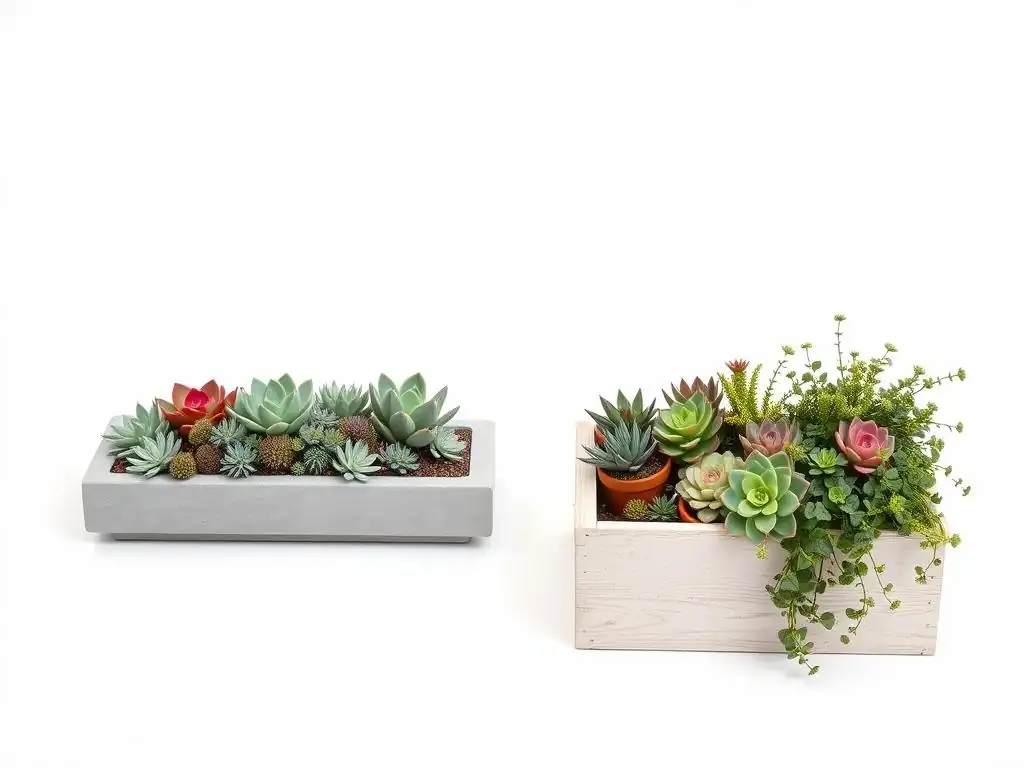
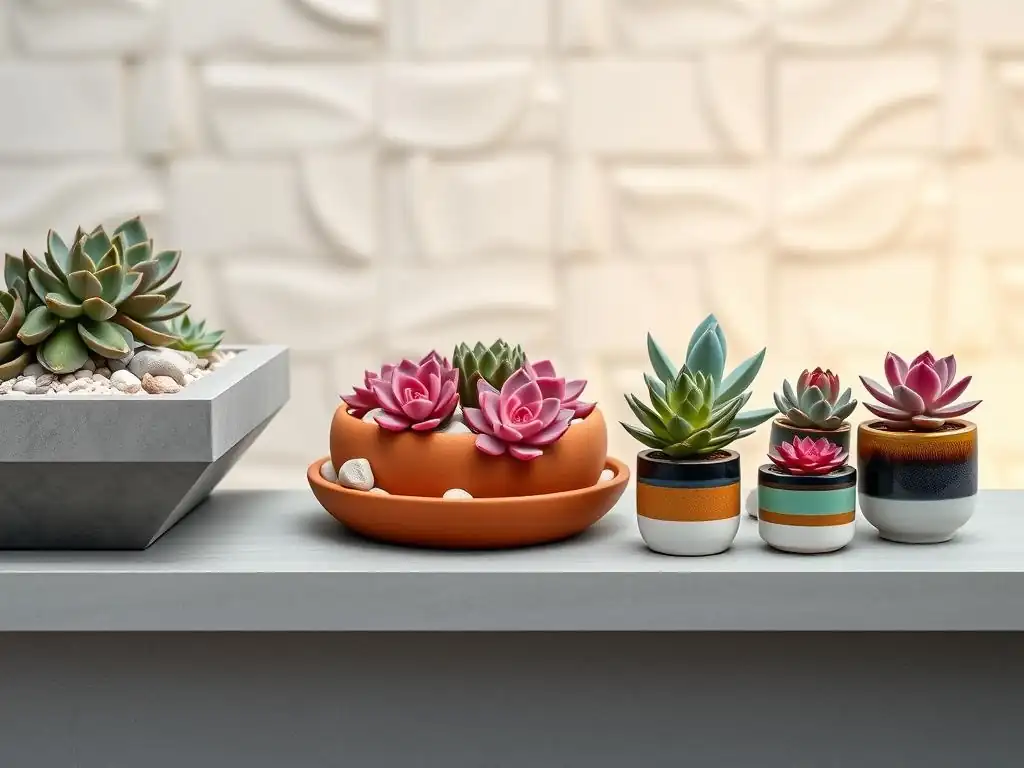
This section showcases a diverse range of easy succulent garden designs, catering to various skill levels and spaces. We'll explore designs that prioritize simplicity and minimal maintenance, perfect for the busy gardener or succulent novice. Remember, even the most ambitious easy succulent garden designs require careful planning and consideration of your specific environment. The key is to select succulents that thrive in your local climate and sunlight conditions.
Small Space Succulent Garden Ideas: Balconies, Patios, and Window Boxes
Limited space shouldn't limit your succulent gardening ambitions! Small containers offer a fantastic opportunity to create stunning, low-maintenance displays. Think vertical gardens using hanging planters or tiered stands to maximize space. Window boxes overflowing with a variety of textures and colors can brighten even the smallest balcony. Consider using a mix of trailing succulents, like Sedum morganianum (Burro's Tail), alongside upright varieties for visual interest.
Here's a table illustrating some ideal succulent choices for small spaces:
| Succulent Variety | Light Requirements | Water Needs | Container Type |
|---|---|---|---|
| Echeveria | Full sun to partial shade | Infrequent watering | Hanging baskets, pots |
| Sedum morganianum (Burro's Tail) | Full sun to partial shade | Infrequent watering | Hanging baskets |
| Sempervivum (Hens and Chicks) | Full sun to partial shade | Drought-tolerant | Small pots, troughs |
| Kalanchoe | Full sun to partial shade | Moderate watering | Window boxes |
Remember to choose pots with drainage holes to prevent root rot. Proper drainage is crucial for the health and longevity of your succulents. Regular, but infrequent, watering is key; avoid overwatering, a common mistake that leads to succulent demise.
Large-Scale Succulent Garden Designs: Landscaping with Succulents
For those with larger outdoor spaces, incorporating succulents into your landscaping offers a unique and low-maintenance approach to garden design. Larger-scale designs allow for greater creative freedom, enabling the creation of sweeping, textured landscapes. Consider using succulents to create ground cover, edging, or even focal points within a larger garden bed. Strategic placement of different succulent types can create stunning visual contrasts and add depth to your landscape.
Designing a large succulent garden requires careful consideration of the site's conditions, including sunlight exposure, soil type, and drainage. Proper soil preparation is essential for success. Amend heavy clay soils with sand and organic matter to improve drainage. Remember to group succulents with similar water and sunlight requirements together.
This minimizes the risk of overwatering or underwatering certain plants. Large-scale designs often benefit from the addition of hardscaping elements, such as pathways, retaining walls, or decorative rocks, to enhance the overall aesthetic appeal and functionality of the space. This is a significant aspect of creating easy succulent garden designs that are both beautiful and practical.
Theme-Based Succulent Gardens: Desert, Tropical, and Modern Designs
The beauty of succulents lies in their versatility. They can be incorporated into a wide range of garden themes, from the arid beauty of a desert garden to the lush vibrancy of a tropical oasis or the sleek minimalism of a modern design. Choosing a theme helps to guide your plant selection and overall design aesthetic.
- Desert Theme: Emphasize drought-tolerant succulents like Agave, Yucca, and cacti, incorporating natural materials like gravel and rocks to create a stark yet beautiful landscape.
- Tropical Theme: Combine succulents with other tropical plants, such as bromeliads and ferns, to create a lush and vibrant garden. Use a mix of textures and colors to achieve a sense of depth and complexity.
- Modern Theme: Opt for a minimalist approach, using clean lines and geometric shapes. Choose succulents with striking architectural forms and contrasting colors to create a visually appealing and sophisticated design. Consider incorporating modern hardscaping elements, such as concrete planters or steel accents, to complement the succulents' sleek forms.
Regardless of the chosen theme, remember that proper planning and attention to detail are crucial for the success of any succulent garden, no matter how simple or complex the easy succulent garden designs may appear. Careful selection of plants appropriate for your climate and adequate drainage are paramount to ensuring the long-term health and beauty of your succulent garden.
Combining Succulents with Other Drought-Tolerant Plants
Creating a truly thriving and visually appealing low-maintenance succulent garden often involves extending beyond succulents alone. Strategic integration of other drought-tolerant plants adds depth, texture, and visual interest, enhancing the overall design. The key is selecting companions that have similar water requirements and sun exposure preferences to avoid creating conflicting care needs.
For instance, incorporating lavender, with its fragrant purple blooms and silvery foliage, beautifully complements the diverse textures and colors of succulents. The silvery leaves of lavender echo the dusty tones found in many succulents, creating a harmonious palette. Similarly, rosemary, with its needle-like leaves and aromatic scent, provides a contrasting texture and adds a delightful fragrance to the garden. Both lavender and rosemary are exceptionally drought-tolerant, needing minimal watering once established, making them ideal partners for your easy succulent garden designs.
Another excellent choice is ornamental grasses. Their airy plumes and swaying movements add a dynamic element, contrasting the often-static forms of succulents. Consider feather reed grass ( Calamagrostis x acutiflora) or blue fescue ( Festuca glauca), both known for their drought tolerance and attractive foliage. The fine textures of these grasses soften the overall look, preventing the garden from feeling too dense or harsh. Remember to choose grasses that remain relatively compact to avoid overwhelming the succulents.
Beyond these common choices, exploring native plants specific to your region is crucial. Native plants are naturally adapted to your local climate and soil conditions, requiring less water and maintenance than non-native species. Researching local nurseries or contacting your local agricultural extension office can provide valuable insights into appropriate companion plants for your area.
This approach not only supports local ecosystems but also guarantees a more sustainable and aesthetically pleasing easy succulent garden design. Remember to always consider the mature size of all plants to ensure they have adequate space to grow without overcrowding. Careful planning in this aspect is essential for the long-term health and beauty of your easy succulent garden.
Easy Succulent Garden Designs: Long-Term Maintenance and Sustainability
This section focuses on establishing and maintaining easy succulent garden designs that thrive with minimal upkeep. We'll explore practical techniques for ensuring the long-term health and beauty of your succulent landscape, minimizing your workload while maximizing aesthetic appeal. The key to effortless succulent gardening lies in understanding their unique needs and implementing proactive maintenance strategies. This approach ensures a vibrant, low-maintenance garden that flourishes year after year, embodying the spirit of "easy succulent garden designs."
Pruning and Propagation Techniques for Succulents
Pruning succulents isn't about drastic cuts; it's about shaping and rejuvenating. Regular pruning encourages bushier growth and prevents legginess, enhancing the overall aesthetic appeal of your easy succulent garden designs. Removing dead or dying leaves prevents disease and maintains a clean appearance.
Furthermore, pruning provides an excellent opportunity for propagation. Many succulents readily propagate from leaf cuttings or stem cuttings. Simply allow the cuttings to callus over for a few days before planting them in well-draining soil. This is a fantastic way to expand your collection and create more easy succulent garden designs without incurring additional costs.
Here's a simple guide:
- Leaf cuttings: Gently twist off healthy leaves, leaving a small portion of the stem attached.
- Stem cuttings: Cut healthy stems, ensuring at least 2-3 inches in length.
- Callusing: Allow the cuttings to dry for 2-3 days before planting to prevent rot.
- Planting: Use a well-draining succulent potting mix and plant the cuttings shallowly.
By incorporating these simple pruning and propagation techniques, you'll not only maintain the health and beauty of your existing plants but also create new plants to expand your "easy succulent garden designs" with minimal effort. This sustainable approach ensures your garden continues to thrive for years to come.
Repotting Your Succulents: A Guide to Healthy Root Growth
Repotting is crucial for the long-term health of your succulents, especially if you're aiming for truly "easy succulent garden designs." Overcrowded roots restrict growth and can lead to problems. Repotting provides your succulents with fresh soil and ample space for root development, leading to healthier, more vibrant plants.
The best time to repot is during the growing season (spring or early summer). Choose a pot slightly larger than the previous one, ensuring it has drainage holes to prevent root rot. Use a well-draining succulent potting mix, avoiding regular garden soil.
Here's a step-by-step guide:
- Gently remove the succulent: Carefully loosen the roots and remove the plant from its current pot.
- Inspect the roots: Remove any dead, damaged, or rotting roots.
- Plant in fresh soil: Place the succulent in its new pot, ensuring the base of the plant is at the same level as before.
- Fill with soil: Fill the pot with the well-draining potting mix, leaving a small space at the top.
- Water sparingly: Water only after the soil has dried completely.
Regular repotting is a proactive step towards effortless succulent gardening. By providing your succulents with optimal growing conditions, you'll be rewarded with healthy, thriving plants that require minimal maintenance, reflecting the essence of "easy succulent garden designs."
Creating a Sustainable Succulent Garden: Water Conservation Strategies
Succulents are naturally drought-tolerant, making them ideal for water-wise gardening. However, even these hardy plants need occasional watering. The key to sustainable succulent gardening is to water deeply but infrequently, allowing the soil to dry out completely between waterings. Overwatering is a common mistake that can lead to root rot and plant death, undermining your efforts towards "easy succulent garden designs."
Consider these water conservation strategies:
- Water deeply and less frequently: Instead of frequent shallow watering, water thoroughly until water drains from the drainage holes. Allow the soil to dry completely before watering again.
- Use a moisture meter: A moisture meter helps you determine when the soil is dry enough for watering, preventing overwatering.
- Improve soil drainage: Well-draining soil is crucial for preventing waterlogging and root rot. Amend heavy clay soils with perlite or coarse sand to improve drainage.
- Group succulents: Grouping succulents together can help retain moisture, reducing the frequency of watering.
- Mulch: A layer of gravel or small stones around the base of the plants can help retain moisture and suppress weeds.
By implementing these water conservation strategies, you'll not only conserve water but also create a healthy and thriving succulent garden that requires minimal maintenance, perfectly aligning with the concept of "easy succulent garden designs." This approach ensures a beautiful and sustainable garden that flourishes with minimal effort, reflecting responsible gardening practices.
Maintaining the Beauty of Your Succulent Garden Over Time
Maintaining a thriving succulent garden requires consistent, yet minimal, effort. The key to long-term success lies in understanding the specific needs of your chosen succulents and adapting your care routine accordingly. Regular observation is crucial; this allows you to catch potential problems early, preventing them from escalating into larger issues. For example, early detection of pest infestations, such as mealybugs or aphids, can prevent widespread damage and the need for more intensive treatment. A quick spray of insecticidal soap can often resolve minor infestations before they become a significant problem.
One significant aspect of long-term maintenance is watering. Overwatering is a common mistake that can lead to root rot and ultimately, plant death. Remember, succulents are drought-tolerant; they store water in their leaves and stems. Therefore, infrequent, deep watering is far more beneficial than frequent, shallow watering.
The best practice is to allow the soil to dry out completely between waterings. This frequency will vary depending on factors such as climate, pot size, and the type of succulent. In hot, dry climates, you might water once a week, while in cooler, more humid environments, watering every two to three weeks might suffice. Always check the soil moisture before watering – stick your finger a couple of inches into the soil; if it feels dry, it's time to water.
Another essential aspect is pruning. Regularly removing dead or damaged leaves and stems promotes healthy growth and prevents the spread of disease. Pruning also helps maintain the overall shape and aesthetic appeal of your succulent garden. Use clean, sharp pruning shears to make clean cuts, avoiding crushing or damaging the plant tissue. You can also propagate the cuttings to create new plants, adding to your collection or sharing with fellow succulent enthusiasts. This propagation technique significantly contributes to the sustainability of your easy succulent garden designs.
Finally, fertilizing your succulents is important but should be done sparingly. Over-fertilizing can lead to salt buildup in the soil, which can damage the roots. A balanced, slow-release fertilizer applied once or twice during the growing season (spring and summer) is usually sufficient. Always follow the instructions on the fertilizer packaging carefully.
Remember that succulents are adapted to nutrient-poor environments, so less is often more when it comes to fertilization. By following these simple maintenance practices, you can ensure your easy succulent garden designs remain beautiful and thriving for years to come. The minimal effort required makes this a truly sustainable and rewarding gardening experience.
Frequently Asked Questions
What makes succulents ideal for low-maintenance gardens?
Succulents are naturally drought-tolerant, needing less frequent watering than many other plants. Their low water requirements and ability to thrive in well-draining soil make them perfect for busy gardeners or those in drier climates.
Are there succulent garden designs suitable for beginners?
Absolutely! Many easy-to-care-for succulent varieties exist, and simple designs like monoculture plantings or groupings in containers are great starting points. Plenty of resources, including SucculentEssentials.org, offer beginner-friendly guides.
How much sunlight do succulent gardens need?
Most succulents thrive in full sun to partial shade. At least six hours of sunlight daily is generally recommended, but some varieties tolerate more shade. Observe your specific succulents to determine their ideal sunlight exposure.
What type of soil is best for a succulent garden?
Well-draining soil is crucial. Use a specially formulated cactus and succulent potting mix, or amend regular potting soil with perlite or coarse sand to improve drainage and prevent root rot. Avoid heavy clay soils.
Where can I find more ideas for easy succulent garden designs?
Explore SucculentEssentials.org for a wealth of inspiration! We feature numerous design ideas, care guides, and propagation tips to help you create your dream low-maintenance succulent garden, from simple container gardens to more elaborate arrangements.
Final Reflection: Blooming Inclusivity: Succulents for Everyone
The accessibility of beauty is a powerful force, and the ease of creating a thriving succulent garden democratizes this joy. These resilient plants, often perceived as demanding, are surprisingly adaptable and require minimal upkeep, making them perfect for beginners and experienced gardeners alike. This means that the simple act of cultivating a succulent garden becomes a pathway to personal growth and connection with nature, regardless of prior gardening experience.
The enduring appeal of succulents lies not only in their low-maintenance nature but also in their visual diversity. Their unique textures, colors, and forms offer endless creative possibilities, fostering a sense of personal expression and accomplishment. This resonates deeply with the current trend towards mindful living and sustainable practices, as succulent gardens require minimal resources and offer a calming, meditative experience. The love for all living creatures is the most noble attribute of man.
- Charles Darwin. This quote speaks to the inherent human connection with nature, a connection easily fostered through the simple act of gardening.
Now, consider your own space. Imagine the tranquility of a small succulent garden, a vibrant splash of color and texture, thriving with minimal effort. You don't need extensive knowledge or a green thumb to experience the joy of gardening.
Let this article inspire you to embrace the simplicity and beauty of succulents. Start small, experiment with different varieties, and watch your own little piece of nature flourish. The journey is as rewarding as the destination, and the beauty of a succulent garden is a testament to the power of accessible design and the enduring human connection to the natural world.
Unleash Your Inner Green Thumb: Start Your Succulent Journey Today!
Thank you for exploring the wonderful world of low-maintenance succulent gardening! We hope you've discovered the joy and ease of creating beautiful, thriving gardens, regardless of your experience. Now it's time to put your knowledge into practice.
- Design your dream succulent garden: Sketch out your ideal succulent oasis. Consider the space, sunlight, and your personal style. Let your creativity flourish! You can use pen and paper, or a design app—whatever works best for you.
- Share your succulent inspiration: Post a picture of your garden design or inspiration on social media and tag #SucculentEssentials – let's build a vibrant community of succulent enthusiasts!
- Learn more about succulent care: To ensure your garden thrives, consider exploring our extensive resource on succulent care and propagation. This is optional, but highly recommended.
What unique design element are you most excited to incorporate into your succulent garden? Let us know in the comments below!