
The Humidity Hurdle: Managing Moisture Levels to Prevent Disease

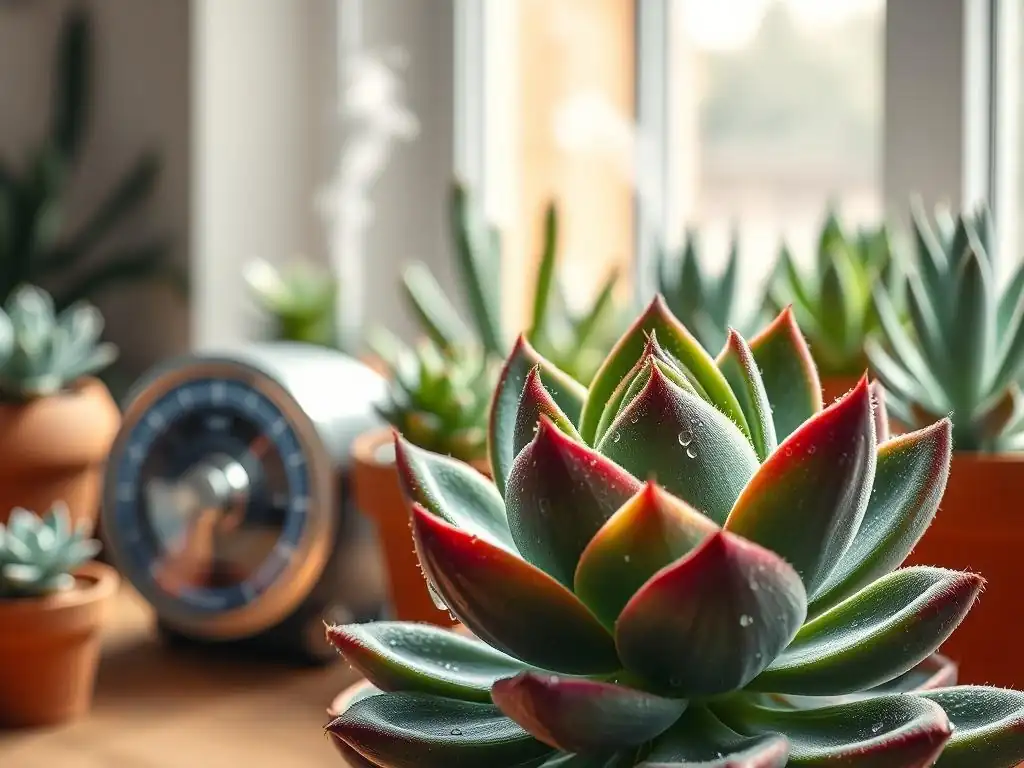
Welcome to SucculentEssentials.org, where the fascinating world of succulents unfolds before you! Are you ready to unlock the secrets to thriving succulents? We'll guide you through every step, from identifying rare varieties to mastering the art of propagation. But first, let's tackle a common challenge: humidity. Our Succulent humidity control guide reveals the crucial role moisture plays in preventing disease and ensuring your succulents flourish. Dive in and discover the key to a healthy, vibrant succulent collection!
- Understanding Humidity's Impact on Succulent Health
- Preventing Humidity-Related Diseases in Succulents
- Succulent Humidity Control Guide: Practical Strategies
- Creating a Healthy Environment for Your Succulents: Humidity and Beyond
- Case Study: Humidity-Induced Rot in Echeveria and its Treatment
- Advanced Techniques for Humidity Management in Succulent Collections
- Frequently Asked Questions
- Final Reflection: The Enduring Importance of Humidity Control
- Unleash Your Succulents' Full Potential!
Understanding Humidity's Impact on Succulent Health
Succulents, with their striking beauty and drought-tolerance, often conjure images of arid deserts. However, while they thrive in dry conditions, the right level of humidity is crucial for their long-term health and vitality. This comprehensive guide, your ultimate Succulent humidity control guide, will explore the delicate balance of moisture in the air and its profound effect on succulent well-being.
We'll delve into the dangers of both high and low humidity, providing practical strategies to maintain the perfect environment for your precious plants and prevent common diseases. Ignoring humidity levels can lead to a range of problems, from unsightly fungal infections to increased susceptibility to pests, ultimately impacting the overall growth and aesthetic appeal of your succulent collection. Understanding and managing humidity is a fundamental aspect of successful succulent cultivation, ensuring your plants flourish and remain vibrant for years to come.
High Humidity: A Breeding Ground for Fungal Diseases
High humidity creates the perfect breeding ground for various fungal diseases that can devastate your succulent collection. Fungi thrive in moist environments, and the constant dampness caused by excessive humidity encourages spore germination and rapid spread. Common fungal diseases in succulents include root rot, leaf spot, and powdery mildew. These infections often manifest as discolored spots, mushy tissues, or a white, powdery coating on leaves and stems. The resulting damage can range from minor blemishes to complete plant collapse. Preventing high humidity is paramount. Signs of high humidity problems include:
- Mushy or soft stems and leaves: A clear indicator of rot setting in.
- Dark spots or lesions: These can spread rapidly, particularly in humid conditions.
- White powdery coating: A telltale sign of powdery mildew.
- Slow or stunted growth: A general symptom indicating underlying issues, including those caused by high humidity.
Effective management involves ensuring good air circulation around your plants, avoiding overhead watering, and providing adequate spacing to prevent overcrowding. Regularly inspecting your succulents for any signs of fungal infection is crucial for early detection and prompt treatment. Early intervention is key to preventing widespread outbreaks.
Low Humidity: Stress and Pest Vulnerability
While high humidity poses a threat from fungal diseases, low humidity presents a different set of challenges. Prolonged exposure to dry air can stress your succulents, making them more vulnerable to pest infestations. Dehydrated plants are weaker and less able to defend themselves against mealybugs, spider mites, and other common succulent pests. Low humidity can also lead to leaf drop, wilting, and stunted growth. Symptoms to watch out for include:
- Dry, brittle leaves: Indicative of dehydration due to low humidity.
- Visible pests: Mealybugs, spider mites, and other pests are more likely to infest stressed plants.
- Leaf curling or discoloration: Stress responses to dry air conditions.
To counteract the effects of low humidity, consider increasing the moisture levels around your plants. This can be achieved through various methods, including grouping plants together (creating a microclimate), using a pebble tray to increase humidity, or strategically placing humidifiers near your succulent collection. Regular misting can also provide temporary relief, but it's crucial to avoid over-watering.
Ideal Humidity Levels for Succulents: A Regional Guide
The ideal humidity level for succulents isn't a fixed number; it varies significantly depending on the specific species and the climate of your region. Generally, succulents prefer low to moderate humidity levels, typically ranging between 30% and 50%. However, some species tolerate slightly higher humidity better than others. For example, succulents native to coastal regions might tolerate higher humidity than desert species. Monitoring the humidity in your environment using a hygrometer is essential for accurate measurement and adjustment. Remember, consistency is key; sudden, drastic changes in humidity can stress your plants. Consider these regional factors:
| Region | Typical Humidity Range | Considerations |
|---|---|---|
| Arid/Desert | 20-30% | Focus on good air circulation and avoid overwatering. |
| Mediterranean | 30-40% | Monitor for fungal diseases; ensure adequate drainage. |
| Temperate/Humid | 40-50% | Ensure good air circulation and consider using fans or dehumidifiers if necessary. |
| Tropical/Subtropical | 50-60% (species-dependent) | Select humidity-tolerant species and provide excellent air circulation. |
Regular monitoring and adjustments will ensure your succulents remain happy and healthy, thriving in their environment and adding beauty to your home. Remember that consistent care and attention to detail are key to successfully cultivating these unique and fascinating plants.
High humidity is a significant factor contributing to various diseases in succulents. A succulent humidity control guide is crucial for any enthusiast aiming to cultivate healthy plants. These drought-tolerant plants thrive in well-ventilated environments with moderate moisture levels. Excessive moisture, however, creates the perfect breeding ground for fungal pathogens and attracts pests that thrive in humid conditions. Understanding the delicate balance between adequate hydration and preventing excessive moisture is key to preventing disease and ensuring the longevity of your succulent collection.
This involves careful consideration of watering techniques, pot selection, and environmental controls. We'll explore these aspects in detail, providing practical steps to maintain optimal humidity levels for your succulent's well-being. Remember, prevention is always better than cure when it comes to succulent health. Proactive measures can save you considerable time, effort, and heartbreak in the long run.
Identifying Common Fungal Diseases in Succulents
Several fungal diseases are directly linked to high humidity. These diseases often manifest as discoloration, lesions, or soft, mushy spots on the leaves and stems. Let's look at some common culprits:
- Root Rot: A prevalent issue, root rot often begins subtly, with wilting or discoloration of the lower leaves. As the disease progresses, the roots turn brown and mushy, eventually leading to the demise of the entire plant. High humidity, coupled with poorly draining soil, significantly increases the risk of root rot. Prevention involves using well-draining potting mixes and ensuring proper watering practices.
- Leaf Spot: Characterized by small, brown or black spots on the leaves, leaf spot can spread rapidly in humid conditions. These spots may be surrounded by a yellow halo, and severe infestations can lead to leaf drop and defoliation. Good air circulation and avoiding overhead watering can help prevent leaf spot.
- Botrytis Blight (Gray Mold): This fungal disease is easily recognizable by the gray, fuzzy mold that appears on affected plant parts. Botrytis thrives in humid, damp environments, readily attacking succulent leaves and stems, causing them to rot. Removing infected plant matter and improving air circulation are vital preventative steps.
| Disease | Symptoms | Prevention |
|---|---|---|
| Root Rot | Wilting, brown mushy roots, leaf discoloration | Well-draining soil, proper watering, good air circulation |
| Leaf Spot | Brown or black spots on leaves | Good air circulation, avoid overhead watering |
| Botrytis Blight | Gray fuzzy mold | Remove infected parts, improve air circulation |
Remember, early identification is crucial. Regular inspection of your succulents is essential for detecting fungal diseases at their early stages, when treatment is most effective. A magnifying glass can be helpful in spotting early signs of infection.
Recognizing Pest Infestations Linked to High Humidity
High humidity isn't just conducive to fungal growth; it also creates a haven for certain pests. These pests can weaken your succulents, making them more susceptible to diseases. Let's examine some common pest problems associated with high humidity:
- Mealybugs: These small, white, cottony insects often cluster in leaf axils and along stems. They feed on plant sap, causing stunted growth and yellowing leaves. High humidity provides ideal conditions for their rapid reproduction.
- Aphids: Tiny, soft-bodied insects, aphids suck plant sap, leading to leaf curling, distortion, and sticky honeydew. Honeydew further encourages the growth of sooty mold, exacerbating the problem. High humidity can facilitate aphid infestations.
- Snails and Slugs: While not directly linked to humidity in the same way as mealybugs or aphids, moist conditions create ideal environments for snails and slugs to thrive. These pests can cause significant damage to succulent leaves and stems, leaving characteristic slime trails.
The presence of these pests often indicates an issue with humidity control. Regularly inspect your plants for signs of infestation, paying close attention to areas with poor air circulation.
Early Detection and Prevention Strategies for Succulents
Early detection and prevention are paramount in combating humidity-related issues in succulents. Implementing proactive measures significantly reduces the risk of disease and pest infestations. Here are some key strategies:
- Proper Watering: Avoid overwatering. Allow the soil to dry out completely between waterings. Water deeply but infrequently, ensuring that excess water drains freely. This reduces the risk of root rot and creates a less hospitable environment for pests and fungi.
- Well-Draining Potting Mix: Use a well-draining potting mix specifically formulated for succulents. Avoid using garden soil, which retains too much moisture. A mixture of cactus and succulent potting mix with perlite or pumice enhances drainage.
- Good Air Circulation: Ensure adequate air circulation around your succulents. Avoid overcrowding plants, allowing for sufficient space between them. This helps to reduce humidity levels and prevents the build-up of moisture.
- Proper Lighting: Ensure your succulents receive adequate sunlight, as this helps to dry the foliage and discourage fungal growth. Insufficient light weakens plants, making them more susceptible to disease.
- Regular Inspection: Regularly inspect your succulents for any signs of disease or pests. Early detection allows for timely intervention, preventing the spread of problems.
By implementing these strategies, you can significantly reduce the risks associated with high humidity and maintain a healthy and thriving succulent collection. Remember, a proactive approach is the cornerstone of successful succulent cultivation. A well-maintained environment is the best defense against disease and pests.
Succulent Humidity Control Guide: Practical Strategies
This section delves into practical, actionable steps for managing humidity levels around your succulents, crucial for preventing fungal diseases and promoting healthy growth. High humidity is a significant risk factor for succulent health, often leading to root rot and other fungal infections. This guide provides a comprehensive approach to humidity control, empowering you to create the ideal environment for your treasured plants. Remember, the goal is not to eliminate humidity entirely, but to maintain a balance that prevents excessive moisture buildup.
Improving Air Circulation Around Your Succulents
Stagnant air is a breeding ground for fungal spores and bacteria. Improving air circulation is a fundamental aspect of succulent humidity control. Consider these strategies:
- Spacing: Ensure adequate spacing between your succulents. Crowding restricts airflow, leading to higher humidity levels in the microclimate surrounding each plant. Aim for at least a few inches between individual plants, depending on their size and mature dimensions.
- Placement: Avoid placing your succulents in enclosed spaces with limited airflow, such as tightly packed shelves or corners. Opt for locations with natural breezes or good ventilation, such as near open windows (avoid direct sunlight).
- Strategic Pruning: Regularly prune away dead or decaying leaves and stems. These decaying plant materials can contribute to increased humidity and attract pests, creating a favorable environment for disease development. Clean pruning tools with rubbing alcohol between each cut to prevent the spread of pathogens.
- Air Purifiers (Consideration): While not a direct solution to humidity control, air purifiers can indirectly help by improving air quality and reducing the presence of airborne spores that may contribute to fungal diseases. However, this is a supplementary strategy and not a primary solution.
Choosing the Right Potting Mix for Optimal Drainage
The potting mix is crucial for managing moisture levels and preventing waterlogging, a major contributor to high humidity around succulent roots. Poor drainage leads to saturated soil, creating an environment ripe for fungal growth and root rot.
Here's what to look for in a succulent-friendly potting mix:
- Fast-draining components: A well-draining mix should consist primarily of inorganic materials like perlite, pumice, coarse sand, or small gravel. These materials increase porosity, allowing excess water to drain quickly.
- Minimal organic matter: While some organic components can be beneficial, avoid mixes with high levels of peat moss or other organic materials that retain too much moisture.
- Testing your mix: Before planting, conduct a simple drainage test. Fill a pot with your chosen mix and water it thoroughly. The water should drain completely within a few minutes. If it takes significantly longer, amend the mix with more inorganic materials to improve drainage.
- Pot selection: The pot itself plays a vital role. Terracotta pots are generally preferred for succulents due to their porous nature, which allows for better evaporation and reduces the risk of overwatering.
Using the correct potting mix is a proactive approach to humidity control, minimizing the risk of waterlogged conditions that promote fungal growth.
Utilizing Ventilation and Fans for Humidity Regulation
In environments with consistently high humidity, active ventilation strategies can be necessary. This is particularly important during periods of high rainfall or in indoor spaces with limited natural airflow.
- Fans: A small fan strategically placed near your succulent collection can gently circulate air, reducing humidity levels and preventing the buildup of stagnant moisture. Avoid placing the fan directly on the plants to prevent damage from strong air currents. A gentle breeze is sufficient.
- Ventilation: If your succulents are grown outdoors, ensure that they are not sheltered in areas with poor air circulation. Choose locations with good airflow to help naturally reduce humidity.
- Dehumidifiers (Indoor): In humid indoor environments, a small dehumidifier can be a beneficial addition to your humidity control strategy. Monitor the humidity levels regularly to avoid over-drying the air.
- Monitoring: Regularly monitor the humidity levels around your succulents using a hygrometer. This will allow you to make adjustments to your humidity control strategy as needed. Aim for humidity levels between 30-50%, although some succulents may tolerate slightly higher levels. However, consistently high humidity should always be addressed.
Remember, consistent monitoring and proactive measures are key to preventing humidity-related problems and ensuring the health and vitality of your succulent collection. By implementing these strategies, you can significantly reduce the risk of fungal diseases and cultivate a thriving succulent garden.
Controlling Watering Practices to Minimize Moisture Buildup
Overwatering is a primary culprit in creating excessively humid conditions around succulents, leading to fungal diseases and root rot. A common mistake is to water based on a schedule rather than on the plant's needs. Instead of adhering to a rigid watering routine, assess the soil moisture before each watering. Stick your finger about an inch into the soil; if it feels dry, it's time to water.
If it's still moist, wait. The frequency of watering will depend on factors such as the type of succulent, pot size, soil type, and ambient temperature. During hotter months, you'll likely need to water more frequently, while in cooler months, watering may be needed only every few weeks or even less.
Remember that underwatering is generally preferable to overwatering. Succulents are adapted to arid conditions and can tolerate some dryness. Signs of overwatering include mushy leaves, yellowing or browning foliage, and a foul odor emanating from the soil. If you notice these symptoms, immediately reduce watering and ensure the pot has adequate drainage to prevent waterlogging. Consider repotting the succulent in a well-draining potting mix if necessary. A well-draining mix, often composed of a blend of cactus and succulent potting soil, perlite, and coarse sand, is crucial for preventing moisture retention.
Proper watering techniques also play a role. Instead of applying water directly to the leaves, water the soil directly. This prevents water from accumulating on the leaves and creating a humid microclimate conducive to disease. Water thoroughly until water drains from the drainage holes, ensuring the entire root system is moistened. Avoid letting the succulent sit in standing water.
Empty any saucers or trays under the pots after watering to prevent root rot. Regularly check the soil moisture and adjust your watering accordingly to avoid both overwatering and underwatering. This attentive approach is key to maintaining the right moisture balance for your succulents and preventing humidity-related problems. The goal is to provide just enough moisture for healthy growth without creating an environment ripe for disease. 💧
Creating a Healthy Environment for Your Succulents: Humidity and Beyond
This section delves into the crucial aspects of creating an ideal environment for your succulents, focusing on humidity control and other key factors that contribute to their overall health and resilience against disease. A successful Succulent humidity control guide must consider more than just moisture in the air; it's about creating a balanced ecosystem that mimics their natural habitats. Understanding these elements is vital in preventing common succulent ailments.
Optimal Temperature and Light Conditions for Succulent Growth
Optimal temperature and light are fundamental aspects of succulent care, directly impacting their susceptibility to diseases exacerbated by high humidity. Succulents thrive in bright, indirect sunlight, mimicking their natural desert or semi-desert environments. Direct, intense sunlight can scorch their leaves, weakening them and making them more prone to fungal infections. Conversely, insufficient light leads to etiolation (leggy growth), reducing the plant's vigor and making it more vulnerable to pests and diseases.
The ideal temperature range for most succulents is between 65°F and 80°F (18°C and 27°C) during the day. Nighttime temperatures can drop slightly, but significant fluctuations should be avoided. Extreme temperatures, both hot and cold, stress the plants, weakening their defenses and increasing their vulnerability to various diseases. For example, prolonged exposure to temperatures below 40°F (4°C) can cause chilling injury, making them susceptible to Botrytis infection.
Conversely, extreme heat can lead to sunburn and dehydration, weakening the plant’s ability to fight off pathogens. Understanding your local climate and providing appropriate shade or supplemental heat, as needed, is crucial for preventing these issues. Monitoring temperature fluctuations with a thermometer and adjusting the plant's location accordingly is a proactive measure in maintaining optimal conditions.
Importance of Well-Draining Soil and Pot Selection
Well-draining soil and appropriate pot selection are integral components of a Succulent humidity control guide. Succulents are adapted to arid conditions and are highly susceptible to root rot caused by excessive moisture. Poor drainage leads to waterlogged soil, creating a breeding ground for fungal pathogens and bacteria. The resulting high humidity around the roots suffocates them, hindering their ability to absorb nutrients and ultimately leading to plant death.
Choosing the right potting mix is paramount. A well-draining mix should consist of a combination of inorganic materials such as perlite, pumice, or coarse sand, mixed with a small amount of organic matter like coco coir. Avoid using heavy garden soil, which retains too much moisture.
The pot itself plays a crucial role. Terracotta pots are preferred for their porous nature, allowing for better air circulation and evaporation, thereby reducing the risk of root rot and maintaining optimal humidity levels. Plastic or glazed ceramic pots retain more moisture and should be used cautiously, especially in humid environments.
Drainage holes are absolutely essential to prevent water accumulation at the base of the pot, ensuring that excess water can drain freely. Regularly checking the soil moisture before watering is also crucial; only water when the top inch of soil is completely dry. This simple practice significantly reduces the chances of overwatering and subsequent root rot.
Regular Inspection and Early Intervention: A Proactive Approach
Regular inspection and early intervention are critical for preventing disease outbreaks and successfully implementing your Succulent humidity control guide. Regularly examining your succulents for signs of pests, diseases, or stress is crucial. Early detection allows for prompt treatment, preventing minor problems from escalating into major issues.
Look for signs of fungal infections like powdery mildew (a white, powdery coating on leaves), leaf spots (brown or black spots on leaves), or root rot (soft, mushy roots). Inspect leaves carefully for signs of pests such as mealybugs, aphids, or spider mites. These pests can weaken the plant, making it more susceptible to diseases. When you find any issues, act quickly. Remove affected leaves or stems promptly to prevent the spread of infection. For fungal infections, consider using a fungicide specifically formulated for succulents. For pest infestations, appropriate insecticidal soap or neem oil applications can be effective.
Maintaining a clean and well-ventilated environment is equally important. Ensure good air circulation around your succulents to prevent the buildup of humidity, which fosters fungal growth. Avoid overcrowding plants, as this can hinder air circulation and increase the risk of disease transmission. Regularly cleaning the pots and removing any dead leaves will also help maintain a healthy environment. A proactive approach, combining meticulous observation with timely intervention, is crucial in protecting your succulents from diseases and ensuring their long-term health and vibrancy.
Case Study: Humidity-Induced Rot in Echeveria and its Treatment
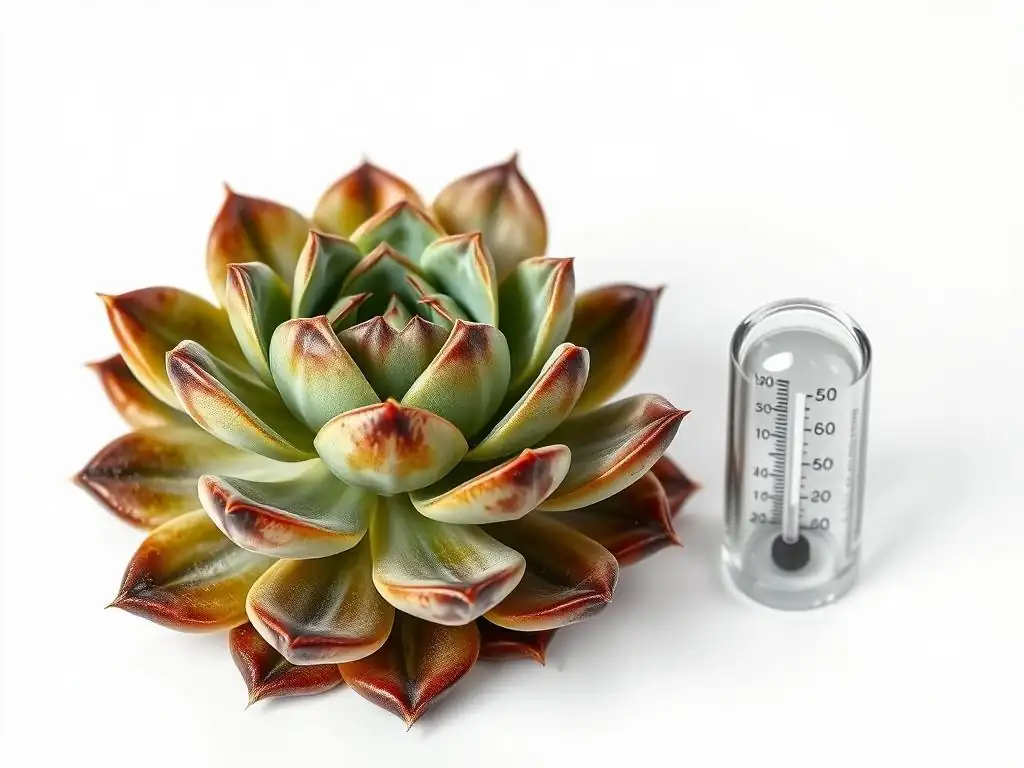
This section details a real-world example of how excessive humidity impacted an Echeveria succulent, leading to rot, and the steps taken to address the issue. This case study serves as a practical application of the succulent humidity control guide principles discussed elsewhere in this article. Understanding this process will help you proactively manage humidity and prevent similar problems in your own succulent collection. The successful treatment highlights the importance of early detection and swift action in combating humidity-related diseases.
Initial Symptoms and Diagnosis
Our subject was a beautiful Echeveria 'Perle von Nürnberg', known for its rosette of powdery blue-green leaves. Initially, we noticed a subtle change in leaf color – a slight darkening at the base of the rosette. This was accompanied by a slightly mushy feel to the lower leaves, a clear deviation from their usual firm texture.
The darkening progressed rapidly over a couple of days, spreading upwards. Crucially, there was no evidence of insect infestation, ruling out pests as a primary cause. The environment was characterized by high humidity, exceeding 70%, due to a recent spell of unusually rainy weather combined with poor air circulation within the indoor growing space.
This, coupled with the symptoms, strongly suggested root rot, a common fungal disease directly linked to excessive moisture and poor drainage, often exacerbated by high humidity. A gentle probing revealed a soft, watery consistency at the base of the stem, confirming the suspicion. The characteristic foul odor associated with bacterial rot was absent, further supporting the diagnosis of fungal root rot.
Treatment and Recovery Process
Immediate action was crucial. The affected Echeveria was carefully removed from its pot. The soil was visibly waterlogged. The roots were inspected; many were dark brown and mushy, indicating significant decay. Using sterilized pruning shears, we carefully removed all the affected roots and the rotting lower leaves.
The remaining healthy parts were treated with a fungicide specifically formulated for succulents to prevent further fungal growth. The plant was then repotted in a well-draining succulent and cactus mix. The pot was chosen for its drainage holes and good ventilation. The environment was adjusted to improve air circulation and reduce humidity. A small fan was strategically positioned near the plant to gently circulate the air.
The humidity was reduced by using a dehumidifier and improving ventilation. The plant was then monitored closely, avoiding overhead watering for several weeks and opting for bottom watering instead. Over the next few months, with careful observation and consistent care, we observed new growth emerging from the healthy parts, signaling a successful recovery. Regular monitoring for signs of recurrence was crucial.
Prevention Strategies for Future Growth
Preventing humidity-induced rot requires a multi-pronged approach. Firstly, understanding the humidity tolerance of your specific succulent species is paramount. Some, like Echeverias, are particularly susceptible to high humidity. Secondly, ensuring proper drainage is essential. Use well-draining potting mixes specifically formulated for succulents and cacti, and choose pots with ample drainage holes. Thirdly, good air circulation is vital.
Avoid overcrowding plants; provide enough space between them to allow air to flow freely. Consider using fans to improve air circulation, particularly in humid environments. Fourthly, water wisely. Avoid overwatering, which is a primary trigger for root rot. Water only when the soil is completely dry, and avoid wetting the foliage.
Fifthly, monitor humidity levels regularly, especially during periods of high humidity or heavy rainfall. Use a hygrometer to track humidity levels and adjust ventilation and watering accordingly. Finally, proactive preventative measures, such as applying a preventative fungicide, can further reduce the risk of disease. By implementing these preventative measures, you can significantly reduce the risk of humidity-related diseases and ensure the healthy growth of your succulent collection. Remember, prevention is always better than cure when it comes to succulent health.
Advanced Techniques for Humidity Management in Succulent Collections
This section delves into more sophisticated methods for controlling humidity around your succulent collection, particularly beneficial for those living in humid climates or maintaining large indoor collections. These techniques go beyond basic ventilation and offer more precise control over moisture levels, minimizing the risk of fungal diseases and rot. A proactive approach to succulent humidity control is key to long-term plant health.
Using Dehumidifiers in High-Humidity Environments
High humidity is a significant challenge for succulent growers, especially in regions with consistently damp air. While good air circulation helps, a dehumidifier offers a more direct solution. Choosing the right dehumidifier depends on the size of the space you need to control. For a small collection housed in a single room, a small, portable dehumidifier with a capacity of 10-20 pints per day might suffice. Larger collections or entire rooms may require a more powerful unit.
It's crucial to monitor the humidity levels regularly using a hygrometer (discussed in the next section). Aim for a relative humidity (RH) between 30% and 50%. Running a dehumidifier continuously isn't necessary; you can set it to run for specific periods based on your observations and the external humidity levels. Remember to empty the dehumidifier's water reservoir regularly to prevent mold growth and ensure optimal performance. Over-drying can also be detrimental; therefore, a balance is essential. Avoid placing the dehumidifier directly on or near your plants to prevent localized drying.
Consider the energy efficiency of the dehumidifier. Energy Star certified models are a good investment for long-term cost savings. Furthermore, regularly clean or replace the filters according to the manufacturer's instructions to maintain its effectiveness.
Constructing Terrariums with Proper Ventilation for Humidity Control
Terrariums offer a beautiful way to display succulents, but they can also become humidity traps if not designed correctly. Poor ventilation leads to excessive moisture, creating an ideal breeding ground for fungal diseases. When constructing a terrarium specifically for succulents, prioritize ventilation.
Instead of using a completely sealed container, opt for one with openings or vents. This can be achieved through several methods: using a container with pre-existing drainage holes and vents, drilling small holes in a glass container (exercise caution! ), or using a lid that can be partially opened or propped ajar. The size and number of ventilation points should be adjusted according to the terrarium's size and the humidity levels in your environment.
Even with ventilation, monitoring humidity remains important. Regularly check the terrarium's interior for signs of condensation or excessive moisture. If condensation builds up frequently, consider increasing ventilation. Alternatively, you might need to reduce watering frequency. The goal is to strike a balance—enough moisture to keep the succulents hydrated but not so much as to encourage fungal growth. Remember, proper drainage within the terrarium is equally crucial for managing humidity.
Monitoring Humidity Levels with Hygrometers: Specific Hygrometer Recommendations
Accurate humidity monitoring is paramount for successful succulent cultivation. A hygrometer is an essential tool for any serious succulent enthusiast. These devices measure the relative humidity (RH) of the surrounding air, allowing you to make informed decisions about ventilation, watering, and the use of dehumidifiers.
Several types of hygrometers are available. Analog hygrometers are inexpensive and simple to use, but their accuracy may be slightly less precise than digital models. Digital hygrometers, on the other hand, often provide more accurate readings and may include additional features such as temperature monitoring and data logging. For best results, choose a hygrometer with a wide measurement range (at least 0-100% RH) and good accuracy (±3% RH is generally acceptable). Consider purchasing a hygrometer with a maximum/minimum function to track the highest and lowest humidity levels over a period.
Placing the hygrometer near your succulent collection provides the most relevant data. Regularly check the readings, especially during periods of high humidity or after watering. This data will inform your humidity control strategies, helping you prevent the problems associated with excessive moisture and maintain the optimal environment for your succulents to thrive. Consistent monitoring, coupled with the techniques described above, will significantly reduce the risk of humidity-related diseases in your succulent collection. Remember, prevention is always better than cure when it comes to succulent health!
Frequently Asked Questions
How much humidity do succulents need?
Succulents thrive in low-humidity environments. High humidity can lead to fungal diseases and root rot. Aim for around 30-50% relative humidity.
What are the signs of too much humidity for my succulents?
Look for signs like mushy leaves, leaf drop, and the appearance of mold or mildew. These are all indicators of excessive moisture.
How can I reduce humidity around my succulents?
Improving air circulation is key. Use fans, avoid overcrowding plants, and ensure good drainage in your pots to reduce humidity levels.
What's the best way to water succulents in humid conditions?
Water infrequently and only when the soil is completely dry. Allow the soil to dry out thoroughly between waterings, even more so in humid conditions.
My succulents are showing signs of humidity damage. What should I do?
Remove affected leaves, improve air circulation, and adjust your watering schedule. Consider using a fungicide if necessary, but preventative care is crucial.
Final Reflection: The Enduring Importance of Humidity Control
The fight against disease, particularly in the delicate world of succulents, isn't just about sunlight and soil; it's fundamentally about mastering the unseen enemy: humidity. Ignoring this crucial factor can lead to devastating losses, highlighting the urgent need for proactive humidity management in both home and professional cultivation settings. The health of our plants, and indeed our own well-being in a world increasingly affected by climate change, depends on it.
The impact of humidity control extends far beyond the confines of our plant collections. It speaks to a broader understanding of environmental factors and their profound influence on the delicate balance of life. The earth laughs in flowers.
– Ralph Waldo Emerson. This simple quote reminds us of the beauty and fragility of nature, a beauty easily threatened by uncontrolled humidity. Understanding and managing humidity allows us to protect this beauty, not just in our succulents, but in the wider ecosystem. This knowledge empowers us to become more mindful stewards of our environment.
You, the reader, now hold the key to healthier, more vibrant plants. Take the information presented in this guide, apply it to your own practices, and witness the transformative power of controlled humidity. Don't just passively observe your succulents; actively participate in their well-being. By understanding and managing humidity, you're not just caring for plants; you're cultivating a deeper connection with the natural world and embracing a more sustainable approach to plant care. The journey to mastering humidity control begins with a single step – and the rewards are immeasurable.
Unleash Your Succulents' Full Potential!
Congratulations on taking the first step towards cultivating healthier succulents by mastering humidity management! You've already learned valuable techniques, and now it's time to put your knowledge into practice.
- Develop a customized humidity plan: Assess your succulents' individual needs and your home environment to create a practical strategy for maintaining optimal moisture levels. This might involve adjusting your watering schedule, improving air circulation, or using a humidity gauge.
- Share your experiences: Join our online community of succulent enthusiasts and share your successes and challenges in managing humidity. Learning from each other's experiences is invaluable!
- Experiment with different humidity control methods: Try various techniques such as pebble trays, humidity domes, or strategic plant placement. Discover which methods work best for you and your succulents.
Ready to watch your succulents thrive? What humidity control techniques are you most eager to try?