Best Propagation Tools and Kits: Elevate Your Succulent Growing Game
Propagating succulents is one of the most rewarding aspects of plant care, but having the right tools can mean the difference between a thriving new rosette and a rotting stem. At SucculentEssentials.org, we’ve explored dozens of kits, pruners, and rooting aids to bring you the top-tier gear that makes leaf and stem propagation foolproof. Whether you’re a beginner taking your first leaf cutting or a seasoned collector expanding a rare hybrid collection, this guide covers the essential tools—from precision tweezers to heat mats—that ensure clean cuts, faster rooting, and healthier baby plants.
🌿 Precision Cutting Tools for Clean Leaf and Stem Cuttings
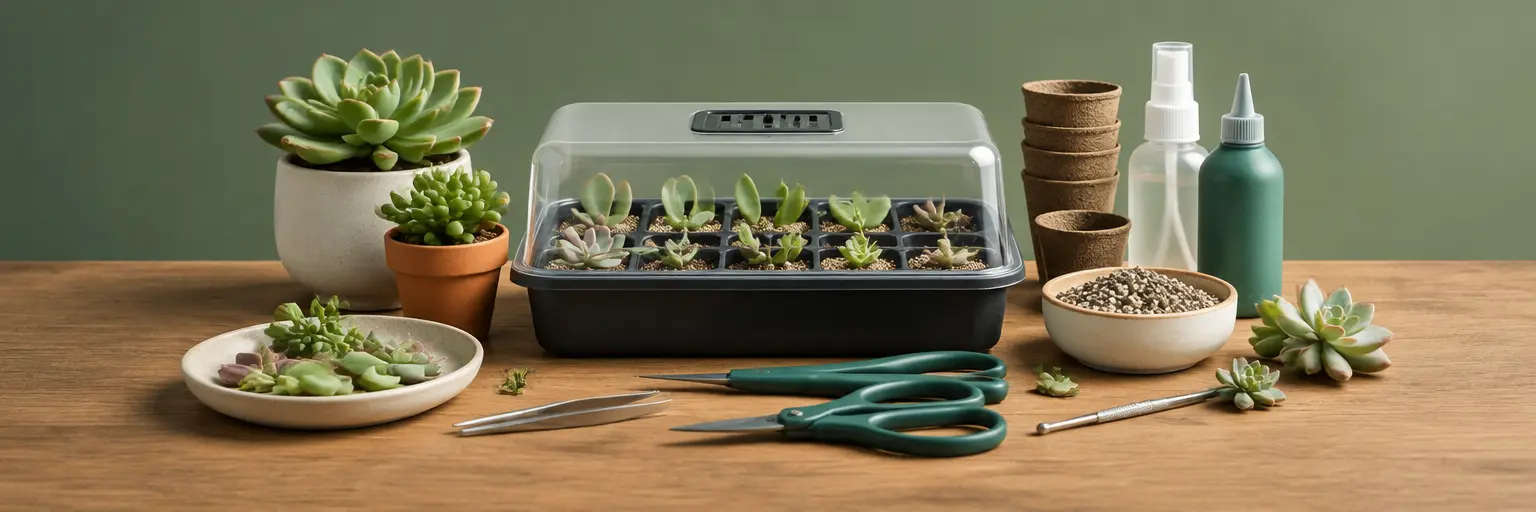
A sharp, sterile cutting tool is the foundation of successful succulent propagation. Dull or dirty blades crush tissue, invite fungal infections, and slow down callusing. The best propagation kits include stainless steel precision snips or micro-tip pruning shears that allow you to make single, clean cuts on fleshy leaves and thin stems without tearing. Look for ergonomic handles with a spring-action design to reduce hand fatigue during long propagation sessions, and always disinfect blades with isopropyl alcohol between plants to prevent disease spread.
For tiny offsets and delicate Echeveria leaves, a pair of curved tweezers or a grafting knife with a replaceable blade offers unmatched control. These tools help you separate leaves from the mother plant at the exact natural breakpoint, preserving the growth node essential for root emergence. Pair your cutters with a sterilizing solution or wipes specifically designed for plant tools, and you’ll dramatically reduce rot and increase your success rate, especially with temperamental species like Lithops or Ariocarpus.
🌱 Rooting Hormones and Auxin Powders for Faster Germination
While many succulents root easily without assistance, rooting hormones and auxin-based powders can accelerate the process and improve uniformity across multiple cuttings. Products containing indole-3-butyric acid (IBA) or naphthaleneacetic acid (NAA) encourage rapid root cell division, particularly useful for slow-rooting varieties like Haworthia truncata or Sansevieria. These powders also serve a dual purpose—coating the cut surface creates a protective barrier against moisture loss and soil-borne pathogens during the critical first week.
When selecting a rooting product, choose a gel or powder formulated specifically for cacti and succulents, as these have lower concentrations than those for woody plants and won’t burn tender fleshy tissue. Apply the hormone sparingly—a light dusting on the fresh cut is sufficient—and avoid touching the powder with your fingers to prevent contamination. In our testing, liquid rooting accelerators with added seaweed extract provided the best balance of speed and resilience, making them a staple in any advanced propagation kit.
🌵 Seedling Trays, Heat Mats, and Humidity Domes for Optimal Growth
Once your cuttings callus and begin rooting, environmental control becomes paramount. A quality propagation kit should include a modular seedling tray with drainage holes and individual cell inserts, allowing you to monitor root development without disturbing neighboring plants. Pair this with a waterproof heat mat set to 75–80°F (24–27°C) to mimic the warm desert nights that trigger root initiation. Heat mats cut rooting time by up to 50% and are essential for winter propagation when indoor temperatures dip below optimal ranges.
Humidity domes are a double-edged sword for succulents—while they’re great for seed germination, they can suffocate leaf cuttings that prefer dry air. Look for domes with adjustable vents, or choose a kit that includes a separate propagation chamber with a transparent lid you can crack open progressively. Some advanced kits even feature a built-in hygrometer and a small fan for air circulation, preventing mold while maintaining gentle moisture around new roots. This combination of bottom heat and controlled humidity dramatically boosts survival rates for your most precious cuttings.
🔍 Labeling Systems and Magnifying Loupes for Organization and Monitoring
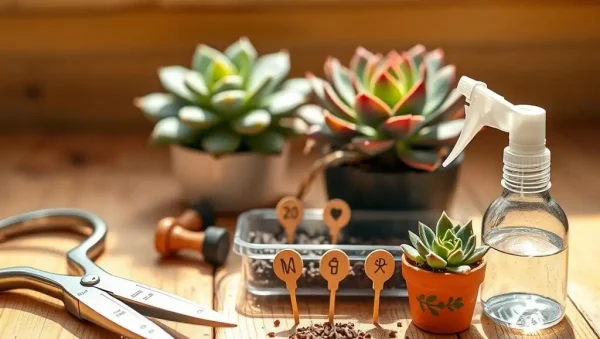
Keeping track of dozens of propagating leaves from different hybrids is a logistical challenge. High-quality kits now include waterproof, UV-resistant labeling stakes and a fine-tip permanent marker that won’t fade or smudge when watered. Combine this with a modular tray organizer that stacks vertically to save shelf space, and you’ll have a clear visual map of which cuttings are from which mother plant, their planting date, and any special care notes. This organization is critical for tracking variegated sports or rare cultivar crosses.
A 10x–20x illuminated magnifying loupe is an underrated addition to any propagation kit, letting you inspect tiny root nubs, detect early signs of mealybug infestations, or verify that callus formation is progressing correctly. The best loupes feature an LED ring light that reveals subtle color changes in leaf tips, helping you decide when to move a cutting from dry media to a moistened mix. These tools transform trial-and-error into a precise, data-driven practice, ensuring you catch issues before they become fatal.
🛠️ Essential Extras: Potting Tools, Spray Bottles, and pH Testers
No propagation kit is complete without a set of small, angled potting trowels and a long-handled scooper for filling narrow pots without damaging fragile roots. A fine-mist spray bottle with an adjustable nozzle is crucial for gentle watering that won’t dislodge shallow-rooted cuttings; look for a bottle that produces a fine fog rather than a harsh jet. These tools simplify the delicate process of transplanting rooted leaves into individual pots, minimizing root disturbance and transplant shock.
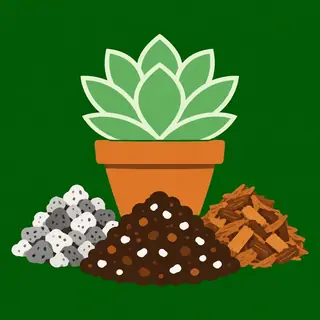
For growers serious about water quality, a digital pH tester ensures your propagation mix sits in the ideal 5.5–6.5 range for nutrient uptake. Pair this with a moisture meter that reads at multiple depths, and you’ll avoid the number-one killer of new cuttings: overwatering. Some advanced kits include a small sieve for sifting your own gritty mix, ensuring consistent particle size that promotes airflow and prevents waterlogging. These extras elevate your propagation from a hobby to a precise science, producing robust, healthy plants every time.
Frequently Asked Questions
Do I really need a heat mat for succulent propagation?
While not strictly mandatory, heat mats significantly speed up root development, especially in cooler months. Succulent roots initiate fastest at soil temperatures between 75–80°F. Without one, you may wait twice as long for roots to appear, and cuttings are more prone to rot in cold, damp conditions. If you propagate indoors year-round, a heat mat is a worthwhile investment.
Can I use regular scissors for cutting succulent leaves?
It’s not recommended. Regular scissors crush and tear fleshy tissue, leaving jagged edges that invite infection and slow callusing. Precision snips or a sharp knife create a clean, flat cut that seals faster. Always sterilize any tool with alcohol before use to prevent transferring diseases from other plants.
Should I dip every cutting in rooting hormone?
No—rooting hormone is 100% optional for most common succulents like Echeveria, Graptopetalum, and Sedum, which root easily in dry air alone. Save hormone for slow-rooting or rare species, or for winter propagation. Overusing hormone can actually inhibit root growth by creating an overly chemical environment.
How often should I mist newly planted leaf cuttings?
Mist only when the top of the propagation mix is completely dry—typically every 3–5 days, depending on your humidity. Succulent leaves need moisture to trigger root growth but will rot if kept constantly wet. A fine mist that lightly dampens the soil surface without soaking the leaf itself is ideal.
What’s the best way to label my propagation trays?
Use waterproof, UV-stable plastic stakes with a permanent marker. Write the parent plant name and the date you took the cutting. Avoid paper labels or regular pens, which fade or smudge within weeks. For extra durability, cover the writing with a clear adhesive tape seal.