Eco-Friendly and Sustainable Product Options for Succulent Enthusiasts
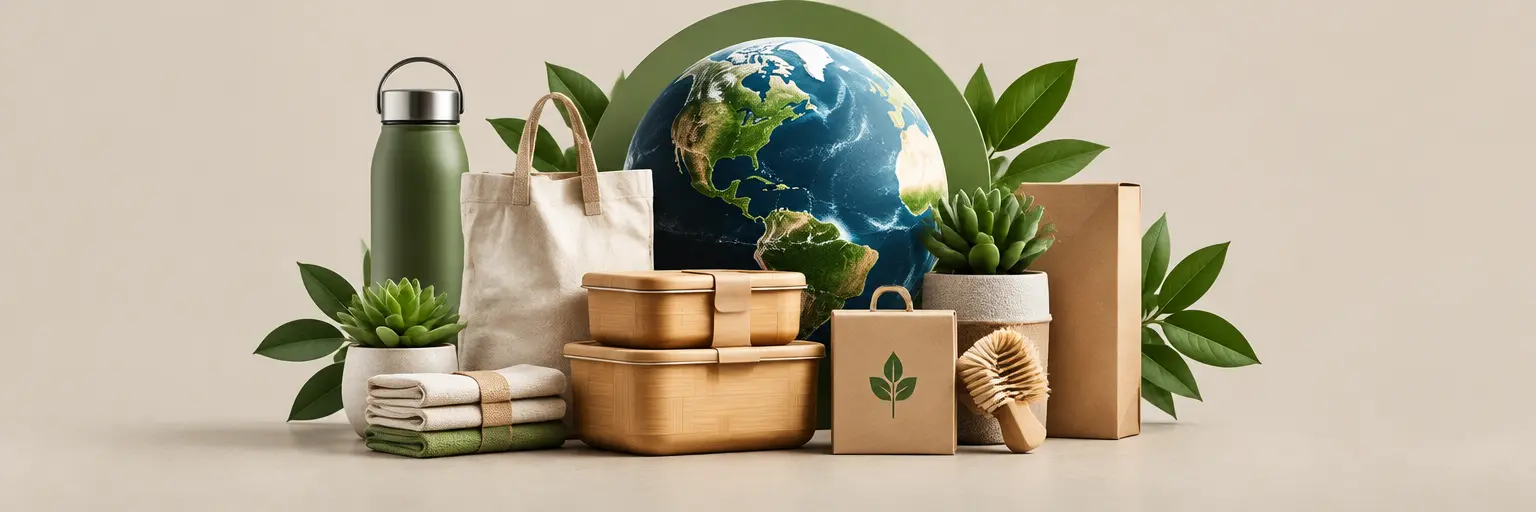
Welcome to SucculentEssentials.org’s dedicated guide on eco-friendly and sustainable product options. Here, we merge your passion for succulents with a commitment to the planet, helping you choose pots, tools, and accessories that reduce waste, support ethical sourcing, and promote long-term plant health. Discover how sustainable choices can enhance your succulent care routine while minimizing your environmental footprint.
🌱 Biodegradable and Recycled Pots
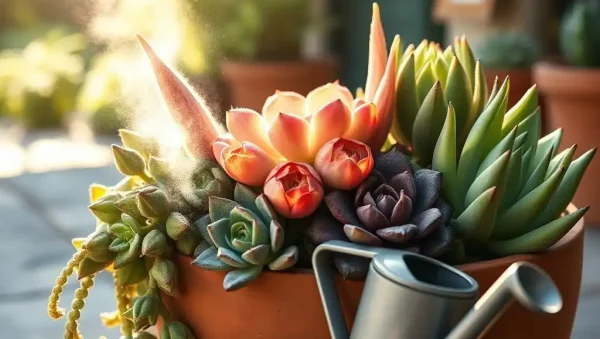
When selecting containers for your succulents, opting for biodegradable or recycled pots is a simple yet impactful sustainable choice. These pots reduce plastic waste and often decompose naturally, returning nutrients to the soil. Look for options made from coconut coir, rice husks, or recycled terracotta, which are durable yet compostable. Using recycled pots not only supports a circular economy but also provides excellent aeration and drainage for succulent roots. Whether you’re planting indoors or outdoors, these eco-friendly containers maintain the aesthetic appeal of your arrangement while aligning with your green values. Pair them with a well-draining soil mix to ensure optimal growth.
♻️ Organic and Natural Succulent Soil Mixes
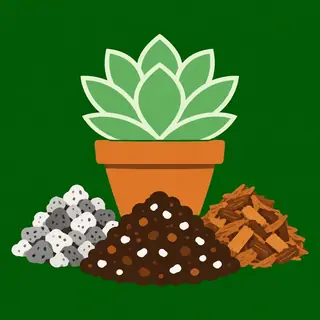
Your succulent’s health starts with the soil, and sustainable options are readily available. Organic soil mixes are free from synthetic fertilizers and pesticides, which is better for both your plants and the environment. These blends typically include coconut coir, perlite, and composted bark, providing excellent drainage and nutrient retention. Choosing organic soil reduces chemical runoff and supports beneficial soil microbes. Additionally, many brands offer packaging made from recycled materials, further lowering your ecological impact. For the best results, look for mixes labeled “eco-friendly” or “certified organic.” Your succulents will thrive, and you’ll contribute to healthier ecosystems.
💧 Water-Saving Tools and Irrigation Systems
Sustainable succulent care also involves mindful water usage. Invest in drip irrigation kits or self-watering pots designed for succulents, which deliver water directly to the roots and reduce evaporation. These systems can cut water consumption by up to 50%, making them a smart eco-friendly investment. Rainwater collection barrels are another excellent addition to your gardening toolkit, allowing you to use natural water sources. Watering wands with shut-off valves give you precise control, preventing overwatering and waste. By incorporating these tools, you not only save resources but also ensure your succulents receive consistent moisture, reducing stress and promoting robust growth. Every drop counts for both your plants and the planet.
🌿 Sustainable Propagation Supplies
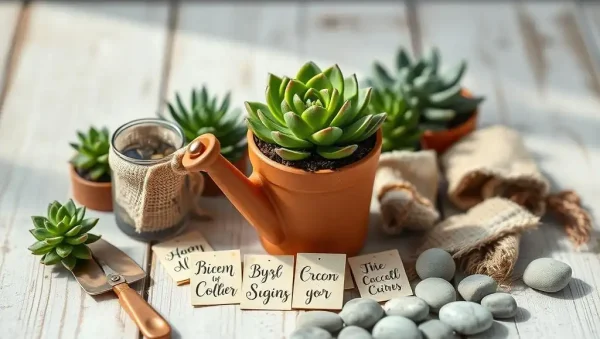
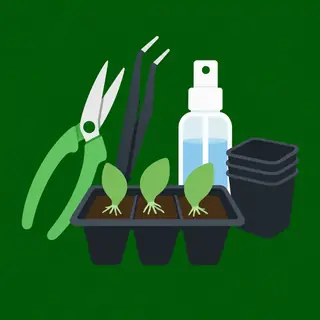
Propagating succulents is a rewarding, low-waste way to expand your collection. Use recycled paper pots or seed-starting trays made from sugarcane bagasse, which are compostable and sturdy. Opt for rooting hormones that are organic and free from harsh chemicals, ensuring safe handling and environmental friendliness. Glass propagation stations made from recycled materials make charming display pieces while allowing you to monitor root development. Additionally, consider using biodegradable plant labels instead of plastic ones—these decompose naturally over time. By choosing these sustainable supplies, you reduce single-use plastics and support a greener propagation process. Your new succulent babies will thank you with healthy growth.
🛠️ Ethical and Durable Care Tools
The tools you use for pruning, repotting, and cleaning your succulents can also be sustainable. Look for hand trowels, pruning shears, and brushes made from bamboo handles and stainless steel, which are long-lasting and recyclable. Avoiding cheap plastic tools reduces landfill waste and ensures you won’t need replacements frequently. Many brands now offer tool sets packaged in recyclable cardboard, further reducing environmental impact. Additionally, consider investing in a compost bin for your succulent leaves and stems—this creates nutrient-rich soil for future plants. By choosing ethical, durable tools, you enhance your gardening experience while supporting responsible manufacturing practices. Quality tools make every task easier and greener.
Frequently Asked Questions
Are biodegradable pots safe for all succulent types?
Yes, biodegradable pots are generally safe for most succulents, provided they offer proper drainage. Materials like coconut coir and rice husks are breathable and prevent root rot. Just ensure the pot has holes or is thin enough for water to escape. Monitor moisture levels, as biodegradable pots may dry out faster, but succulents prefer this.
How do I know if a soil mix is truly organic?
Look for certifications like “USDA Organic” or “OMRI Listed” on the packaging. These labels guarantee that the soil contains no synthetic chemicals or genetically modified organisms. You can also check the ingredient list for natural components such as perlite, compost, and sphagnum peat moss. Reputable brands will transparently state their sourcing and processing methods.
Can rainwater collection replace tap water for succulents?
Absolutely, rainwater is often better for succulents because it’s free of chlorine and fluoride found in tap water. These chemicals can build up in soil over time, harming your plants. Collecting rainwater also reduces your municipal water usage, making it an eco-friendly practice. Just ensure your collection system is clean and covered to prevent algae growth.
What is the best sustainable way to dispose of old plastic pots?
Recycle them if your local program accepts them, or repurpose them for non-plant uses like storage. Some garden centers offer take-back programs for plastic pots and trays. If recycling isn’t an option, consider upcycling them into bird feeders or seed-starting containers for future use. Avoid throwing them in the trash whenever possible.
Are self-watering pots suitable for succulents in dry climates?
Yes, self-watering pots can work well in dry climates, as they provide a steady, controlled moisture supply without overwatering. However, choose pots with a designated water reservoir and a wicking system that you can adjust. Succulents still need a dry period between waterings, so set the wick to slow water release and monitor soil moisture regularly to prevent root rot.