The Power of Grit: How Horticultural Sand Transforms Succulent Soil
🤔 Unlock your succulents' full potential! Learn how adding horticultural sand creates the best succulent soil mix, improving drainage and aeration for…
Read article
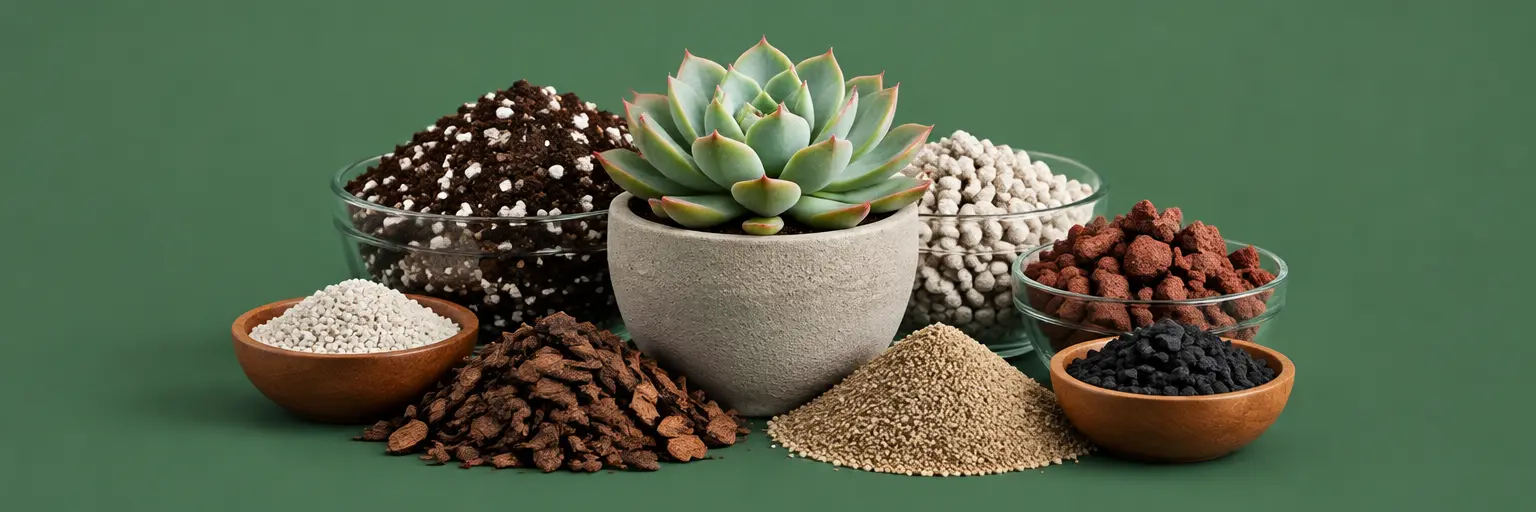
Discover the essential guide to choosing the perfect soil, substrates, and amendments for your succulents and cacti. Whether you’re a seasoned collector or a curious beginner, the right growing medium is the secret to vibrant, healthy plants that thrive in any environment. From fast-draining gritty mixes to organic boosters like coconut coir and perlite, our expert recommendations help you prevent root rot, improve aeration, and boost nutrient retention—all tailored to your unique succulent species and local climate. Uncover *pro-approved ratios*, DIY blending tips, and top-rated commercial brands, ensuring your desert beauties get the ideal foundation for strong roots and striking foliage. Dive in to master the art of substrate selection and turn your succulent garden into a resilient, low-maintenance showcase. 🌵✨
🤔 Unlock your succulents' full potential! Learn how adding horticultural sand creates the best succulent soil mix, improving drainage and aeration for…
Read article
🤔 Discover innovative and sustainable succulent soil options for thriving plants! SucculentEssentials.org explores eco-friendly mixes, ensuring healthy growth while minimizing environmental impact.…
Read articleChoosing the right soil is the single most important decision you’ll make for your succulents. Unlike regular houseplants, succulents demand exceptional drainage, aeration, and a gritty texture to prevent root rot. In this expert buying guide, we dive deep into the best commercial mixes, DIY substrate recipes, and essential amendments like perlite, pumice, and coarse sand. Whether you’re a beginner repotting your first Echeveria or a seasoned collector refining a rare cactus mix, this subcategory offers data-driven recommendations and hands-on reviews. Let’s unearth the perfect foundation for a healthy, vibrant succulent collection.
We’ve tested over a dozen bagged mixes to identify which products deliver on their promises of fast drainage and balanced moisture retention. The best commercial blends, like Bonsai Jack’s Gritty Mix and Superfly Bonsai Succulent Soil, use a 1:1:1 ratio of pine bark, calcined clay, and crushed granite, ensuring no organic peat moss that can trap water. Our reviews focus on particle size consistency, pH levels, and how these mixes perform during heavy watering cycles. For beginners, a pre-mixed option reduces guesswork, but always check for added fertilizers—most succulents prefer nutrient-poor soil.
We also evaluate budget-friendly alternatives like Miracle-Gro Cactus Mix, which requires you to add extra perlite for better aeration. Our hands-on testing includes measuring water drainage speed and re-wetting behavior after drying out. You’ll learn which mixes stay fluffy versus those that compact over time, and how different brands perform in terracotta versus plastic pots. For rare succulents with sensitive roots, we highlight specialized blends with 80% inorganic content. Each review includes a clear pros-and-cons list, so you can match the mix to your specific growing environment—indoor, greenhouse, or outdoor patio.
Amendments are the secret weapons for customizing any soil to your local climate and watering habits. Perlite is the most affordable and lightweight option, but it floats to the surface over time, which can be annoying. Pumice is our top recommendation for its durability, porosity, and ability to hold moisture without staying wet—perfect for arid homes. Coarse sand (not play sand) adds weight and improves drainage, but only use it in small proportions to avoid cement-like compaction. We explain the exact particle sizes that work best, usually between 1/8 and 1/4 inch, for optimal air pockets around roots.
Beyond the basics, we review less common amendments like calcined clay (used in baseball fields), zeolite for nutrient retention, and akadama for a bonsai-style substrate. You’ll learn when to add worm castings for organic matter without risking rot, and why activated charcoal is a myth for drainage—it’s better for odor control. Our guides include recipe ratios for different succulent types: a grittier mix for Lithops (living stones) and a slightly more organic mix for Haworthia. We also share a simple DIY test to check your mix’s drainage speed at home.
Creating your own succulent soil gives you total control over texture and moisture, and it’s often cheaper than premium commercial blends. Our base recipe uses 3 parts pumice, 2 parts coarse sand, and 1 part high-quality potting soil (free of peat). For harder-to-please species like Ariocarpus or Aztekium, increase the inorganic share to 90% by adding fine gravel and limestone chips. We provide step-by-step instructions for mixing in a large tub, sterilizing components, and adjusting for humidity—high-humidity environments need a leaner, drier mix. You’ll also discover how to test your finished substrate by squeezing a handful: it should crumble instantly when released.
We break down seasonal adjustments, such as adding more bark chips for summer growth periods or reducing them in winter dormancy. For indoor growers under LED lights, more perlite helps prevent rapid drying, while greenhouse growers benefit from added coconut coir in moderation to maintain slight moisture. We also include a mini-recipe for rooting cuttings that uses 100% perlite or pumice to induce faster root development without rotting. Each DIY guide includes a printable ratio chart and common mistakes to avoid, such as using garden soil, which introduces pathogens and pests.
Even experienced succulent owners fall into simple but destructive traps with soil selection. The biggest mistake is using any standard potting mix without amendment—peat-based soil holds water for days, quickly causing root rot. Another common error is sifting out fine particles; while you want chunky texture, removing all dust creates huge air pockets that dry too fast for some species. We debunk the myth that “top dressing” gravel helps drainage—it actually traps moisture underneath. You’ll learn why reusing old soil is risky unless you sterilize it, and why adding fertilizer to fresh mix is unnecessary and harmful for many succulents.
We also address the problem of over-amending: a mix that’s 100% inorganic drains too quickly, stressing roots that need occasional access to water. Consistent particle size is more important than particle quantity—mixed-size particles can cause water to pool in fine layers. Our buying guide warns you against cheap “cactus soil” that lists “forest products” as the first ingredient. Instead, look for transparent labels that specify granite, pumice, or fired clay. Finally, we share a practical checklist to evaluate any mix before repotting, including a 5-minute soak test and a visual inspection for dust content.
When shopping online or in garden centers, three key factors separate premium substrates from disposables: ingredient transparency, particle consistency, and sterilization. Top brands list exact percentages of bark, pumice, and calcined clay, while budget options often use vague terms like “organic materials.” In our reviews, we measure particle size distribution using standard sifting screens—ideal mixes have 80% of particles between 1.7mm and 3.4mm. We also check for pH buffers; most succulents prefer a slightly acidic to neutral range of 5.5–6.5. Premium products are oven-baked or steam-sterilized to eliminate weed seeds and pathogens, a feature we always verify with lab tests.
Packaging matters too: resealable bags with moisture barriers extend shelf life, while paper bags can absorb humidity and degrade the mix. We compare cost-per-gallon across brands, showing that buying in bulk (like 2-cubic-foot bags) is 40% cheaper over a year. Our guide includes a comparison table of leading brands with ratings for drainage, re-wetting, and long-term stability after one year of use. We also highlight specialty suppliers like Bonsai Jack and EB Stone that offer custom blends for cacti, lithops, and epiphytic succulents. Finally, we advise on ordering timelines—premium mixes can sell out during spring repotting season.
Yes, but with caution. Regular potting soil contains peat moss and compost, which hold too much water even with perlite. Mix 3 parts regular soil with 2 parts perlite and 1 part coarse sand for a temporary solution. However, this mix compacts within months, so repotting is needed annually.
Most succulents benefit from repotting every 2–3 years to replenish mineral content and refresh drainage. Signs that repotting is overdue include roots poking out of drainage holes, water pooling on top, or the soil’s texture becoming hard and dense.
Yes, for long-term use. Pumice is durable, doesn’t float, and has higher porosity, holding air and moisture evenly. Perlite is cheaper and lighter but breaks down and floats to the surface after watering. For indoor grows with frequent watering, pumice is the better investment.
Lithops require an almost fully inorganic mix: 9 parts pumice or coarse sand to 1 part potting soil. Use particles between 3–6mm to allow rapid drainage and airflow. Water only when the leaves slightly wrinkle, and always let the mix stay dry for 7 days post-watering.
Only after sterilization. Remove all dead roots, then bake the soil at 200°F for 30 minutes to kill pathogens and pests. Alternatively, soak in boiling water and dry completely. If the soil is over a year old or shows mold, replace it entirely to avoid contamination.