
Variegated Succulent Repotting: When and How to Transplant

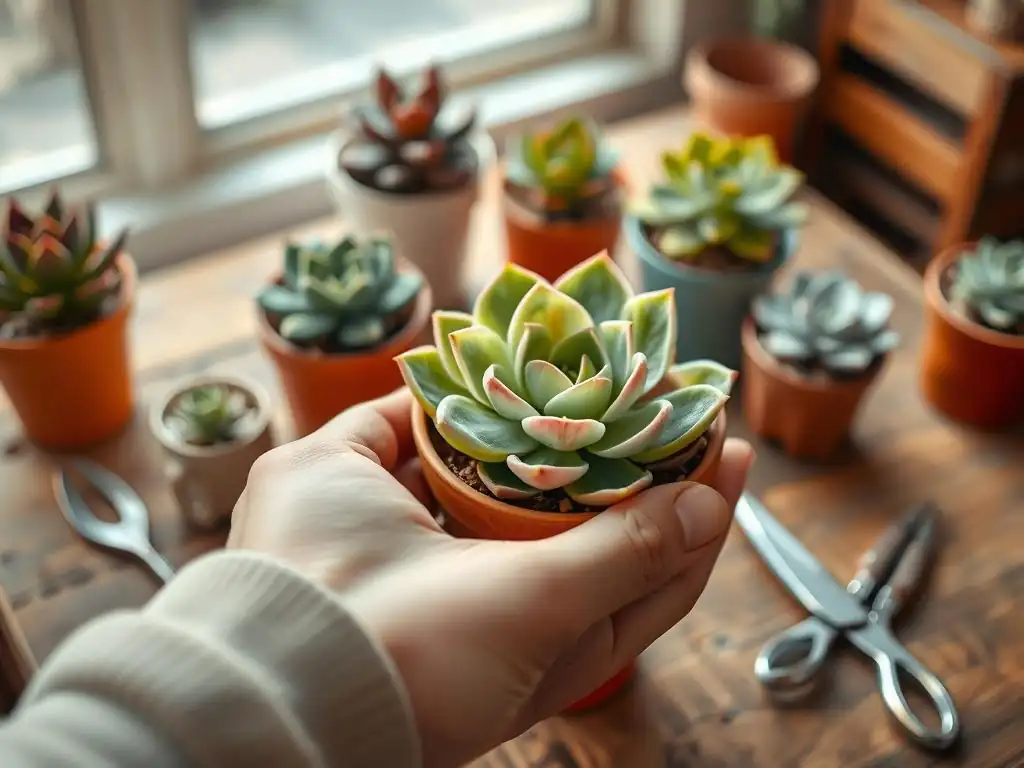
Welcome to SucculentEssentials.org, where the fascinating world of succulents unfolds before you! Are you ready to unlock the secrets to thriving variegated beauties? Our expert guide on repotting variegated succulents reveals the precise timing and techniques needed to nurture these unique plants, ensuring their vibrant colors flourish. Dive in and discover the art of successfully transplanting these prized specimens – your journey to a spectacular succulent collection starts now!
- Understanding Variegated Succulents and Their Repotting Needs
- When to Repot Your Variegated Succulents
- Choosing the Right Pot and Soil for Variegated Succulents
- Step-by-Step Guide to Repotting Variegated Succulents
- Post-Repotting Care for Variegated Succulents
- Troubleshooting Common Repotting Issues with Variegated Succulents
- Propagating Variegated Succulents After Repotting (Optional)
-
Frequently Asked Questions
- Why is repotting my variegated succulent important?
- When is the best time to repot my variegated succulent?
- What type of soil should I use for my variegated succulent?
- How do I repot a variegated succulent without damaging it?
- What should I do if my variegated succulent loses its variegation after repotting?
- Final Reflection: The Enduring Beauty of Variegated Succulents
- Unleash Your Succulents' Full Potential!
Understanding Variegated Succulents and Their Repotting Needs
Variegated succulents, with their striking patterns of color, are highly prized by collectors and enthusiasts alike. Their unique beauty, however, often comes with specific care requirements, particularly when it comes to repotting. This comprehensive guide will walk you through the process of repotting variegated succulents, ensuring the health and continued vibrant coloration of these captivating plants.
We'll cover identifying variegated succulents, understanding why proper repotting is crucial for their growth, and how to assess root health before transplantation. Mastering these techniques will allow you to keep your collection thriving and showcasing the full splendor of their variegated features. This guide serves as your ultimate resource for successfully repotting variegated succulents, helping you avoid common pitfalls and achieve optimal growth.
Remember, proper repotting is key to maintaining the health and beauty of these unique plants, ensuring they continue to display their stunning variegated patterns for years to come. Let's delve into the specifics to ensure your variegated succulents flourish!
Identifying Variegated Succulents: Recognizing Unique Colorations
Variegation in succulents manifests as irregular patterns of color, often including shades of white, yellow, cream, pink, or even red, alongside the typical green hues. These variations are not diseases but rather genetic mutations that affect chlorophyll production. Identifying a variegated succulent requires careful observation. Look for distinct color zones within a single leaf or across the entire plant. These patterns can be streaked, mottled, or sectorial (affecting a segment of the plant).
Some common examples of variegated succulents include variegated Echeveria, Haworthia, and Sedum, each exhibiting unique coloration. It's important to note that the intensity of variegation can vary depending on factors such as sunlight exposure and growing conditions. For instance, a succulent with less sunlight might show less vibrant coloration. Understanding these variations is crucial for proper care and selecting the appropriate repotting techniques. 🌱
The Importance of Proper Repotting for Variegated Growth
Proper repotting is essential for the continued health and vibrant variegation of your succulents. Overcrowded roots lead to stunted growth and can diminish the intensity of the plant's coloration. Repotting provides fresh, well-draining soil, crucial for preventing root rot, a significant threat to succulents, especially variegated varieties which are often slightly more delicate. Furthermore, repotting allows you to inspect the root system for signs of disease or damage, enabling early intervention and preventing further issues.
Choosing the right pot size and soil mix is also critical; a pot that's too large can retain excessive moisture, leading to root rot, while a pot that's too small restricts root growth. The ideal soil mix should be well-draining and airy, preventing waterlogging and promoting healthy root development. Neglecting proper repotting can significantly impact the health and appearance of your variegated succulents, potentially leading to loss of variegation or even plant death.
Assessing Root Health Before Repotting Variegated Plants
Before repotting, carefully examine the root system of your variegated succulent. Gently remove the plant from its current pot and inspect the roots for any signs of rot, damage, or disease. Healthy roots are firm, white, or light brown. Signs of rot include mushy, dark brown or black roots that have an unpleasant odor.
Damaged roots may appear broken or bruised. If you find any signs of rot or damage, carefully remove the affected roots using clean, sharp scissors or pruning shears. Ensure your tools are sterilized to prevent the spread of disease. After removing damaged roots, allow the plant to air dry for a few hours to allow any wounds to callous over.
This step is crucial to prevent further infection during repotting. Once the roots are dry, you can proceed with repotting your variegated succulent into fresh, well-draining soil, ensuring a healthy and vibrant future for your prized plant. Careful assessment of root health before repotting is paramount to the long-term success of your variegated succulent.
When to Repot Your Variegated Succulents
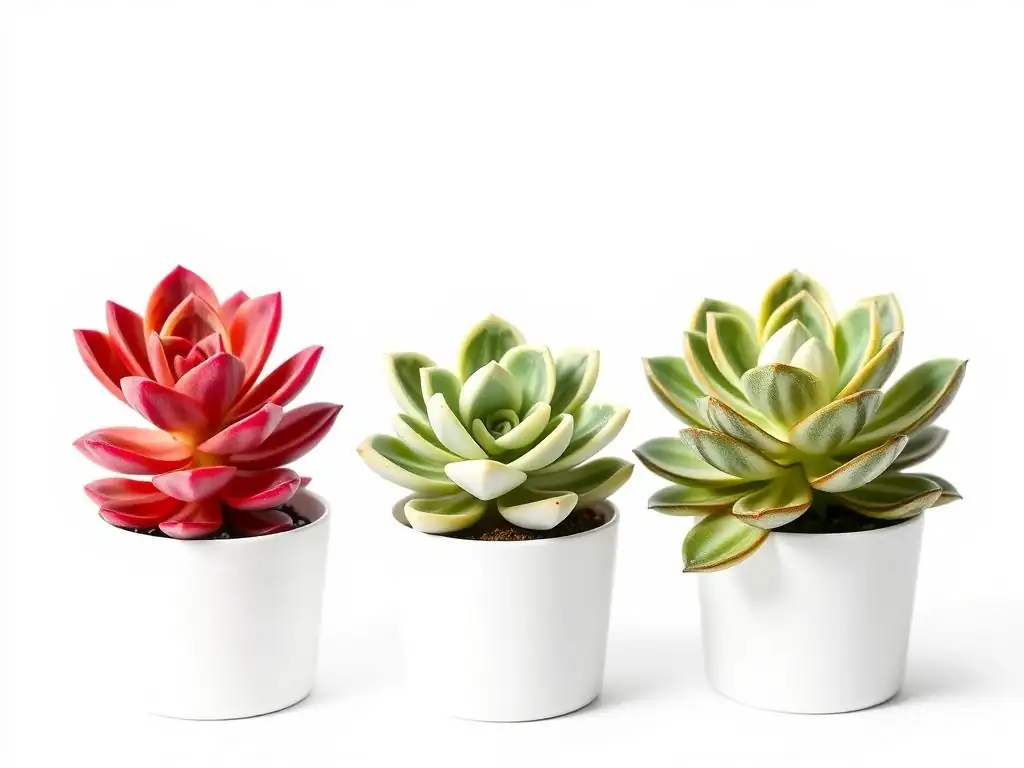
Repotting your variegated succulents is crucial for their health and vibrant growth. Knowing when to repot is just as important as how, ensuring you don't stress these already unique plants. This section will guide you through identifying the ideal time for transplanting your prized variegated collection, considering various factors specific to these beautiful, often delicate, plants. Ignoring the signs can lead to stunted growth, reduced variegation, and even plant death. Mastering this skill will allow you to nurture your variegated succulents to their full potential, showcasing their stunning color variations.
Signs Your Variegated Succulent Needs a Larger Pot
Several key indicators signal that your variegated succulent requires a larger pot. These signs aren't always obvious, requiring a keen eye and understanding of your plant's specific needs. Ignoring these subtle cues can compromise the plant's health and the intensity of its variegation.
- Root Boundness: Carefully inspect the roots. If roots are circling the pot, emerging from the drainage holes, or densely packed, it's a clear sign the plant needs more space. This restricts nutrient and water uptake, hindering growth. Gently remove the plant from its pot to assess the root system thoroughly.
- Stunted Growth: A sudden slowdown or halt in growth, despite proper care, often indicates rootbound conditions. Variegated succulents, with their already slower growth compared to their non-variegated counterparts, are particularly susceptible. Compare your plant's growth rate to its previous growth patterns. Significant deviations warrant attention.
- Wilting Despite Watering: Even with regular watering, persistent wilting can suggest rootbound issues. The roots can't absorb sufficient water because they lack space to expand. This is different from underwatering, where the soil will be completely dry.
- Reduced Variegation: A noticeable decrease in the intensity or extent of variegation can be a subtle indicator of stress. Repotting, providing fresh soil, and improved root conditions can often revitalize the variegation. Document your plants' variegation patterns over time for better comparison.
- Top-Heavy Plants: If your succulent has become top-heavy and unstable, it might be due to an inadequate root system unable to support the plant's weight. This instability increases the risk of damage during watering or accidental knocks.
Repotting Schedule for Variegated Succulents: Seasonal Considerations
The best time to repot variegated succulents is during their active growing season, generally spring or early summer. This allows the plant ample time to adjust to its new environment before the onset of cooler temperatures or dormancy. Avoid repotting during winter or fall, as this can shock the plant and hinder its ability to recover.
Consider these factors:
- Temperature: Aim for temperatures between 65-80°F (18-27°C) for optimal repotting conditions. Avoid extreme heat or cold.
- Light: Ensure adequate, but not excessive, sunlight. Direct midday sun can stress newly repotted succulents.
- Humidity: Moderate humidity is ideal. Avoid overly humid or dry environments.
Repotting during the active growing season ensures a higher success rate and faster recovery. The warmer temperatures and longer daylight hours promote faster root development and overall plant health.
Determining the Optimal Repotting Time for Different Variegated Species
While spring and early summer are generally ideal, the specific timing can vary slightly depending on the individual variegated succulent species. Certain varieties have more specific needs, and understanding these differences is crucial for successful repotting.
| Species Example | Optimal Repotting Time | Considerations |
|---|---|---|
| Echeveria 'Perle von Nürnberg' | Early Spring | Sensitive to overwatering; use well-draining soil. |
| Graptopetalum paraguayense 'Variegata' | Late Spring/Early Summer | Tolerant of slightly drier conditions; monitor closely. |
| Sedum morganianum 'Burro's Tail' Variegated | Spring (after last frost) | Prone to root rot; ensure excellent drainage. |
Remember to always research the specific needs of your variegated succulent species before repotting. This attention to detail contributes significantly to the long-term health and vibrancy of your collection. Careful observation and proactive repotting are key to maintaining the beauty and unique characteristics of your variegated succulents. Enjoy the process and celebrate the growth of these stunning plants!
Choosing the Right Pot and Soil for Variegated Succulents
Repotting your prized variegated succulents requires careful consideration of both the pot and the soil. The wrong choices can lead to root rot, a common problem that can quickly kill these delicate plants. This section will guide you through selecting the ideal pot and creating a perfect soil mix for your variegated succulent's thriving future. Remember, proper repotting is crucial for maintaining the vibrant colors and healthy growth of your variegated collection. This guide focuses on providing you with the best practices for successful repotting.
Selecting the Perfect Pot Size for Variegated Succulents
Choosing the right pot size is paramount. Too large a pot retains too much moisture, increasing the risk of root rot. Too small a pot restricts root growth, hindering the plant's ability to absorb nutrients and potentially stressing the plant, negatively impacting its variegation. A good rule of thumb is to select a pot only slightly larger than the root ball of your variegated succulent.
For example, if your succulent's root ball measures approximately 4 inches in diameter, a 5-6 inch pot would be ideal. Consider the mature size of your specific succulent variety; some variegated succulents remain relatively compact, while others can grow significantly larger. Always prioritize proper drainage; pots with drainage holes are essential to prevent waterlogging. Terracotta pots are excellent choices as they allow for better air circulation and evaporation, helping to regulate soil moisture.
Essential Characteristics of Well-Draining Soil for Variegated Plants
Well-draining soil is the cornerstone of healthy variegated succulent growth. These plants are adapted to arid conditions and are susceptible to root rot if their roots sit in consistently wet soil. The soil must allow for excellent drainage and aeration. Avoid using garden soil, as it's typically too dense and retains too much water.
Instead, opt for a specialized succulent and cactus potting mix, available at most garden centers. Look for mixes that include ingredients like perlite, pumice, or coarse sand. These materials improve aeration and drainage, preventing the soil from becoming waterlogged. Consider the following characteristics when selecting or creating your soil mix:
- Porosity: The soil should have plenty of air pockets to allow for good air circulation around the roots.
- Drainage: Water should drain freely through the soil, without puddling on the surface.
- Moisture Retention: While drainage is crucial, the soil should retain some moisture to keep the plant hydrated between waterings. This is a delicate balance that requires careful observation and adjustment.
Creating the Ideal Soil Mix for Variegated Succulent Repotting
You can easily create a custom soil mix for your variegated succulents. A good starting point is a combination of:
| Ingredient | Percentage | Rationale |
|---|---|---|
| Potting Soil | 30% | Provides some basic nutrients and organic matter. |
| Perlite | 30% | Improves drainage and aeration, preventing compaction. |
| Coarse Sand | 30% | Enhances drainage and provides excellent aeration. |
| Horticultural Grit | 10% | Adds extra drainage and structure. (Optional, but recommended for improved drainage) |
Remember to sterilize your soil mix before use to prevent the introduction of diseases or pests. You can achieve this by baking the soil in the oven at a low temperature (around 200°F) for about 30 minutes. This simple step can greatly reduce the risk of problems later on.
By carefully selecting the right pot and creating a well-draining soil mix, you'll significantly increase the chances of successfully repotting your variegated succulents and enjoying their vibrant colors for years to come. Remember to always prioritize drainage to prevent root rot, the biggest threat to these beautiful plants. Happy repotting! 🎉
Step-by-Step Guide to Repotting Variegated Succulents
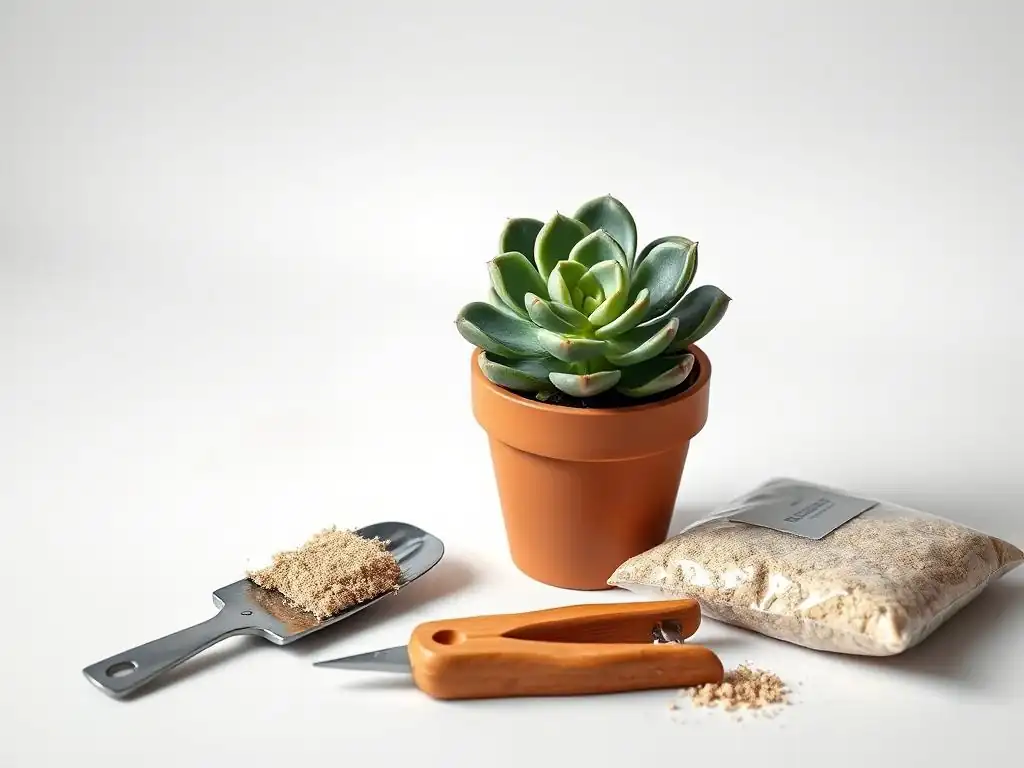
This guide provides a comprehensive approach to repotting your prized variegated succulents, ensuring their continued health and vibrant coloration. Remember, proper repotting is crucial for the long-term success of these unique plants, maximizing their growth and minimizing stress. This detailed process focuses on minimizing damage to the delicate variegated leaves and roots. Successfully repotting variegated succulents requires patience and a gentle touch; rushing the process can lead to injury. Let's dive in!
Preparing Your Variegated Succulent for Repotting
Before beginning the repotting process, preparation is key. This involves selecting the right time, choosing the appropriate pot and soil, and gathering the necessary tools. Repotting is best undertaken during the succulent's active growing season, typically spring or early summer. Avoid repotting during winter dormancy, as this can stress the plant and hinder its ability to recover.
The new pot should be only slightly larger than the previous one. Over-potting can lead to excessive moisture retention, which can be detrimental to succulents, particularly variegated varieties which are often more sensitive. Choose a pot with drainage holes to prevent waterlogging, a common cause of root rot.
Appropriate soil is crucial. A well-draining succulent and cactus potting mix is essential. Avoid using regular garden soil, as it retains too much water. You can amend a standard potting mix with perlite or pumice to further improve drainage. Having all your tools ready – including gardening gloves, a small trowel, and potentially a chopstick or similar tool for gently loosening roots – will streamline the process.
Remember to check your variegated succulent for any signs of disease or pest infestation before you begin repotting. Addressing these issues before transplanting will prevent their spread in the new pot. Early detection and treatment are vital for the health of your plant.
Gently Removing the Succulent from its Existing Pot
With your preparations complete, carefully remove the variegated succulent from its current pot. This requires a delicate approach to avoid damaging the fragile roots and leaves. Gently loosen the soil around the root ball using your fingers or a small trowel. Avoid pulling forcefully on the plant; instead, work the soil away from the sides of the root ball.
For tightly packed roots, a gentle tapping of the pot against a hard surface can help loosen the root ball. You can also use a chopstick or similar tool to gently pry the roots away from the sides of the pot. Once the root ball is loosened, grasp the plant firmly at its base and gently lift it from the pot. Avoid pulling on the leaves or stems, which can cause damage and potentially lead to leaf loss.
If the succulent proves particularly stubborn, consider soaking the root ball in water for a few minutes to soften the soil. This makes it easier to remove the plant without causing damage. Remember, patience is key during this stage. The goal is to remove the plant intact, preserving both the roots and the delicate variegated foliage.
Inspecting and Cleaning the Roots of Your Variegated Plant
Once the variegated succulent is out of its pot, carefully inspect its roots. Look for any signs of root rot, which manifests as mushy, brown, or black roots. Gently remove any rotten or damaged roots using clean, sharp pruning shears or a sterile knife. This will help prevent the spread of disease and promote healthy root growth in the new pot.
After removing any damaged roots, gently brush away any excess old soil from the root ball. This helps to ensure that the new soil can properly reach the roots, promoting healthy growth. Avoid washing the roots, as this can damage the delicate root hairs. A gentle brushing is sufficient to remove the old soil and prepare the roots for repotting.
Once the roots are cleaned, your variegated succulent is ready for its new home. Remember to handle the plant with care throughout this entire process. The goal is to minimize any stress to the plant to facilitate a smooth transition and healthy growth in its new environment. 🌱
Planting Your Variegated Succulent in its New Pot
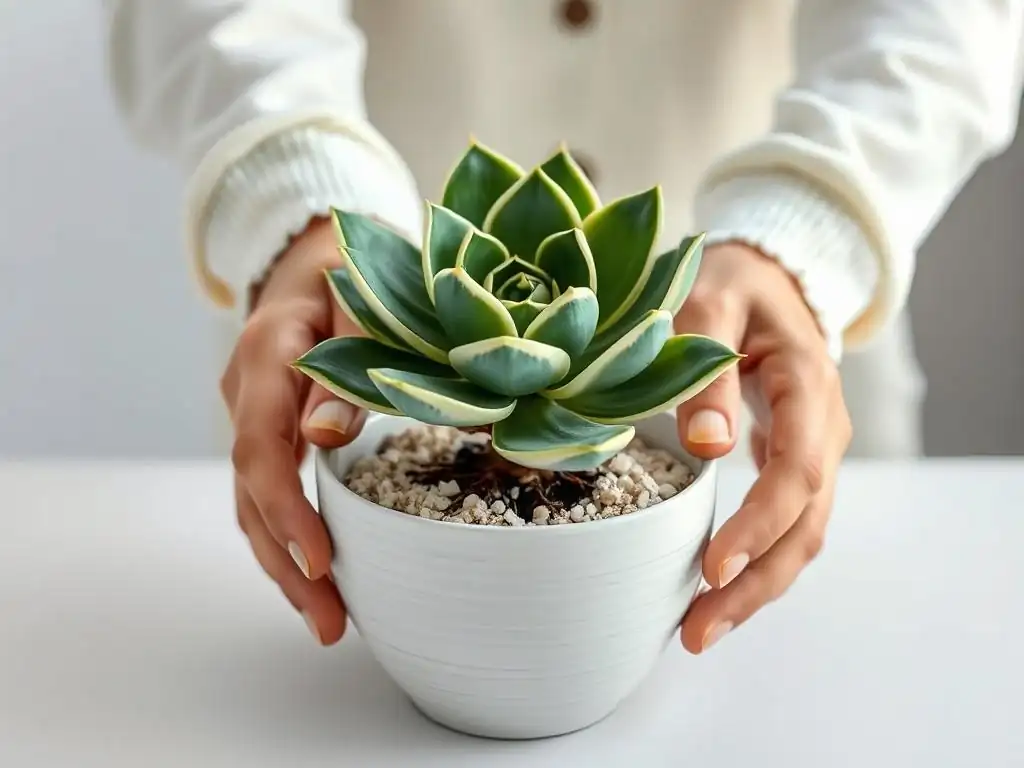
Once you've prepared your pot and succulent, it's time for the planting! Gently place your variegated succulent into the new pot, ensuring it sits at the same depth as it was in its previous container. This prevents stem rot and ensures the roots have access to the necessary soil. Avoid planting it too deep, which can suffocate the roots and potentially lead to rot. You'll want to leave a little space between the top of the soil and the rim of the pot for watering.
Carefully fill the pot with your prepared succulent potting mix, gently pressing the soil around the base of the plant to secure it in place. Avoid compacting the soil too tightly, as this can restrict air circulation and root growth. Aim for a loose, well-draining environment that mimics the succulent's natural habitat.
A lightly packed soil will allow for proper water drainage and aeration, crucial for preventing root rot in these beautiful, but delicate, plants. Remember, good drainage is paramount for the health of your variegated succulents. Overwatering is a common problem, and using the right potting mix and planting technique can significantly reduce this risk.
After planting, take a moment to admire your handiwork! Observe the plant's position in the pot. Is it stable? Does it appear to be at the correct depth? Making these small adjustments during the planting process can prevent future problems and ensure your variegated succulent thrives in its new home. Consider adding a layer of decorative gravel or pebbles on the top of the soil for an aesthetically pleasing finish and to help maintain soil moisture levels. This is optional, of course, but adds a nice touch.
Watering Your Newly Repotted Variegated Succulent
Watering your newly repotted variegated succulent requires a delicate touch. The general rule is to wait approximately one to two weeks before watering. This allows the roots to recover from the transplanting process and prevents rot, which is a common issue after repotting. During this period, monitor the soil moisture. If the soil feels completely dry, you can lightly water the plant, but only enough to slightly dampen the soil. Avoid overwatering, which can lead to root rot and damage the plant's delicate roots that are still adjusting to their new environment.
After the initial waiting period, water your variegated succulent thoroughly, allowing excess water to drain completely from the drainage holes. Avoid letting the pot sit in standing water, as this can lead to root rot. The frequency of watering will depend on several factors, including the type of succulent, the pot size, the climate, and the season.
During warmer months, you may need to water more frequently than during cooler months. Always check the soil moisture before watering; only water when the top inch or two of the soil is dry. Remember, underwatering is generally preferable to overwatering, especially with variegated succulents, which are often more sensitive to moisture issues.
Observe your plant closely for signs of overwatering or underwatering. Overwatering may manifest as mushy leaves or stems, while underwatering may cause the leaves to shrivel or become dull in color. Adjust your watering schedule accordingly to maintain a healthy balance. The key is to create a consistent watering routine that suits the specific needs of your variegated succulent, ensuring it receives enough moisture to thrive without causing root rot or other problems. Remember, patience and observation are crucial for successfully caring for your newly repotted variegated treasure! 🪴
Post-Repotting Care for Variegated Succulents
Repotting your prized variegated succulents is a crucial step in ensuring their continued health and vibrant coloration. However, the process doesn't end with placing them in fresh soil. Proper post-repotting care is essential to help your plants recover from the transplant shock and thrive in their new environment.
Neglecting this crucial phase can lead to stress, hindering the development of the beautiful variegation that makes these succulents so desirable. This section details the critical steps to take after repotting your variegated treasures, focusing on light, watering, and disease monitoring. Remember, patience and attention to detail are key to successful succulent cultivation.
Providing Optimal Light Conditions for Variegated Succulents
Variegated succulents, with their striking patterns of color, often have higher light requirements than their solid-colored counterparts. Their unique coloration is partly due to chlorophyll deficiency in some areas of the leaves. Insufficient light can lead to etiolation, a condition where the plant becomes leggy and loses its vibrant variegation, reverting to a more uniform green. Conversely, too much direct sunlight can scorch their delicate leaves, causing unsightly brown patches.
To ensure optimal light conditions after repotting, gradually acclimate your succulents to their new location. Avoid immediately placing them in direct, intense sunlight. Instead, start with bright, indirect light for a week or two. Observe your plants closely; if the leaves appear to be stretching or losing their color, they need more light.
If they show signs of scorching (brown or crispy spots), they need more shade. The ideal location will provide ample bright light, but filtered through a sheer curtain or placed slightly away from a south-facing window (in the Northern Hemisphere). Rotate your pots regularly to ensure even light exposure on all sides, preventing uneven growth and maintaining the symmetry of your variegated plants. Consider using grow lights during winter months, particularly in areas with limited sunlight.
Watering Requirements After Repotting Variegated Plants
Watering after repotting variegated succulents requires a delicate balance. Newly repotted plants are more vulnerable to root rot due to the disruption of their root systems. Overwatering is a common mistake that can lead to fungal infections and the demise of your precious plants. Conversely, underwatering can cause stress and affect the intensity of their variegation.
The general rule is to wait at least a week after repotting before watering. This allows the roots to heal and establish themselves in the new soil. After the initial week, water thoroughly but only when the top inch or two of the soil is completely dry. Use well-draining potting mix specifically formulated for succulents to avoid waterlogging. Avoid getting water on the leaves, as this can lead to fungal growth.
During the winter months, watering frequency should be significantly reduced, as succulents are largely dormant. Always check the soil moisture before watering to prevent overwatering, a common cause of root rot. The frequency of watering depends on factors such as pot size, soil type, temperature, and humidity. Observe your plants closely – their appearance is a reliable indicator of their hydration level. Slightly shriveled leaves indicate a need for water, while plump, firm leaves suggest sufficient hydration.
Monitoring for Signs of Stress or Disease After Repotting
Even with careful repotting and post-repotting care, variegated succulents can still experience stress or develop diseases. Regular monitoring is crucial to catch any issues early and take corrective measures. Early detection significantly improves the chances of successful treatment. Look for the following signs:
- Wilting: Sudden or persistent wilting, even after watering, can indicate root rot or other serious problems.
- Leaf discoloration: Unexpected changes in leaf color, beyond the normal variegation, such as yellowing, browning, or blackening, can signify disease or nutrient deficiencies.
- Soft or mushy leaves: This is a clear sign of rot, usually caused by overwatering.
- Pests: Regularly inspect your plants for pests such as mealybugs, aphids, or spider mites.
- Unusual growth patterns: Leggy growth, stunted growth, or unusually shaped leaves can indicate stress caused by improper light, watering, or temperature.
Maintaining a detailed record of your repotting process, including date, soil type, and watering schedule, can help you pinpoint the cause of any problems and prevent them in the future. Remember, prevention is always better than cure when it comes to succulent care. Early intervention is key to preserving the health and beauty of your variegated succulents. A healthy plant will reward you with years of vibrant color and stunning displays. 🪴
Fertilizing Your Variegated Succulents After Repotting
Repotting is a stressful event for succulents, even variegated ones. Immediately fertilizing after repotting can shock the plant and hinder its ability to establish itself in its new environment. It's crucial to allow your variegated succulent a period of acclimation before introducing any fertilizer. This period typically lasts around four to six weeks, giving the roots ample time to settle and begin actively absorbing water and nutrients from the fresh soil. During this time, focus on providing consistent, but not excessive, watering. Overwatering can be more detrimental than under-fertilizing in the immediate post-repotting phase.
Once the four to six-week period has passed, you can begin a gentle fertilization regimen. Choose a balanced, water-soluble fertilizer specifically formulated for cacti and succulents. Avoid fertilizers high in nitrogen, as these can promote excessive leaf growth at the expense of vibrant variegation. A balanced fertilizer with a lower nitrogen concentration, such as a 10-10-10 or a similar formulation, will support overall plant health without hindering the colorful variegation you cherish.
Remember that less is more when it comes to fertilizing succulents. Always dilute the fertilizer to half or even a quarter of the recommended strength on the package. Over-fertilizing can lead to salt buildup in the soil, which can damage the roots and negatively affect the plant's health, potentially even causing loss of variegation.
Apply the diluted fertilizer sparingly, only during the active growing season (typically spring and summer). Avoid fertilizing during the dormant period (fall and winter) as the plant's metabolic rate slows considerably, and it won't be able to utilize the nutrients efficiently. Regularly checking the soil moisture before fertilizing will ensure you're not adding fertilizer to already moist soil.
This practice helps prevent root rot and optimizes nutrient uptake. Consistent observation of your plant's health and appearance will aid in adjusting your fertilizing schedule and ensuring the continued vibrancy of its variegation. Remember, healthy roots are the foundation for a beautifully variegated succulent.
Troubleshooting Common Repotting Issues with Variegated Succulents
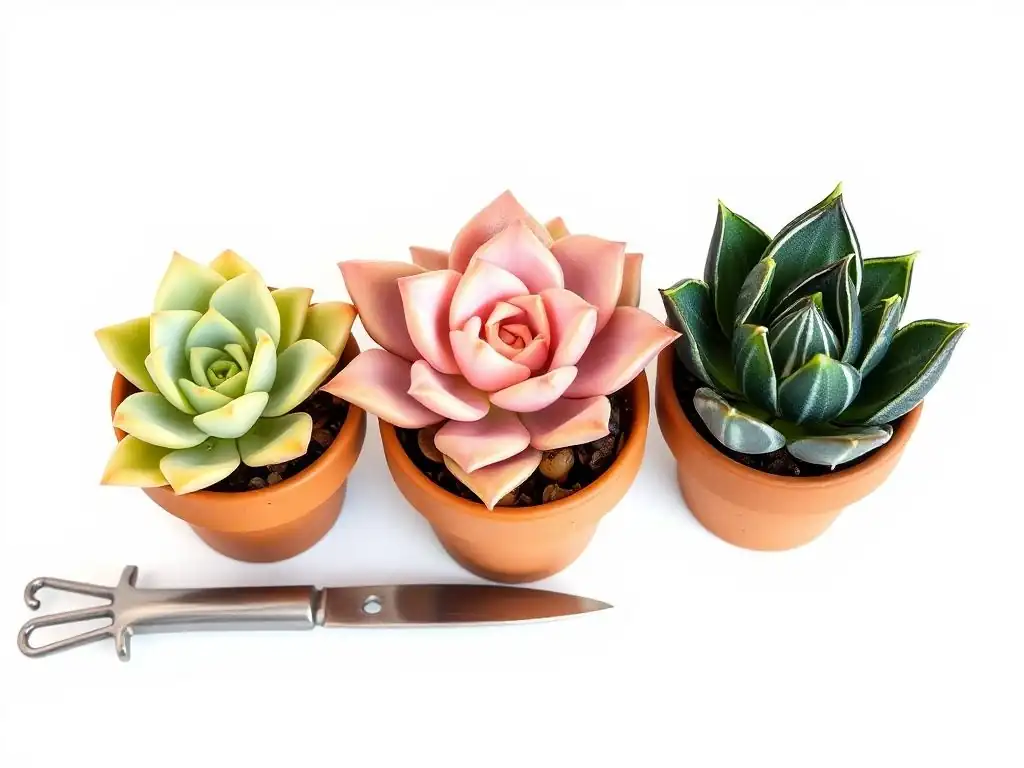
Repotting variegated succulents, while rewarding, can present unique challenges. Their often slower growth and sometimes more delicate nature require a gentler hand than with their non-variegated counterparts. This section addresses some common problems encountered during and after repotting these prized plants, offering solutions to ensure their continued vibrant health and stunning coloration. Successfully navigating these potential pitfalls is key to maintaining the beauty and longevity of your variegated succulent collection. Remember, patience and attention to detail are crucial when handling these special plants.
Dealing with Root Rot in Variegated Succulents
Root rot, a common succulent ailment, is particularly detrimental to variegated varieties due to their slower recovery rate. Overwatering is the primary culprit. Variegated succulents, because of their unique genetic makeup, often have slightly less efficient water uptake than their solid-colored cousins. This means they're even more susceptible to root rot if overwatered. Signs of root rot include mushy, dark brown or black roots, a foul odor emanating from the soil, and wilting despite seemingly adequate moisture.
To address root rot:
- Immediate Action: Carefully remove the plant from its pot. Gently wash away the old soil, inspecting the roots. Use sharp, sterilized scissors or a knife to trim away any visibly rotten or mushy roots. Be thorough; even small pockets of rot can spread.
- Treatment: Allow the roots to dry completely for a few hours to a day before repotting. Use a well-draining succulent potting mix – avoid garden soil. Consider adding perlite or pumice to increase aeration.
- Repotting: Choose a pot with adequate drainage holes. Plant the succulent at the same depth it was previously planted. Water sparingly, only after the soil has completely dried. Monitor closely for any recurrence of rot.
- Prevention: Always use a well-draining potting mix. Water only when the soil is completely dry, checking the soil moisture with your finger before watering. Choose pots with ample drainage holes. Avoid leaving your succulents in standing water.
Addressing Wilting or Yellowing Leaves After Repotting
Wilting or yellowing leaves after repotting can stem from several factors, including transplant shock, improper watering, or insufficient sunlight. Variegated succulents, being slightly more sensitive, may exhibit these symptoms more readily.
- Transplant Shock: This is a common occurrence after repotting. The plant needs time to adjust to its new environment. Provide a period of acclimatization, keeping the plant in a location with filtered sunlight, and avoid overwatering during this period. The plant should recover within a few weeks.
- Watering Issues: Both underwatering and overwatering can cause wilting and yellowing. Underwatering leads to dehydration, while overwatering can lead to root rot, which then manifests as wilting and yellowing. Always check the soil moisture before watering; only water when the soil is completely dry.
- Light Levels: Insufficient sunlight can also cause yellowing leaves. Ensure your variegated succulent receives adequate light – generally, at least 6 hours of indirect sunlight daily. If you've recently moved it to a new location with less light, consider moving it to a sunnier spot gradually, avoiding sudden drastic changes.
Regularly inspect your plant for any signs of stress and adjust your care accordingly. Remember that variegated succulents often require slightly brighter light than their non-variegated counterparts to maintain their vibrant coloration.
Preventing Pests and Diseases in Newly Repotted Variegated Plants
Repotting can sometimes expose your succulents to pests and diseases. Taking preventative measures is crucial, especially with variegated succulents, which are more susceptible to damage.
- Sterilization: Always sterilize your tools (pots, scissors, etc.) before and after repotting to prevent the spread of diseases. A solution of bleach and water (1 part bleach to 9 parts water) is effective.
- Pest Inspection: Inspect your plant carefully for any signs of pests such as mealybugs, aphids, or spider mites. Treat any infestations promptly with an appropriate insecticide or miticide. Regular inspection is key.
- Proper Soil and Drainage: Using a well-draining potting mix and ensuring proper drainage in the pot will help prevent fungal diseases, which can thrive in damp conditions.
- Quarantine: Consider quarantining newly repotted plants for a few weeks to monitor for any signs of pests or diseases before placing them back with your established collection. This precaution can prevent the spread of any potential problems to your healthier plants. This is especially important when introducing new plants into your collection.
By following these preventative measures, you can significantly reduce the risk of pest and disease problems and ensure the continued health and beauty of your variegated succulent collection. Careful attention to these details will help you enjoy the unique beauty of these plants for years to come. Remember, a proactive approach is the best strategy when dealing with the delicate nature of variegated succulents.
Propagating Variegated Succulents After Repotting (Optional)
Repotting your variegated succulents offers a perfect opportunity to propagate them, increasing your collection and sharing the beauty of these unique plants. While not strictly necessary, propagation can be a rewarding experience, especially if your repotting reveals healthy, robust growth. Remember, successful propagation hinges on careful technique and providing the right environment.
This section outlines various methods, focusing on maintaining the prized variegation. Successful propagation of variegated succulents requires patience and attention to detail, but the results are well worth the effort. The key is to understand the specific needs of your variegated succulent variety, as propagation techniques can vary slightly depending on the species.
Methods for Propagating Variegated Succulents from Cuttings
Several methods exist for propagating variegated succulents from cuttings. The most common include stem cuttings and leaf cuttings. Stem cuttings, taken from healthy, actively growing stems, are generally more successful for preserving variegation, as they retain more of the plant's genetic material. However, leaf cuttings, while sometimes trickier, can also yield positive results, especially with certain species. Here's a breakdown:
- Stem Cuttings: Select a healthy stem, ideally with several nodes (the points where leaves grow from the stem). Use a sharp, clean knife or pruning shears to make a clean cut, avoiding crushing the stem. Allow the cutting to callus over for a few days before planting in a well-draining succulent potting mix. Properly-rooted stem cuttings usually result in plants that maintain the original variegation pattern.
- Leaf Cuttings: Choose plump, healthy leaves. Gently twist or carefully cut the leaf from the stem. Again, allow the leaf to callus before placing it on top of the potting mix. Leaf propagation can be less predictable regarding variegation retention; some leaves may produce plants with less pronounced variegation or even revert to solid green.
The success rate of either method depends on factors like the age and health of the parent plant, the time of year (spring and summer are generally ideal), and the environmental conditions provided.
Leaf Propagation of Variegated Succulents: A Detailed Guide
Leaf propagation, while potentially less reliable for maintaining variegation in all succulents, can be a successful method for certain species. Here's a more detailed guide:
- Selection: Choose healthy, mature leaves from the mother plant. Avoid leaves that are damaged, diseased, or too small. The plumpness of the leaf indicates its stored energy reserves, which are crucial for successful propagation.
- Preparation: Allow the leaf to callus for several days. This process forms a protective layer over the cut surface, preventing rot. Lay the leaves on a paper towel in a dry, well-ventilated area.
- Planting: Gently place the calloused leaf on top of a well-draining succulent potting mix. Do not bury the leaf; simply place it on the surface. Maintain a slightly humid environment by covering the container with a clear plastic bag or humidity dome, ensuring good ventilation to prevent fungal growth.
- Watering: Water sparingly, only when the potting mix is completely dry. Overwatering is a common cause of failure in leaf propagation.
- Patience: Root formation and new growth can take several weeks or even months. Be patient and monitor the leaves for signs of rot or new growth.
Remember, not all leaves will successfully produce new plants, and variegation may not always be perfectly replicated.
Maintaining Variegation During Propagation of Succulents
Maintaining variegation during propagation is a key challenge. Variegation is often caused by a genetic mutation, and not all propagation methods guarantee its preservation. Here are some tips to increase your chances of success:
- Choose Healthy Parent Plants: Start with a vigorously growing, healthy parent plant with strong, stable variegation. Weak or stressed plants are more likely to produce offspring with reduced or lost variegation.
- Optimal Growing Conditions: Provide consistent, optimal growing conditions for both the parent plant and the propagated cuttings or leaves. This includes sufficient sunlight (but avoid scorching), proper watering, and well-draining soil.
- Careful Selection of Cuttings/Leaves: Select cuttings or leaves that exhibit the desired variegation pattern. Avoid using portions of the plant with minimal or inconsistent variegation.
- Sterile Techniques: Use clean, sterilized tools to minimize the risk of introducing diseases that could affect the propagation process and potentially impact variegation.
- Patience and Observation: Regularly monitor the propagated plants for any changes in variegation. Early detection of any reversion to solid green can allow for intervention, though sometimes it's irreversible.
Remember, even with careful attention, some degree of variegation loss might occur. The percentage of successful variegation retention varies greatly depending on the species and propagation method. Experimentation and observation are key to mastering the art of propagating variegated succulents. Enjoy the process and celebrate your successes!
Frequently Asked Questions
Why is repotting my variegated succulent important?
Repotting is crucial for healthy growth and preventing rootbound issues. A larger pot provides space for the roots to expand, leading to a more vibrant and larger plant. Overcrowding can also lead to the loss of variegation.
When is the best time to repot my variegated succulent?
The ideal time is during the growing season, usually spring or early summer. This allows the plant to recover quickly and establish itself in its new pot before winter dormancy. Avoid repotting during periods of extreme heat or cold.
What type of soil should I use for my variegated succulent?
Use a well-draining succulent and cactus potting mix. This prevents root rot, a common problem for succulents, due to their preference for dry conditions. Avoid using regular garden soil.
How do I repot a variegated succulent without damaging it?
Handle the succulent gently to avoid breaking its fragile leaves. Carefully remove the plant from its old pot, gently loosen the roots, and place it in the new pot with fresh soil. Water lightly after repotting.
What should I do if my variegated succulent loses its variegation after repotting?
Loss of variegation can be due to stress from the repotting process. Ensure proper lighting and watering. If the issue persists, it could be due to other factors such as insufficient sunlight or nutrient deficiencies. Consult a succulent expert for further advice.
Final Reflection: The Enduring Beauty of Variegated Succulents
The art of repotting variegated succulents isn't merely a horticultural task; it's a vital act of preservation, ensuring the continued vibrancy and unique beauty of these captivating plants. These stunning plants, with their striking patterns and colors, demand careful attention, and understanding the nuances of their repotting needs is key to their long-term health and flourishing. This knowledge empowers us to actively participate in their growth and appreciate their intricate beauty even more deeply.
The journey of nurturing variegated succulents, from understanding their specific needs to the rewarding act of repotting, has profoundly shaped my own appreciation for the delicate balance between nature and human intervention. The glory of gardening: hands in the dirt, head in the sun, heart with nature. To nurture a garden is to feed not just the body, but the soul.
This quote perfectly captures the emotional connection one forms with these plants, a connection deepened by the understanding gained through the process of repotting and ensuring their continued health. It's a testament to the power of mindful cultivation and the profound satisfaction derived from nurturing life.
Now, consider your own variegated succulents. Are they thriving? Do they need a new home? Take a moment to observe their needs, to understand their subtle cues. This article has provided you with the knowledge; now, it's time to put it into practice. Embrace the opportunity to connect with nature, to nurture these unique plants, and to experience the profound satisfaction of witnessing their continued growth and beauty. The journey of caring for variegated succulents is a continuous learning experience, a testament to the enduring beauty of nature and the rewarding power of mindful cultivation.
Unleash Your Succulents' Full Potential!
Congratulations on mastering the art of variegated succulent repotting! You've gained valuable knowledge to ensure your colorful plants thrive. Ready to put your new skills to the test?
- Repot your most vibrant succulent today! Choose the perfect pot and soil, and watch it flourish. This will give your plant the ideal environment for optimal growth.
- Share your repotting experience with our community on social media—we'd love to see your success! Use #SucculentEssentialsRepot.
- Experiment with different potting mixes next time to further optimize your results. Consider exploring other techniques to enhance your succulent care.
What exciting growth will you witness in your succulents after this repotting?