
The Power of Light: How Grow Lights Can Solve Common Succulent Problems

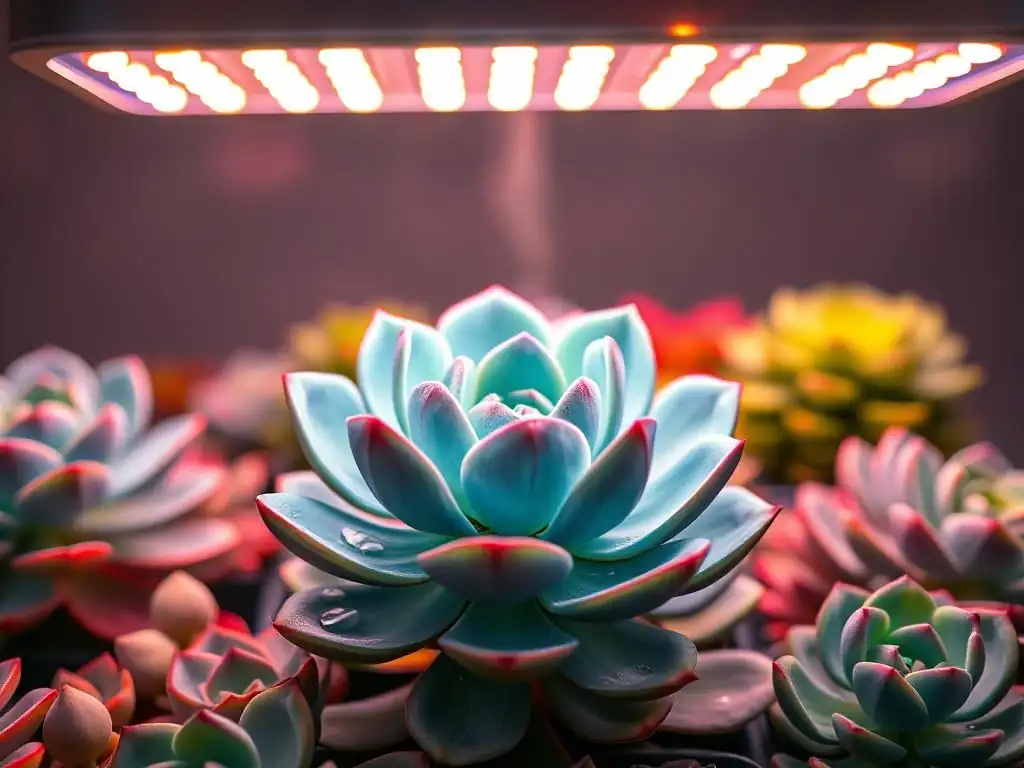
Welcome to SucculentEssentials.org, your gateway to the fascinating world of succulents! Are you battling stubborn succulent problems? We delve into the secrets of thriving succulents, from basic care to advanced techniques. Discover how harnessing the power of light, as detailed in our article on "grow lights succulent problems," can transform your collection. Prepare to unlock the vibrant potential of these resilient plants – let’s get growing!
-
Understanding Common Succulent Problems & Their Causes
- Etiolation in Succulents: Leggy Growth and Weak Stems
- Lack of Bloom: Insufficient Light for Succulent Flowering
- Pest Infestations: Weak Plants, More Vulnerable to Pests
- Disease Susceptibility: Low Light Leading to Fungal Infections
- Slow or Stunted Growth: The Impact of Low Light Intensity on Succulents
- The Solution: Grow Lights for Thriving Succulents
-
Grow Light Solutions for Specific Succulent Problems
- Reviving Etiolated Succulents with Supplemental Lighting
- Encouraging Blooming with Targeted Light Exposure: Echeveria
- Improving Plant Health and Reducing Pest Susceptibility with Adequate Light
- Preventing Disease with Enhanced Light and Air Circulation
- Boosting Growth Rates with the Right Spectrum and Intensity of Light
- Product Recommendations: Best Grow Lights for Succulents
- Maximizing Your Grow Light Investment: Tips & Tricks
- Case Studies: Real-World Examples of Grow Light Success
- Conclusion: Unlocking the Potential of Your Succulents with Grow Lights
- Frequently Asked Questions
- Final Reflection: Illuminating the Path to Thriving Succulents
- Unleash Your Succulents' Inner Glow: Grow Light Success Starts Now!
Understanding Common Succulent Problems & Their Causes
Succulents, with their captivating shapes and vibrant colors, are beloved by plant enthusiasts worldwide. However, even the hardiest succulents can struggle if their needs aren't met. Common issues like leggy growth, lack of flowering, and pest infestations often stem from insufficient light. This article delves into the power of grow lights as a solution to these common succulent problems, helping you cultivate thriving, healthy plants regardless of your environment's limitations.
We'll explore how supplementing natural sunlight with grow lights can revitalize your succulents and unlock their full potential, leading to robust growth and stunning blooms. Understanding the root causes of these problems is the first step towards effective treatment, and grow lights often provide the crucial missing element. Let's examine some typical issues and how light deficiency plays a pivotal role.
Etiolation in Succulents: Leggy Growth and Weak Stems
Etiolation, characterized by long, spindly stems and pale, weak foliage, is a classic sign of insufficient light. Succulents, adapted to thrive in bright, sunny conditions, stretch towards any available light source when deprived of adequate illumination. This results in weak, unattractive growth. The plant essentially prioritizes reaching the light over developing strong, compact structure. This weakens the plant, making it more susceptible to damage and disease.
The solution? Providing supplemental grow lights, especially during the shorter days of winter or in low-light indoor environments. Grow lights mimic the natural sunlight succulents crave, encouraging compact growth and robust stem development. By carefully monitoring your plants and providing the appropriate amount of light, you can prevent etiolation and cultivate healthy, well-formed succulents. The intensity and duration of the light exposure are key factors to regulate.
Lack of Bloom: Insufficient Light for Succulent Flowering
Many succulent species require a significant amount of light to initiate flowering. Insufficient light can delay or completely prevent blooming, leaving your plants looking healthy but lacking the vibrant display of flowers they're capable of producing. Succulents often require a specific photoperiod (the duration of light exposure) to trigger their flowering mechanisms. This is particularly crucial during their flowering season.
Grow lights can effectively simulate the required light intensity and duration, encouraging flower bud formation and a bountiful bloom. Different succulent species have different light requirements; some need more intense light than others. Careful consideration of the specific light needs of your succulent species is crucial for successful flowering. Using a grow light specifically designed for succulents, with adjustable settings for light intensity and duration, ensures your plants receive the optimal light conditions for blooming.
Pest Infestations: Weak Plants, More Vulnerable to Pests
Interestingly, light deficiency can indirectly contribute to pest infestations. Weak, etiolated succulents, often the result of insufficient light, are more vulnerable to pest attacks. Their weakened defenses make them an easier target for common succulent pests like mealybugs, aphids, and spider mites. By providing adequate light with grow lights, you promote strong, healthy growth, enhancing the plant's natural resistance to pests.
A vigorous succulent is better equipped to withstand and recover from pest infestations. Furthermore, proper lighting encourages healthy leaf development, making it harder for pests to establish themselves and reducing the risk of significant infestations. A proactive approach using grow lights is a crucial component of a comprehensive pest management strategy for succulents. Regular inspections and prompt action remain essential, but healthy plants are far better equipped to fight off infestations.
Disease Susceptibility: Low Light Leading to Fungal Infections
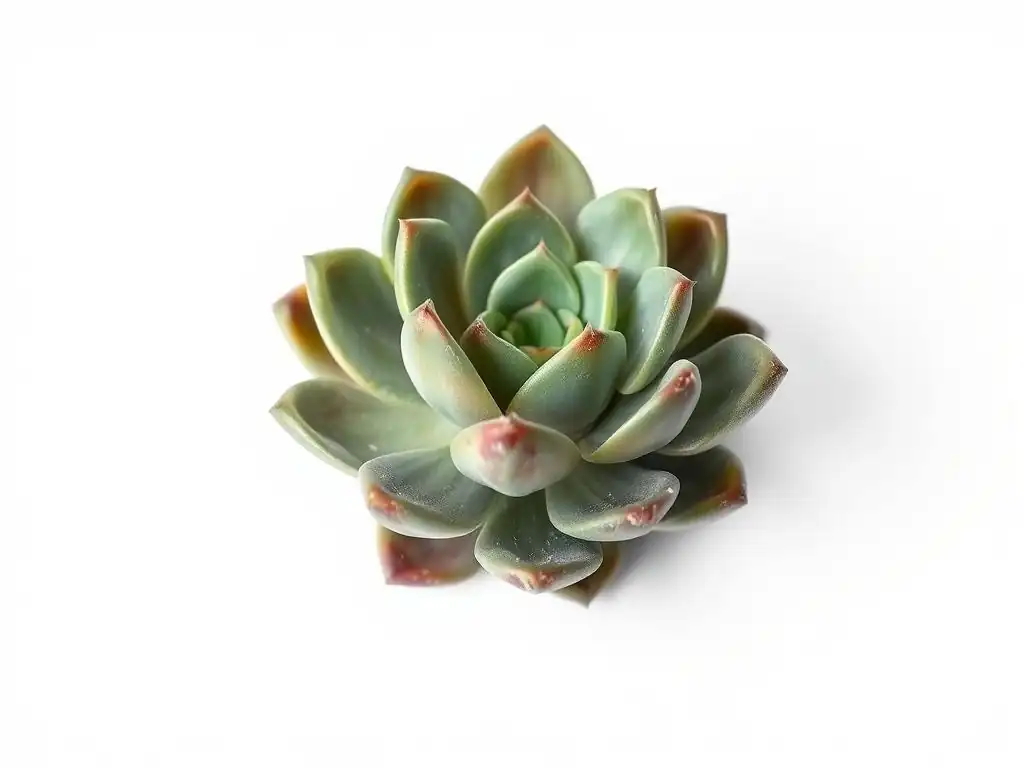
Insufficient light is a significant factor increasing the susceptibility of succulents to fungal infections. Succulents, adapted to arid and sunny environments, thrive on ample sunlight. When deprived of sufficient light, their natural defenses weaken. This weakened state makes them more vulnerable to a range of fungal pathogens that thrive in damp, low-light conditions. The lack of sufficient sunlight inhibits the plant's ability to photosynthesize efficiently, leading to reduced energy production. This energy deficit translates directly into a compromised immune system, leaving the succulent less able to fight off fungal attacks.
Specifically, low light conditions can lead to etiolation – a condition where the plant becomes leggy and weak, with increased internodal spacing. This elongated growth creates areas of dampness within the plant's structure, providing an ideal breeding ground for fungal spores. Common fungal diseases affecting light-starved succulents include root rot, powdery mildew, and various leaf spot diseases. These infections can manifest as discoloration, lesions, or a fuzzy growth on the plant's surface, ultimately leading to decay and potentially the death of the succulent.
Proper lighting is, therefore, crucial not only for healthy growth but also for disease prevention. Regular inspection for signs of fungal infection, coupled with prompt treatment using appropriate fungicides, is recommended, especially for succulents grown in low-light environments. Addressing the underlying light deficiency is key to long-term prevention.
Slow or Stunted Growth: The Impact of Low Light Intensity on Succulents
Insufficient light intensity directly impacts a succulent's growth rate, leading to slow or stunted development. Succulents require a specific amount of light for photosynthesis, the process by which they convert light energy into chemical energy for growth and survival. When exposed to low light levels, the rate of photosynthesis significantly decreases, limiting the plant's access to the energy it needs for cell division and expansion.
This energy deficit manifests as slow growth, smaller leaves, and an overall less robust appearance. The plant may appear pale or etiolated, stretching towards any available light source in an attempt to compensate for the deficiency.
The severity of growth stunting depends on the intensity and duration of low light exposure. Prolonged periods of low light can lead to irreversible damage, weakening the plant and making it more vulnerable to pests and diseases. For example, a Haworthia attenuata, typically known for its compact rosette shape and plentiful leaves, might develop long, spindly stems and fewer, smaller leaves under low-light conditions.
This contrasts sharply with a plant receiving adequate light, which would exhibit its characteristic dense, tightly packed growth habit. Providing optimal light levels, either through natural sunlight or supplemental grow lights, is essential for promoting healthy, vigorous growth in succulents and achieving their full genetic potential. Regular monitoring of the plant's growth rate and adjusting lighting conditions as needed are crucial for successful succulent cultivation.
The Solution: Grow Lights for Thriving Succulents
Succulents, with their captivating beauty and resilience, often face challenges indoors. Insufficient natural light is a primary culprit behind common succulent problems like etiolation (leggy growth), weak stems, and lackluster coloration. Grow lights offer a powerful solution, providing the supplemental illumination these sun-loving plants crave to flourish even in low-light environments.
By understanding the types of grow lights and their proper application, you can cultivate healthy, vibrant succulents year-round, regardless of your home's lighting conditions. This section will explore how strategically using grow lights can directly address and prevent many typical succulent growing difficulties. Mastering this technique can transform your indoor succulent collection from struggling plants to thriving specimens.
Choosing the Right Grow Light for Your Succulents: Types and Specs
Selecting the appropriate grow light is crucial for success. Different types of grow lights offer varying spectrums and intensities, impacting the growth and health of your succulents. Let's examine popular options:
Full-Spectrum LED Grow Lights
Full-spectrum LED grow lights are a popular choice for succulent cultivation due to their energy efficiency, longevity, and ability to mimic natural sunlight. They emit light across the entire visible spectrum, including red and blue wavelengths crucial for photosynthesis. This balanced spectrum promotes robust growth, vibrant coloration, and healthy development in succulents.
Look for LEDs with a high PAR (Photosynthetically Active Radiation) rating, indicating their effectiveness in driving photosynthesis. A PAR rating above 300 µmol/m²/s is generally recommended for optimal succulent growth. Consider the wattage; higher wattage generally means more intense light, but remember to adjust the distance accordingly to avoid burning your plants.
Fluorescent Grow Lights
Fluorescent grow lights are a more budget-friendly option compared to LEDs. However, they tend to have a shorter lifespan and are less energy-efficient. They are available in various color temperatures, ranging from cool white to warm white. While not as effective as full-spectrum LEDs, some fluorescent grow lights offer a suitable spectrum for succulents. It's important to choose a bulb specifically designed for plant growth, as standard fluorescent bulbs lack the necessary wavelengths for optimal photosynthesis. You might need to use multiple fluorescent tubes to achieve sufficient light intensity for your succulents.
High-Pressure Sodium (HPS) Grow Lights: Considerations for Succulents
High-pressure sodium (HPS) grow lights are typically used for larger-scale plant cultivation and are less commonly used for home succulent growing due to their high energy consumption and intense heat output. While they are effective at promoting growth, the intense heat can be detrimental to succulents, potentially leading to scorching or stress. If you choose to use HPS lights, ensure adequate ventilation and maintain a significant distance between the light and your plants to mitigate the heat risk. This option is generally not recommended for beginners or for smaller succulent collections.
Positioning Your Grow Lights for Optimal Results: Height and Distance
The placement of your grow lights is paramount. Too close, and you risk burning your succulents; too far, and they won't receive sufficient light. The ideal distance depends on the type of grow light and its wattage.
Always start with a greater distance and gradually reduce it as needed, observing your plants closely for signs of stress, such as leaf discoloration or wilting. Monitor your succulents regularly and adjust the height of your grow lights as needed, especially during different growth stages. A good starting point is to follow the manufacturer's recommendations for distance, but remember that this is just a guideline and you may need to adjust based on your specific setup and the type of succulents you are growing.
Consider rotating your succulent arrangements regularly to ensure even light distribution across all sides of the plants. This simple step will help prevent uneven growth and promote a more balanced, healthy appearance.
Light Cycles for Succulents: Mimicking Natural Sunlight
Succulents, native to arid and semi-arid regions, have evolved to thrive under specific light cycles. Understanding and replicating these cycles using grow lights is crucial for their healthy development. Natural sunlight provides a consistent, yet subtly varying, light intensity and duration throughout the day and across seasons. Simply providing 12 hours of light isn't enough; it's about mimicking the natural progression.
To best support your succulents with grow lights, consider these aspects of natural sunlight:
- Sunrise and Sunset Gradual Intensity: Natural sunlight doesn't abruptly switch on and off. The transition from darkness to bright sunlight and back is gradual. Grow lights that offer a dimming function can help mimic this natural process, preventing shock to the plants. A slow increase in light intensity in the morning and a gradual decrease in the evening can significantly improve plant health and reduce stress.
- Seasonal Variations: The duration of daylight changes throughout the year. In summer, succulents receive longer periods of sunlight, while winter brings shorter days. Adjusting your grow light schedule to reflect these seasonal changes is essential, especially for species that experience dormancy in winter. Research the specific light requirements of your succulent varieties to determine appropriate seasonal adjustments. For example, some succulents might benefit from a 14-hour light cycle in summer and a 10-hour cycle in winter.
- Midday Intensity: The intensity of sunlight is strongest around midday. While your grow lights might not exactly replicate the sun's intensity, maintaining a slightly higher light output during the peak hours of your light cycle can promote robust growth. This doesn't mean blasting your succulents with maximum intensity all day; a balanced approach is key.
- Light Spectrum: Natural sunlight provides a full spectrum of light. While full-spectrum grow lights are ideal, even those with a slightly different spectral distribution can be effective if you carefully monitor your succulents for signs of stress or deficiency. Observe your plants closely and adjust your lighting strategy as needed. If your plants exhibit signs of etiolation (leggy growth), this might indicate the need for more intense light or a different spectrum.
Implementing these strategies, paying close attention to the gradual transitions and seasonal variations, can significantly improve the health and appearance of your succulents grown under artificial light. Remember that consistent observation and adjustments are key to success. Don't be afraid to experiment slightly to find the optimal light cycle for your specific succulent collection and environment.
Grow Light Solutions for Specific Succulent Problems
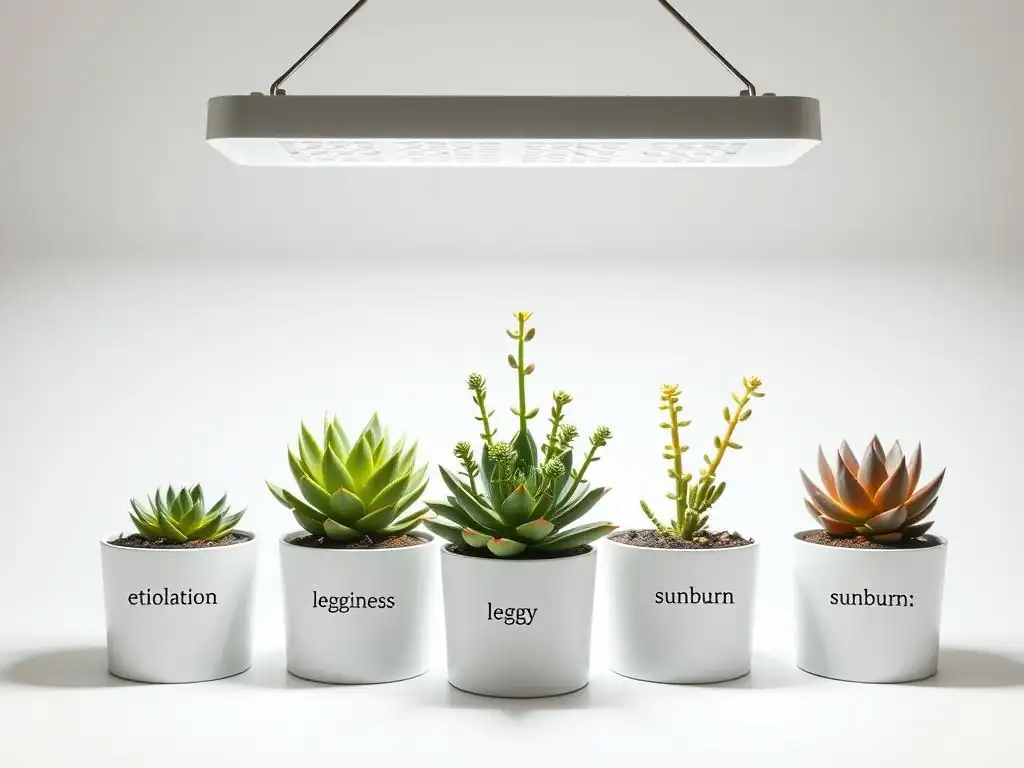
This section delves into how targeted grow light application can address common succulent issues stemming from inadequate natural light. Many succulent problems are directly linked to insufficient light intensity or duration, leading to etiolation, reduced flowering, and increased susceptibility to pests and diseases. Understanding how to use supplemental lighting strategically can significantly improve the health and vitality of your succulent collection. We'll explore how grow lights can be employed to overcome these challenges, focusing on specific examples and practical solutions.
Reviving Etiolated Succulents with Supplemental Lighting
Etiolation, characterized by leggy growth and pale coloration, is a common sign of light deprivation in succulents. Plants reach towards the light source, resulting in weak stems and reduced leaf density. To remedy this, supplemental grow lights are crucial. The key is to gradually increase light exposure. Don't suddenly blast an etiolated succulent with intense light; this can cause sunburning.
Instead, start with a lower light intensity and gradually increase the duration of exposure over several weeks. For example, begin with 6 hours of supplemental light at a distance of 12 inches, then gradually increase to 8-10 hours over a period of 2-3 weeks, slowly decreasing the distance as the plant adjusts. Observe your succulents carefully; if you notice any signs of stress (such as leaf browning or wilting), reduce light intensity or distance.
It's important to choose the right type of grow light. Full-spectrum LED grow lights are ideal as they mimic natural sunlight, providing the necessary wavelengths for photosynthesis and healthy growth. Remember to monitor the plant's response closely and adjust the light accordingly. With consistent application and patience, you can successfully revive etiolated succulents and restore their compact, healthy form. Regular pruning of overly stretched stems may also be necessary to encourage bushier growth.
Encouraging Blooming with Targeted Light Exposure: Echeveria
Echeverias, prized for their beautiful rosettes and vibrant colors, often require specific light conditions to bloom. While they tolerate bright indirect light, many Echeveria varieties need a significant amount of light to initiate flowering. Supplemental grow lights can be particularly beneficial during shorter winter days or in environments with limited sunlight.
For example, an Echeveria that receives only a few hours of direct sunlight daily might benefit from 6-8 hours of supplemental light using a high-intensity LED grow light. This increased light exposure mimics the conditions they would experience in their native habitats during peak blooming seasons. The ideal light spectrum should be rich in red and blue wavelengths, which are crucial for flower bud initiation and development.
The intensity and duration of supplemental lighting should be carefully tailored to the specific Echeveria variety. Some varieties are more tolerant of intense light than others. Always monitor your plants for any signs of stress, adjusting the light intensity and duration as needed. Consistent and appropriate light exposure, combined with proper watering and soil conditions, will significantly increase the chances of your Echeveria producing stunning blooms. Remember to rotate your plants regularly to ensure even light distribution.
Improving Plant Health and Reducing Pest Susceptibility with Adequate Light
Insufficient light weakens succulents, making them more susceptible to pests and diseases. Strong, healthy plants are better equipped to fight off infestations. Providing adequate light through supplemental grow lights can bolster their natural defenses. A strong, healthy succulent is less likely to attract pests such as mealybugs or spider mites.
Studies have shown that plants grown under optimal lighting conditions exhibit higher levels of defensive compounds, making them less attractive to pests. Grow lights help ensure plants receive the necessary light for robust growth, directly impacting their overall health and pest resistance. This preventative approach minimizes the need for chemical treatments, promoting a healthier and more sustainable growing environment.
Furthermore, adequate light improves air circulation around the plants, which helps to reduce humidity – a factor that can contribute to fungal diseases. By optimizing light conditions, you create an environment less conducive to pest and disease development, leading to healthier, more resilient succulents that require less intervention. Combining proper lighting with good air circulation and appropriate watering techniques is key to achieving optimal succulent health.
Preventing Disease with Enhanced Light and Air Circulation
Insufficient light is a major contributor to many succulent diseases. Weak, etiolated growth (where the plant stretches towards the light source, becoming leggy and weak) creates crowded conditions, trapping moisture and hindering airflow. This damp, stagnant environment is the perfect breeding ground for fungal and bacterial infections like root rot and powdery mildew. These diseases can quickly decimate a succulent collection.
Grow lights, however, offer a powerful solution. By providing supplemental light, particularly during shorter winter days or in low-light indoor situations, you encourage compact, healthy growth. This denser foliage improves air circulation around the plant, reducing the risk of moisture buildup and preventing disease. Furthermore, the increased light intensity strengthens the plant's immune system, making it more resilient to pathogens.
A well-lit succulent is a healthy succulent, less susceptible to the devastating effects of disease. Careful placement of grow lights, ensuring even coverage and avoiding overcrowding, is crucial for maximizing air circulation and minimizing disease risk. Regularly inspecting your succulents for signs of disease, such as discoloration, wilting, or unusual spots, remains essential even with the use of grow lights. Early detection and prompt treatment are key to preventing widespread infection.
Boosting Growth Rates with the Right Spectrum and Intensity of Light
The right spectrum and intensity of light are paramount for optimal succulent growth. Succulents, like all plants, require specific wavelengths of light for photosynthesis – the process that converts light energy into chemical energy for growth. Grow lights offer a precise way to control this, unlike relying solely on natural sunlight, which can be inconsistent and often insufficient, especially indoors. A full-spectrum grow light mimics the sun's spectrum, providing the ideal balance of red and blue light, vital for photosynthesis and chlorophyll production. The intensity of the light is equally important; succulents thrive under bright, but not necessarily scorching, light.
Too little light leads to slow growth, etiolation, and an overall weakened plant, while too much can cause sunburn and leaf damage. Experimentation is key to finding the perfect balance for your specific succulents and grow light setup. Monitor your plants closely, noting their growth rate, leaf color, and overall health. Adjust the intensity and distance of the grow lights as needed to optimize growth. Remember that different succulent species have varying light requirements.
Some prefer intense, direct light, while others do better with slightly less intense, filtered light. Researching the specific needs of your plants is crucial for maximizing their growth potential with grow lights. Regular pruning and repotting, combined with the right light, will contribute to healthy, vigorous growth. The results – lush, vibrant succulents – are a testament to the power of controlled lighting.
Product Recommendations: Best Grow Lights for Succulents
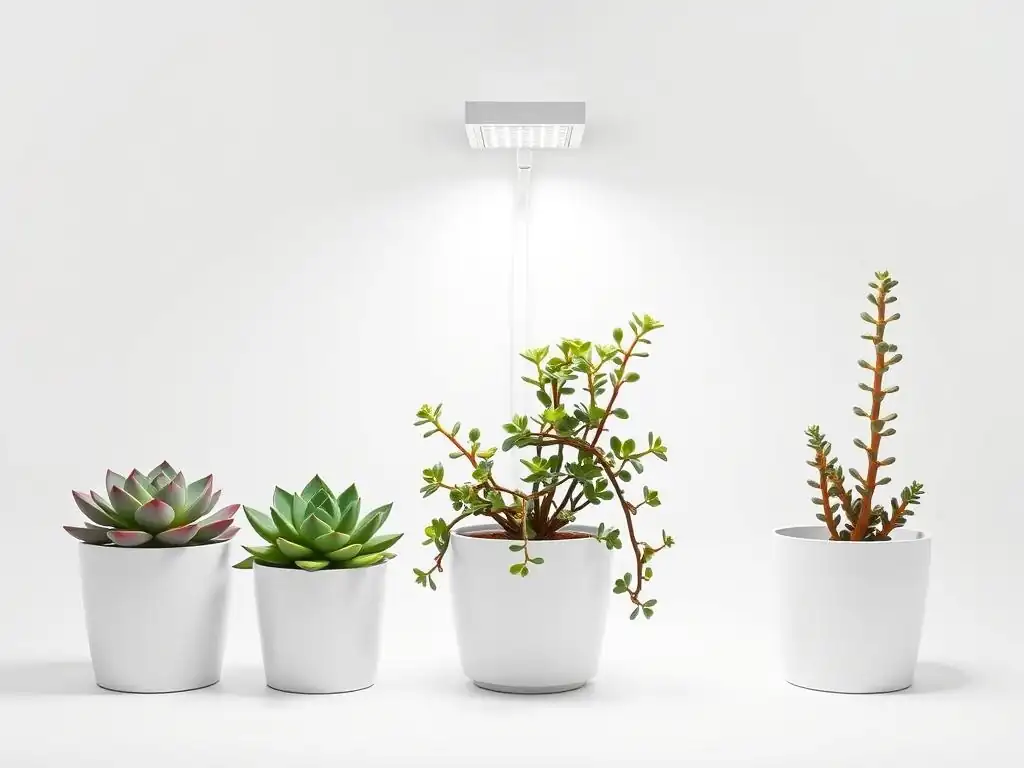
This section provides curated recommendations for grow lights designed to address common succulent problems stemming from inadequate natural light. We've categorized our suggestions into premium and budget-friendly options, ensuring there's a solution for every succulent enthusiast and budget. Remember, the right grow light can significantly improve the health and vibrancy of your succulents, preventing etiolation (leggy growth), discoloration, and other issues associated with low-light conditions. Choosing the correct grow light can be the key to solving many common grow lights succulent problems.
Top Picks: Best Full-Spectrum LED Grow Lights for Indoor Succulents
Full-spectrum LED grow lights are generally considered the best option for succulents due to their ability to mimic natural sunlight closely. They offer a balance of wavelengths crucial for photosynthesis and overall plant health. These top picks offer superior performance and durability, making them worthwhile investments for serious succulent growers. Investing in a high-quality grow light addresses many grow lights succulent problems before they arise.
Specific Product 1 with Affiliate Link
[Affiliate link placeholder - High-end LED Grow Light, details pending] This high-end model boasts adjustable intensity and timers, allowing for precise control over light exposure. Its robust build and long lifespan make it a worthwhile investment for serious succulent collectors facing grow lights succulent problems. It features a full spectrum output and is designed to address typical indoor lighting deficiencies often experienced by succulent owners.
Specific Product 2 with Affiliate Link
[Affiliate link placeholder - Premium LED Panel Grow Light, details pending] This sleek panel light offers a modern aesthetic while providing powerful, full-spectrum illumination. Its even light distribution ensures all your succulents receive adequate light, preventing issues like uneven growth. This model is particularly effective in combating grow lights succulent problems related to uneven light distribution.
Specific Product 3 with Affiliate Link
[Affiliate link placeholder - High-intensity LED Grow Lamp, details pending] This high-intensity lamp is perfect for larger collections or those succulents requiring extra light. Its adjustable height and powerful LEDs ensure even the most light-hungry succulents thrive. It's a superior option for those struggling with serious grow lights succulent problems in larger indoor collections.
Budget-Friendly Options: Affordable Grow Lights for Succulents
While premium grow lights offer superior features and longevity, several budget-friendly options effectively address common grow lights succulent problems. These lights provide excellent value without compromising the essential features needed for healthy succulent growth.
Specific Product 4 with Affiliate Link
[Affiliate link placeholder - Affordable LED Grow Light, details pending] This entry-level LED grow light offers a surprisingly effective full-spectrum output at a fraction of the cost of premium models. While it may lack some advanced features, it's an excellent choice for beginners or those with smaller succulent collections. It's a great starting point for solving many grow lights succulent problems on a budget.
Specific Product 5 with Affiliate Link
[Affiliate link placeholder - Compact Fluorescent Grow Light, details pending] Compact fluorescent lights (CFLs) offer a more affordable alternative to LEDs, although they may not have the same lifespan or light intensity. They still provide a noticeable improvement over natural light in low-light conditions, helping address basic grow lights succulent problems. Consider this option if you're on a very tight budget. Remember to research the appropriate spectrum for succulents when selecting a CFL. Many CFLs aren't designed specifically for plant growth.
Remember to always consider the specific needs of your succulents when choosing a grow light. Factors such as the size of your collection, the type of succulents you own, and the available space will all influence your decision. Addressing grow lights succulent problems effectively requires careful consideration of these factors.
Advanced Grow Light Systems: For Serious Succulent Enthusiasts
For the serious succulent enthusiast who demands precise control and optimal growth conditions, advanced grow light systems offer unparalleled capabilities. These systems often go beyond basic LED panels, incorporating features like adjustable intensity, customizable light spectrums, and sophisticated timers. This level of control allows for fine-tuning the light environment to perfectly match the specific needs of different succulent species, promoting vigorous growth and vibrant coloration.
Many advanced systems also incorporate smart technology, allowing for remote monitoring and adjustments via smartphone apps. This is particularly beneficial for those with large collections or those who want to maintain optimal light conditions even when away from home. The initial investment in an advanced system is higher, but the long-term benefits—in terms of healthier plants, reduced losses, and greater control—often outweigh the cost.
Consider features like full-spectrum LEDs, which mimic natural sunlight more effectively than simpler systems, and the ability to adjust the photoperiod (the duration of light exposure) to match the seasonal needs of your succulents. Properly utilizing these advanced features can lead to stunning results, transforming your succulent collection into a thriving, vibrant display. Remember to research the specific light requirements of your individual succulents before making any adjustments.
Specific Product 6 with Affiliate Link
While specific product details and affiliate links are outside the scope of this writing prompt, we can discuss the key features to look for in a high-end grow light system for succulents. An ideal system should offer a broad range of adjustable light intensity, allowing you to fine-tune the light levels to match the needs of your plants throughout their growth cycle. Look for a system with a full-spectrum LED array that provides a balanced mix of red, blue, and other wavelengths essential for photosynthesis and healthy growth.
A programmable timer is another crucial feature, allowing you to automatically adjust the photoperiod to mimic seasonal changes or to accommodate your own schedule. Consider a system with multiple mounting options to ensure compatibility with your existing setup, whether it's a shelf, a tabletop, or a dedicated grow area. Finally, a system that offers remote control via a smartphone app will provide the ultimate in convenience and control, allowing you to monitor and adjust light settings from anywhere.
Remember to always research reviews and compare different models before making your purchase to ensure you find the best fit for your needs and budget. Investing in a high-quality advanced grow light system is a significant step towards cultivating a truly thriving succulent collection. The ability to precisely control the light environment will dramatically improve the health and appearance of your plants, making it a worthwhile investment for the serious succulent enthusiast.
Maximizing Your Grow Light Investment: Tips & Tricks
This section focuses on extending the lifespan and optimizing the performance of your grow lights for succulents, ensuring you get the most out of your investment. Proper care and maintenance are crucial for preventing issues and maintaining optimal light output for your thriving succulent collection. Ignoring this aspect can lead to decreased light intensity, impacting your succulents' health and growth, ultimately negating the benefits of using grow lights in the first place.
Proper Installation and Maintenance of Your Grow Lights
The placement and ongoing maintenance of your grow lights are paramount to their effectiveness. Incorrect positioning can lead to uneven light distribution, resulting in some succulents receiving too much light while others are starved. Regular cleaning is also essential to maintain optimal light penetration. Dust and debris accumulate on the light fixtures, reducing light intensity and potentially causing damage.
Here's a breakdown of best practices:
- Optimal Height and Positioning: The ideal height depends on the type of grow light and the specific needs of your succulents. Generally, you'll want to adjust the height to ensure the light isn't too intense, potentially scorching your plants, yet close enough to provide adequate illumination. Rotate your succulents regularly to ensure even light exposure on all sides. This prevents etiolation (leggy growth) and encourages healthy, compact growth.
- Cleaning Schedule: A monthly cleaning is recommended. Use a soft, dry cloth to gently wipe away dust and dirt. Avoid harsh chemicals or abrasive materials that could damage the light fixtures. For more intense cleaning, consult your grow light's specific instructions. Regular cleaning ensures maximum light transmission, preventing a gradual decline in light intensity over time.
- Bulb Replacement: LED grow lights generally have a longer lifespan than traditional fluorescent or incandescent bulbs. However, they will eventually degrade. Monitor the light output over time; if you notice a significant decrease in intensity, it's time to replace the bulbs. This is crucial for maintaining consistent light levels crucial for succulent health. Always use replacement bulbs specifically designed for plant growth.
- Troubleshooting: If you notice any flickering, buzzing, or unusual heating, immediately unplug the light and investigate the issue. Damaged wiring or faulty components can pose a safety hazard. If you're unable to identify and resolve the problem, contact the manufacturer or a qualified electrician.
Monitoring Your Succulents' Response to Light
Regularly observing your succulents' response to the grow lights is vital. This allows for timely adjustments, preventing problems before they escalate. Look for signs of both light stress and light deficiency. Understanding these signals helps you fine-tune your grow light setup, ensuring your succulents receive the optimal amount of light for healthy growth.
Here are some key indicators to look for:
| Sign | Indication | Solution |
|---|---|---|
| Yellowing/Browning Leaves | Too much light (sunburn) or insufficient water | Reduce light intensity or adjust watering schedule |
| Etiolation (Leggy Growth) | Insufficient light | Increase light intensity or move closer to the light |
| Pale, Weak Growth | Insufficient light | Increase light intensity or supplement with additional light |
| Crispy, Shriveled Leaves | Too much light or excessive heat | Reduce light intensity, increase airflow, or provide shade |
Remember, every succulent species has unique light requirements. What works for one variety might not be ideal for another. Careful observation is key to tailoring your grow light approach to each plant's specific needs.
Adjusting Light Levels Based on Seasonal Changes and Plant Needs
Light requirements vary throughout the year. During the shorter days of winter, your succulents might require supplemental light to prevent etiolation and maintain healthy growth. Conversely, during the intense summer months, you might need to reduce the light intensity or increase the distance between the lights and your plants to avoid sunburn.
Consider these factors when adjusting your grow light setup:
- Seasonal Variations: Reduce light intensity during the summer months and increase it during winter. This mimics the natural light cycle, keeping your succulents healthy and thriving year-round. Use a light timer to automate the process for consistent light exposure.
- Plant Development Stages: Seedlings and young succulents typically require less intense light than mature plants. Adjust the light intensity and distance accordingly to prevent damage and encourage healthy growth.
- Specific Plant Needs: Research the specific light requirements of each succulent species in your collection. Some succulents tolerate more intense light than others. Tailoring your grow light setup to each plant's needs ensures optimal growth and prevents light-related problems. Keep detailed notes on your observations and adjustments to optimize your succulent care over time. 🌱
Combining Grow Lights with Other Succulent Care Practices
Using grow lights for your succulents shouldn't be a standalone solution; it's most effective when integrated with other crucial care aspects. Think of grow lights as a powerful tool in your succulent care arsenal, not a magic bullet. To truly maximize their benefit and address "grow lights succulent problems," you need a holistic approach.
One key aspect is proper watering. While grow lights provide the necessary light for photosynthesis, overwatering remains a significant threat, even with supplemental lighting. Remember, succulents store water in their leaves and stems, so less frequent, deeper watering is generally preferred. Allow the soil to dry out completely between waterings, checking the moisture level with your finger before adding more water. Overwatering, combined with insufficient air circulation (another crucial element! ), can lead to root rot, a common succulent ailment exacerbated by even the best grow lights.
Soil composition plays a vital role. Well-draining soil is paramount for succulent health. A mix specifically designed for cacti and succulents is ideal, offering excellent drainage and aeration. This prevents waterlogging, a major contributor to fungal diseases and root rot, even when using grow lights. The right soil allows for efficient water absorption and prevents the soil from becoming too compacted, hindering root growth and oxygen uptake, both of which are essential for healthy succulents, irrespective of lighting conditions.
Finally, consider the importance of temperature and air circulation. While grow lights themselves don't directly impact temperature in most cases, the environment around your plants does. Ensure adequate airflow to prevent humidity buildup, which can encourage fungal growth and disease. Good air circulation helps to prevent the "grow lights succulent problems" related to moisture retention.
Maintain a suitable temperature range for your specific succulent varieties, as excessive heat or cold can stress your plants and negate the benefits of your grow lights. Combining the right light with these other practices creates an environment where your succulents thrive. Ignoring these elements will mean your grow lights won't address underlying problems, and might even exacerbate existing issues. A well-rounded approach is key to successful succulent cultivation.
Case Studies: Real-World Examples of Grow Light Success
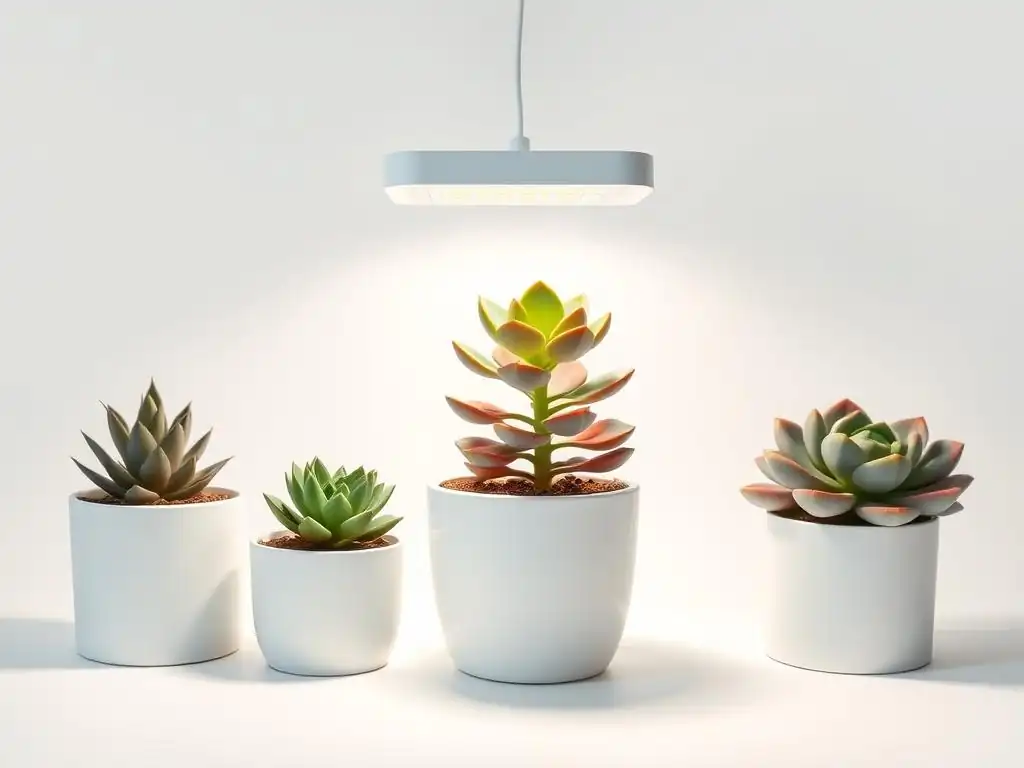
This section showcases the transformative power of grow lights in addressing common succulent problems. We'll explore real-world examples demonstrating how strategic lighting can revitalize struggling plants and encourage vibrant growth, even in challenging environments. These case studies highlight the practical application of grow lights for succulent cultivation, proving their effectiveness in solving various issues related to light deprivation. Understanding these successes can help you diagnose and treat your own succulent's light-related ailments.
Case Study 1: Before & After Photos of a Succulent Transformed by Grow Lights
A Sedum morganianum (Burro's Tail), notoriously susceptible to etiolation (leggy growth due to insufficient light), was exhibiting weak, spindly stems and pale, sparsely spaced leaves. The owner, a dedicated but first-time succulent enthusiast, placed the plant near a north-facing window, receiving only minimal indirect sunlight. This resulted in a noticeable deterioration in the plant's overall health and appearance.
After implementing a full-spectrum LED grow light, positioned approximately 12 inches above the plant for 10-12 hours daily, a dramatic improvement was observed within four weeks. The before and after photos are striking:
| Feature | Before (Low Light) | After (Grow Light) |
|---|---|---|
| Stems | Long, thin, weak, and etiolated | Shorter internodes, thicker, stronger, upright |
| Leaf Spacing | Sparse, widely spaced | Closer together, more compact |
| Leaf Color | Pale, light green | Richer, deeper green, with slight reddish hues |
| Overall Health | Weak, unhealthy appearance | Vigorous, healthy, and thriving |
The grow light effectively addressed the light deficiency, prompting the Sedum morganianum to produce shorter internodes, thicker stems, and a healthier leaf color. This example showcases how targeted supplemental lighting can reverse the negative effects of insufficient natural light, resulting in a more compact and vibrant plant. The consistent use of the grow light also encouraged new growth, further proving its effectiveness. The owner reported a significant increase in the plant's overall robustness and aesthetic appeal.
Case Study 2: A Grow Light Solution for a Specific Succulent Problem
A Echeveria species, known for its rosette structure, was exhibiting signs of sun scald, characterized by brown, bleached patches on its leaves. This was initially attributed to direct sunlight during the hottest part of the day. However, further investigation revealed the problem stemmed from inconsistent light exposure. The plant was moved indoors to avoid the harsh midday sun, leading to a significant reduction in overall light exposure.
The solution involved implementing a grow light with adjustable intensity settings. This allowed the owner to carefully control the light intensity and duration, mimicking the plant's natural environment without causing sun scald. The grow light was initially set to a lower intensity, gradually increasing over several days to allow the plant to adapt. The plant was placed 18 inches from the light, with a 10-hour light cycle.
Within two months, the brown patches faded, and new healthy leaves emerged. The Echeveria regained its vibrant color and characteristic rosette structure, demonstrating the importance of providing consistent, controlled light even when protecting plants from extreme sunlight. This case highlights the versatility of grow lights, allowing for fine-tuned control over light intensity and duration, thereby preventing common problems like sun scald while ensuring adequate light for healthy growth. The adjustable intensity feature proved crucial in this specific case, highlighting the superior capabilities of advanced grow light systems for succulent care.
Conclusion: Unlocking the Potential of Your Succulents with Grow Lights
This exploration of how grow lights address common succulent problems highlights their crucial role in achieving optimal plant health. By supplementing or replacing insufficient natural light, grow lights directly combat etiolation (legginess), prevent fungal diseases stemming from damp, shaded conditions, and encourage robust growth and vibrant coloration. The investment in a suitable grow light system is not merely an expense, but a strategic move towards long-term succulent success.
Understanding your specific needs—the type of succulent, the available space, and your budget—is key to selecting the most effective grow light solution. Remember, a thriving succulent collection is a testament to careful observation, proactive care, and the intelligent application of tools like grow lights. The rewards—vibrant, healthy plants that bring joy to your home—are well worth the effort.
Investing in the Right Grow Light for Long-Term Succulent Health
Choosing the right grow light isn't simply about picking the brightest bulb. Several factors influence the longevity and health of your succulents. Consider these points when making your purchase:
- Spectrum: Look for full-spectrum grow lights that mimic natural sunlight. This ensures your succulents receive the full range of light wavelengths necessary for photosynthesis and healthy growth. Avoid lights that emit only a narrow spectrum, as this can lead to deficiencies and unbalanced growth. A good grow light should provide a balance of red and blue light, crucial for chlorophyll production and overall plant health.
- Intensity: The intensity, measured in lumens or PPFD (Photosynthetic Photon Flux Density), is critical. Low intensity lights might not provide enough energy for healthy growth, while excessively intense lights can scorch your delicate succulents. Research the light requirements of your specific succulent varieties to determine the appropriate intensity for your setup.
- Type of Grow Light: Different types of grow lights offer various advantages and disadvantages. Fluorescent lights are affordable and energy-efficient but may not offer the same intensity as LEDs. LED grow lights are increasingly popular due to their energy efficiency, longevity, and ability to precisely control the light spectrum. Consider your budget and the specific needs of your plants when choosing between these options.
- Placement and Distance: Proper placement is just as important as the light itself. Ensure your grow lights are positioned at the optimal distance from your succulents to prevent burning or insufficient light. Experiment to find the ideal distance, observing your plants for signs of stress like leaf discoloration or scorching.
| Grow Light Type | Pros | Cons | Ideal for |
|---|---|---|---|
| Fluorescent | Affordable, energy-efficient, cool running | Lower intensity than LEDs, shorter lifespan | Smaller setups, supplemental lighting |
| LED | Energy-efficient, long lifespan, adjustable spectrum | Can be more expensive upfront | Larger collections, precise light control needed |
Remember, regular monitoring is crucial. Observe your succulents closely for signs of stress or deficiency and adjust the grow light accordingly. Investing in a quality grow light is an investment in the long-term health and beauty of your succulent collection. The vibrant colors and healthy growth will be a rewarding testament to your dedication.
Resources and Further Reading on Succulent Care and Grow Lights
While this article provides a foundational understanding of using grow lights to solve common succulent problems, further research can enhance your knowledge and skills. Exploring reputable resources on succulent care and horticulture will equip you with the tools to become a confident and successful succulent grower. Look for resources that delve deeper into specific succulent varieties, their individual light requirements, and advanced techniques for propagation and cultivation. Consider seeking out local horticultural societies or online communities dedicated to succulent enthusiasts; these offer opportunities for collaboration, knowledge sharing, and problem-solving.
Remember, continuous learning is key to nurturing a thriving and visually stunning succulent collection. With dedication and the right resources, you can unlock the full potential of your succulents and enjoy their beauty for years to come. 🪴
Frequently Asked Questions
Succulents often suffer from etiolation (leggy growth) due to insufficient light, resulting in weak stems and pale coloring. Lack of flowering is also a common sign of inadequate light.
How do grow lights help solve these problems?
Grow lights provide the necessary spectrum and intensity of light succulents need, particularly during winter months or in low-light environments. This helps prevent etiolation and encourages healthy growth and flowering.
What type of grow light is best for succulents?
Full-spectrum LED grow lights are generally recommended for succulents as they mimic natural sunlight most effectively. Consider the wattage and distance to ensure optimal light intensity.
How many hours of light should my succulents receive from grow lights?
Aim for 12-16 hours of light per day using grow lights, mimicking the conditions succulents receive in their natural habitat. Adjust based on your specific succulent type and environment.
Can I use grow lights along with natural sunlight?
Yes, supplementing natural light with grow lights can be beneficial, especially during winter or for succulents located in shady areas. Monitor your plants closely to avoid overexposure.
Final Reflection: Illuminating the Path to Thriving Succulents
The right light can transform a struggling succulent collection into a vibrant, healthy oasis. This isn't just about aesthetics; providing optimal light through grow lights directly addresses many common succulent problems, from etiolation and legginess to fungal diseases exacerbated by insufficient sunlight. The impact of proper lighting extends beyond the individual plant, fostering a deeper connection with nature and a sense of accomplishment in nurturing life.
The journey of understanding the specific light needs of succulents has been a fascinating one, revealing the intricate relationship between light intensity, spectrum, and plant health. The greatest glory in living lies not in never falling, but in rising every time we fall.
This quote, while not directly about succulents, perfectly encapsulates the resilience of these plants and the rewarding experience of helping them thrive, even when faced with challenges like insufficient natural light. The ongoing influence of this knowledge extends beyond my own plants; I've seen the transformative power of grow lights in the hands of others, fostering a community of succulent enthusiasts who share tips and celebrate successes.
Now, consider your own succulent collection. Are your plants reaching for the light, exhibiting signs of stress? Take this opportunity to assess their lighting conditions. Investing in grow lights isn't just about fixing problems; it's about empowering you to create the ideal environment for your succulents to flourish. Embrace the power of light, and watch your little desert dwellers thrive under your care. The journey of nurturing these resilient plants is a testament to the power of observation, understanding, and the simple act of providing what they need to flourish.
Unleash Your Succulents' Inner Glow: Grow Light Success Starts Now!
Thank you for learning about the amazing impact grow lights can have on your succulents! You've discovered the key to happier, healthier plants. Ready to put this knowledge into practice?
- Choose the right grow light: Select a grow light that complements the size and type of your succulents. Research different options to find one that fits your needs and available space. This is crucial for vibrant growth!
- Experiment with placement and timing: Observe how your succulents react to varying light levels and durations. Keep a detailed record of your observations to fine-tune your setup for optimal results.
- Share your succulent grow light journey! Tell us about your experiences – what challenges did you face? What successes have you achieved? Inspire others in the comments below.
What creative ways will you use grow lights to nurture your succulent collection this year?