
How to Use a Moisture Meter for Succulents: Accurate Watering Insights

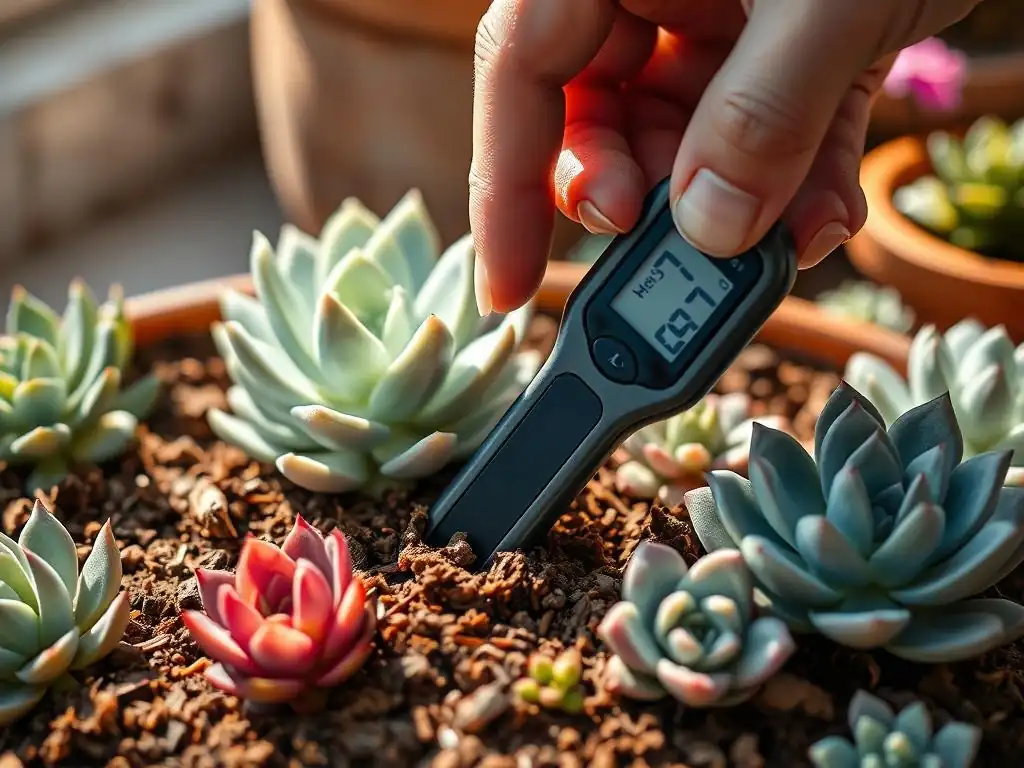
Welcome to SucculentEssentials.org, where the fascinating world of succulents unfolds before you! Are you ready to unlock the secrets to thriving succulents, regardless of your experience? Discover the art of succulent care, from identifying rare varieties to creating breathtaking displays. But first, let's tackle a crucial element often overlooked: accurate watering. Our comprehensive Succulent moisture meter watering guide will transform your approach, ensuring your precious plants receive precisely the hydration they need – and no more! Dive in and let’s cultivate success together.
- Understanding Your Succulent's Watering Needs: A Moisture Meter Guide
- Choosing the Best Location for Moisture Meter Placement
- Using a Moisture Meter to Determine Watering Time
- Practical Tips for Accurate Succulent Watering with a Moisture Meter
- Maintaining Your Moisture Meter for Long-Term Accuracy
- Troubleshooting Common Issues with Succulent Moisture Meters
- Advanced Techniques: Using a Moisture Meter for Different Succulent Types
-
Frequently Asked Questions
- How often should I water my succulents using a moisture meter?
- What type of moisture meter is best for succulents?
- My moisture meter reads "dry," but my succulent still looks healthy. Should I water it?
- How deep should I insert the moisture meter into the soil?
- My succulent is overwatered. Can a moisture meter help prevent this in the future?
- Final Reflection: The Thriving Succulent: A Journey of Understanding
- Unlock Your Succulent's Hydration Secrets!
Understanding Your Succulent's Watering Needs: A Moisture Meter Guide
Overwatering is a common culprit behind succulent demise. Unlike many plants that thrive in consistently moist soil, succulents are masters of water conservation, adapted to arid and semi-arid environments. This article serves as your comprehensive guide to using a moisture meter, a tool that empowers you to accurately assess soil moisture and avoid the pitfalls of overwatering or underwatering your precious succulents. We'll explore the benefits of using a moisture meter, help you choose the right one, and delve into the differences between analog and digital models.
Mastering this technique will significantly improve your succulent care practices, leading to healthier, more vibrant plants and fewer casualties. This guide is essential for both beginner succulent enthusiasts and experienced collectors seeking to refine their watering techniques and achieve optimal plant health. Let's dive into the world of precise succulent hydration! 🌵
Why Use a Moisture Meter for Succulents?
Many succulent owners rely on visual cues or a "guess and check" method to determine when to water. However, this approach can be unreliable and often leads to problems. Visual cues like slightly shriveled leaves can be late indicators of dehydration, while seemingly dry soil might still retain enough moisture at depth. A moisture meter eliminates guesswork. It provides a precise measurement of soil moisture levels, allowing you to water your succulents only when truly necessary.
This prevents both overwatering (leading to root rot) and underwatering (resulting in wilting and stunted growth). Using a moisture meter promotes a proactive, data-driven approach to succulent care, ultimately fostering healthier and more thriving plants. It's a small investment with significant returns in terms of improved plant health and longevity. Think of it as an insurance policy against common succulent watering mistakes!
Identifying the Right Moisture Meter for Succulents
Choosing the right moisture meter is crucial for accurate readings. Look for meters specifically designed for use in potting soil. Some meters are better suited for larger plants or outdoor gardens and might not provide the necessary precision for the smaller pots common in succulent cultivation. Consider the size of your succulent pots and choose a meter with probes that can reach the necessary depth without damaging roots.
The ideal meter should be easy to use, durable, and provide clear, easy-to-understand readings. Avoid inexpensive meters with questionable accuracy; investing in a reputable brand will ensure more reliable results and contribute to the long-term health of your succulents. Read reviews before purchasing to gauge the accuracy and user experience of different models. Accurate measurements are paramount for the success of your succulent care routine.
Types of Moisture Meters: Analog vs. Digital
Moisture meters primarily come in two types: analog and digital. Analog meters use a needle to indicate moisture levels on a dial, often with markings ranging from "dry" to "wet." These are generally more affordable but can be less precise than their digital counterparts. Digital meters provide a numerical reading of soil moisture, usually expressed as a percentage. They offer greater precision and are often equipped with additional features such as backlight illumination and multiple measurement ranges.
While digital meters might have a higher upfront cost, their increased accuracy and ease of use can make them a worthwhile investment for serious succulent enthusiasts. The choice between analog and digital depends on your budget and desired level of precision. For precise watering based on quantifiable data, a digital meter is recommended. However, a reliable analog meter can still provide sufficient guidance, especially for beginners.
Choosing the Best Location for Moisture Meter Placement
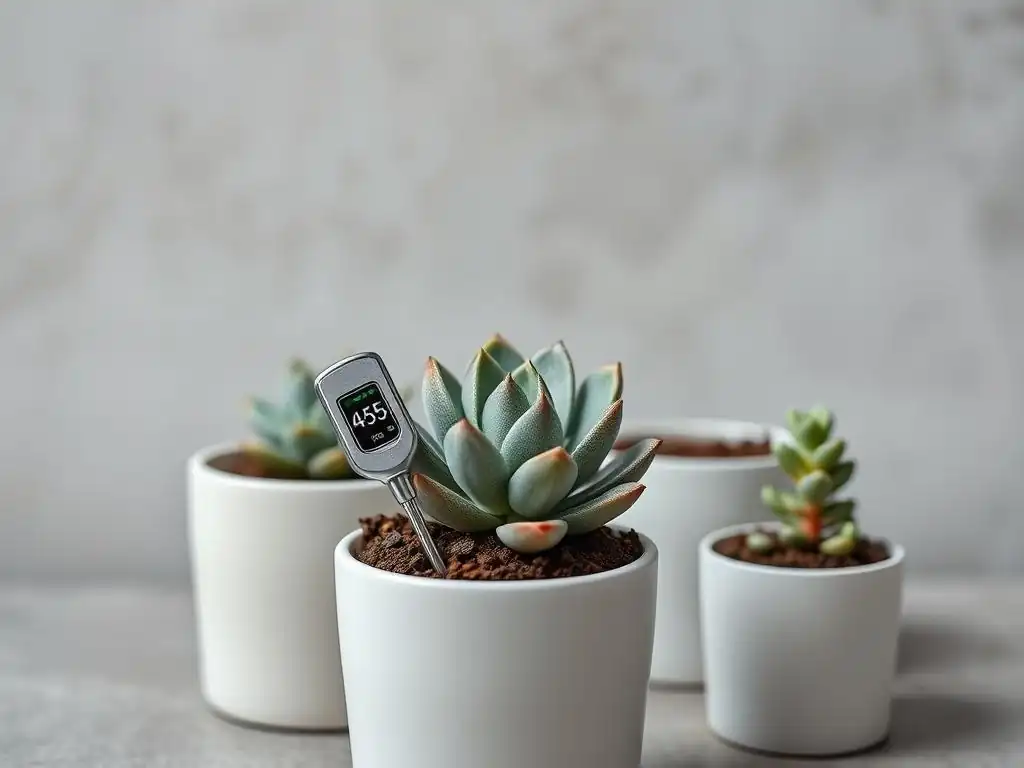
This section delves into the crucial aspect of properly positioning your succulent moisture meter for accurate readings. Improper placement can lead to misinterpretations of soil moisture levels, resulting in either underwatering or overwatering – both detrimental to your succulents' health. Understanding optimal placement is key to mastering the art of succulent watering with a moisture meter, and essential for your "Succulent moisture meter watering guide".
Optimal Depth and Placement for Accurate Readings
The depth at which you insert the moisture meter probe significantly impacts the reading. Inserting it too shallowly will only measure the moisture level of the top layer of soil, which can be misleading. The top layer dries out much faster than the deeper layers, leading to false signals of dryness. Conversely, inserting it too deep might reach areas with consistently higher moisture retention, masking the actual dryness of the upper soil where the roots primarily absorb water.
For most succulents potted in standard containers (6-8 inches in diameter), aiming for a depth of approximately 2-3 inches is generally recommended. This allows you to gauge the moisture level of the root zone without being influenced by surface dryness or excessively moist lower levels. Always ensure the probes are fully inserted before taking a reading. The optimal depth might vary slightly depending on the pot size and the succulent's root system; larger pots might require a slightly deeper insertion.
Consider the type of soil as well. Well-draining succulent mixes will dry out more quickly than heavier, clay-based soils. In well-draining mixes, you might need to check the moisture level more frequently, but might only need to insert the probe 2 inches. In heavier soils, you might need to insert the probe a little deeper.
Here’s a simple table summarizing ideal probe depths:
| Pot Size (Diameter) | Recommended Probe Depth (inches) | Soil Type Considerations |
|---|---|---|
| 4-6 inches | 1-2 inches | Adjust based on soil drainage |
| 6-8 inches | 2-3 inches | Well-draining mixes may need less depth |
| 8-10 inches | 3-4 inches | Heavier soils may require more depth |
| >10 inches | 4+ inches | Multiple readings at different depths are recommended |
Remember, consistency is key. Always use the same depth and location within the pot for each reading to ensure reliable comparisons over time.
Avoiding Interference and Ensuring Accurate Readings
Several factors can interfere with accurate moisture meter readings. Understanding and mitigating these interferences is crucial for dependable watering decisions. Accurate readings are the foundation of a successful "Succulent moisture meter watering guide".
- Calibration: Regularly calibrate your moisture meter according to the manufacturer's instructions. Over time, the sensors can become less sensitive, leading to inaccurate readings. Calibration ensures your meter is providing consistent and reliable data.
- Soil Type: Different soil types retain moisture differently. A moisture meter calibrated for one type of soil might not give accurate readings in another. Consider this when interpreting the readings. A well-draining mix will naturally register lower moisture levels than a clay-based soil.
- Pot Material: The material of your succulent's pot can affect readings. Darker-colored pots tend to heat up more quickly, causing the soil to dry out faster. This can lead to a falsely low moisture reading. Light-colored pots, on the other hand, reflect more sunlight, resulting in slower drying and potentially higher readings.
- Ambient Temperature and Humidity: Extreme temperatures and humidity levels can impact the accuracy of your meter. Avoid taking readings during the hottest part of the day or in direct sunlight. Also, avoid taking readings immediately after watering. Allow the water to settle into the soil before attempting a measurement.
- Probe Condition: Ensure the probes are clean and free from any debris or mineral buildup. Clean the probes regularly with a soft cloth or brush to maintain their sensitivity.
By carefully considering these factors and following best practices, you can significantly improve the accuracy of your moisture meter readings and optimize your succulent watering schedule. Remember, consistent monitoring and observation, combined with understanding your succulents' individual needs, are key to their thriving growth.
Using a Moisture Meter to Determine Watering Time
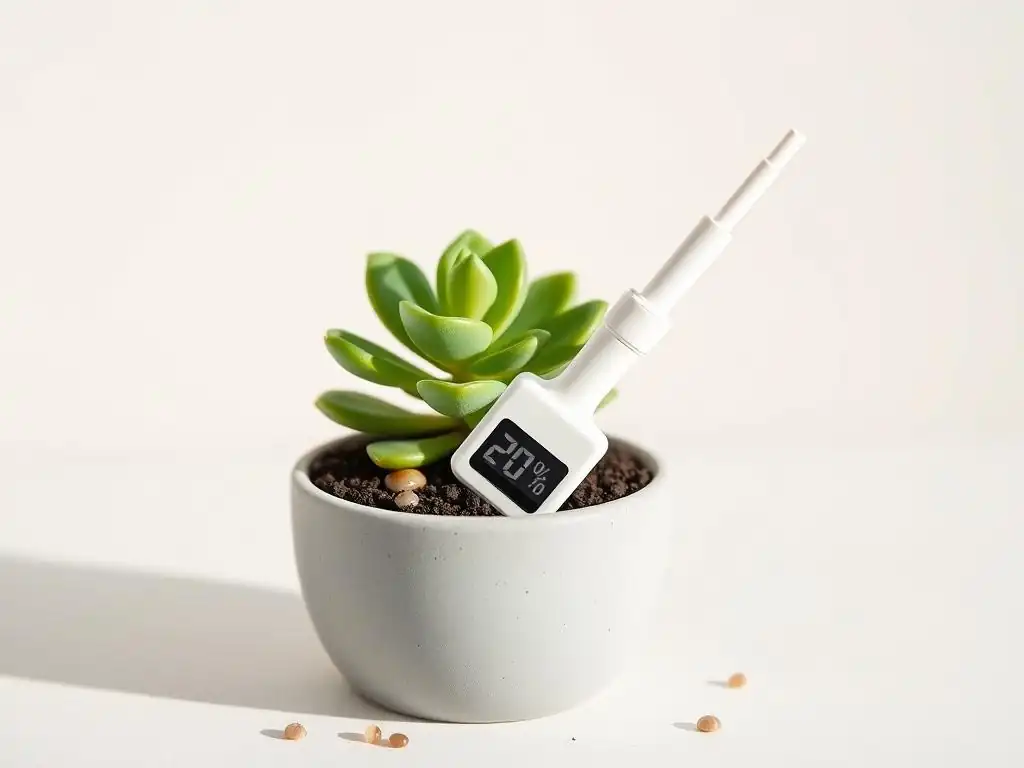
Accurately watering succulents is crucial for their health and longevity. Overwatering is a common culprit behind succulent demise, leading to root rot and other issues. Underwatering, while less immediately damaging, can also stunt growth and cause unsightly shriveling. A succulent moisture meter provides a scientific approach to watering, eliminating guesswork and ensuring your plants receive the precise amount of moisture they need.
This method is particularly beneficial for succulent enthusiasts who may have a large collection or are dealing with various species with differing water requirements. Using a moisture meter helps you avoid the pitfalls of relying solely on visual cues, which can be unreliable, especially for beginners. This "Succulent moisture meter watering guide" will empower you to confidently water your plants.
Reading Moisture Meter Scales: Understanding the Readings
Moisture meters typically feature a scale indicating soil moisture levels. These scales vary slightly between manufacturers but generally display readings ranging from "dry" to "moist" to "wet" or similar designations. Some advanced meters may provide numerical readings representing soil moisture percentage. Understanding how to interpret these readings is key to proper succulent watering.
For instance, a meter showing a reading in the "dry" range indicates the soil lacks sufficient moisture. This is generally a good time to water, but the amount of water needed depends on the pot size, soil type, and plant size. Conversely, a reading in the "wet" range suggests the soil is excessively moist, potentially leading to root rot. Delay watering until the reading indicates a drier condition. A "moist" reading indicates the ideal moisture level for most succulents – a happy medium that balances adequate hydration and the prevention of overwatering.
It's important to note that the reading from a moisture meter can vary depending on where you insert the probe. To get the most accurate reading, insert the probe into multiple spots around the plant, avoiding the immediate vicinity of the stem or the very edge of the pot. Averaging several readings will give you a more comprehensive understanding of the overall soil moisture content.
| Reading Level | Description | Watering Action |
|---|---|---|
| Dry | Soil is completely dry | Water thoroughly until water drains from the bottom. |
| Moist | Soil is optimally moist | No watering needed at this time. |
| Wet | Soil is excessively moist | Allow soil to dry significantly before watering. |
Interpreting Moisture Levels: Dry, Moist, and Soggy Soil
While the moisture meter provides a numerical or categorical reading, it's crucial to correlate these readings with the actual feel and appearance of the soil. A truly dry soil will feel light and crumbly, almost like powder. A moist soil will feel damp but not overly wet; you should be able to squeeze a small amount of water from it. A soggy soil will be heavy, clump together, and release a significant amount of water when squeezed.
This tactile assessment complements the moisture meter reading, providing a holistic perspective on soil moisture. For example, even if the moisture meter reads "moist," if the soil feels unusually heavy and wet, it might indicate a need to improve drainage or allow the soil to dry out further. Conversely, if the meter reads "dry" but the soil still feels slightly damp, it might be due to the meter probe encountering a particularly dry spot. Always consider both the meter's reading and the physical characteristics of the soil for a more accurate assessment.
Adjusting Watering Based on Moisture Meter Readings
The frequency of watering succulents, as indicated by your moisture meter, will depend on several factors: the type of succulent, the size of the pot, the type of potting mix, the ambient temperature and humidity, and the intensity of sunlight. For instance, a fast-draining potting mix might require more frequent watering compared to a slower-draining mix. Similarly, succulents in smaller pots will dry out faster than those in larger pots.
Using a moisture meter allows for more precise adjustments to your watering schedule. Instead of following a rigid watering schedule, you can adapt based on the meter's readings. This personalized approach ensures your succulents are neither underwatered nor overwatered, leading to healthier, more vibrant plants. Remember to always observe your succulents for signs of stress, such as leaf shriveling or discoloration, even if the moisture meter doesn't indicate a problem. These visual cues can provide valuable supplementary information. Regularly checking your plants and adjusting your watering routine accordingly is vital for long-term succulent success.
Practical Tips for Accurate Succulent Watering with a Moisture Meter
This section delves into the practical application of a moisture meter for succulent care, offering actionable advice beyond the basics. Mastering the art of succulent watering is crucial for their health and longevity, and a moisture meter is an invaluable tool in achieving this. This guide will empower you to confidently use your meter, leading to thriving succulents. Remember, consistent monitoring and adjustments are key to success with this method.
Avoiding Overwatering: A Common Succulent Killer
Overwatering is the most frequent cause of succulent death. These plants are adapted to arid conditions and store water in their leaves and stems. Excessive moisture leads to root rot, a fatal condition that rapidly decays the root system, preventing the plant from absorbing nutrients and water. A moisture meter helps prevent this by providing real-time data on soil moisture levels.
Here's how to avoid overwatering using your moisture meter:
- Before watering, always check the moisture level: Insert the probe of your moisture meter into the soil, ensuring it reaches the root zone. Most meters have a scale indicating moisture levels (e.g., dry, moist, wet).
- Water only when the meter indicates "dry" or "slightly moist": This ensures the soil has sufficiently dried out between waterings, preventing waterlogging. Avoid watering based on a fixed schedule; instead, rely on the meter's readings.
- Water thoroughly but sparingly: Once you water, allow excess water to drain completely from the pot's drainage holes. This prevents water from accumulating at the bottom, creating a soggy environment conducive to root rot. The amount of water needed will vary depending on pot size, soil type, and environmental factors.
- Consider the type of succulent: Some succulents tolerate slightly more moisture than others. Research the specific needs of your succulent species to fine-tune your watering approach. For example, Echeveria generally prefer drier conditions compared to Sedum.
- Observe your succulents: Even with a moisture meter, visually inspect your succulents for signs of overwatering (e.g., mushy leaves, stem rot). These visual cues can provide additional insights.
Recognizing Signs of Underwatering and Overwatering
While a moisture meter provides valuable data, it's essential to supplement it with visual observations. Understanding the visual signs of both underwatering and overwatering allows for prompt intervention and prevents irreversible damage.
| Symptom | Underwatering | Overwatering |
|---|---|---|
| Leaves | Shrunken, wrinkled, dry, brittle, falling off | Swollen, mushy, translucent, dark spots, rotting |
| Stem | Thin, brittle | Soft, mushy, discolored, possibly rotting |
| Soil | Completely dry | Soggy, constantly damp |
| Root System | [Specific information pending] | Rotting, brown, slimy |
This table provides a quick reference guide. However, remember that the severity and manifestation of these symptoms can vary depending on the succulent species and environmental conditions.
Developing a Consistent Watering Schedule with Your Moisture Meter
While relying solely on a fixed watering schedule is discouraged, using a moisture meter can help you establish a relative schedule based on your environment and the specific needs of your succulents. This isn't about precise days; it's about understanding the time intervals between waterings.
- Initial Observations: Use your moisture meter regularly (e.g., every 2-3 days) for the first few weeks to establish a baseline. Note the time it takes for the soil to dry out under your specific conditions (light, temperature, airflow, pot size).
- Adjustments: Environmental changes (e.g., increased sunlight, temperature fluctuations) can affect the rate at which soil dries. Adjust your watering frequency accordingly based on your moisture meter readings.
- Seasonal Variations: Watering needs will vary throughout the year. Succulents generally require less frequent watering during dormancy (winter months) and more frequent watering during active growth (spring and summer). The moisture meter will guide you in making these seasonal adjustments.
- Record Keeping: Maintain a simple log noting the date, moisture meter reading, and amount of water given for each succulent. This will help you identify patterns and refine your watering approach over time. This data-driven approach will lead to more confident and successful succulent care. 🌱
Maintaining Your Moisture Meter for Long-Term Accuracy
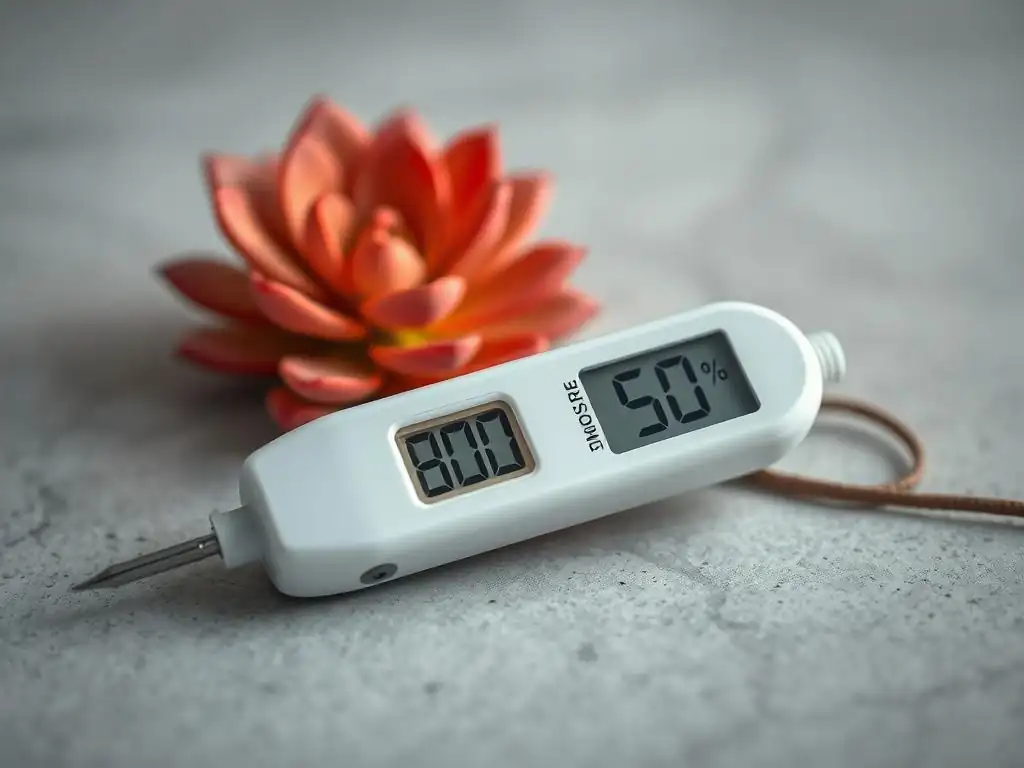
A succulent moisture meter is a valuable tool, but its accuracy depends on proper maintenance. Regular cleaning and calibration, along with correct storage, ensure your readings remain reliable, preventing overwatering or underwatering, which are common causes of succulent demise. Consistent accuracy is key to mastering the art of succulent watering, leading to thriving, healthy plants. This section provides detailed guidance on maintaining your meter for optimal performance, helping you achieve your succulent gardening goals. This is crucial for achieving the perfect balance in your "Succulent moisture meter watering guide."
Cleaning and Calibrating Your Moisture Meter
The probes of your moisture meter are susceptible to mineral buildup from the soil and potential contamination. This can skew readings, providing inaccurate moisture levels. Regular cleaning is therefore essential. To clean your meter:
- Gently wipe: After each use, gently wipe the probes with a clean, damp cloth to remove any visible soil particles.
- Deep clean (monthly): Once a month, perform a more thorough cleaning. Soak the probes in a mild solution of distilled water and a drop of mild dish soap. Avoid harsh chemicals that could damage the probes. Rinse thoroughly with distilled water and allow to air dry completely before storing.
- Calibration (quarterly): Calibration ensures the meter provides accurate readings. While not all moisture meters require calibration, it's best practice to check the manufacturer's instructions. Many meters have a calibration setting or require a comparison with a known moisture level (e.g., using a consistently moist cloth). Conduct a calibration check at least quarterly to maintain accuracy in your succulent moisture meter watering guide.
Regular cleaning and occasional calibration are vital steps in ensuring your moisture meter remains a dependable tool in your succulent care arsenal. Neglecting this maintenance can lead to inaccurate readings and potentially harm your precious plants. Think of it as preventative maintenance for your gardening toolkit—a small investment of time for significant long-term benefits.
Storing Your Moisture Meter Properly
Proper storage protects your moisture meter from damage and maintains its accuracy. Here's how to store your meter correctly:
- Keep it dry: Moisture is the enemy of electronic devices. Ensure the meter is completely dry before storing it to prevent corrosion and malfunction. Air drying is preferable to using a cloth, which might leave behind residue.
- Avoid extreme temperatures: Extreme temperatures, whether hot or cold, can impact the meter's internal components. Store it in a cool, dry place, away from direct sunlight and heating vents. A drawer or cabinet is ideal.
- Protect the probes: The probes are delicate. Store the meter in its original case or a protective container to prevent damage to the probes. Avoid storing it with sharp objects that could scratch or puncture the probes. This will ensure the long-term accuracy needed for your "Succulent moisture meter watering guide."
By following these simple storage guidelines, you extend the lifespan of your moisture meter and ensure consistent, accurate readings for years to come. Remember, a well-maintained meter is an invaluable asset in your succulent care routine. It's a small effort that significantly contributes to the health and vitality of your succulent collection.
Troubleshooting Common Issues with Succulent Moisture Meters
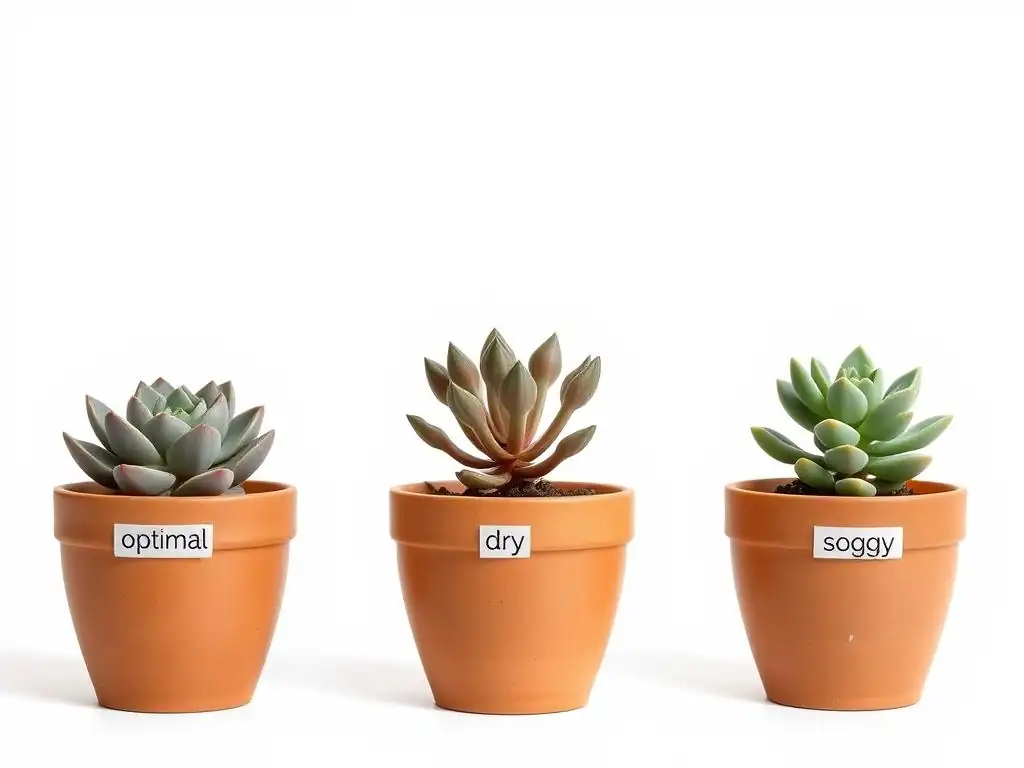
This section addresses common problems encountered when using a moisture meter for succulents, helping you obtain accurate readings and avoid overwatering or underwatering your precious plants. Understanding these issues is crucial for effective succulent moisture meter watering. Let's delve into the specifics.
Inconsistent Readings and Potential Causes
Inconsistent readings from your succulent moisture meter can stem from several factors. One common culprit is probe placement. If you don't insert the probes deeply enough, you'll only measure the surface moisture, which can be misleading, especially in containers with a dry top layer but moist soil underneath. Aim to insert the probes at least halfway down the pot, and even deeper for larger containers. The type of soil also plays a significant role. Well-draining succulent mixes can yield different readings than denser, clay-heavy soils. The former tends to dry out faster, leading to lower moisture meter readings.
Another frequent cause of inconsistent readings is soil compaction. Over time, watering can compact the soil, leading to uneven moisture distribution. This can result in the meter registering different moisture levels in different areas of the same pot. Gently loosening the soil with a small tool can help improve the accuracy of your readings.
Finally, the meter's age and condition can impact its accuracy. Prolonged use can lead to sensor degradation or damage to the probes, causing inconsistent or erroneous readings. Regular inspection of the probes for any bending, breakage, or corrosion is recommended. Cleaning the probes after each use with a damp cloth can also improve accuracy over time.
Here's a table summarizing potential causes of inconsistent readings:
| Cause | Description | Solution |
|---|---|---|
| Incorrect Probe Placement | Probes not inserted deep enough into the soil | Insert probes at least halfway down, deeper for larger pots. |
| Soil Type | Different soil types retain moisture differently | Consider the soil type when interpreting readings. |
| Soil Compaction | Compacted soil leads to uneven moisture distribution | Gently loosen the soil to improve moisture uniformity. |
| Meter Age/Condition | Old or damaged meter with degraded sensors | Inspect probes regularly and consider replacing a faulty moisture meter. |
Addressing Erratic Readings and Calibration Issues
Erratic readings often point to a problem with the moisture meter itself. While some inconsistency is normal, significant variations suggest a need for calibration or replacement. Many moisture meters don't offer a formal calibration process; however, there are ways to check their accuracy. One method involves testing the meter in a known condition. For instance, you could thoroughly soak a small pot of soil and then insert the meter, expecting a high moisture reading. Conversely, allow a similar pot to dry completely, expecting a low reading. Significant deviations from expected results indicate potential calibration issues.
If you suspect a problem with your meter, try cleaning the probes thoroughly. Accumulated mineral deposits or soil particles can interfere with accurate readings. Use a mild abrasive cleaner (like toothpaste) and gently scrub the probes. Rinse thoroughly with water.
Remember that even after cleaning, the meter may not return to perfect accuracy. If erratic readings persist despite cleaning, it's likely the sensor is damaged, indicating the need for a replacement.
When to Replace Your Moisture Meter
Replacing your succulent moisture meter becomes necessary when erratic readings persist despite cleaning and troubleshooting, or if the meter consistently provides inaccurate readings compared to your observations of the soil's moisture level. A damaged probe, a malfunctioning sensor, or general wear and tear can all contribute to inaccurate readings. Consider these signs that it's time for a new meter:
- Consistently inaccurate readings: The meter consistently displays readings that don't match the actual moisture content of the soil. This is a clear indication of a problem.
- Damaged or corroded probes: Bent, broken, or severely corroded probes will impact accuracy and should be replaced immediately.
- Unresponsive meter: If the meter doesn't register any changes in moisture levels, even after significant changes in the soil's moisture content, replacement is necessary.
- Age of the meter: Over time, even with proper care, the sensors within the meter can degrade, leading to less accurate readings.
Regularly assessing the performance of your moisture meter is key to ensuring accurate watering practices for your succulents. Investing in a high-quality meter and following these troubleshooting steps will contribute to the long-term health and vibrancy of your collection. 🌱
Advanced Techniques: Using a Moisture Meter for Different Succulent Types
This section delves into the nuanced application of moisture meters for various succulent species, highlighting the importance of understanding individual plant needs for optimal hydration. While a moisture meter provides a valuable tool, it's crucial to remember that it's only one piece of the puzzle. Visual inspection and knowledge of the specific succulent's requirements remain vital components of successful succulent care.
Watering Needs of Different Succulent Varieties
Succulents, despite their shared drought tolerance, exhibit significant variations in their water requirements. A general guideline for using a moisture meter is to water when the meter indicates "dry" or "low" moisture levels, but this needs adjustment based on the specific succulent.
For example, Echeveria species, known for their rosette formations, generally prefer to dry out completely between waterings. Using a moisture meter, you'd aim for a reading indicating very low moisture before watering. Conversely, Sedum morganianum (Burro's Tail), with its trailing stems and fleshy leaves, might tolerate slightly more moisture. A moisture meter reading of "moist" might be acceptable before watering this succulent, though still erring on the side of caution to prevent root rot.
The table below illustrates the diverse watering needs and corresponding moisture meter readings for a few popular succulent types:
| Succulent Type | Typical Moisture Meter Reading Before Watering | Notes |
|---|---|---|
| Echeveria | Dry to Very Low | Allow soil to dry out completely between waterings. |
| Sedum morganianum | Moist (but not saturated) | Slightly more tolerant of moisture than Echeveria, but still avoid overwatering. |
| Haworthia | Low to Moderately Dry | Requires well-draining soil and careful watering. |
| Aloe vera | Moderately Dry | More tolerant of moisture than many other succulents, but still susceptible to rot. |
Remember to always check the soil's physical condition in addition to the moisture meter reading. If the soil feels compacted or shows signs of salt buildup, it's time for repotting, regardless of the moisture meter reading.
Adapting Watering Schedules Based on Pot Size and Material
The size and material of the pot significantly influence how quickly the soil dries out. Smaller pots, especially those made of terracotta (which is porous), dry out much faster than larger pots made of plastic or glazed ceramic.
A moisture meter reading should be interpreted differently based on the pot. A "dry" reading in a small terracotta pot might indicate the need for immediate watering, whereas the same reading in a large plastic pot might suggest waiting a little longer.
Consider these factors:
- Pot Size: Larger pots retain moisture longer. You might need to wait longer between waterings for larger pots, even if the moisture meter indicates a lower reading.
- Pot Material: Terracotta pots allow for greater evaporation, leading to quicker drying. Plastic or glazed ceramic pots retain moisture for longer periods.
- Soil Type: Well-draining soil will dry out faster than dense, poorly draining soil. The moisture meter reading will reflect this difference.
Regularly monitoring the moisture levels with your meter, combined with observation of the pot and soil type, will allow you to create a precise watering schedule tailored to your specific setup and succulent collection. Remember to adjust your watering schedule according to seasonal changes and temperature fluctuations.
Moisture Meter Usage in Different Growing Environments (Indoor vs. Outdoor)
The environment significantly impacts a succulent's water needs and, consequently, how you interpret your moisture meter readings.
Indoor Environments: Indoor succulents generally dry out more slowly than outdoor succulents due to lower light intensity and less air circulation. You might need to water less frequently, even if the moisture meter indicates a lower reading than you might expect. Overwatering is a common problem for indoor succulents. Always allow the soil to dry out considerably before watering again. Consider the humidity levels in your home as well; higher humidity might slow down drying.
Outdoor Environments: Outdoor succulents, exposed to sunlight, wind, and higher temperatures, typically dry out much faster. Therefore, you might need to water more frequently, even if the moisture meter reading isn't extremely low. However, be mindful of rain; excess rainfall can lead to overwatering, even if the soil feels dry to the touch. The moisture meter can help you determine if supplemental watering is needed after a rain shower.
Ultimately, mastering the use of a succulent moisture meter involves a combination of understanding your specific succulents' needs, recognizing the influence of environmental factors, and interpreting the meter readings in conjunction with visual observations of the soil and plant itself. Consistent monitoring and adjustments will lead to healthier, more thriving succulents.
Frequently Asked Questions
How often should I water my succulents using a moisture meter?
The frequency depends on the reading of your moisture meter and the specific succulent type. Generally, water when the meter indicates dry conditions. Avoid overwatering.
What type of moisture meter is best for succulents?
A meter with a long probe is ideal for reaching the roots of potted succulents. Look for one with clear, easy-to-read markings.
My moisture meter reads "dry," but my succulent still looks healthy. Should I water it?
It's best to trust the meter initially. However, if your succulent looks healthy, it might be adapted to drier conditions. Observe for signs of wilting before watering.
How deep should I insert the moisture meter into the soil?
Insert the probe deep enough to reach the root zone, but avoid hitting the pot itself. Generally, 2-3 inches is a good starting point.
My succulent is overwatered. Can a moisture meter help prevent this in the future?
Yes! Using a moisture meter allows you to monitor soil moisture levels and avoid overwatering. This helps prevent root rot and other issues.
Final Reflection: The Thriving Succulent: A Journey of Understanding
Accurate watering is the cornerstone of succulent success, and understanding your plant's needs through the use of a moisture meter is key to unlocking its full potential. This isn't just about preventing rot; it's about fostering vibrant growth and longevity, ensuring your prickly friends thrive for years to come. The seemingly simple act of watering transforms into a precise science when we embrace tools like the moisture meter, allowing us to move beyond guesswork and into a realm of informed care.
The impact of proper succulent care extends beyond the individual plant; it's a reflection of our connection with the natural world. We learn patience, observation, and the importance of understanding the subtle cues our plants offer. It's a rewarding journey of learning and growth, mirroring our own personal development. The glory of gardening: hands in the dirt, head in the sun, heart with nature. To nurture a garden is to feed not just the body, but the soul.
This quote beautifully encapsulates the deeper meaning behind tending to these resilient plants, and the moisture meter becomes a tool that enhances this connection.
Now, consider your own succulents. Are you ready to move beyond the anxieties of overwatering or underwatering? Take the knowledge gained from this guide, equip yourself with a moisture meter, and embark on a journey of confident succulent care. Observe your plants closely, learn their individual needs, and watch as they flourish under your attentive care. The thriving succulents you cultivate will be a testament to your dedication and understanding, a vibrant reminder of the rewarding connection between human care and the natural world.
Unlock Your Succulent's Hydration Secrets!
Thanks for exploring the world of succulent hydration with us! We hope you feel confident using a moisture meter to keep your plants thriving. Ready to apply your new knowledge?
- Master the Art of Watering: Begin by checking the moisture level in your succulents immediately, even if you've recently watered them. This helps you understand your soil and watering habits.
- Share your succulent care experiences: Discuss your successes and challenges with other succulent enthusiasts on our social media channels.
- Uncover more succulent care secrets: Explore our other articles on SucculentEssentials.org for more tips and tricks to keep your collection healthy and happy.
So, which succulent will you test with your moisture meter first? Let us know in the comments!