
The Commercial Succulent Grower's Guide to Continuous Improvement

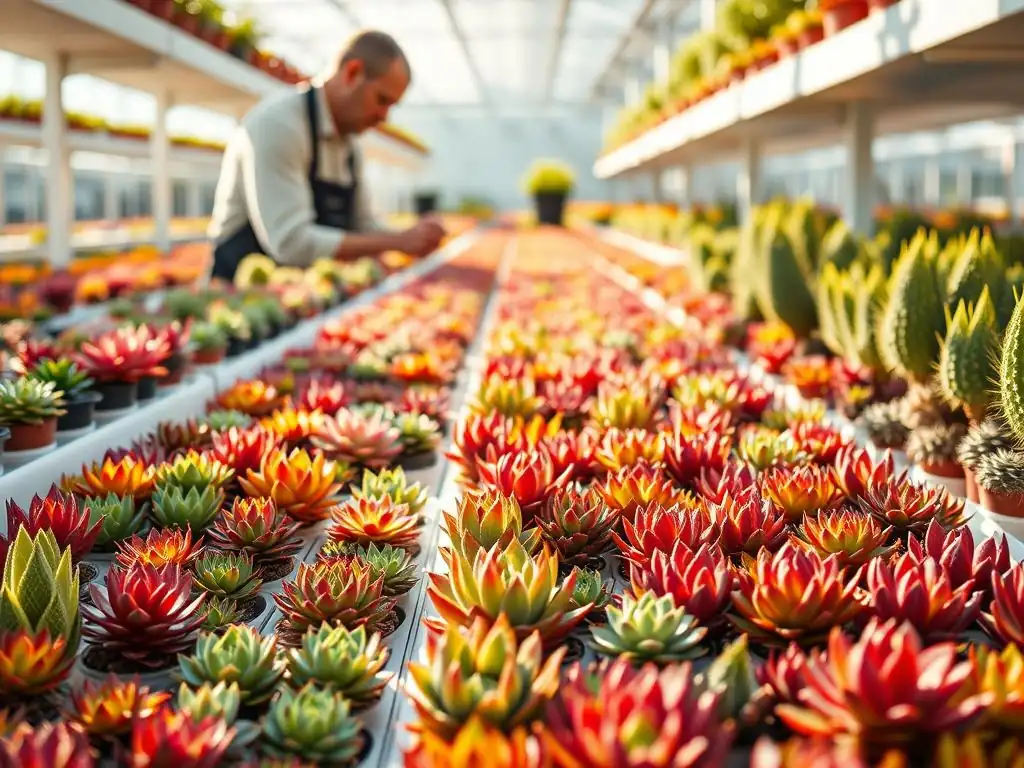
Welcome to SucculentEssentials.org, where the fascinating world of succulents unfolds! Are you ready to unlock the secrets to thriving succulent cultivation? We delve into every aspect of succulent care, from basic propagation to breathtaking design. But what if you could transform your passion into profit? Discover how to dramatically Improve succulent growing business with our expert guide on propagation and reproduction techniques – your journey to succulent success starts now!
-
Optimizing Your Succulent Growing Business for Maximum Profit
- Analyzing Current Production Processes: Identifying Bottlenecks in Succulent Cultivation
- Streamlining Succulent Propagation Techniques for Higher Yields
- Implementing Efficient Inventory Management for Succulent Businesses
- Cost-Effective Strategies for Reducing Production Expenses in Succulent Farming
- Enhancing Succulent Quality and Market Value
- Expanding Your Succulent Market Reach
- Implementing Sustainable Practices in Succulent Cultivation
- Investing in Technology for Improved Succulent Growing
-
Continuous Learning and Professional Development
- Staying Updated on the Latest Trends and Technologies in Succulent Cultivation
- Networking with Other Commercial Succulent Growers for Best Practices
- Participating in Industry Events and Workshops to Enhance Expertise
- Seeking Mentorship and Guidance from Experienced Succulent Professionals
- Staying Updated with the Latest Research and Industry Trends in Succulent Cultivation
- Investing in Advanced Technology and Equipment for Optimized Succulent Growing
-
Measuring Success and Tracking Key Performance Indicators (KPIs)
- Tracking Key Metrics to Assess the Effectiveness of Improvement Strategies
- Analyzing Financial Data to Identify Areas for Growth and Improvement in Succulent Business
- Regularly Reviewing and Adapting Your Business Plan for Long-Term Success in Succulent Cultivation
- Using Data-Driven Decision Making to Enhance Your Succulent Growing Business
-
Frequently Asked Questions
- How can I improve the profitability of my succulent growing business?
- What are some effective strategies for increasing succulent sales?
- How can I minimize losses due to pest infestations or diseases in my succulent business?
- What are the best ways to manage the water and resources efficiently in a commercial succulent operation?
- How can I ensure the quality and consistency of my succulent products?
- Final Reflection: Cultivating Success: The Enduring Power of Improvement
- Unlock Your Succulent Empire: Grow Your Business Today!
Optimizing Your Succulent Growing Business for Maximum Profit
The succulent industry is booming, with a growing demand for these low-maintenance, visually appealing plants. However, success in commercial succulent cultivation requires more than just a green thumb; it demands a strategic approach to optimizing every aspect of your business, from propagation techniques to inventory management. This guide provides actionable steps for commercial succulent growers seeking to improve their operations and maximize profitability.
We will explore key areas where incremental improvements can lead to significant increases in yield, efficiency, and ultimately, your bottom line. Improving your succulent growing business isn't just about increasing the number of plants you produce; it's about cultivating a lean, efficient, and profitable operation that can weather the market fluctuations and consistently deliver high-quality succulents to your customers.
This guide will help you navigate the challenges and capitalize on the opportunities within this thriving market. Let's delve into the strategies that will transform your succulent growing operation from good to great.
Analyzing Current Production Processes: Identifying Bottlenecks in Succulent Cultivation
Before implementing any improvements, a thorough analysis of your current production processes is crucial. This involves identifying bottlenecks – areas where inefficiencies slow down production or increase costs. This could involve anything from slow propagation methods to inefficient watering systems, or even suboptimal environmental controls. Consider the following questions:
- Propagation: What propagation methods are you currently using? Are they the most efficient for your specific succulent varieties and scale of operation? Are you maximizing rooting success rates? Are you experiencing high rates of loss during propagation?
- Growing Environment: Are your environmental controls (temperature, humidity, light) optimized for the specific needs of your succulents? Are you effectively managing pests and diseases? Are you utilizing space efficiently in your greenhouse or growing area?
- Labor: Are your labor costs proportionate to your output? Can tasks be automated or streamlined to reduce labor time and costs? Are your employees adequately trained in best practices for succulent care?
- Materials: Are you sourcing high-quality growing media and other supplies at competitive prices? Are you effectively managing waste and reducing material costs?
Creating a detailed flowchart of your current process can help visualize potential bottlenecks. For example, you might discover that your leaf propagation method is significantly slower than stem cuttings, or that your watering system leads to inconsistent moisture levels, impacting growth rates. By pinpointing these areas, you can focus your improvement efforts where they will have the greatest impact. Remember to track key metrics like propagation success rates, plant growth rates, and overall yield to quantify the impact of your improvements.
Streamlining Succulent Propagation Techniques for Higher Yields
Efficient propagation is the cornerstone of a successful succulent growing business. Exploring and implementing advanced propagation techniques can significantly boost your yields. Consider these options:
- Leaf Propagation Optimization: If you rely heavily on leaf propagation, explore techniques to improve rooting success rates. This might include using rooting hormones, adjusting humidity levels, or experimenting with different propagation media. Detailed records of success rates for various techniques will illuminate which method works best for your specific varieties.
- Stem Cutting Propagation: Stem cuttings are often faster and more reliable than leaf propagation. Experiment with different cutting lengths and rooting methods to optimize your success rate. Implementing a standardized process for preparing and planting cuttings can dramatically increase consistency and efficiency.
- Tissue Culture: For large-scale operations, tissue culture offers the potential for rapid and consistent propagation of large numbers of plants. While it requires specialized equipment and expertise, the high yield potential can make it a worthwhile investment.
- Seed Propagation: While often slower, seed propagation can be cost-effective for certain varieties and offers the opportunity to introduce genetic diversity. However, it requires careful attention to detail and may have lower success rates compared to vegetative propagation methods.
Implementing these improvements not only increases the number of plants you produce but also reduces the time and resources required per plant, significantly impacting profitability. Careful tracking of propagation success rates, time required for each method, and overall costs will inform data-driven decisions about which propagation methods to prioritize.
Implementing Efficient Inventory Management for Succulent Businesses
Effective inventory management is essential for preventing losses due to overstocking or shortages. A well-organized system ensures that you have the right plants, at the right size, available at the right time to meet customer demand.
- Inventory Tracking System: Implement a robust inventory tracking system, either manually or using software, to monitor stock levels of different succulent varieties and sizes. This will help you anticipate demand, optimize planting schedules, and avoid overstocking or running out of popular varieties.
- Grading and Sorting: Establish clear grading standards to categorize succulents based on size, health, and quality. This allows for efficient pricing and ensures that you are maximizing the value of your inventory.
- Storage and Handling: Proper storage and handling are crucial to minimize losses due to damage or disease. This involves providing appropriate environmental conditions for each succulent variety and implementing careful handling procedures to prevent damage during transport and storage.
- Sales Forecasting: Use sales data and market trends to predict future demand. This will enable you to optimize planting schedules and avoid overproduction or shortages. Analyzing past sales data can help you anticipate seasonal fluctuations and plan accordingly.
By implementing these strategies, you'll not only improve the efficiency of your succulent growing business but also enhance your profitability and competitiveness in the ever-growing succulent market. 📈🌵
Cost-Effective Strategies for Reducing Production Expenses in Succulent Farming
Reducing production costs is crucial for improving profitability in succulent farming. A streamlined approach to resource management can significantly impact your bottom line. Let's explore some practical, cost-effective strategies.
One major area for cost reduction is water management. Succulents are drought-tolerant, but efficient irrigation is still necessary. Investing in a drip irrigation system, instead of overhead sprinklers, minimizes water waste and reduces labor costs associated with manual watering. Furthermore, consider collecting rainwater for irrigation – a free and sustainable resource that significantly cuts down on water bills. Regularly monitoring soil moisture levels using moisture meters prevents overwatering, saving both water and energy. Regular maintenance of your irrigation system will also prevent leaks and costly repairs down the line.
Another significant expense is substrate. Experiment with alternative, cost-effective growing media. Instead of purchasing expensive pre-mixed succulent soil, consider creating your own blend using readily available materials like perlite, vermiculite, and coarse sand. This approach not only reduces costs but also allows for customization based on your specific succulent varieties and growing conditions. Careful sourcing of these components—perhaps finding a local supplier of construction sand—can further reduce expenses. Remember to test your homemade mixes to ensure proper drainage and aeration.
Furthermore, consider energy consumption. Greenhouse heating and cooling can be substantial expenses. Implementing energy-efficient technologies, such as using thermal blankets or automated ventilation systems, can considerably reduce energy bills. Proper greenhouse design, including optimizing sunlight exposure and insulation, also plays a crucial role in energy savings. Consider the orientation of your greenhouse to maximize natural light and minimize the need for artificial lighting. Regular cleaning of greenhouse windows and coverings improves light penetration and reduces energy usage for supplemental lighting.
Beyond materials and energy, labor costs are another key area for improvement. Efficient workflow planning and automation can significantly reduce labor expenses. Implementing automated tasks, such as using automated seed sowers or transplanting robots (where feasible), can increase efficiency and reduce manual labor. Proper training of your staff and clear work instructions minimize errors and rework, saving both time and resources. Streamlining your harvesting and packaging processes also improves efficiency and reduces labor costs. Think about ergonomic improvements to reduce worker fatigue and improve productivity.
Finally, pest and disease management is critical. Proactive measures, such as employing integrated pest management (IPM) techniques, are much more cost-effective than reactive treatments. Regular monitoring for pests and diseases allows for early intervention, preventing widespread infestations or outbreaks that require expensive treatments.
This may involve careful selection of disease-resistant varieties and the use of natural pest control methods like beneficial insects, reducing reliance on chemical pesticides. Maintaining a clean and well-ventilated growing environment also helps prevent disease outbreaks, minimizing the need for costly treatments. Investing in preventative measures is always more economical than dealing with a major infestation or disease outbreak.
Enhancing Succulent Quality and Market Value
This section focuses on strategies to elevate the quality of your succulents, directly impacting their market value and profitability. Improving your succulent growing business hinges on delivering superior products that stand out from the competition. This involves a multifaceted approach encompassing plant health, variety development, and rigorous quality control.
Improving Succulent Plant Health Through Advanced Growing Techniques
Optimal plant health is paramount to producing high-quality succulents. This goes beyond basic watering and sunlight; it involves a deep understanding of plant physiology and environmental control. Implementing advanced growing techniques can significantly improve your yield and the overall aesthetic appeal of your plants.
For instance, consider implementing a precise fertigation system. Instead of relying on general-purpose fertilizers, a tailored nutrient program, delivered directly to the root zone, ensures optimal nutrient uptake. This minimizes nutrient deficiencies, leading to healthier, more vibrant succulents with improved coloration and growth rates. Data-driven approaches, such as monitoring soil moisture levels with sensors and adjusting irrigation accordingly, reduce water waste and prevent overwatering – a common problem leading to root rot and plant loss.
Furthermore, optimizing your greenhouse environment is crucial. Precise temperature and humidity control, achieved through climate control systems, minimizes stress on the plants and encourages robust growth. Careful consideration of airflow also prevents fungal diseases, a major threat to succulent health. Investing in these technologies, while initially costly, delivers long-term returns through increased yield and reduced losses. Analyzing your existing growing practices and identifying bottlenecks or areas for improvement is key to optimizing your production process. Maintaining detailed records of your growing conditions and plant responses can help you fine-tune your techniques over time, leading to consistently healthier plants.
Cultivating unique and desirable succulent varieties is a key strategy for improving your succulent growing business. Developing premium succulents increases your competitive advantage and allows you to command higher prices.
This involves exploring different propagation methods, such as leaf cuttings, stem cuttings, and offsets, to select superior specimens for propagation. Look for traits such as exceptional coloration, unique growth habits, or unusual leaf textures. Careful selection and cross-breeding can lead to the development of entirely new cultivars with enhanced characteristics. Thorough record-keeping is essential in tracking the parentage and characteristics of each generation, allowing for the selection and maintenance of the most desirable traits.
Moreover, understanding market trends is crucial. Researching current market demands and identifying gaps in the existing succulent offerings can guide your breeding efforts. Focus on developing varieties that meet specific consumer preferences, such as rare or unusual colors, compact growth forms, or disease resistance. This targeted approach maximizes the chances of success and ensures your new varieties resonate with your target market. Consider using marketing strategies to highlight the unique qualities of your premium succulents. High-quality photographs and detailed descriptions can help consumers understand and appreciate the value of your exceptional plants.
Implementing Quality Control Measures to Maintain High Standards
Maintaining consistent high standards throughout your production process is vital to building a reputation for quality and reliability. Implementing robust quality control measures ensures your succulents meet the highest standards, minimizing losses and maximizing customer satisfaction.
This begins with meticulous selection of mother plants. Only healthy and vigorous specimens, free from diseases and pests, should be used for propagation. Regular inspections throughout the growing cycle are necessary to detect and address any potential problems early on. This proactive approach prevents the spread of diseases and ensures healthy plant development.
Furthermore, establishing clear grading criteria helps maintain uniformity and quality. Categorizing your succulents based on size, coloration, and overall health allows for efficient sorting and pricing. This standardized approach ensures consistency in the quality of your products, enhancing customer satisfaction and building brand loyalty.
Consider using visual aids or checklists to standardize the grading process among your team, minimizing inconsistencies and errors. Regularly reviewing and updating your quality control protocols ensures they remain effective and relevant to your operations, adapting to market demands and evolving growing techniques. By prioritizing quality control, you establish a foundation of trust with customers, fostering long-term success for your succulent growing business.
Packaging and Presentation Strategies to Enhance Succulent Appeal
Packaging and presentation are crucial for improving the perceived value and desirability of your succulents. A thoughtfully designed package not only protects the plant during transit but also elevates the overall customer experience, influencing purchasing decisions and fostering brand loyalty. Consider the following strategies:
First, material selection is key. Avoid flimsy materials that offer little protection. Instead, opt for sturdy, eco-friendly options like recycled cardboard boxes or biodegradable plant pots. The choice of material aligns with the growing consumer preference for sustainable practices, enhancing your brand image. Using recycled materials also often translates to lower costs in the long run. For smaller succulents, consider using attractive, reusable containers that customers can repurpose, adding an element of surprise and delight.
Second, visual appeal is paramount. A plain brown box won't cut it. Incorporate your brand's logo and colors subtly into the packaging design. A visually appealing label with clear instructions on care and handling is essential. This doesn't need to be overly complex; a simple, clean design with high-quality printing can make a huge difference. Consider adding small touches like a branded ribbon or a thank-you note to personalize the experience. Think about the overall aesthetic – does it reflect the quality and uniqueness of your succulents?
Third, protection during shipping is non-negotiable. Succulents are delicate, and improper packaging can lead to damaged plants and unhappy customers. Use adequate cushioning materials like bubble wrap, packing peanuts (biodegradable options are preferred), or shredded paper to prevent jostling during transport. Secure the plant firmly within the box to prevent it from shifting and getting damaged. The goal is to ensure the succulent arrives in perfect condition, ready to impress the customer. Think about testing different packaging solutions to find the most effective and cost-efficient method.
Finally, consider presentation beyond the packaging itself. If selling at a market or through a storefront, ensure your display is attractive and well-organized. Group succulents by color, size, or type to create visually appealing displays. Proper lighting and signage can also enhance the overall presentation, further increasing the perceived value of your products.
A well-organized and visually stunning display can significantly influence customer purchasing decisions, turning browsers into buyers. Regularly assess and improve your displays based on sales data and customer feedback. Remember, the entire customer experience – from the initial online browse to the moment they unpack their succulent – contributes to your brand image and repeat business.
Expanding Your Succulent Market Reach
This section focuses on strategies to significantly improve your succulent growing business by expanding your market reach. Successfully growing succulents is only half the battle; effectively reaching your target audience is crucial for profitability and sustained growth. We will explore effective marketing strategies, building strong buyer relationships, and leveraging online platforms to boost your sales. Improving your succulent growing business requires a multifaceted approach, encompassing both production and sales.
Effective Marketing Strategies for Commercial Succulent Growers
Effective marketing isn't about shouting your products; it's about understanding your customer and speaking directly to their needs. For commercial succulent growers, this means tailoring your marketing efforts to appeal to both individual enthusiasts and larger wholesale buyers. Consider these key strategies:
- Targeted Advertising: Instead of broad campaigns, focus on targeted advertising on platforms frequented by succulent lovers. This could include social media ads on platforms like Instagram and Facebook, utilizing relevant hashtags like #succulents, #succulentlove, and #succulentarrangement. Precise targeting based on demographics and interests ensures your advertising budget is used efficiently.
- Content Marketing: Create valuable content showcasing your succulents. High-quality photography and videography of your plants are essential. Blog posts on succulent care, propagation tips, and creative arrangement ideas can attract organic traffic and establish you as an expert in the field. This builds trust and positions you as a go-to source for succulents.
- Local Partnerships: Collaborate with local businesses like garden centers, florists, and home decor stores. This can involve supplying them with your succulents or even offering workshops on succulent care and arrangement. These partnerships provide valuable exposure within your community and build brand awareness.
- Seasonal Promotions: Leverage seasonal opportunities. For example, offer special promotions around holidays or during peak growing seasons. This can stimulate sales and attract new customers. For instance, a "Mother's Day Succulent Gift Set" could be a highly effective promotion.
Building Strong Relationships with Wholesale and Retail Buyers
Building lasting relationships with wholesale and retail buyers is paramount for the long-term success of your succulent growing business. These relationships are the backbone of your distribution network and can significantly impact your sales volume.
- Exceptional Product Quality: Consistently providing high-quality, healthy succulents is fundamental. Buyers will return to reliable suppliers who consistently meet their expectations. This includes careful attention to plant health, proper packaging to prevent damage during transport, and timely delivery.
- Competitive Pricing: Research your competitors' pricing to ensure your prices are competitive while still allowing for a healthy profit margin. Offering bulk discounts can incentivize larger orders from wholesale buyers.
- Excellent Communication: Maintain open and clear communication with your buyers. Respond promptly to inquiries, provide timely updates on orders, and address any concerns promptly and professionally. This builds trust and fosters strong working relationships.
- Personalized Service: Go the extra mile. Offer personalized recommendations, tailored to the specific needs of each buyer. This demonstrates your commitment to their success and strengthens your business relationships. A simple "thank you" note can go a long way in building rapport.
Utilizing Online Platforms to Expand Your Succulent Sales
In today's digital age, leveraging online platforms is crucial for expanding your succulent growing business. E-commerce provides access to a much wider market than traditional retail channels.
- E-commerce Website: A well-designed website is essential for selling your succulents online. The site should be easy to navigate, feature high-quality images of your plants, and provide detailed product descriptions including care instructions. Secure payment gateways and efficient shipping options are also crucial.
- Online Marketplaces: List your succulents on popular online marketplaces such as Etsy or specialized plant-selling platforms. This expands your reach to a broader audience and minimizes the cost of setting up your own e-commerce store.
- Social Media Marketing: Utilize social media platforms like Instagram and Facebook to showcase your succulents and engage with potential customers. High-quality photos and videos are key to attracting attention. Run contests and giveaways to increase engagement and brand awareness. Remember to use relevant hashtags to improve discoverability.
- SEO Optimization: Optimize your website and online listings for relevant keywords like "succulents for sale," "wholesale succulents," and "unique succulent varieties." This will improve your search engine ranking and increase your visibility to potential customers searching for succulents online. Improve your succulent growing business by mastering these online strategies.
Exploring New Market Niches for Specialized Succulent Products
The succulent market, while booming, is also becoming increasingly competitive. To truly improve succulent growing business, commercial growers need to think beyond the standard echeveria and sedum varieties. Exploring niche markets offers a significant opportunity to stand out and command premium prices. This involves identifying underserved segments within the broader succulent enthusiast community and tailoring your offerings to meet their specific needs.
One lucrative niche is rare and collectible succulents. These plants, often imported from specific regions or possessing unique genetic traits, command high prices among serious collectors. Cultivating and propagating these varieties requires specialized knowledge and resources, but the potential returns can be substantial. Careful sourcing, meticulous record-keeping, and a strong online presence are crucial for success in this niche. Consider partnering with succulent societies or collectors' clubs to build relationships and access potential buyers.
Another promising avenue is developing specialized succulent products beyond just the plants themselves. This could include handcrafted succulent-themed gifts, such as miniature terrariums, unique planters, or even succulent-inspired jewelry. Alternatively, you could focus on creating high-quality soil blends specifically formulated for different succulent species or offering premium propagation supplies, such as specialized rooting hormones or propagation trays. These value-added products can significantly increase your profit margins and attract a broader customer base.
Furthermore, consider tapping into the growing trend of succulent-themed workshops and classes. Offering hands-on workshops on propagation techniques, terrarium creation, or succulent arrangement can not only generate additional revenue but also build brand loyalty and establish your expertise within the community. These workshops can be held in-person at your nursery or online via video conferencing platforms, reaching a wider audience. Remember to highlight the educational and experiential value of these offerings to attract participants.
Finally, don't underestimate the power of branding and storytelling. Develop a unique brand identity that reflects your passion for succulents and your commitment to quality. Share the story of your nursery, your growing methods, and the unique characteristics of your plants to connect with customers on an emotional level. This approach can help you build a loyal following and justify higher prices for your specialized products.
The key is to offer something unique, high-quality, and valuable that resonates with a specific segment of the succulent market. This targeted approach is vital for sustainable growth in an increasingly competitive landscape. By focusing on niche markets and offering specialized products, you'll not only improve your succulent growing business but also foster a strong and lasting connection with your customers.
Implementing Sustainable Practices in Succulent Cultivation
Sustainable practices are no longer a "nice-to-have" but a necessity for any commercial succulent grower aiming to improve succulent growing business. Consumers are increasingly demanding ethically and environmentally responsible products, and adopting sustainable methods can significantly reduce operational costs while enhancing your brand's reputation. This section explores key areas where sustainable practices can be implemented to boost profitability and minimize environmental impact. The shift towards sustainability isn't just about doing good; it's about doing better business.
Water Conservation Techniques for Efficient Succulent Irrigation
Water is a precious resource, and efficient irrigation is crucial for profitable and sustainable succulent cultivation. Overwatering is a common problem leading to root rot and plant loss, while underwatering stunts growth. Precision irrigation techniques are key to optimizing water usage.
Consider implementing these strategies:
- Drip irrigation: This method delivers water directly to the plant's roots, minimizing evaporation and runoff. Data shows that drip irrigation can reduce water consumption by up to 50% compared to traditional overhead watering. This translates to significant cost savings and a smaller environmental footprint.
- Soil moisture sensors: These sensors monitor soil moisture levels in real-time, allowing for precise scheduling of irrigation events. This prevents overwatering and ensures plants receive the exact amount of water they need, improving plant health and reducing water waste.
- Rainwater harvesting: Collect rainwater to supplement your irrigation system. This reduces reliance on municipal water supplies and lowers your water bill. A simple rainwater harvesting system can be easily implemented, even on a small scale.
- Mulching: Applying a layer of mulch around your succulents helps retain soil moisture, reducing the frequency of irrigation. This also helps regulate soil temperature and suppress weed growth. Organic mulches, such as shredded bark or compost, are particularly beneficial.
Eco-Friendly Pest Control Methods for Sustainable Succulent Growing
Pests and diseases can significantly impact succulent yields and quality. However, relying solely on chemical pesticides can harm beneficial insects, pollute the environment, and even affect the health of your plants in the long run. Integrated Pest Management (IPM) offers a more sustainable and effective approach.
Here's how to integrate IPM into your succulent growing operation:
- Regular monitoring: Closely monitor your succulents for signs of pests and diseases. Early detection is crucial for preventing widespread infestations. A detailed record-keeping system will help track pest activity and treatment efficacy.
- Biological control: Introduce beneficial insects, like ladybugs or lacewings, to control pest populations naturally. These insects prey on common succulent pests, providing a safe and effective form of pest control.
- Cultural practices: Implement cultural practices that discourage pests, such as proper spacing between plants to improve air circulation and reduce humidity, which can encourage fungal growth. Maintaining a clean growing environment also helps prevent pest infestations.
- Neem oil: This natural insecticide is effective against various pests and is relatively safe for beneficial insects and the environment. Always follow label instructions carefully.
Reducing Waste and Promoting Recycling in Succulent Production
Minimizing waste is essential for a sustainable succulent growing operation. This not only benefits the environment but also contributes to cost savings.
Here are some strategies to reduce waste and promote recycling:
- Composting: Compost plant debris, such as pruned leaves and stems, to create nutrient-rich soil amendments. This reduces landfill waste and provides valuable organic matter for your succulents, improving soil health and reducing the need for synthetic fertilizers.
- Reusable containers: Use reusable containers and pots whenever possible. Many growers are switching to biodegradable alternatives that decompose naturally after use. This reduces plastic waste and promotes environmental responsibility.
- Efficient packaging: Use minimal packaging for your products and choose recycled or recyclable materials. This minimizes your environmental footprint and showcases your commitment to sustainability. Consider using eco-friendly packaging options that appeal to environmentally conscious consumers.
- Waste audit: Conduct regular waste audits to identify areas where waste generation can be reduced. This data-driven approach allows you to target specific areas for improvement and track your progress towards a more sustainable operation. Analyzing your waste stream will provide valuable insights into your operation's efficiency and sustainability. 🌱
By implementing these sustainable practices, commercial succulent growers can improve succulent growing business profitability, enhance their brand image, and contribute to a healthier planet. The transition to sustainability might require an initial investment, but the long-term benefits—both environmental and financial—are substantial.
Utilizing Renewable Energy Sources to Power Your Succulent Business
The escalating costs of traditional energy sources, coupled with growing environmental concerns, make transitioning to renewable energy a crucial step for improving your succulent growing business and enhancing its sustainability. This not only reduces your operational expenses in the long run but also positions your business as environmentally responsible, attracting environmentally conscious customers. Consider the significant energy demands of a succulent propagation operation: heating and cooling greenhouses, powering lighting systems, and running irrigation pumps. These energy-intensive processes represent a substantial portion of your overhead.
By adopting renewable energy solutions, you can significantly mitigate these costs and your environmental footprint. Solar power, for instance, is a highly effective option for succulent growers. The consistent sunlight needed for optimal succulent growth makes solar panels a natural fit.
Investing in a solar panel system can drastically reduce or even eliminate your reliance on the electrical grid, leading to substantial long-term savings. The initial investment may be significant, but government incentives and long-term cost reductions often make it a financially sound decision. Proper sizing of the solar array is crucial; you'll need a professional assessment to determine the ideal capacity based on your energy consumption.
Beyond solar, explore other renewable options such as wind power (if geographically feasible) or geothermal energy for heating and cooling your greenhouses. Geothermal systems utilize the stable temperature of the earth to provide efficient heating and cooling, minimizing energy waste and reliance on fossil fuels. While the initial setup costs for geothermal might be higher, the long-term energy savings and reduced maintenance are considerable advantages.
Remember to thoroughly research the availability and suitability of these options in your specific location. Consult with renewable energy specialists to assess your needs and create a customized plan tailored to your succulent growing operation.
This strategic move towards renewable energy not only enhances your profitability but also strengthens your brand's image as an environmentally conscious and sustainable business, attracting customers who value these attributes. The positive impact on your bottom line and your commitment to environmental responsibility will be a significant competitive advantage in the long term.
Investing in Technology for Improved Succulent Growing
Improving your succulent growing business requires a strategic approach to enhancing efficiency and optimizing production. One key area for improvement lies in embracing technology. Technological advancements offer significant opportunities to streamline processes, reduce costs, and ultimately, increase profitability. This section will explore several key technological investments that can significantly improve your succulent growing operation.
From automation to data analytics and advanced greenhouse technologies, the right tools can transform your business. Investing wisely in technology is not just about purchasing equipment; it's about integrating systems to create a more efficient, data-driven, and profitable succulent growing operation. This translates directly to improving your bottom line and achieving sustainable growth within the competitive succulent market.
Implementing Automation Technologies for Efficient Succulent Production
Automation can significantly boost efficiency in succulent propagation and cultivation. Consider implementing automated watering systems to ensure consistent moisture levels, preventing overwatering or underwatering, which are common causes of succulent loss. These systems often use sensors to monitor soil moisture and automatically adjust watering schedules based on real-time data. This not only saves time and labor but also significantly reduces the risk of plant loss due to improper watering.
Furthermore, automated climate control systems can maintain optimal growing conditions within your greenhouse or growing area. These systems monitor temperature, humidity, and light levels, automatically adjusting environmental factors to ensure consistent and ideal conditions for succulent growth. This precision control leads to faster growth rates, improved plant health, and higher yields, directly impacting the profitability of your succulent growing business.
Investing in automated propagation systems can also be beneficial. These systems can automate the process of seeding, transplanting, and even the application of fertilizers and pesticides. This reduces manual labor, minimizes human error, and allows for larger-scale production with consistent results. The automation of these tasks can free up your time and resources, allowing you to focus on other aspects of your business, such as marketing and sales, ultimately leading to improved overall business performance. Data on the ROI of automated systems [specific information pending] but anecdotal evidence suggests significant improvements in yield and labor costs.
Utilizing Data Analytics to Optimize Succulent Growing Processes
Data analytics plays a crucial role in optimizing succulent growing processes. By tracking key performance indicators (KPIs) such as growth rates, yield, water usage, and energy consumption, you can identify areas for improvement and make data-driven decisions to enhance your operation. For example, analyzing historical data on temperature and humidity levels can help you fine-tune your climate control system to achieve optimal growth conditions. Similarly, tracking water usage can help you identify leaks or inefficiencies in your irrigation system.
Implementing a robust data management system is essential. This could involve using specialized software or even simple spreadsheets to track key metrics. The key is to gather and analyze data consistently to identify trends and patterns that can inform your decision-making. Analyzing this data allows for predictive modeling, enabling you to anticipate potential issues and proactively address them. This proactive approach minimizes losses and maximizes the efficiency of your succulent growing business. For instance, tracking the performance of different succulent varieties can help you identify high-performing varieties to focus on, improving your overall yield and profitability. 📈
Investing in Advanced Greenhouse Technologies for Optimal Growth Conditions
Investing in advanced greenhouse technologies can significantly improve the growing environment for your succulents. High-tech greenhouses often incorporate features such as automated ventilation systems, supplemental lighting, and climate control systems to optimize growing conditions. These systems can precisely control temperature, humidity, and light intensity, creating an ideal environment for succulent growth regardless of external weather conditions.
Supplemental lighting, particularly LED grow lights, can be crucial, especially during winter months or in areas with limited sunlight. These lights provide the necessary spectrum of light for optimal photosynthesis, leading to faster growth rates and improved plant quality. Furthermore, advanced greenhouse structures, such as those with energy-efficient glazing, can help reduce energy costs while maintaining optimal growing conditions. This results in lower operational expenses and increased profitability.
The initial investment in these technologies may be significant, but the long-term benefits in terms of increased yield, improved plant quality, and reduced operational costs often outweigh the initial expense, contributing significantly to improving your succulent growing business. The selection of optimal greenhouse technology depends on factors such as climate, scale of operation, and available budget. Careful planning and research are essential before making any major investment.
Leveraging Software for Streamlined Business Management in Succulent Farming
Efficient business management is crucial for the success of any succulent growing operation, regardless of scale. Investing in the right software can significantly improve various aspects of your business, from inventory tracking to customer relationship management (CRM). Many readily available solutions cater specifically to agricultural businesses, offering features tailored to the unique needs of plant nurseries and growers.
These software packages often include modules for tracking planting schedules, monitoring growth stages, managing inventory levels, and predicting yields. This detailed data allows for more informed decision-making, preventing overstocking or underproduction of specific succulent varieties. For example, a grower might use software to analyze sales data from the previous year to predict demand for popular holiday succulents like Christmas cacti or Kalanchoe blossfeldiana, enabling them to optimize planting schedules and resource allocation accordingly.
Beyond inventory and production management, these software solutions often incorporate CRM capabilities. This allows you to effectively manage customer interactions, track orders, and personalize communication. Imagine being able to send targeted email campaigns announcing new succulent varieties or special offers to specific customer segments based on their past purchases.
This personalized approach strengthens customer loyalty and drives repeat business, a key ingredient for long-term profitability in the competitive succulent market. Furthermore, some software integrates with e-commerce platforms, enabling seamless online sales and order fulfillment. This streamlined process minimizes manual data entry, reducing the risk of errors and freeing up valuable time for other critical tasks, such as plant care and propagation.
The integration of these features streamlines the entire business process, from planting to sale, maximizing efficiency and profitability. Choosing a software solution that integrates with your existing systems is crucial for a smooth transition and effective utilization of the software's capabilities. Careful consideration of your business needs and a thorough evaluation of different software options will ensure you select a system that optimizes your succulent growing operation.
Continuous Learning and Professional Development
Improving your succulent growing business necessitates a commitment to ongoing learning and professional development. The succulent industry is dynamic, with new cultivars, cultivation techniques, and market demands constantly emerging. Staying ahead requires a proactive approach to education and skill enhancement. Ignoring this aspect can lead to stagnation and ultimately, decreased profitability. This section explores key strategies for continuous improvement in your succulent growing operation.
Staying Updated on the Latest Trends and Technologies in Succulent Cultivation
The world of succulent cultivation is constantly evolving. New research emerges on optimal growing media, pest and disease management, and even innovative propagation methods. To improve your succulent growing business, you must actively seek out this information. This isn't just about reading articles; it's about actively engaging with the scientific literature and industry publications.
Consider subscribing to relevant journals focusing on horticulture and plant science. Many universities and research institutions publish findings online, providing access to cutting-edge research on succulent cultivation. Look for publications that specifically address commercial growing practices, focusing on topics like:
- Automated irrigation systems: These can significantly improve efficiency and water conservation, leading to higher yields and reduced labor costs.
- Precision fertilization techniques: Optimizing nutrient delivery can boost plant growth and improve the overall quality of your succulents.
- Disease and pest control strategies: Staying informed on emerging threats and effective, sustainable management strategies is crucial for maintaining healthy plants.
- Innovative propagation methods: Explore techniques like tissue culture for rapid and large-scale propagation, potentially increasing your production capacity significantly.
Furthermore, actively participate in online forums and communities dedicated to succulent cultivation. These platforms offer opportunities to learn from experienced growers, exchange ideas, and stay abreast of the latest industry news and trends. Engaging with others helps to foster a sense of community and shared learning. Remember, continuous learning is not just about acquiring knowledge; it’s about applying it strategically to improve your business.
Networking with Other Commercial Succulent Growers for Best Practices
Networking is a powerful tool for improving your succulent growing business. Connecting with other commercial growers provides invaluable opportunities to share experiences, learn best practices, and gain insights into successful strategies. This exchange of information can lead to significant improvements in efficiency, productivity, and overall profitability.
Consider attending local horticultural societies' meetings, joining relevant online groups, or participating in industry trade shows. These events provide platforms to interact with other succulent growers, potentially forming valuable partnerships and collaborations. Don't hesitate to ask questions and openly share your own experiences. Learning from the successes and mistakes of others can save you considerable time and resources.
Specifically, focus on learning about:
- Supply chain management: Understanding the logistics of sourcing materials, managing inventory, and distributing your products efficiently is crucial for smooth operations.
- Marketing and sales strategies: Learn about successful marketing techniques, pricing strategies, and distribution channels from fellow growers.
- Sustainable practices: Explore environmentally friendly growing methods and packaging options to enhance your brand's image and appeal to environmentally conscious consumers.
- Labor management: Efficiently managing your workforce is key to maximizing productivity and minimizing costs.
Participating in Industry Events and Workshops to Enhance Expertise
Attending industry events and workshops is an effective way to improve your succulent growing business by gaining access to expert knowledge and insights. These events often feature presentations from leading experts, offering valuable information on the latest advancements and best practices in succulent cultivation. Moreover, they provide opportunities to network with other professionals, expanding your industry connections.
Look for workshops and seminars that focus on specific aspects of succulent cultivation, such as:
- Advanced propagation techniques: Learn more about tissue culture, grafting, and other advanced propagation methods to optimize your production.
- Pest and disease management: Gain in-depth knowledge on identifying and controlling common succulent pests and diseases.
- Sustainable growing practices: Explore techniques for minimizing environmental impact while maximizing yields.
- Marketing and sales strategies for succulents: Develop effective strategies to reach your target market and increase sales.
Remember that continuous improvement is an ongoing process. By actively engaging in professional development, networking, and attending industry events, you can equip yourself with the knowledge and skills needed to thrive in the competitive world of commercial succulent cultivation and truly improve your succulent growing business.
Seeking Mentorship and Guidance from Experienced Succulent Professionals

Finding a mentor within the succulent growing industry can significantly improve your business. Experienced growers possess a wealth of knowledge accumulated over years of practical experience, navigating challenges and celebrating successes. This knowledge transcends theoretical understanding; it encompasses the nuances of real-world succulent cultivation, from subtle environmental adjustments to efficient propagation techniques. Mentorship offers a personalized learning path, tailored to your specific business needs and challenges.
A seasoned grower can provide invaluable insights into optimizing your growing processes, improving your product quality, and identifying potential market opportunities. They can also offer guidance on navigating industry regulations, managing finances effectively, and building strong relationships with suppliers and customers. The benefits extend beyond technical expertise; a mentor can provide crucial emotional support and encouragement during challenging periods, helping you maintain resilience and stay motivated.
Actively seeking out and engaging with experienced growers through industry events, online forums, or even informal networking can unlock a treasure trove of knowledge and accelerate your growth. Consider attending workshops or conferences specifically designed for commercial succulent growers – these events often provide opportunities to connect with potential mentors. Don't underestimate the power of simply asking for advice; many experienced growers are willing to share their knowledge and help others succeed.
Staying Updated with the Latest Research and Industry Trends in Succulent Cultivation
The world of succulent cultivation is constantly evolving. New techniques, improved propagation methods, and a deeper understanding of plant physiology are continually emerging. Staying abreast of these advancements is crucial for any commercial grower aiming to improve their business. This involves dedicating time to continuous learning and professional development.
Regularly reviewing relevant scientific journals, industry publications, and online resources can provide valuable insights into the latest research findings. Attending industry conferences, workshops, and seminars allows you to learn from experts, network with peers, and discover new innovations firsthand. Participating in online forums and communities dedicated to succulent cultivation provides opportunities to engage in discussions, share experiences, and learn from the collective knowledge of other growers. A proactive approach to learning is essential; actively seeking out new information, experimenting with different techniques, and critically evaluating results will lead to continuous improvement in your growing practices and overall business success.
For example, staying informed about advancements in pest and disease management can significantly reduce losses and improve the health of your plants, directly impacting your profitability. Similarly, exploring new propagation methods can increase efficiency and yield, leading to greater returns on your investment. Continuous learning is not just about acquiring new knowledge; it's about adapting and evolving your business practices to remain competitive and successful in a dynamic industry.
Investing in Advanced Technology and Equipment for Optimized Succulent Growing
Investing in advanced technology and equipment can significantly enhance efficiency and productivity in a commercial succulent growing business. Modern technologies offer solutions for optimizing various aspects of cultivation, from environmental control to automation. For example, sophisticated climate control systems can maintain optimal temperature and humidity levels, crucial for healthy succulent growth and reduced stress. Automated watering systems ensure consistent and precise irrigation, minimizing water waste and preventing overwatering or underwatering, common problems that can significantly impact yield.
Investing in advanced propagation techniques, like tissue culture, can significantly increase the production of high-quality succulents in a shorter time frame. Furthermore, utilizing specialized lighting systems, such as LED grow lights, can optimize light intensity and spectrum, promoting healthy growth and vibrant colors. These technologies not only improve efficiency but also reduce labor costs and minimize environmental impact. However, it's crucial to carefully assess the return on investment (ROI) for each technology before purchasing.
Start with investments that address your most pressing needs and gradually incorporate more advanced technologies as your business grows and profitability increases. Thorough research and planning are essential to ensure that any investment in technology complements your existing infrastructure and contributes to the overall improvement of your succulent growing operation. Consider seeking advice from other commercial growers or industry experts before making significant investments in new equipment.
Measuring Success and Tracking Key Performance Indicators (KPIs)
Improving your succulent growing business requires a data-driven approach. Blindly implementing changes without measuring their impact is inefficient and potentially costly. Therefore, establishing a robust system for tracking Key Performance Indicators (KPIs) is paramount. This section focuses on identifying and monitoring the vital metrics that will illuminate your business's health and guide your improvement strategies. Understanding these KPIs allows you to make informed decisions, optimize processes, and ultimately, boost profitability.
Tracking Key Metrics to Assess the Effectiveness of Improvement Strategies
Effective KPI tracking involves more than just looking at the bottom line. A comprehensive approach requires monitoring a variety of metrics across different stages of your succulent growing operation. Consider these crucial metrics:
- Yield per square foot: This metric measures the number of saleable succulents produced per unit of growing space. Tracking this helps optimize planting density and identify areas where space utilization can be improved. For example, a consistent decrease in yield per square foot might indicate a problem with nutrient levels or pest infestations.
- Production costs per plant: Calculating the cost of producing each succulent (including labor, materials, and overhead) is essential for profitability analysis. Tracking this KPI allows you to pinpoint areas where cost reduction strategies can be implemented, such as negotiating better prices with suppliers or streamlining production processes.
- Sales conversion rate: This metric tracks the percentage of visitors or customers who make a purchase. Analyzing this data can help identify weaknesses in your marketing or sales strategies, potentially leading to improvements in website design, customer service, or product presentation. A low conversion rate might suggest a need for better product descriptions or improved online presence.
- Customer acquisition cost (CAC): This KPI measures the cost of acquiring a new customer. By tracking CAC, you can evaluate the effectiveness of your marketing efforts and identify the most cost-effective channels for reaching your target audience. A high CAC might indicate a need to refine your marketing strategy.
- Customer retention rate: This metric indicates the percentage of customers who return for repeat purchases. High customer retention suggests customer satisfaction and loyalty, while a low rate may signal issues with product quality, customer service, or pricing. Improving customer retention often translates to increased profitability.
| KPI | Description | Ideal Trend | Potential Improvement Strategies |
|---|---|---|---|
| Yield per square foot | Number of saleable succulents per square foot of growing space | Increasing steadily | Optimize planting density, improve environmental controls, pest control |
| Production cost per plant | Total cost of producing one succulent | Decreasing steadily | Negotiate better supplier prices, streamline processes, reduce waste |
| Sales conversion rate | Percentage of visitors/customers making a purchase | Increasing steadily | Improve website design, enhance product descriptions, optimize marketing |
| Customer acquisition cost | Cost of acquiring a new customer | Decreasing steadily | Refine marketing strategy, target specific demographics |
| Customer retention rate | Percentage of customers making repeat purchases | Increasing steadily | Improve customer service, build loyalty programs, offer exclusive deals |
Regularly monitoring these KPIs provides valuable insights into your business performance, allowing for proactive adjustments and continuous improvement.
Analyzing Financial Data to Identify Areas for Growth and Improvement in Succulent Business
Analyzing your financial data goes beyond simply tracking revenue and expenses. A deep dive into your financial records can reveal hidden opportunities for growth and areas needing improvement within your succulent business. This involves a detailed review of your income statement, balance sheet, and cash flow statement. For example, identifying your highest-margin products can inform your inventory management and marketing strategies. Conversely, pinpointing low-margin products might lead you to discontinue them or find ways to reduce their production costs.
Analyzing profitability by product line allows for a granular understanding of which succulents are the most and least profitable. This information can guide decisions regarding pricing, production volume, and marketing efforts. Similarly, analyzing expenses by category (e.g., labor, materials, marketing) helps identify areas where cost-cutting measures can be implemented without compromising quality or efficiency. This detailed approach ensures that improvements are strategic and impactful, maximizing profitability and growth. Regular analysis, ideally monthly or quarterly, is essential to maintain a clear understanding of your financial health and to make timely adjustments as needed.
Regularly Reviewing and Adapting Your Business Plan for Long-Term Success in Succulent Cultivation
A static business plan is a recipe for stagnation. The dynamic nature of the succulent market necessitates regular review and adaptation of your business plan. This involves more than just annual updates; it requires a continuous process of monitoring market trends, analyzing your own performance data, and adjusting your strategies accordingly. Consider these key aspects of a dynamic business plan:
- Market analysis: Regularly assess market trends, including changes in consumer preferences, emerging competitors, and new product opportunities. This ongoing assessment allows you to stay ahead of the curve and capitalize on emerging trends. For example, a growing interest in a particular type of succulent might warrant expanding your production to meet the increased demand.
- Competitive analysis: Keep a close watch on your competitors. What are they doing well? Where are their weaknesses? Understanding your competitive landscape helps you identify opportunities to differentiate your business and gain a competitive edge.
- Financial projections: Regularly review and update your financial projections. This ensures your business plan remains aligned with your financial goals and allows for proactive adjustments based on actual performance. Incorporate your KPI data to refine these projections and make them more accurate.
- Operational efficiency: Continuously evaluate your operational processes for areas of improvement. This might involve adopting new technologies, streamlining workflows, or implementing better inventory management techniques. Regularly reviewing your operational efficiency ensures you are maximizing output while minimizing costs.
By embracing a culture of continuous improvement, regularly reviewing and adapting your business plan, and tracking key performance indicators, you can position your succulent growing business for long-term success and profitability in a competitive market. This proactive approach ensures your business is not just surviving, but thriving.
Using Data-Driven Decision Making to Enhance Your Succulent Growing Business
Data-driven decision-making is crucial for any successful business, and succulent cultivation is no exception. By meticulously tracking key performance indicators (KPIs), commercial growers can gain valuable insights into their operations, identify areas for improvement, and ultimately boost profitability. This involves moving beyond gut feelings and relying instead on concrete numbers to guide strategic choices.
For example, tracking the success rate of different propagation methods – whether leaf cuttings, stem cuttings, or offsets – allows growers to optimize their techniques and allocate resources more effectively. A high failure rate with a particular method might indicate a need for adjustments in environmental controls, nutrient solutions, or sanitation practices. Analyzing this data can lead to significant cost savings and increased yields.
Furthermore, monitoring sales data provides critical information about consumer preferences. Which succulent varieties are selling the fastest? Which sizes and arrangements are most popular? This information can inform purchasing decisions, allowing growers to focus on cultivating the most in-demand plants and minimizing losses on slow-moving inventory.
Understanding consumer trends enables a grower to proactively adapt their offerings to meet market demands, enhancing their competitive edge. This might involve introducing new, trendy varieties or experimenting with unique presentation styles for their succulents. Analyzing sales data alongside production costs allows for a comprehensive understanding of profitability per variety, guiding decisions about which plants to prioritize and which to potentially phase out.
Beyond sales and propagation success rates, tracking environmental factors like temperature, humidity, and light intensity within the greenhouse is equally important. By correlating these data points with plant growth rates and health, growers can fine-tune their environmental controls to optimize growing conditions. This might involve investing in new climate control systems or adjusting watering schedules based on observed trends. For instance, consistently high temperatures coupled with low humidity might be identified as a factor contributing to increased pest infestations or slower growth rates, prompting the grower to implement corrective measures.
This proactive approach to environmental management minimizes losses and ensures consistent, high-quality succulent production. The integration of smart technology, such as sensors and automated systems, can further enhance data collection and analysis, enabling more precise and efficient management of the growing environment. The use of data analysis software can further streamline the process, providing easily digestible reports and insights.
Frequently Asked Questions
How can I improve the profitability of my succulent growing business?
Focus on high-demand varieties, efficient production methods, and strategic marketing to maximize profits. Consider offering unique arrangements or workshops to increase revenue streams.
What are some effective strategies for increasing succulent sales?
Develop a strong online presence through social media and a user-friendly website. Participate in local markets and craft fairs, and build relationships with local retailers to expand your reach.
How can I minimize losses due to pest infestations or diseases in my succulent business?
Implement strict preventative measures, such as regular inspections and quarantine of new plants. Learn to identify common pests and diseases and use appropriate treatments promptly.
What are the best ways to manage the water and resources efficiently in a commercial succulent operation?
Use water-wise irrigation systems, like drip irrigation, and consider using rainwater harvesting. Employ soil blends that retain moisture efficiently while promoting good drainage.
How can I ensure the quality and consistency of my succulent products?
Maintain consistent environmental conditions (light, temperature, humidity). Use high-quality growing media and fertilizers. Implement a standardized propagation and cultivation process.
Final Reflection: Cultivating Success: The Enduring Power of Improvement
The relentless pursuit of continuous improvement isn't just a business strategy; it's the lifeblood of thriving in the competitive world of succulent cultivation. The insights shared in this guide—from optimizing propagation techniques to mastering efficient marketing strategies—are not merely theoretical; they are the practical tools necessary to navigate the ever-evolving landscape of the succulent market. Ignoring these principles risks stagnation, while embracing them unlocks exponential growth.
The journey of a commercial succulent grower is a testament to the power of adaptation and learning. The industry is dynamic, influenced by shifting consumer trends, evolving environmental concerns, and the constant emergence of new varieties. This necessitates a commitment to ongoing education and a willingness to embrace change. As the renowned horticulturalist, Allan Armitage, once said, Gardening is a journey, not a destination.
This sentiment perfectly encapsulates the spirit of continuous improvement within the succulent growing business, emphasizing the importance of consistent learning and adaptation.
Now, consider your own succulent growing operation. What small adjustments can you implement today to enhance efficiency? Which area of your business requires the most immediate attention? The path to success is paved with incremental improvements, each step bringing you closer to your vision of a thriving and sustainable enterprise. Embrace the challenge, celebrate the small victories, and never stop learning. The future of your succulent business depends on it.
Unlock Your Succulent Empire: Grow Your Business Today!
Thank you for exploring the world of commercial succulent cultivation! We hope you gained valuable insights into optimizing your growing practices and increasing profitability. Now it's time to apply that knowledge.
Here's how to take the next steps:
- Implement a new technique from the guide this week. Even small changes can yield significant results! Begin with the method that best suits your current operation.
- Share your successes (and challenges!) with our community on social media using #SucculentEssentials. Let's learn from each other!
- Join our online forum—a dedicated space for commercial growers to share experiences, strategies, and support.
What small adjustment to your succulent growing process this week could have the biggest positive impact?