
Watering Succulents in Terrariums: Maintaining the Right Balance

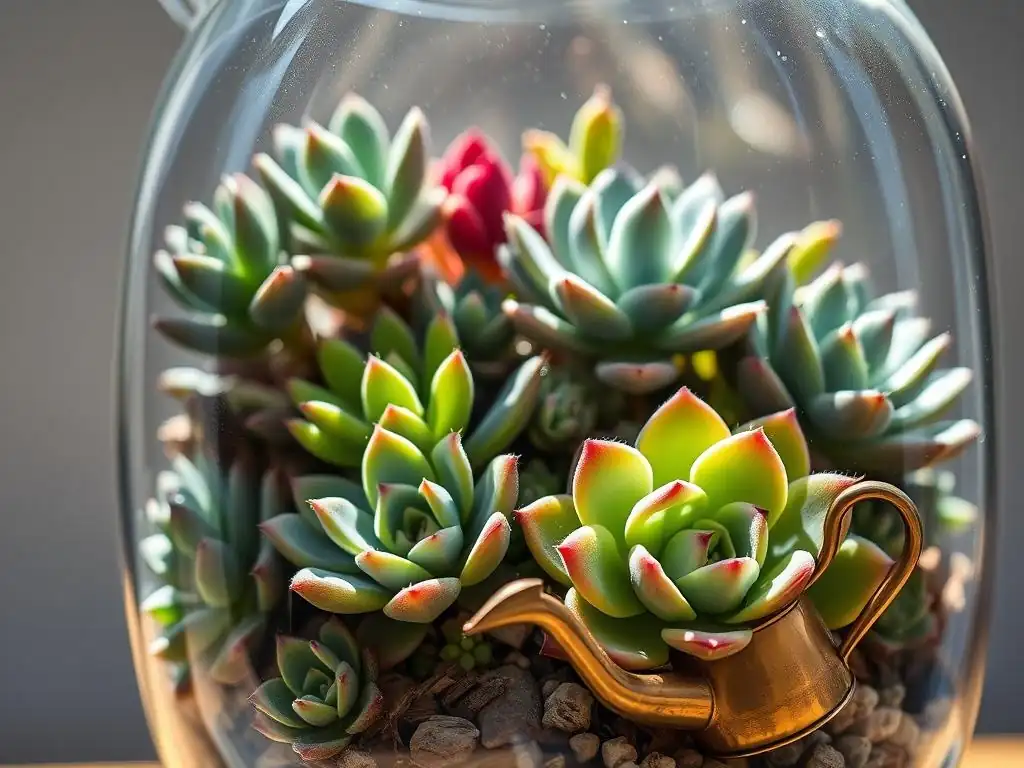
Welcome to SucculentEssentials.org, your gateway to the fascinating world of succulents! Are you ready to unlock the secrets to thriving succulent gardens? We'll guide you through everything from basic care to advanced techniques, including stunning arrangement ideas. But first, let's tackle a crucial element: mastering the art of Terrarium succulent watering. Dive into our expert Terrarium succulent watering guide and discover how to maintain the perfect balance for your miniature succulent oasis. Prepare to be amazed by what you can achieve!
- Understanding Terrarium Environments & Succulent Watering Needs
-
Terrarium Succulent Watering Guide: A Step-by-Step Approach
- Assessing Your Terrarium's Moisture Level Using a Moisture Meter
- Choosing the Right Watering Method: Top vs. Bottom Watering
- The Importance of Using Filtered Water for Terrarium Succulents
- Watering Frequency: A Seasonal Guide for Different Succulent Species
- Watering Techniques for Open vs. Closed Terrariums
- Preventing Common Watering Mistakes in Terrariums
- Advanced Terrarium Succulent Watering Techniques
-
Maintaining a Thriving Terrarium Ecosystem Through Proper Watering
- Long-term Watering Strategies for Healthy Succulents: A Seasonal Approach
- Observing Your Plants: Key Indicators of Watering Needs: Leaf Appearance and Soil Condition
- Adapting Your Watering Routine Based on Seasonal Changes and Plant Growth Stages
- Troubleshooting Common Terrarium Watering Problems: Root Rot and Leaf Drop Solutions
- Frequently Asked Questions
- Final Reflection: The Delicate Dance of Life in Glass
- Unveil Your Thriving Terrarium: Take Action Today!
Understanding Terrarium Environments & Succulent Watering Needs
Maintaining a thriving succulent terrarium requires a delicate balance, particularly when it comes to watering. Unlike succulents planted outdoors, those in terrariums exist within a unique microclimate significantly impacting their hydration needs. This guide provides a comprehensive "Terrarium succulent watering guide," focusing on understanding the specific environmental factors and recognizing the signs of both overwatering and underwatering to ensure your succulents flourish.
We'll explore the crucial aspects of watering succulents within the contained environment of a terrarium, helping you achieve that perfect balance between sufficient moisture and preventing root rot. This detailed approach will empower you to confidently care for your miniature succulent ecosystems. Let's delve into the specifics!
The Unique Microclimate of a Closed Terrarium
A closed terrarium creates a humid environment unlike anything succulents experience outdoors. The enclosed space traps moisture released through the soil and plant transpiration, leading to significantly higher humidity levels compared to open air. This increased humidity reduces the rate of evaporation from the soil, meaning your succulents will absorb water more slowly and retain moisture for longer periods. Consequently, you'll need to adjust your watering schedule accordingly.
Overwatering is a common problem in closed terrariums because the soil remains moist for extended durations. The constant dampness can quickly lead to root rot, a fatal condition for succulents. Understanding this unique microclimate is paramount to successful succulent terrarium cultivation. Careful observation and a less frequent watering schedule are key to preventing problems.
How Humidity Affects Succulent Watering Frequency
Humidity plays a crucial role in determining how often you need to water your terrarium succulents. In a closed terrarium with high humidity, the soil will stay moist for a much longer time than it would in an open environment. This means you'll need to water less frequently, perhaps only every few weeks or even less depending on the size of your terrarium, the type of succulents, and the ambient temperature. Conversely, in an open terrarium, or one with increased ventilation, the humidity levels will be lower, requiring more frequent watering, potentially every one to two weeks.
Monitoring the moisture level of your soil is vital. Avoid watering on a strict schedule; instead, gauge the need based on the dryness of the topsoil. A moisture meter can be a helpful tool in this process. Remember, it's always better to underwater than overwater succulents.
Identifying Signs of Overwatering and Underwatered Succulents
Recognizing the signs of overwatering and underwatering is critical for maintaining healthy succulents in your terrarium. Overwatering manifests as mushy, discolored leaves, often accompanied by a foul odor from the soil. The roots may become brown and soft, indicating rot. In contrast, underwatered succulents exhibit shriveled, wrinkled leaves, appearing dry and brittle. Their leaves might also change color, becoming pale or dull.
Early detection is key to addressing these issues. For overwatering, you might need to carefully remove the affected succulents, allow the soil to dry thoroughly, and possibly repot them in fresh, well-draining soil. For underwatering, simply provide a thorough watering, ensuring the water drains well. Regularly checking your succulents for these signs will allow you to intervene promptly and prevent serious damage. Careful observation is your best tool in maintaining the health and vitality of your terrarium succulents.
Terrarium Succulent Watering Guide: A Step-by-Step Approach
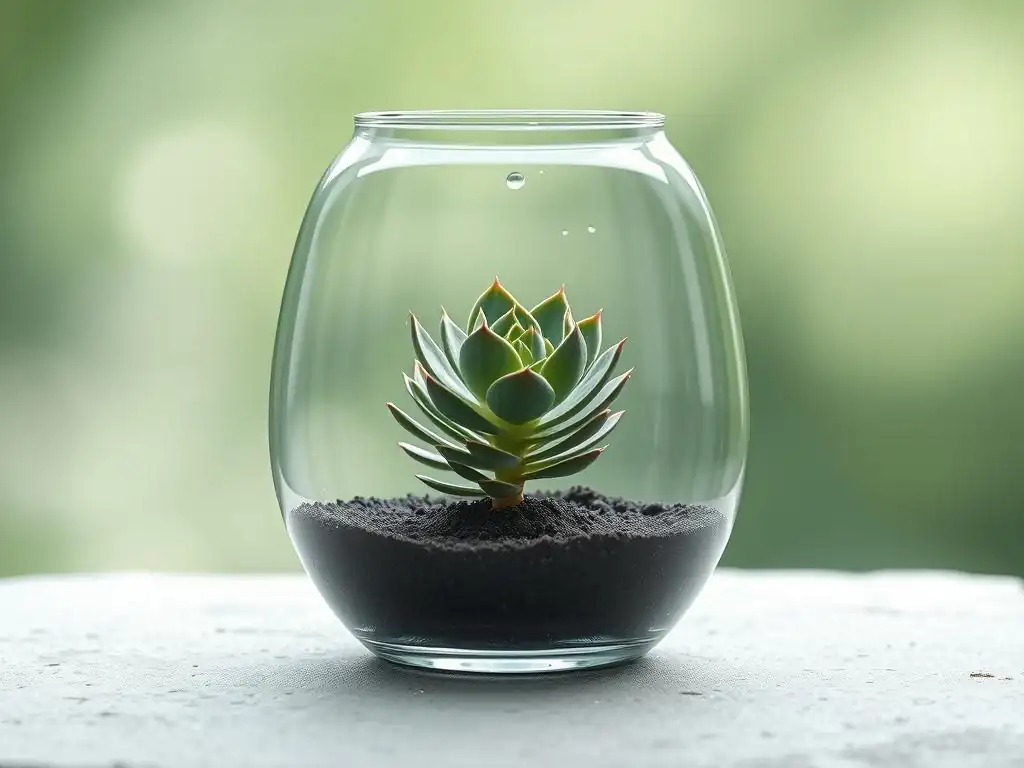
This section provides a comprehensive guide to watering succulents within a terrarium environment, crucial for maintaining a thriving and healthy miniature ecosystem. Proper watering techniques are paramount for preventing overwatering, a common cause of succulent root rot and demise in terrariums. This guide will equip you with the knowledge and skills to achieve the perfect balance, ensuring your succulent terrarium flourishes. We will cover assessing moisture levels, selecting the best watering method, and understanding the importance of water quality. Mastering these techniques is key to successful terrarium succulent care.
Assessing Your Terrarium's Moisture Level Using a Moisture Meter
Accurately determining the moisture level in your terrarium is critical before watering. Visual inspection alone can be misleading; the surface may appear dry while the soil deeper down retains significant moisture. A moisture meter provides a precise measurement, eliminating guesswork and preventing overwatering.
Several types of moisture meters are available, from simple analog probes to more sophisticated digital models. Regardless of the type, the process is similar:
- Gently insert the probe into the soil, avoiding contact with the succulents themselves. Try to insert it in several locations within the terrarium to get a more representative reading.
- Observe the reading. Most meters use a scale, often ranging from "dry" to "wet," or providing a numerical percentage of moisture.
- Interpret the reading. A reading indicating "dry" or a low percentage suggests it's time to water. Readings in the "moist" range indicate the soil still has sufficient moisture.
Remember, the ideal moisture level will vary based on factors such as terrarium size, the type of succulent, the potting mix used, and the ambient temperature and humidity. Regular monitoring with a moisture meter allows you to develop a feel for your specific terrarium's needs. Consistent monitoring is a vital aspect of your terrarium succulent watering guide.
Choosing the Right Watering Method: Top vs. Bottom Watering
Two primary methods exist for watering terrarium succulents: top watering and bottom watering. Each possesses advantages and disadvantages, and the optimal choice depends on your specific setup and the type of succulents housed within.
- Top Watering: This involves gently pouring water directly onto the soil surface, mimicking natural rainfall. It's a straightforward method but carries a higher risk of overwatering, especially in poorly draining terrariums. Water should be poured slowly to allow for proper absorption and avoid runoff. Excess water should be discarded to prevent waterlogging.
- Bottom Watering: This involves placing the entire terrarium in a shallow dish of water and allowing the soil to absorb moisture from the bottom up. This method ensures even hydration and minimizes the risk of overwatering, making it particularly suitable for terrariums with densely packed succulents or poor drainage. The terrarium should be left in the water for approximately 15-30 minutes, or until the top layer of soil feels moist.
| Watering Method | Advantages | Disadvantages | Suitable for |
|---|---|---|---|
| Top Watering | Simple, quick | Risk of overwatering, uneven moisture distribution | Terrariums with good drainage, less dense plantings |
| Bottom Watering | Even moisture distribution, less overwatering | Slower, requires more attention | Terrariums with poor drainage, dense plantings |
Careful observation and adjustment based on your terrarium's specific needs are key to successful watering, regardless of the method chosen. This is a fundamental part of any comprehensive terrarium succulent watering guide.
The Importance of Using Filtered Water for Terrarium Succulents
The quality of water used for watering terrarium succulents significantly impacts their health and longevity. Tap water often contains minerals, chlorine, and fluoride that can accumulate in the soil and potentially harm sensitive succulent roots. These mineral salts can lead to soil buildup, impacting drainage and potentially causing root rot.
Using filtered water, such as distilled or rainwater (collected in a clean container), helps to avoid these problems. Filtered water is free from harmful chemicals and excess minerals, providing a gentler and healthier watering solution. Rainwater, in particular, naturally mimics the water succulents would receive in their natural environment. The use of filtered water is a crucial element of a thorough terrarium succulent watering guide, often overlooked. 💧 Remember, consistent attention to detail, from water source to watering technique, is critical for the long-term health and beauty of your terrarium succulents.
Watering Frequency: A Seasonal Guide for Different Succulent Species
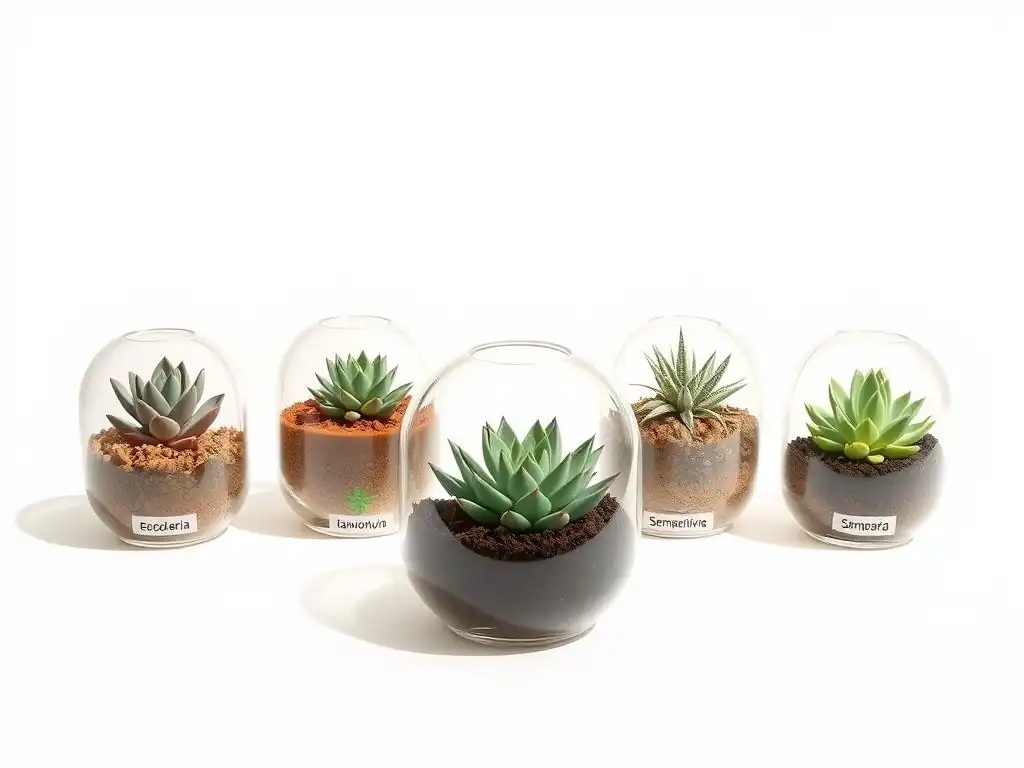
The frequency of watering your terrarium succulents depends heavily on several factors: the type of succulent, the size and type of terrarium (open or closed), the season, and the ambient temperature and humidity. There's no one-size-fits-all answer, but understanding these variables is crucial for a thriving terrarium.
For example, Echeveria species, known for their rosette shapes, generally require less frequent watering than Sedum, which often tolerate more moisture. During the warmer months (spring and summer), most succulents will need watering more often, perhaps every 1-2 weeks, depending on the environment. However, during the dormant period (fall and winter), watering should be significantly reduced; some succulents might only need watering once a month or even less, especially if the terrarium is in a cool, low-light location. Always check the soil moisture before watering; if it's still damp, hold off.
Remember that overwatering is a much more common problem than underwatering when it comes to terrarium succulents. Soggy soil leads to root rot, a common cause of succulent death. Observe your plants closely. Signs of underwatering include shriveled leaves, while overwatering manifests as mushy, decaying leaves and stems. Adjust your watering schedule based on your observations and the specific needs of your succulent species. A good rule of thumb is to let the top inch or two of soil dry out completely before watering again.
Creating a detailed watering schedule tailored to your specific terrarium and its inhabitants is key to long-term success. Consider keeping a watering log to track your watering frequency and observe the response of your plants. This will help you refine your technique over time and prevent common watering mistakes. Don't be afraid to experiment slightly, adjusting your schedule as needed to find what works best for your unique terrarium environment.
Watering Techniques for Open vs. Closed Terrariums
The method of watering differs significantly between open and closed terrariums. Open terrariums, with their greater exposure to air circulation, dry out much faster than closed terrariums. Consequently, they'll require more frequent watering. Watering an open terrarium typically involves carefully pouring water onto the soil, avoiding getting the leaves excessively wet to prevent rot. Ensure the water drains freely from the drainage holes at the bottom of the container. Allow any excess water to drain completely to avoid waterlogging.
Closed terrariums, on the other hand, create a more humid microclimate. The sealed environment slows down the drying process, meaning watering is needed less frequently. Overwatering a closed terrarium is a significant risk, as the trapped moisture can lead to fungal growth and root rot. When watering a closed terrarium, use a small watering can with a fine rose to gently mist the soil surface. Avoid overwatering; a light misting is usually sufficient. Monitor the humidity levels within the terrarium; condensation on the glass is a sign of high humidity, indicating that watering is not necessary.
Important Considerations:
Regardless of the type of terrarium, always use lukewarm water to avoid shocking the plants. Avoid using tap water directly; let it sit overnight to allow chlorine and other chemicals to dissipate. Consider using filtered or distilled water for optimal results. Regularly inspect your terrarium for signs of pests or diseases, and address any issues promptly.
Choosing the right watering technique is essential for maintaining a healthy and thriving succulent terrarium. Understanding the differences in watering needs between open and closed systems, along with careful observation of your plants, will help you achieve the perfect balance of moisture for your miniature succulent garden. Remember, prevention is key; consistent monitoring and careful watering are the best ways to prevent common terrarium problems and ensure the longevity of your succulents.
Preventing Common Watering Mistakes in Terrariums
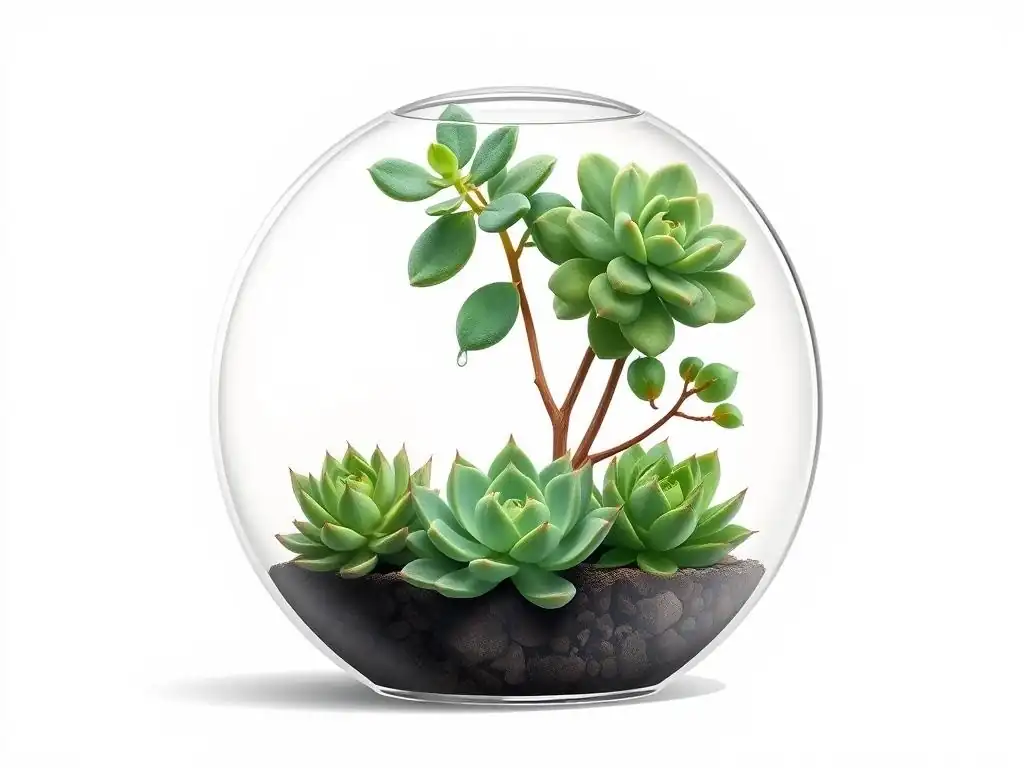
This section focuses on preventing common watering mistakes that can lead to the demise of your precious terrarium succulents. A terrarium's enclosed environment presents unique challenges compared to open-air succulent cultivation. Understanding these nuances is crucial for maintaining a thriving miniature garden. This "Terrarium succulent watering guide" will equip you with the knowledge to avoid common pitfalls and promote healthy growth.
Avoiding Overwatering: Recognizing Soggy Soil and Yellowing Leaves
Overwatering is the most frequent culprit in terrarium succulent failure. Unlike their outdoor counterparts, terrarium succulents lack the benefit of rapid evaporation. Excess moisture leads to root rot, a devastating condition characterized by mushy, brown roots that can quickly spread throughout the plant. The telltale signs are often subtle at first. Pay close attention to these key indicators:
- Soggy Soil: The soil should never remain consistently wet. Feel the soil's moisture level; if it feels waterlogged or heavy, you've likely overwatered. Properly watered soil will feel slightly damp but not saturated.
- Yellowing Leaves: Yellowing leaves, particularly at the base of the plant, are a clear warning sign of overwatering. The leaves may also become translucent or soft.
- Leaf Drop: Premature leaf drop is another indicator that your succulents are struggling with excess moisture. The plant is essentially discarding its leaves to conserve energy.
Remember, it's always better to underwater than overwater succulents. Allow the soil to dry out completely between waterings, especially during the cooler months. Consider using a moisture meter to monitor soil conditions accurately. This will remove the guesswork and help you avoid the common mistake of overwatering.
Dealing with Underwatered Succulents: Signs of Shriveled Leaves and Soil
While overwatering is detrimental, underwatering also poses a significant threat to terrarium succulents. Underwatering leads to dehydration, causing the plants to shrivel and potentially die. Recognizing the signs of underwatering is essential for timely intervention:
- Shriveled Leaves: The most noticeable sign is shriveled or wrinkled leaves. The leaves will lose their plumpness and become noticeably thinner.
- Dry Soil: The soil will be completely dry to the touch, often appearing cracked or powdery.
- Leaf Color Changes: Leaves may turn pale, dull, or even brown at the tips or edges.
If you notice these symptoms, gently water the terrarium until the soil is evenly moist. Avoid overcompensating; a thorough, but not excessive, watering is key. It's crucial to monitor the soil moisture regularly to prevent future underwatering incidents. Consider adjusting your watering schedule based on environmental conditions, such as temperature and humidity. Proper airflow within the terrarium is also important to prevent overly dry conditions.
Maintaining Proper Drainage Using Gravel and Charcoal Layers
Proper drainage is paramount in preventing both overwatering and underwatering issues within a terrarium. Creating a good drainage layer is a proactive measure to ensure your succulents thrive. Here's how:
- Gravel Layer: Begin by placing a layer of small gravel or pebbles at the bottom of your terrarium. This layer acts as a reservoir for excess water, preventing the soil from becoming waterlogged.
- Charcoal Layer: Add a layer of activated charcoal above the gravel. Charcoal helps to absorb excess moisture and prevents the growth of harmful bacteria and fungi, thus improving the overall health of your terrarium.
The thickness of both layers will depend on the size of your terrarium. A general guideline is a layer of gravel approximately 1-2 cm deep, followed by a thinner layer of charcoal (about 0.5-1 cm). This simple setup creates an environment where excess water drains away, preventing the soil from becoming overly saturated and promoting healthy root growth. This is a critical step in creating a successful and long-lasting terrarium ecosystem, enhancing your "Terrarium succulent watering guide" knowledge.
The Role of Ventilation in Preventing Rot and Mold Growth
Proper ventilation is paramount in a terrarium environment, acting as a crucial defense against the dreaded rot and mold that can quickly decimate your succulent collection. Stagnant air, heavy with moisture, creates the perfect breeding ground for harmful fungi and bacteria. These microorganisms thrive in damp, dark conditions, readily attacking the succulent's leaves and roots, leading to irreversible damage and potentially the loss of the entire plant.
Unlike succulents planted outdoors, those in a terrarium are enclosed, limiting natural airflow. This enclosed environment can significantly increase humidity levels, especially after watering. The lack of air circulation prevents the rapid evaporation of excess moisture, creating a perpetually damp atmosphere that encourages rot. Symptoms of this often include mushy, discolored leaves, a foul odor emanating from the soil, and the appearance of fuzzy white or black mold on the soil surface or the plant itself.
To combat this, adequate ventilation is key. This doesn't necessarily mean leaving the terrarium completely open; rather, it involves creating controlled airflow to allow for the dissipation of excess moisture without compromising the humidity levels necessary for succulent survival. This can be achieved through several methods.
Small vents strategically placed in the terrarium lid or sides can allow for a slow, gentle exchange of air. Alternatively, using a terrarium with a slightly loose-fitting lid can provide sufficient ventilation. Remember, the goal is to create a balance – enough airflow to prevent rot, but not so much that the terrarium becomes overly dry and desiccated.
Regularly monitoring the humidity levels within the terrarium, using a hygrometer, can help you fine-tune the ventilation to achieve this delicate balance. The type of terrarium material can also play a role; glass terrariums, while aesthetically pleasing, often require more attention to ventilation compared to terrariums made from materials with better air permeability.
Advanced Terrarium Succulent Watering Techniques
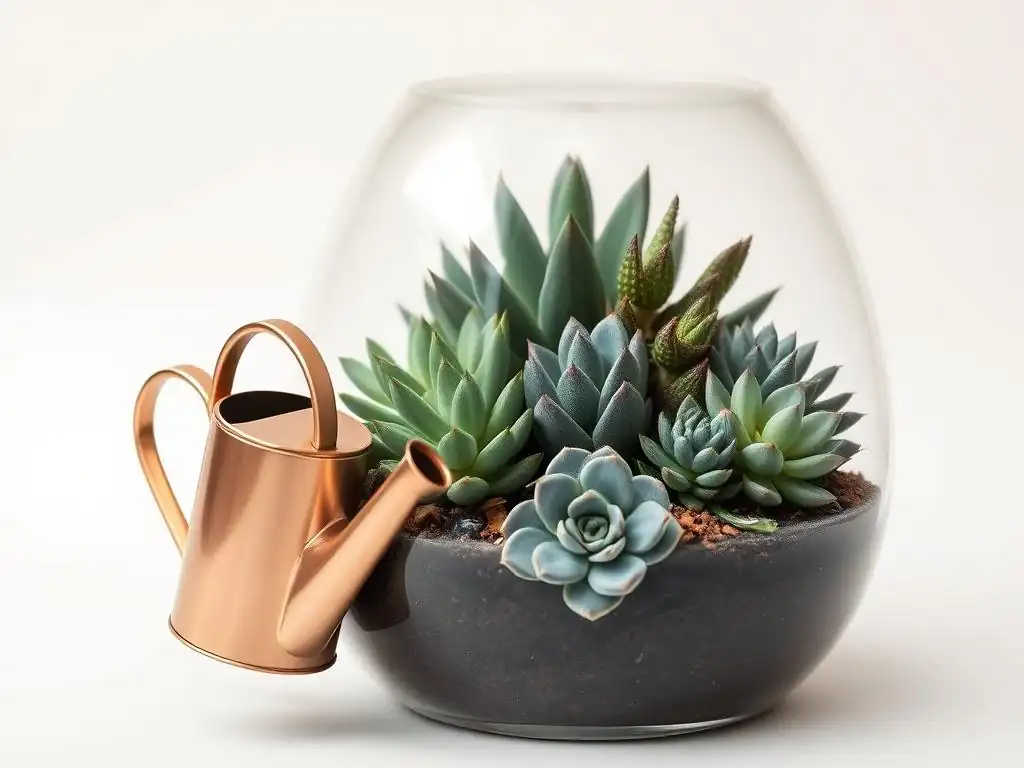
This section delves into more nuanced approaches to watering succulents within a terrarium environment, moving beyond the basics and addressing specific techniques for optimal plant health. Mastering these techniques is crucial for preventing overwatering, a common pitfall in terrarium cultivation, and ensuring the longevity and vibrancy of your succulent collection. We'll explore methods that offer greater control and precision, allowing you to cater to the unique needs of individual plants within your miniature ecosystem. This detailed Terrarium succulent watering guide will empower you to become a true succulent terrarium expert.
Bottom Watering for Terrariums Using a Tray
Bottom watering is a highly effective method for delivering water directly to the roots of your terrarium succulents while minimizing the risk of leaf rot or stem damage. This technique is particularly beneficial for terrariums with densely packed plants or those featuring delicate species.
Instead of pouring water directly onto the soil surface, you'll utilize a tray filled with a shallow layer of water. The water is then absorbed by the soil through the drainage holes at the base of the planter. This gradual absorption allows the soil to become evenly moistened from the bottom up.
Here’s how to perform bottom watering effectively:
- Choose your tray: Select a tray slightly larger than your terrarium's base. Ensure it's watertight and clean.
- Add water: Pour a small amount of water into the tray – approximately ½ inch to 1 inch deep. The water level should be below the bottom of the terrarium pot.
- Place the terrarium: Carefully place your terrarium onto the tray, allowing the drainage holes to come into contact with the water.
- Monitor the water level: Check the water level regularly. The goal is for the soil to absorb the water gradually over a period of time, not to create a saturated environment. Replenish the water as needed.
- Remove excess water: After a few hours, or when the soil appears adequately moist, remove the terrarium from the tray and discard any remaining water. This prevents the roots from sitting in standing water, which can lead to root rot.
This method provides a more controlled watering approach, allowing you to tailor the watering duration based on the soil's moisture level and the specific needs of your succulents. Remember, it's always better to underwater than to overwater your succulents. This is especially important when dealing with the sensitive roots of many terrarium species.
Using a Spray Bottle for Gentle Misting of Specific Plants
For particularly sensitive succulents or those showing signs of slight dehydration, a spray bottle provides a gentle and targeted watering solution. This method allows for precise application of water, avoiding overwatering surrounding plants.
Using a spray bottle filled with room-temperature water, you can lightly mist individual plants or specific areas within the terrarium. This is especially useful for succulents with fine hairs or delicate leaves, which can be easily damaged by direct watering.
However, misting should be used sparingly, as it primarily addresses surface moisture and doesn't deeply hydrate the root system. It's best suited as a supplementary watering technique, not a primary one. Always avoid misting in the evenings, to minimize the risk of fungal growth due to damp leaves overnight. Observe the plants closely for any signs of improvement or further moisture needs. Using a spray bottle correctly requires observation and practice, but the results are worth the effort.
Adjusting Watering Based on Species: Echeveria vs. Sedum Watering Needs
Different succulent species have varying water requirements. Understanding these differences is crucial for successful terrarium cultivation. For example, Echeveria succulents generally require less frequent watering than Sedum succulents.
Echeverias, known for their thick, fleshy leaves, are more drought-tolerant and store water efficiently in their leaves. Overwatering can lead to rot and leaf damage. They often prefer to dry out almost completely between waterings.
Sedums, on the other hand, tend to have thinner leaves and may require slightly more frequent watering. However, even Sedums are still susceptible to overwatering, so careful monitoring of soil moisture is still necessary. Observe the soil closely; when the top inch or two is dry to the touch, it's time to water.
The key is to observe your plants closely. Monitor the soil moisture level, the plant’s appearance (wilting or plumpness), and adjust your watering schedule accordingly. This attentive approach, combined with the techniques discussed above, will contribute to the overall health and beauty of your terrarium succulents. Remember, consistent observation is key to maintaining a thriving terrarium ecosystem. Always prioritize careful observation over a strict schedule. 🌱
Monitoring Soil Moisture with a Moisture Meter and Adjusting Watering Schedule
Using a moisture meter is a game-changer for mastering the art of terrarium succulent watering. These handy tools eliminate guesswork, allowing for precise monitoring of soil moisture levels. Instead of relying on visual cues which can be misleading, a moisture meter provides a numerical reading, indicating whether the soil is dry, moist, or wet. This is especially crucial in terrariums, where the enclosed environment can mask signs of dryness or overwatering.
Different moisture meters exist, ranging from simple analog probes to more sophisticated digital models with multiple readings. Regardless of the type you choose, the principle remains the same: insert the probe into the soil, avoiding contact with the sides of the pot or the plant itself, and take a reading. Compare this reading to the manufacturer's instructions to determine the optimal moisture level for your succulents.
Remember that different succulents have different water requirements; some prefer consistently moist soil, while others thrive in drier conditions. Research the specific needs of the succulents in your terrarium to calibrate your watering schedule effectively.
Regular monitoring allows you to adjust your watering schedule accordingly. For instance, if you consistently find the soil is drier than ideal, you may need to increase the frequency of watering, perhaps by a day or two. Conversely, if the soil remains consistently wet, you may need to space out your watering sessions, allowing the soil to dry out more completely between waterings.
This prevents root rot, a common problem in overwatered terrariums. The key is to develop a routine of checking moisture levels and adjusting your approach based on the readings, creating a personalized watering schedule tailored to your specific terrarium's needs and the type of succulents it contains. Remember to always err on the side of underwatering, as succulents are far more tolerant of dryness than excess moisture.
Consistent monitoring with a moisture meter is the best way to achieve this delicate balance and ensure the long-term health and vibrancy of your terrarium succulents. This approach is crucial for maintaining a thriving terrarium ecosystem and minimizes the risk of common terrarium succulent problems.
Maintaining a Thriving Terrarium Ecosystem Through Proper Watering
A terrarium creates a unique microclimate, demanding a nuanced approach to succulent watering compared to open-air cultivation. The enclosed environment increases humidity and slows down evaporation, significantly altering the watering frequency required. Overwatering is a common mistake in terrariums, leading to root rot and plant demise.
This section provides a comprehensive guide to maintaining the delicate balance of moisture within your terrarium, ensuring the long-term health and vibrancy of your succulent collection. Understanding the nuances of terrarium succulent watering is key to becoming a successful terrarium gardener. This detailed Terrarium succulent watering guide will equip you with the knowledge to avoid common pitfalls and cultivate a thriving miniature desert landscape.
Long-term Watering Strategies for Healthy Succulents: A Seasonal Approach
Maintaining healthy succulents in a terrarium requires a seasonal approach to watering. During the warmer months (spring and summer), increased sunlight and higher temperatures accelerate evaporation and plant growth. This necessitates more frequent, but still moderate, watering. Aim for watering when the top inch of soil feels completely dry. Avoid saturating the soil, as excessive moisture can lead to fungal growth and root rot. Remember, it's better to underwater slightly than to overwater.
In contrast, during the cooler months (autumn and winter), succulents enter a period of dormancy. Their metabolic rate slows, and their water requirements decrease dramatically. Watering should be significantly reduced, perhaps to once a month or even less, depending on the environment and the type of succulents housed within the terrarium. Always check the soil moisture before watering; only water when the soil is almost completely dry. Overwatering during dormancy is particularly detrimental and can easily kill your precious plants.
Here's a helpful table summarizing a seasonal watering schedule:
| Season | Watering Frequency | Soil Moisture Check | Additional Notes |
|---|---|---|---|
| Spring | Every 1-2 weeks | Top inch dry | Increase frequency with increased sunlight exposure |
| Summer | Every 1-2 weeks (possibly more) | Top inch dry | Monitor closely for signs of overwatering |
| Autumn | Every 2-4 weeks | Almost completely dry | Reduce frequency gradually |
| Winter | Every 4-6 weeks or less | Almost completely dry | Minimal watering is key during dormancy |
Observing Your Plants: Key Indicators of Watering Needs: Leaf Appearance and Soil Condition
Careful observation of your succulents is crucial for determining their watering needs. Several tell-tale signs indicate whether your plants need a drink or if they're suffering from overwatering.
- Leaf Appearance: Shriveled, wrinkled, or soft leaves often indicate underwatering. Conversely, mushy, translucent, or discolored leaves suggest overwatering. Pay close attention to the changes in your succulents’ leaves. They are a clear indicator of their health and hydration levels. Healthy, plump leaves are a sign of a well-balanced watering routine.
- Soil Condition: The soil's moisture content is another key indicator. Stick your finger about an inch into the soil. If it feels completely dry, it's time to water. If it's still damp or wet, wait before watering again. Avoid constantly checking the soil as this could disrupt the delicate balance within your terrarium.
Remember: Prevention is better than cure. Regular observation and a proactive watering approach will help you maintain a thriving terrarium ecosystem. Don't wait until your succulents show extreme signs of stress before adjusting your watering routine.
Adapting Your Watering Routine Based on Seasonal Changes and Plant Growth Stages
Your terrarium's watering needs will also change based on the growth stage of your succulents. During periods of active growth (typically spring and summer), your plants will require more frequent watering to support their increased metabolic activity. However, even during active growth, it’s crucial to avoid overwatering. The best approach is to water thoroughly but infrequently, allowing the soil to dry out completely between waterings.
As your succulents mature, their water requirements may also change slightly. Larger, more established plants will generally need more water than smaller, younger plants. Always observe your individual plants closely and adjust your watering schedule accordingly. Keep a detailed watering log to track your watering schedule and the response of your plants.
This will help you refine your watering technique over time and develop a successful long-term strategy for maintaining your terrarium. Remember, consistency and observation are key to success in terrarium succulent care. By following these guidelines, you'll be well on your way to creating a thriving and beautiful succulent terrarium that you can enjoy for years to come.
Troubleshooting Common Terrarium Watering Problems: Root Rot and Leaf Drop Solutions
Root rot and leaf drop are two common problems encountered by succulent terrarium enthusiasts. These issues often stem from improper watering techniques, leading to a less-than-thriving terrarium ecosystem. Understanding the causes and implementing effective solutions is crucial for maintaining healthy succulents. Let's delve into these issues in detail.
Root rot, a devastating fungal disease, occurs when succulent roots remain excessively wet for prolonged periods. The constant moisture creates a breeding ground for fungi, which attack the roots, preventing them from absorbing essential nutrients and water. Symptoms of root rot include mushy, brown roots, wilting leaves even after watering, and a foul odor emanating from the soil. Prevention is key; ensure your terrarium has adequate drainage, using a well-draining potting mix specifically formulated for succulents.
Avoid overwatering, allowing the soil to dry out completely between waterings. If root rot is detected, it's often difficult to save the affected plant. However, you can try removing the affected plant, carefully cleaning the roots, and repotting it in fresh, dry soil. Proper sanitation of the terrarium is crucial to prevent reinfection.
Leaf drop, another common problem, manifests as succulents shedding their leaves. While sometimes a natural process, excessive leaf drop often signals underlying issues. Overwatering is a primary culprit, as it can lead to root rot which, in turn, causes the plant to shed leaves in an effort to conserve energy. Underwatering can also cause leaf drop, but this usually results in shriveled leaves before they fall off.
Other factors contributing to leaf drop include temperature fluctuations, insufficient light, and pests. To address leaf drop, first assess the watering frequency. Adjust your watering schedule to allow the soil to dry out thoroughly. Ensure your terrarium receives adequate sunlight and maintain a consistent temperature.
Regular inspection for pests is also vital. Treating any pest infestations promptly can prevent further damage and leaf loss. Remember, a healthy root system is fundamental to preventing leaf drop. A balanced watering routine and a well-draining potting mix are your best allies in maintaining healthy succulent foliage.
Addressing these issues requires a proactive approach. Regular monitoring of your terrarium's environment and your succulents' health is essential. By paying close attention to the soil moisture, leaf condition, and overall plant vigor, you can identify potential problems early and take corrective action before they escalate. A proactive approach, coupled with the right techniques, will ensure your terrarium remains a vibrant and thriving display of succulent beauty. Careful observation and consistent care will ultimately lead to a lush and healthy terrarium.
Frequently Asked Questions
How often should I water my succulent terrarium?
This depends on several factors including size of the terrarium, type of succulents, and environmental conditions. Generally, less is more; wait until the soil is completely dry before watering again. Overwatering is a common problem leading to rot.
What are the signs of overwatering in a succulent terrarium?
Look for mushy or discolored leaves, a foul odor from the soil, and excess condensation on the inside of the glass. Addressing these issues promptly is crucial for plant health.
How do I water my succulent terrarium properly?
Water thoroughly until water drains from the drainage holes (if present). Avoid getting the leaves wet, as this can lead to rot. Allow excess water to drain completely before returning the terrarium to its location.
What type of water is best for succulent terrariums?
Use filtered or distilled water to avoid introducing minerals and chlorine that can harm your succulents. Tap water can sometimes contain salts that build up in the soil over time.
My succulent terrarium is drying out too quickly. What can I do?
Consider the size and type of your terrarium, as well as its location. A smaller terrarium will naturally dry out faster than a larger one. Relocating it to a cooler, shadier spot might help.
Final Reflection: The Delicate Dance of Life in Glass
The art of terrarium cultivation, specifically nurturing succulents within these miniature ecosystems, demands a nuanced understanding far beyond simple watering schedules. Ignoring this delicate balance can lead to the demise of your thriving miniature world, highlighting the crucial role of observation and adaptation in successful plant care. The seemingly simple act of watering becomes a profound act of stewardship, mirroring the larger responsibility we have towards our environment.
Creating and maintaining a thriving terrarium has been a deeply rewarding experience for me, teaching patience, observation, and a profound respect for the interconnectedness of life. The glory of gardening: hands in the dirt, head in the sun, heart with nature. To nurture a garden is to feed not just the body, but the soul.
This quote perfectly encapsulates the meditative and fulfilling nature of this hobby, and the importance of understanding the unique needs of each plant within the contained environment. The ongoing learning process, adapting watering techniques based on environmental factors and the specific needs of the succulents, is a testament to the dynamic nature of this art form.
You, too, can experience the joy and tranquility of a flourishing terrarium. Take the time to observe your plants closely, understanding their subtle cues of thirst or overwatering. Don't be afraid to experiment (within reason! ), adapting your watering techniques based on your specific environment and the unique characteristics of your succulents. Remember, the journey of creating and maintaining a thriving terrarium is a continuous learning process, a testament to your dedication and a source of ongoing satisfaction. Embrace the challenge, and watch your miniature world flourish.
Unveil Your Thriving Terrarium: Take Action Today!
Congratulations on taking the first steps into the fascinating world of succulent terrarium care! You've now learned the essential techniques for keeping your miniature desert garden thriving. Ready to put your new knowledge into practice?
- Prioritize proper watering: Follow your carefully planned watering schedule, paying close attention to your succulents' needs. Consistent, mindful watering is crucial for a thriving terrarium.
- Share your success! Snap a photo of your beautiful terrarium and share it on social media using #SucculentEssentials – let's build a supportive community of fellow succulent enthusiasts.
- Continue your learning journey! Explore our comprehensive resources at SucculentEssentials.org to discover even more tips and tricks for succulent care. You might be surprised by the wealth of information available.
Now, tell us: What aspect of succulent terrarium care will you prioritize to ensure your miniature garden remains healthy and vibrant?