
The Secret Weapon: How to Use Division to Revitalize Overcrowded Succulents

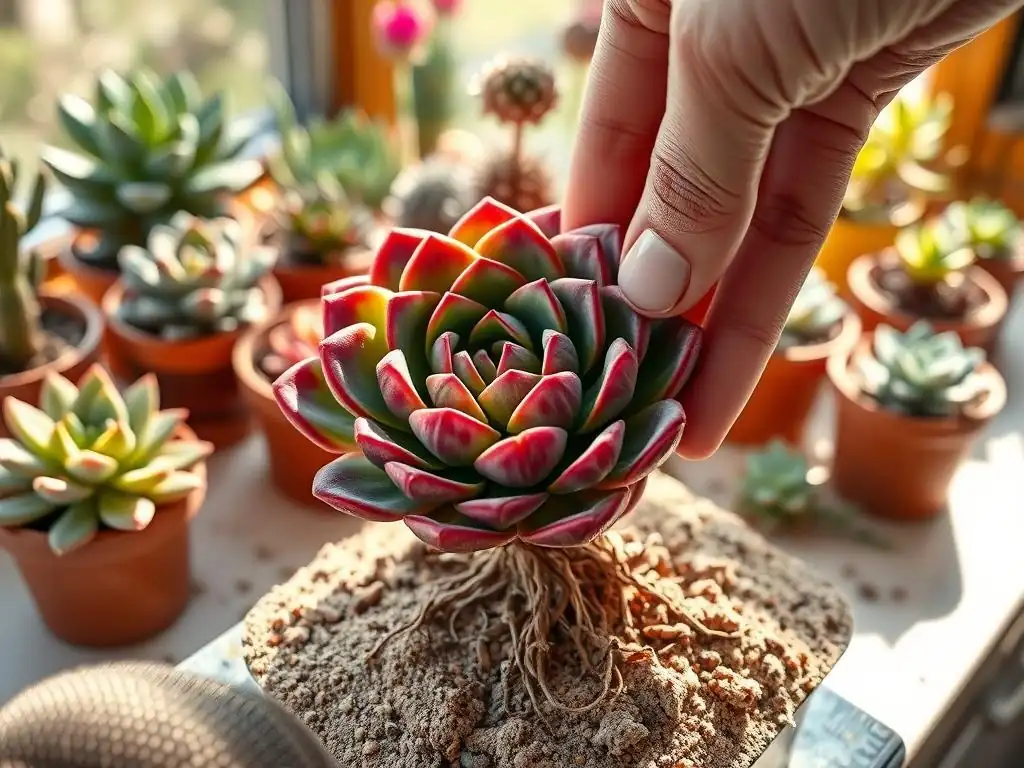
Welcome to SucculentEssentials.org, your gateway to the captivating world of succulents! Are your beloved succulents bursting at the seams? Discover the secret weapon to rejuvenate your overcrowded plants and unlock their full potential. Learn how to easily divide overcrowded succulents and unlock a whole new level of succulent success. Dive in and uncover the simple techniques that will transform your collection!
- Recognizing the Need to Divide Overcrowded Succulents
- Preparing for Succulent Division: A Step-by-Step Guide
- Dividing Overcrowded Succulents: Techniques and Methods
- Repotting Divided Succulents for Optimal Growth
- Troubleshooting Common Problems After Division
- Tips for Success: Ensuring the Long-Term Health of Divided Succulents
- Beyond Division: Other Propagation Methods for Succulents
- Frequently Asked Questions
- Final Reflection: The Enduring Power of Division in Succulent Care
- Rediscover Your Thriving Succulents: Give Them Space to Grow!
Recognizing the Need to Divide Overcrowded Succulents
Overcrowded succulents, while visually appealing in their dense clusters, often suffer silently. This article will reveal the subtle – and not-so-subtle – signs that your beloved succulents are yearning for some space. We'll explore how to identify overcrowding, understand its negative impacts on plant health, and most importantly, learn how to easily divide your overcrowded succulents to revitalize them and encourage robust growth. Mastering the art of succulent division is a crucial skill for any succulent enthusiast, ensuring the long-term health and beauty of your collection.
This guide will empower you to tackle overcrowded succulents with confidence, transforming struggling plants into thriving specimens. Learn to spot the warning signs early, preventing potential problems and ensuring your succulents flourish. By the end of this article, you'll be proficient in dividing overcrowded succulents, a technique crucial for maintaining a healthy and vibrant succulent garden – easily!
Signs of Overcrowding in Succulent Plants
Overcrowding in succulents manifests in several ways. It's not always immediately obvious, so keen observation is key. Look for these telltale signs:
- Stunted Growth: Succulents that are cramped for space often exhibit significantly stunted growth compared to their healthier, more spacious counterparts. Their leaves might be smaller than usual, and the overall plant size remains diminutive.
- Yellowing or Browning Leaves: Nutrient competition amongst overcrowded succulents can lead to nutrient deficiencies, resulting in yellowing or browning of the lower leaves. This is a clear indication that the root system is struggling to access sufficient resources.
- Leggy Growth: In an attempt to reach for sunlight, overcrowded succulents may exhibit leggy growth, with elongated stems and sparse foliage. This is a sign that the plant is stretching to find more light, a common symptom of overcrowding.
- Increased Susceptibility to Pests and Diseases: Overcrowded conditions create a humid microclimate that favors the development of fungal diseases and attracts pests. The close proximity of plants provides ideal conditions for the rapid spread of infestations.
- Root Boundness: Often a precursor or consequence of overcrowding, rootbound succulents are severely constrained by their pot size. Their roots become tightly interwoven, effectively choking the plant. We'll discuss identifying rootbound succulents in detail in the next section.
Identifying Rootbound Succulents: A Visual Guide
Rootbound succulents are a classic example of overcrowding's impact. Identifying them is crucial for successful division. Here's a visual guide:
- Roots Visible Through Drainage Holes: A clear sign of rootbound succulents is the appearance of roots protruding from the drainage holes at the bottom of the pot. This indicates the roots have completely filled the container and are searching for more space.
- Roots Circling the Pot: When you gently remove the succulent from its pot, examine the root ball. If the roots are tightly circling the inside of the pot, forming a dense, compacted mass, the plant is rootbound.
- Slow or Stunted Growth: Even without visible roots, slow or stunted growth combined with a pot that's tightly packed with roots suggests rootboundness. The plant is struggling to absorb nutrients and water because its roots lack space to expand.
- Difficulty Watering: Water may drain poorly or run off the surface of the soil quickly, indicating the roots are unable to absorb water effectively due to compaction.
Detailed Examination of Root Systems
Gently remove the succulent from its pot. Carefully examine the root system. Look for any signs of rot, damage, or excessive dryness. Healthy roots are typically firm and light-colored. Dark, mushy roots indicate rot, a serious issue that needs addressing before division.
The Impact of Overcrowding on Succulent Health
The consequences of neglecting overcrowded succulents are far-reaching:
- Reduced Flowering: Overcrowded succulents often produce fewer flowers or no flowers at all, as the plant prioritizes survival over reproduction. The lack of space and resources inhibits flowering.
- Weakened Immune System: Overcrowding weakens the plant's immune system, making it more vulnerable to pests, diseases, and environmental stresses. This makes them more susceptible to infections.
- Plant Death: In severe cases, overcrowding can lead to the death of the succulent. The lack of space, nutrients, and light ultimately overwhelms the plant.
- Decreased Aesthetics: While dense clusters can be attractive, severe overcrowding leads to a less aesthetically pleasing appearance, with leggy stems, yellowing leaves, and an overall unhealthy look.
The division process, as we'll discuss later in the article, is essential not only for the health of your succulents but also to maintain their beauty and vibrancy. By dividing them, you're essentially giving each plant the space and resources it needs to thrive.
Preparing for Succulent Division: A Step-by-Step Guide
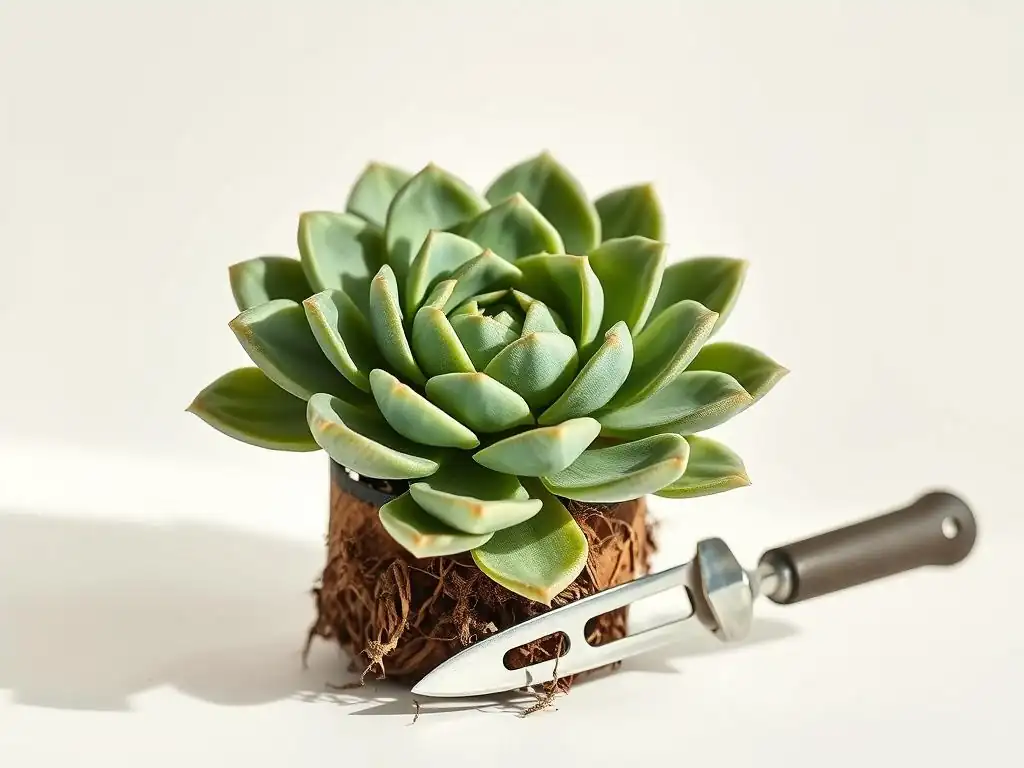
This section details the crucial preparatory steps before you begin dividing your overcrowded succulents. Proper preparation ensures a smoother process and maximizes the chances of successful propagation. Remember, dividing overcrowded succulents easily is all about meticulous planning and execution.
Gathering Essential Tools and Materials for Division
Before embarking on the division process, gather all necessary tools and materials. Improper tools can damage your succulents, hindering their growth. Having everything readily available streamlines the process and prevents interruptions.
Here's a checklist of essentials:
- Sharp, clean knife or shears: A clean, sharp blade is crucial to prevent the spread of diseases and ensure clean cuts. Sterilize your tools with rubbing alcohol before and after each use.
- Potting mix: Use a well-draining succulent and cactus potting mix. Avoid using garden soil, as it retains too much moisture and can lead to root rot.
- New pots: Select pots with drainage holes appropriate for the size of your divided succulents. Terracotta pots are excellent choices due to their breathability.
- Gloves: Protect your hands from potential scratches and irritants.
- Watering can: Have a watering can with a gentle rose head for careful watering after planting.
- Optional: Root hormone powder: This can help stimulate root growth in the newly divided succulents, accelerating their establishment.
Choosing the Right Time to Divide Your Succulents
Timing is everything when it comes to dividing succulents. The ideal time is during the succulent's active growing season, typically spring or early summer. This allows the divided plants ample time to establish new roots and grow before the stress of winter.
Dividing succulents during their dormant period (usually fall and winter) increases the risk of shock and failure. The plant's energy is focused on survival, not growth, making it less resilient to division.
Consider these factors when choosing the right time:
- Weather: Avoid dividing succulents during extreme heat or cold. Choose a mild, overcast day for optimal conditions.
- Plant health: Only divide healthy, vigorous succulents. Avoid dividing plants that are already stressed from disease, pests, or underwatering.
- Growth stage: Look for signs of active growth, such as new leaves and stems. This indicates the plant is ready for division.
Remember, patience is key. Observe your succulents carefully and choose the time that best suits their individual needs. This will significantly increase your chances of success in dividing overcrowded succulents easily.
Preparing the Planting Medium for Divided Succulents
The planting medium plays a vital role in the post-division success of your succulents. Using the right mix ensures proper drainage and prevents root rot, a common problem for newly divided plants.
Here's how to prepare the perfect planting medium:
- Choosing the right mix: Opt for a commercial succulent and cactus potting mix, readily available at most garden centers. These mixes are specifically formulated to provide excellent drainage and aeration.
- Improving drainage: For extra drainage, you can amend the commercial mix with perlite or coarse sand. This will increase the porosity of the soil, preventing waterlogging.
- Sterilizing the mix (optional): To minimize the risk of introducing diseases or pests, you can sterilize the potting mix by baking it in the oven at a low temperature (around 200°F) for about 30 minutes. This step isn't strictly necessary but adds an extra layer of protection.
- Moistening the mix: Before planting, lightly moisten the potting mix. Avoid overwatering, as this can compact the mix and hinder drainage. The mix should be damp but not soggy. A well-prepared planting medium significantly contributes to successfully dividing overcrowded succulents easily.
Dividing Overcrowded Succulents: Techniques and Methods
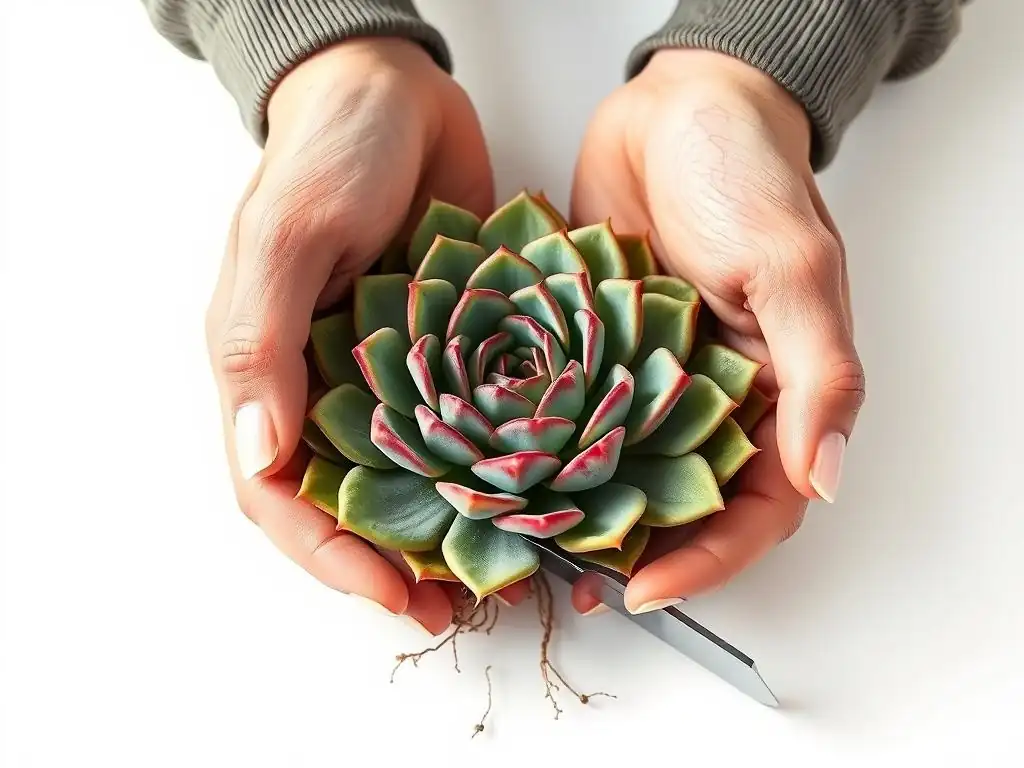
This section details the practical steps involved in dividing overcrowded succulents, a crucial propagation method that rejuvenates mature plants and increases your succulent collection. Successfully dividing overcrowded succulents easily requires a gentle touch and careful observation. Remember, the goal is to minimize stress on the individual plants to maximize their chances of survival and thriving in their new homes. We'll cover the process step-by-step, ensuring you're equipped to handle this essential succulent care task.
Gently Removing the Succulent from its Container
The first step in dividing overcrowded succulents is the careful removal of the mature plant from its current container. This process requires patience and a delicate approach to avoid damaging the fragile roots and stems. Before you begin, prepare your workspace. Have a clean, flat surface ready, along with some loose, well-draining potting mix.
Begin by gently loosening the soil around the edges of the container. Use a small trowel or your fingers to carefully work the soil away from the sides and bottom of the root ball. Avoid pulling forcefully, as this can break delicate roots. If the plant is particularly stubborn, you can gently tap the bottom of the container on a firm surface to help loosen the root ball.
Once the soil is sufficiently loosened, carefully invert the container, holding the plant firmly at the base. Gently tap the container to encourage the root ball to slide out. If the root ball is firmly stuck, you may need to use a thin, blunt tool to gently pry it loose, working carefully to avoid damaging the roots. Once removed, inspect the root ball for any signs of rot or damage.
Trim away any dead or decaying roots with clean, sharp pruning shears. This ensures that the divisions start with healthy root systems. This careful removal is key to successfully dividing overcrowded succulents easily.
Carefully Separating the Offsets and Crowns
With the succulent removed from its pot, you can now begin separating the individual offsets and crowns. This step requires a keen eye and a gentle hand. Examine the plant closely to identify the natural divisions where the offsets are attached to the mother plant. You should see distinct points where the offsets can be separated without causing undue damage.
Use your fingers or a small, sharp knife to carefully separate the offsets and crowns. If using a knife, ensure it is clean and sharp to make a clean cut and minimize the risk of infection. When separating the offsets, try to ensure that each division has a healthy root system or at least a small section of roots attached. If an offset lacks roots, don't worry; these can still be propagated successfully using other techniques.
For larger, more established plants, you may need to gently pull apart the crowns, working slowly and carefully to avoid breaking the stems or damaging the leaves. Remember, patience is key. Rushing this process could result in damaged plants that may struggle to recover. The goal is to divide overcrowded succulents easily, creating healthy individual plants ready for repotting. Take your time and focus on creating clean separations. This methodical approach will greatly increase your success rate.
Assessing and Preparing Individual Succulent Divisions for Repotting
Before repotting the individual succulent divisions, it's crucial to assess their health and prepare them for their new homes. Inspect each division carefully, removing any damaged or dead leaves or roots. Allow any fresh cuts to callus over for a few days before planting. This helps prevent rot and increases the chances of successful rooting.
Once the divisions are prepared, you can begin repotting. Select small pots with drainage holes, filled with a well-draining succulent potting mix. Gently plant each division, ensuring that the base of the stem is slightly below the soil surface. Water lightly after planting, allowing the soil to dry out slightly between waterings.
Avoid overwatering, as this can lead to root rot. Providing the correct care after division is vital for the successful propagation and growth of your newly divided succulents. By following these steps, you'll learn to divide overcrowded succulents easily and effectively, resulting in a thriving collection of healthy succulents.
Repotting Divided Succulents for Optimal Growth
Successfully dividing overcrowded succulents is only half the battle. Proper repotting is crucial for ensuring the health and vigorous growth of your newly divided plants. This process involves careful selection of pots and planting medium, followed by a meticulous planting procedure and attentive aftercare. Neglecting any of these steps can significantly impact the survival and thriving of your succulents. Let's delve into the specifics of repotting to maximize your success rate in dividing overcrowded succulents easily.
Selecting Appropriate Pots and Planting Medium
Choosing the right pot and planting mix is paramount for the long-term health of your divided succulents. Overcrowding is often a result of inadequate drainage and poor soil composition. Therefore, selecting the correct materials is key to preventing future issues.
The ideal pot for repotted succulents should have drainage holes to prevent waterlogging, a common cause of root rot. Terracotta pots are excellent choices because they are porous, allowing for better air circulation and preventing soil from becoming overly saturated. Plastic pots are also suitable, but ensure they have ample drainage holes. Avoid using pots without drainage unless you are creating a specialized, self-watering system (which is more advanced and beyond the scope of dividing overcrowded succulents easily).
The planting medium should be well-draining and airy. A typical mix consists of a blend of cactus and succulent potting soil, perlite, and coarse sand. The ratio can vary depending on the specific succulent species, but a general guideline is a 1:1:1 ratio. Perlite improves drainage and aeration, while coarse sand helps to prevent compaction. Avoid using garden soil, as it retains too much moisture and can lead to root rot. Using the right medium is crucial for dividing overcrowded succulents easily and successfully.
Planting the Divided Succulents: A Detailed Process
Once you've selected the appropriate pots and planting medium, the next step is carefully planting your divided succulents. This process requires gentle handling to avoid damaging the delicate roots and leaves.
- Prepare the pot: Place a layer of gravel or broken pottery shards at the bottom of the pot to improve drainage.
- Add the planting mix: Fill the pot approximately halfway with your prepared succulent potting mix.
- Plant the division: Gently place the divided succulent into the pot, ensuring the base of the plant sits at or slightly above the soil level. Avoid burying the stem too deeply.
- Backfill with soil: Carefully fill the remaining space with the planting mix, gently firming the soil around the base of the plant. Avoid compacting the soil too tightly.
- Water lightly: After planting, water the succulent lightly to settle the soil. Avoid overwatering, as this can lead to root rot. This careful approach will help you divide overcrowded succulents easily and without harming the plants.
Watering and Aftercare for Newly Divided Succulents
Following the planting, proper watering and aftercare are essential for the successful establishment of your newly divided succulents. Overwatering is a common mistake that can lead to root rot and plant death.
Initially, water sparingly, allowing the soil to dry out completely between waterings. The frequency of watering will depend on factors such as the type of succulent, pot size, and environmental conditions (temperature, humidity, sunlight). Observe the soil moisture carefully; it should be completely dry before the next watering. Signs of overwatering include mushy leaves and stems.
Provide adequate sunlight. Most succulents thrive in bright, indirect light. Avoid placing them in direct sunlight immediately after repotting, as this can stress the plants. Gradually acclimate them to brighter light conditions over several days. Proper aftercare is just as important as the initial division process when you want to divide overcrowded succulents easily and effectively. Remember that patience and observation are key to success. Monitor your plants closely for any signs of stress or disease and adjust your care accordingly. With proper attention, your divided succulents will flourish and reward you with healthy growth.
Troubleshooting Common Problems After Division
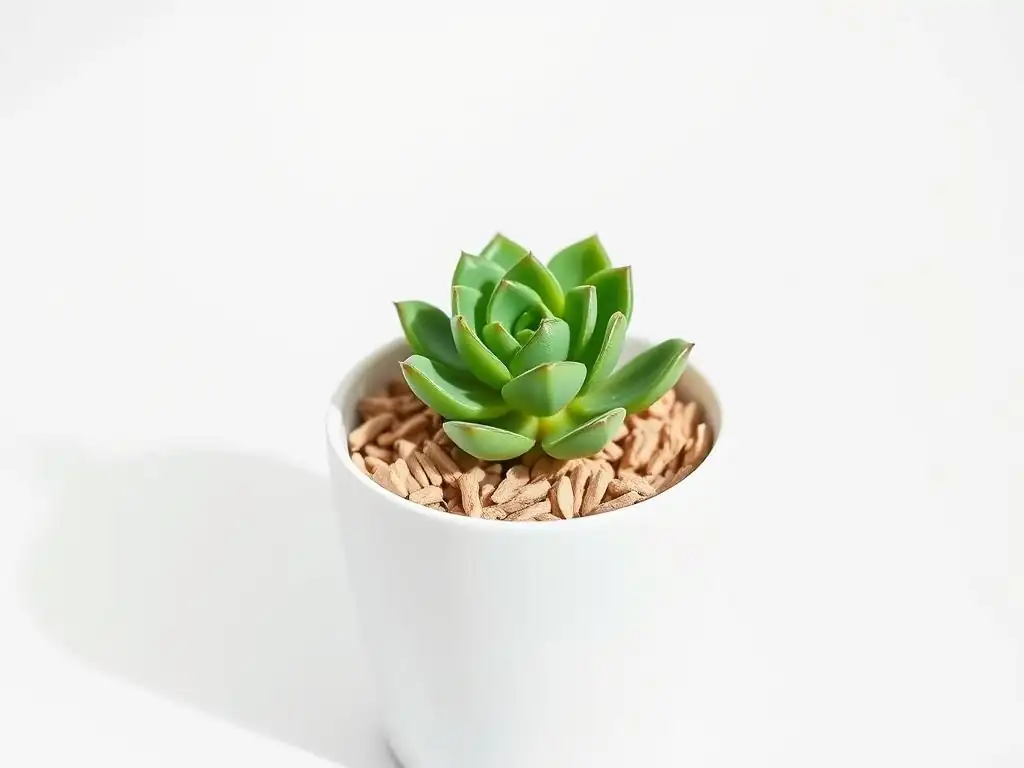
Dividing overcrowded succulents, while a fantastic way to propagate and revitalize your collection, can sometimes lead to unforeseen challenges. Successfully dividing overcrowded succulents easily requires careful attention to detail during the process and proactive measures to address potential issues afterward. This section focuses on the common problems encountered after division and provides practical solutions to ensure the healthy growth of your newly divided succulents. Understanding these potential pitfalls and implementing preventative strategies will significantly increase your success rate in propagating these beautiful plants.
Dealing with Root Damage During Division
Root damage is a common concern when dividing succulents, particularly those with delicate or intertwined root systems. Even with careful handling, some minor root breakage is almost inevitable. However, significant root damage can severely hinder a succulent's ability to absorb water and nutrients, potentially leading to wilting and even death.
To minimize root damage, use a sharp, clean knife or trowel to carefully separate the succulent's offsets. Gently loosen the soil around the roots before dividing to avoid unnecessary pulling or tugging. Inspect the roots after division; if you find significant damage, gently trim away any broken or damaged root sections using sterilized pruning shears. Avoid removing too much of the root system, as this can weaken the plant.
After dividing, allow the cut roots to callus over for a few days before planting. This allows the wounds to heal and reduces the risk of rot. Planting the divided succulents in well-draining soil is crucial to prevent excess moisture from further stressing the roots. Remember, prevention is key: gentle handling and sharp tools are your best allies in avoiding root damage during division.
Preventing Rot in Newly Divided Succulents
Rot is a significant threat to newly divided succulents, especially if the cuts are not allowed to heal properly or if the plants are overwatered. The wounds created during division provide entry points for bacteria and fungi, leading to stem and root rot. This is particularly true in damp conditions. Therefore, preventing rot is paramount to the success of your propagation efforts.
To prevent rot, ensure the succulents are planted in well-draining soil that doesn't retain excess moisture. Use a potting mix specifically formulated for succulents, which typically includes perlite, pumice, or coarse sand to improve drainage. Avoid overwatering; water only when the soil is completely dry to the touch. Allow the soil to dry out thoroughly between waterings to prevent the buildup of moisture around the roots, which is a breeding ground for rot-causing organisms.
Good air circulation is also vital; avoid overcrowding newly divided succulents to ensure adequate ventilation. Early detection of rot is important. If you notice any signs of discoloration, mushiness, or foul odor, promptly remove the affected parts to prevent the spread of rot.
The delicate balance between overwatering and underwatering is crucial for the success of newly divided succulents. Both extremes can lead to problems, hindering their ability to establish themselves after division. Overwatering leads to root rot, as discussed previously, while underwatering can cause wilting and stunted growth. Finding the right watering schedule is therefore a key aspect of successfully dividing overcrowded succulents easily.
Overwatering Symptoms: Soft, mushy leaves; yellowing or browning leaves; foul odor emanating from the soil; wilting despite moist soil.
Underwatering Symptoms: Shriveled, wrinkled leaves; leaf drop; slow or stunted growth; dry, brittle soil.
The best approach is to monitor the soil moisture carefully. Water thoroughly only when the soil is completely dry, allowing excess water to drain freely. The frequency of watering will depend on factors such as the type of succulent, the size of the pot, the temperature, and the humidity. It's always better to slightly underwater than to overwater.
Observe your plants carefully and adjust your watering schedule accordingly, paying close attention to the specific needs of each succulent. Remember that newly divided succulents may require more frequent watering initially, as they establish their root systems. However, avoid overwatering, as this is more harmful than underwatering.
Tips for Success: Ensuring the Long-Term Health of Divided Succulents
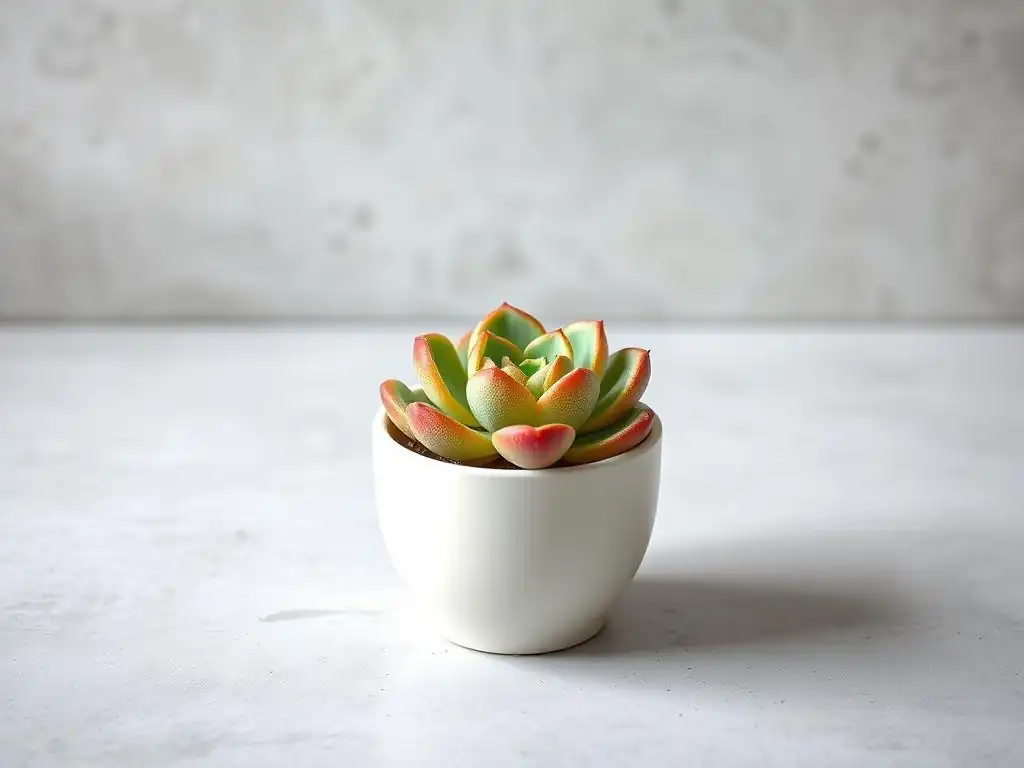
Dividing overcrowded succulents is a fantastic way to propagate and rejuvenate your collection, but success depends on proper post-division care. Ignoring this crucial step can lead to stressed plants, slow growth, or even plant death. This section focuses on the essential steps to ensure your newly divided succulents thrive. Remember, patience and attention to detail are key when it comes to dividing overcrowded succulents easily and effectively.
Providing Adequate Sunlight and Air Circulation
Sunlight and air circulation are paramount for the health of your divided succulents. Insufficient light can lead to etiolation (leggy growth), while poor air circulation increases the risk of fungal diseases, particularly in damp conditions. Newly divided succulents, having experienced a period of stress, are particularly vulnerable.
To optimize light exposure, place your divided succulents in a location receiving at least six hours of bright, indirect sunlight daily. Avoid direct, intense sunlight, especially during the hottest parts of the day, as this can scorch delicate leaves. Consider using a sheer curtain to filter strong sunlight.
Adequate air circulation is crucial to prevent the build-up of moisture, a breeding ground for fungal pathogens. Ensure good airflow around your plants by spacing them appropriately and avoiding overcrowding. Using a small fan on low speed can improve air circulation in humid environments. Proper spacing also minimizes the risk of rot, a common problem with overcrowded succulents.
Remember, the specific light and air circulation requirements will vary depending on the succulent species. Research the individual needs of your plants for optimal results. For instance, Echeveria generally prefers bright, indirect light, while Sedum can tolerate more direct sun. Carefully monitoring your plants for signs of stress (e.g., leaf discoloration, wilting) will help you fine-tune their environment.
Maintaining Proper Watering Schedule for Divided Plants
Watering newly divided succulents requires a delicate balance. Overwatering can lead to root rot, while underwatering can cause stress and wilting. The ideal watering schedule depends on several factors, including the succulent species, pot size, soil type, and environmental conditions (temperature, humidity).
As a general guideline, allow the soil to dry completely between waterings. This usually means waiting several days or even a week, depending on the conditions. Before watering, check the soil moisture by inserting your finger about an inch into the soil. If it feels dry, it's time to water.
Water thoroughly until water drains from the drainage holes, ensuring the roots are adequately hydrated. Avoid letting your succulents sit in standing water, which can lead to root rot. Use a well-draining potting mix specifically formulated for succulents to facilitate proper drainage.
During the hottest months, you may need to water slightly more frequently. Conversely, during colder months, reduce watering frequency significantly as succulents go dormant. Observe your plants closely for signs of underwatering (e.g., shriveled leaves) or overwatering (e.g., mushy leaves, foul odor). Adjust your watering schedule accordingly.
Fertilizing Your Divided Succulents for Healthy Growth
While not immediately necessary, fertilizing your divided succulents after a few weeks of establishment can promote healthy growth and recovery. However, avoid fertilizing immediately after division, as stressed plants are less able to absorb nutrients efficiently and may be damaged by excessive fertilizer.
Use a balanced, water-soluble fertilizer specifically formulated for succulents, diluted to half strength. Over-fertilizing can harm your plants, so it's better to err on the side of caution. Apply fertilizer once a month during the growing season (spring and summer) and cease fertilization during the dormant season (autumn and winter).
Observe your succulents for signs of nutrient deficiencies. For example, pale leaves may indicate a lack of nitrogen, while stunted growth could signify a lack of phosphorus. If you observe such signs, consult a guide specific to your succulent species to determine the appropriate nutrient supplementation. Remember, healthy soil is often the best fertilizer, so ensuring your succulent potting mix is rich in organic matter is also essential for long-term health. Regularly repotting your succulents into fresh soil also helps replenish essential nutrients.
Beyond Division: Other Propagation Methods for Succulents
Dividing overcrowded succulents is a fantastic way to revitalize your plants and increase your collection, but it's not the only method available for propagation. Succulents, known for their resilience, offer several other avenues for multiplying your prized possessions. Understanding these alternatives allows you to choose the best technique depending on the specific succulent species and your personal preferences. This section explores two popular and effective propagation methods: stem cuttings and leaf propagation. Mastering these techniques will significantly enhance your succulent gardening skills and allow you to easily divide overcrowded succulents and expand your collection through other means.
Stem Cuttings Propagation for Succulents
Stem cuttings are a reliable method for propagating many succulent varieties. This technique involves taking a healthy section of a stem, allowing it to callus, and then planting it to root. The success rate is generally high, especially with succulents that readily produce new growth from stem nodes.
To successfully propagate succulents using stem cuttings, follow these steps:
- Select a healthy stem: Choose a stem that's firm, free from diseases or pests, and ideally, has several leaves. Avoid stems that are overly woody or brittle. The ideal length is usually around 4-6 inches, depending on the succulent.
- Prepare the cutting: Using a sharp, clean knife or pruning shears, make a clean cut just below a leaf node. This ensures a cleaner cut and minimizes the risk of infection.
- Allow the cutting to callus: Let the cut end dry for several days to a week. This allows a callus to form, preventing rot when planted. The callus acts as a protective barrier against pathogens. The drying time may vary depending on the humidity and temperature; observe the cut end for dryness.
- Planting the cutting: Once the callus has formed, plant the cutting in a well-draining succulent potting mix. Ensure the bottom node is partially buried. Water sparingly after planting, allowing the soil to dry slightly between waterings.
- Provide optimal conditions: Place the cutting in a bright, indirect light location. Avoid direct sunlight, which could scorch the delicate cutting. Consistent warmth and humidity will aid in successful rooting.
Remember, patience is key! Rooting can take several weeks, or even months, depending on the succulent species and environmental conditions. Regularly monitor the cutting for signs of growth, such as new leaves or stems.
Leaf Propagation: A Simple Guide for Succulents
Leaf propagation is another remarkably simple and effective method for propagating many succulent species. This technique involves detaching a healthy leaf and allowing it to root and produce a new plant. While it might seem too easy, the success rate can be surprisingly high, especially with certain types of succulents known for their ease of propagation. This method is perfect for expanding your collection from a single leaf, offering a convenient way to divide overcrowded succulents or start new plants from spare leaves.
Here's a step-by-step guide to leaf propagation:
- Select healthy leaves: Choose plump, healthy leaves that are free from diseases or damage. Avoid leaves that are wilted, discolored, or show signs of stress.
- Detach the leaves: Gently twist or pull the leaf from the mother plant. Try to avoid using sharp tools, as this can damage the leaf and increase the risk of infection.
- Allow the leaf to callus (optional): Some succulent enthusiasts recommend allowing the detached leaf to callus for a few days before planting, while others plant it directly. Experiment to see what works best for you and your specific succulents.
- Planting the leaf: Place the leaf on top of well-draining succulent potting mix. Ensure that the leaf is resting flat on the surface. You can gently press it down, but avoid burying it completely.
- Provide optimal conditions: Place the leaf in a bright, indirect light location. Water sparingly, only when the soil is completely dry. Avoid overwatering, as this can lead to rot.
Keep in mind that leaf propagation may take longer than stem cuttings, sometimes several months to produce a new plant. With patience and the right conditions, you'll be rewarded with new succulent offspring. Observe regularly for signs of new growth, such as tiny plantlets emerging from the base of the leaf. This method provides an easy and effective way to divide overcrowded succulents and significantly increase your collection.
Frequently Asked Questions
How do I know if my succulents are overcrowded?
Overcrowded succulents often show signs of leggy growth, smaller leaves, and reduced flowering. They may also appear crowded and stressed, with leaves touching or overlapping significantly.
What is the best time of year to divide overcrowded succulents?
The ideal time is during the growing season, typically spring or early summer, when the succulents are actively growing and more likely to recover quickly from the division process.
What tools do I need to divide overcrowded succulents?
You'll primarily need a sharp, clean knife or pair of shears, and potentially a small trowel for separating the plant from its container. Gloves are also recommended to protect your hands.
How do I properly divide a succulent?
Carefully separate the plant into smaller sections, ensuring each section has healthy roots and leaves. Allow the cut ends to callus over for a few days before replanting to prevent rot.
What should I do after dividing my succulents?
Plant the divided sections in well-draining soil and provide bright, indirect sunlight. Water sparingly, allowing the soil to dry out between waterings, to avoid root rot. Monitor the plants closely for signs of stress or disease.
Final Reflection: The Enduring Power of Division in Succulent Care
The art of dividing overcrowded succulents isn't merely a horticultural technique; it's a powerful metaphor for growth and renewal. Overcrowding, whether in a plant pot or in our lives, stifles potential. By understanding the simple act of division, we unlock not only healthier plants but also a deeper understanding of the delicate balance between abundance and well-being.
The impact of this seemingly small act extends far beyond the realm of plant care. It speaks to the larger societal need for mindful resource management and the importance of recognizing when growth requires a strategic division of resources. The secret of change is to focus all your energy, not on fighting the old, but on building the new.
– Socrates. This quote perfectly encapsulates the essence of dividing succulents – instead of struggling with an overcrowded pot, we redirect our energy towards nurturing individual plants, fostering healthier growth in the long run. This principle applies equally to our personal lives, our communities, and even our professional endeavors.
Now, consider your own "overcrowded pots." What areas of your life feel stifled, overburdened, or lacking in the space to truly flourish? Take a moment to identify these areas, and then consider how the principles of division—strategic separation, careful nurturing, and a focus on individual growth—can help you cultivate a more vibrant and fulfilling life. Embrace the power of division, not as an act of subtraction, but as a catalyst for profound and lasting renewal.
Rediscover Your Thriving Succulents: Give Them Space to Grow!
Thank you for exploring the world of healthy, happy succulents! You've learned how important proper division is for preventing overcrowding and encouraging vibrant growth. Now it's time to put that knowledge into practice.
- Prioritize Division: Identify your most crowded pots and carefully divide your succulents. You'll be amazed at how much healthier they look with a little more space!
- Share Your Success: Show off your newly divided succulents! Share photos of your flourishing plants on social media using #SucculentEssentials and #DivisionMagic.
- Join the Community: Explore our forums to connect with fellow succulent enthusiasts, share tips, and ask questions. Discover hidden tricks and techniques you may not find elsewhere!
Ready to transform your succulent collection into a thriving oasis? Which overcrowded pot will you tackle first?