
Stem Cutting Troubleshooting: Solutions to Common Propagation Problems

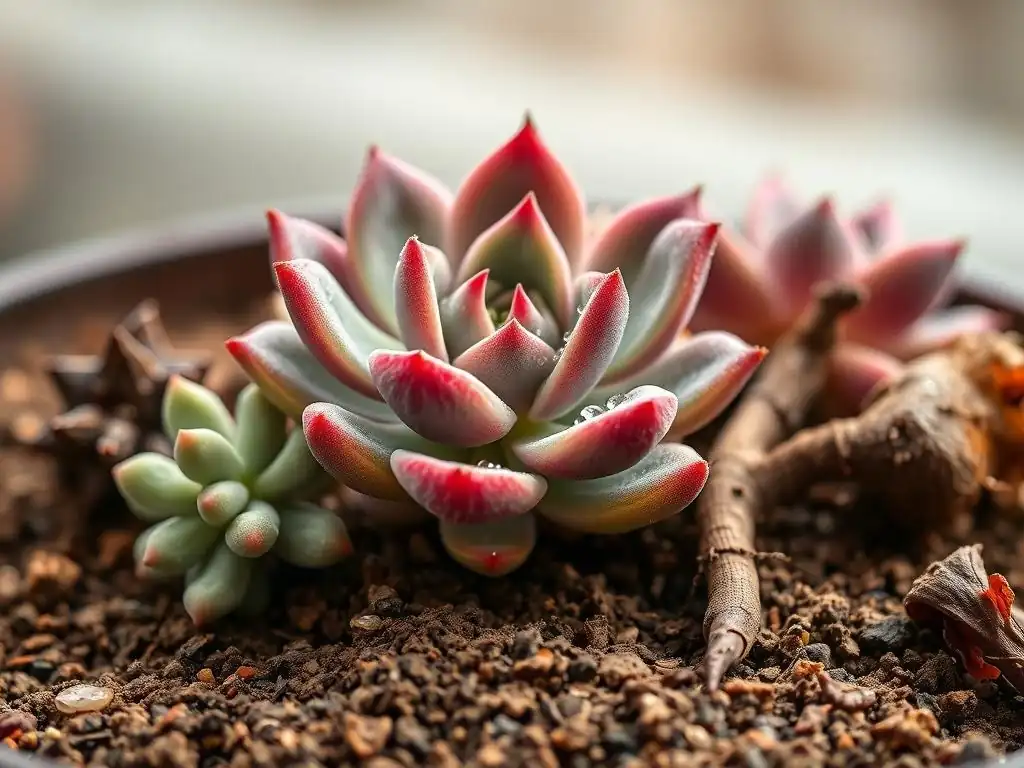
Welcome to SucculentEssentials.org, where the thriving world of succulents awaits! Are you ready to unlock the secrets to successful propagation? We delve into the fascinating, sometimes frustrating, world of succulent stem cutting problems, offering expert solutions to get your cuttings rooted and growing. Discover the answers you need to conquer common propagation challenges and transform those cuttings into flourishing additions to your collection. Let's get started!
- Understanding Common Succulent Stem Cutting Issues
-
Troubleshooting Your Succulent Stem Cuttings: A Step-by-Step Guide
- Assessing the Health of Your Succulent Cutting Before Propagation
- Preparing the Cutting: Selecting the Right Stem and Making the Cut
- Creating the Ideal Environment for Root Development: Humidity and Temperature
- Choosing the Right Rooting Medium for Succulent Stem Cuttings
- Watering Techniques for Successful Rooting of Succulent Stem Cuttings
- Preventing Overwatering and Root Rot in Succulent Cuttings
- Monitoring for Signs of Improvement and Addressing Setbacks
- Transplanting Your Rooted Succulent Cuttings: A Gentle Approach
- Addressing Common Problems During Transplanting
- Advanced Techniques for Difficult-to-Root Succulents
- Preventing Future Succulent Stem Cutting Problems
- When to Seek Expert Advice for Your Succulent Propagation
- ### Resources for Further Assistance with Succulent Propagation Problems
- Frequently Asked Questions
- Final Reflection: Cultivating Success: Beyond the Stem Cutting
- Unleash Your Inner Plant Propagator: Grow Your Succulent Collection!
Understanding Common Succulent Stem Cutting Issues
Successfully propagating succulents from stem cuttings is a rewarding experience, but it's not always smooth sailing. Many succulent enthusiasts encounter challenges along the way, from seemingly healthy cuttings suddenly wilting to dealing with unexpected fungal infections or pesky insect infestations. This guide will equip you with the knowledge to troubleshoot common succulent stem cutting problems, increasing your success rate and helping you cultivate a thriving succulent collection.
We'll explore the most frequent issues, providing practical solutions and preventative measures to ensure your cuttings root and grow into healthy, robust plants. Mastering these techniques is key to expanding your succulent family and enjoying the beauty of these resilient plants. This article focuses on addressing common problems associated with "Succulent stem cutting problems," providing detailed solutions for a successful propagation journey.
Identifying Wilting and Rotting in Succulent Cuttings
Wilting and rotting are among the most common problems encountered during succulent stem cutting propagation. Wilting often manifests as a loss of turgor pressure, causing the leaves to become soft and droopy. This can be caused by several factors, including insufficient watering (leading to dehydration), excessive watering (leading to root rot), or improper callusing. Rotting, on the other hand, is a more serious issue, characterized by mushy, discolored tissue at the base of the cutting or along the stem. This is often a sign of bacterial or fungal infection, exacerbated by overly moist conditions.
To identify the cause, carefully examine the cutting. Is the entire cutting wilted, or just the lower portion? Does the stem feel firm, or is it soft and mushy? If the cutting is simply dehydrated, you may be able to revive it by gently misting it and placing it in a slightly humid environment. If rot is present, however, immediate action is required.
Remove the affected portions with a sterile, sharp knife, ensuring you cut away all the decayed tissue. Allow the cutting to callous again before attempting to re-root. Proper soil drainage and appropriate watering are crucial to prevent future occurrences. Avoid overwatering, and ensure your potting mix is well-draining to prevent waterlogging.
Recognizing Fungal Infections in Succulent Stem Cuttings
Fungal infections can significantly hinder the success of stem cuttings. These infections often appear as dark spots, lesions, or powdery mildew on the leaves and stem. High humidity, poor air circulation, and overly moist soil conditions create ideal environments for fungal growth. Common fungal diseases affecting succulents include gray mold ( Botrytis cinerea) and various root rots.
Symptoms of fungal infections vary depending on the specific pathogen. Gray mold, for example, presents as a grayish-brown fuzzy growth on the affected areas. Root rots, on the other hand, often manifest as wilting and discoloration of the leaves, accompanied by a foul odor emanating from the soil. Treatment involves removing affected cuttings to prevent the spread of the infection to healthy plants.
Improving air circulation, using a well-draining potting mix, and avoiding overhead watering can help prevent future fungal infections. In severe cases, a fungicide may be necessary, but always follow the product instructions carefully. Prevention is key; ensuring good air circulation and avoiding overly humid conditions is paramount.
Dealing with Pests and Insects Affecting Stem Cuttings
Pests and insects can also wreak havoc on succulent stem cuttings. Mealybugs, aphids, and spider mites are common culprits. These tiny pests feed on the succulent's sap, causing stunted growth, leaf discoloration, and even death. Regular inspection is essential to detect infestations early.
Early detection is crucial for effective treatment. For small infestations, you can manually remove pests using a cotton swab dipped in rubbing alcohol. For larger infestations, insecticidal soap or neem oil can be effective, but always follow the product instructions carefully. Ensure good air circulation and maintain a clean growing environment to minimize the risk of pest infestations. Regularly inspect your cuttings, and quarantine any newly acquired succulents to prevent the introduction of pests to your existing collection. A proactive approach, including regular inspection and preventative measures, is the best strategy for managing pests.
Slow or No Root Development in Succulent Cuttings
Slow or no root development is a common frustration for succulent propagators using stem cuttings. Several factors can contribute to this issue, hindering the successful rooting process and potentially leading to the demise of your cuttings. Let's delve into the most prevalent causes and explore effective solutions.
One primary culprit is improper cutting preparation. A clean, sharp cut is crucial to prevent the introduction of pathogens and to ensure efficient water uptake. Using a dull knife or blade can crush the stem tissue, making it vulnerable to rot and impeding the formation of calluses – the crucial first step in root development. Furthermore, the cutting should be made just below a node, where roots are most likely to emerge. Leaving too much stem below the node can increase the risk of rot, while leaving too little may not provide sufficient energy reserves for root formation.
Another significant factor is the substrate's suitability. The rooting medium needs to be well-draining to prevent waterlogging, which can lead to stem rot before roots have a chance to develop. A mix of coarse sand, perlite, and vermiculite, or a specialized succulent potting mix, is ideal. Overly compacted soil or a medium that retains too much moisture will suffocate the cutting and impede root growth. The moisture level is also critical; the substrate should be consistently moist but not soggy. Allowing it to dry out completely between waterings can also hinder root development.
Environmental conditions play a vital role. Insufficient light can weaken the cutting and delay rooting. While direct sunlight should be avoided initially, providing bright, indirect light is essential for photosynthesis and energy production, which are crucial for root formation. Temperature also matters; consistently cool temperatures can slow down the entire process. Ideal temperatures for most succulents are between 65-75°F (18-24°C). Fluctuations in temperature, especially extreme temperature swings, can also negatively impact root development.
Finally, fungal or bacterial infections can significantly hinder root development. These infections can quickly overwhelm a cutting, leading to rot and failure. Using sterile tools and a clean, well-draining substrate are key preventative measures. However, if an infection is suspected, removing the affected parts of the cutting and treating it with a fungicide may be necessary. Prevention, however, is always better than cure. Careful attention to hygiene throughout the propagation process is paramount. Remember to always sterilize your tools before making any cuts.
Addressing these potential problems proactively through proper preparation, suitable substrate selection, and optimal environmental conditions drastically increases the chances of successful root development in your succulent cuttings. Patience is also key; rooting can take time, and consistent monitoring is crucial for early intervention if problems arise.
Troubleshooting Your Succulent Stem Cuttings: A Step-by-Step Guide
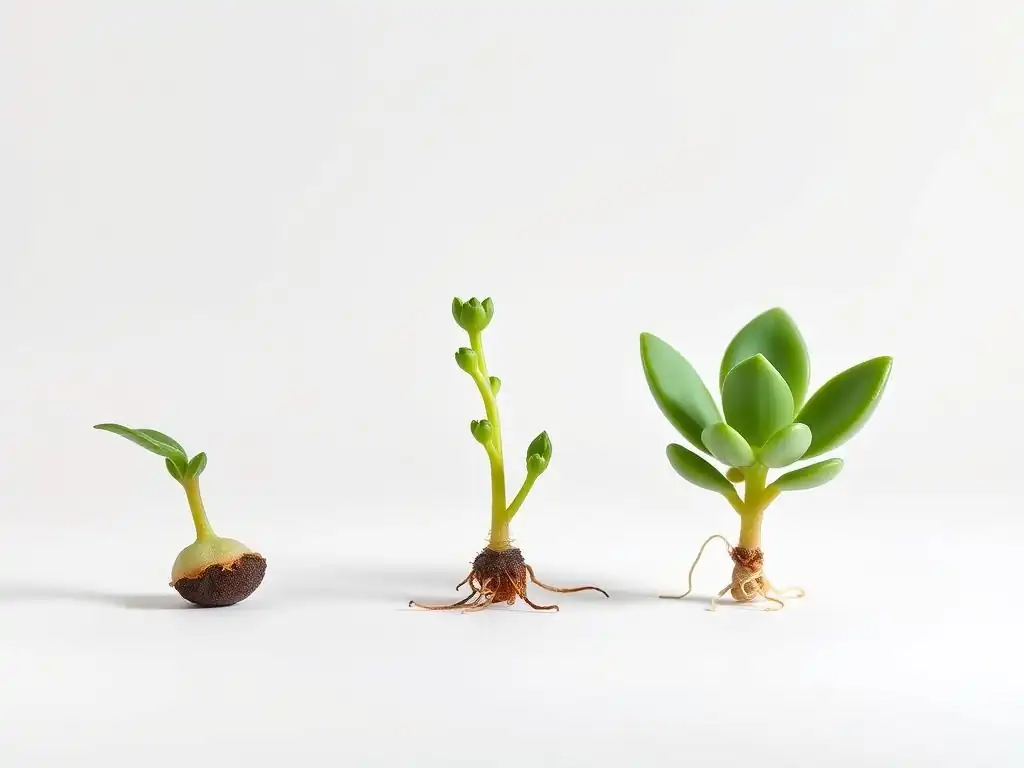
This section delves into common issues encountered when propagating succulents from stem cuttings and offers practical solutions to ensure successful propagation. Mastering succulent stem cutting propagation requires attention to detail at every stage, from initial selection to post-propagation care. Understanding and addressing potential problems early on significantly increases your chances of success. This guide focuses on preventing and resolving issues, optimizing your chances of creating healthy, thriving new succulents.
Assessing the Health of Your Succulent Cutting Before Propagation
Before even thinking about taking a cutting, the health of the mother plant is paramount. A weak or diseased mother plant will likely produce weak cuttings prone to failure. Inspect your chosen succulent carefully. Look for signs of disease, pests, or stress. These could include:
- Yellowing or browning leaves: This could indicate overwatering, underwatering, or a fungal infection. Avoid cuttings from affected areas.
- Soft, mushy stems: A sign of rot, likely caused by overwatering or poor drainage. These stems will not root successfully.
- Pest infestations: Mealybugs, aphids, and spider mites can weaken the plant and infest cuttings. Treat infestations before taking cuttings.
- Signs of sunburn: Sunburnt leaves are stressed and less likely to root successfully. Choose healthy, vibrant leaves and stems from shaded areas of the plant.
A healthy cutting should be firm, plump, and free from blemishes. The stem should be relatively thick and strong, indicating robust growth. Choosing the right cutting is the foundation of successful propagation; a healthy start ensures a healthy finish. Remember, prevention is key! Careful selection minimizes the risk of propagation failure, saving you time and plant material.
Preparing the Cutting: Selecting the Right Stem and Making the Cut
Selecting the appropriate stem is crucial for successful propagation. Avoid using stems that are:
- Too thin or weak: These are more susceptible to wilting and rotting before root development.
- Flowering stems: Flowering stems divert energy away from root development. Focus on vegetative stems.
- Woody stems: Older, woody stems are less likely to root successfully. Opt for younger, more pliable stems.
The ideal cutting length is typically 3-5 inches, depending on the succulent species. Use a clean, sharp knife or pruning shears to make a clean cut. A clean cut minimizes damage and reduces the risk of infection. Avoid tearing or crushing the stem.
After making the cut, allow the cutting to callous over for several days to a week. This allows the wound to seal, preventing rot and promoting root formation. This callusing period is a crucial step often overlooked, significantly impacting the success rate. Proper callusing is a preventative measure that significantly enhances the chances of successful root development.
Creating the Ideal Environment for Root Development: Humidity and Temperature
Once the cutting has calloused, it's time to provide the ideal environment for root development. This involves carefully balancing humidity and temperature. High humidity prevents the cutting from drying out before roots form. This can be achieved by:
- Using a humidity dome or propagator: These create a humid microclimate ideal for rooting.
- Placing the cutting in a humid location: A bathroom or kitchen can provide sufficient humidity.
- Misting regularly: Misting the cutting with water helps maintain humidity.
However, excessive humidity can lead to fungal growth and rot. Ensure good air circulation to prevent this. The ideal temperature range for rooting succulents is typically between 65-75°F (18-24°C). Avoid placing cuttings in direct sunlight, which can cause them to dry out. Indirect bright light is optimal. Consistent monitoring of humidity and temperature is crucial. Adjust your environment as needed based on your succulent's response. Too much or too little of either can lead to propagation failure. Careful observation and timely adjustments are key to creating an environment that promotes healthy root growth and a thriving new succulent.
Choosing the Right Rooting Medium for Succulent Stem Cuttings
Selecting the appropriate rooting medium is crucial for successful succulent stem cutting propagation. The ideal medium needs to be well-draining to prevent the dreaded root rot, yet retain enough moisture to keep the cutting hydrated during the rooting process. Avoid using garden soil, as it's often too dense and retains too much water. Instead, opt for specialized succulent potting mixes, which typically blend perlite, vermiculite, and peat moss for optimal drainage and aeration.
These components provide the perfect balance of moisture retention and airflow, crucial for preventing fungal growth and promoting healthy root development. Alternatively, you can create your own blend at home. A simple and effective mix is one part perlite to one part coarse sand. This combination ensures excellent drainage, preventing the stem cutting from sitting in soggy conditions.
Experimentation may be necessary to find the perfect blend for your specific climate and succulent variety, as some succulents prefer slightly more moisture than others. Remember, a well-draining medium is your first line of defense against succulent stem cutting problems. Proper drainage minimizes the risk of fungal infections and promotes vigorous root growth.
Watering Techniques for Successful Rooting of Succulent Stem Cuttings
Watering newly planted succulent stem cuttings requires a delicate balance. Overwatering is a common mistake that leads to root rot and the demise of your cuttings. Underwatering, on the other hand, can cause the cutting to dehydrate and fail to root. The key is to maintain a consistently moist, but not soggy, rooting medium. Instead of frequent, light watering, it's better to water thoroughly but less often, allowing the medium to dry out slightly between waterings.
Check the moisture level by gently sticking your finger about an inch into the soil. If it feels dry, it's time to water. Use a watering can with a fine rose to gently apply water, avoiding direct spraying onto the cutting itself, which can lead to rot. Bottom watering can be beneficial; place the pot in a tray of water and allow the medium to absorb moisture from the bottom up. This method ensures even moisture distribution without over-saturating the top layer.
The frequency of watering depends on factors like the climate, the type of succulent, and the porosity of the rooting medium. In warmer climates, you'll need to water more frequently than in cooler, more humid environments. Always observe your cuttings closely for signs of wilting or overwatering. Adjust your watering schedule accordingly to ensure optimal moisture levels for successful root development, preventing common succulent stem cutting problems.
Preventing Overwatering and Root Rot in Succulent Cuttings
Overwatering is the most prevalent cause of failure when propagating succulents from stem cuttings. Root rot, a fungal disease that thrives in consistently wet conditions, quickly decimates the delicate roots of the cutting, leading to its demise. To avoid this, ensure your chosen rooting medium provides excellent drainage. As mentioned previously, avoid using garden soil, opting instead for a well-draining mix of perlite, vermiculite, and peat moss or a simple perlite and coarse sand blend. Proper pot selection is also crucial.
Use pots with drainage holes to allow excess water to escape. Avoid using saucers or cache pots that retain water underneath the pot. When watering, avoid getting water directly on the leaves or stem; focus on watering the soil around the base of the cutting. Signs of overwatering include mushy, dark-colored stems, and a foul odor emanating from the soil. If you notice these symptoms, immediately remove the cutting from the pot, inspect the roots, and remove any rotten portions.
Allow the cutting to air dry for a few hours before replanting it in fresh, dry rooting medium. Consider using a fungicide to combat any fungal infections. Careful monitoring, proper watering techniques, and a well-draining medium are key to preventing overwatering and root rot, ensuring the healthy propagation of your succulent stem cuttings and avoiding common succulent stem cutting problems. 🌱
Monitoring for Signs of Improvement and Addressing Setbacks
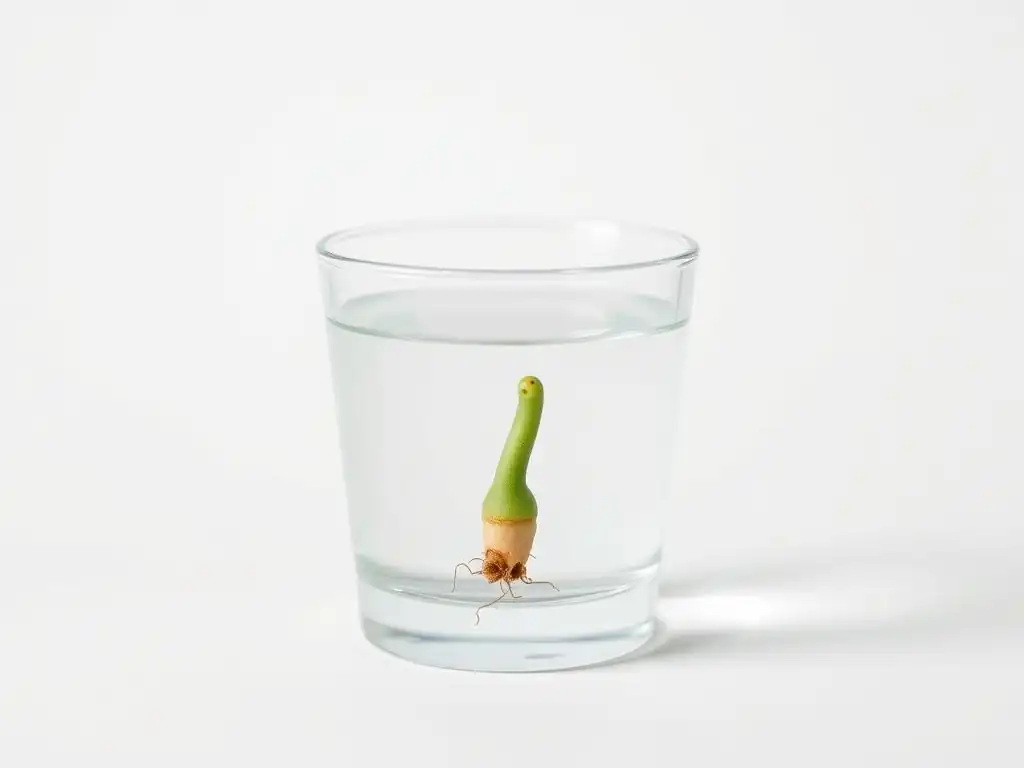
After placing your succulent stem cuttings in their propagation medium, patience is key. Regularly check for signs of progress, but avoid disturbing them too frequently. Look for the subtle signs of new growth – a slight plumping of the leaves, the emergence of tiny roots (if you can see them through a clear container), or the appearance of new, smaller leaves at the base of the cutting.
This can take anywhere from a few weeks to several months, depending on the succulent species and environmental factors. Remember that different succulents propagate at different rates; some are notoriously fast, while others are much slower.
If, after several weeks, you notice no signs of improvement, it’s time to troubleshoot. First, assess the environment. Is the cutting receiving adequate, indirect sunlight? Is the propagation medium consistently moist but not waterlogged? Is the temperature appropriate? Too much direct sun can scorch the leaves, preventing growth. Conversely, insufficient light can lead to etiolation (leggy growth). Overwatering can lead to rot, while underwatering will cause the cutting to shrivel and die. Adjust the environmental conditions as needed, ensuring the propagation environment is as close to ideal as possible for the specific succulent species.
Consider the possibility of fungal or bacterial infections. If the cutting shows signs of discoloration, mushiness, or an unusual odor, it might be infected. In such cases, carefully remove the affected parts and re-evaluate the propagation method. Sometimes, simply allowing the cutting to dry out slightly can resolve minor infections. However, severe infections might require discarding the cutting to prevent the spread to other plants. Always use clean, sterile tools when handling your succulent cuttings to minimize the risk of infections. Proper hygiene is crucial for successful propagation.
Transplanting Your Rooted Succulent Cuttings: A Gentle Approach
Once your succulent cuttings have developed a healthy root system, usually indicated by robust root growth visible through the propagation medium or by noticeably plumped leaves, it’s time for transplanting. This is a delicate process; handle the cuttings with extreme care to avoid damaging their fragile roots. Select a well-draining potting mix specifically formulated for succulents and cacti. These mixes typically include perlite, pumice, or coarse sand to ensure excellent aeration and drainage, preventing waterlogging that can lead to root rot.
Before transplanting, gently loosen the roots of the cutting. Do not pull the cutting forcefully; instead, use a small, clean tool to carefully loosen the roots from the propagation medium. This will help minimize root damage during the transplanting process. Choose a pot that is slightly larger than the root ball, allowing for future growth. Place a layer of drainage material, such as gravel or broken pottery shards, at the bottom of the pot to further enhance drainage.
Plant the cutting at the same depth it was initially growing in. Fill the pot with the succulent potting mix, ensuring that the roots are gently spread out. Avoid burying the stem too deeply, as this can lead to stem rot. Gently firm the soil around the base of the cutting to secure it in place. After transplanting, wait a few days before watering to allow the roots to recover from the transplant shock. This prevents root rot, which often occurs when freshly transplanted succulents are overwatered.
Addressing Common Problems During Transplanting
Transplanting can be stressful for succulent cuttings, and several issues might arise. Root damage, during the process, is a frequent culprit. Signs of root damage include wilting, yellowing, or dropping leaves. If you suspect root damage, carefully check the roots. If any broken or damaged roots are found, gently trim them using sterilized scissors to prevent further rot.
Another common problem is overwatering after transplanting. Newly transplanted cuttings are particularly vulnerable to root rot due to their sensitive root systems. Avoid overwatering; water only when the soil is completely dry. Use a well-draining potting mix and ensure the pot has adequate drainage holes to prevent water from accumulating around the roots. Observe your succulent cuttings closely for several weeks after transplanting.
Finally, transplant shock is a common occurrence. This is a temporary stress response that can manifest as wilting or leaf drop. To minimize transplant shock, choose a suitable time for transplanting (avoid extreme temperatures or direct sunlight), handle the cuttings gently, and provide ideal growing conditions after transplanting. With proper care and attention, your transplanted cuttings should recover quickly and continue to thrive. Remember, patience and observation are key to successfully propagating and transplanting your succulent cuttings.
Advanced Techniques for Difficult-to-Root Succulents
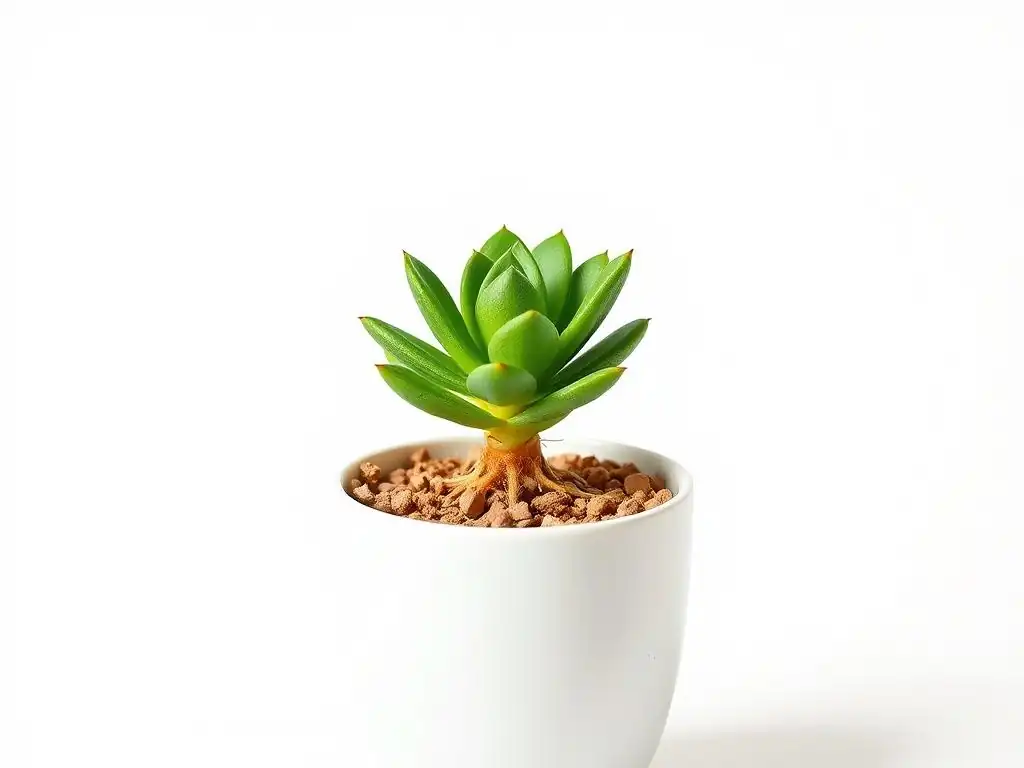
This section delves into specialized methods for propagating succulents that notoriously resist stem cutting propagation. Many succulent enthusiasts encounter challenges with certain genera, and understanding these challenges is crucial for successful propagation. We'll explore techniques to overcome these hurdles, focusing on improving your success rate with even the most stubborn succulents. Mastering these advanced techniques will elevate your propagation skills and allow you to expand your collection with a wider variety of species. Remember, patience and meticulous attention to detail are key to success in succulent propagation, especially when dealing with difficult-to-root varieties.
Propagation Challenges with Specific Succulent Genera
Certain succulent genera are known for their recalcitrance to stem cutting propagation. These often include Euphorbia, Dudleya, and some Sedum species. The challenges vary; some struggle to form calluses, others are prone to rot before rooting, and some simply exhibit slow or inconsistent root development.
For example, Euphorbia species frequently exude a milky sap upon cutting, which can inhibit root formation. This sap contains irritants and can also clog the vascular system, preventing water and nutrient uptake. Properly preparing Euphorbia cuttings is essential. This involves allowing the cut end to dry completely for several days to a week, allowing the sap to dry and seal the wound before planting. This drying period is crucial to prevent rot. Careful handling and the use of clean, sharp tools are also vital to minimize sap production.
Dudleya species, often found in arid climates, present a different challenge. Their thick, fleshy leaves and stems can be prone to rot if the environment is too humid or if the cutting isn't allowed to callus properly. Providing excellent drainage and a well-ventilated environment is paramount for successful propagation. Using a very well-draining substrate, such as a pumice-based mix, is highly recommended for Dudleya cuttings.
Finally, certain Sedum species may exhibit slow rooting, requiring extended periods of time before they develop a robust root system. Patience is key here, along with maintaining consistent moisture levels without overwatering.
Utilizing Rooting Hormones and Other Aids for Difficult Cuttings
Rooting hormones significantly improve the success rate of propagation, especially with difficult succulents. These hormones, typically containing auxins like IBA (Indole-3-butyric acid), stimulate root initiation and development. While not a guarantee of success, they significantly increase the chances of rooting, particularly in challenging cases.
The application method is simple: dip the cut end of the prepared succulent cutting into the rooting hormone powder, ensuring even coverage. Then, plant the cutting in a suitable substrate. The concentration of the rooting hormone is important; following the manufacturer's instructions is crucial to avoid harming the cutting. Overuse can be detrimental.
Beyond rooting hormones, other aids can boost success. A bottom heat mat provides a consistent temperature, accelerating root development. Humidity domes or propagation trays create a more humid microclimate, mimicking the conditions of a natural environment and reducing water loss from the cuttings. These aids, combined with proper substrate and care, maximize the chances of success even with the most challenging succulents.
Advanced Propagation Methods: Air Layering and Leaf Propagation (as Alternatives)
If stem cuttings repeatedly fail, consider alternative propagation methods. Air layering is a technique where roots are induced on a stem while it's still attached to the mother plant. This method is particularly useful for succulents with thick stems that are difficult to root directly from cuttings. A section of the stem is wounded, rooting hormone is applied, and the wounded area is wrapped in moist sphagnum moss, kept humid with a plastic wrap. Once roots develop, the section is severed from the mother plant and potted.
Leaf propagation, while not applicable to all succulents, offers another alternative. Many succulents can propagate from individual leaves, especially those with thicker leaves such as Echeveria or Sedum. Simply place the healthy leaves on a well-draining succulent potting mix and ensure a slightly moist environment. Over time, small plantlets will emerge from the base of the leaf. This method offers a high success rate for suitable species and requires less technical skill compared to air layering. However, it is important to note that not all succulent species will propagate successfully from leaves.
Preventing Future Succulent Stem Cutting Problems
This section focuses on proactive measures to minimize issues when propagating succulents from stem cuttings. By addressing potential problems before they arise, you significantly increase your success rate and reduce the need for troubleshooting later. Understanding the importance of healthy mother plants, optimal growing conditions, and sterile techniques is crucial for successful succulent propagation. Mastering these preventative steps will transform you from a succulent propagation novice into a confident cultivator.
Choosing Healthy Mother Plants for Propagation
Selecting a healthy mother plant is the foundation of successful stem cutting propagation. A vigorous, disease-free plant provides cuttings with the best chance of rooting and thriving. Look for these key indicators:
- Robust Growth: The mother plant should exhibit strong, consistent growth with plump, firm leaves. Avoid plants showing signs of stress, such as legginess, discoloration, or wilting.
- Absence of Pests and Diseases: Carefully inspect the plant for any signs of pests (mealybugs, aphids, spider mites) or diseases (root rot, fungal infections). Infected plants can easily transmit these problems to your cuttings.
- Mature but Not Overgrown: Choose a plant that is mature enough to produce healthy stems, but not so overgrown that it's showing signs of decline. An actively growing plant is ideal.
- Appropriate Variety: Some succulent varieties are easier to propagate than others. Research the specific needs of your chosen succulent to maximize your chances of success. For example, Echeveria species often root more readily than some Sedum varieties.
Remember, prevention is key! Investing time in selecting a superior mother plant will significantly increase your chances of success with stem cuttings. A healthy start translates to healthy new plants.
Maintaining Optimal Growing Conditions for Mother Plants
Providing optimal growing conditions for your mother plants is just as important as selecting healthy specimens. Healthy mother plants produce stronger, more resilient cuttings, increasing your propagation success rate. Consider the following factors:
- Sunlight: Ensure your mother plants receive adequate sunlight. Most succulents thrive in bright, indirect sunlight. Too little light can lead to weak, etiolated growth, making cuttings less viable.
- Watering: Overwatering is a common culprit in succulent health issues. Allow the soil to dry out completely between waterings, and avoid letting the plants sit in standing water. Proper watering is essential for preventing root rot which can weaken the mother plant and impact the cuttings.
- Soil: Use a well-draining succulent potting mix. Avoid heavy clay soils that retain too much moisture. Good drainage is paramount for preventing root rot and fostering healthy root development in both the mother plant and the cuttings.
- Fertilization: Feed your mother plants sparingly with a balanced, diluted succulent fertilizer during the growing season. Over-fertilizing can lead to salt buildup in the soil, harming the plant and affecting cutting success. [Specific fertilizer recommendations pending]
A well-cared-for mother plant will reward you with vigorous, healthy cuttings, significantly reducing the likelihood of propagation problems. This preventative approach is far more efficient than dealing with issues later.
Sterilizing Tools and Preventing Cross-Contamination
Maintaining sterile conditions during propagation is critical in preventing the spread of diseases and pests. Contaminated tools can easily transfer pathogens from one plant to another, compromising the health of your cuttings and your entire collection.
- Sterilization Methods: Before handling any succulents, sterilize your tools thoroughly. You can achieve this by wiping them down with a 70% isopropyl alcohol solution or by briefly flaming them over a candle flame (carefully!). Thorough cleaning is essential to remove any debris or microorganisms that could negatively impact your cuttings.
- Clean Workspace: Work in a clean workspace, free of debris and potential sources of contamination. This minimizes the risk of introducing unwanted pests or diseases to your cuttings.
- Separate Propagation Areas: If possible, dedicate a separate area for propagating succulents to avoid cross-contamination with your established plants. This preventative measure can significantly reduce the risk of spreading diseases or pests.
- Gloves: Wearing gloves while handling succulents, particularly if you suspect the presence of pests or diseases, is a wise precaution. Gloves minimize the risk of transferring pathogens to your hands and other plants.
By diligently sterilizing your tools and maintaining a clean workspace, you dramatically reduce the risk of introducing diseases or pests that can compromise the success of your succulent stem cutting propagation. This simple preventative measure is an essential part of successful propagation.
Proper Sanitation and Hygiene Practices to Prevent Diseases
Maintaining meticulous sanitation and hygiene is paramount in preventing diseases during succulent stem cutting propagation. Contamination can easily occur, leading to rot, fungal infections, or bacterial infestations that decimate your cuttings before they even have a chance to root. This preventative care is far more effective than trying to cure a diseased cutting later.
One crucial step is sterilizing your tools. Before making any cuts, thoroughly clean your knife, shears, or scissors with a 70% isopropyl alcohol solution. This kills any bacteria or fungi that may be lurking on the blades from previous uses, preventing their transfer to your healthy succulents. Allow the tools to air dry completely before using them to avoid introducing moisture that could promote rot.
Furthermore, the cleanliness of your propagation environment is equally important. Using a clean, sterile propagation tray or container is essential. Wash the tray thoroughly with soap and water, rinse well, and then disinfect it with a diluted bleach solution (1 part bleach to 9 parts water). Allow it to air dry completely before placing your cuttings in it.
The propagation medium itself should also be considered. Using fresh, sterile potting mix specifically designed for succulents minimizes the risk of introducing pathogens. Avoid reusing old potting mix, as it may harbor harmful microorganisms. If you are using perlite, vermiculite, or other inorganic materials, ensure they are clean and free from any debris.
Finally, maintaining a clean workspace is crucial. Keep your propagation area free from dust, debris, and pests. Regularly clean the area to prevent the buildup of contaminants that could affect your cuttings. A clean and organized workspace will not only minimize the risk of disease but will also allow for better observation of your cuttings' progress. By consistently practicing these hygiene protocols, you significantly reduce the chances of encountering succulent stem cutting problems related to disease. Preventing problems is always easier and more effective than treating them.
When to Seek Expert Advice for Your Succulent Propagation
Knowing when to seek professional help for your succulent propagation endeavors is crucial for success and preventing further plant damage. While many propagation issues can be resolved with basic troubleshooting (covered elsewhere in this article), some situations demand the expertise of a seasoned succulent grower or horticulturalist. This section outlines scenarios where professional intervention is advisable.
Identifying Severe Issues Beyond Home Remedies
Sometimes, despite your best efforts, your succulent cuttings exhibit severe problems that resist home remedies. These issues often indicate underlying problems far beyond simple wilting or rot. Here are some warning signs that necessitate expert consultation:
- Widespread, rapid decay: If a significant portion of your cuttings are rotting quickly, despite proper sanitation and environmental controls, it might signal a more serious fungal or bacterial infection requiring specialized treatment. A professional can diagnose the specific pathogen and recommend appropriate fungicides or bactericides.
- Unusual discoloration or lesions: Beyond the normal browning at the base of a cutting, if you observe unusual spots, lesions, or dramatic color changes (e.g., vibrant purple discoloration spreading rapidly), professional assessment is vital. This could indicate a viral infection or a more complex disease.
- Persistent failure despite consistent effort: If you've diligently followed all propagation guidelines, maintaining optimal conditions, yet your cuttings consistently fail to root or grow, it’s time to consult an expert. They might identify subtle environmental factors or hidden issues you've overlooked. For example, the soil's pH level might be incorrect, or there might be an undetected nutrient deficiency. They can perform soil tests to pinpoint these problems.
- Suspected pest infestation: While some minor pest infestations can be managed at home, a severe infestation of mealybugs, aphids, or other succulent-damaging pests requires professional intervention. Experts can identify the specific pest, recommend effective treatments, and prevent widespread damage.
- Genetic abnormalities: Sometimes, cuttings exhibit unusual growth patterns or deformities that suggest genetic problems. A professional can help determine if the issue is genetic, ruling out other causes, and advise on further propagation strategies.
### Resources for Further Assistance with Succulent Propagation Problems
Finding reliable resources for assistance with your succulent propagation problems is essential. Beyond online forums and communities, several avenues can provide expert guidance and support:
- Local nurseries and garden centers: Many nurseries specialize in succulents and employ knowledgeable staff who can offer advice based on your specific climate and local conditions. They can often diagnose problems on-site and recommend appropriate treatments.
- Horticultural societies and clubs: Joining a local horticultural society or succulent club connects you with experienced growers who can share their expertise and provide personalized assistance. These groups often hold workshops and events where you can learn advanced propagation techniques and troubleshoot issues.
- University extension services: Many universities offer extension services providing horticultural advice and resources to the public. They can offer expert guidance on various plant-related issues, including succulent propagation challenges.
- Online consultations with succulent specialists: Some experienced succulent growers offer online consultations, providing personalized advice based on photos and descriptions of your plants and their problems. This can be particularly helpful for diagnosing complex issues or confirming your own assessments.
Remember, seeking help isn't a sign of failure. It shows a commitment to nurturing your succulents and achieving successful propagation. By utilizing the resources available, you can overcome challenges and enjoy the rewarding experience of propagating your own beautiful succulents. 🌱
Frequently Asked Questions
Why is my succulent stem cutting rotting?
This is often due to overwatering or poor drainage. Ensure your cuttings are planted in well-draining soil and allow the soil to dry out completely between waterings. Avoid placing them in direct sunlight initially.
My succulent cutting isn't rooting – what should I do?
Lack of rooting could be caused by improper callusing, incorrect planting depth, or inadequate humidity. Ensure your cutting has formed a callus before planting and maintain consistent humidity levels.
How can I prevent fungal diseases in my succulent stem cuttings?
Good air circulation is crucial. Avoid overcrowding cuttings and ensure the soil is not constantly damp. Using a fungicide can also help prevent and treat fungal infections.
What are the signs of a healthy succulent stem cutting?
Healthy cuttings will show firmness, bright coloration, and eventually, new growth (leaves or roots). Look for signs of wilting or discoloration as indications of problems.
My succulent cutting leaves are shriveling – what's wrong?
Shriveling leaves often indicate dehydration or sunburn. Ensure the cutting is receiving adequate but not excessive watering and gradually acclimate it to sunlight. Avoid direct, intense sunlight initially.
Final Reflection: Cultivating Success: Beyond the Stem Cutting
The art of succulent propagation, while seemingly simple, reveals a profound connection between patience, observation, and the delicate dance of life. Mastering stem cuttings isn't just about growing more plants; it's about understanding the resilience and vulnerability inherent in the natural world. The challenges encountered – rot, wilting, slow growth – are not failures, but valuable lessons in nurturing life.
The journey of propagating succulents has profoundly impacted my own approach to problem-solving, teaching me the importance of meticulous observation and adaptable solutions. The seemingly small details – the angle of the cut, the humidity levels, the soil composition – all play a crucial role in the success or failure of a cutting. This mirrors life's complexities, where seemingly insignificant factors can have profound consequences. The greatest glory in living lies not in never falling, but in rising every time we fall.
- Nelson Mandela. This quote resonates deeply with the process of propagating succulents, reminding us that setbacks are inevitable, but perseverance is key.
Now, consider your own journey. Have you experienced the frustration of a failed cutting? What did you learn from that experience? I invite you to approach your next propagation attempt with renewed curiosity and patience. Observe your plants closely, adapt your techniques as needed, and remember that even the smallest successes are victories worth celebrating. The world of succulent propagation, and indeed, life itself, is a continuous learning process – embrace the journey, and watch your garden, and your understanding, flourish.
Unleash Your Inner Plant Propagator: Grow Your Succulent Collection!
Thanks for exploring the world of succulent propagation! We hope you feel confident tackling any propagation challenges. Ready to put your knowledge into practice?
- Start your own succulent propagation project today! Select your healthiest succulents and use the techniques discussed to expand your collection. Create a thriving mini-succulent garden!
- Share your propagation successes (and even your challenges!) on social media. Use #SucculentEssentials and tag us — we'd love to see your progress.
- Explore our other articles on succulent care for more tips and tricks to help your plants thrive.
What's the first succulent you'll propagate? Let us know in the comments!