
The Influence of Temperature on CAM: Understanding Succulent Heat Tolerance

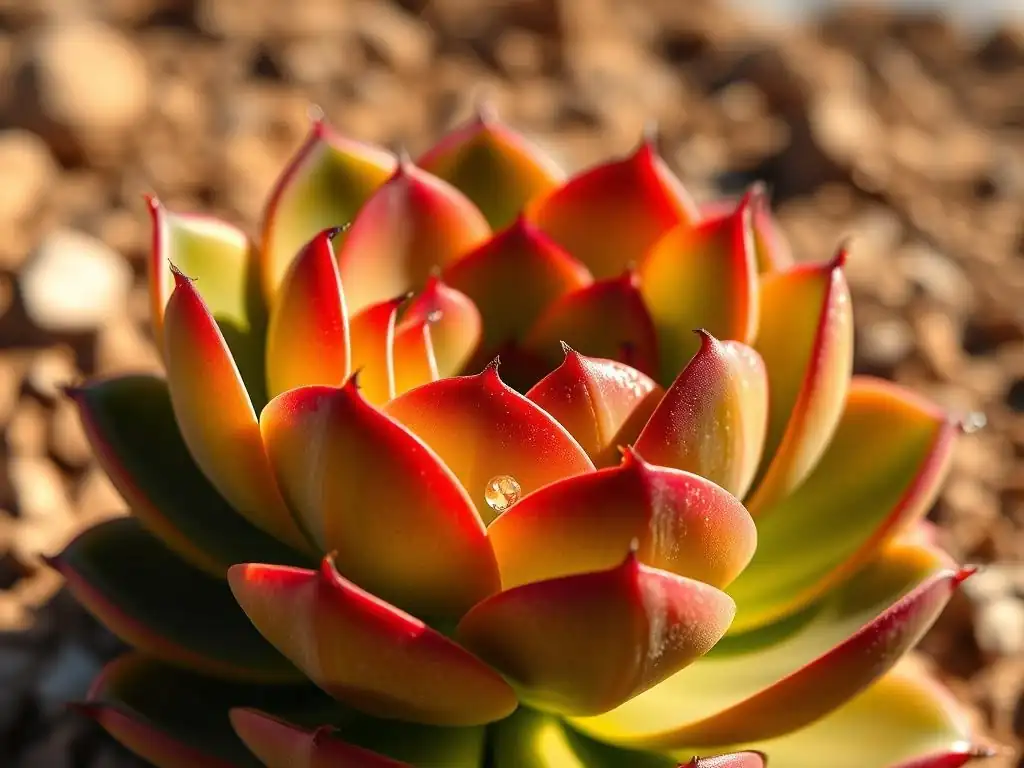
Welcome to SucculentEssentials.org, where the fascinating world of succulents unfolds! Are you ready to unlock the secrets behind these resilient plants? We delve into the intriguing science of succulent survival, and our latest article, "Succulent heat tolerance explained," reveals the surprising truth about how succulents handle extreme temperatures. Prepare to be amazed by the remarkable adaptations that allow these desert dwellers to thrive, even under the harshest conditions. Dive in and discover the captivating world of succulent heat tolerance – your journey begins now!
- Succulent Heat Tolerance Explained: The Role of Crassulacean Acid Metabolism (CAM)
- Understanding Heat Tolerance Mechanisms in Succulents
- Practical Implications: Protecting Your Succulents from Heat Stress
- Signs of Heat Stress in Succulents: Identification and Treatment
- Frequently Asked Questions
- Final Reflection: Embracing the Resilient Spirit of Succulents
- Unlock Your Succulents' Sun-Kissed Secrets!
Succulent Heat Tolerance Explained: The Role of Crassulacean Acid Metabolism (CAM)
Succulents, with their remarkable ability to thrive in arid and often scorching environments, owe much of their resilience to a specialized photosynthetic pathway known as Crassulacean Acid Metabolism (CAM). This article delves into the intricate relationship between temperature and CAM photosynthesis, exploring how these fascinating plants manage heat stress and maintain their survival in challenging conditions.
Understanding succulent heat tolerance is crucial for successful cultivation, whether you're a seasoned collector or a budding enthusiast. We'll examine the delicate balance CAM plants maintain under high temperatures, investigate optimal temperature ranges for various succulent species, and explore the physiological effects of heat stress on the crucial processes of enzyme activity and carbon fixation.
This comprehensive analysis will equip you with the knowledge to provide optimal care for your succulent collection, ensuring their continued health and vibrant growth, even during the hottest months. Let's uncover the secrets behind these remarkable plants' ability to withstand extreme heat.
CAM Photosynthesis and High Temperatures: A Delicate Balance
Crassulacean Acid Metabolism (CAM) is a unique photosynthetic adaptation that allows succulents to conserve water in hot, dry climates. Unlike C3 and C4 plants, CAM plants open their stomata (tiny pores on their leaves) primarily at night to take in carbon dioxide (CO2). This nocturnal CO2 uptake minimizes water loss through transpiration, a crucial advantage in arid conditions. The absorbed CO2 is then stored as malic acid in vacuoles within the plant cells. During the day, when sunlight is available, the malic acid is decarboxylated (releasing CO2), and the released CO2 enters the Calvin cycle for carbohydrate synthesis.
However, this seemingly efficient system has its limitations. High temperatures can significantly impact the various enzymatic reactions involved in CAM photosynthesis. For instance, the enzymes responsible for both the nocturnal CO2 fixation (PEP carboxylase) and the daytime decarboxylation are sensitive to temperature fluctuations.
Excessively high temperatures can lead to enzyme denaturation, reducing their catalytic activity and hindering the overall efficiency of the CAM pathway. Furthermore, extreme heat can disrupt the delicate balance of water uptake and loss, potentially leading to dehydration and plant stress, even with the CAM adaptation. The optimal temperature range for these processes varies significantly depending on the specific succulent species and its evolutionary adaptation to its native environment.
Optimal Temperature Ranges for CAM Plants: Species-Specific Variations
The optimal temperature range for CAM photosynthesis varies considerably across different succulent species. Some succulents, adapted to extremely hot deserts, may thrive in temperatures exceeding 40°C (104°F) for short periods, while others from cooler, more temperate regions might experience stress at temperatures above 30°C (86°F). These differences highlight the diverse evolutionary adaptations within the succulent family. For example, Agave species generally exhibit greater heat tolerance compared to Echeveria species.
Similarly, succulents originating from coastal regions often demonstrate a lower tolerance for high temperatures than those from inland deserts. Understanding these species-specific variations is essential for providing appropriate care and preventing heat stress. Accurate temperature monitoring, especially during peak summer months, is crucial for maintaining the health and vitality of your succulent collection. Careful consideration of the origin and specific needs of each succulent species is key to ensuring their optimal growth and survival.
Heat Stress and its Impact on CAM Function: Physiological Effects on Enzyme Activity and Carbon Fixation
Prolonged exposure to high temperatures can severely impair the functionality of CAM photosynthesis. Heat stress leads to several physiological effects, including:
- Reduced enzyme activity: As previously mentioned, key enzymes involved in both nocturnal CO2 fixation and daytime decarboxylation are sensitive to temperature. High temperatures can denature these enzymes, decreasing their activity and ultimately reducing the rate of carbon fixation.
- Increased respiration: Plants use respiration to generate energy, but this process also releases CO2. Under heat stress, respiration rates often increase, potentially offsetting the gains from CAM photosynthesis. This means that the plant is losing more CO2 than it is gaining, leading to a net loss of carbon and reduced growth.
- Disrupted water balance: Heat stress can exacerbate water loss through transpiration, even with the CAM mechanism. This can lead to dehydration, wilting, and ultimately, plant death.
- Oxidative stress: High temperatures can increase the production of reactive oxygen species (ROS), which can damage cellular components and impair metabolic processes.
Understanding these physiological effects is crucial for recognizing the signs of heat stress in succulents and implementing appropriate mitigation strategies. Providing adequate shade, ensuring proper watering, and selecting appropriate planting locations are all essential steps in protecting your succulents from the damaging effects of excessive heat. Careful observation and prompt action can prevent irreversible damage and ensure the long-term health of your prized succulent collection.
Understanding Heat Tolerance Mechanisms in Succulents
Succulent heat tolerance explained hinges on understanding the intricate mechanisms these plants employ to survive extreme temperatures. Their ability to thrive in arid and hot environments is not merely a matter of chance; it's a testament to millions of years of evolutionary adaptation. This section delves into the key physiological and morphological strategies succulents utilize to combat heat stress, focusing on the interplay between their unique Crassulacean Acid Metabolism (CAM) and their remarkable resilience. We'll explore how these mechanisms contribute to their overall heat tolerance, revealing the fascinating science behind their survival.
Stomatal Regulation and Water Conservation in Hot Climates
Stomata, tiny pores on the leaves, are crucial for gas exchange (CO₂ uptake and O₂ release) and transpiration (water loss). In most plants, stomata open during the day for photosynthesis, leading to significant water loss in hot, dry conditions. However, succulents, utilizing CAM photosynthesis, exhibit a unique stomatal regulation strategy.
Instead of opening during the day, their stomata primarily open at night, allowing CO₂ intake while minimizing water loss through transpiration. This nocturnal CO₂ uptake is then stored as malic acid in vacuoles, to be used for photosynthesis during the day when the stomata are closed. This mechanism is critical for succulent heat tolerance, as it significantly reduces water loss in high-temperature environments.
The efficiency of this nocturnal CO₂ uptake varies among different succulent species. For instance, Sedum morganianum (Burro's Tail) demonstrates a particularly effective nighttime CO₂ fixation compared to Echeveria species, showcasing the diversity in CAM adaptations across different genera. Further research is needed to fully quantify the stomatal conductance and water use efficiency in various succulent species under different temperature regimes. [Specific data on stomatal conductance and water use efficiency pending]. This detailed understanding is crucial for developing optimal cultivation strategies and predicting the impact of climate change on these plants.
The Role of Heat Shock Proteins in Succulent Survival
Heat shock proteins (HSPs) are crucial molecular chaperones that play a vital role in protecting cellular components from damage caused by heat stress. When temperatures rise, HSPs are rapidly synthesized, binding to denatured proteins and preventing aggregation. This prevents the irreversible damage that can lead to cell death. Succulents, being adapted to fluctuating temperatures, often exhibit a higher constitutive expression of HSPs compared to mesophytic plants. This means they have a baseline level of these protective proteins even under normal conditions, providing an immediate response to heat stress.
The specific types and quantities of HSPs expressed vary depending on the species and the severity of the heat stress. Studies have shown that certain HSPs, such as HSP70, are particularly important in protecting the photosynthetic machinery from heat damage. Understanding the specific roles of different HSPs in succulent heat tolerance could lead to the development of new strategies for improving the heat stress tolerance of crops and other plants. [Specific data on HSP expression levels in different succulent species under heat stress pending]. This research area holds immense potential for enhancing our understanding of plant stress responses.
Adaptive Strategies: Morphological and Physiological Adaptations to Heat
Beyond physiological mechanisms like stomatal regulation and HSP production, succulents have evolved a range of morphological adaptations to enhance their heat tolerance. These adaptations often involve minimizing surface area exposed to direct sunlight and maximizing water storage capacity. For example, many succulents possess thick, fleshy leaves or stems that act as water reservoirs, allowing them to endure prolonged periods of drought and high temperatures.
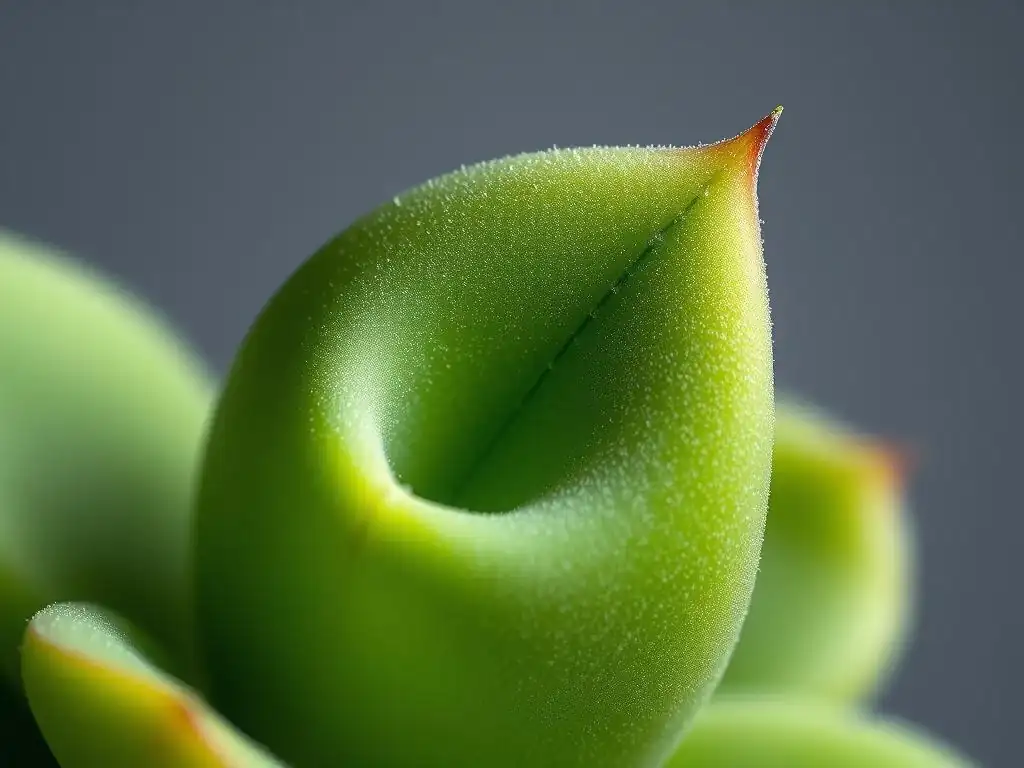
Furthermore, many succulents exhibit features such as trichomes (small hairs on the leaves) which reflect sunlight and reduce water loss through transpiration. The color and reflectivity of succulent leaves also play a role in heat tolerance. Lighter colors reflect more sunlight, reducing the amount of heat absorbed by the plant. The compact growth habit of many succulents, with leaves tightly arranged, also helps to minimize surface area and reduce water loss.
These morphological adaptations work synergistically with the physiological mechanisms discussed earlier, contributing significantly to the overall succulent heat tolerance. Analyzing these diverse strategies across various succulent families provides valuable insights into the evolutionary pressures that have shaped their remarkable adaptation to arid and hot environments. This understanding is crucial for both conservation efforts and for developing drought-resistant cultivars for horticulture.
Practical Implications: Protecting Your Succulents from Heat Stress
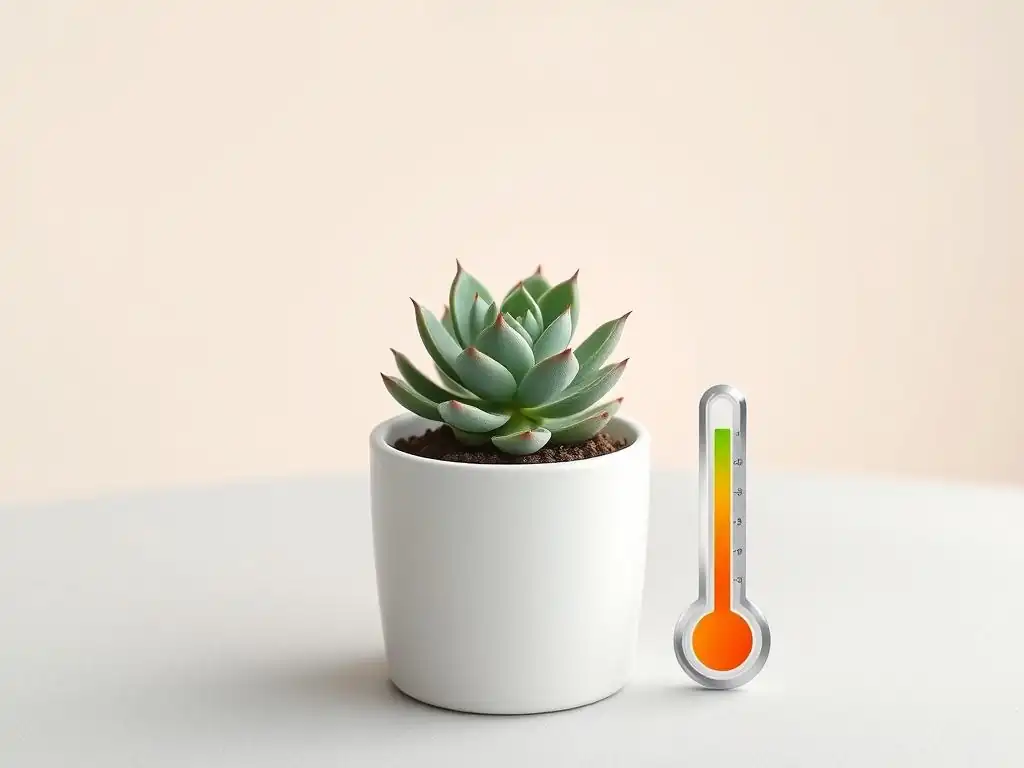
Understanding the intricacies of Crassulacean Acid Metabolism (CAM) and its relationship to succulent heat tolerance is crucial, but its practical application is equally important for ensuring the health and longevity of your succulent collection. This section translates the scientific understanding into actionable steps for protecting your plants during periods of intense heat. Proper care during heat waves significantly improves your succulents' chances of survival and thriving. The key is to anticipate and mitigate the negative effects of high temperatures on their CAM photosynthesis. This involves careful attention to watering, shading, and species selection.
Watering Strategies for Hot Weather: Frequency and Depth Adjustments
Succulent heat tolerance is significantly influenced by watering practices. While succulents are drought-tolerant, extreme heat increases their water demands. The goal is not to overwater, leading to root rot, but to provide sufficient moisture to support their metabolic processes, particularly their CAM cycle, which is heavily reliant on water availability. During heat waves, you'll need to adjust your watering schedule and technique. Instead of infrequent deep watering, opt for more frequent, shallower watering.
This allows the water to reach the roots without saturating the soil and promoting fungal growth. The frequency will depend on the intensity of the heat, the type of soil, and the pot size. Monitor the soil moisture carefully; the topsoil should be allowed to dry slightly between waterings. Avoid watering during the hottest part of the day to minimize evaporation. A good rule of thumb is to water in the early morning or late evening.
Consider using a moisture meter to accurately assess soil moisture levels. This prevents both underwatering and overwatering, both of which can negatively impact your succulents' heat tolerance. Remember that terracotta pots dry out faster than plastic or ceramic pots, requiring more frequent watering. Always ensure good drainage to prevent waterlogging.
Shading and Protection Techniques: Utilizing Shade Cloth and Strategic Placement
Direct sunlight during peak heat can cause significant stress on succulents, even those known for their heat tolerance. While succulents need sunlight for photosynthesis, intense heat can overwhelm their CAM mechanisms. Providing some shade during the hottest part of the day can significantly improve their chances of survival. This doesn't mean keeping them in complete shade, but rather reducing the intensity of the direct sunlight.
Utilizing shade cloth is an effective strategy. Shade cloth comes in various percentages, allowing you to control the amount of light filtering through. A 50% shade cloth is often a good starting point, reducing the intensity of the sun while still allowing sufficient light for photosynthesis.
Alternatively, you can strategically place your succulents in locations that receive morning or afternoon sun, but are shaded during the hottest midday hours. This could involve placing them under trees or near structures that provide natural shade. Observe your succulents carefully; if they exhibit signs of heat stress such as leaf scorching or wilting, even with proper watering, additional shade may be necessary.
Choosing Heat-Tolerant Succulent Species: Examples such as Sedum and Echeveria species
Not all succulents are created equal when it comes to heat tolerance. Some species are inherently better adapted to withstand high temperatures than others. Choosing heat-tolerant species is a proactive approach to minimizing heat stress. Researching the specific heat tolerance of different succulents before purchasing is essential, especially in regions with hot summers.
Several genera are known for their excellent heat tolerance. Sedum species, for example, are often quite resilient to high temperatures and drought. Many Sedum varieties thrive in full sun and can withstand intense heat with minimal issues. Similarly, many Echeveria species are also remarkably heat-tolerant, though some varieties may require a bit more shade during the hottest periods.
However, even within these genera, individual species may have varying degrees of heat tolerance. Careful observation and research are key to selecting the most appropriate succulents for your climate. Consider consulting with local nurseries or experienced succulent growers for recommendations on species well-suited to your specific region and its typical summer temperatures. Remember that even heat-tolerant succulents will benefit from the protective measures described above during extreme heat waves.
Signs of Heat Stress in Succulents: Identification and Treatment
Succulent heat tolerance, while generally high, isn't limitless. Understanding the signs of heat stress is crucial for ensuring the health and longevity of your collection. These symptoms often manifest subtly at first, making early detection vital for effective intervention. Ignoring these early warning signs can lead to irreversible damage, even death.
This section will equip you with the knowledge to identify and address heat stress in your succulents effectively. We'll explore both visual cues and underlying physiological changes, providing actionable steps to nurse your plants back to health. Remember, prompt action is key to maximizing your succulents’ chances of survival during periods of intense heat.
Visual Indicators of Heat Damage: Leaf Scorching and Wilting
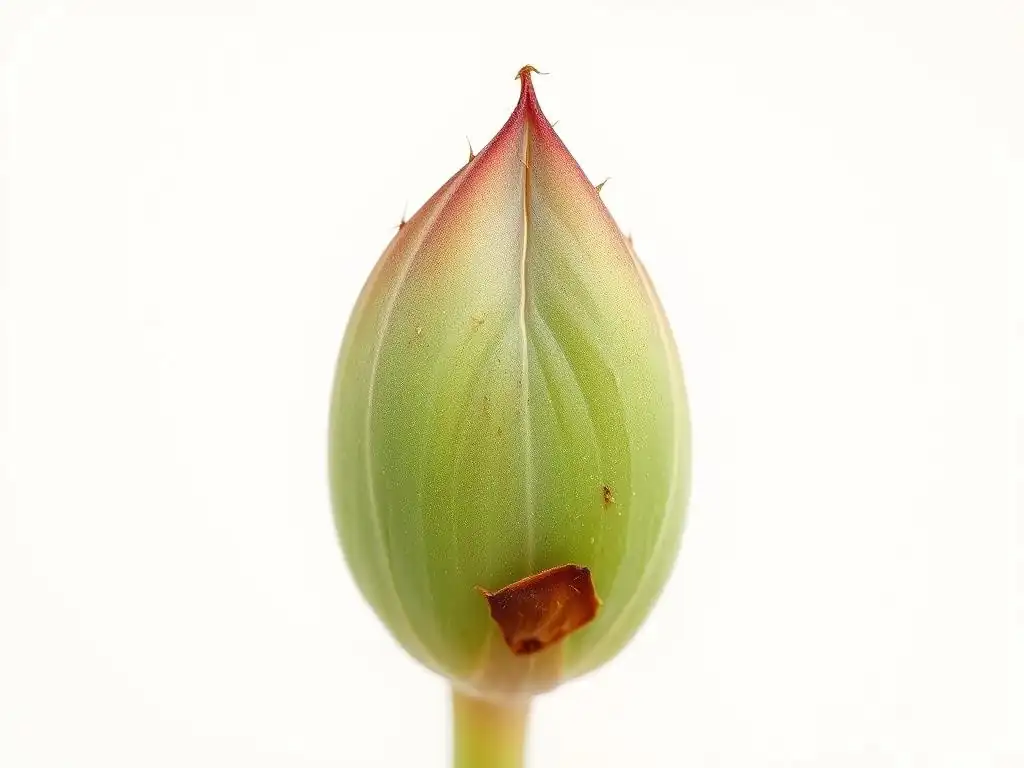
One of the most visible signs of heat stress in succulents is leaf scorching. This manifests as brown, crispy patches or edges on the leaves, particularly on those most exposed to direct sunlight. The severity ranges from minor browning to extensive necrosis (tissue death).
The intensity of the sun, duration of exposure, and the succulent species all play a role in the extent of the damage. For example, Echeveria species are often more susceptible to scorching than Sedum varieties. The browning isn't always uniformly distributed; sometimes, it appears as irregular patches, while other times it's a clear demarcation along the leaf margins.
Another common indicator is wilting, even when the soil appears adequately moist. Unlike wilting caused by underwatering, heat stress-induced wilting often presents as a limpness or flaccidity of the leaves, even if the soil is damp. This is because high temperatures interfere with the plant's ability to absorb and utilize water efficiently, leading to dehydration despite adequate soil moisture. The leaves may feel soft and lack their usual turgidity. This is a crucial distinction to make from underwatering, where leaves may feel dry and brittle. Careful observation of both leaf texture and soil moisture is essential for accurate diagnosis.
Observing these visual cues requires careful and regular monitoring, especially during heat waves. A daily inspection, especially during peak heat hours, allows for early detection of heat stress and timely intervention. A simple checklist can help:
| Symptom | Description | Severity Levels | Action Required |
|---|---|---|---|
| Leaf Scorching | Brown, crispy patches or edges on leaves. | Mild (small patches), Moderate (larger areas), Severe (extensive necrosis) | Shade, prune damaged leaves. |
| Wilting | Limp, flaccid leaves despite moist soil. | Mild (slightly limp), Moderate (noticeably limp), Severe (extreme limpness) | Shade, gradual rehydration. |
| Change in Leaf Color | Unusual discoloration (e.g., pale, dull) | Mild (subtle change), Moderate (pronounced change), Severe (significant fading) | Assess for other stressors, adjust care. |
This table provides a framework for assessing the severity of heat stress. Remember that the specific response depends on the species, the extent of damage, and the overall health of the plant.
Recovering Heat-Stressed Succulents: Pruning Damaged Tissue and Gradual Rehydration
Recovering heat-stressed succulents requires a multi-pronged approach focusing on removing damaged tissue, providing appropriate shade, and gradually rehydrating the plant. Pruning away severely scorched or necrotic leaves is essential to prevent the spread of rot and allow the plant to focus its energy on healing. Use clean, sharp shears to make precise cuts, avoiding unnecessary damage to healthy tissue. Remember to sterilize your tools before and after each use to prevent the spread of disease. The removed tissue should be disposed of properly to avoid attracting pests.
Rehydration should be a gradual process to avoid shocking the plant further. Avoid immediately soaking the soil; instead, gently water the soil when it's slightly dry to the touch, allowing the water to penetrate slowly. Overwatering can exacerbate the problem, potentially leading to root rot. Providing a bit of shade during the hottest parts of the day will also help reduce the stress on the plant. Moving the succulent to a location with filtered sunlight or dappled shade can significantly improve its chances of recovery.
The recovery period varies depending on the severity of the damage and the species of the succulent. Some plants may bounce back quickly, while others may require several weeks or even months to fully recover. Patience and consistent care are crucial during this stage. Regular monitoring for any signs of further damage or disease is essential to ensure a successful recovery.
Remember, prevention is always better than cure. Providing adequate shade and airflow, especially during hot weather, will significantly reduce the risk of heat stress. Careful observation and timely intervention are key to maintaining the health and vibrancy of your succulents.
Frequently Asked Questions
What is CAM photosynthesis and how does it relate to succulent heat tolerance?
CAM photosynthesis is a specialized metabolic pathway that allows succulents to conserve water by opening their stomata at night to take in CO2 and then fixing it during the day. This minimizes water loss in hot, dry conditions, thus enhancing their heat tolerance.
Do all succulents have the same heat tolerance?
No, different succulent species exhibit varying degrees of heat tolerance. Some thrive in extreme heat, while others prefer milder temperatures. Research the specific needs of your succulent variety.
What are the signs of heat stress in succulents?
Signs of heat stress include wilting, even with adequate watering, leaf discoloration (often browning or yellowing), and sunburn (brown, scorched patches).
How can I protect my succulents from excessive heat?
Provide adequate shade during the hottest parts of the day, ensure good air circulation, and use well-draining soil to prevent root rot. Consider moving your plants to a cooler location.
At what temperature do succulents typically suffer heat damage?
The temperature at which succulents suffer heat damage varies greatly depending on the species. However, temperatures consistently above 90-100°F (32-38°C) can cause stress in many common succulents. Always refer to species-specific care guides.
Final Reflection: Embracing the Resilient Spirit of Succulents
Understanding succulent heat tolerance is not merely a botanical pursuit; it's a crucial lens through which we can view the impacts of climate change on our planet's biodiversity. The increasing frequency and intensity of heatwaves globally underscore the urgent need to comprehend how plants, particularly those adapted to arid environments, will respond to these challenges. This knowledge is vital for conservation efforts and for informing sustainable horticultural practices.
The delicate balance between survival and thriving in extreme temperatures, as showcased by CAM plants, offers a profound lesson in adaptation and resilience. The desert teaches the value of water, the value of silence, and the value of patience.
This quote, while not directly about succulents, perfectly captures the essence of their struggle and triumph in harsh conditions. The more we understand the intricate mechanisms of CAM photosynthesis and its limitations under extreme heat, the better equipped we are to protect these fascinating plants and the ecosystems they inhabit. My own fascination with succulents has deepened significantly through researching this topic, highlighting the importance of appreciating the subtle intricacies of nature's designs.
Consider the succulents you may have in your home or have seen thriving in arid landscapes. Their ability to endure speaks to a larger truth about perseverance and adaptation in the face of adversity. I urge you to take a moment to observe these resilient plants, to appreciate their silent strength, and to reflect on the lessons they offer about coping with challenges in your own life. Let this understanding inspire you to advocate for environmental protection and to cultivate a deeper appreciation for the wonders of the natural world, one succulent at a time.
Unlock Your Succulents' Sun-Kissed Secrets!
Thanks for exploring the world of succulent heat tolerance! You've gained valuable insights into how temperature affects your plants. Ready to put this knowledge into practice?
Here's how to proceed:
- Optimize your succulents' environment: Carefully consider the sunlight and temperature where your succulents are currently located, making adjustments as needed. This might involve repositioning pots, using shade cloth, or even altering your watering schedule.
- Share your successes (and challenges!): Connect with our thriving community on social media and share your experiences managing succulents in various temperatures. Let's learn from each other!
- Learn more: Explore specific succulent species and their individual heat tolerances to discover which thrive in your climate.
Ready to give your succulents the perfect summer glow? What environmental adjustments will you make based on what you've learned?