
Succulent Stem Adaptations: The Secret to Water Conservation

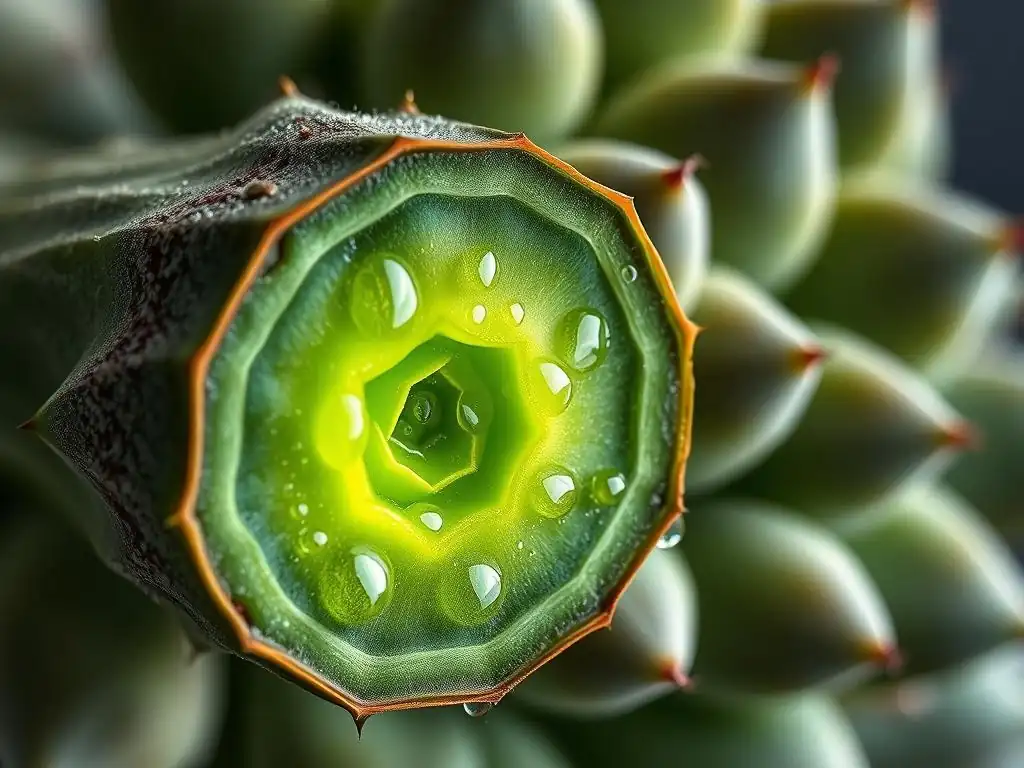
Welcome to SucculentEssentials.org, where the fascinating world of succulents unfolds before you! Dive into the captivating secrets of these resilient plants, from basic care to advanced techniques. But first, prepare to be amazed: did you know about the ingenious role of succulent stem water storage in their survival? Uncover the science behind this remarkable adaptation and unlock the key to thriving succulent cultivation in our latest article, "Succulent Stem Adaptations: The Secret to Water Conservation." Explore now and discover the wonders awaiting you!
- Understanding Succulent Stem Water Storage: A Key Adaptation
- Succulent Stem Morphology and Water Conservation Strategies
- Physiological Mechanisms of Water Storage in Succulent Stems
- Adaptations Beyond Water Storage: The Multifaceted Role of Succulent Stems
- Case Studies: Examining Specific Succulent Stem Adaptations
- Practical Implications for Succulent Care and Propagation
- Conclusion: The Significance of Succulent Stem Adaptations in Arid Environments
- Frequently Asked Questions
- Final Reflection: The Enduring Legacy of Succulent Resilience
- Unlock Your Succulent's Water-Wise Secrets!
Understanding Succulent Stem Water Storage: A Key Adaptation
Succulents, renowned for their ability to thrive in arid and semi-arid environments, have evolved a remarkable suite of adaptations to survive prolonged periods of drought. While many focus on the leaves' role in water storage, the stems of many succulent species play a crucial, often overlooked, role in this vital process. This article delves into the fascinating world of succulent stem adaptations, specifically focusing on their capacity for water retention and the unique structural features that contribute to their drought tolerance.
Understanding how succulents utilize their stems for water storage is key to appreciating their remarkable resilience and informs best practices for cultivation and propagation. We'll explore the diverse strategies employed by different succulent genera, highlighting the specific mechanisms that allow them to flourish in harsh conditions.
This exploration of "succulent stem water storage" will reveal the intricate physiological processes that underpin their survival and provide valuable insights for both novice and experienced succulent enthusiasts. 🌵
The Role of Stems in Water Retention in Euphorbia species
Many Euphorbia species, often mistaken for cacti, exhibit significant stem succulence. Unlike cacti, which typically have spines instead of leaves, Euphorbia species often retain reduced leaves. The stems themselves become the primary photosynthetic organs and the main reservoirs for water storage.
The internal structure of these stems is characterized by a specialized parenchyma tissue – a type of ground tissue – with large, water-filled cells. These cells are capable of expanding significantly during periods of water availability and contracting during drought, allowing for considerable flexibility in water storage capacity. Furthermore, the thick, waxy cuticle covering the stem surface minimizes water loss through transpiration, further enhancing water retention.
The efficiency of water storage in Euphorbia stems is directly related to the size and density of these water-storing cells, a feature that varies considerably across different Euphorbia species depending on their specific environmental conditions. Some Euphorbia species display particularly impressive stem water storage capabilities, enabling them to survive extended periods without rainfall.
Specialized Tissues for Water Storage in Sedum morganianum Stems
Sedum morganianum, also known as Burro's Tail, exemplifies a different strategy for stem water storage. While the leaves of this species are also somewhat succulent, the stems play a significant role in water retention. Unlike the parenchyma tissue found in Euphorbia, Sedum morganianum stems possess specialized water storage cells within the cortex, the region of the stem between the epidermis and the vascular bundles.
These cells are larger and more vacuolated than those in other stem tissues, allowing for greater water accumulation. Additionally, the stems' elongated, cascading structure contributes to water retention by reducing surface area exposure to direct sunlight and wind, thus minimizing water loss through transpiration.
The succulent stems also provide structural support, allowing the plant to grow long, trailing stems without losing its shape or wilting under drought conditions. The unique arrangement of water storage cells within the stem, coupled with the plant's overall morphology, contributes to its remarkable drought tolerance.
Structural Adaptations Enhancing Water Storage Capacity in Aloe vera Stems
While Aloe vera is primarily known for its succulent leaves, the stem also contributes to overall water storage. The stem of Aloe vera is relatively short and thick, exhibiting a robust structure that supports the weight of the dense, fleshy leaves. Its internal structure includes a substantial layer of parenchyma cells capable of storing water. However, the stem's water storage capacity is less pronounced than in Euphorbia or Sedum species.
Instead, the Aloe vera stem's structural adaptations, such as its compact size and thick epidermis, play a more significant role in reducing water loss through transpiration. The stem, therefore, acts as a supporting structure, ensuring the efficient functioning of the water-storing leaves and minimizing water loss from the entire plant. The integrated strategy of stem support and leaf succulence contributes to the remarkable survival of Aloe vera in its native arid environment.
Succulent Stem Morphology and Water Conservation Strategies
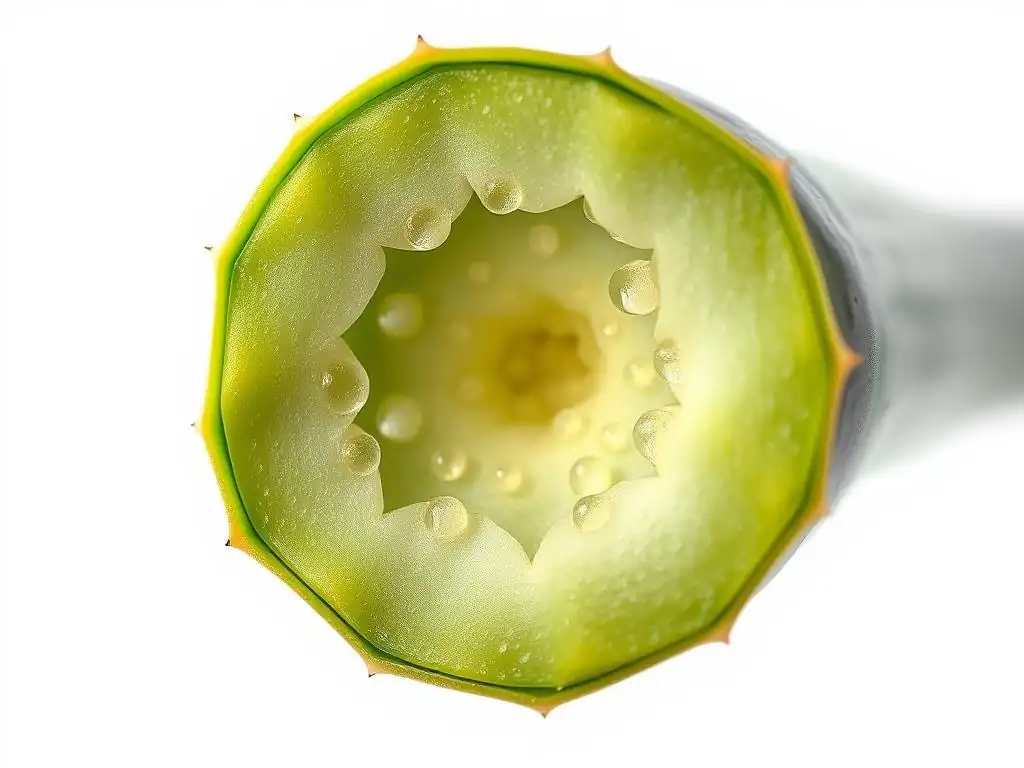
Succulent stem water storage is a crucial adaptation enabling these plants to thrive in arid and semi-arid environments. Understanding the morphology of succulent stems—their shape, size, and surface features—is key to appreciating their remarkable water conservation mechanisms. These adaptations aren't uniform across all succulent species; rather, they represent a fascinating array of evolutionary solutions tailored to specific environmental pressures. We'll explore how different succulent genera have evolved unique stem structures to optimize water uptake, retention, and minimize loss. The efficiency of these adaptations directly impacts the plant's survival and reproductive success in water-stressed conditions.
Analyzing the Shape and Size of Water-Storing Stems in Cacti
Cacti, quintessential examples of succulent stem water storage, exhibit a wide diversity in stem morphology. Their shape, from cylindrical columns to flattened pads, directly influences their water storage capacity and surface area exposed to sunlight. For instance, columnar cacti like Saguaro ( Carnegiea gigantea) possess large, cylindrical stems with a high volume-to-surface-area ratio, maximizing water storage. Conversely, flattened pad cacti like Opuntia species have a larger surface area relative to their volume, potentially facilitating more efficient heat dissipation and reducing water loss through transpiration.
The size of the stem is also a significant factor. Larger cacti can store considerably more water than smaller ones. However, this increased storage capacity comes with trade-offs. Larger stems require more structural support to withstand wind and other environmental stresses, and their increased surface area can lead to higher water loss if not adequately managed through other adaptations like thick cuticles and reduced stomata density.
Analyzing the internal structure reveals further intricacies. The parenchyma tissue, the primary water-storing tissue, occupies a large proportion of the stem's volume in cacti. The arrangement and density of these cells vary depending on the species, influencing the overall water-holding capacity. Moreover, the presence of specialized tissues, such as mucilage-producing cells, further enhances water retention. Studies using techniques like magnetic resonance imaging (MRI) allow for detailed visualization of water distribution within cactus stems, providing valuable insights into their water storage mechanisms.
The Influence of Stem Structure on Water Uptake and Retention in Lithops
Lithops, also known as "living stones," represent a fascinating case study in succulent stem water storage. Their unique morphology, characterized by two fused leaves forming a body resembling a stone, is a remarkable adaptation to their harsh desert environments. Instead of relying on large, fleshy stems for water storage, Lithops primarily store water within their thickened leaves. However, the stem, though small, plays a crucial role in water uptake and transport.
The stem's structure is remarkably compact and robust, designed to efficiently anchor the plant in the sandy soil and minimize water loss. The stem's surface area is relatively small, reducing water loss through transpiration. The stem's internal structure comprises specialized vascular tissues that efficiently transport water from the roots to the leaves, ensuring adequate hydration even during prolonged drought periods. The efficiency of water transport is further enhanced by the plant's shallow root system, which quickly absorbs any available moisture.
Understanding the subtle interplay between stem structure, root system, and leaf morphology in Lithops provides valuable insights into the diverse strategies employed by succulents for water conservation. Further research focusing on the hydraulic properties of the Lithops stem and its contribution to overall water balance is needed.
Stem Surface Features and Their Role in Reducing Water Loss in Echeveria
Echeveria succulents showcase a different strategy for succulent stem water storage and water conservation, relying heavily on stem surface features to minimize water loss. While they do store water in their leaves, the stems, often thick and fleshy, play a supportive role. The reduction of water loss is primarily achieved through several key features.
Firstly, the thick cuticle covering the stem surface acts as a barrier against water evaporation. This waxy layer significantly reduces transpiration, preventing excessive water loss, especially during periods of high temperatures and low humidity. The thickness and composition of the cuticle vary among Echeveria species, reflecting adaptations to different environmental conditions.
Secondly, the density and distribution of stomata (tiny pores on the stem surface responsible for gas exchange) play a critical role in regulating water loss. Many Echeveria species have a relatively low density of stomata, reducing the surface area through which water can escape. Furthermore, many species exhibit sunken stomata, further minimizing water loss by creating a microenvironment with higher humidity.
Finally, the presence of trichomes (tiny hair-like structures) on the stem surface can contribute to water conservation. Trichomes create a layer of insulation, reducing the temperature of the stem surface and thus lowering transpiration rates. They can also trap a thin layer of humidity near the surface, further reducing water loss. The density and type of trichomes vary significantly among Echeveria species, reflecting their adaptation to different environments. Detailed studies on the interplay between cuticle thickness, stomata density, and trichome distribution in Echeveria are needed to fully quantify their relative contributions to water conservation.
Physiological Mechanisms of Water Storage in Succulent Stems
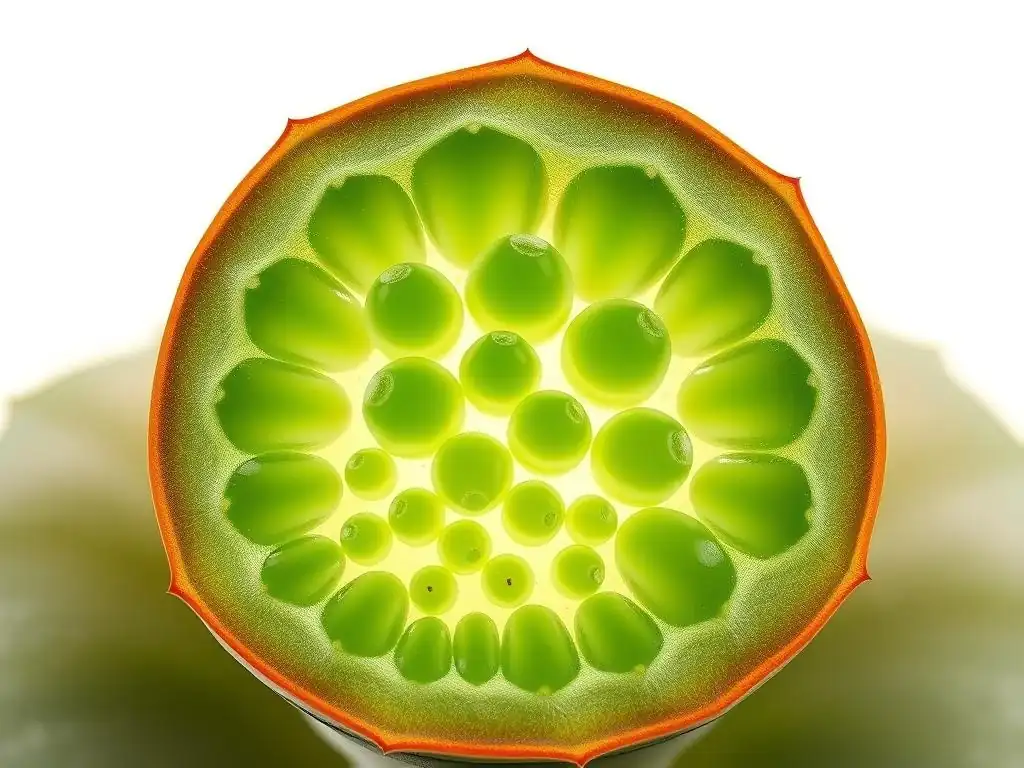
Succulent stem water storage is a fascinating adaptation allowing these plants to thrive in arid and semi-arid environments. This section delves into the physiological intricacies of how succulents achieve this remarkable feat, focusing on specific mechanisms and examples. Understanding these mechanisms is crucial for successful succulent cultivation and appreciating the evolutionary ingenuity of these remarkable plants.
The ability to store significant quantities of water within their stems is a defining characteristic of many succulent species, enabling them to survive extended periods of drought. This water storage capacity isn't simply about passively holding water; it involves a complex interplay of osmotic regulation, metabolic processes, and specialized tissue structures.
Osmotic Regulation and Water Potential in Agave Stems
Agave species, known for their impressive rosette structures and substantial water storage capabilities, exemplify the role of osmotic regulation in succulent stem water storage. Their stems, while appearing relatively fibrous, contain specialized parenchyma cells with a high concentration of soluble sugars and other osmolytes. These osmolytes lower the water potential within the cells, creating an osmotic gradient that draws water from the surrounding tissues and the soil (when available). This process allows Agave to absorb and retain water efficiently, even under conditions of low soil moisture.
The exact composition of osmolytes varies among Agave species, reflecting adaptations to their specific environmental niches. Further research is needed to fully characterize the osmotic potential in different Agave species and its relationship to drought tolerance. For example, [specific data on osmolyte concentration in Agave americana pending].
Metabolic Processes Supporting Water Storage and Drought Tolerance in Crassula ovata
Crassula ovata, commonly known as the jade plant, provides another excellent example of how metabolic processes contribute to succulent stem water storage and overall drought tolerance. During periods of water availability, C. ovata actively accumulates water in its stems, utilizing its efficient Crassulacean Acid Metabolism (CAM) photosynthesis. CAM allows C. ovata to open its stomata primarily at night, reducing water loss through transpiration.
The CO₂ taken in at night is stored as malic acid, which is then used during the day for photosynthesis. This minimizes water loss while still enabling efficient carbon fixation. Furthermore, C. ovata's stems contain specialized cells that can swell significantly with water, contributing to their plump appearance and high water storage capacity.
The metabolic pathways involved in malic acid synthesis and degradation are tightly regulated, ensuring optimal water use efficiency under varying environmental conditions. Detailed studies on the gene expression related to CAM photosynthesis in C. ovata under drought stress would provide further insights into its water conservation mechanisms.
The Role of Stems in Photosynthesis and Carbon Metabolism in Dudleya
Many Dudleya species exhibit a unique combination of stem succulence and photosynthetic adaptations. In contrast to Agave and Crassula, some Dudleya species have stems that contribute significantly to photosynthesis. Their stems are often thick and fleshy, containing chlorenchyma cells with abundant chloroplasts.
This allows for photosynthesis to occur not only in the leaves but also in the stems, effectively increasing the plant's overall photosynthetic capacity. This adaptation is particularly important in species where leaves are reduced or shed during periods of drought. The stem's role in photosynthesis and carbon metabolism in Dudleya is crucial for its survival, maximizing carbon gain while minimizing water loss.
Understanding the specific photosynthetic pathways and carbon allocation strategies in Dudleya stems is a key area for future research, particularly in relation to drought adaptation and survival strategies. A comparative study of different Dudleya species with varying stem succulence levels would be valuable to illuminate the evolutionary trajectory of this fascinating adaptation. This would help explain the different strategies used for succulent stem water storage.
Adaptations Beyond Water Storage: The Multifaceted Role of Succulent Stems
Succulent stem water storage is a crucial adaptation, but it's not the only trick up these plants' sleeves. The stems of succulents play a surprisingly multifaceted role in their survival and propagation, extending far beyond simple water retention. Understanding these diverse functions provides a deeper appreciation for the remarkable resilience of these drought-tolerant plants. This section will explore several key adaptations beyond water storage, focusing on how stem morphology contributes to defense, reproduction, and even classification.
Stems as Defense Mechanisms Against Herbivores and Environmental Stressors in Opuntia
The Opuntia genus, encompassing prickly pear cacti, showcases a compelling example of stem adaptation for defense. Their flattened, fleshy stems, or cladodes, are not only efficient water storage organs but also formidable deterrents to herbivores. The abundance of spines, glochids (tiny barbed bristles), and often a thick, waxy cuticle provide multiple layers of protection. These adaptations minimize damage from browsing animals and reduce water loss through transpiration.
Studies have shown a direct correlation between spine density and herbivore pressure in different Opuntia populations. Locations with higher populations of grazing animals tend to exhibit Opuntia plants with denser and more robust spine formations. Moreover, the waxy cuticle reduces water loss, crucial in arid environments where water conservation is paramount.
This integrated defense system, intrinsically linked to stem structure, significantly enhances the Opuntia's survival chances in harsh conditions. The stem, therefore, acts as a multifunctional organ, simultaneously storing water and providing a robust defense against environmental and biological threats. This exemplifies the sophisticated strategies employed by succulents for thriving in challenging habitats.
Stems in Vegetative Propagation and Plant Reproduction in Kalanchoe
Certain Kalanchoe species exhibit remarkable vegetative propagation strategies directly involving their stems. These plants produce adventitious buds along their leaf margins or stem surfaces, which develop into miniature plantlets. These plantlets, complete with roots and leaves, eventually detach from the parent plant, falling to the ground to establish themselves as independent individuals. This method of asexual reproduction, known as vivipary, significantly enhances the plant's reproductive success, especially in environments where seed dispersal is unreliable.
The stem plays a crucial role in this process, providing structural support for the developing plantlets and facilitating their eventual detachment. The morphology of the stem, specifically the spacing and arrangement of adventitious buds, influences the efficiency of this propagation method. For example, some Kalanchoe species have stems that readily fragment, further increasing the chances of successful vegetative propagation.
The ability to reproduce asexually via stem-borne plantlets represents a significant evolutionary advantage, allowing Kalanchoe to rapidly colonize suitable habitats and ensuring the continuation of the species. This makes their stems not just water storage organs, but also integral components of their reproductive strategy.
The Importance of Stem Anatomy in Succulent Classification and Identification in Haworthia
The intricate anatomy of succulent stems is a key characteristic used in plant taxonomy and identification. The Haworthia genus, known for its diverse range of miniature succulents, provides a prime example. Variations in stem structure, including the presence or absence of a distinct stem, stem thickness, leaf arrangement, and surface texture, are crucial distinguishing features used by botanists to classify different species and subspecies.
For example, some Haworthia species possess a short, almost subterranean stem, while others have a more elongated, visible stem. The arrangement of leaves on the stem (e.g., spiral, rosette) also varies significantly across species. Microscopic examination of stem cross-sections reveals further details, such as the arrangement of vascular bundles and the presence of specialized cells for water storage.
These anatomical features, often subtle yet distinct, are essential for accurate species identification and contribute significantly to our understanding of Haworthia evolutionary relationships. Careful observation and analysis of stem anatomy, therefore, are indispensable tools for succulent enthusiasts and researchers alike. The information gleaned from studying stem structure enhances our ability to classify and identify these remarkable plants, deepening our understanding of succulent diversity.
Case Studies: Examining Specific Succulent Stem Adaptations
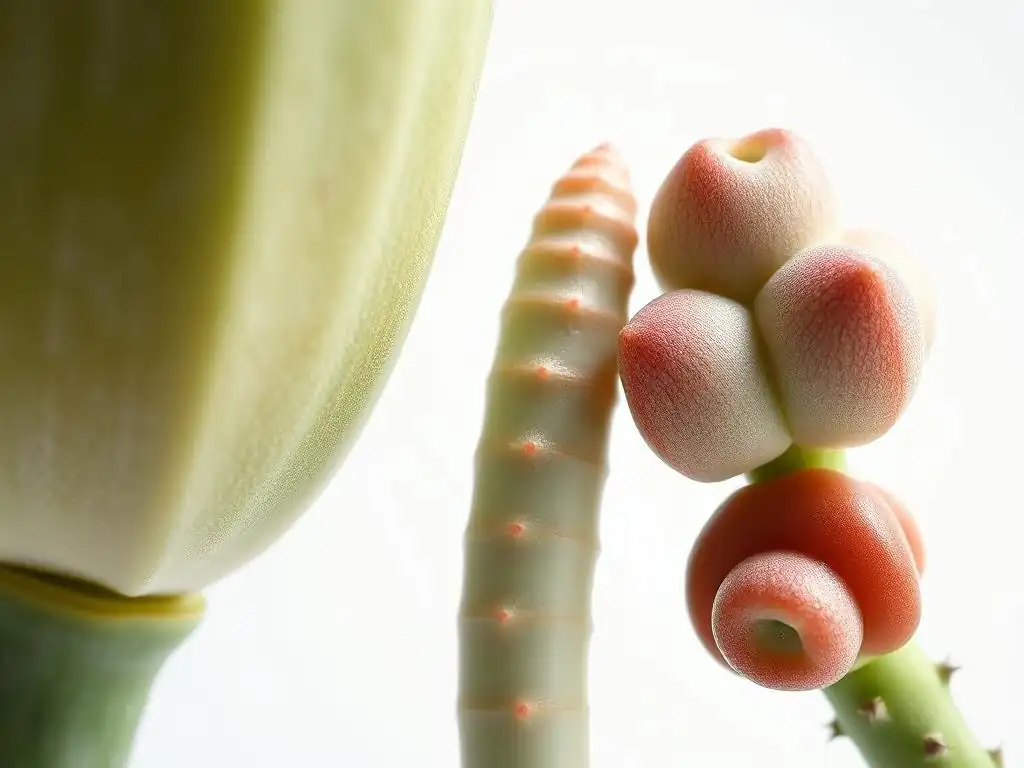
This section delves into the fascinating world of succulent stem adaptations, specifically focusing on how different species have evolved unique strategies for succulent stem water storage and drought survival. We will examine several case studies, highlighting the diverse morphological and physiological mechanisms employed by these remarkable plants. Understanding these adaptations is crucial for successful succulent cultivation and appreciating the ingenuity of nature's design. The ability to store water within their stems is a key characteristic in the water storage capabilities of succulents.
Euphorbia obesa: Stem Adaptations for Water Storage and Drought Survival
The Euphorbia obesa, or baseball plant, exemplifies the effectiveness of stem succulence for water conservation. Its spherical shape minimizes surface area relative to volume, reducing water loss through transpiration. The thick, fleshy stem is composed of specialized parenchyma cells capable of storing large quantities of water. These cells have a high water retention capacity due to their structure and the presence of mucilage, a gel-like substance that helps bind water molecules.
Furthermore, the Euphorbia obesa possesses a thick epidermis covered with a waxy cuticle. This cuticle acts as a barrier, significantly reducing water loss through evaporation. Studies have shown that the cuticle thickness in Euphorbia obesa is significantly greater than in many other succulent species, further enhancing its drought tolerance. The plant also employs CAM photosynthesis (Crassulacean Acid Metabolism), a process that minimizes water loss during gas exchange.
Cereus giganteus: Unique Stem Features for Water Conservation in Desert Environments
The Cereus giganteus, or saguaro cactus, represents a different adaptation strategy for succulent stem water storage. Instead of a spherical shape, the saguaro boasts a tall, columnar stem. While this might seem counterintuitive for water conservation, the saguaro's large size allows for immense water storage capacity. The ribbed structure of its stem allows for expansion and contraction as it absorbs and loses water, preventing damage from fluctuating water levels.
The saguaro's stem is also composed of a complex network of vascular bundles, which efficiently transport water throughout the plant. The deep root system of the saguaro further contributes to its water acquisition capabilities, allowing it to tap into groundwater sources unavailable to many other desert plants. Its spines, while seemingly defensive, also play a role in reducing water loss by shading the stem and creating a microclimate that minimizes evaporation.
Comparative Analysis of Stem Adaptations Across Mammillaria and Echinocactus Genera
A comparison of the Mammillaria and Echinocactus genera reveals diverse strategies for succulent stem water storage within a single family (Cactaceae). Mammillaria species, often characterized by their small size and numerous spines, tend to rely on a strategy of multiple, smaller water storage units within their stems. These stems are frequently cylindrical or globular, minimizing surface area, and their spines provide shade.
In contrast, Echinocactus species, such as the barrel cactus, typically have larger, more robust stems with a barrel-like shape. Their larger size allows for significantly greater water storage capacity. These cacti often have deeply furrowed ribs, allowing for expansion and contraction during periods of water abundance and scarcity. The ribs also provide shade and help to reduce water loss. The following table summarizes key differences:
| Feature | Mammillaria | Echinocactus |
|---|---|---|
| Stem Shape | Cylindrical, globular, often smaller | Barrel-shaped, large, robust |
| Water Storage | Multiple, smaller units within the stem | Single, large storage capacity in the stem |
| Rib Structure | Often less pronounced | Deeply furrowed ribs |
| Spine Density | High | Moderate to high |
| Drought Tolerance | High (through multiple smaller water reserves) | High (through large water reserves) |
This comparative analysis highlights the remarkable plasticity of succulent stem adaptations, demonstrating that multiple evolutionary pathways can lead to successful water conservation in arid environments. The specific adaptations employed by each species are closely tied to its ecological niche and environmental pressures. Further research into the specific cellular and physiological mechanisms underlying these adaptations would further enhance our understanding of succulent stem water storage.
Practical Implications for Succulent Care and Propagation
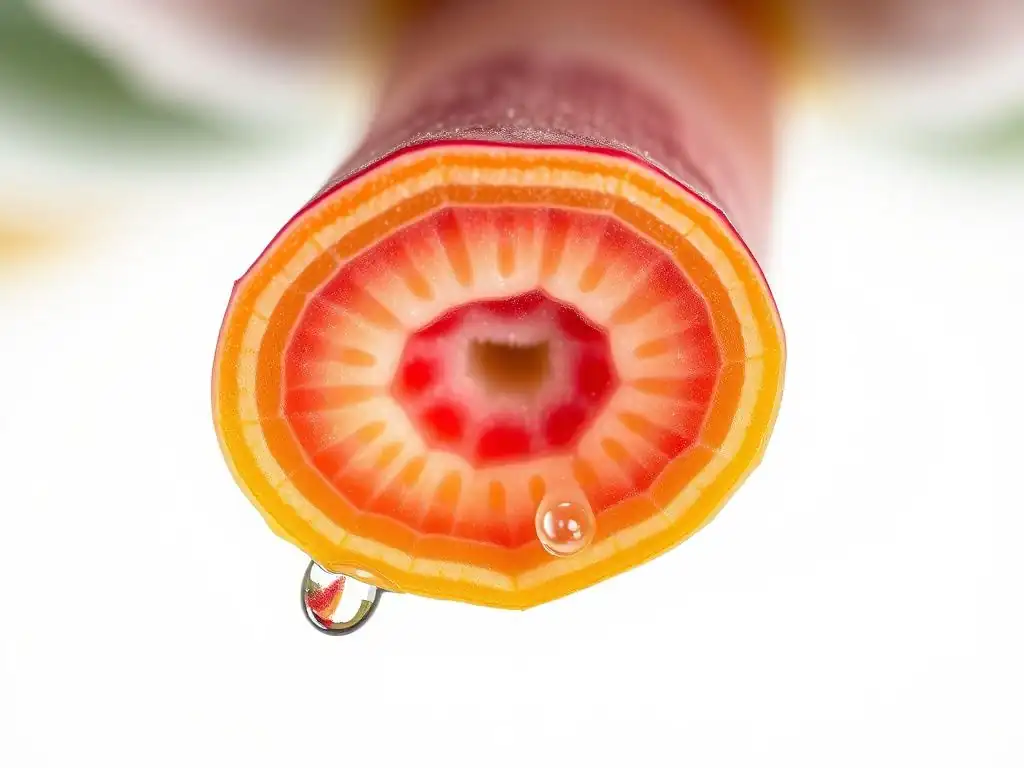
This section explores the practical applications of understanding succulent stem water storage for improved plant care and propagation success. By recognizing the role of the stem in water conservation, succulent enthusiasts can refine their cultivation techniques and achieve healthier, more vibrant plants. The capacity for stem water storage varies significantly across different succulent genera, influencing optimal watering schedules and propagation methods. We'll examine specific examples to illustrate these practical implications.
Watering Strategies Based on Stem Water Storage Capacity in Haworthia
Haworthia succulents, known for their thick, fleshy leaves, also possess stems capable of storing water, although often less pronounced than in other genera. Understanding this capacity is crucial for avoiding overwatering, a common cause of root rot in Haworthia. Their relatively smaller stem size compared to, say, Echeveria, dictates a less frequent watering schedule.
Instead of adhering to a rigid watering timetable, observe the plant closely. Signs of needing water in Haworthia often manifest subtly; the leaves might slightly wrinkle or lose their turgidity before the stem shows significant signs of dehydration. Allow the soil to dry out almost completely between waterings.
The succulent stem's water reserves provide a buffer, preventing immediate wilting. This approach minimizes the risk of root rot while ensuring the plant has sufficient moisture during drier periods. Remember, consistent observation is key to mastering the art of watering Haworthia, capitalizing on their built-in water storage mechanisms in the stem and leaves.
Propagation Techniques Utilizing Stem Cuttings and Their Water Retention Properties in Sedum
Many Sedum species boast robust stems with significant water storage capabilities. This characteristic makes them particularly well-suited to propagation via stem cuttings. The stored water within the stem provides a crucial advantage during the rooting process. Unlike leaf cuttings which rely entirely on stored water within the leaf itself, stem cuttings of Sedum have a larger water reserve, increasing their chances of survival and quicker rooting.
The technique involves taking stem cuttings of several inches, allowing the cut end to callous over for a day or two. Planting these cuttings in a well-draining succulent potting mix, and providing minimal watering initially, allows the plant to utilize the stored water in the stem to support root development. This minimizes the risk of rotting before the roots establish themselves.
The increased water storage capacity in the Sedum stem is a key factor contributing to the high success rate of this propagation method. This is a clear demonstration of how understanding succulent stem water storage directly translates to successful propagation strategies.
Identifying Signs of Water Stress in Succulent Stems of Crassula
Crassula succulents, including popular jade plants, often exhibit clear visual indicators of water stress in their stems. Unlike some succulents where leaf changes are more obvious, Crassula stems can provide early warning signs of dehydration. A healthy, well-hydrated Crassula stem will feel firm and plump. However, when water stressed, the stem may become noticeably shrunken, wrinkled, or even slightly soft to the touch. This change in stem texture is a reliable indicator of depleted water reserves.
Furthermore, the color of the stem might also change. A healthy stem is usually a vibrant green. Under water stress, the stem might exhibit a slightly duller or paler green hue, or even develop a slightly brownish tinge. These visual cues, combined with careful observation of soil moisture, are essential for timely intervention.
Prompt watering can prevent irreversible damage and restore the plant's turgidity. Regular monitoring of Crassula stems, paying close attention to texture and color, allows for proactive adjustments to watering practices, ensuring the plant's health and longevity. Learning to interpret these subtle signs is paramount for successful Crassula cultivation and demonstrates the importance of understanding succulent stem water storage for optimal plant health.
Conclusion: The Significance of Succulent Stem Adaptations in Arid Environments
Succulent stem water storage is not merely a fascinating botanical quirk; it's a crucial survival mechanism that has allowed these plants to thrive in some of the harshest environments on Earth. The adaptations discussed—from the modified parenchyma cells to the specialized vascular bundles—represent a remarkable example of evolutionary ingenuity. Understanding these mechanisms is vital not only for appreciating the beauty and resilience of succulents but also for informing practical applications in horticulture, conservation, and even sustainable agriculture.
The ability of succulents to efficiently store and utilize water resources has significant implications for arid and semi-arid regions, where water scarcity is a major constraint. By studying these plants, we can gain valuable insights into drought tolerance and develop strategies for improving water-use efficiency in other crops.
The unique physiology of succulents provides a blueprint for designing more resilient and sustainable agricultural systems in water-stressed areas. The economic and ecological benefits of such advancements are undeniable.
The Future of Research on Succulent Stem Water Storage Mechanisms
Future research on succulent stem water storage should focus on several key areas. Firstly, a deeper understanding of the genetic basis of these adaptations is crucial. Identifying the specific genes responsible for the development and regulation of water storage tissues would allow for targeted genetic engineering to enhance drought tolerance in other plants. This could involve exploring the role of specific transcription factors and signaling pathways involved in the differentiation of water storage parenchyma cells.
Secondly, further investigation into the biochemical mechanisms involved in water uptake, retention, and utilization is needed. This includes studying the role of aquaporins, osmotic adjustment mechanisms, and stress-responsive proteins in maintaining cellular turgor under drought conditions. Finally, more detailed studies are needed to compare and contrast water storage mechanisms across different succulent species, particularly those inhabiting diverse arid environments. This comparative approach can unveil the evolutionary trajectories that have shaped the remarkable diversity of water storage strategies in succulents.
The integration of genomic, physiological, and ecological approaches is essential to achieve a comprehensive understanding of succulent stem water storage. This interdisciplinary approach will unlock the full potential of this research, contributing significantly to both basic and applied science. Analyzing the effectiveness of different water storage strategies under varying environmental conditions (e.g., temperature, salinity, light intensity) will also provide valuable insights.
Implications for Conservation and Sustainable Agriculture
The remarkable ability of succulents to conserve water holds immense promise for conservation efforts and sustainable agriculture, particularly in arid and semi-arid regions. Understanding the mechanisms of succulent stem water storage can inform the development of drought-resistant crops, contributing to food security in water-stressed areas. Moreover, the insights gained from studying succulents can be applied to improve water management practices in landscaping and horticulture. For instance, selecting and cultivating drought-tolerant succulent species for urban green spaces can reduce water consumption significantly.
Furthermore, the principles of succulent water storage can inspire the design of more efficient irrigation systems, minimizing water waste and maximizing crop yields. The potential economic benefits are substantial, reducing reliance on costly irrigation and promoting sustainable agricultural practices. The conservation implications are equally significant. By understanding the environmental factors that influence succulent stem water storage, we can better protect vulnerable succulent populations and their habitats.
This involves implementing appropriate conservation strategies to mitigate the impacts of climate change and habitat loss. The continued research into succulent stem water storage mechanisms will not only enhance our understanding of plant physiology but also contribute significantly to addressing global challenges related to water scarcity and food security. 🌱 The future of sustainable agriculture and conservation may well depend on the lessons learned from these remarkable plants.
Frequently Asked Questions
How do succulents store water in their stems?
Succulents store water in their stems through specialized tissues called parenchyma cells. These cells are large and vacuolated, allowing them to hold significant amounts of water. This adaptation is crucial for survival in arid conditions.
What are the benefits of stem water storage for succulents?
Stem water storage provides succulents with a reservoir of water during periods of drought. This allows them to survive extended periods without rainfall and makes them highly drought-tolerant.
Do all succulents store water in their stems?
While many succulents utilize stem water storage, the extent varies greatly depending on the species. Some succulents primarily store water in their leaves, while others rely more heavily on their stems.
How does the stem structure contribute to water storage?
The fleshy and thickened stems of many succulents are a direct result of their water storage capacity. The structure itself helps to retain moisture and minimizes water loss through transpiration.
Can I tell if a succulent is storing water in its stem by looking at it?
Often, you can visually identify succulents with significant stem water storage by their thick, plump stems. However, some succulents with substantial stem storage may not appear outwardly fleshy. Careful observation and knowledge of the specific species are key.
Final Reflection: The Enduring Legacy of Succulent Resilience
The ingenious water storage mechanisms of succulent stems are not merely botanical curiosities; they represent a powerful model for sustainable living in a world increasingly challenged by water scarcity. Understanding these adaptations offers crucial insights into efficient resource management, applicable far beyond the arid landscapes where succulents thrive. The principles of water conservation embodied in these plants hold the key to innovative solutions for a drier future.
The remarkable ability of succulents to flourish in harsh environments has profoundly impacted my understanding of resilience and adaptation. Their silent strength, their ability to thrive where others fail, speaks volumes about the power of strategic resource management. The desert teaches the value of water, the value of silence, the value of patience.
This quote, while not directly about succulents, perfectly captures the essence of their survival strategy and its broader implications for human societies facing similar challenges.
Consider the lessons these unassuming plants offer. Think about how you can incorporate principles of efficient resource management into your own life – whether it's conserving water at home, making conscious choices about consumption, or finding creative solutions to overcome challenges. You, too, possess an inner resilience, a capacity for adaptation that mirrors the remarkable ingenuity of the succulent stem. Embrace this strength, learn from nature's wisdom, and cultivate your own capacity to thrive, even in the face of adversity.
Unlock Your Succulent's Water-Wise Secrets!
Thank you for exploring the fascinating world of succulent stem adaptations! You've gained valuable insights into how these amazing plants thrive in arid conditions. Ready to put this knowledge into practice?
- Design the perfect succulent arrangement: Consider the unique needs of each succulent when choosing a pot and location. Think about sunlight, drainage, and how different succulents might interact.
- Share your succulent knowledge: Discuss your newfound expertise with fellow plant enthusiasts online or in person! Inspire others to appreciate the beauty and resilience of these incredible plants.
- Experiment with propagation: Try propagating your succulents from leaf or stem cuttings—observing the water storage mechanisms firsthand will deepen your understanding and allow you to grow new succulents.
How can you incorporate your understanding of succulent stem adaptations into your succulent care routine?