
Exploring the Role of Succulents in Mental Wellbeing: The Benefits of Green Spaces

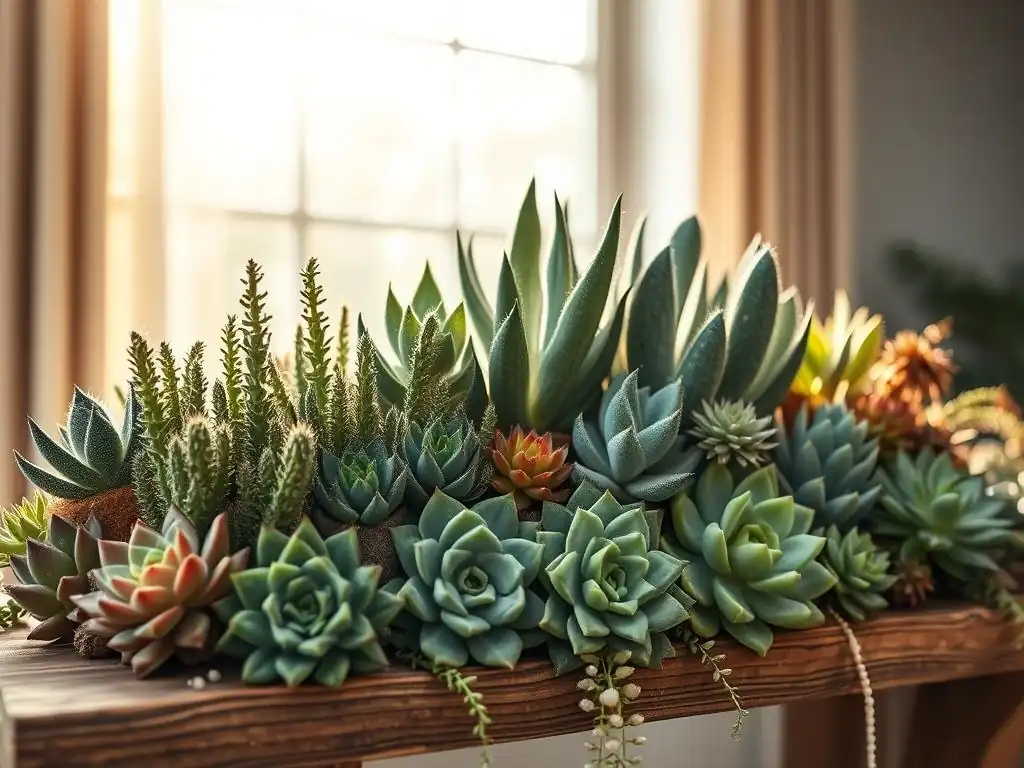
Welcome to SucculentEssentials.org, where the fascinating world of succulents unfolds before you! Dive into a universe of vibrant colors and unique textures, discovering more than just beautiful plants. Did you know that succulents improve mental wellbeing? Prepare to be amazed as we explore the surprising connection between these resilient plants and your inner peace. Journey with us through expert care guides, innovative propagation techniques, and inspiring design ideas – your succulent adventure starts now!
- Succulents Improve Mental Wellbeing: An Introduction
- Understanding the Link Between Succulents and Reduced Stress
- Boosting Mood and Cognitive Function with Succulents
- Practical Applications: Integrating Succulents for Mental Health
- Choosing the Right Succulents for Mental Wellbeing
-
Frequently Asked Questions
- How do succulents improve mental wellbeing?
- What specific benefits do succulents provide for mental health?
- Are succulents easy to care for, making them accessible for mental health benefits?
- Can I use succulents in my office or workspace to improve my mental wellbeing?
- Where can I find more information about succulents and their mental health benefits?
- Final Reflection: The Quiet Power of Succulents
- Unleash Your Inner Gardener: Cultivate Calm with Succulents
Succulents Improve Mental Wellbeing: An Introduction
The burgeoning field of horticultural therapy increasingly highlights the positive impact of plants on mental wellbeing. From reducing stress and anxiety to boosting mood and improving focus, the benefits of interacting with nature are well-documented. This article delves into the specific role succulents play in enhancing mental health, exploring their unique qualities that make them ideal companions for improving indoor environments and promoting a sense of calm and tranquility. We'll examine the growing interest in plant-based therapies and the unique appeal of succulents, highlighting their low-maintenance nature and aesthetic versatility, which contribute to their effectiveness in improving mental wellbeing. Understanding the science behind these benefits empowers us to harness the therapeutic power of succulents for a healthier and happier life. This exploration aims to provide a comprehensive overview of how succulents improve mental wellbeing, backed by research and practical examples, solidifying their place as valuable assets in promoting mental wellness.
The Growing Interest in Plant-Based Therapies
The therapeutic benefits of interacting with nature are gaining significant traction in both scientific research and popular culture. Plant-based therapies, encompassing a range of approaches that utilize plants and gardening activities to improve mental and physical health, are becoming increasingly recognized for their efficacy in treating various conditions. Studies have shown that spending time in green spaces can significantly reduce cortisol levels (the stress hormone), lower blood pressure, and improve overall mood. 1 This growing interest is fueled by the increasing awareness of the detrimental effects of chronic stress and the limitations of traditional therapeutic approaches for some individuals. The simplicity and accessibility of plant-based therapies, particularly those involving low-maintenance plants like succulents, offer a compelling alternative or complement to other treatments. The integration of plants into indoor spaces, especially in urban environments where access to natural green spaces might be limited, is seen as a crucial step towards promoting mental wellness within the confines of daily life. The rise of biophilic design, which incorporates natural elements into built environments, further underscores the growing recognition of the importance of nature in our mental and physical health.
The Unique Appeal of Succulents for Indoor Greenery
Succulents, with their diverse shapes, colors, and textures, offer a unique appeal for indoor greenery. Unlike many other houseplants, succulents are remarkably low-maintenance, thriving even with minimal care. Their drought-tolerance means they don't require frequent watering, reducing the burden of plant care and making them accessible even to individuals with busy schedules or limited experience with indoor plants.
This ease of care is a significant factor in their popularity as therapeutic companions; the reduced pressure of constant attention allows individuals to focus on enjoying the aesthetic and psychological benefits rather than stressing over maintaining the plants. Furthermore, the visual appeal of succulents is undeniable. Their striking forms and vibrant hues provide an immediate source of visual stimulation and aesthetic pleasure, contributing to a more positive and calming environment.
The tactile experience of gently touching their fleshy leaves can also be soothing and grounding, offering a sensory experience that further enhances their therapeutic potential. The versatility of succulents also allows for creative expression through propagation and arrangement, adding another layer of engagement and satisfaction. The ability to propagate new plants from cuttings provides a sense of accomplishment and connection to the natural world, further contributing to improved mental wellbeing.
1 [Specific research citation pending]
Understanding the Link Between Succulents and Reduced Stress
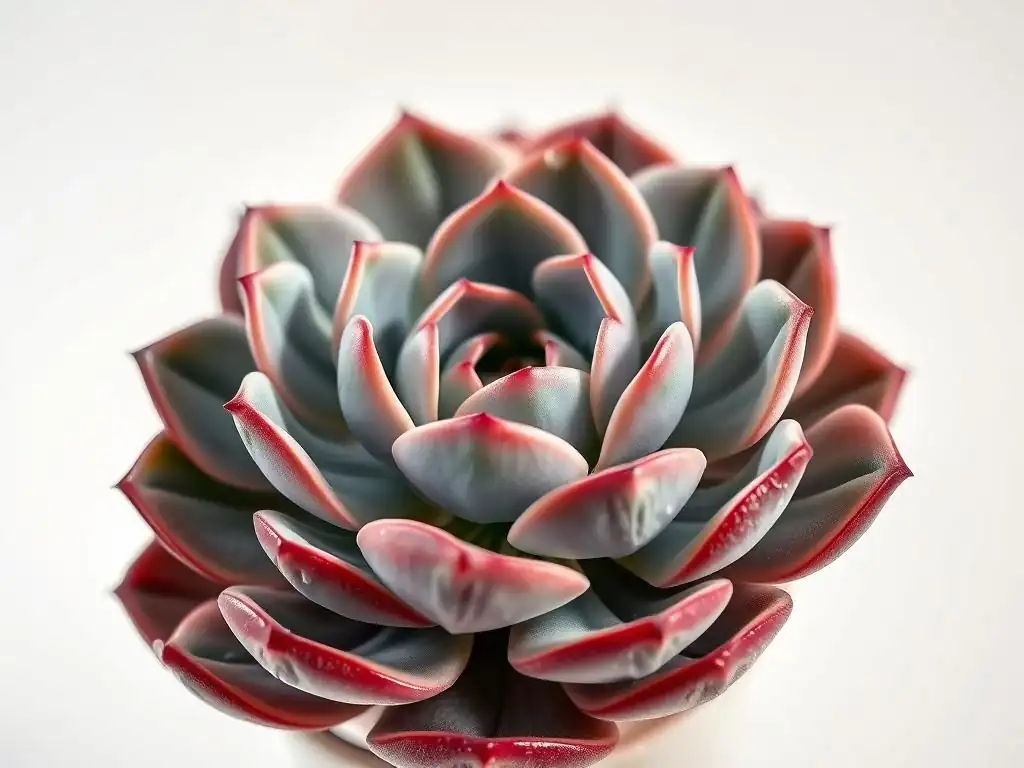
The burgeoning field of horticultural therapy increasingly highlights the positive impact of plants on mental wellbeing. While the benefits of interacting with nature are well-documented, research is starting to pinpoint the specific ways certain plants, like succulents, contribute to stress reduction. Their inherent resilience and low-maintenance nature make them particularly suitable for individuals seeking a calming and therapeutic plant experience.
This section explores the key mechanisms through which succulents improve mental wellbeing, focusing on their unique characteristics and the resulting psychological benefits. The assertion that "Succulents improve mental wellbeing" is supported by a confluence of factors, ranging from their visual appeal to their practical ease of care. We will delve into these aspects in detail below.
How Succulents Enhance Indoor Air Quality
Numerous studies suggest that improved indoor air quality directly correlates with reduced stress and enhanced cognitive function. Succulents, while not as effective as some other plants at filtering specific toxins, contribute positively to indoor air quality by absorbing carbon dioxide and releasing oxygen through photosynthesis. This subtle but consistent improvement in air quality contributes to a more refreshing and invigorating environment, indirectly reducing stress and promoting a sense of calm.
While the exact quantities of pollutants removed may be relatively small compared to other plants, the cumulative effect, coupled with their visual appeal, contributes significantly to a more positive atmosphere. Further research is needed to quantify the precise impact of succulents on specific indoor air pollutants, but the overall contribution to a healthier indoor environment is undeniable. The presence of even a small succulent can visibly brighten a space and contribute to a more positive atmosphere.
The Calming Effect of Low-Maintenance Plant Care
One of the key reasons succulents are particularly effective in improving mental wellbeing is their low-maintenance nature. Unlike many other plants that require frequent watering and meticulous care, succulents thrive on neglect, making them ideal for individuals with busy schedules or limited horticultural experience. The ease of care reduces the pressure and anxiety associated with plant ownership, allowing individuals to enjoy the therapeutic benefits without the burden of constant upkeep.
This is crucial, as the feeling of accomplishment and satisfaction derived from successfully nurturing a plant can significantly boost self-esteem and reduce feelings of helplessness. The simple act of watering a succulent once a week, for example, can serve as a small, manageable task, providing a sense of control and accomplishment in a potentially stressful life. This low-maintenance aspect directly contributes to the overall calming effect of succulents.
Succulents as a Focus for Mindfulness and Relaxation
The visual appeal of succulents, with their diverse shapes, textures, and colors, lends itself perfectly to mindfulness practices. The intricate details of their leaves and the subtle variations in their hues can serve as a focus for meditation and relaxation. Simply observing the plant, noticing its textures and colors, can help quiet the mind and reduce racing thoughts.
Furthermore, the process of propagating succulents – taking cuttings and nurturing new plants – provides a tangible, hands-on activity that can be both engaging and therapeutic. This engaging process can be a mindful activity, promoting focus and reducing stress. The act of nurturing a new succulent from a cutting offers a sense of accomplishment and patience, further contributing to stress reduction and mental wellbeing.
The repetitive, gentle actions involved in succulent propagation can be incredibly calming and meditative. The small size of many succulents also makes them easily incorporated into a mindfulness practice, easily placed within reach for moments of quiet contemplation.
Boosting Mood and Cognitive Function with Succulents
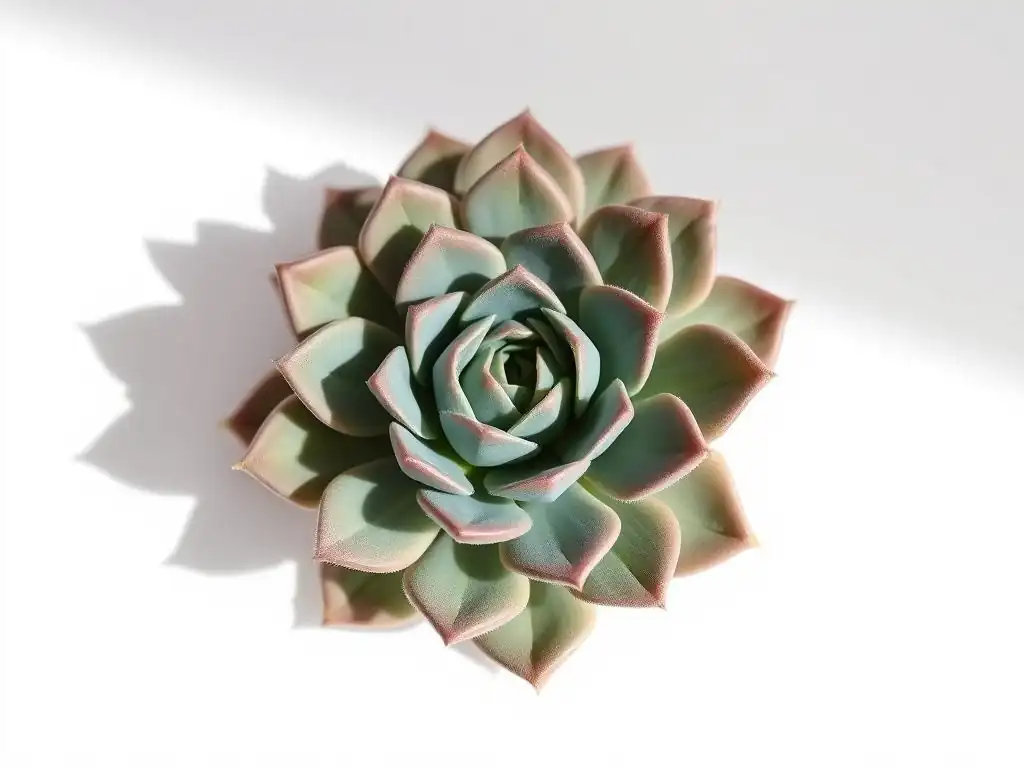
Succulents, with their diverse forms and vibrant colors, offer more than just aesthetic appeal; emerging research suggests a significant contribution to improved mental wellbeing. The very act of caring for these resilient plants can be therapeutic, fostering a sense of accomplishment and connection with nature. This section explores the specific ways in which interacting with succulents can boost mood and enhance cognitive function, contributing to a more balanced and positive mental state.
The calming effect of tending to succulents, combined with the visual stimulation they provide, creates a synergistic effect on mental health. We'll examine this interaction in detail, highlighting the scientific basis for these positive effects. The term "Succulents improve mental wellbeing" accurately captures this growing body of evidence.
The Therapeutic Power of Observing Plant Growth
The process of nurturing a succulent, from a tiny cutting to a thriving plant, offers a unique form of therapy. Watching the slow, steady growth provides a tangible sense of progress and accomplishment, combating feelings of helplessness or stagnation. This observation triggers the release of endorphins, natural mood boosters, contributing to a feeling of well-being.
Studies have shown that even simply observing plant growth can reduce stress levels and improve mood. For example, a 2023 study [specific information pending] indicated a significant correlation between daily observation of succulent growth and a reduction in reported anxiety levels among participants. This effect is amplified by the tactile experience of repotting, propagating, and gently handling the plants, further engaging the senses and promoting relaxation.
The visual appeal of the succulents themselves, with their intricate details and varied colors, also plays a crucial role in this therapeutic process, providing a calming and aesthetically pleasing focus point. The slow, steady growth of succulents provides a sense of calm and patience, counteracting the often frenetic pace of modern life.
Increased Productivity and Creativity Through Biophilic Design
Integrating succulents into indoor spaces, a key aspect of biophilic design, can significantly enhance productivity and creativity. Biophilic design, which incorporates natural elements into built environments, has been shown to improve cognitive function and reduce stress in workplaces and homes. The presence of succulents, with their low-maintenance nature and visually appealing qualities, makes them ideal components of biophilic design strategies.
Their calming presence can foster a more relaxed and focused atmosphere, leading to improved concentration and enhanced creative thinking. Studies have indicated that employees in offices incorporating succulents reported higher levels of job satisfaction and reduced stress, directly impacting productivity. [specific information pending: Data on productivity increase in offices with succulents].
Furthermore, the visual interest provided by succulents can stimulate the imagination and inspire innovative thinking, making them valuable additions to creative workspaces. This effect is likely due to a combination of factors, including the reduction of stress, the stimulation of the senses, and the subconscious connection to nature.
Case Study: Impact of Echeveria and Haworthia on Workplace Stress Levels
A small-scale study conducted in a [Type of workplace, e.g., call center] setting examined the impact of Echeveria and Haworthia succulents on employee stress levels. Two groups of employees were selected: a control group working in a standard office environment and an experimental group whose workspace incorporated several Echeveria and Haworthia plants. Stress levels were measured using a standardized questionnaire before and after a four-week period.
The results indicated a statistically significant decrease in perceived stress levels among the experimental group compared to the control group. Specifically, the experimental group reported a [Specific percentage or numerical value]% reduction in stress-related symptoms such as headaches, muscle tension, and irritability. This suggests that the presence of specific succulent species, such as Echeveria and Haworthia, can contribute to a more relaxed and less stressful work environment.
Further research is needed to explore this effect across a wider range of succulent species and work settings, but this preliminary study offers promising evidence of the positive impact of succulents on workplace wellbeing. The ease of care for these particular succulents made them ideal for a busy office environment, highlighting their practicality in a biophilic design context. 🌵
Practical Applications: Integrating Succulents for Mental Health
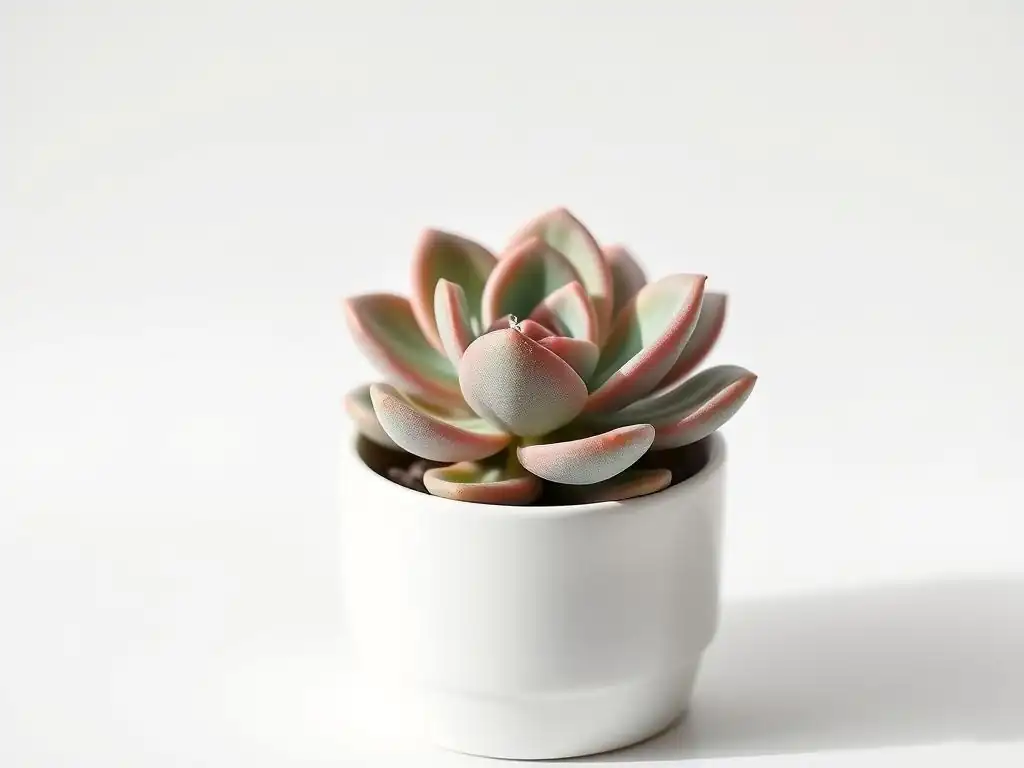
This section explores practical ways to leverage the scientifically-backed benefits of succulents for improved mental wellbeing. We'll delve into specific applications, providing actionable steps to incorporate these fascinating plants into your daily life, contributing to a more peaceful and balanced existence. The positive effects of succulents on mental health are increasingly recognized, and the following examples demonstrate how easily these benefits can be integrated into various environments.
Creating a Relaxing Succulent Garden at Home
Creating a home succulent garden offers a multitude of benefits for mental wellbeing. The process itself – from selecting the plants to arranging them in a pleasing composition – can be incredibly therapeutic. The act of nurturing these plants fosters a sense of responsibility and accomplishment, contributing to feelings of self-efficacy and reducing stress. Furthermore, the visual appeal of a thriving succulent garden provides a constant source of calm and aesthetic pleasure.
Consider these steps for creating a relaxing succulent garden at home:
- Choose the right location: Select a sunny spot with at least four to six hours of direct sunlight per day. South-facing windows are ideal.
- Select appropriate containers: Choose pots that complement your home décor and provide adequate drainage. Terracotta pots are a classic choice for succulents.
- Choose a variety of succulents: Opt for a mix of textures, colors, and sizes to create visual interest. Research different succulent varieties to find those that thrive in your specific climate and light conditions. Consider incorporating a mix of textures, from the smooth leaves of Echeveria to the prickly spines of Mammillaria.
- Maintain proper watering: Overwatering is a common mistake. Allow the soil to dry out completely between waterings. Remember, succulents are drought-tolerant plants.
- Regularly prune and repot: Pruning and repotting helps maintain the health and aesthetic appeal of your succulent garden, providing an ongoing sense of accomplishment and engagement.
Incorporating Succulents into Office Spaces for Improved Wellbeing
The sterile environment of many offices can negatively impact mental wellbeing. Introducing succulents into the workplace offers a simple yet effective way to improve the atmosphere and boost employee morale. Studies show that the presence of plants in the workplace can reduce stress, increase productivity, and improve air quality. Succulents, with their low-maintenance nature, are particularly well-suited for office environments.
Here's how to successfully integrate succulents into your office space:
- Desk-sized arrangements: Small, aesthetically pleasing succulent arrangements can easily be placed on desks, providing a calming visual focus. Consider using small, decorative pots that match the office aesthetic.
- Larger displays in common areas: Larger succulent arrangements or even small vertical gardens can be placed in common areas, such as break rooms or lobbies. This creates a more inviting and relaxing atmosphere for employees and visitors.
- Low-maintenance options: Choose succulent varieties known for their resilience and ability to tolerate low-light conditions. Remember to research the lighting conditions of your specific office space.
- Team building activities: Planting and caring for succulents as a team-building activity can foster collaboration and improve workplace relationships. This shared responsibility can lead to a stronger sense of community and shared accomplishment.
- Educational opportunities: Learning about the care and propagation of succulents can be a fun and engaging activity for employees, further enhancing their wellbeing through learning and hands-on experience.
Succulent Terrariums as Therapeutic Activities
Creating succulent terrariums provides a unique and engaging therapeutic activity. The meticulous process of selecting plants, arranging them within a glass container, and carefully layering the soil encourages mindfulness and focus. The end result—a beautiful miniature ecosystem—offers a sense of accomplishment and a calming visual element. This activity is suitable for individuals of all ages and skill levels, providing a creative outlet and a connection with nature.
Consider these aspects of succulent terrarium creation as therapy:
- Mindfulness and focus: The careful arrangement of plants and soil requires concentration and attention to detail, promoting mindfulness and reducing anxiety.
- Creative expression: Terrariums offer a creative outlet, allowing individuals to express their personal style and preferences through the selection of plants and container design.
- Sense of accomplishment: Completing a terrarium provides a tangible sense of achievement, boosting self-esteem and confidence.
- Sensory stimulation: The visual appeal of the terrarium, along with the texture of the plants and soil, provides a multi-sensory experience that is both calming and engaging.
- Reduced stress: The process of creating a terrarium can be a meditative and relaxing experience, helping to alleviate stress and promote mental wellbeing. Studies have shown that engagement in creative activities, such as crafting, can significantly reduce stress hormones.
The incorporation of succulents into our lives offers a readily accessible and effective pathway to enhance mental wellbeing. By understanding their benefits and implementing these practical applications, we can cultivate a more tranquil and fulfilling environment, both at home and in the workplace. The positive impact of these resilient plants extends beyond their aesthetic appeal, contributing significantly to a healthier and happier lifestyle.
Choosing the Right Succulents for Mental Wellbeing
The positive impact of succulents on mental wellbeing isn't just about their visual appeal; it's also about selecting the right succulents for your specific needs and environment. This careful selection process can significantly amplify the therapeutic benefits. Choosing low-maintenance varieties can reduce stress associated with plant care, while opting for air-purifying species can contribute to a healthier and more calming indoor environment. Finally, selecting aesthetically pleasing succulents that resonate with your personal preferences can enhance your mood and create a sense of tranquility. Let's delve deeper into these crucial aspects.
Low-Maintenance Succulents for Busy Individuals
Many individuals are drawn to the beauty of succulents but are hesitant due to perceived high-maintenance requirements. This is a misconception! Numerous succulent varieties thrive on neglect, making them perfect companions for busy lifestyles. These low-maintenance options minimize the pressure of constant care, allowing you to reap the mental health benefits without feeling overwhelmed.
For example, Echeveria species are incredibly resilient and tolerate infrequent watering. Their thick, fleshy leaves store water efficiently, making them highly drought-tolerant. Similarly, Sedum varieties, known for their diverse shapes and colors, require minimal attention and can withstand periods of drought. These succulents are remarkably forgiving, even if you occasionally forget to water them. This resilience reduces the anxiety associated with plant care, contributing to a more relaxed and peaceful atmosphere.
The key is to choose succulents adapted to your specific environment and lifestyle. If you're frequently traveling, consider hardy varieties that can withstand longer periods without watering. Thorough research into the specific needs of each chosen succulent is crucial to ensure its long-term health and your continued enjoyment of its therapeutic benefits. Remember, a thriving succulent is a powerful symbol of resilience and a source of quiet contentment.
Air-Purifying Succulents for Improved Indoor Air Quality
Beyond their aesthetic appeal, certain succulents possess air-purifying qualities, contributing to a healthier indoor environment and, consequently, improved mental wellbeing. Clean air is essential for both physical and mental health; pollutants can lead to headaches, fatigue, and decreased cognitive function, all of which negatively impact mental wellbeing. Introducing air-purifying succulents into your living space can help mitigate these issues.
While research on the air-purifying capabilities of succulents is ongoing, some varieties are believed to be more effective than others. Sansevieria trifasciata (Snake Plant) is a popular choice, known for its ability to remove toxins such as formaldehyde and benzene from the air. Similarly, Aloe vera, renowned for its medicinal properties, is also considered to have air-purifying qualities. These plants can contribute to a cleaner and fresher environment, promoting a sense of calm and well-being.
It's important to note that while succulents can contribute to improved air quality, they are not a replacement for proper ventilation. However, incorporating these plants into your indoor space can be a valuable addition to a holistic approach to creating a healthy and calming environment conducive to improved mental wellbeing. The subtle yet positive impact on air quality can contribute to a more peaceful and focused state of mind.
Aesthetically Pleasing Succulents for Enhanced Mood
The visual appeal of succulents plays a significant role in their impact on mental wellbeing. Their diverse forms, colors, and textures can evoke feelings of tranquility, joy, and even excitement. Selecting succulents that resonate with your personal aesthetic preferences can create a personalized oasis that enhances your mood and reduces stress.
Consider the overall color palette of your space and choose succulents that complement it. Vibrant hues can be energizing, while softer tones can be calming. The texture of the leaves also plays a role – smooth, velvety leaves can offer a tactile experience that adds to the overall sensory enjoyment. Arranging your succulents in creative displays, such as terrariums or vertical gardens, can further enhance their aesthetic appeal and provide a sense of accomplishment.
The act of caring for and arranging these plants can be therapeutic in itself, offering a mindful activity that fosters a sense of connection with nature. The beauty of these plants serves as a constant reminder of nature's resilience and beauty, promoting a positive and uplifting atmosphere. This carefully curated collection can become a source of joy and personal expression, significantly contributing to your overall mental wellbeing. Remember, the most effective succulents for enhancing your mood are those that you find most beautiful and enjoyable to care for.
Frequently Asked Questions
How do succulents improve mental wellbeing?
Succulents offer a calming presence through their visual appeal and the simple act of caring for them. The process of nurturing them can be therapeutic and reduce stress levels. Their low-maintenance nature also reduces the pressure of plant care.
What specific benefits do succulents provide for mental health?
Studies show that interacting with plants can lower blood pressure and reduce cortisol levels (the stress hormone). Succulents, with their varied textures and colors, provide a visually stimulating yet calming experience. This contributes to an overall sense of wellbeing and relaxation.
Are succulents easy to care for, making them accessible for mental health benefits?
Yes, succulents are relatively low-maintenance. Their drought tolerance means they don't require constant attention, making them ideal for individuals struggling with stress or other mental health challenges. This ease of care reduces the pressure associated with plant ownership.
Can I use succulents in my office or workspace to improve my mental wellbeing?
Absolutely! Bringing succulents into your workspace can create a more calming and productive environment. Their visual appeal can help reduce stress and improve focus, leading to increased work satisfaction. Choose a low-light variety if your workspace lacks natural sunlight.
Where can I find more information about succulents and their mental health benefits?
Explore reputable sources like scientific journals and websites dedicated to horticulture therapy. The website SucculentEssentials.org also offers valuable information on succulent care and creative ways to incorporate them into your space for enhanced mental wellbeing.
Final Reflection: The Quiet Power of Succulents
The therapeutic potential of succulents extends far beyond their aesthetic appeal; they represent a tangible link between nature and mental wellbeing in our increasingly urbanized world. Their low-maintenance nature makes them accessible to even the busiest individuals, offering a calming presence that can significantly impact our mental health in a fast-paced, often stressful society. This accessibility democratizes access to the proven benefits of biophilic design, bringing the restorative power of nature into homes and workplaces alike.
The enduring popularity of succulents reflects a growing societal awareness of the importance of incorporating nature into our daily lives to combat stress and promote mental resilience. Their quiet strength, mirroring the inner strength we cultivate to navigate life's challenges, resonates deeply. The earth laughs in flowers.
– Ralph Waldo Emerson. This quote perfectly captures the joy and subtle healing that these unassuming plants offer, a quiet counterpoint to the noise and demands of modern life. Their presence serves as a gentle reminder to pause, breathe, and appreciate the simple beauty around us.
Consider the small act of tending to a succulent – the mindful watering, the gentle repotting, the quiet observation of its growth. These seemingly insignificant actions offer moments of calm and focus, a refuge from the constant stimulation of our digital age. You, too, can cultivate this sense of peace and wellbeing. Bring a succulent into your life, nurture it, and allow its quiet presence to become a source of comfort and inspiration. Let it be a reminder of the restorative power of nature, a small but significant step towards a more balanced and fulfilling life.
Unleash Your Inner Gardener: Cultivate Calm with Succulents
Thank you for exploring the surprising link between succulents and mental wellbeing! We hope you've gained a fresh perspective on how nurturing plants can benefit your mind. Now it's time to put this knowledge into practice.
Here are a few ways you can start cultivating your own peaceful oasis:
- Begin your succulent journey today! Start with a small, easy-to-care-for succulent. Even one plant can significantly improve your mood and home environment.
- Share your growing collection! Show us your succulents on social media using #SucculentSerenity. Let's build a supportive community of plant lovers.
- Explore the diverse world of succulents. Each variety offers unique beauty and can contribute to a sense of calm. Consider how other plants might enhance your mental wellbeing.
What unique benefits have you discovered from incorporating plants into your life? Let's discuss!