
Nutrient Necessities: Ensuring Balanced Feeding for Greenhouse Succulents


Welcome to SucculentEssentials.org, where the fascinating world of succulents unfolds before you! Are you ready to unlock the secrets to thriving succulents? We delve into every aspect of succulent care, from basic propagation to advanced techniques. But first, let's address a critical question for those cultivating these beauties in a greenhouse: what are the specific fertilizer needs of your precious succulents? Discover the answers within our insightful article, "Nutrient Necessities: Ensuring Balanced Feeding for Greenhouse Succulents," and embark on a journey to cultivate truly exceptional plants.
- Understanding Greenhouse Succulent Fertilizer Needs
- Crafting a Balanced Fertilizer Regime for Greenhouse Succulents
- Advanced Techniques for Greenhouse Succulent Nutrition
- Troubleshooting Common Nutrient-Related Issues in Greenhouse Succulents
- Case Studies: Successful Nutrient Management Strategies in Greenhouse Succulent Cultivation
-
Frequently Asked Questions
- What type of fertilizer is best for greenhouse succulents?
- How often should I fertilize my greenhouse succulents?
- Can I use regular houseplant fertilizer on my greenhouse succulents?
- What are the signs of fertilizer burn in greenhouse succulents?
- How do I adjust my fertilization strategy for different succulent species?
- Final Reflection: Cultivating Thriving Succulents, Cultivating a Thriving Future
- Unleash Your Succulents' Full Potential!
Understanding Greenhouse Succulent Fertilizer Needs
Cultivating thriving succulents in a greenhouse environment requires a nuanced understanding of their nutritional needs. Unlike outdoor succulents, which rely on natural soil composition and infrequent rainfall, greenhouse succulents require careful monitoring and supplementation to ensure optimal growth and health. This article delves into the specific fertilizer requirements for greenhouse succulents, highlighting the essential macronutrients and micronutrients vital for robust development.
We will explore the visual cues indicating nutrient deficiencies and provide practical solutions to address these imbalances, ultimately guiding you toward creating a flourishing succulent collection within your controlled greenhouse habitat. Mastering greenhouse succulent fertilizer needs is crucial for replicating the ideal natural environment these fascinating plants crave, leading to vibrant, healthy growth and minimizing the risk of common nutrient-related problems. This guide is specifically designed to address the keyword "Greenhouse succulent fertilizer needs" and provide comprehensive information for experienced succulent enthusiasts and greenhouse cultivators.
Essential Macronutrients for Greenhouse Succulents: Nitrogen, Phosphorus, and Potassium
Succulents, like all plants, require a balanced supply of macronutrients for robust growth. Nitrogen (N), phosphorus (P), and potassium (K) are the essential building blocks for healthy succulent development. Nitrogen is crucial for leaf growth and vibrant green coloration. A deficiency manifests as pale, yellowing leaves, stunted growth, and overall weakness.
Phosphorus is vital for root development, flowering, and overall plant vigor. Phosphorus deficiency can lead to poor root growth, delayed flowering, and purplish discoloration of leaves. Finally, potassium plays a crucial role in regulating water balance, disease resistance, and overall plant health. Potassium deficiency can result in weak stems, leaf browning at the edges, and increased susceptibility to diseases.
The ideal NPK ratio for succulents varies depending on the growth stage and species, but a balanced fertilizer with a ratio around 1-1-1 or a slightly higher potassium content is generally recommended for greenhouse cultivation. Always follow the manufacturer's instructions carefully, adjusting the concentration based on the specific needs of your plants and the growing medium. Remember that over-fertilization can be just as harmful as under-fertilization, potentially leading to root burn and salt buildup.
Micronutrient Requirements: The Often-Overlooked Elements for Healthy Growth
While macronutrients form the foundation of succulent nutrition, micronutrients are equally crucial, albeit in smaller quantities. These trace elements, including iron (Fe), manganese (Mn), zinc (Zn), copper (Cu), boron (B), molybdenum (Mo), and chlorine (Cl), play vital roles in various metabolic processes. Deficiencies in micronutrients can manifest in subtle yet significant ways, impacting growth, flowering, and overall plant health.
For instance, iron deficiency can cause chlorosis (yellowing of leaves), while manganese deficiency can lead to spots and discoloration. Zinc deficiency may result in stunted growth and distorted leaves. Providing a balanced, complete fertilizer that includes these micronutrients is essential for optimal growth.
You can supplement with micronutrient sprays or use a specialized succulent fertilizer formulated to provide all essential nutrients in appropriate ratios. Regularly testing your greenhouse’s water and soil pH is also crucial, as pH imbalances can affect the availability of micronutrients to your plants. Monitoring your plants closely for any signs of deficiency is key to proactively addressing micronutrient needs.
Diagnosing Nutrient Deficiencies in Greenhouse Succulents: Visual Clues and Solutions
Recognizing nutrient deficiencies in your greenhouse succulents is crucial for timely intervention. Careful observation is key. Pay close attention to leaf color, growth rate, and overall plant vigor. Yellowing leaves may indicate nitrogen or iron deficiency, while purplish discoloration can suggest phosphorus deficiency. Brown leaf edges often signal potassium deficiency.
Stunted growth may point to a deficiency in multiple nutrients. Maintaining detailed records of your fertilization practices and regularly inspecting your plants will enable you to identify and address problems early. When a deficiency is suspected, soil testing can provide valuable insights into the specific nutrient imbalances. Based on the test results, you can adjust your fertilization strategy to provide the necessary nutrients.
Remember that correcting nutrient deficiencies takes time, and patience is crucial. Consistent monitoring and appropriate adjustments to your fertilization program will ensure your greenhouse succulents thrive. Moreover, proper watering techniques and maintaining optimal greenhouse conditions also play a significant role in nutrient uptake and overall plant health. A holistic approach, incorporating balanced fertilization, proper watering, and suitable environmental conditions, is essential for creating a thriving greenhouse succulent collection.
Crafting a Balanced Fertilizer Regime for Greenhouse Succulents
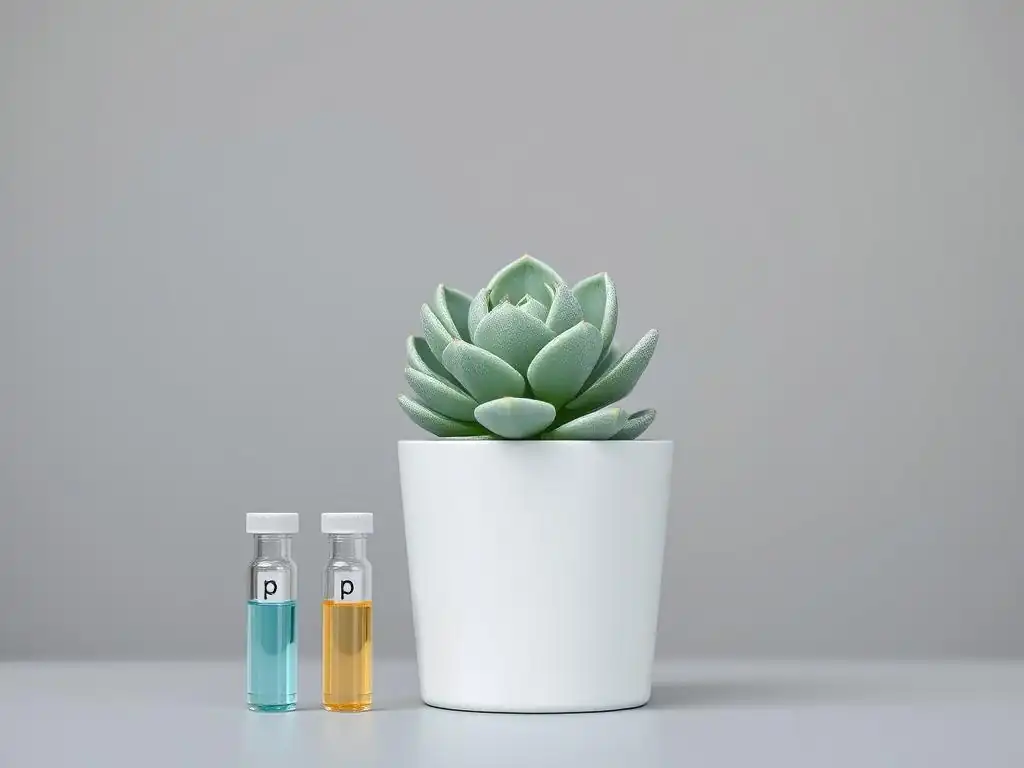
Successfully cultivating succulents in a greenhouse environment hinges on providing the right nutrients at the right time. Greenhouse succulent fertilizer needs differ from outdoor cultivation due to the controlled environment. While the controlled environment minimizes some environmental stressors, it also necessitates a more precise and managed approach to fertilization to prevent nutrient deficiencies or excesses. This section delves into creating a balanced fertilizer regime specifically tailored to greenhouse succulents, optimizing their growth and health. Understanding your succulents' specific needs and carefully monitoring their response to fertilization is crucial for success.
Selecting the Right Fertilizer Type: Organic vs. Inorganic Options for Greenhouse Cultivation
Choosing between organic and inorganic fertilizers is a critical first step in crafting your greenhouse succulent feeding plan. Each option presents unique advantages and drawbacks for greenhouse cultivation.
Inorganic Fertilizers: These fertilizers, often derived from minerals, provide readily available nutrients in a readily absorbed form. They are generally more potent and offer a precise nutrient profile, allowing for stricter control over nutrient levels. This precision is particularly beneficial in greenhouse settings where environmental factors are controlled. However, overuse can lead to salt buildup in the soil, potentially harming your succulents. Examples include commercially available soluble salts containing NPK ratios like 10-10-10 or 20-20-20. These should be diluted significantly according to the manufacturer's instructions, often much more diluted than recommended for other plants.
Organic Fertilizers: These fertilizers, derived from natural sources like compost, manure, or seaweed, release nutrients more slowly. This slow-release mechanism reduces the risk of over-fertilization, a common problem with succulents. They also improve soil structure and microbial activity, benefiting overall soil health. However, the nutrient content can be less predictable, making precise control more challenging. For greenhouse succulents, using a balanced, well-composted organic matter would be preferred, avoiding overly rich or nitrogen-heavy options that could promote leggy growth.
| Fertilizer Type | Advantages | Disadvantages | Suitability for Greenhouse Succulents |
|---|---|---|---|
| Inorganic | Precise nutrient control, readily available | Risk of salt buildup, potential for burning | Moderate, with careful dilution and monitoring |
| Organic | Slow release, improves soil health | Less predictable nutrient content | High, when using well-balanced, slow-release options |
The best choice often depends on your experience level and the specific needs of your succulent collection. Beginners might find organic fertilizers easier to manage, while experienced growers may prefer the precision of inorganic options.
Determining the Optimal Fertilizer Concentration: Avoiding Over- and Under-Fertilization
Over-fertilization is a significant risk when growing succulents, particularly in greenhouses where the controlled environment can exacerbate the effects of excess nutrients. Over-fertilized succulents often exhibit signs of salt burn – brown, crispy leaf tips or edges. Under-fertilization, on the other hand, leads to stunted growth and pale, weak foliage. Finding the right balance is essential.
The optimal fertilizer concentration varies greatly depending on the type of fertilizer, the succulent species, the growth stage, and the potting mix. Always start with a diluted solution, significantly lower than the manufacturer's recommended concentration, especially for inorganic fertilizers. It is far better to under-fertilize than to risk burning your plants. Observe your succulents carefully for signs of nutrient deficiency or excess. If you see signs of over-fertilization, immediately flush the soil with plenty of water to leach out excess salts. For under-fertilization, gradually increase the concentration of your chosen fertilizer.
Many experienced greenhouse succulent growers advocate for a "less is more" approach, using a very weak solution frequently rather than infrequent applications of stronger fertilizer. This strategy mimics the infrequent, light rainfall experienced by many succulents in their natural habitats.
Developing a Seasonal Feeding Schedule: Tailoring Nutrient Input to Succulent Growth Cycles
Succulents have distinct growth cycles, typically more active during spring and summer and dormant during autumn and winter. Tailoring your feeding schedule to these cycles is crucial for optimal plant health.
During the active growth phase (spring and summer), succulents require more nutrients to support their rapid growth. You can increase the frequency of fertilizer applications, but always maintain a diluted concentration to prevent over-fertilization.
During the dormant phase (autumn and winter), succulents' growth slows considerably. Reduce or completely cease fertilization during this period to avoid unnecessary nutrient buildup in the soil. Over-fertilizing dormant succulents can lead to root rot and other problems.
A sample seasonal feeding schedule might look like this:
- Spring/Summer: Fertilize every 2-4 weeks with a diluted solution.
- Autumn/Winter: Reduce or cease fertilization.
Remember that these are just guidelines. Always monitor your succulents closely and adjust your feeding schedule as needed based on their individual needs and responses. Observe leaf color, growth rate, and overall plant health to gauge the effectiveness of your fertilizer regime and make necessary adjustments. Careful observation and a flexible approach are key to success in greenhouse succulent cultivation.
Advanced Techniques for Greenhouse Succulent Nutrition
This section delves into sophisticated nutrient management strategies specifically tailored for greenhouse succulent cultivation. Mastering these techniques is crucial for achieving vigorous growth, vibrant coloration, and robust health in your succulent collection. Understanding the unique fertilizer needs of greenhouse succulents, including the impact of controlled environments, is paramount for success. We will explore advanced methods that go beyond basic fertilization, focusing on precision and optimization.
Implementing Controlled-Release Fertilizers: Ensuring Consistent Nutrient Delivery
Controlled-release fertilizers (CRF) offer a significant advantage in greenhouse succulent cultivation. Unlike traditional liquid fertilizers that require frequent applications, CRFs provide a sustained and consistent release of nutrients over an extended period, typically several months. This eliminates the risk of nutrient burn from over-fertilization, a common problem with liquid fertilizers, especially in the controlled environment of a greenhouse where water evaporation rates can be unpredictable.
The benefits extend beyond simply reduced application frequency. CRFs promote healthier root systems by preventing nutrient spikes and subsequent stress. This is particularly important for succulents, which often have shallow, sensitive root systems. The slow release also allows for more efficient nutrient uptake, minimizing waste and reducing the environmental impact.
Choosing the right CRF is critical. Look for formulations specifically designed for succulents or cacti, often containing a lower nitrogen (N) ratio compared to fertilizers for leafy greens. A balanced NPK ratio (e.g., 10-10-10 or a similar balanced ratio) is generally recommended, although the specific ratio may need adjustment based on the species and growth stage. Always follow the manufacturer's instructions carefully regarding application rates and placement within the growing medium. Incorrect application can still lead to problems, so careful monitoring is essential. Consider using granules designed to slowly dissolve, minimizing the chances of nutrient burn.
Furthermore, the type of CRF matters. Some CRFs use coatings that dissolve at different rates, allowing for a more tailored release profile. Others incorporate different types of polymers to control the release mechanism. Researching these options will assist in fine-tuning your fertilizer strategy to meet the specific needs of your greenhouse succulents.
Utilizing Foliar Feeding: Supplementing Soil Nutrition for Optimal Growth
Foliar feeding, the application of nutrients directly onto the leaves, provides a valuable supplement to soil fertilization in greenhouse succulent cultivation. While not a replacement for proper soil nutrition, foliar feeding can address nutrient deficiencies quickly and efficiently, especially in situations where root uptake might be limited. This technique is particularly beneficial during periods of rapid growth or when specific micronutrients are lacking.
The process involves spraying a diluted, water-soluble fertilizer solution directly onto the leaves, ensuring even coverage. It's crucial to use a low concentration of fertilizer to avoid leaf burn. Early morning or late evening application is recommended, avoiding direct sunlight which can intensify the effect of the fertilizer and cause scorching. Proper ventilation is also important to prevent fungal growth.
Foliar feeding is especially effective in delivering micronutrients like iron, manganese, and zinc, which are often less mobile in the soil and may not be readily absorbed by the roots. This can be particularly important for succulents exhibiting signs of chlorosis (yellowing of leaves), indicating a micronutrient deficiency. However, remember that foliar feeding should complement, not replace, regular soil fertilization. A balanced approach is key. [Specific ratios and fertilizer types for foliar feeding pending further research].
Monitoring Soil pH and Adjusting for Optimal Nutrient Uptake
Maintaining the correct soil pH is paramount for optimal nutrient uptake in greenhouse succulents. Succulents generally thrive in slightly acidic to neutral soil conditions, typically within a pH range of 6.0 to 7.0. However, the ideal pH can vary slightly depending on the specific species. Deviations from this range can significantly impact nutrient availability, even with adequate fertilization.
Regular pH testing is crucial. Use a reliable soil pH meter or testing kit to monitor the pH regularly. Adjustments can be made using pH-up or pH-down solutions available at most garden centers. Always make adjustments gradually, monitoring the pH after each application. Dramatic changes can stress the plants.
Nutrient uptake is directly affected by soil pH. For example, iron availability is drastically reduced in alkaline (high pH) soils, leading to iron chlorosis. Similarly, phosphorus availability can be limited in acidic (low pH) soils. By maintaining the optimal pH range, you ensure that essential nutrients are readily available for your succulents, fostering healthy growth and vibrant colors. Regular monitoring and timely adjustments are key to maintaining a thriving greenhouse succulent collection. A consistent monitoring schedule—say, every two weeks—will allow for proactive adjustments, preventing nutrient imbalances before they become significant issues.
This section delves into the practical aspects of addressing common nutrient problems encountered when cultivating succulents in a greenhouse environment. Understanding these issues and implementing effective solutions is crucial for maintaining the health and vibrancy of your succulent collection. Proper fertilization is a cornerstone of successful greenhouse succulent cultivation, and addressing problems promptly can prevent significant setbacks. This section will equip you with the knowledge to diagnose and rectify nutrient imbalances, optimizing your greenhouse succulent fertilizer needs.
Addressing Nutrient Burn: Recognizing Symptoms and Implementing Corrective Measures
Nutrient burn, a common issue in greenhouse succulent cultivation, arises from an overabundance of fertilizers. Symptoms typically manifest as scorched, brown leaf tips or edges, sometimes accompanied by a general wilting or stunted growth. The intensity of the burn depends on the severity of the over-fertilization and the specific succulent species involved. Echeverias, for instance, are particularly sensitive and exhibit burn symptoms more readily than hardy Sedums.
The first step in addressing nutrient burn is to immediately cease fertilization. Then, carefully flush the soil with copious amounts of clean water. This leaches excess salts and fertilizers from the growing medium, reducing the concentration of harmful ions around the roots. The frequency of flushing depends on the severity of the burn and the type of soil used. Well-draining mixes require less frequent flushing compared to those that retain more moisture.
| Symptom | Severity | Corrective Action |
|---|---|---|
| Brown, crispy leaf tips | Mild | Flush with water; monitor for improvement; resume fertilization at reduced concentration. |
| Extensive browning, wilting | Severe | Thoroughly flush; consider repotting into fresh, well-draining soil; withhold fertilizer. |
| Yellowing, followed by browning | Moderate; possibly magnesium deficiency | Flush; supplement with magnesium sulfate (Epsom salts) according to package instructions. |
Remember, prevention is key. Always adhere to the recommended fertilizer dilutions, and opt for slow-release fertilizers to minimize the risk of nutrient burn. Regular monitoring of your succulents is paramount, enabling early detection and swift intervention. Careful observation of your plants' response to fertilization is essential for preventing this common problem associated with greenhouse succulent fertilizer needs.
Combating Nutrient Deficiencies: Identifying and Addressing Specific Nutrient Shortfalls
Nutrient deficiencies in greenhouse succulents manifest in various ways, often affecting leaf color, growth rate, and overall plant vigor. Identifying the specific nutrient lacking is crucial for effective treatment. For example, a deficiency in nitrogen (N) leads to pale, yellowish leaves, while phosphorus (P) deficiency results in stunted growth and dark green or purplish leaves. Potassium (K) deficiency, on the other hand, often shows up as leaf scorching and browning of the margins.
Addressing these deficiencies involves supplementing the soil with the missing nutrient. This can be done through the application of specific fertilizers tailored to address individual nutrient needs, such as those enriched in nitrogen for pale leaves, or those with increased potassium for leaf scorching. Always follow the manufacturer's instructions carefully to avoid over-fertilizing.
Here’s a simplified guide to common deficiency symptoms:
- Nitrogen (N): Pale green or yellow leaves, stunted growth.
- Phosphorus (P): Dark green or purplish leaves, stunted growth, delayed flowering.
- Potassium (K): Leaf scorching, browning of leaf margins, weak stems.
- Magnesium (Mg): Yellowing between leaf veins (interveinal chlorosis).
- Calcium (Ca): Stunted growth, deformed leaves.
Remember, a balanced approach is crucial. While targeted supplementation addresses immediate deficiencies, maintaining a regular fertilization schedule with a balanced fertilizer ensures long-term nutrient provision and minimizes the likelihood of future deficiencies. This preventative approach is vital in managing greenhouse succulent fertilizer needs.
Preventing Salt Buildup in Greenhouse Soil: Maintaining Healthy Growing Media
Salt buildup in greenhouse soil is a significant concern, impacting water absorption and nutrient uptake by succulents. Over time, the accumulation of salts from fertilizers and irrigation water can create a hostile environment for root growth, resulting in stunted growth, wilting, and even plant death. This is particularly relevant considering the sensitivity of succulent roots to high salinity.
Preventing salt buildup requires a multi-pronged approach. First, use high-quality, well-draining potting mixes designed for succulents. These mixes typically incorporate materials like perlite and pumice, which improve drainage and aeration, reducing salt accumulation. Secondly, always use the recommended dilution rates for fertilizers and ensure that the water used for irrigation is low in salts. Regular flushing of the soil with clean water is essential for leaching accumulated salts.
The frequency of flushing depends on several factors, including the type of soil, the frequency of fertilization, and the water quality. As a general guideline, flushing every 2-3 months is often sufficient for many succulent species, but more frequent flushing may be necessary in situations with high salt accumulation or heavy fertilization. Monitoring the electrical conductivity (EC) of the soil can provide a more precise indication of salt levels. High EC readings indicate the need for flushing. Regular monitoring and proactive flushing are key elements in addressing greenhouse succulent fertilizer needs and maintaining a healthy growing environment. 🌵
Case Studies: Successful Nutrient Management Strategies in Greenhouse Succulent Cultivation
This section presents real-world examples of successful nutrient management in greenhouse succulent cultivation, highlighting specific strategies and their impact on plant health and growth. Understanding these case studies can help cultivators fine-tune their fertilization practices for optimal results, addressing the crucial aspect of greenhouse succulent fertilizer needs. These examples showcase the importance of tailored approaches based on specific succulent species and environmental conditions within the greenhouse.
Case Study 1: Nutrient Optimization Strategy for Echeveria laui
Echeveria laui, known for its beautiful powdery blue-green leaves, requires a delicate balance of nutrients. Over-fertilization can lead to unsightly leaf stretching and reduced compact growth. A greenhouse in southern California successfully cultivated Echeveria laui using a modified nutrient solution.
Initially, the grower used a standard commercial succulent fertilizer at the recommended strength. However, they observed elongated leaves and a less vibrant color. They then implemented a strategy that focused on reducing the nitrogen concentration by 50% while slightly increasing the phosphorus and potassium levels. This change was phased in over a month to avoid shocking the plants.
The results were striking. After three months, the Echeveria laui plants exhibited a more compact rosette structure with thicker, more intensely colored leaves. Measurements of leaf thickness showed an average increase of 15%, and the overall plant vigor significantly improved. This case demonstrates that even slight adjustments to nutrient ratios can dramatically affect the aesthetic appeal and health of Echeveria laui grown in a greenhouse setting. The grower also noted a reduction in pest infestations, possibly due to the improved plant health and resilience.
This success was further enhanced by careful monitoring of the greenhouse environment, including temperature and humidity levels, which are crucial factors influencing nutrient uptake and overall plant well-being. Regular soil testing and adjustments to the watering schedule further optimized the nutrient delivery system. This holistic approach underscores the importance of considering all factors contributing to successful greenhouse succulent cultivation and addressing greenhouse succulent fertilizer needs.
Case Study 2: Nutrient Management Success Story for Sedum morganianum
Sedum morganianum, or Burro's Tail, is a popular trailing succulent renowned for its cascading stems adorned with plump, bluish-green leaves. Its relatively low nutrient requirements make it a seemingly easy plant to grow. However, even with low-nutrient demands, improper fertilization can lead to etiolation (leggy growth) and reduced flowering.
A grower in Arizona experienced challenges with Sedum morganianum in their greenhouse. Plants initially showed slow growth and pale foliage, indicating nutrient deficiencies. They addressed this by employing a slow-release fertilizer specifically formulated for succulents, applying it at half the recommended dose. This was coupled with a regular watering schedule that avoided both overwatering and underwatering.
The results showed a considerable improvement. The plants exhibited significantly faster growth rates, with an average increase in stem length of 30% over a six-month period. Leaf color deepened, and the plants produced more flowers than in previous years. This showcases that even for succulents with low nutrient needs, the right fertilizer and application method are crucial for optimal growth and addressing greenhouse succulent fertilizer needs.
The success with Sedum morganianum can be attributed to the use of a slow-release fertilizer, which minimizes the risk of nutrient burn and provides a consistent supply of nutrients over time. Regular monitoring of the plants' health and making timely adjustments to the fertilization schedule are equally important. This approach ensures that the plants receive the necessary nutrients without exceeding their tolerance levels. The grower also meticulously maintained consistent environmental conditions within the greenhouse, further optimizing the plants' ability to effectively absorb and utilize the provided nutrients.
Frequently Asked Questions
What type of fertilizer is best for greenhouse succulents?
A balanced, slow-release fertilizer is ideal for greenhouse succulents. Look for a formula with a lower nitrogen (N) number compared to phosphorus (P) and potassium (K), such as a 10-20-10 blend. Avoid fertilizers high in nitrogen, as this can lead to leggy growth.
How often should I fertilize my greenhouse succulents?
Fertilizing frequency depends on the time of year and the plant's growth stage. During the active growing season (spring and summer), fertilize every 2-4 weeks. Reduce or stop fertilizing during the dormant period (fall and winter).
Can I use regular houseplant fertilizer on my greenhouse succulents?
While some houseplant fertilizers might work, it's best to use a fertilizer specifically formulated for succulents or cacti. These formulas are typically lower in nitrogen and higher in phosphorus and potassium, which succulents need for healthy growth and flowering.
What are the signs of fertilizer burn in greenhouse succulents?
Brown or yellowed leaves, especially at the tips or edges, can indicate fertilizer burn. Other symptoms include stunted growth and leaf drop. If you suspect fertilizer burn, immediately flush the soil with plenty of water.
How do I adjust my fertilization strategy for different succulent species?
Some succulents are more sensitive to over-fertilization than others. Research the specific needs of your succulent varieties. Start with a diluted fertilizer solution and gradually increase the concentration as needed, always observing your plants closely for any signs of stress.
Final Reflection: Cultivating Thriving Succulents, Cultivating a Thriving Future
The quest for perfectly balanced nutrition in greenhouse succulents isn't just about aesthetics; it's about ensuring the long-term health and resilience of these fascinating plants. A deeper understanding of their specific fertilizer needs directly impacts their ability to thrive, contributing to both the beauty of our collections and the broader conversation surrounding sustainable horticulture. Ignoring these needs can lead to stunted growth, disease susceptibility, and ultimately, the loss of these unique specimens.
The journey of understanding succulent nutrition has profoundly shifted my own approach to plant care. It's not just about following a prescribed formula; it's about observing, adapting, and learning from each plant's individual response. This process mirrors our own need for balanced care and attention, both physically and mentally. The glory of gardening: hands in the dirt, head in the sun, heart with nature. To nurture a garden is to feed not just the body, but the soul.
This quote resonates deeply as I reflect on the interconnectedness of nurturing plants and nurturing ourselves.
Now, consider your own approach to plant care. Are you providing your succulents with the specific nutrients they need to flourish? Take the time to observe their growth, understand their individual needs, and adjust your fertilization strategy accordingly. Remember, the journey of cultivating healthy succulents is a journey of continuous learning and adaptation, a journey that mirrors our own personal growth and development. Embrace the challenge, and watch your plants—and yourself—thrive.
Unleash Your Succulents' Full Potential!
Thank you for exploring the world of succulent nutrition! We hope you've gained valuable insights into creating a thriving, balanced diet for your plants. Now it's time to put that knowledge into practice.
- Develop your ideal succulent fertilizer: Using the article's guidelines, experiment with different nutrient ratios to discover what best suits your specific succulents. Don't be afraid to get creative!
- Share your successes: Tell the SucculentEssentials.org community about your fertilization experiments—what worked, what didn't, and what you learned. Inspire others!
- Track your progress: Photograph your succulents before and after implementing your new fertilizer plan. Monitor growth, color changes, and overall health to clearly measure your success.
What unique nutrient blend will you create to showcase your succulents at their best?